








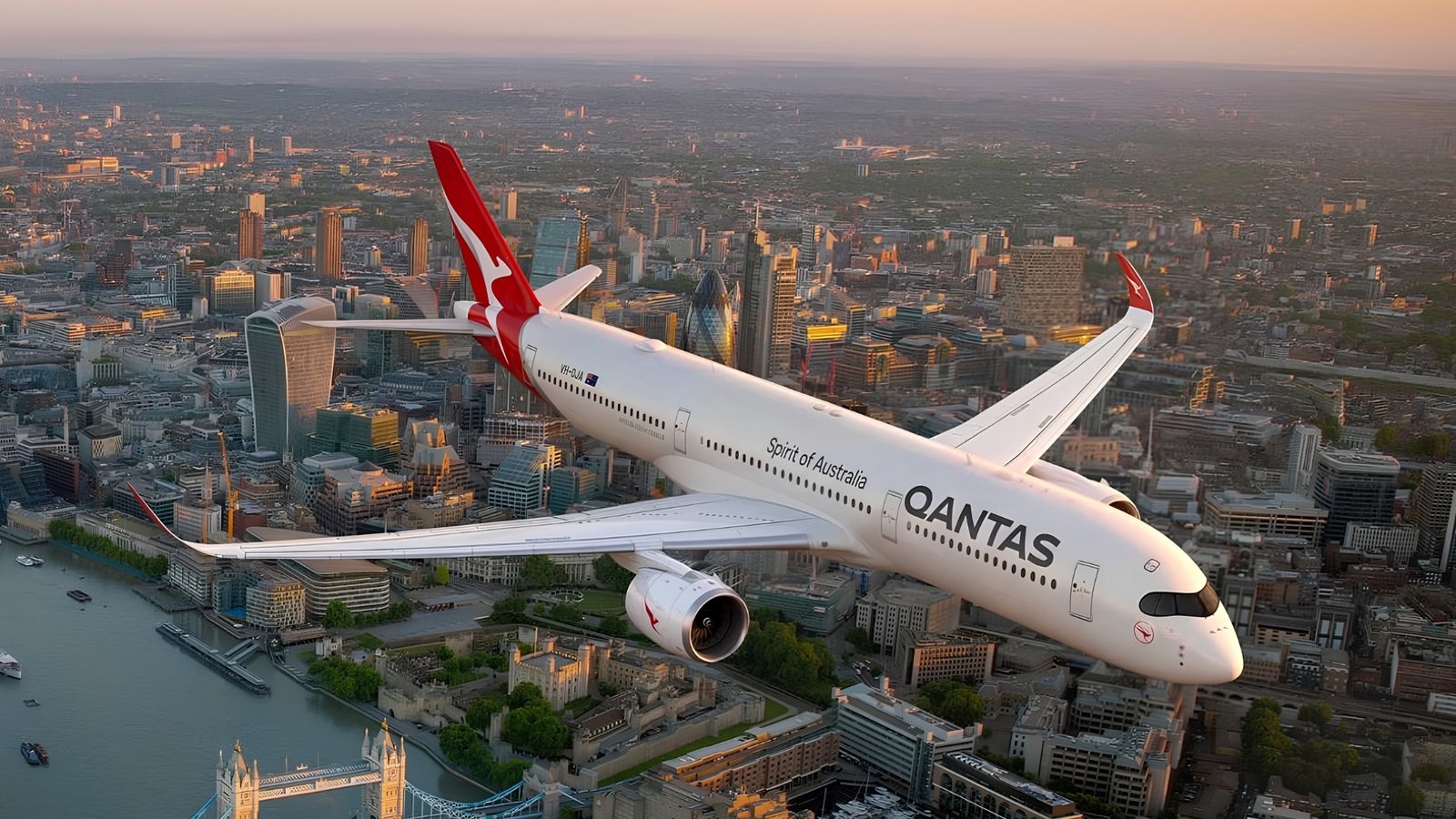


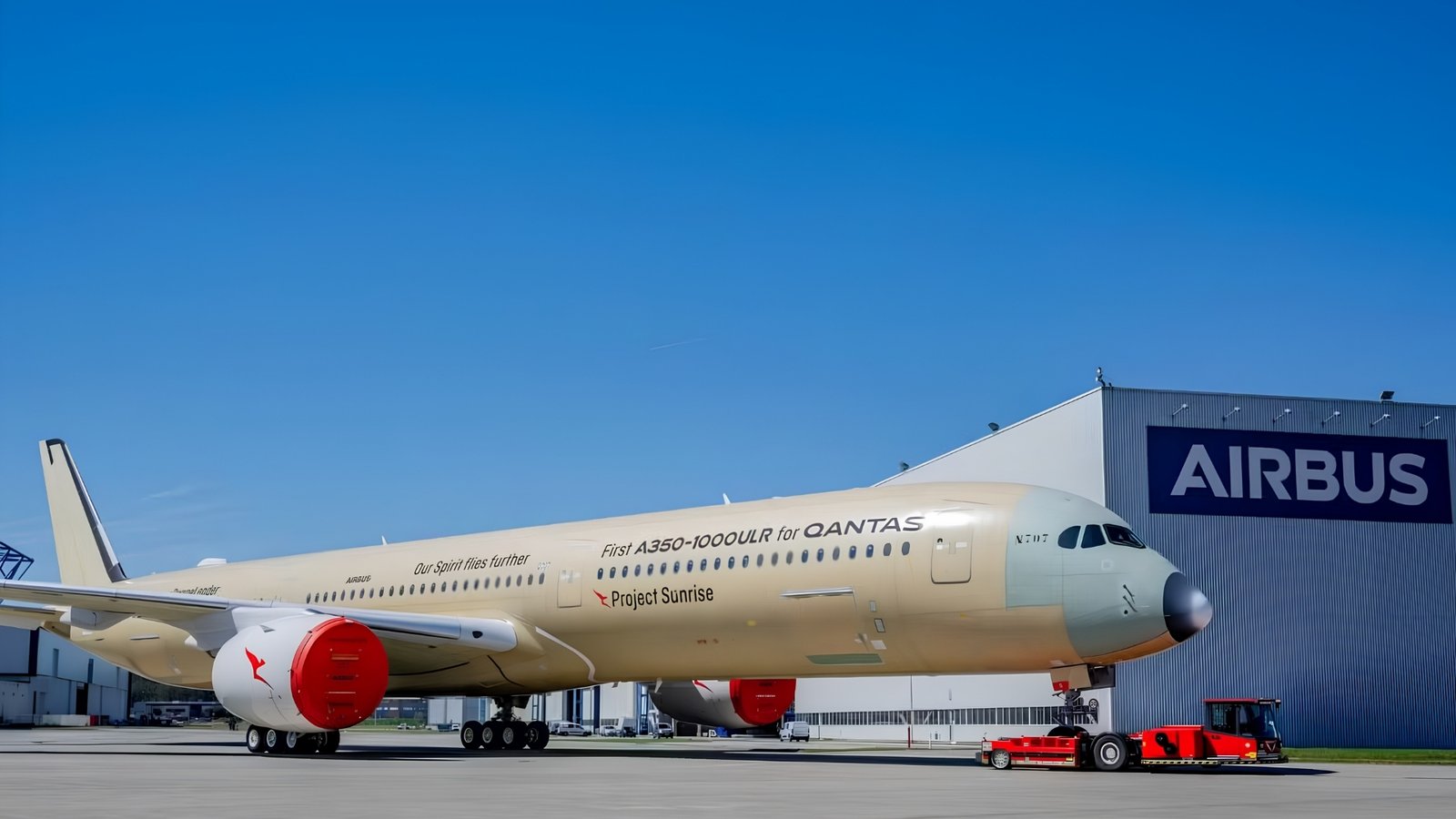
Qantas has pulled the cover off the aircraft built to fly the world’s longest routes, presenting the first of its Airbus A350-1000ULRs at the Toulouse factory and confirming that the inaugural Sydney to London non-stop will begin in October 2027. This is the heart of Project Sunrise, the airline’s decade-old plan to link eastern Australia with London and New York without a stop. The first jet flew in early June and is now midway through a two-month certification campaign before it enters commercial service.
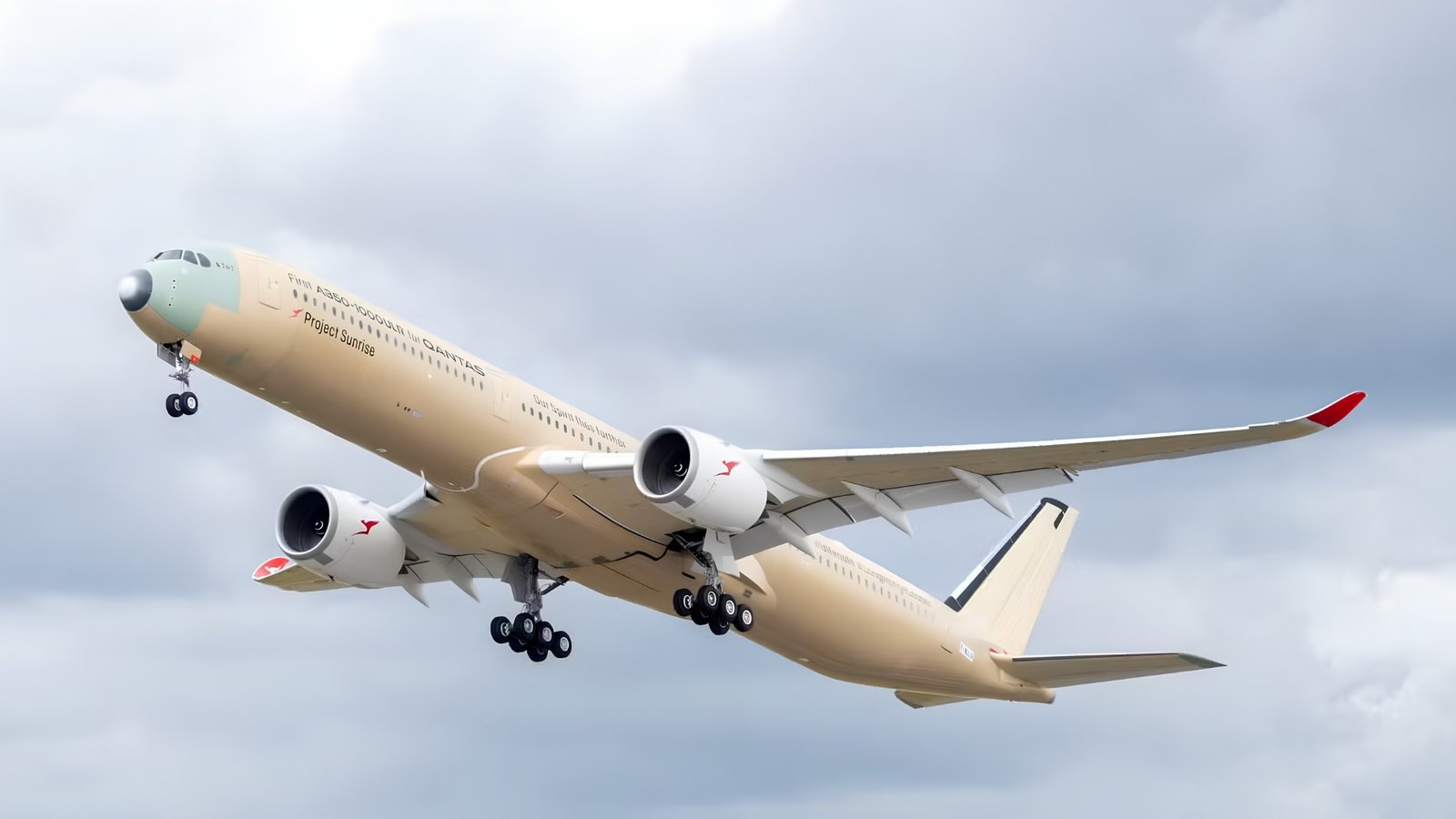
The aircraft, registered MSN 707 for testing purposes, flew for three hours and 43 minutes on its maiden flight, reaching an altitude just above 41,000 feet. The flight focused on validating the systems that distinguish the ULR — for ultra-long range — from a standard A350-1000: principally a new rear centre fuel tank, integrated directly into the airframe, that adds roughly 20,000 litres of capacity and extends the aircraft’s reach by about 1,000 nautical miles. That single modification is what makes Sydney to London, at close to 17,000 kilometres and up to 22 hours, the longest scheduled flight in the world.
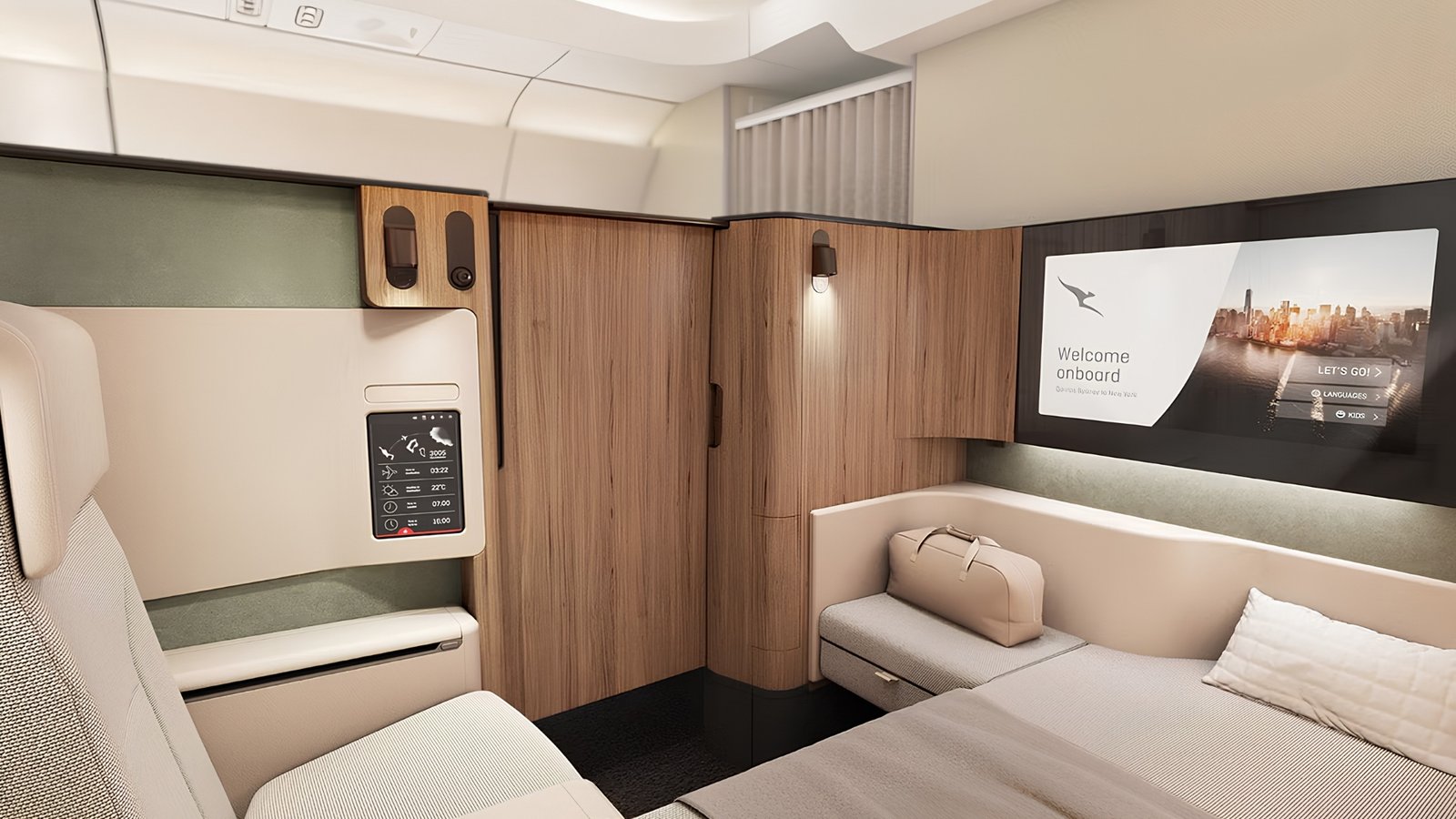
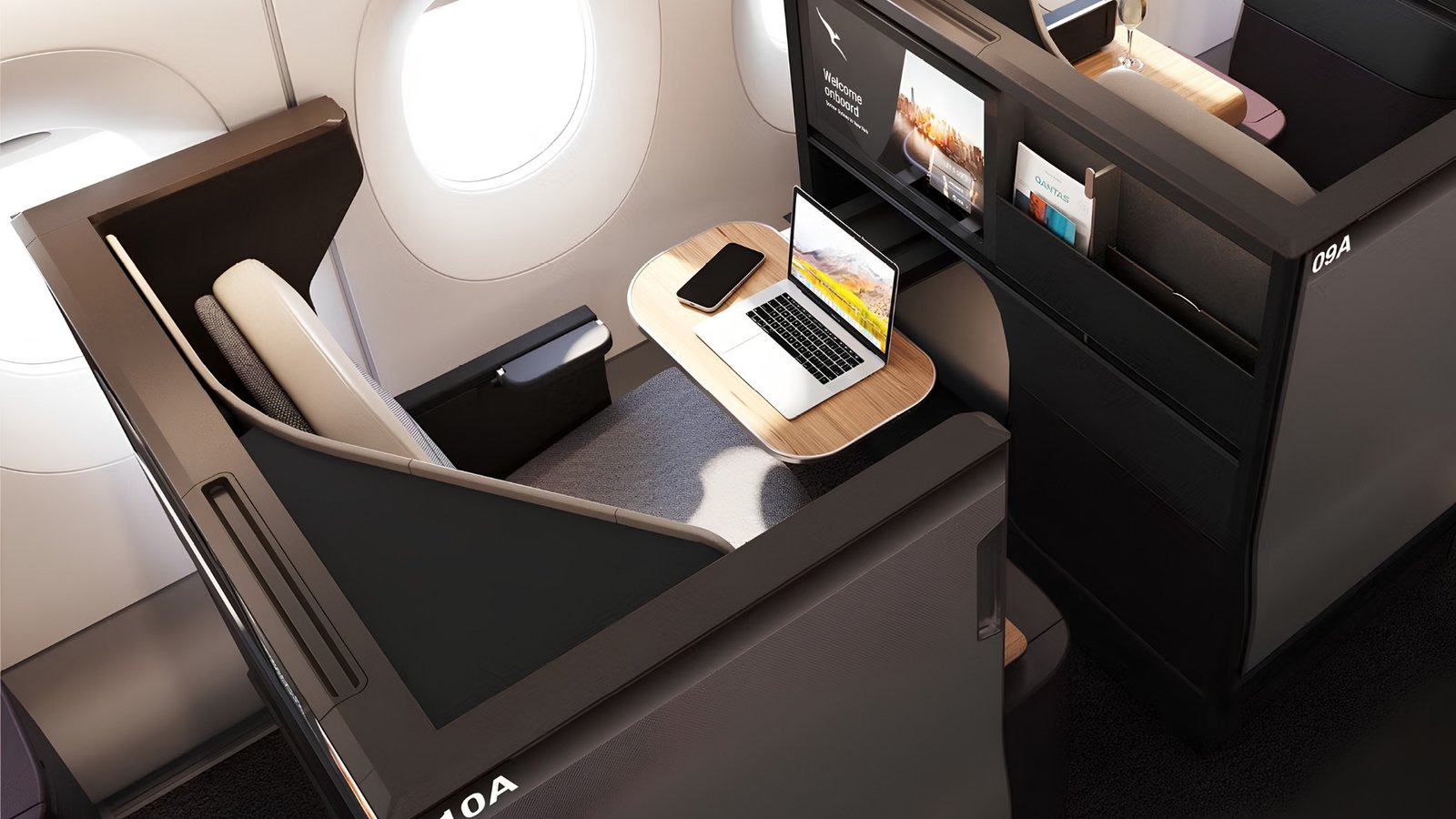
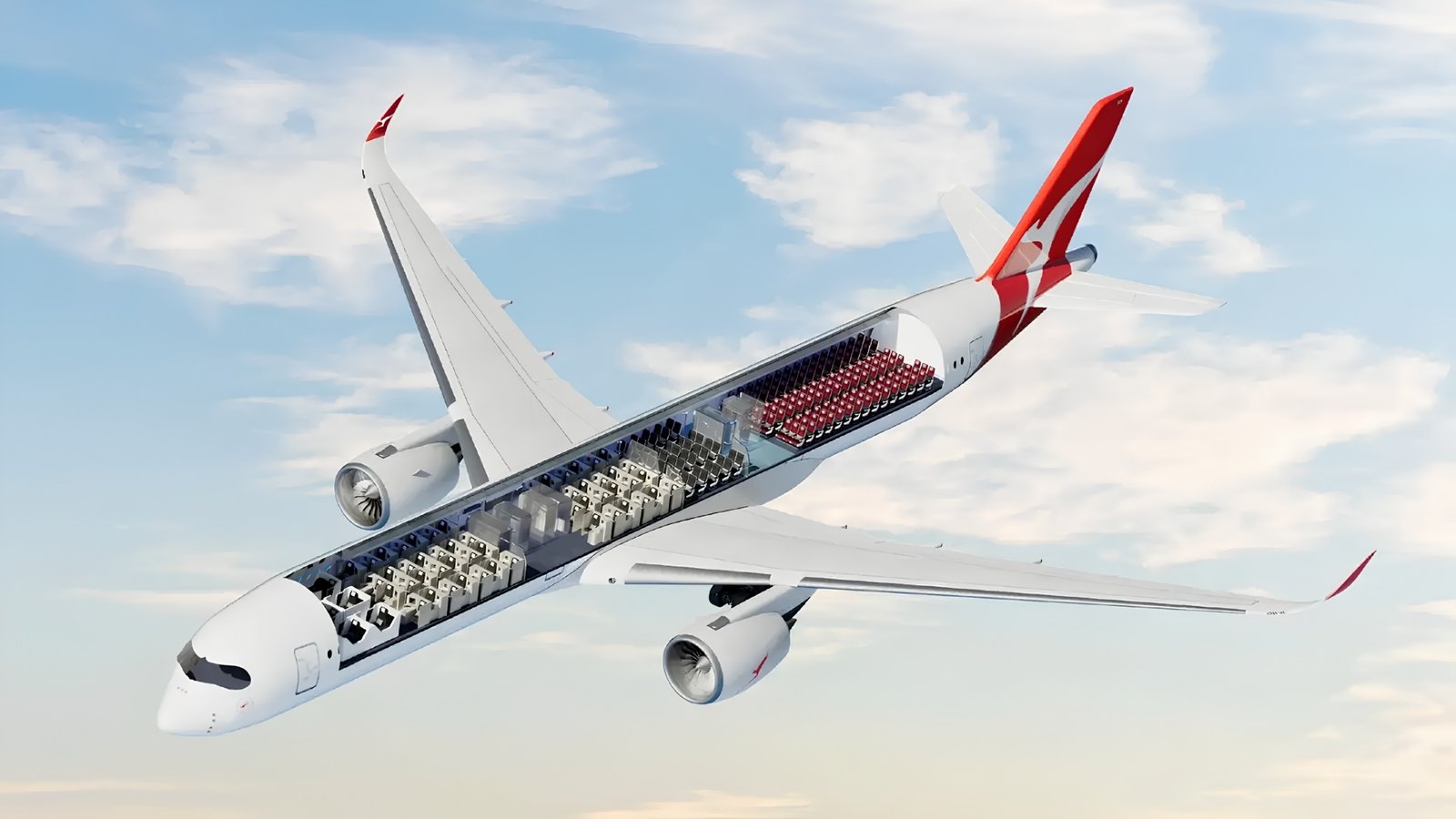
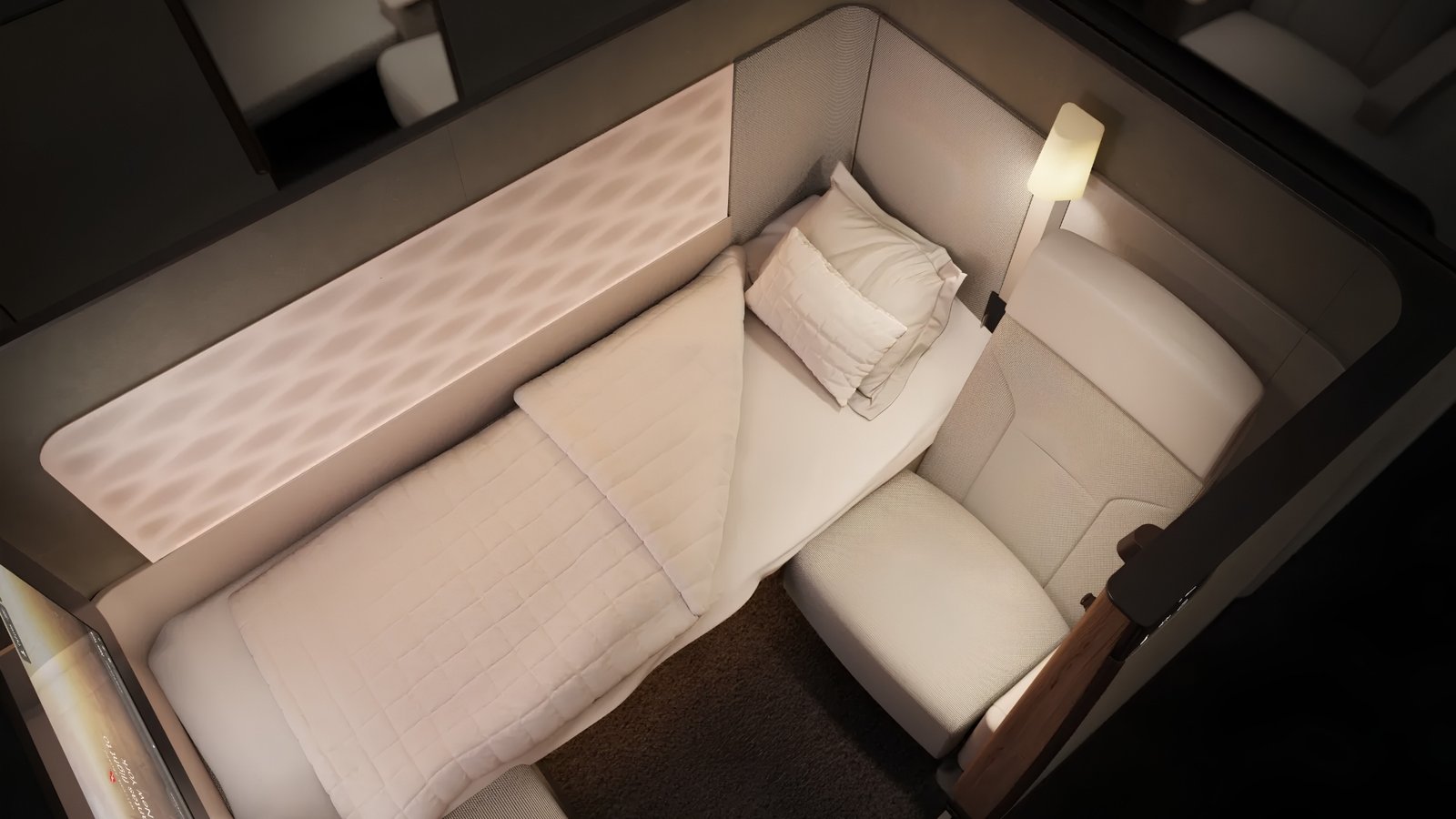
The economics of the aircraft are as telling as its range. Qantas has fitted just 238 seats where a standard A350-1000 might carry up to 480 across First, Business, Premium Economy, and Economy — a configuration of six First suites, 52 Business suites, 40 Premium Economy seats, and 140 in Economy, with more than 40 percent of the cabin given over to premium classes. Removing roughly half the typical seat count frees both weight and space: weight for the extra fuel the ULR needs to carry, and space for a dedicated “Wellbeing Zone” between Premium Economy and Economy, designed with movement programmes and stretch handles for a flight that can last the better part of a day.
Twelve of the aircraft are on order, the first named Vega — a name with its own history at Qantas. During the Second World War, after the fall of Singapore, the airline operated Catalina flying boats on a covert, non-stop route between Western Australia and Sri Lanka, carrying only three passengers and around 70 kilograms of mail across 33 hours in radio silence, navigating by the stars to keep a lifeline to London open when every other route had been cut. Vega was both the Catalina and the star its crews tracked. More than eighty years on, Qantas has revived the name for the aircraft that will once again connect Australia to the rest of the world without touching down in between.
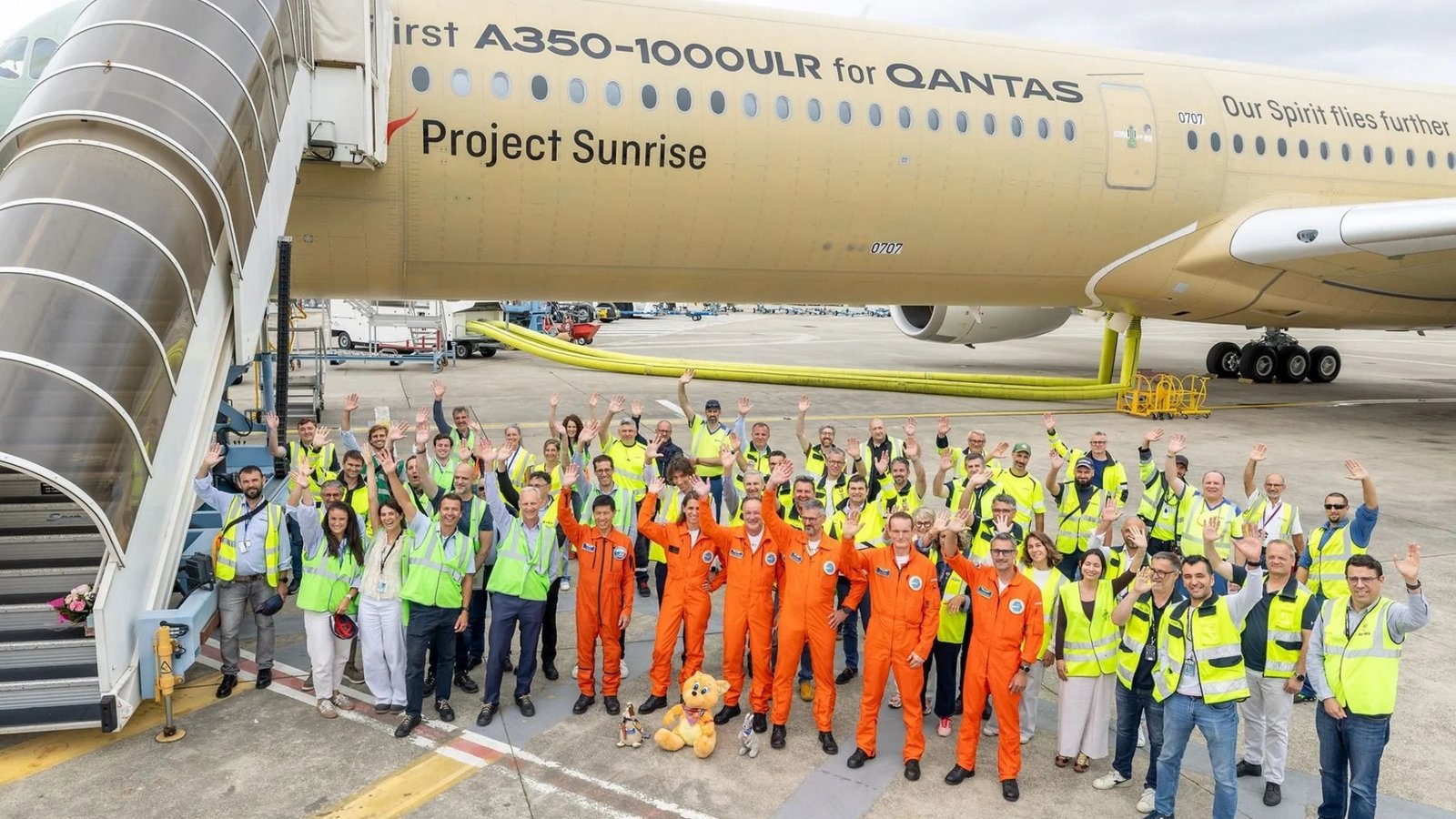
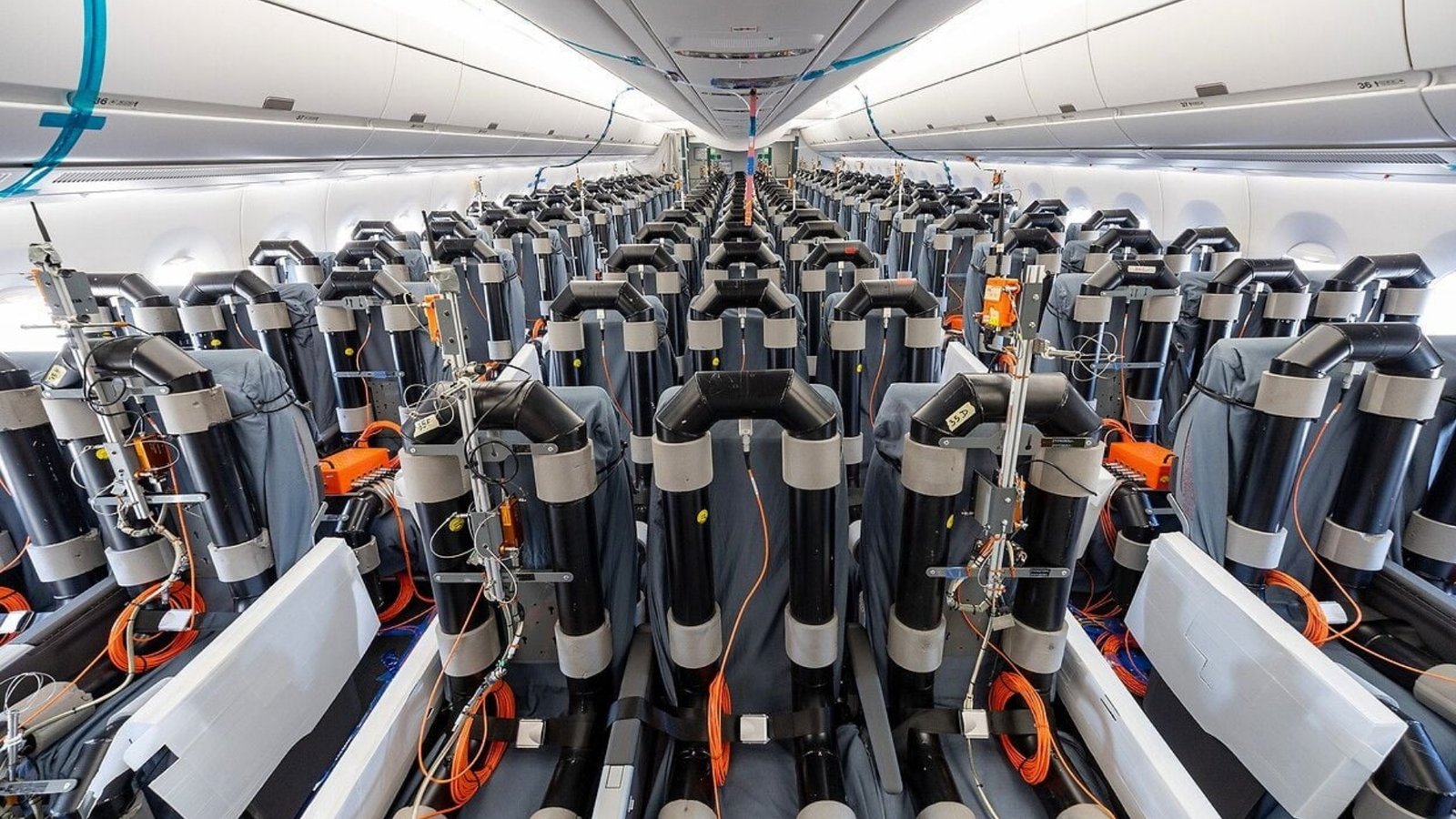
The certification work itself tells its own story about how closely this aircraft is being watched. Beyond flight performance, Airbus is using more than a thousand sensors and heat-generating passenger dummies to validate cabin comfort across a flight that can run most of a day, checking that a new, lighter galley-cooling system keeps meals fresh and the cabin temperature even from Sydney to London. It is an unusually granular level of testing for a commercial jet, reflecting the fact that MSN 707 is not a disposable prototype: once certification is complete, this same airframe will be retrofitted to Qantas’s commercial standard and enter service.
Sydney-to-London flights are scheduled to operate daily from October 2027, with tickets going on sale from February 2027. Qantas has been careful in how it frames the timeline: deliveries have already slipped once, from late 2026 to April 2027, a delay the airline has attributed to wider supply-chain disruption at Airbus rather than to the aircraft’s own performance. For a project that has taken the better part of a decade to move from concept to a jet in the air, the dates are worth holding lightly — but for the first time, Project Sunrise has stopped being a slide in an investor presentation and become a physical aircraft completing real flight hours over the French Atlantic coast. Visit Qantas here.