















Oura has confidentially filed for a US IPO at a reported valuation of roughly $11 billion, marking one of the clearest signals yet that wearable health technology is evolving from consumer wellness category into mainstream financial infrastructure. The Finnish company behind the increasingly ubiquitous smart ring has now sold more than 5.5 million devices globally, with nearly half of those sales occurring within the past year alone — a pace of adoption that reflects how deeply biometric tracking has entered modern performance, longevity, and lifestyle culture.
The filing follows an $875 million funding round completed late last year led by Fidelity Management & Research Company, with participation from existing investors including Dexcom, Forerunner Ventures, and MSD Capital. According to reports surrounding the confidential SEC submission, chief executive Tom Hale is projecting revenues exceeding $1.5 billion in 2026, reinforcing investor confidence that preventative health, recovery optimisation, and personalised wellness data are becoming increasingly durable consumer priorities rather than temporary behavioural trends.
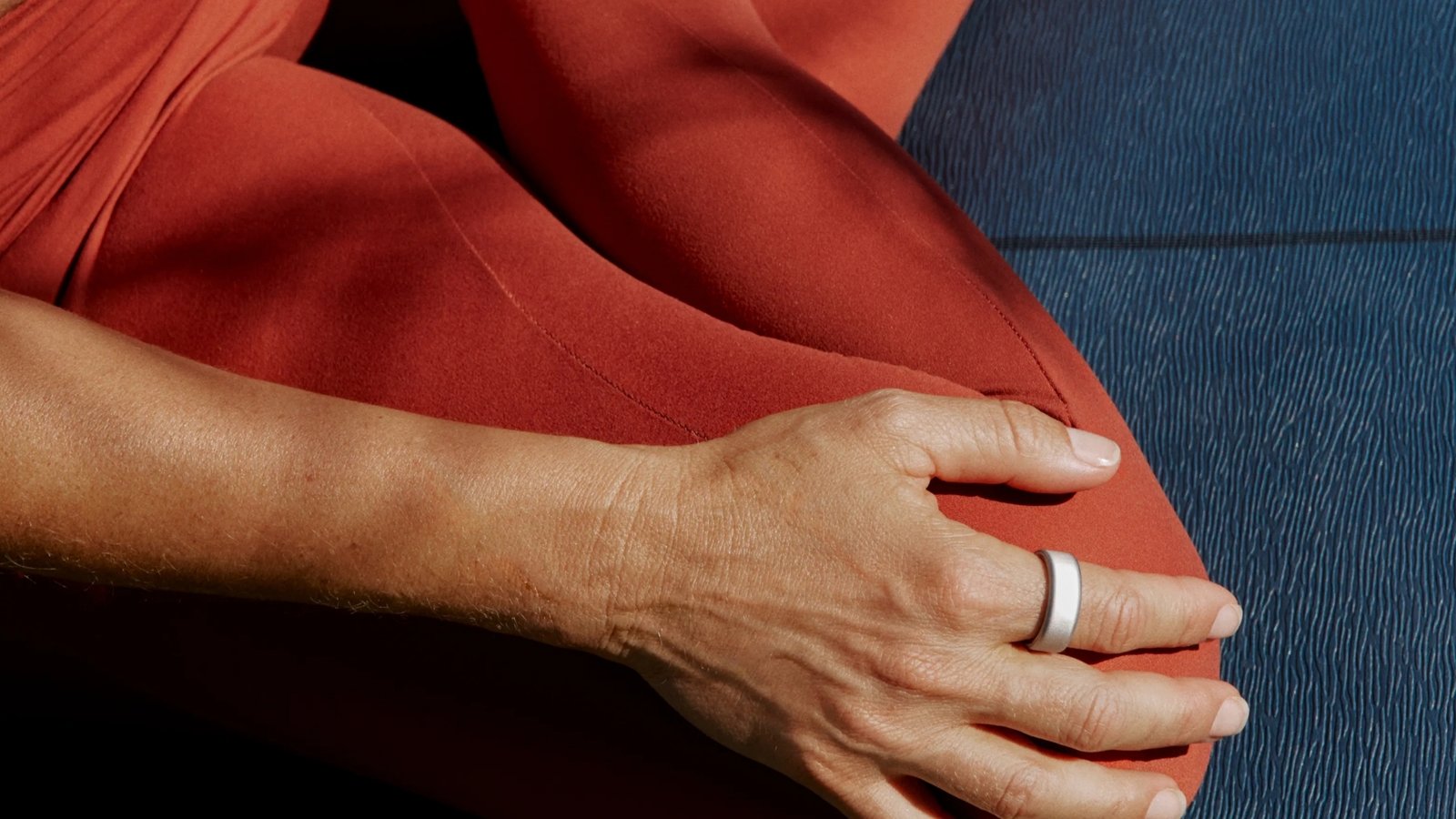
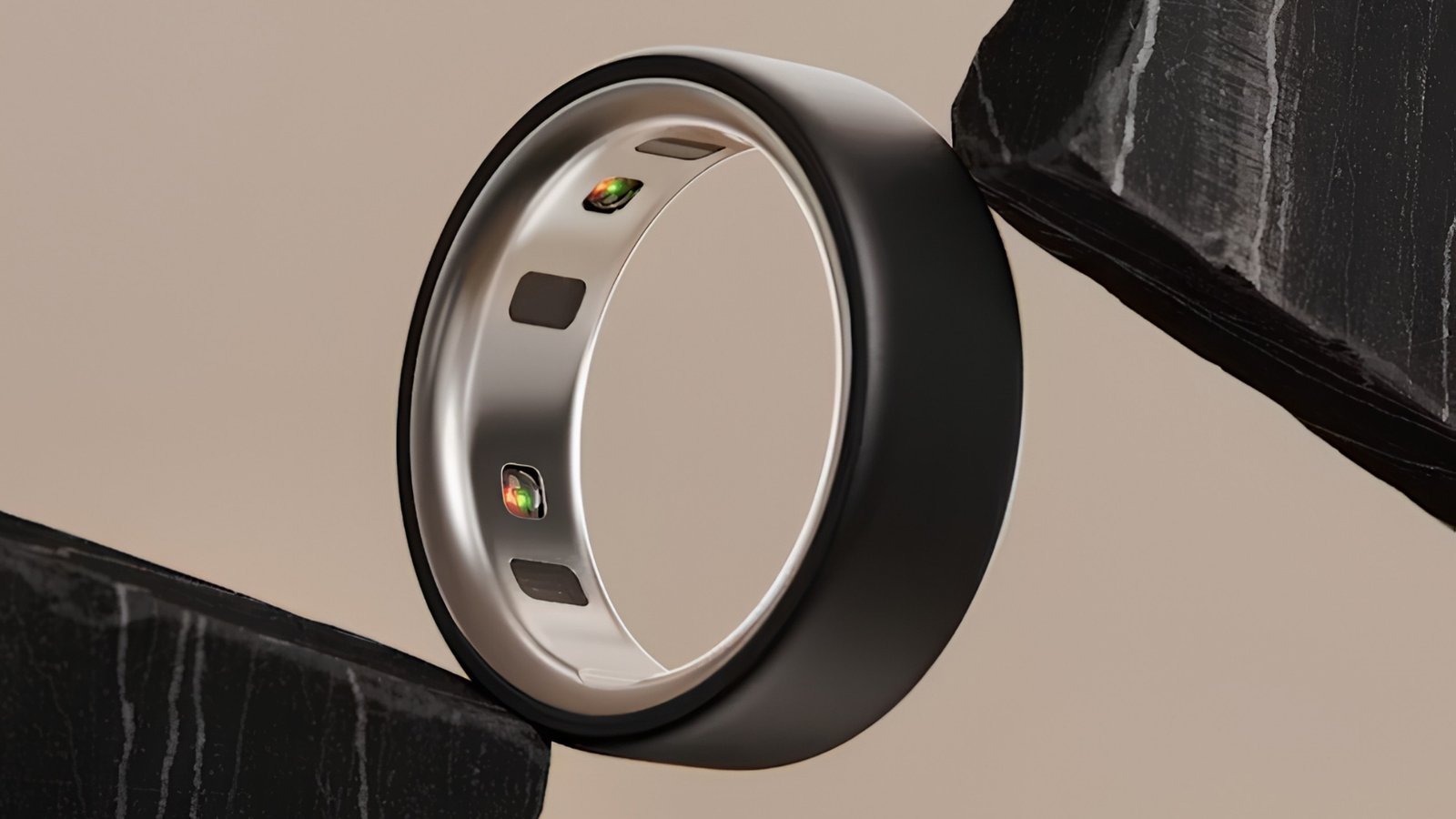
What differentiates Oura within the broader wearable market is its positioning. While companies like Apple and Garmin continue competing through multifunctional screens, fitness ecosystems, and broader hardware integration, Oura built its identity around discretion and behavioural intelligence. The ring itself remains visually minimal — lightweight, unobtrusive, and increasingly styled as jewellery rather than technology — while the subscription layer delivers continuous insight into sleep, cardiovascular load, recovery, stress, resilience, and women’s health. Increasingly, the company appears less interested in competing as a hardware manufacturer and more focused on becoming a long-term data platform positioned at the intersection of wellness, healthcare, and lifestyle infrastructure.
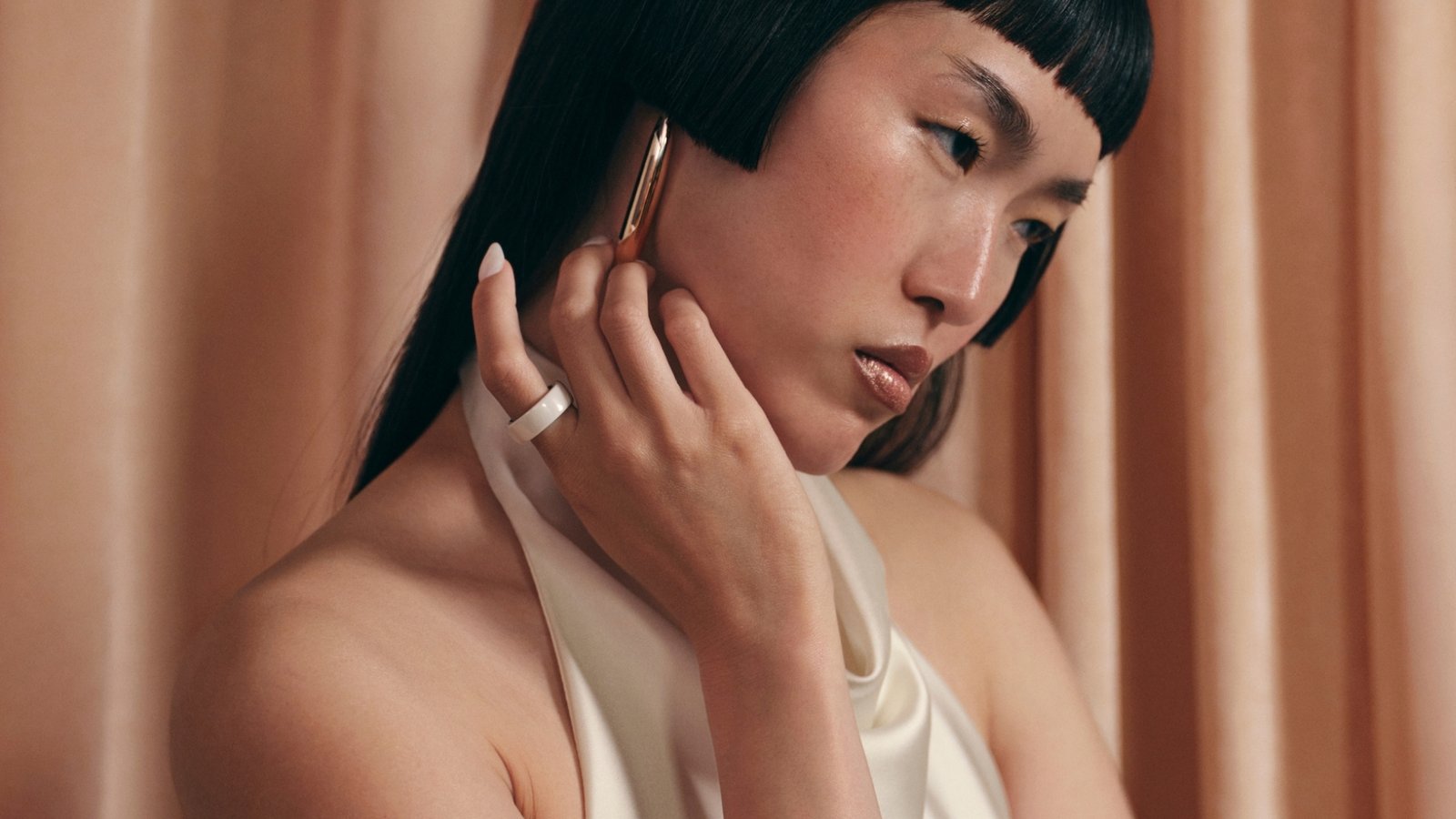
That distinction matters because the broader wearable category itself is changing. Earlier generations of consumer health technology largely framed tracking around activity and fitness goals. Oura’s rise instead reflects the growing cultural shift toward optimisation, longevity, cognitive performance, and preventative health — priorities increasingly shaping spending behaviour among affluent consumers balancing high-performance lifestyles across work, travel, and recovery simultaneously. In that context, wellness is no longer being treated as occasional luxury consumption but as continuous personal infrastructure directly tied to productivity, resilience, and quality of life.
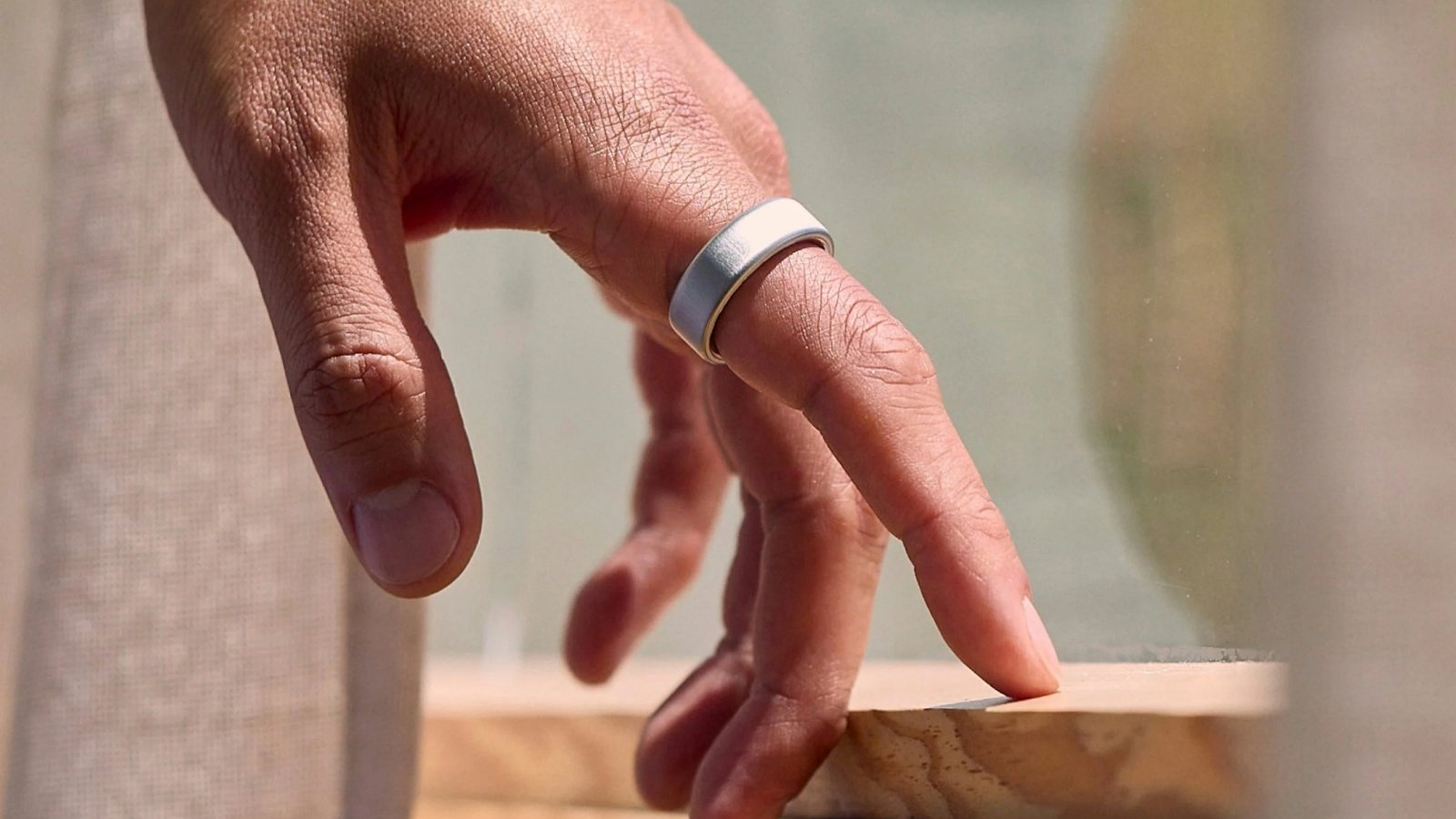
The IPO filing also arrives during a period of renewed momentum across the wider wearable market. According to industry estimates, global demand for health-tracking devices continues accelerating as consumers become increasingly comfortable integrating biometric feedback into everyday decision-making. Oura’s growth suggests that the most valuable companies in the category may not ultimately be the ones building the most visible technology, but rather the ones embedding themselves most seamlessly into daily behaviour.

For Oura, the challenge now shifts from category disruption toward long-term platform durability. The company continues expanding beyond sleep tracking into broader preventative health territory while maintaining the restraint that initially differentiated the product. That balance — technology sophisticated enough to shape behaviour without overwhelming the user experience — has become central to its appeal.
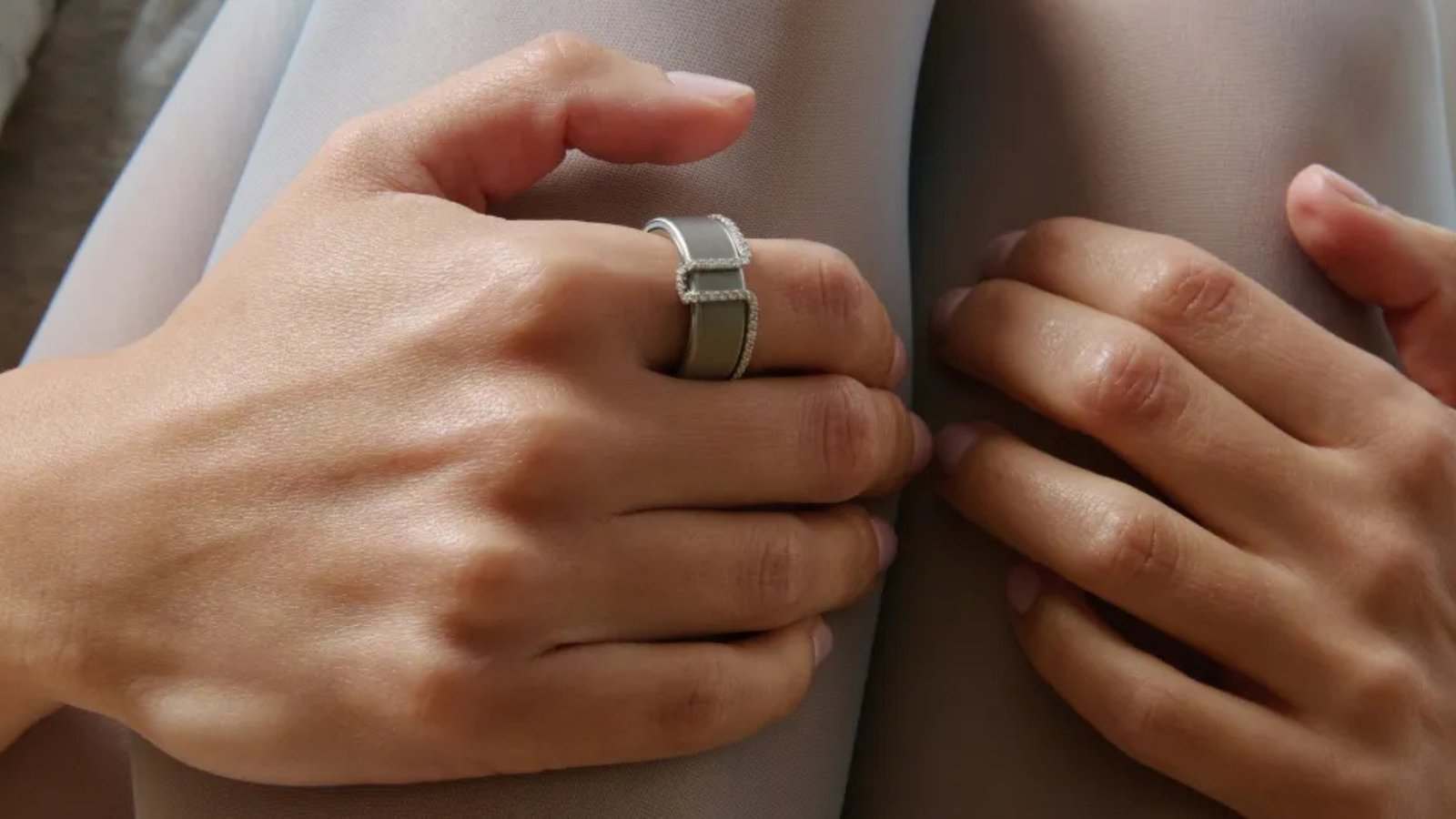
More broadly, Oura’s public-market ambitions reflect a larger recalibration taking place across modern luxury and wellness culture. Increasingly, affluent consumers are investing not only in products or experiences, but in systems designed to extend performance, longevity, and recovery over time. As health data becomes increasingly integrated into everyday life, wearable technology is evolving from consumer gadget into a foundational layer of modern lifestyle capital.