


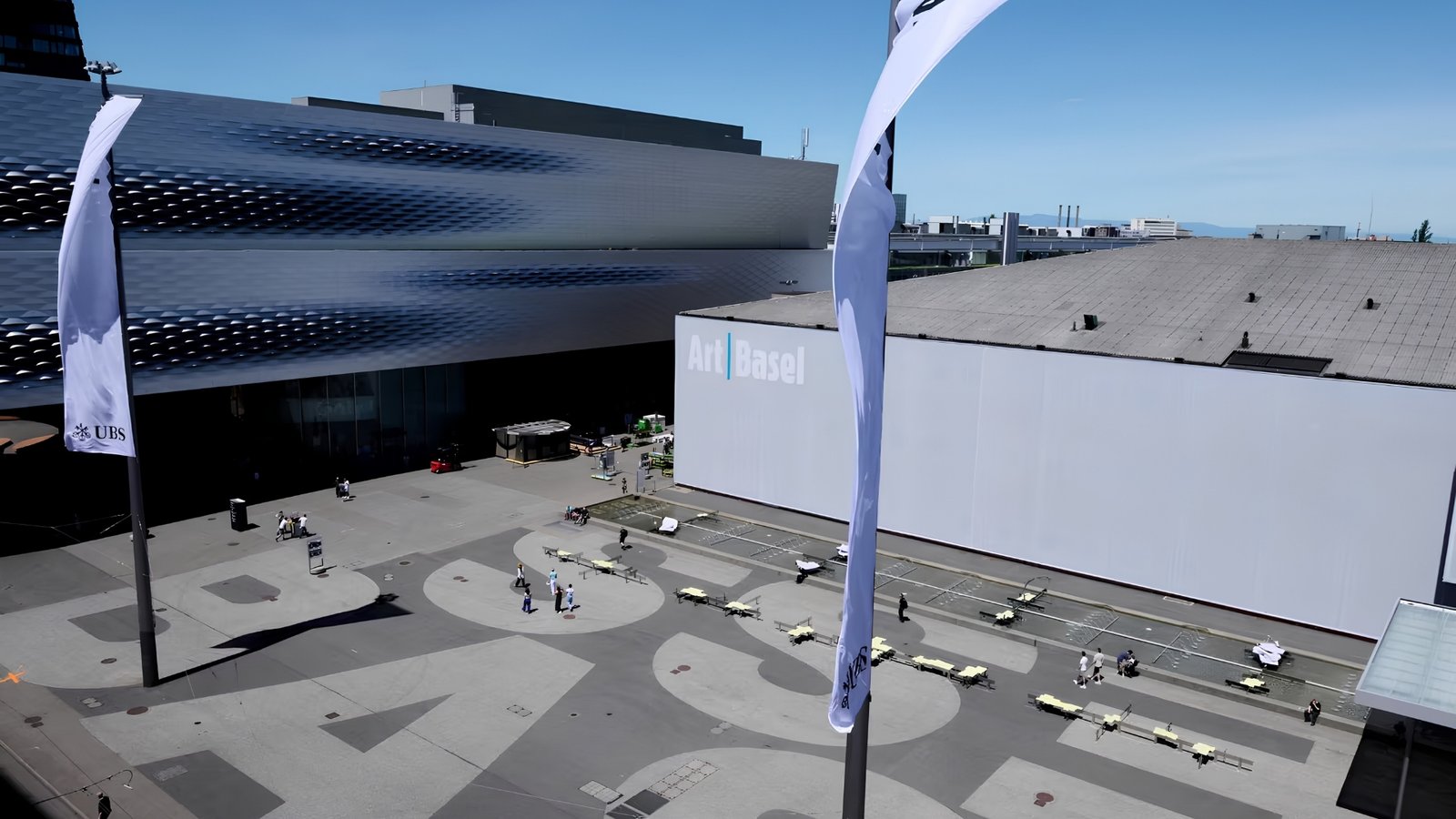


Art Basel wrapped the 56th edition of its flagship Swiss fair on 21 June, with around 290 galleries from 43 countries filling Messe Basel. That headline number is the trade, yet the more telling story is what now grows up around it: for one week each June, Basel becomes the art world’s convergence point, the fair itself the gravitational centre for a swarm of satellite presentations, citywide commissions, and a social calendar that, for many who make the trip, has come to rival the booths.
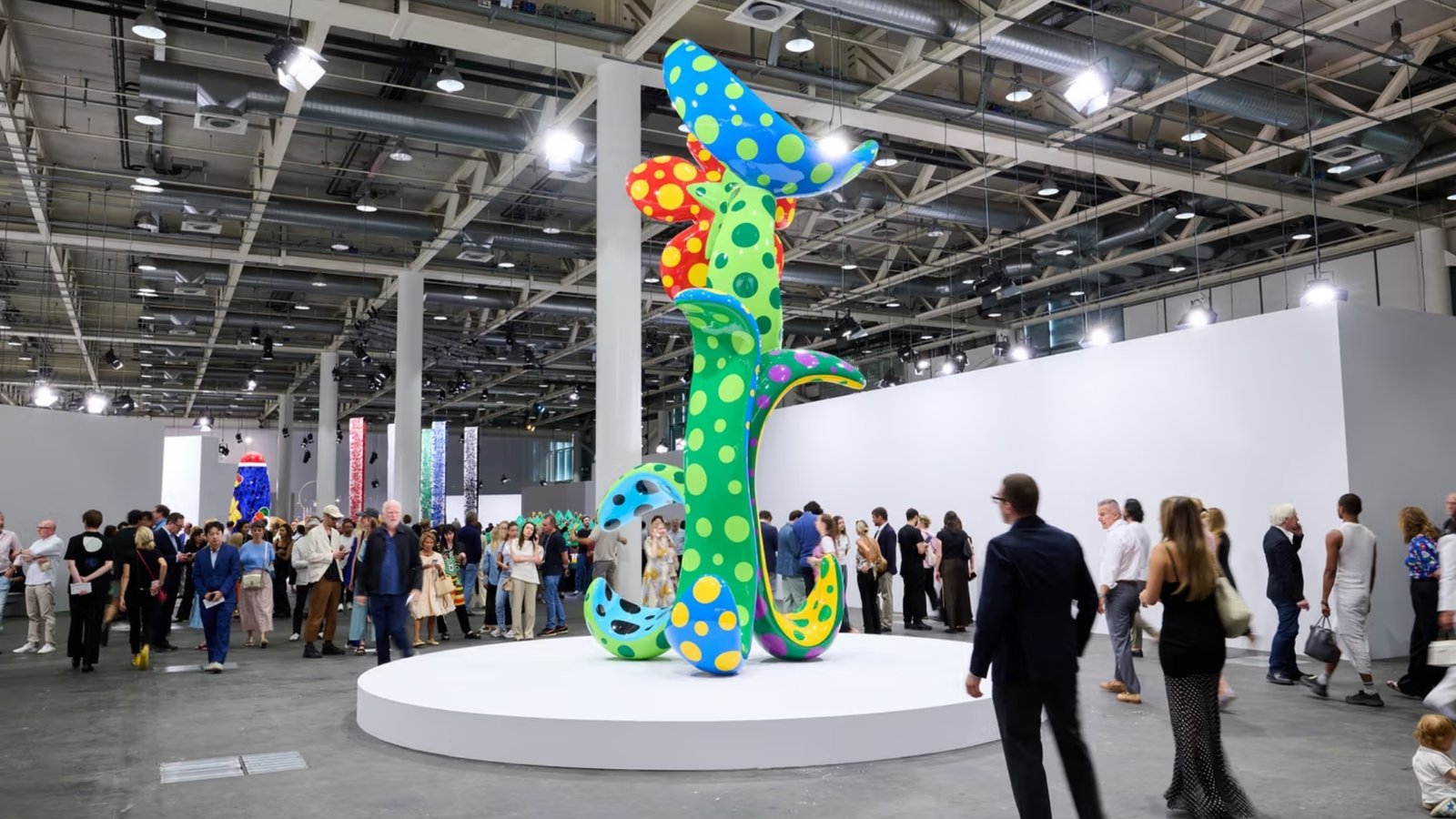
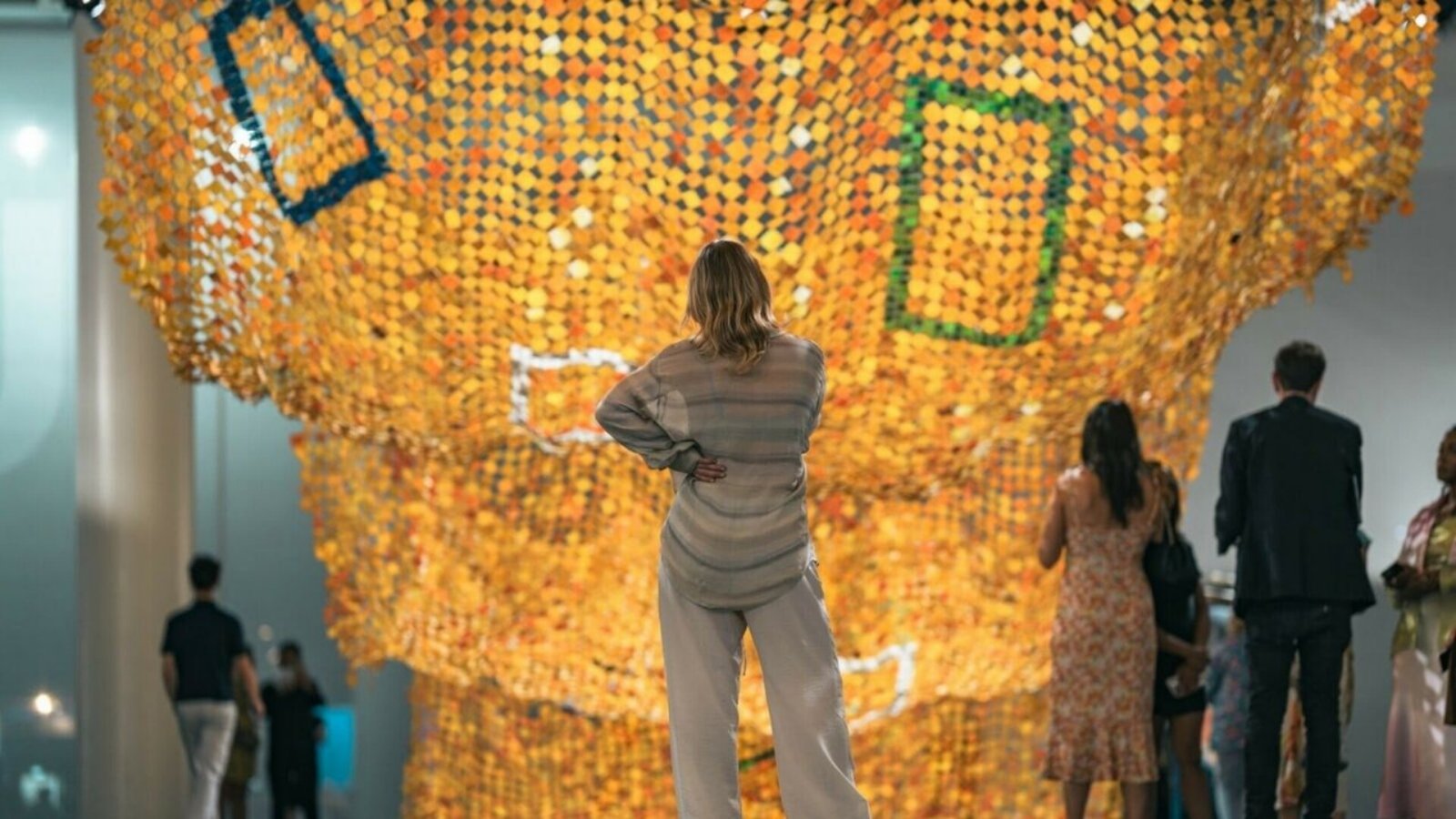
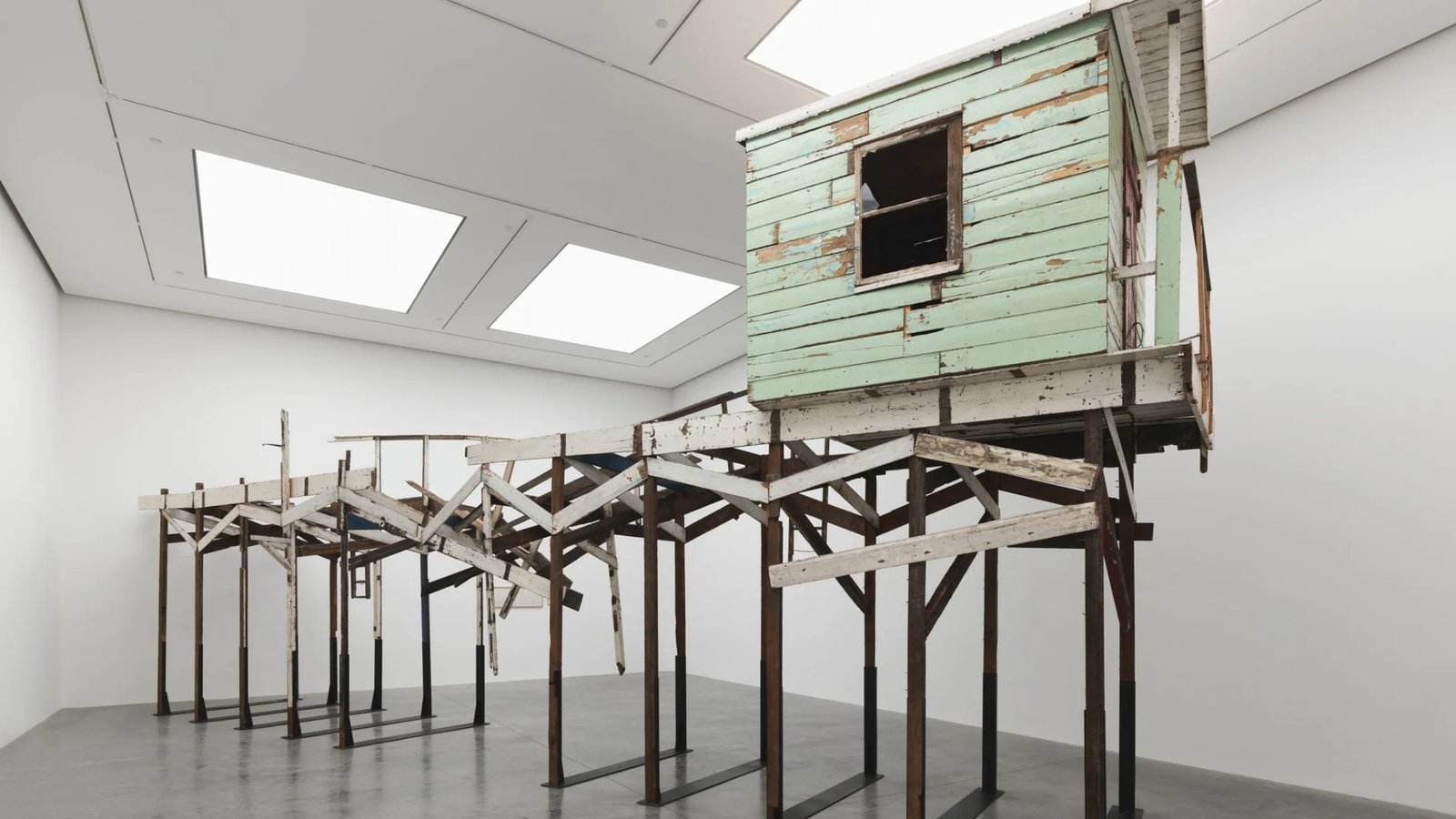
Public art carried much of that energy beyond the halls this year. A site-specific commission by Nairy Baghramian unfolded across Messeplatz, while Ibrahim Mahama’s work took over Münsterplatz, pulling foot traffic — and attention — into the surrounding city rather than containing it inside the Messe. Inside, the fair’s Unlimited sector leaned further into scale and spectacle, with sprawling installations designed to be photographed as much as studied.
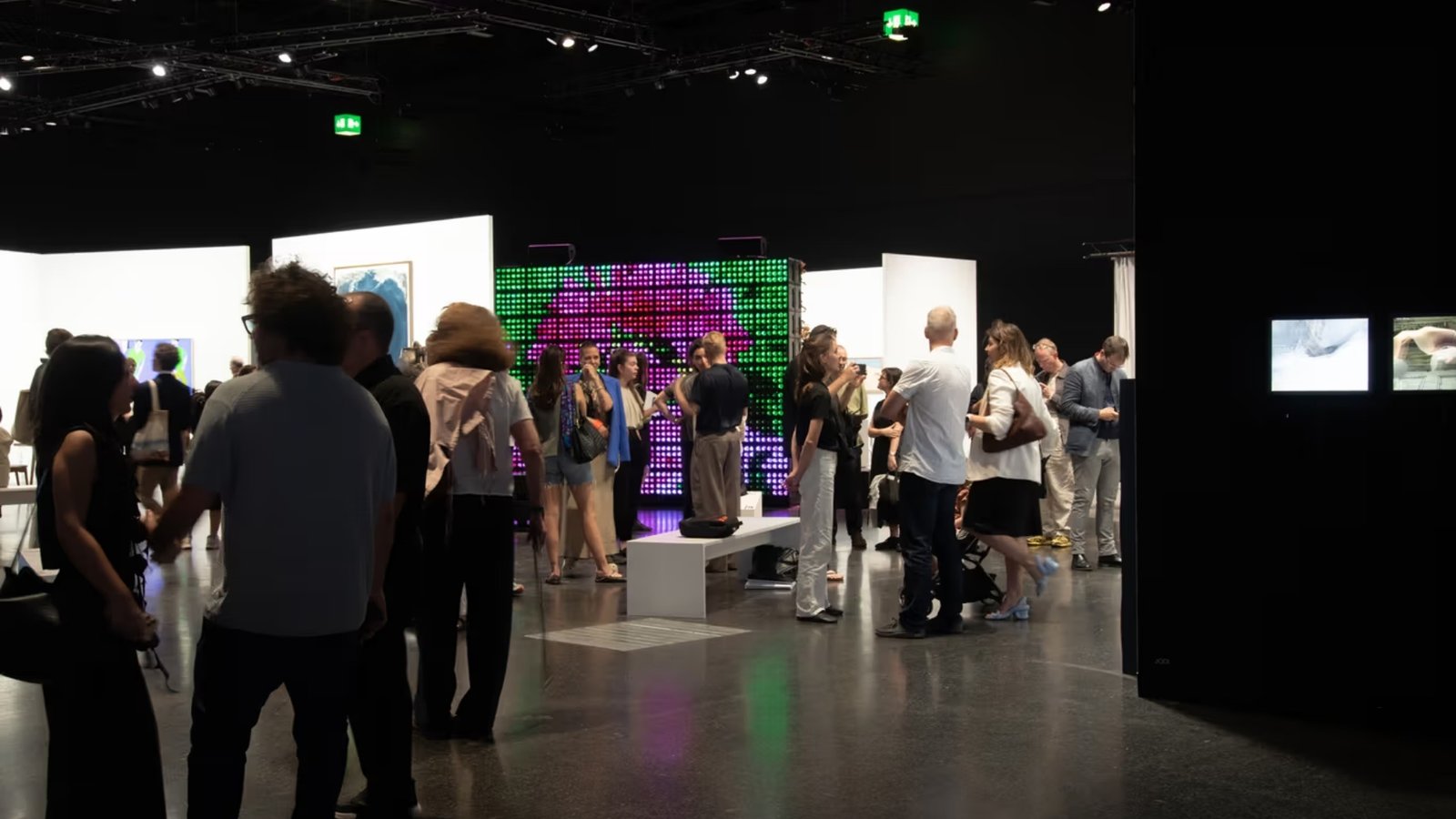
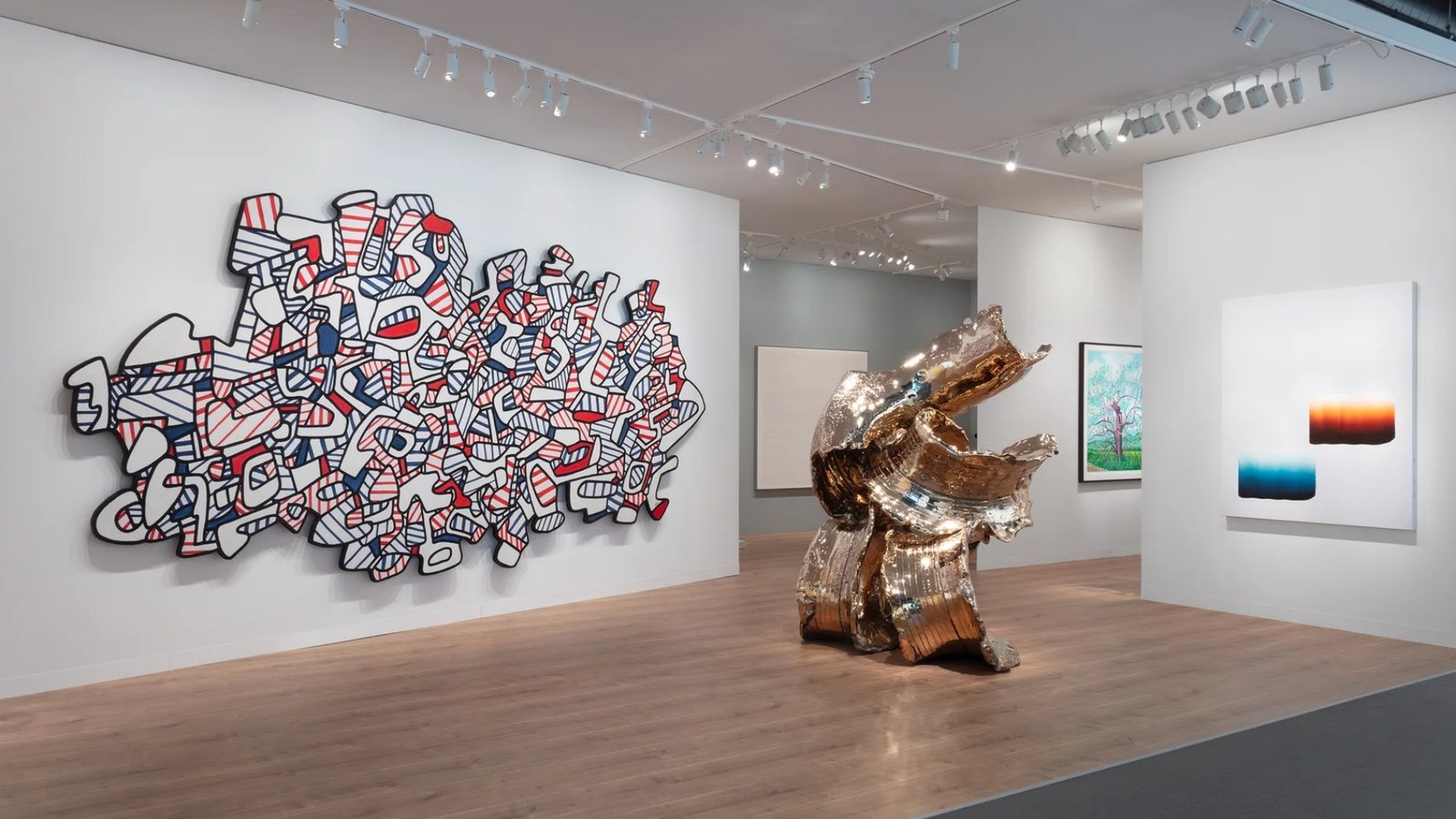
Anchoring the week’s institutional side, the Fondation Beyeler and a Helen Frankenthaler survey at Kunstmuseum Basel gave critics and collectors a quieter counterpoint to the fair floor — a reminder that Basel’s cultural authority still rests as much on its museums as on its trade halls. It is this dual register, civic and commercial, that distinguishes Basel from art weeks built purely around sales.
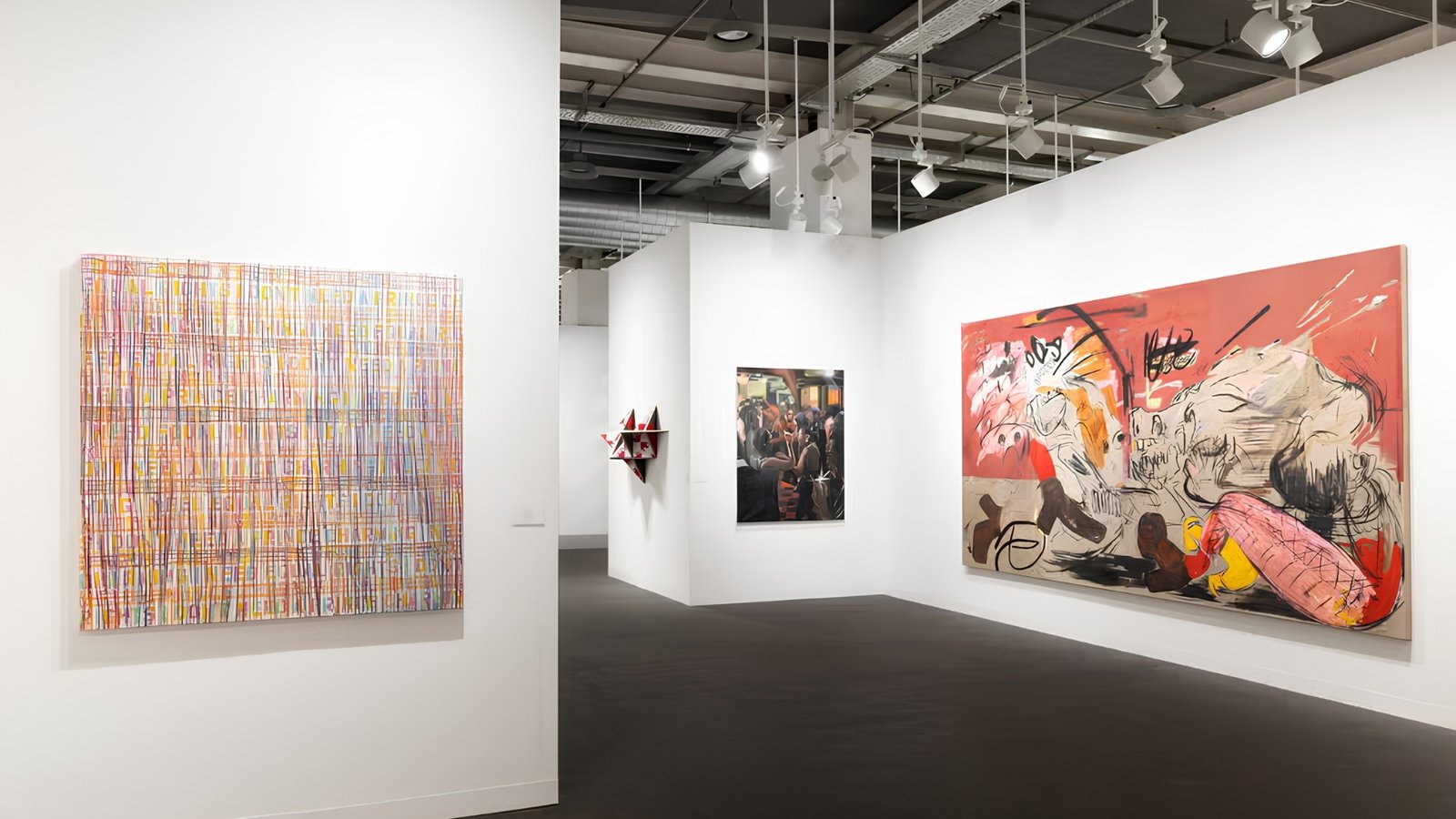
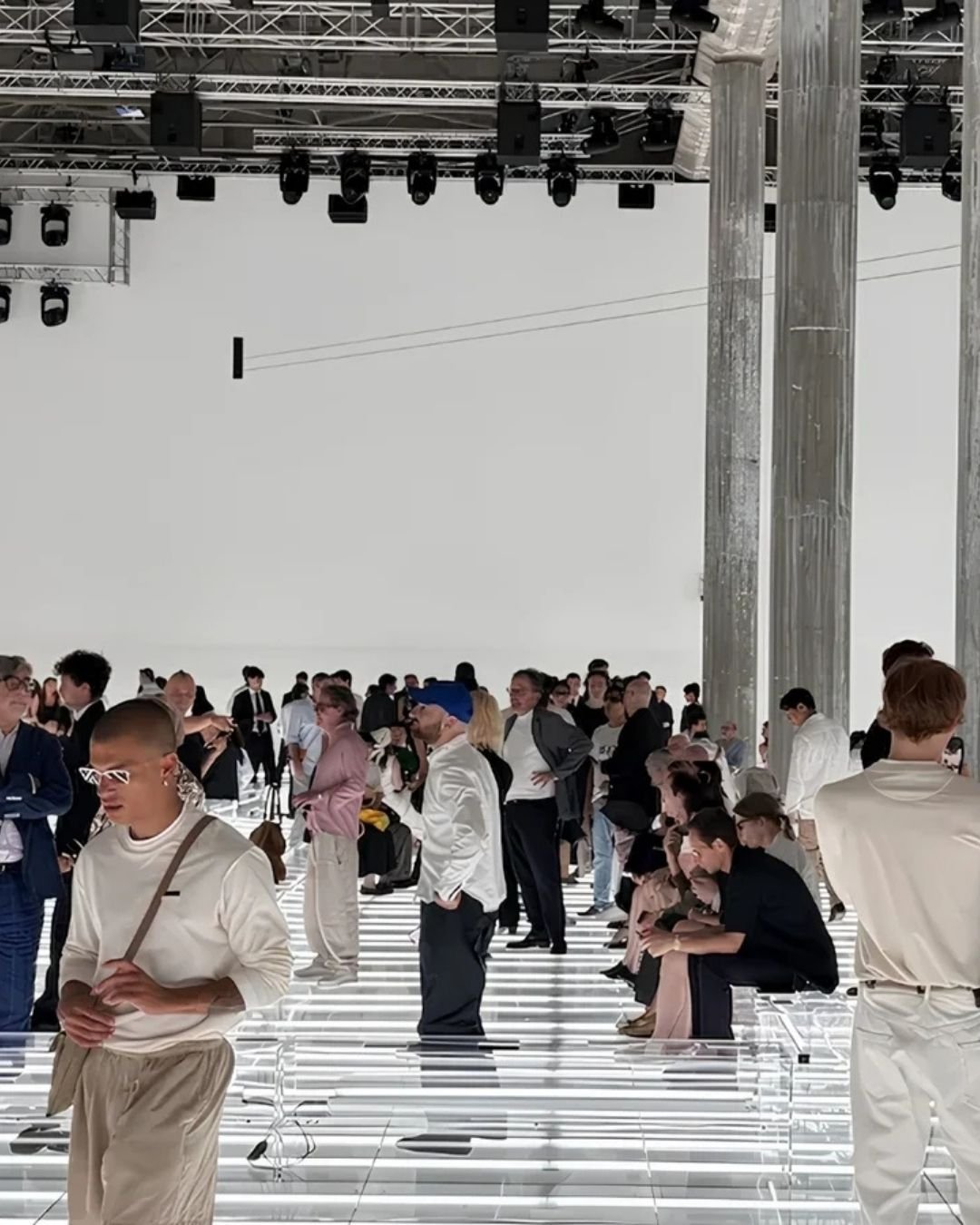
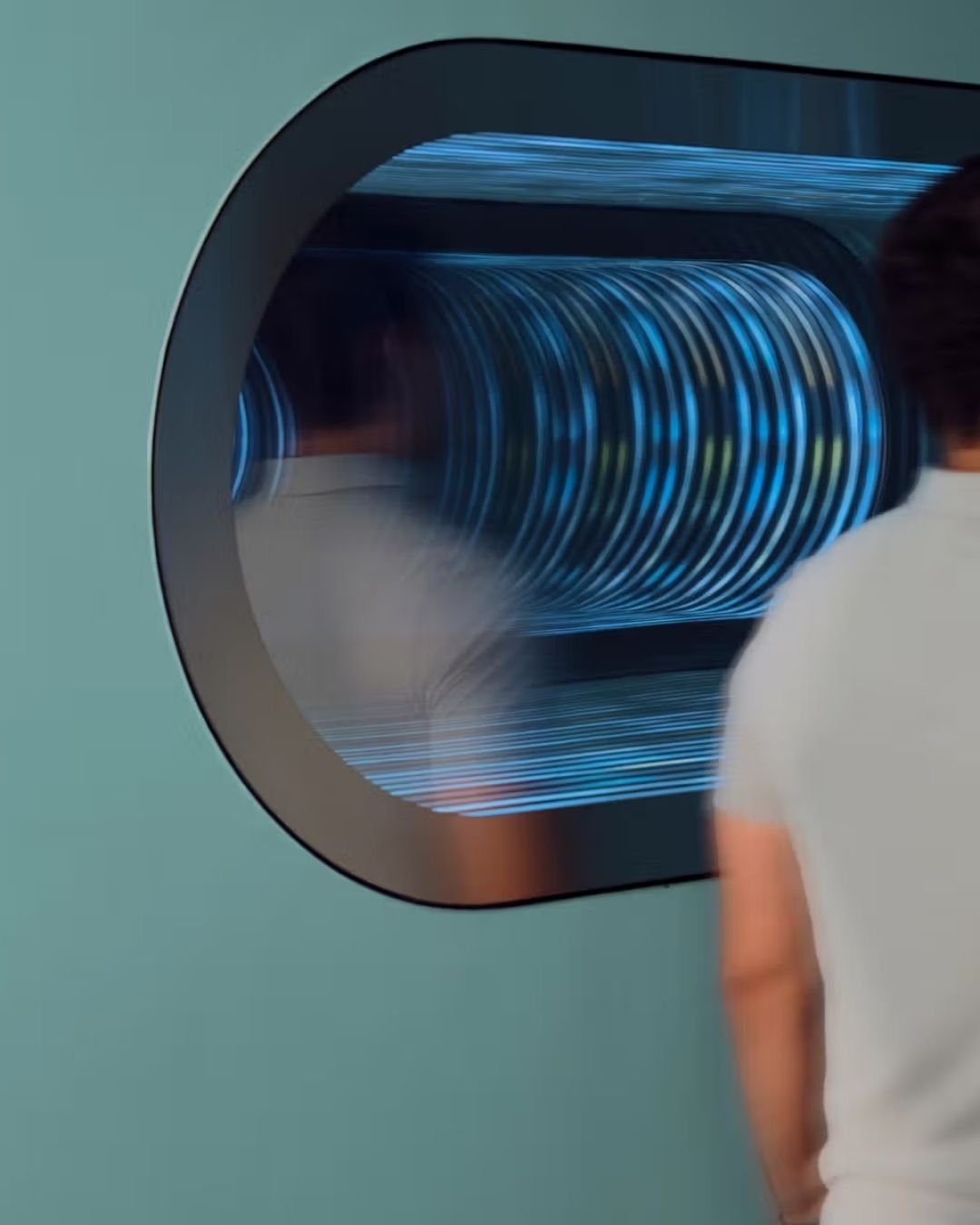
The headline event off the fair floor was Warehouse Artefacts, a 3,000-square-metre installation inside Messe Basel that turned, by evening, into a rave. Curated by Thomas Bangalter — formerly of Daft Punk — together with Keinemusik’s Rampa and the artist Julian Charrière, and staged in cooperation with Art Basel and the Fondation Beyeler, the project asked every guest to lock their phone away at the door. Charrière has described the work as one that deliberately dissolves the line between installation, theatre, and party. What was billed as a solo Rampa set turned out to be hiding Bangalter as the night’s surprise guest, who played a set drawing on Daft Punk staples alongside Chic and Donna Summer to a sold-out room of roughly 3,400 people.
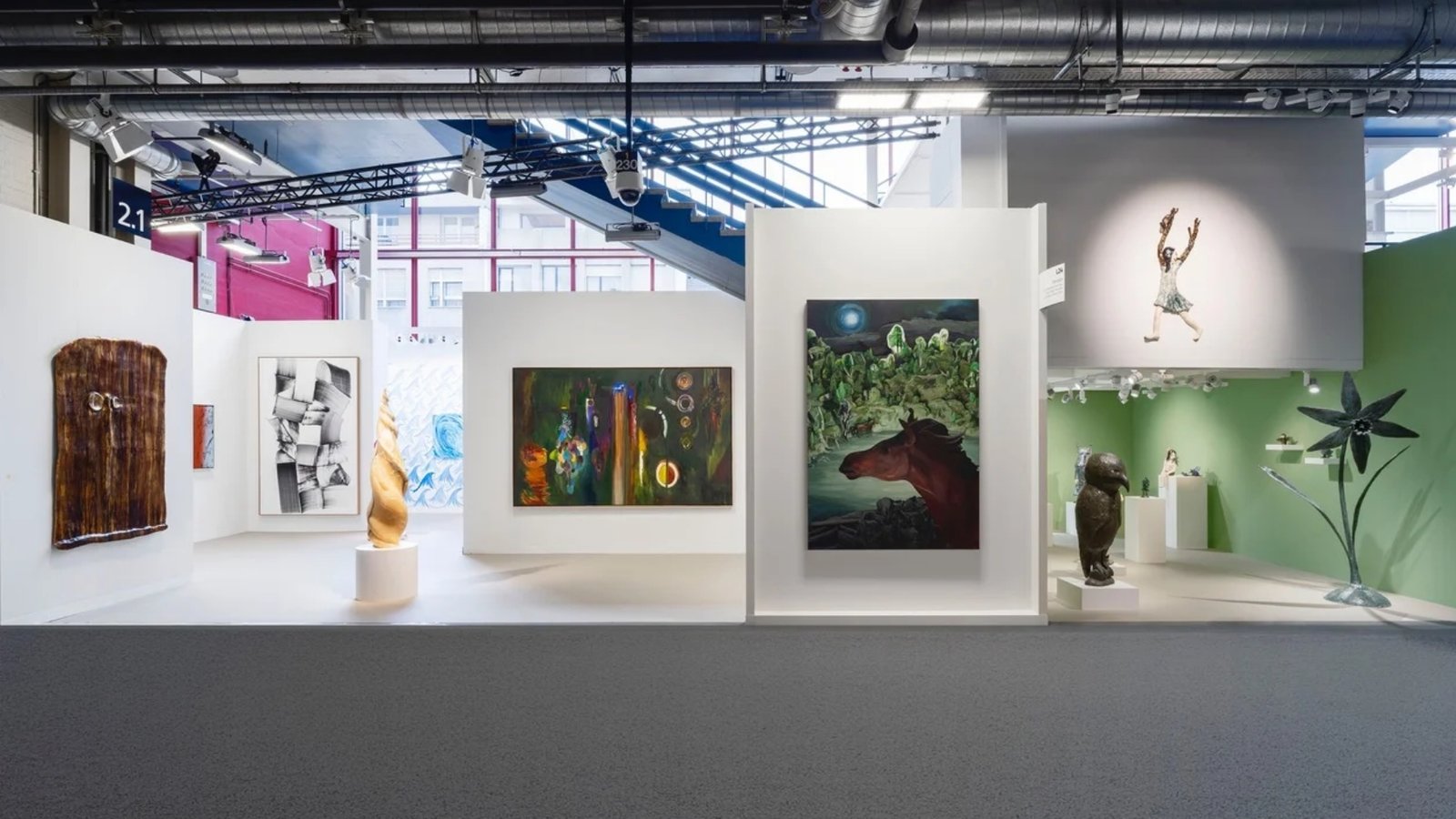
For all the swirl on Messeplatz and inside the Event Hall, the trade itself read this as a steadier year than the two that preceded it. Dealers told ARTnews that buyers felt able to commit again, with the bulk of transactions landing between $200,000 and $2 million and the top end of the market holding firm rather than retreating. Hauser & Wirth placed the week’s standout work — a 1963 Picasso, offered at an asking price of $35 million — within hours of the preview opening, and reported the gallery’s strongest opening day on record.
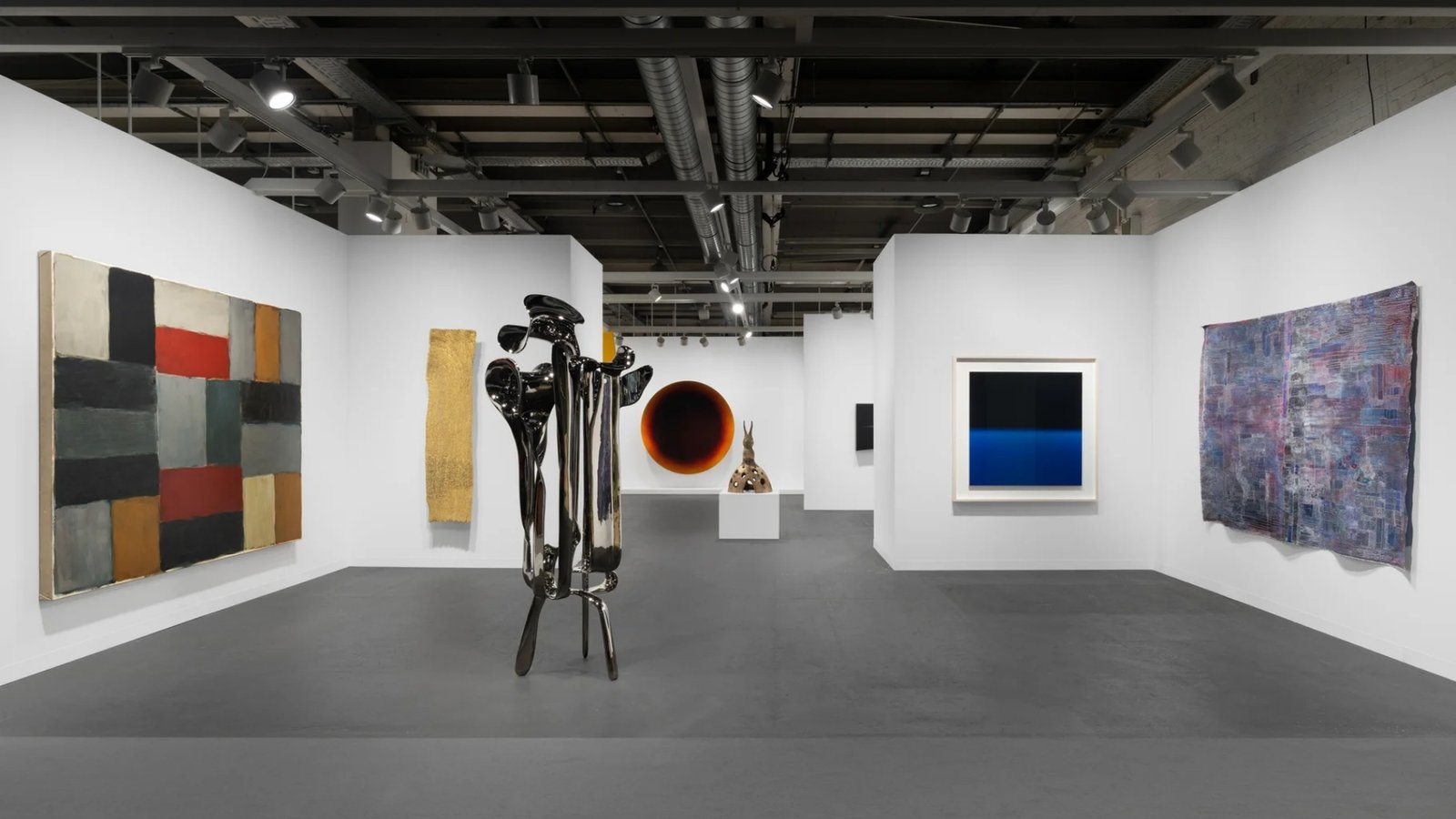
That recovery extended beyond the marquee names. Advisors pointed to renewed appetite for historical and early-20th-century work — a series of Ferdinand Hodler portraits drew particular attention under the fair’s new “Basel Exclusive” programme, which holds select pieces back from digital preview specifically to reward in-person viewing. It is a small structural change, but one that speaks to where the fair believes its value now sits: not in the speed of a transaction, but in the experience of being there. Visit Art Basel here.