


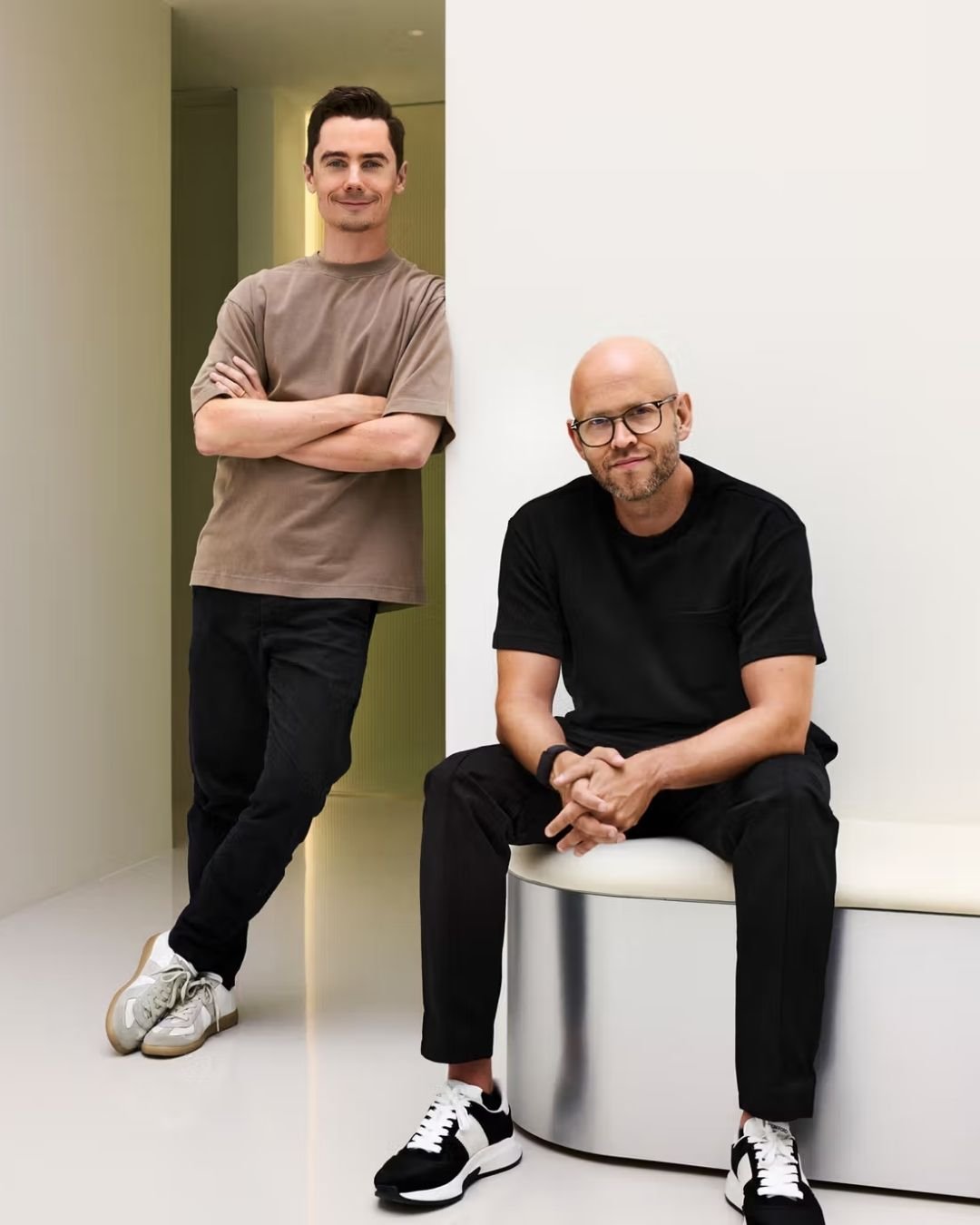





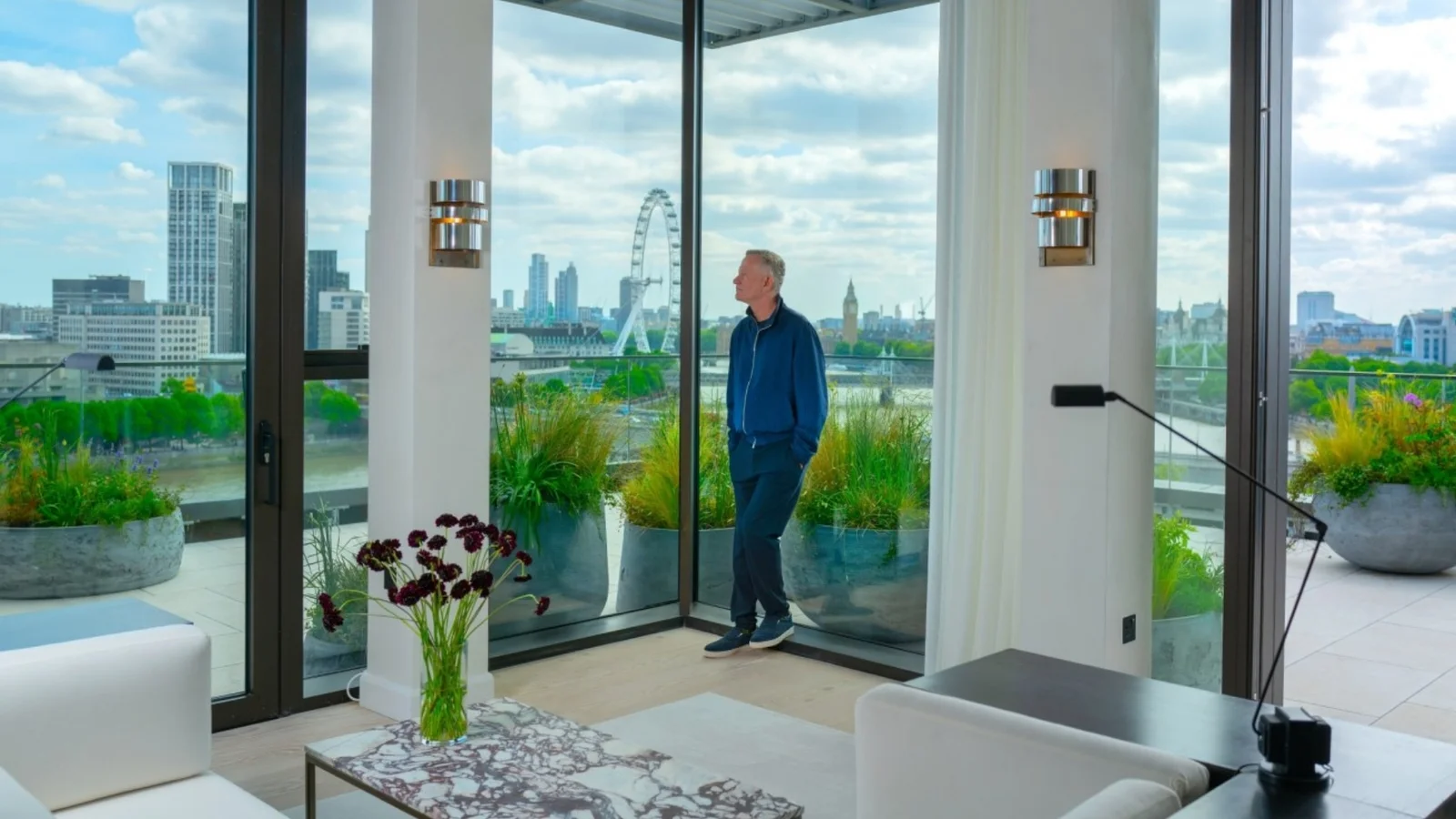


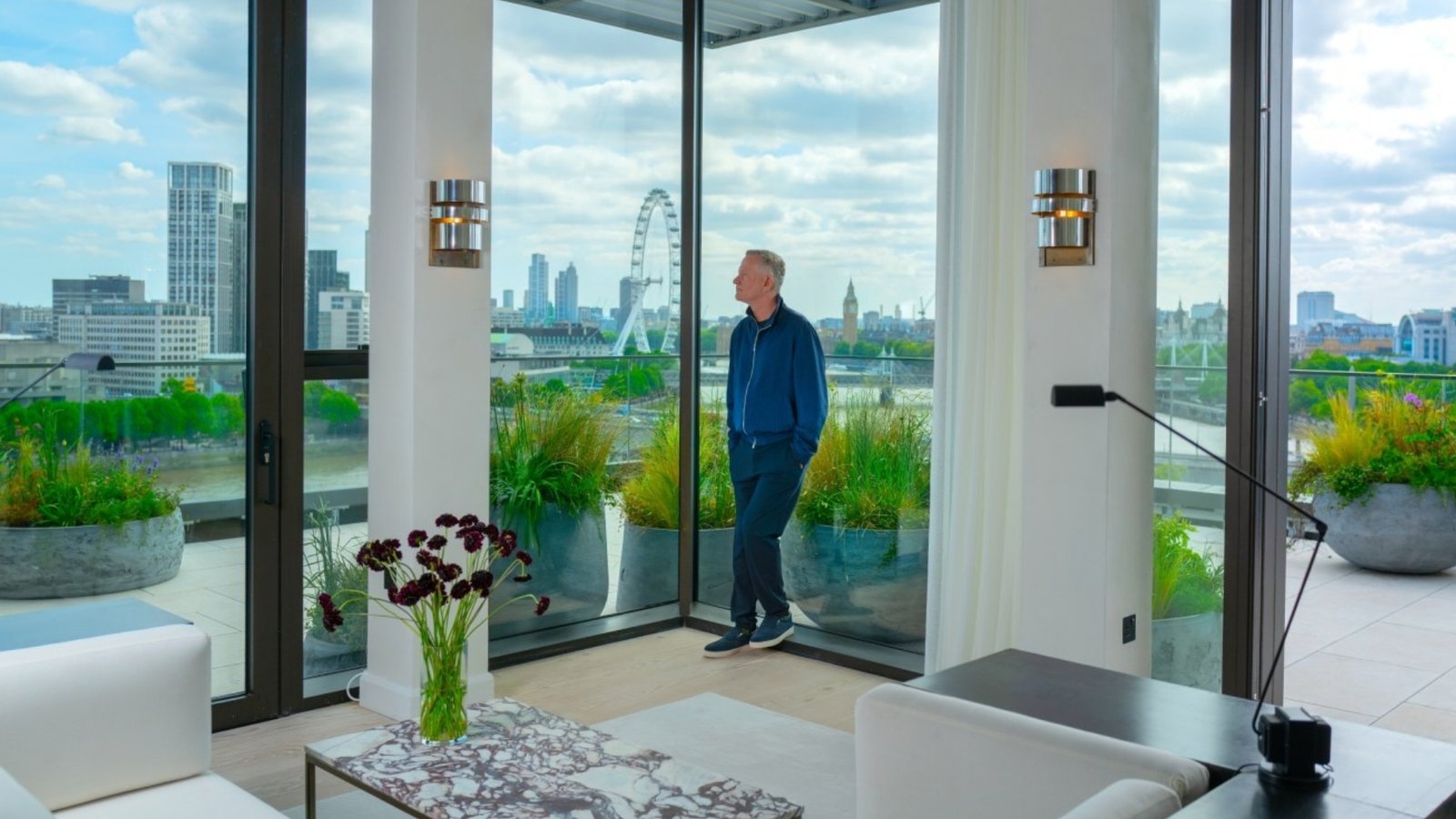
Few people have shaped modern hospitality as profoundly as Nick Jones. Through Soho House, he helped transform the members club from a niche social institution into a global lifestyle business spanning hospitality, wellness, workspaces, events, and residential experiences. Now, four years after stepping down as chief executive, Jones is returning with a markedly different proposition.
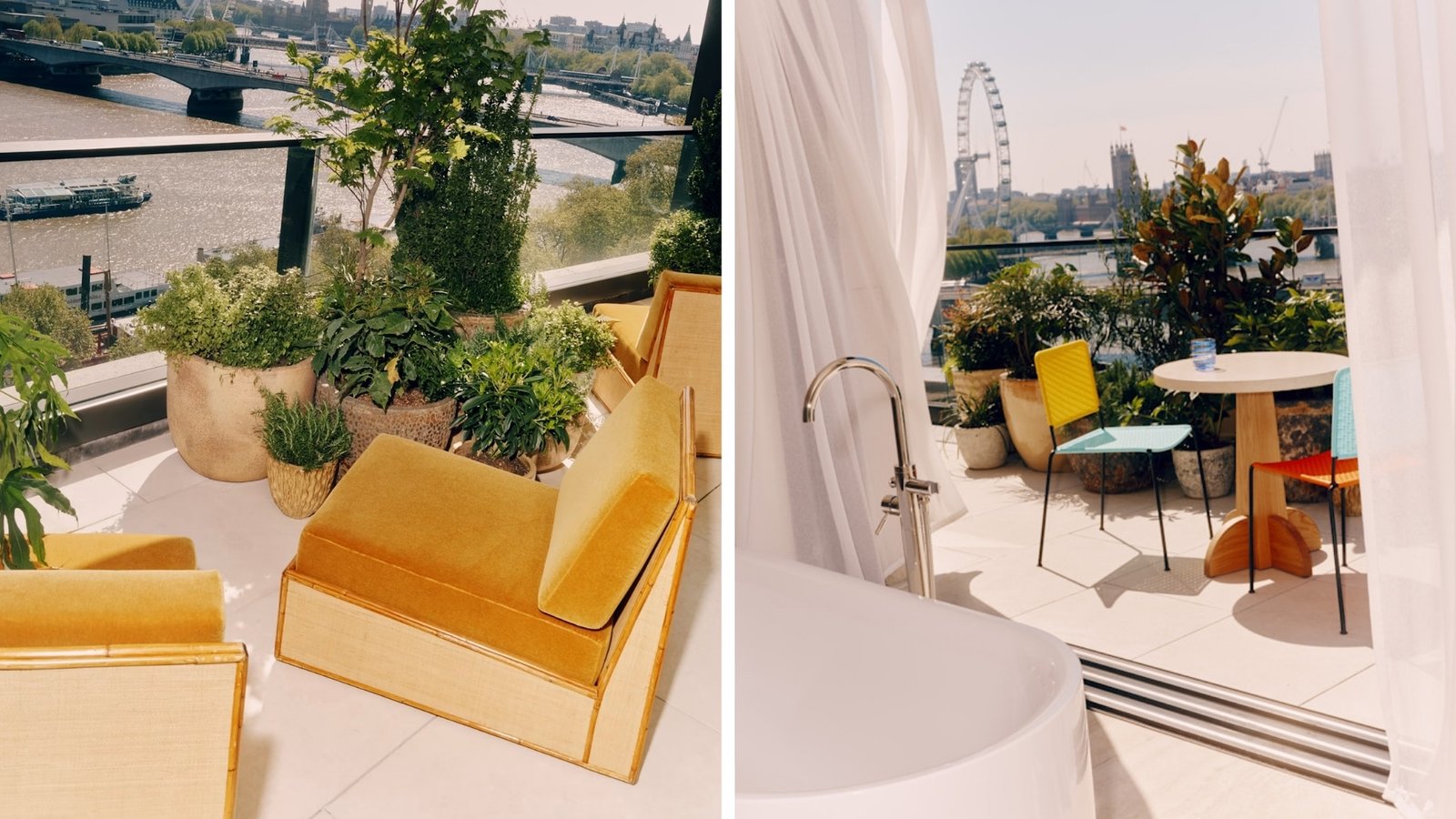
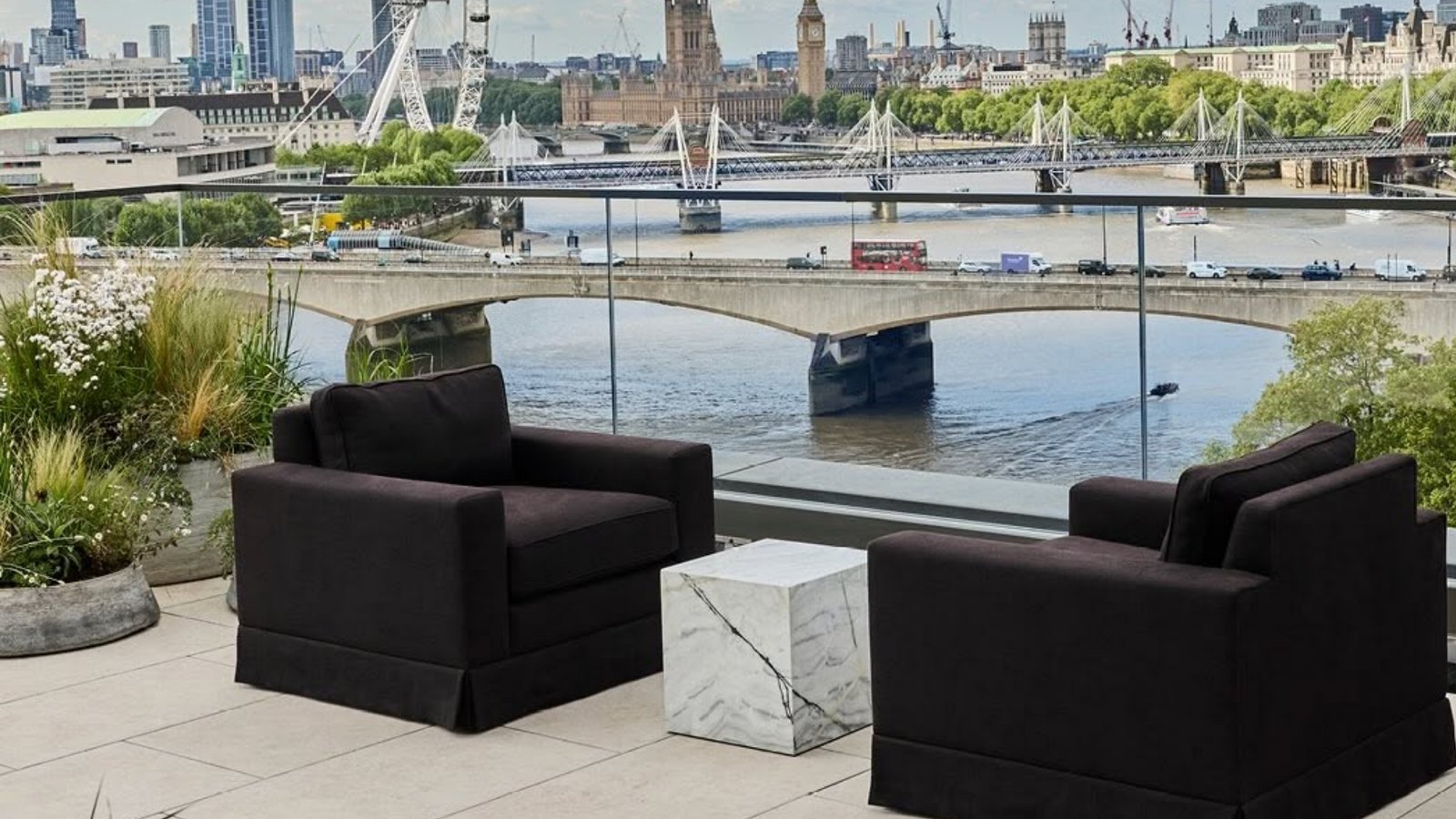
Opening later this year on Arundel Street near Temple, St. Clement will be the first hotel project from Jones & Co., the venture established following his departure from Soho House. Situated within the wider 180 Quarter development and a short walk from both Somerset House and Soho House’s original 180 The Strand location, the property arrives as both a continuation of Jones’s legacy and a departure from the model that made his name.
The difference is intentional. Where Soho House built value through membership, curation, and controlled access, St. Clement removes those barriers altogether. There are no applications, waiting lists, or membership cards. Instead, the project appears to be built around a quieter form of luxury hospitality — one defined by atmosphere, design, and service rather than exclusivity itself.
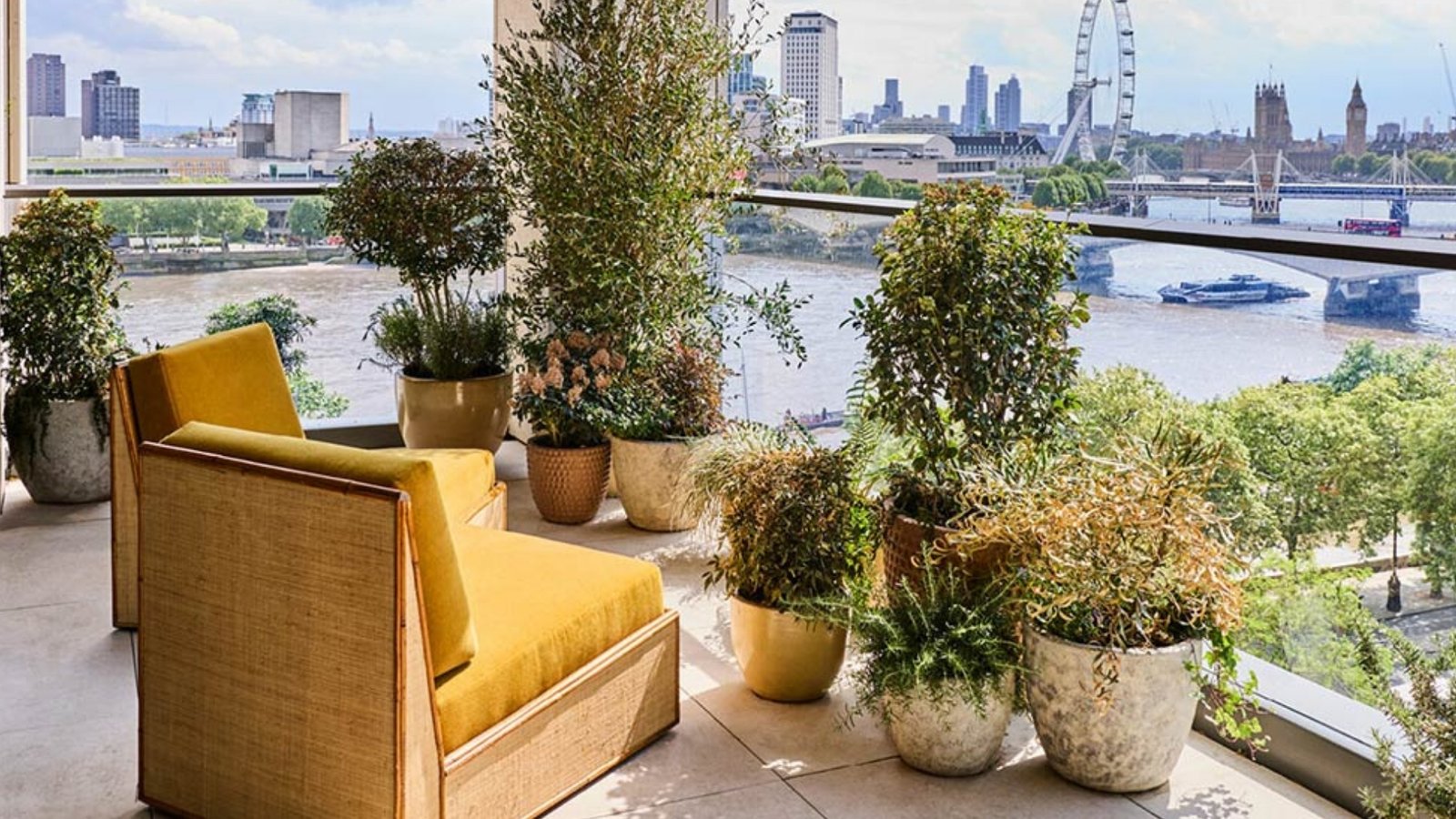
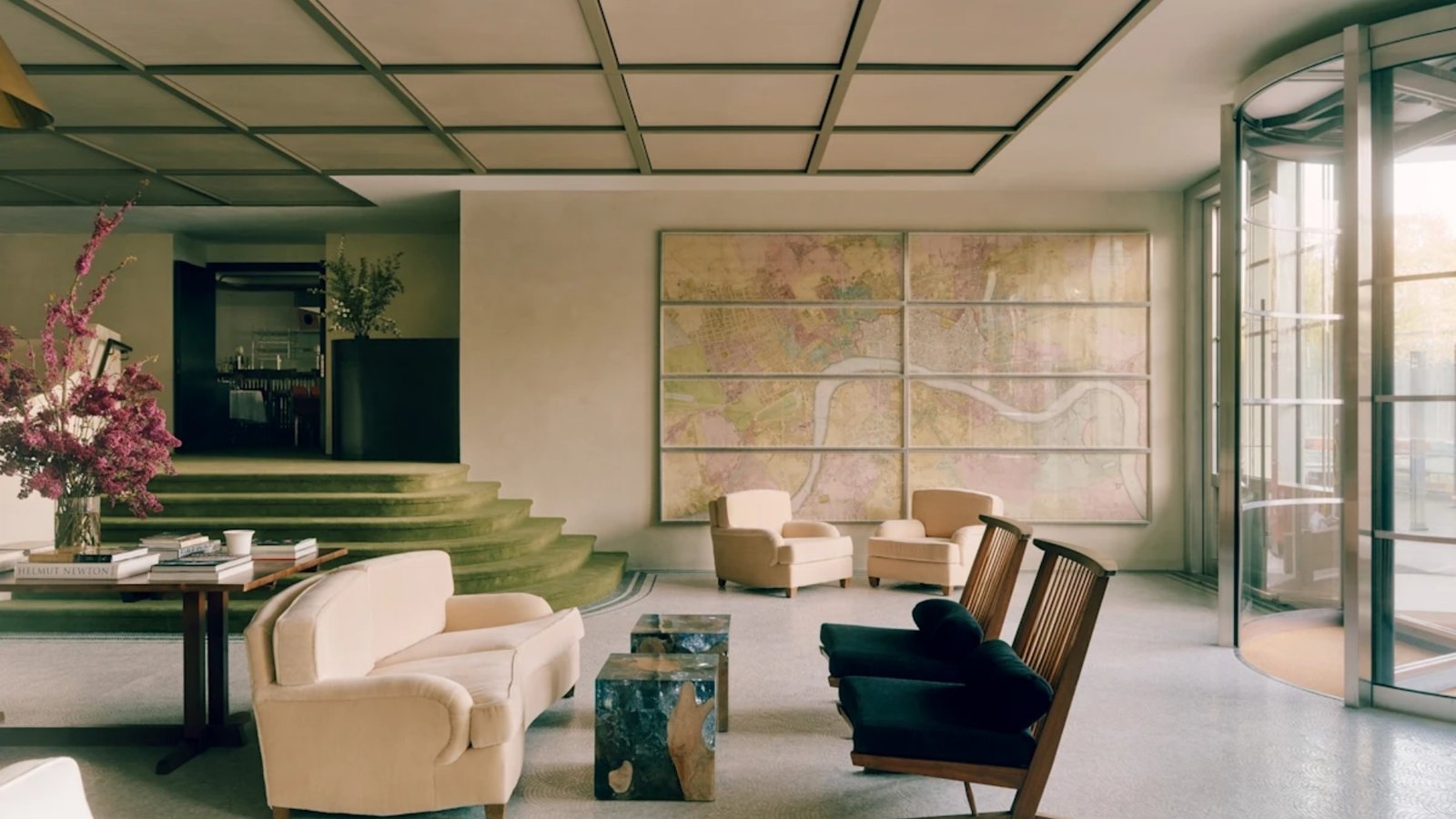
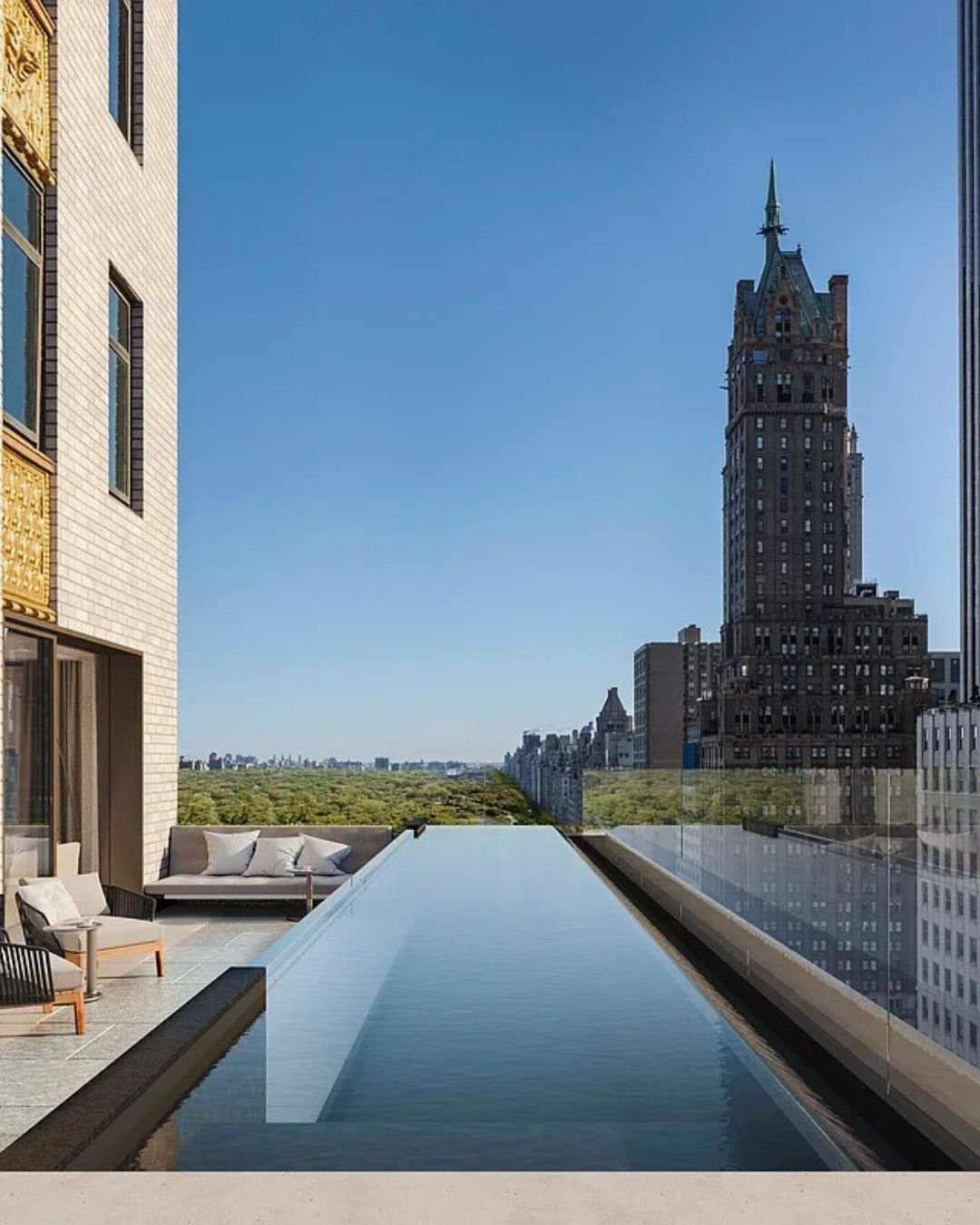
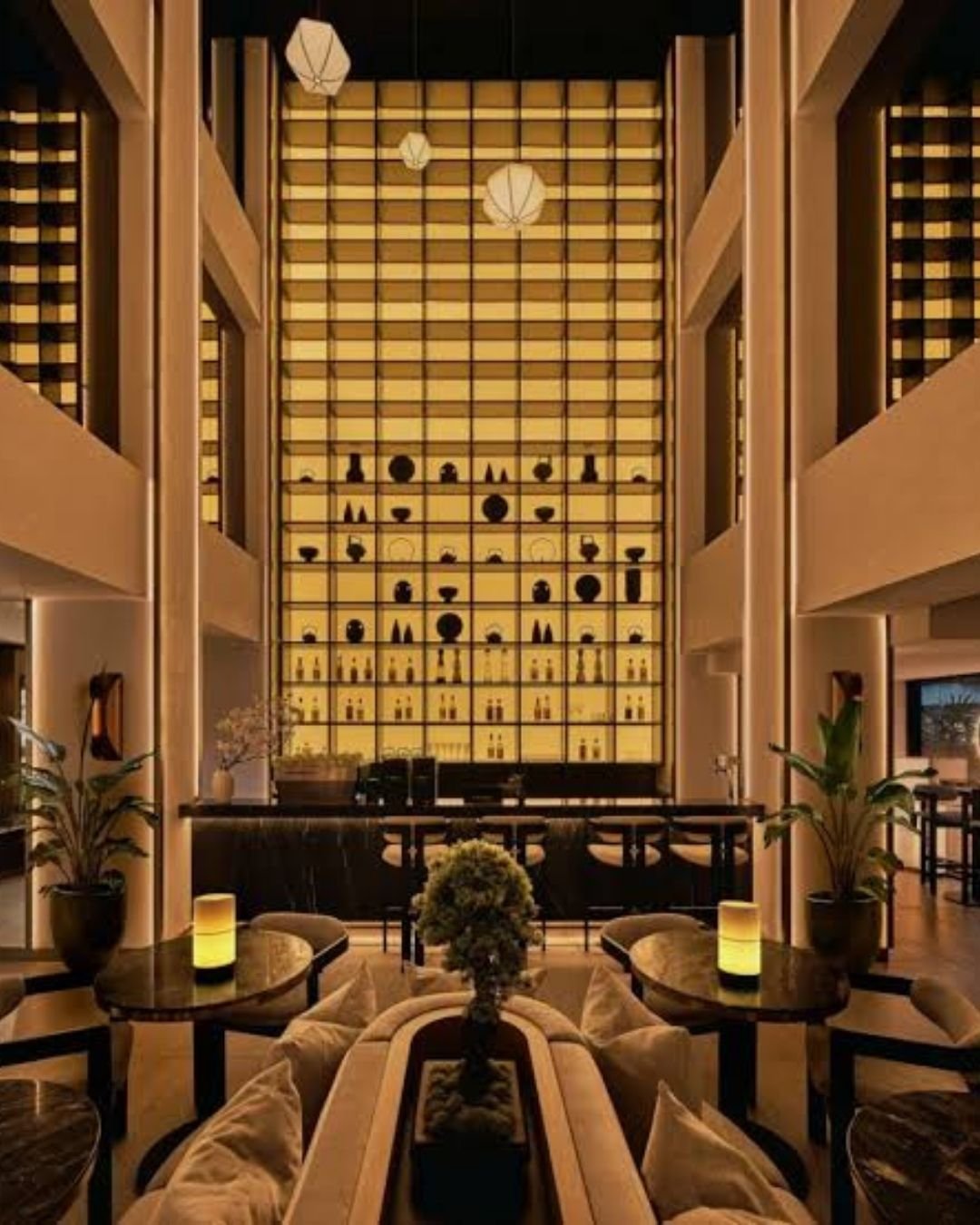
The hotel will comprise 90 guestrooms alongside 15 loft-style apartments designed for longer stays, reflecting the growing overlap between hospitality and residential living. A rooftop restaurant, wellness facilities, and amenities developed with British perfumer Lyn Harris further position the property within the increasingly blurred territory between hotel, private residence, and lifestyle destination. Much like the best contemporary hospitality projects, the ambition appears less focused on accommodation and more focused on creating a place people actively want to spend time within.
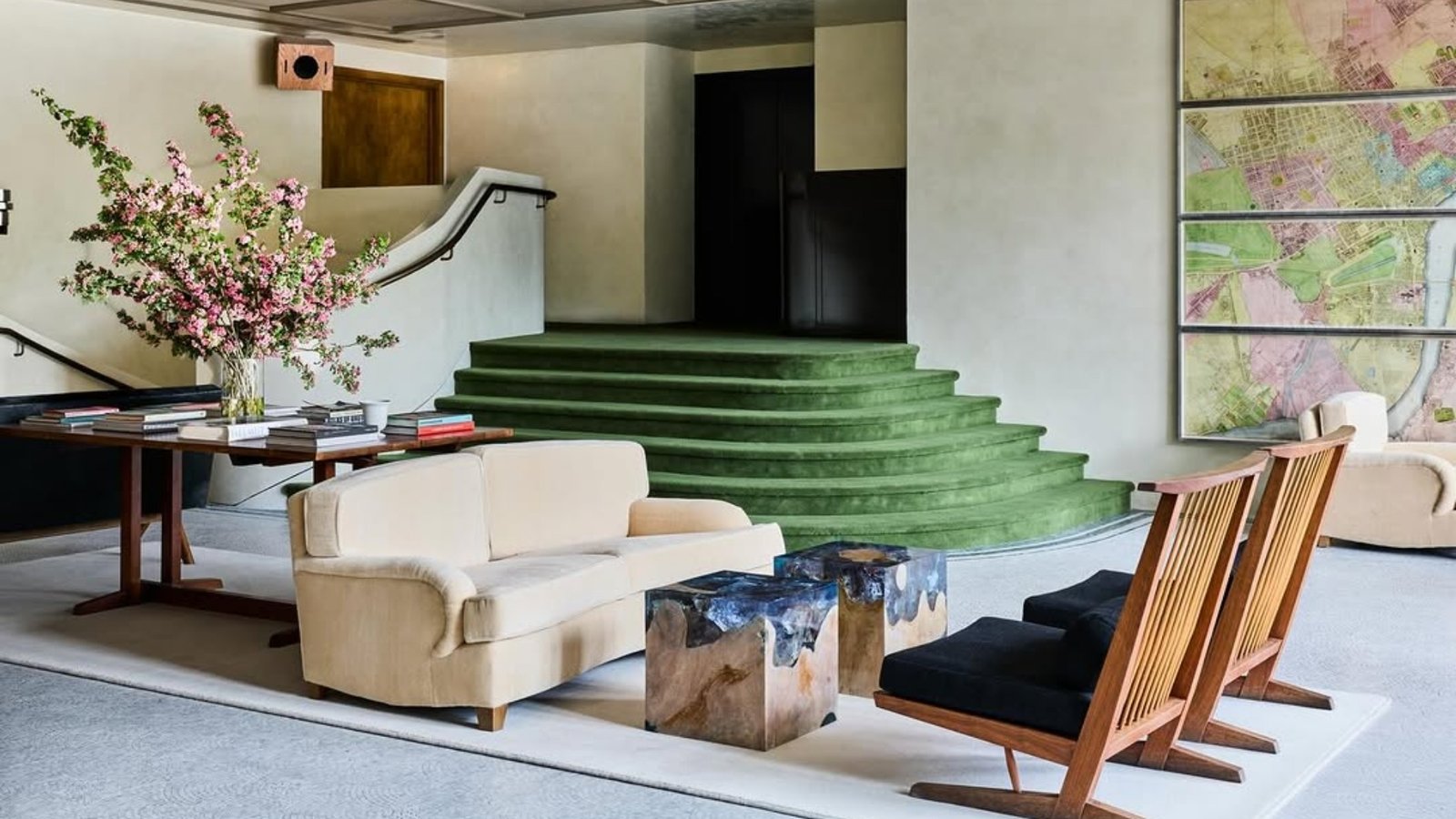
That positioning arrives at an interesting moment for the sector. London hospitality continues to face rising operating costs and increased pressure across the West End, while consumer expectations around luxury have shifted considerably over the past decade. Increasingly, affluent travellers are prioritising authenticity, emotional connection, and a sense of place over traditional markers of status. The most successful hospitality brands are no longer simply selling rooms; they are creating environments that foster belonging, identity, and cultural relevance.
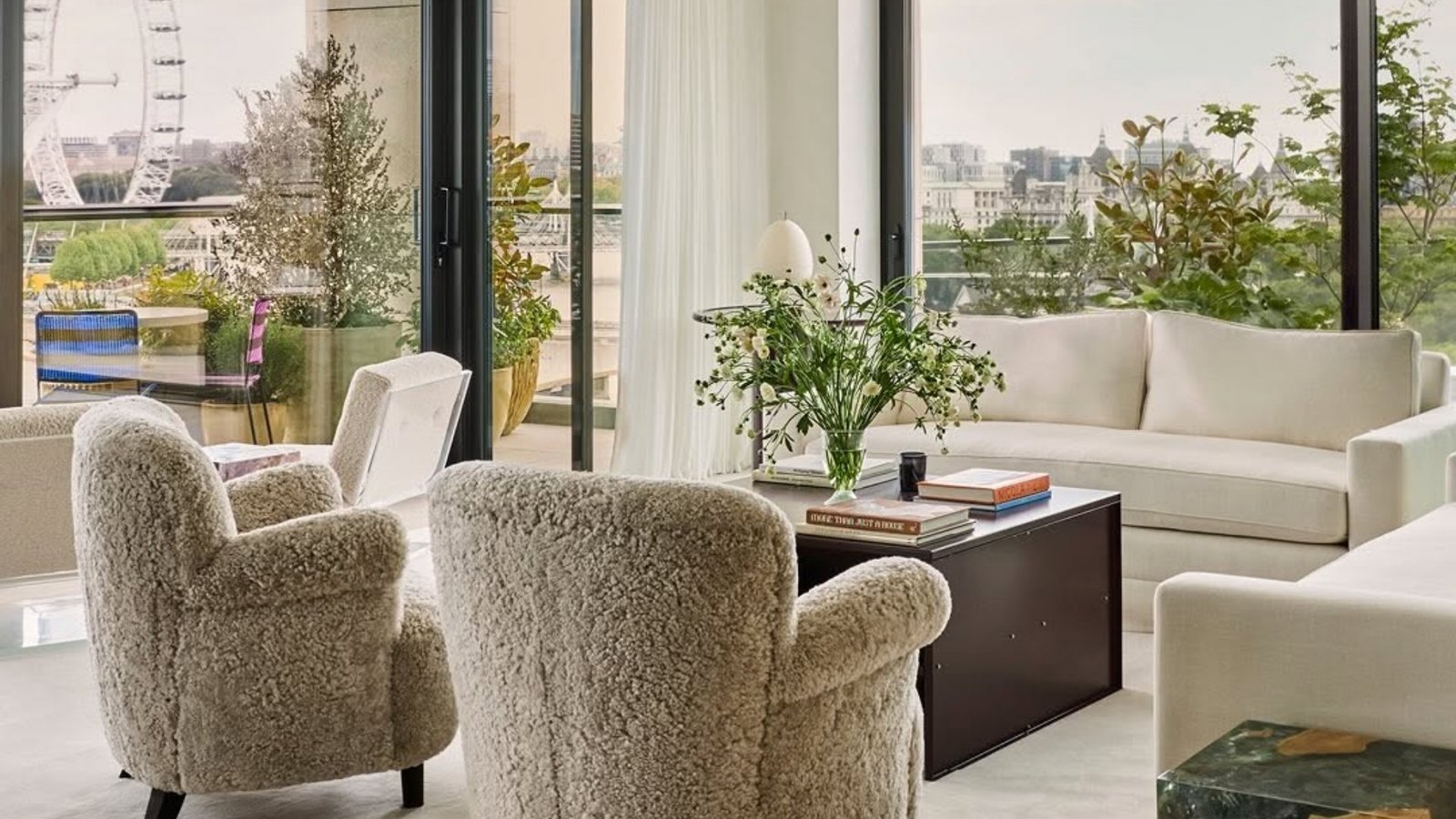
The timing is equally notable. Soho House itself recently returned to private ownership in a transaction valuing the business at approximately $2.7 billion, reinforcing the commercial appeal of hospitality brands capable of building communities around lifestyle and taste. Yet St. Clement suggests there may be another path emerging alongside membership-driven models — one where thoughtful design, residential comfort, and cultural fluency become the primary draw.
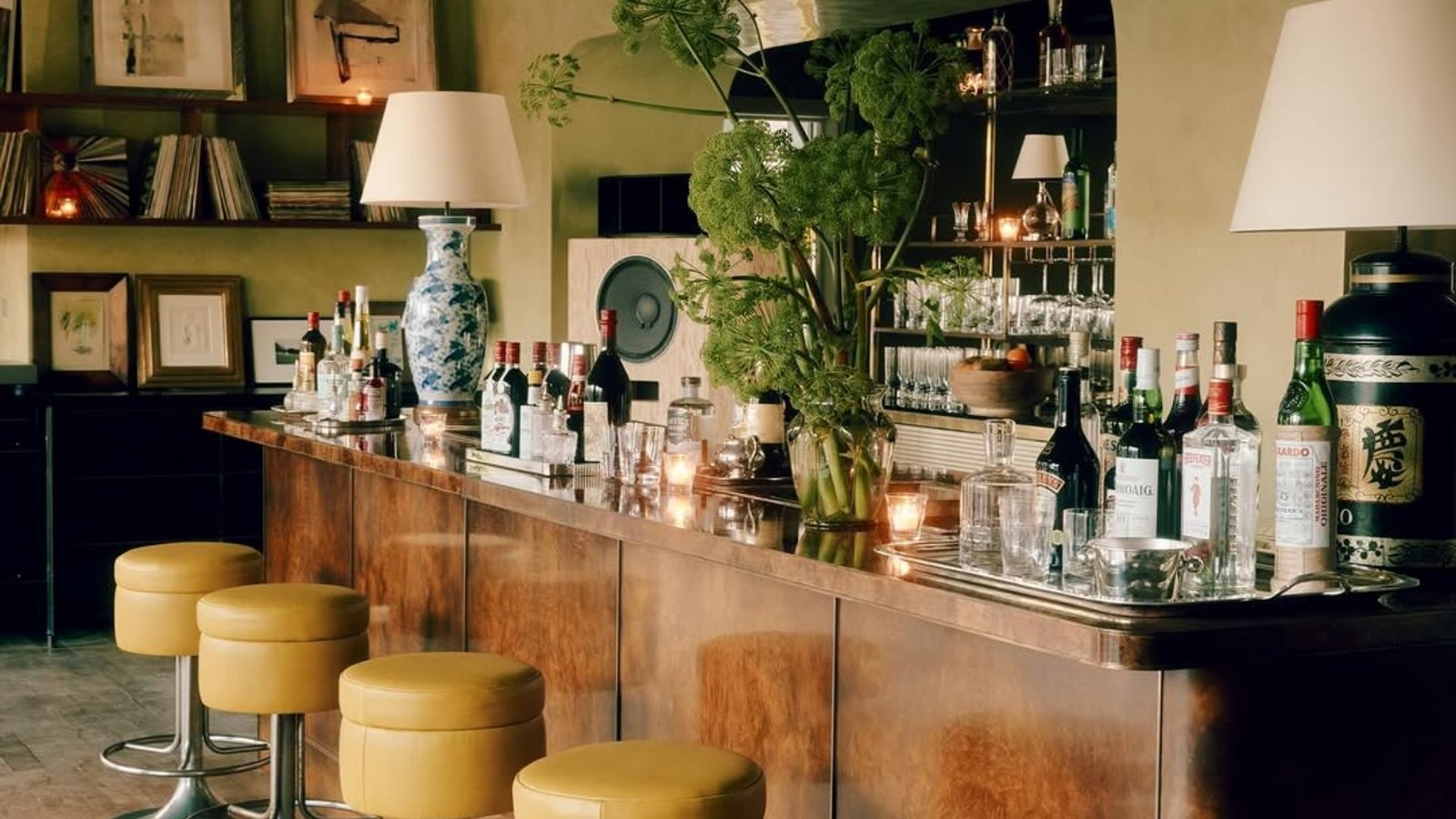
In many ways, the project reflects a broader evolution taking place across luxury hospitality. After years of exclusivity-driven growth, some of the sector’s most compelling concepts are becoming less concerned with restricting access and more concerned with creating environments people genuinely want to return to. The opportunity is no longer simply to build a hotel, but to build a world.
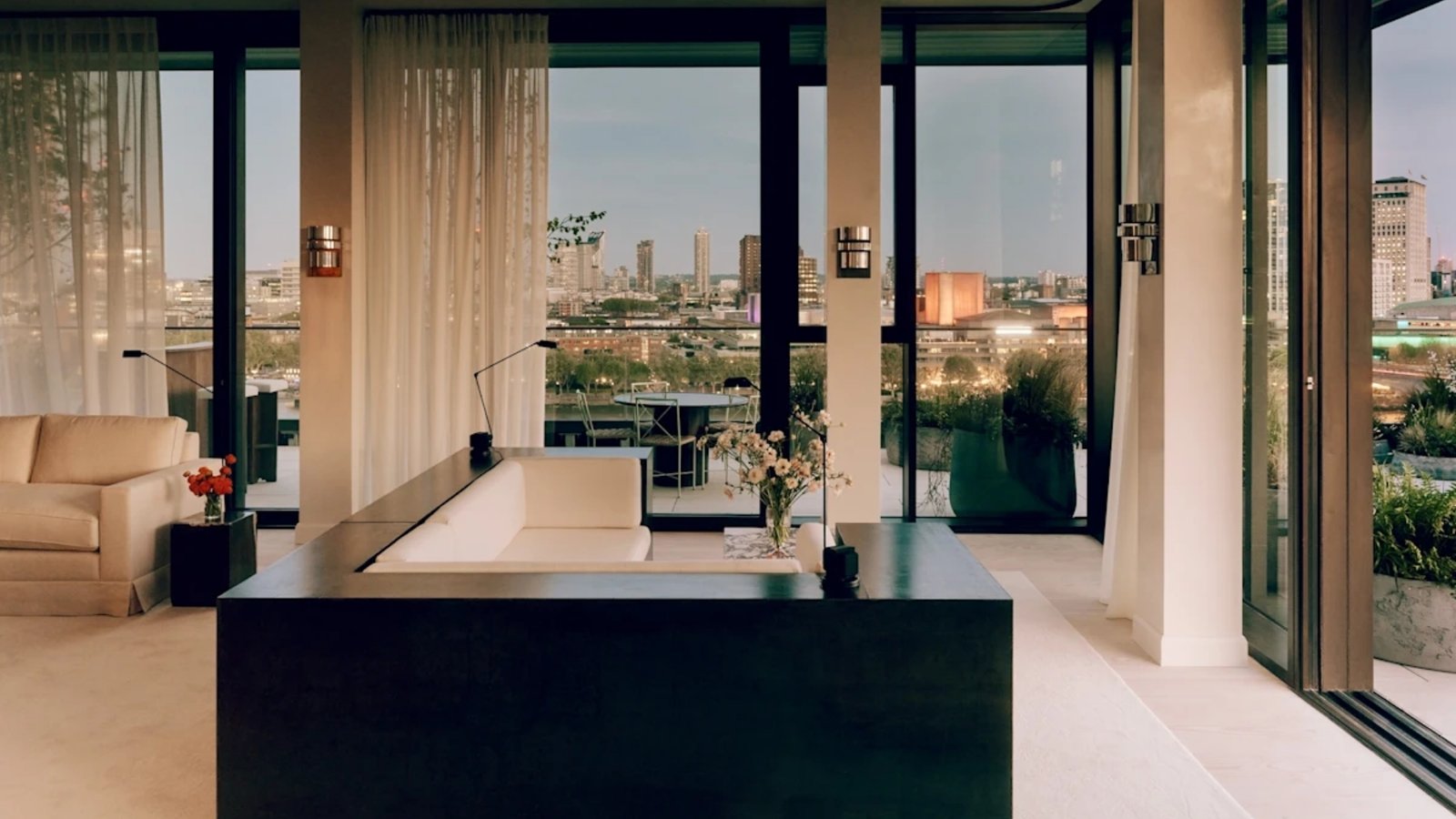
Rates and official opening dates have yet to be announced, though reservations are expected to open later this summer. Whether St. Clement becomes a new chapter in London hospitality or simply a thoughtful counterpoint to the members club era, it will be closely watched by an industry that Jones helped define. Visit St. Clement here.