


Branded residences have moved beyond hospitality to become one of luxury real estate’s most influential financial models. It is now difficult to find a major luxury hospitality development without a residential component, and the reason is rooted in economics rather than lifestyle. Selling residences allows developers to realise value earlier in an asset’s lifecycle, reduce reliance on long-term operating performance, and strengthen pricing through association with an established global brand.
In many of the most significant developments now in the pipeline, the hotel is no longer the primary profit centre. It has become the mechanism, the proof of concept that justifies the residential premium sitting beside or above it. The scale of that shift is no longer a niche curiosity.
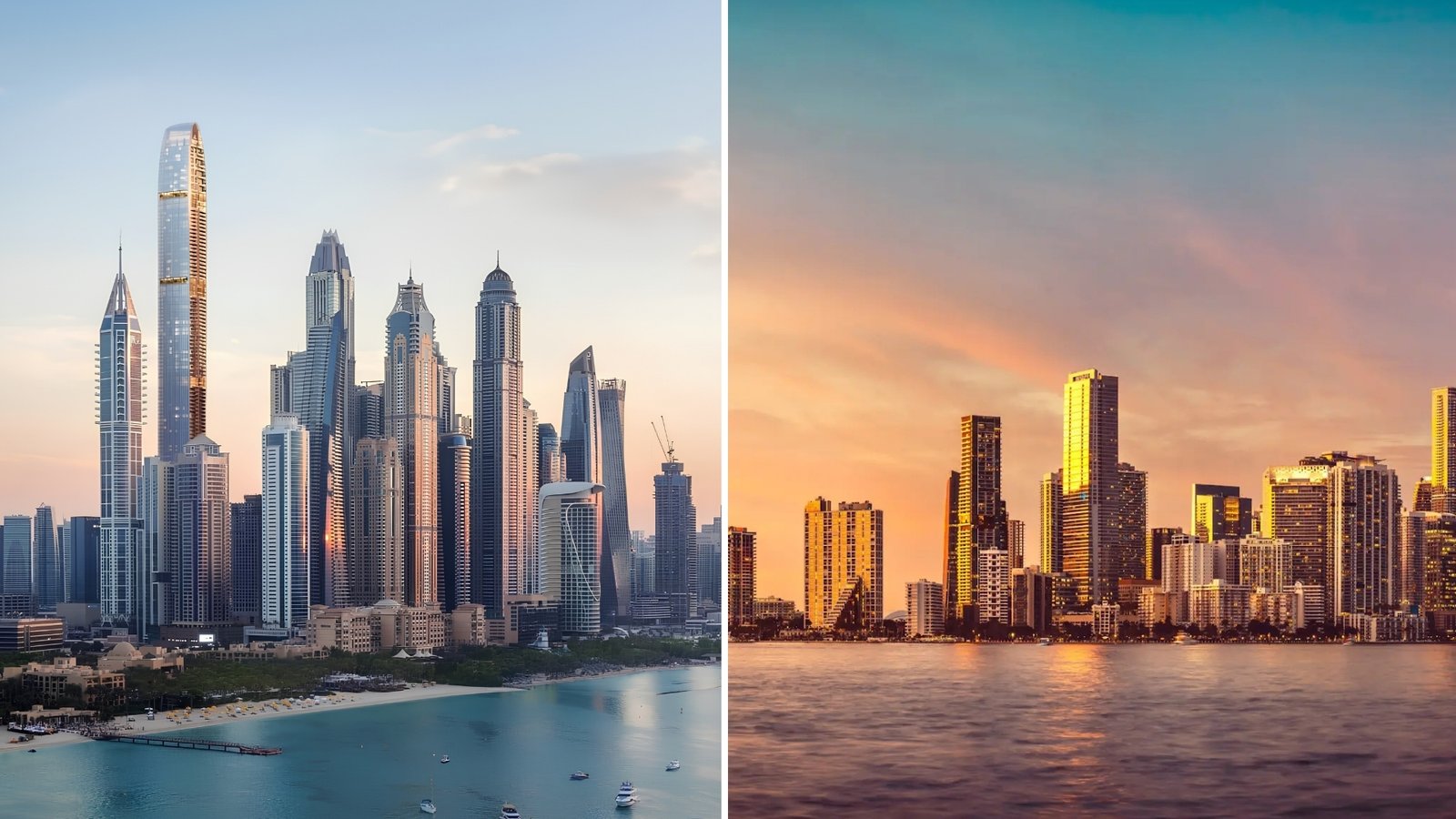
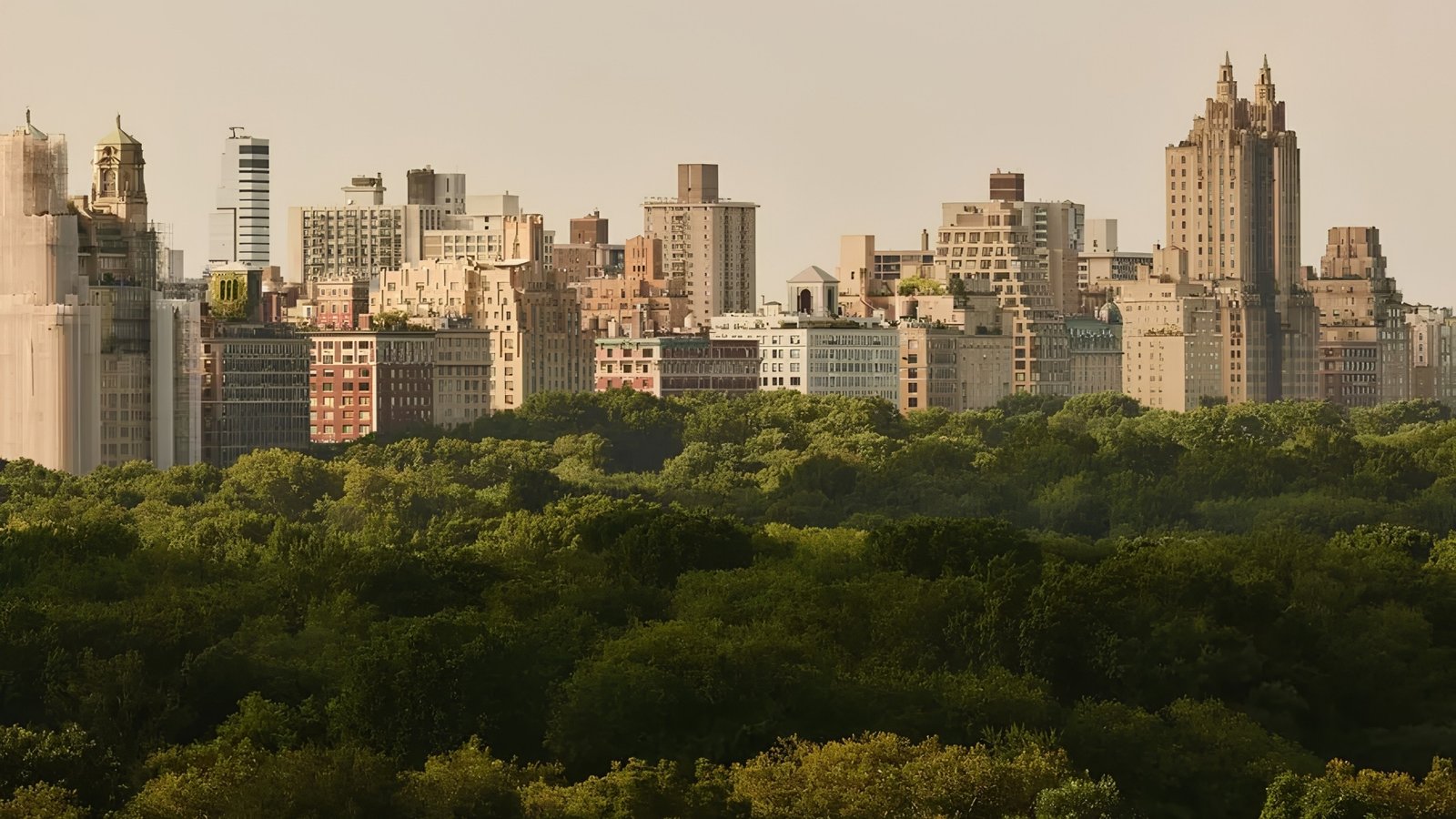
Miami alone has 48 completed branded residential towers with another 55 in the pipeline, placing it second globally only to Dubai, which counts 64 completed projects and a further 87 in planning. New York carries 32 completed and 4 planned, and even markets historically resistant to branded residential, São Paulo and Cairo among them, now have meaningful pipelines of their own.
Five years ago, branded residences were rare enough that almost any example commanded a premium simply through scarcity. That scarcity is disappearing fast, which makes the question of which projects will actually hold their value considerably more urgent than it was when the category was new.
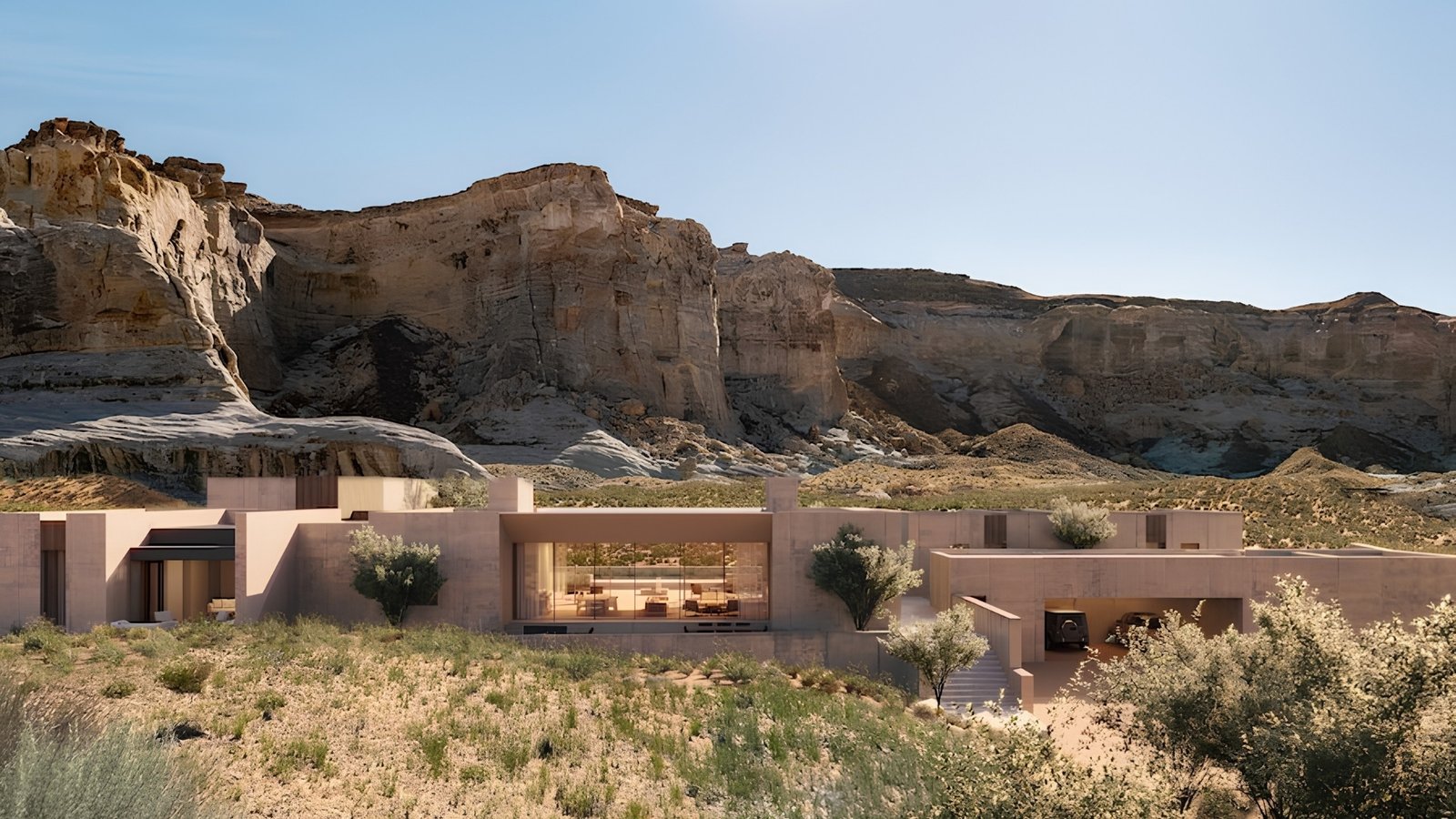
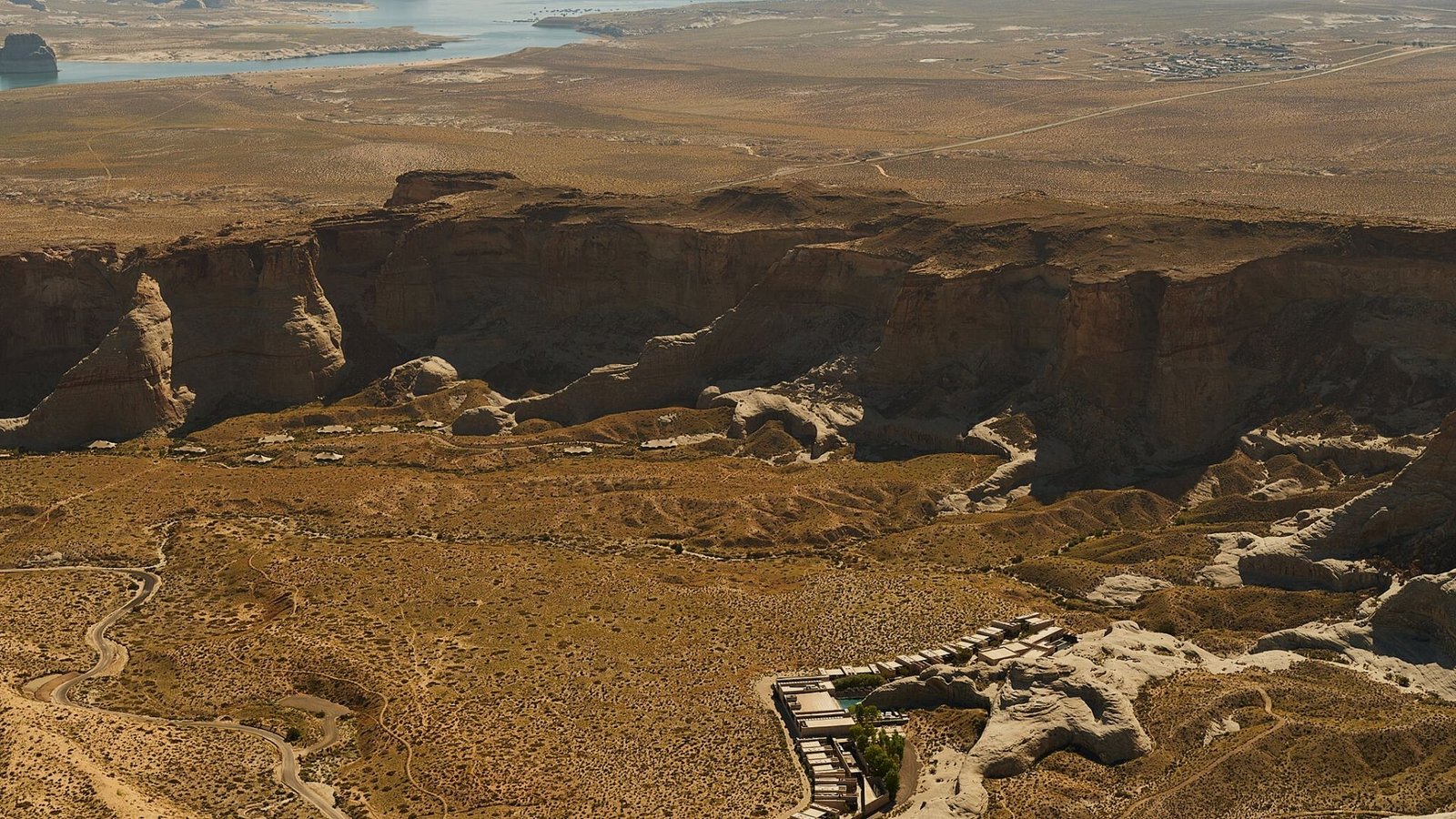
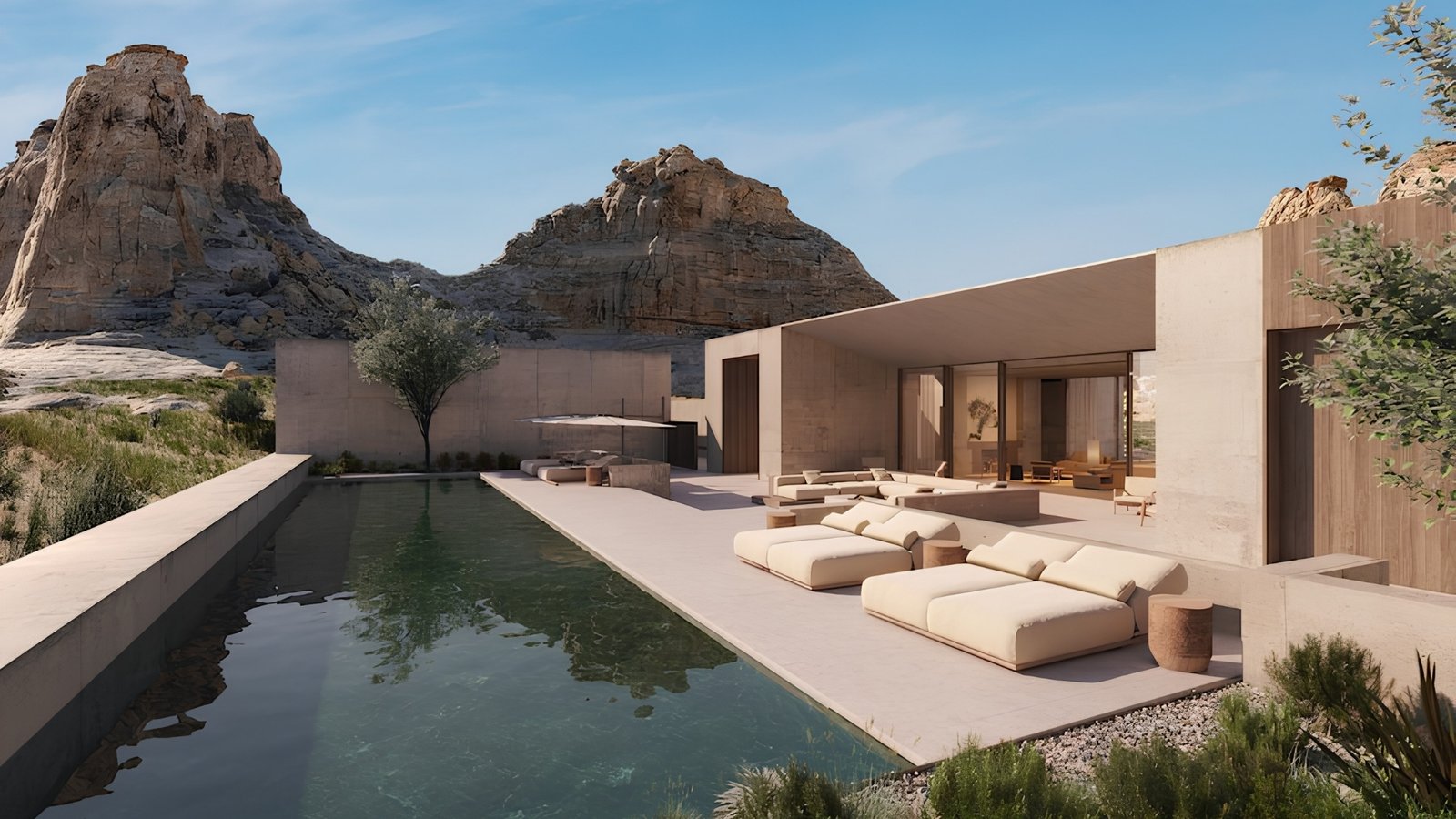
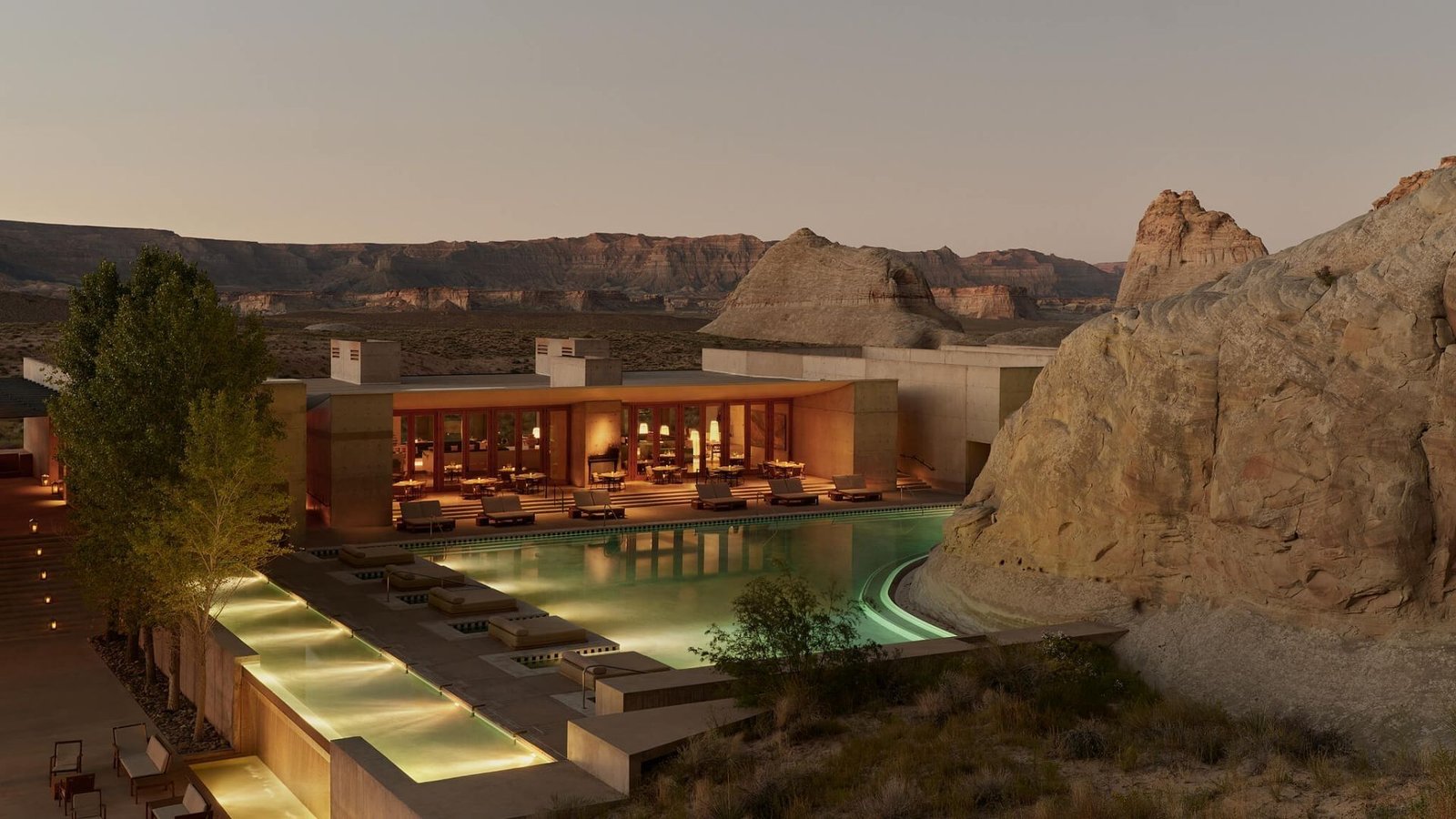
Three conditions, examined closely across the pipeline, consistently separate the branded residences that hold their premium from those that will struggle as supply increases. The first is irreplaceable real estate, and Amangiri illustrates it most clearly. Originally conceived as a 34-suite resort embedded into the red rock landscape of southern Utah, the development has spent over a decade establishing a standard that architecture, service and landscape achieve only by operating in complete alignment across 900 protected acres.
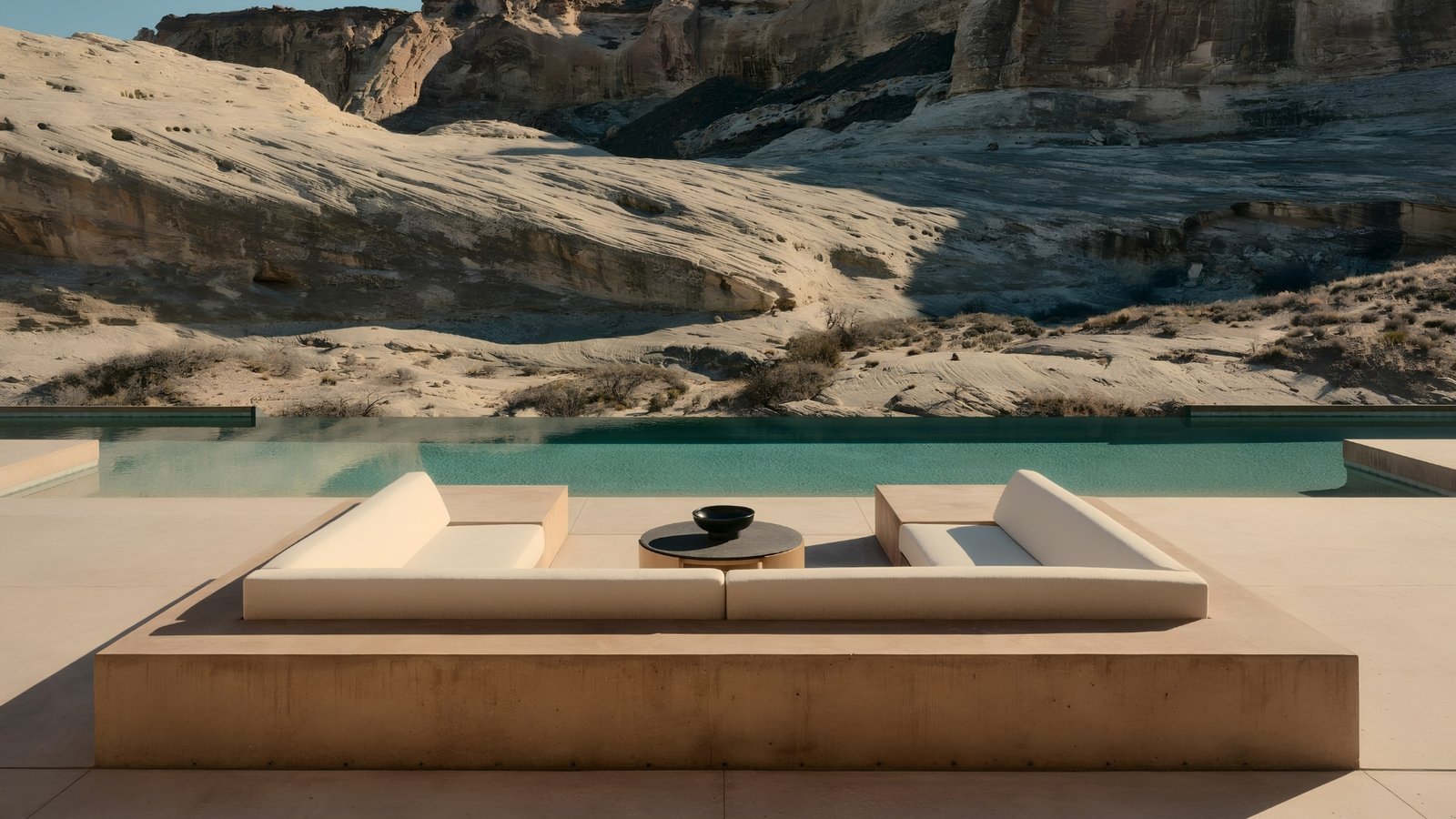
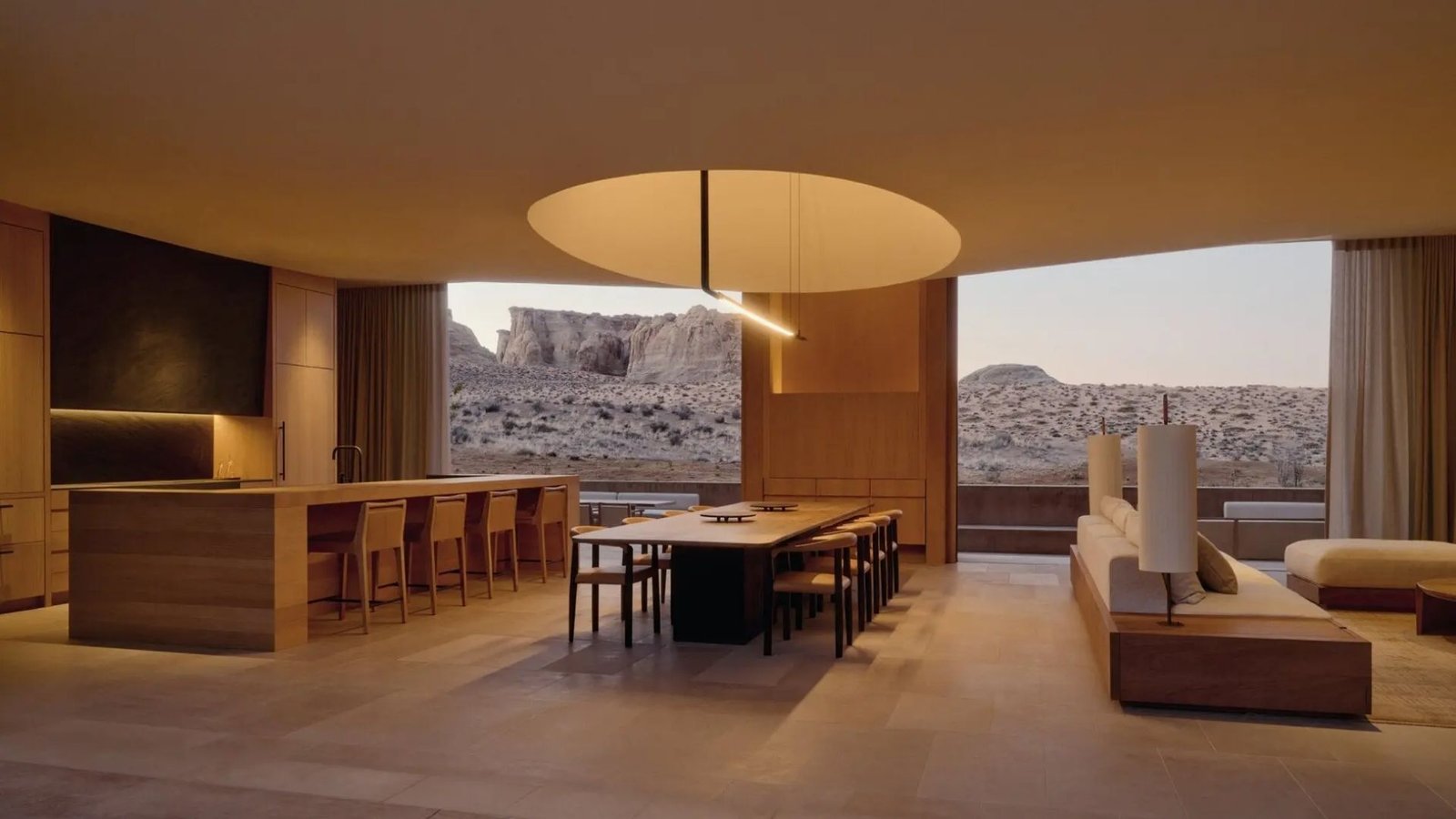
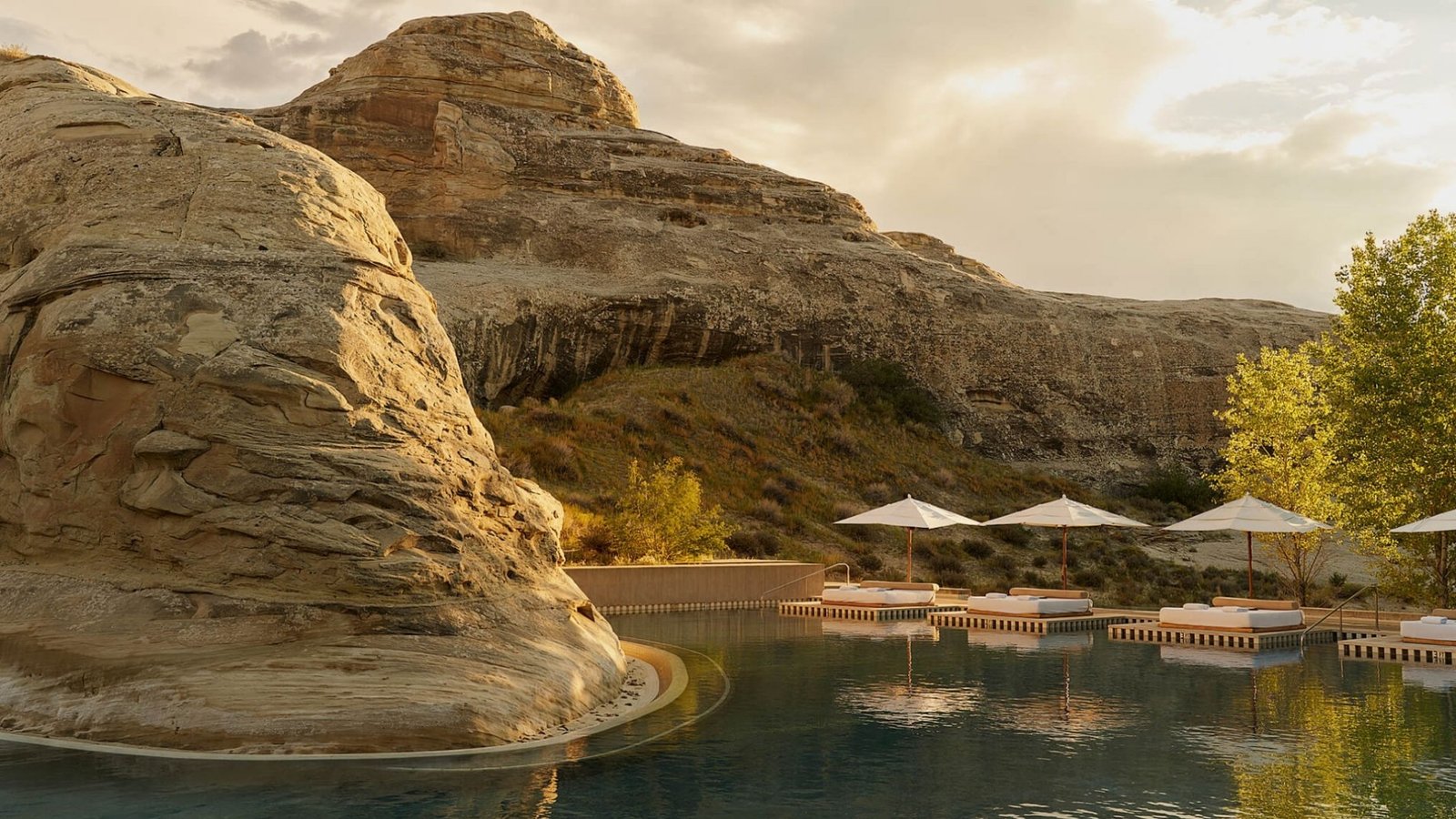
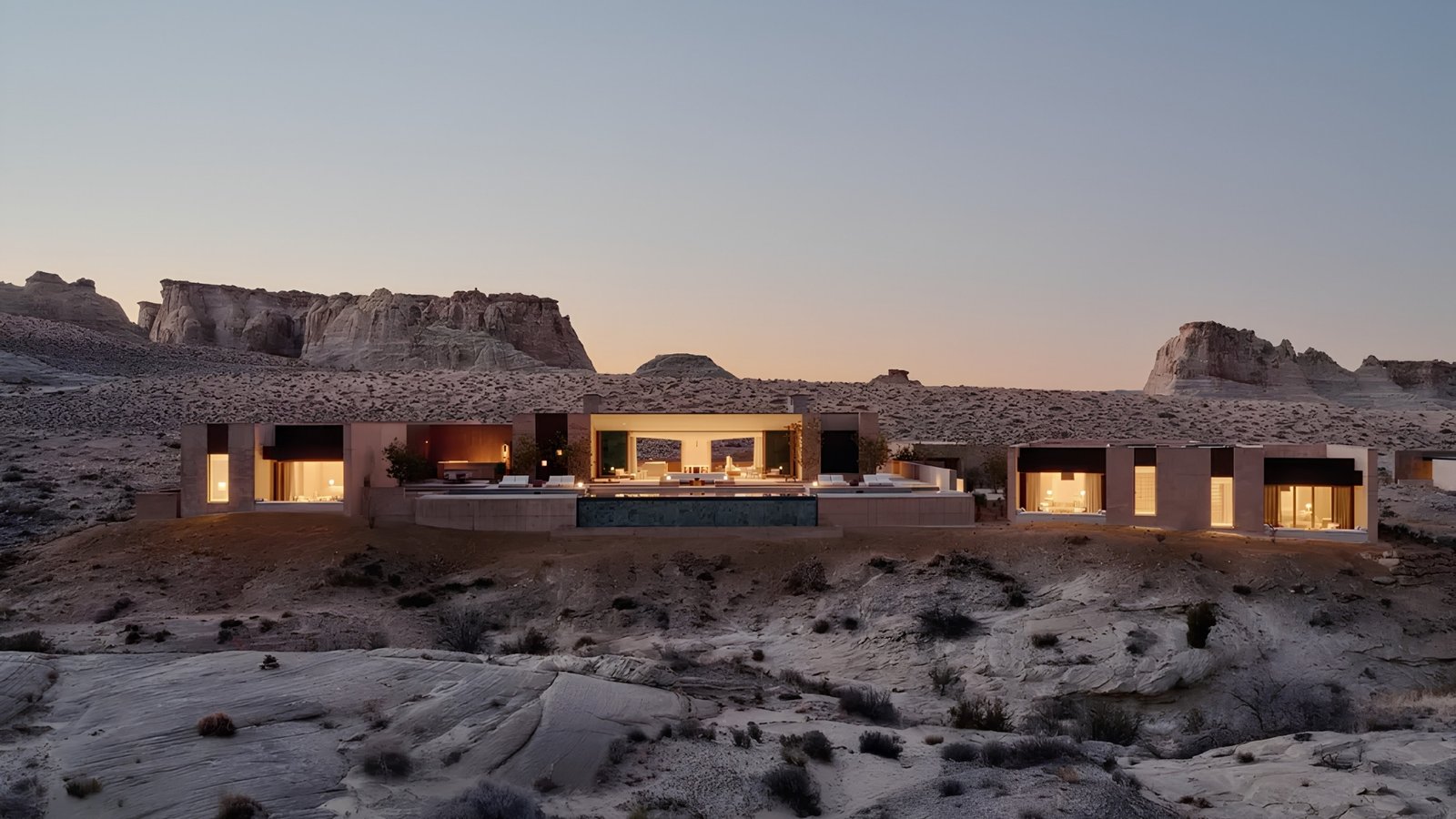
Its first privately owned residence entered the market at $33 million, a nine-acre estate with six bedrooms and a 118-foot pool carved directly into the rock. Only 12 private homes will ever exist within the perimeter, no two identical. The residence is not adding inventory to an existing market — it is extending a fully realised, geographically constrained environment into a format that can be owned, and that distinction is the first and most decisive condition of durability.
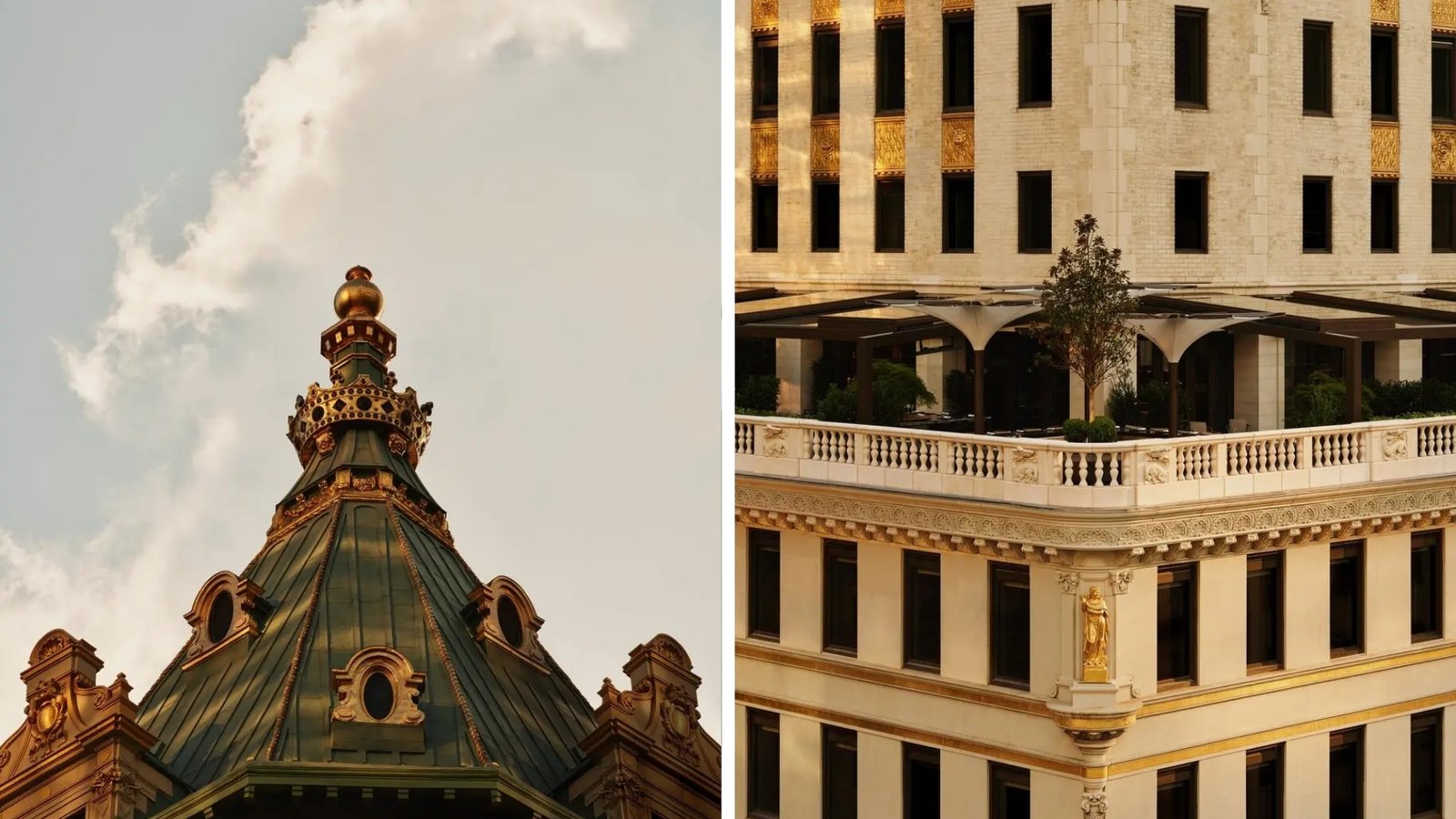
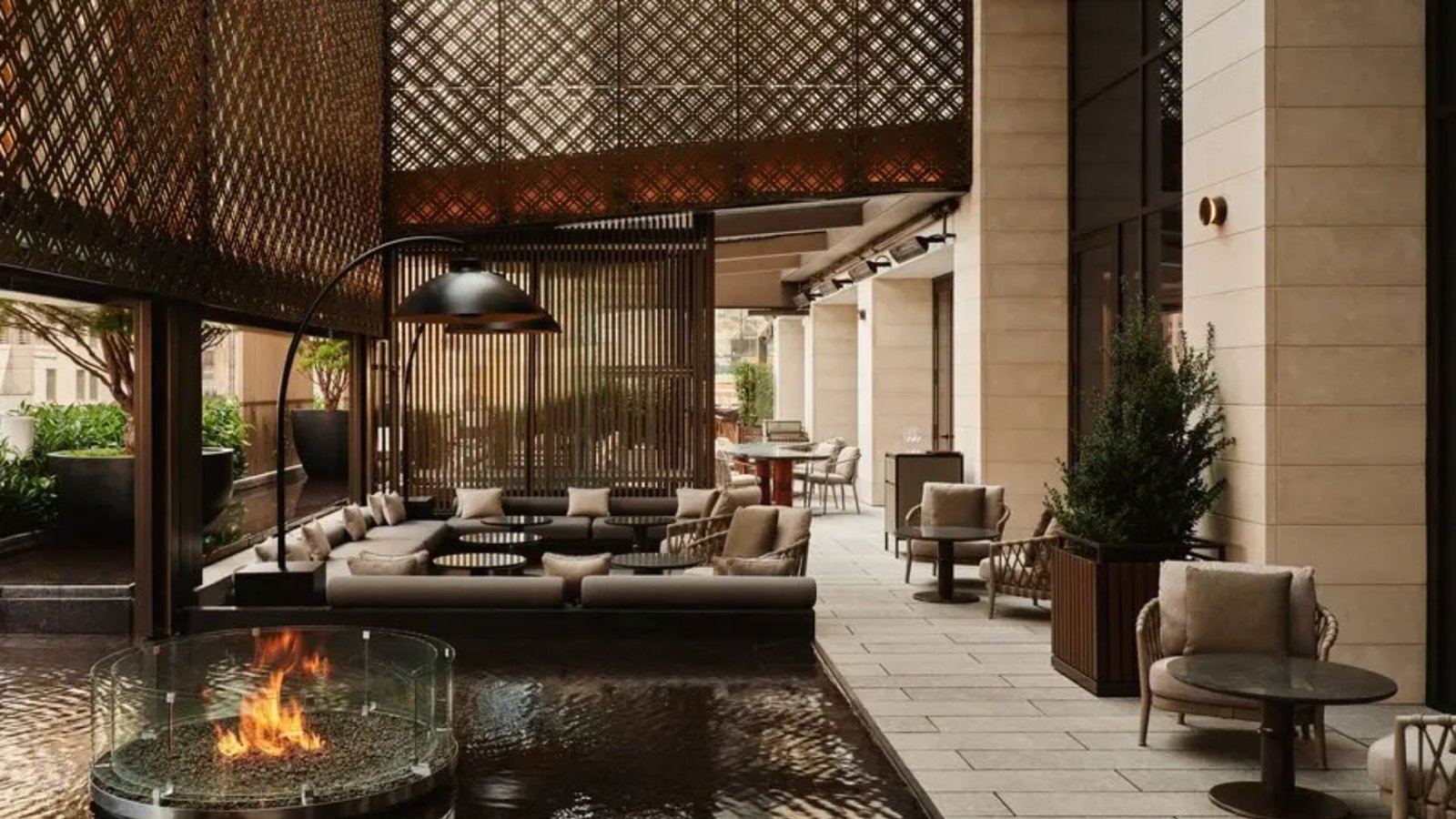
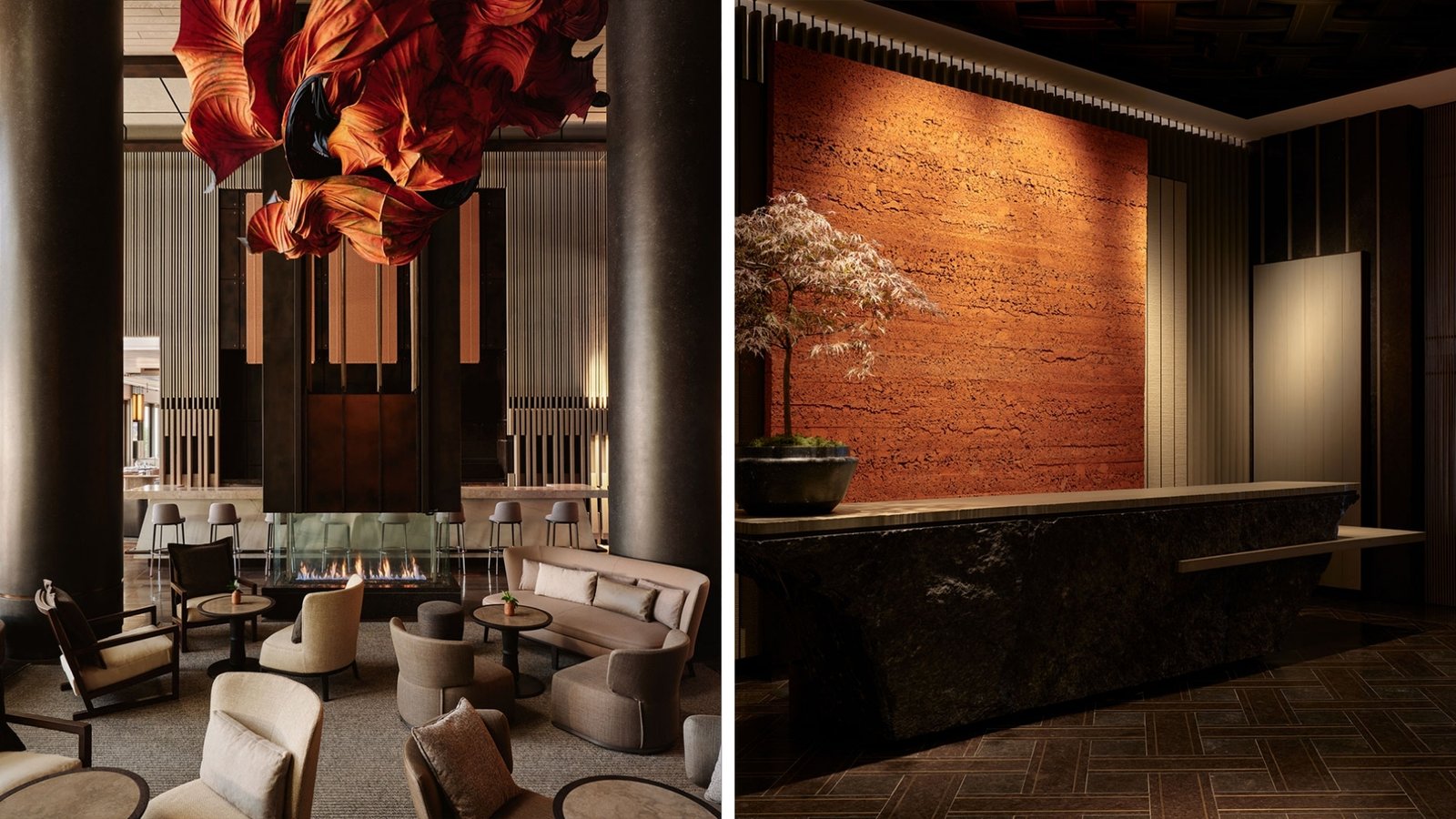
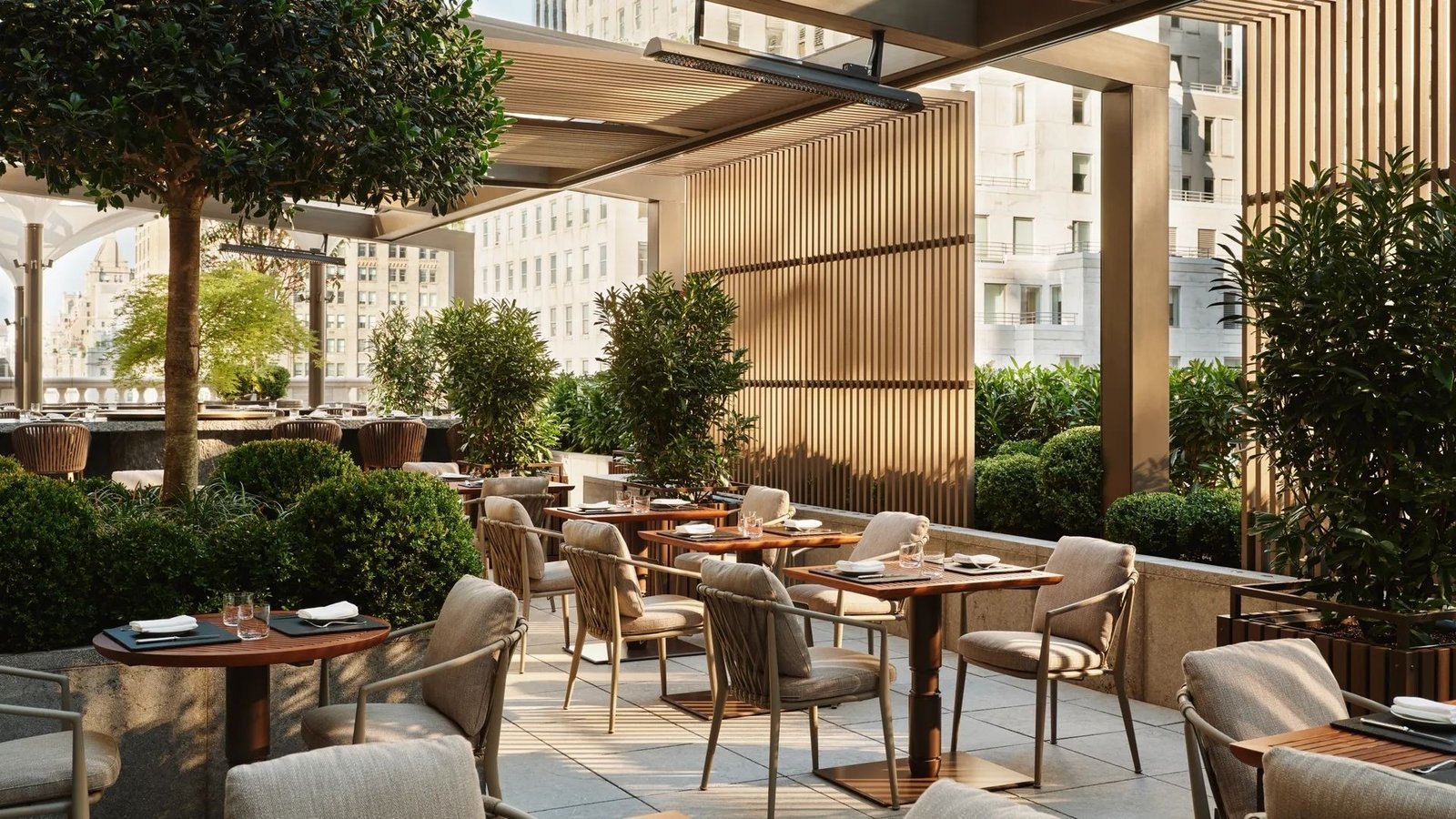
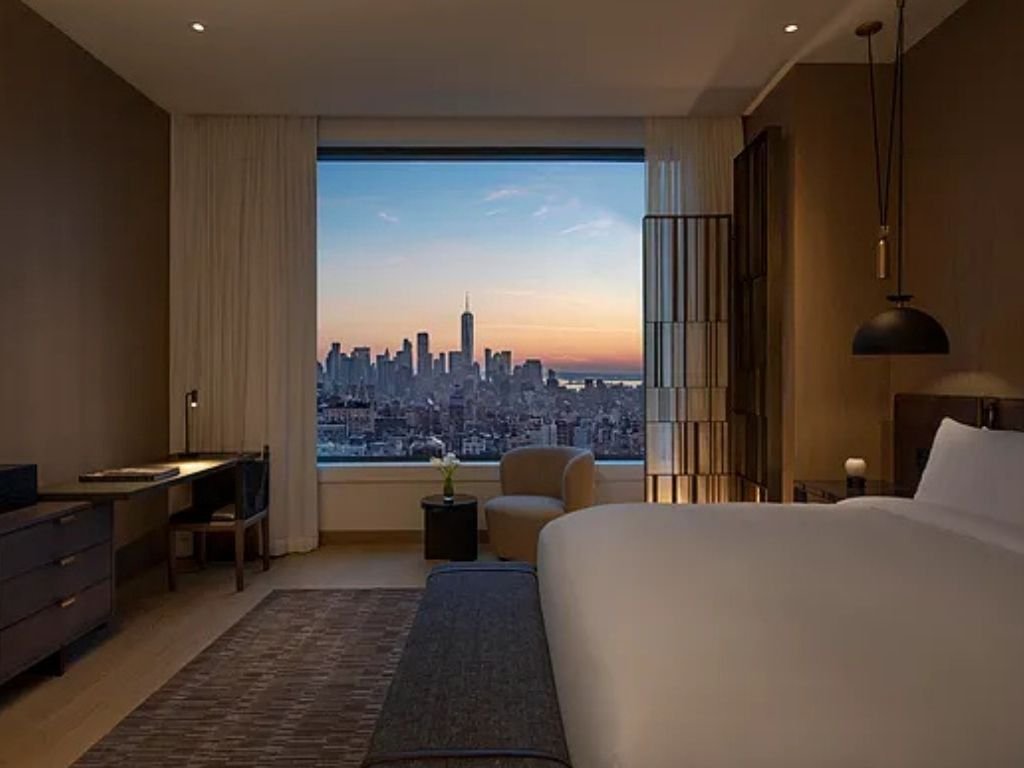
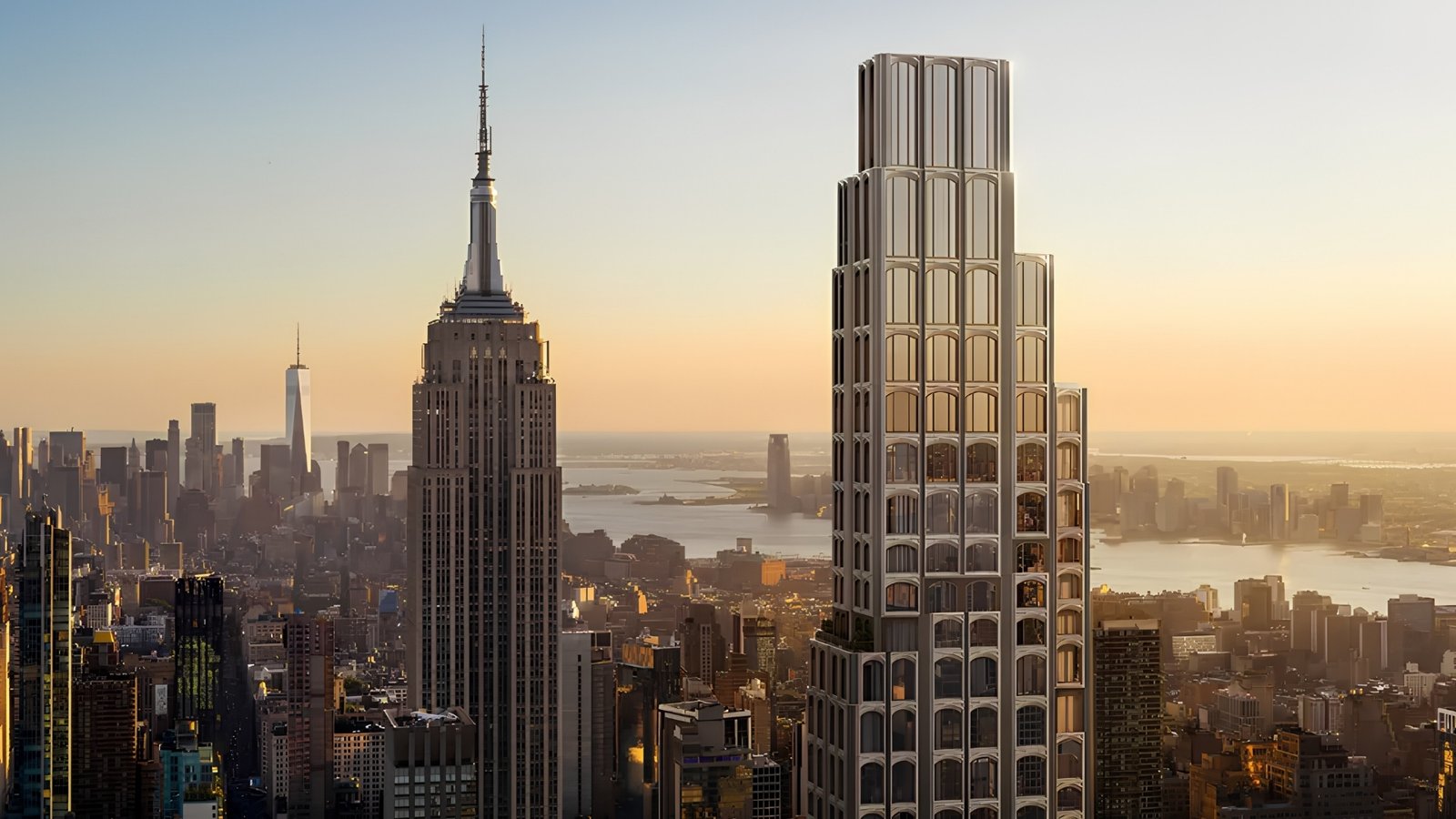
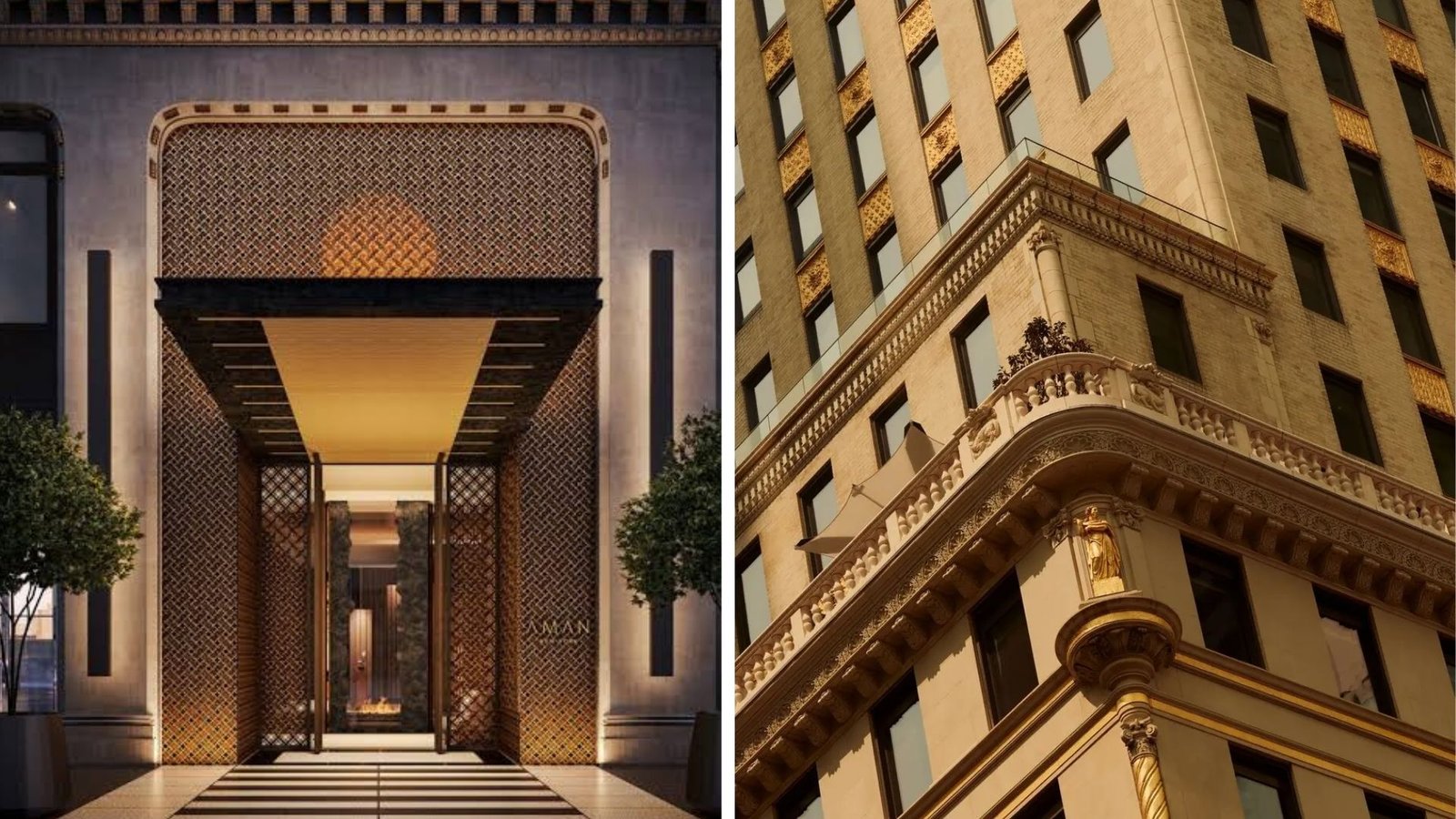
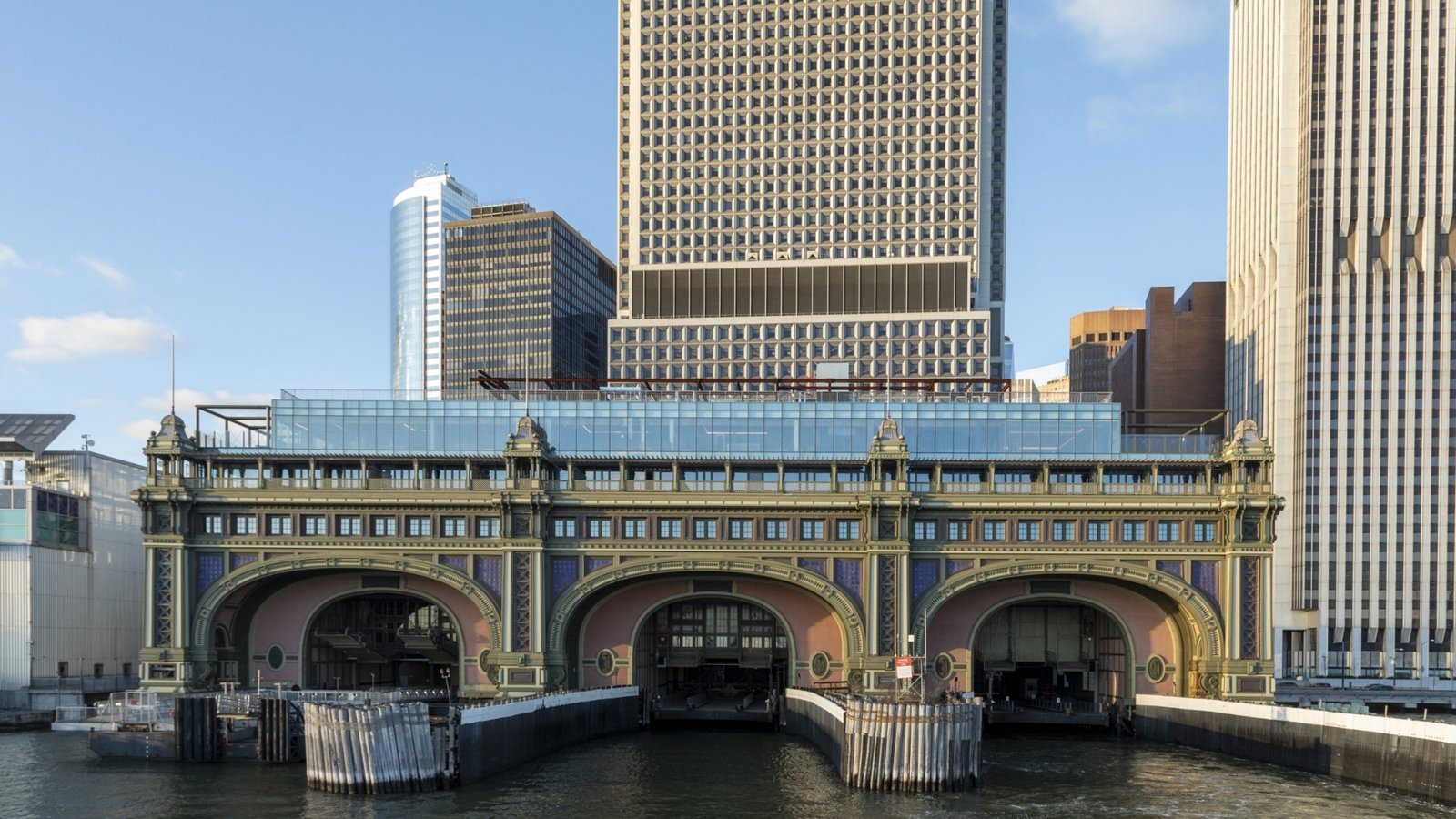
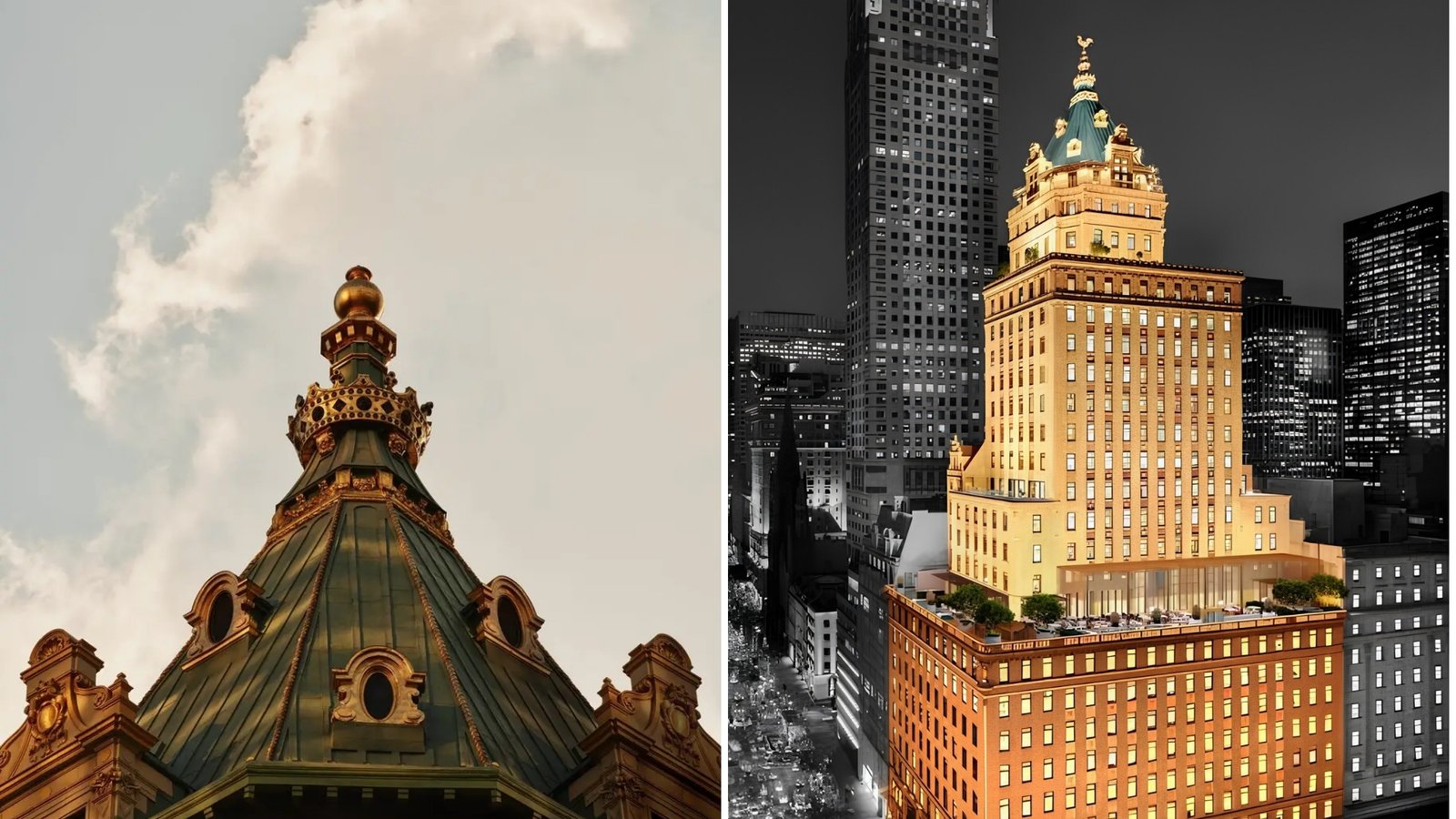
The second condition is a clear architectural and cultural point of view, and Aman’s residential programme is the clearest demonstration of what that looks like in practice. The Aman New York residences, priced from $20 million, succeed because Aman has a recognisable architectural language — minimalism, material honesty, a specific relationship to landscape and light — consistent since Amanpuri opened on Phuket in 1988.
A buyer purchasing an Aman residence is purchasing a philosophy refined over four decades, not square footage with a premium name attached after the fact. That is the difference between a brand functioning as architecture and a brand functioning as decoration, and the market is growing more sophisticated at telling the two apart by the month.
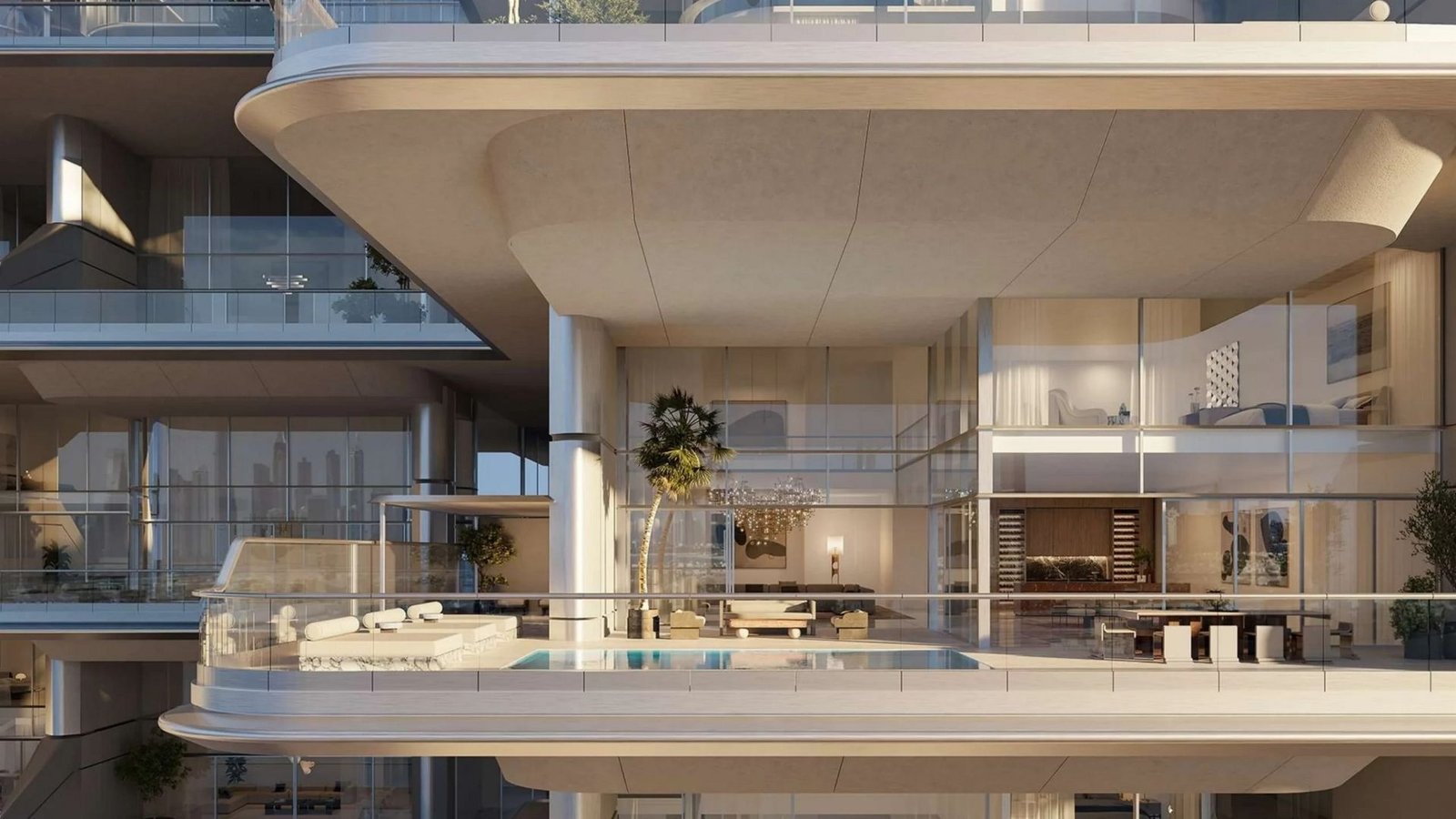
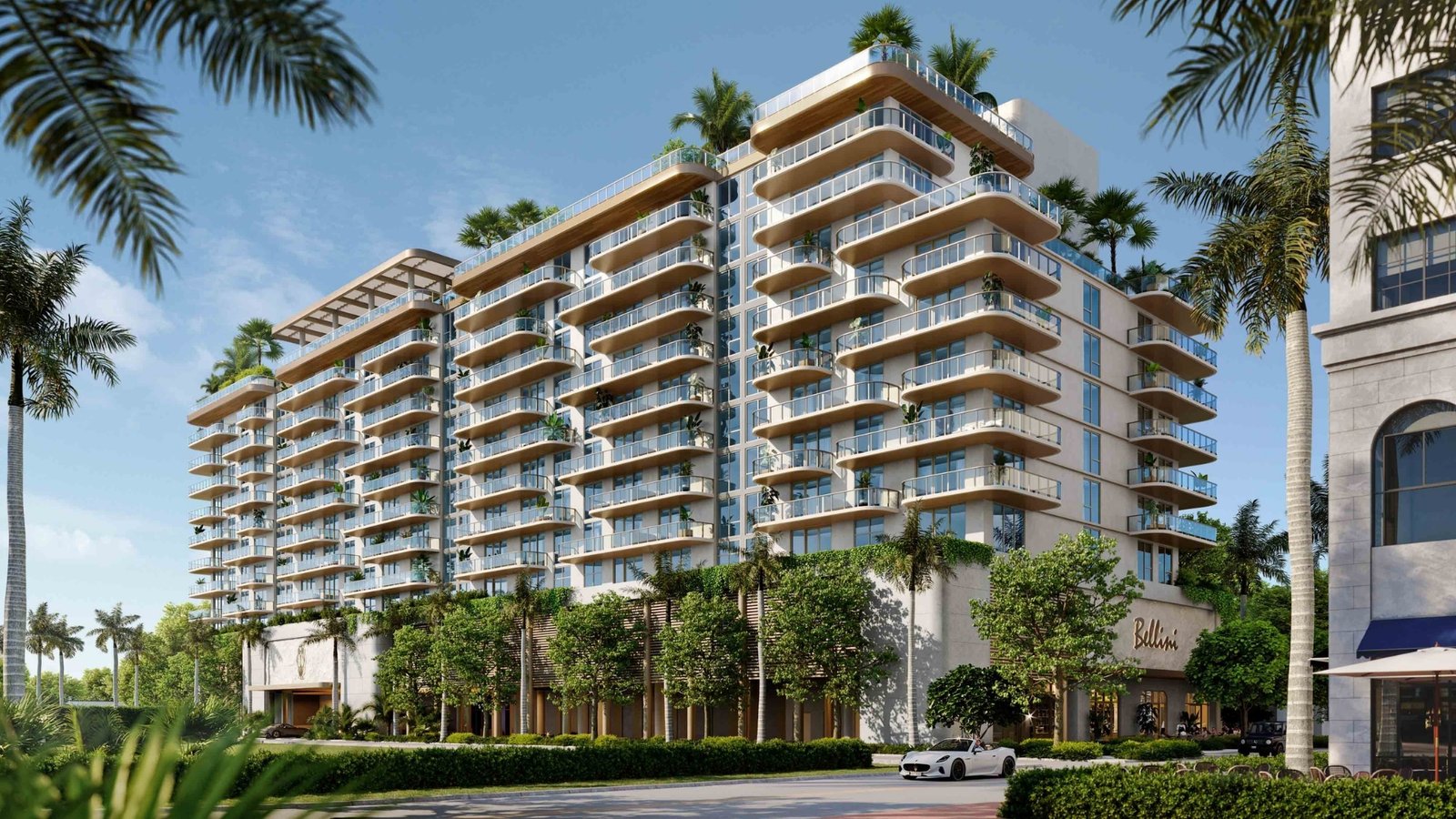
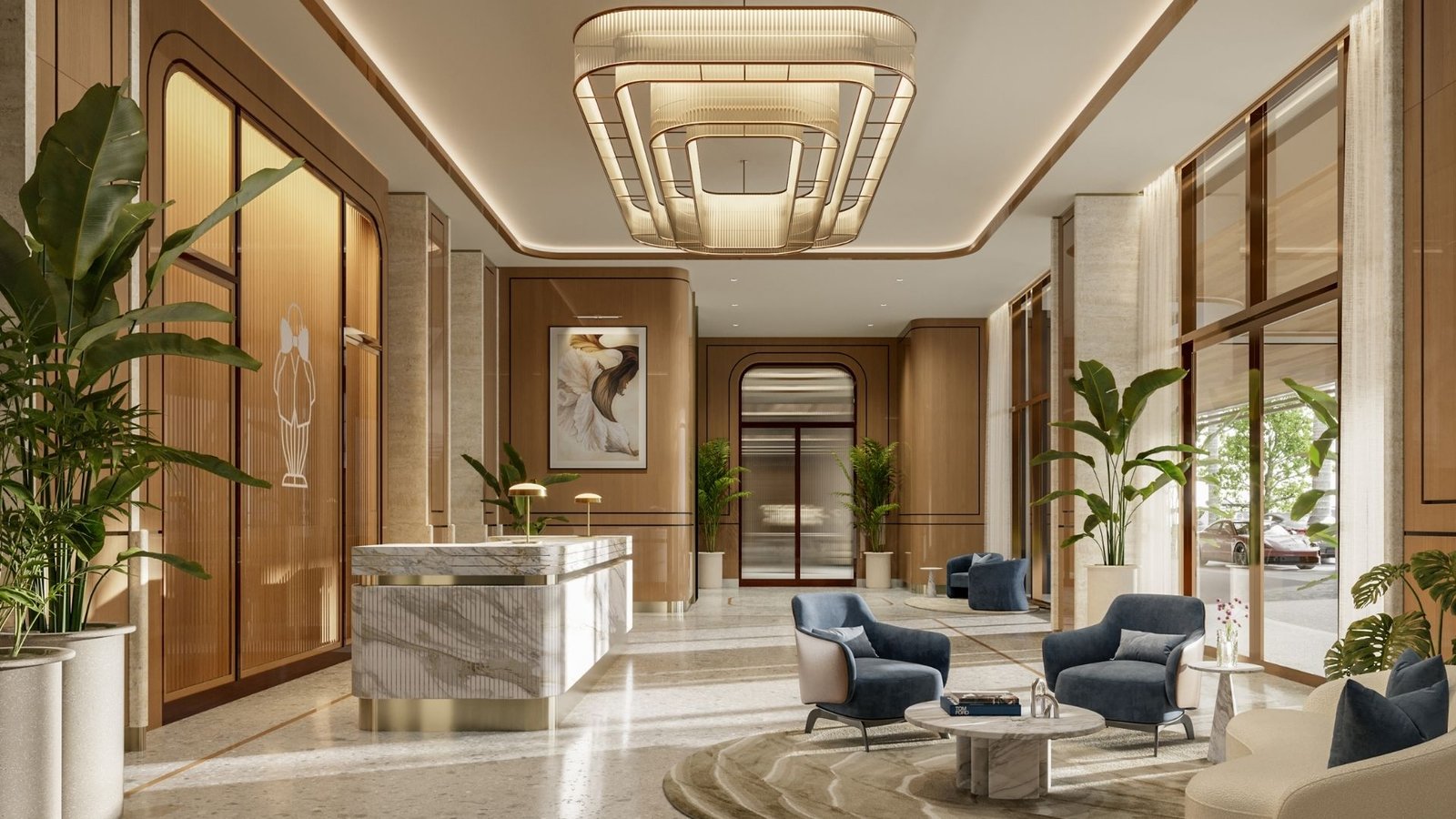
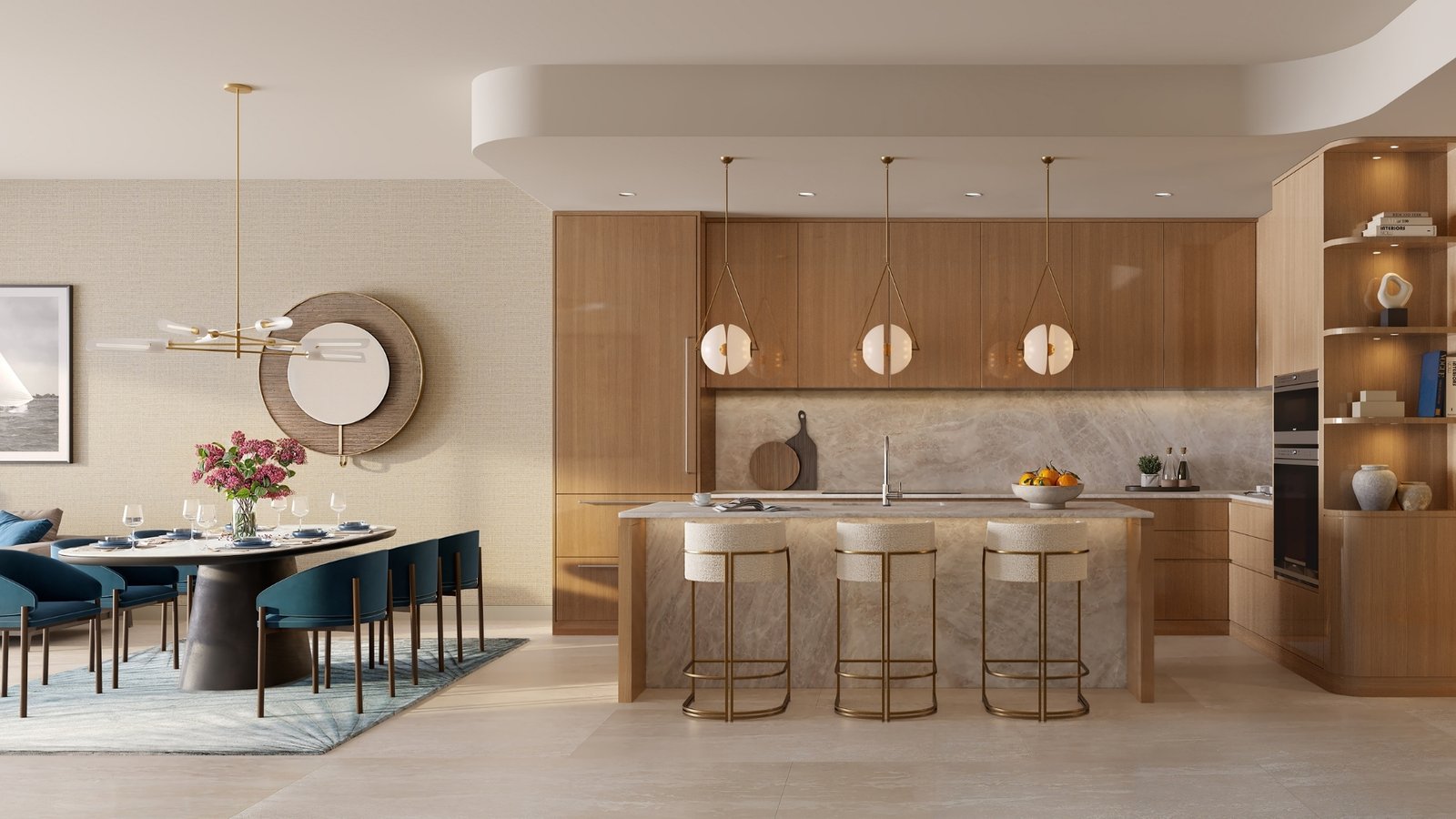
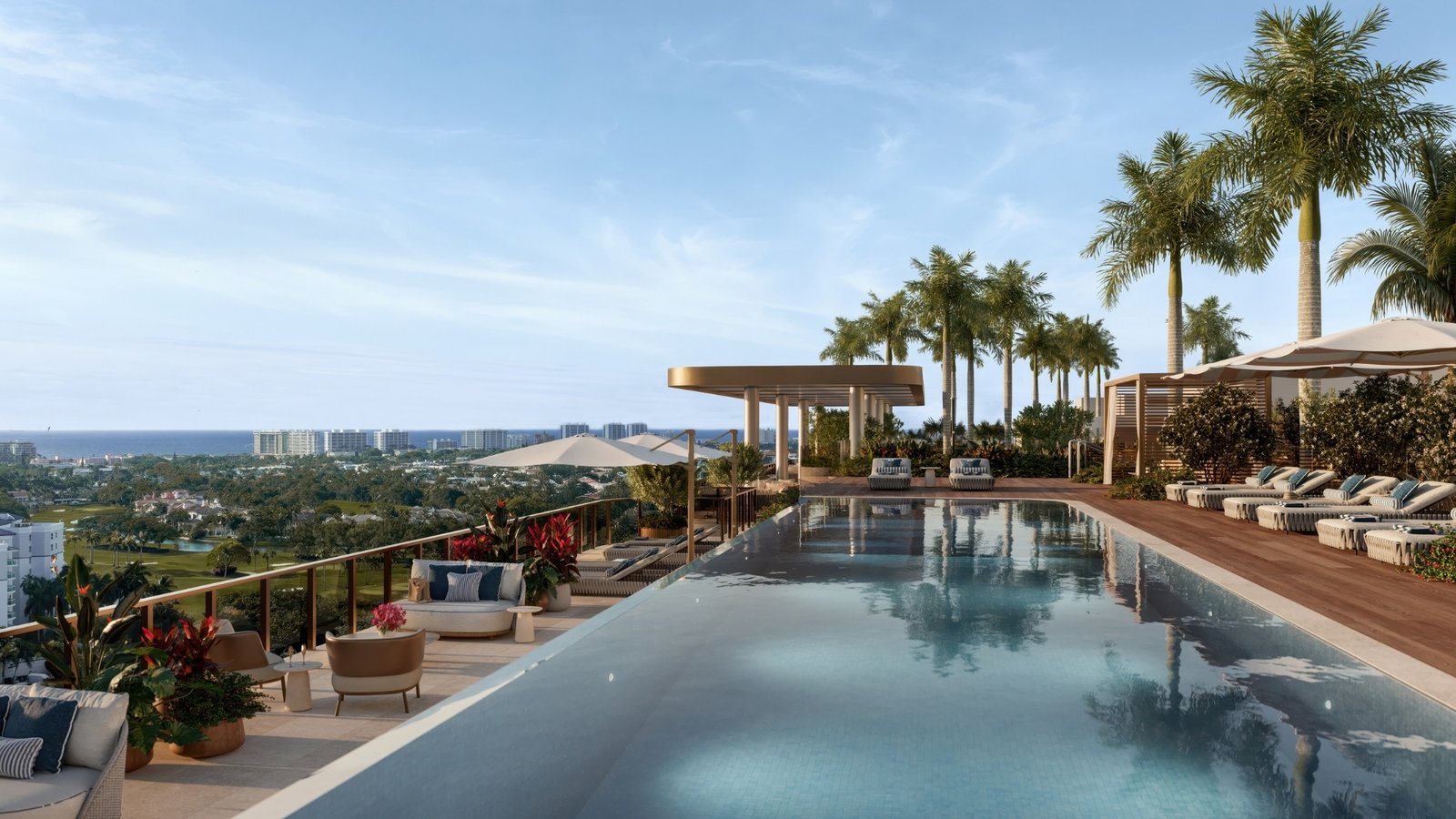
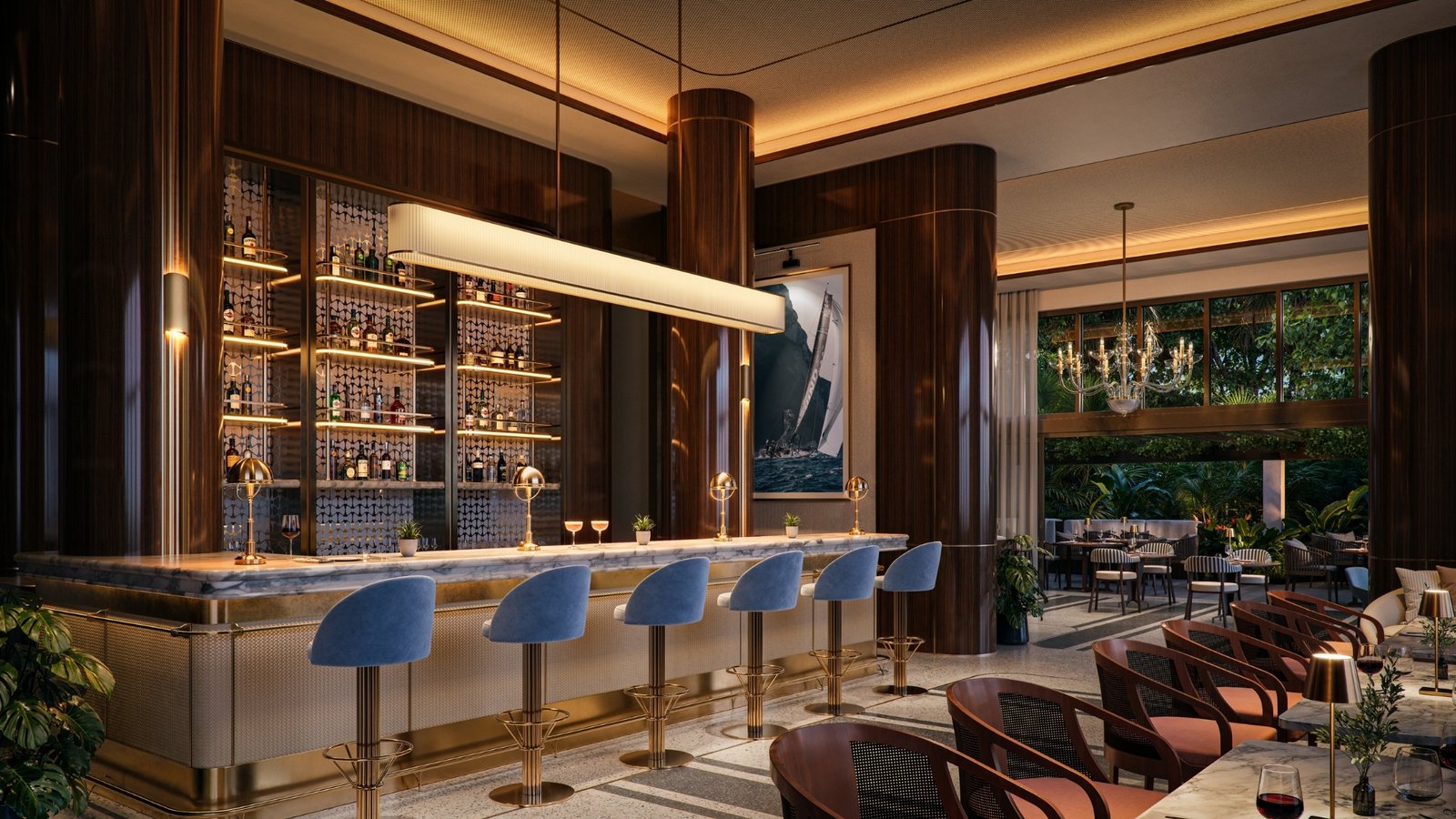
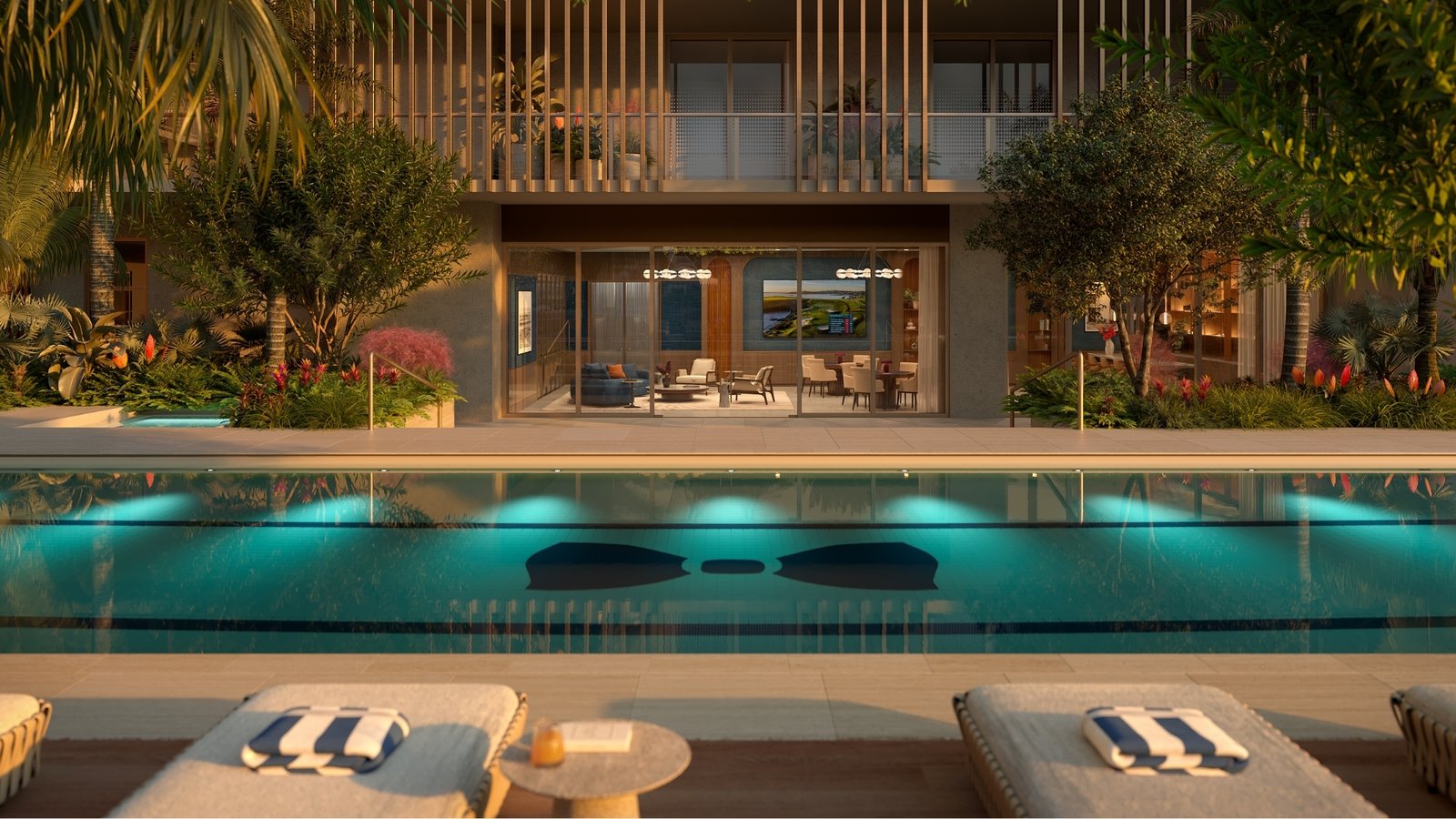
The third condition, and the one most often missing, is a service layer that extends meaningfully beyond the stay. Mr. C in Boca Raton illustrates it well: 133 residences priced from roughly $1.95 million to $8.5 million, structured around walkability, integrated food and beverage, and hospitality-led services that function as infrastructure rather than amenity. The project is not selling a destination — it is selling an operating system for daily life.
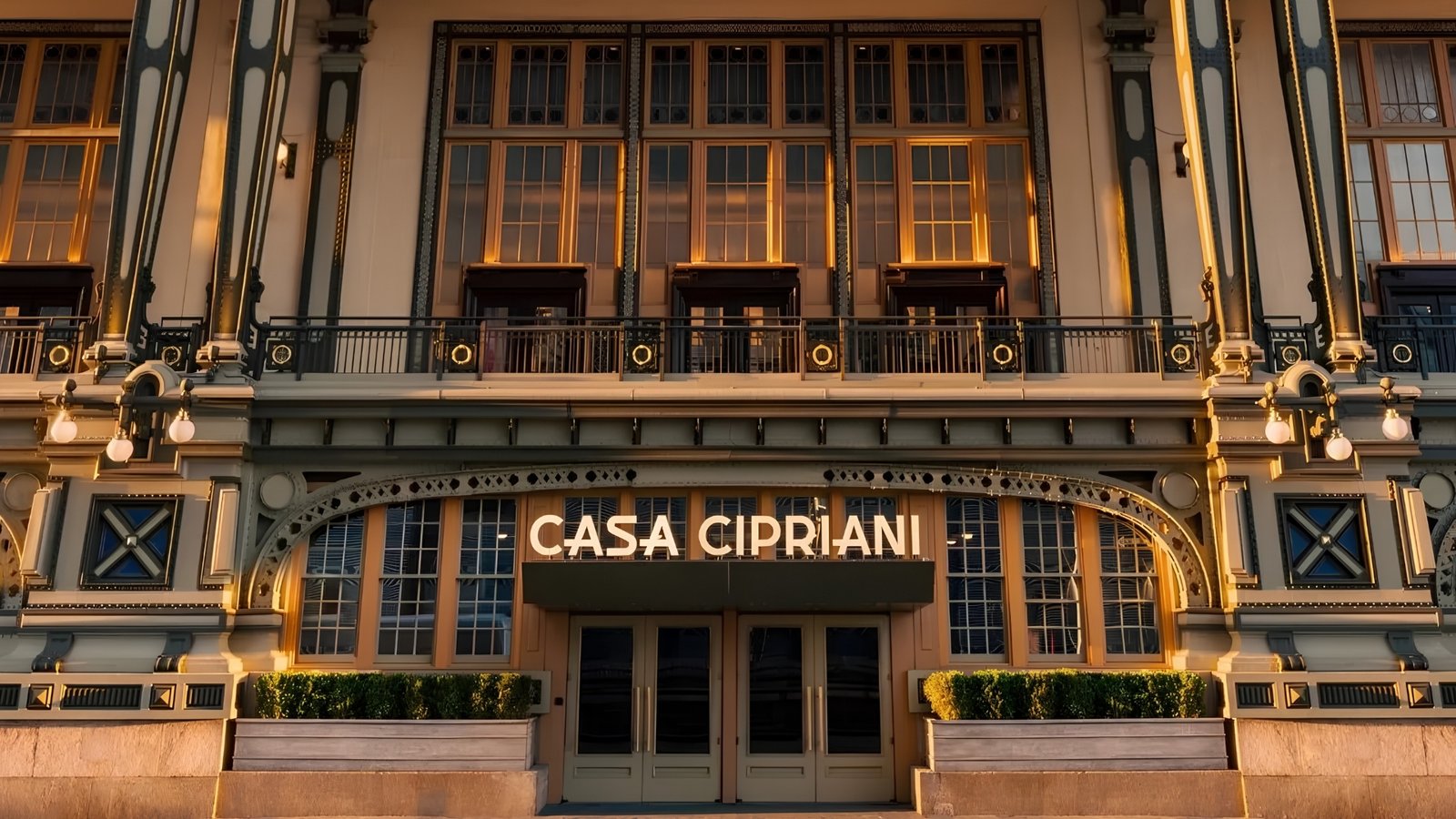
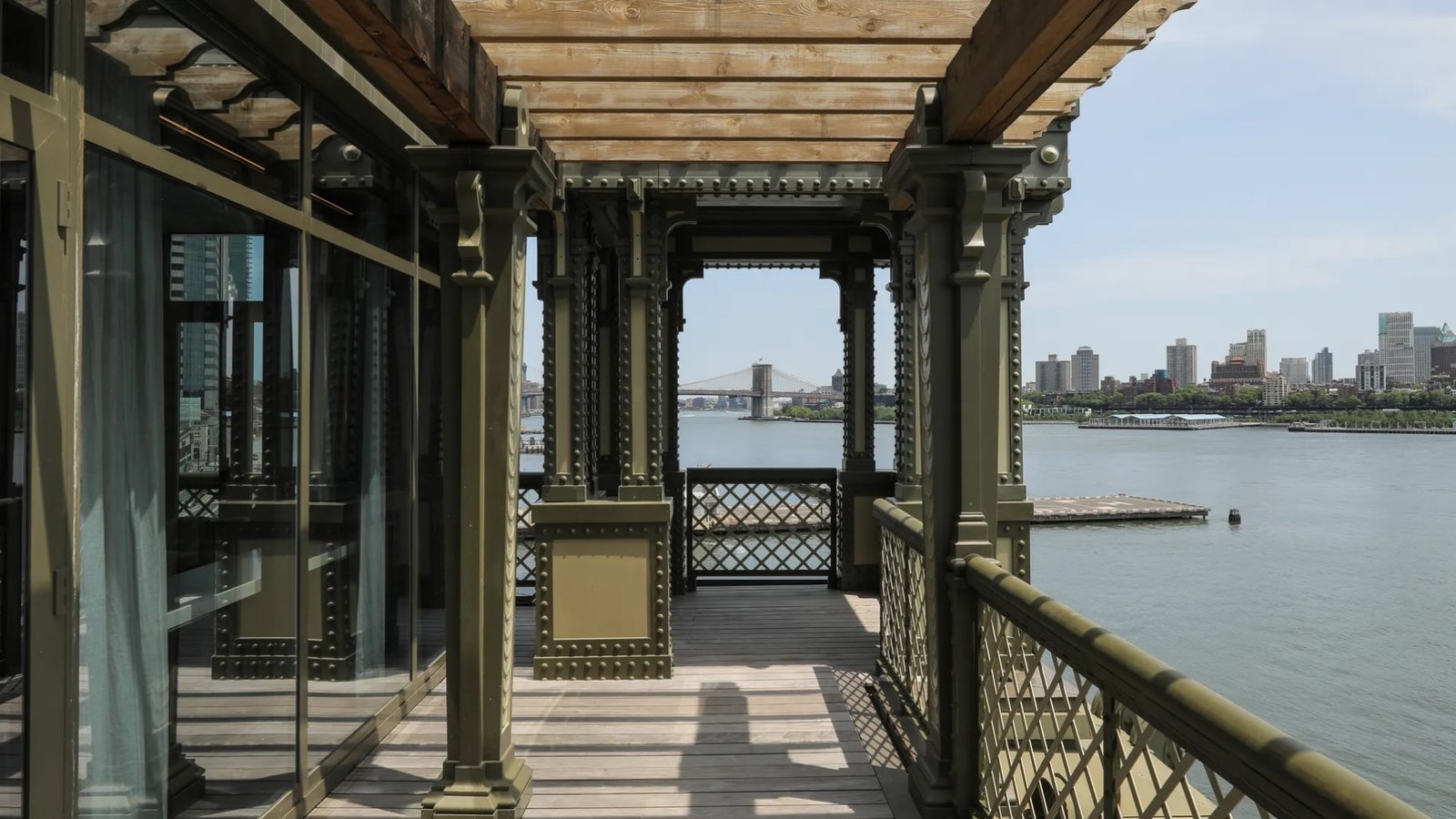
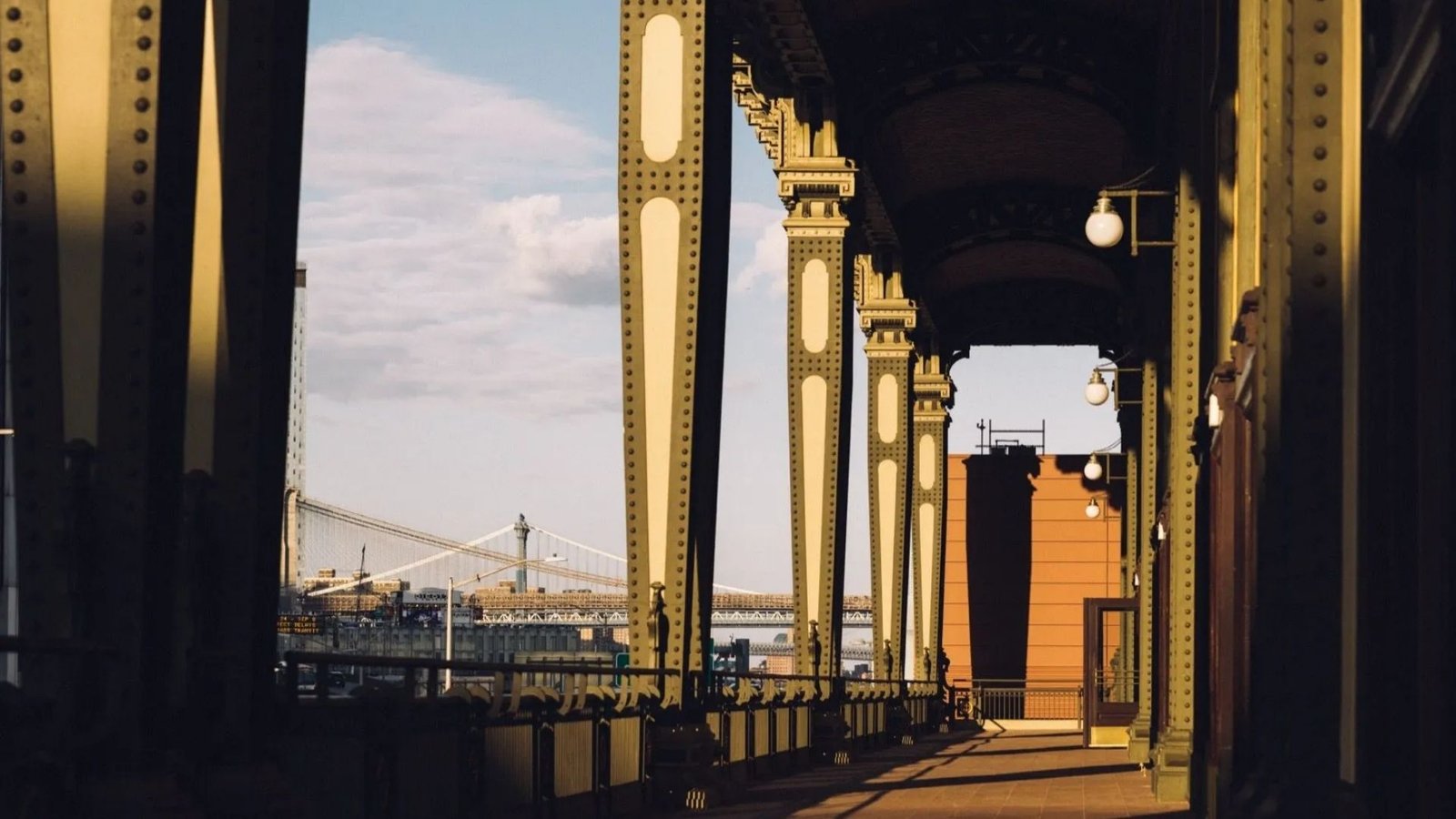
That shift matters because the second-home buyer has changed. They are no longer primarily seeking escape; they are seeking continuity, a consistent standard of environment and service that follows them rather than requiring travel to access. A branded residence that offers a recognisable lobby and little else will struggle to justify its premium against unbranded alternatives as the category matures around it.
Most current branded residence projects will meet one of these three conditions, perhaps two. Very few will meet all three simultaneously. The most common failure is a strong brand on a reasonable site with no genuine geographic constraint, a tower competing against dozens of comparable branded alternatives within a few blocks, differentiated only by which name appears in the marketing materials.
The second most common failure is real architectural ambition without the cultural specificity to support it — a striking building by a recognisable architect with no coherent relationship to its place, and no service infrastructure beyond conventional residential management. The market has not yet repriced these weaker projects against the genuinely defensible ones, but that repricing is coming.
As the category scales further, the assets meeting all three conditions will become increasingly rare and increasingly valuable, while the rest become difficult to distinguish from conventional luxury residential, and priced accordingly. The category as a whole has never been larger, and the number of genuinely defensible opportunities within it has arguably never been more concentrated.
More capital is chasing the appearance of the category’s success than is replicating the structural conditions that created it in the first place. For capital that understands the difference between Amangiri’s irreplaceable acreage, Aman’s forty years of architectural language, and Mr. C’s operating system for daily life, that concentration is an opportunity — for capital that does not, it is the most significant risk currently embedded in luxury real estate.

Read Edition Insider: Every week Nicholas publishes Edition Insider — a private intelligence briefing on global real estate, hospitality and capital. Written for developers, investors and operators who want to understand where the market is going before it gets there. Founding membership is open until August 30th. $497 per year. Locked for life.
To work with Nicholas directly — partnerships, advisory, brand strategy or editorial enquiries. [EMAIL]:nicholas@edition-x.com