





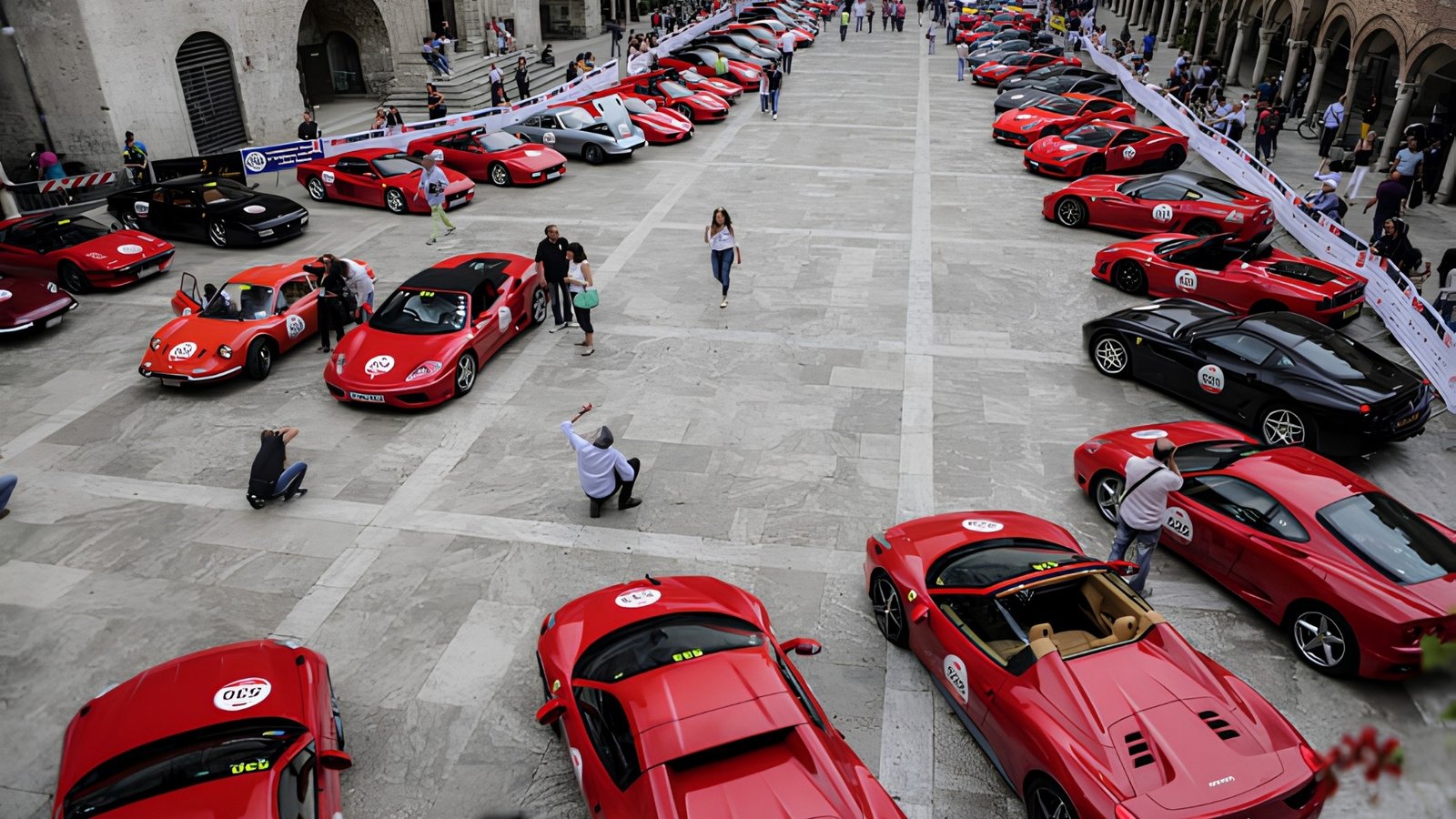


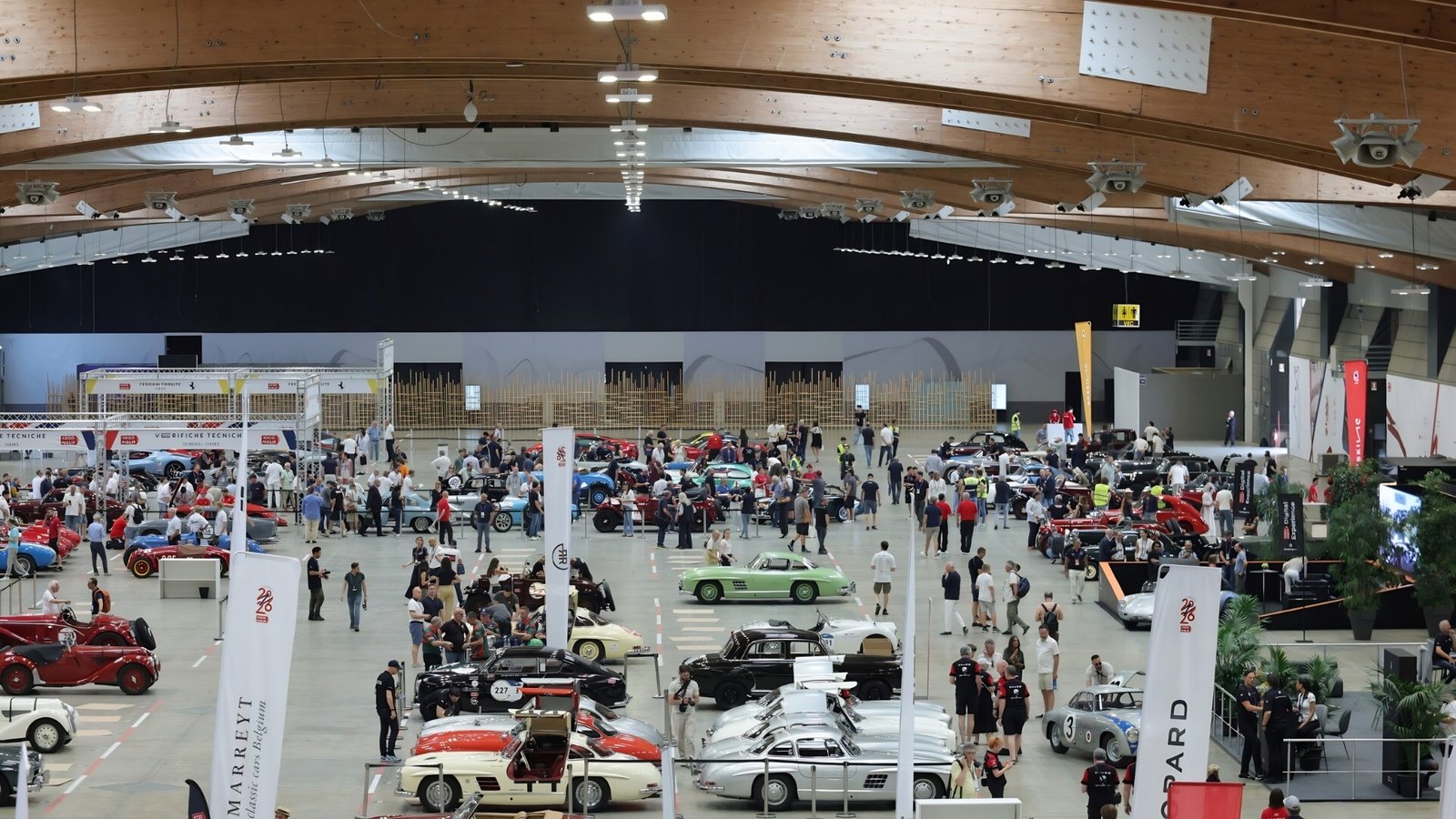
Few events become more valuable by refusing to change. The Mille Miglia is one of them. The 44th running of the modern event concluded in Brescia on 13 June, with Argentine siblings Juan and Margarita Tonconogy claiming overall victory in a 1931 Alfa Romeo 6C 1750 GS Spider Zagato. Six-time defending champion Andrea Vesco, once again partnered with Fabio Salvinelli, finished second. The win marked Juan Tonconogy’s fourth Mille Miglia title—following victories in 2013, 2016 and 2018—but his first alongside his sister, adding another chapter to one of the event’s most enduring modern legacies.
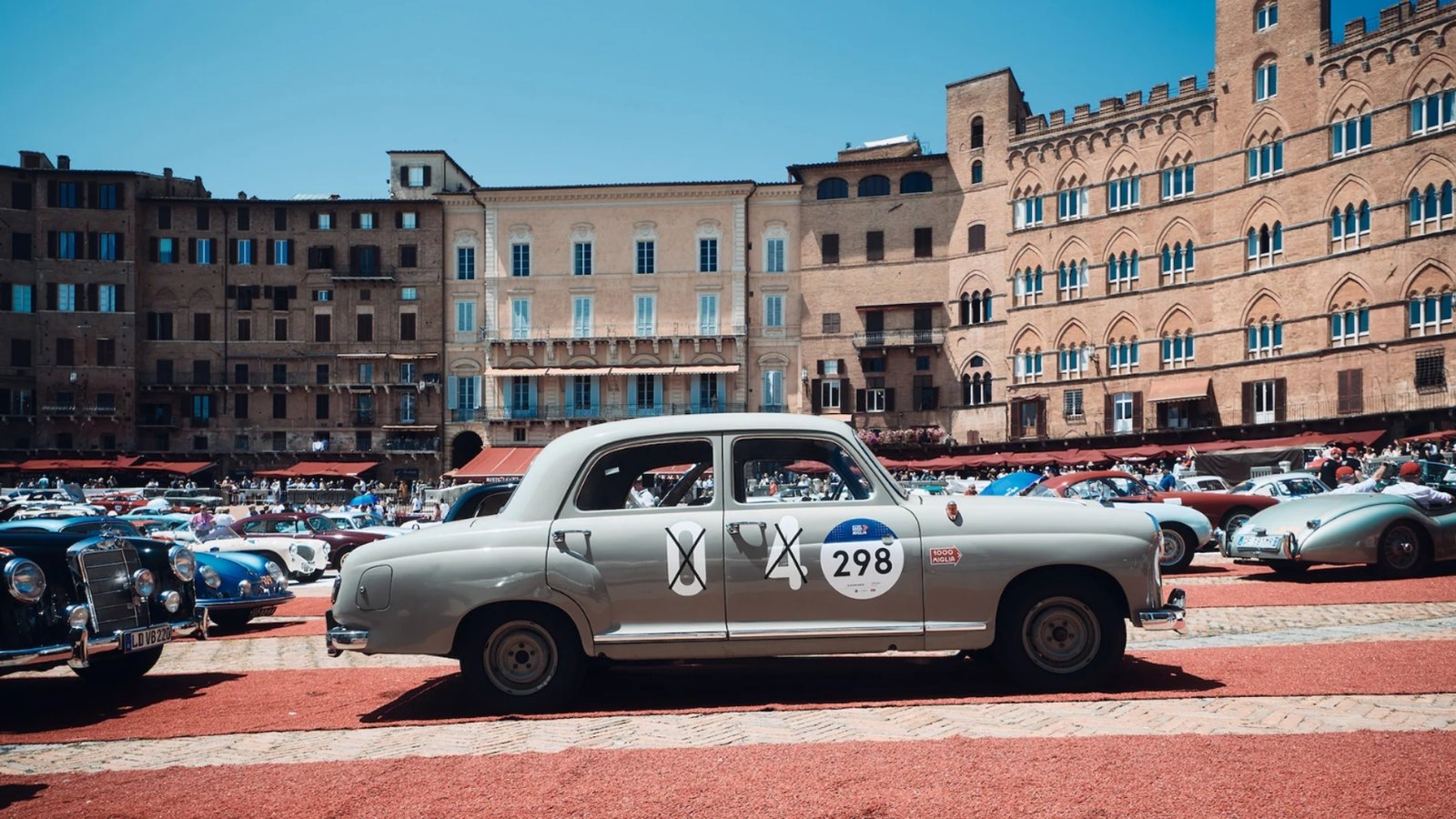
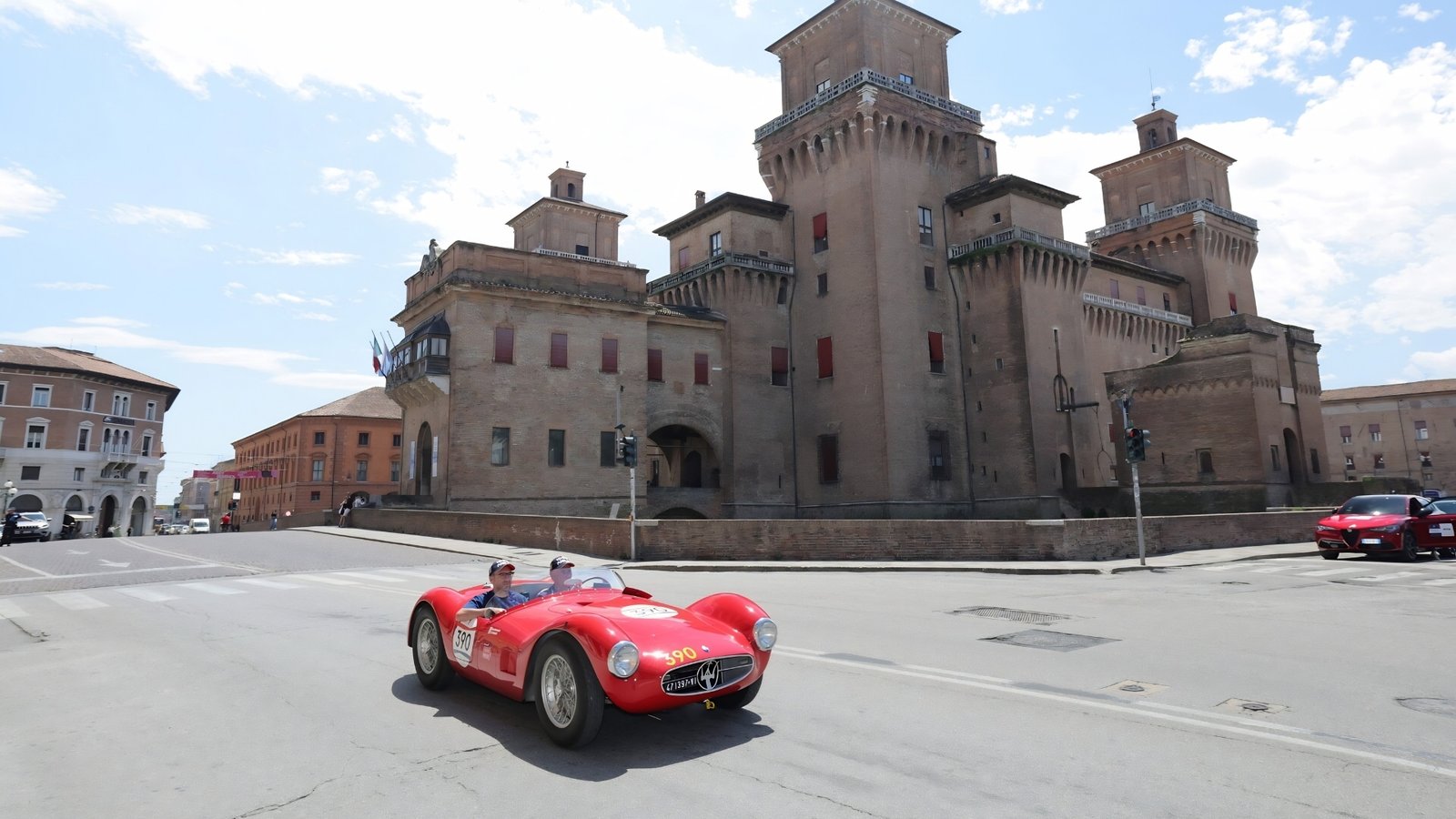
The route is the argument. This year’s edition ran across five days and close to 2,000 kilometres, taking in 144 timed trials and eight regularity tests, with more than 430 crews from 33 nations threading through some of Italy’s most storied addresses — the walls of Lucca, the Piazza del Campo in Siena, the Gola del Furlo gorge, a climb to San Marino’s Piazza della Libertà, and a tribute stop at the Basilica of Santa Maria degli Angeli in Assisi marking eight hundred years since the death of St. Francis. The closing stage carried the convoy past the Castello Estense in Ferrara before a final lunch at the Fruttiere of Palazzo Te in Mantua, ahead of the run home to Brescia.
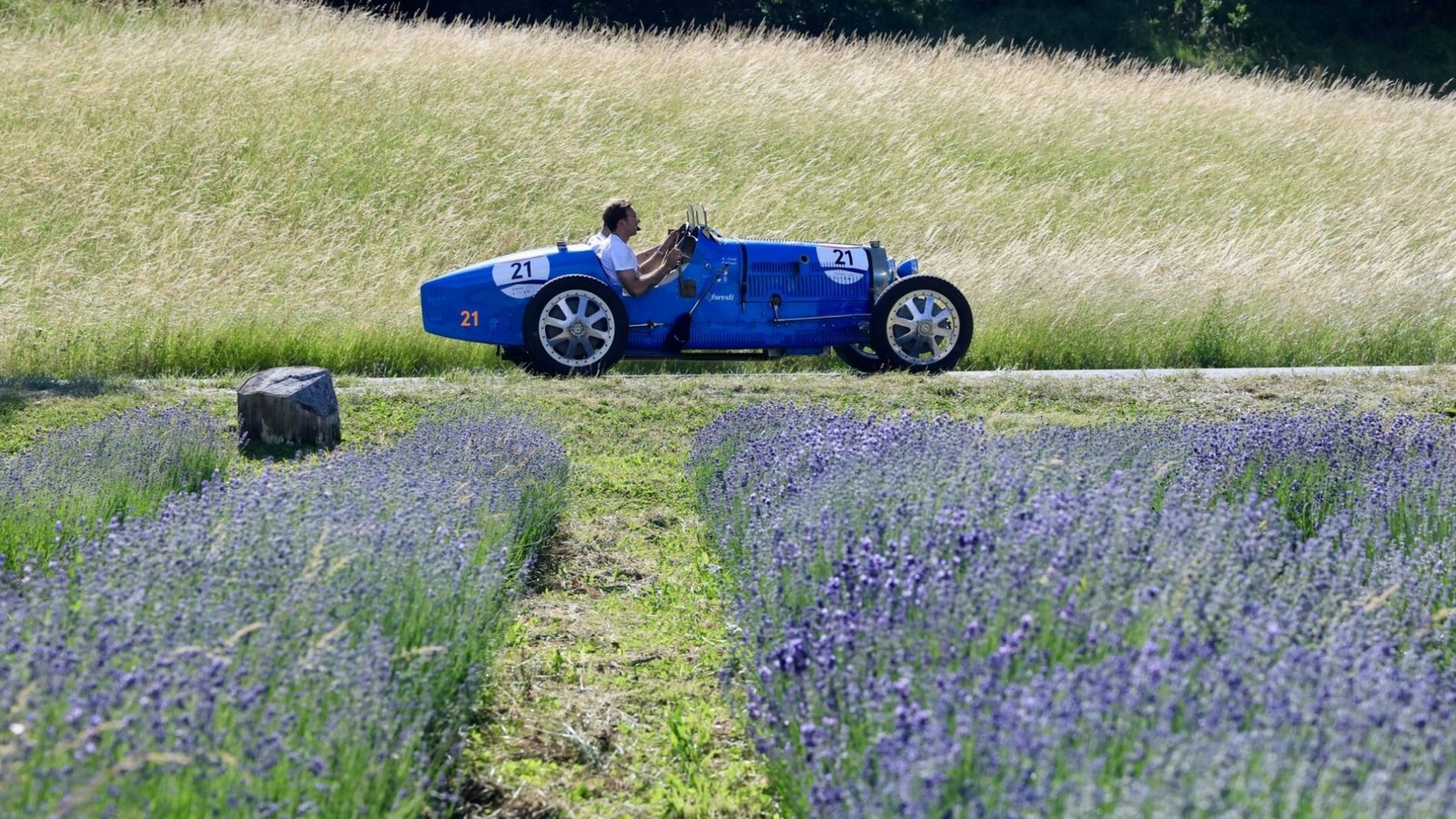
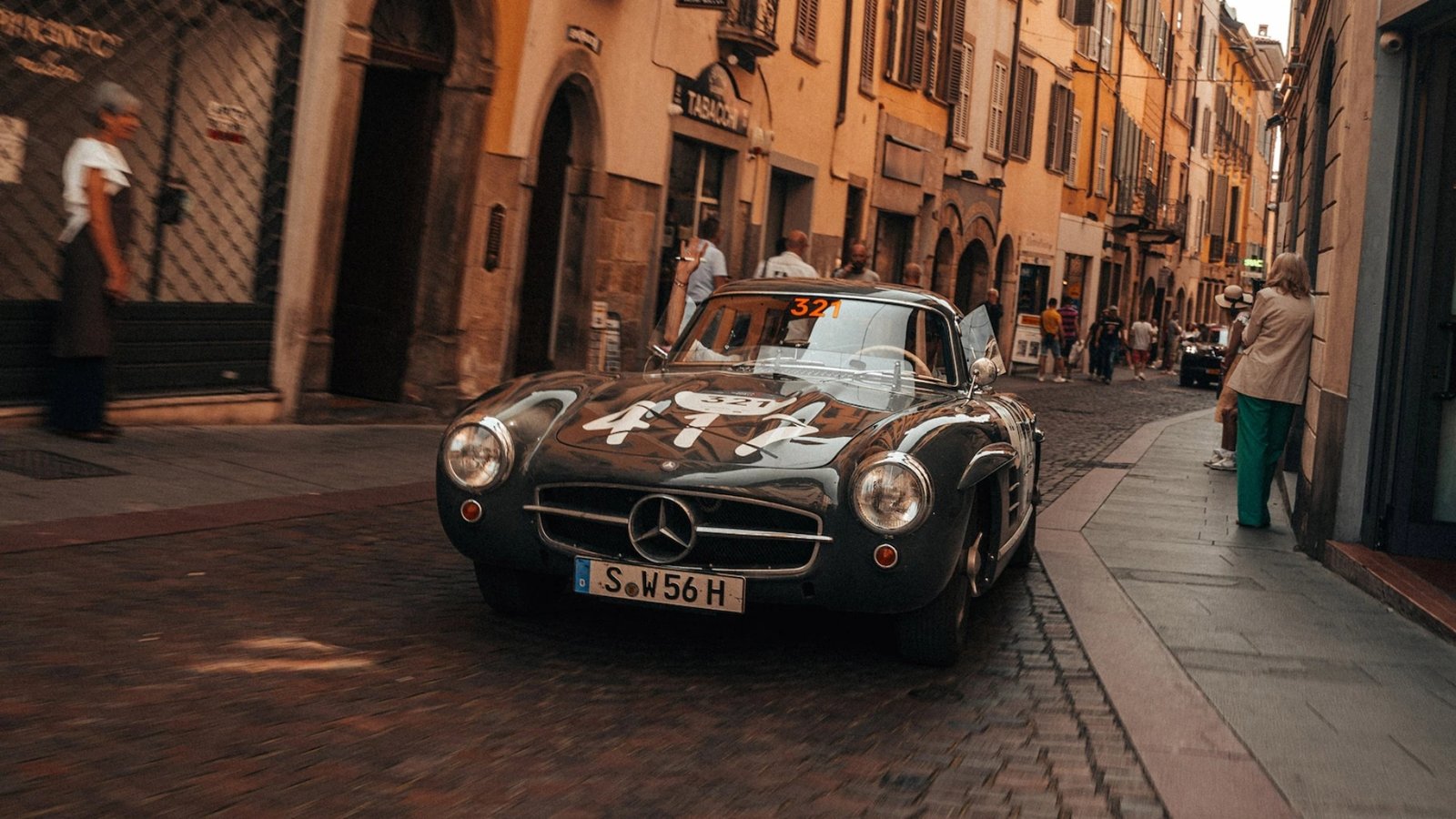
Entry is reserved exclusively for models that ran, or were eligible to run, the original 1927–1957 races, and the field’s pedigree showed it. Third place went to father-and-son crew Lorenzo and Mario Turelli in a 1929 O.M. 665 S MM Superba, while the Coppa delle Dame — the women’s category — was retained by Silvia Marini and Francesca Ruggeri in a 1947 Cisitalia 202 S MM Spider. There is no path to participation through horsepower or budget alone, only through history.
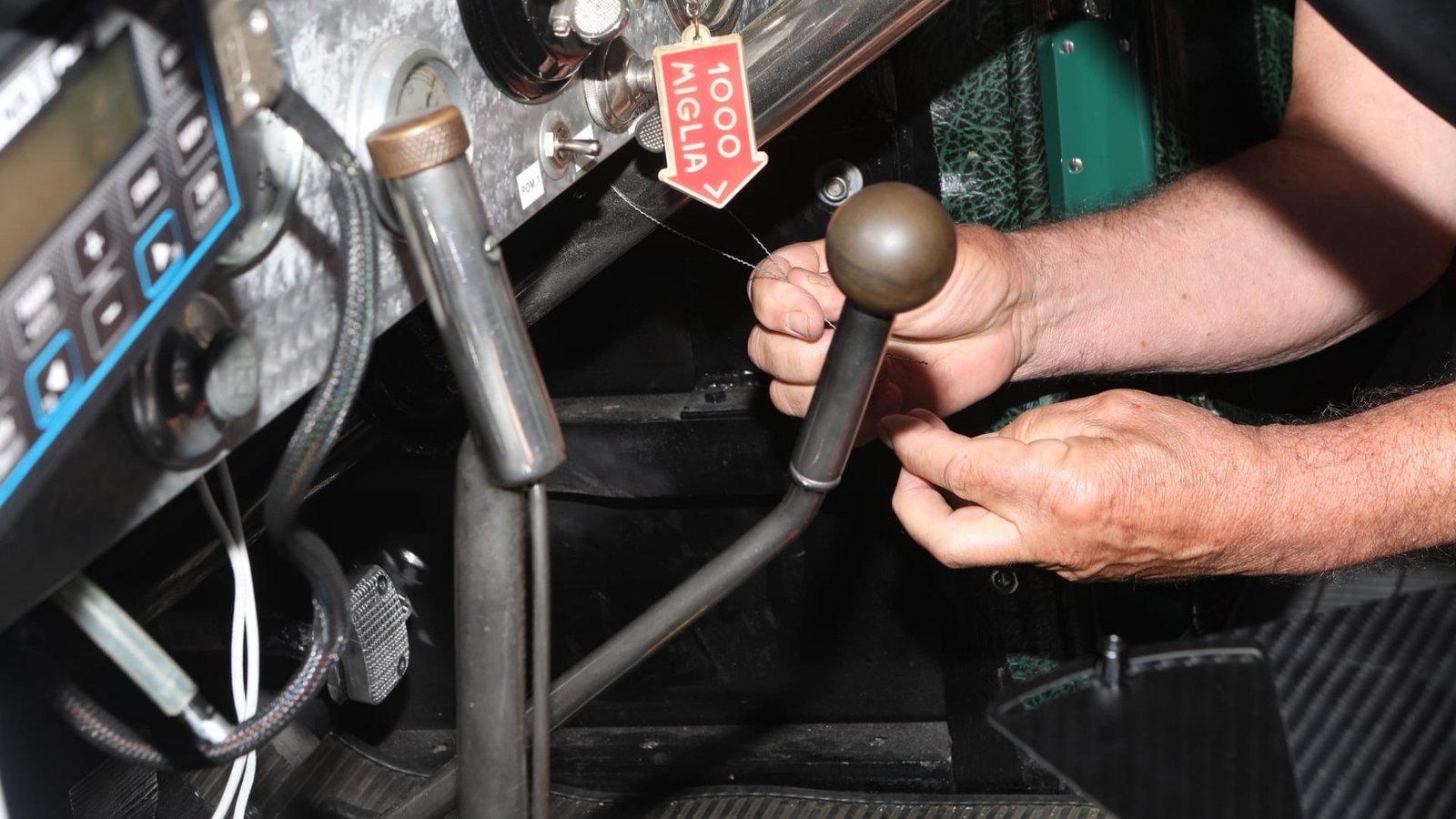
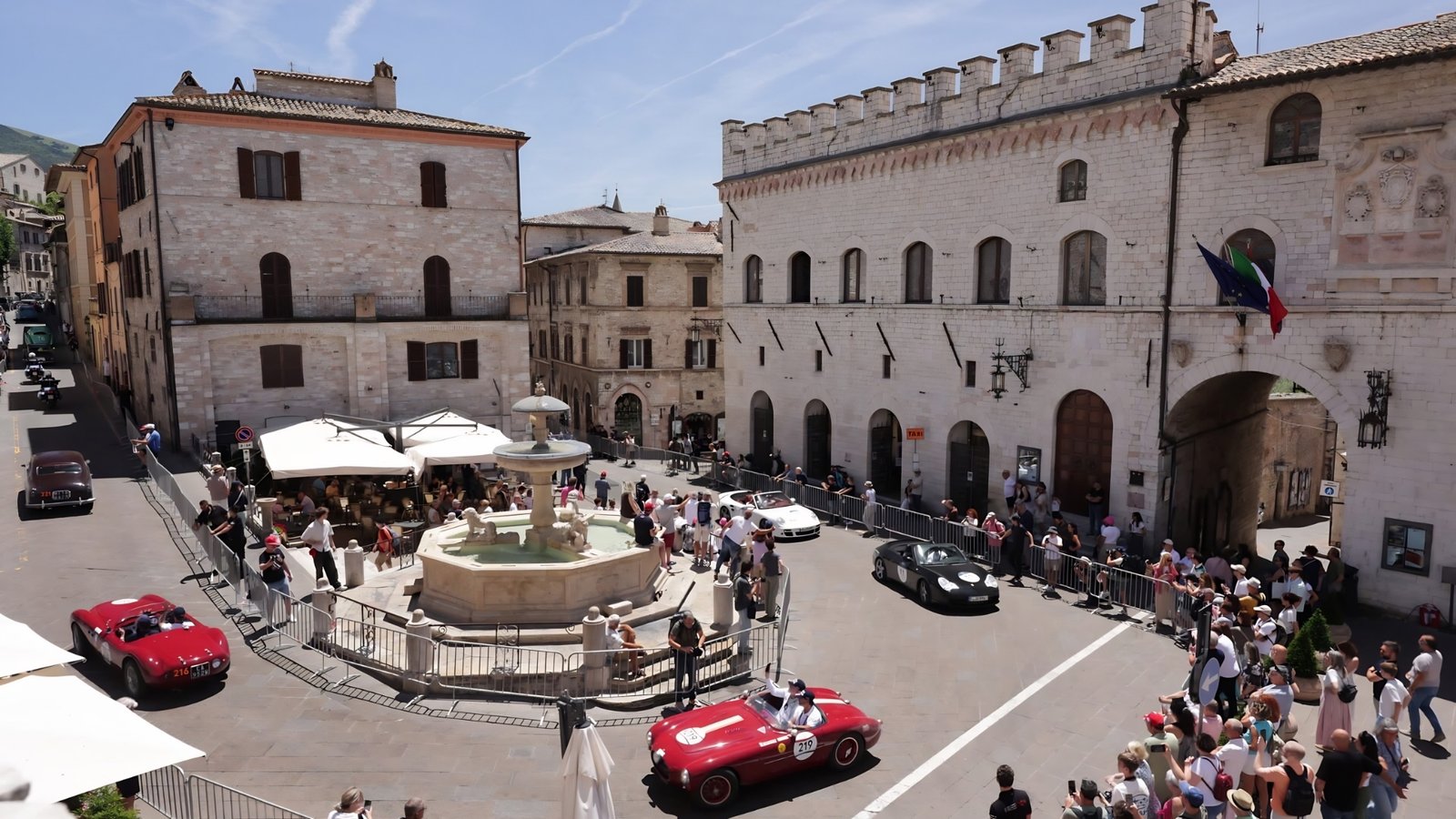
At a moment when so much of motorsport has become a calendar of brand activations and hospitality suites, the most beautiful race in the world remains exactly that because it has refused every incentive to become something else. Enzo Ferrari’s old line about it still does the work it always did — the draw never the result but the machinery and the landscape in equal measure, a travelling museum moving through Italy at the pace of memory rather than ambition.
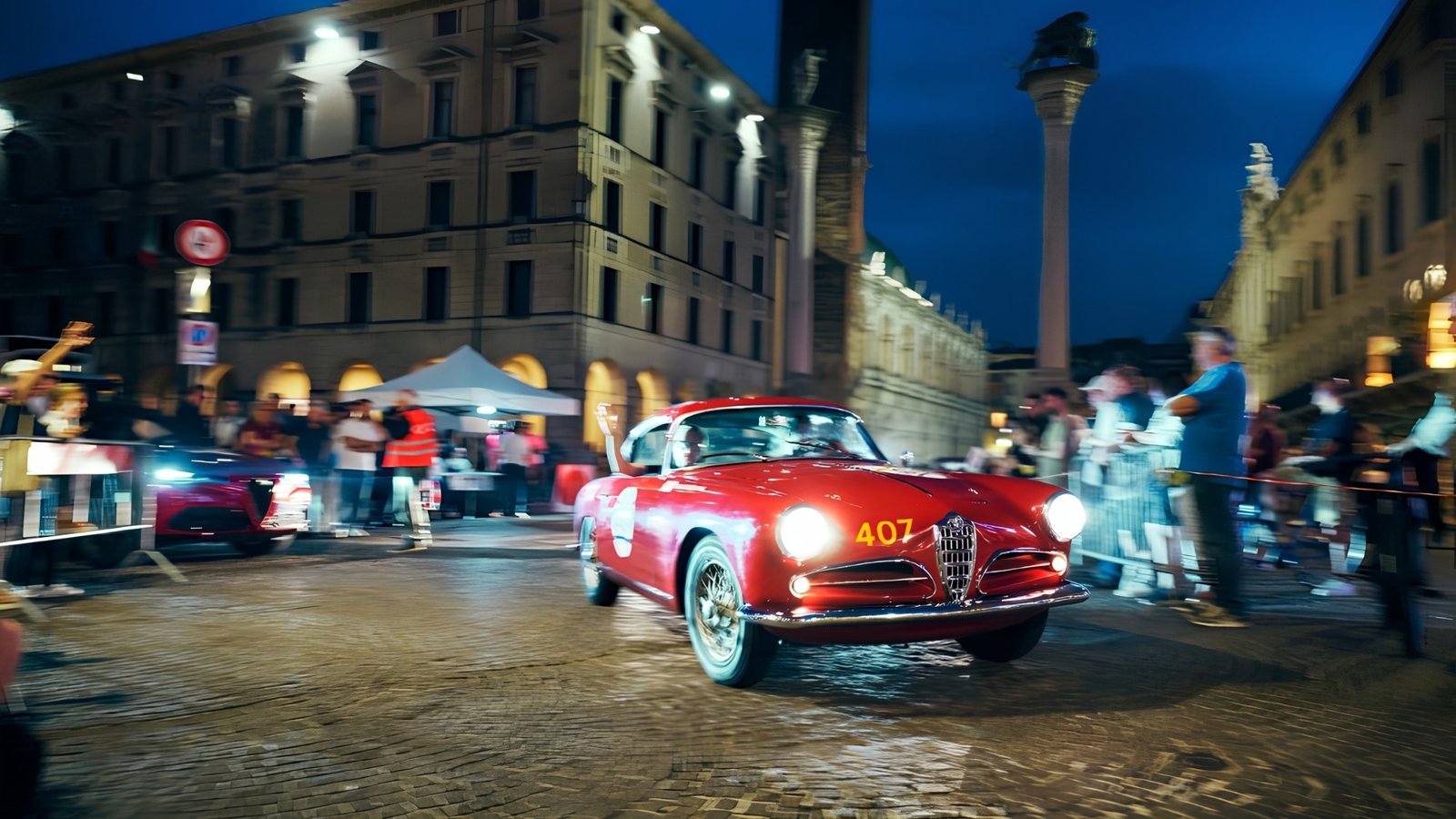
The 100th edition, in 2027, will mark the race’s centenary with a return to its traditional late-May date, running 22 to 29 May, while keeping the classic Brescia–Rome–Brescia route at its heart. Applications open through 1000miglia.it later this year, with spectators free to follow the published route at no cost, the largest crowds gathering for the start and finish in Brescia. Visit Mille Miglia here.