


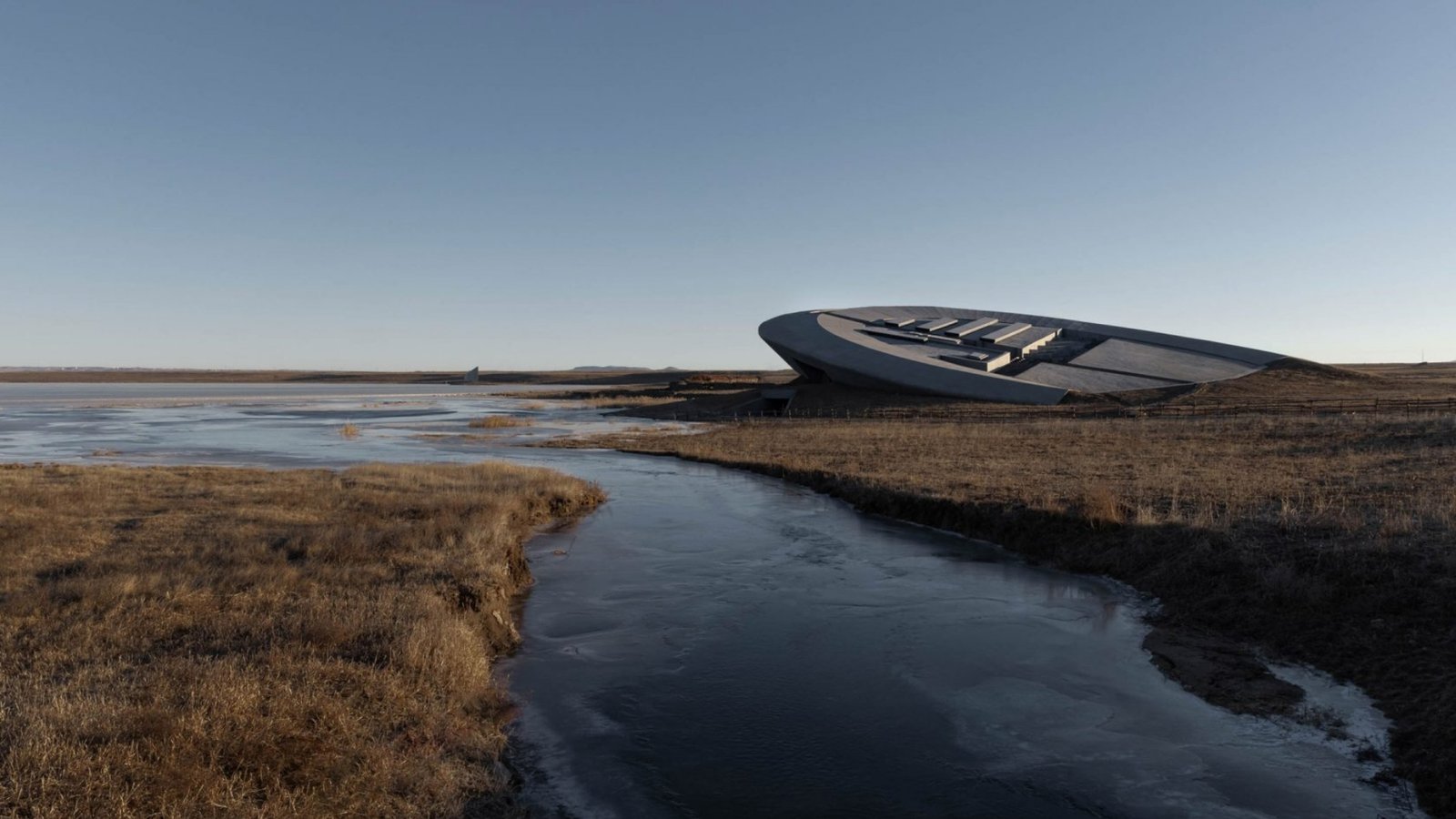


Prairie Ark, a new public gallery by Beijing studio BUZZ | Büro Ziyu Zhuang, has been completed on the shore of Lake Laoli in the Ulanqab grassland of Inner Mongolia, roughly 160 kilometres west of Beijing. It is one of the more unusual cultural buildings to open anywhere this year — and its unusual qualities are entirely the point.
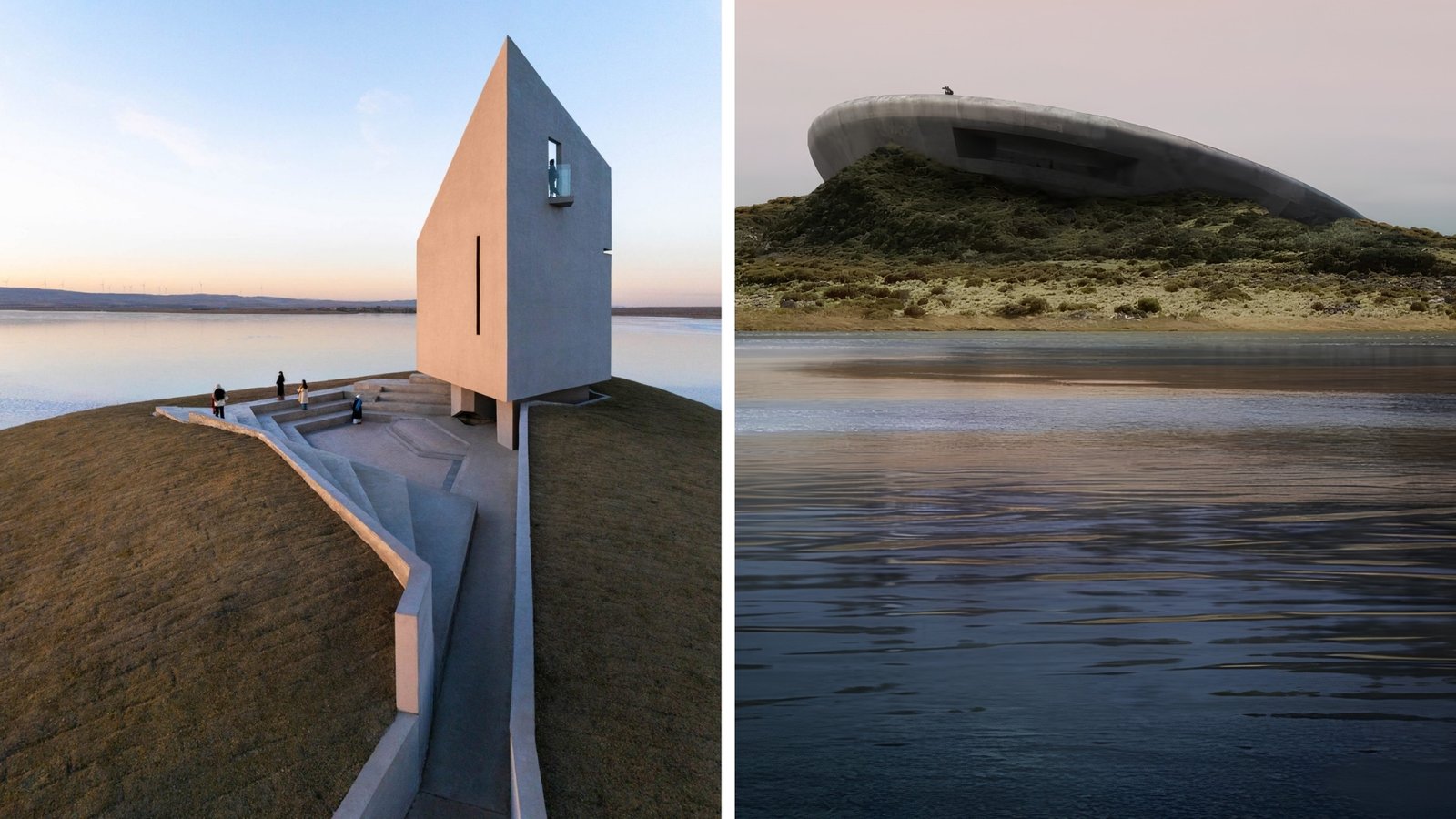
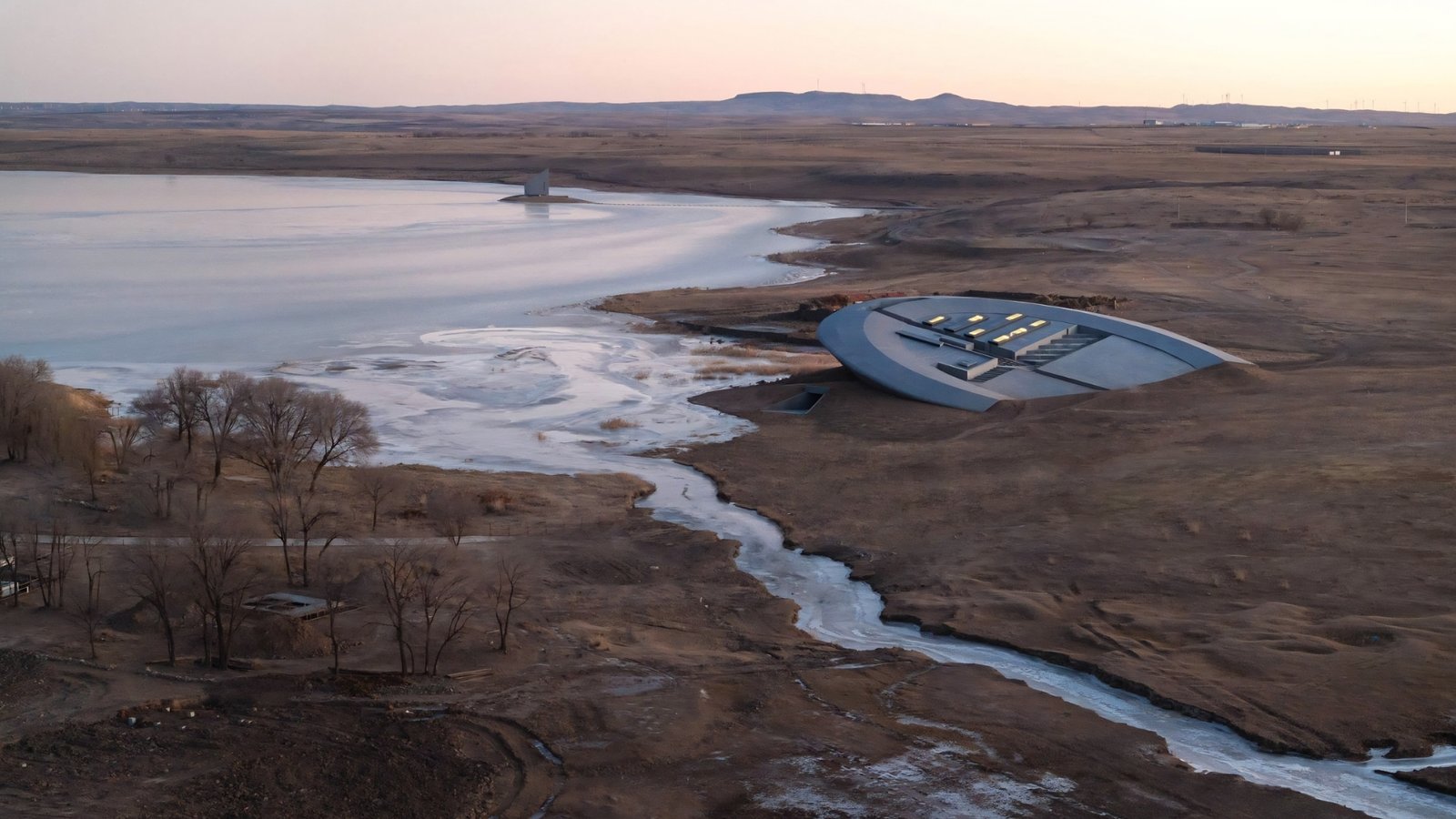
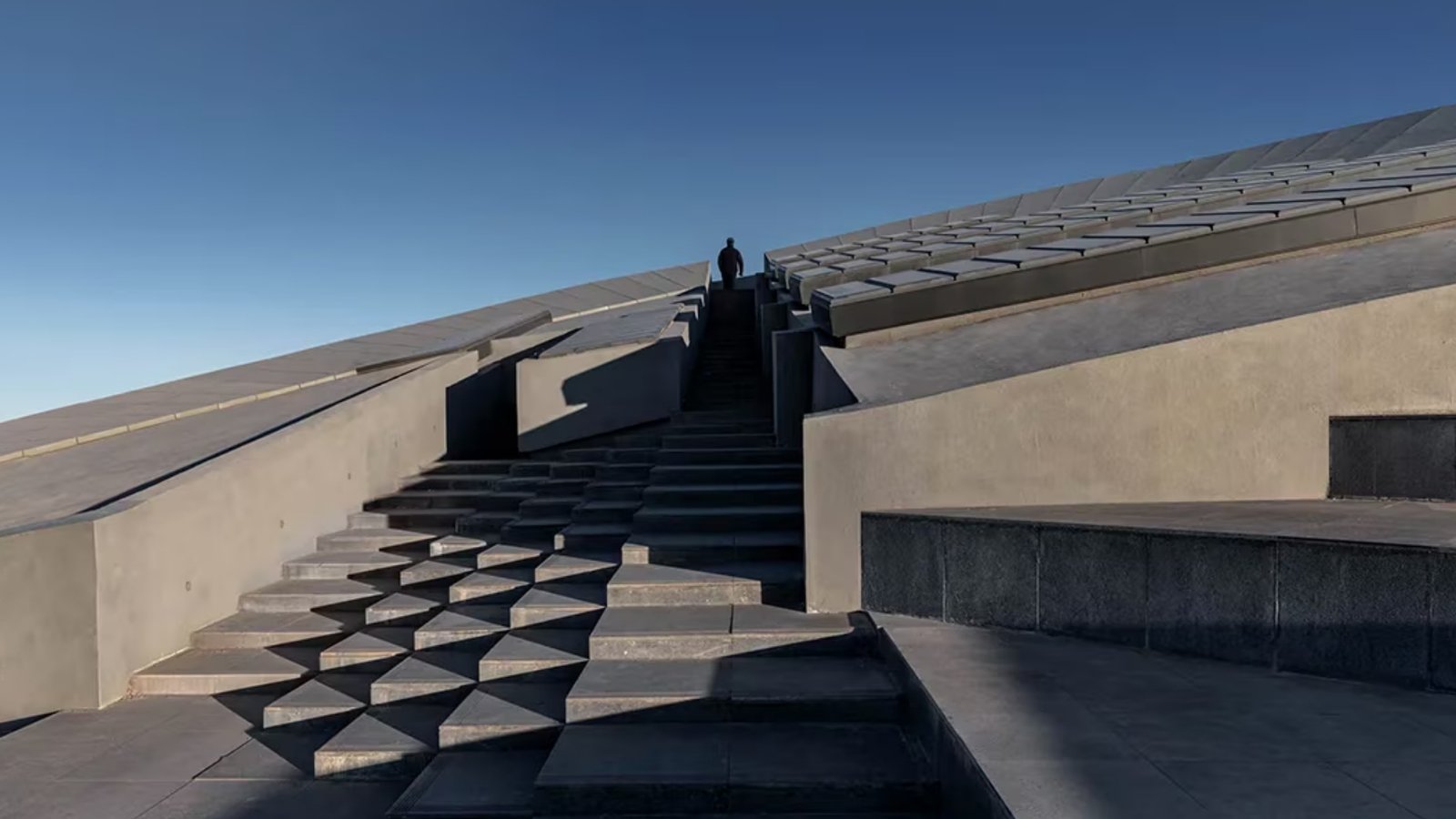
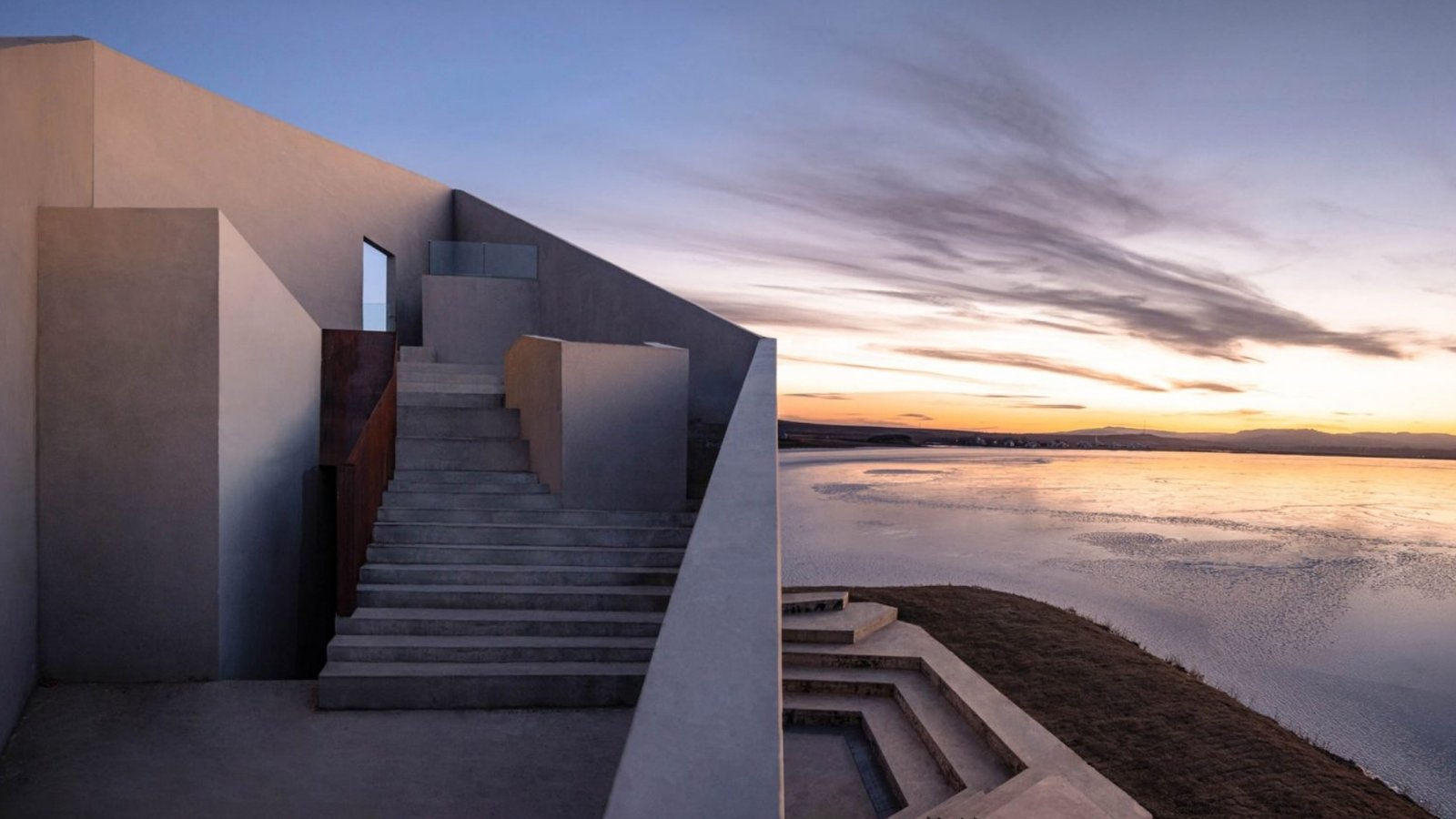
From a distance, the building reads as something that has landed rather than been built. A low circular volume sits embedded within the terrain, its sweeping roofscape folding directly into the earth on one side while rising toward the sky on the other. The effect is deliberately cinematic — somewhere between land art and spacecraft, a structure that dissolves the boundary between architecture and landscape.
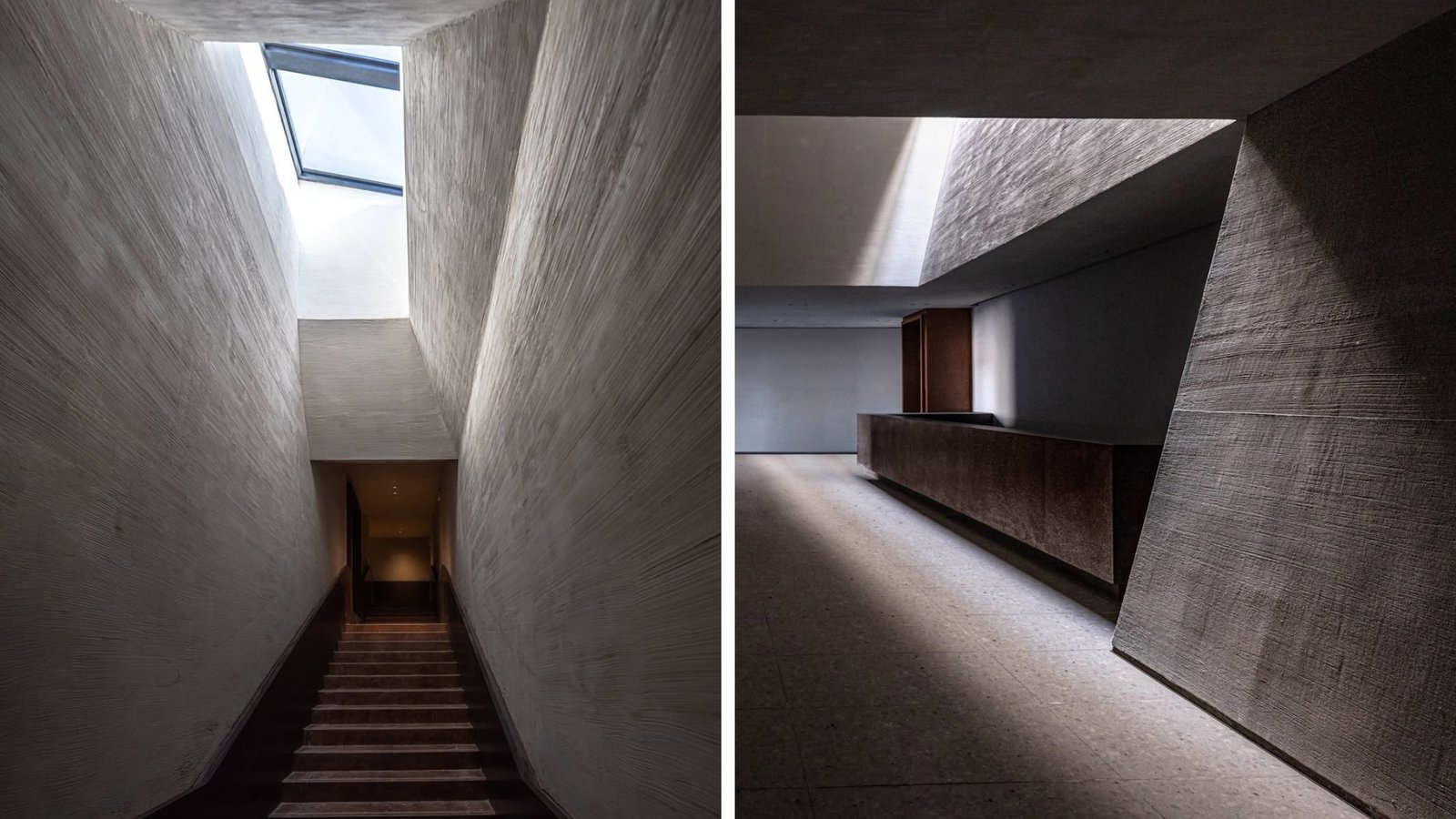
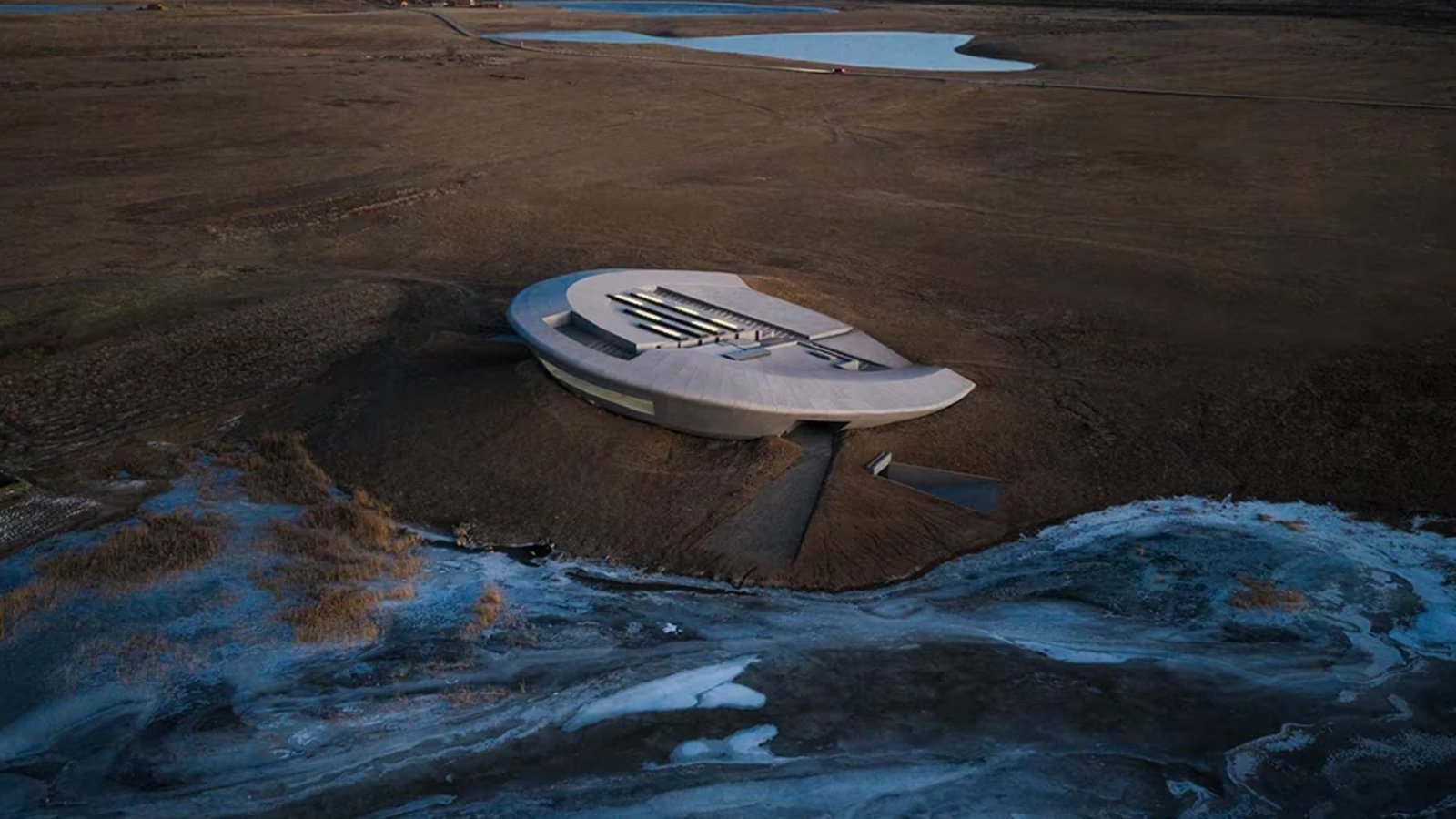
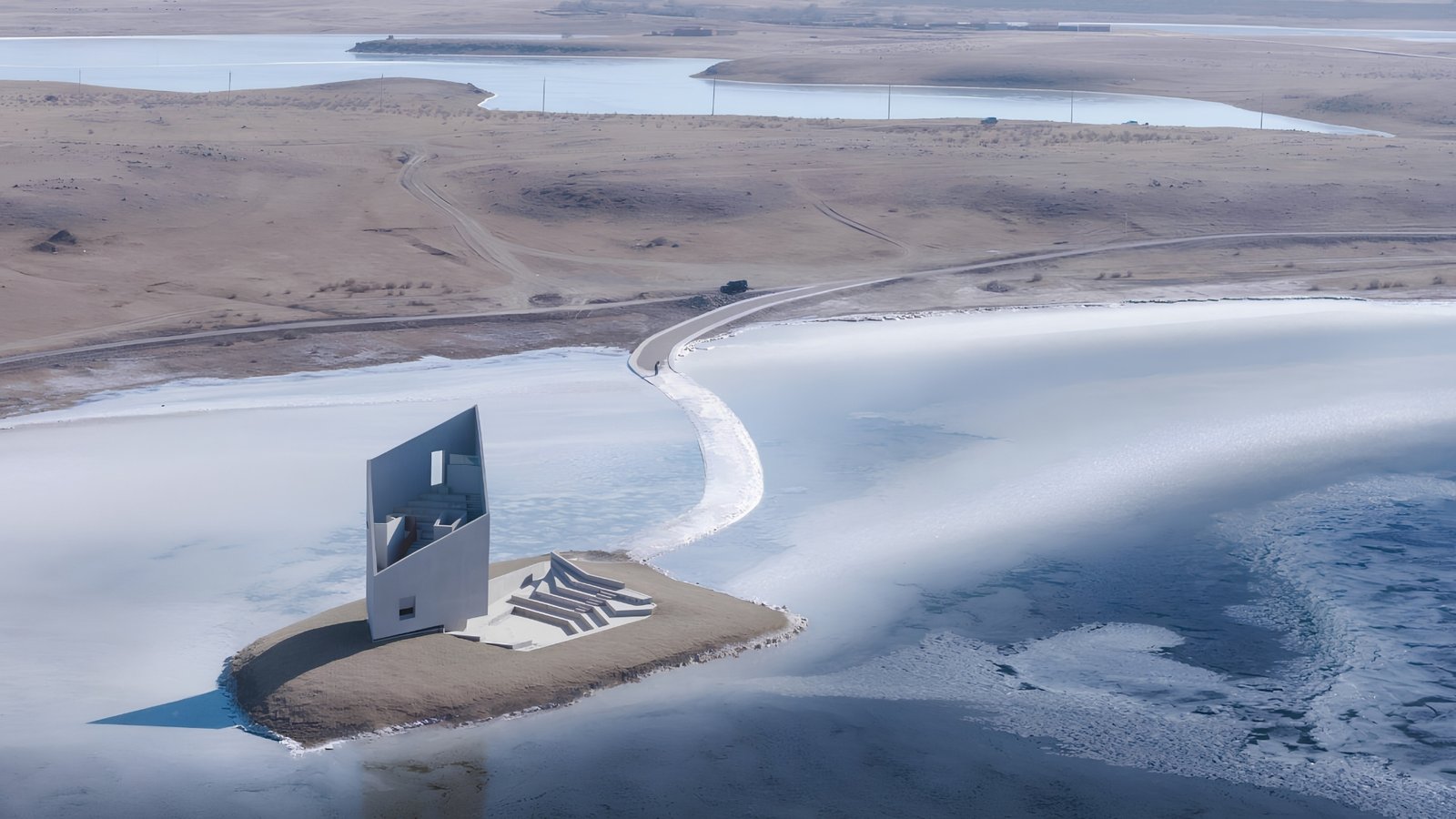
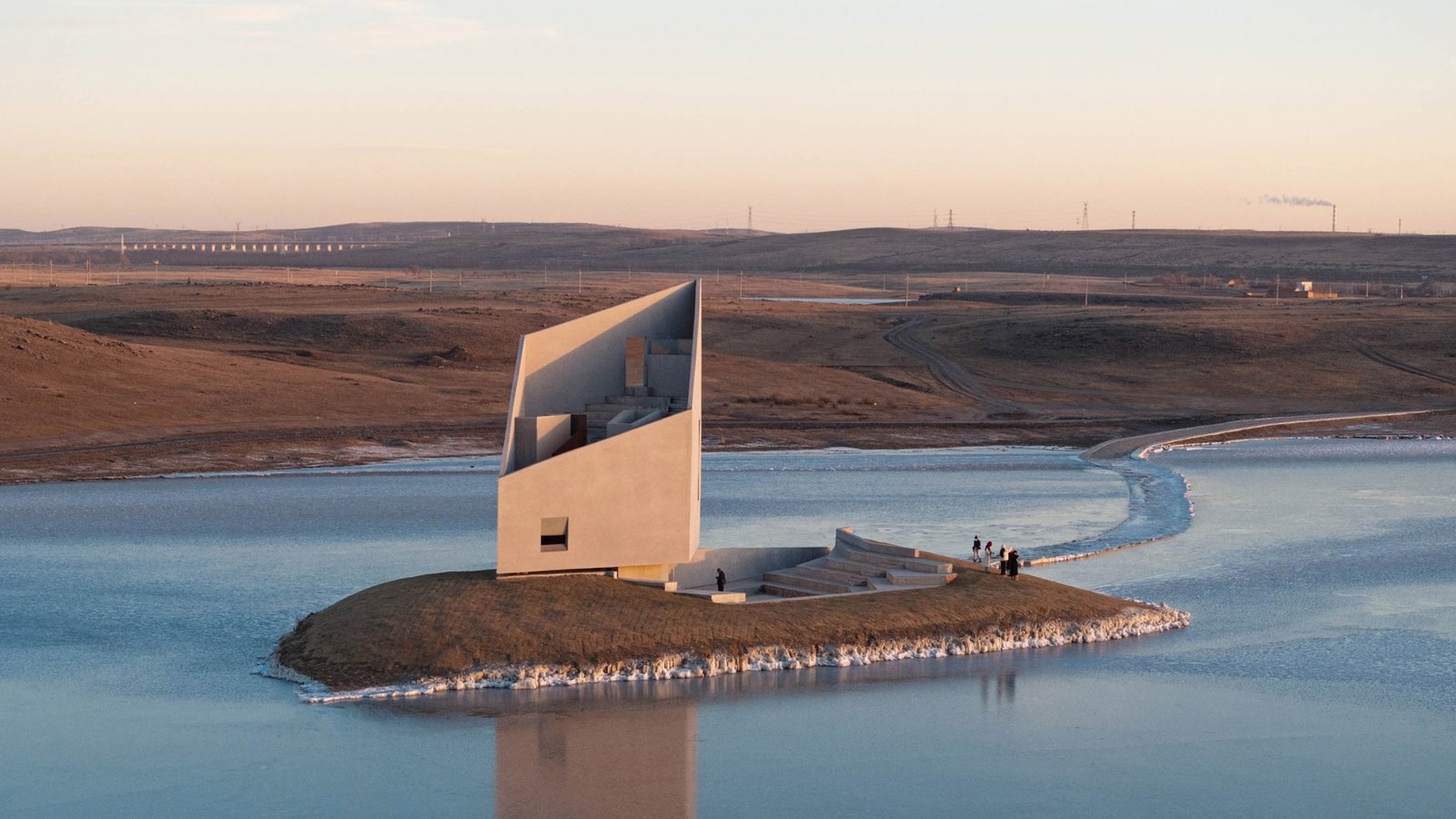
Visitors approach across the open grassland, climb onto the roof as though ascending a natural hill, and enter through an opening cut into the top. The descent is designed to feel immersive, arriving into a single undivided hall illuminated by a gridded ceiling of stepped skylights. A separate Nomads’ Beacon Tower stands across the lake as a vertical counterpart to the gallery, referencing the watchtower forms of the nearby Great Wall while offering panoramic views across the steppe.
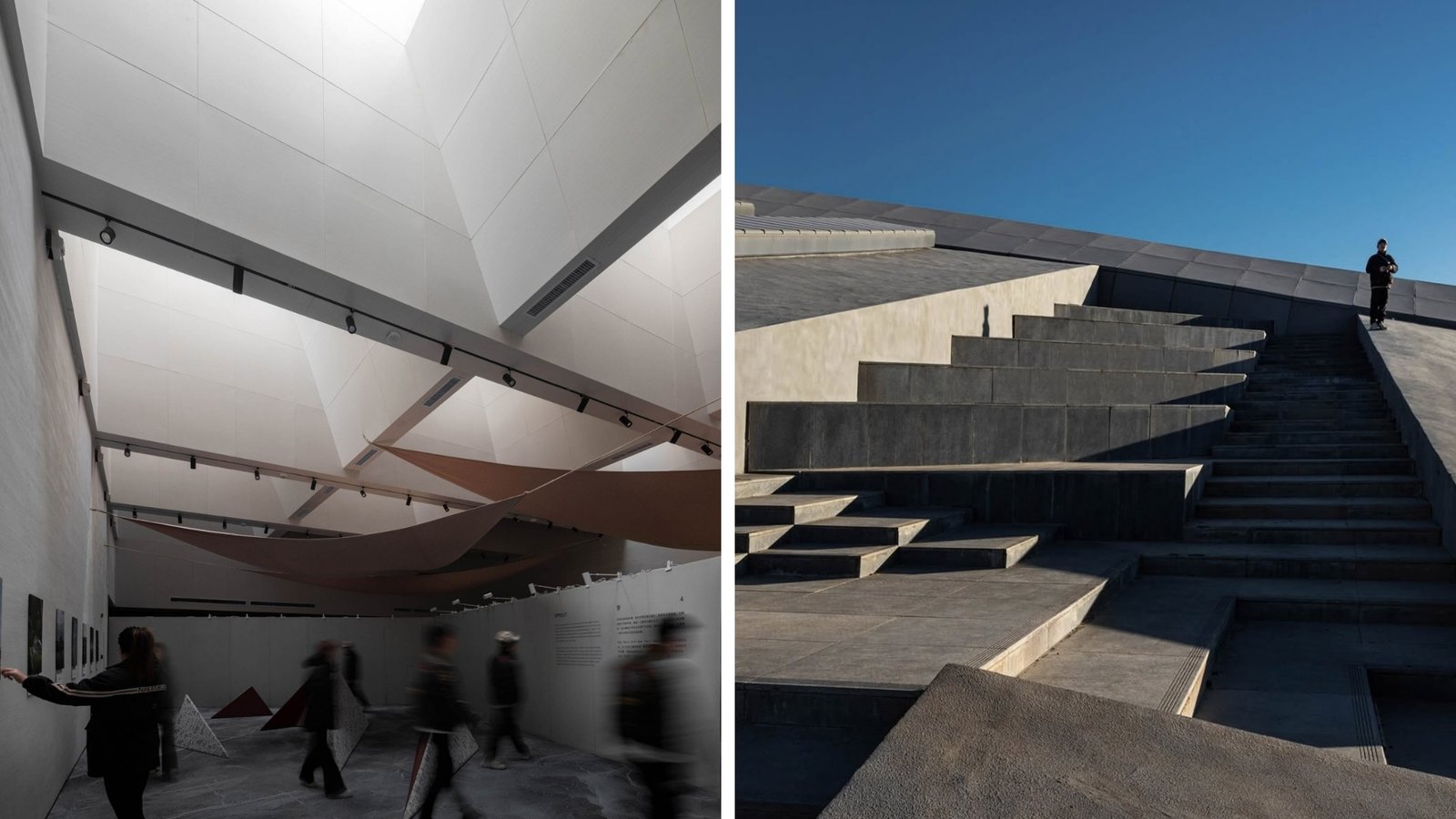
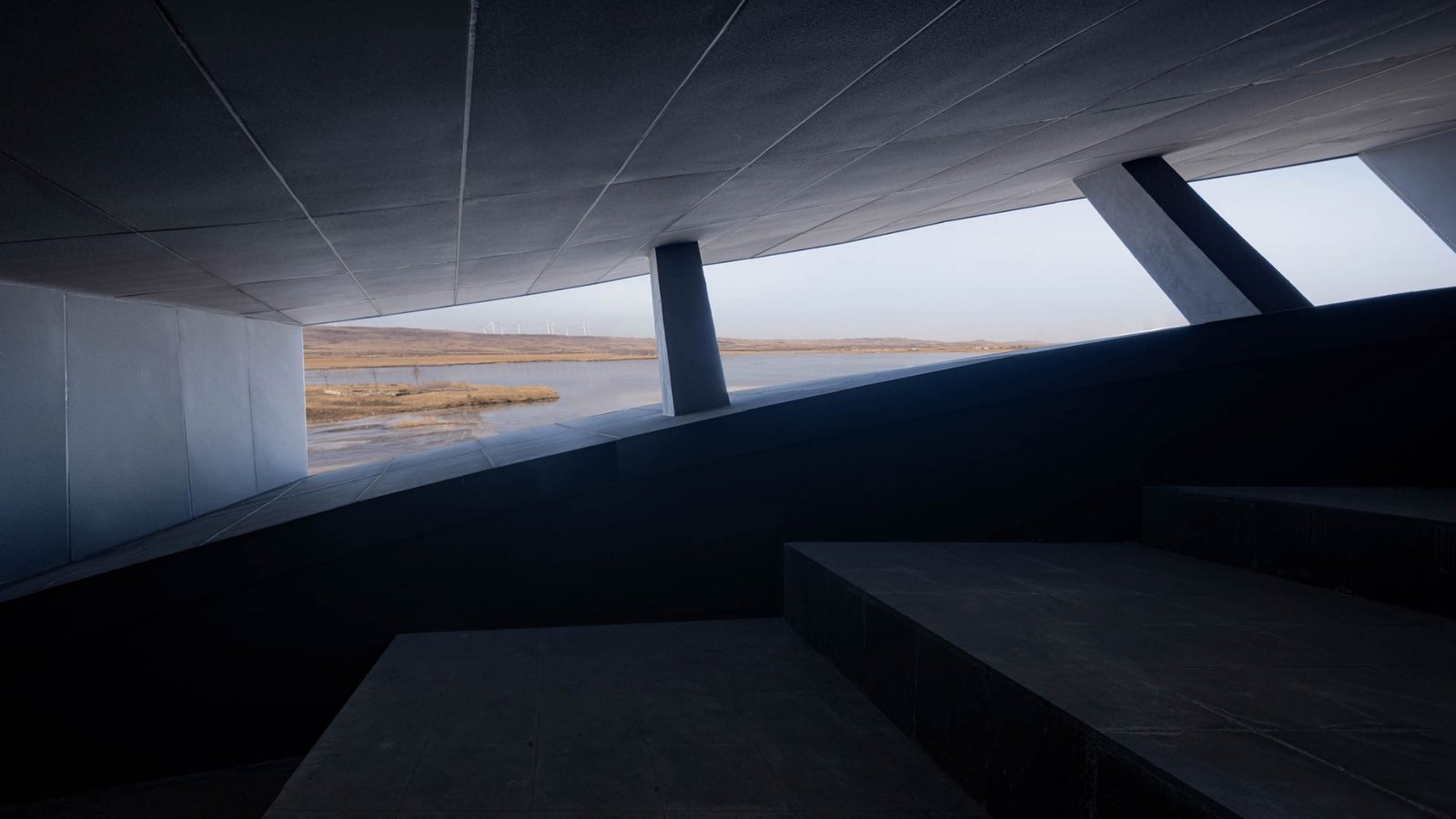
What makes Prairie Ark significant is not simply its formal ambition, but the cultural position it takes. Founder Ziyu Zhuang has been direct about the intent: the design refuses every piece of grassland shorthand available to it. No yurts, no nomadic motifs, no familiar visual references. Rather than reproducing inherited imagery, the project positions the grassland as a contemporary cultural landscape. In doing so, it reflects a broader shift taking place across architecture, where originality increasingly carries more value than nostalgia, and where places are defined by new ideas rather than familiar references.
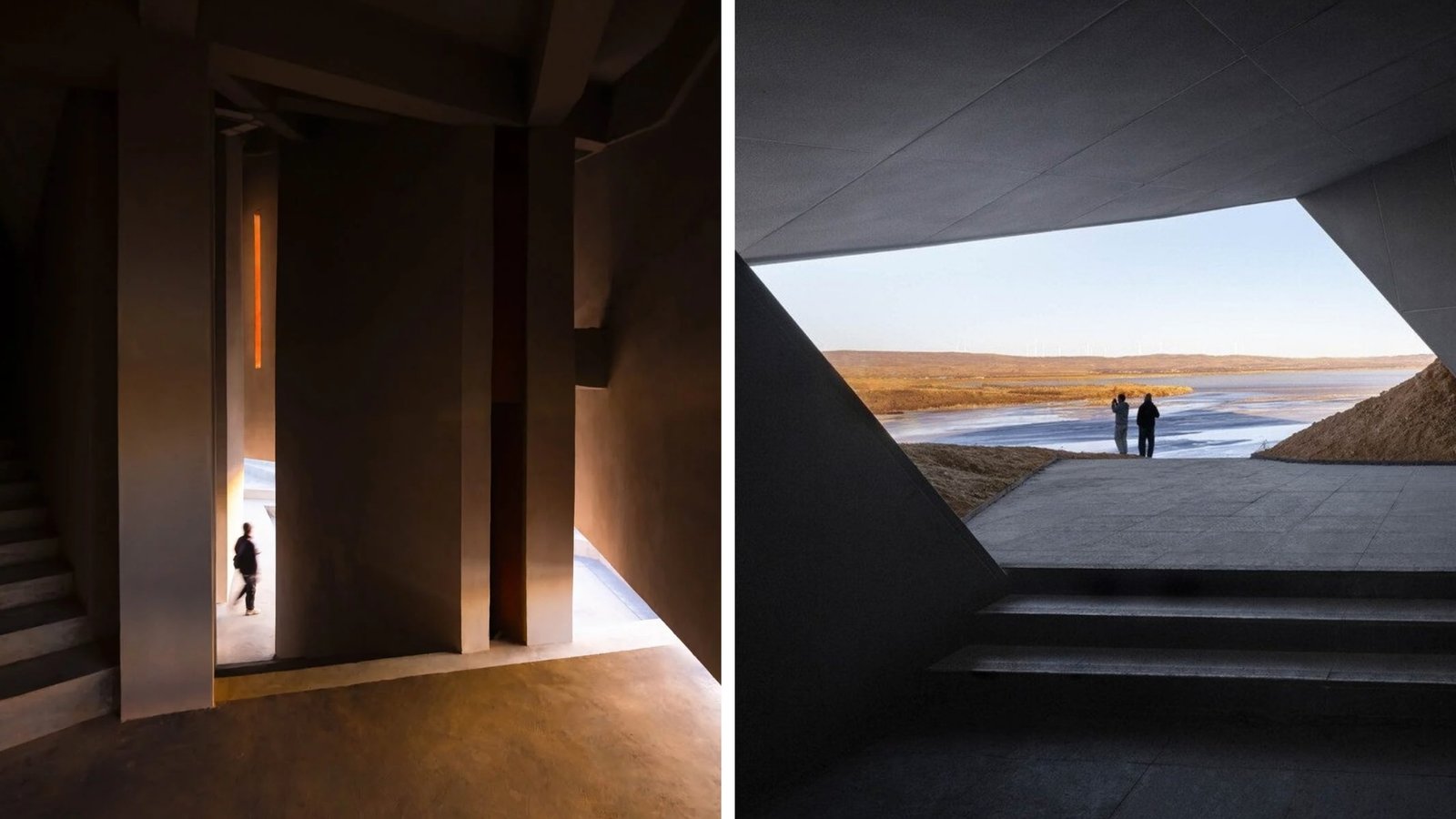
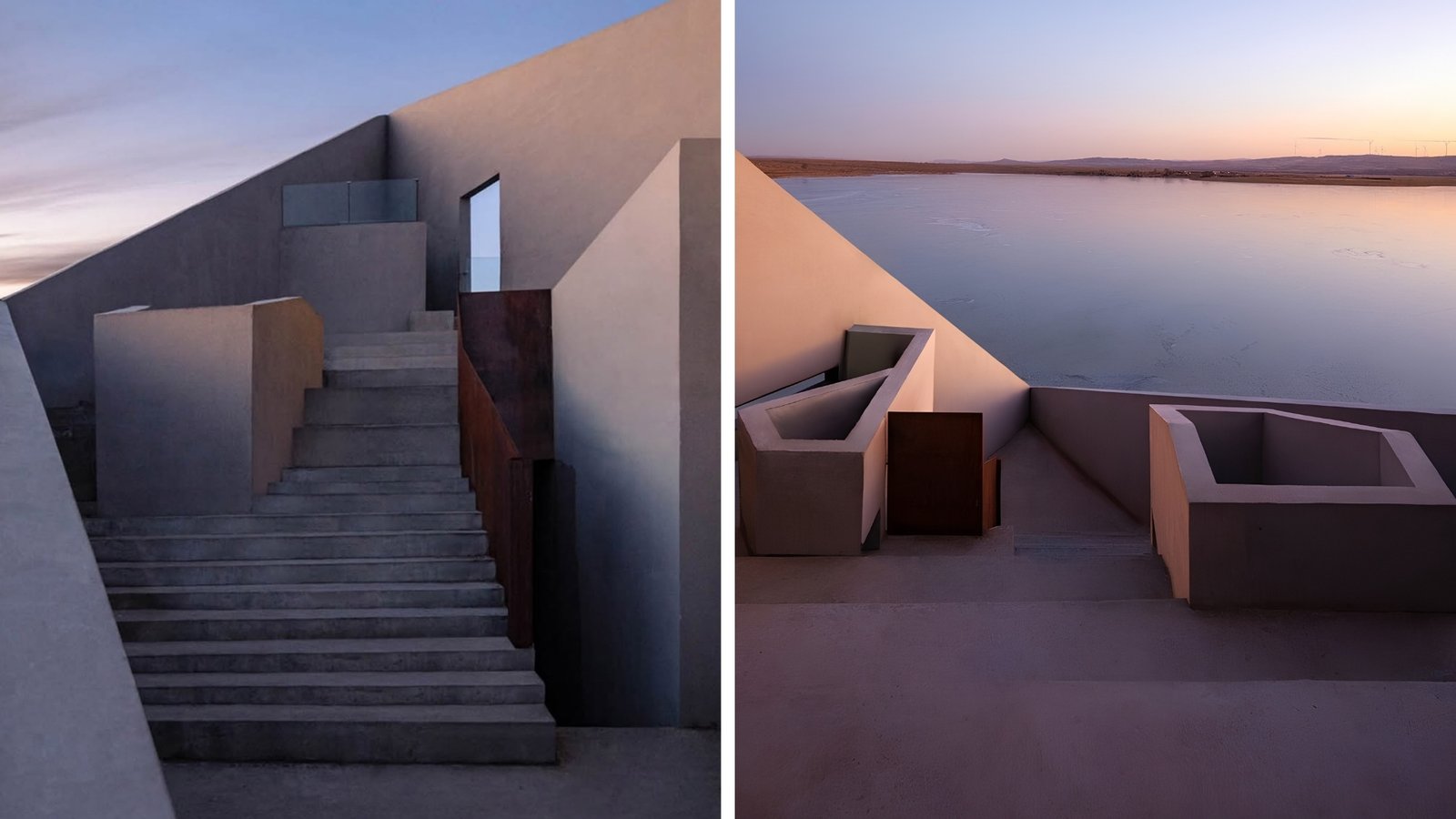
The broader signal is worth noting for anyone tracking where cultural infrastructure is heading. For decades, the world’s most significant gallery openings tended to occur within established cultural capitals — London, New York, Doha, or Bilbao — places whose reputations were already secured. Increasingly, however, some of the most interesting projects are emerging in locations defined not by existing cultural status, but by geographic singularity. Prairie Ark, set within the vast Ulanqab grassland, represents an extreme version of that argument.
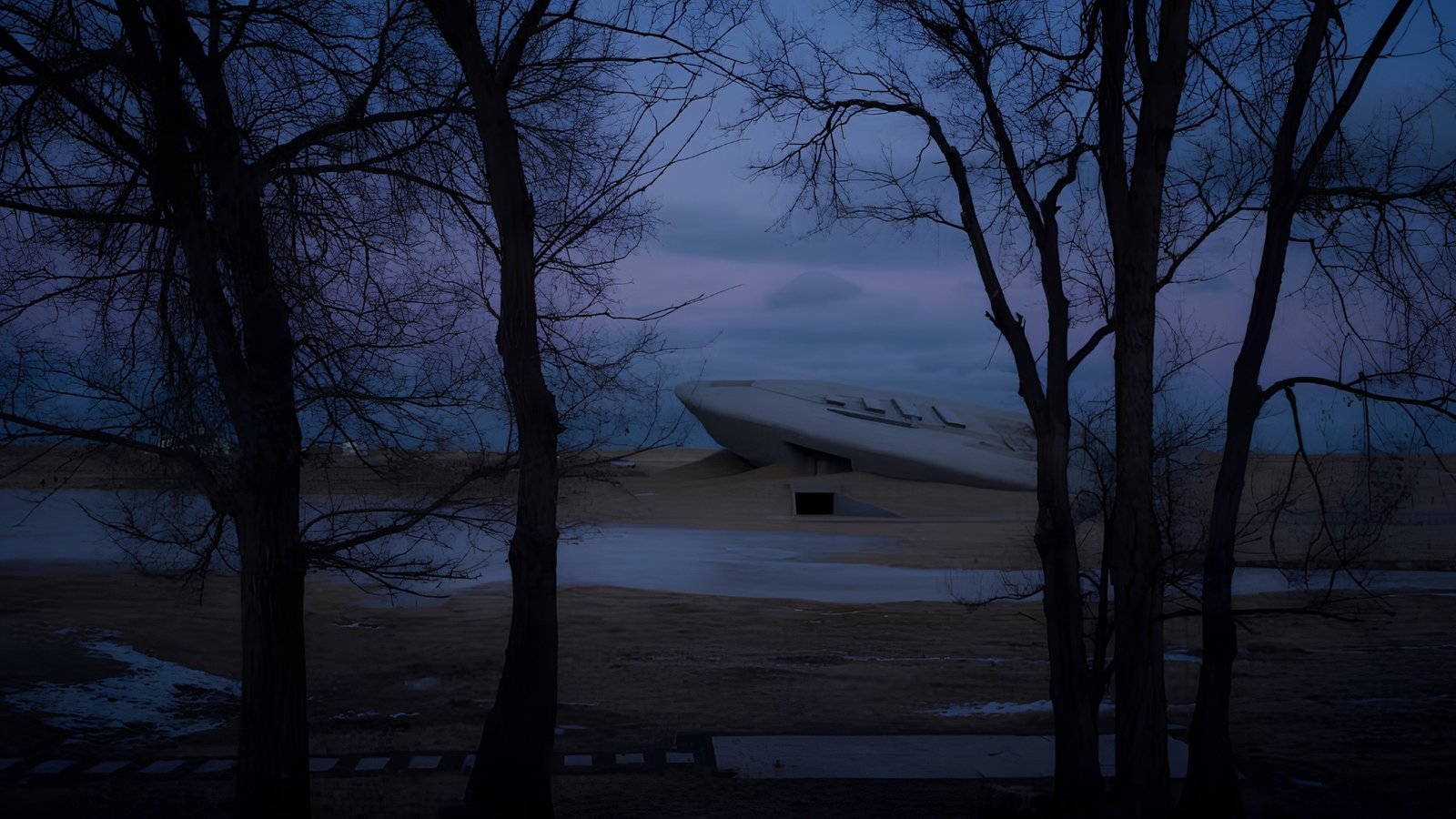
As cultural destinations become increasingly global and accessible, projects like Prairie Ark suggest that architecture itself is becoming a reason to travel. The building is less an addition to an existing destination than an attempt to create one. In that sense, its significance extends beyond architecture alone. It reflects a growing belief that thoughtfully designed cultural infrastructure can shape perception, attract attention, and ultimately place new geographies onto the global cultural map. The gallery is open to the public.