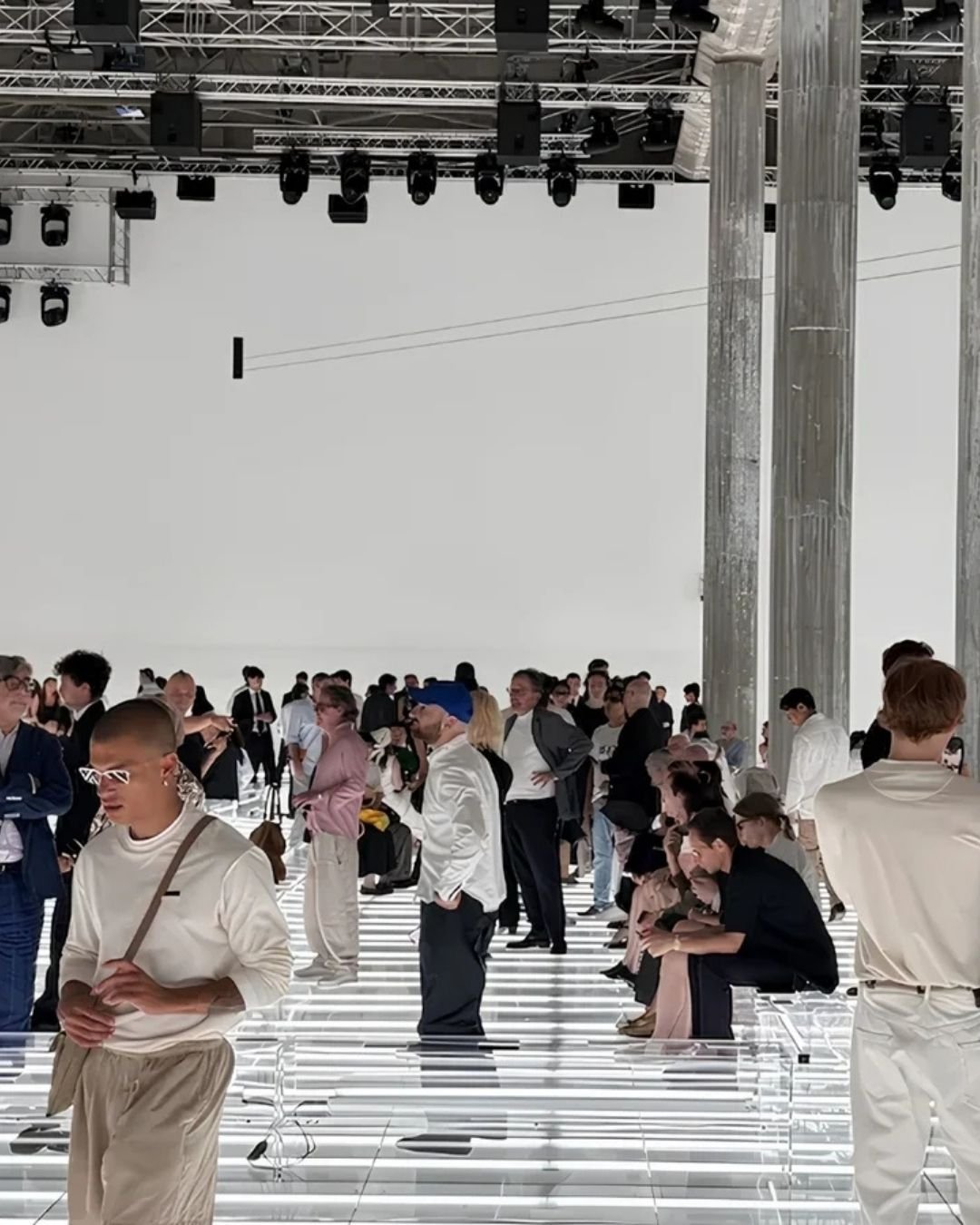




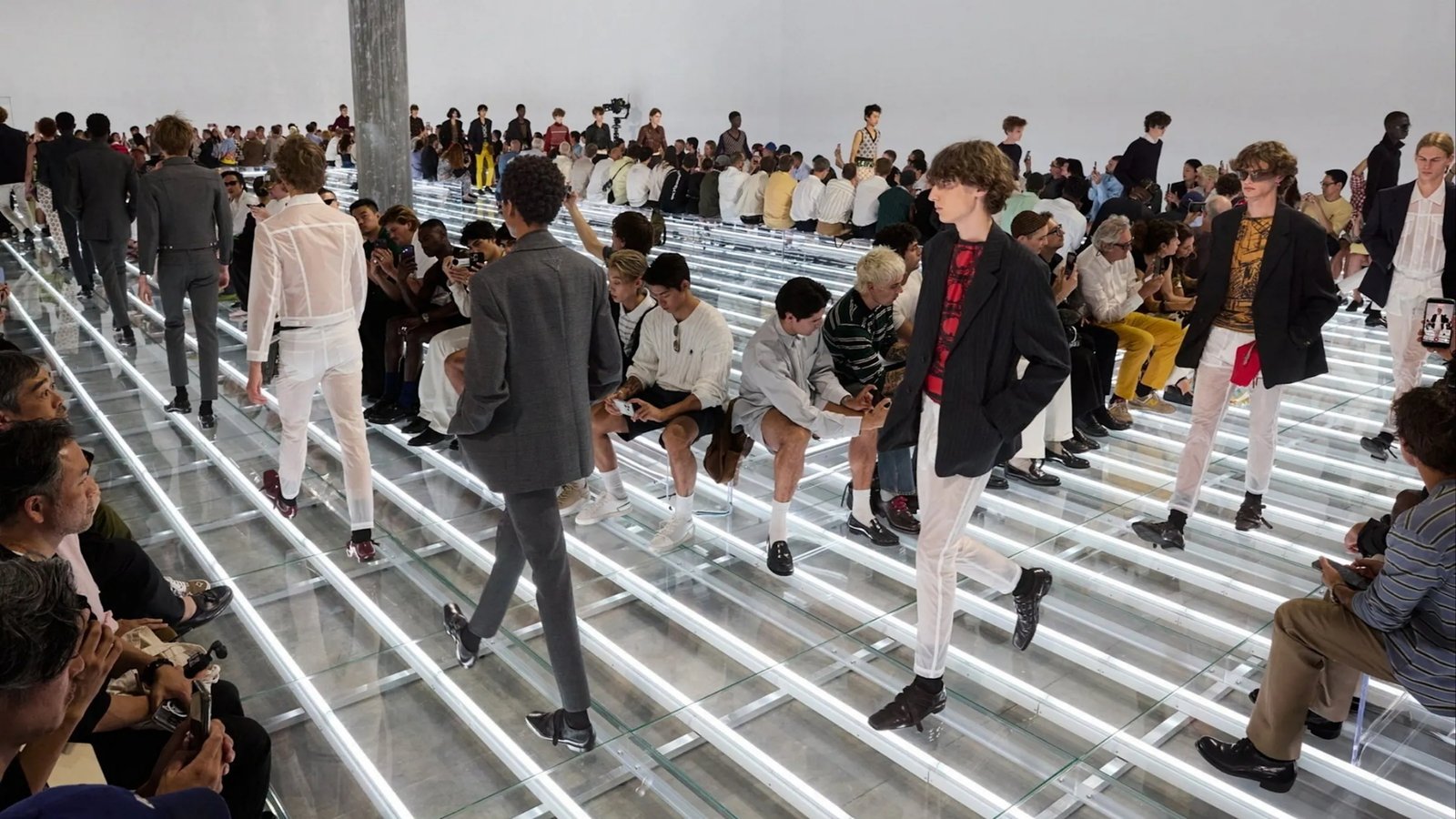


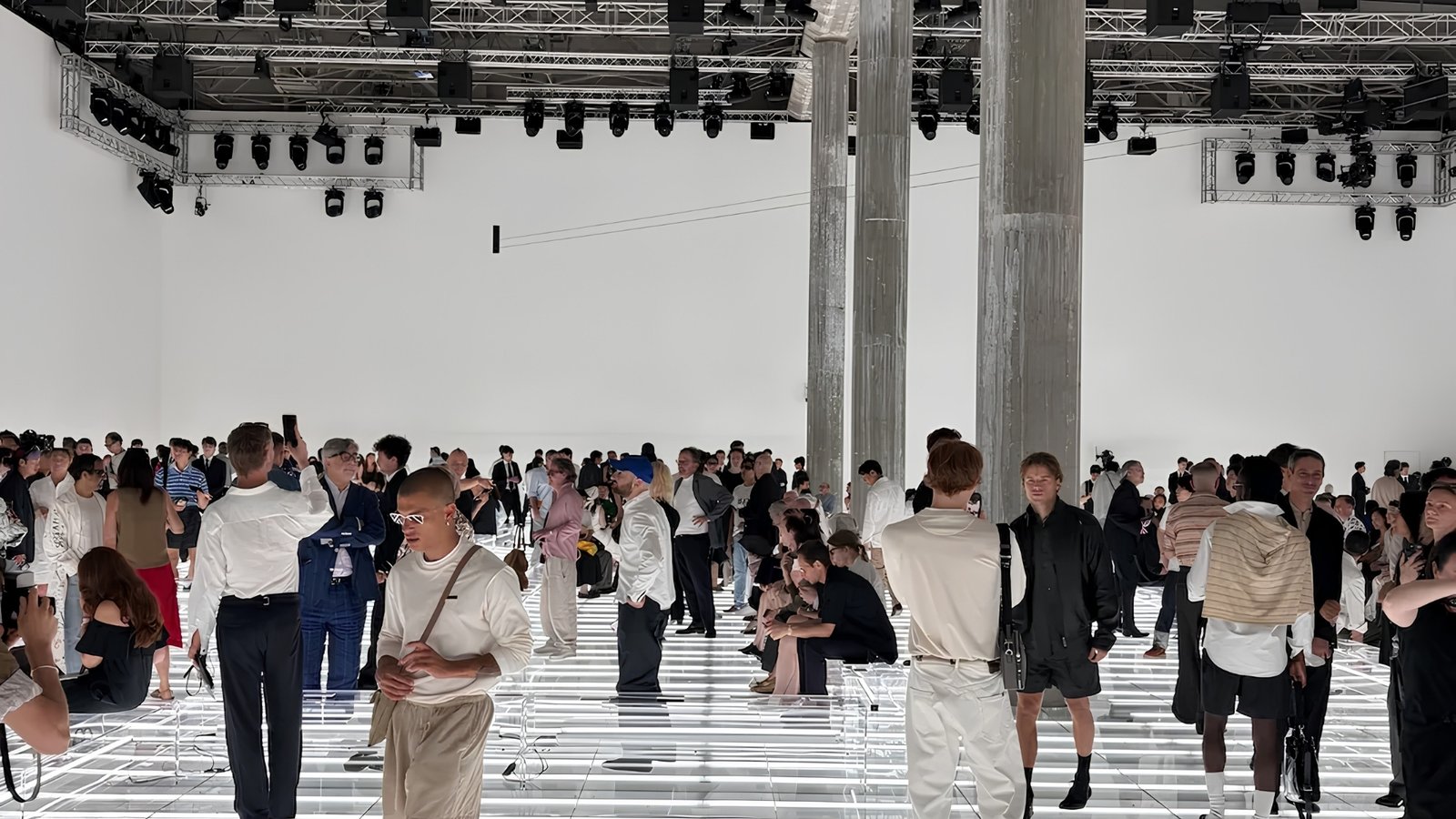
Fashion often claims to celebrate change, yet the collections that endure are usually those that resist it. Milan Men’s Fashion Week for Spring/Summer 2027 suggested that the industry’s attention is shifting away from novelty and back towards permanence, with tailoring, craftsmanship and material quality emerging as the defining themes of the season. In a week shaped as much by soaring temperatures as by silhouettes, the strongest collections demonstrated that the future of menswear may lie not in reinvention, but in refinement.
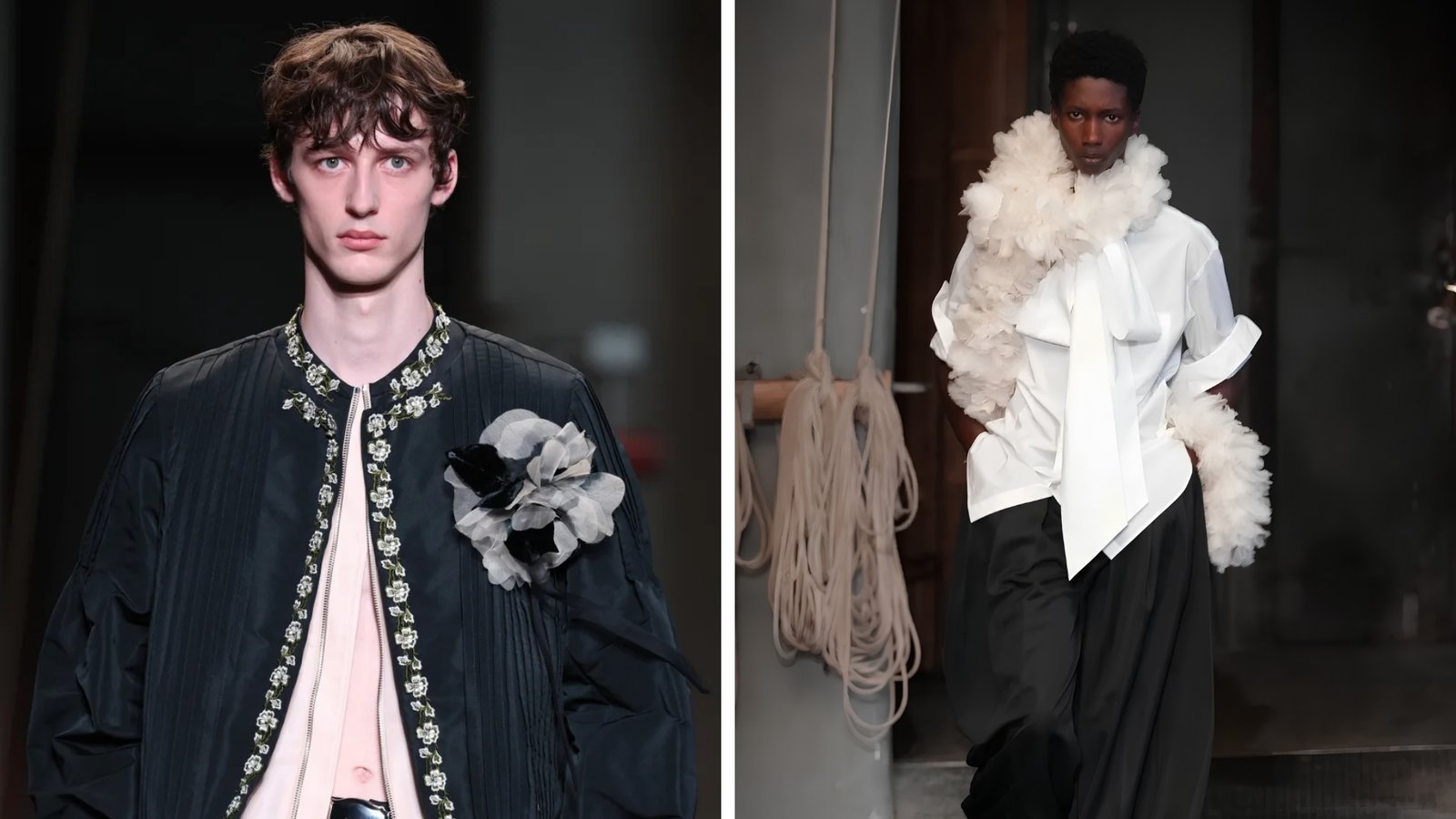
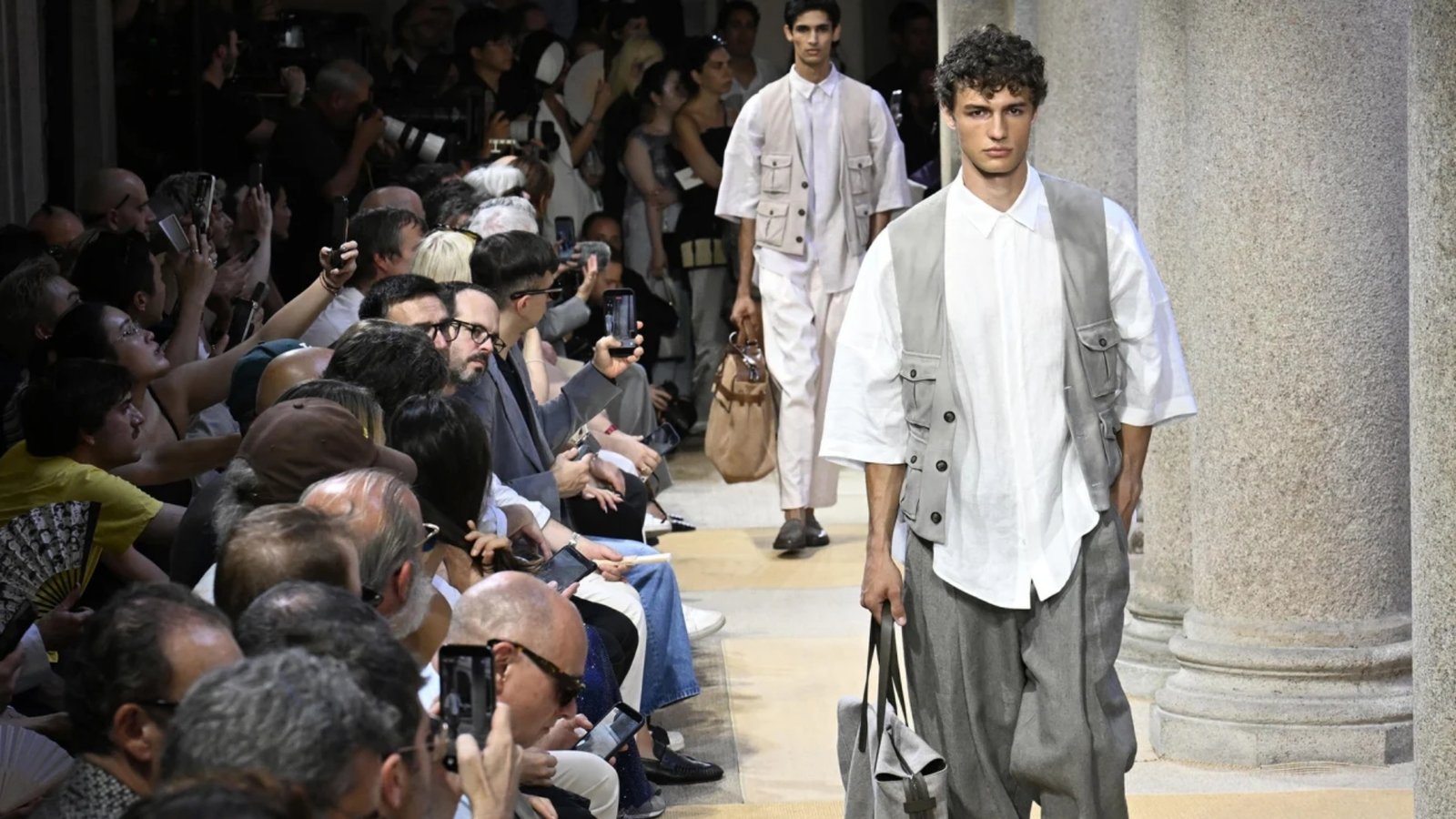
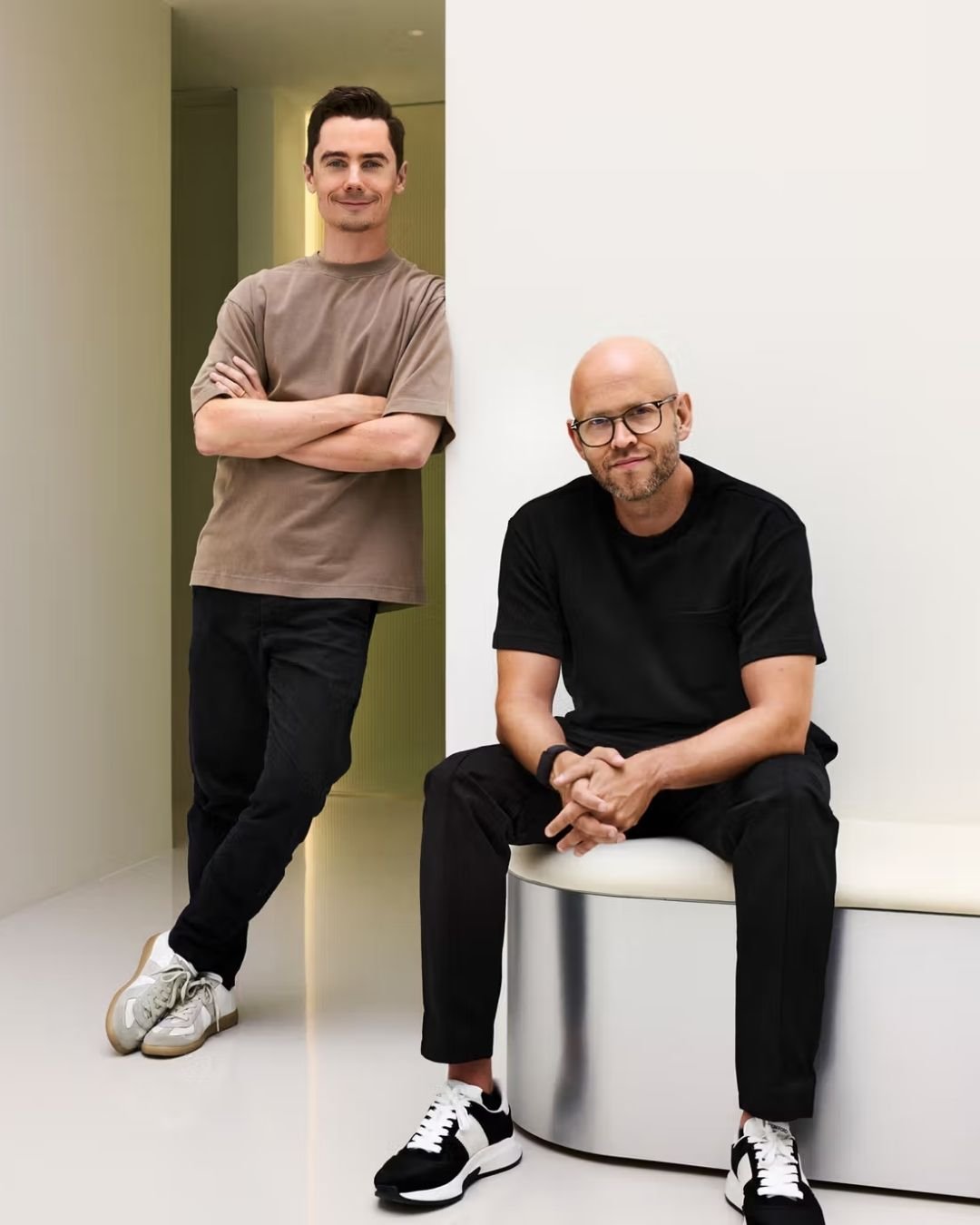
Few houses captured that sentiment more convincingly than Dunhill. Under the creative direction of Simon Holloway, the British house continues its transformation into one of luxury menswear’s most quietly confident propositions. Presented with restrained art direction and understated elegance, the collection balanced softly tailored jackets, fluid outerwear and relaxed evening dressing with an emphasis on proportion rather than spectacle. Scarves tied in subtle reference to Lucian Freud reinforced a mood that felt considered rather than nostalgic, positioning Dunhill as one of the week’s clearest expressions of contemporary sophistication.
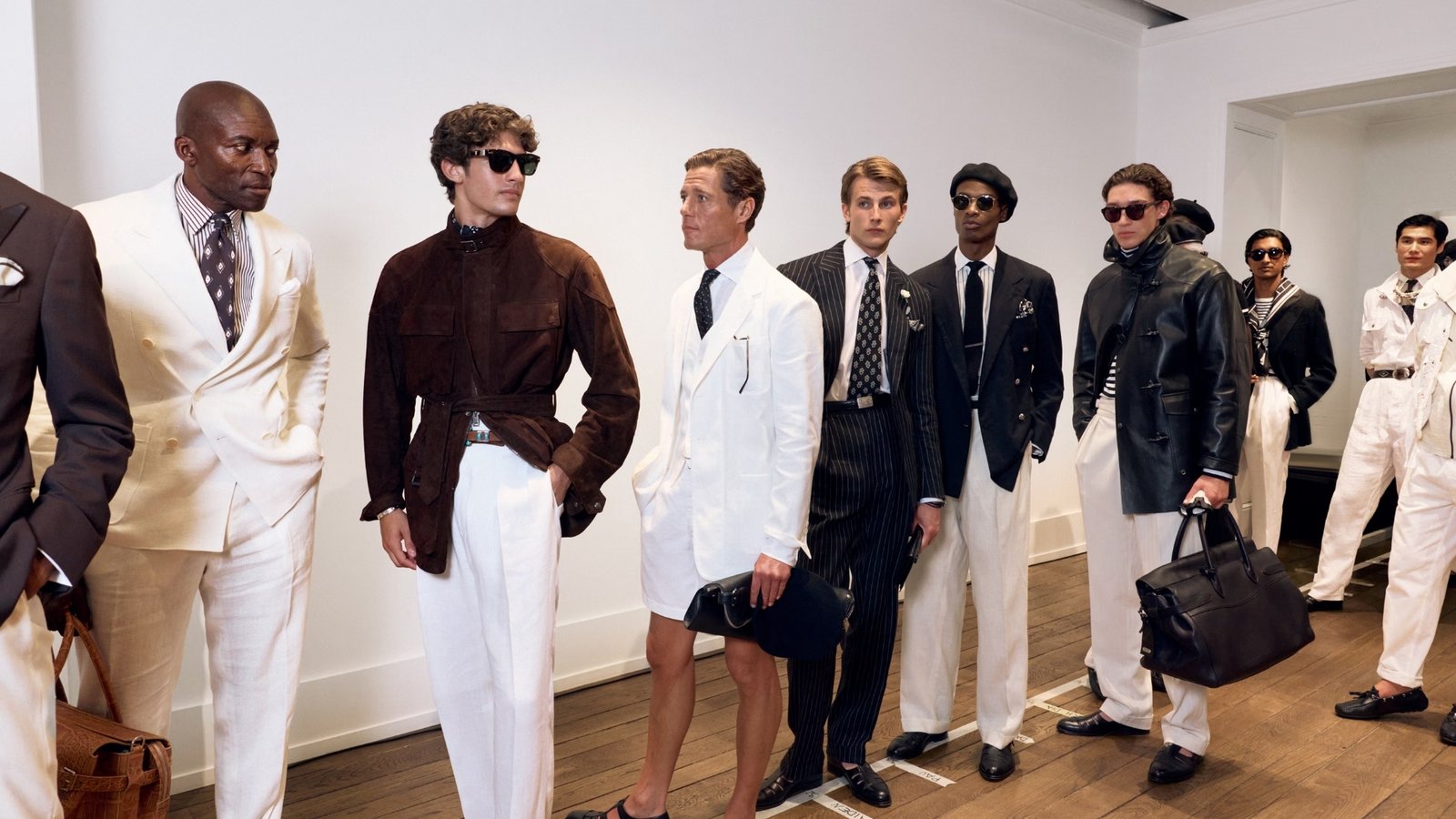
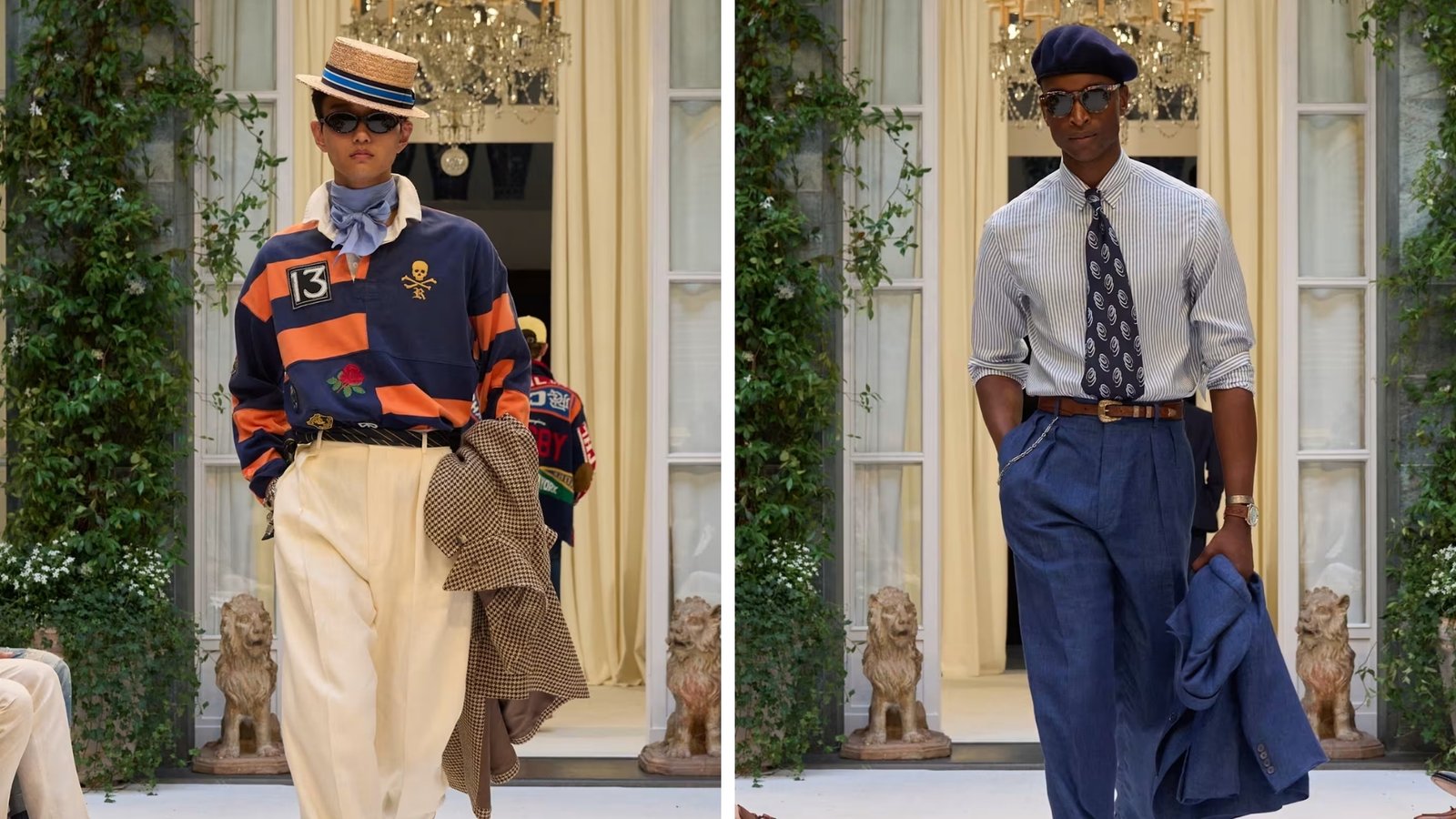
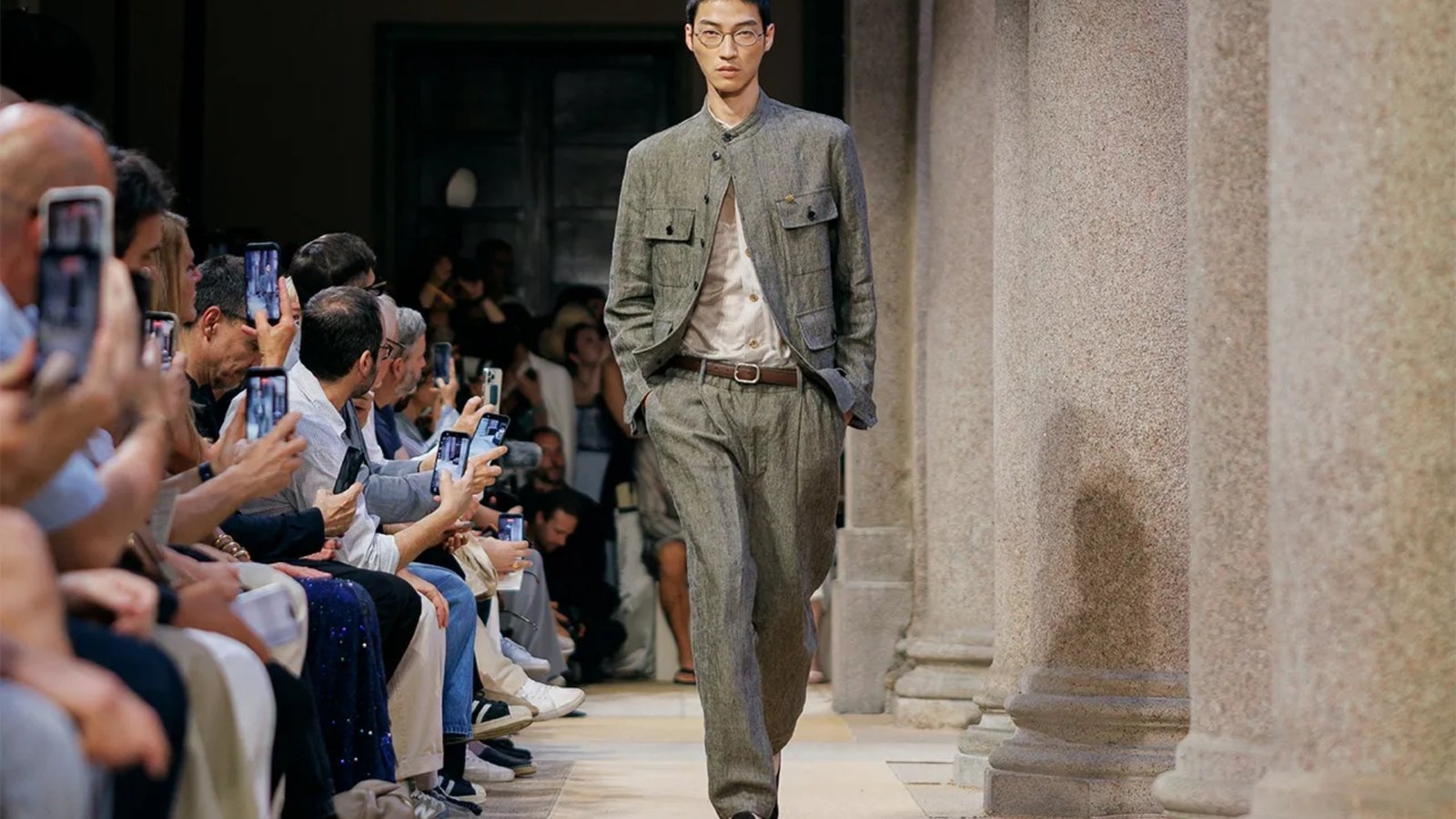
Elsewhere, Ralph Lauren opened the week inside Palazzo Ralph Lauren with a presentation that combined Polo Ralph Lauren and Purple Label. A mahogany Riva-inspired speedboat anchored the courtyard, while the collection revisited the house’s familiar vocabulary of tailored Americana, linen suiting and safari-inspired separates. Brunello Cucinelli continued to champion relaxed tailoring in lightweight cashmere and washed fabrics, while Brioni, Kiton, Canali, Church’s and Tod’s reaffirmed Milan’s longstanding reputation for exceptional cloth, construction and craftsmanship. Rather than competing for attention through theatrical runway moments, many of the week’s strongest collections found confidence in consistency.
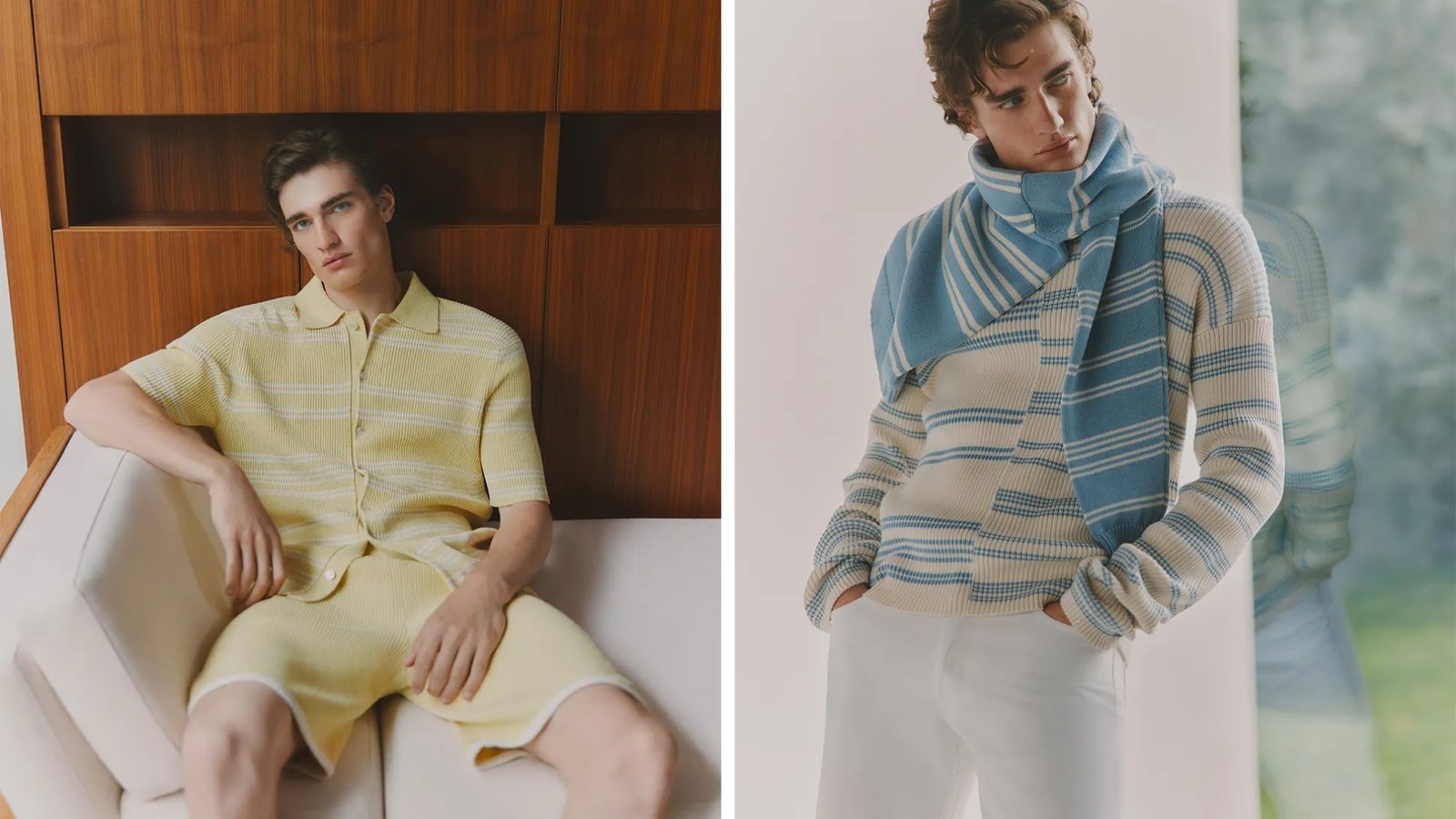
Prada, as expected, provided the week’s most polarising conversation. Miuccia Prada and Raf Simons proposed a slimmer, more youthful silhouette that divided opinion, reminding audiences that fashion’s role is often to challenge prevailing tastes before they become widely accepted. Yet even Prada’s experimentation sat within a broader season that favoured cleaner lines, lighter fabrics and clothing designed to be lived in rather than simply photographed.
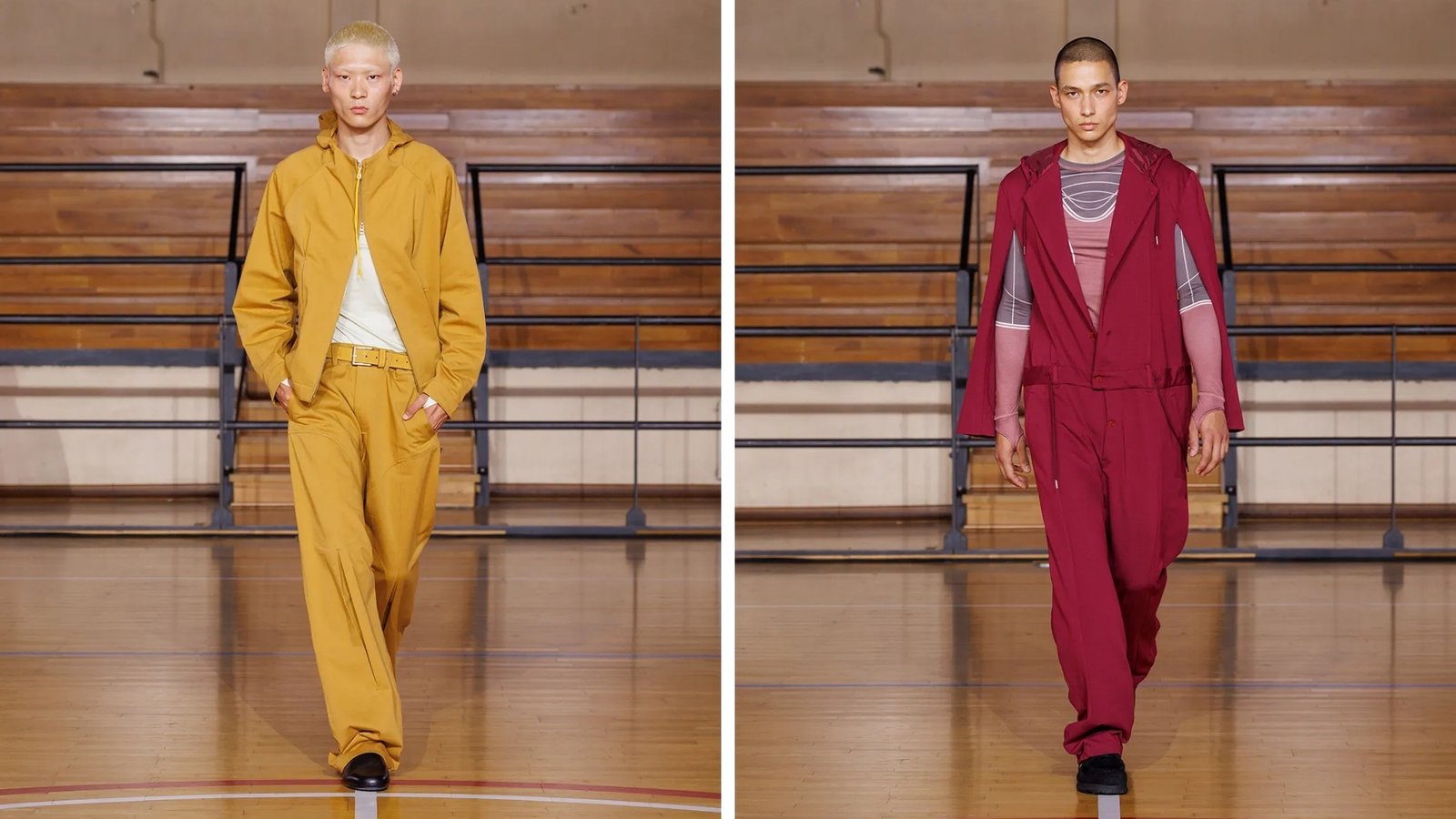
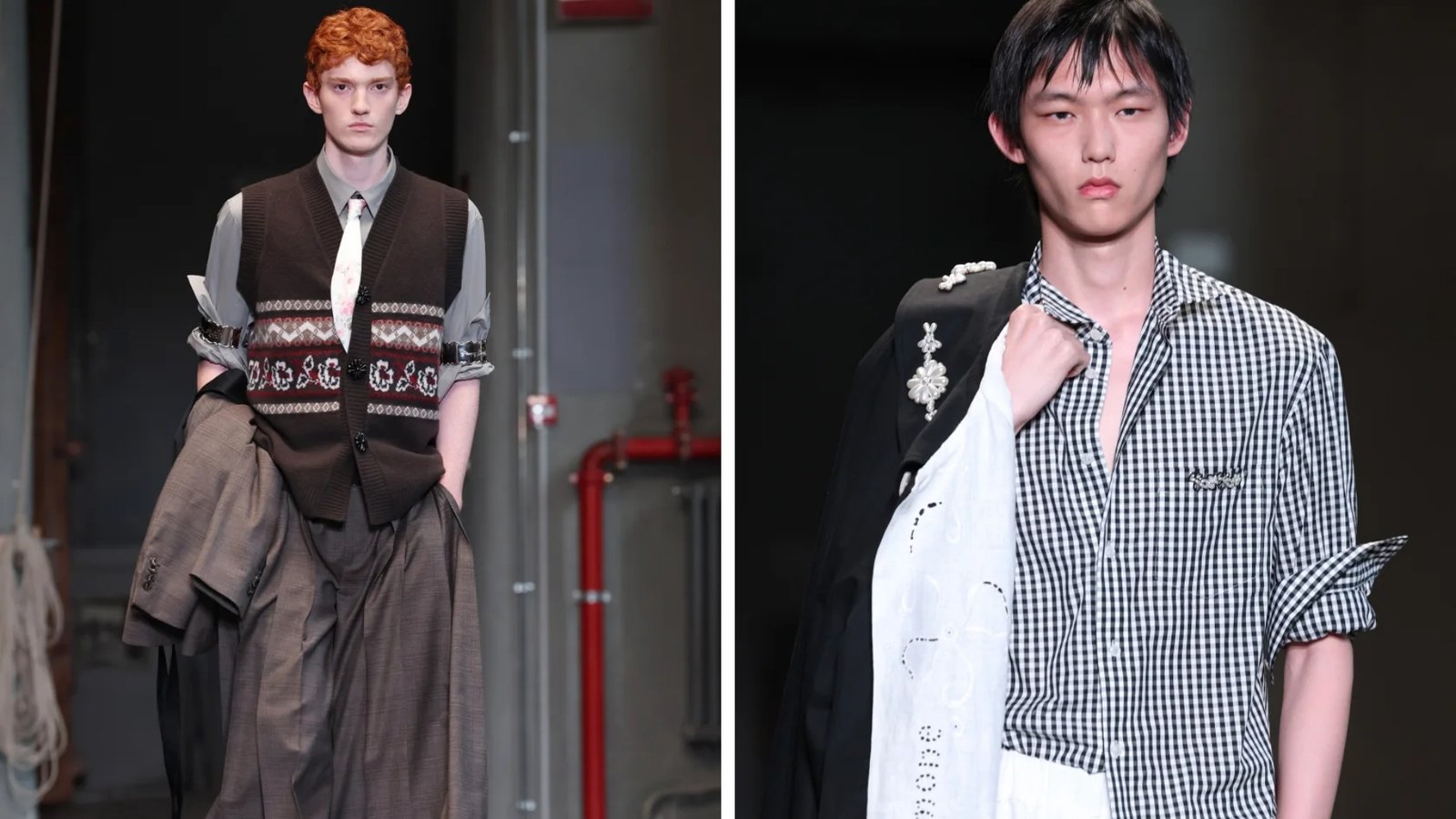
That direction reflects a wider recalibration taking place across luxury menswear. Buyers increasingly report stronger demand for garments defined by longevity rather than trend cycles, with investment dressing replacing seasonal novelty as consumers become more deliberate in their purchases. Harrods’ menswear buying director Simon Longland has described recent Milan seasons as a renewed focus on “quality, cut, cloth and craft”—qualities that have always distinguished the city from its fashion capitals.
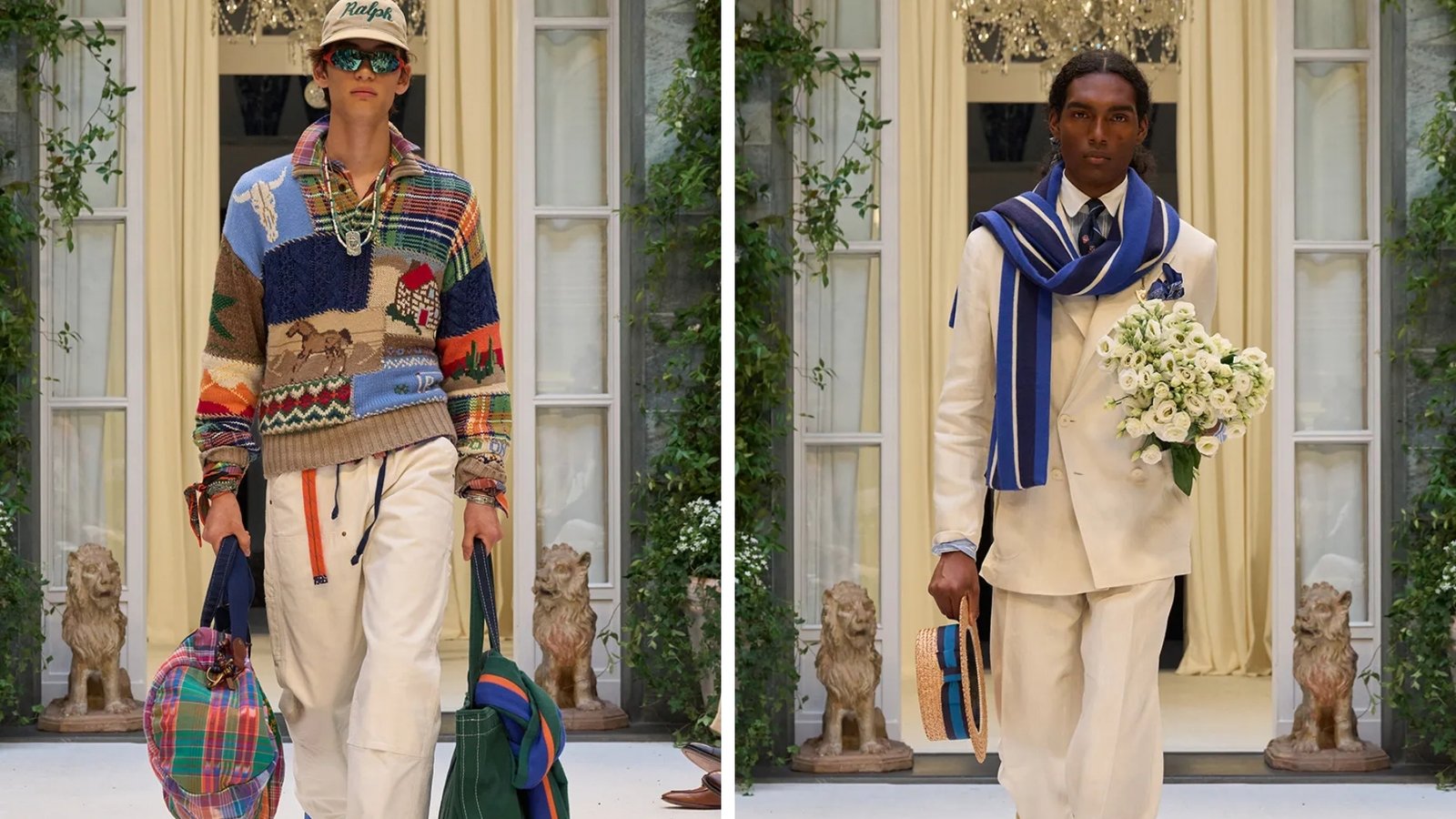
In many respects, Milan remains fashion’s most confident expression of maturity. While Paris often pushes conceptual boundaries and London celebrates experimentation, Milan continues to refine the wardrobe rather than reinvent it. Spring/Summer 2027 demonstrated that timeless dressing has rarely felt more relevant. In a market increasingly defined by quieter expressions of luxury, permanence may once again prove to be fashion’s most modern idea. Visit Milano Fashion Week here.