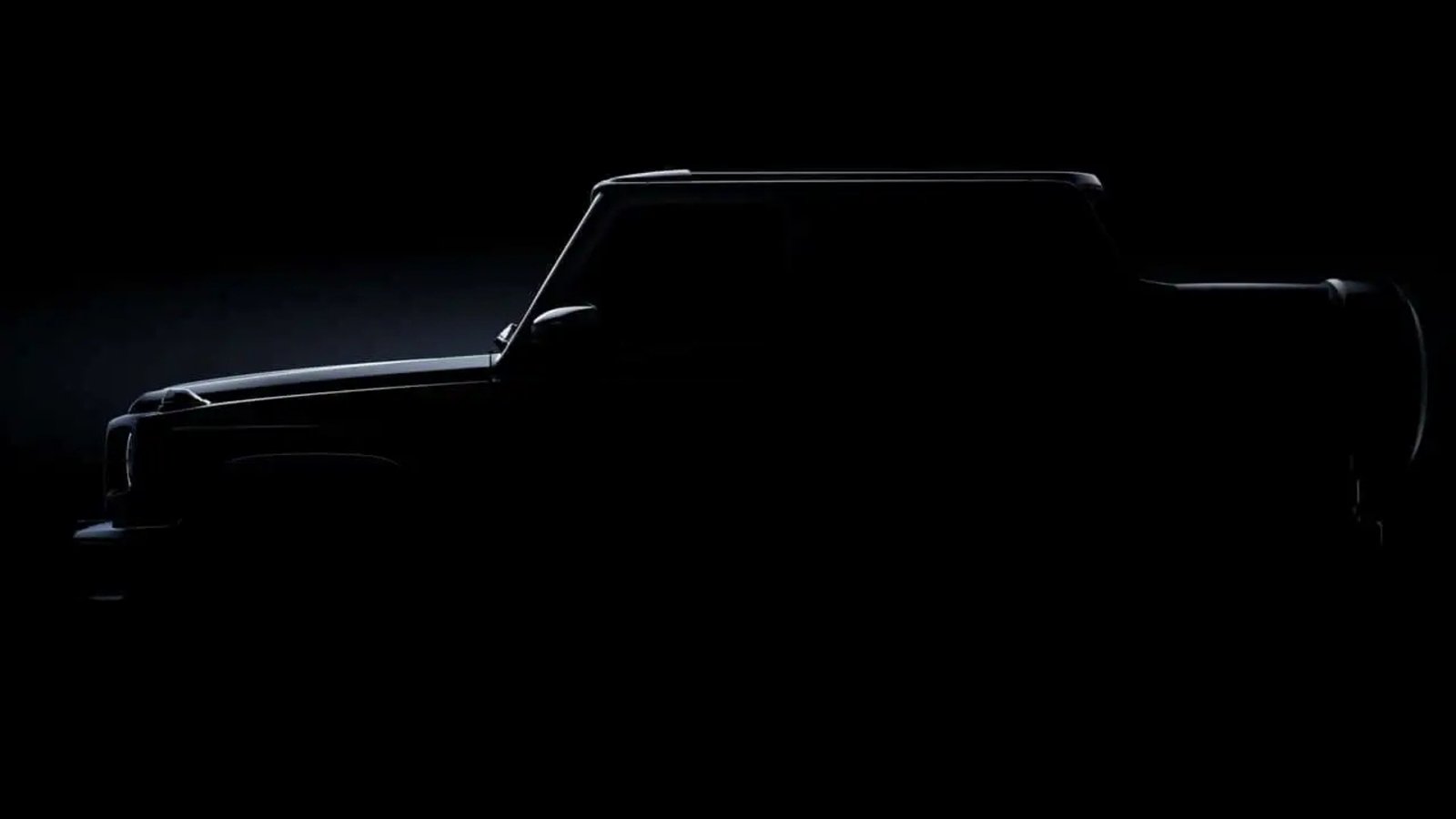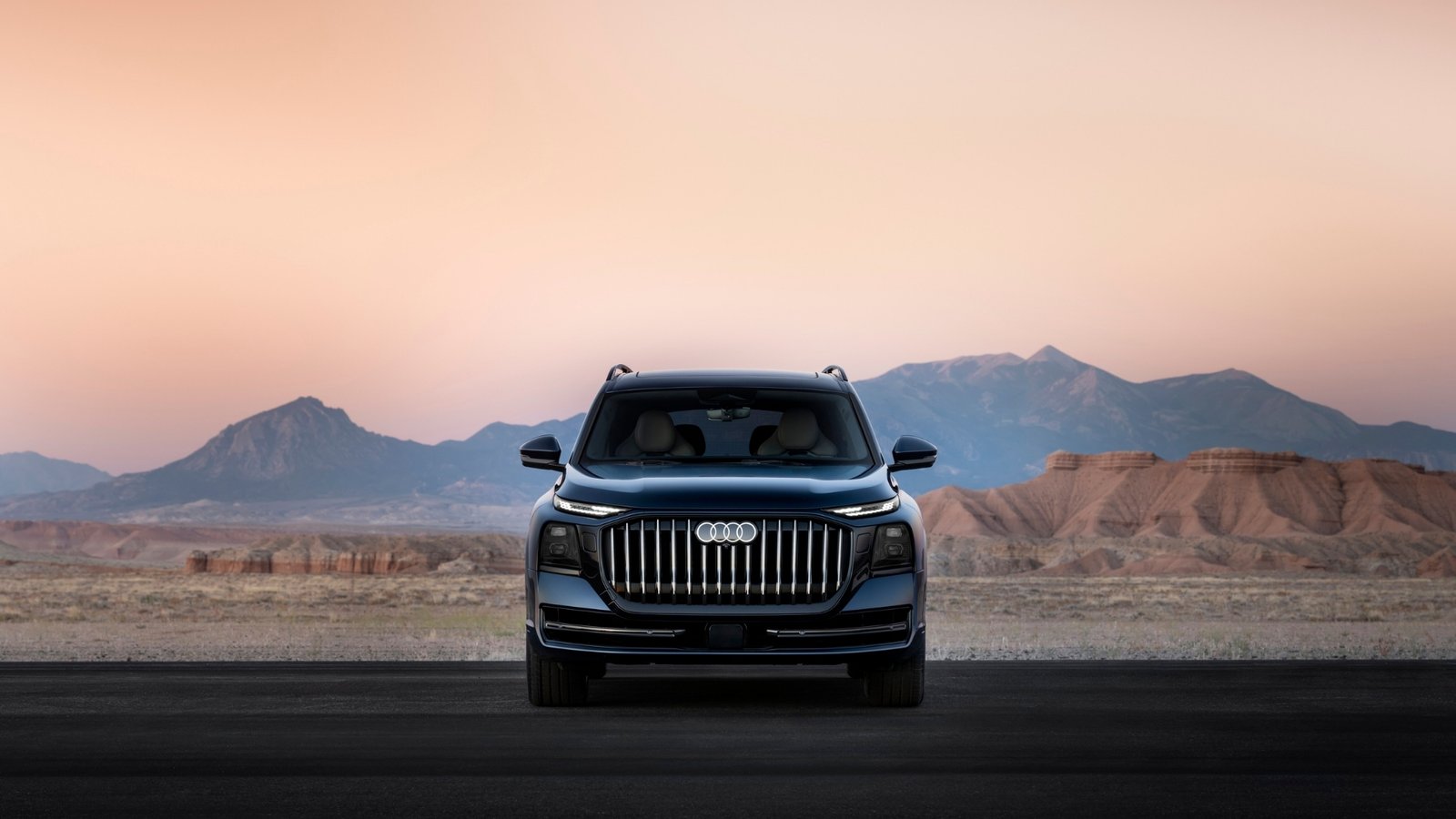










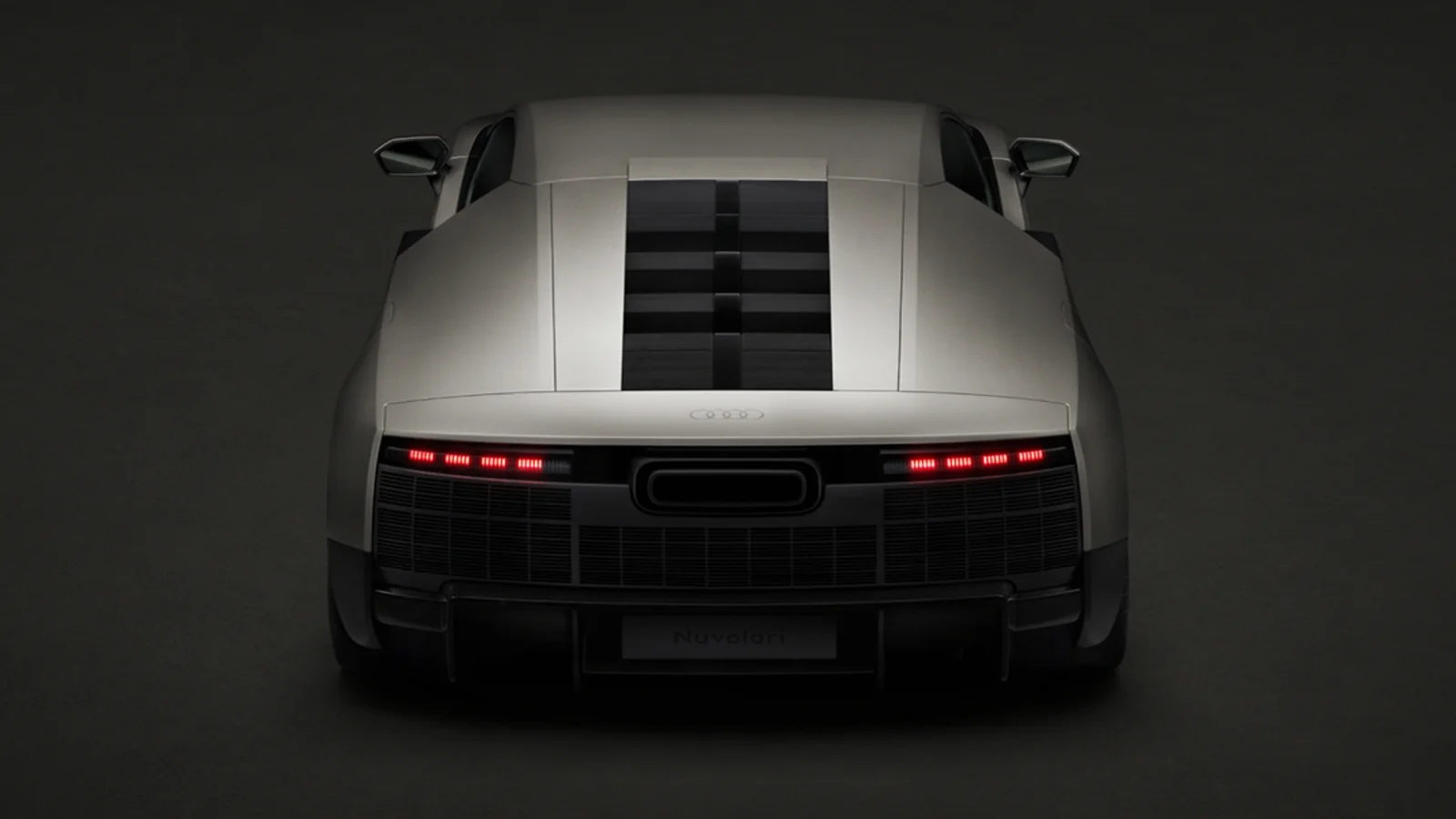


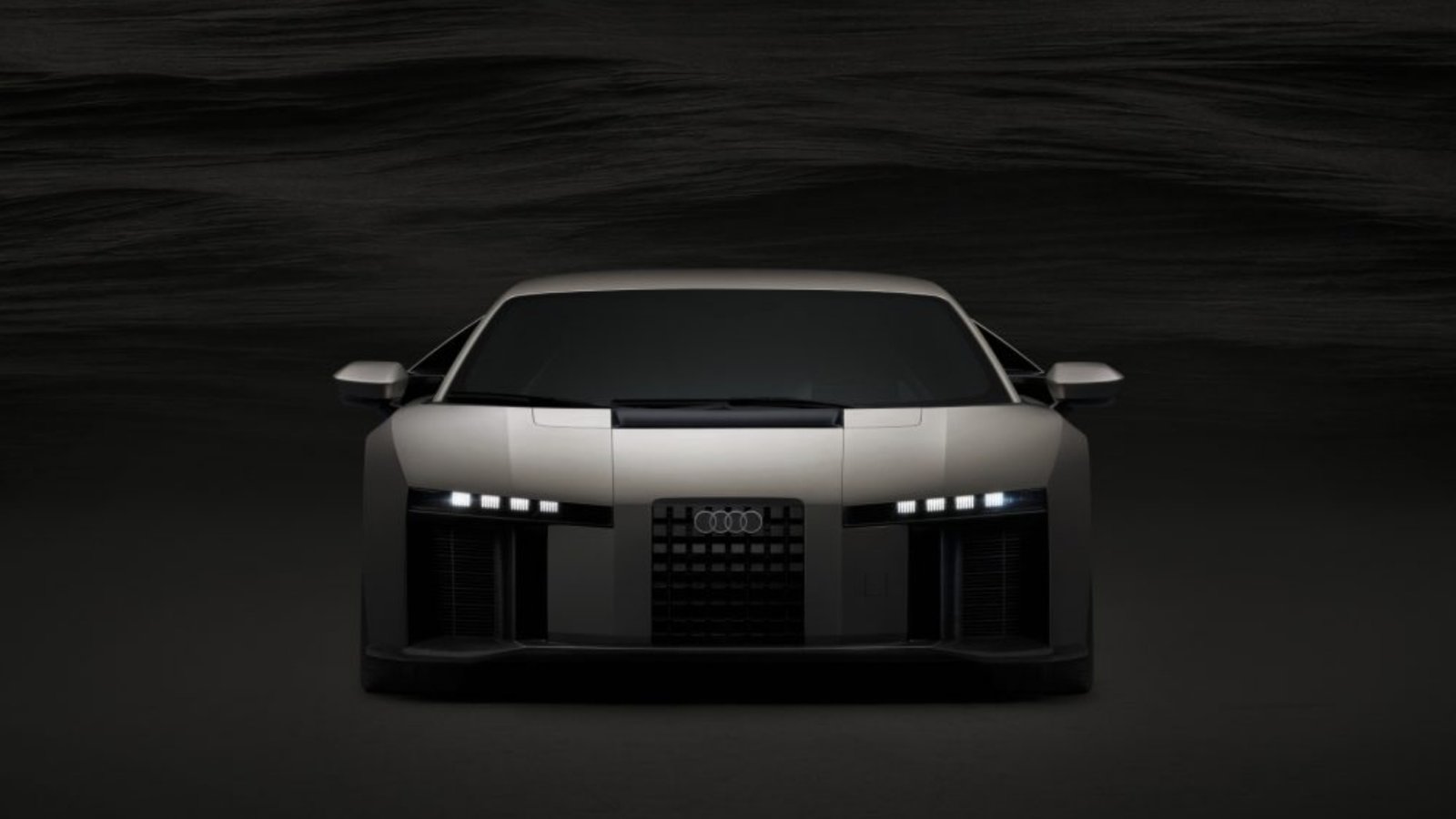
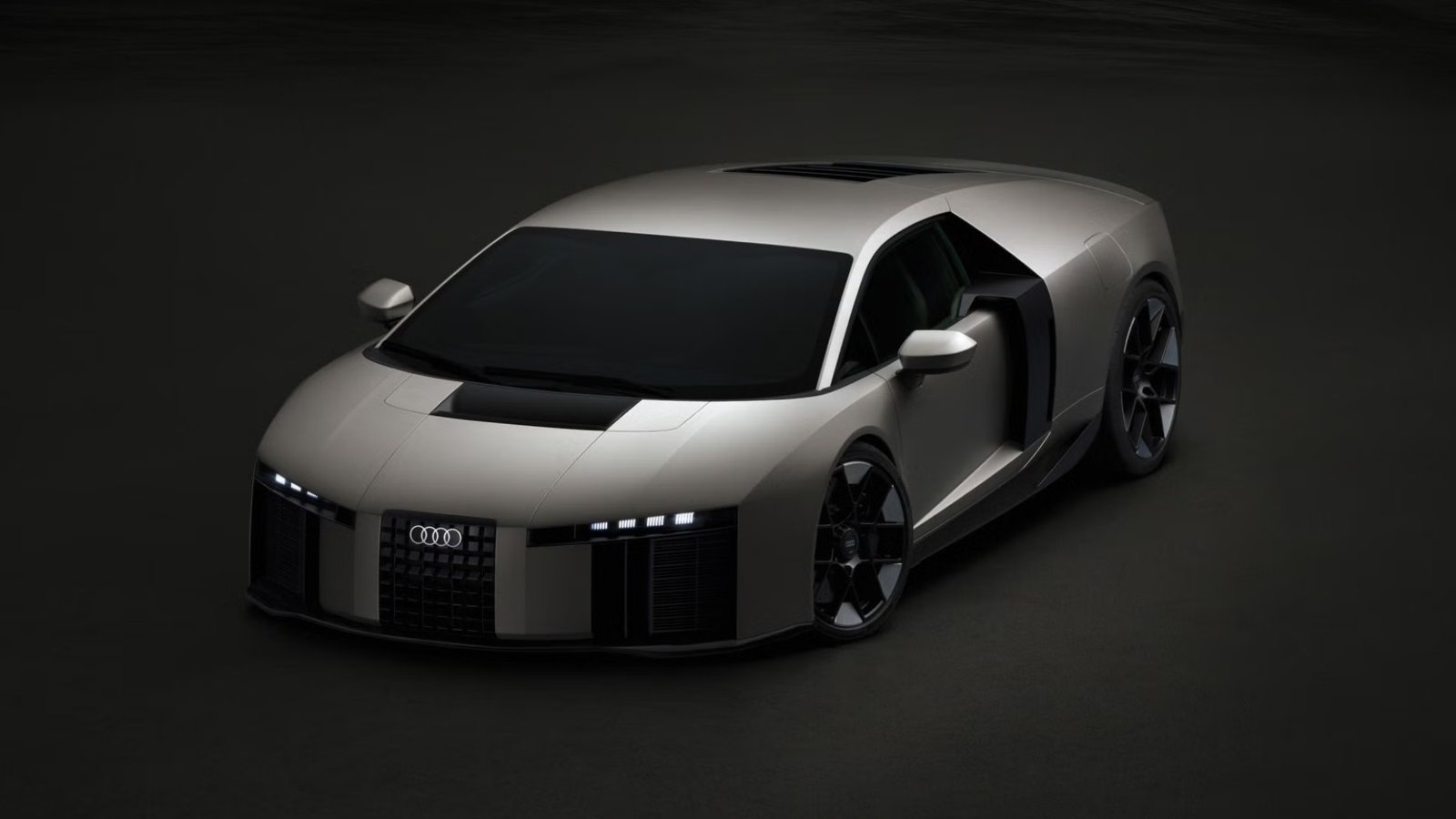
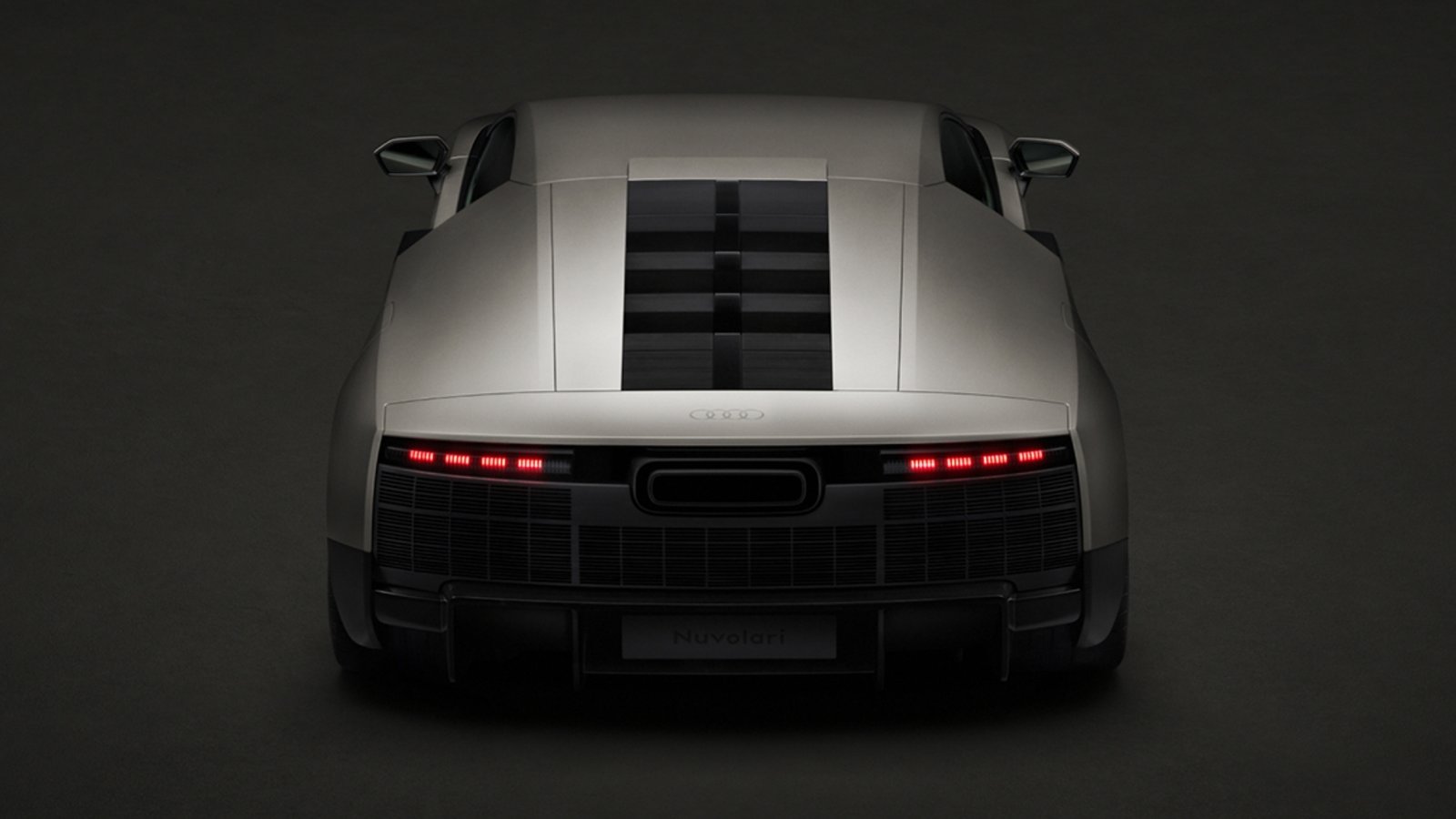
Audi has unveiled the Nuvolari, its first supercar and the most powerful production vehicle in the brand’s history, presenting it on 4 June on the fringes of the Monaco Grand Prix. The timing was deliberate. In the same year Audi joins Formula One as a full works team, the Nuvolari arrives as a declaration of where the company intends to position itself — not merely as a manufacturer of considered luxury automobiles, but as a genuine participant in the upper tier of performance motoring.
The name itself reflects that ambition. Tazio Nuvolari was the legendary Italian driver who raced for Auto Union in the 1930s, one of the four marques whose interlocking rings eventually became Audi’s badge. Naming the car after him reconnects the company to a racing heritage that predates Audi itself and reinforces the idea that the brand’s future ambitions are rooted in its past. The launch feels less like the unveiling of a new model and more like the revival of a narrative Audi has not actively pursued for decades.
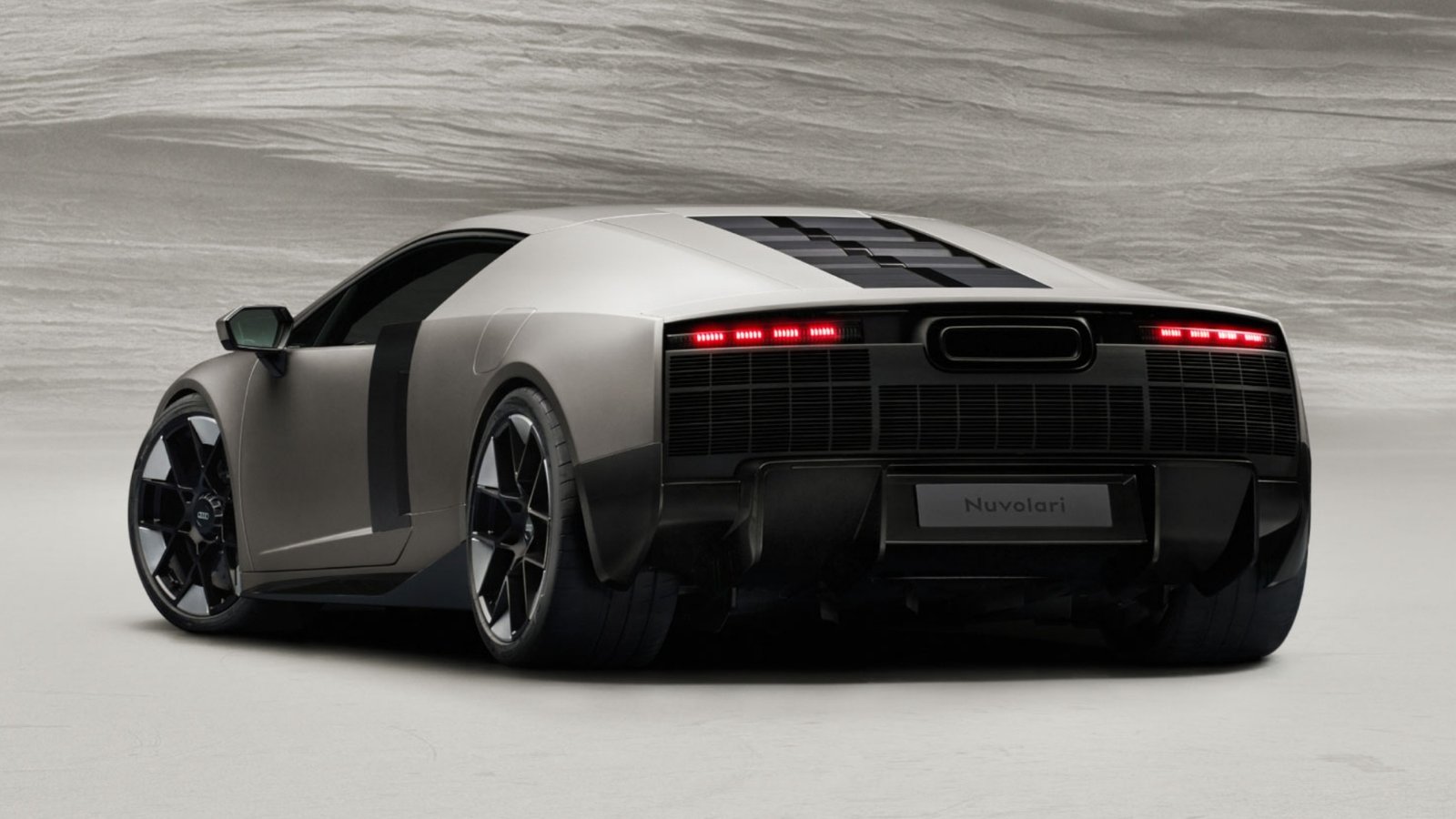
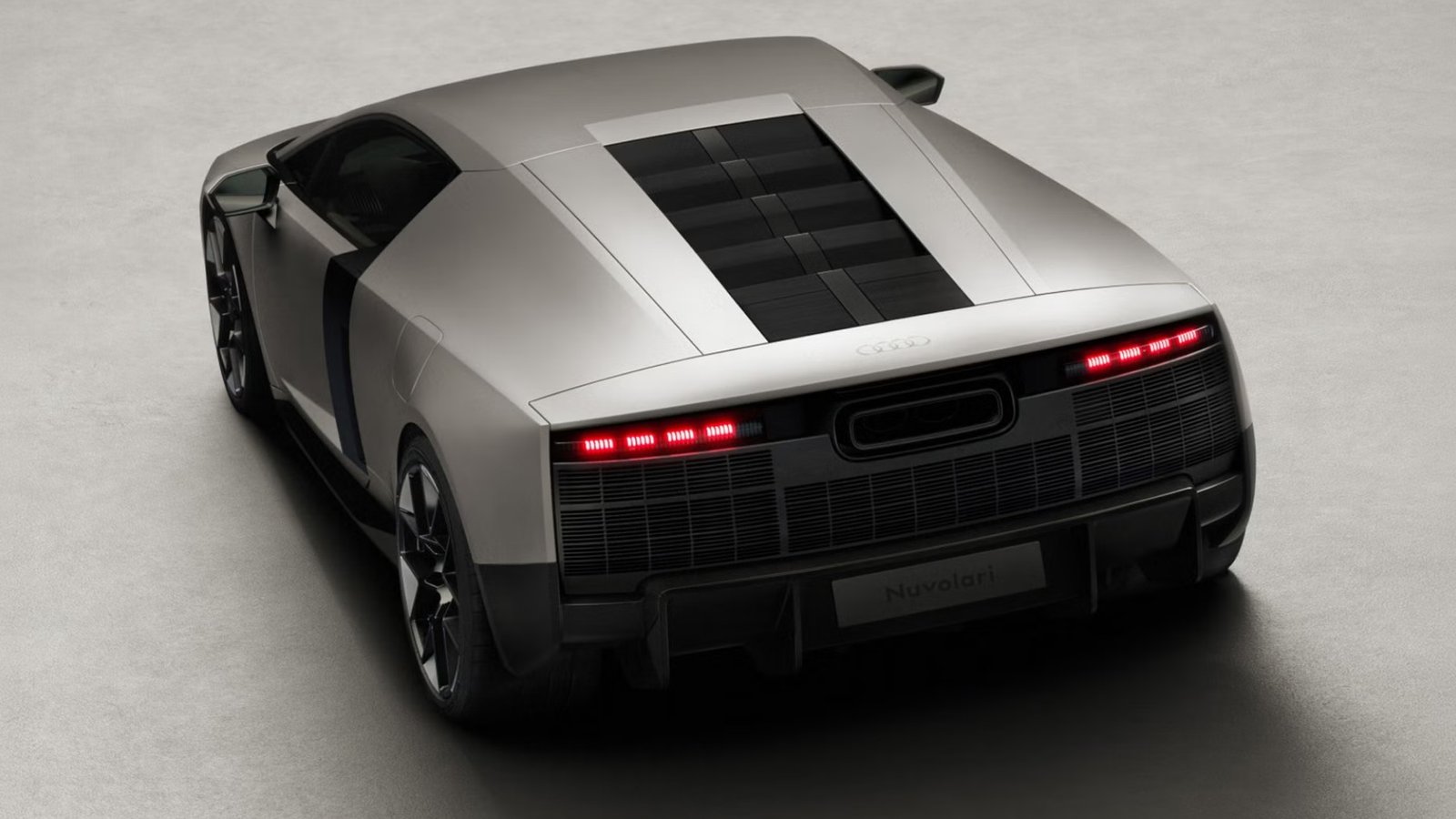
The technical package supports that positioning. The Nuvolari combines a twin-turbocharged V8 with three axial-flux electric motors to produce a combined output of 1,001 PS. Performance figures are predictably dramatic: 0 to 100 km/h in 2.6 seconds, a top speed beyond 350 km/h, and production limited to just 499 examples worldwide. German pricing begins at approximately €600,000, placing the car firmly within territory traditionally occupied by Ferrari, McLaren, and Aston Martin. Yet the significance of the Nuvolari is not really contained within its specifications. Cars at this level function less as transportation and more as symbols — highly visible objects that shape perception far beyond the small number of customers who will ever own one.
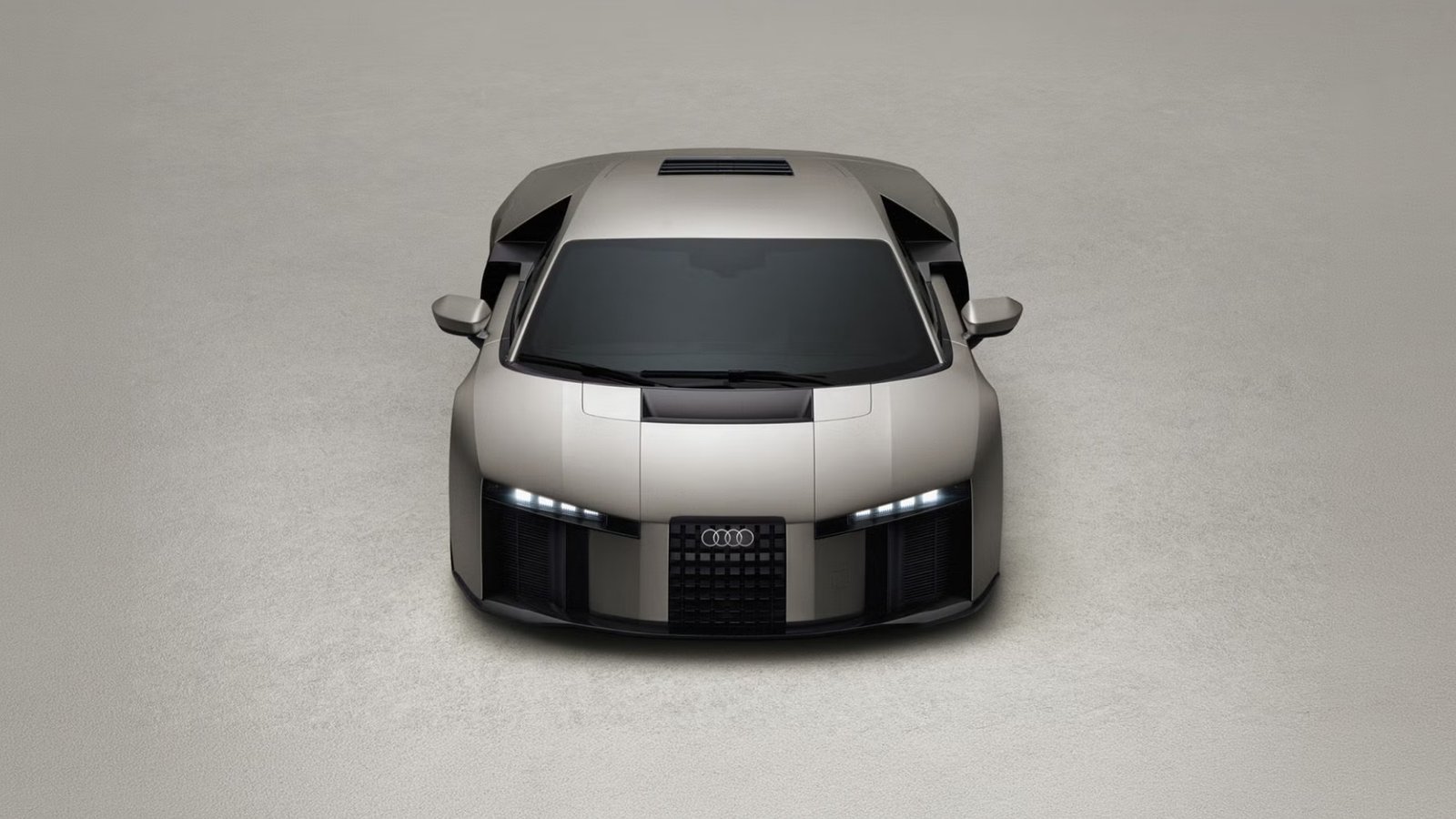
That commercial role is particularly important for Audi. Over the past decade the brand has become associated primarily with executive saloons, SUVs, and a transition toward electrification that has often felt more measured than revolutionary. The Nuvolari represents a different message. It signals a willingness to compete for attention, desirability, and cultural relevance in the same way luxury fashion houses use runway collections or watchmakers use highly complicated limited editions. The objective is not volume. It is aspiration.
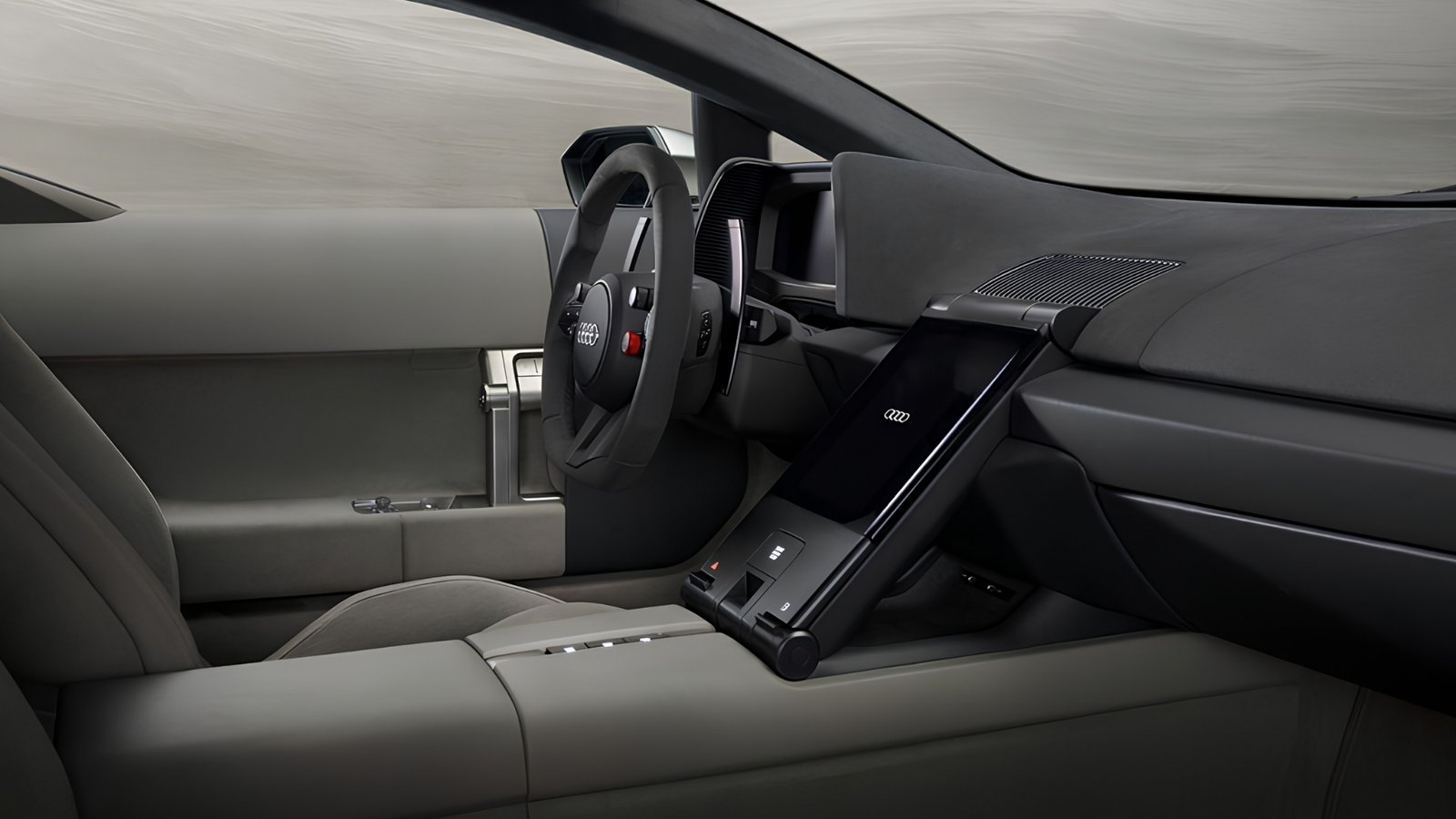
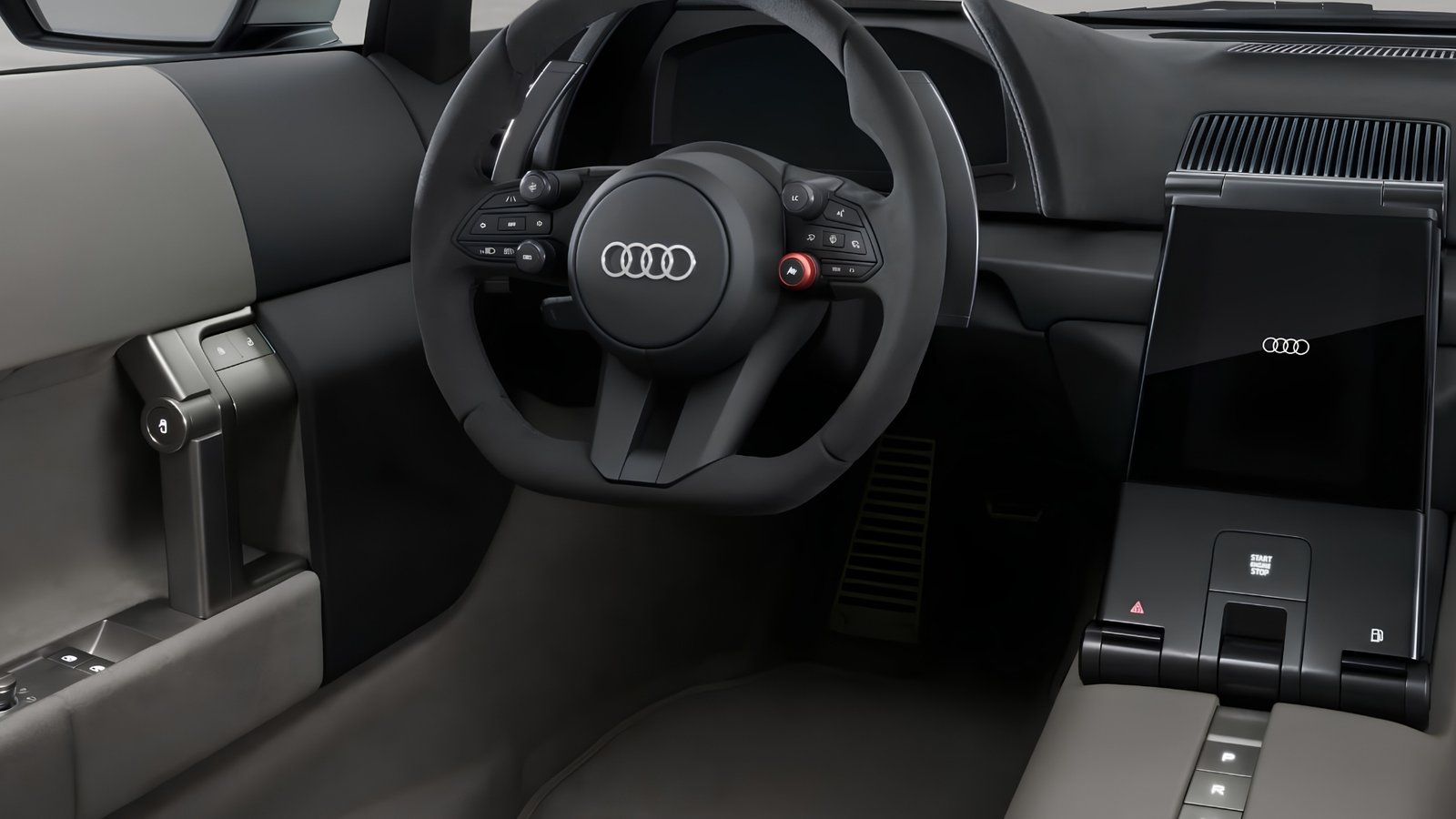
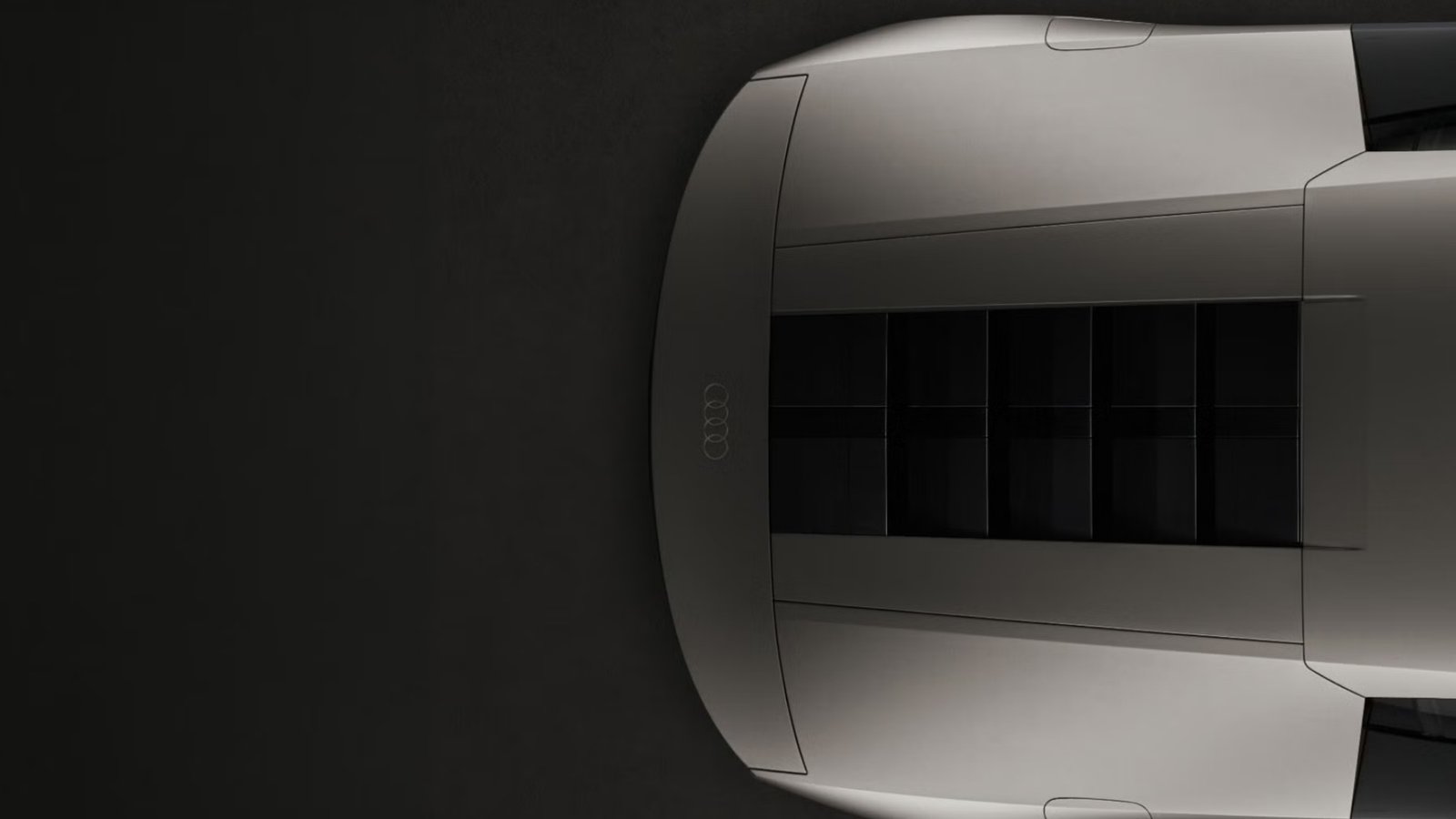
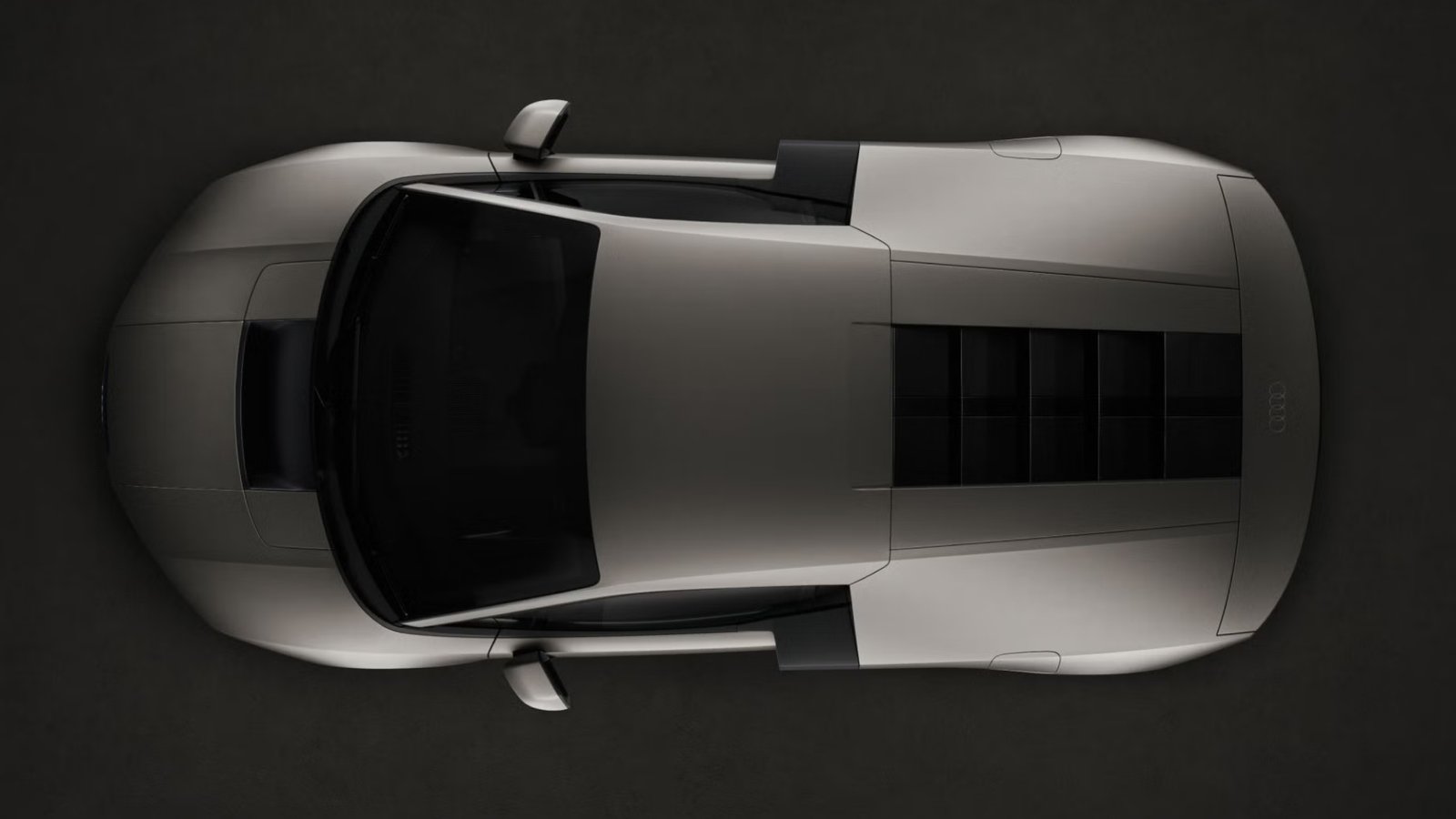
The design dimension matters equally. The Nuvolari is the first production vehicle to adopt Audi’s new design language, translating last year’s Concept C into a road-going flagship and previewing a direction expected to influence the wider range over the coming decade. The company describes the approach as “Absolute Simplicity” — a cleaner, more sculptural design philosophy built around strong proportions, reduced visual clutter, and a greater emphasis on surface quality. The result is a car that feels noticeably different from many contemporary performance vehicles, which often rely on increasingly aggressive styling to communicate speed.
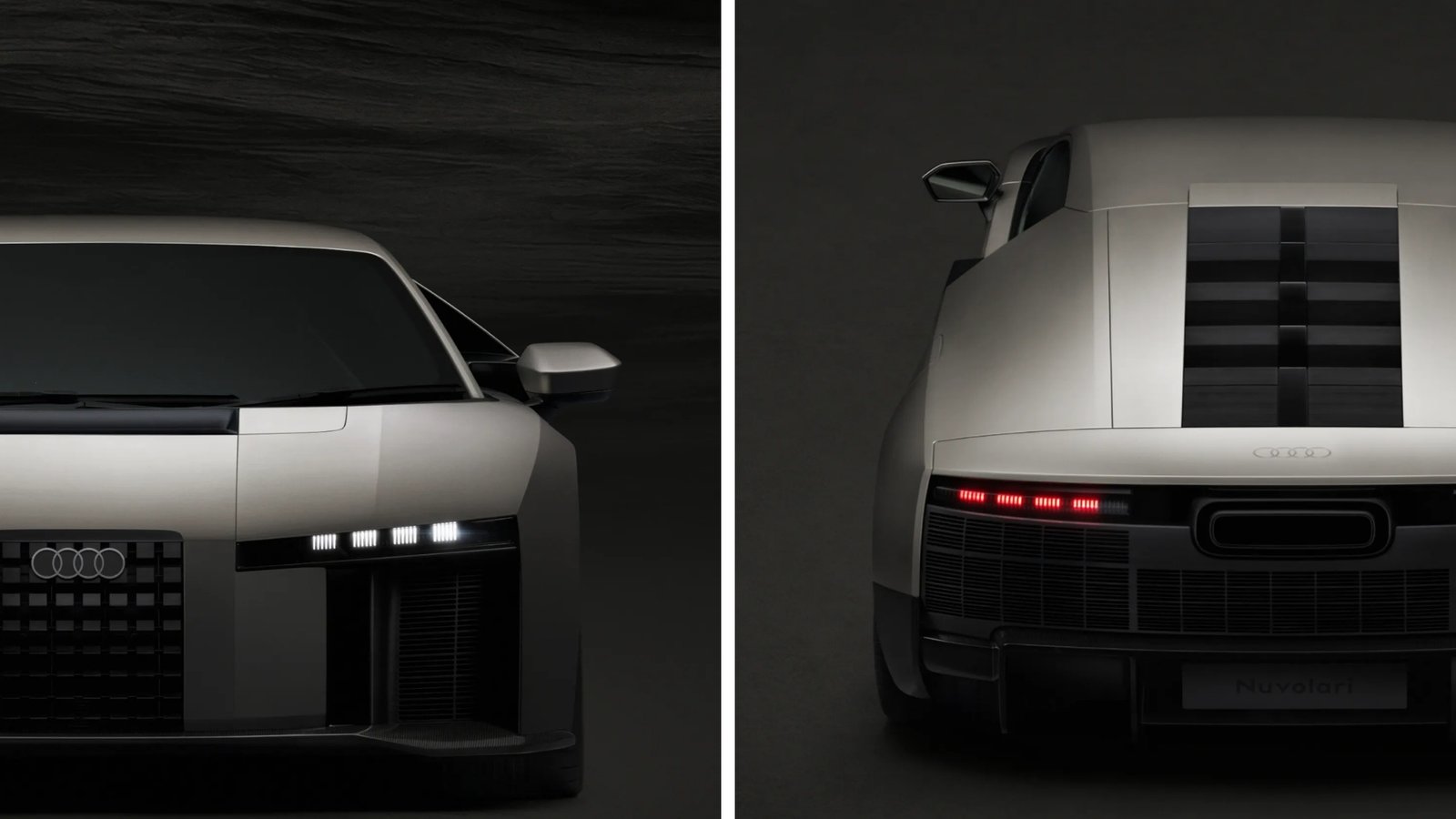
Advanced materials and manufacturing techniques reinforce that shift. The carbon-fibre body is produced using Formula One-derived prepreg autoclave technology, reducing weight while increasing structural rigidity. Aerodynamic elements are integrated rather than applied, creating a more restrained visual language than many of its competitors. Inside, the architecture is similarly disciplined. Physical controls remain central to the experience, positioned directly within the driver’s field of view, while colour and material references draw on the Auto Union Type C racing cars that established the brand’s early competition pedigree. The design understands its own mythology without becoming trapped by it.
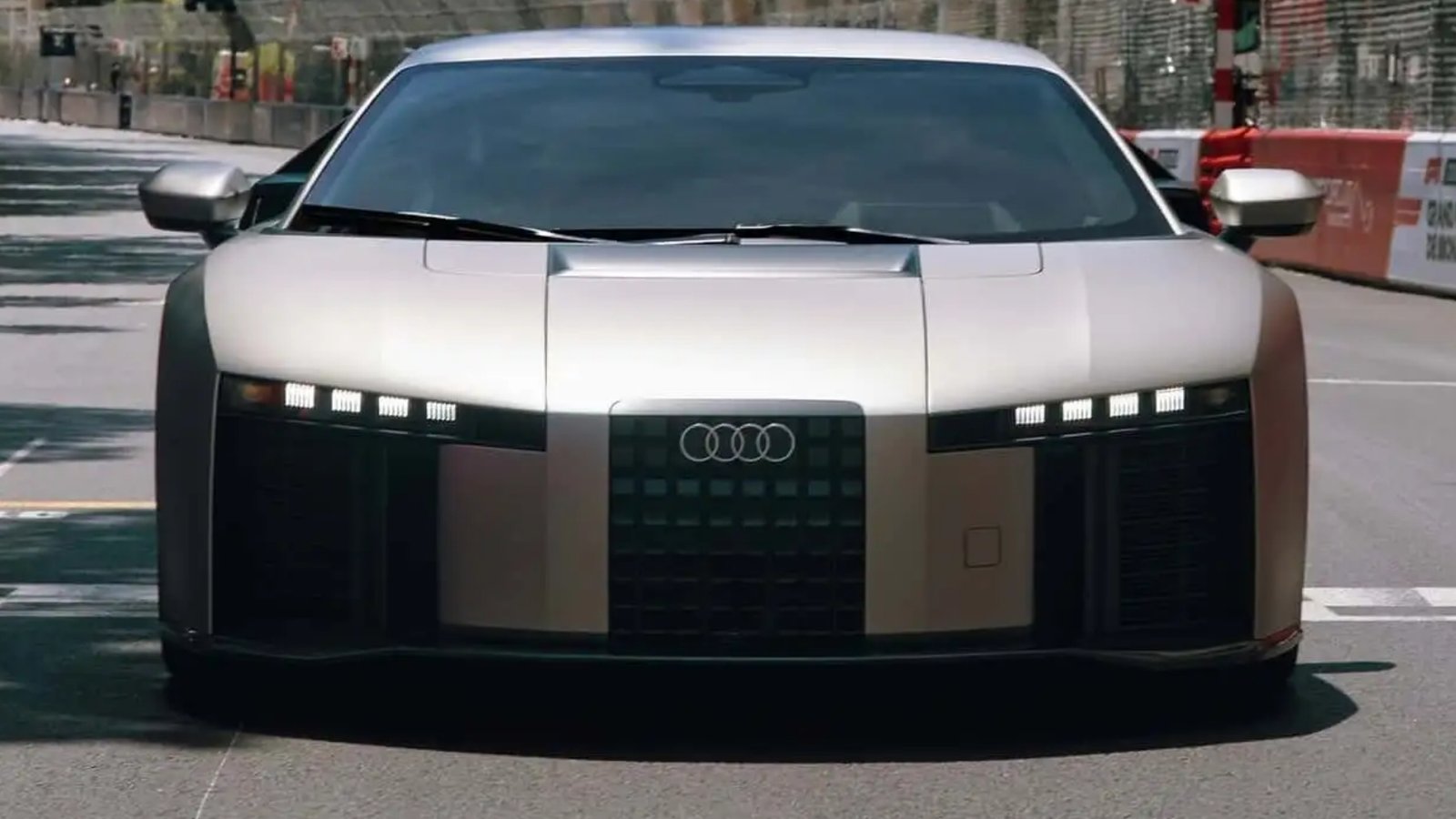
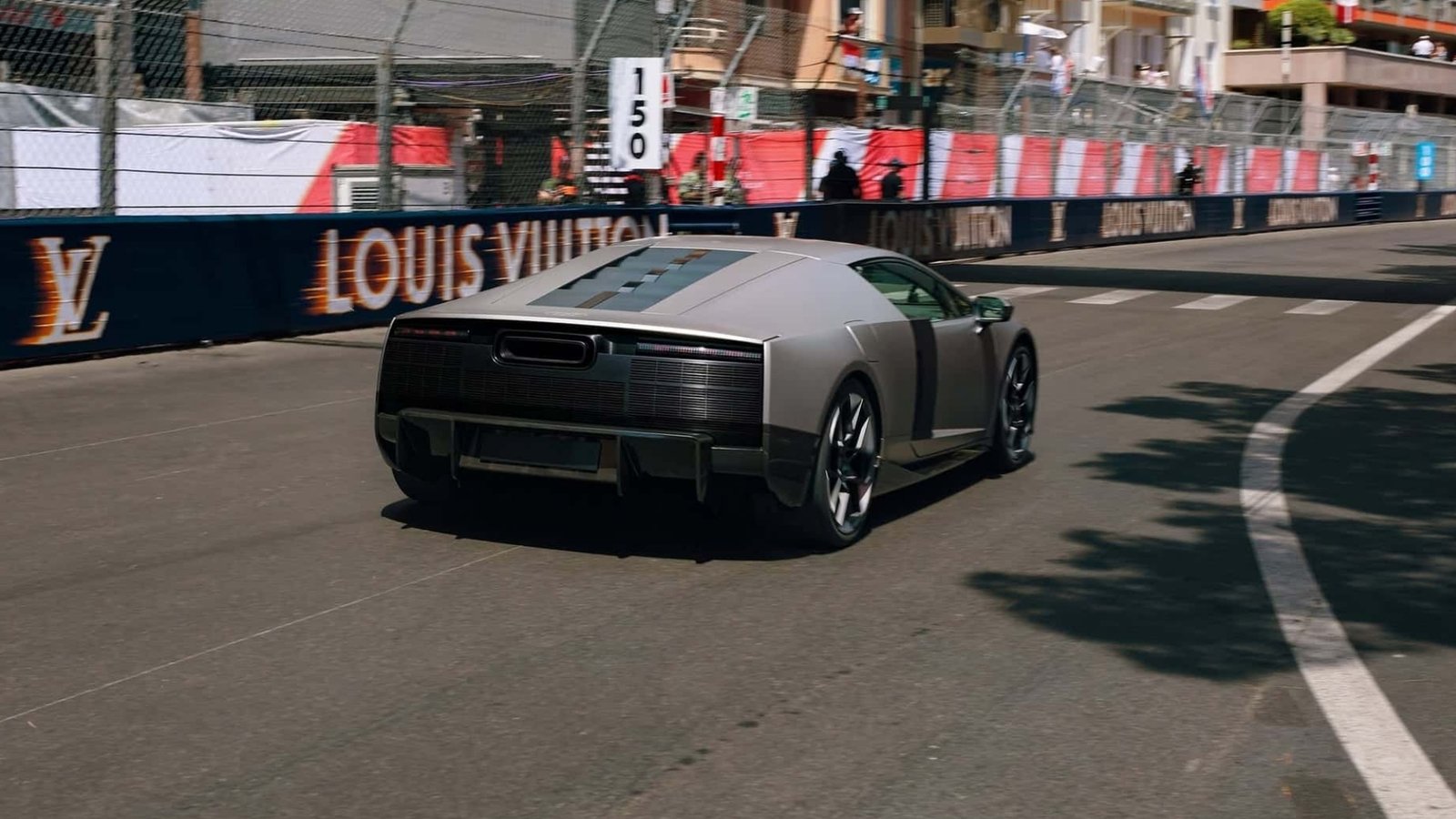
The Formula One connection is impossible to ignore. Historically, manufacturers have often used motorsport to legitimise performance credentials before translating that credibility into road-going products. Audi appears to be approaching the relationship from both directions simultaneously. The Nuvolari arrives as the company prepares for its first full Formula One season, allowing each programme to reinforce the other. One builds sporting relevance. The other builds desirability.
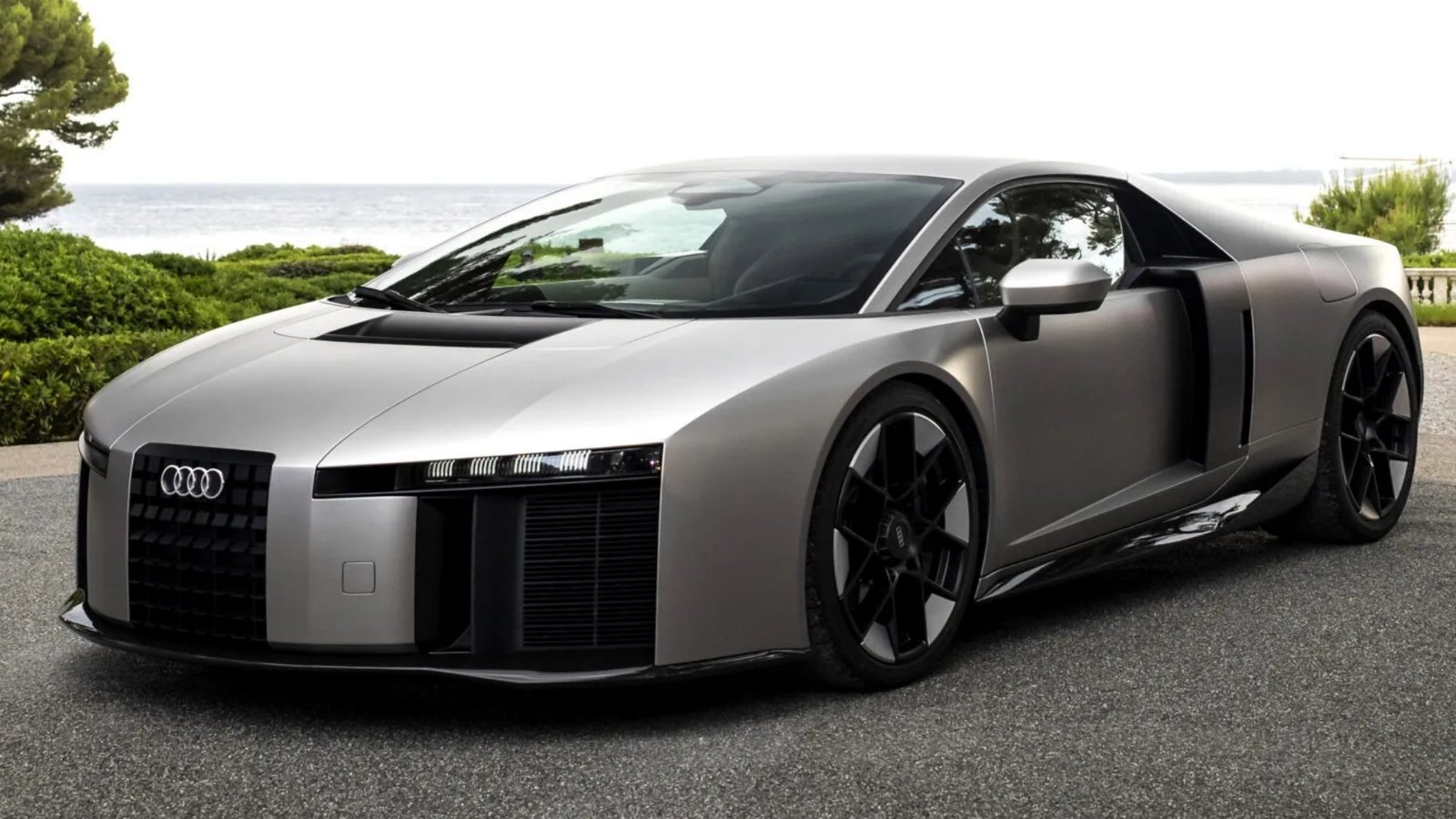
For those tracking the future of luxury mobility, the Nuvolari is one of the clearest signals of the year. The most competitive segment of the market is increasingly the space where combustion heritage, electrified performance, advanced manufacturing, and brand mythology intersect. As the industry moves beyond the first wave of electric adoption, the brands creating the greatest excitement are no longer selling technology alone. They are selling identity, narrative, and cultural relevance.
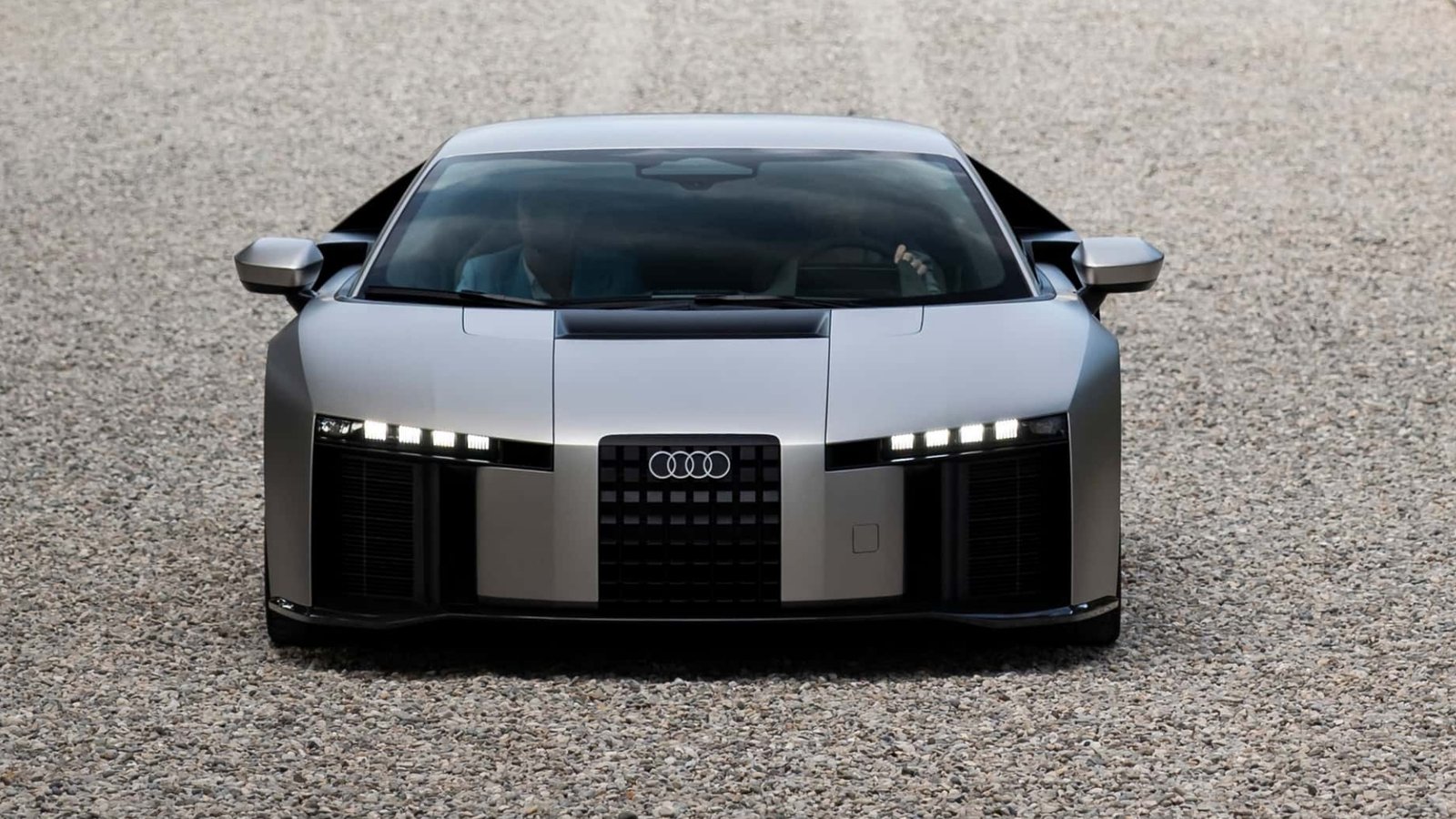
Audi has entered that conversation with conviction. More than a supercar, the Nuvolari represents the company’s clearest indication yet of how it intends to compete in the Formula One era. Visit Audi here.