






Welcome To This Week In Edition – June 8, 2026
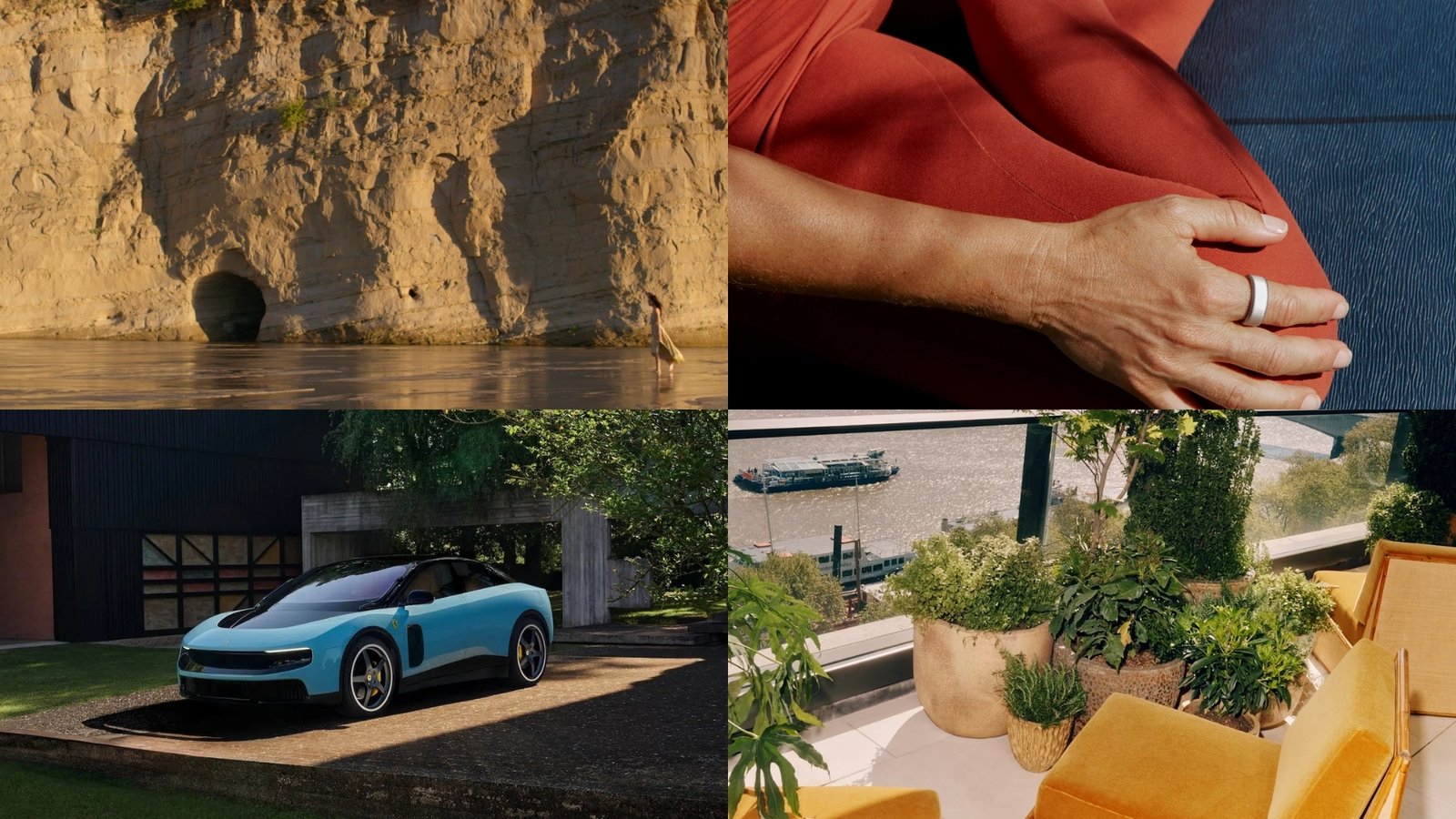
This week, the market is moving on several fronts simultaneously — and the direction of travel is worth paying attention to. Aman opens reservations for Amanvari in Baja, its first Mexican resort and one of the most deliberately remote luxury openings of the year. Ferrari reveals the Luce — its first electric vehicle, developed with Jony Ive and Marc Newson — and immediately divides opinion on whether the result is evolution or erasure. Oura files confidentially for a US IPO at $11 billion, signalling that biometric health has quietly become one of the most commercially significant categories in modern lifestyle infrastructure. And Nick Jones returns to hospitality with St. Clement — a hotel without a membership, a waitlist, or any of the mechanics that built his reputation. The absence is the statement. Elsewhere this week: Jack Nicklaus returns to design with NOKOSI in Palm Beach. Cannes becomes luxury’s most visible stage. Scott’s prepares for its New York debut. Black Coffee brings orchestral performance to the O2. A. Lange & Söhne revives the Cabaret in honeygold. Missoni moves beyond family ownership. Audemars Piguet hands the Royal Oak to Ambush. PS launches a private terminal experience in Dallas. Tramp re-emerges as a wellness club. The Enhanced Games lose momentum in Las Vegas. Nude positions itself as America’s healthiest grocery concept. Four categories. Fifteen stories. One consistent thread — the definition of modern wealth continues moving away from what you own and toward what you access, what you align with, and how deliberately you move through the world.
Enjoy this week’s Edition!
Nicholas Meimaris – Editor in Chief
______________________________
If you’re new here, I’d recommend that you start here.
This Week at a Glance – June 8, 2026
Jack Nicklaus returns to design with NOKOSI (@nokosipalmbeach)
Cannes (@festivaldecannes) becomes luxury’s most visible stage
@scottsmayfair prepares for its New York debut
@realblackcoffee brings orchestral performance to the O2
@ferrari enters the electric era with the Luce
A. Lange & Söhne (@alangesoehne) revives the Cabaret in honeygold
@missoni moves beyond family ownership
@audemarspiguet hands the Royal Oak to @ambush_official
St. Clement (@st.clementlondon) marks the Soho House founder’s return to hospitality
Aman Resorts (@aman) opens the books on Amanvari in Baja
PS (@reserveps) launches a private terminal experience in Dallas
Tramp re-emerges as a private wellness club (@tramphealth)
The Enhanced Games lose momentum in Las Vegas
Nude (@nudemiami) positions itself as America’s healthiest grocery concept
@ouraring moves toward an $11 billion public debut
______________________________
These are this week’s top stories shaping culture, commerce, place, and modern wealth.
INSPIRE What shapes taste, culture, and direction
Aman Resorts opens the books on Amanvari in Baja
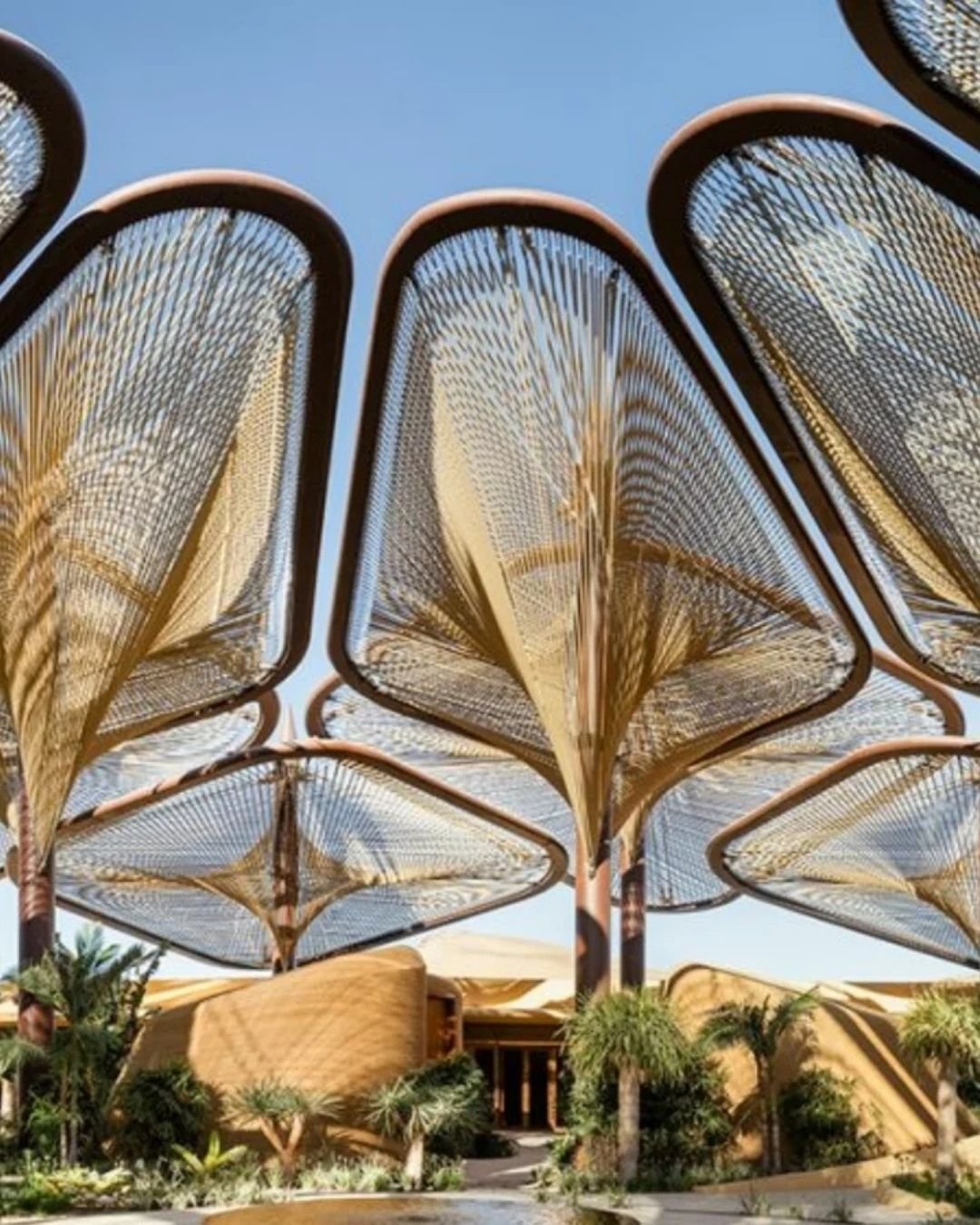
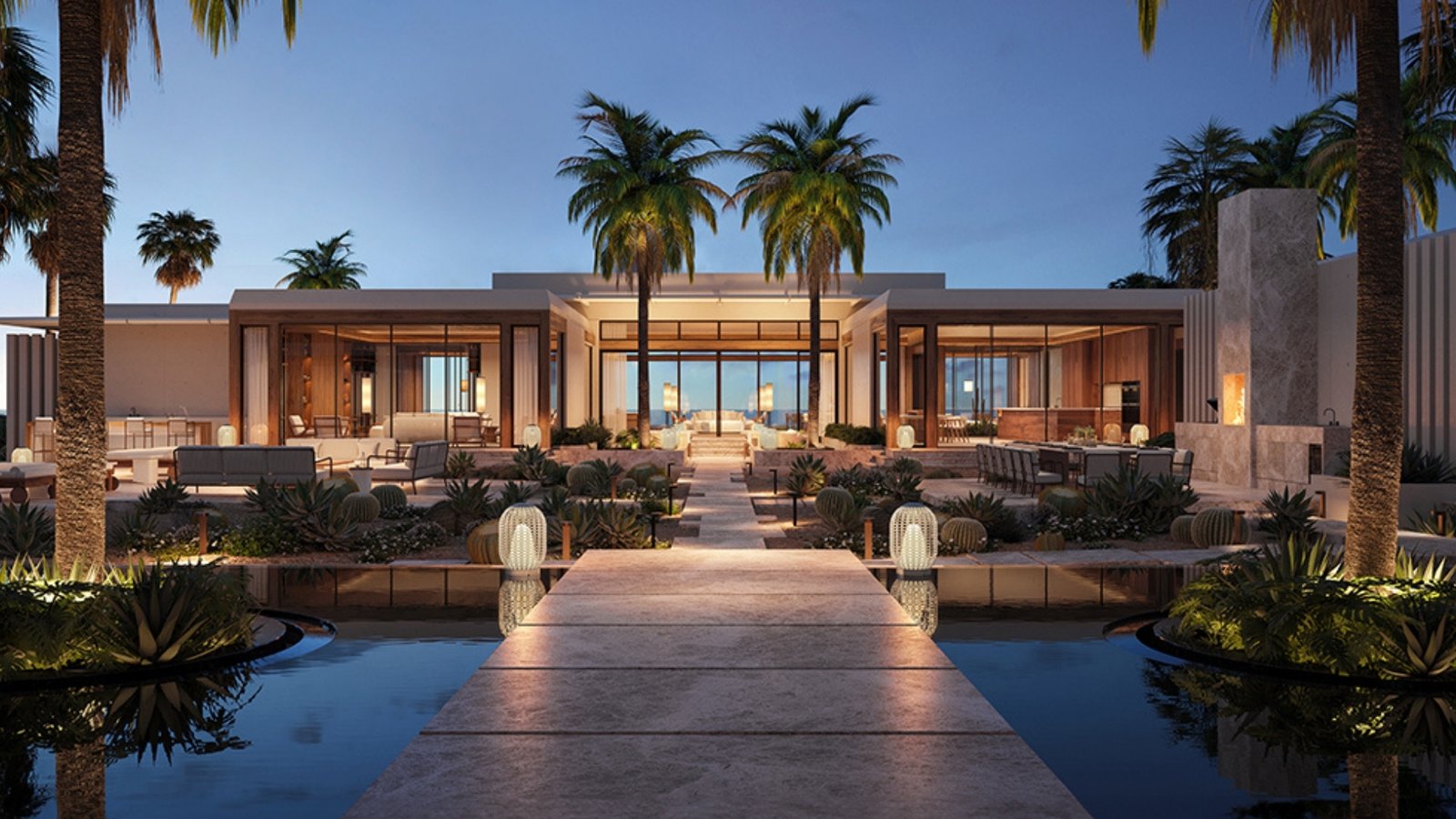
There is a particular kind of luxury that reveals itself most clearly in what it refuses to do. Amanvari, Aman’s first resort in Mexico, will not open in Los Cabos. It will not occupy a beachfront strip already colonised by international hotel brands. It sits instead on the East Cape of Baja California Sur — within the 1,500-acre Costa Palmas development, along one of the most deliberately undisturbed stretches of coastline on the Sea of Cortez. Eighteen casitas. Rates from approximately $4,500 per night. Reservations now open ahead of an August debut. The geography is the argument. The East Cape has remained intentionally peripheral to mainstream luxury tourism — no major airport, no resort corridor, no established infrastructure of the kind that tends to arrive alongside brand recognition and dilute what made a place worth visiting in the first place. For Aman, whose entire philosophy rests on the conviction that the journey itself is a form of curation, Baja California is a logical extension of the same thesis that produced Amangiri in Utah and Amanjiwo in Java. What the opening signals more broadly is worth noting. The most strategically significant geographies in modern luxury hospitality are increasingly defined not by proximity to established demand but by their resistance to it. Low-density development, access to undisturbed nature, and genuine remoteness are commanding premiums that no amount of five-star infrastructure can manufacture in a market where those conditions are absent. Amanvari is not simply a new resort. It is a statement about where the next cycle of ultra-luxury hospitality value will be found. Read the full story here or visit Aman here.
______________________________
INNOVATE What is being built, launched, and redefined
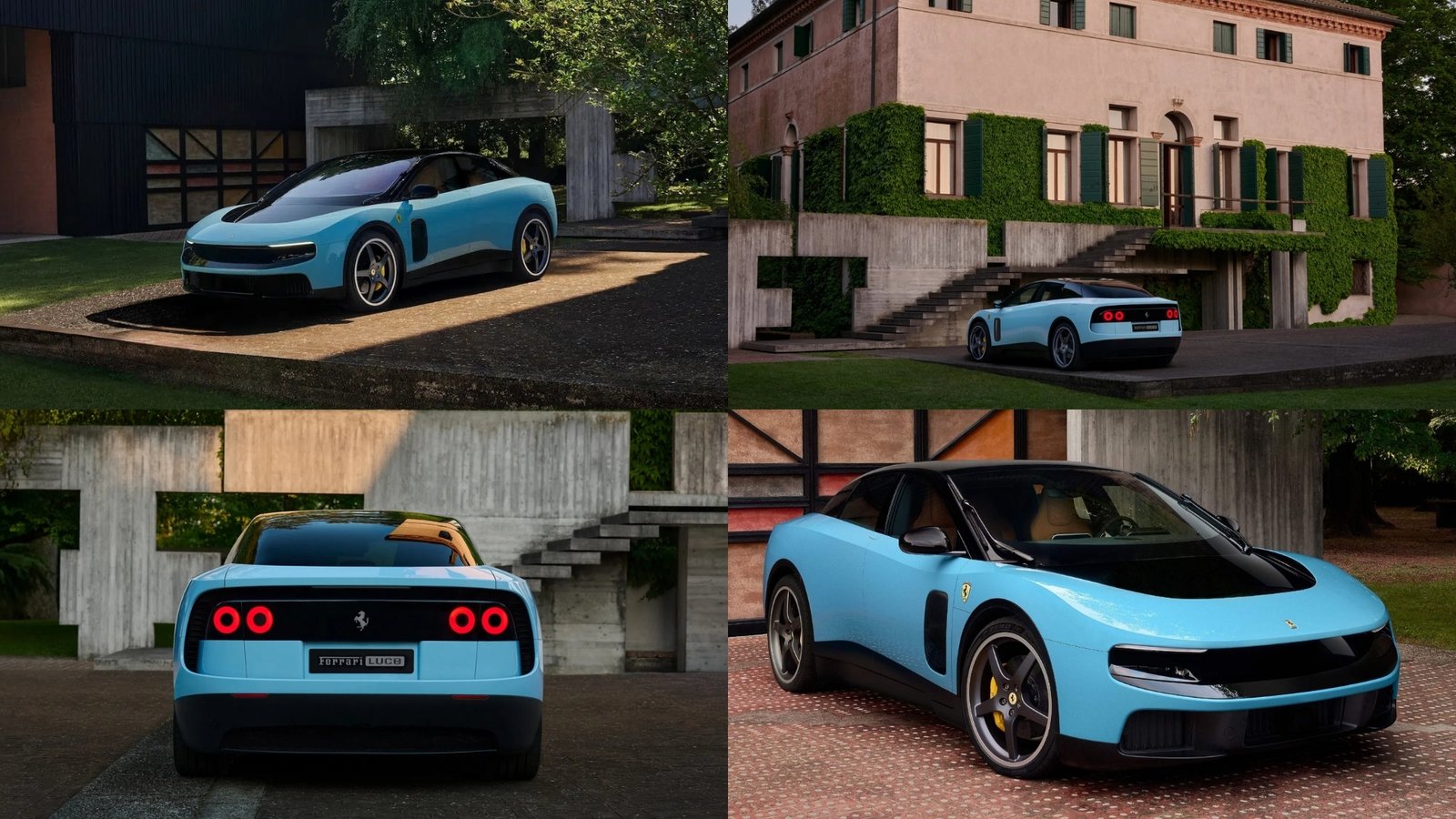
Ferrari enters the electric era with the Luce
The most revealing thing about the Ferrari Luce is not its performance figures, though those are considerable. It is the creative partnership behind it. Developed over five years alongside LoveFrom — the collective founded by Sir Jony Ive and Marc Newson following Ive’s departure from Apple — the Luce arrives as Ferrari’s first fully electric vehicle and its most consequential design statement in a generation. Four motors producing more than 1,000 horsepower. A range exceeding 500 kilometres. A starting price of approximately €550,000, positioning it as the most expensive electric car currently in production. And a silhouette that has already divided opinion sharply — softer, more architectural, glass-led, decidedly less aggressive than anything Ferrari has previously committed to. The exterior is the point of contention. The Luce moves away from Ferrari’s familiar visual language toward something closer to contemporary industrial design — restrained where the brand has historically been expressive, quiet where it has been loud. Whether this reads as evolution or dilution depends entirely on what you believe Ferrari’s mythology is actually built on. If it is speed and racing heritage, the Luce is a provocation. If it is the pursuit of engineering excellence in its most ambitious form, it is a logical destination. The interior makes the stronger case. While most of the electric vehicle category has defaulted to screens and digital surfaces as proxies for innovation, Ferrari and LoveFrom have moved in the opposite direction — tactile aluminium controls, architectural material choices, and a spatial quality that feels closer to a considered object than a connected device. It is the kind of restraint that tends to age well. Deliveries begin in late 2026, at a moment when the broader luxury market remains genuinely uncertain about full electrification. The Luce may prove to be less about replacing Ferrari’s combustion future than about demonstrating that the transition from one era to another need not require the abandonment of everything that made the original worth preserving. Read the full story here or visit Ferrari here.
______________________________
INVEST Where capital is moving — and why
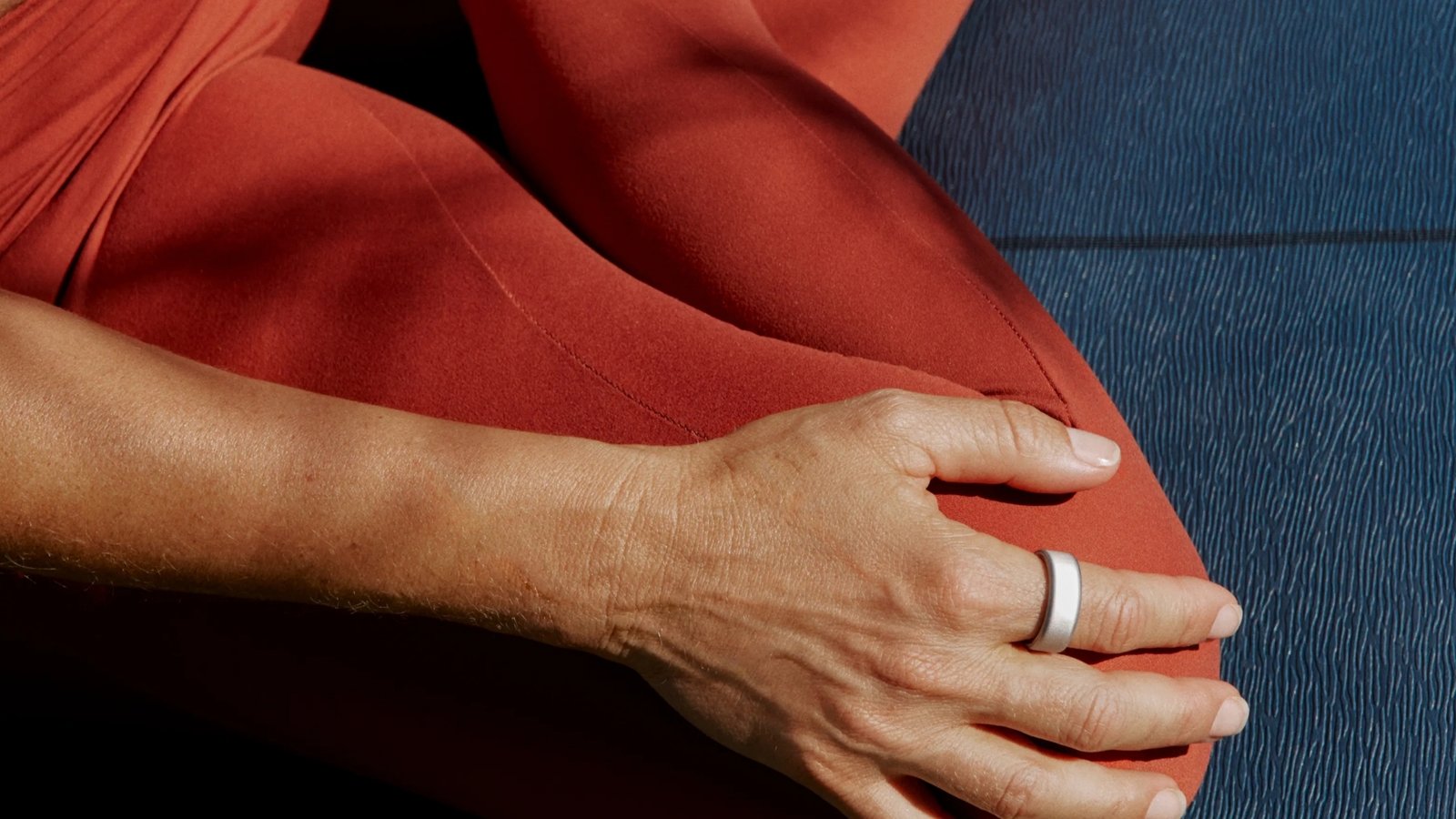
Oura moves toward an $11 billion public debut
The smart ring on the wrist of the person sitting across from you in a meeting is no longer a curiosity. It is, increasingly, a signal. Oura has confidentially filed for a US IPO at a reported valuation of around $11 billion — a number that would have seemed extraordinary for a Finnish wellness hardware company five years ago and feels almost conservative now, given the pace at which biometric tracking has moved from niche category into mainstream personal infrastructure. More than 5.5 million devices sold globally. Roughly half of those in the past twelve months alone. Chief executive Tom Hale projecting revenues exceeding $1.5 billion this year. What Oura built, and what the IPO filing is really asking the public markets to value, is not a device. It is a behaviour change platform that happens to require a piece of hardware to function. The ring itself — lightweight, screenless, focused on sleep architecture, cardiovascular strain, recovery, stress, and women’s health — was always the delivery mechanism for something more durable: a subscription model built around continuous personal insight rather than periodic hardware upgrades. The distinction matters for how the business is valued. Consumer hardware companies are notoriously difficult to underwrite at scale. Subscription health platforms with high retention and expanding use cases are an entirely different conversation. Oura has spent a decade positioning itself in the second category while appearing to operate in the first. The broader signal is worth noting for anyone tracking where affluent consumer priorities are settling. Wellness is no longer a discretionary spending category for the demographic that reads Edition. It has become continuous personal infrastructure — as embedded in daily decision-making as the phone, and in some cases rather more trusted. The wearable is not the product. The data it generates, and the behavioural architecture it enables, is where the value compounds. Read the full story here or visit Oura here.
______________________________
INDULGE How wealth is expressed and experienced
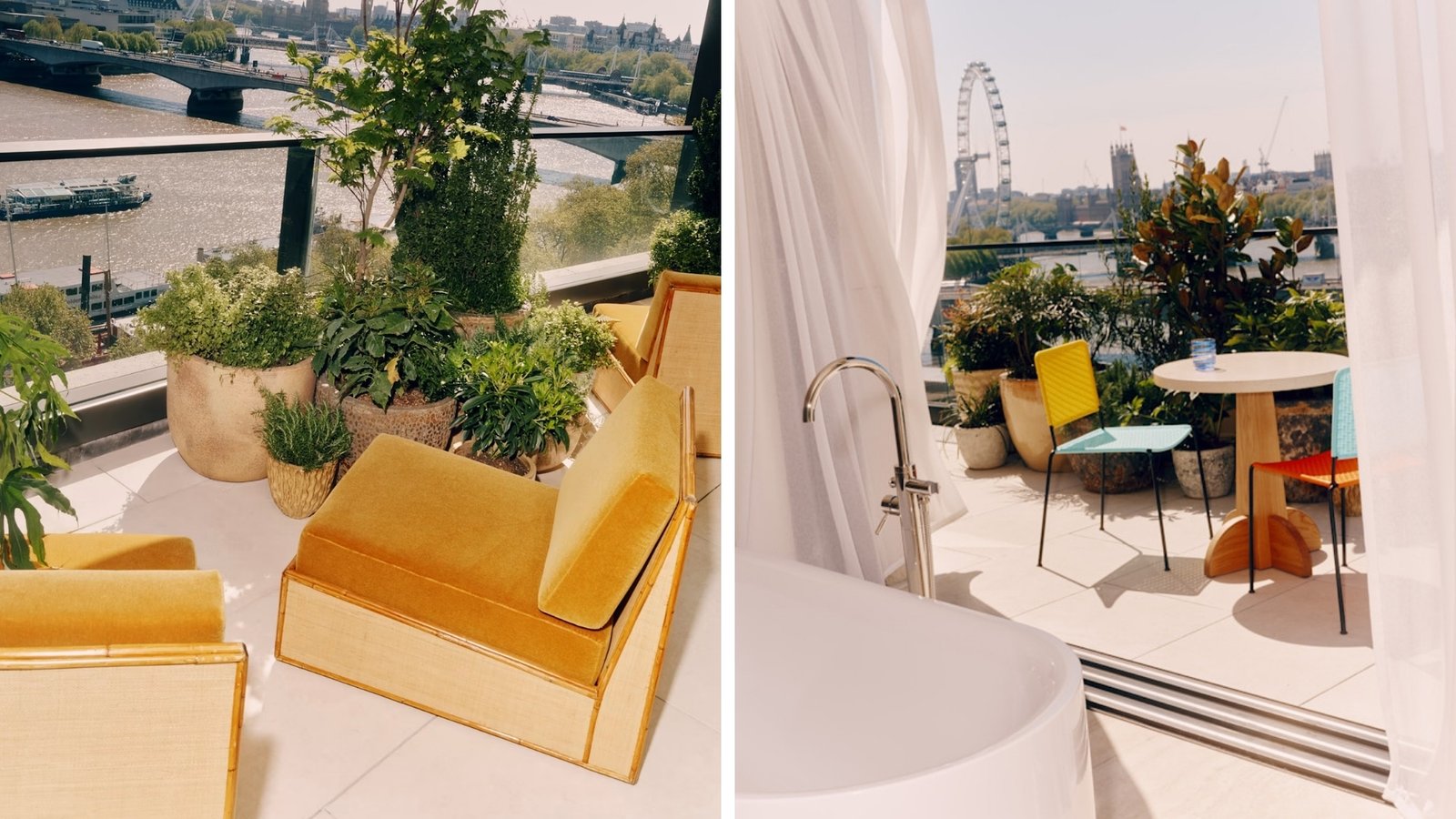
St. Clement marks the Soho House founder’s return to hospitality
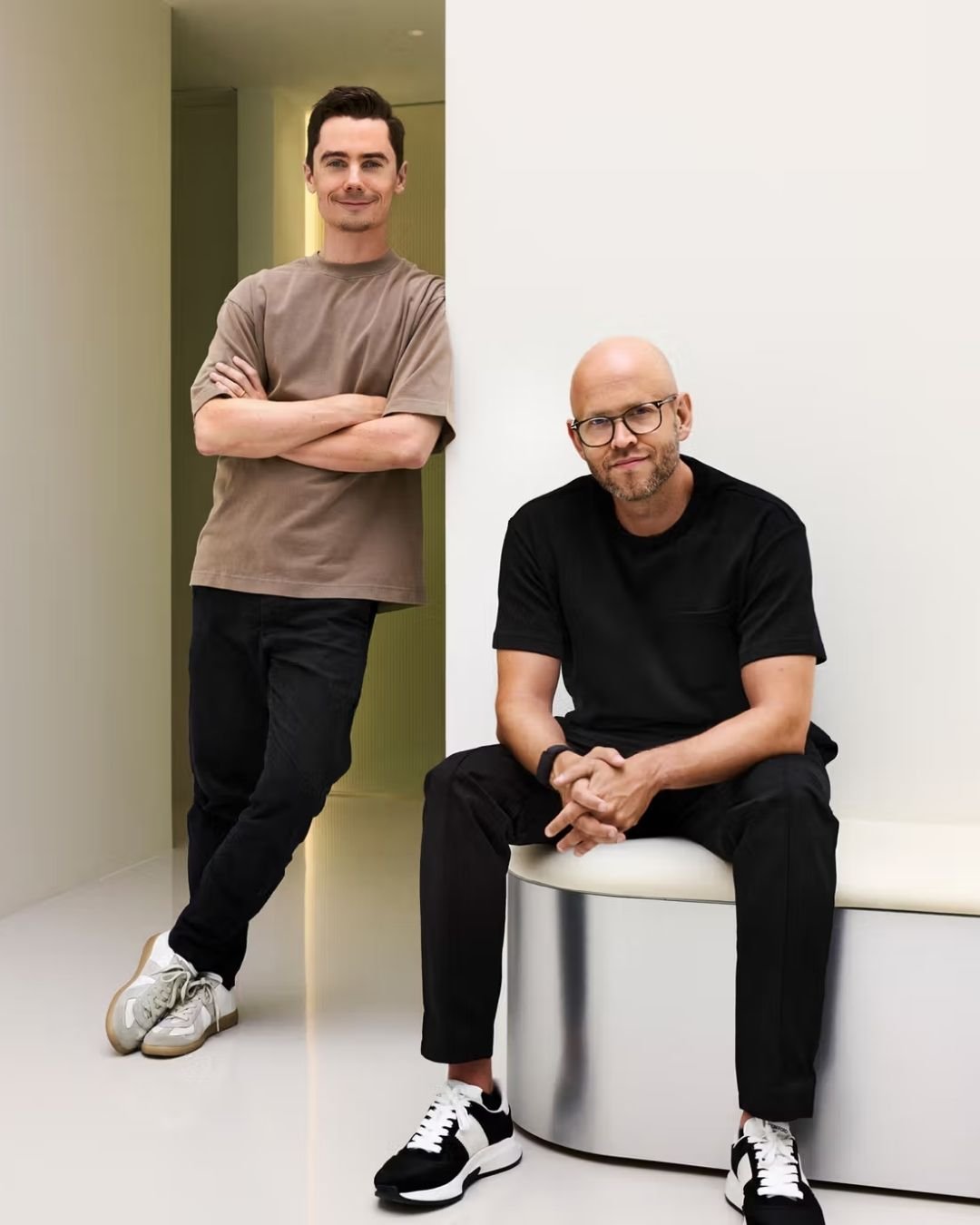
The most interesting thing about St. Clement is what it deliberately does not have. No membership. No waiting list. No application process. No curated community of like-minded creatives whose proximity to one another is itself the product. Nick Jones — the founder who spent three decades building Soho House into the world’s most recognised private members club network before stepping down as chief executive in 2022 — is returning to hospitality with something that reads, at first glance, as the antithesis of everything that made his reputation. Opening later this year on Arundel Street near Temple, St. Clement operates under Jones’s new venture, Jones & Co, and occupies a site within the wider 180 Quarter development near Somerset House. Ninety guestrooms. Fifteen loft-style apartments for extended stays. A rooftop restaurant. Wellness facilities. Bath products developed by Lyn Harris, one of British perfumery’s most considered practitioners. No velvet rope. The positioning is more radical than it appears. Soho House succeeded in the 1990s and 2000s by understanding that the most valuable thing a hospitality brand could offer was not a room or a restaurant but a social perimeter — a boundary that defined who was inside and who was not. That logic drove enormous growth, an IPO, and eventually the conditions that began to erode the original proposition: too many members, too many locations, the boundary becoming permeable. St. Clement appears to be built on a different thesis entirely — that the next significant opportunity in luxury hospitality belongs not to exclusivity but to intimacy. Strong design. Residential atmosphere. Culturally literate service that does not announce itself. The kind of place that earns loyalty not through restriction but through consistent quality and genuine spatial intelligence. The opening arrives at a moment when Soho House has returned to private ownership at a reported valuation of approximately $2.7 billion and London hospitality continues navigating the twin pressures of rising operating costs and shifting consumer expectations. Whether St. Clement represents Jones’s considered response to everything Soho House became — or simply a quieter next chapter — it arrives as one of the more thoughtfully positioned hotel openings London has seen in some time. Rates and official opening dates are yet to be confirmed. Reservations are expected to open this summer. Read the full story here or visit St. Clement here.