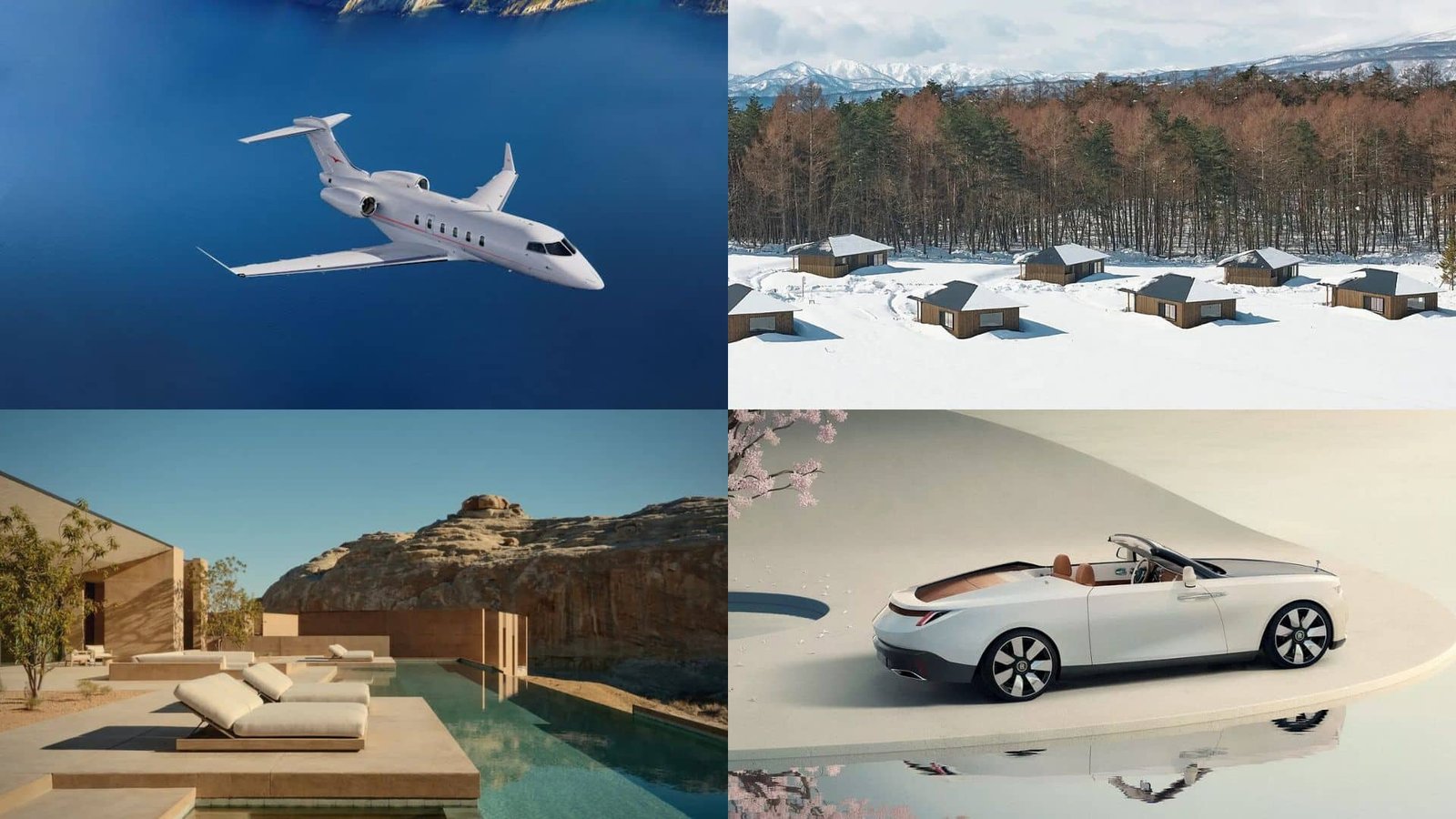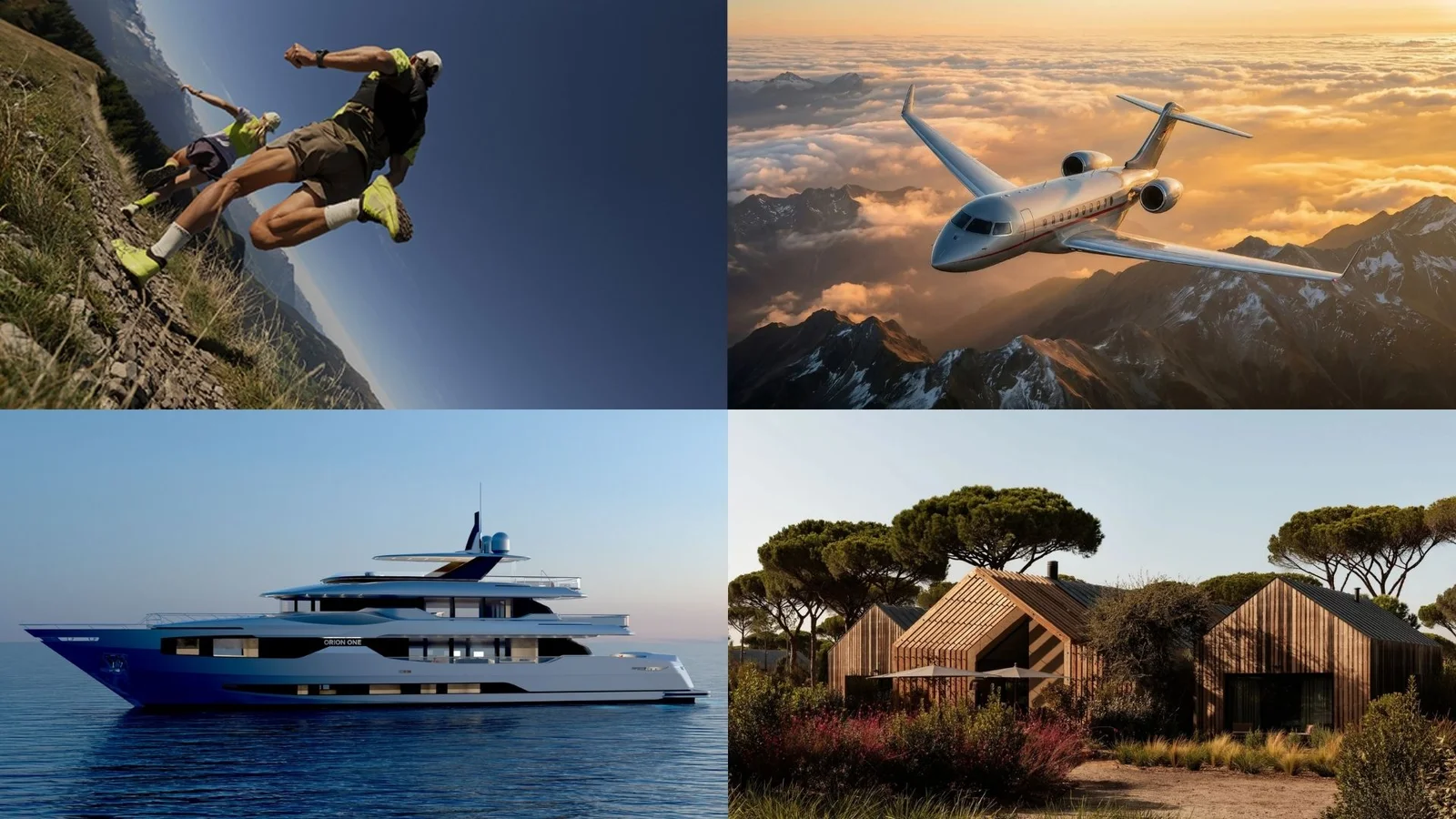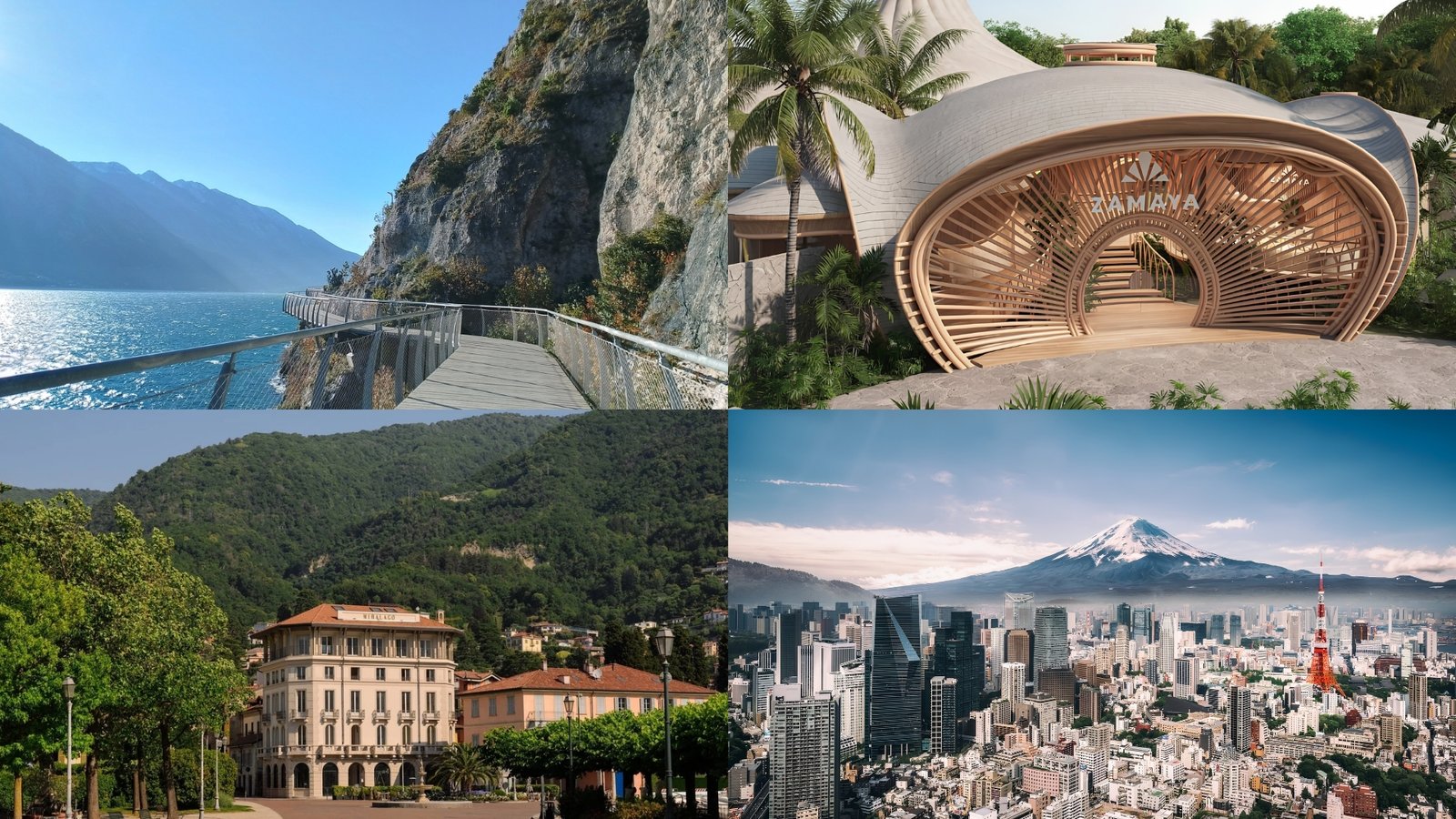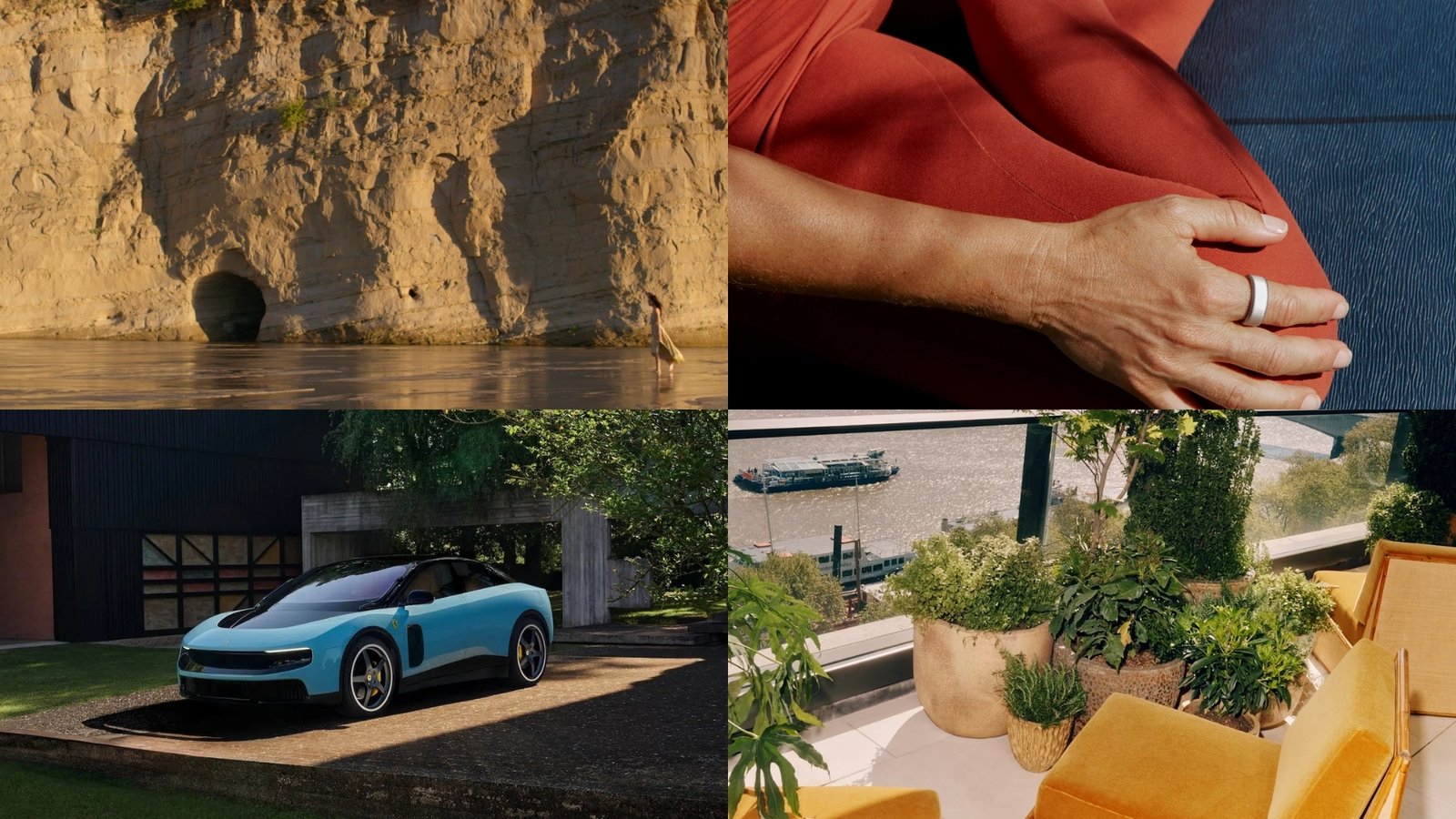





Soho House opens in Tokyo, Four Seasons expands into Cartagena, and Milan Design Week sets the cultural tone, as Breitling pushes into space, Porsche prepares a hypercar, and Azuma Farm Koiwai redefines nature-led hospitality — while Amangiri enters ownership, Mr. C advances branded living in Florida, and capital continues to build around global travel infrastructure, from ANA’s next-generation cabins to Amex’s expanding lounge network. At the same time, Aman Sveti Stefan returns to the market, Rolls-Royce leans further into private commissioning, and wellness moves deeper into performance and longevity, from Equinox’s sleep-led positioning to Oura’s expansion into health data.

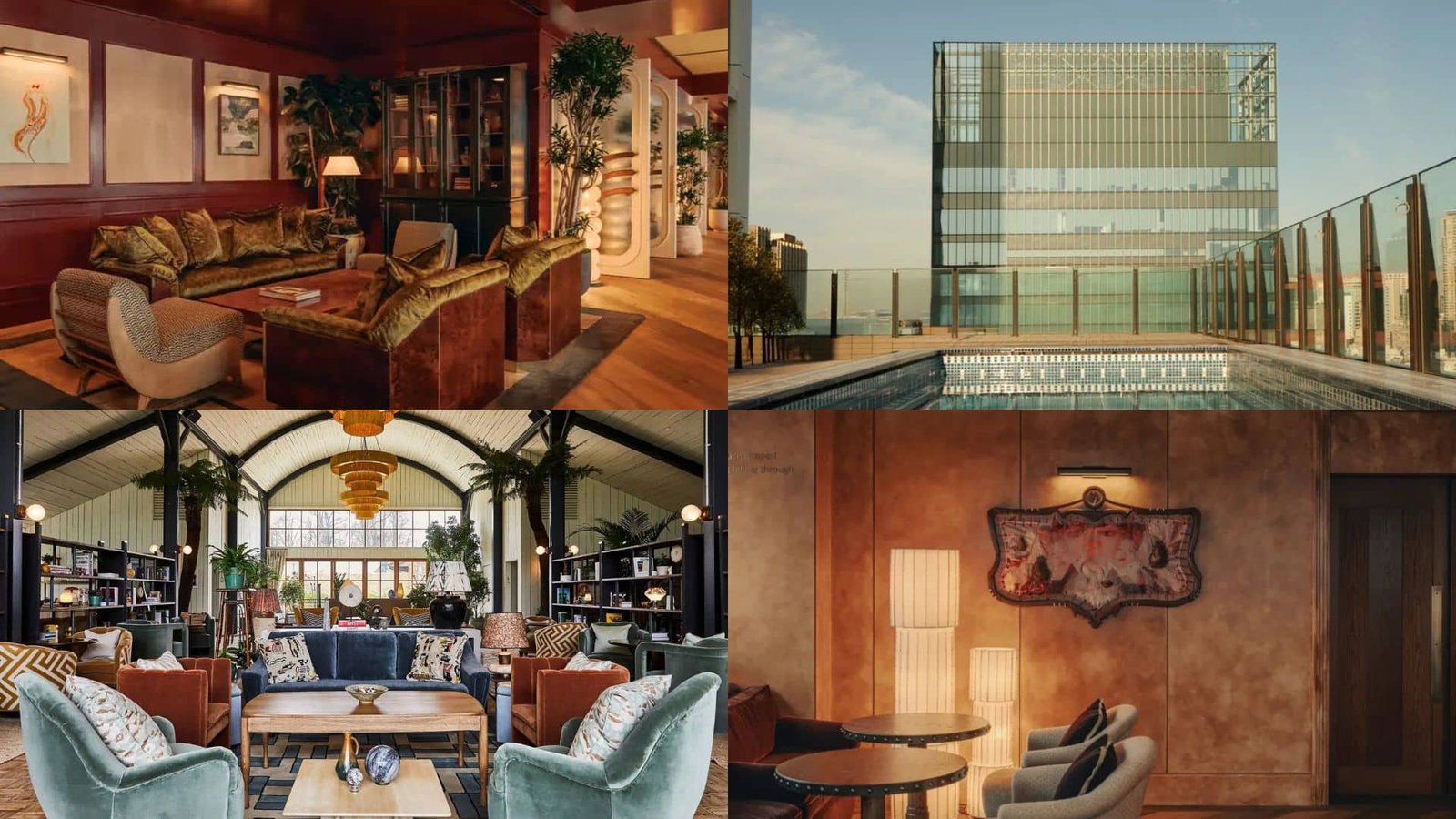
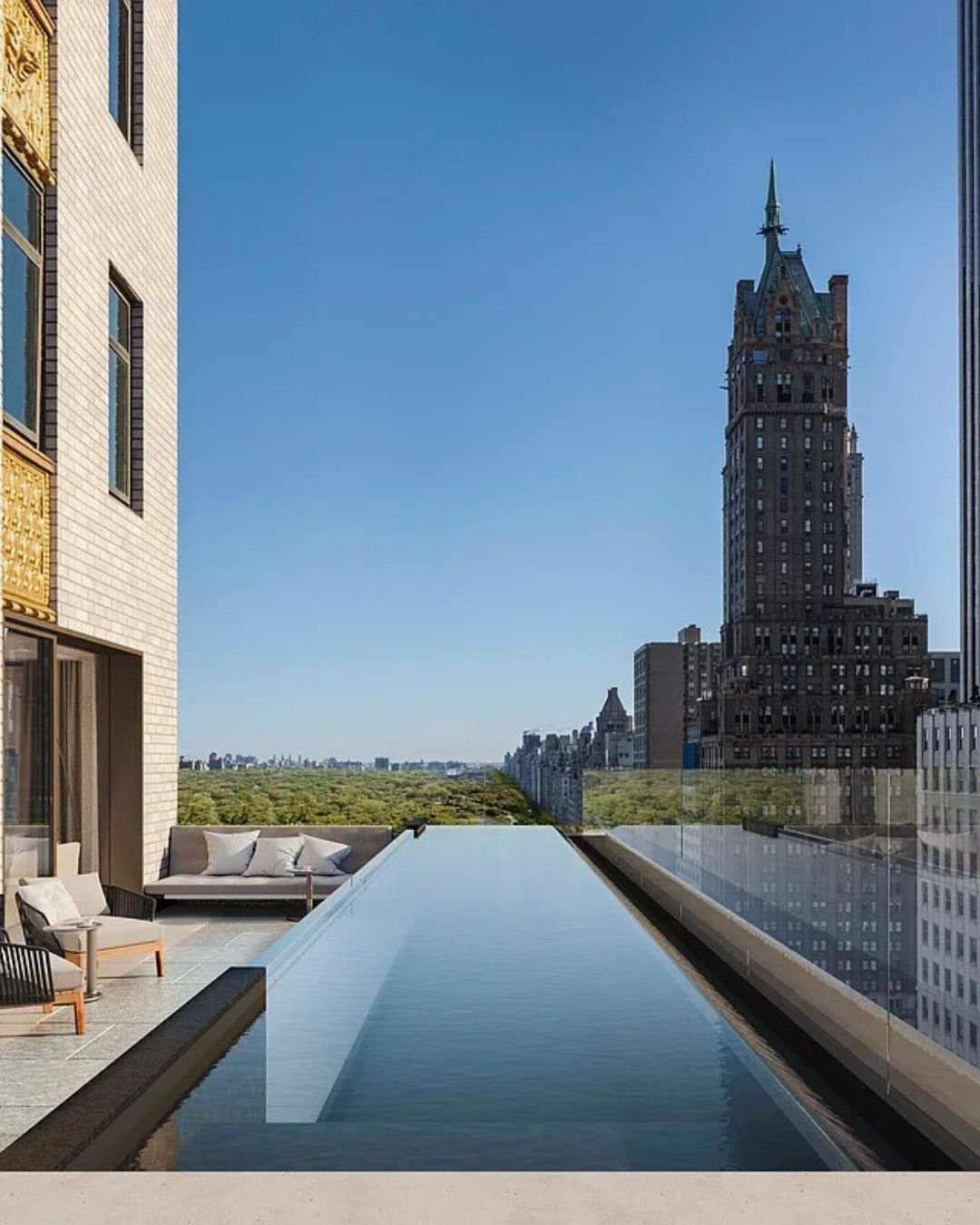
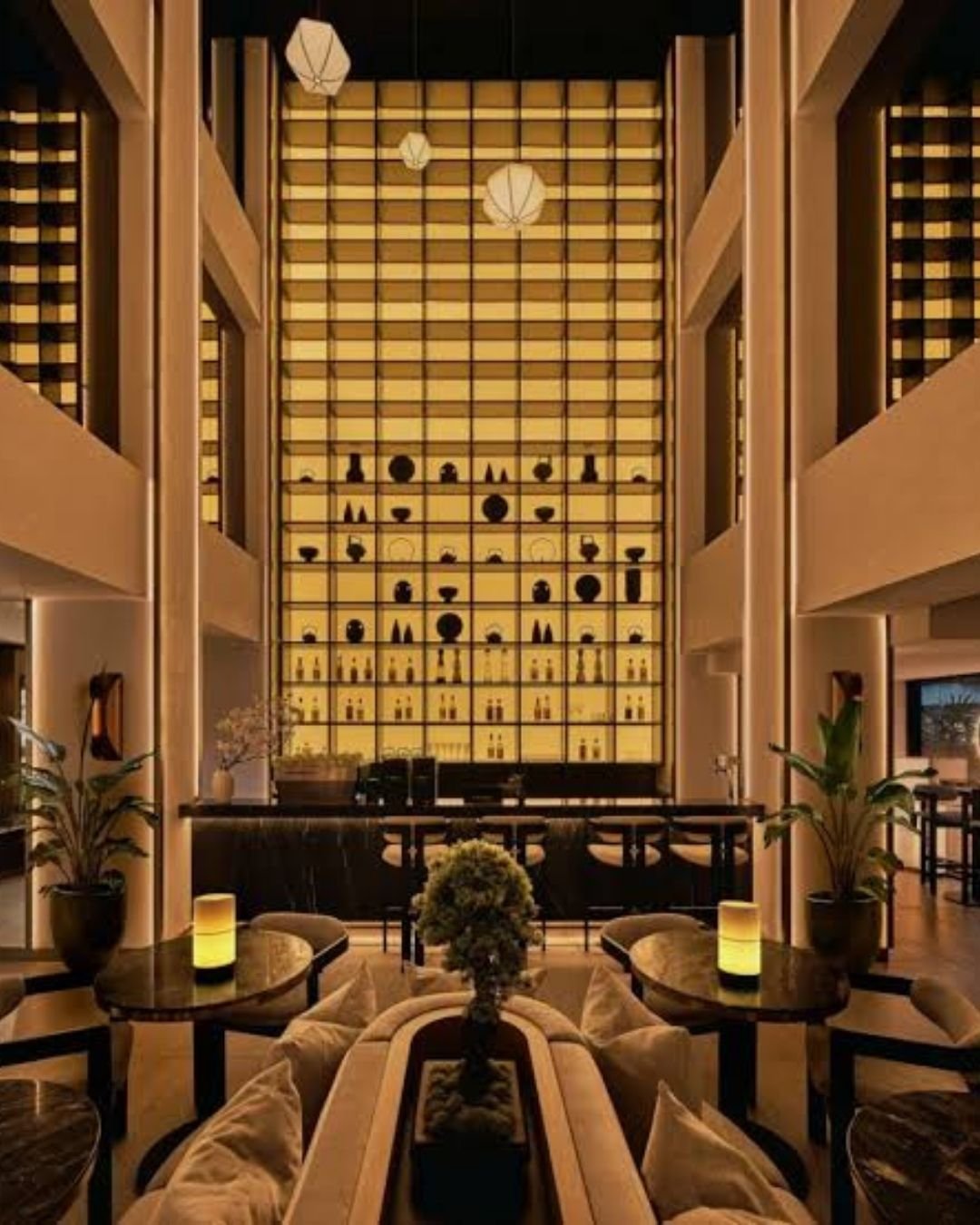
The opening of Soho House Tokyo marks more than the brand’s 50th House. It’s a long-anticipated entry into one of the world’s most culturally precise markets — where success depends less on demand, and more on fit. Set across four floors in Omotesando, the House sits within one of Tokyo’s most considered neighbour- hoods. The design follows a familiar Soho House language, but with greater restraint — upcycled kimono fabrics, sakiori weaving, and bespoke Japanese furnishings grounding it in place rather than layering over it. Even the rooftop pool carries weight. In a city defined by density, outdoor space at height is rare — making it less an amenity, more a spatial luxury. The offering includes 42 bedrooms alongside lounges, dining, and wellness, but the real product remains access. Membership, priced at ¥620,000 globally and ¥505,000 locally, is selective by design. What makes Tokyo different is context. This is a market already built on systems of access and cultural precision. Soho House isn’t introducing exclusivity — it’s inserting itself into it. That creates both opportunity and risk. If aligned, it becomes part of the city’s existing network of private spaces. If not, it remains external. Early signals suggest a more considered approach — defined by restraint, location, and scale. More broadly, Tokyo reflects a shift in how Soho House is evolving. Growth is no longer about entering more cities, but entering the right ones, in the right way. Visit

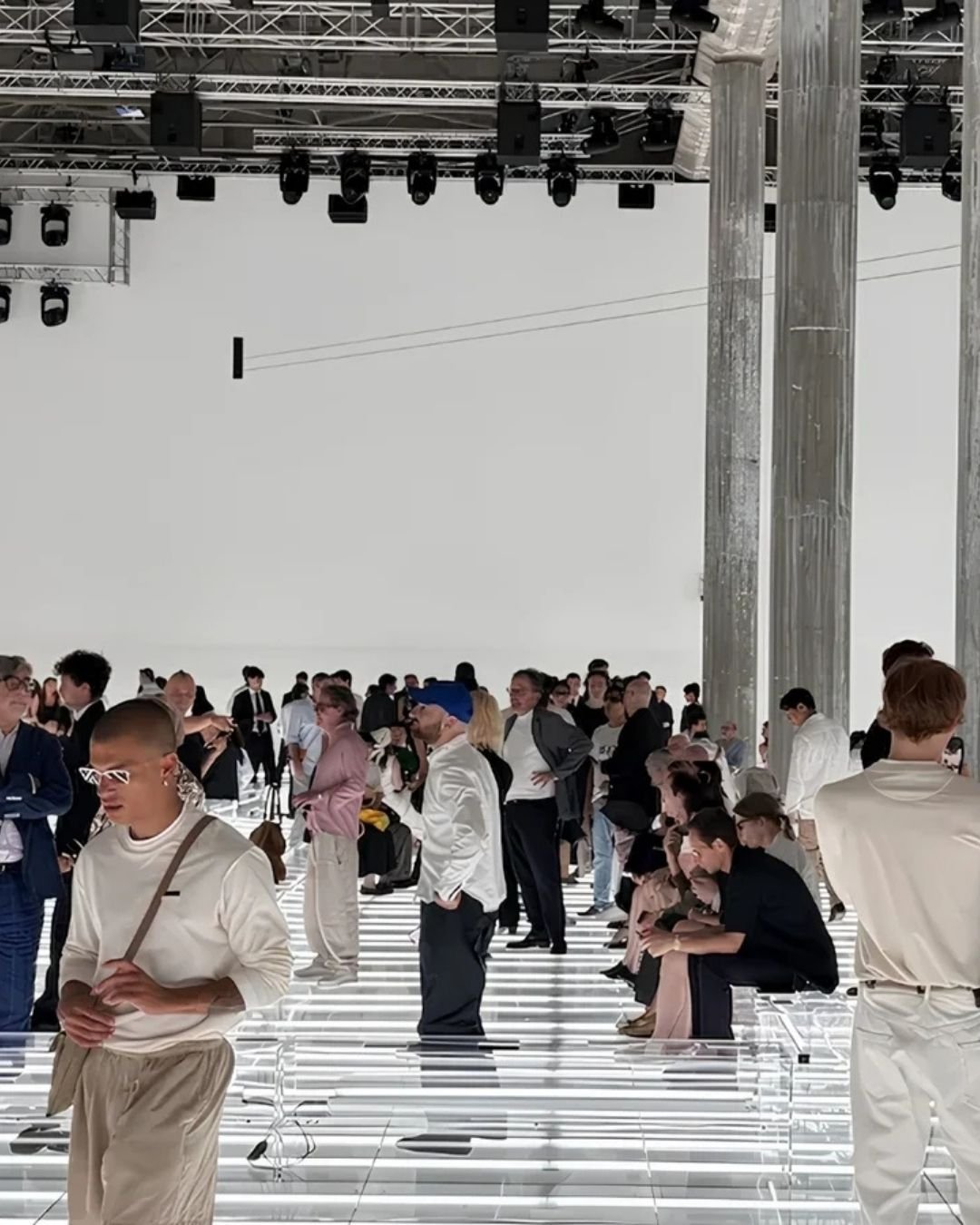
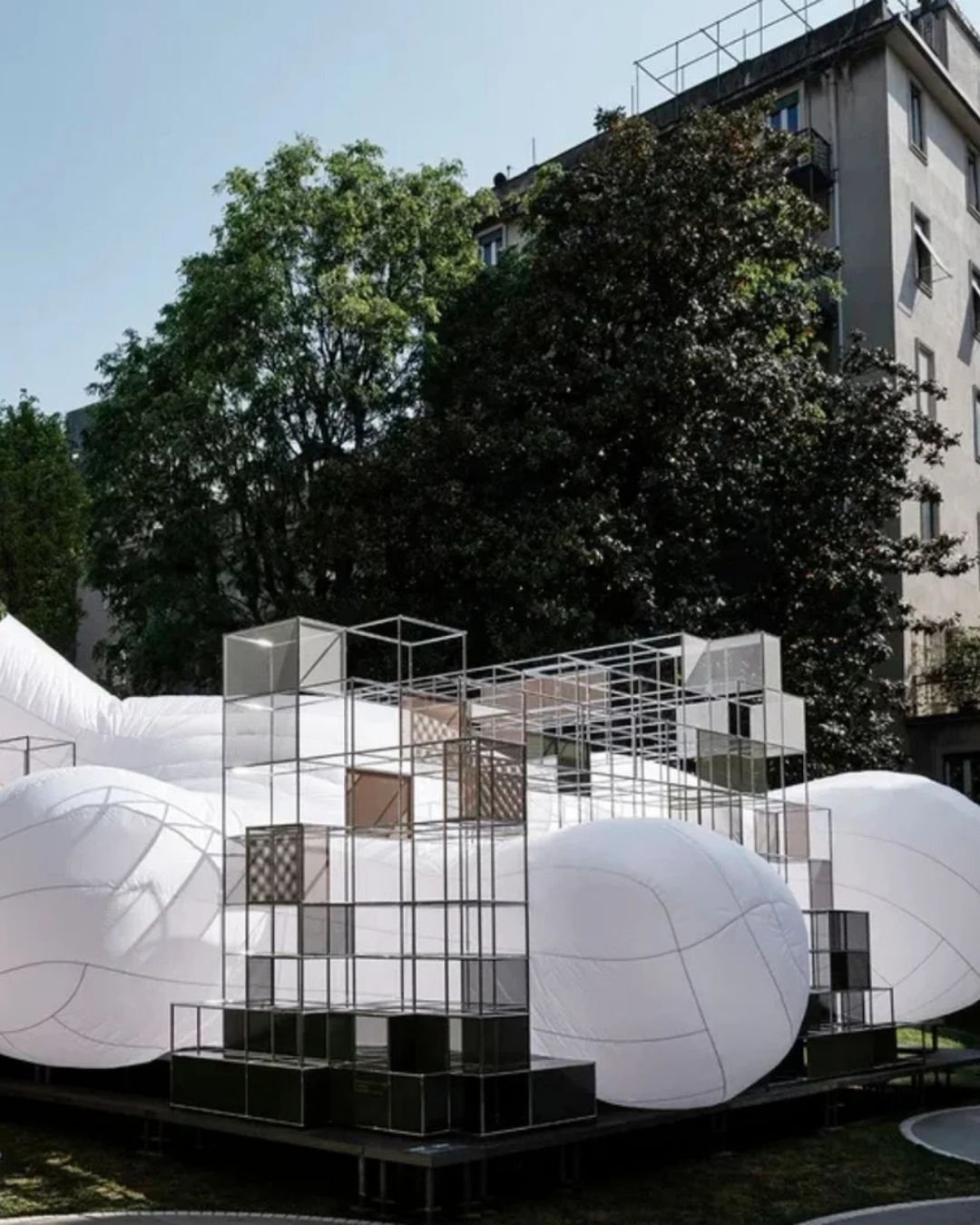
Milan Design Week returns, with the 64th edition of Salone del Mobile underway at Fiera Milano Rho through April 26, while Fuorisalone unfolds across the city — from palazzos and courtyards to private showrooms. The density of activity is familiar. What’s more interesting is how brands are choosing to show up. Loro Piana has taken over its Cortile della Seta on Via della Moscova with Studies: Chapter I — an installation focused entirely on the plaid. Twenty-three pieces, spanning vicuña, baby cashmere, Wish wool, and its new Royal Lightness fabric, are suspended from oak frames and treated as material studies rather than product. At Palazzo Borromeo d’Adda, MINI and Paul Smith present A Garden of Curiosity — entered through a red door and structured as a sequence of spaces exploring colour, sound, and movement. The new MINI Cooper Convertible Paul Smith Edition sits within the installation, but not as the focal point In Brera, Baccarat’s Crystal Crypt, conceived by Emmanuelle Luciani, reframes the brand through a science-fiction lens — a dark, cathedral-like environment where heritage pieces sit alongside new collaborations, including a reworked Zénith chandelier with Bethan Laura Wood. La Marzocco returns to Corso Garibaldi with CASA La Marzocco — part showroom, part social space — combining bespoke machines from Officine Fratelli Bambi with an open Modbar programme and a limited capsule with POLSPOTTEN. At Santa Maria del Carmine, Aesop presents The Factory of Light, designed by Rodney Eggleston of March Studio — a temporary structure built from reclaimed scaffolding and layered materials, exploring light, transparency, and formulation across a sequence of rooms. Beyond these, the week extends across the city through activations from Moncler, Le Labo, Audi × Zaha Hadid, Range Rover × Storey Studios, Gucci, Grand Seiko, Rosewood Hotels & Resorts, Hermès, Technogym, and Sanlorenzo, among others. Visit

Aman has confirmed that Aman Sveti Stefan will reopen this summer, following a settlement between its operator Adriatic Properties and the Government of Montenegro, ending a dispute that has kept the property closed since early 2020. Timing remains loosely defined — reports point to June, while Aman itself notes only the “summer season.” Set on Montenegro’s Budva Riviera, the resort occupies a 15th-century fortified island village connected to the mainland by a narrow causeway — a configuration that remains one of the most distinctive in Europe. Across the site, 50 stone cottages and suites sit along cobblestone pathways, framed by pink-sand beaches and Adriatic views. On the mainland, Villa Miločer — once the summer residence of Queen Marija Karađorđević — adds a further eight suites, extending the property into a more traditional estate setting. The reopening is notable not just for the asset itself, but for what it represents. This is a constrained, culturally embedded property returning to supply in a market that remains structurally underdeveloped relative to its coastline. For the Adriatic at its most unhurried, this is not just a reopening — it’s a reintroduction of one of Europe’s more singular destinations. Visit

Four Seasons Hotel and Residences Cartagena marks the brand’s long-anticipated arrival in one of Latin America’s most culturally charged coastal cities, introducing a meticulously restored multi-building property in the heart of Getsemaní. Set just steps from the UNESCO-listed Walled City, the hotel brings together a collection of historic structures—including the 16th-century San Francisco Temple and the Beaux-Arts Club Cartagena—reimagined as a cohesive hospitality destination. The project reflects a layered design approach, with late French designer François Catroux shaping key interiors alongside WATG, Wimberly Interiors and AvroKO, the latter leading the food and beverage concepts. Across 131 rooms and suites, the offering ranges from intimate Colonial Rooms to the expansive Catroux Suite, complete with private terrace and dedicated elevator access. Dining is a central pillar, with eight distinct venues spanning a steakhouse set within the former Club Cartagena, the speakeasy-style El Aljibe, and a Neapolitan pizzeria housed inside a converted church. A rooftop bar delivers panoramic views over the Old Town and Caribbean, while a Colombian coffee café anchors the daytime rhythm. The Umari Spa, located within a restored cloister, reinforces the property’s balance between heritage and contemporary luxury. With entry-level rates starting at approximately $525 per night—and an opening offer including 20% savings and daily breakfast—the hotel positions itself as both a cultural landmark and a high-end gateway to Cartagena’s evolving hospitality landscape. Visit

After a difficult 2025—global sales falling 10 percent to 279,449 units, with China down 26 percent—Porsche has spent the past week doing something it hasn’t done in years: openly signalling a return to the halo-car conversation. At its annual press conference, CEO Michael Leiters confirmed the brand is actively evaluating new concepts in the GT and hypercar space—models that would sit above both the Porsche 911 and Porsche Cayenne. A low-slung, unnamed silhouette accompanied the announcement, widely interpreted as a continuation—or evolution—of the Porsche Mission X shown in 2023. Two strategic threads are emerging in parallel. First, the K1: a three-row flagship SUV positioned above the Cayenne. Originally conceived as a full EV, it will now launch with combustion and hybrid variants—a recalibration that reflects where premium demand actually sits today, rather than where forecasts suggested it might be. Second, and more telling, is the renewed push at the top end of the sports car hierarchy. The absence has been increasingly conspicuous. With the Ferrari F80 and McLaren W1 defining the current era’s ultra-limited, high-margin segment, Porsche has yet to field a successor to the Porsche 918 Spyder—a gap that has now stretched close to a decade. Leiters, with senior experience at both Ferrari and McLaren, understands the economics and brand value of this category intimately. These are not volume plays—they are positioning tools, margin drivers, and cultural statements. Nothing is signed off, and any production timeline remains years away. But the shift is already significant: Porsche is no longer silent. And in this segment, signalling intent is often the first move. Visit

Selfridges has opened 40 Duke this week—a 25,000-square-foot, multi-layered space set across the upper floors of its Oxford Street flagship that reframes what a department store can be. Positioned somewhere between a private members’ club, ultra-premium retail environment and cultural venue, it’s less a single concept than a convergence of all three. Designed by Nice Projects, the interiors lean into a materially rich palette of cork, marble, stainless steel, ash burl and travertine, creating a setting that feels closer to a collector’s residence than a traditional retail floor. The space houses 24 private shopping studios, alongside a Club Lounge with 64 covers centred around an 18-seat bar, a covered outdoor terrace, and a series of beauty rooms offering founder-led, highly personalised treatments. Retail is integrated rather than displayed. Watches and jewellery are presented through gallery-style showcases, while The Inner Circle—an invitation-only room—serves as a discreet environment for pieces curated specifically for Selfridges’ highest-spending clients. Dining is operated by Cellar Society in its first permanent restaurant, while design objects from The Future Perfect are available to commission throughout, further blurring the line between commerce and culture. Access is structured through the Selfridges Unlocked loyalty programme rather than a traditional membership model. Full entry requires “Very Very Selfridges Person” status—earned through 400 keys, with one key accrued per £50 spent across retail, dining and events. The proposition is clear: in an era where product is universally accessible, physical retail must justify itself through experience, access and environment. 40 Duke is Selfridges’ most explicit articulation of that shift to date. Visit

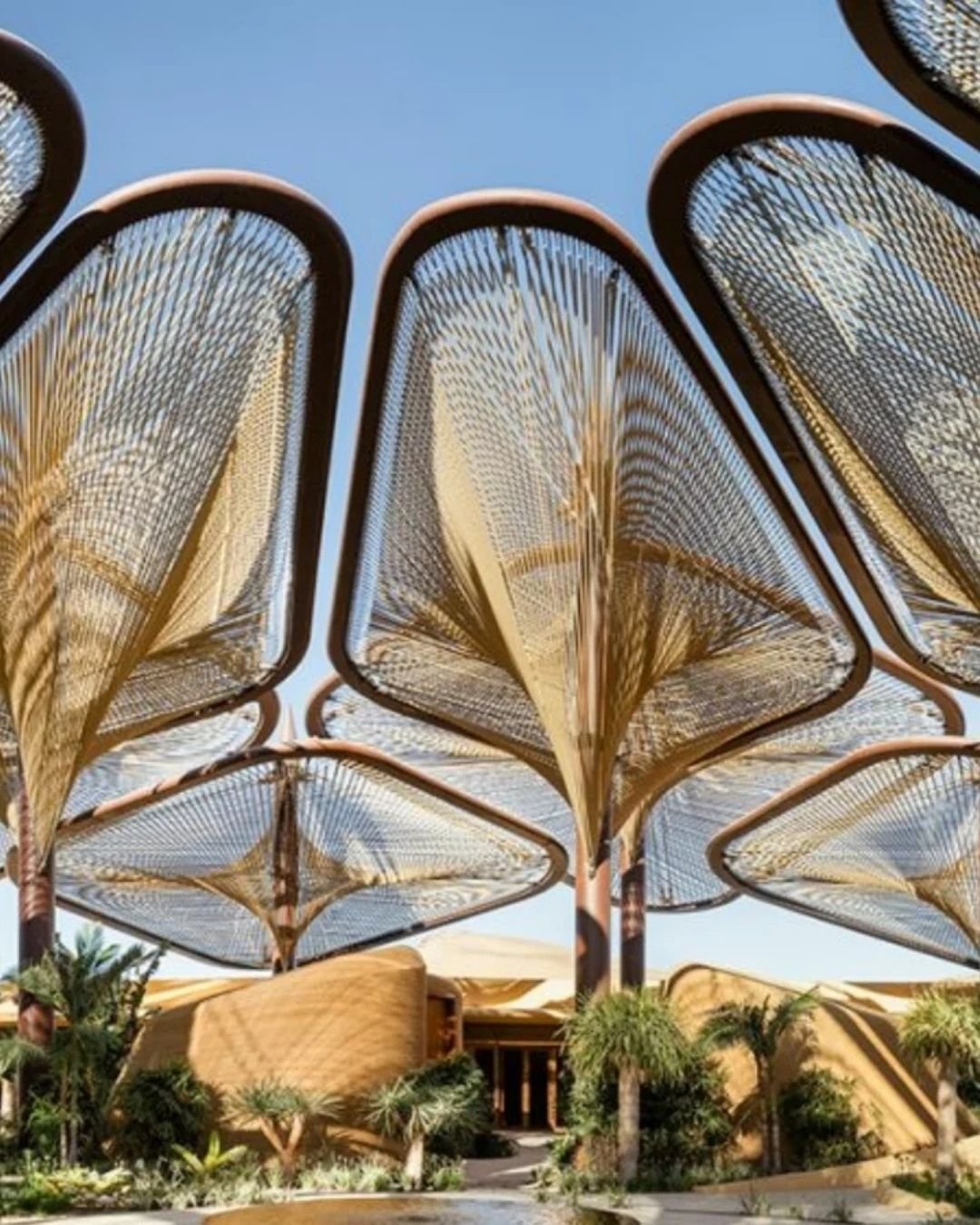
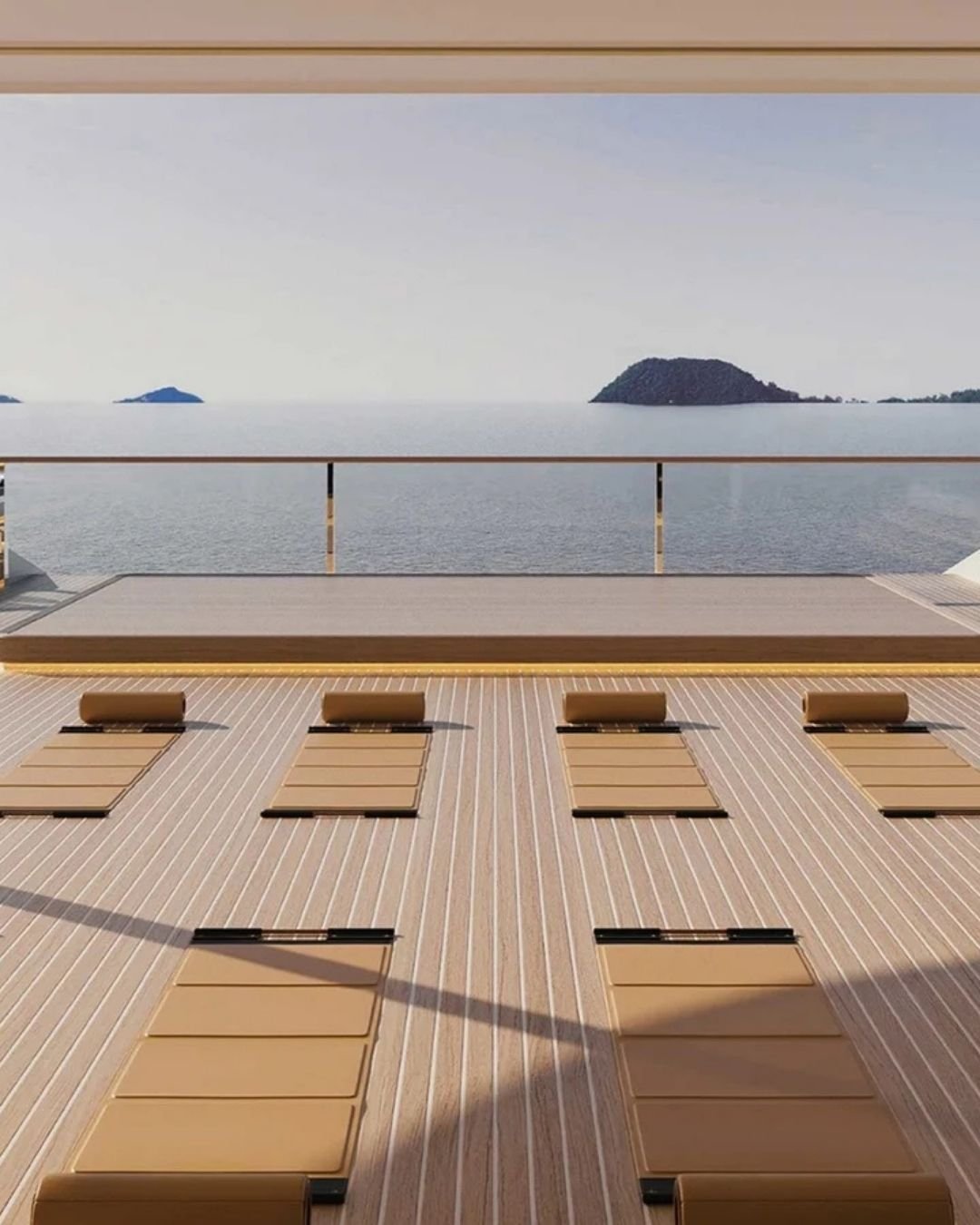
Adrian Zecha founded Amanpuri in 1988 and, in doing so, defined a category: hospitality so embedded in its landscape that the land itself becomes the experience. With Azuma Farm Koiwai, opening April 23 in Iwate Prefecture, he returns to that original idea—this time translating it into a working farm setting. The retreat sits within Koiwai Farm, at the base of Mount Iwate—a landscape once blanketed in volcanic ash, now regenerated over more than a century into one of Japan’s most biodiverse rural environments. Architect Shiro Miura has placed 24 villas across eight hectares of woodland, using timber sourced directly from the site—red pine and cypress selected in collaboration with local foresters, grounding the architecture in its immediate context. The experience extends beyond design into a broader ecosystem of place. Dining draws from Koiwai’s dairy herds, the Sanriku coastline, and the mountain produce of Tohoku. Cultural programming includes time in Morioka with an 11th-generation Nanbu ironware master, where guests produce their own kettle. Wellness is similarly restrained: three sauna pavilions—Forest Springs—combine wood-fired heat with cold immersion, set against uninterrupted woodland. Rooms start at approximately ¥200,000 per night. Opening April 23. Visit

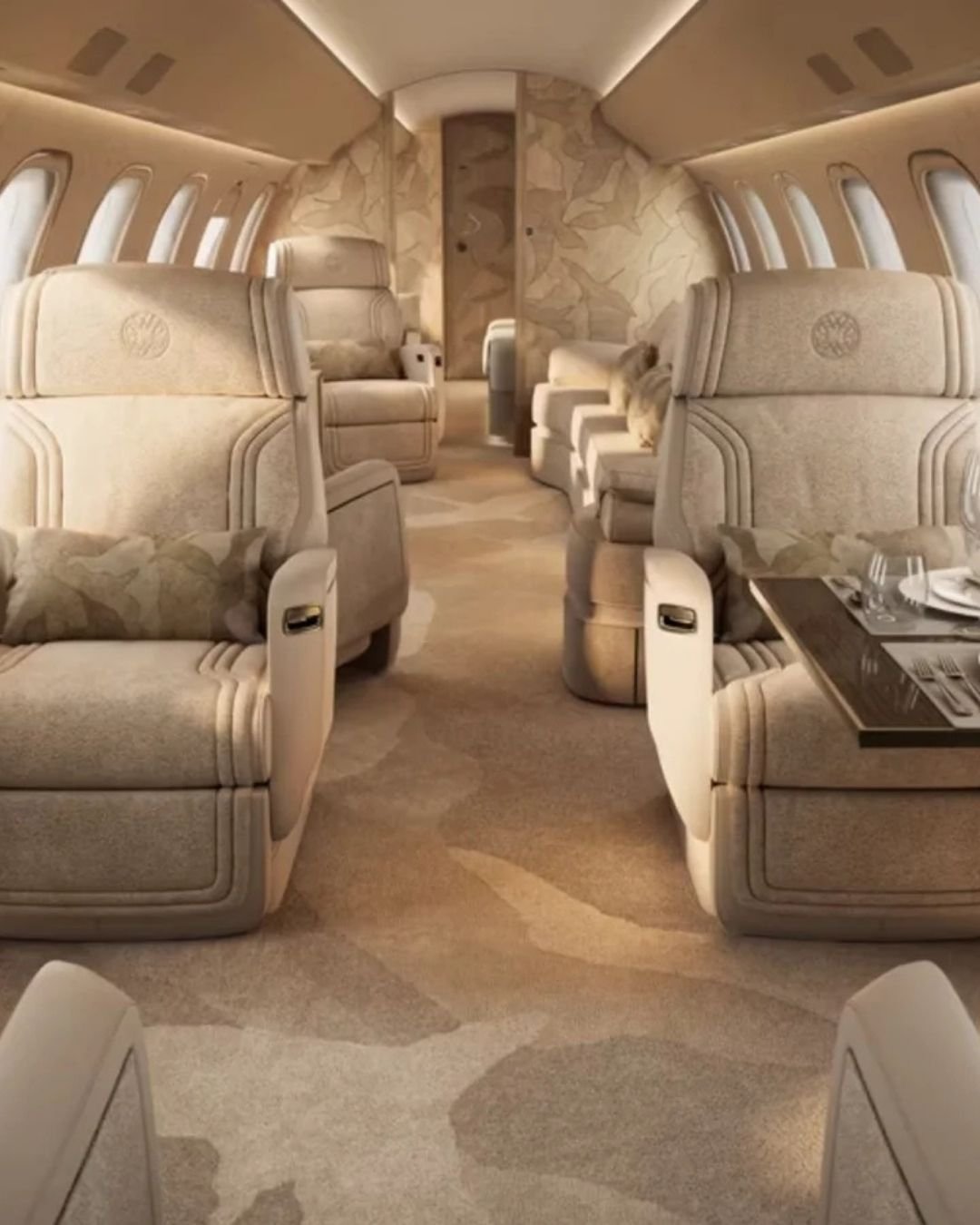
Embraer has announced the Praetor 600E and 500E, marking the first meaningful update to its business jet line since the original Praetor launch in 2018. Deliveries for new orders are expected from Q1 2029. The changes are focused less on headline reinvention and more on refining where it matters most: the cabin. Both aircraft introduce redesigned interiors, updated seating, and a new cabin management system that allows passengers to control lighting, temperature, and media via multiple interfaces, including a mobile app. Bluetooth audio and wireless charging come as standard, with voice control and configurable RGB lighting offered as options. On the 600E, Embraer is leaning further into the experience layer. An optional 42-inch 4K OLED display—positioned as a “Smart Window”—can be used for video conferencing, streaming, or external camera feeds, signalling a shift toward more connected, multifunctional cabin environments. Seating across both models has been reworked with adjustable firmness, dual lumbar support, and electric-assisted movement, while storage capacity has been increased through updated galley and refreshment centre layouts—small but practical changes for longer missions. Underneath, both jets retain Embraer’s full fly-by-wire controls, active turbulence reduction, and Runway Overrun Awareness systems. Range remains a key differentiator: the 600E offers 4,018 nautical miles, while the 500E reaches 3,340 under NBAA IFR reserves with four passengers. For those tracking the segment, this is a measured evolution rather than a reset—but a deliberate one. The upgrades don’t redefine the category, but they do sharpen Embraer’s position where competition is increasingly decided: in the details of the in-cabin experience. Visit

The first private residence at Amangiri has come to market, listed at $33 million—marking a quiet but notable shift for one of the most tightly controlled hospitality environments in the U.S. For more than 15 years, Aman’s desert outpost in southern Utah has set a benchmark for landscape-led design, where architecture, service, and setting operate as a single system. Until now, that experience has been something you visit. This listing suggests a new phase: one where ownership sits alongside access. The residence has been designed by Marwan Al-Sayed of Masastudio, one of the original architects behind the hotel, and it shows. Rather than reading as an extension, the house feels embedded within the same architectural language—low-slung volumes, material restraint, and a layout that privileges courtyards, light, and horizon lines. Set across nine acres, the property spans nearly 12,000 square feet, with six bedrooms arranged around a series of internal and external living spaces. A 118-foot swimming pool is cut directly into the surrounding rock, reinforcing the project’s central idea: that the landscape is not a backdrop, but the primary material. This is the first of just 12 residences planned within the wider Aman Residences, Amangiri development. Plots range from five to 19 acres across 900 acres of protected desert, with each designed as a standalone expression rather than a repeatable product. Ownership includes full access to the resort’s spa, dining, and services—effectively extending the Aman experience from temporary stay to permanent presence. At $33 million, it’s less a real estate listing than a signal: even the most controlled hospitality environments are beginning to open themselves, selectively, to ownership. Visit.

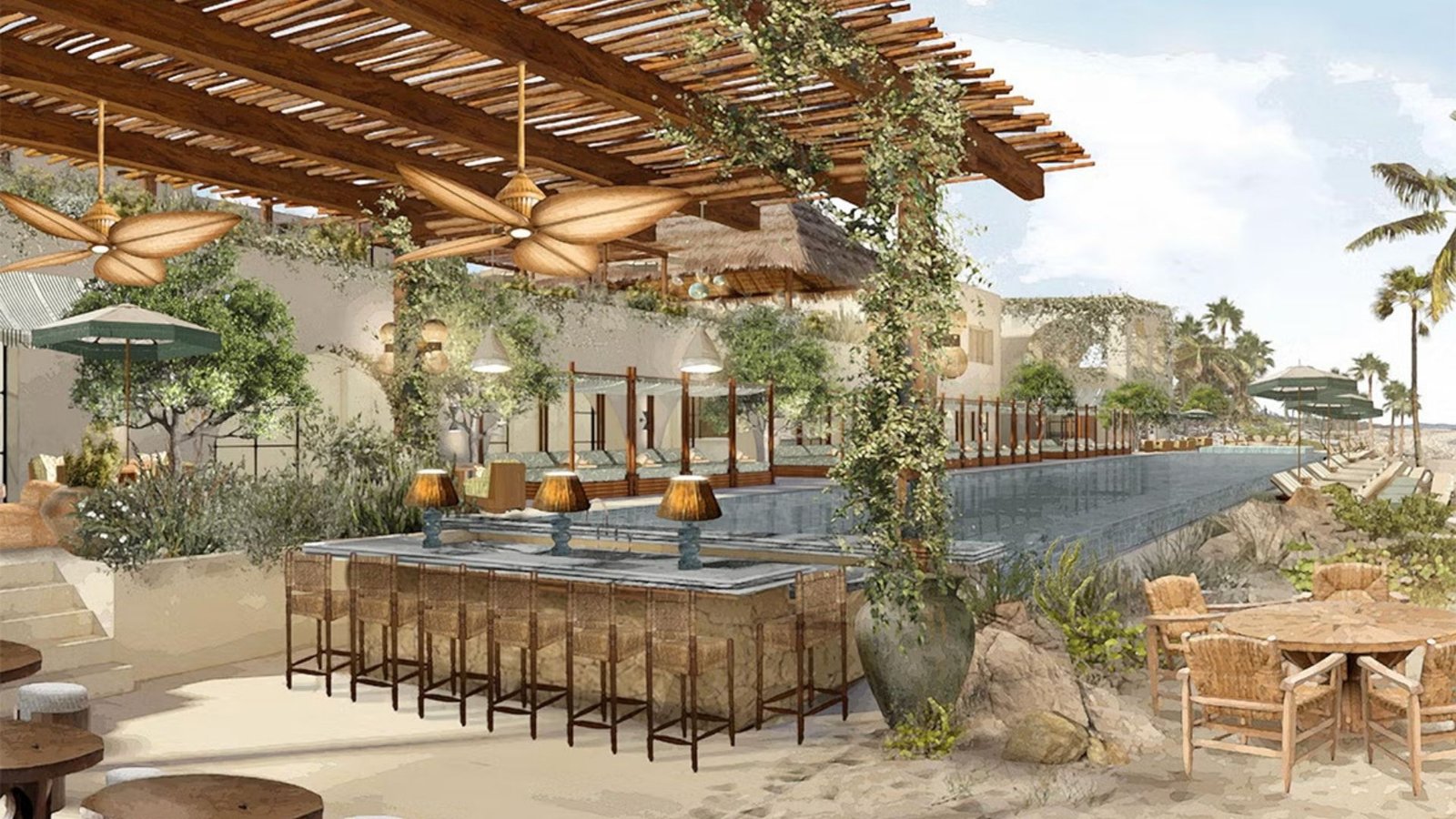
Soho House has confirmed Los Cabos as a 2026 opening, following Tokyo. On paper, it reads like a familiar expansion: a coastal House in Cabo del Sol, centred on outdoor living — a 50-metre pool, beachfront access, Cecconi’s Costiera, Sunset and Cabaret Bars, and a full Soho Health Club with hyperbaric oxygen, red light therapy, and IV treatments. But the headline isn’t the club. It’s the residences. For the first time, Soho House is introducing Soho House Residences — a collection of one- to four-bedroom homes integrated into the House ecosystem, available alongside membership. This shifts the model from episodic use to continuous living. The keys tell the story. Accommodation is deliberately limited — 15 rooms in total (12 Casas and three larger Casonas), some with private plunge pools — keeping the hospitality layer small and controlled. The majority of value sits in the residential inventory, where ownership extends the Soho House experience beyond a stay. This is a structural move. Historically, Soho House has monetised access: annual memberships, F&B, rooms, and programming. Residences introduce a second layer — real estate as the anchor, with the club operating as the service and social infrastructure that sustains it. It’s closer to a branded living model than a traditional members’ club. Los Cabos is a deliberate test case. The market has matured into a high-conviction luxury destination, with constrained beachfront supply, strong North American demand, and a growing ecosystem of hospitality-led developments. It supports both sides of the equation: short-term experience and long-term ownership.What matters is how tightly those two layers are integrated. If the residences simply sit adjacent to the club, the model remains additive. If they are fully embedded — with programming, service, and social access operating as a single system — it becomes something more defensible: a lifestyle platform tied to place. That distinction will define pricing power. Because the premium here won’t be driven by finishes alone. It will be driven by access, network, and continuity — the ability to live inside an environment that is curated, serviced, and socially active year-round. This is the evolution. Soho House is no longer just scaling a club model. It is beginning to translate that model into ownable product. And in markets like Los Cabos, where land is finite and demand is durable, that shift has the potential to move the brand from membership to asset class. Visit.

Rolls-Royce has introduced the Coachbuild Collection—an invitation-only programme that formalises and expands its ultra-bespoke ambitions at Goodwood. While previous projects such as Sweptail, Boat Tail and Droptail were largely driven by individual client commissions, this marks a structural shift: the brand now authors each car in its entirety, producing them in strictly limited numbers and positioning them as cohesive, pre-conceived works rather than one-off responses. The proposition extends well beyond the vehicle itself. Entry into the Coachbuild Collection includes a multi-year programme of private access—ranging from closed test facilities to design studio visits and curated events—effectively turning ownership into an ongoing relationship. As CEO Chris Brownridge frames it, the car and the experience are conceived as a single, inseparable product. The first collection will be fully electric, built on the platform of the Rolls-Royce Spectre, and is set to be revealed this month. Pricing remains undisclosed, though the estimated $28 million valuation of the Boat Tail provides a clear indication of where this sits within the market. Access is tightly controlled, with invitations extended through Rolls-Royce’s Private Office network in Dubai, Seoul, Shanghai, New York and Goodwood. The shift is subtle but significant: coachbuilding moves from rare exception to defined strategy—less about individual expression alone, and more about curated, brand-authored rarity at the highest level. Visit.

American Express is expanding its Centurion Lounge network with a new phase of development that signals both scale and refinement. The network now spans 32 locations globally, with a focus shifting from coverage to experience—how lounges function, not just where they are. The headline addition is a new flagship at Boston Logan International Airport, one of the last major gaps in the system. Scheduled for 2029 in Terminal C, the two-storey space will include an outdoor terrace overlooking the airfield—set to be the only open-air lounge patio at Logan—alongside locally driven design and a full premium food and beverage programme. In parallel, American Express is developing a second iteration of its faster, more directional format. Sidecar by The Centurion Lounge will open in Charlotte’s Concourse A in 2027, following its debut in Las Vegas. The concept is built around time efficiency: access is limited to 90 minutes before departure, food and drinks are ordered via QR code and delivered directly to the seat, and the traditional buffet is replaced with a curated menu of small plates and cocktails. Elsewhere, Dallas-Fort Worth—one of the network’s earliest locations—is undergoing a significant overhaul, set to reopen in 2027 with a near 50% expansion, a second full-service bar, and increased seating capacity. For American Express, the strategy is becoming clearer. The Centurion Lounge is no longer a single format replicated globally, but a flexible system—flagship, express, and retrofit—designed to meet different types of traveller behaviour. Scale established the network. This next phase is about making it work harder. Visit.

One of London’s most recognisable hospitality portfolios has changed hands, with Annabel’s—long considered the city’s definitive private members’ club—now part of a £1.4 billion transaction that signals a new phase for the sector. The deal sees Richard Caring sell his wider group—including Annabel’s, The Ivy Collection, Scott’s, Sexy Fish, and the Birley Clubs portfolio (George, Harry’s Bar, Mark’s Club)—to DIAFA, a UAE-backed investor affiliated with IHC Group, chaired by Sheikh Tahnoon bin Zayed al-Nahyan. It stands as one of the largest transactions in the history of the UK restaurant industry. Caring will remain in place as executive chairman, maintaining continuity at the operational level. The acquisition extends DIAFA’s growing footprint in global hospitality. The group already holds stakes in Zuma and Roka through its acquisition of Azumi, and has been explicit about its ambition to build one of the world’s largest food and beverage platforms. What changes now is scale—and intent. While Annabel’s remains rooted in Berkeley Square, the strategy is expected to shift outward, with international expansion a clear priority. The Ivy Collection, in particular, is understood to be targeting entry into the United States, a move that would test whether one of London’s most recognisable dining formats can translate globally. For a portfolio built on heritage, access, and tightly controlled identity, the question is no longer ownership—but how far that identity can travel. Visit.

Equinox Hotels is doubling down on its core thesis—that sleep is not passive recovery, but a performance variable—with the return of its Global Sleep Symposium at Equinox Hotel New York on June 4. Now in its third year, the event has been restructured into a more intimate, salon-style format, signalling a shift from conference to curated conversation. The programme is anchored by Matthew Walker, whose work on the relationship between sleep, cognition, and long-term performance has become foundational to the brand’s positioning. This year’s discussion extends beyond theory into application, with an interdisciplinary panel that includes Eric Potterat—former Head Psychologist for the US Navy SEALs and the US Women’s National Soccer Team—alongside Kirk Parsley and Emily Morse. Together, the group examines sleep through the lens of elite performance, resilience, and behavioural optimisation. The evening concludes with a more experiential layer: an immersive sound journey led by Johnny Venus, built around principles of music psychology and designed to translate theory into sensory experience. For Equinox, the Symposium operates as more than a standalone event. It’s a public articulation of a broader system—one that runs through its hotel design, from circadian lighting and thermal regulation to tightly calibrated AM/PM rituals, all developed in part through its ongoing collaboration with Walker. Tickets are priced at $200, positioning the evening somewhere between wellness programming and intellectual forum. In a market saturated with sleep as a buzzword, Equinox continues to frame it differently: not as indulgence, but as infrastructure. Visit.

WHOOP has crossed the $10 billion threshold, closing a $575 million Series G round that values the company at $10.1 billion—nearly triple its previous $3.6 billion mark. The investor base reflects a deliberate positioning at the intersection of performance, healthcare, and capital: the round was led by Collaborative Fund, with participation from sovereign wealth funds, medical institutions, and a roster of high-profile athletes. Backers include the Qatar Investment Authority, Mubadala Investment Company, Abbott Laboratories, the Mayo Clinic, and GP Bullhound, alongside investors such as Cristiano Ronaldo, LeBron James, and Rory McIlroy. The signal is clear: WHOOP is no longer being valued purely as a consumer hardware company, but as a broader performance platform with relevance across sport, health, and data. The fundamentals support that shift. The company now reports more than 2.5 million members globally, a bookings run rate of $1.1 billion at the end of 2025—up 103% year-on-year—and positive operating cash flow. Its model remains intentionally narrow: a screenless, wrist-worn band paired with a subscription service that tracks sleep, recovery, strain, and cardiovascular metrics continuously, without the distraction layer of notifications or general-purpose smartwatch features. That focus has proven durable. Entry pricing starts at $149 for the first year, rising to $199 on renewal—positioning the product less as a device purchase and more as an ongoing service. The new capital is set to fund international expansion across Europe, the Gulf, Latin America, and Asia, with an IPO expected within the next one to two years. In a crowded wearable market, WHOOP’s differentiation has been restraint—fewer features, tighter positioning, and a clearer definition of value. At $10 billion, that strategy is now being priced accordingly. Visit.

Remedy Place—the social wellness club with locations in West Hollywood, Soho, Flatiron, and Boston—has moved further into at-home protocols with the launch of its NAD+ Smart Pen, a self-administered injectable now available directly through its online platform. The device delivers between 50 and 125mg of pharmaceutical-grade NAD+ per dose via subcutaneous injection, produced in MHRA and GMP-certified facilities and third-party tested at 99.9% purity. It’s offered in three formats: a single pen at $499, a two-month supply at $849, and a three-month supply at $1,199, with subscription pricing reducing costs by 15% across all tiers. The underlying proposition is straightforward. NAD+—a coenzyme present in every cell—is central to energy metabolism, DNA repair, and cellular signalling, with levels declining over time. The argument for injectable delivery over oral supplementation is bioavailability: rather than navigating inconsistent absorption through the digestive system, the compound is delivered directly into the bloodstream at a controlled dose. What’s shifting is access. Protocols that were previously limited to clinical or specialist settings are now being repositioned for at-home use, on-demand and without supervision. The research base remains in progress—far from universally settled—but interest from performance medicine and longevity-focused practitioners has been building steadily. The Smart Pen reflects that broader direction. Not a new idea, but a new format—bringing a clinic-adjacent intervention into the consumer environment, with all the convenience, and questions, that implies. Visit.