





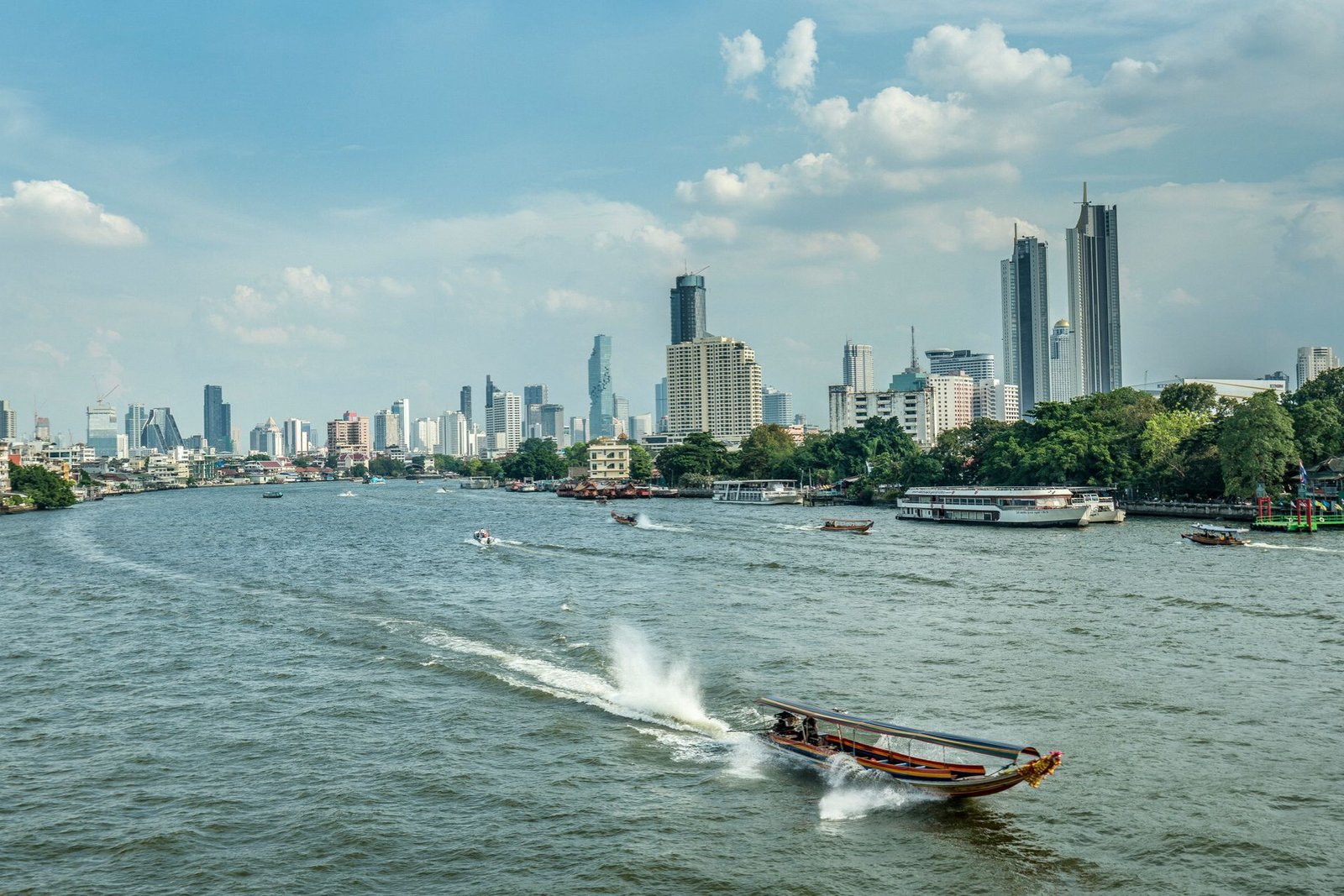
Bangkok has always been a city in motion. Traffic folds into alleyways without pattern. Street vendors appear and disappear by the hour. Towers rise beside temples. Old money, new ideas, late nights and early mornings all existing simultaneously, often within the same city block.
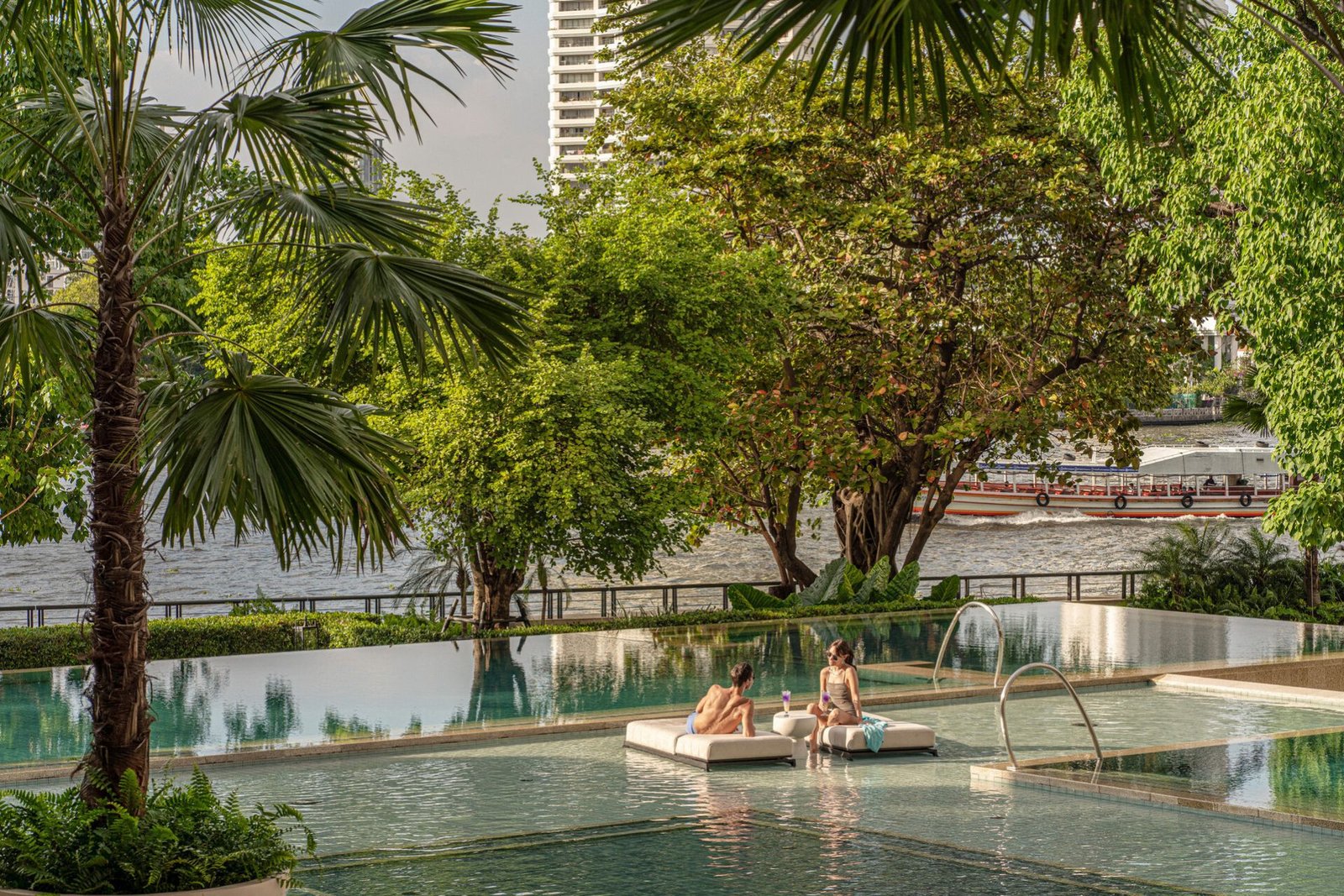
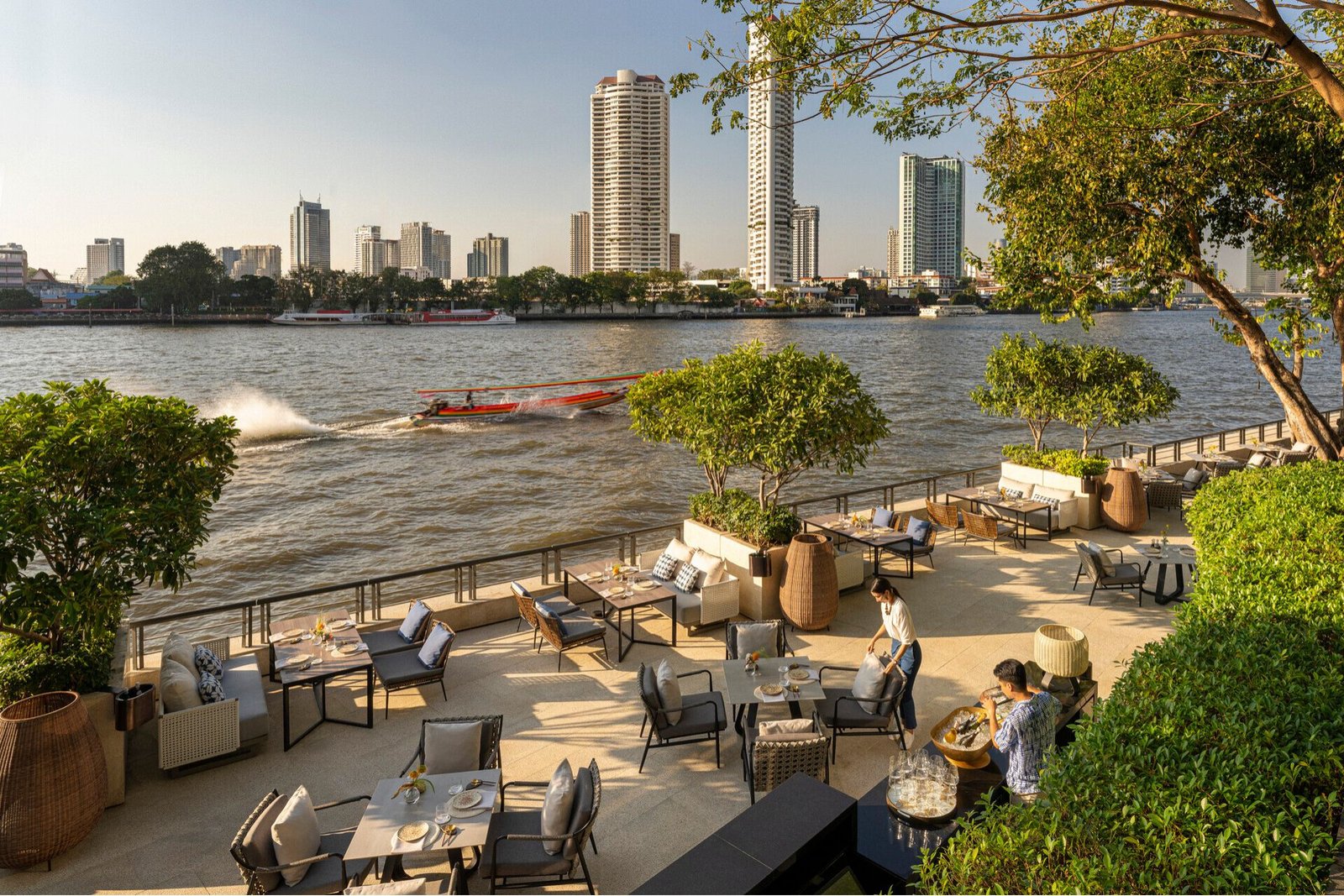
And yet, along the Chao Phraya River, the pace changes. The noise softens. Space opens. Water replaces asphalt as the defining element of the landscape.
It is here, positioned between the river and the creative energy of Charoen Krung Road, that Four Seasons Hotel Bangkok at Chao Phraya River has established itself — not simply as one of the city’s leading hotels, but as a new social and cultural centre for Bangkok itself.
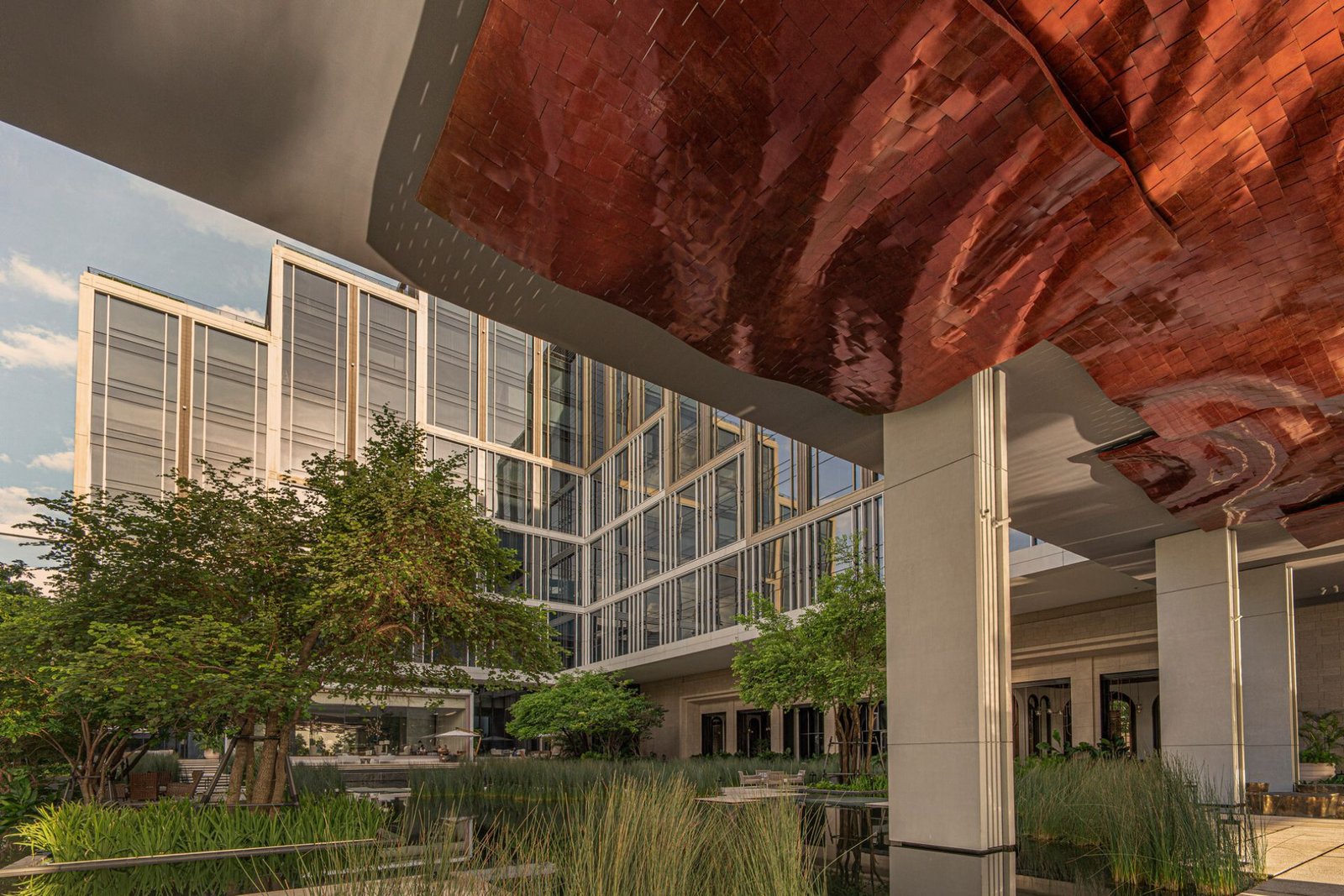
From the outset, the vision was different. Rather than creating a conventional luxury hotel, the intention was to build what Jean-Michel Gathy describes as an “urban resort” — a property that feels open, residential and deeply connected to the rhythm of the city around it. The result is architectural in the best sense of the word.
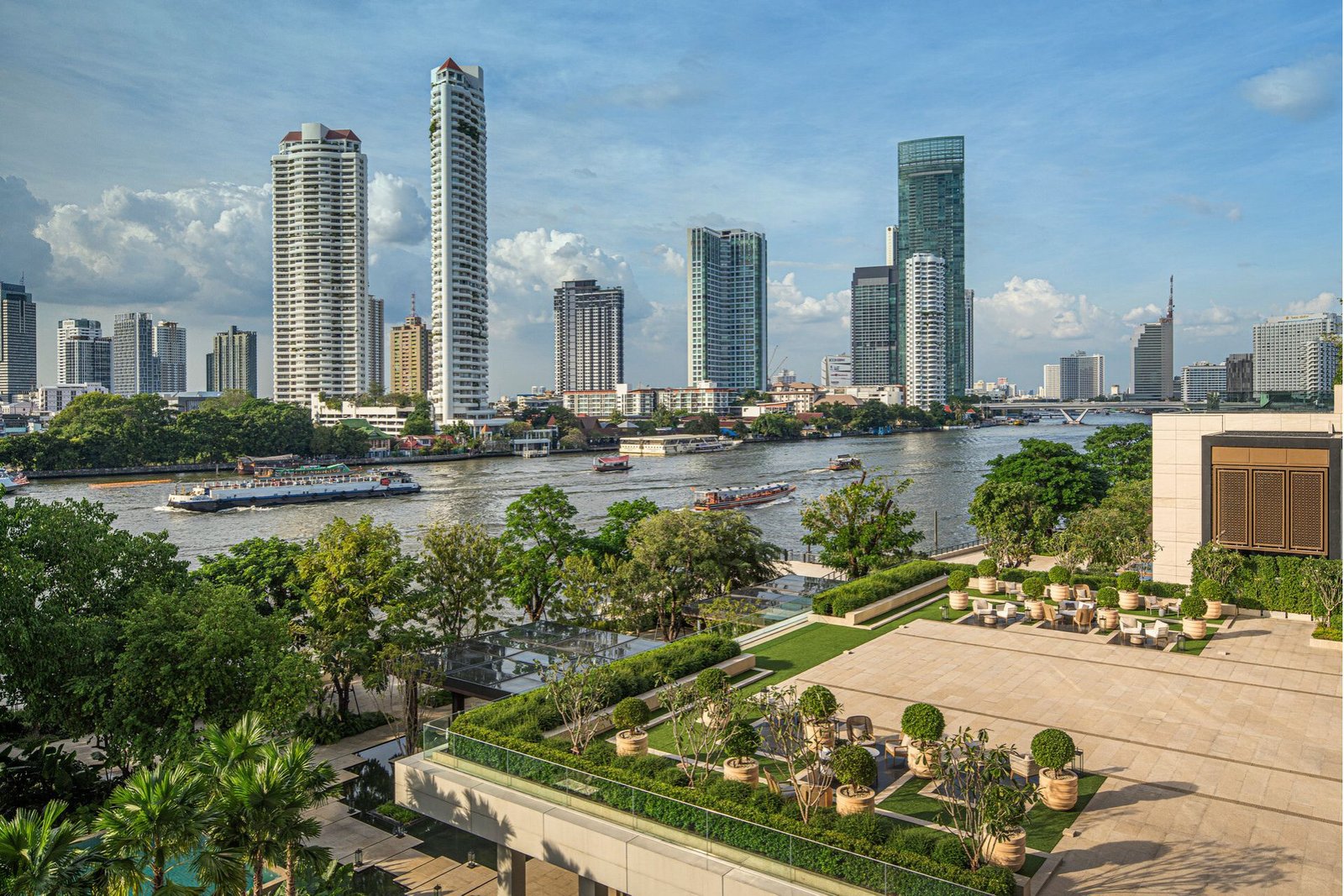
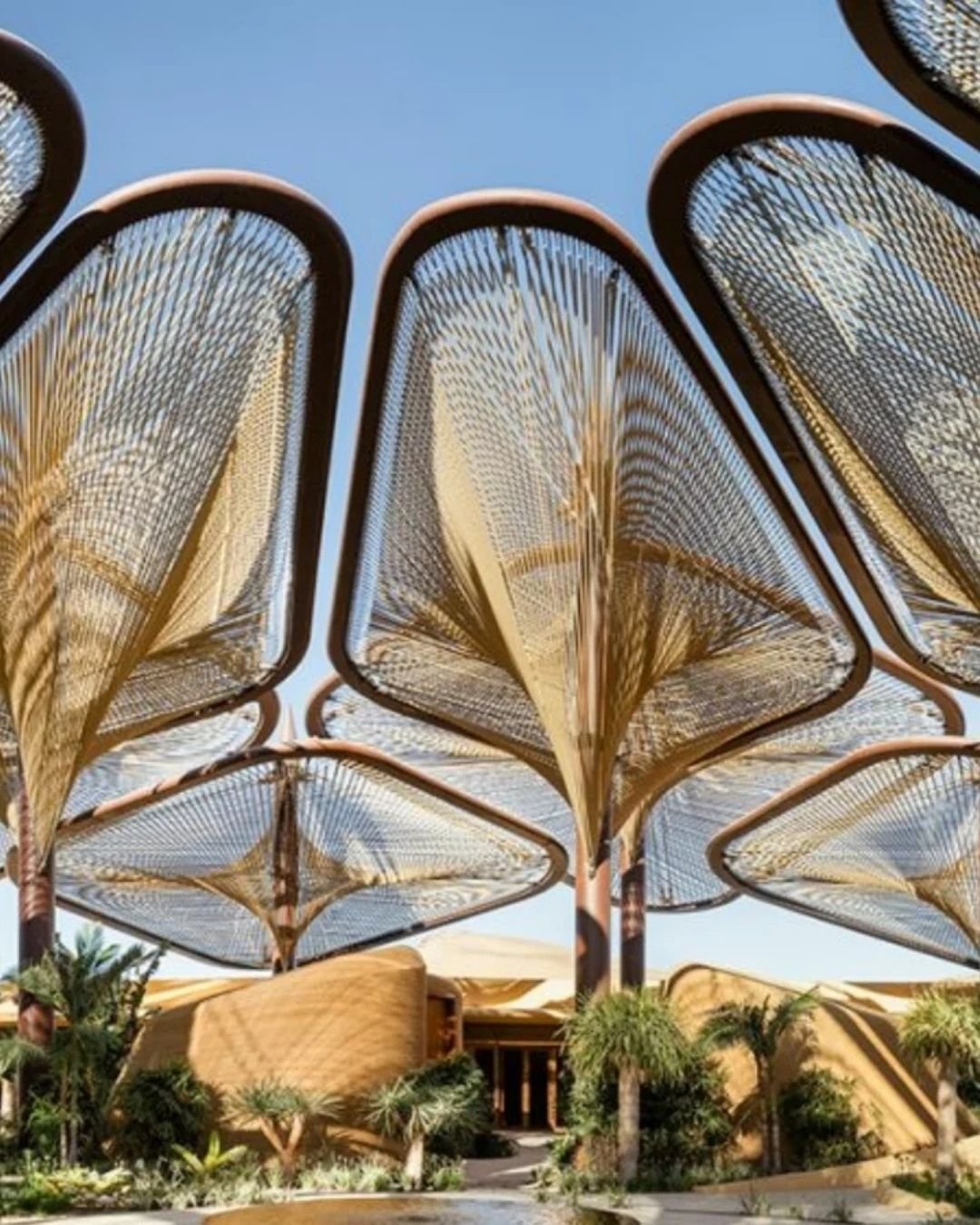
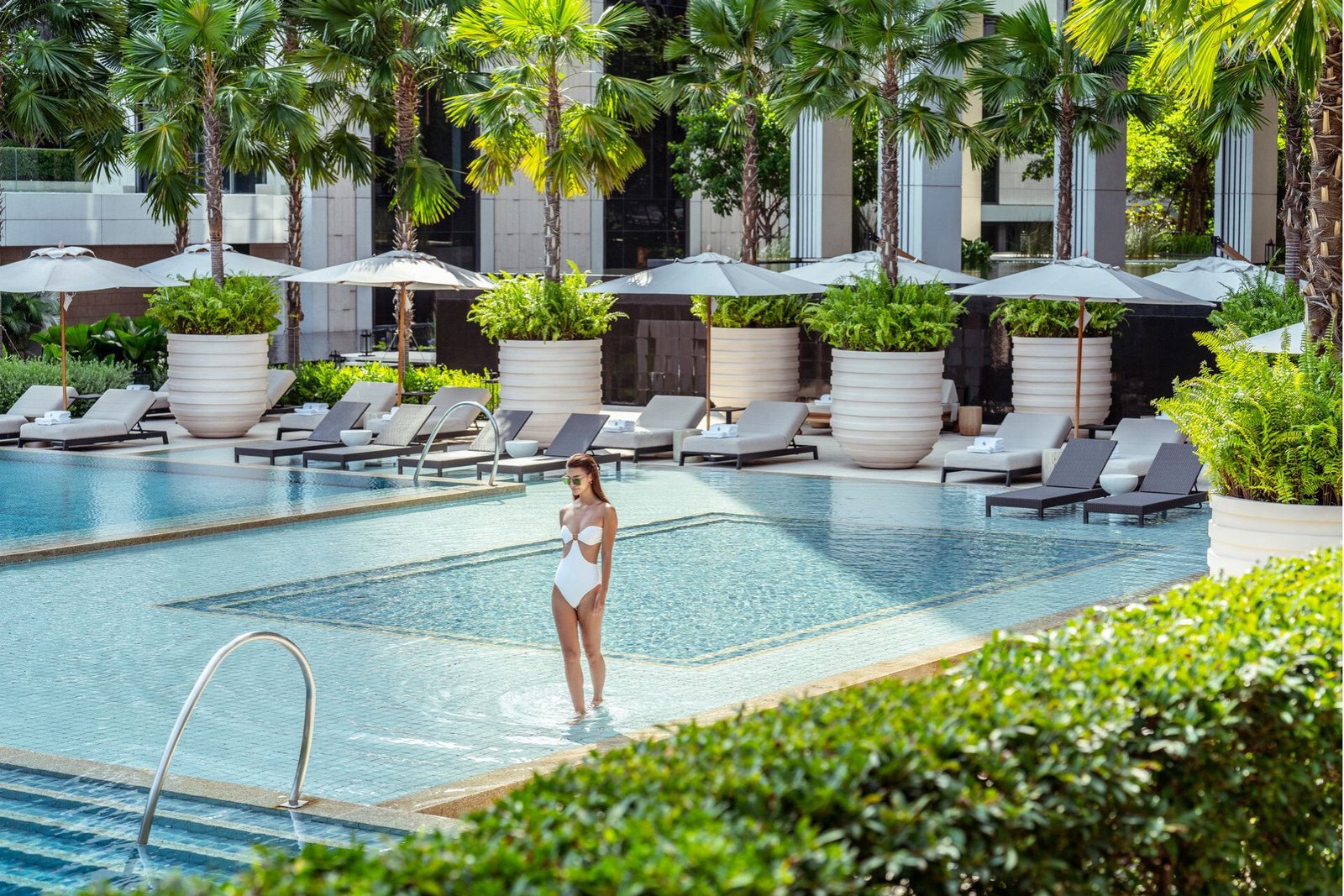
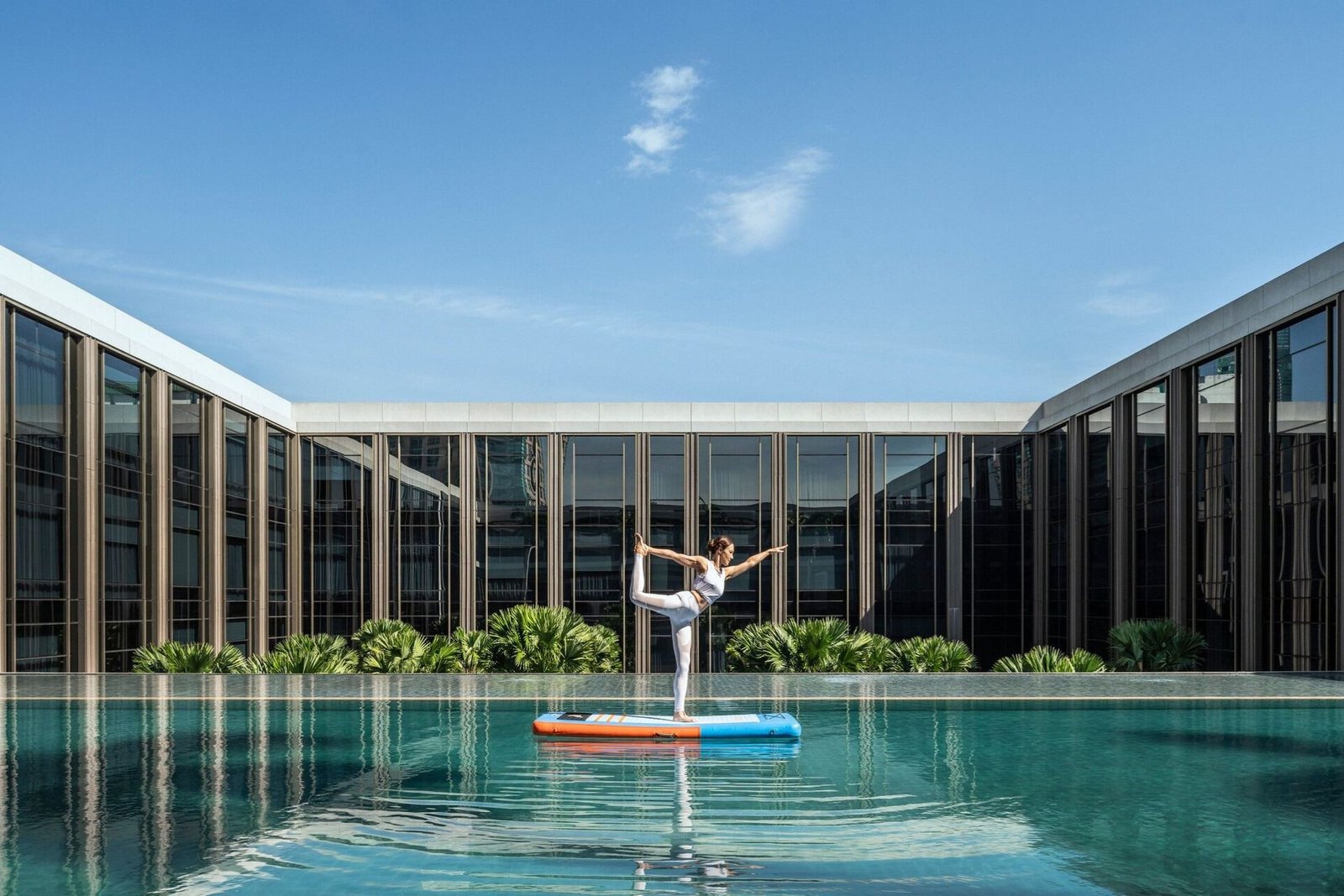
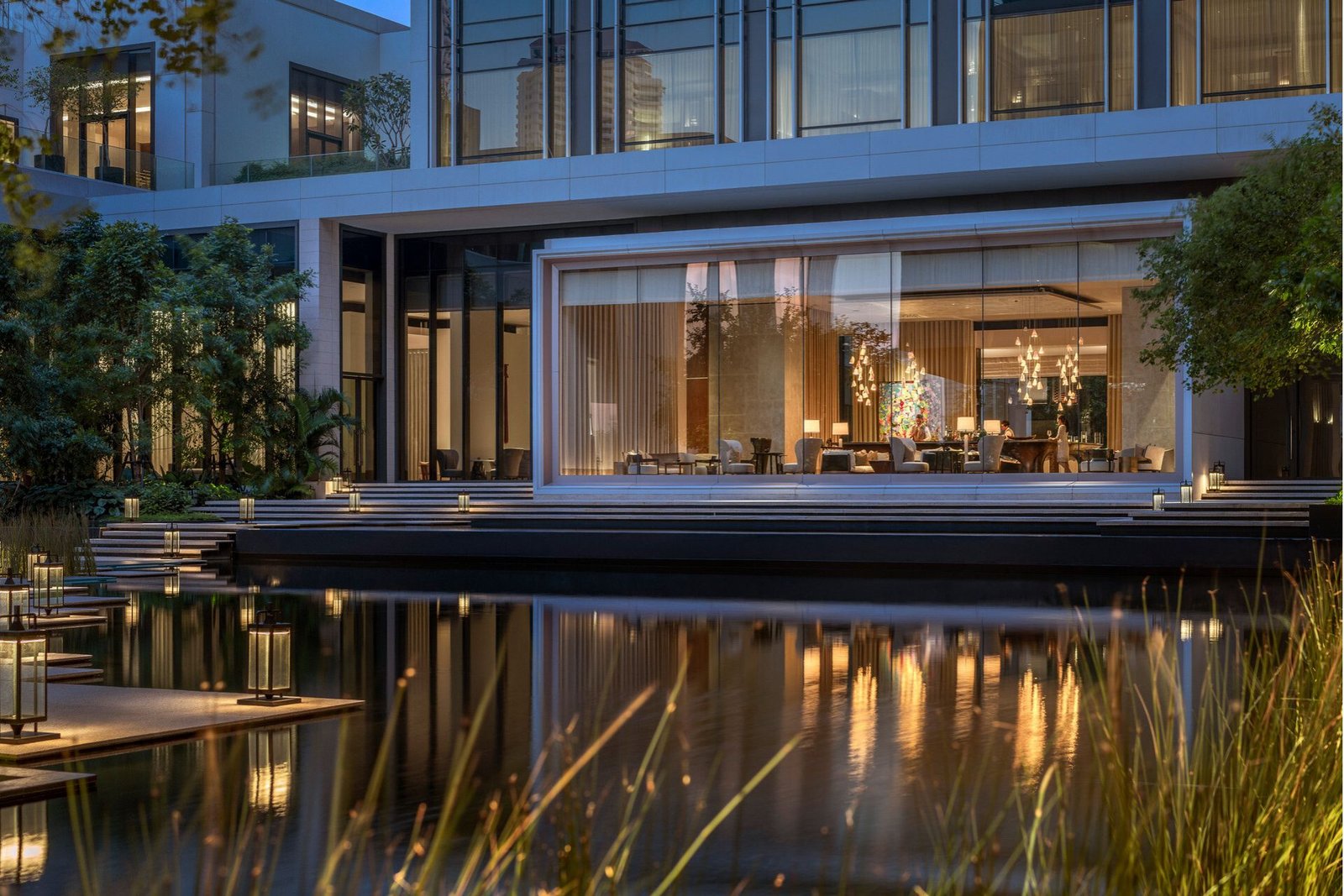
Cascading structures step gradually toward the river. Courtyards interrupt the density of the city with pockets of greenery and water. Indoor and outdoor spaces dissolve into one another with almost imperceptible transitions.
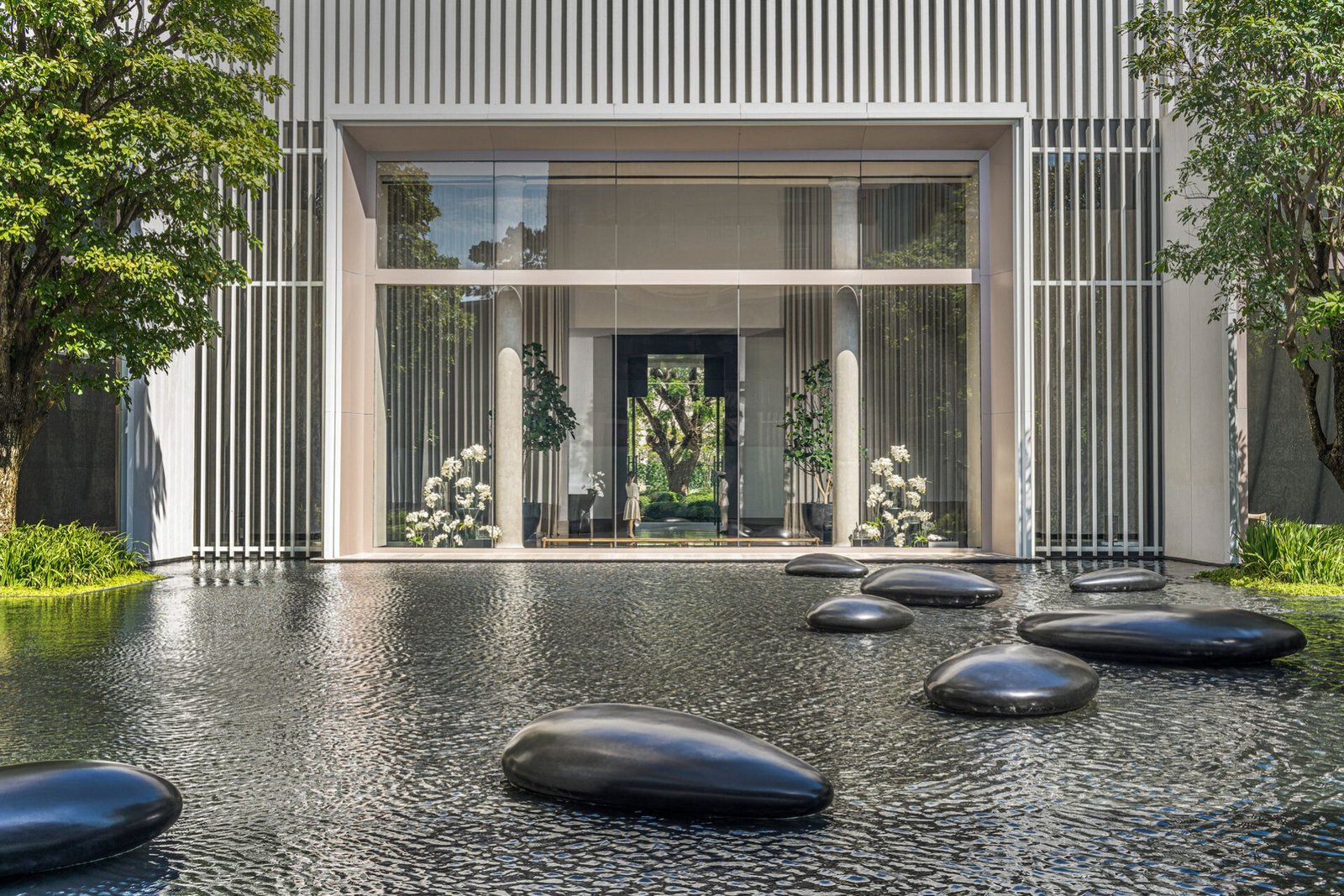
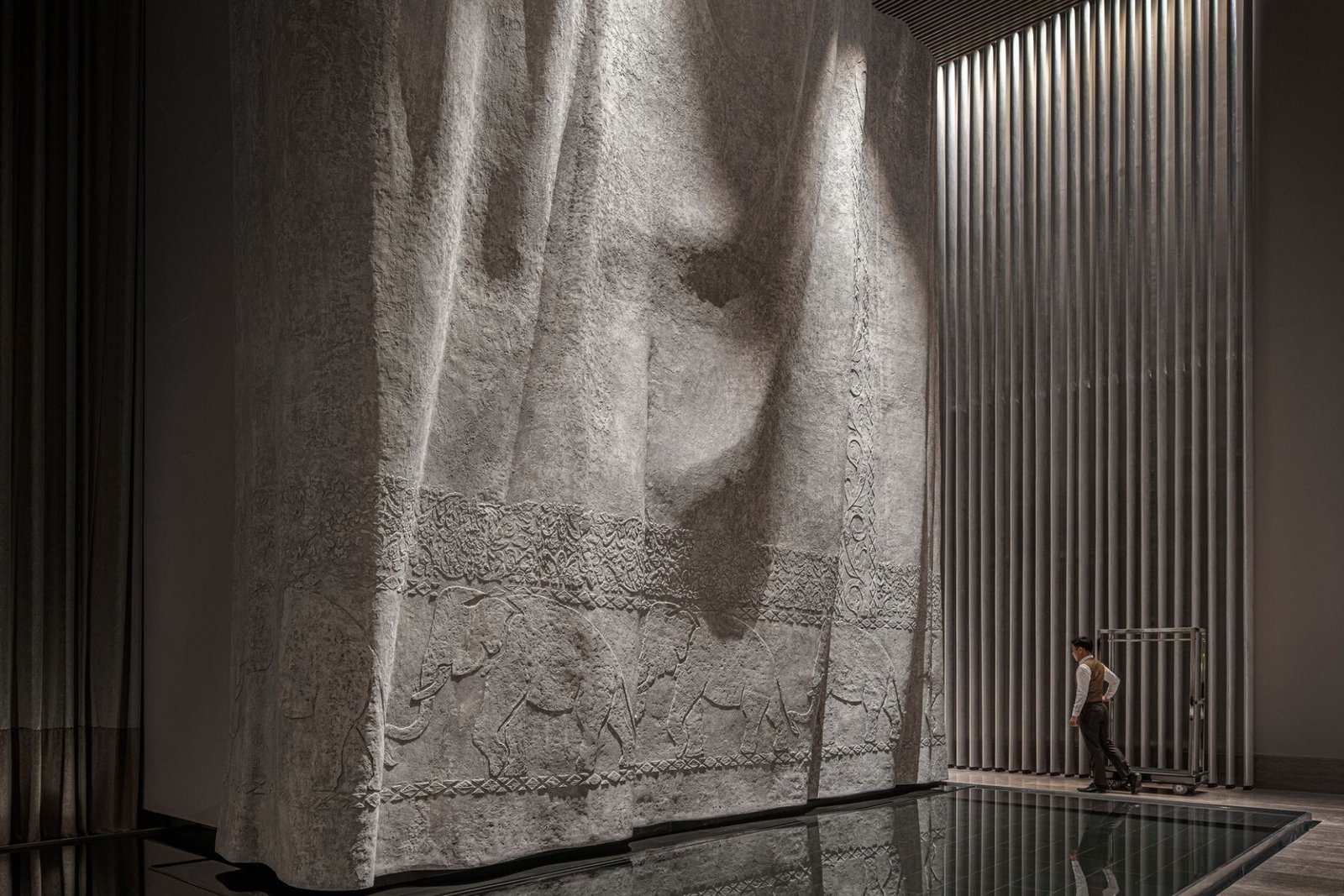
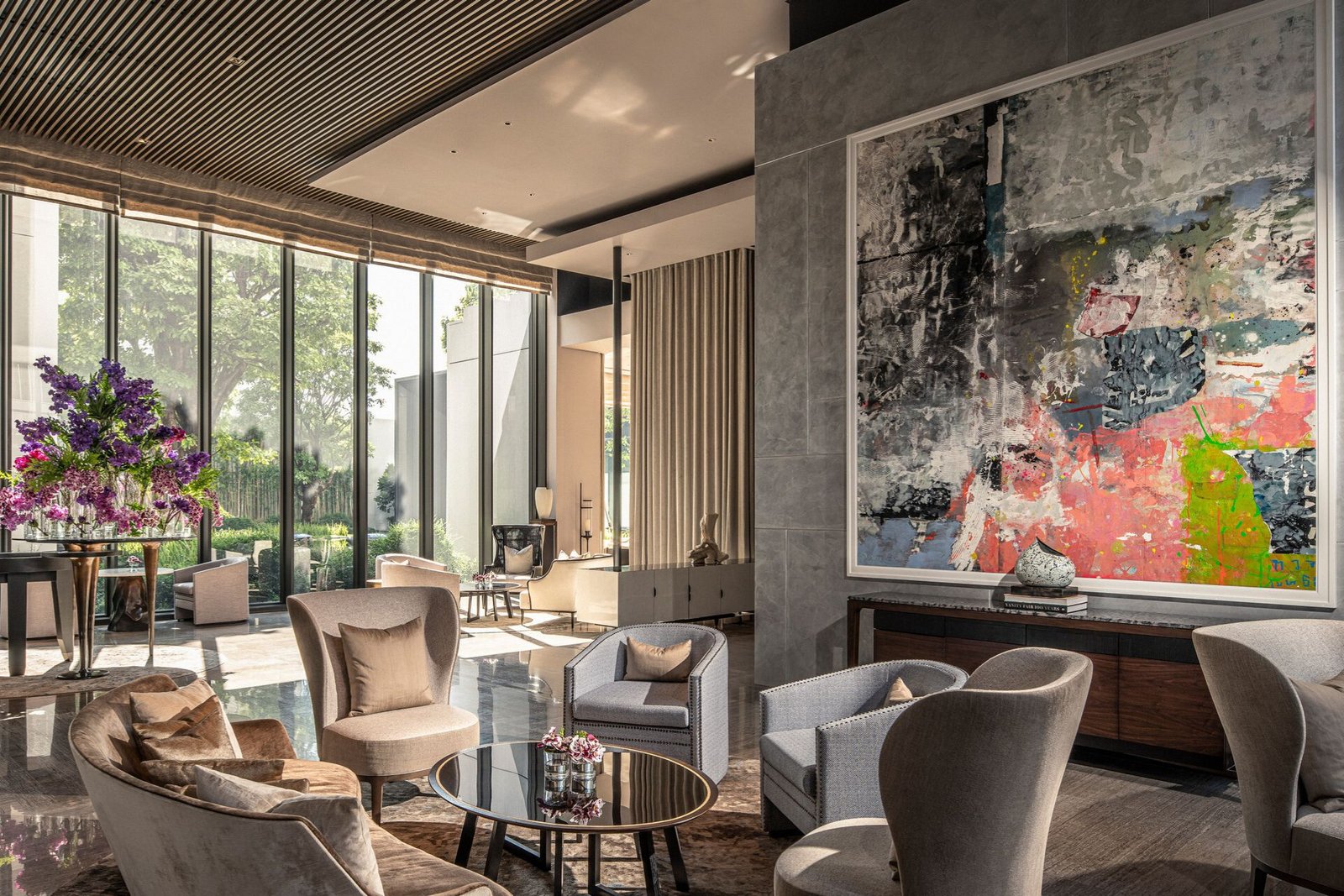
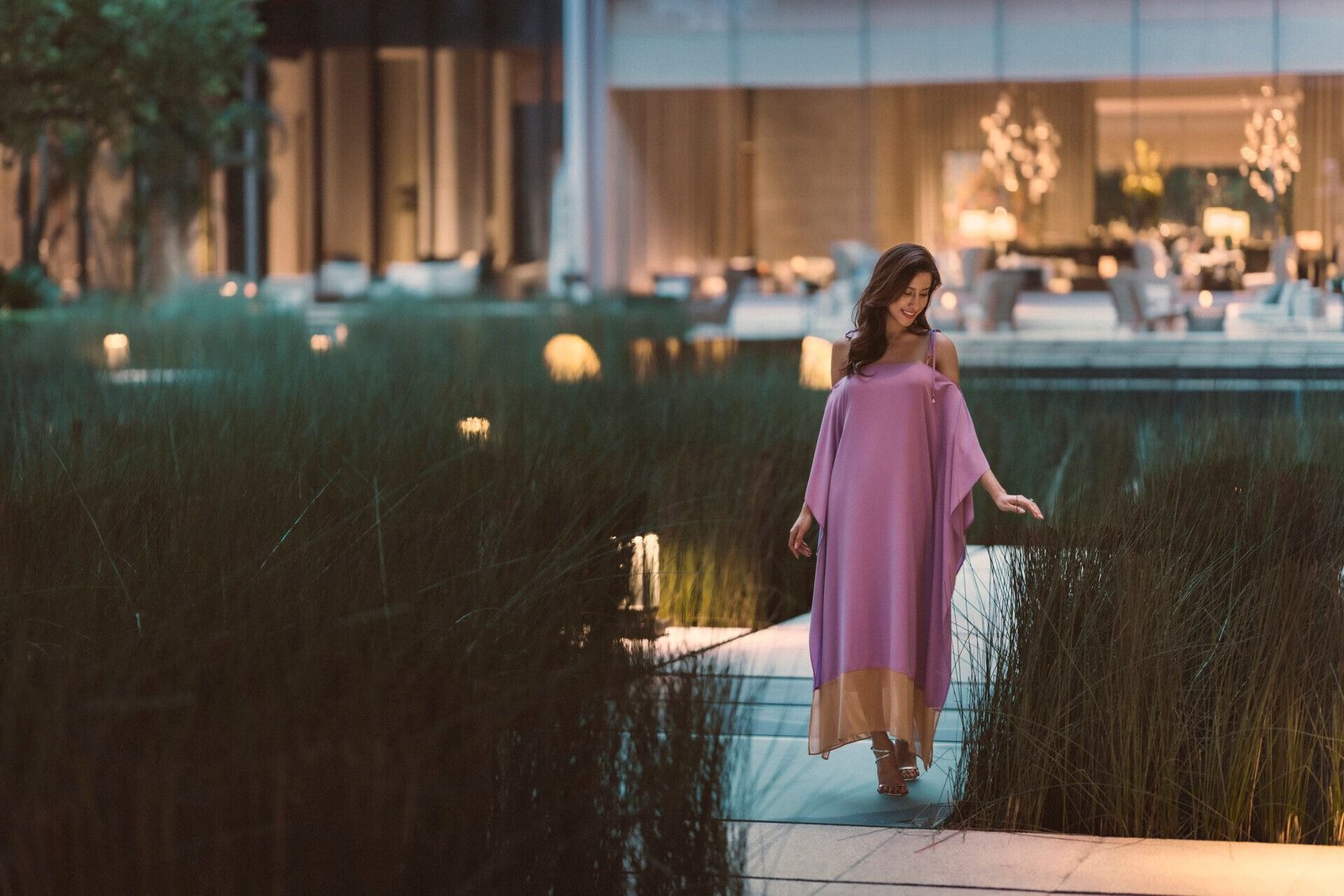
In Bangkok — a city often defined by intensity — space itself becomes a luxury. And here, space is everywhere. Arrival unfolds deliberately. Guests move through shaded walkways and reflective pools before entering a lobby that feels more gallery than reception.
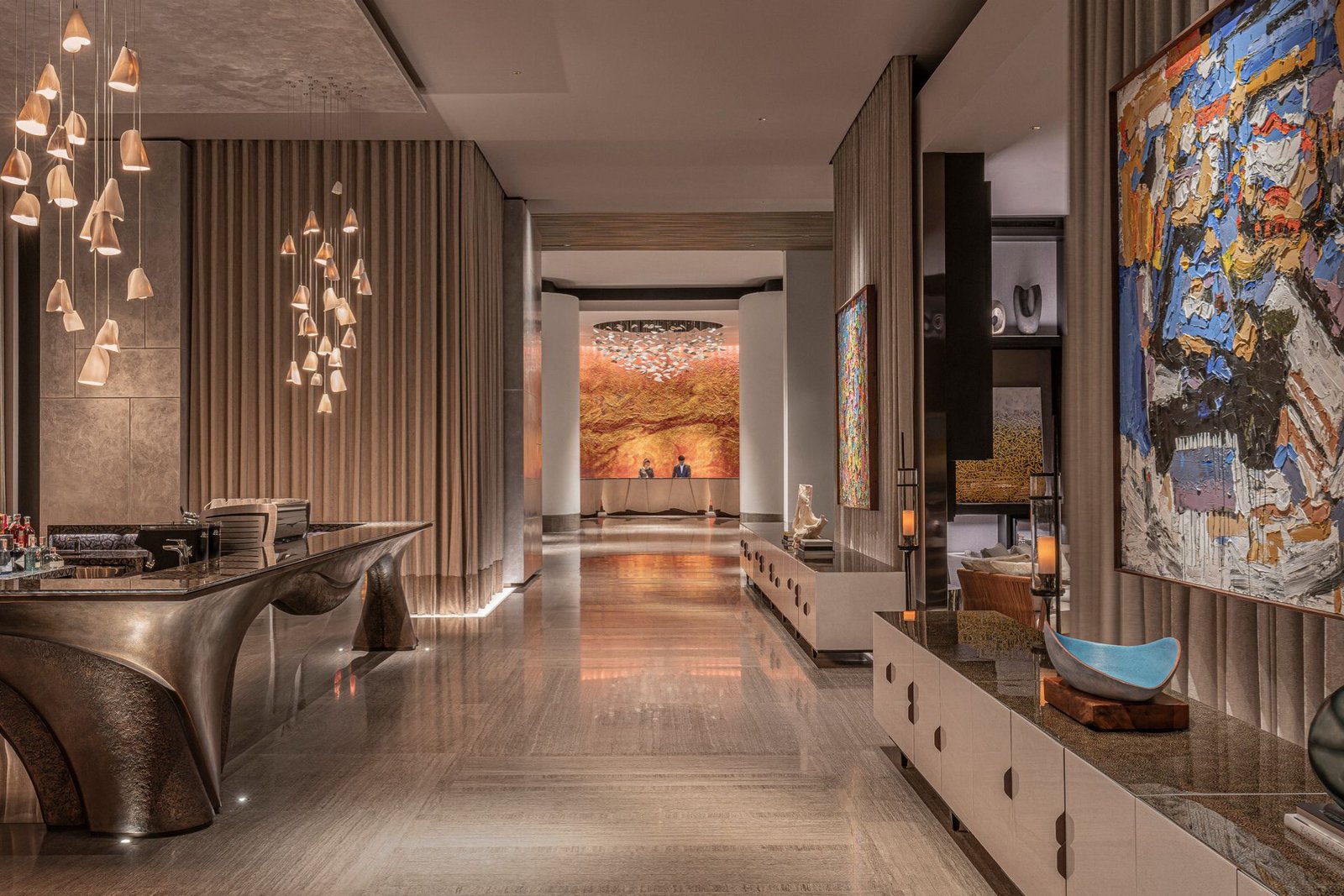
Sightlines remain open. Natural light shifts constantly across stone, timber and water. Art is integrated throughout the property, not as decoration, but as part of the experience itself. This relationship with contemporary Thai culture runs deeper than aesthetics.
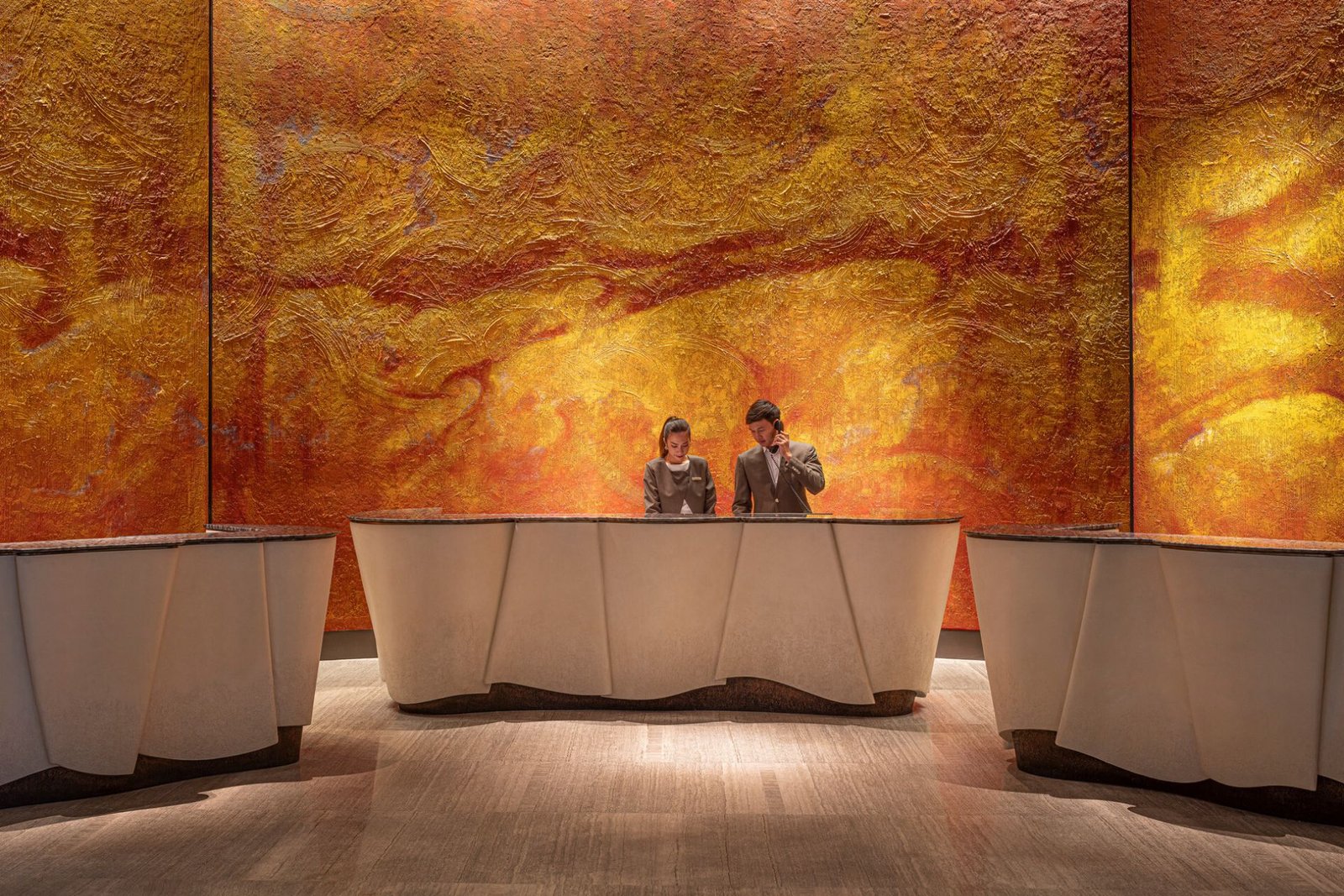
Through its ongoing collaboration with MOCA Bangkok, the hotel’s ART Space transforms public areas into a rotating exhibition platform for modern Thai artists, connecting guests directly to the city’s evolving creative landscape. Collections rotate quarterly, ensuring the experience remains dynamic rather than static.
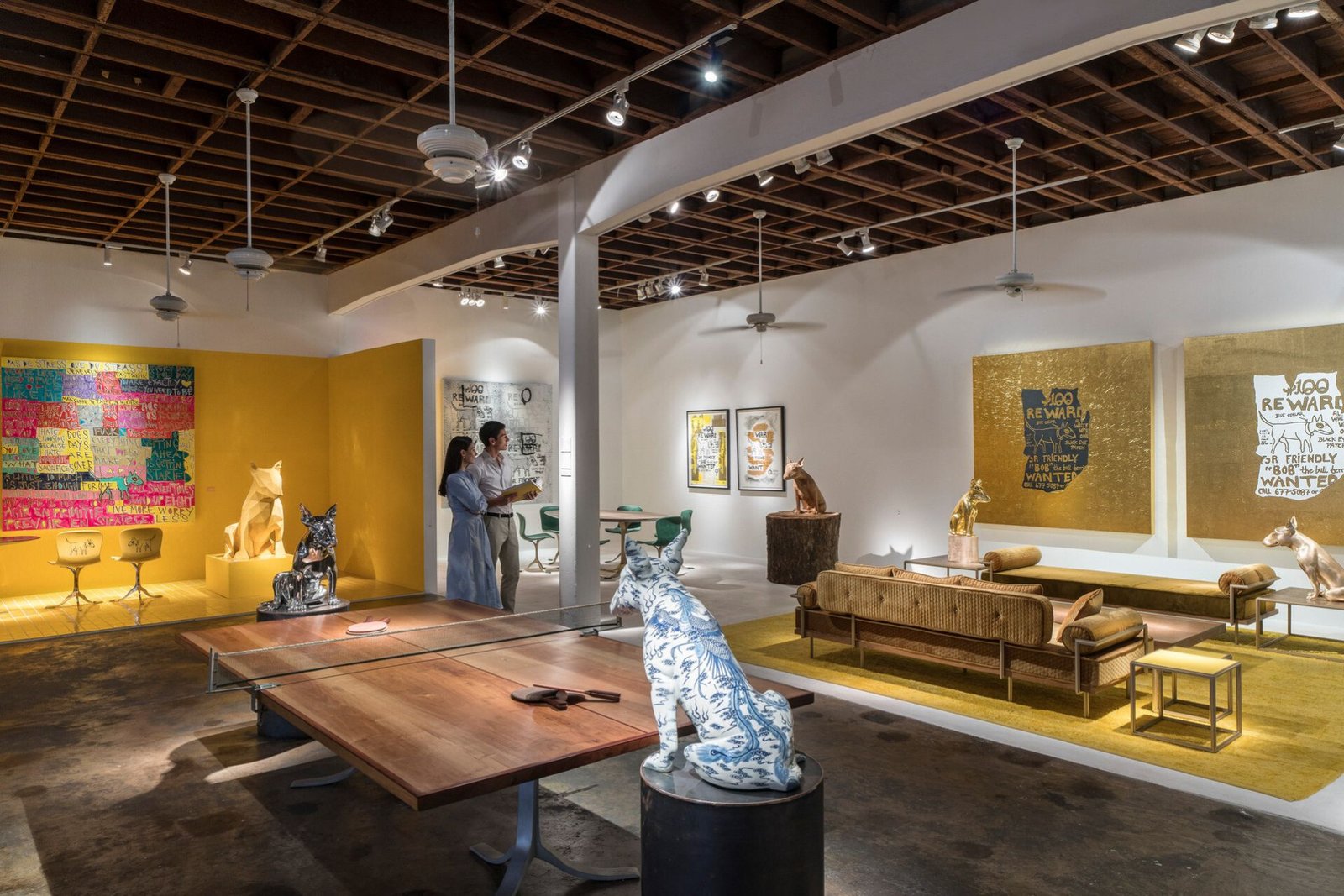
The hotel reflects Bangkok as it exists today — international, design-led, culturally layered and constantly evolving. Accommodation follows the same philosophy.
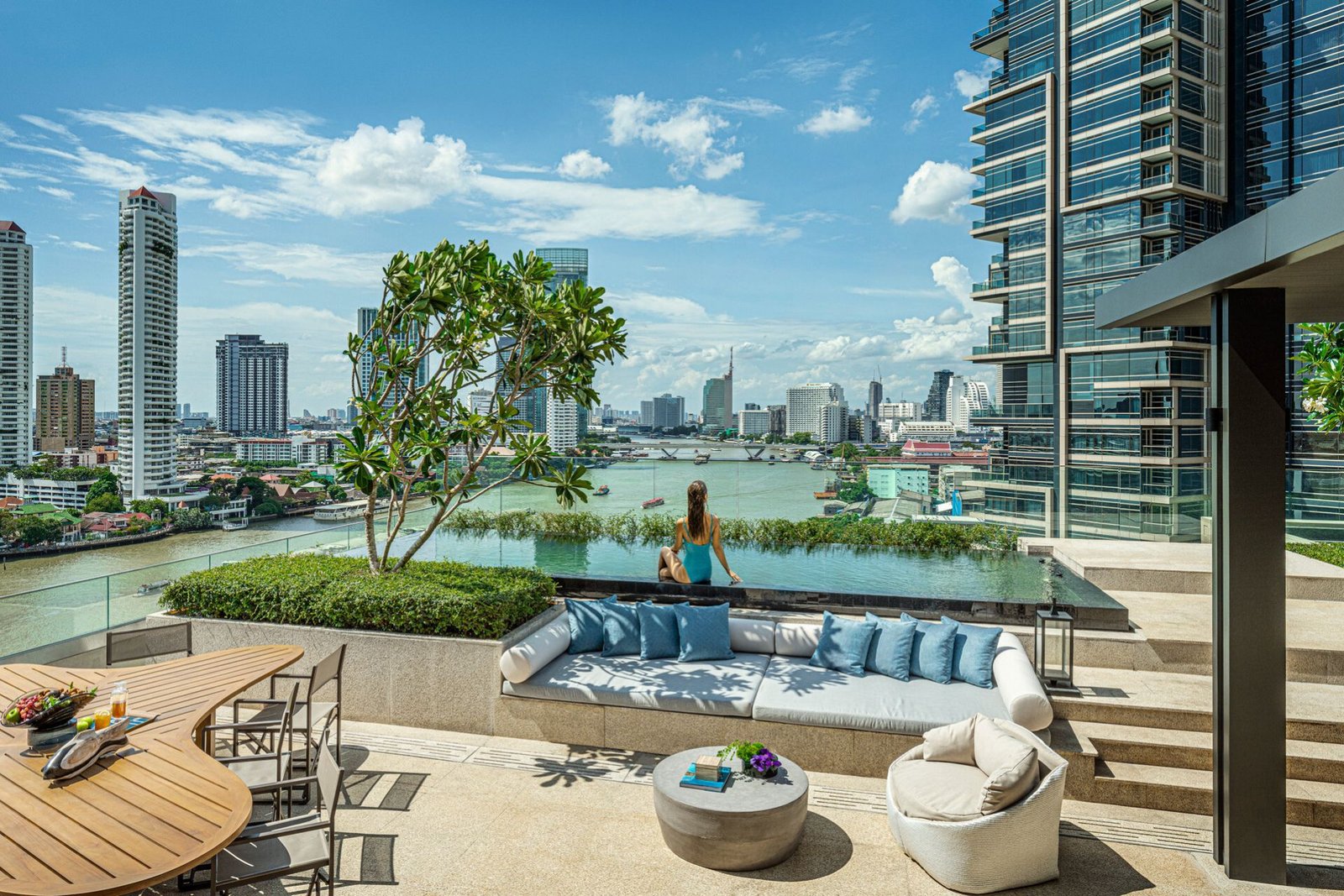
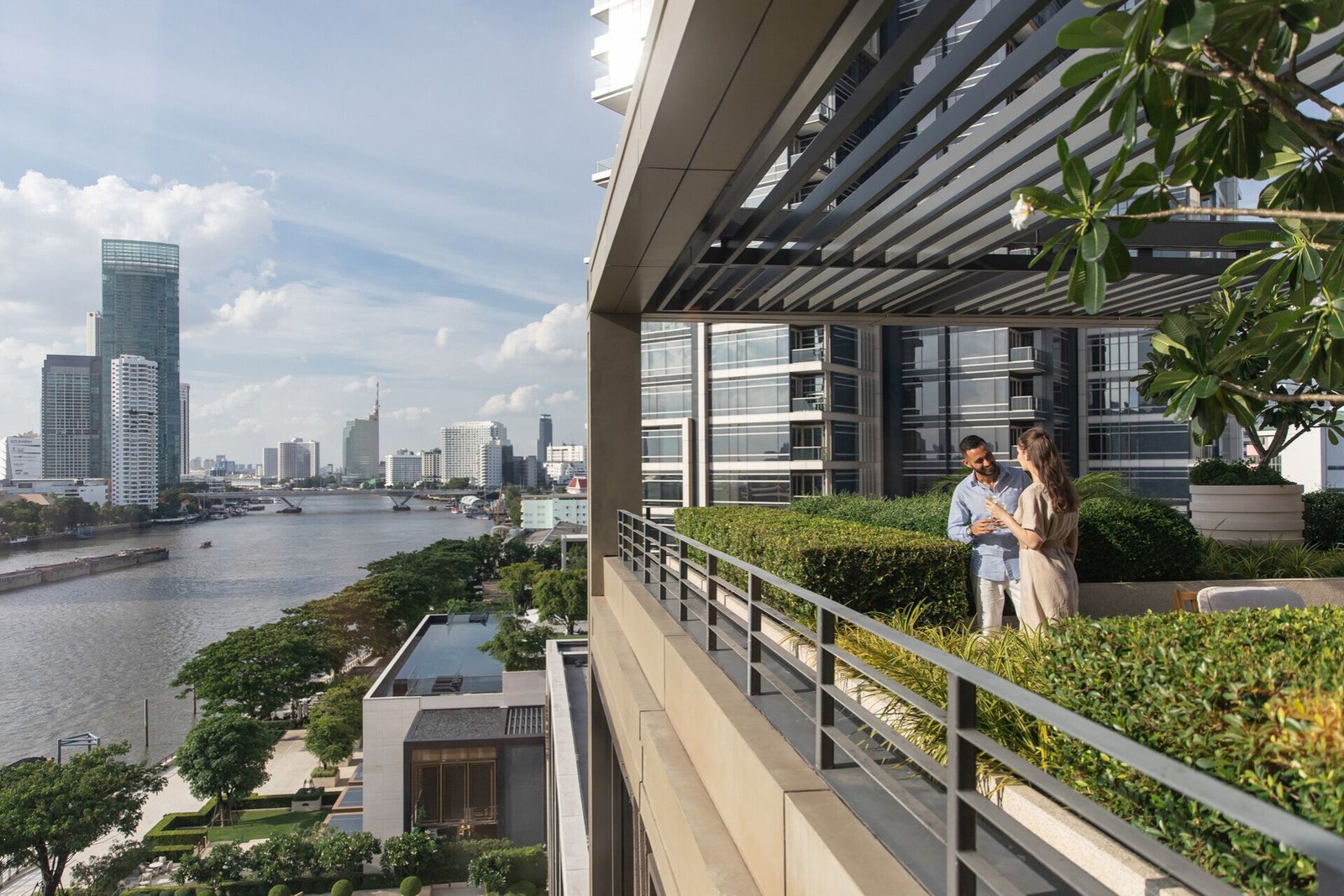
Rooms and suites are intentionally residential in tone, balancing contemporary restraint with subtle Thai detailing. Floor-to-ceiling windows draw in the river, courtyards and changing light of the city, while private terraces in the signature suites create moments of stillness above Bangkok’s movement below.
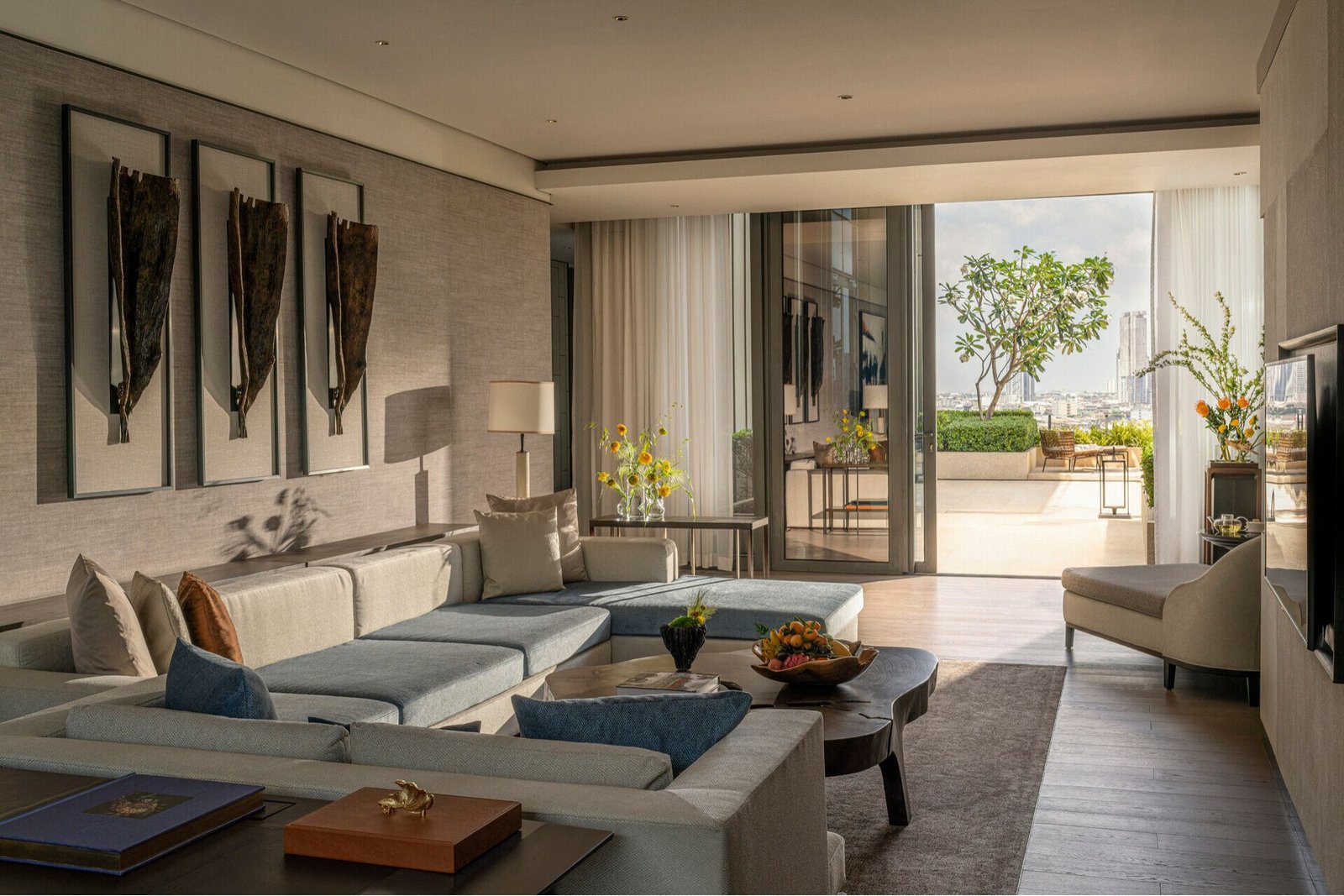
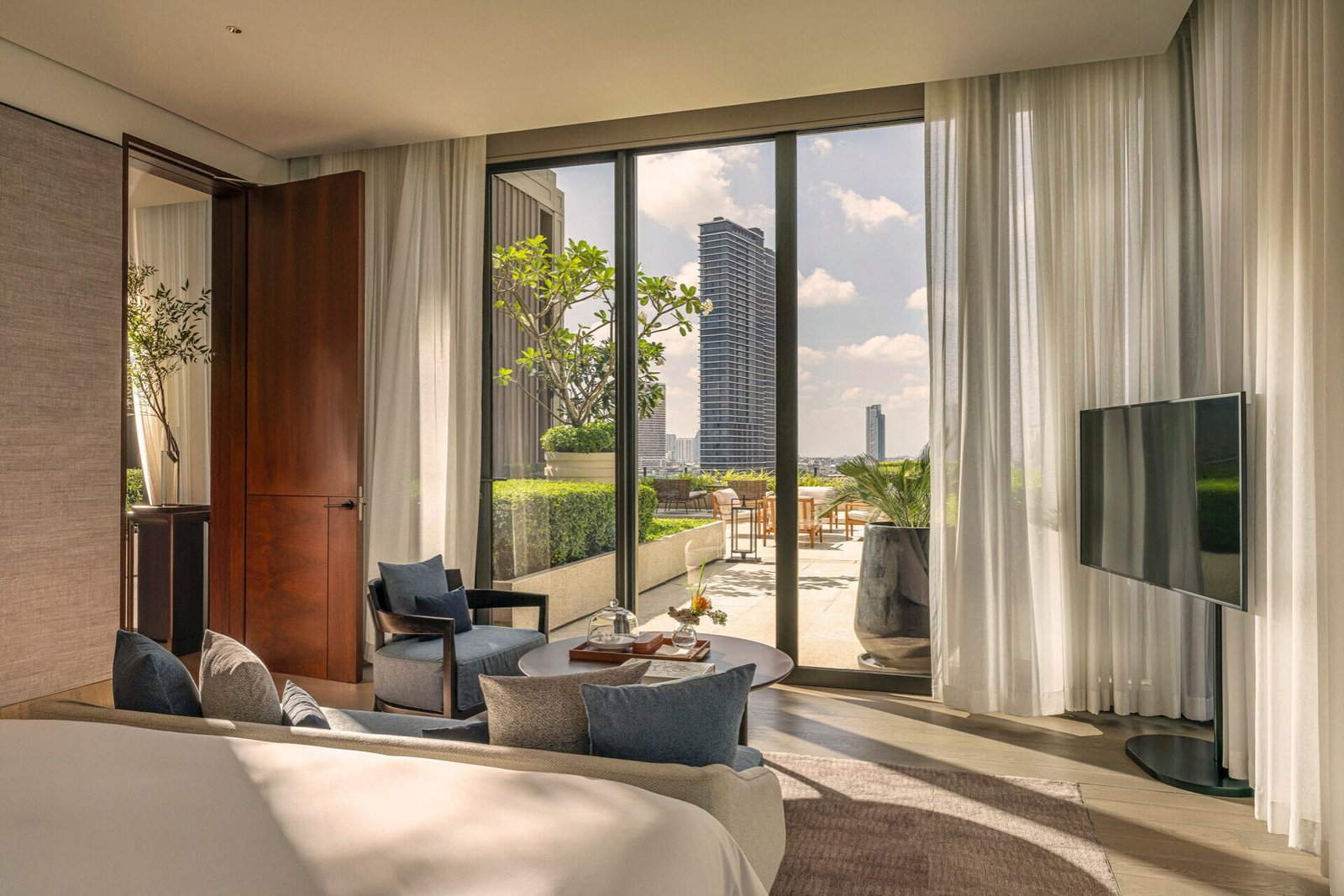
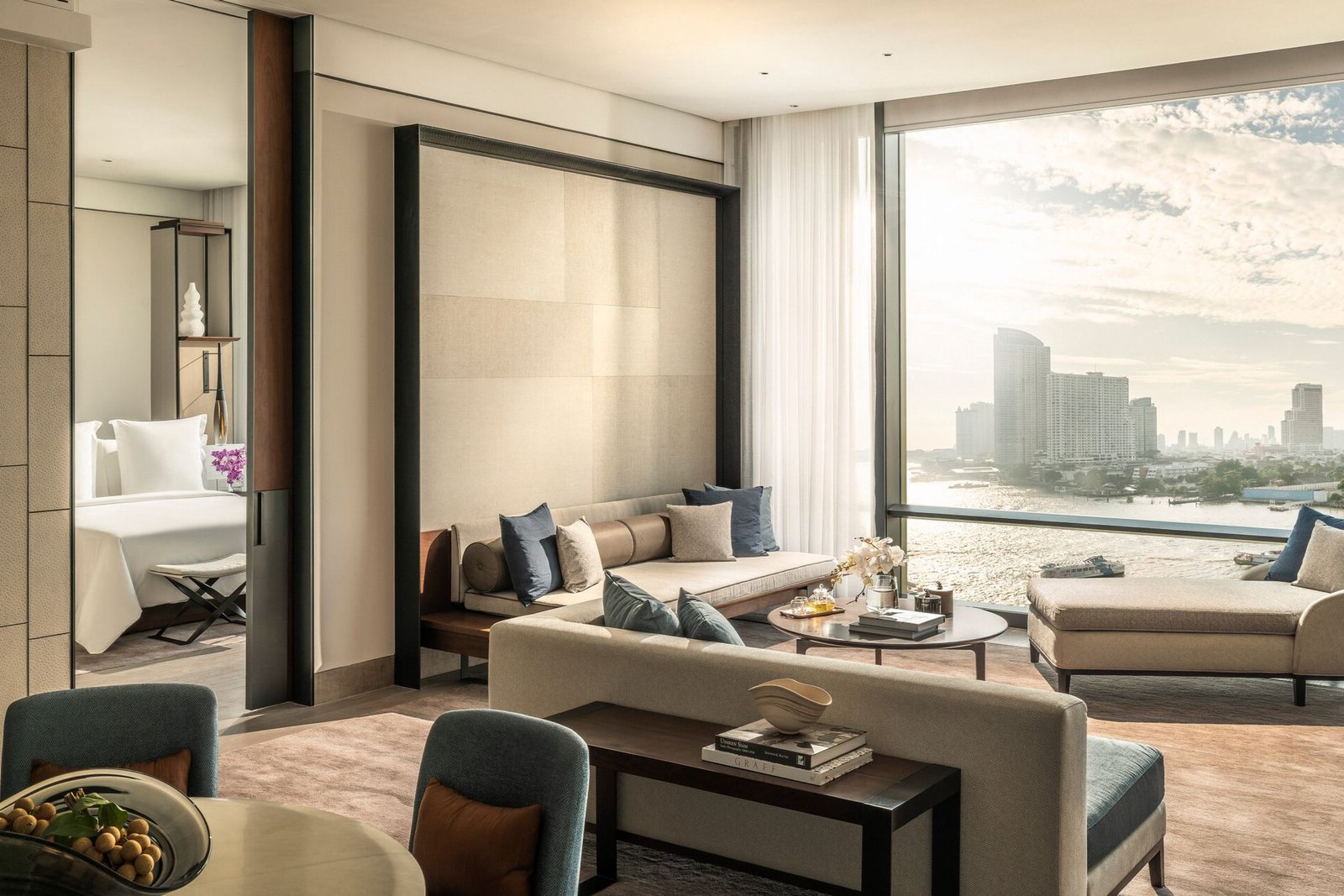
Nothing feels excessive. The luxury lies in proportion, materiality and flow. Even at full occupancy, the property maintains an unusual sense of calm — a result of Gathy’s layered spatial planning, where gardens, water features and open-air corridors continually break up the urban density surrounding it.
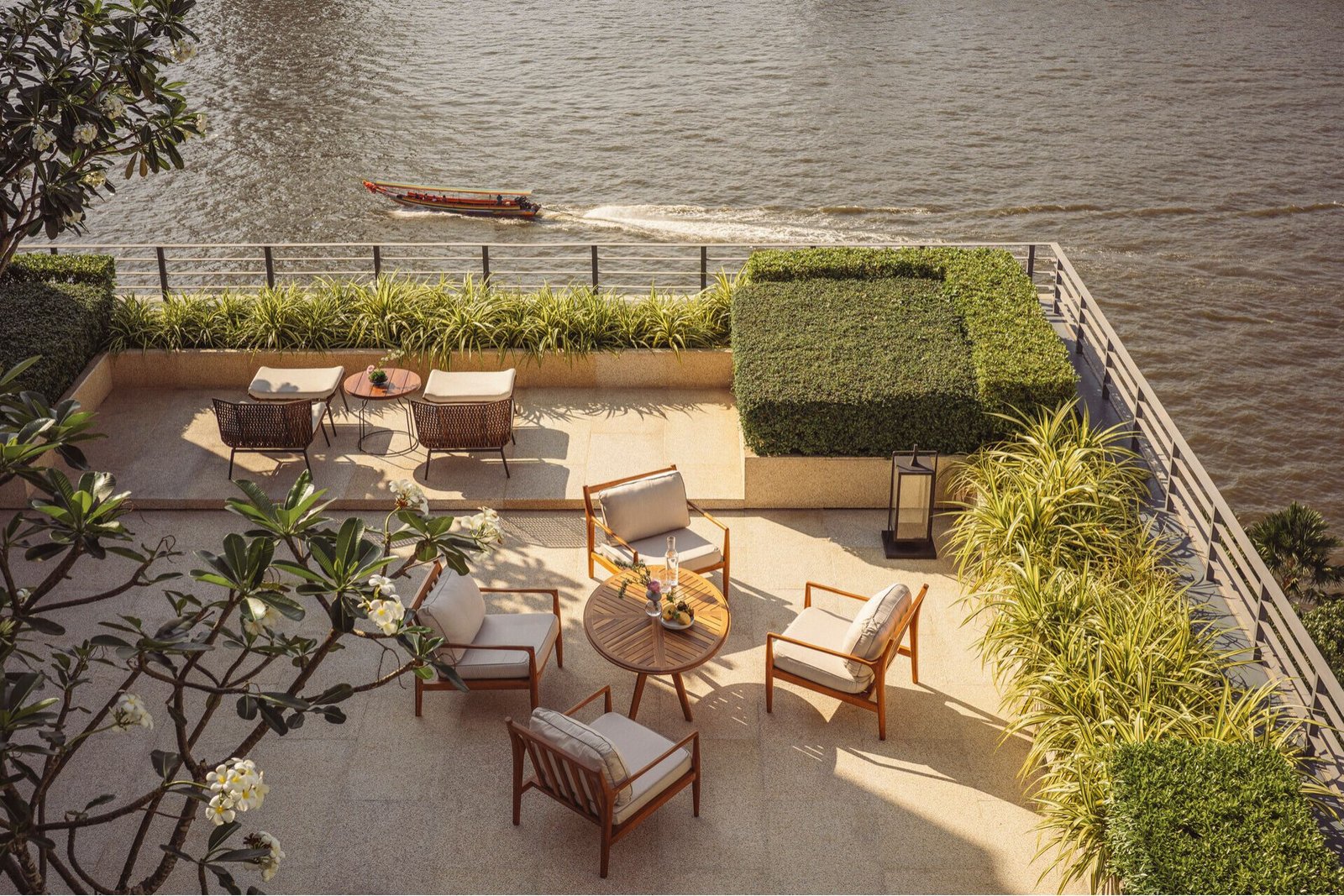
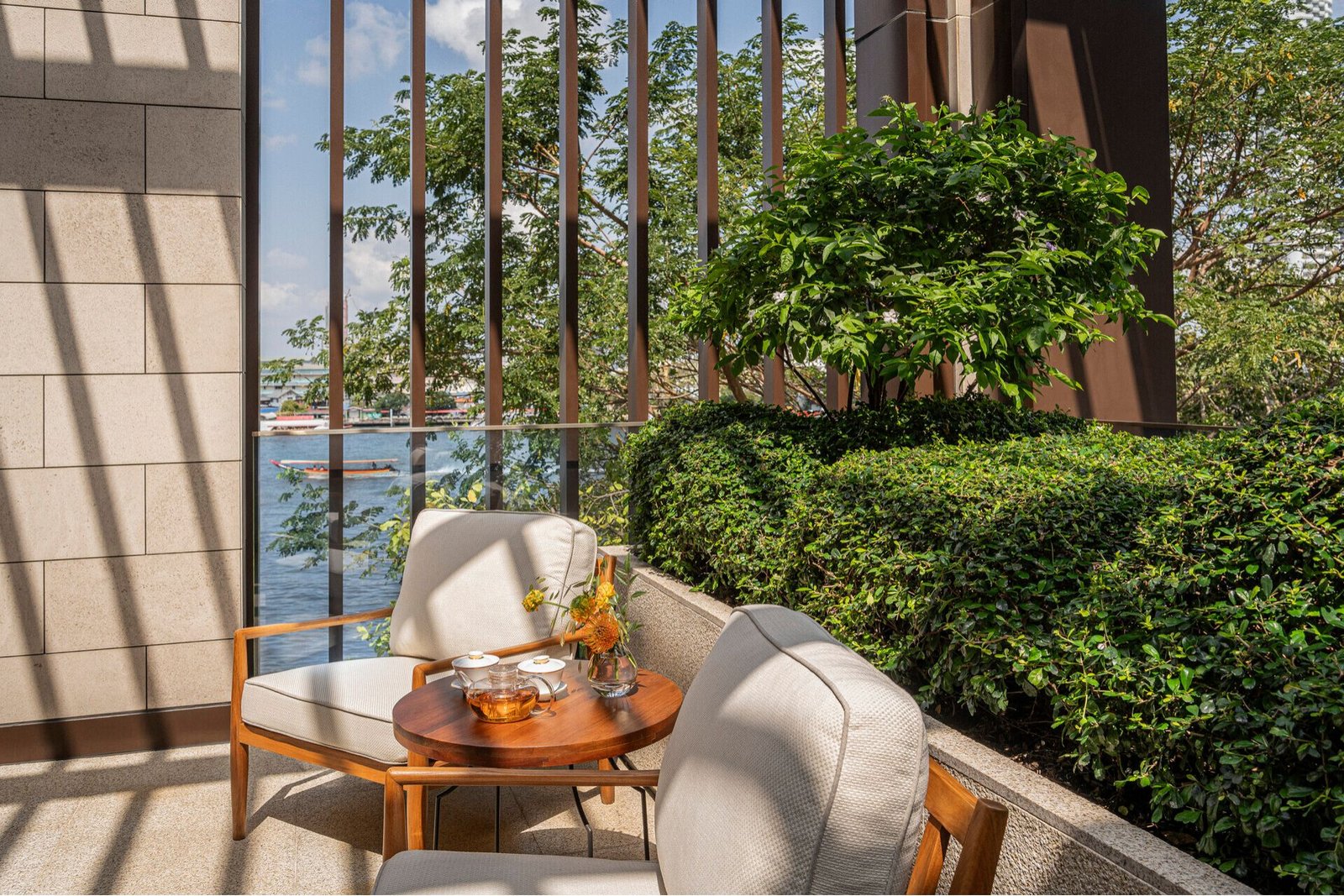
The city remains present. But never overwhelming. Nowhere is the hotel’s identity more apparent than through its food and beverage programme. In many luxury properties, restaurants exist to complement the hotel. Here, they help define it.
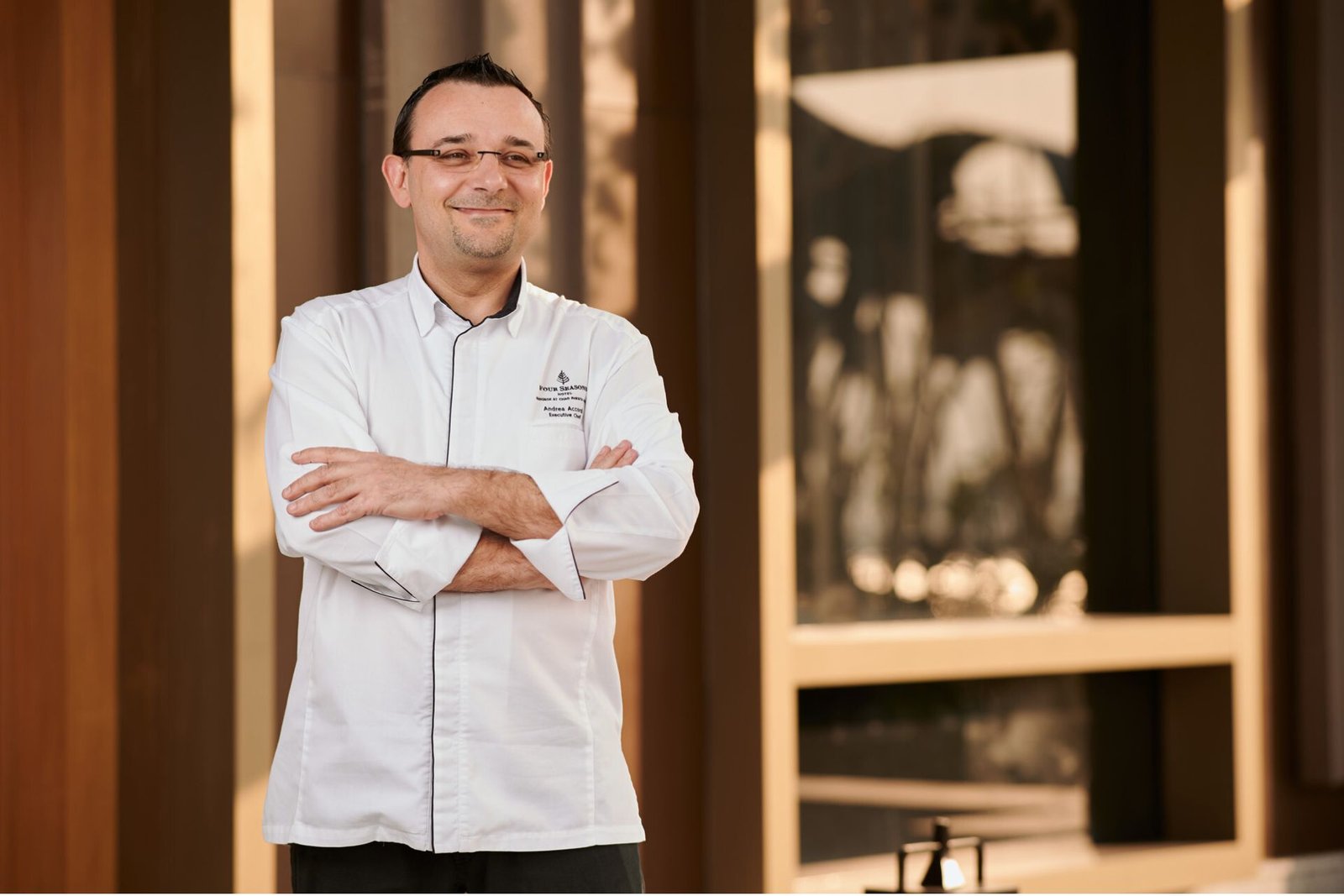
Under the direction of Michelin-starred chef Andrea Accordi and an internationally recognised culinary team, Four Seasons Bangkok has evolved into one of the city’s most significant dining destinations.
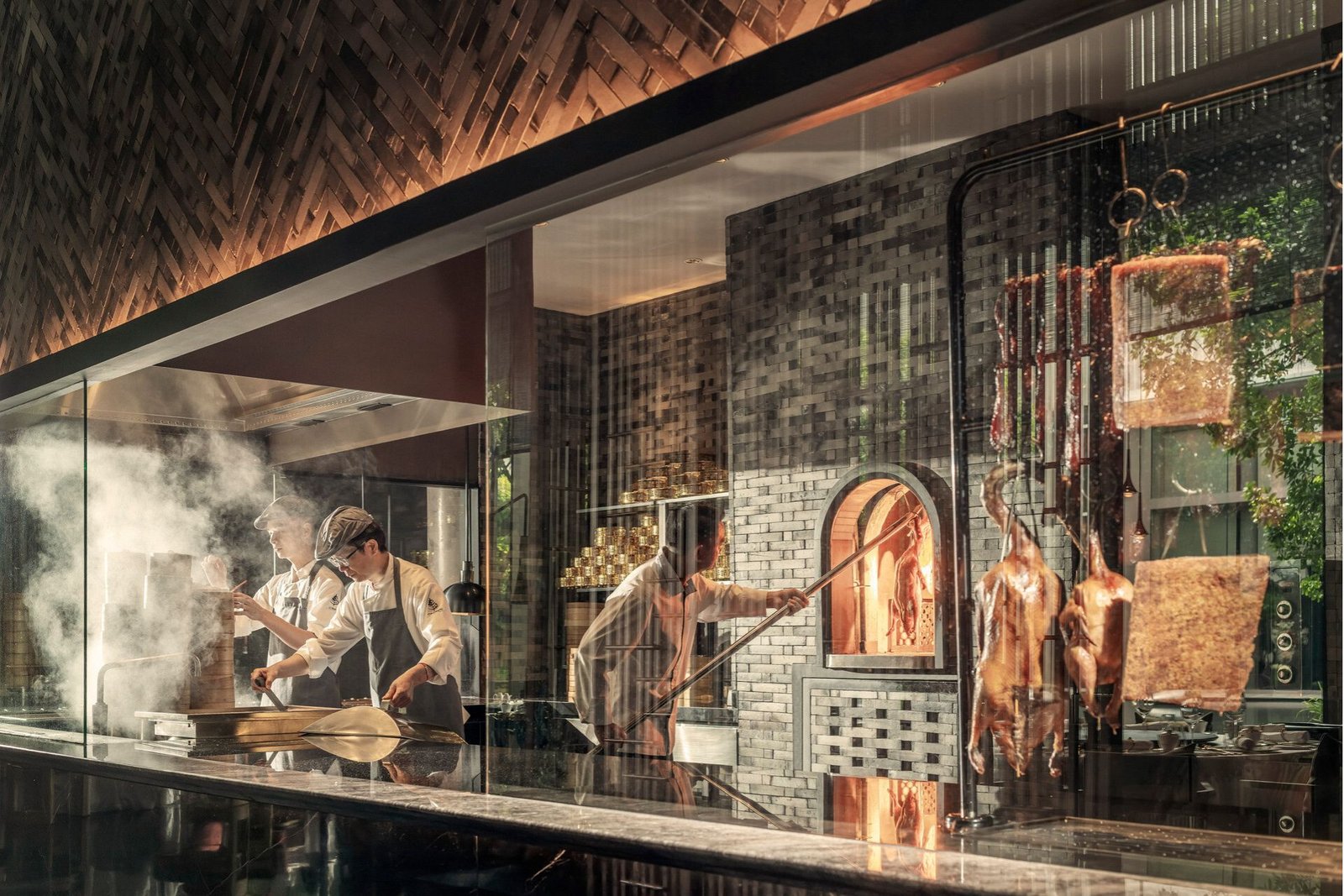
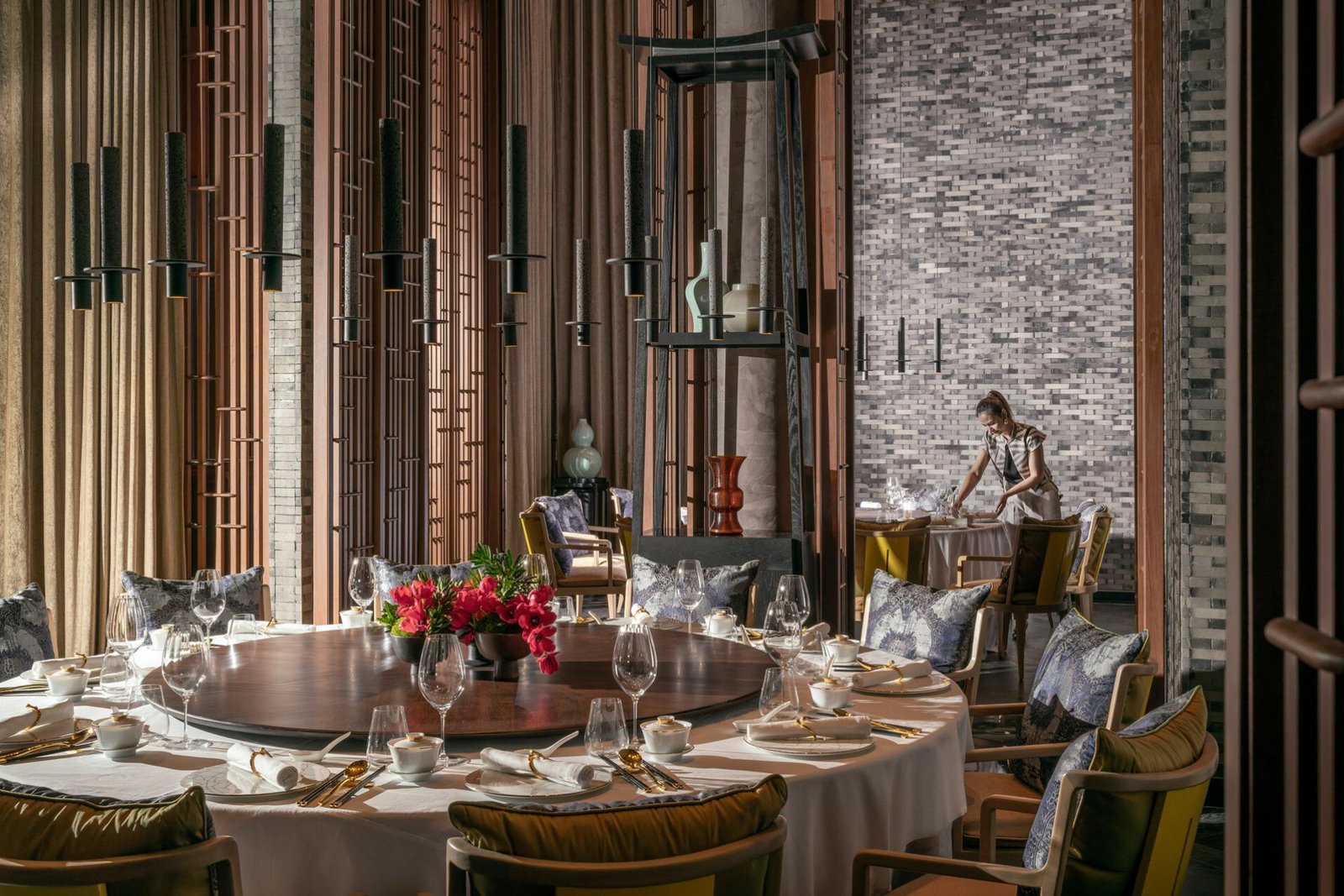
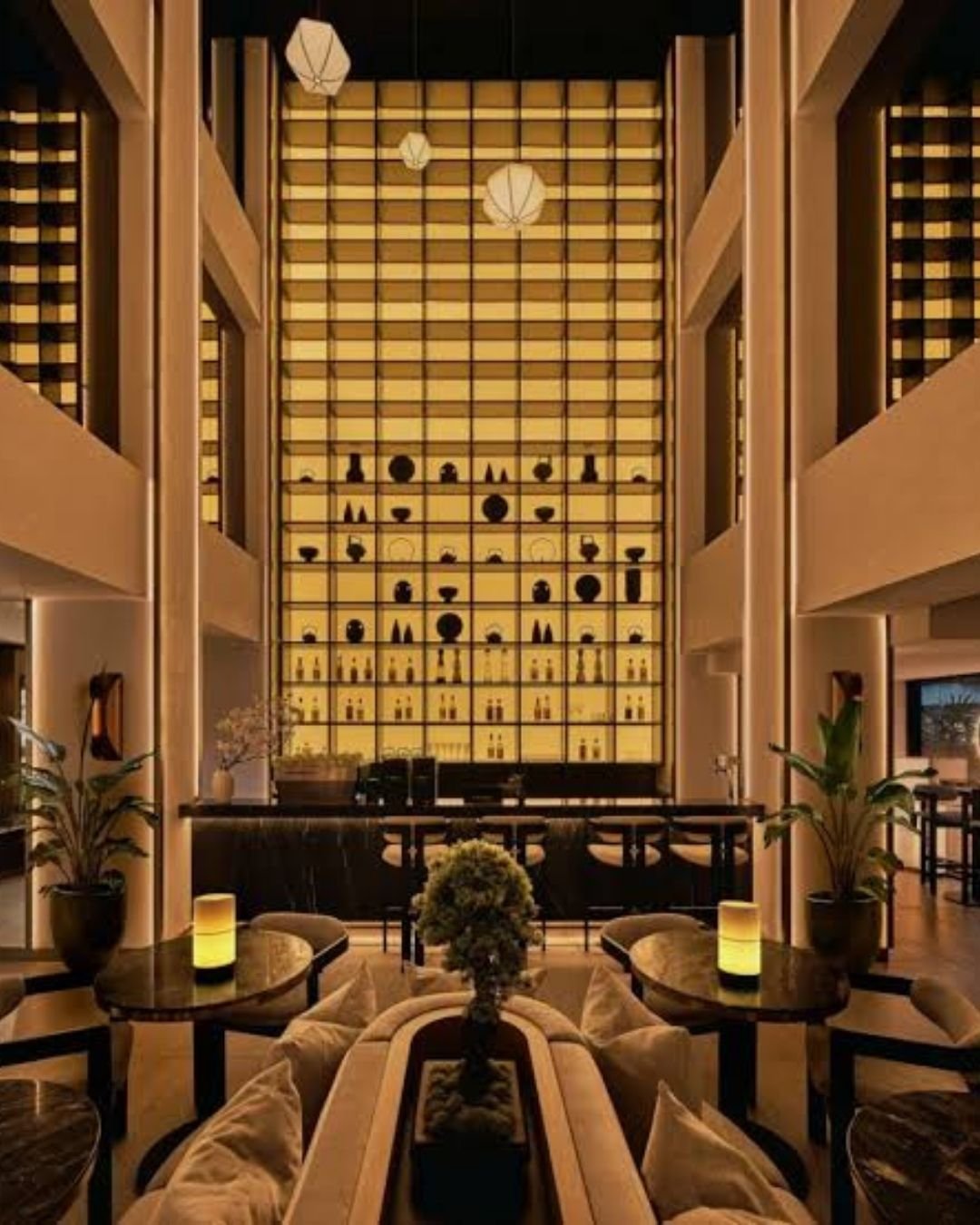
At Yu Ting Yuan, Jean-Michel Gathy’s only restaurant interior within the property, Cantonese dining is elevated through architectural drama and precision. Floor-to-ceiling windows frame reflective ponds and lush courtyards, while open kitchens reveal the choreography behind dishes such as Peking duck, dim sum and barbecue pork.
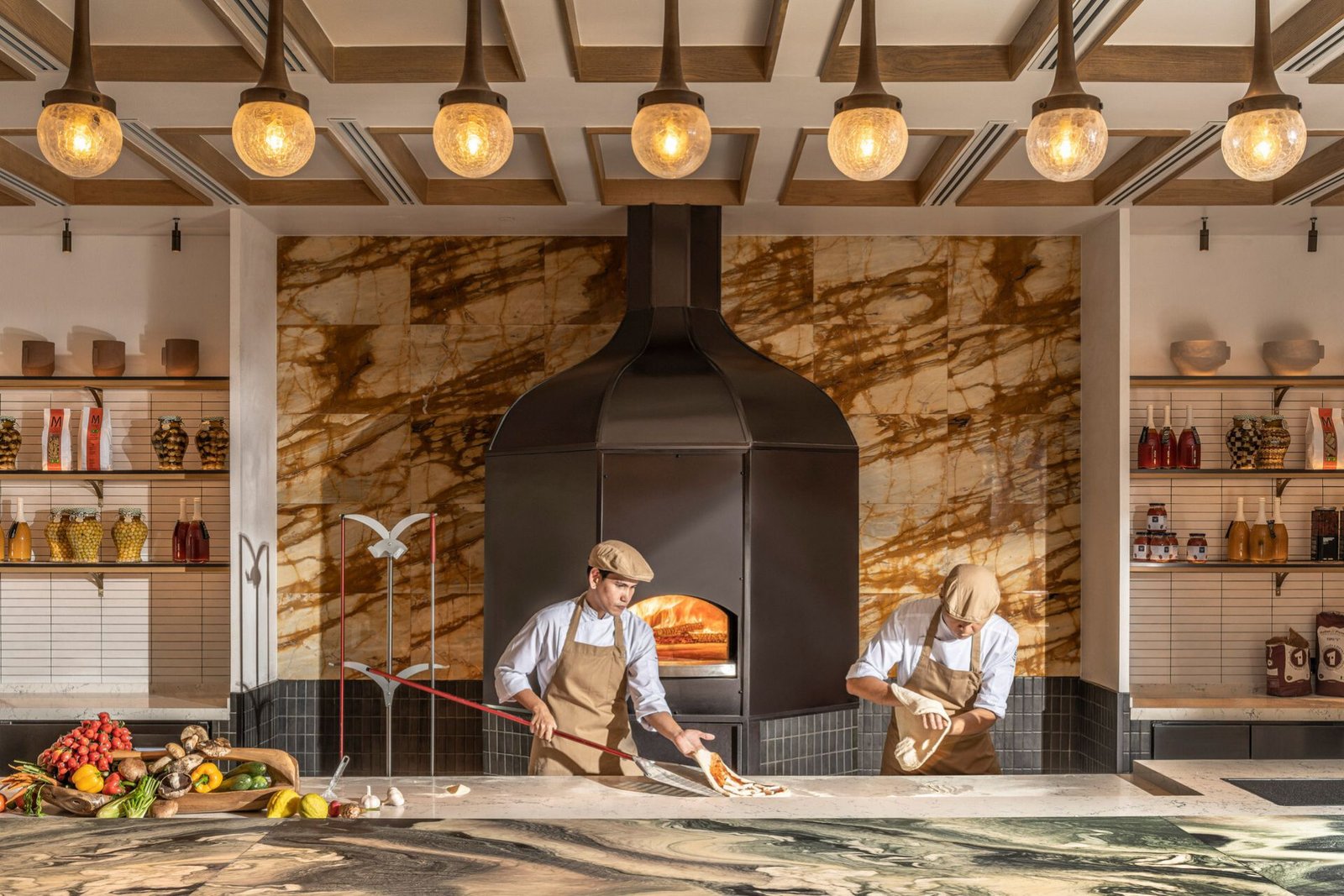
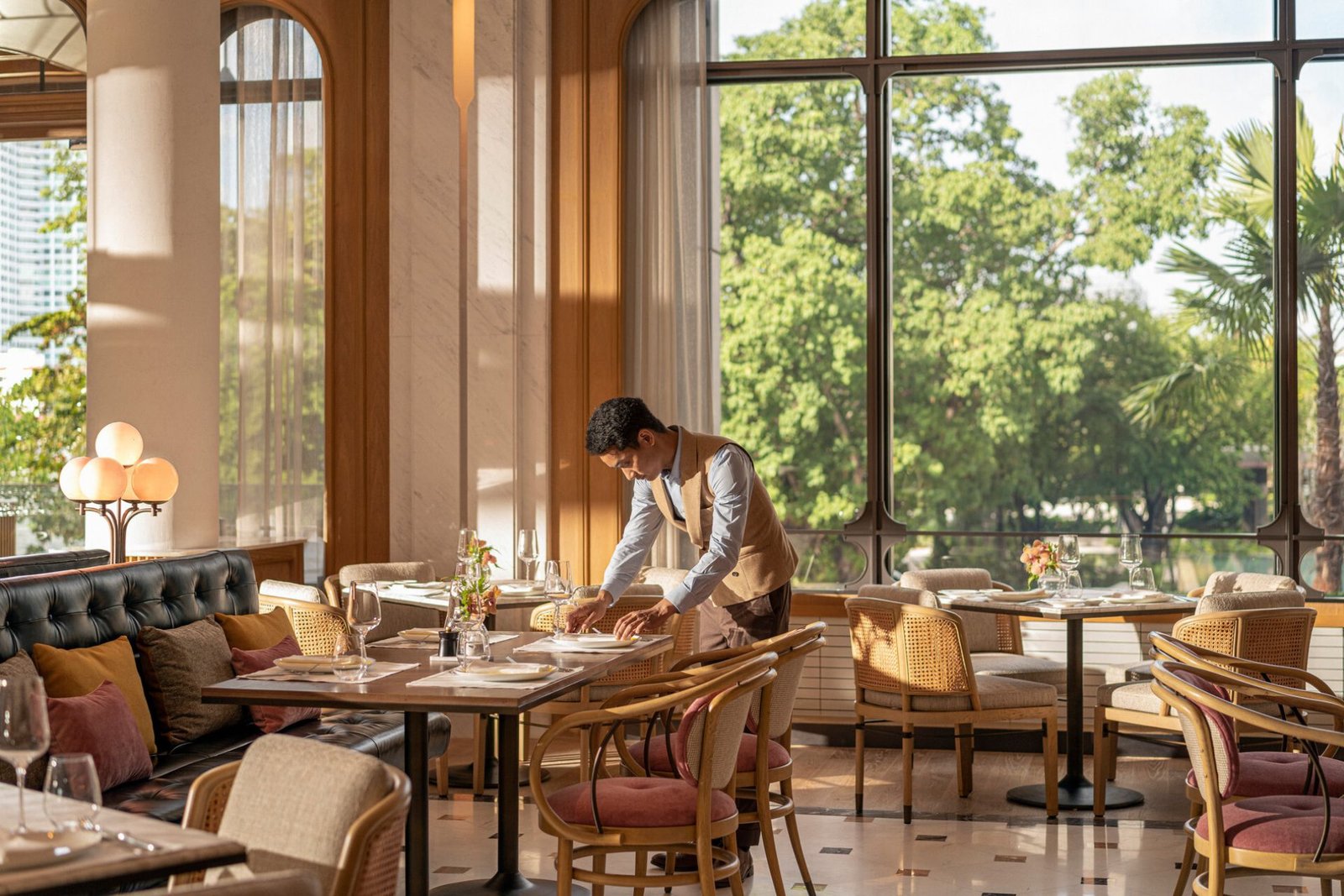
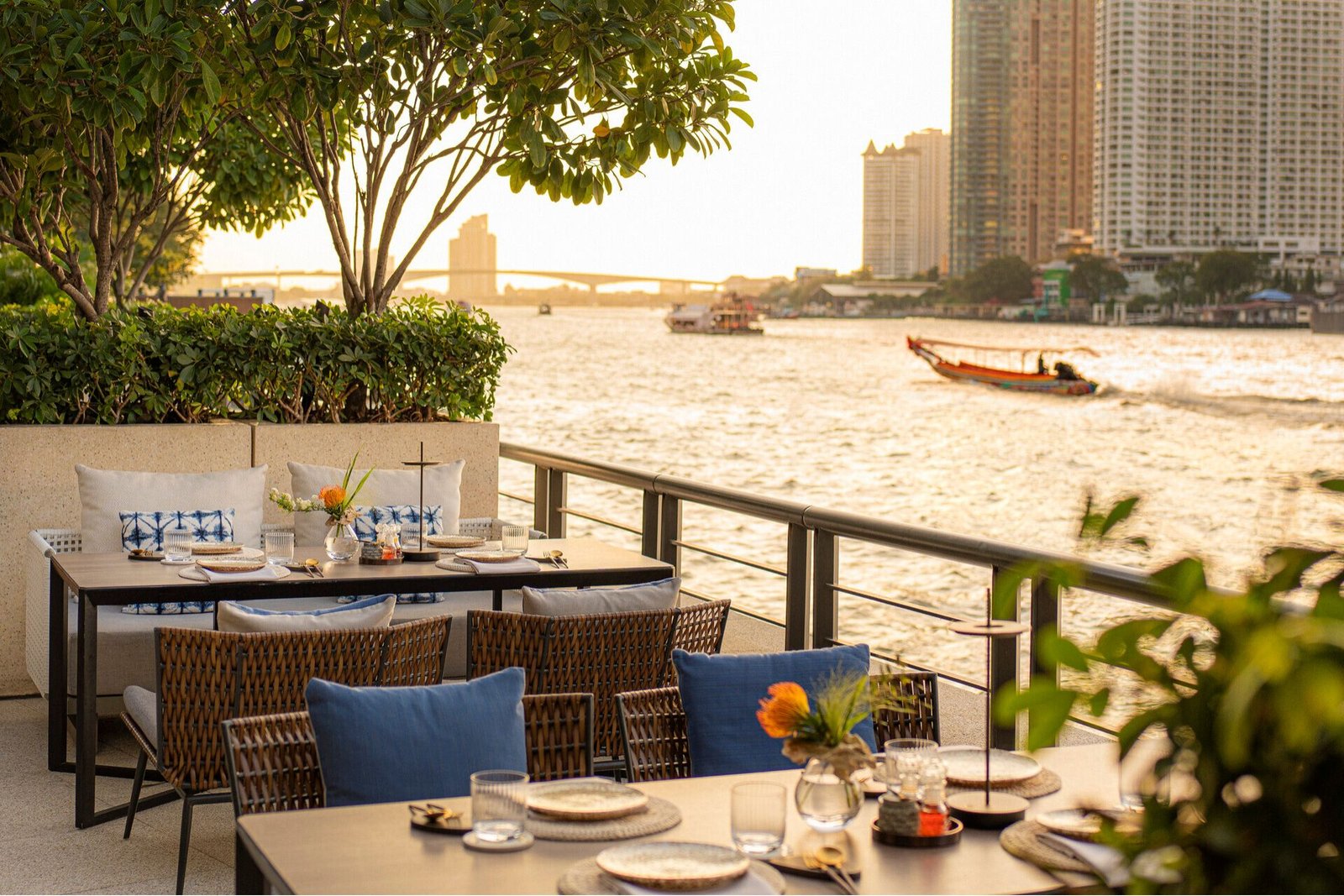
Riva del Fiume shifts the atmosphere entirely. Inspired by the villas of Lake Como, the restaurant unfolds across riverfront terraces where Italian dining feels both relaxed and deeply considered. Handmade pasta, wood-fired pizza and seasonal produce sourced with near obsessive attention to detail create an experience that is as much about atmosphere as cuisine.
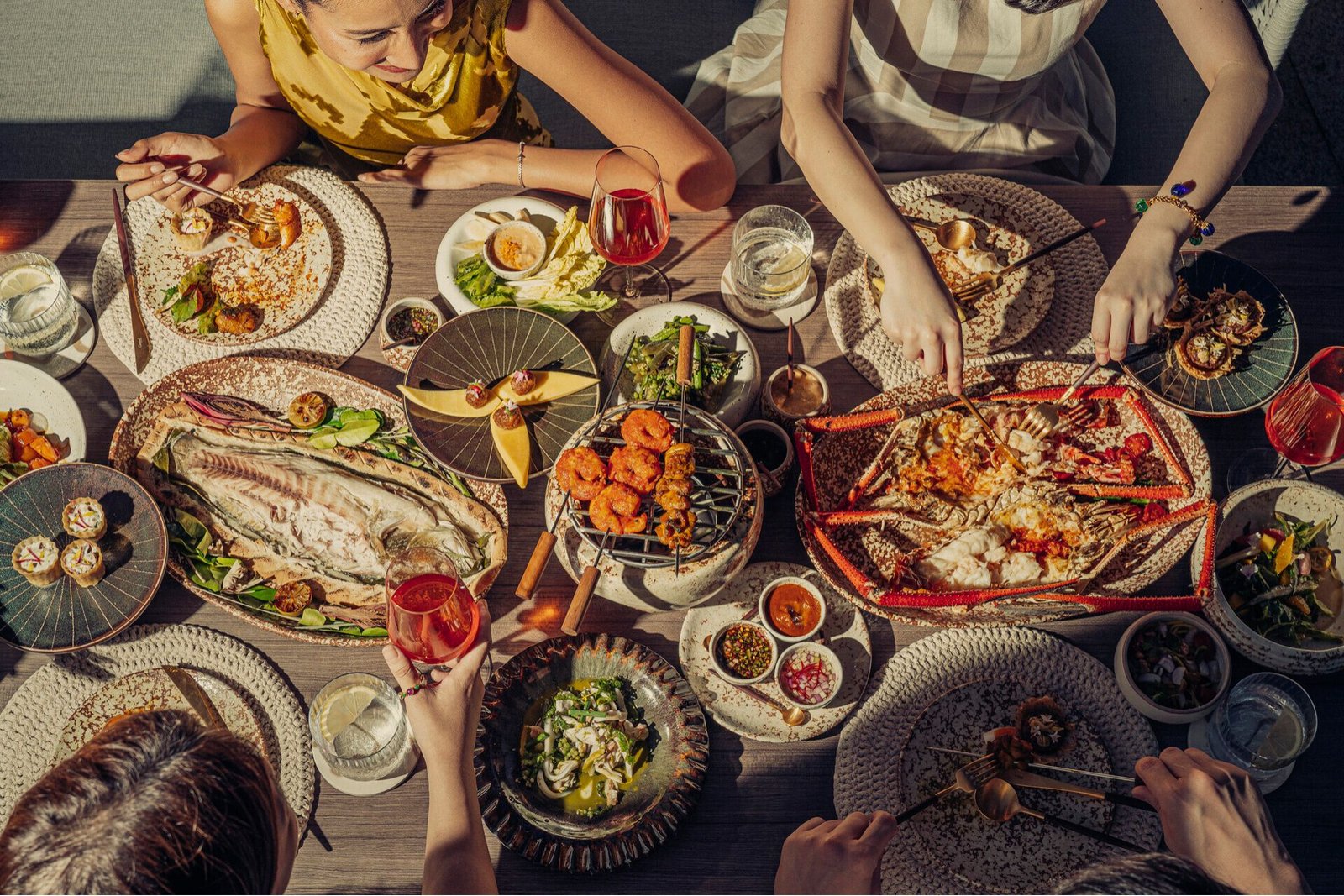
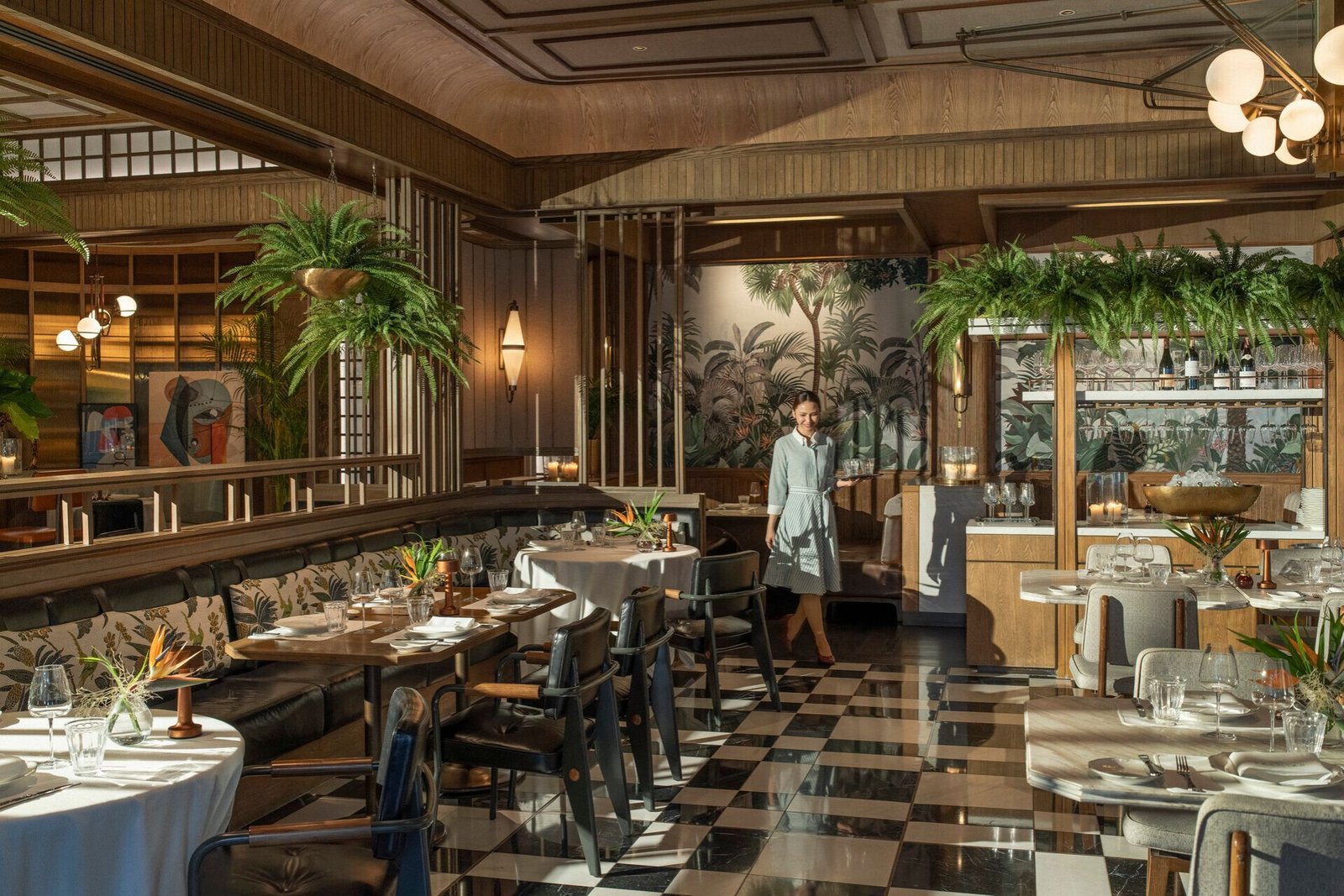
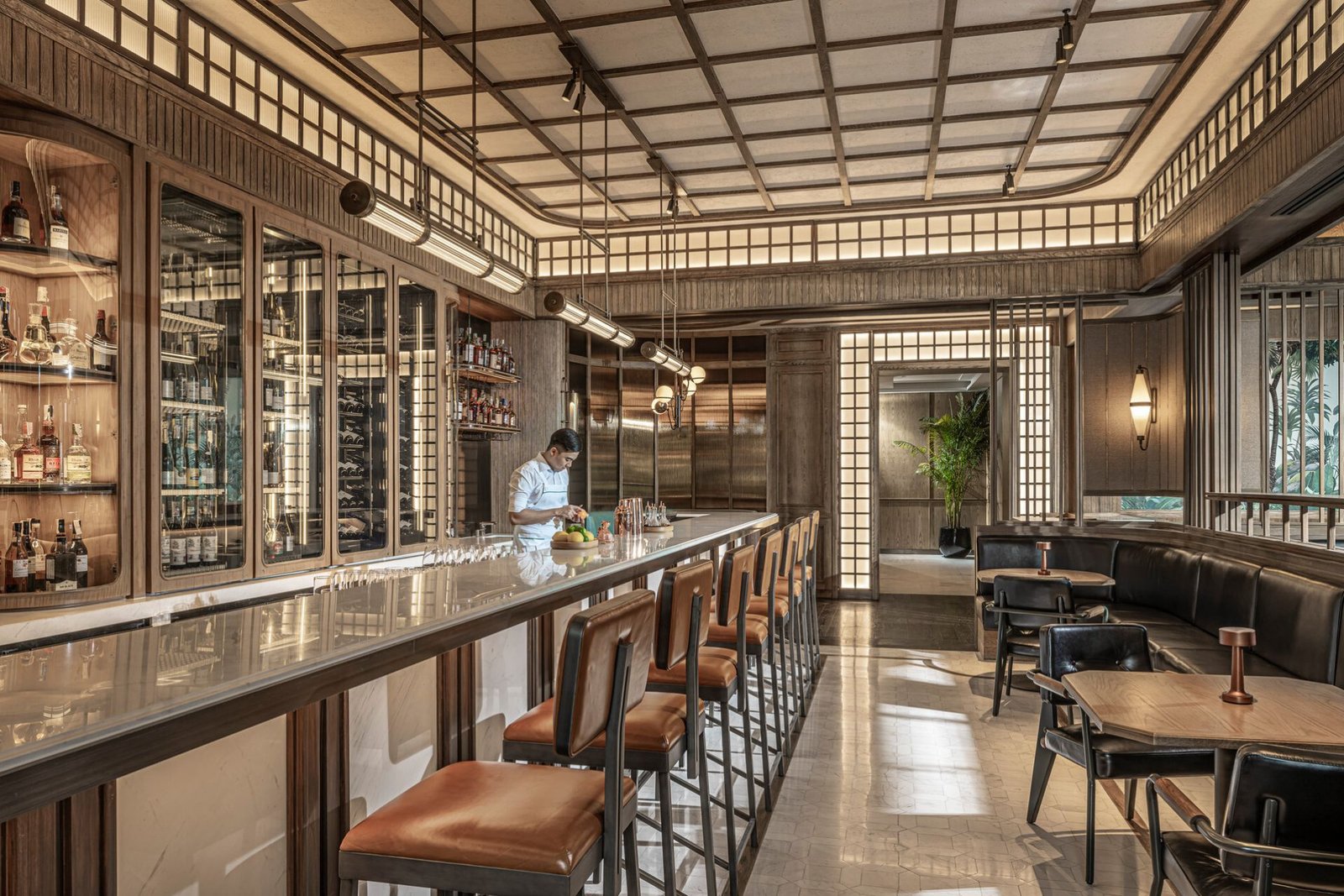
At Palmier by Guillaume Galliot, the mood becomes distinctly Parisian — albeit reinterpreted through Bangkok’s tropical riverfront setting. French brasserie classics arrive with contemporary precision, designed less around formality and more around sociability and ease.
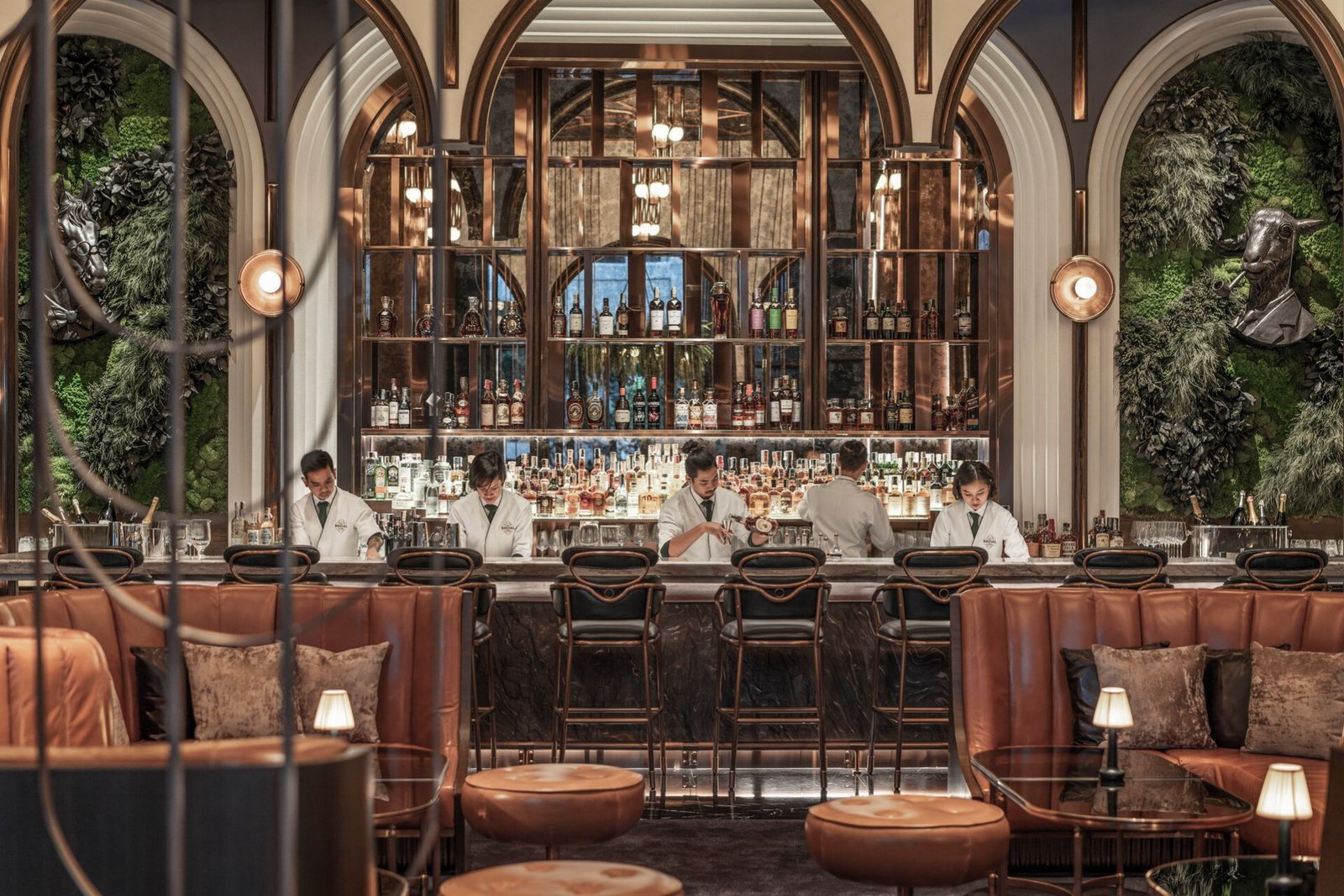
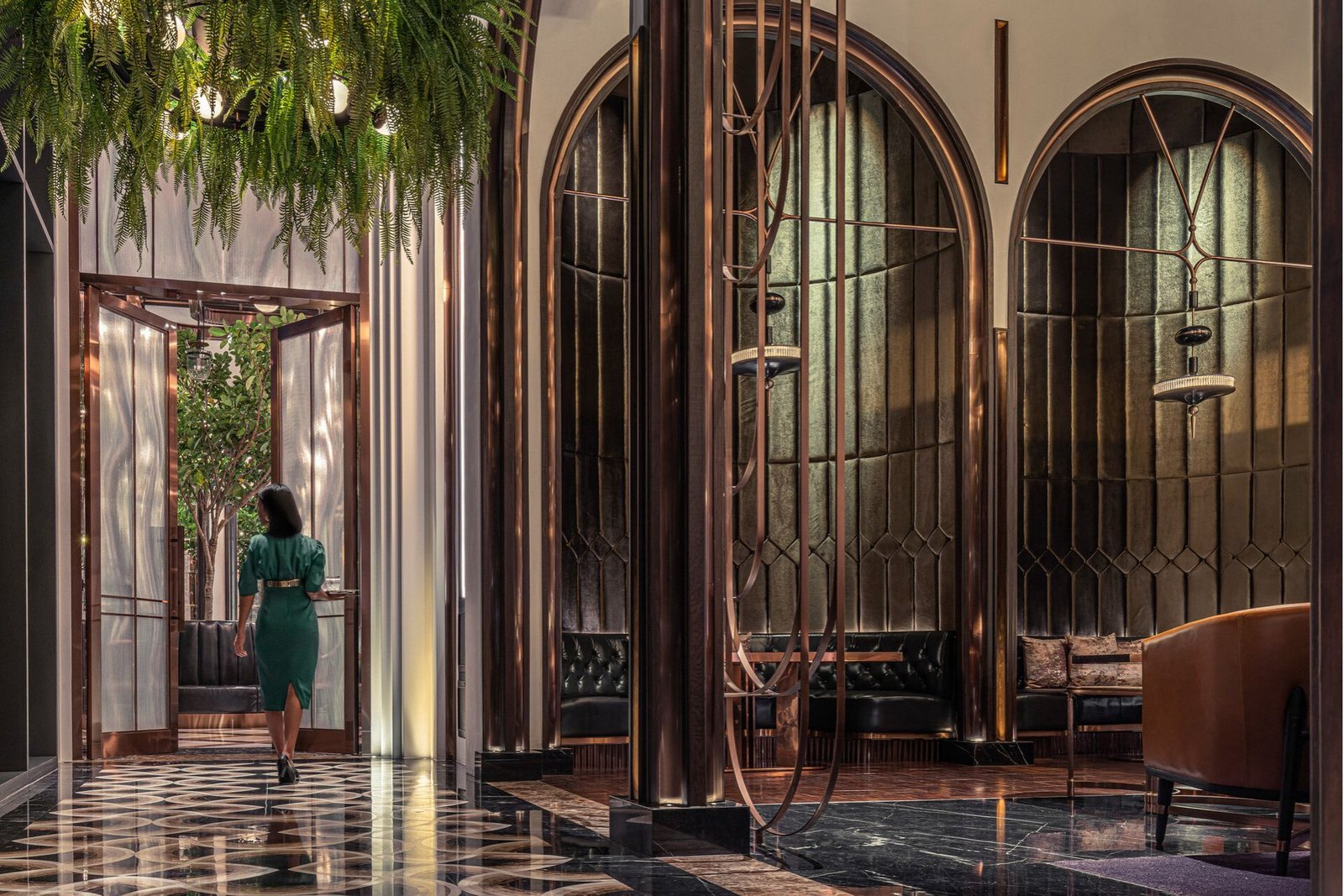
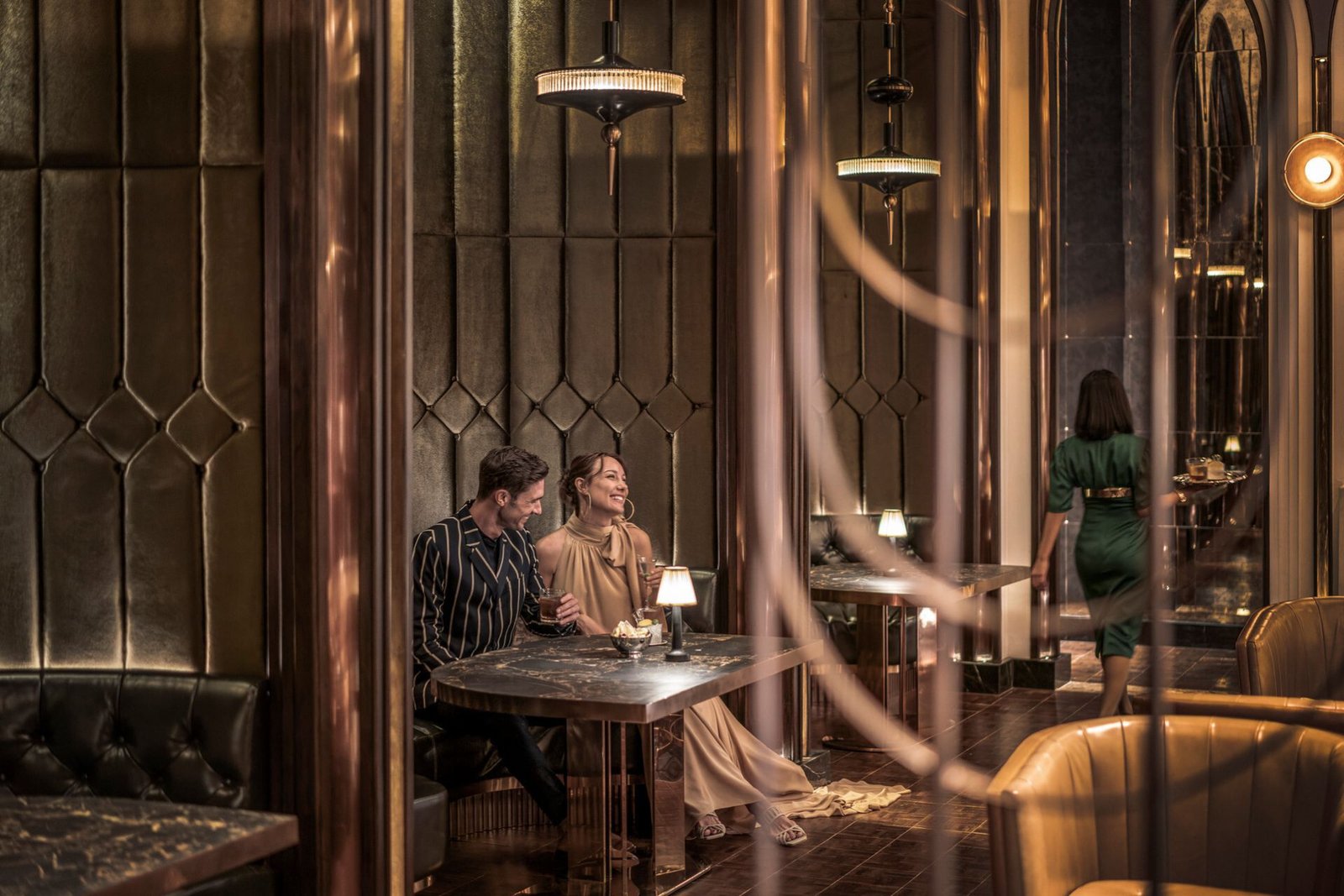
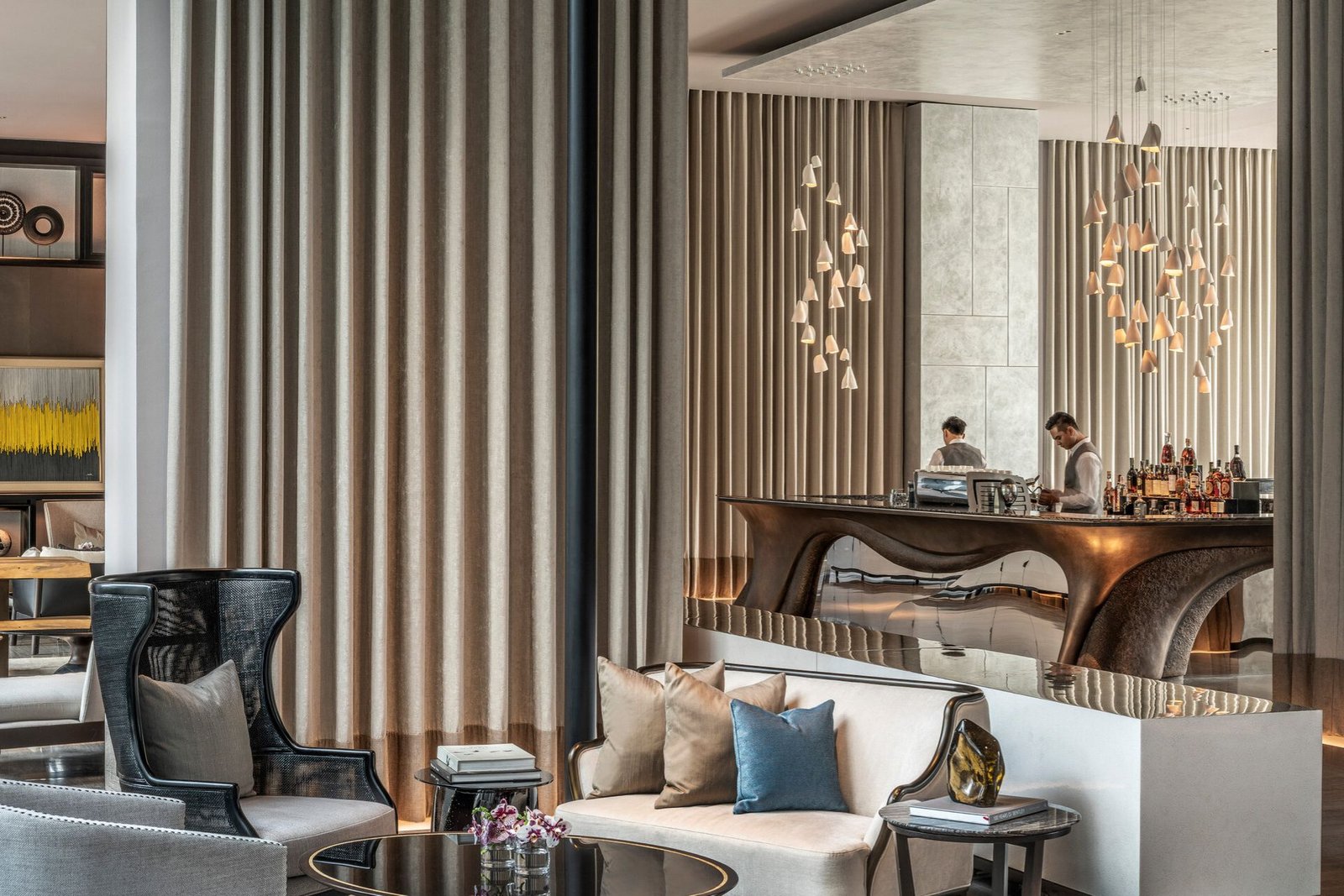
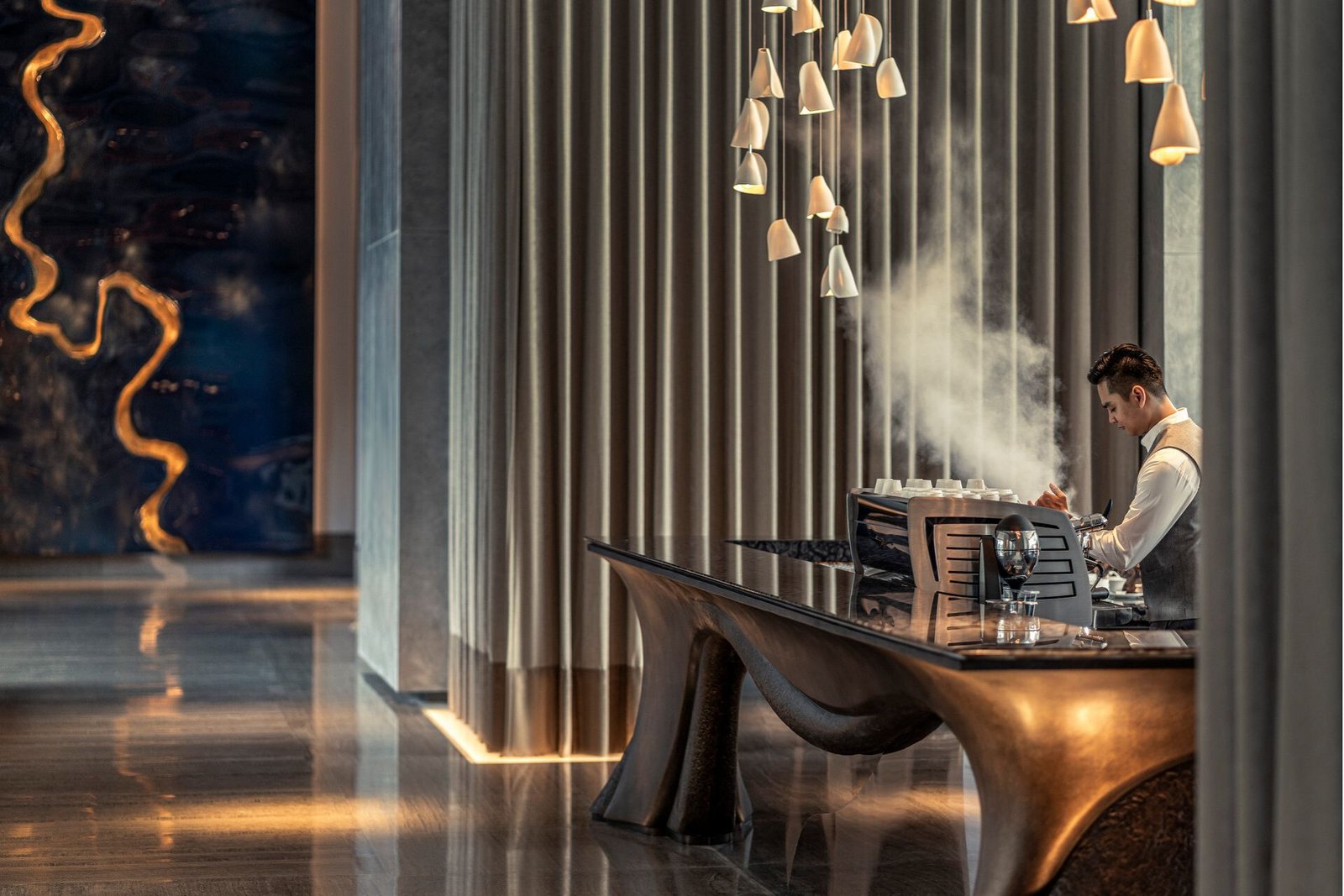
And then there is BKK Social Club. Less hotel bar than international institution, it has become one of Bangkok’s defining nightlife destinations — recently ranked among the World’s 50 Best Bars. Inspired by the glamour and energy of Latin America, the space moves effortlessly between sophistication and momentum. Art Nouveau influences, rare spirits, bespoke cocktails and a soundtrack shaped by Latin rhythms create a setting that feels cinematic without becoming theatrical.
Like the city itself, it thrives on contrast. Wellbeing, too, has been approached through the lens of contemporary urban life rather than traditional retreat culture.
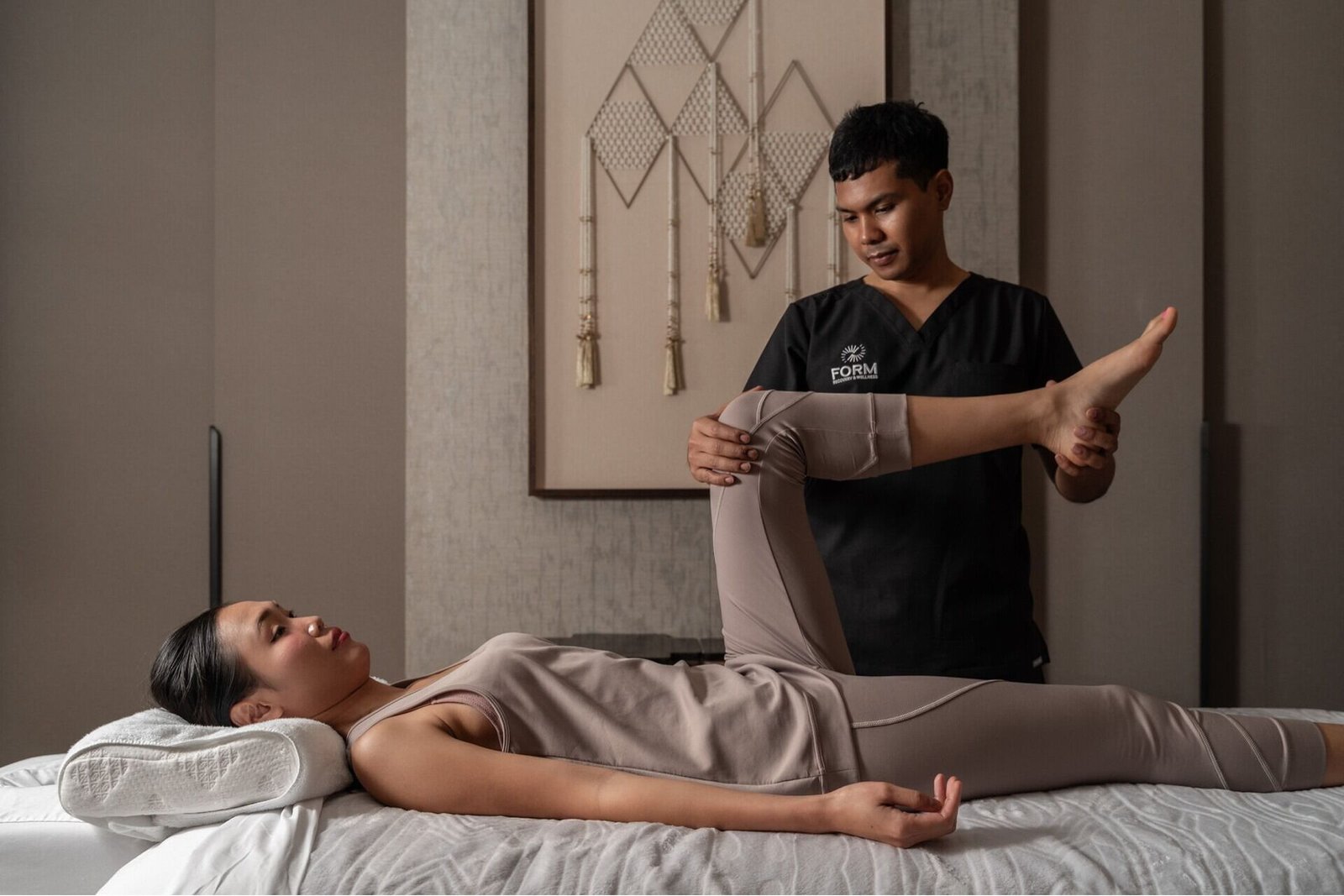
At the Urban Wellness Centre, the focus extends beyond spa treatments into a broader philosophy built around movement, recovery and longevity. Spanning more than 2,500 square metres, the space integrates fitness, mindfulness and advanced recovery practices into a single ecosystem designed to support modern lifestyles rather than disconnect from them. The approach is notably holistic.
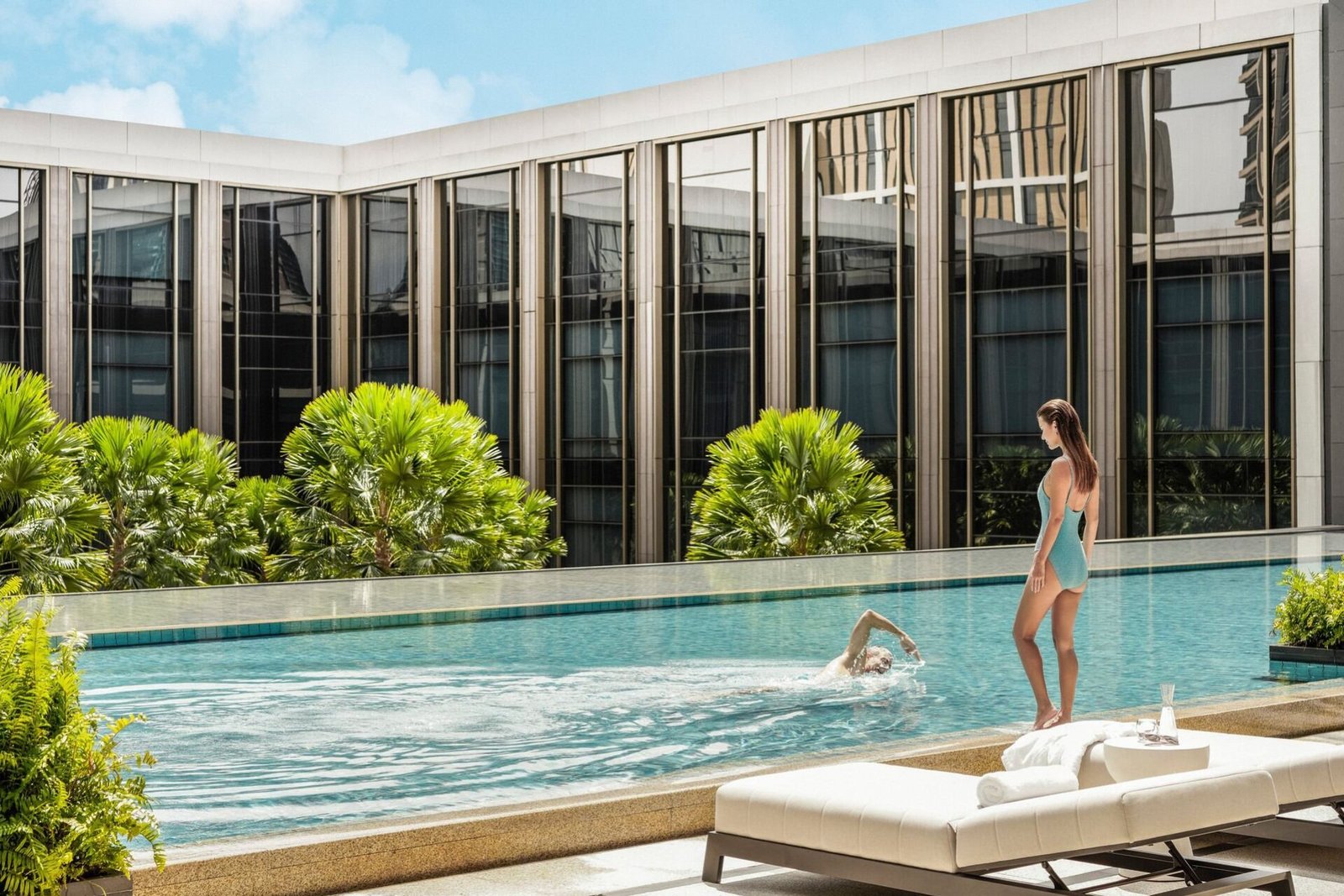
A 24-hour fitness centre designed by Jean-Michel Gathy sits alongside movement studios, a Muay Thai ring, vitality pools, ice baths and herbal steam rooms. Elsewhere, guided meditation, reiki, acupuncture and physiotherapy programmes reflect a growing emphasis on preventative wellbeing and sustainable balance.
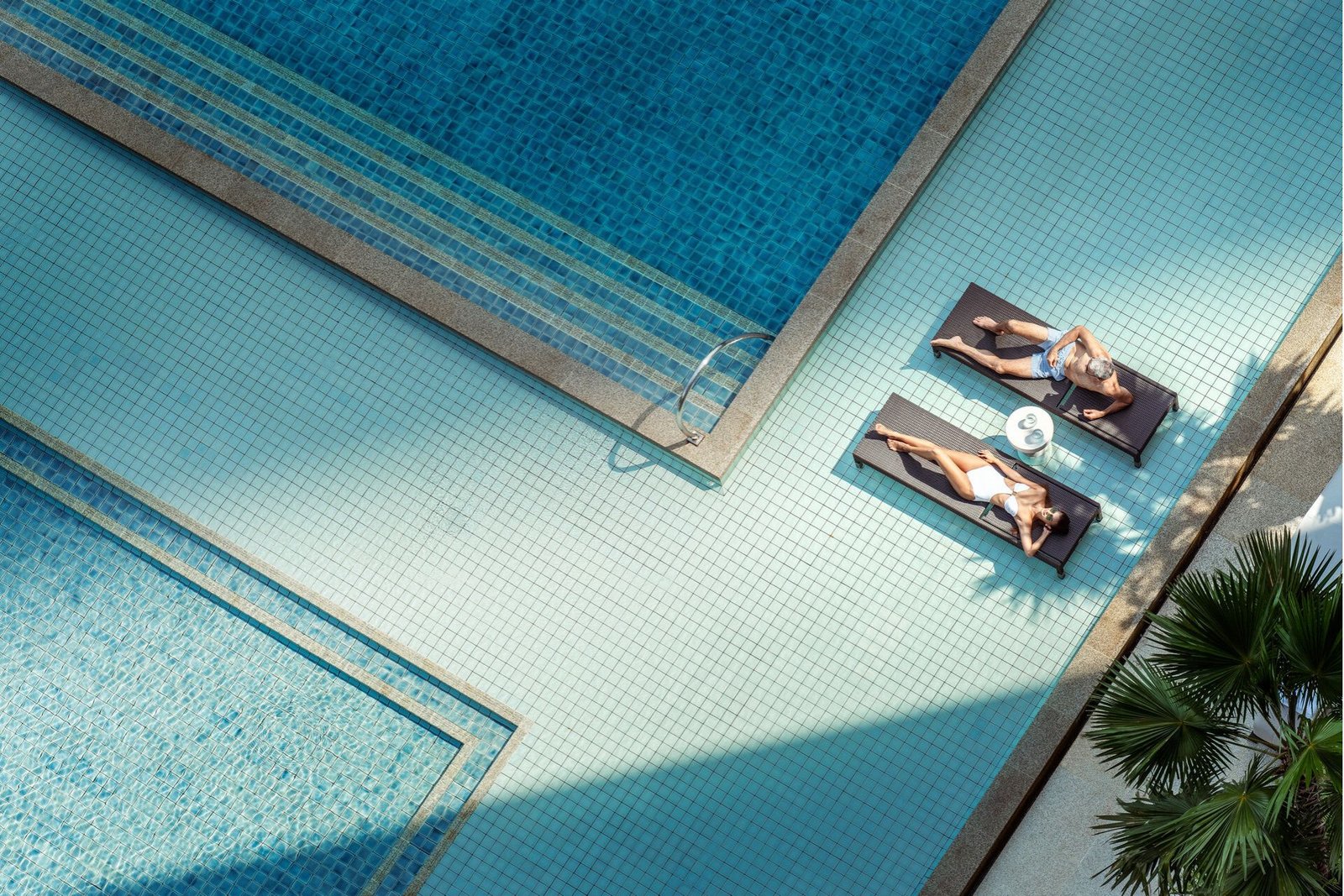
This is not wellness as escape. It is wellness designed for the realities of contemporary life. The deeper achievement of Four Seasons Bangkok is not simply its design, or even its accolades — though both are considerable.
Recently named the No. 2 Best Hotel in the World by The World’s 50 Best Hotels and awarded Two Michelin Keys, the property has quickly become one of the defining luxury addresses in Asia. But what makes it compelling is something less tangible. It understands modern Bangkok.
Not the version built for postcards, but the city as it exists now — creative, international, design-conscious and culturally fluid. And rather than separating guests from that energy, the hotel draws them directly into it.
As evening settles across the river, the atmosphere shifts once again. Lights begin to reflect against the water. Boats move slowly along the Chao Phraya. Conversations drift between terraces, bars and courtyards. Somewhere between the city and the river, the hotel finds its rhythm.
Not removed from Bangkok. Entirely connected to it. Four Seasons Hotel Bangkok at Chao Phraya River represents a new generation of luxury hospitality — one less concerned with formality and more focused on how people want to live, gather and experience cities today. Open rather than enclosed. Cultural rather than performative. International, but unmistakably Bangkok. And in a city defined by movement, that clarity feels increasingly rare.