



Mohamed Alabbar did not develop real estate. He engineered an entire city — building the address that redefined what Dubai was capable of being, and proving that placemaking at sovereign scale is the most defensible investment thesis in the world.
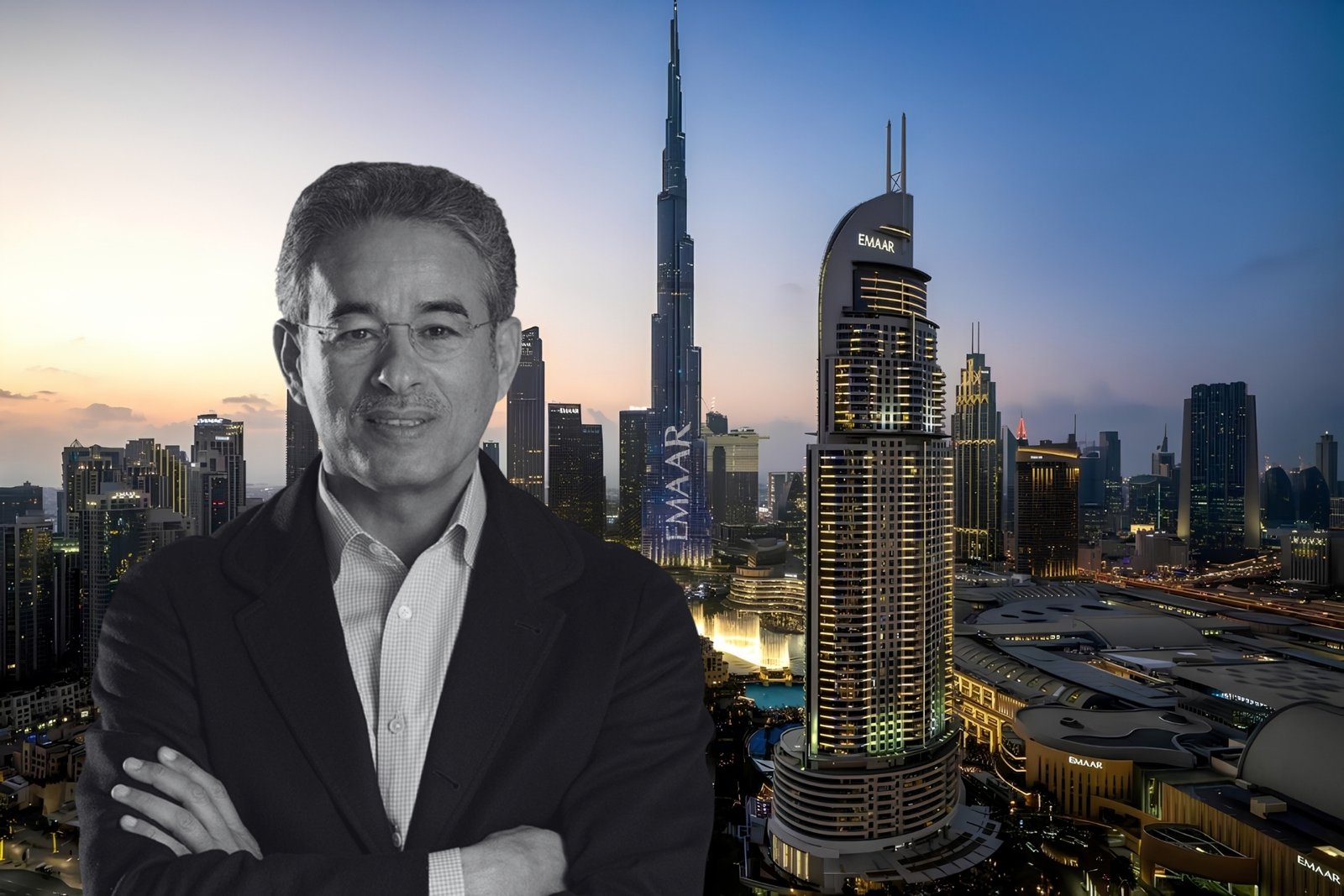
His career began not in development, but in economic strategy — as Director General of the Dubai Department of Economic Development, working directly with Sheikh Mohammed bin Rashid Al Maktoum to shape the emirate’s commercial future. Emaar was the instrument through which that strategy became physical. From the first apartment towers in 2001 to the Burj Khalifa in 2010, every project was built around the same conviction: that irreplaceable addresses are engineered, not found.
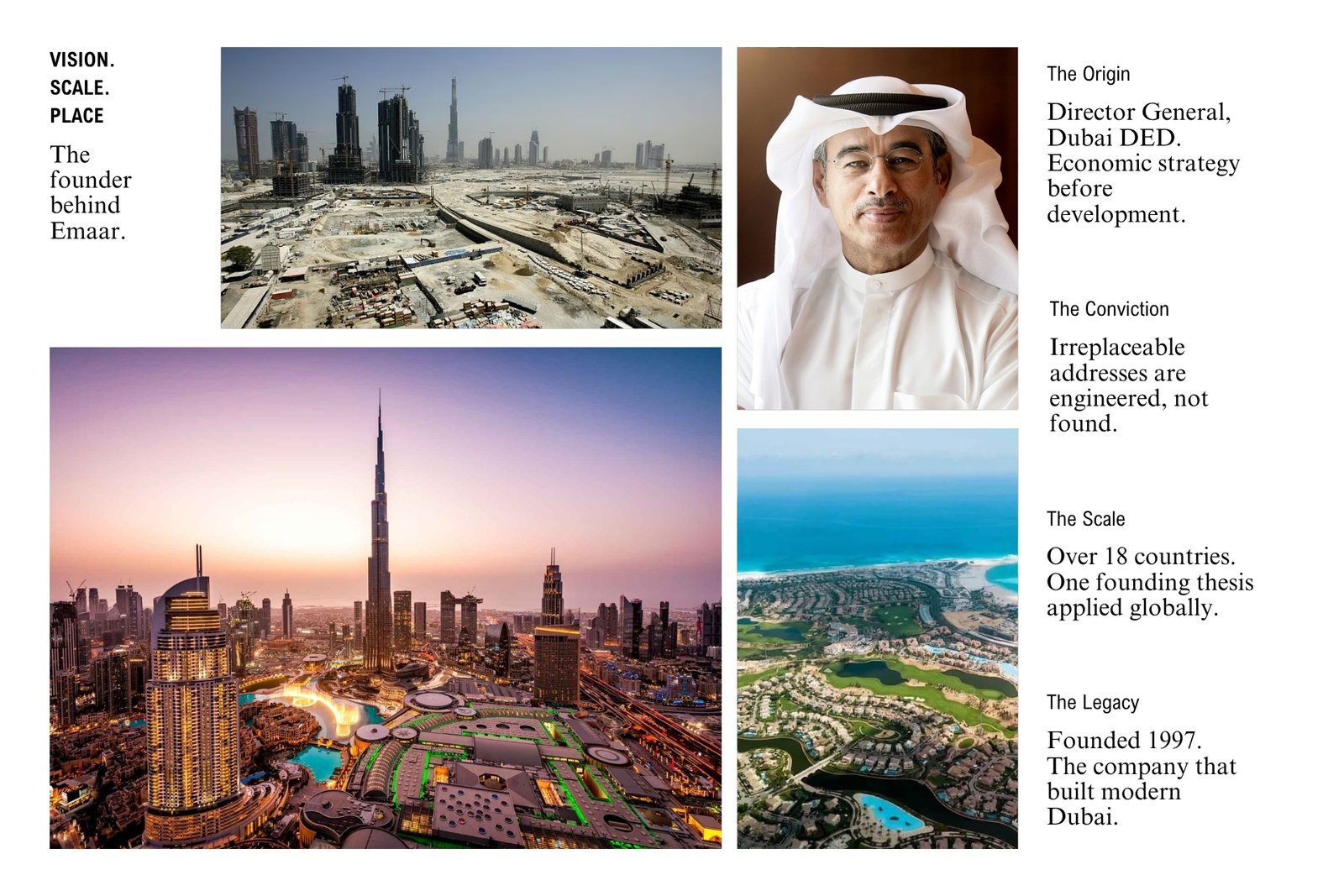
Emaar was built from that conviction. The belief that a development company, properly conceived, is not a buildings business — it is a city-building platform. That trust, built through delivering on promises at a scale most developers never attempt, created an asset that compounds in value with every new development surrounding it. Alabbar’s ventures since — Eagle Hills, Noon.com, Americana, Zand Bank — each extend that same founder’s logic into a new sector.
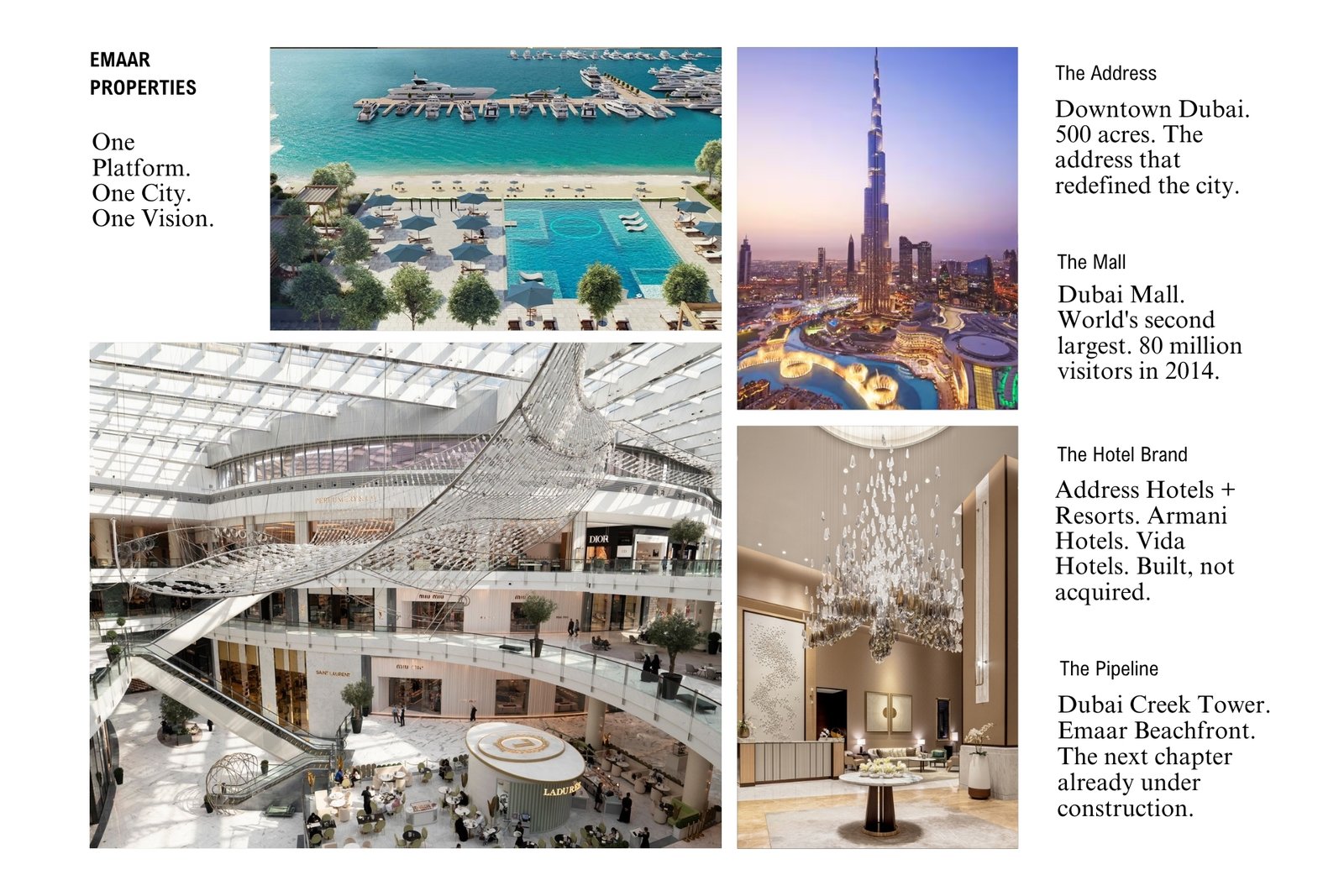
Emaar Properties: A real estate platform that turned 500 acres of undeveloped land into the most valuable address in the Middle East — anchored by the world’s tallest building, the world’s second largest mall, and a hotel brand portfolio that now operates across the Gulf and internationally.
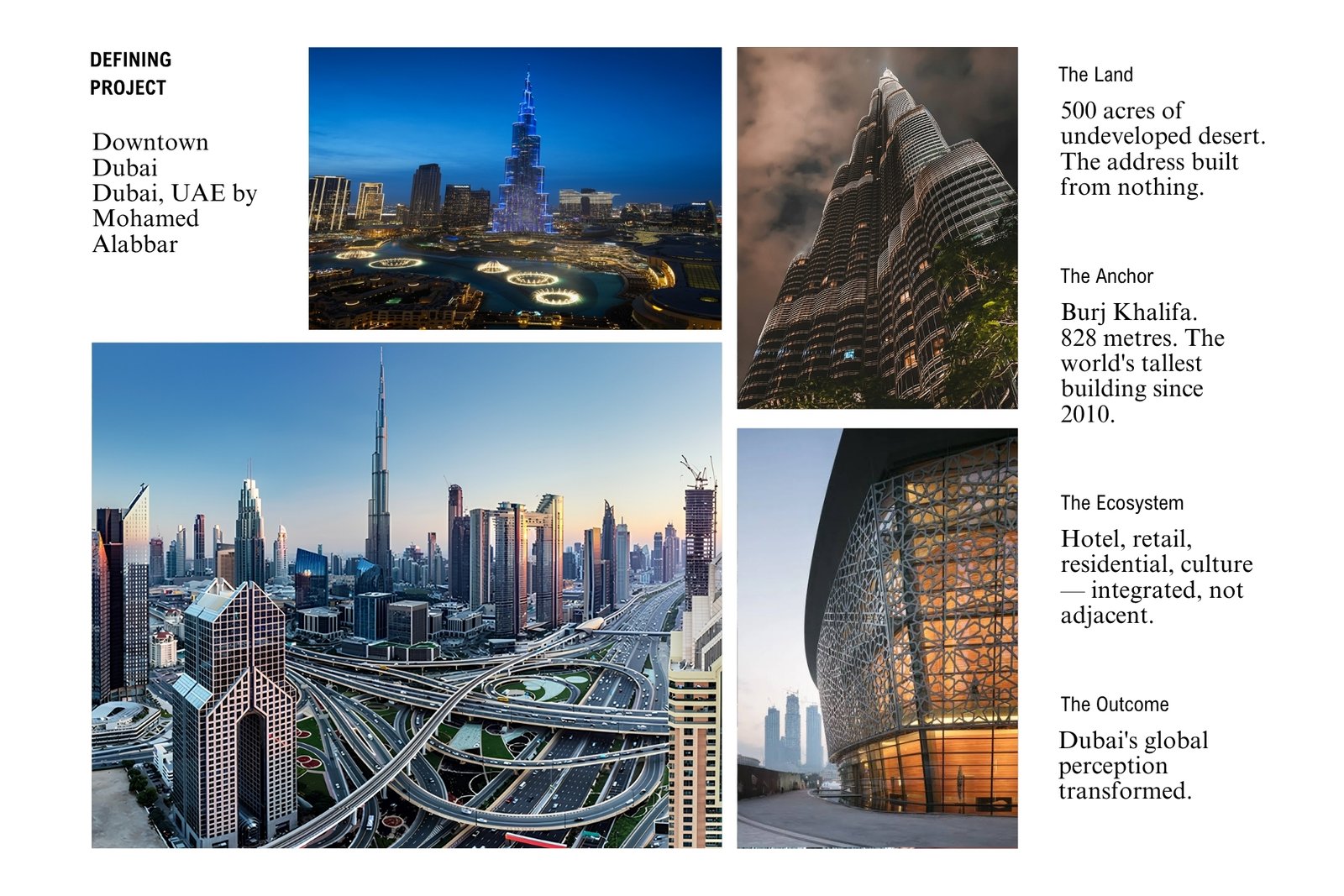
Downtown Dubai: A 500-acre integrated development that did not exist before Emaar broke ground — anchored by the world’s tallest building, the world’s second largest mall, and a hotel and residential ecosystem that permanently repositioned Dubai as a global destination for capital, culture and luxury.
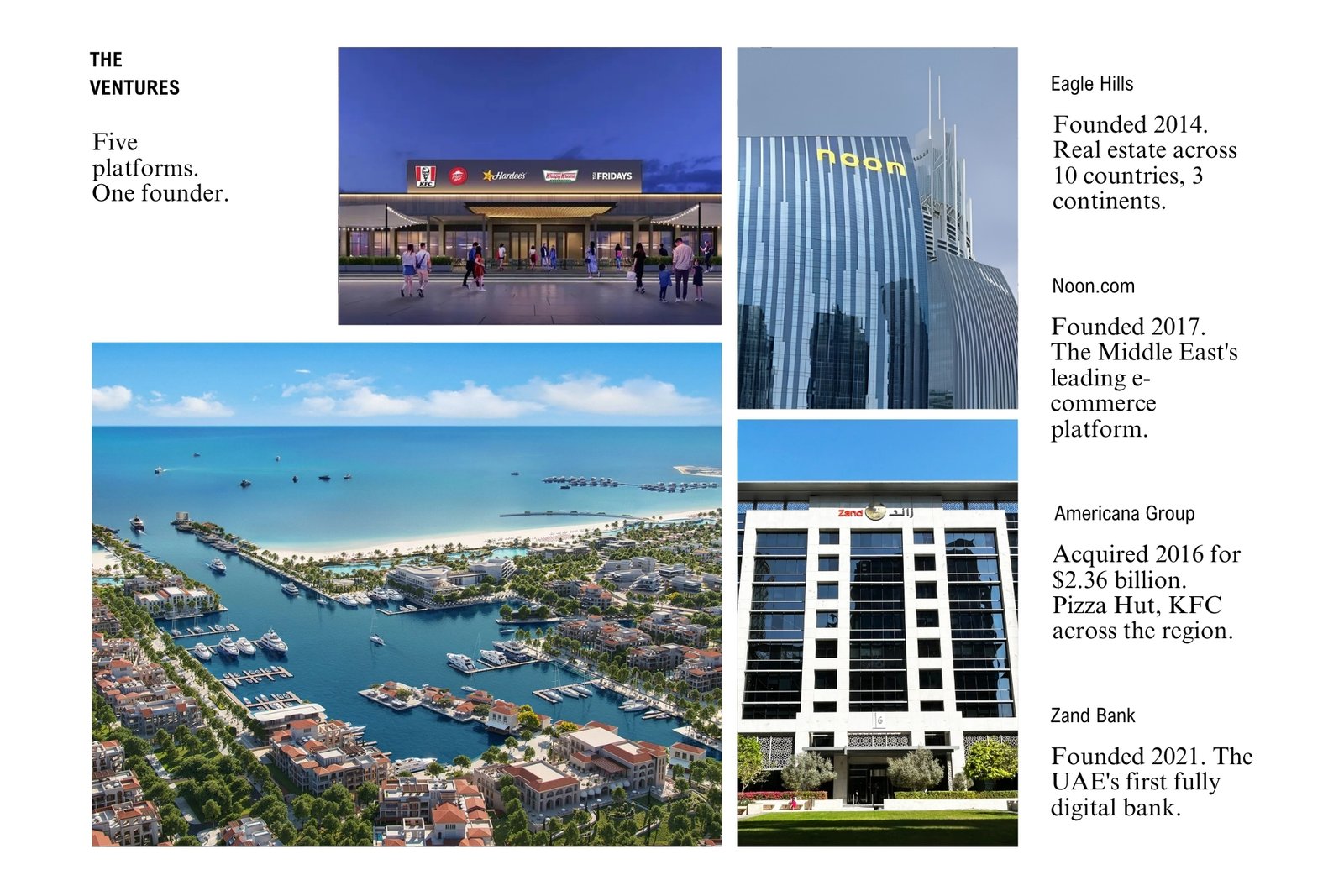
Four ventures spanning real estate, e-commerce, food retail, and digital banking — each built on the same founder’s conviction that the Gulf’s most significant opportunities lie in category creation, not category participation.
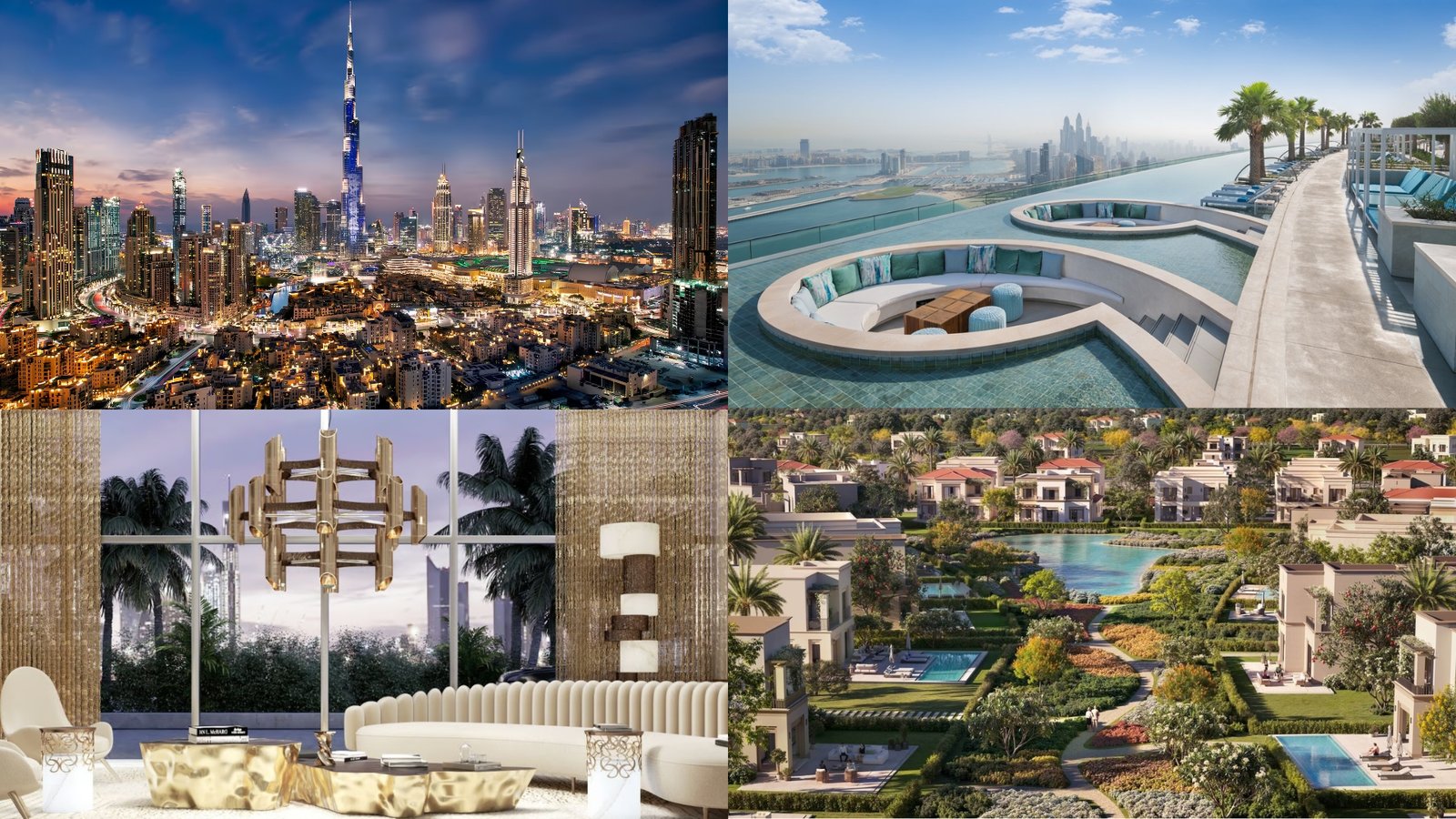
Market thesis: Alabbar proved what most developers theorise: that the most valuable real estate asset is the address itself — and that addresses of genuine irreplaceability are built, not discovered. Downtown Dubai did not exist before Emaar broke ground. The Burj Khalifa, the Dubai Mall, the Address Hotels — none of them would have the value they carry today without the deliberate concentration of every other asset surrounding them. That interdependence is the product. The model is now being exported to 18 countries. Those still treating hospitality, retail, and residential as separate asset classes are missing the thesis entirely.

Read Edition Insider: Every week Nicholas publishes Edition Insider — a private intelligence briefing on global real estate, hospitality and capital. Written for developers, investors and operators who want to understand where the market is going before it gets there. Founding membership is open until August 30th. $497 per year. Locked for life.
To work with Nicholas directly — partnerships, advisory, brand strategy or editorial enquiries. [EMAIL]:nicholas@edition-x.com