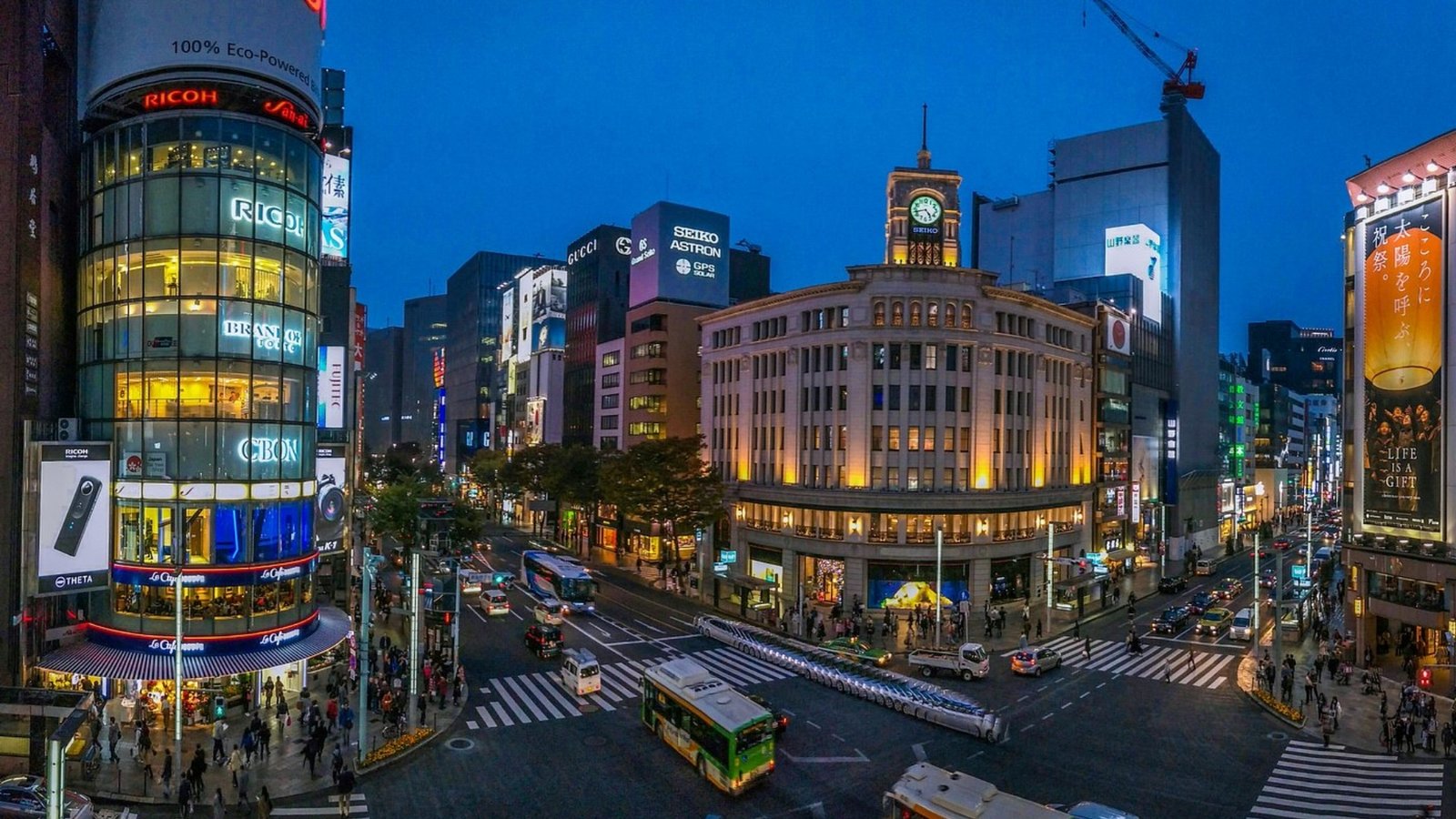



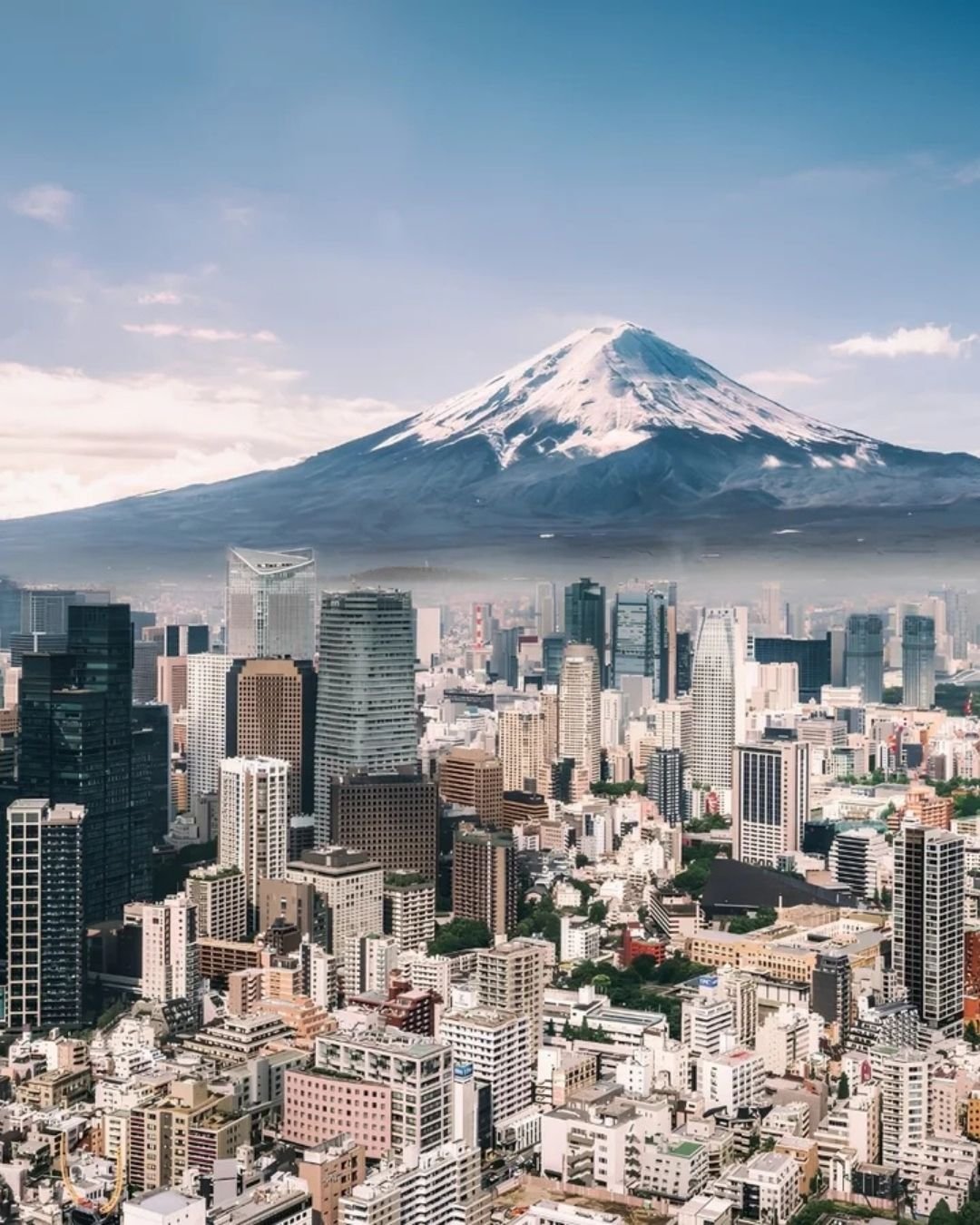

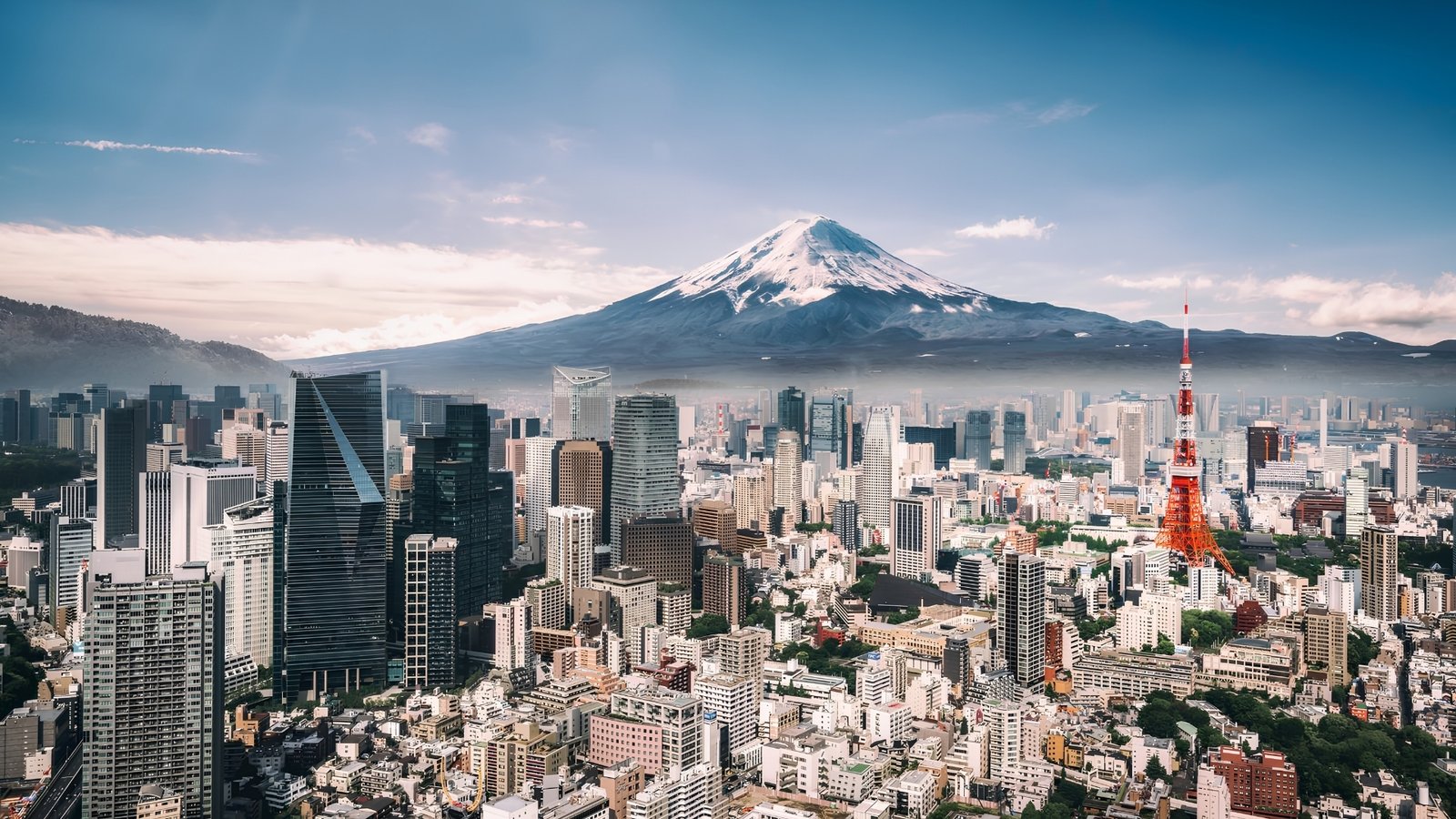


The competition between global cities is no longer won by the tallest skylines or the largest economies alone. Increasingly, it is decided by something far more difficult to engineer: quality of life. As businesses compete for talent and individuals gain greater freedom over where they choose to live and work, safety, mobility and everyday convenience have become economic advantages in their own right. Monocle’s 2026 Quality of Life Survey, which places Tokyo at the top of its annual ranking, reflects that broader shift.
Now in its nineteenth year, the survey was created as an alternative to traditional city rankings that rely heavily on economic statistics and infrastructure alone. Instead, it considers the qualities that shape daily life, from public transport and governance to green space, culture and whether a city remains vibrant long after the working day has ended. Tokyo claimed first place ahead of Copenhagen, with Oslo completing the top three, demonstrating that the world’s most desirable cities increasingly balance efficiency with liveability rather than prioritising growth at any cost.
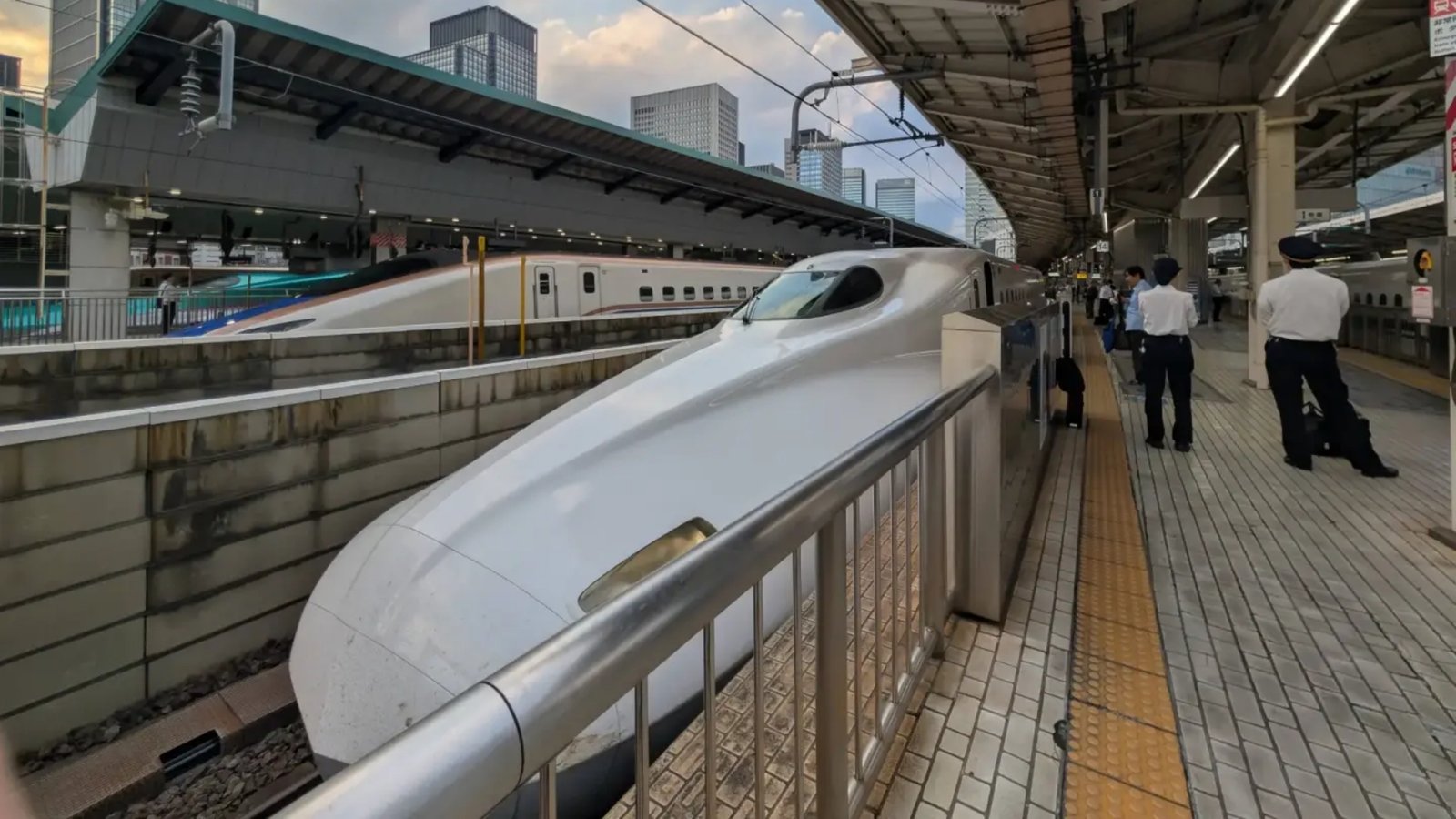
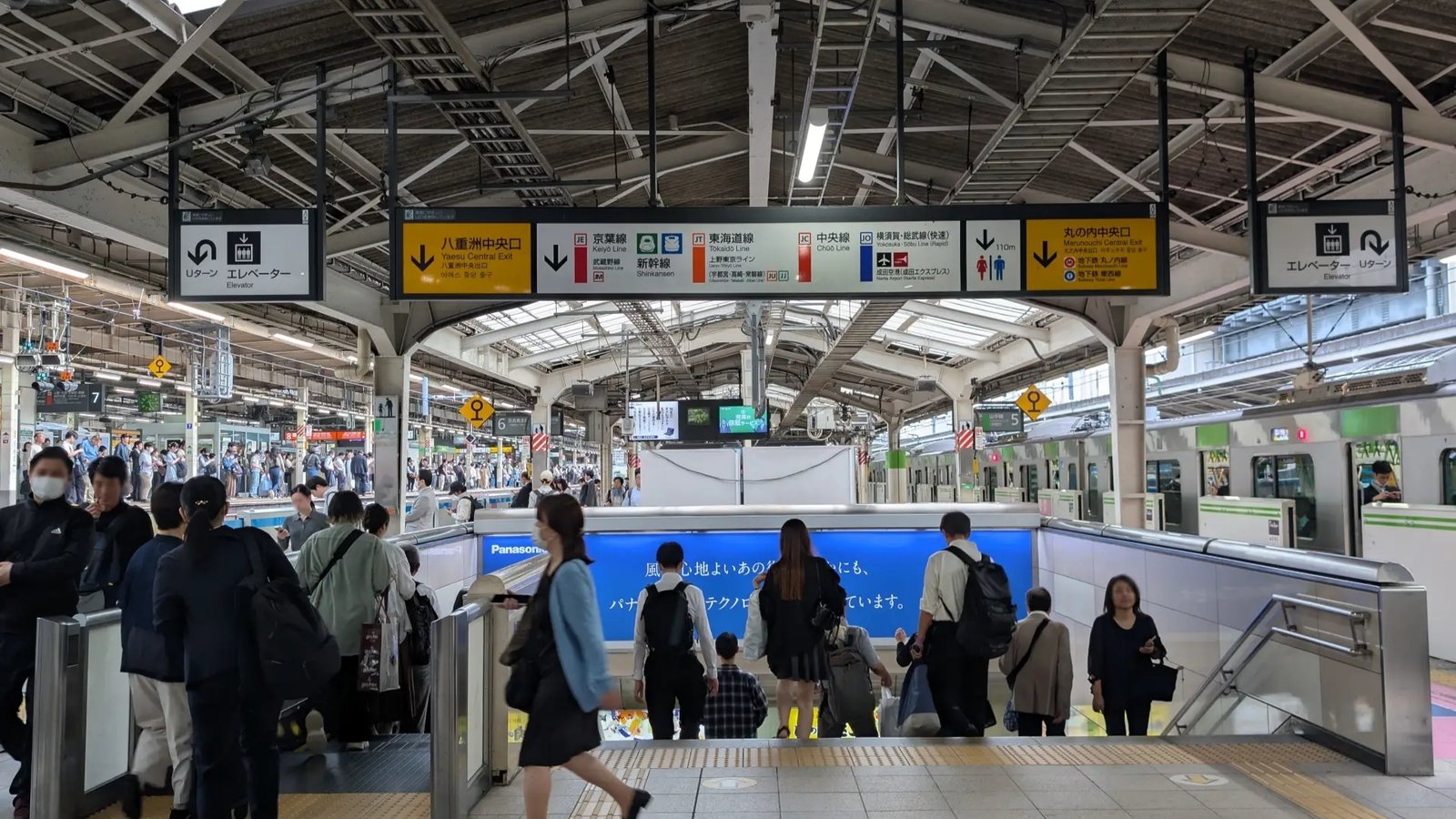
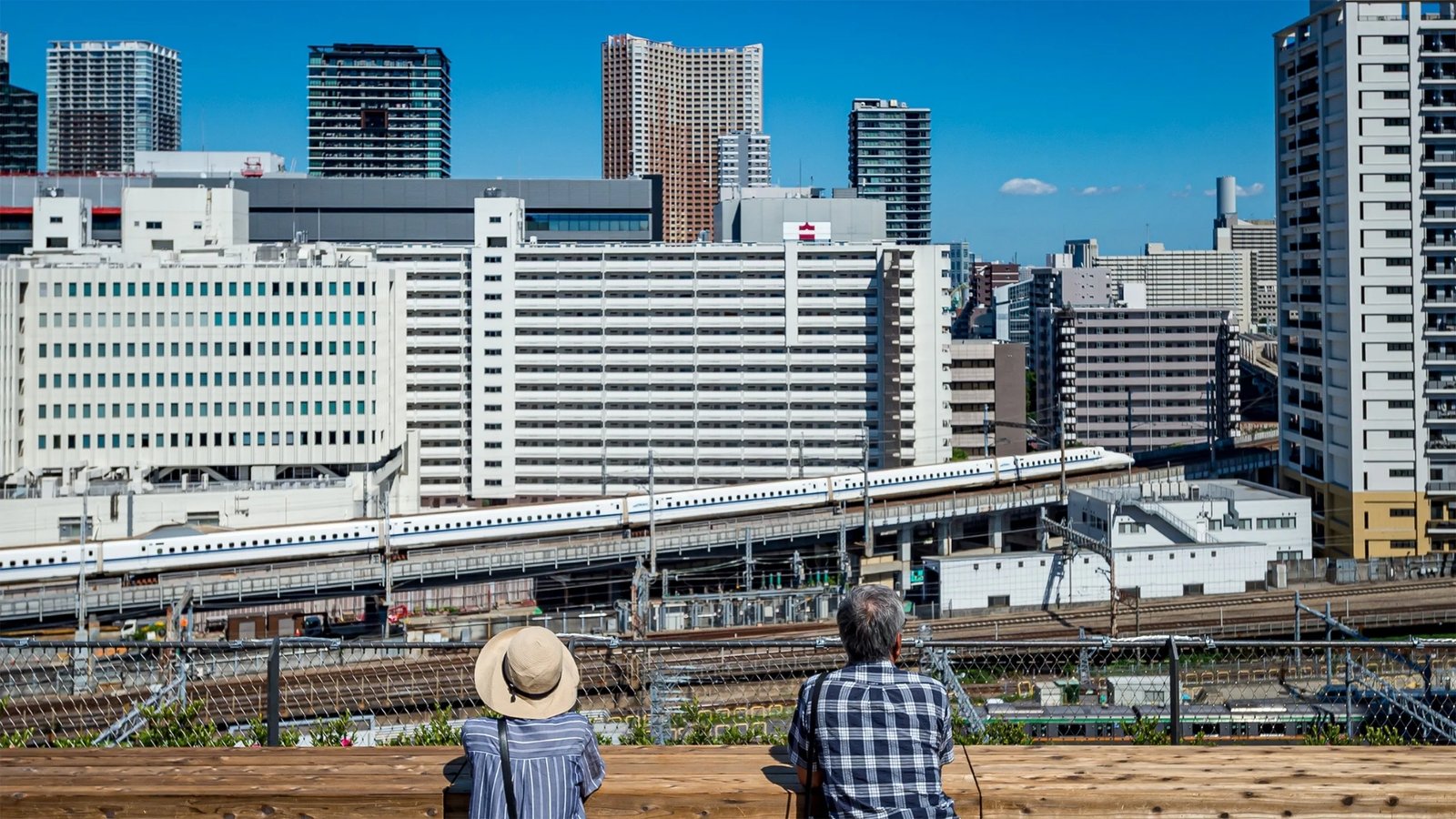
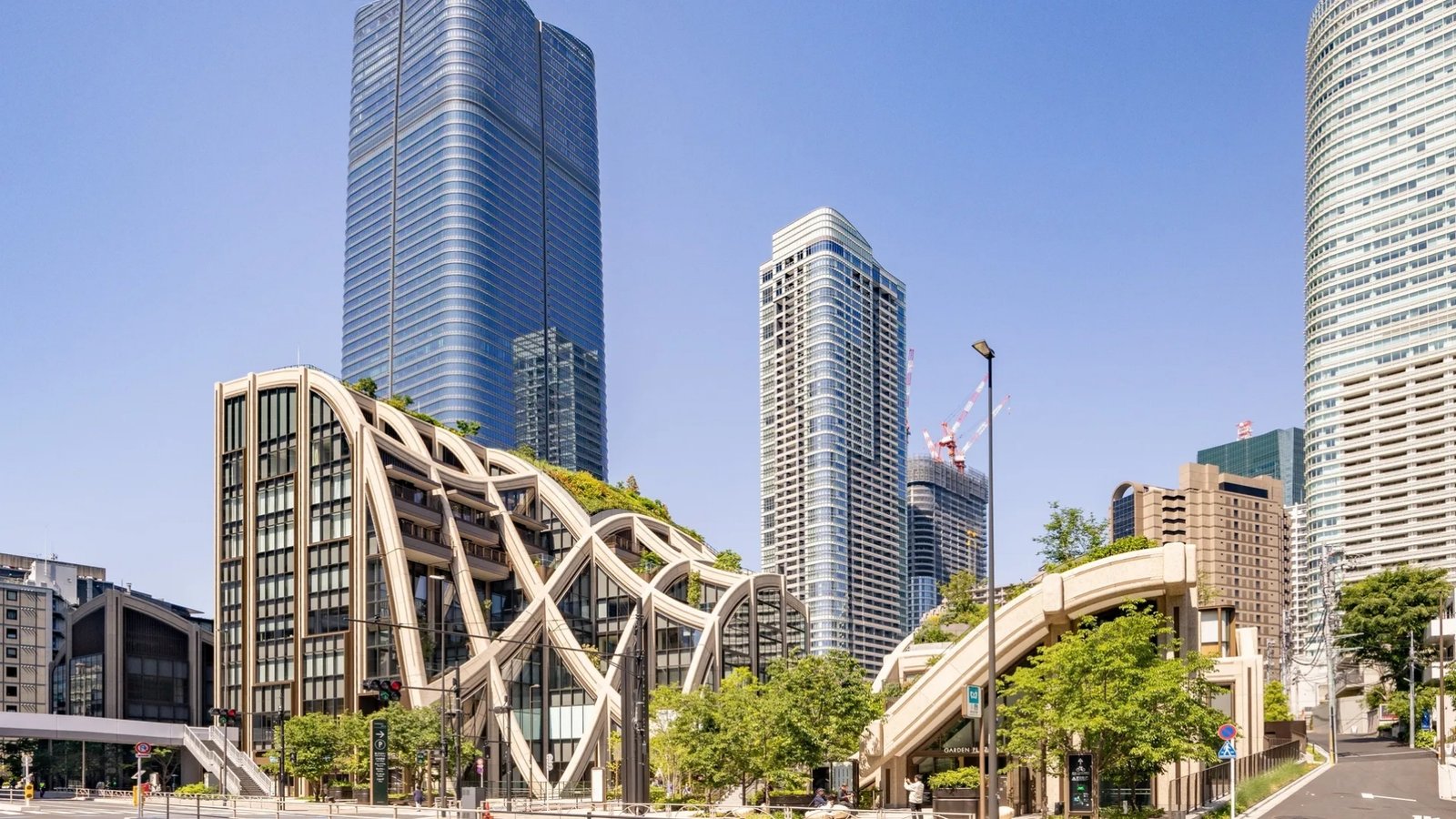
Tokyo’s success lies in the cumulative effect of countless small decisions rather than one defining landmark. An extensive public transport network allows millions of people to move across the metropolitan area with remarkable efficiency, while exceptionally low crime rates, clean public spaces and mixed-use neighbourhoods create an environment that feels both energetic and remarkably ordered. Restaurants, cafés and local businesses operate well into the evening, giving the city a rhythm that supports everyday life rather than simply accommodating it. These characteristics rarely dominate tourism campaigns, yet they have become some of Tokyo’s greatest competitive strengths.
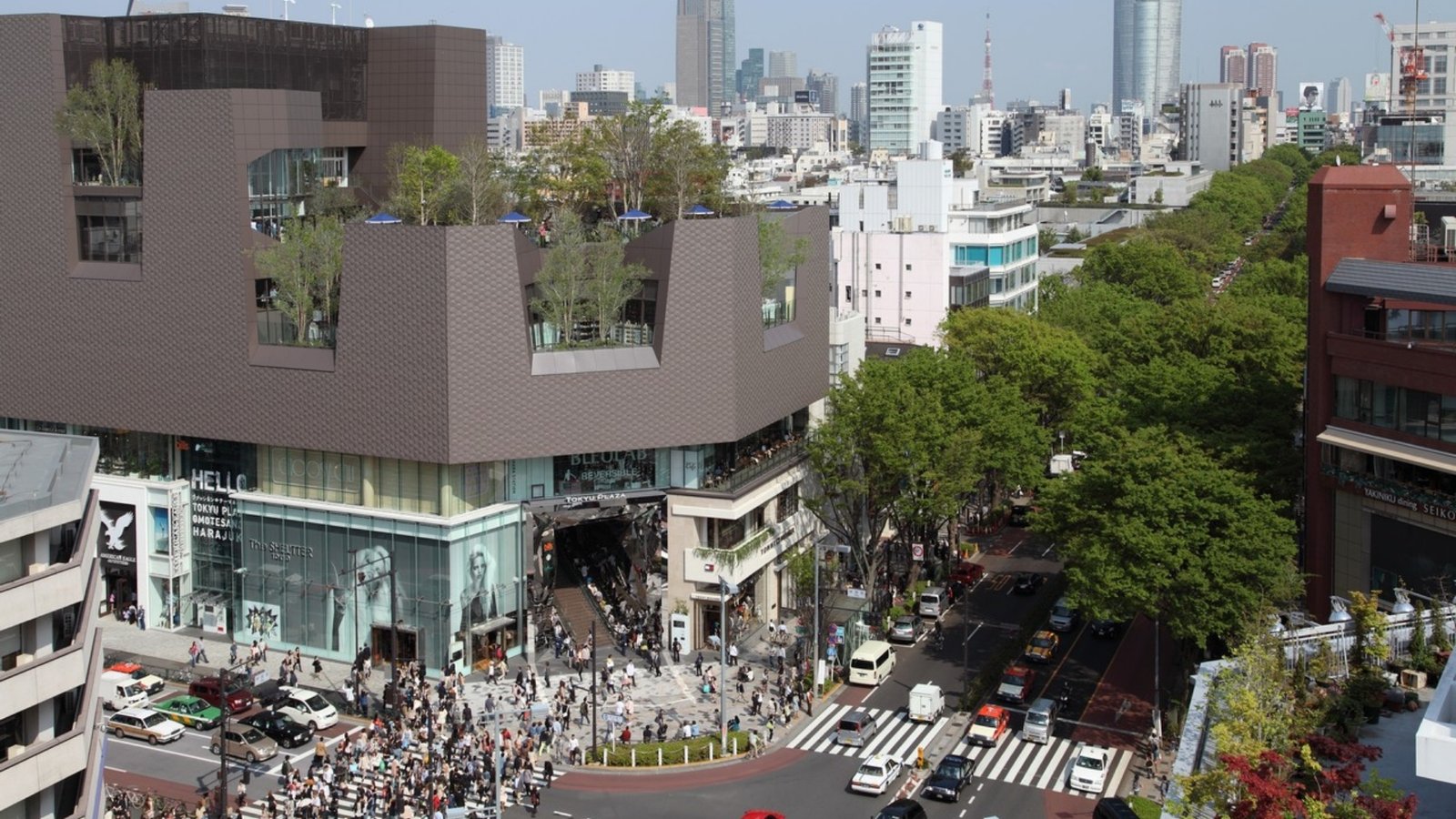
The ranking also highlights a widening divergence between global cities. While European and Asian centres continue investing in public transport, walkability and urban quality, North American cities struggled to feature prominently in this year’s survey. Monocle editor-in-chief Tyler Brûlé noted their absence in the accompanying editorial, arguing that many have lost sight of the fundamentals that make cities attractive places to live, work and build businesses. Vancouver received the publication’s only notable mention, reinforcing just how competitive the global race for liveability has become.
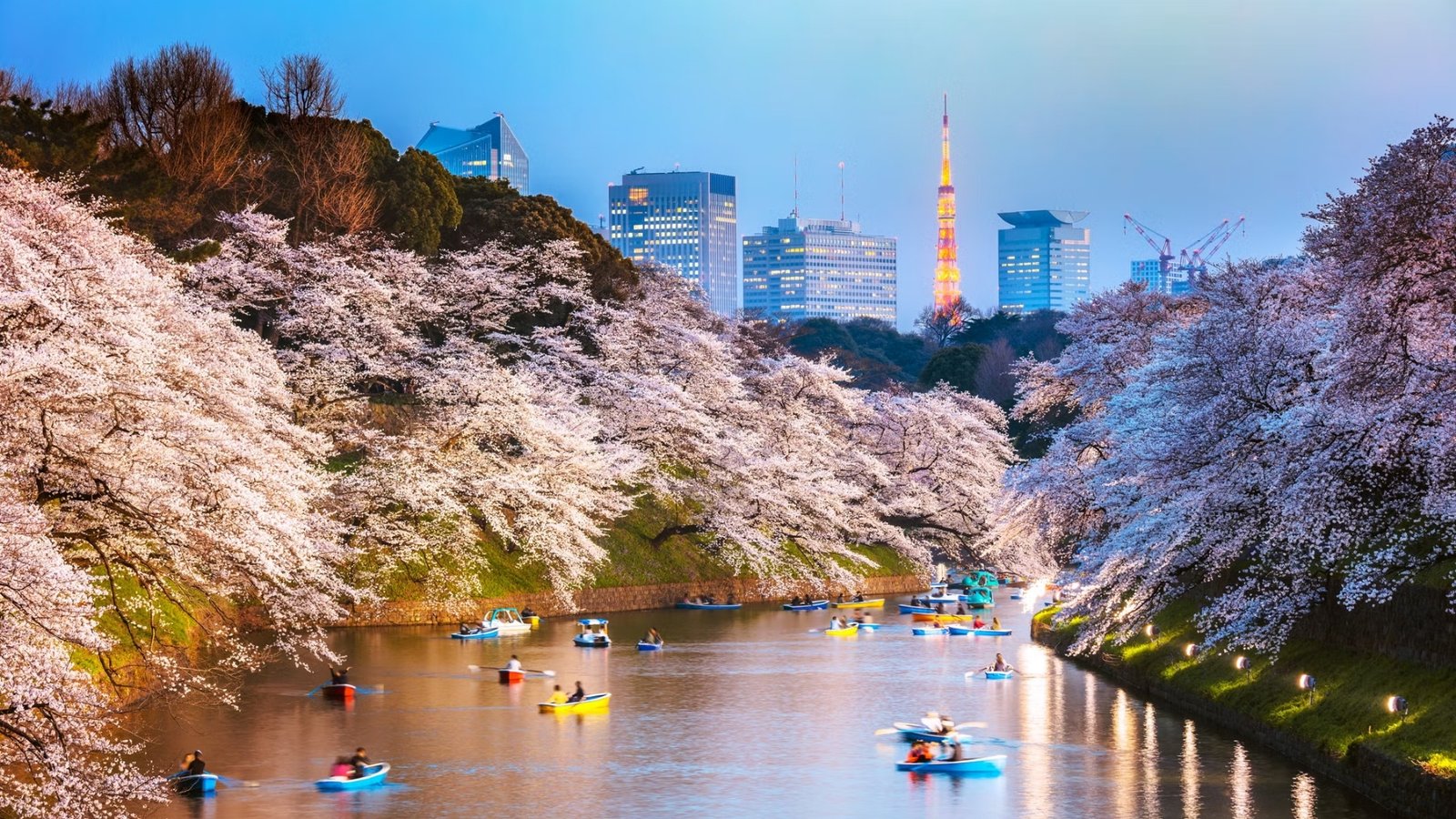
For investors, developers and hospitality operators, these rankings increasingly carry significance beyond civic pride. Cities offering predictable governance, high-quality infrastructure and an exceptional everyday experience continue attracting international capital, skilled professionals and long-term investment. Luxury residential developments, premium hotels and global headquarters increasingly follow the same pattern, gravitating towards places where quality of life supports long-term value rather than short-term growth.
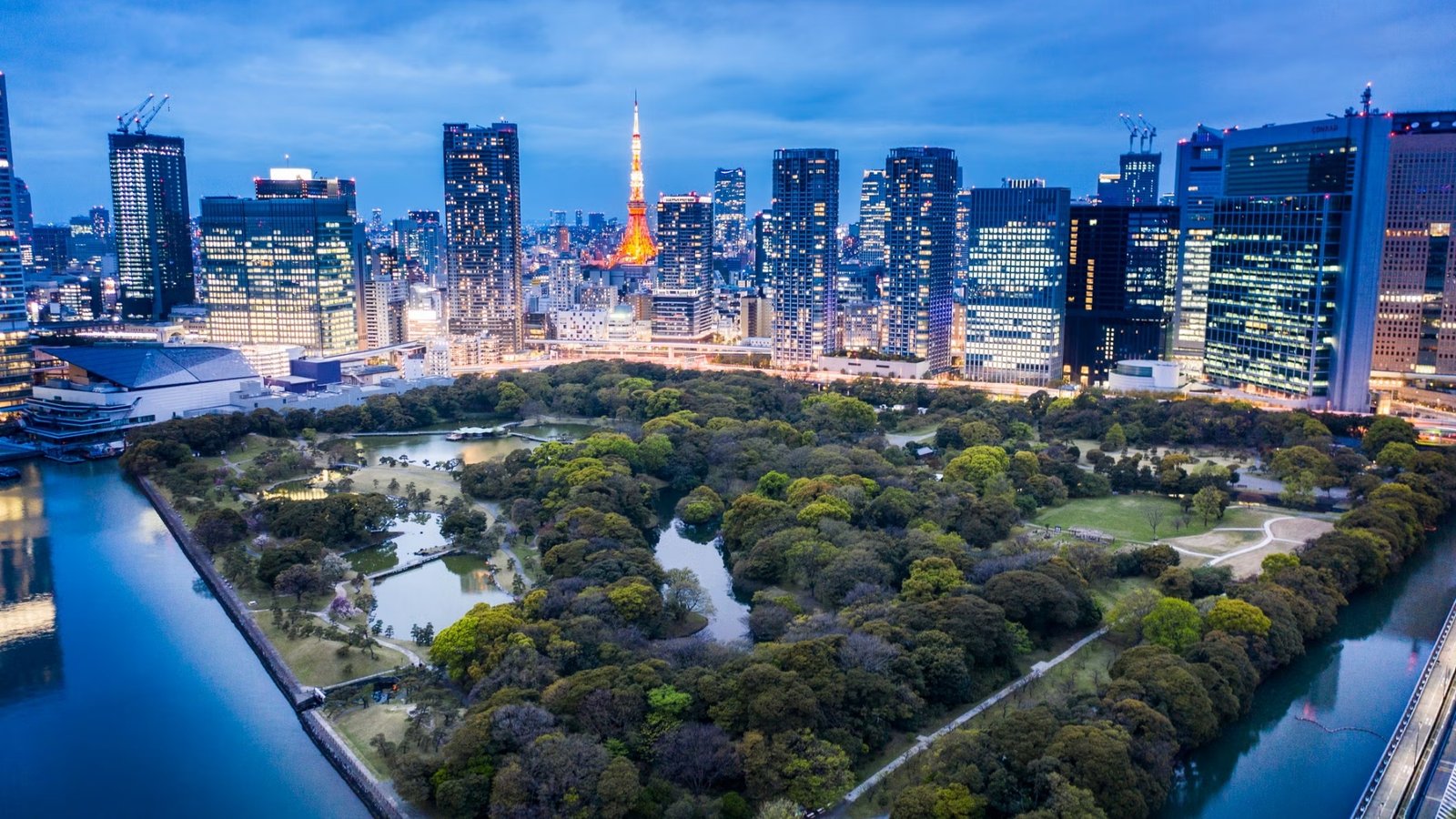
Tokyo’s position at the top of Monocle’s 2026 survey is therefore about more than urban planning. It reflects a broader reality that is reshaping global investment and migration alike. As competition between cities intensifies, quality of life is no longer simply an outcome of successful development. It has become one of its most valuable assets. Visit Monocle here.