








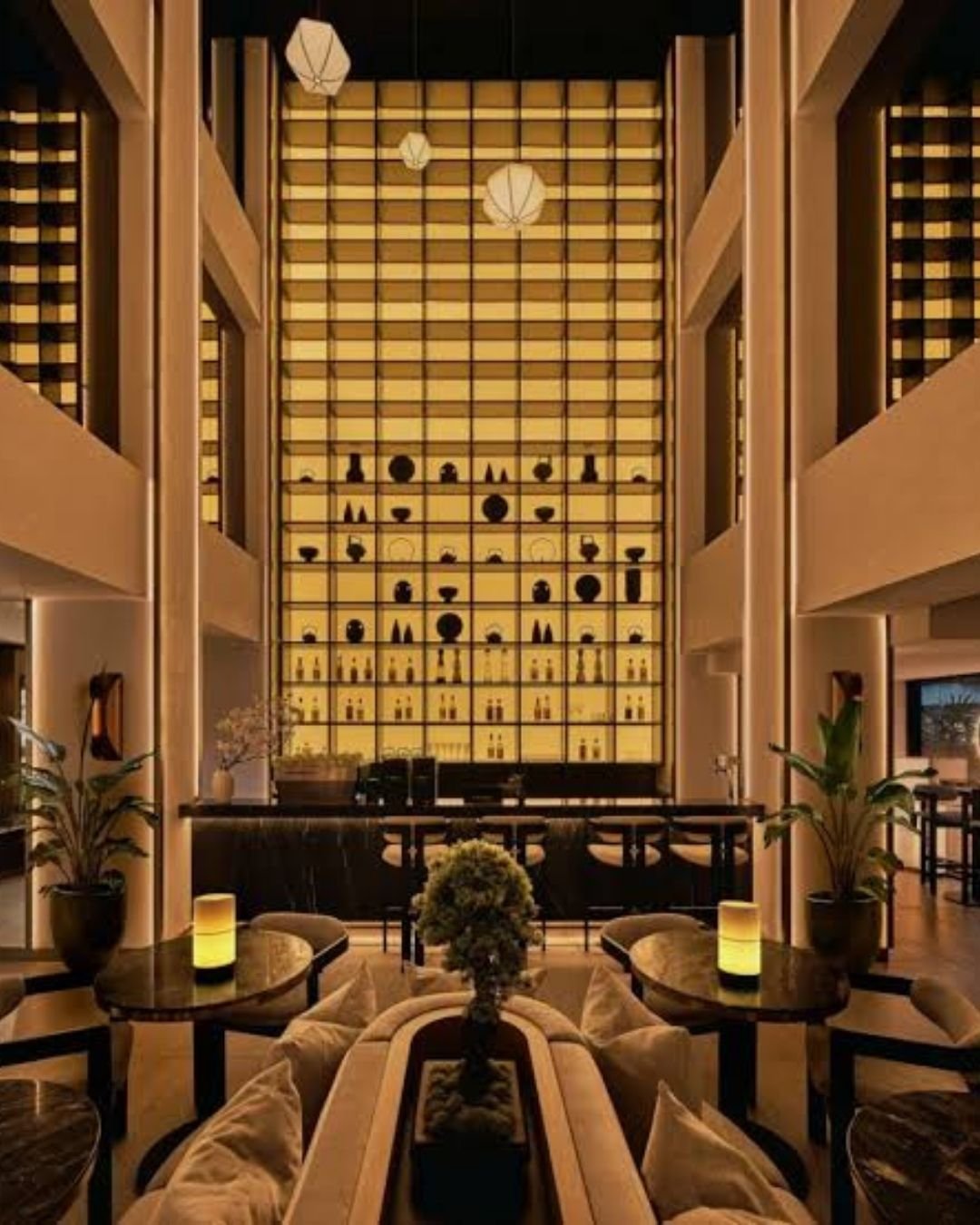



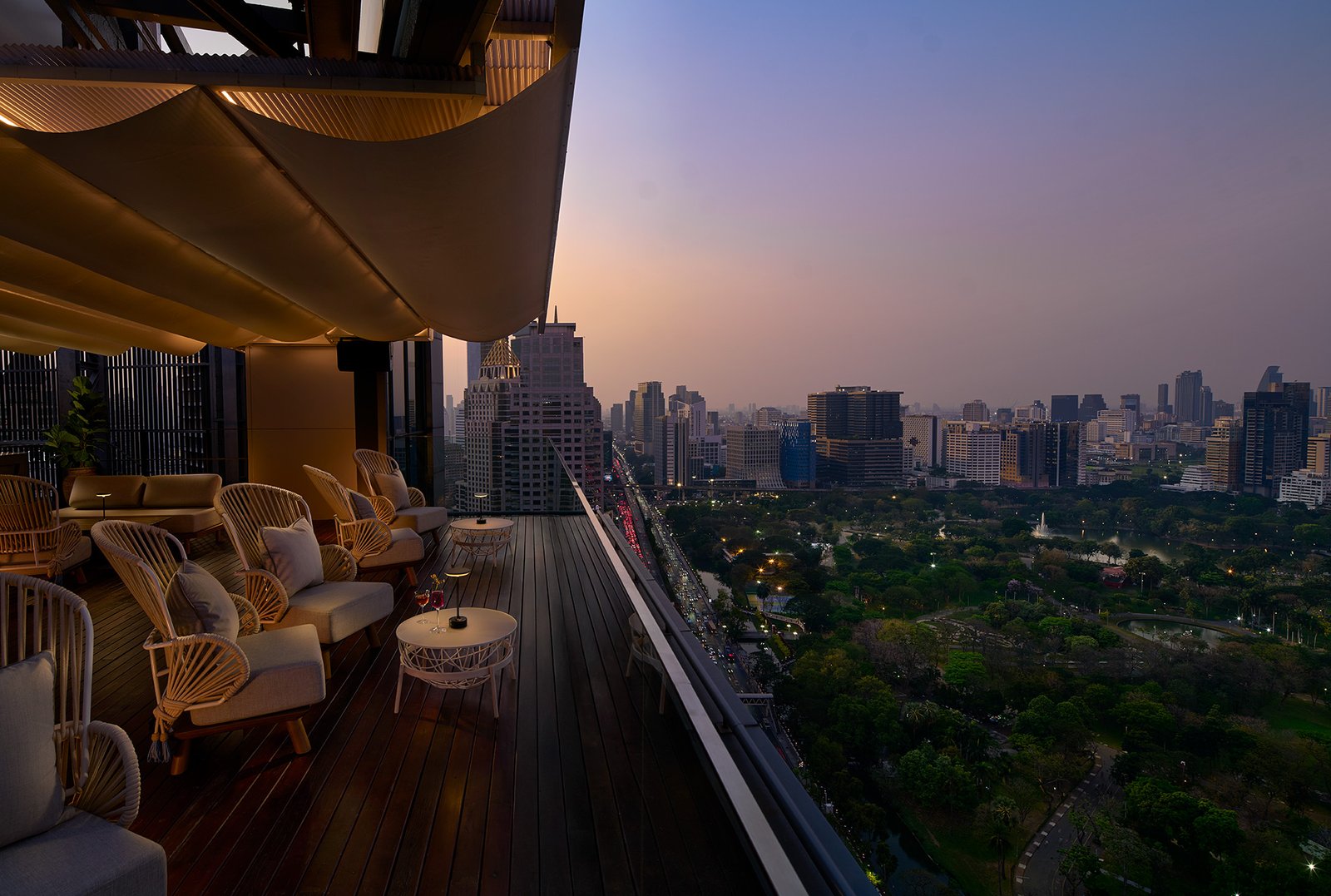
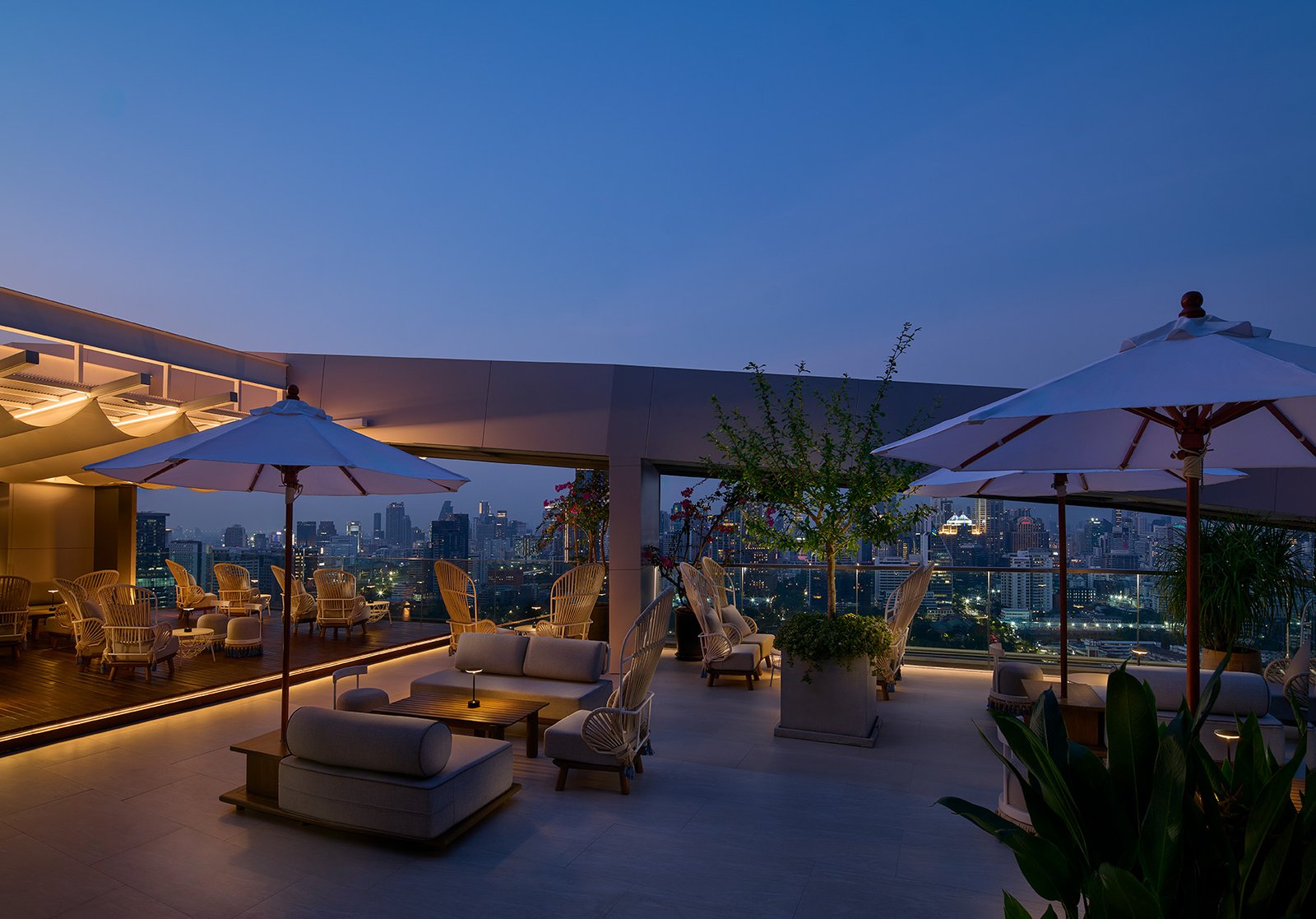
Bangkok does not need another rooftop. What it needs—and rarely gets—is a rooftop that understands restraint. One that moves beyond the predictable formula of skyline views, loud music and interchangeable cocktails, and instead builds something with intention. Iris & Wild Iris is that rare exception.
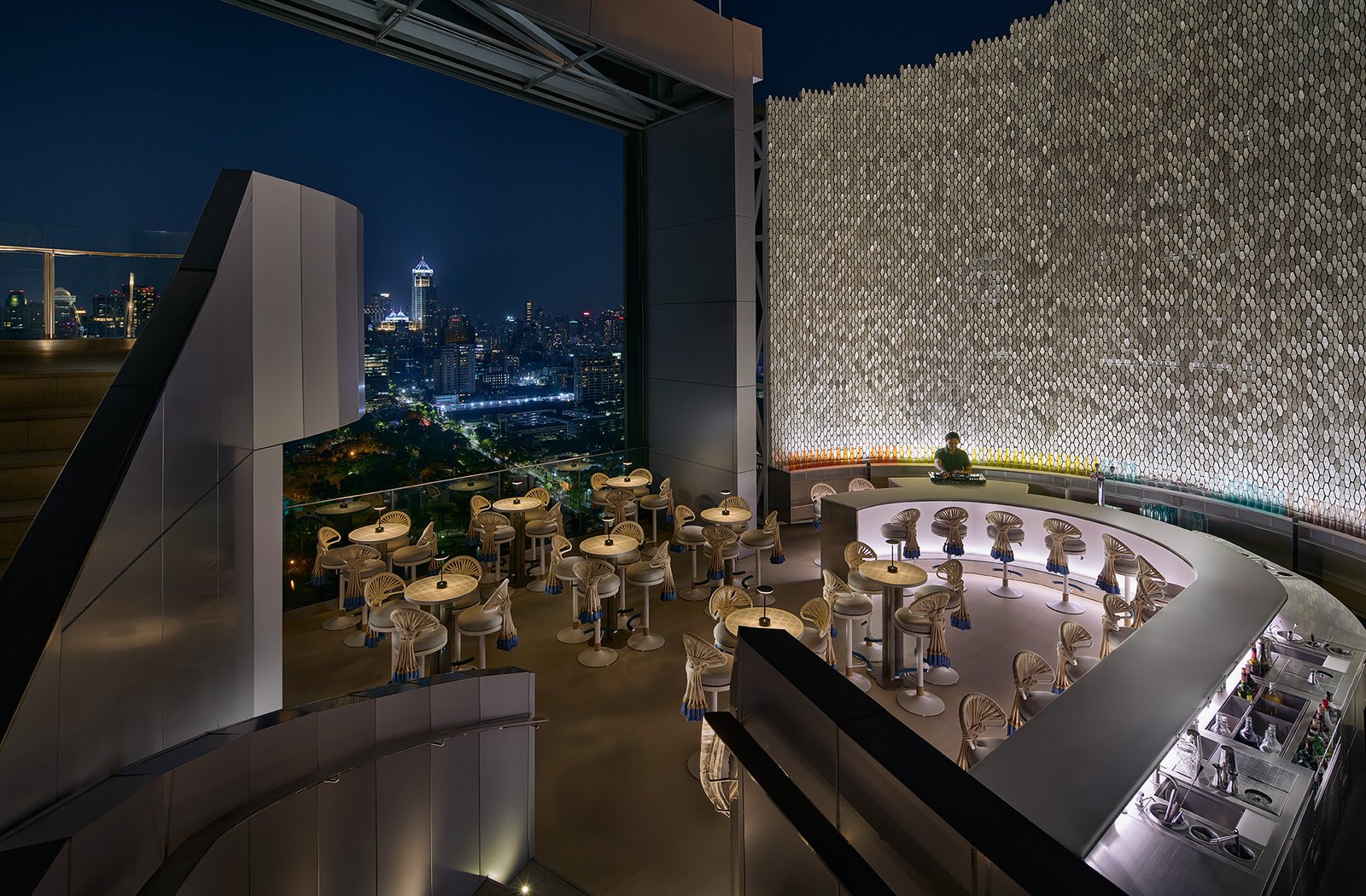
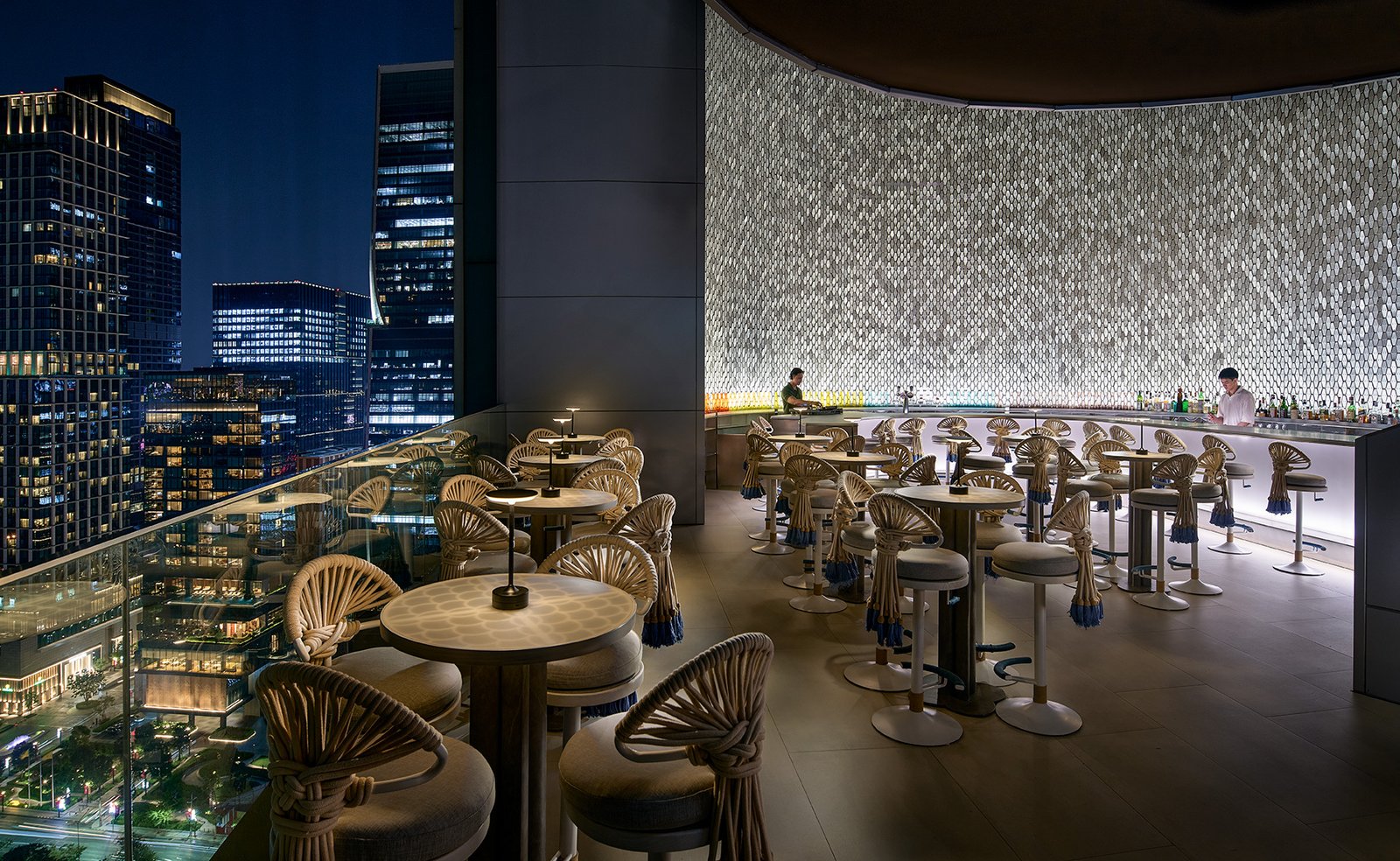
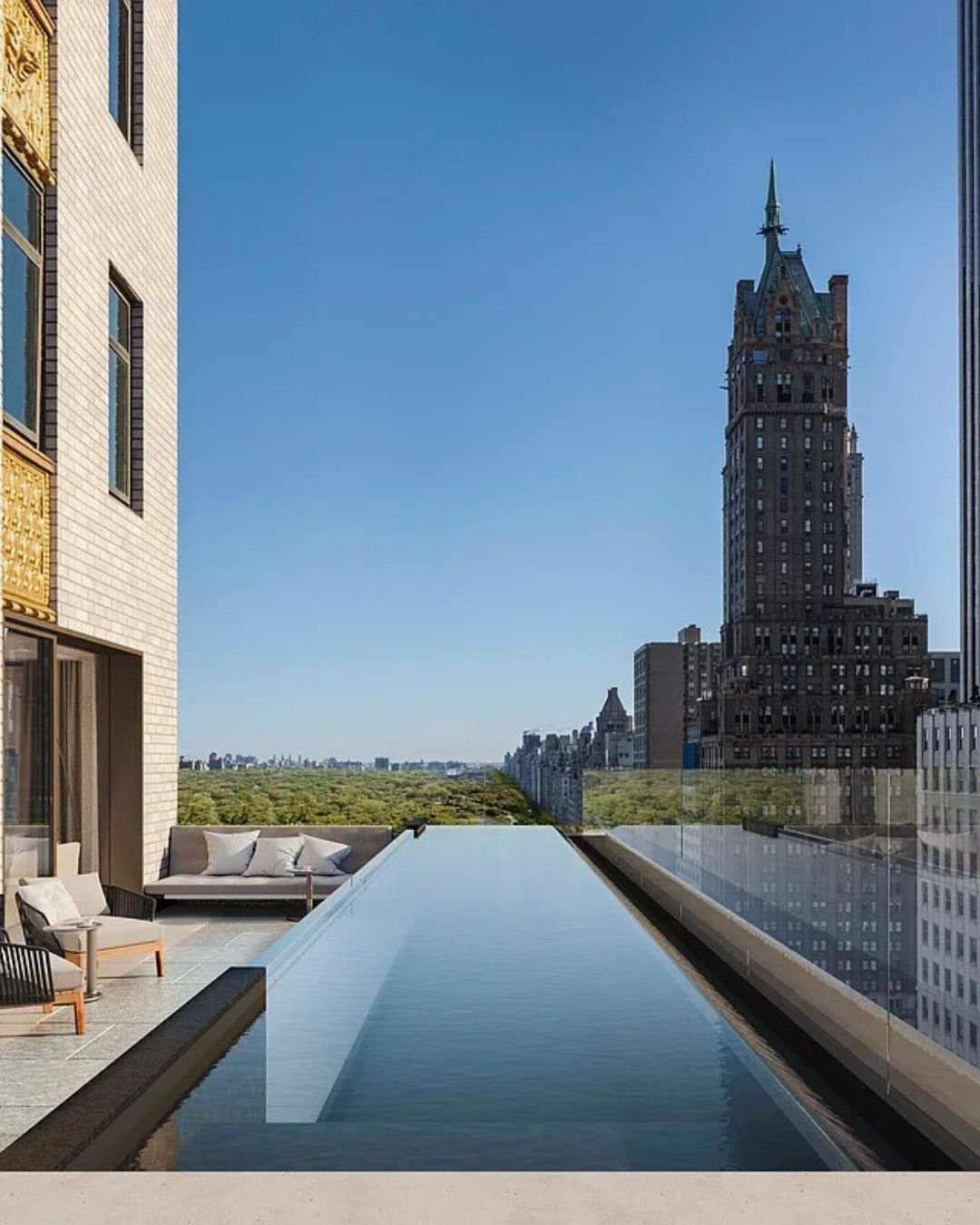
Set above Lumphini Park, the venue doesn’t attempt to compete on height or spectacle. Instead, it reframes the rooftop entirely—less as a place to be seen, and more as a place to move through. A sequence. A narrative. A controlled evolution from dining to aperitivo to nightlife. This is not a rooftop as destination. It is a rooftop as choreography.
The problem with most rooftop concepts is simple: they peak too early. You arrive, you take in the view, you order a drink—and within 30 minutes, the experience plateaus. There is nowhere to go. No progression. No reason to stay beyond habit.
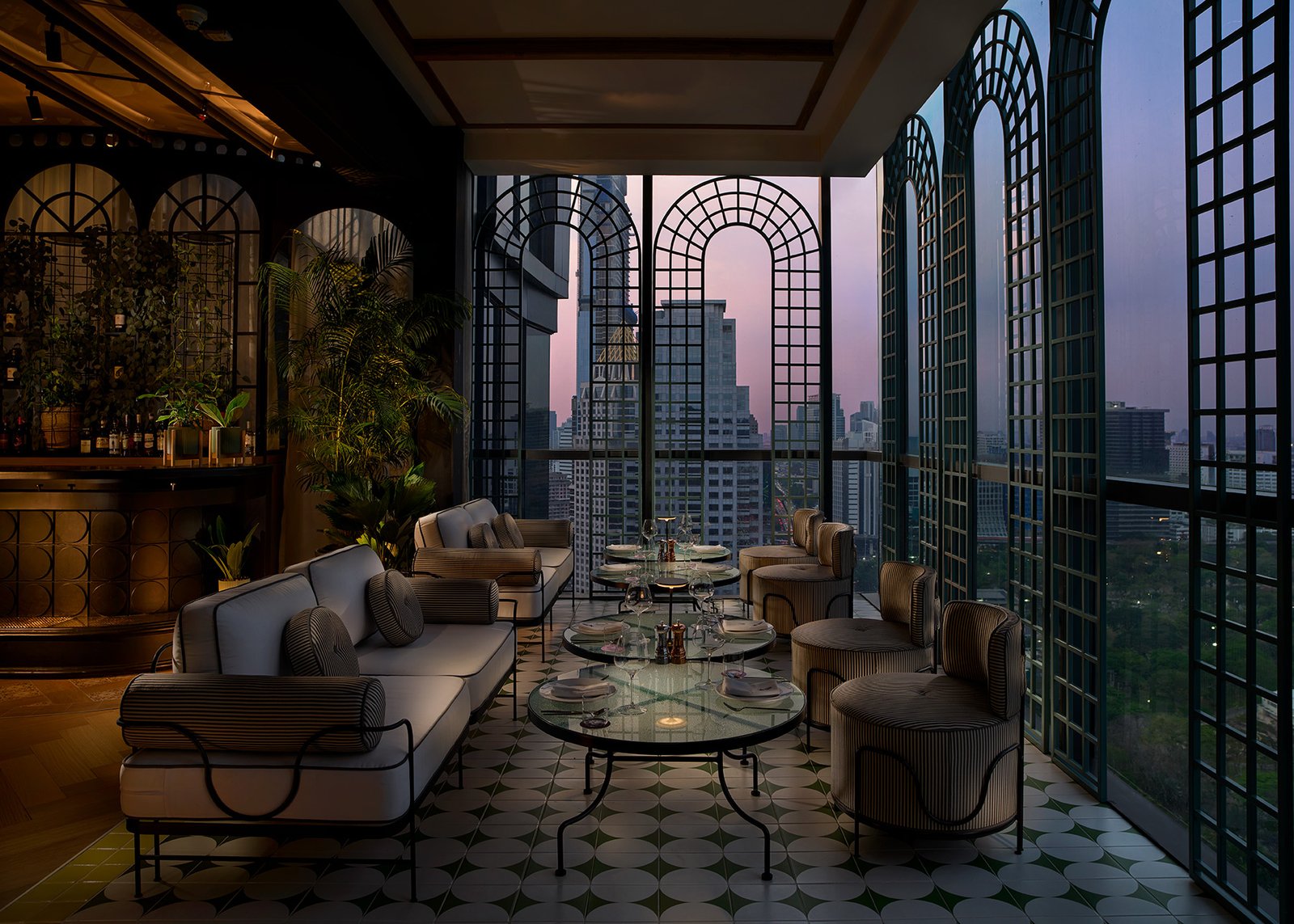
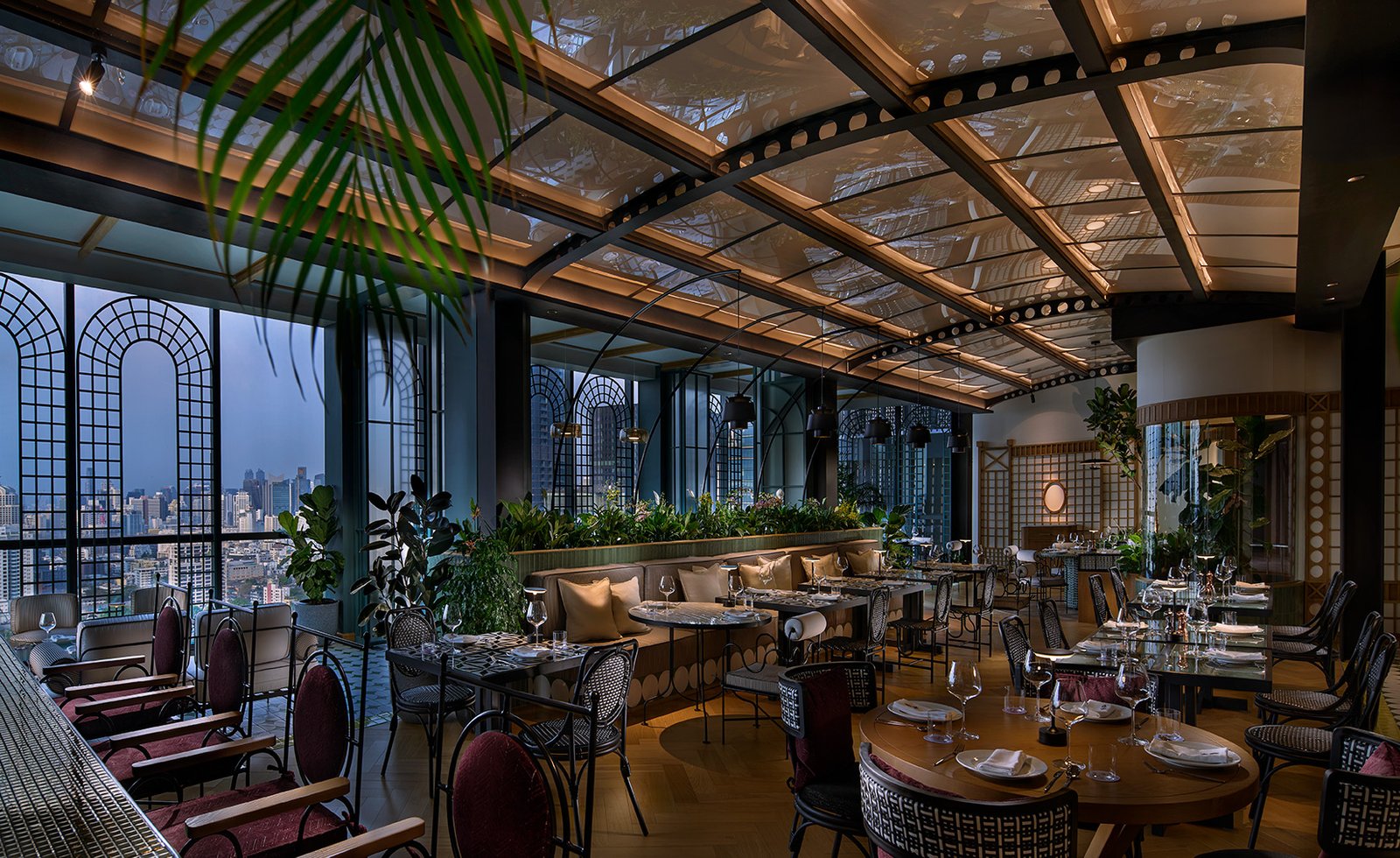
Iris & Wild Iris addresses this with precision. Rather than compressing everything into one static environment, it unfolds across three distinct yet connected spaces—each calibrated to a different moment in the evening.
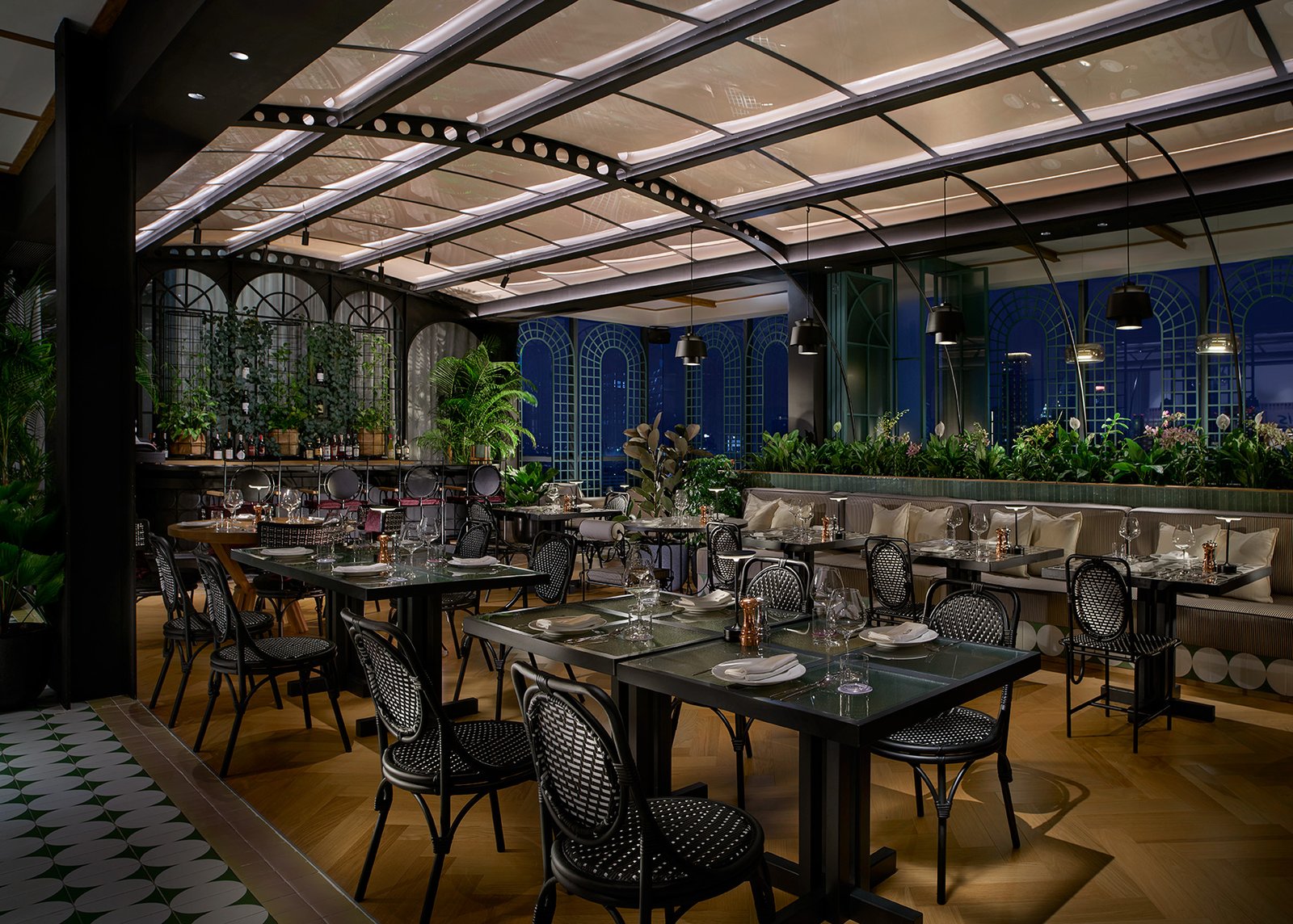
Iris begins in stillness: a glasshouse dining room grounded in composition and clarity. Iris Terrace opens the experience outward, introducing air, light and perspective. Wild Iris completes the arc, shifting into energy, rhythm and movement. What matters is not the spaces themselves—but the transition between them. That is where the intelligence lies.
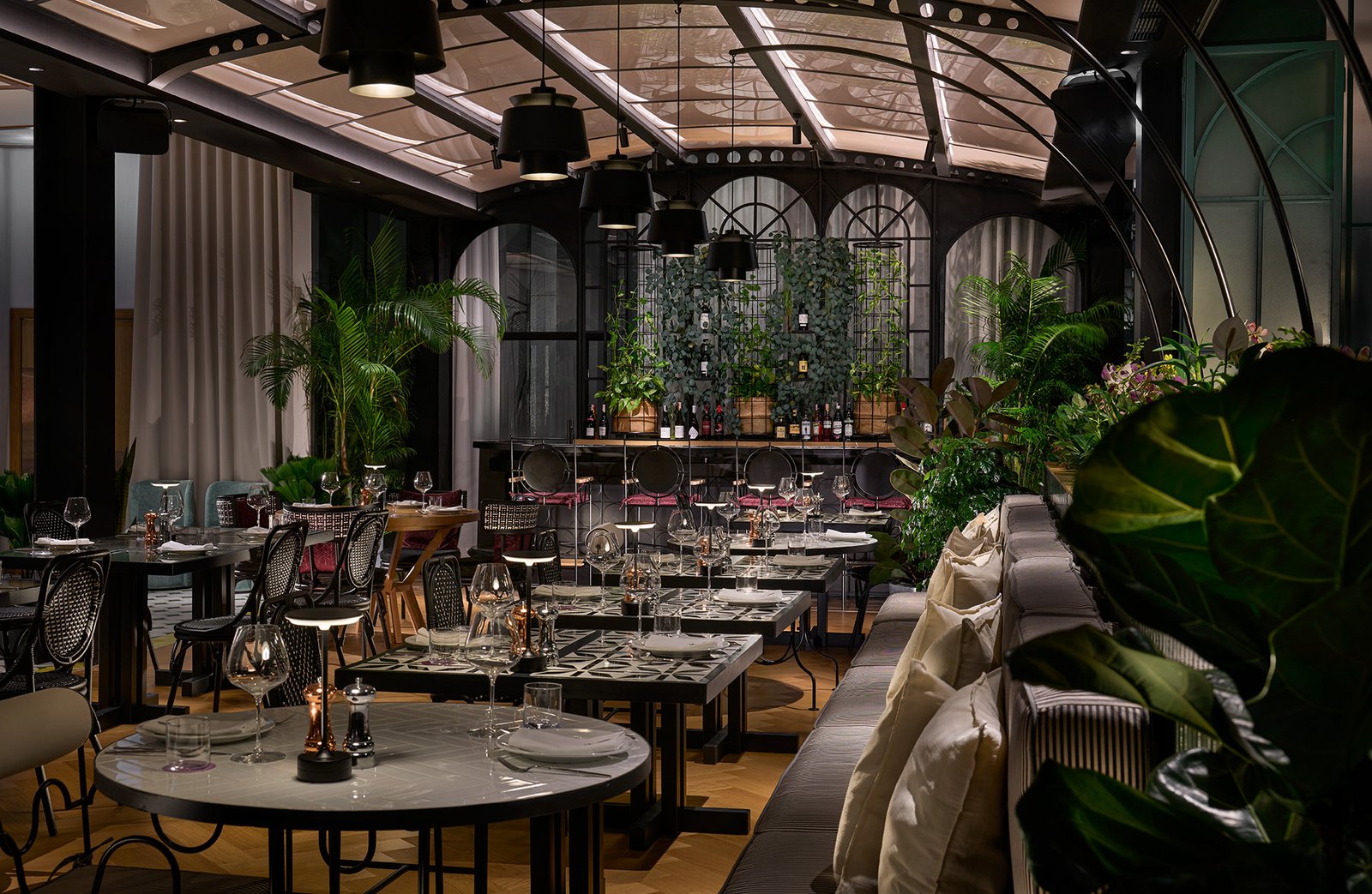
The Riviera is not treated as a visual language, but as a behavioural one: long evenings, shared plates, fluid movement between dining and drinking, and a natural escalation of atmosphere as the night unfolds. It is present in the pacing. In the light. In the refusal to rush.
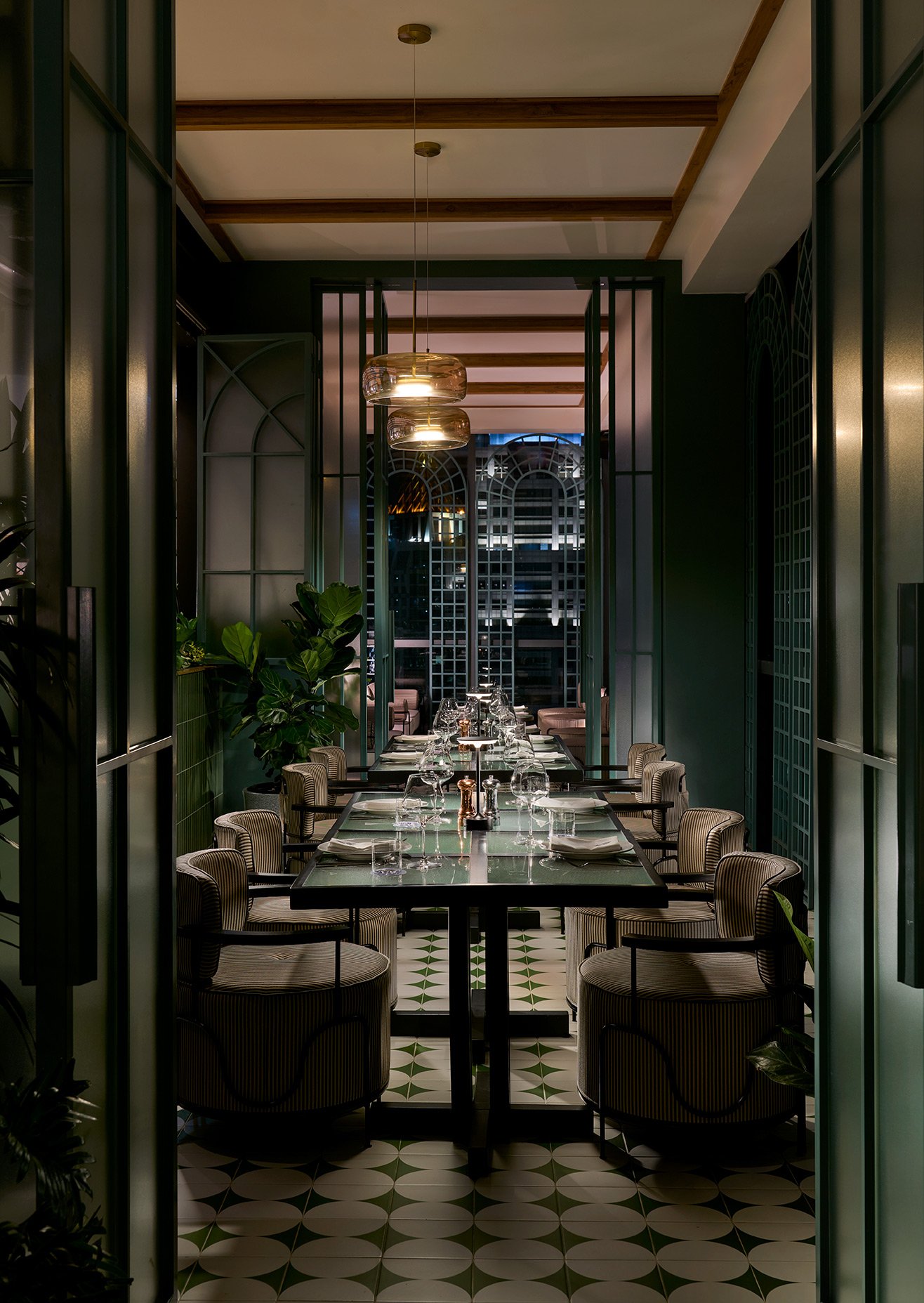
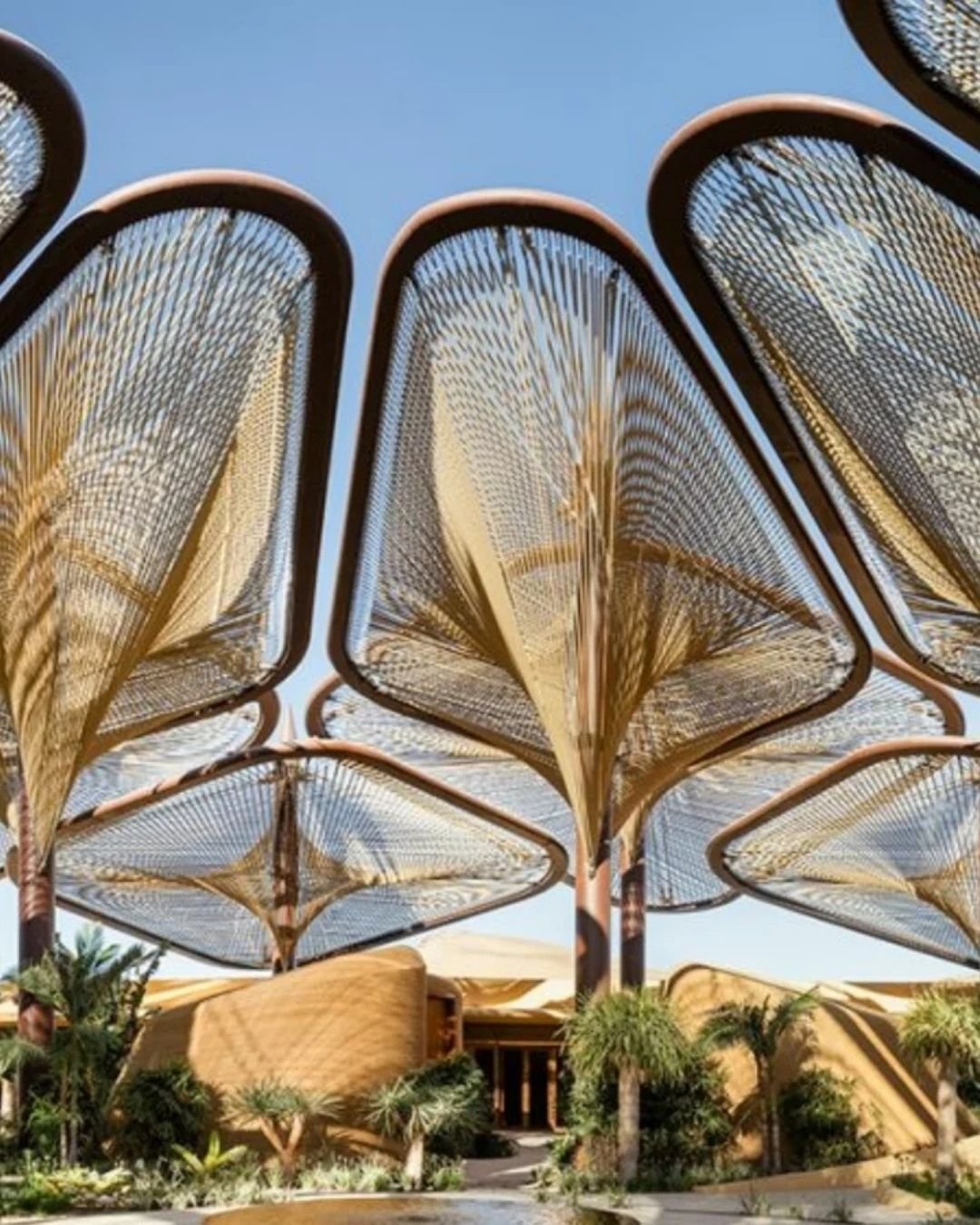
Architecturally, the space supports this philosophy—soft curves, layered lighting and subtle references to the White Peacock concept create a sense of motion rather than static design. The result is not themed, but lived-in.
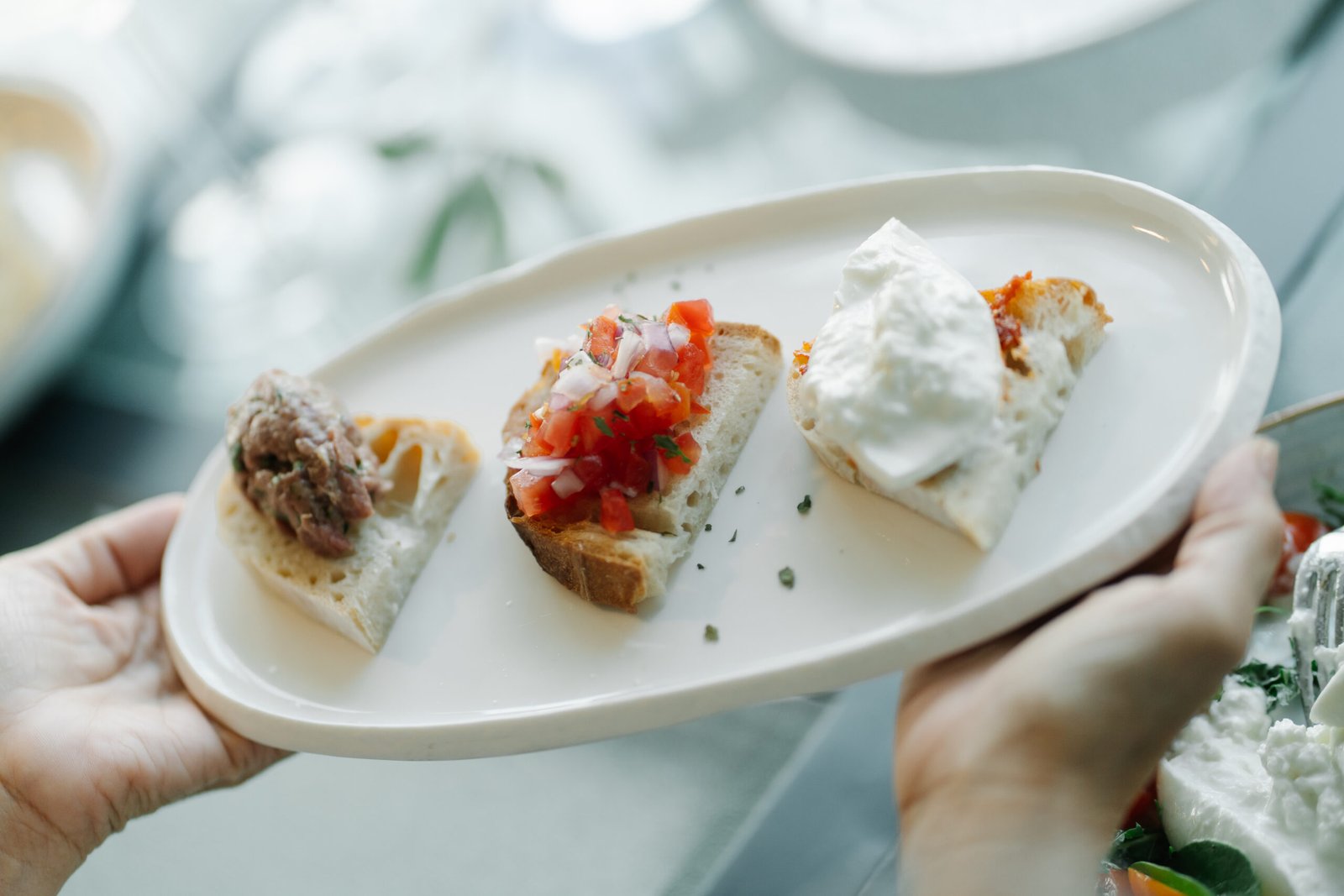
At the centre of the experience is Chef Enrico Pantorno, whose work quietly resists one of the most pervasive tendencies in contemporary dining: the need to overstate, overwork and overexplain every plate.
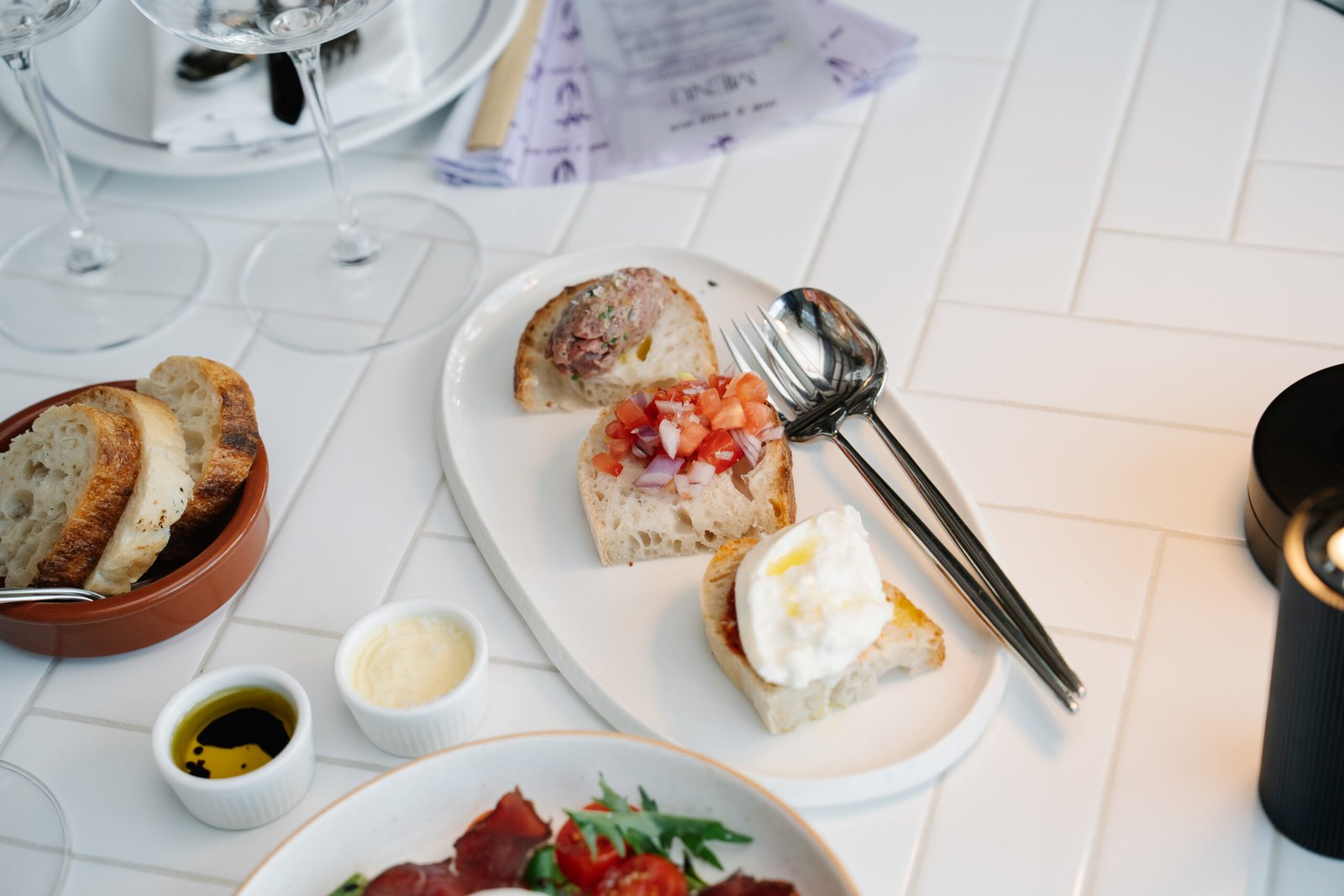
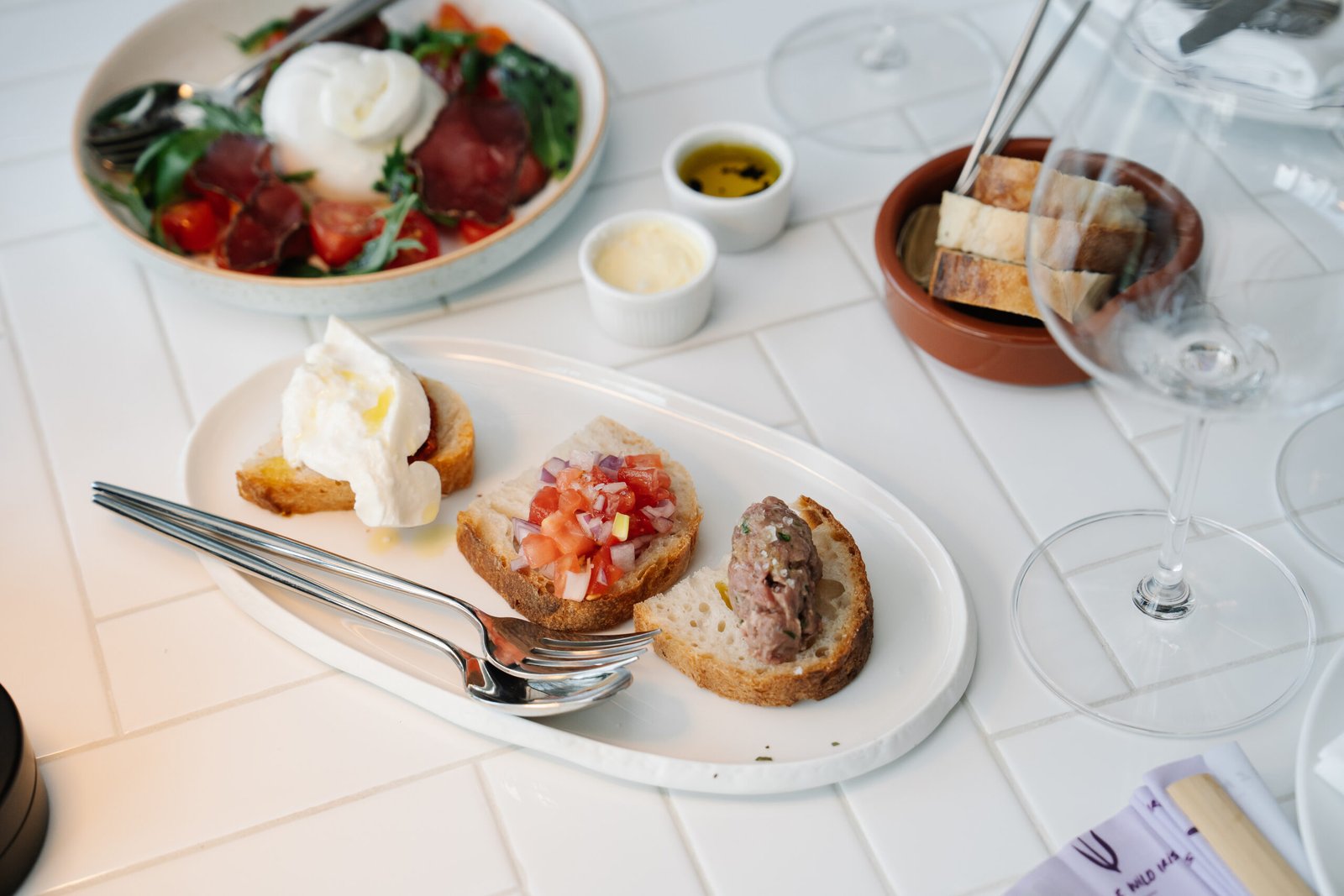
His philosophy is not driven by reinvention for its own sake, but by a pursuit of clarity—an understanding that refinement often comes not from adding more, but from knowing precisely what to leave out.
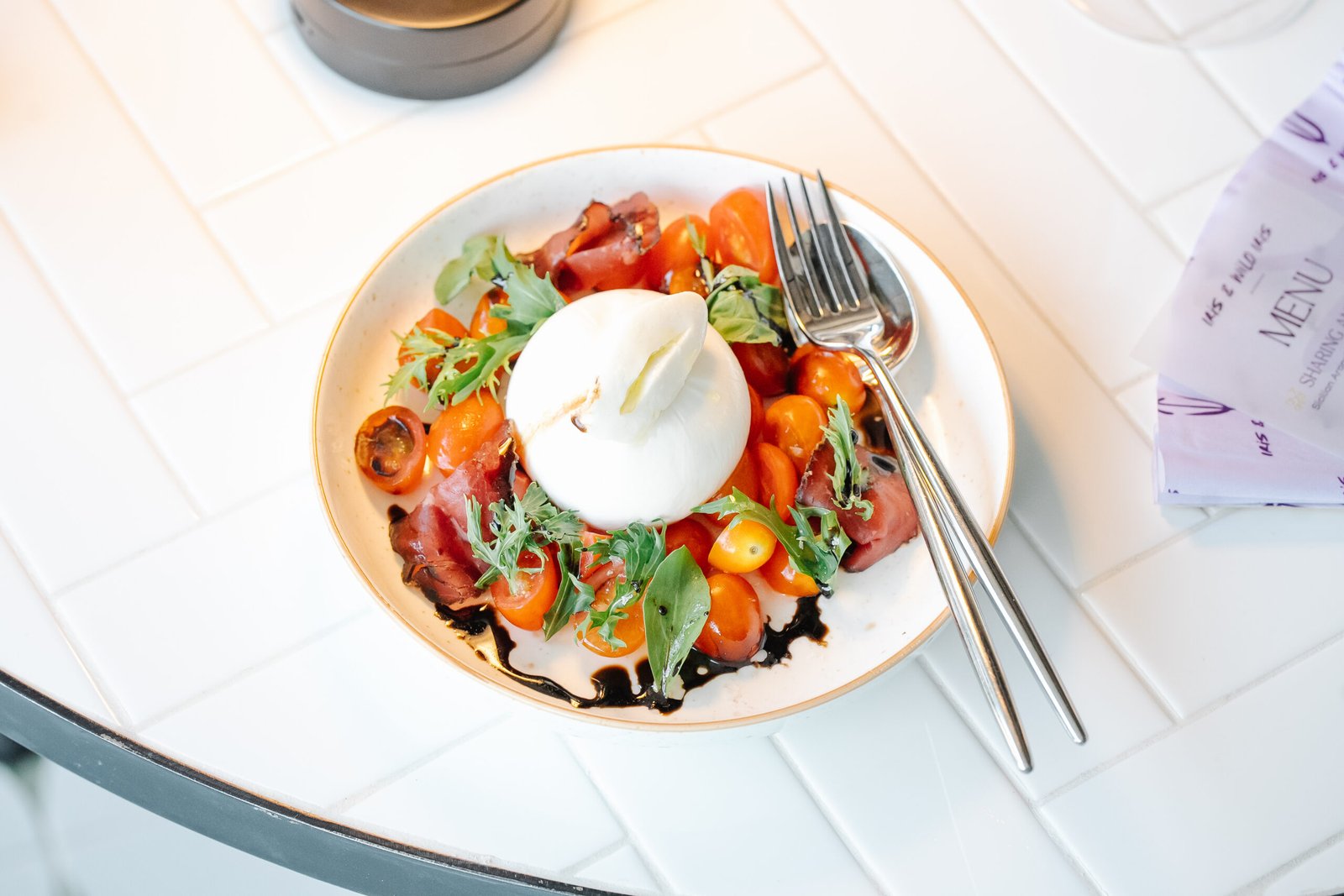
Rooted in Sicilian cooking, his cuisine is shaped by memory as much as technique, drawing on olive oil, citrus, seafood and the rituals of shared meals, all filtered through years of working across Europe and Asia, where perspective is broadened but identity remains intact.
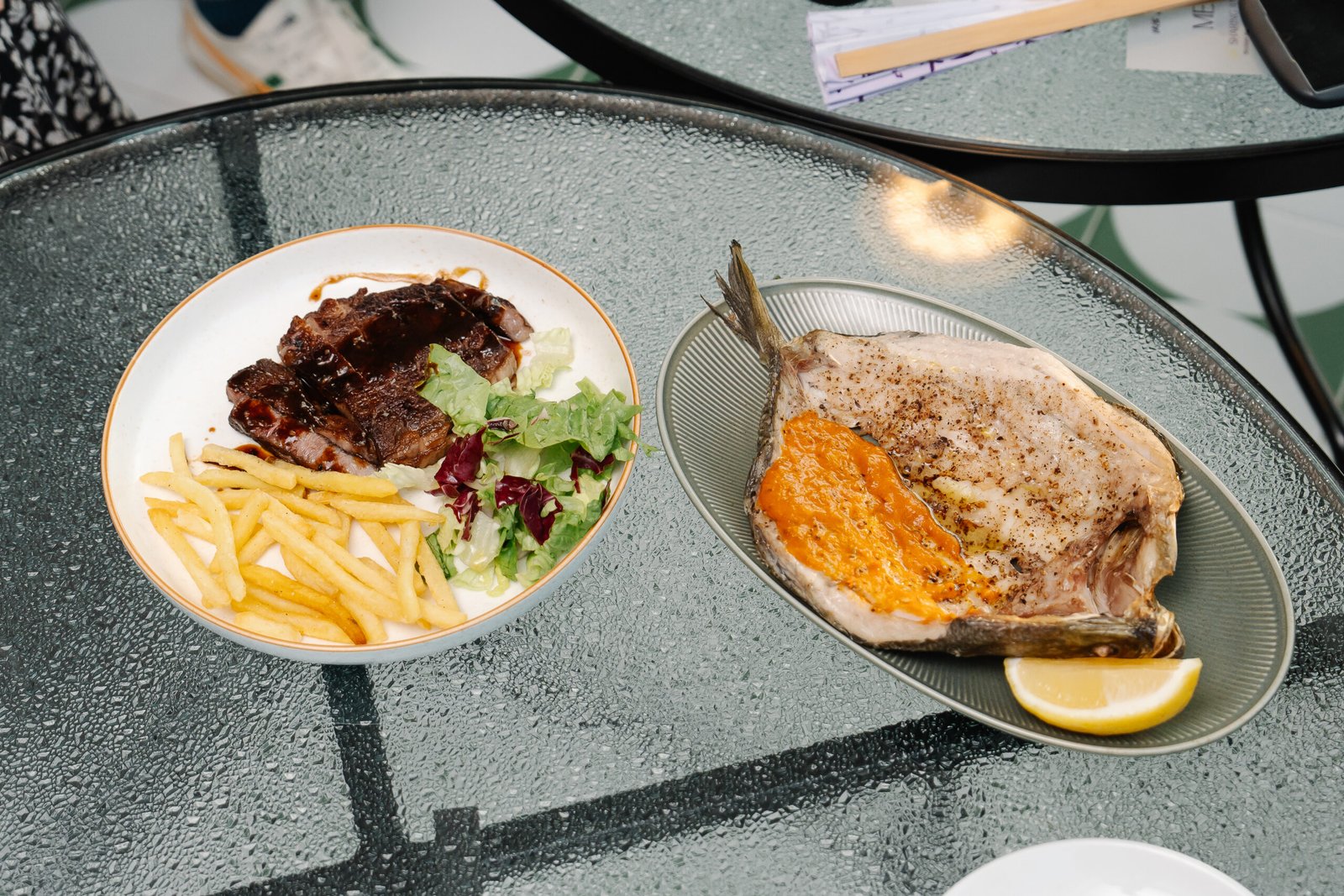
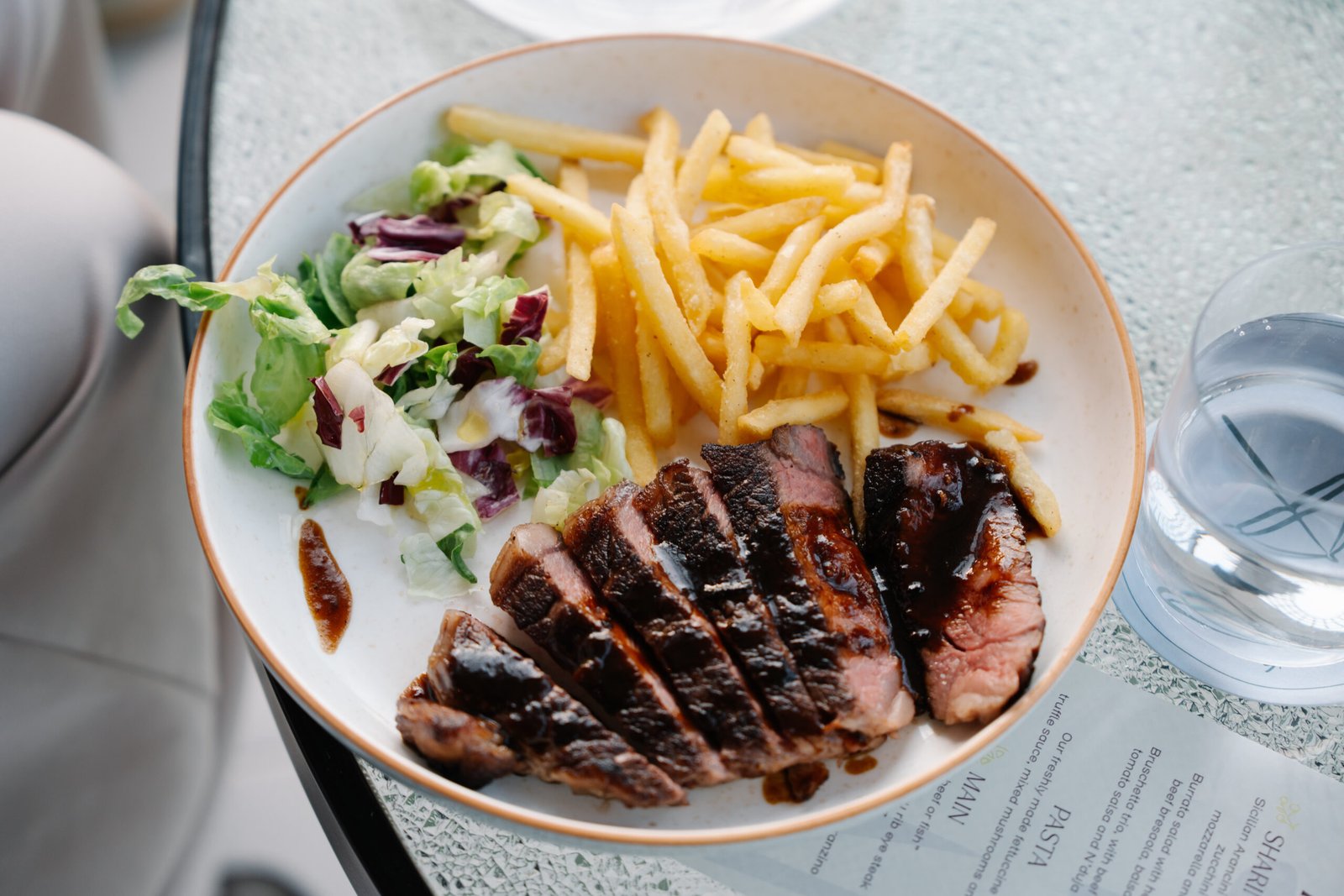
This duality—between origin and evolution—is what defines the menu, which feels composed rather than constructed, balancing tradition with a contemporary sensibility that never loses its sense of place.
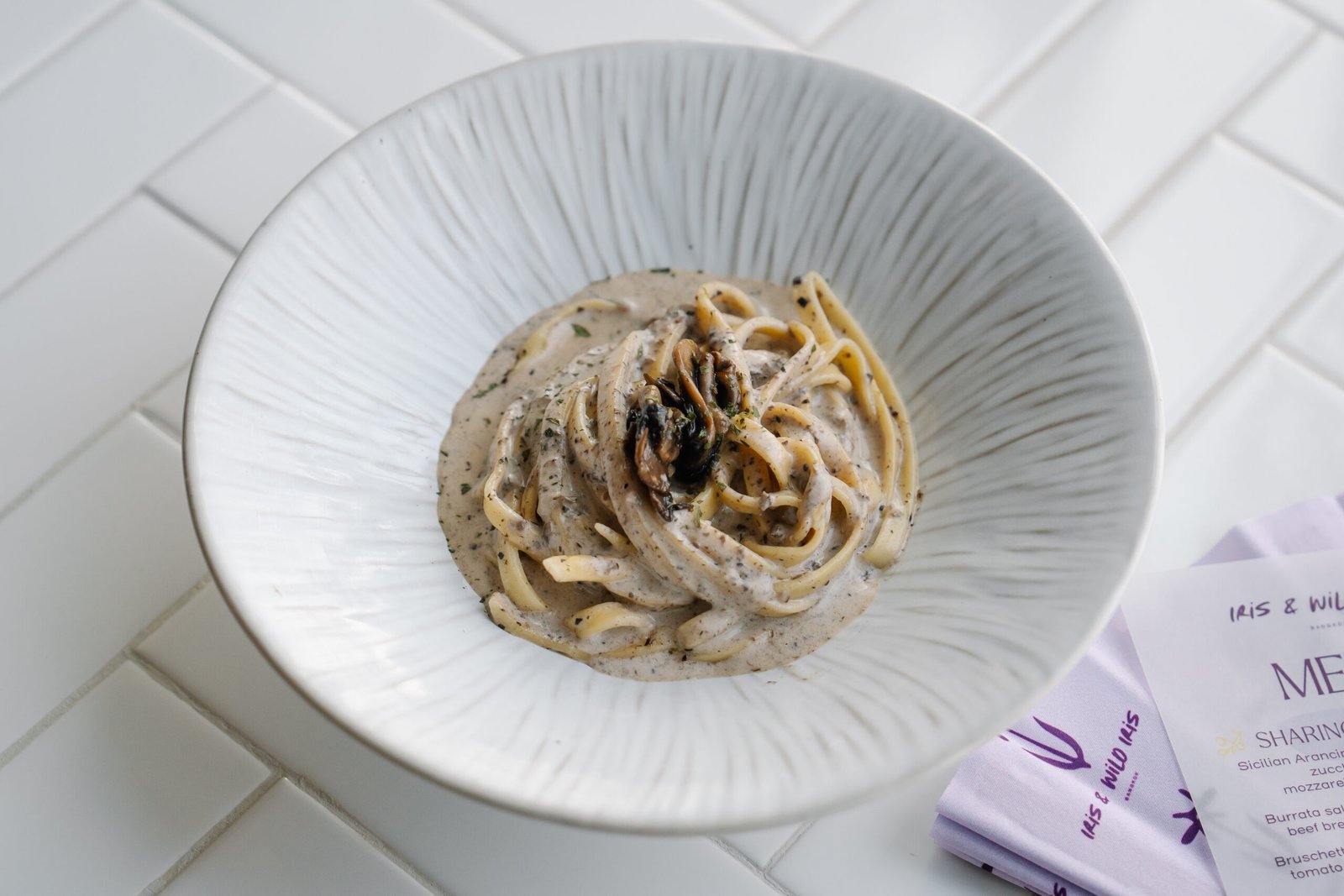
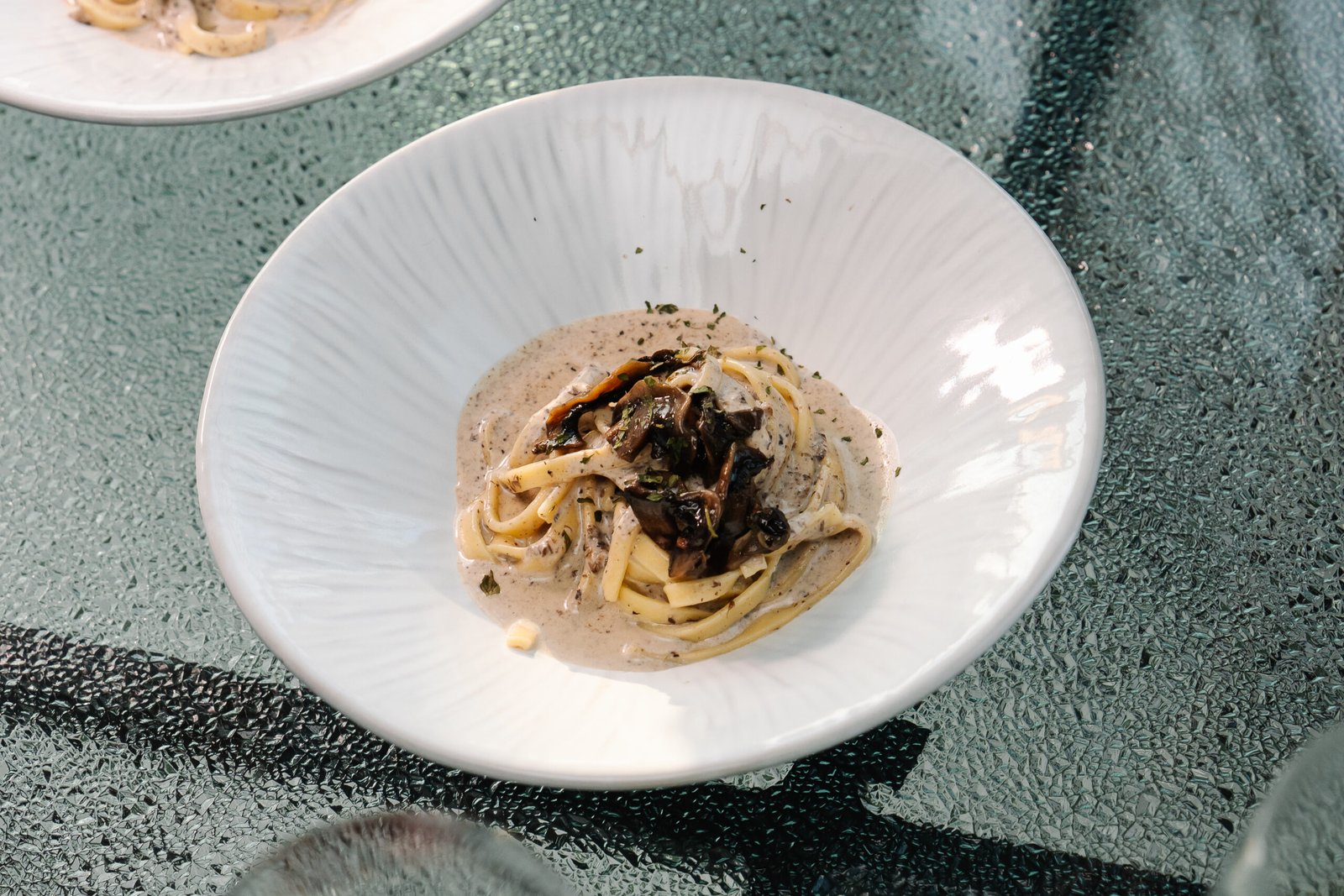
Crudo is treated with restraint, allowing the natural quality of the seafood to lead; pasta is designed for sharing rather than spectacle, reinforcing the social rhythm of the table; and citrus is used not as a decorative note, but as a structural element that brings brightness, balance and precision to each dish.
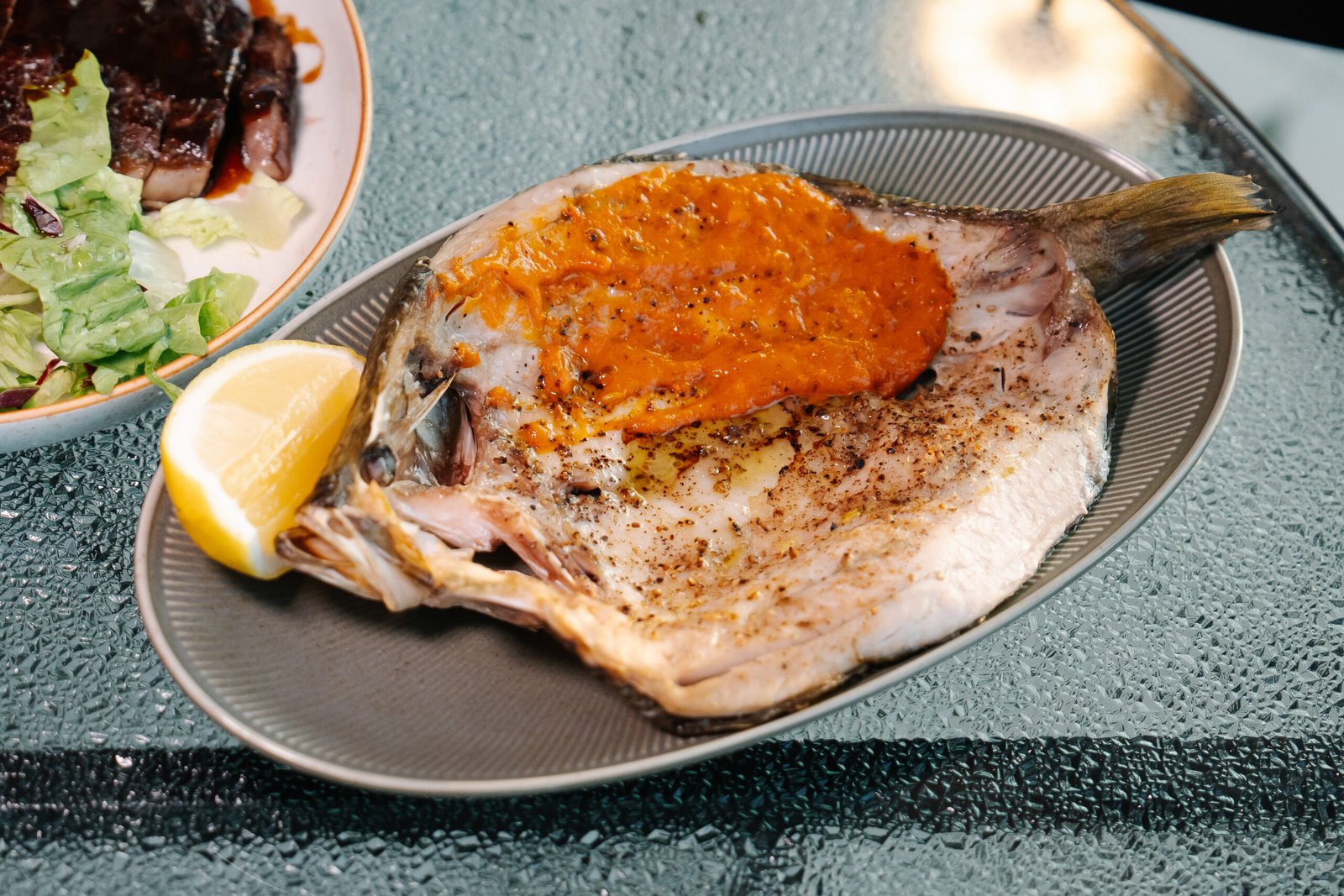
There is a deliberate absence of excess throughout—no unnecessary flourishes, no complexity for the sake of impression—only a controlled, confident expression of flavour that prioritises integrity over performance.
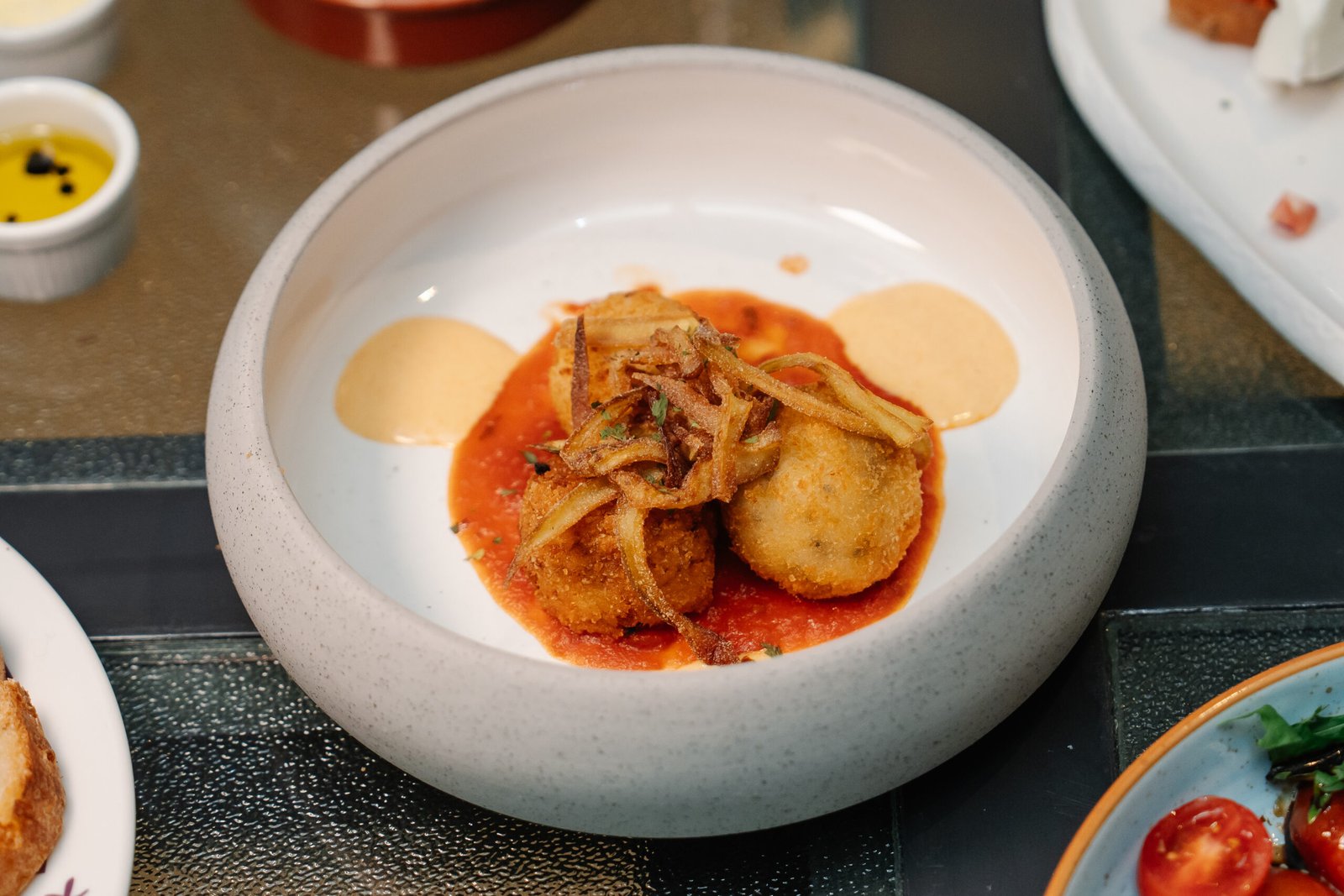
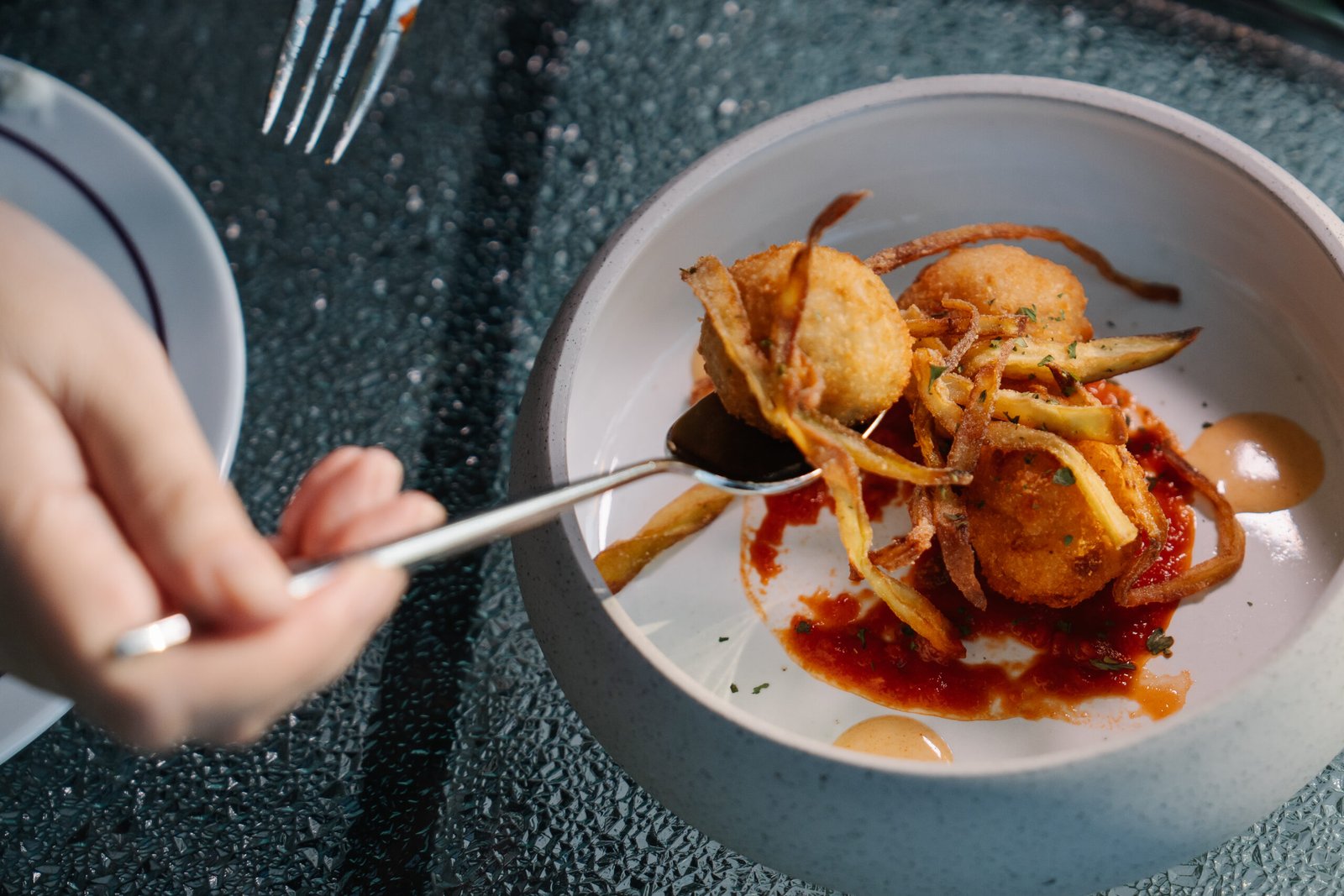
And that, ultimately, is the point: in a city where dining often leans toward spectacle, Iris takes the more demanding path, choosing discipline over drama and proving that restraint, when executed with conviction, can be far more compelling than excess.
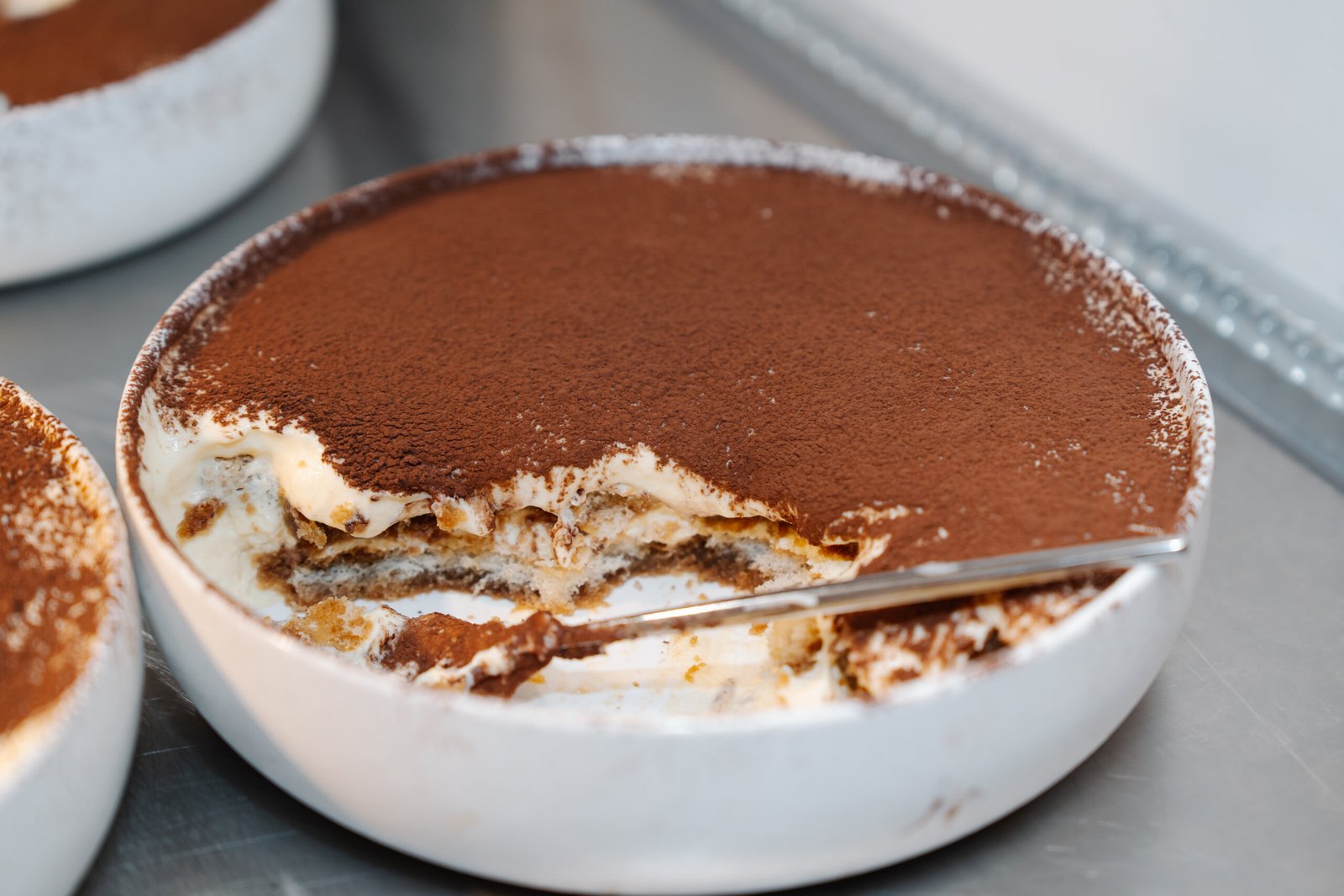
The real test of any venue begins after dinner, at the moment where most concepts begin to unravel and the divide between dining and nightlife becomes apparent. It is here that many spaces lose cohesion, shifting too abruptly or failing to evolve at all, leaving the experience fragmented rather than fluid. Iris & Wild Iris approaches this transition differently, refusing to treat dining and nightlife as separate identities. Instead, it allows one to dissolve naturally into the other, creating a sense of continuity that feels intentional rather than imposed.
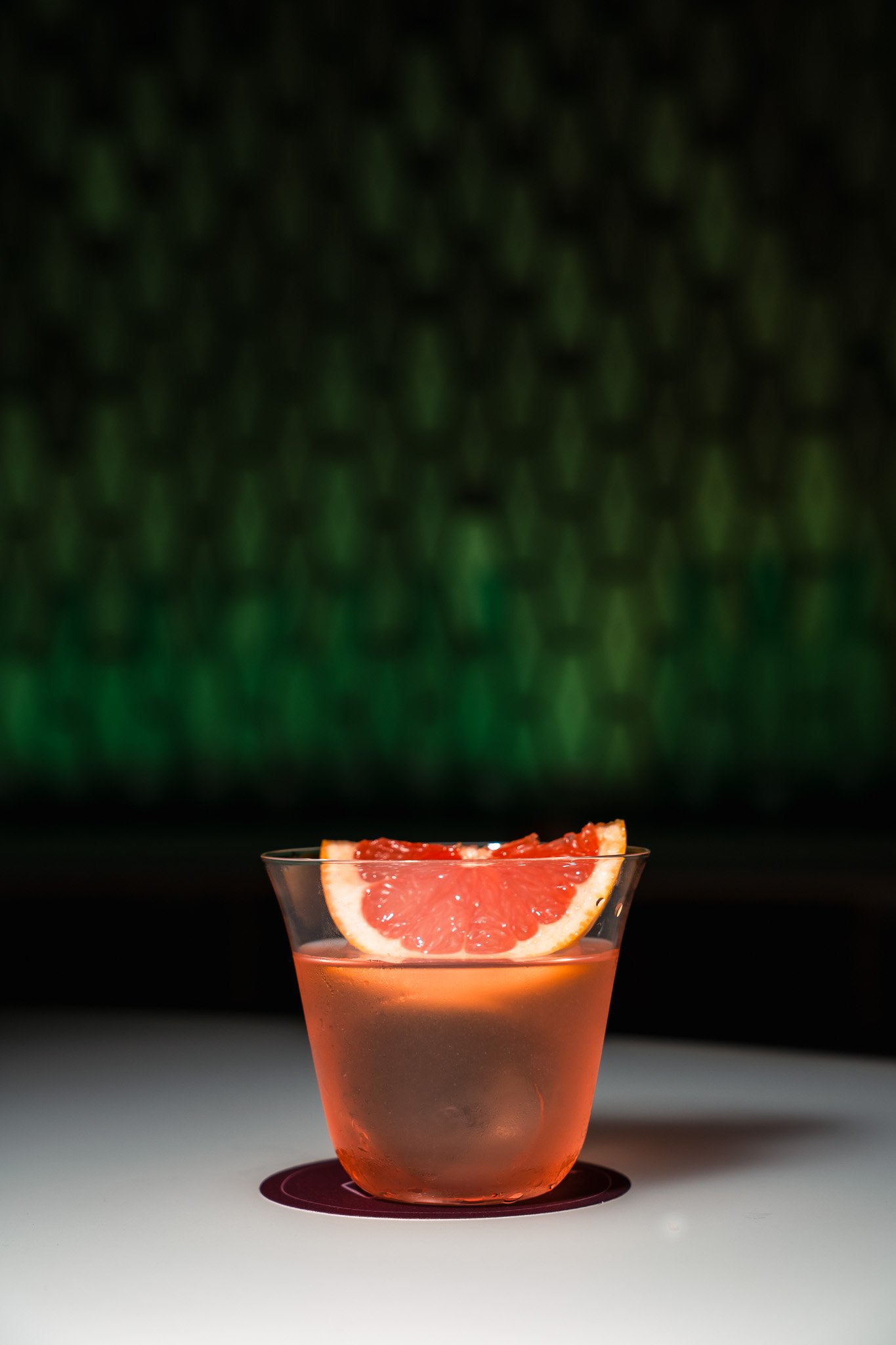
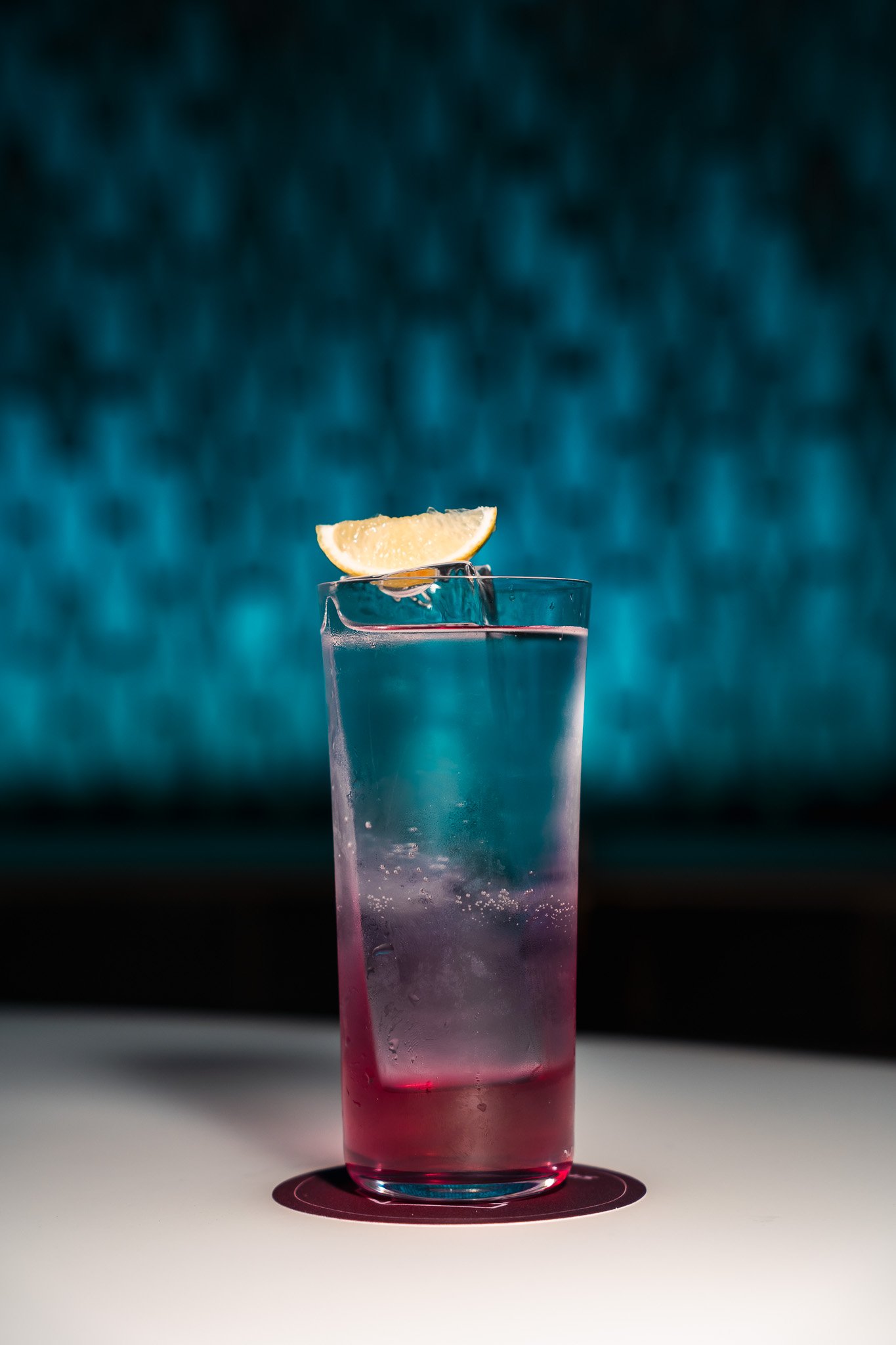
As the evening progresses, the transition into Wild Iris is not a shift, but an emergence. Cocktails rooted in aperitivo culture—layered with citrus, botanicals and balanced bitterness—echo the same flavour language found on the plate, reinforcing a seamless sensory connection. Music builds gradually, lighting deepens almost imperceptibly, and the energy rises in measured increments. Nothing is forced, and nothing feels premature; every element is introduced with precision, allowing the night to unfold at its own pace.
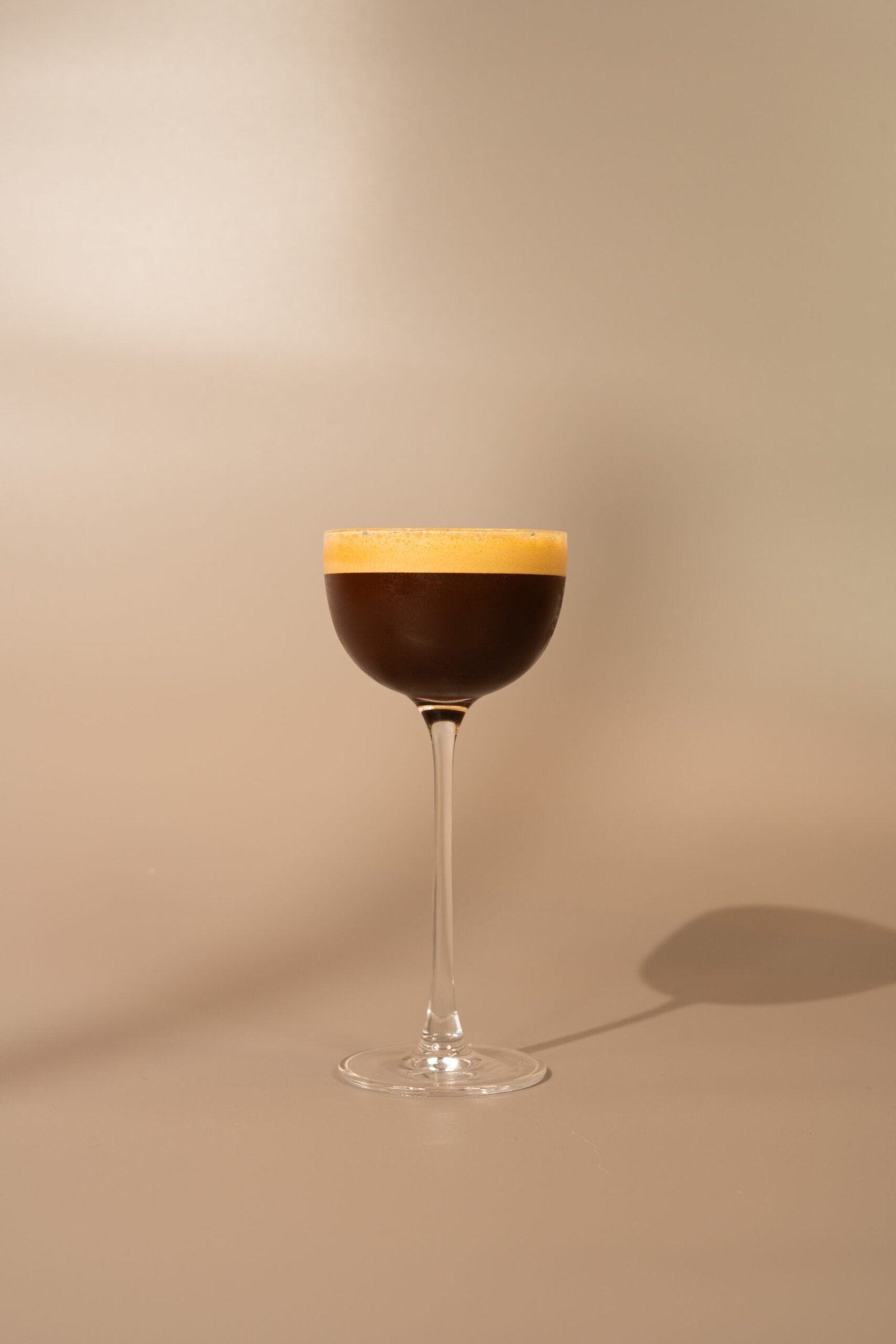
What ultimately defines Iris & Wild Iris is its understanding that people are not simply looking for a place to arrive, but a place that evolves with them. The experience is structured as a progression, offering movement, variation and a reason to stay beyond the initial moment. Rather than delivering a single peak, it sustains engagement through rhythm and pacing. In doing so, it creates something far more compelling than a static destination—it creates momentum.
This is not the loudest rooftop in Bangkok, nor the highest, nor the most theatrical in its execution. Its strength lies instead in its restraint, in the clarity of its concept and the discipline of its delivery. Every element feels considered, from the spatial journey to the culinary direction and the calibrated shift in atmosphere. In a market saturated with repetition, that level of intention is what sets it apart—and what makes it quietly, but definitively, one of the most relevant openings in the city.