









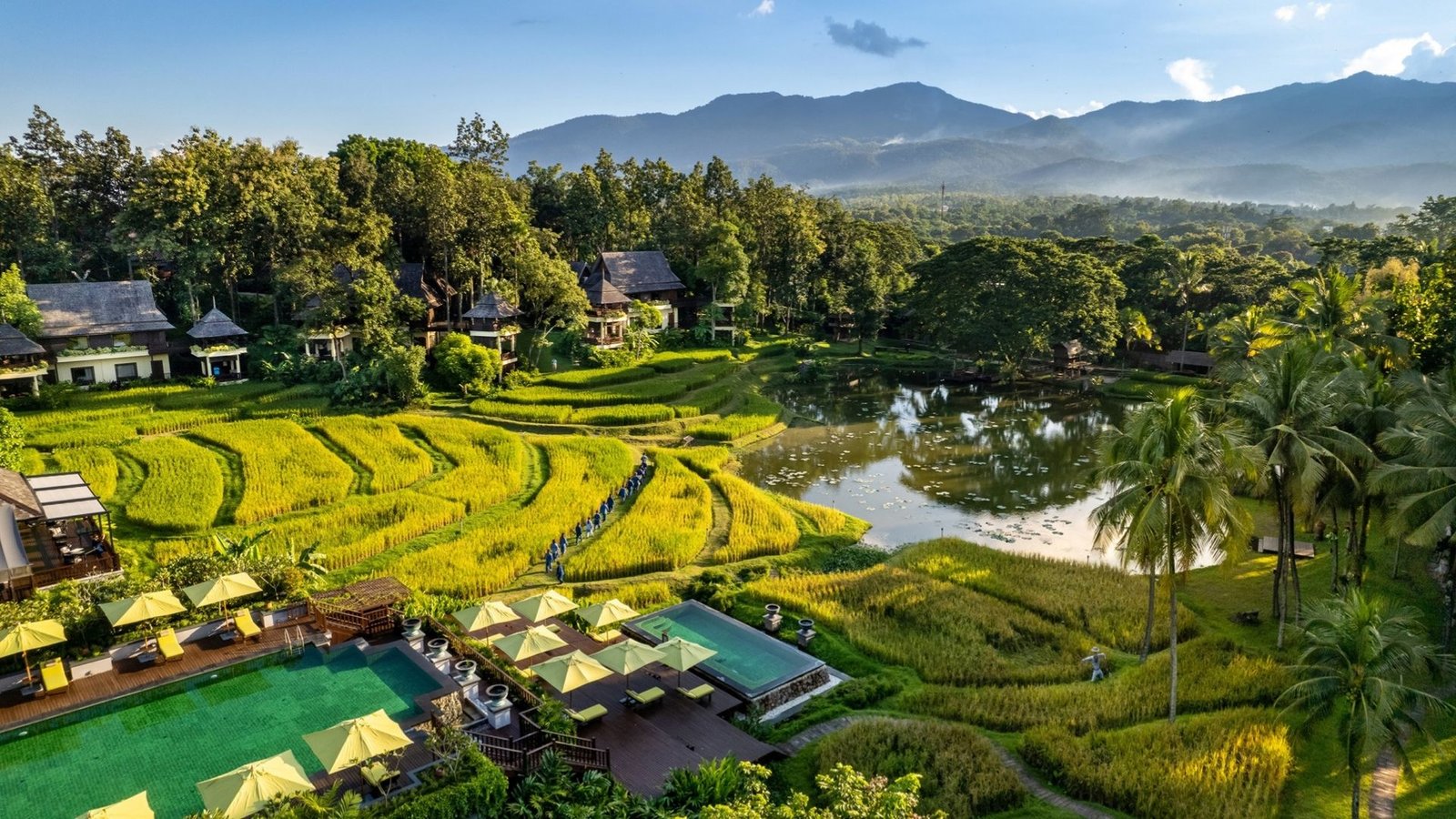
The valley doesn’t reveal itself all at once. It builds gradually — in layers of green, in reflections of water, in the quiet geometry of rice terraces that step down through the land with deliberate precision. From above, it feels almost composed. Up close, it’s something else entirely. Alive. Working. In motion. This is Mae Rim. And at its centre, almost imperceptibly woven into the landscape, sits Four Seasons Resort Chiang Mai.
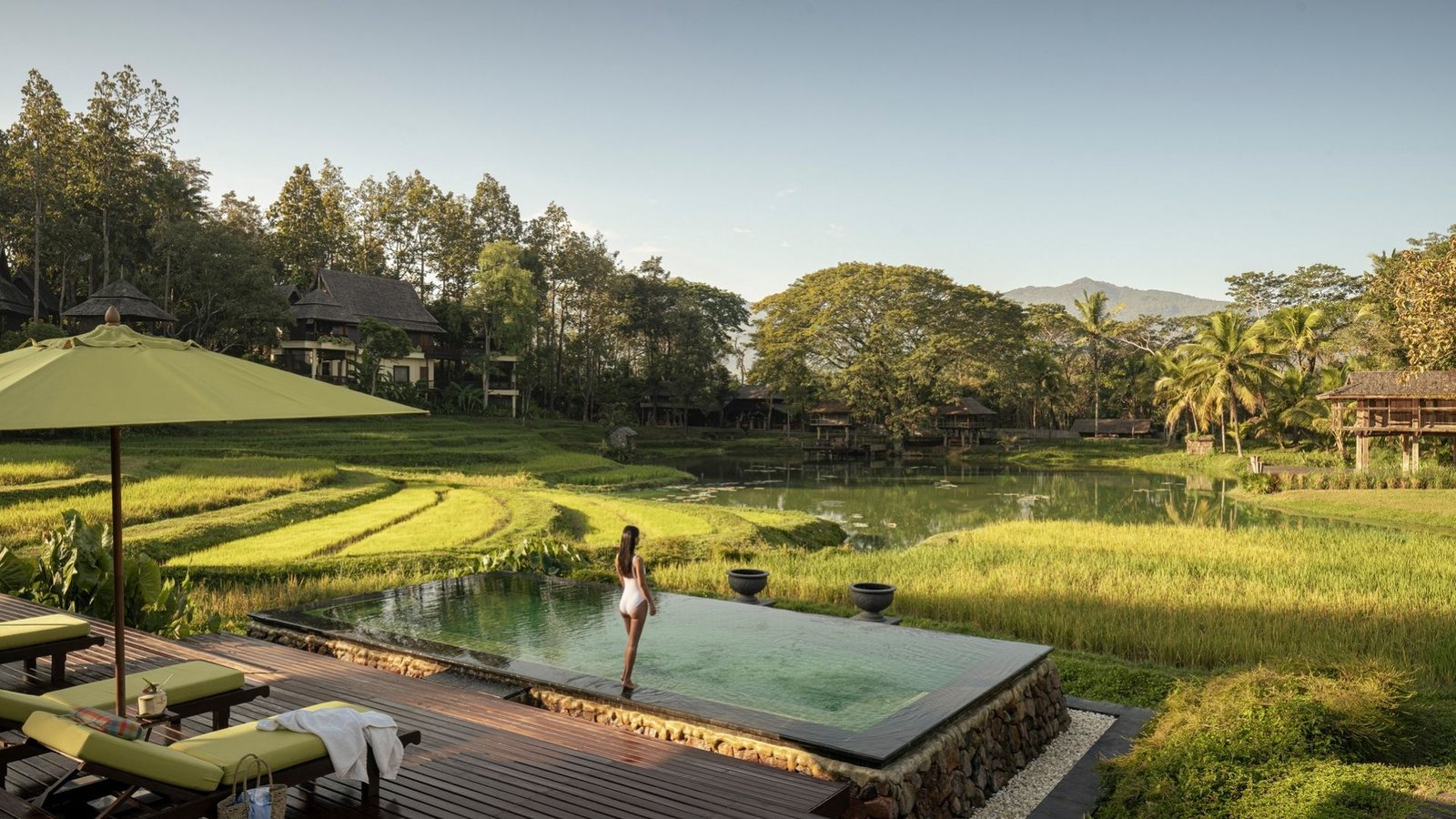
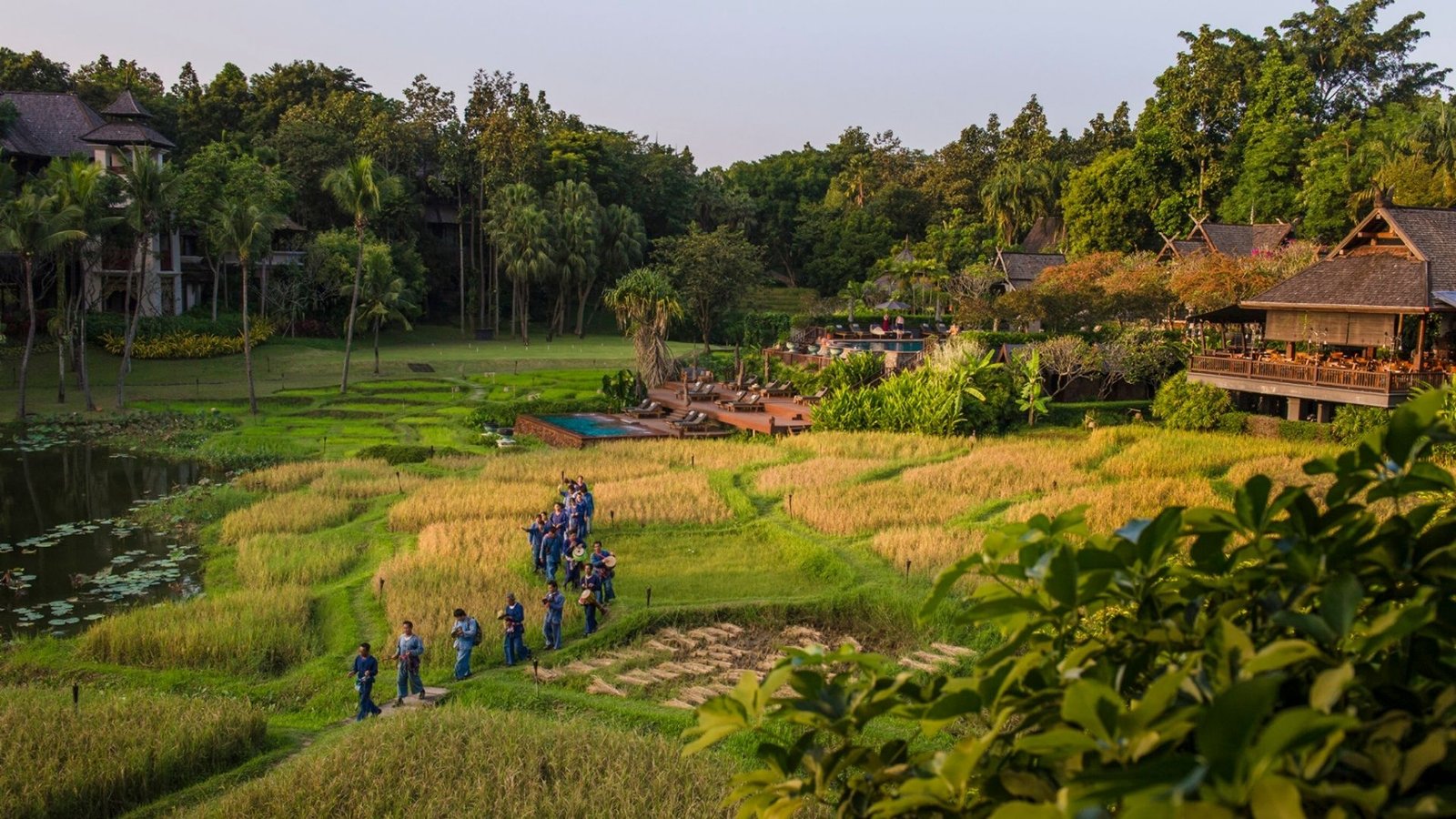
There is no dramatic arrival here. No moment engineered for impact. Instead, the transition happens quietly. The road narrows. The air shifts. And then, without announcement, the valley opens — rice paddies stretching outward, water moving through narrow channels, farmers working the land in steady rhythm. The resort doesn’t interrupt this scene. It belongs to it.
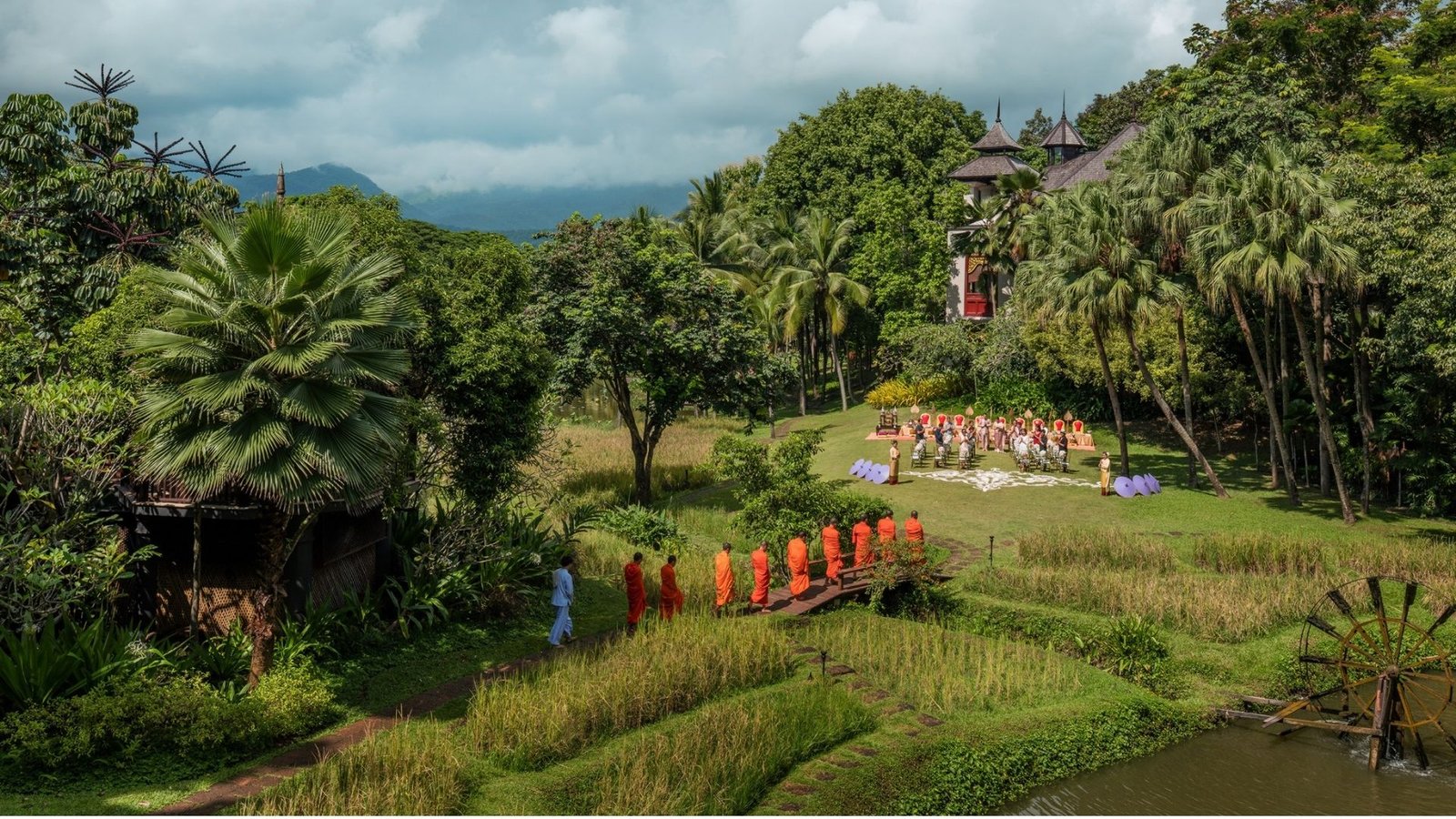
Set across 32 acres of working countryside, the property is built around the land rather than over it. The rice fields are cultivated year-round. The water buffalo remain part of the ecosystem. The cycles of planting and harvest continue uninterrupted. It’s not a curated version of rural Thailand. It’s the real thing — simply observed from a different vantage point.
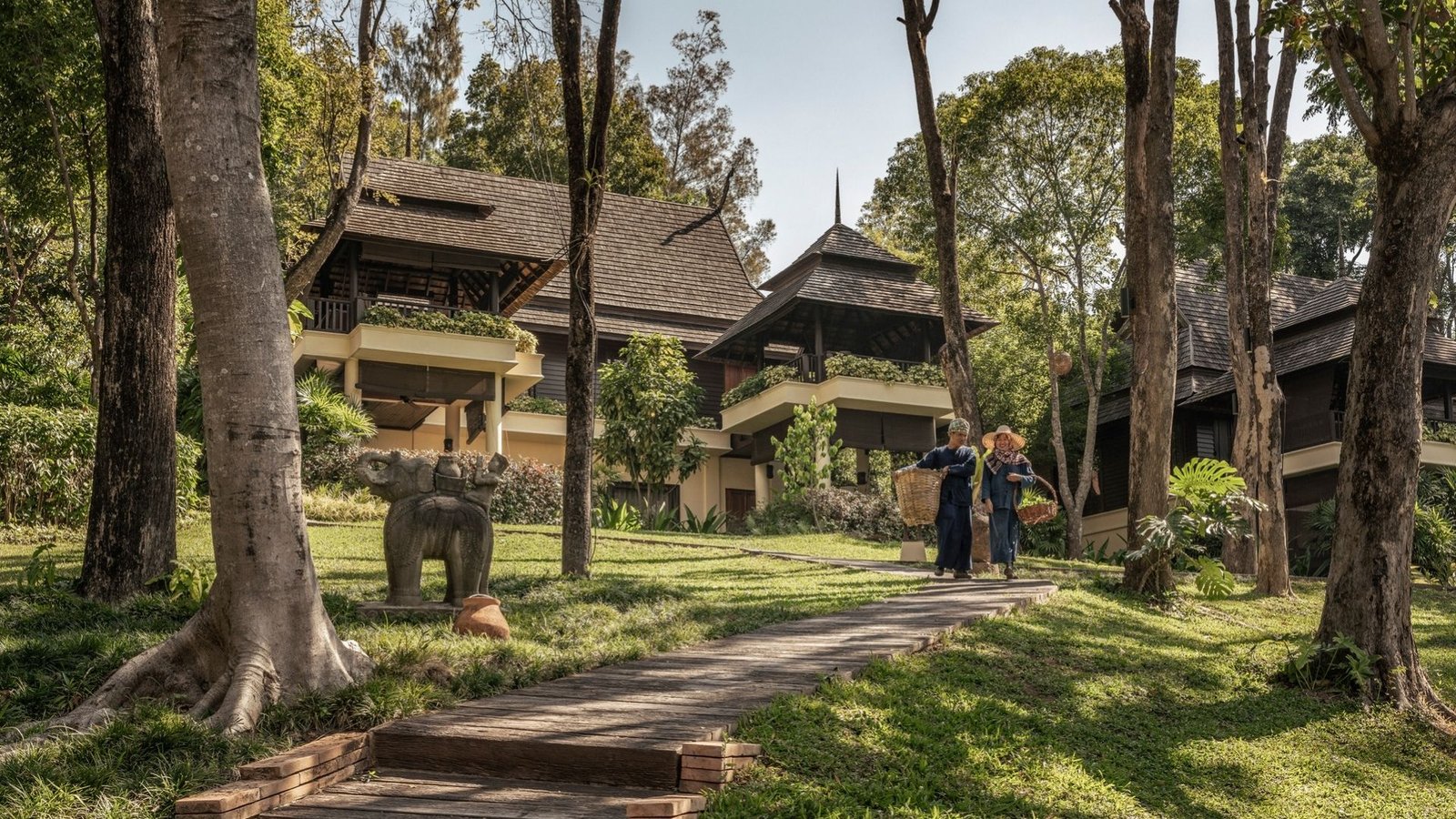
Where Golden Triangle speaks in terms of distance and discovery, Chiang Mai speaks in proximity. Everything here is close enough to feel. The architecture reflects that shift. Rooted in the traditions of the Lanna Kingdom, the design draws from a confluence of regional influences — Burmese, Chinese, Indian — expressed through timber structures, layered textures and open-air forms.
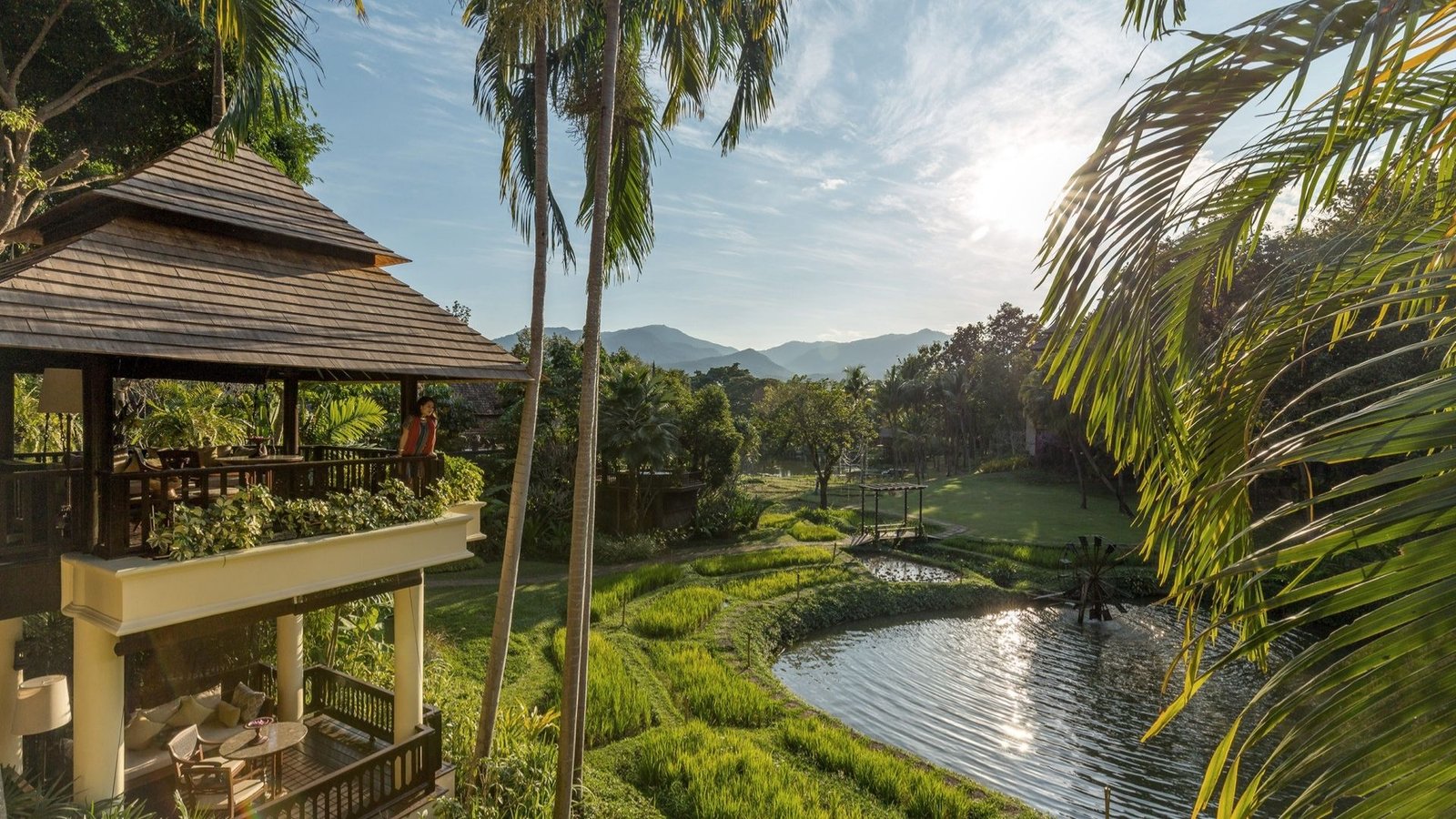
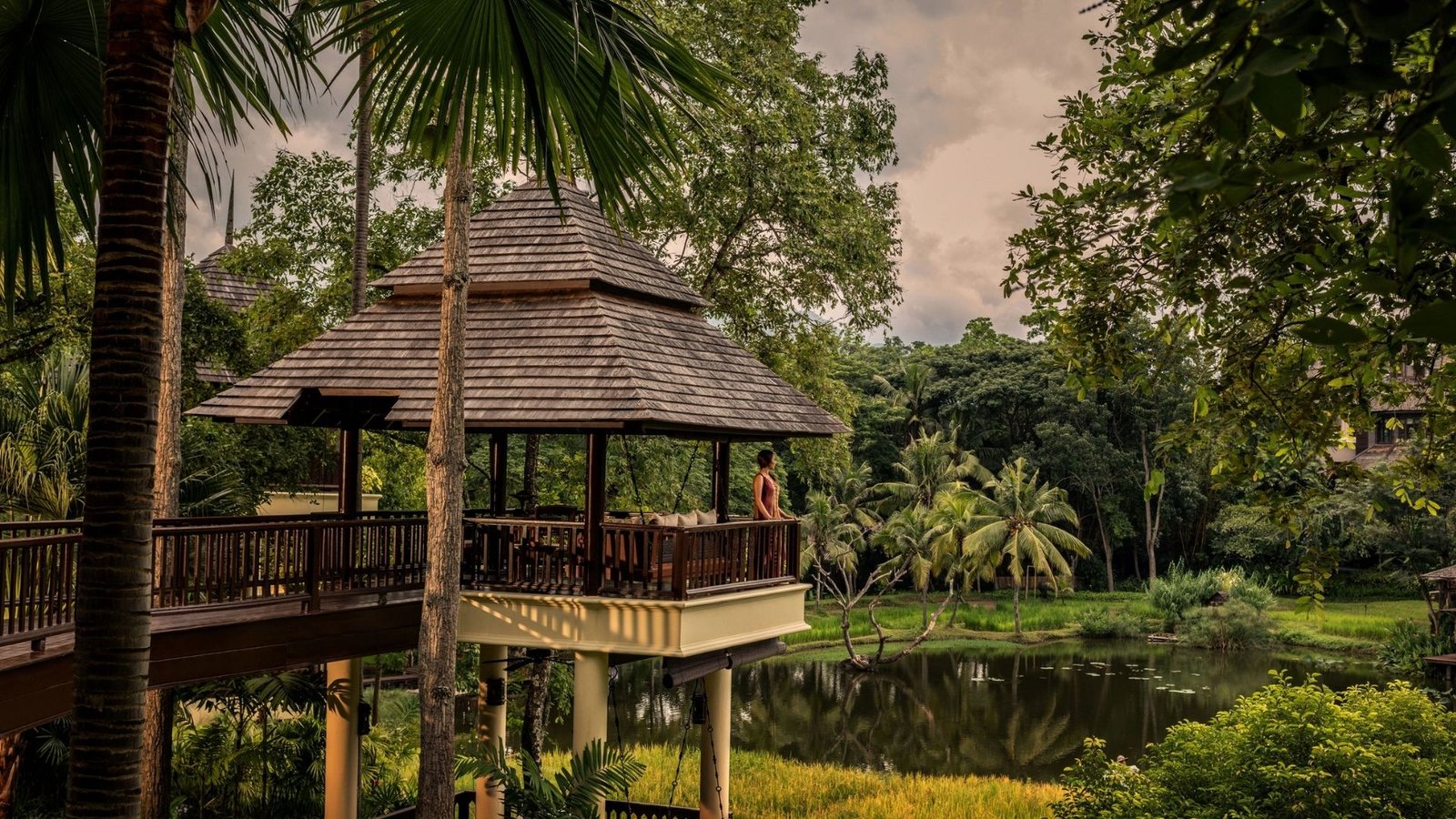
But the defining gesture is restraint. Buildings settle into the terrain rather than rising above it. Rooflines echo the surrounding hills. Pathways follow the natural contours of the land. From certain angles, the resort seems to dissolve into the valley entirely. It doesn’t seek attention. It earns it slowly.
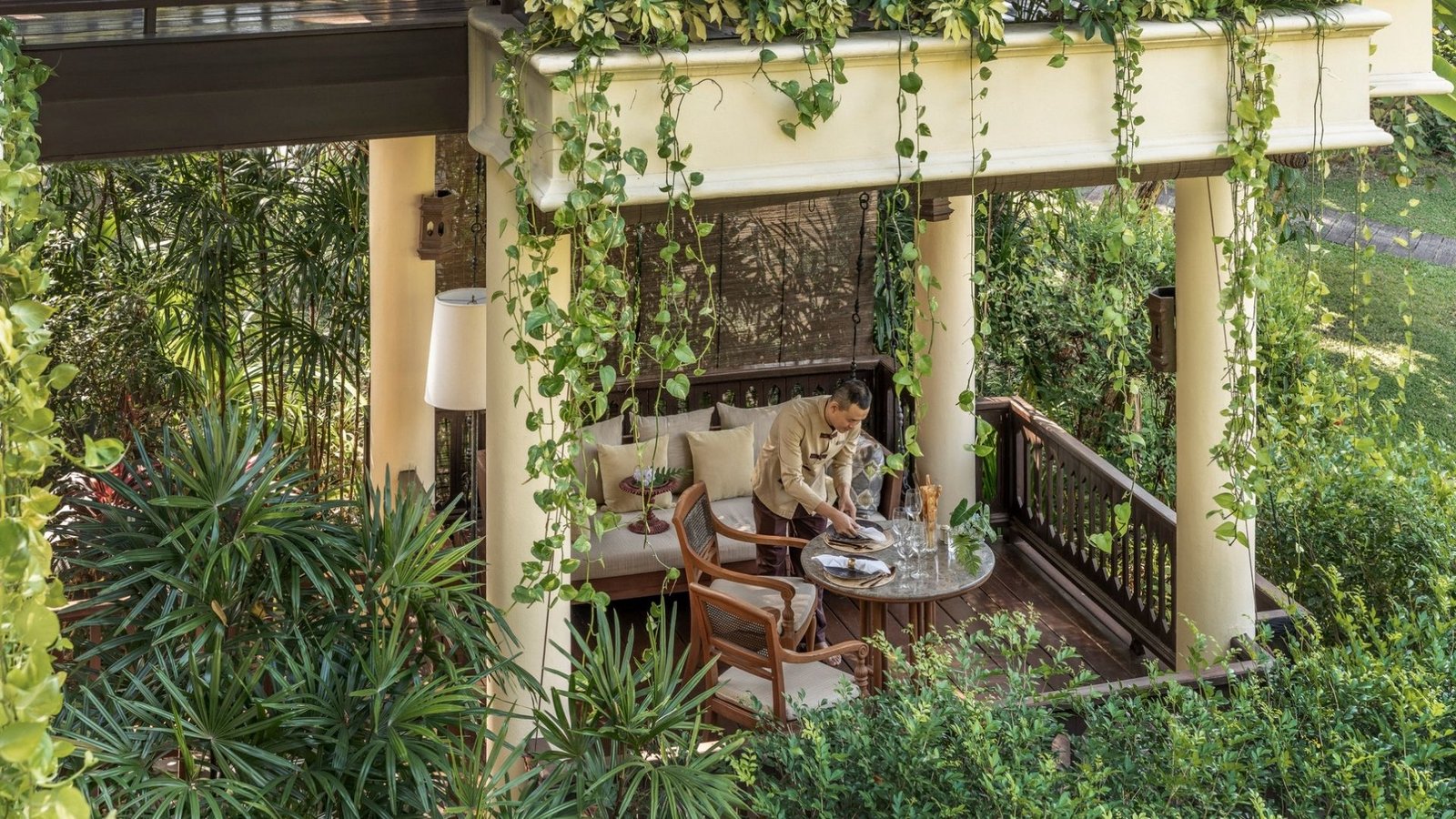
The experience of staying here is shaped less by what you do, and more by what you begin to notice. Pavilions are positioned to frame moments rather than views. A farmer moving through water at first light. The shift in colour across the fields as clouds pass overhead. The sound of insects rising in the afternoon heat. Each detail feels small on its own. Together, they form something immersive.
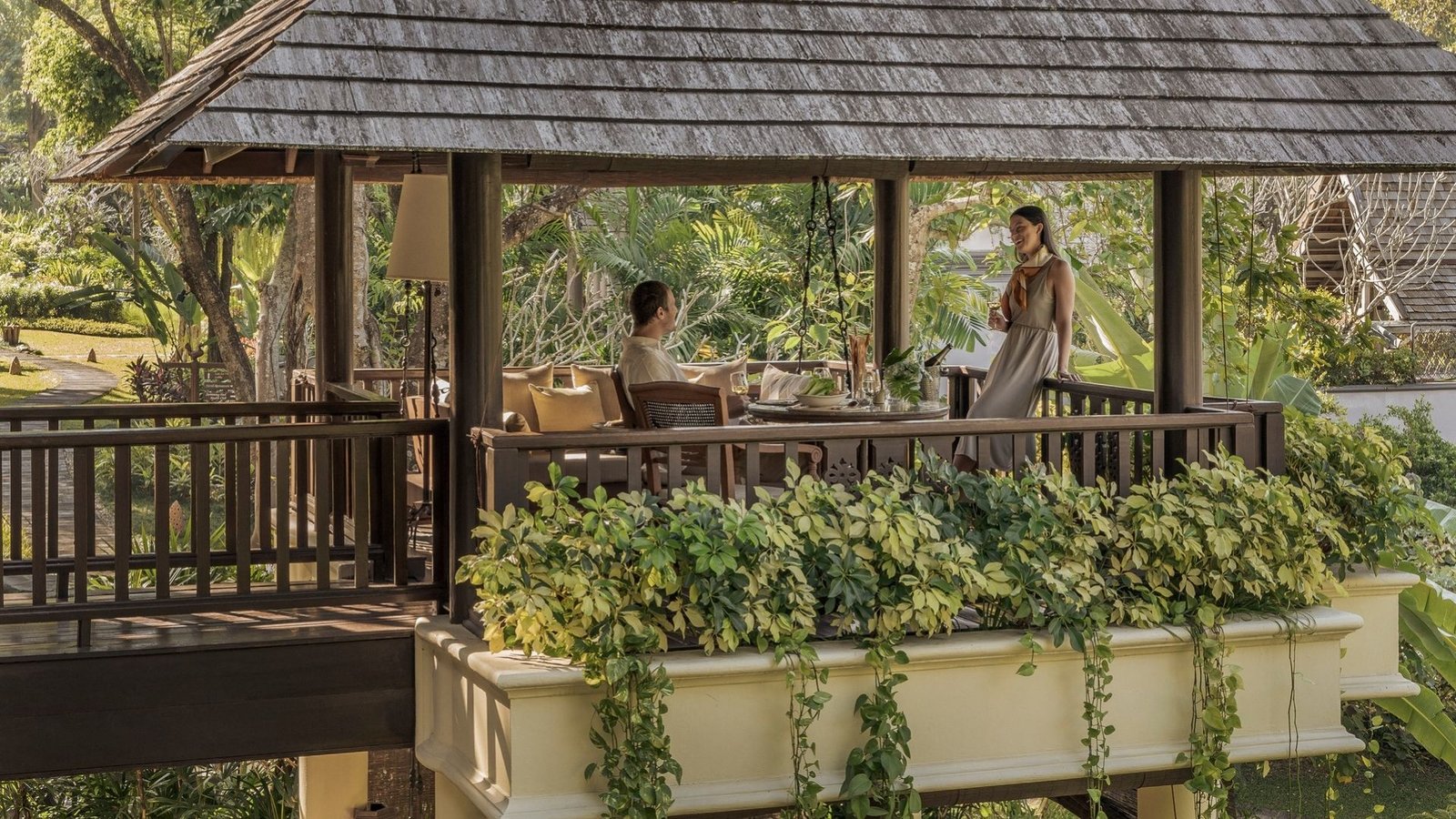
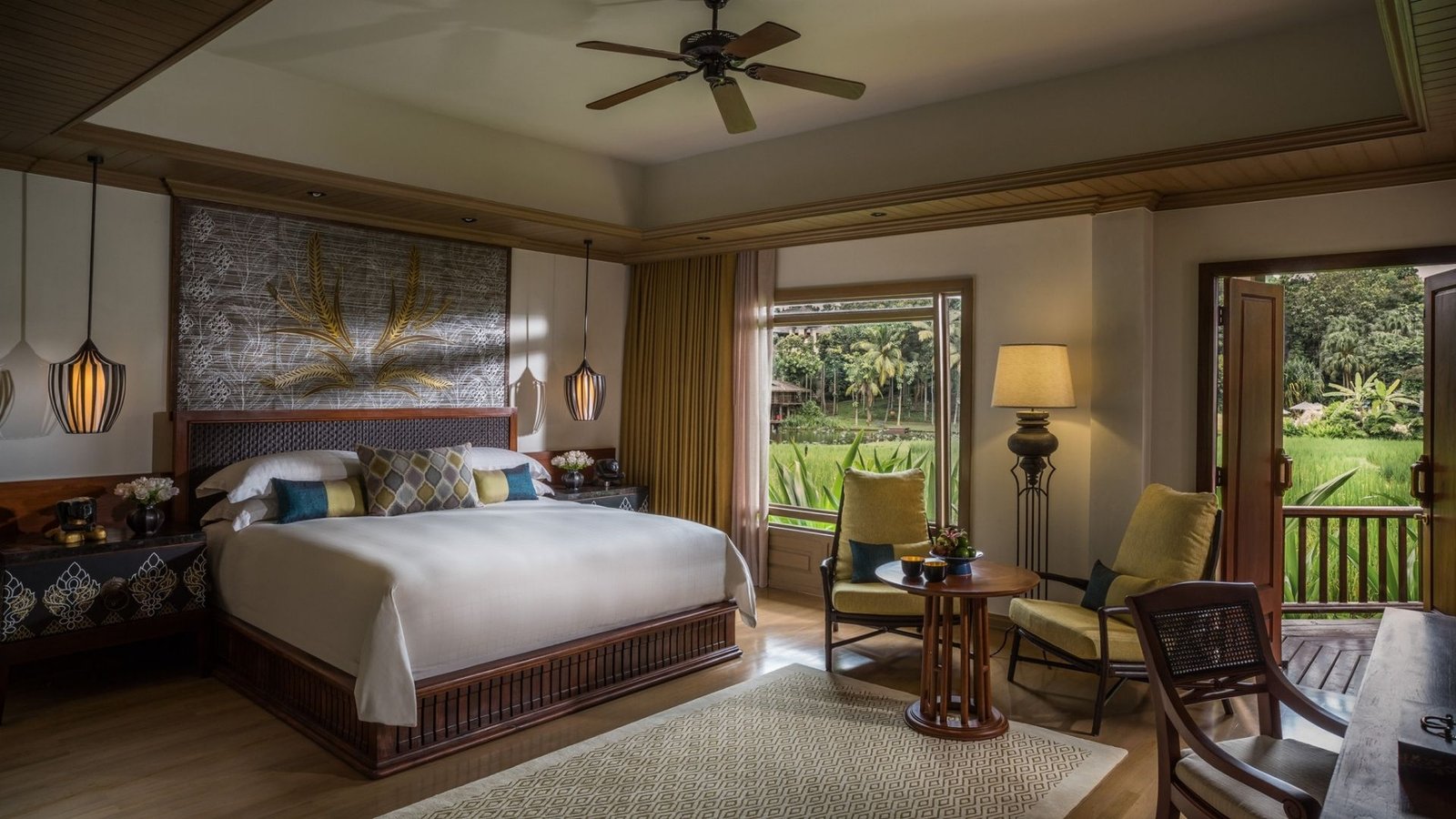
Inside, the design is intentionally quiet — polished wood, hand-finished surfaces, textiles that carry a sense of place without overstatement. Outside, the landscape continues uninterrupted. Even the villas, expansive and private, remain open to their surroundings — water, air, light all moving freely through the space. Nothing feels contained.
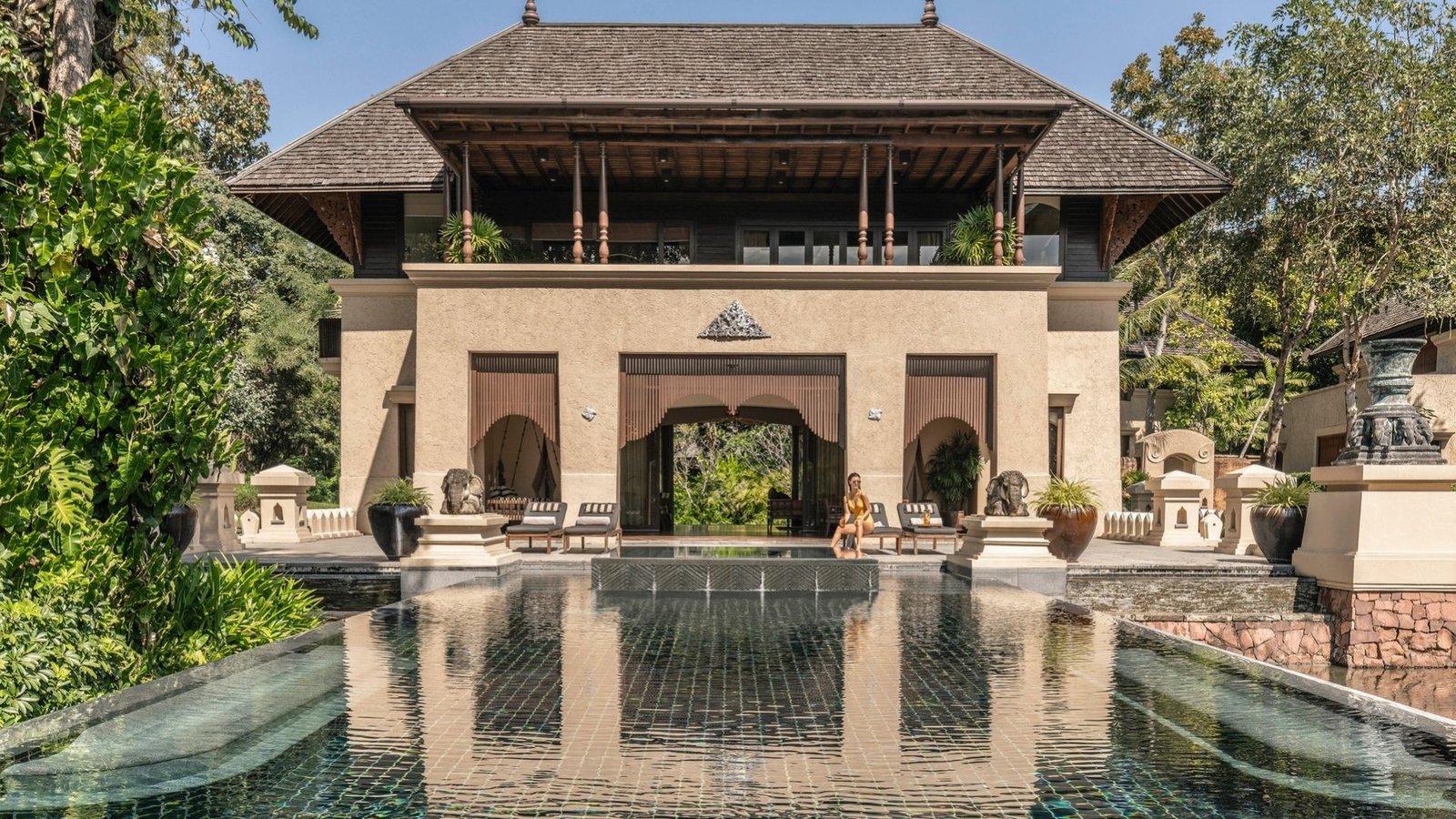
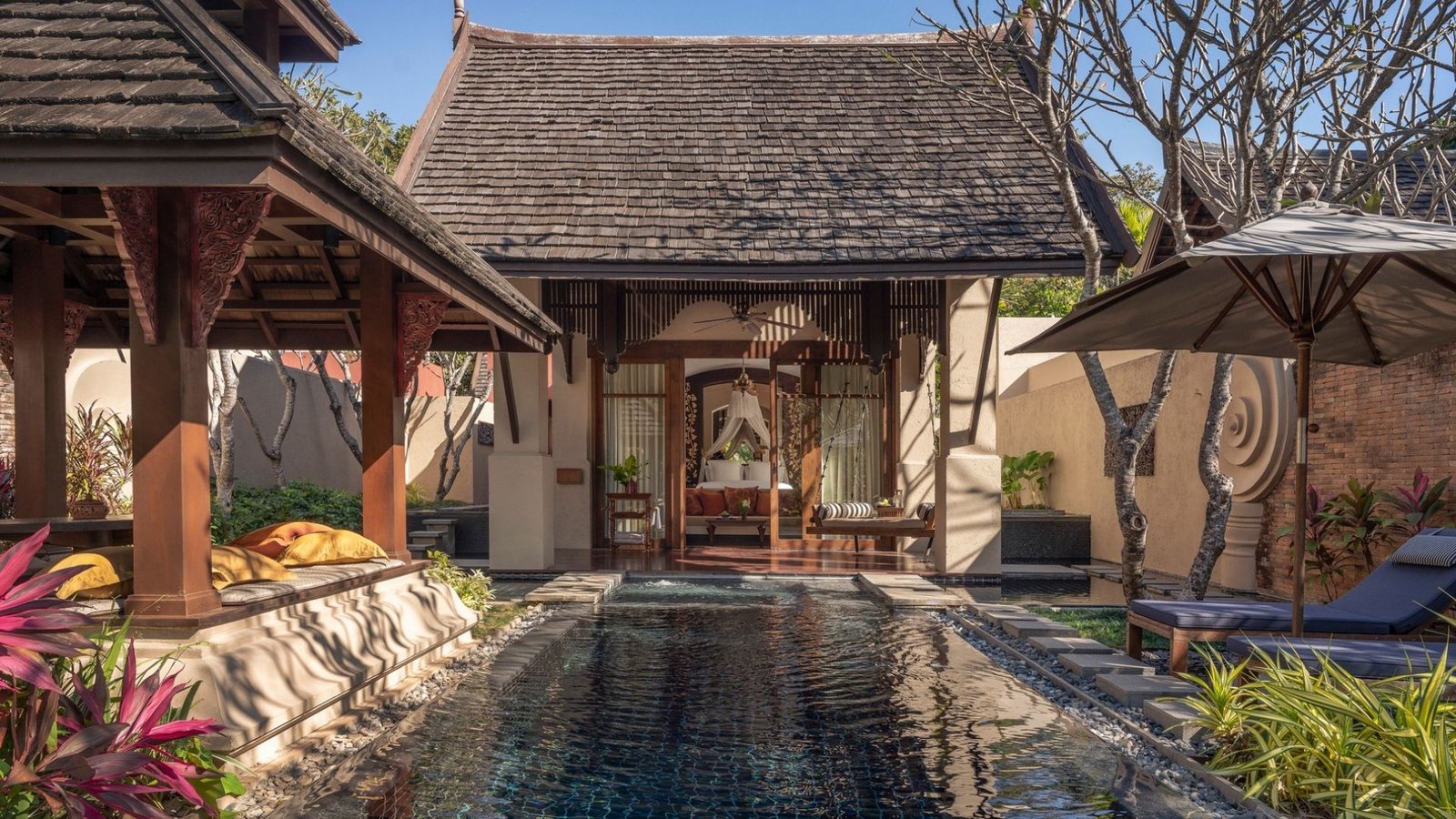
This sensibility is no accident. The landscape and much of the resort’s spatial experience were shaped by Bill Bensley, whose work across Southeast Asia has become synonymous with a more narrative-driven approach to design — one that prioritises immersion over statement. In Chiang Mai, his hand is deliberately restrained. Rather than imposing a signature aesthetic, Bensley leans into the existing character of the valley, allowing topography, agriculture and tradition to guide the outcome.
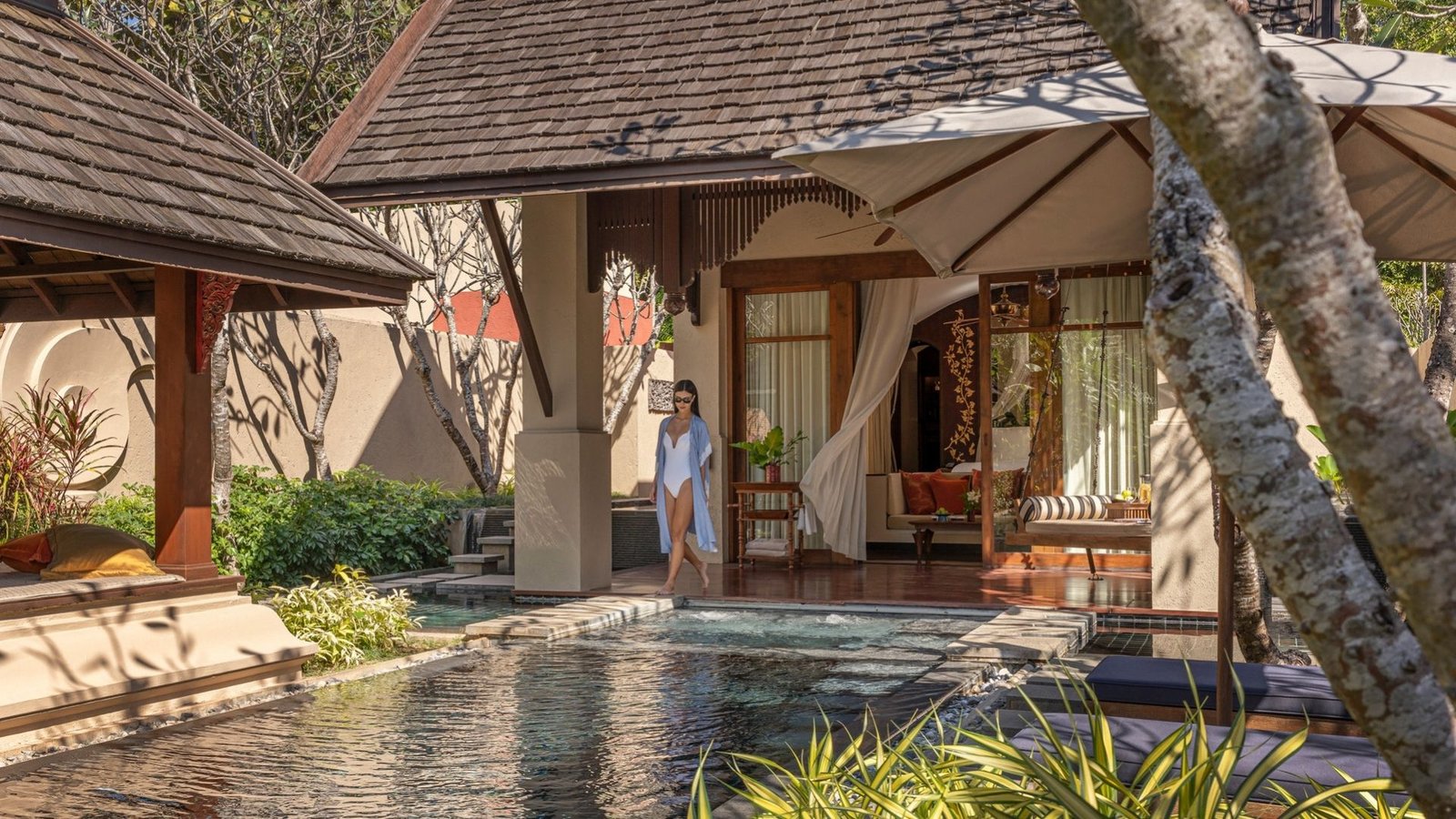
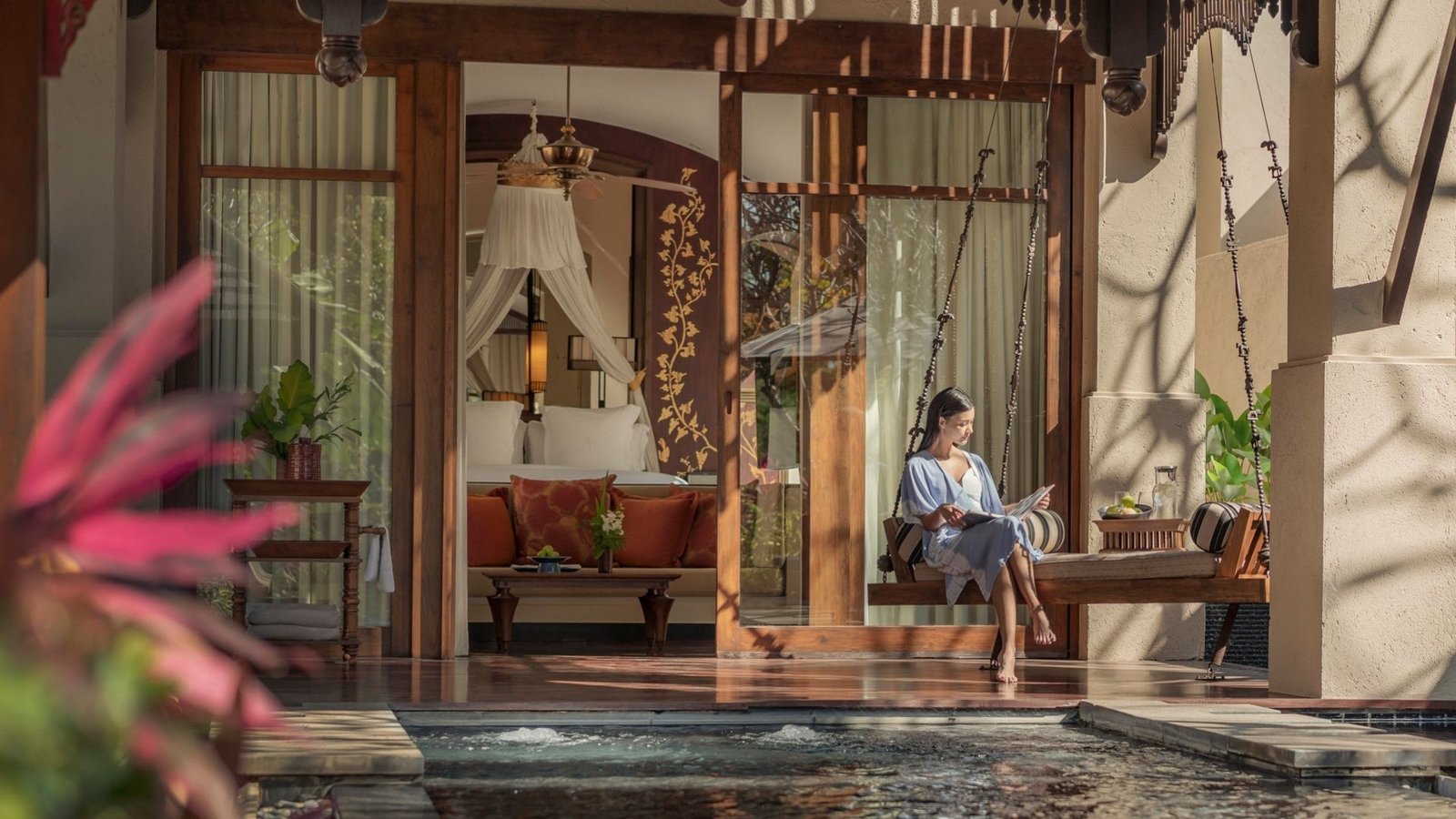
Nowhere is this more apparent than in the villas. Conceived less as standalone residences and more as extensions of the terrain, they are arranged to follow the natural flow of water and land. Split-level layouts, open pavilions and layered outdoor spaces create a sense of movement rather than enclosure. Private pools reflect the surrounding greenery, while decks and salas dissolve into gardens that feel cultivated, but never controlled.
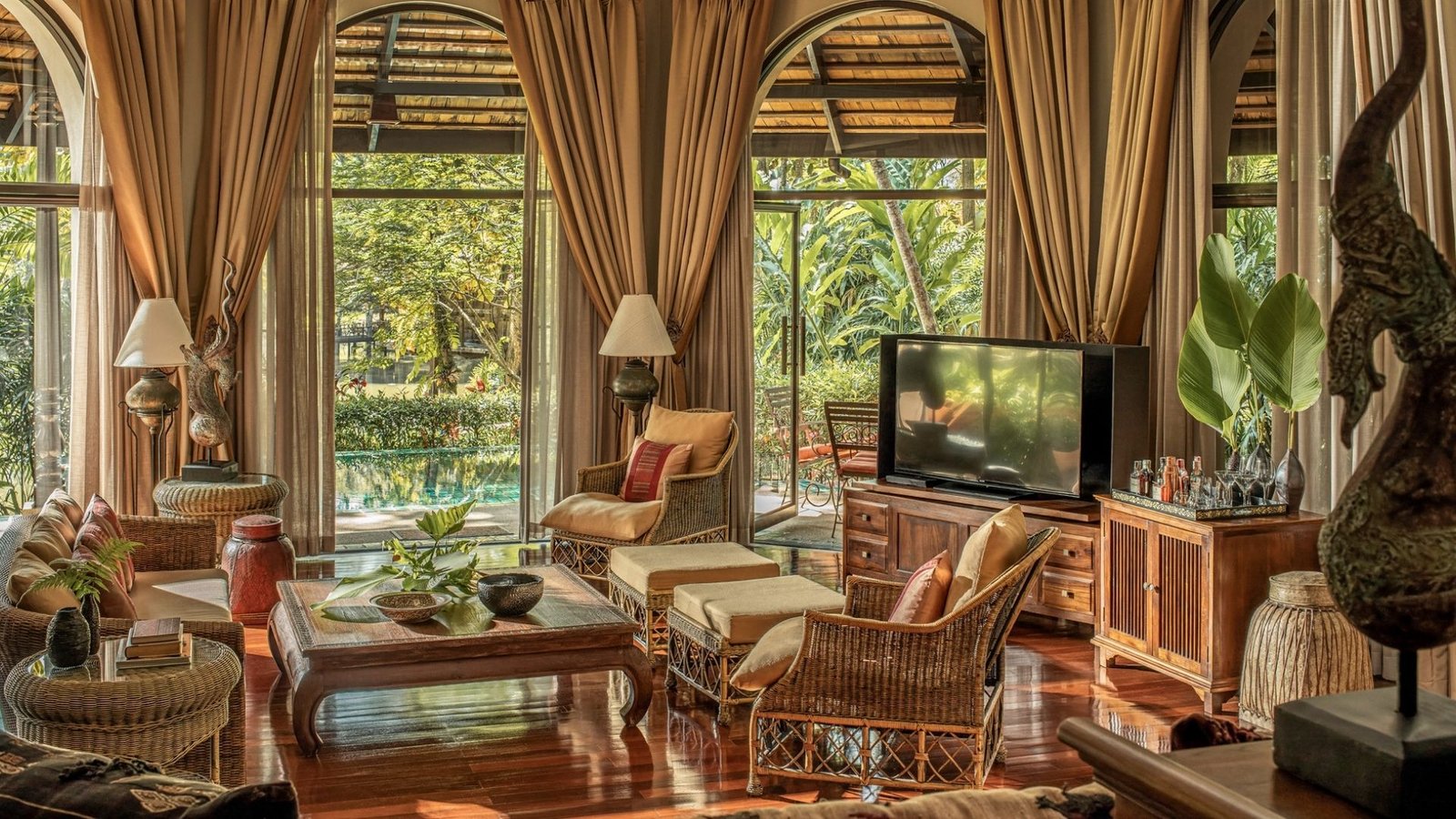
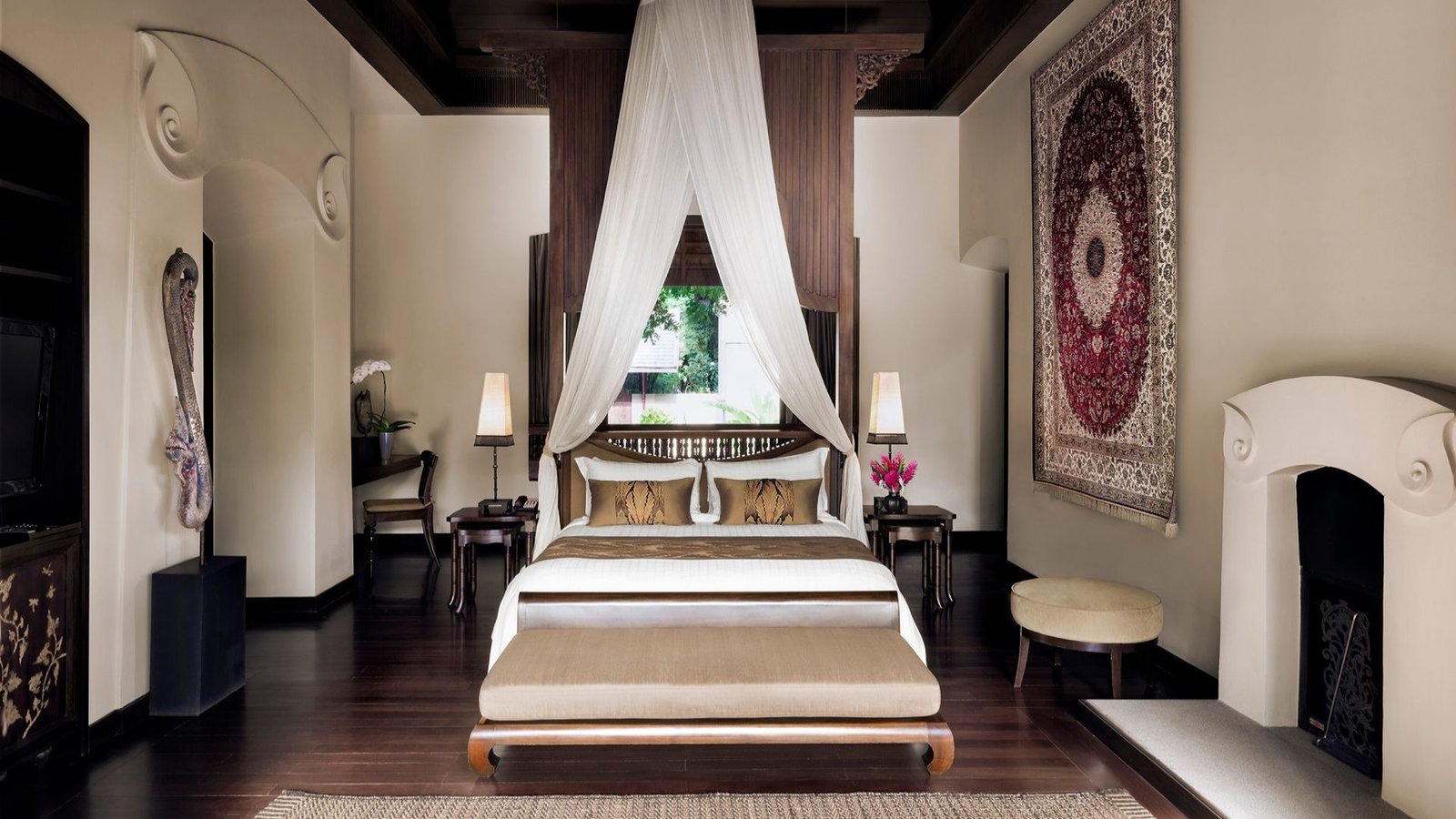
There’s a quiet intelligence in the way these spaces are composed. Lines are softened. Boundaries are blurred. Materials — timber, stone, water — are used not for effect, but for continuity. The result is a form of luxury that doesn’t rely on scale or spectacle, but on how seamlessly it integrates with what already exists. In Bensley’s hands, the villas don’t compete with the landscape. They complete it.
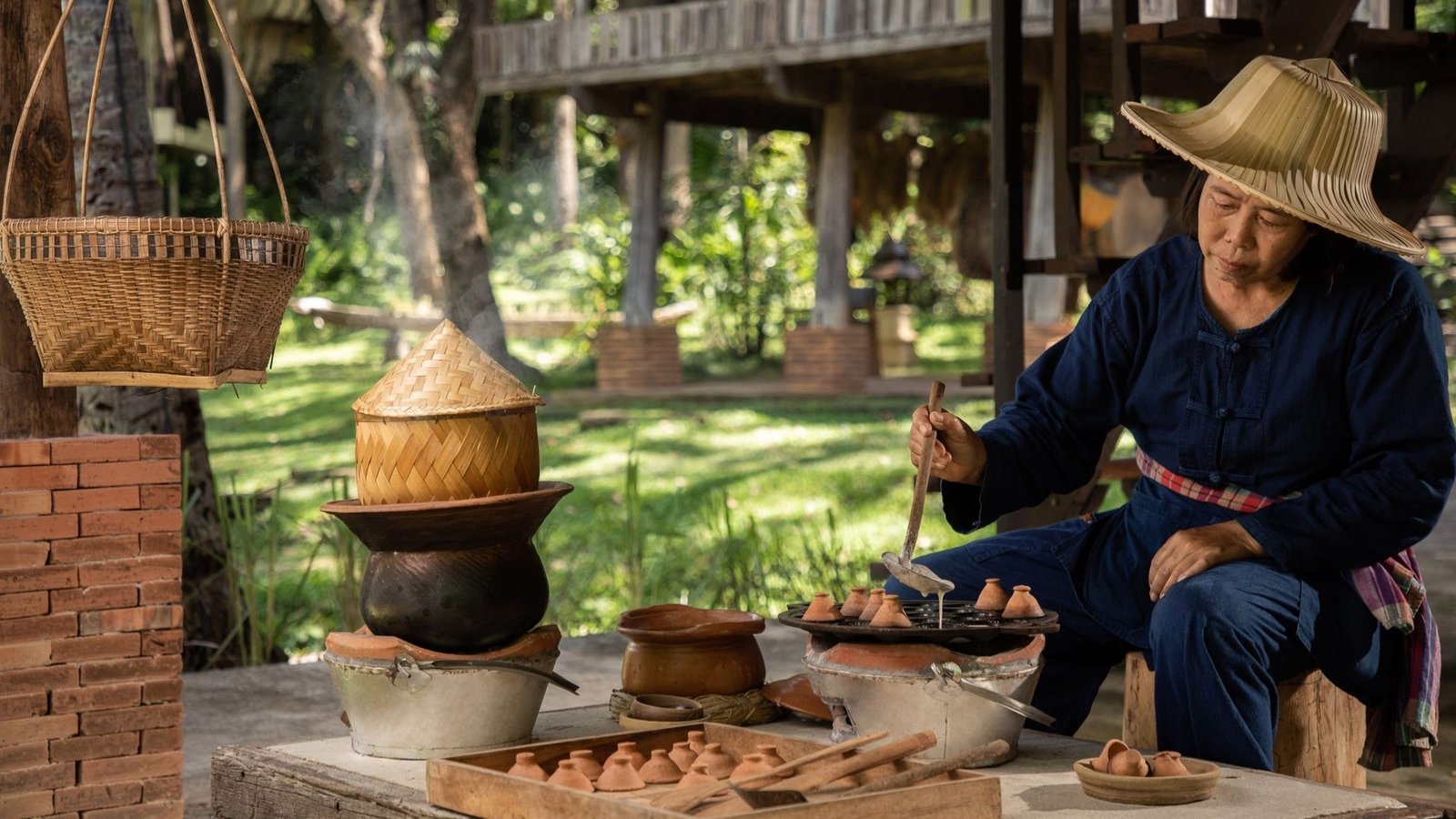
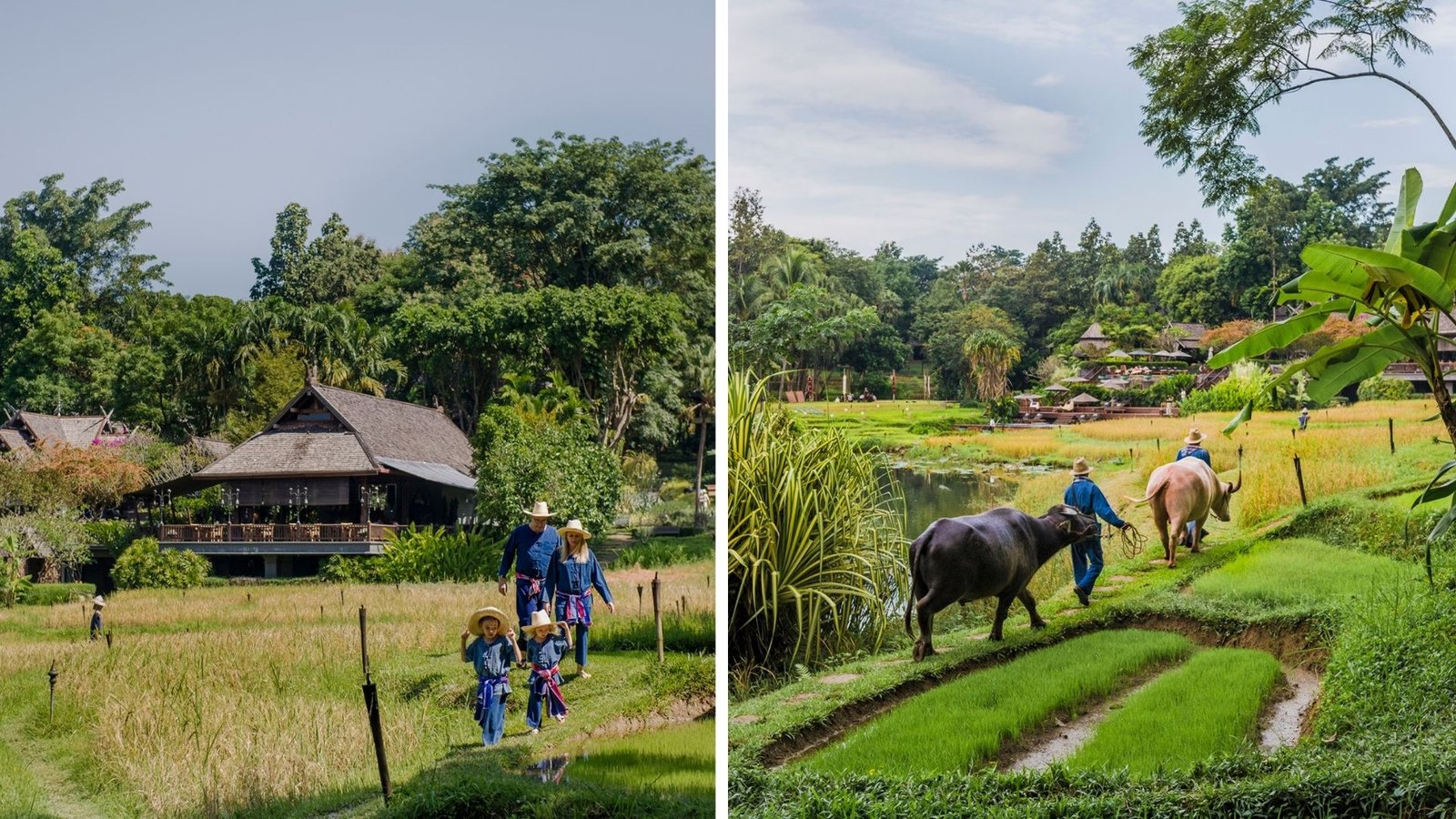
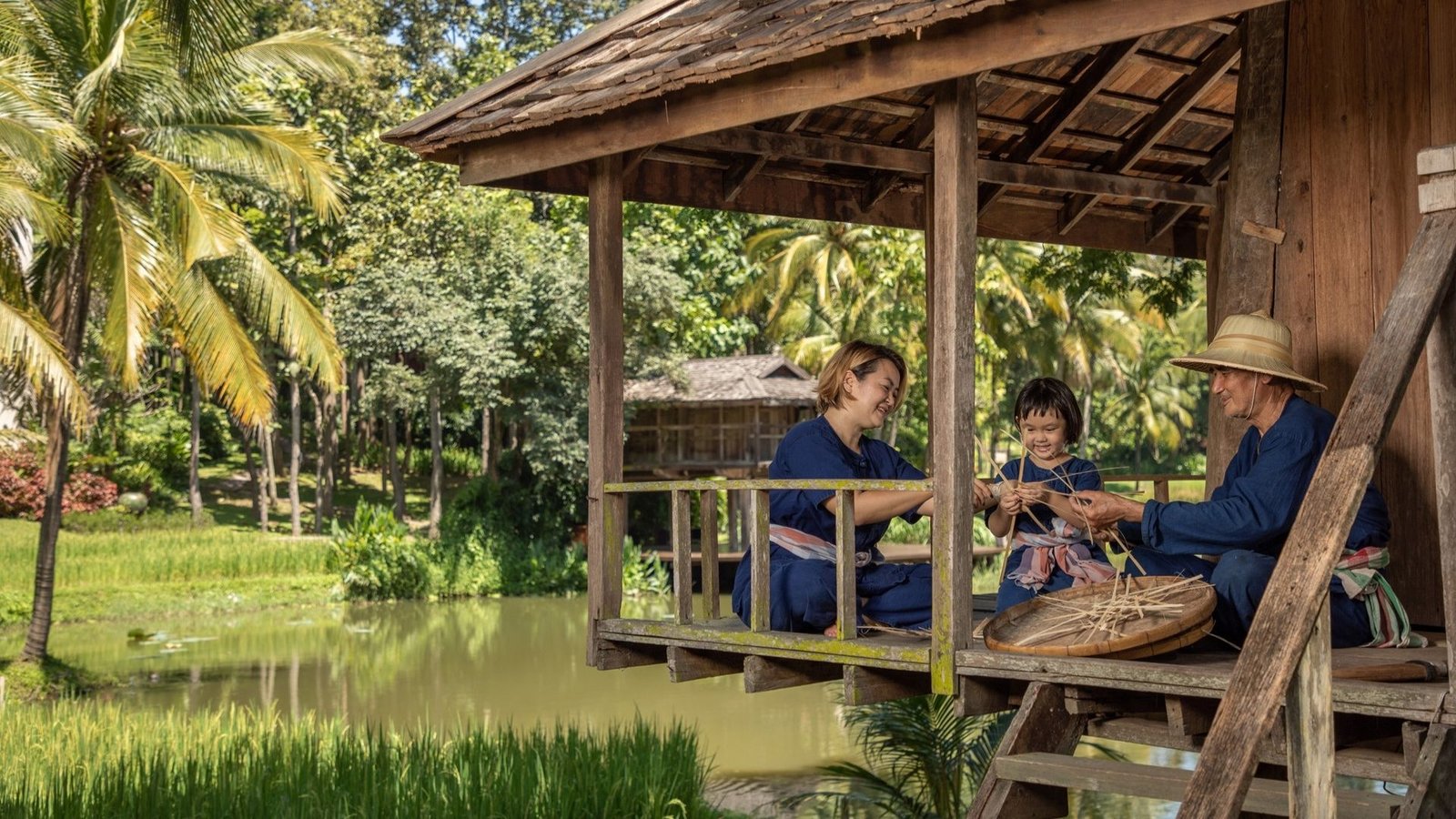
To engage fully with the resort, you have to step beyond observation. At Chaan Baan, the cultural heart of the property, guests are invited into the rhythms that define the valley. Rice planting. Pottery. Natural dyeing. Each experience rooted in tradition, guided by those who live it daily. There is no sense of performance. Only participation.
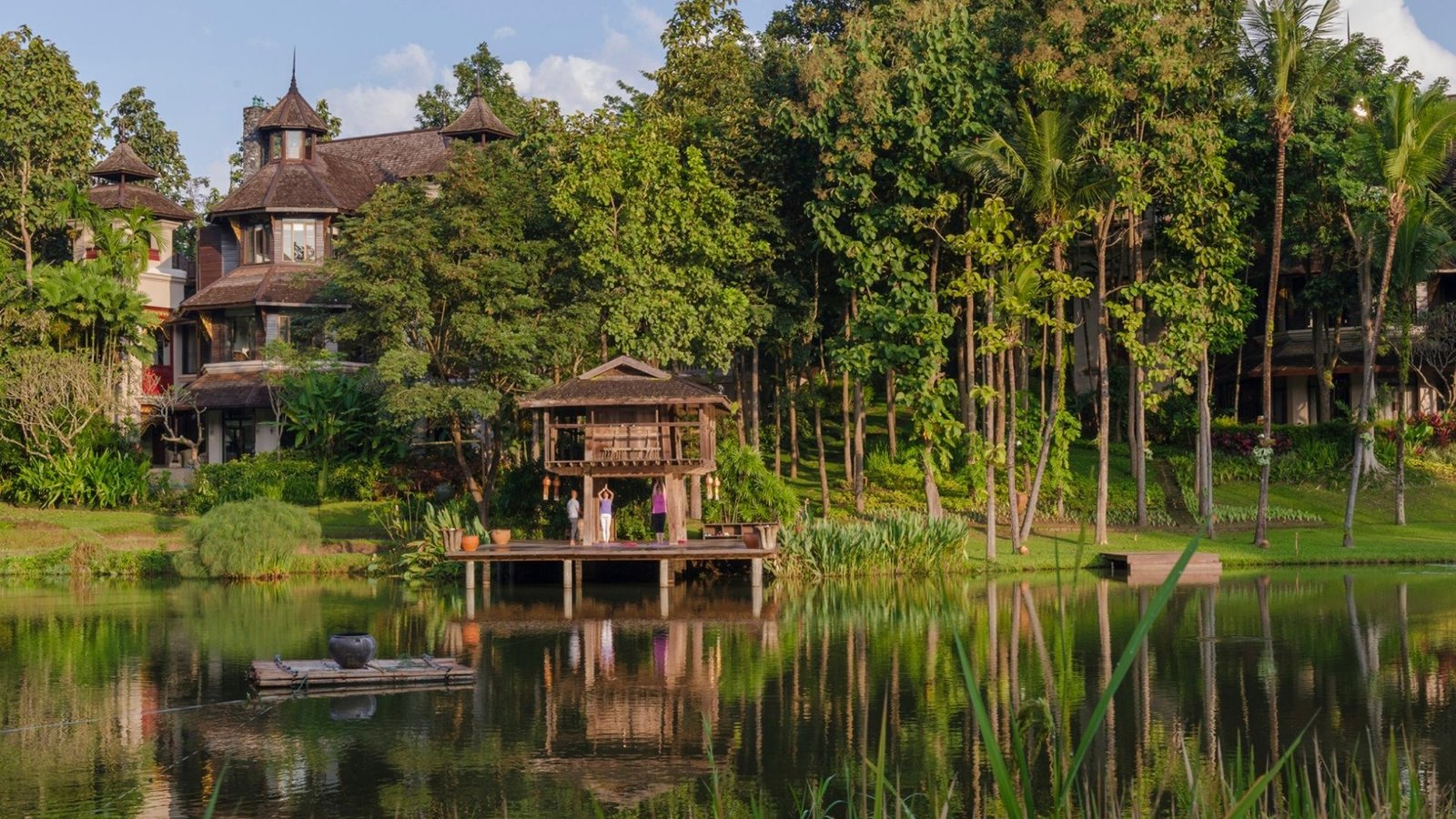
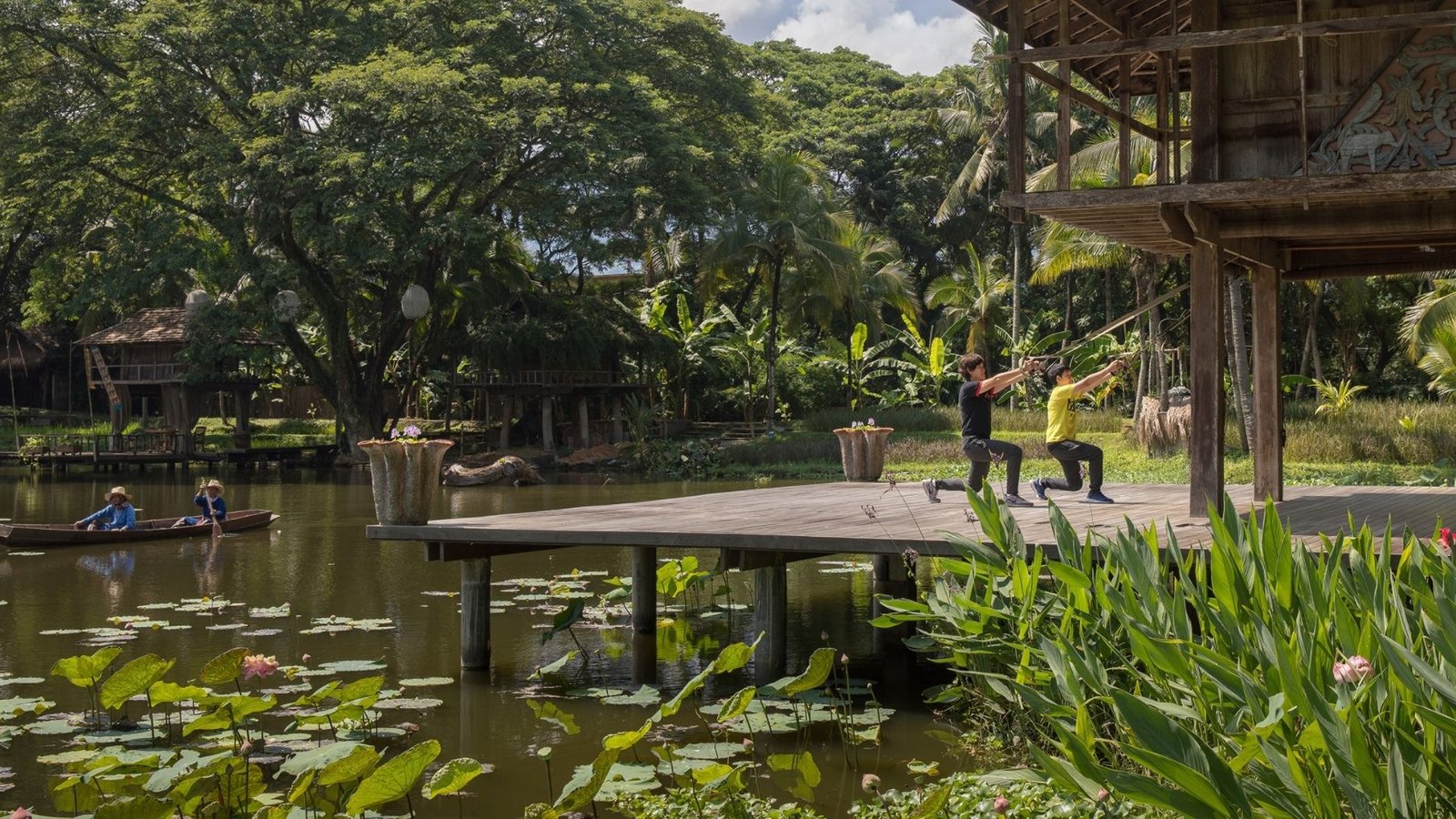
Wellbeing, here, is not positioned as escape. It is integrated into the environment itself. It begins with the landscape — the pace of the valley, the movement of water, the natural cadence of light and temperature that shapes each day. Rather than separating guests from their surroundings, the experience draws them further into it, allowing the body to recalibrate in response to something more instinctive and less imposed.
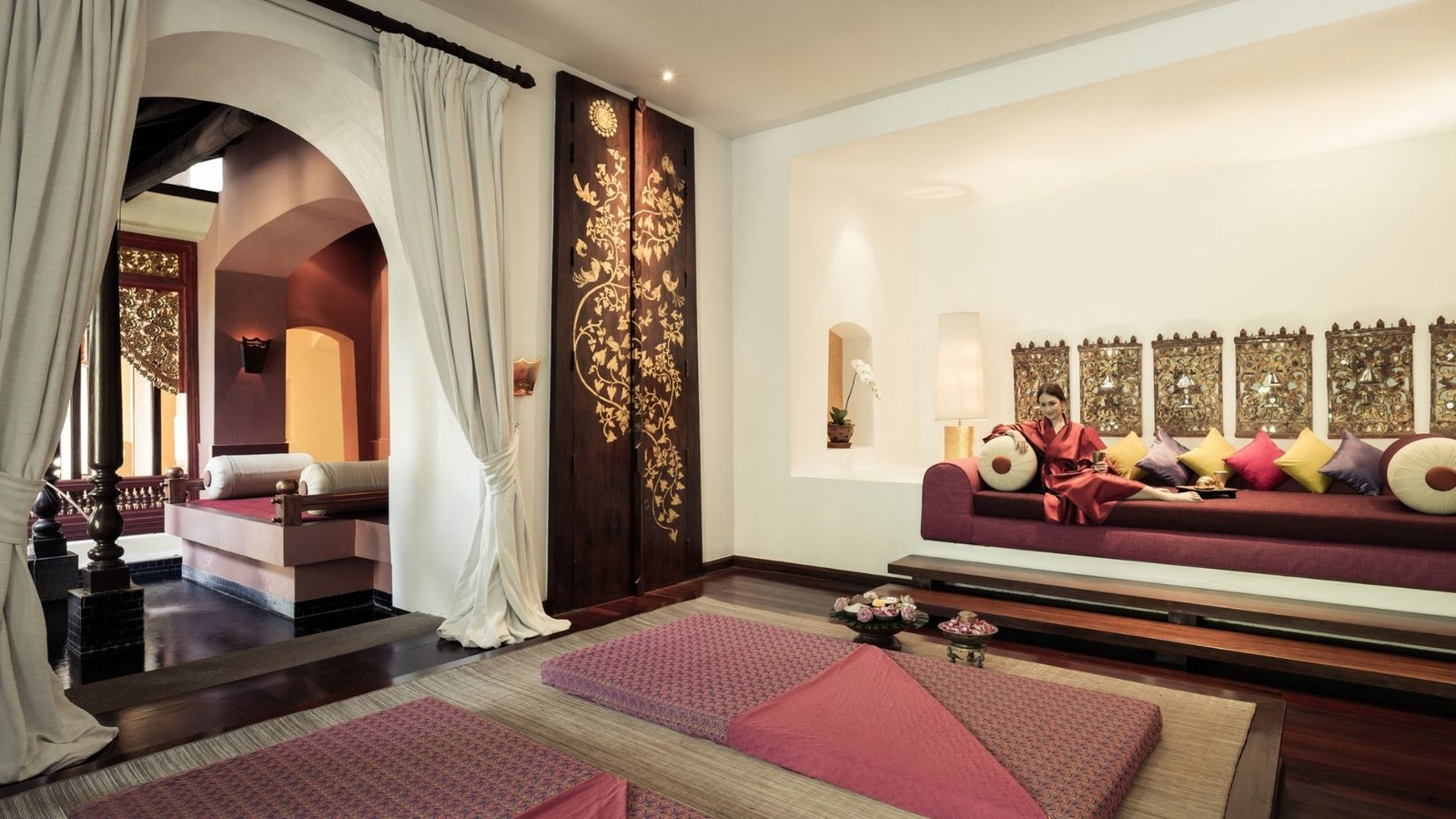
At Wara Cheewa Spa, treatments draw on traditional Thai healing practices, using local botanicals and time-honoured techniques to restore balance. Rituals such as Kularb Lanna incorporate elements like rose and rice — materials rooted in the region’s natural and cultural landscape. But the deeper offering is philosophical.
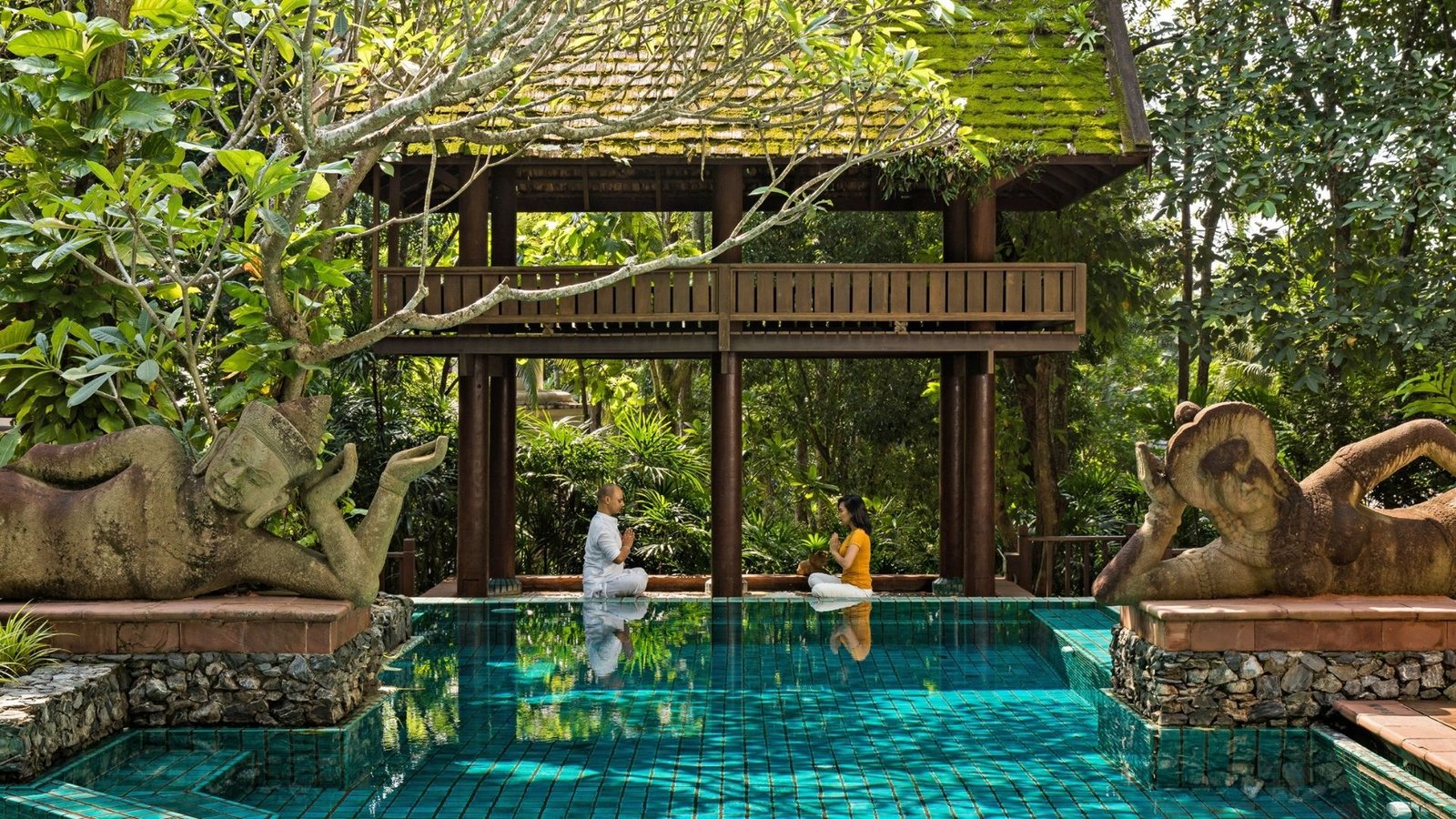
Programs like Soulful Awakening explore the relationship between body and rhythm — sleep, nourishment, movement — encouraging alignment with natural cycles rather than resistance to them. It’s not about transformation. It’s about returning to equilibrium.
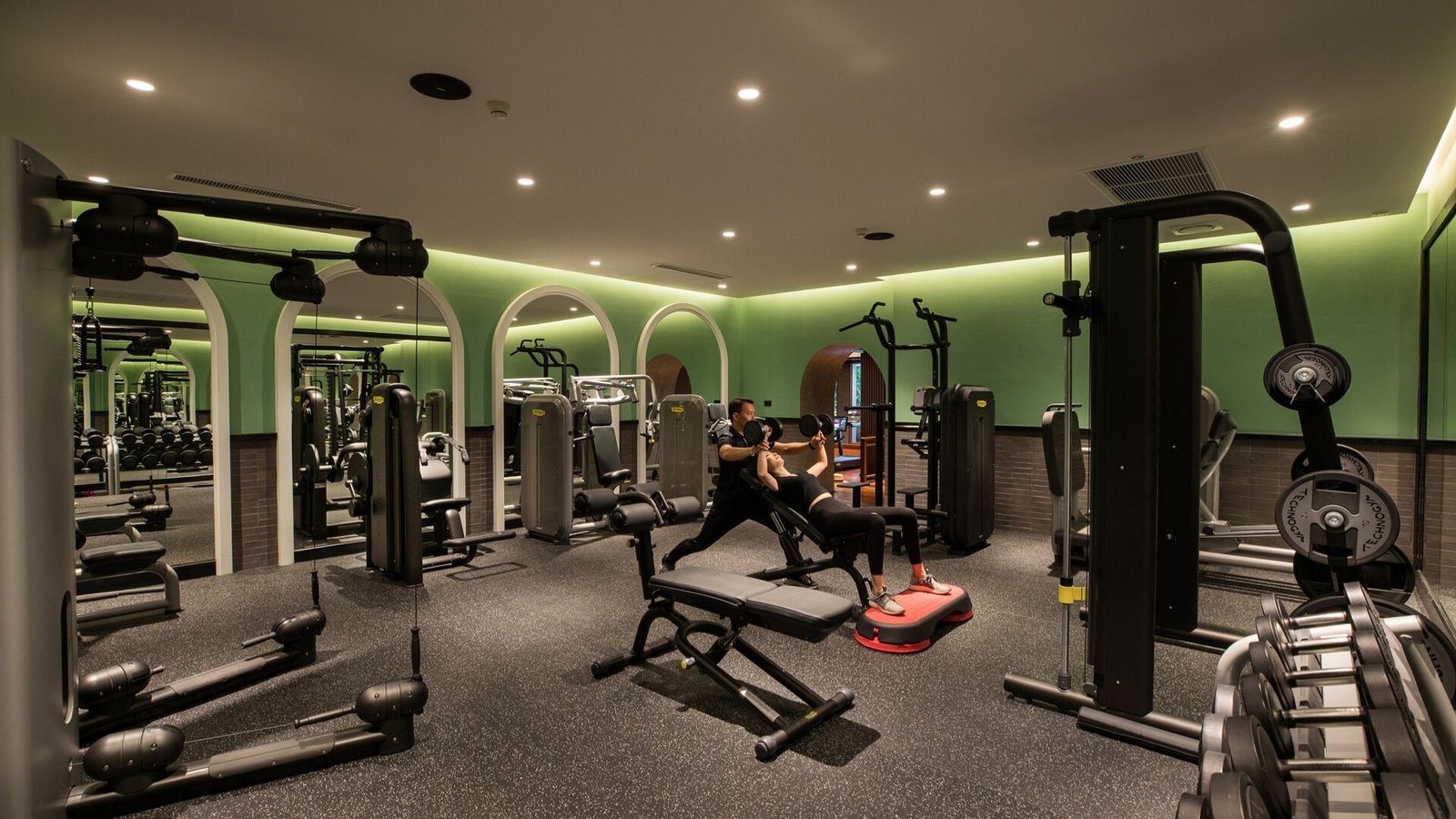
For those drawn to a more physical expression of wellbeing, the resort’s approach remains equally considered. A state-of-the-art fitness studio opens out toward the rice fields, where floor-to-ceiling views replace distraction with perspective. Nearby, sauna and herbal steam rooms extend the experience, offering a quieter form of recovery framed by the same landscape.
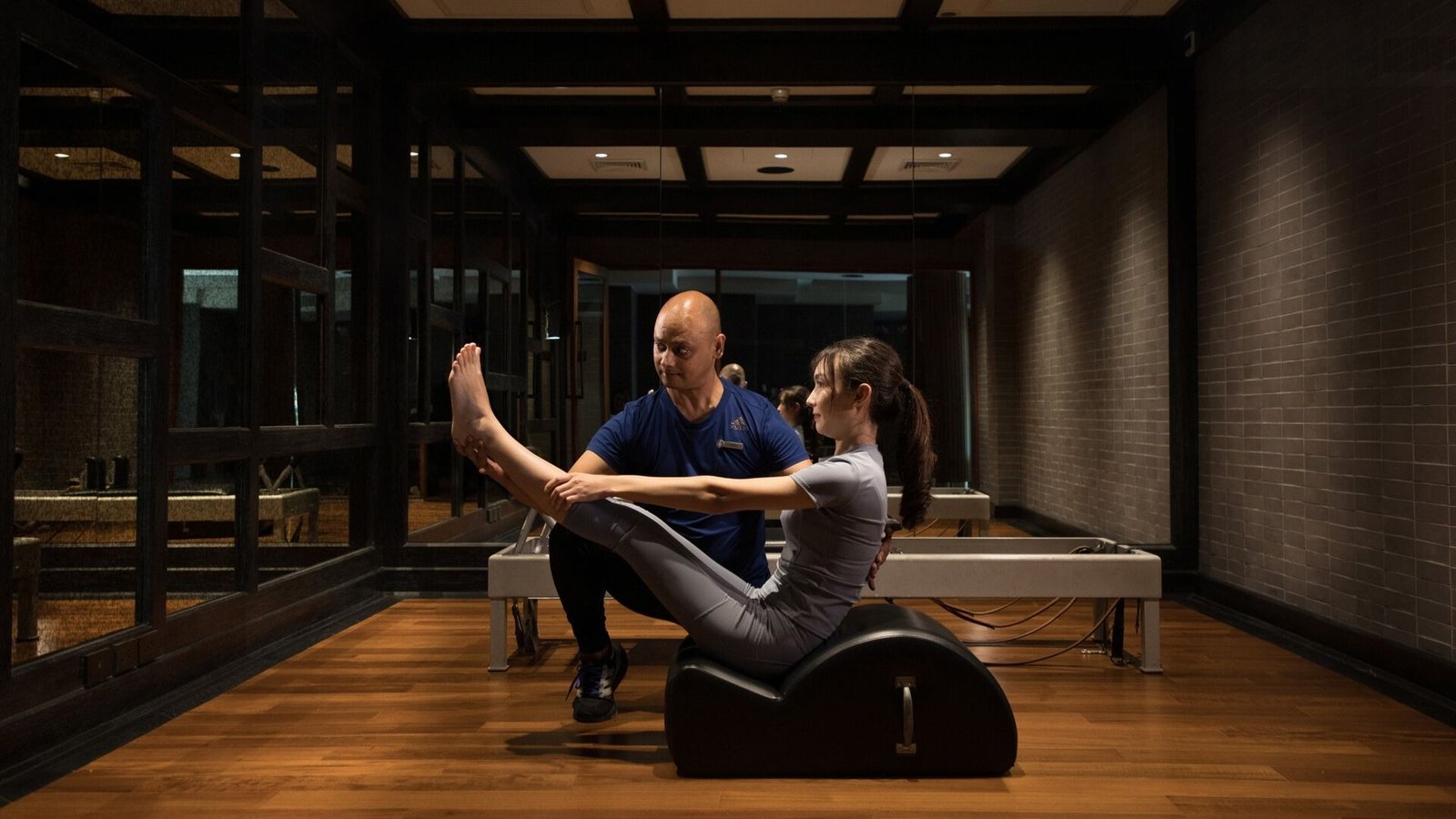
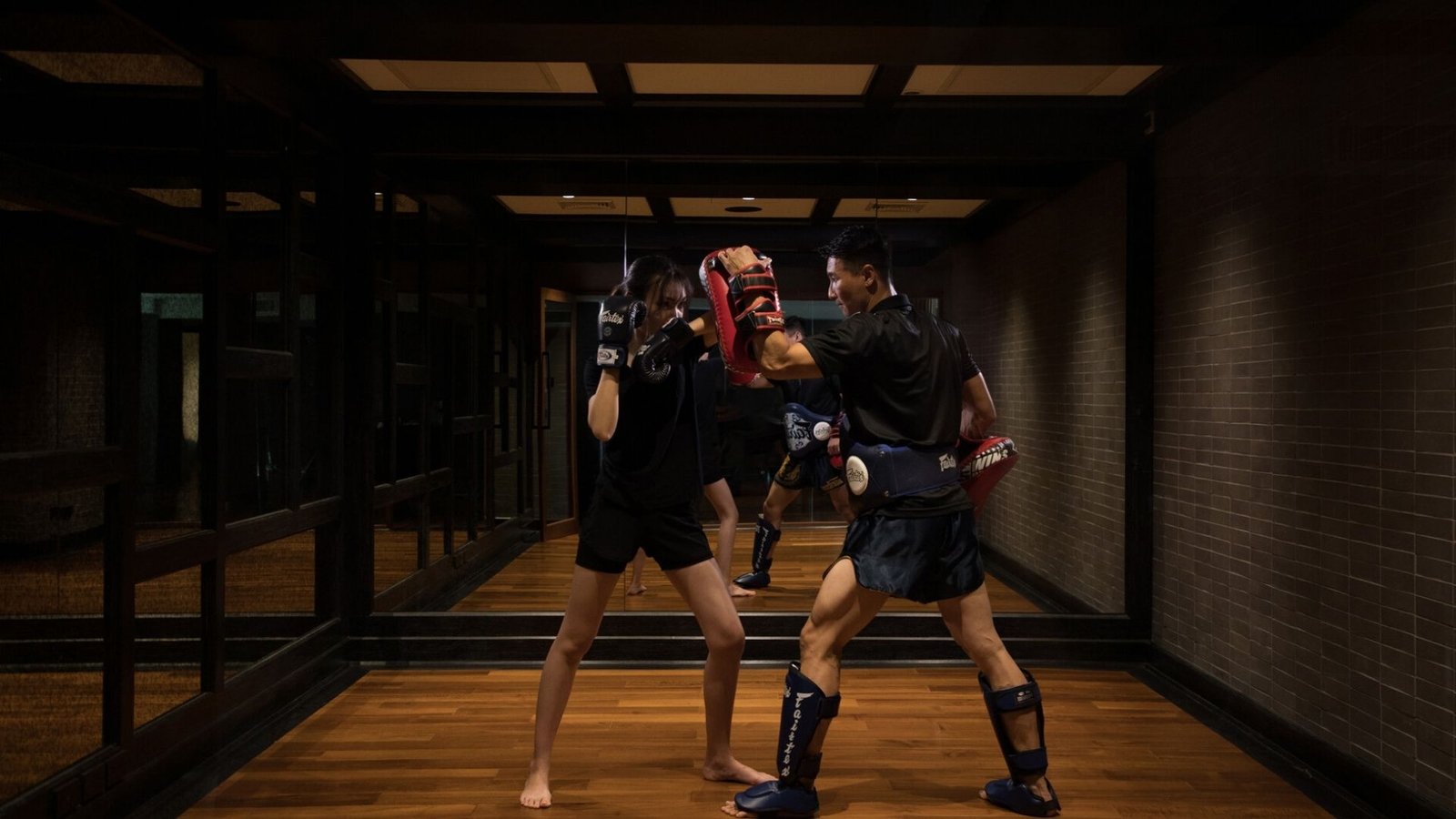
Movement here is guided as much as it is self-directed — from professionally led personal training sessions to Muay Thai classes that introduce the discipline and rhythm of Thailand’s national sport in a setting that feels both grounded and elevated.
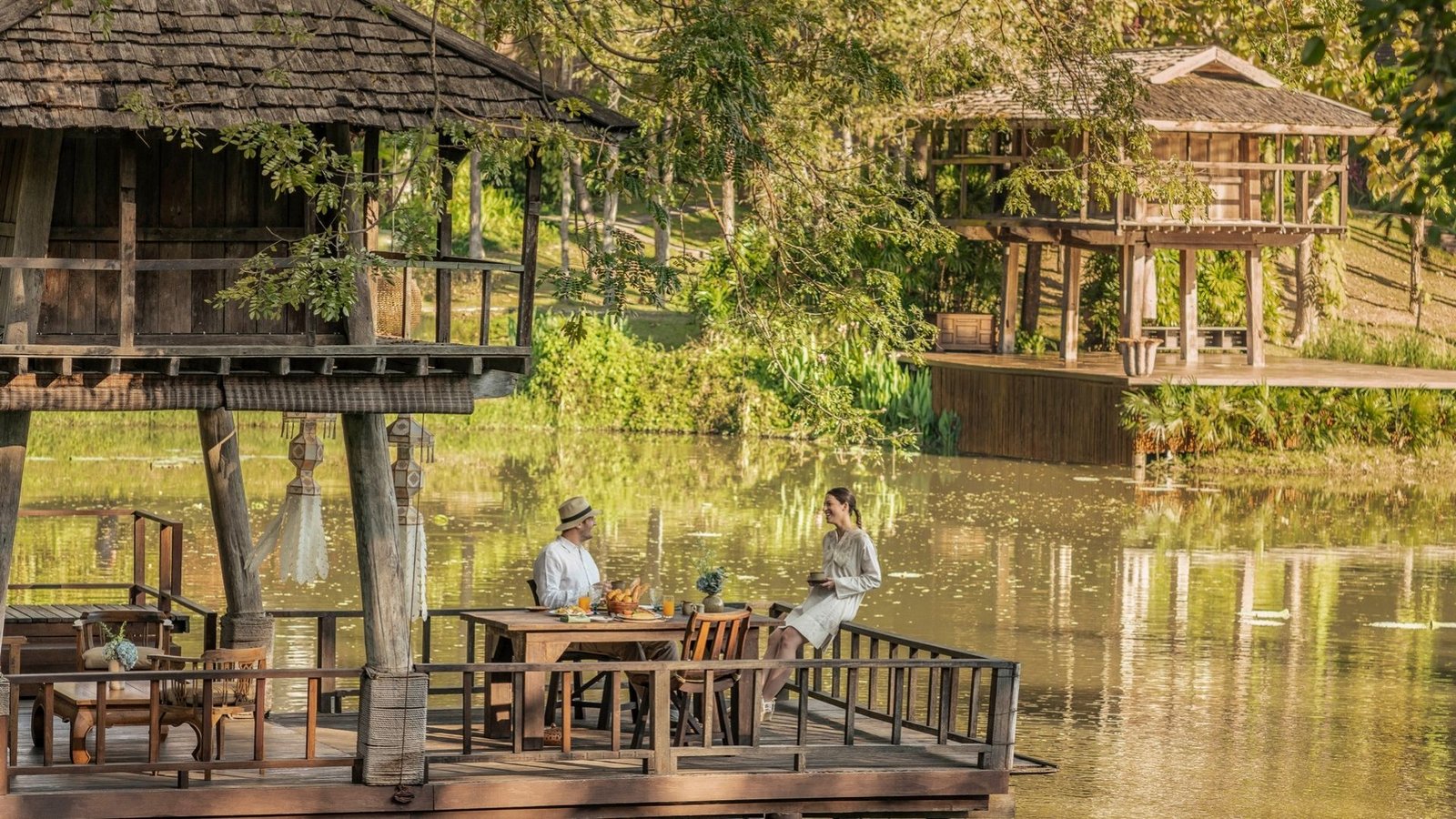
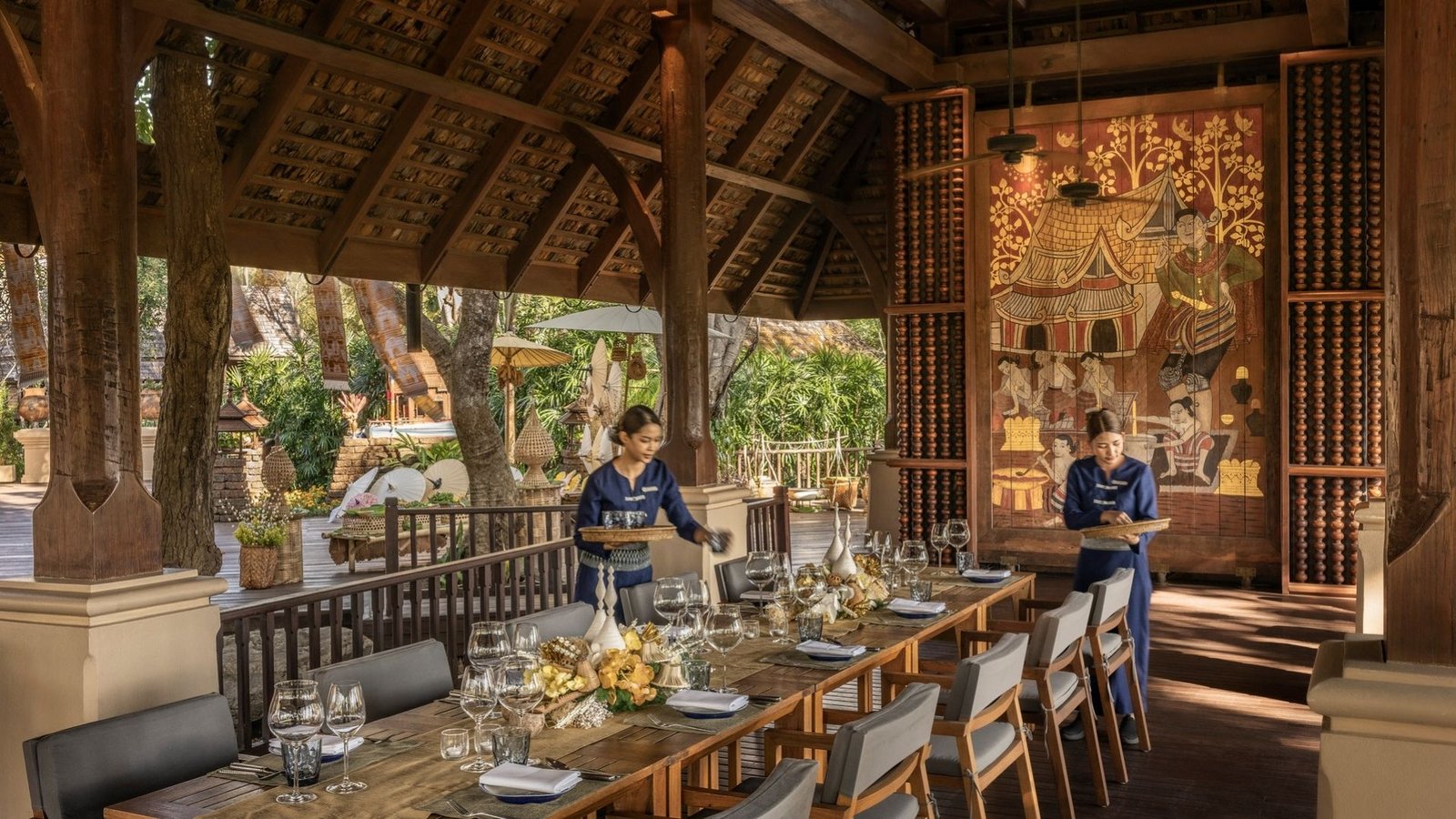
The same philosophy carries through to the table. Dining here is not positioned as indulgence, but as continuation — of place, of season, of the relationships that define the region. Ingredients are not abstracted from their origin; they remain closely tied to the land, often sourced from nearby farms, gardens and highland communities that shape the culinary identity of northern Thailand.
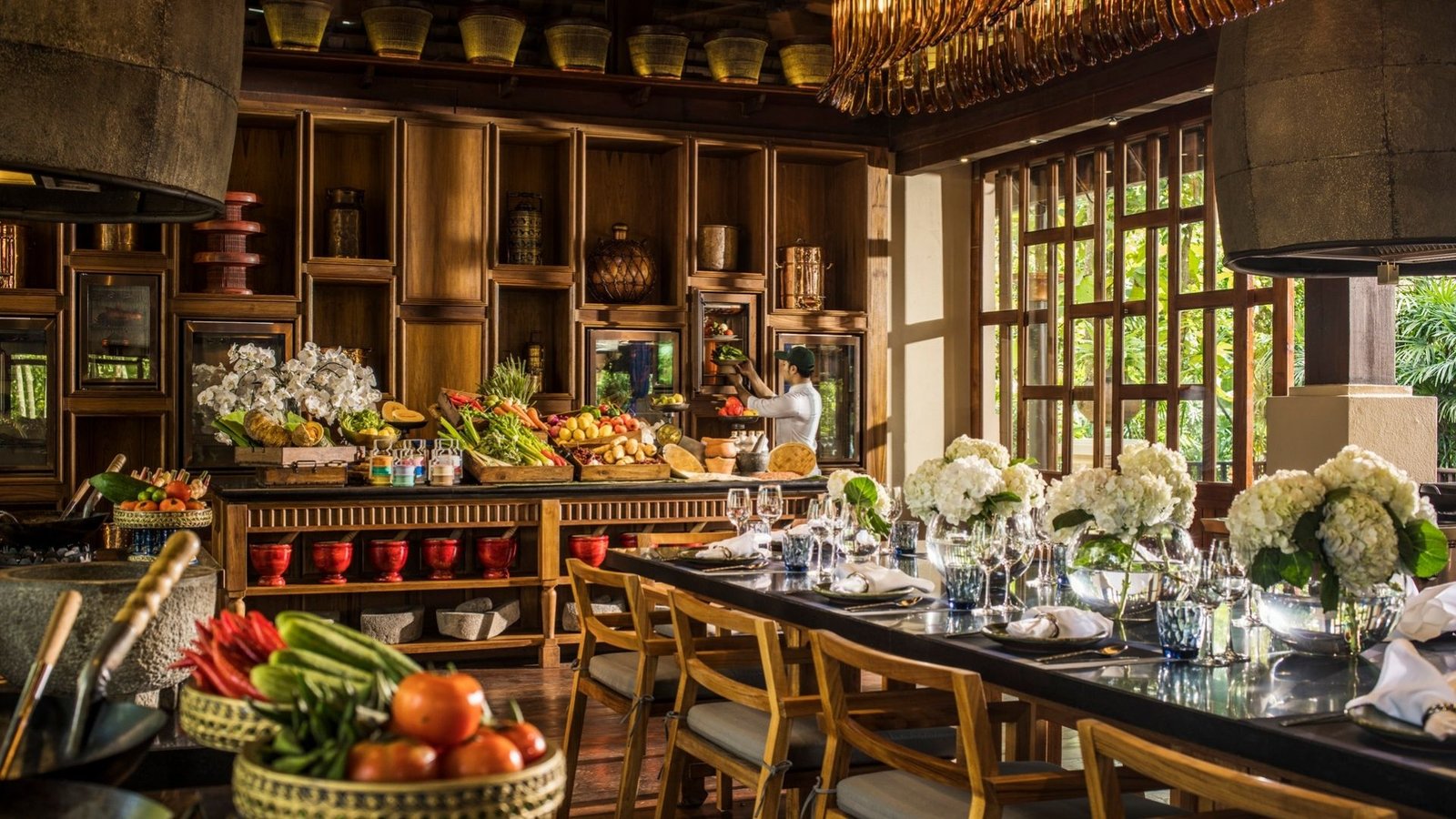
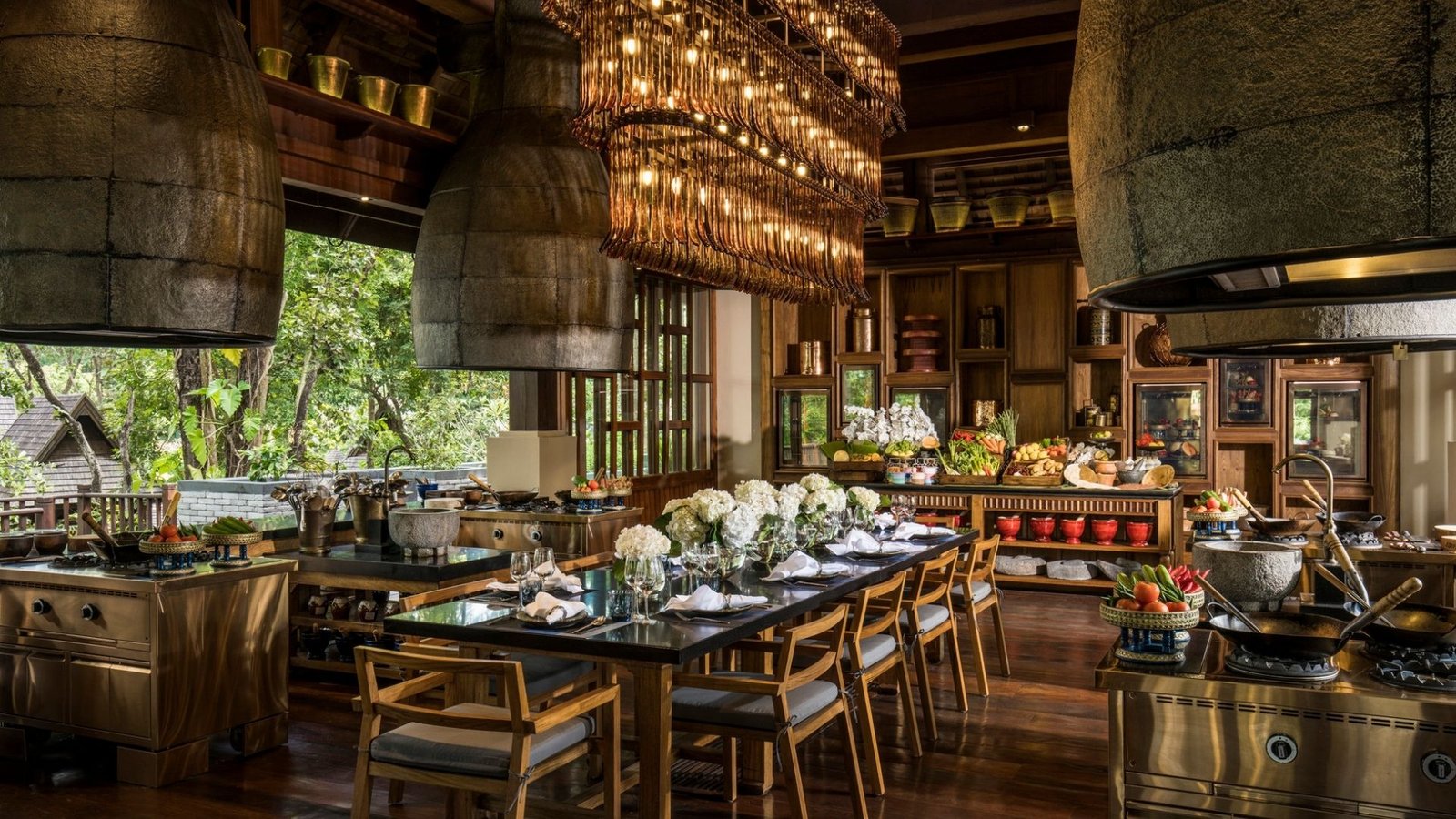
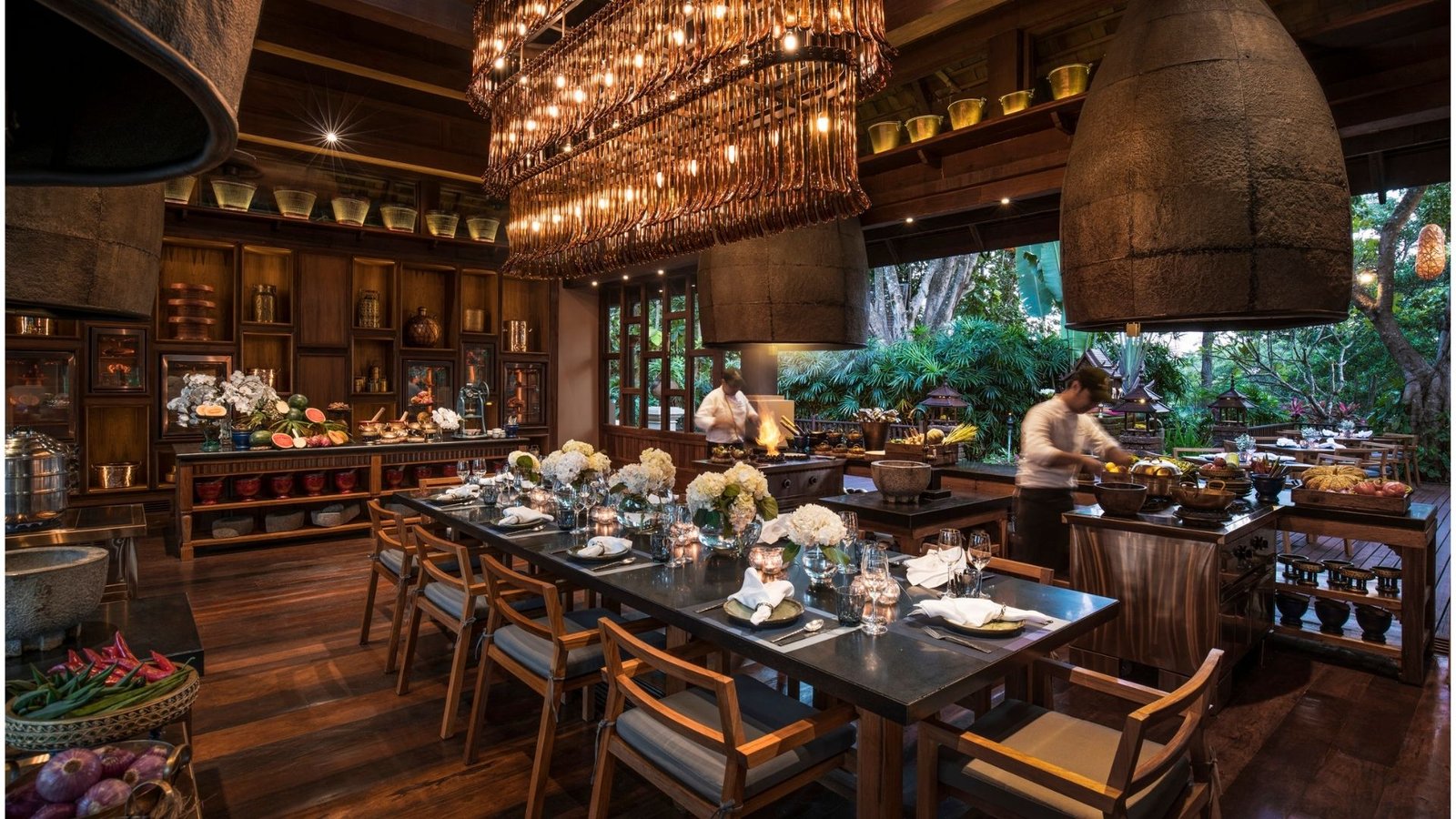
At Rim Tai Kitchen, set within a traditional teak house, the experience moves fluidly between preparation and presentation. Guests gather around a central space where cooking becomes part of the narrative — techniques shared, ingredients contextualised, and meals served in a way that feels both communal and considered. It’s less about performance, more about understanding.
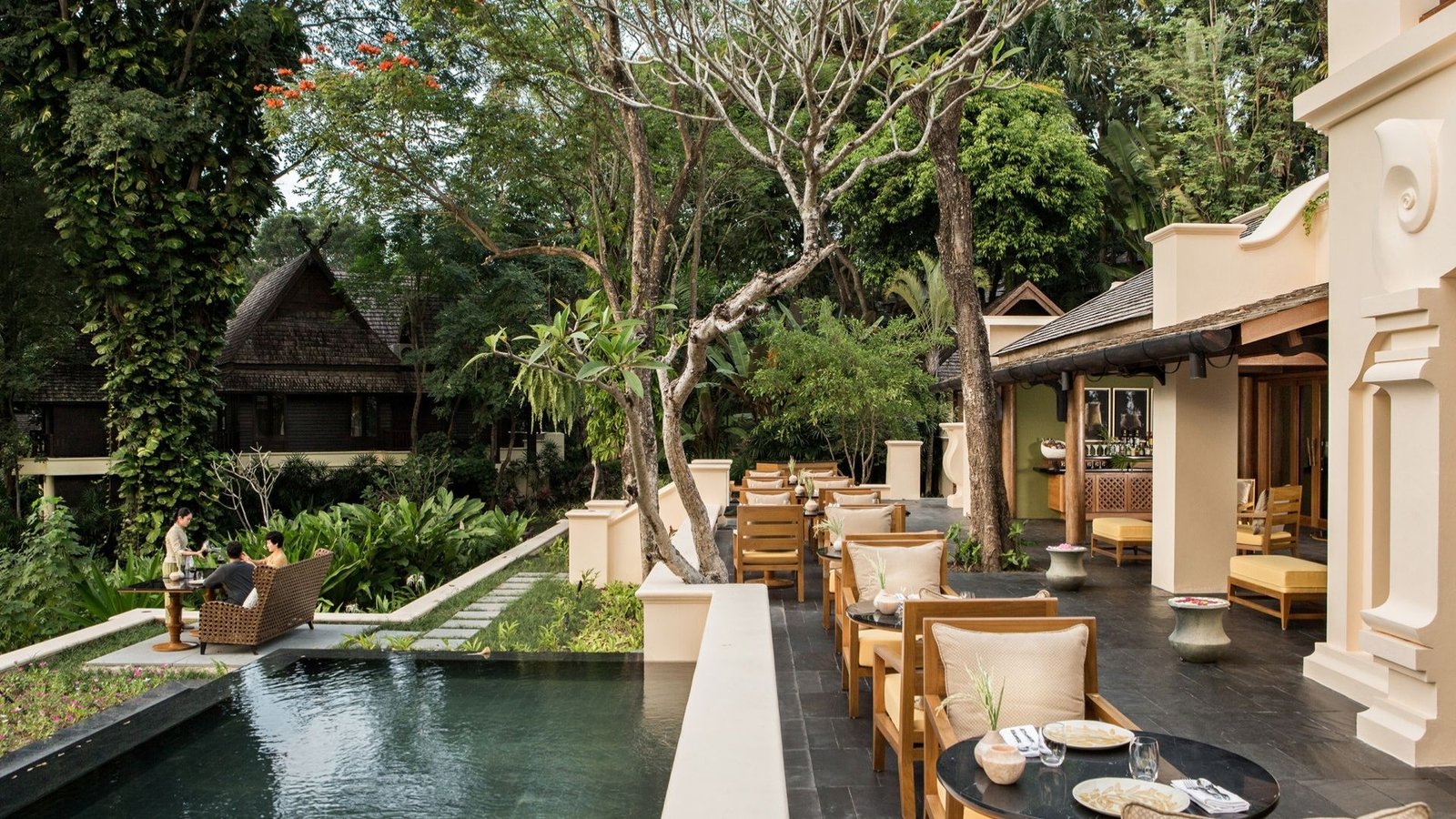
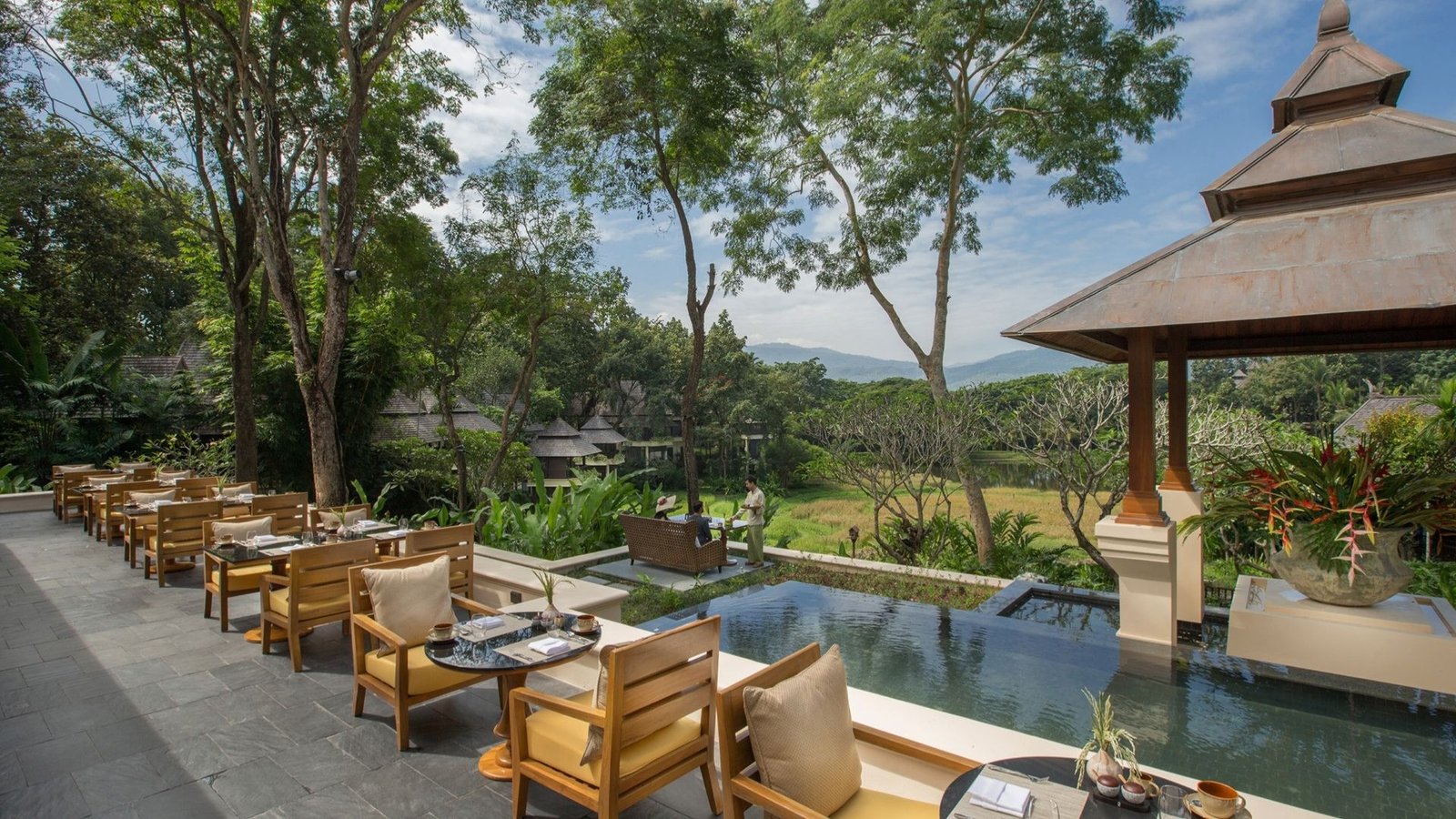
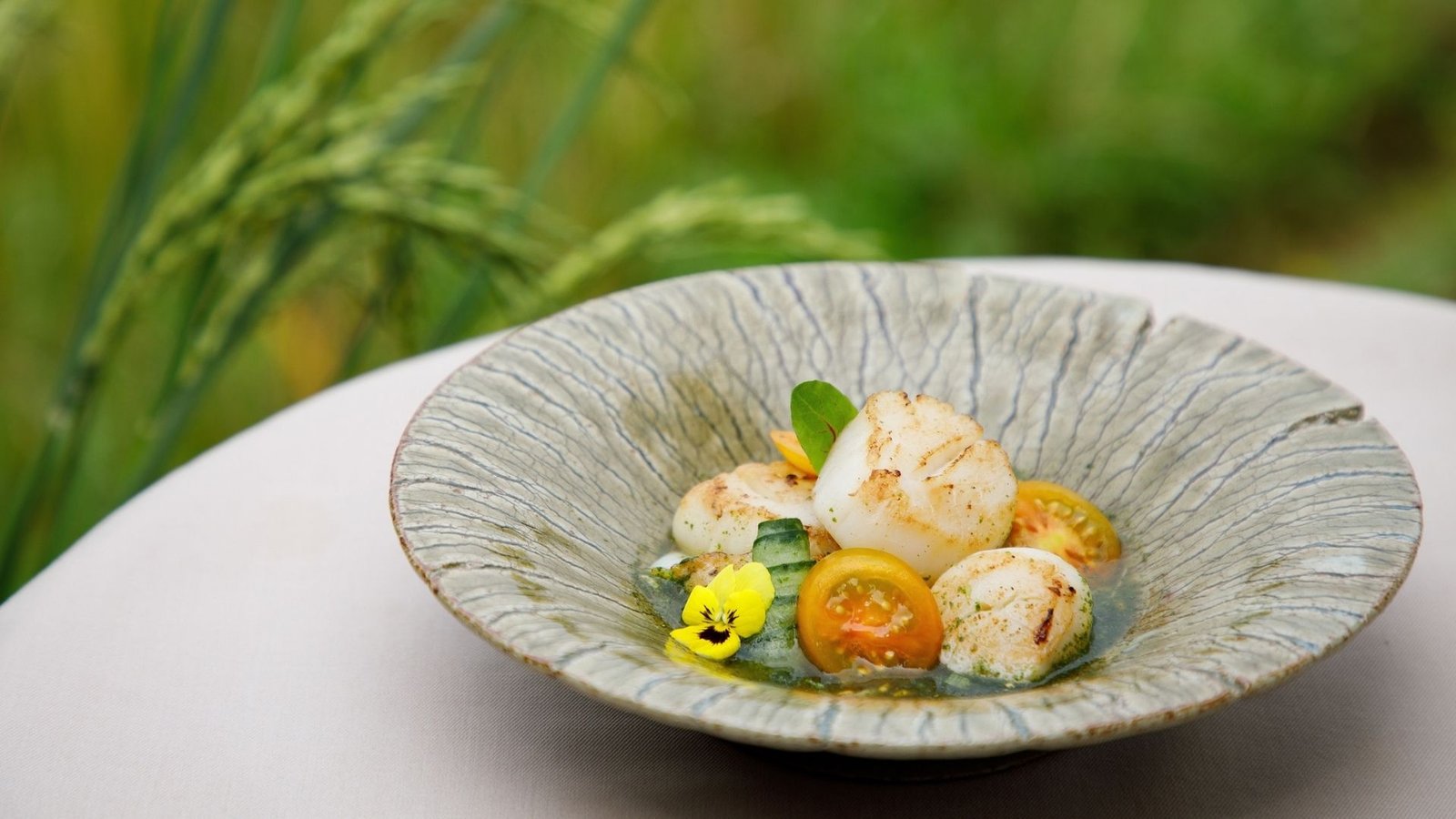
KHAO takes a broader view, drawing from Thailand’s diverse culinary landscape while remaining grounded in the produce of the north. Flavours are layered but precise, shaped by local knowledge and seasonal availability. As the day shifts toward evening, the setting becomes integral — rice paddies reflecting the last of the light, the silhouette of Doi Suthep forming in the distance. The experience extends beyond the plate.
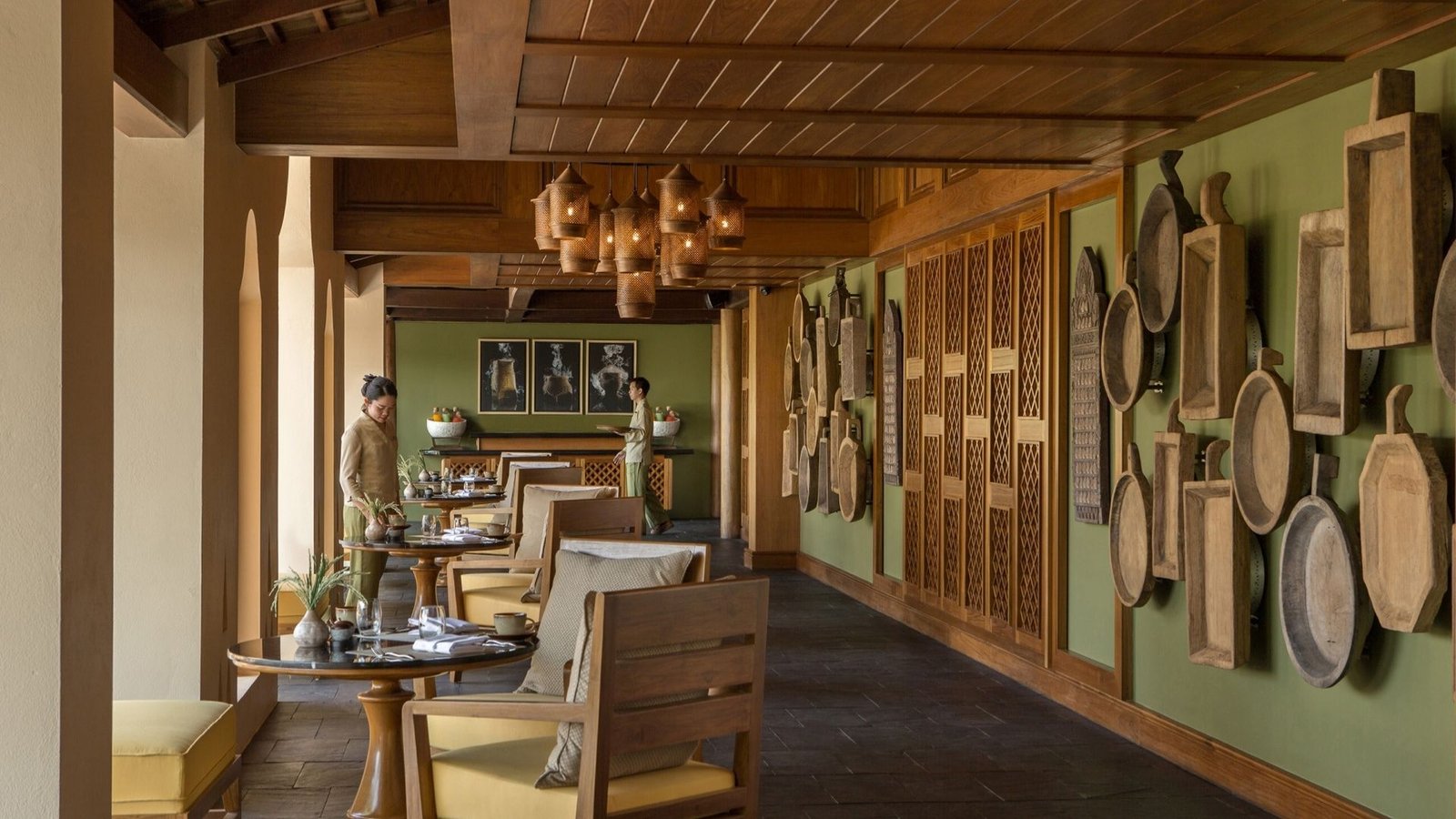
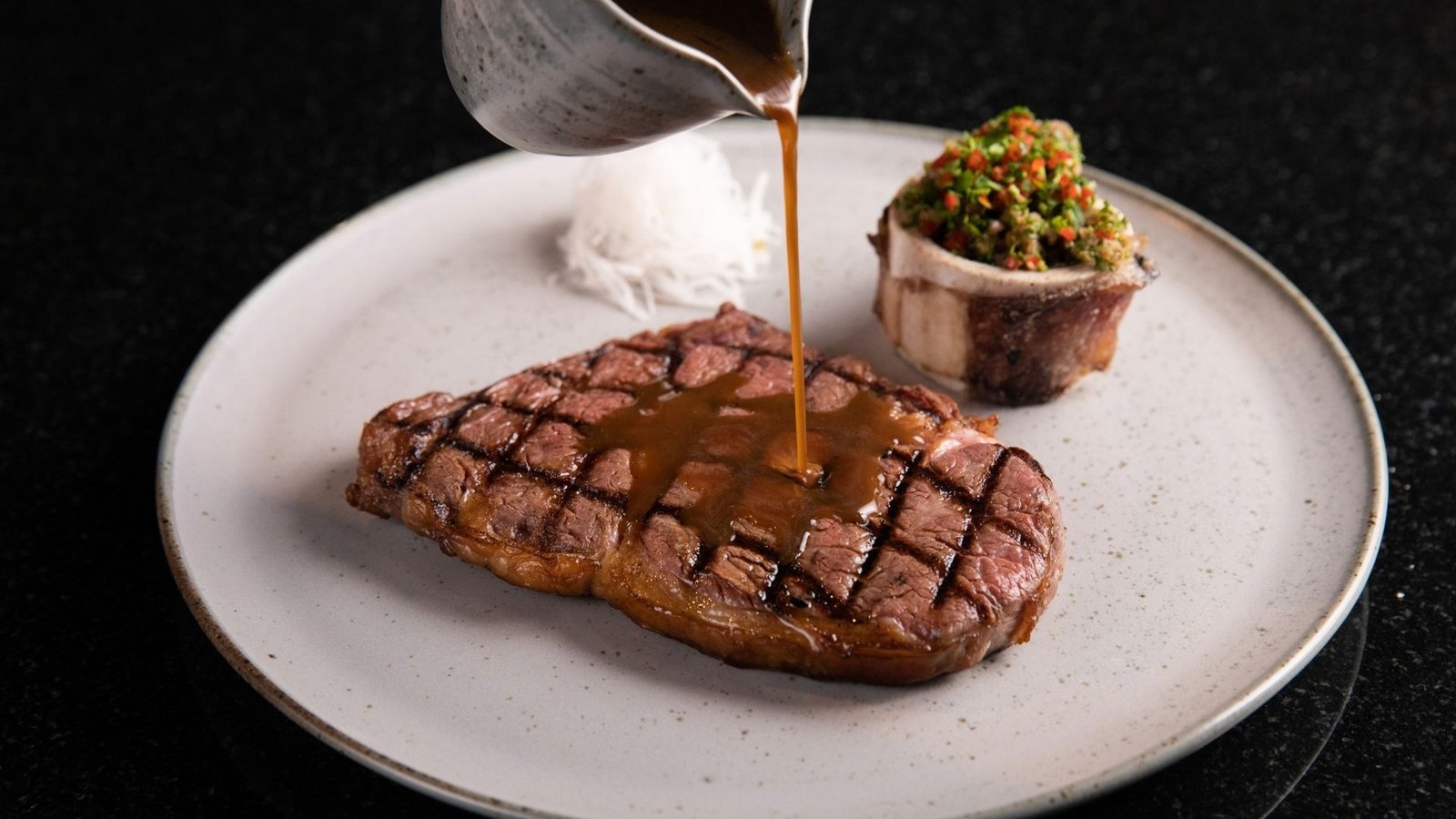
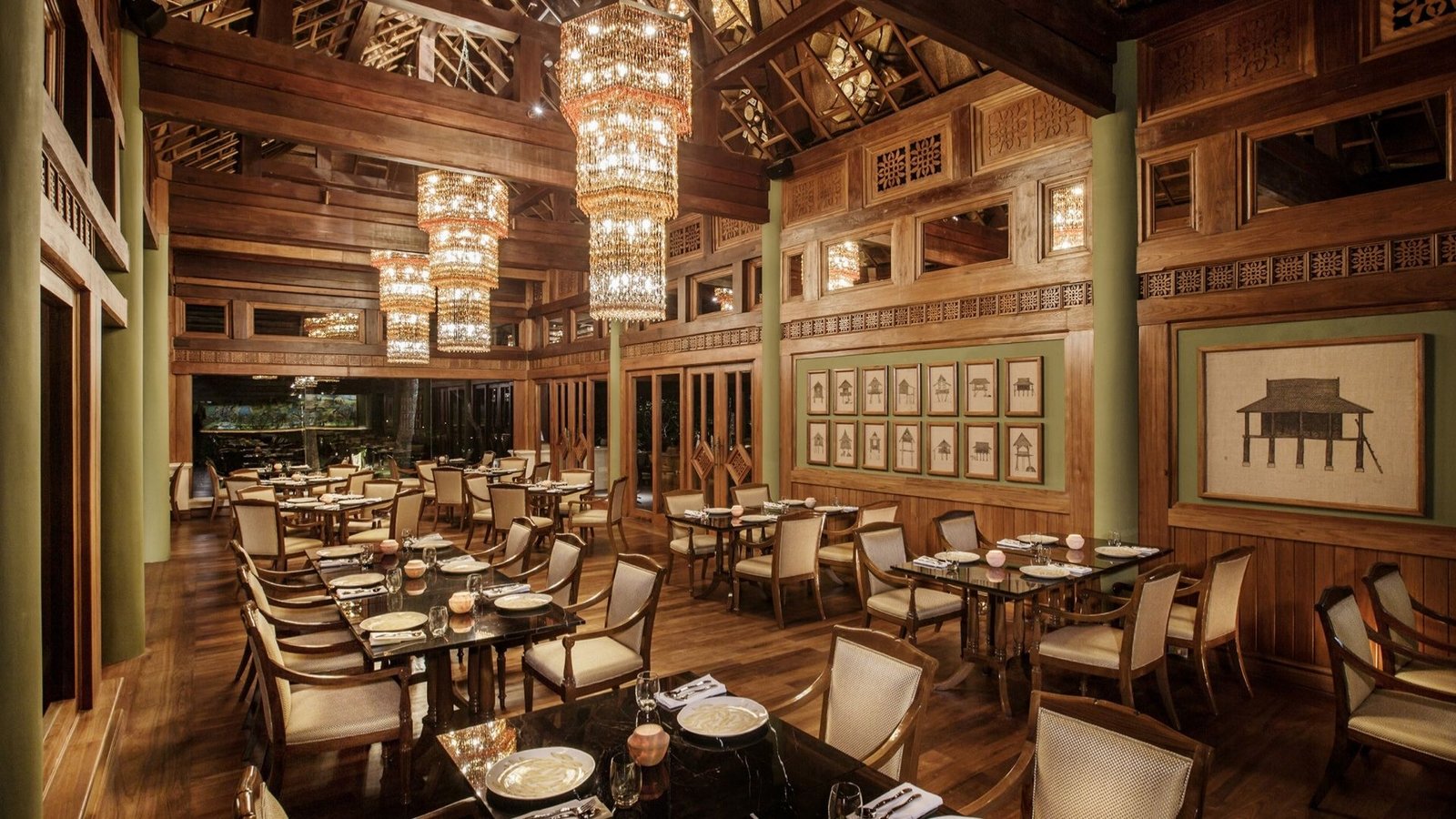
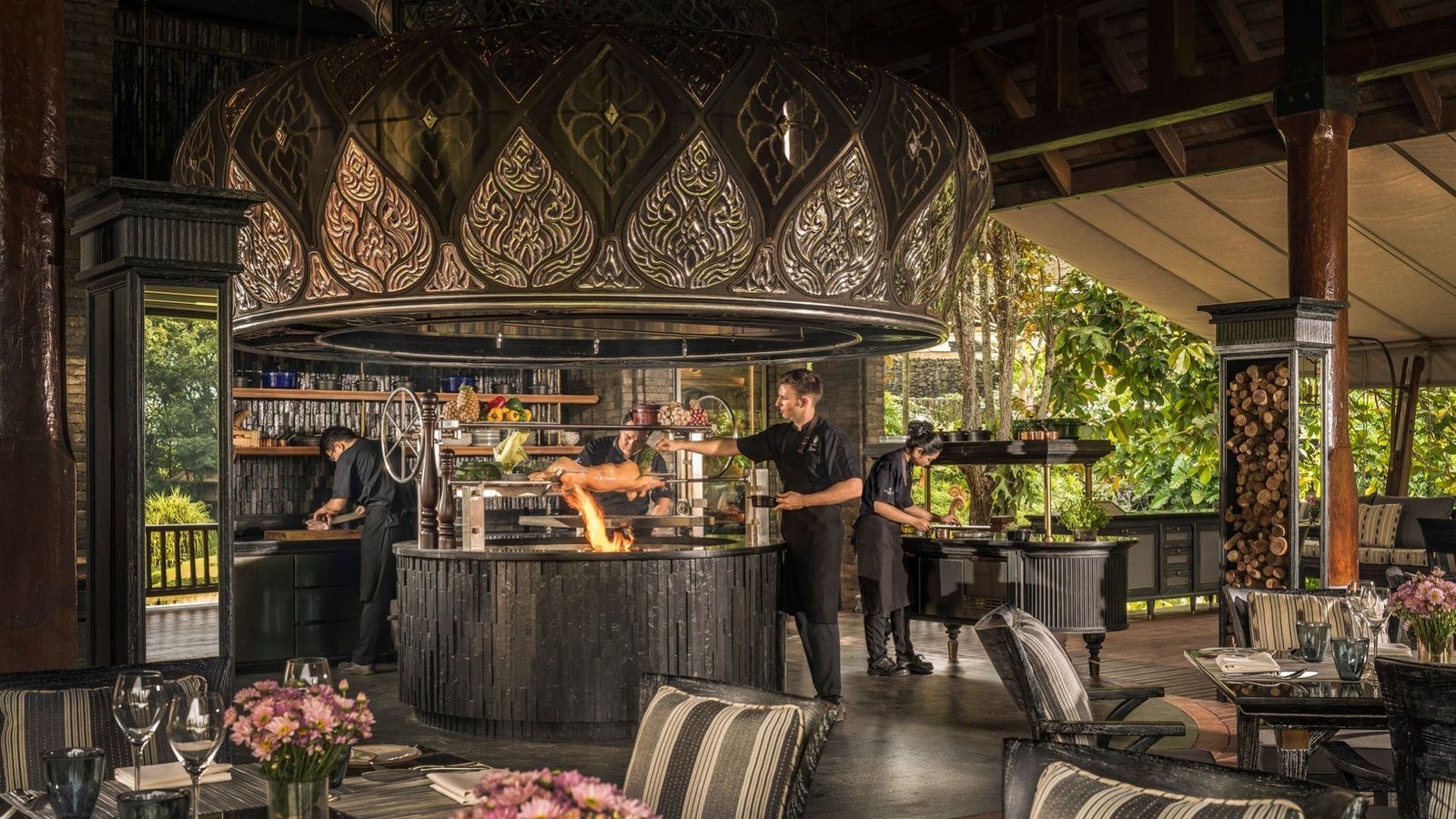
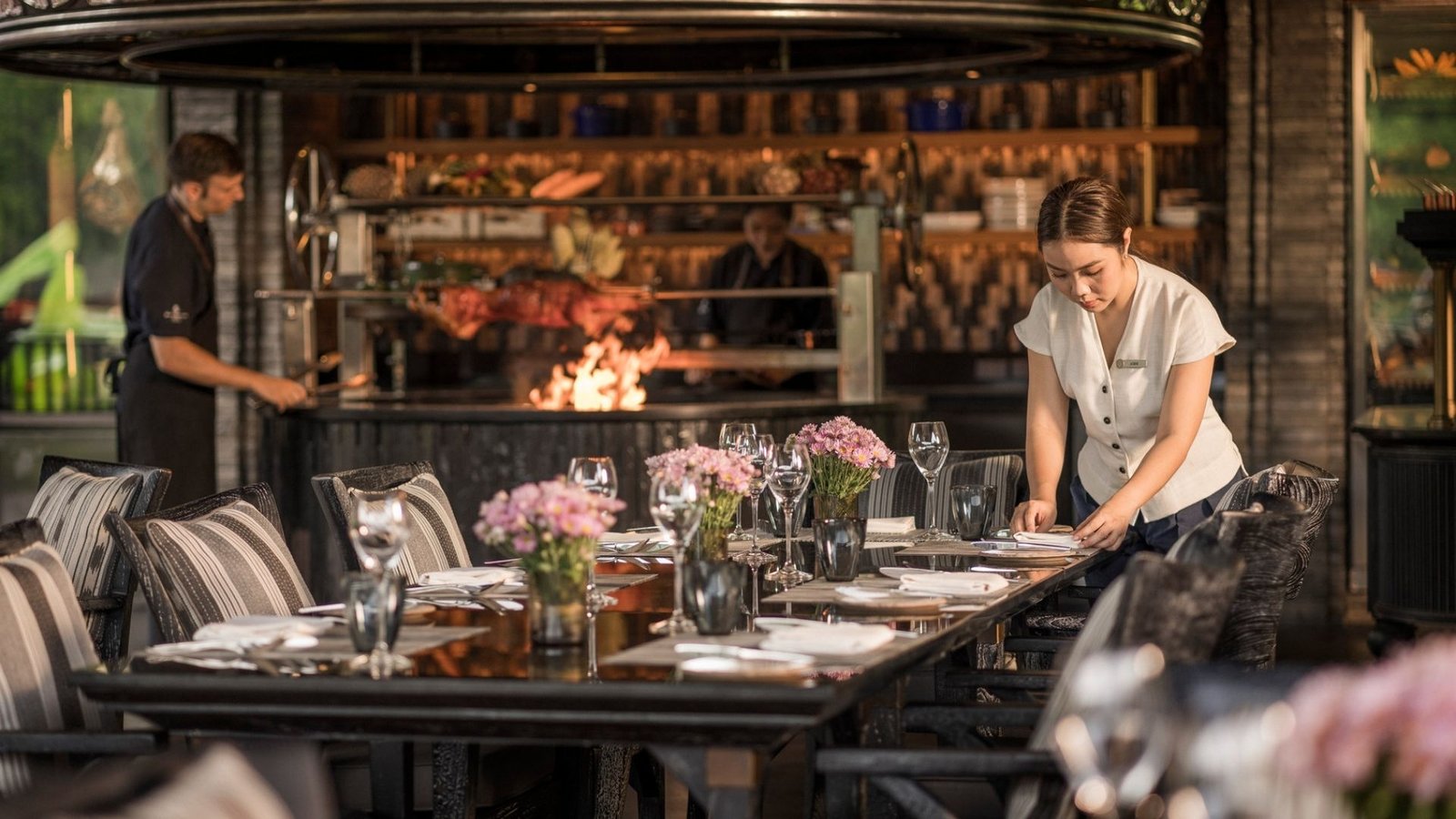
At NORTH, the tone changes. Fire becomes the defining element — open flame, smoke and heat used to strip cooking back to its essentials. Ingredients sourced from surrounding farms are treated with restraint, allowing quality and technique to lead rather than embellishment. It’s a return to something more instinctive, where flavour is shaped by process as much as product. Even the quieter details carry weight.
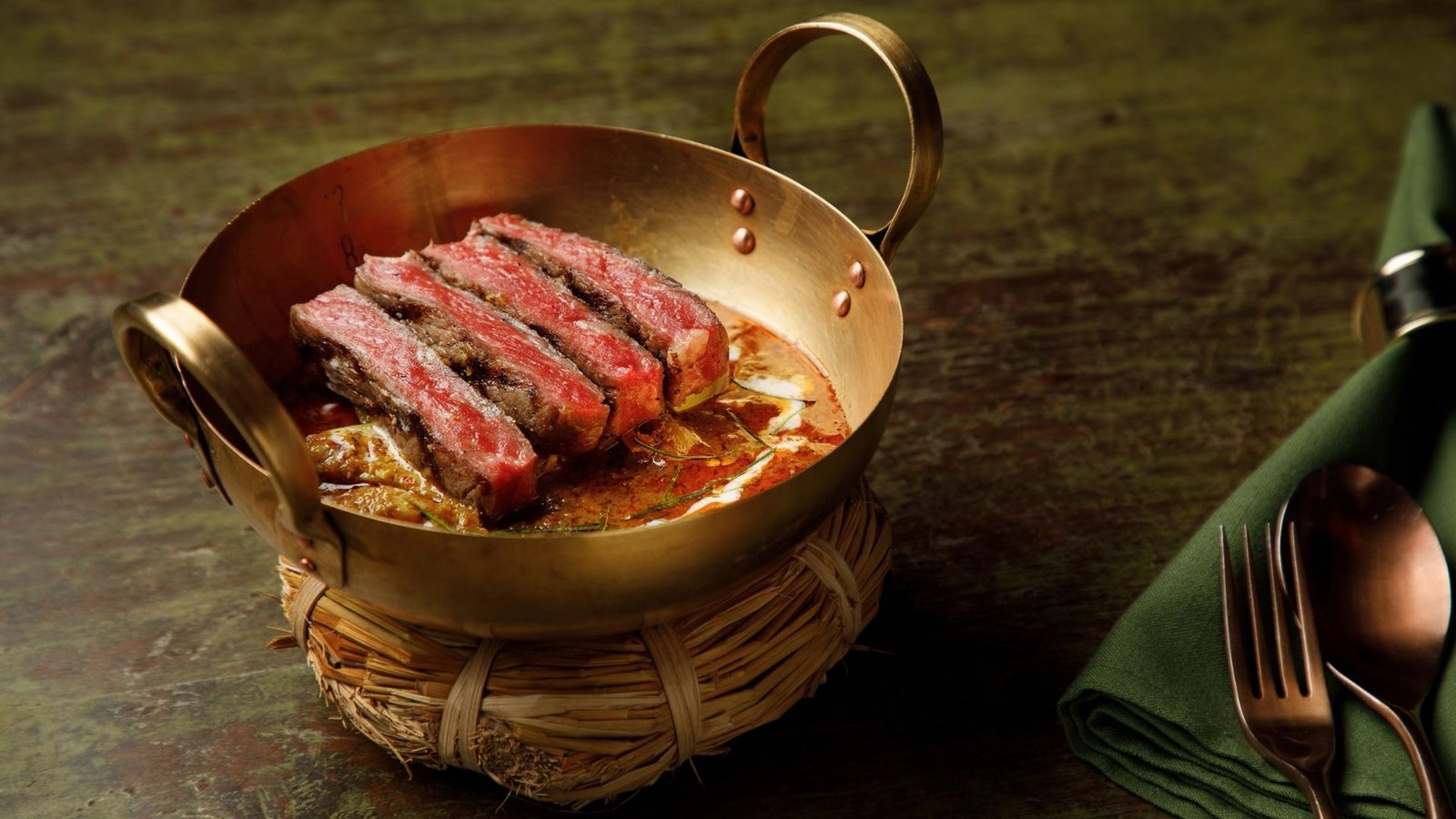
Coffee, for example, is sourced from nearby highland communities, where elevation, soil and biodiversity produce distinct profiles — some bright and floral, others deeper and more structured. Each cup reflects not just the region, but the people and practices behind it. Across every setting, the intention remains consistent. Nothing feels imported. Nothing feels forced. Everything belongs.
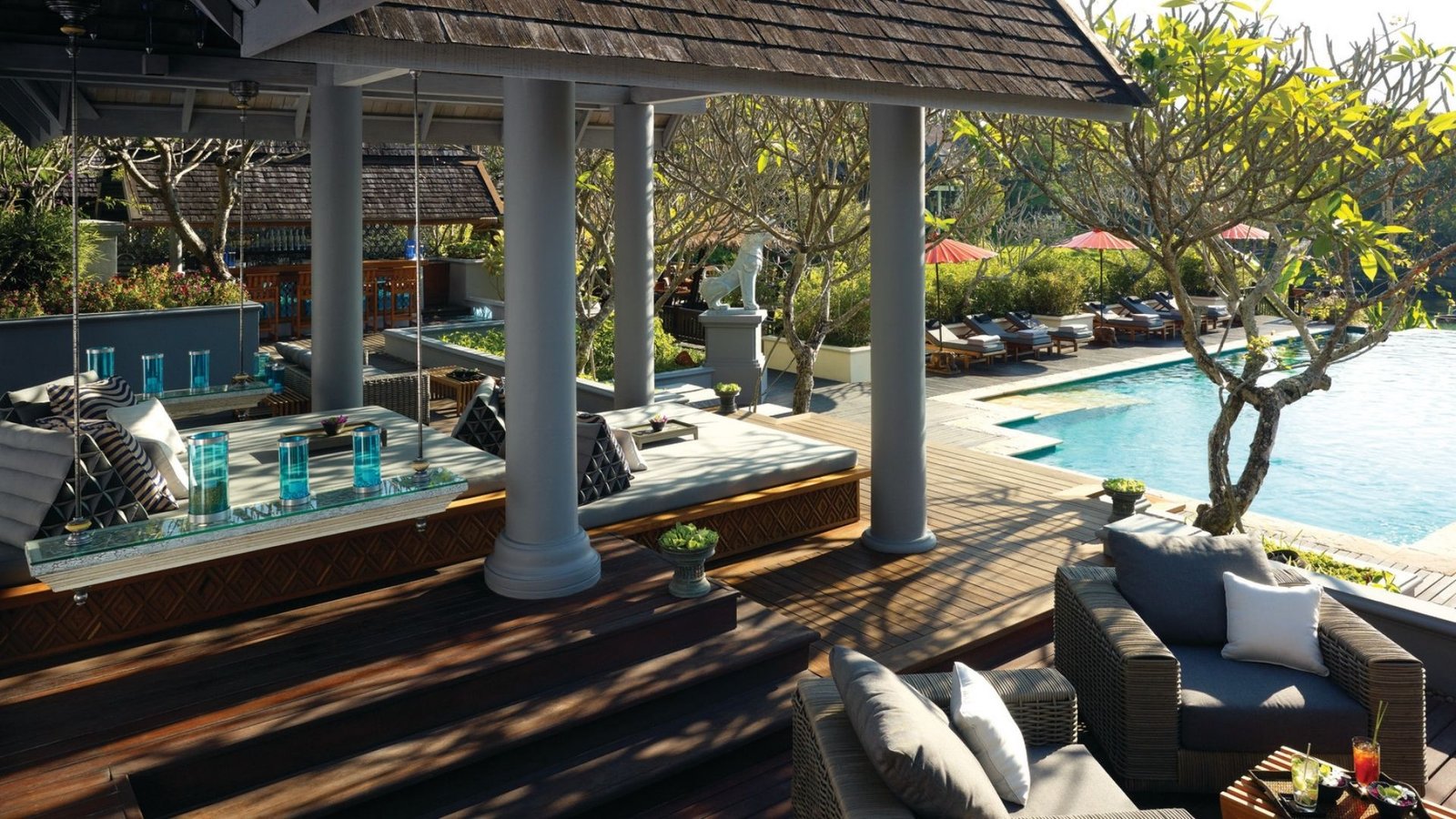
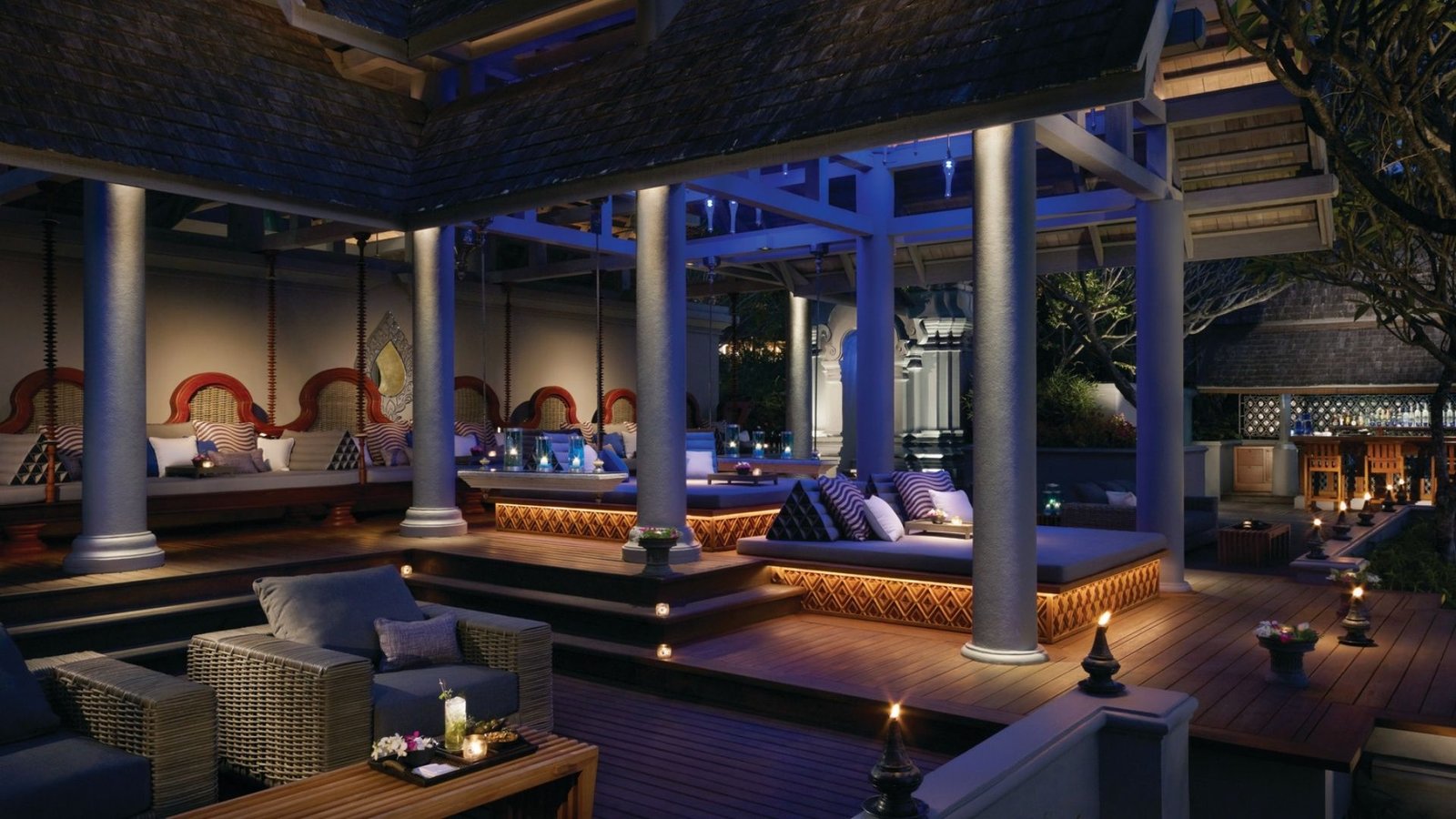

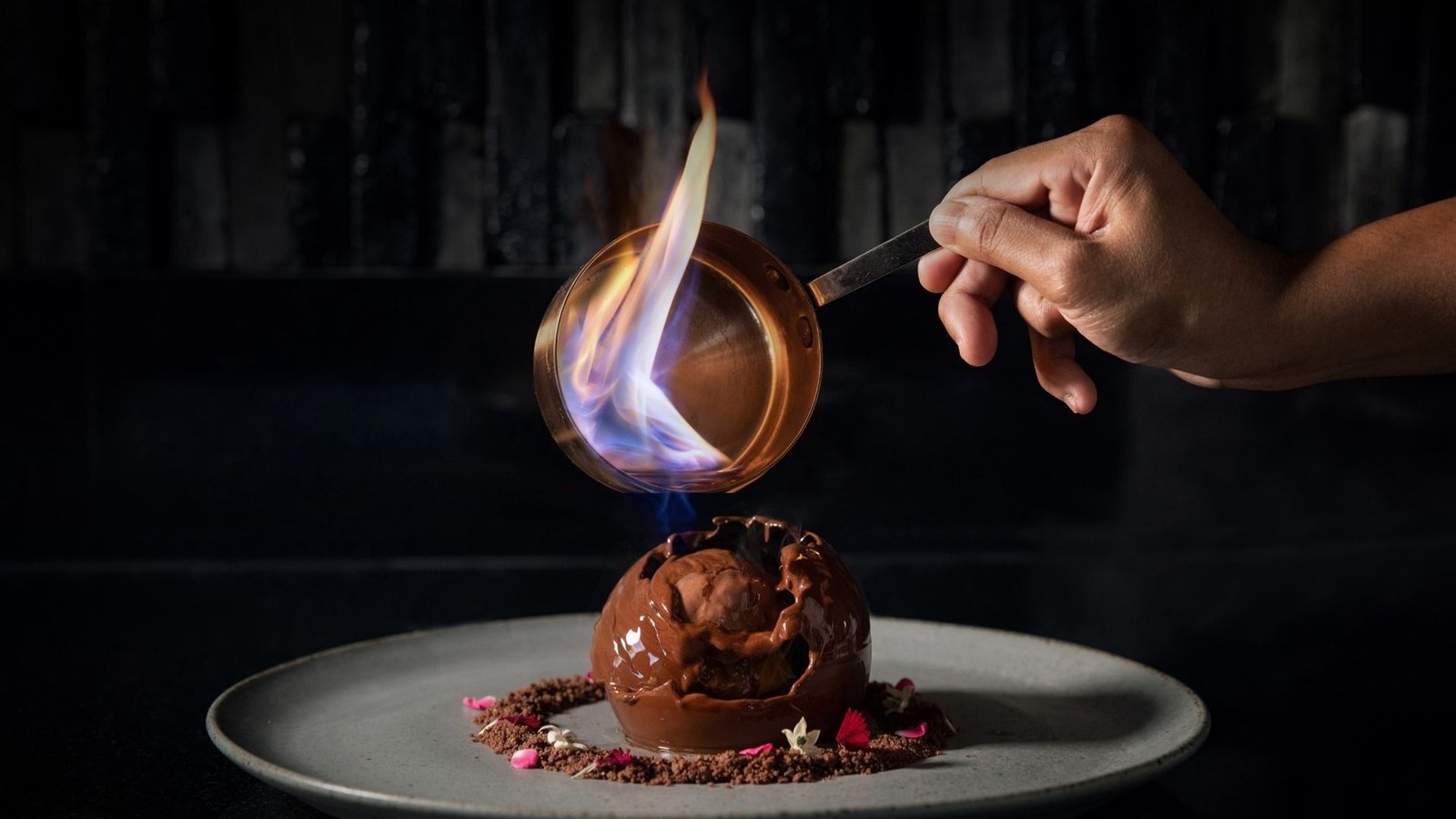
As the day draws to a close, the valley shifts again. Light softens across the paddies. Water reflects the last traces of sky. The temperature drops just enough to change the air. At Ratree Bar, the setting remains understated — a place to sit, observe and let the landscape complete the experience. There is nothing to add.
Four Seasons Resort Chiang Mai doesn’t rely on scale or spectacle. Its impact is quieter. More considered. It offers something increasingly rare — not an escape from reality, but a deeper immersion within it. A place where the land dictates the rhythm. And where, given time, you begin to follow.