







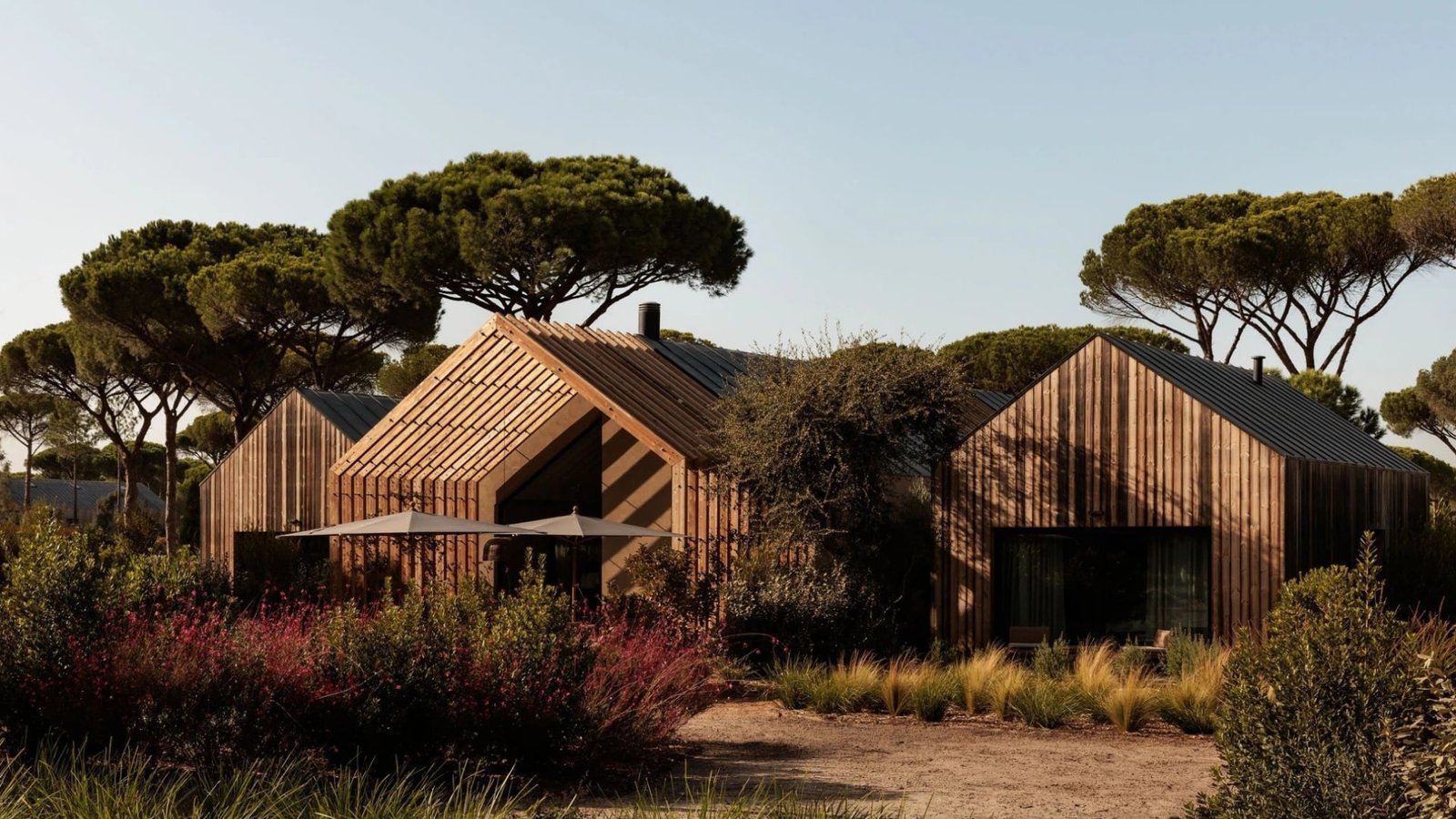


Comporta’s rise from quiet coastal escape to one of Europe’s most culturally influential luxury destinations has unfolded slowly, deliberately, and largely outside the visibility economy that defines much of modern travel. Located along Portugal’s Atlantic-facing Alentejo coast an hour south of Lisbon, the region has become increasingly associated with a quieter form of wealth — one centred around privacy, architecture, nature, and restraint rather than spectacle.
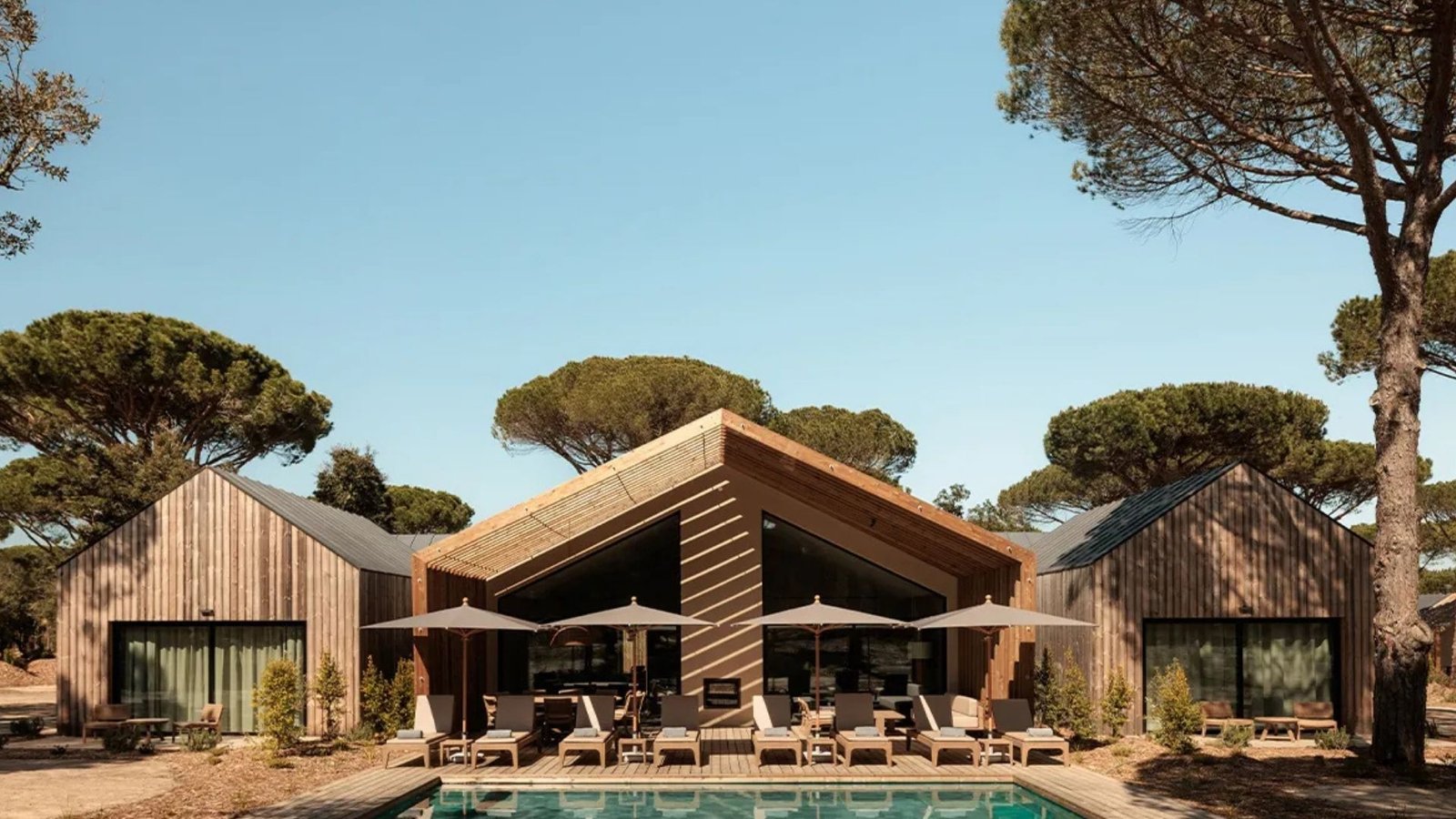
When the property opened in 2014 as a 14-room boutique retreat surrounded by pine forest and sand dunes, it arrived before Comporta had fully entered the global luxury conversation. Over the last decade, the hotel has become the preferred address for an internationally mobile creative and financial set drawn to the region’s combination of spatial calm, understated design, and relative anonymity compared to more traditional Mediterranean destinations. Now, the estate is entering its next phase of expansion.
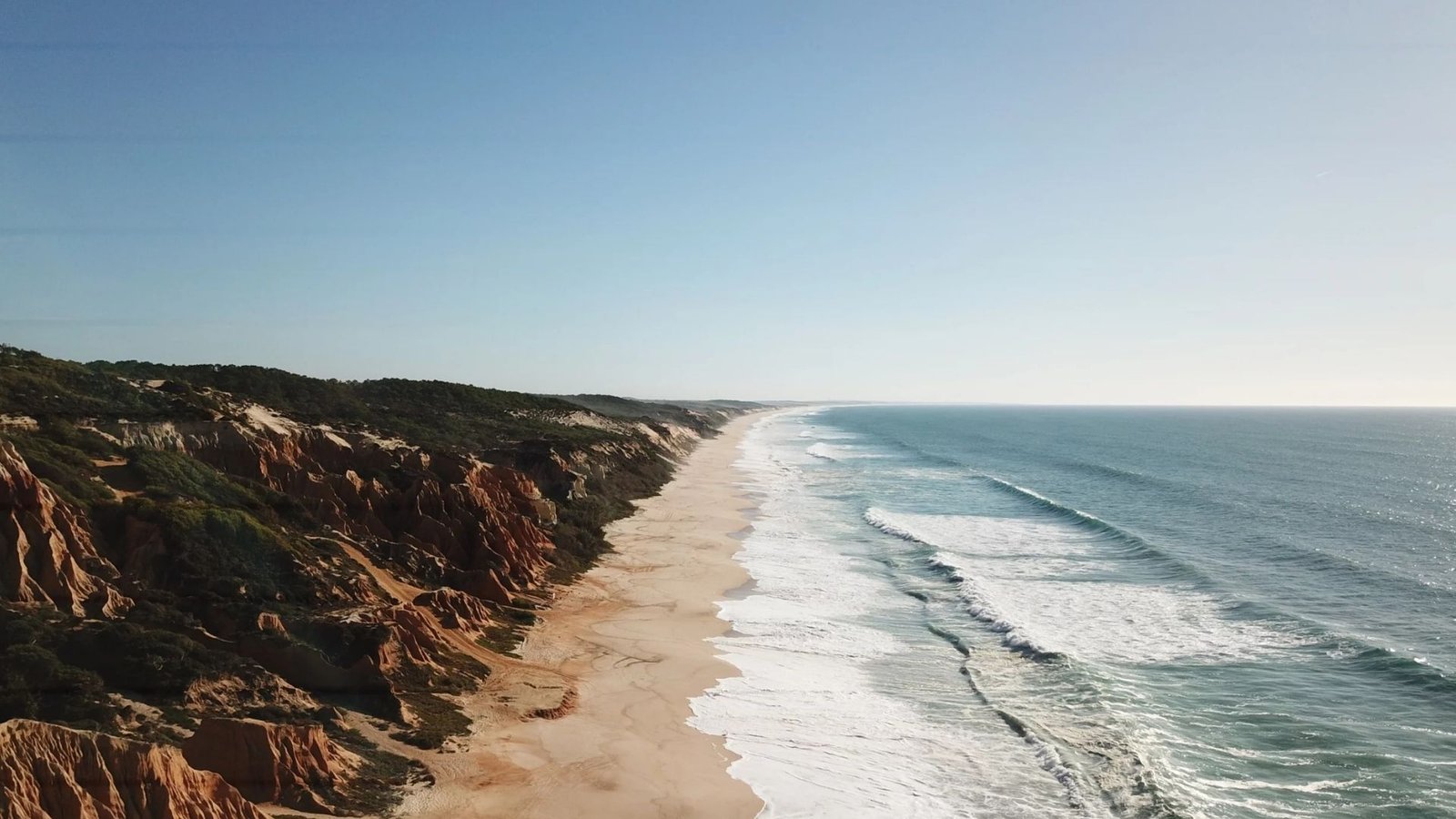
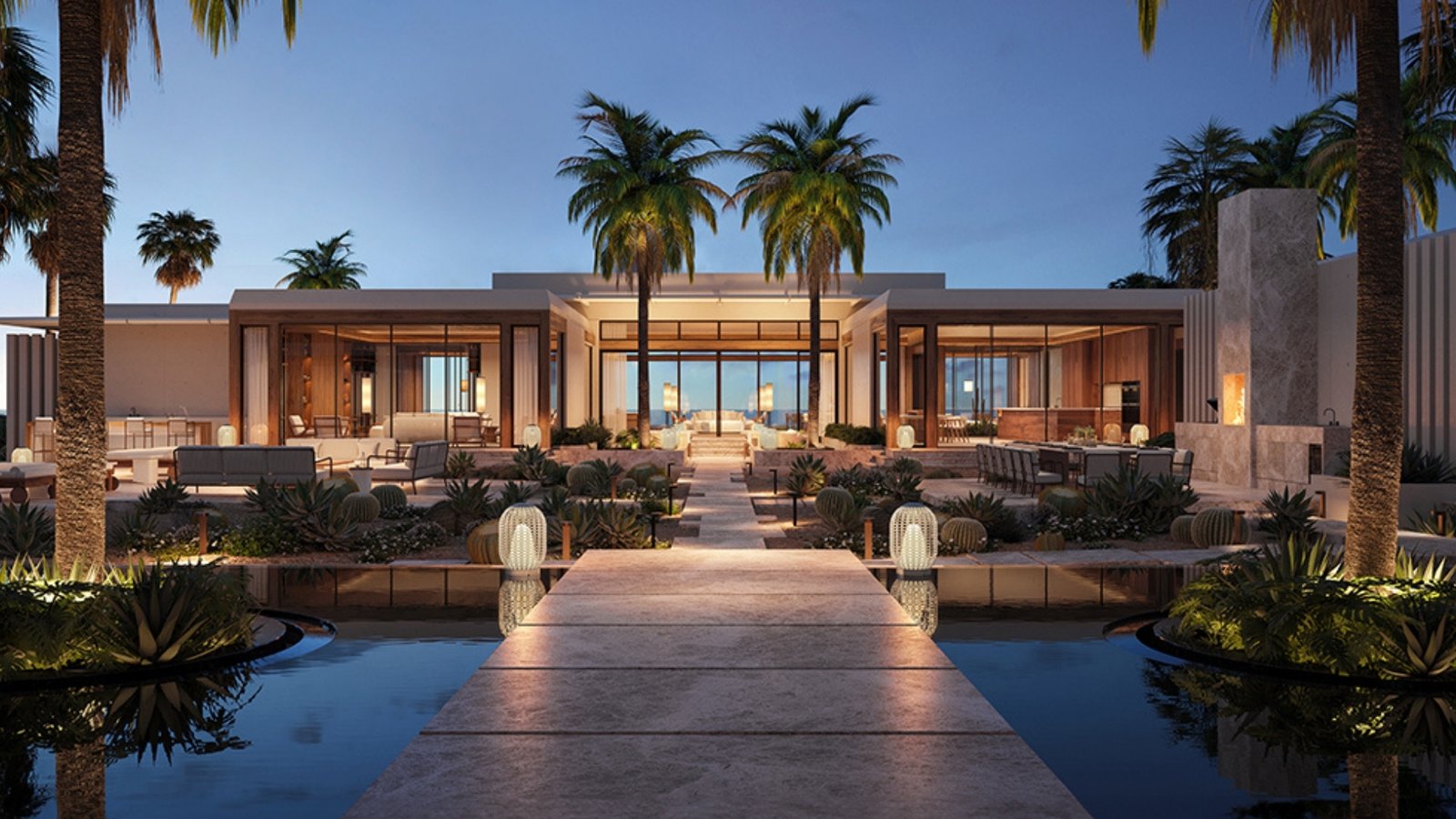
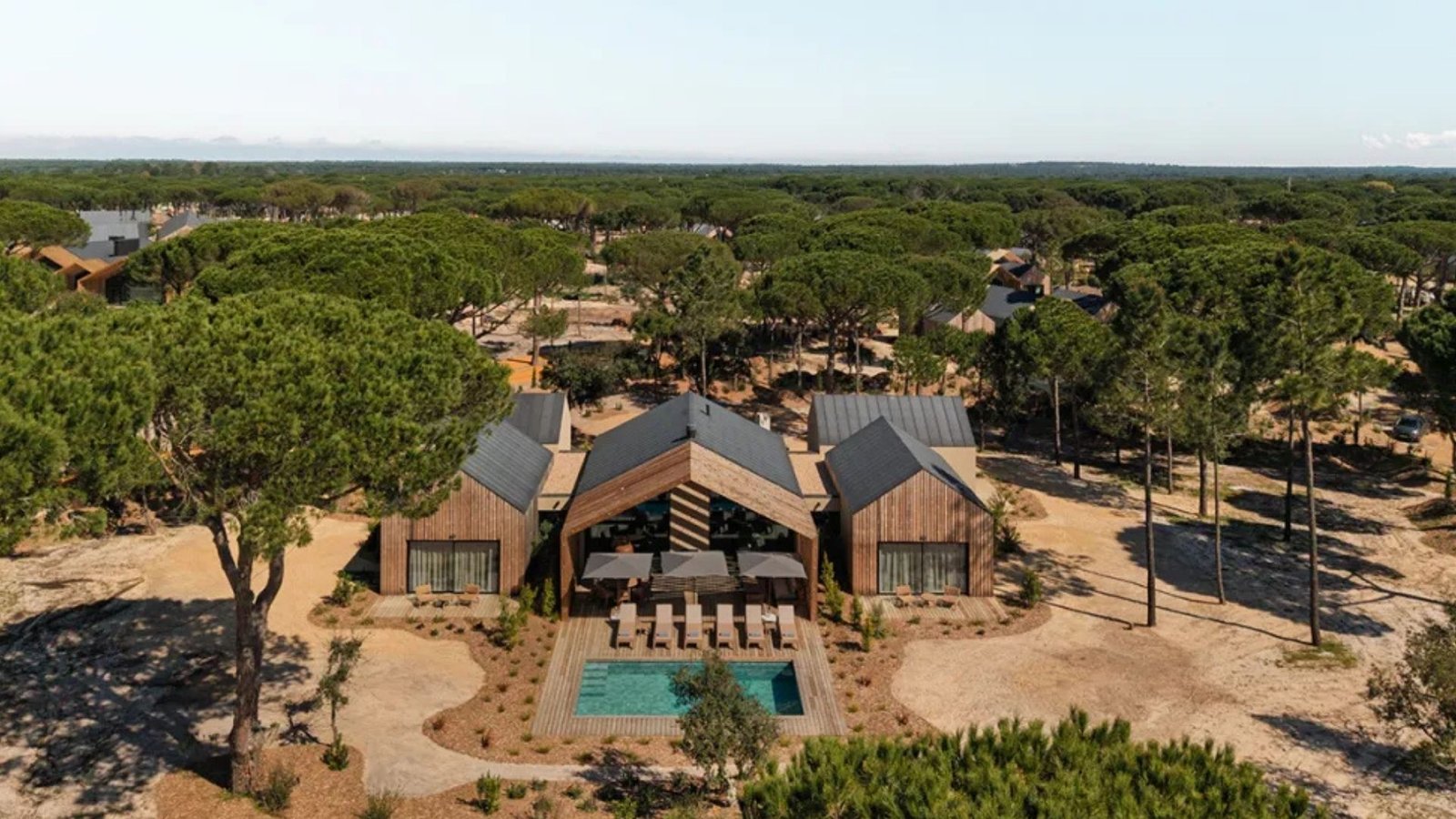
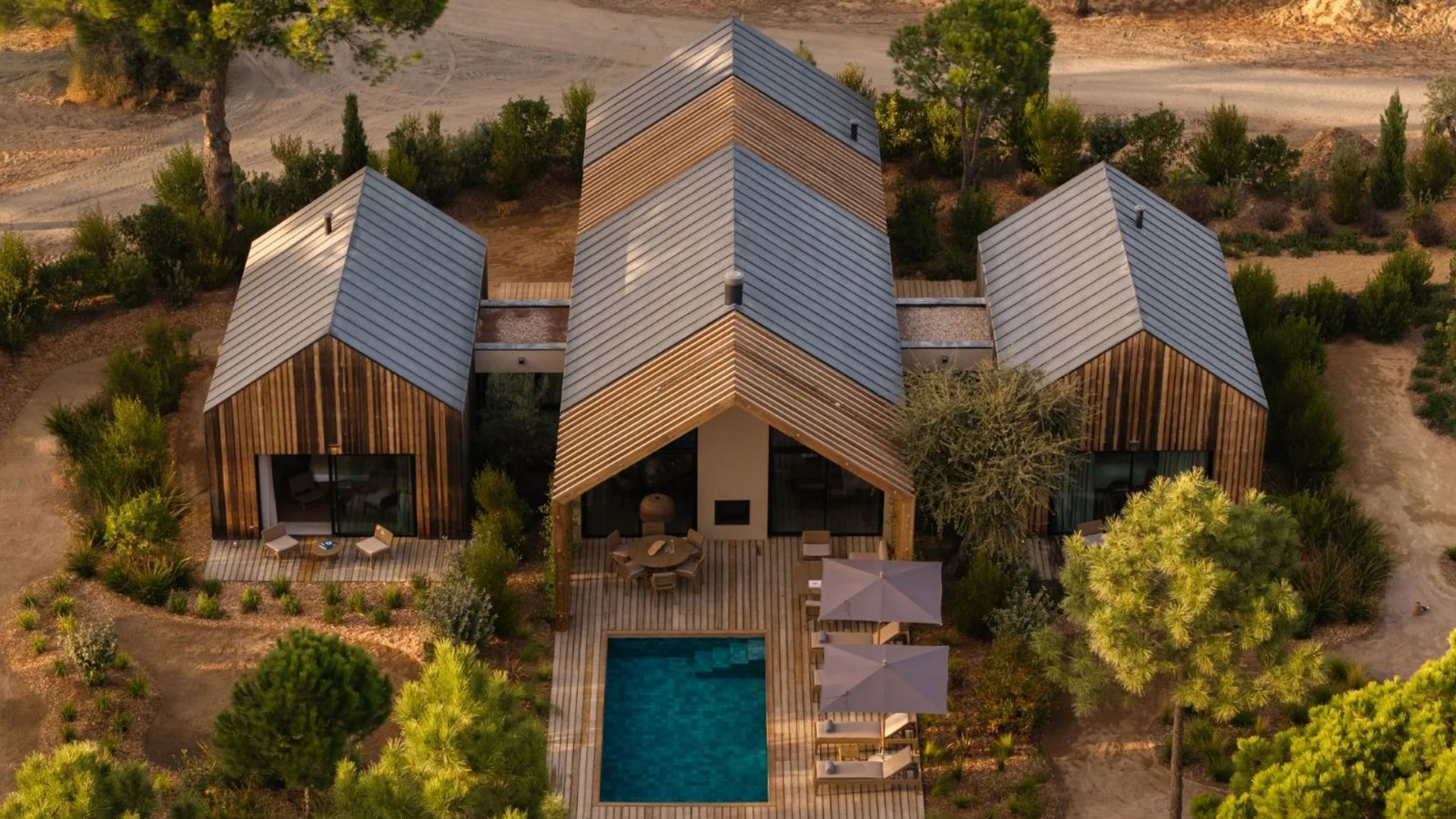
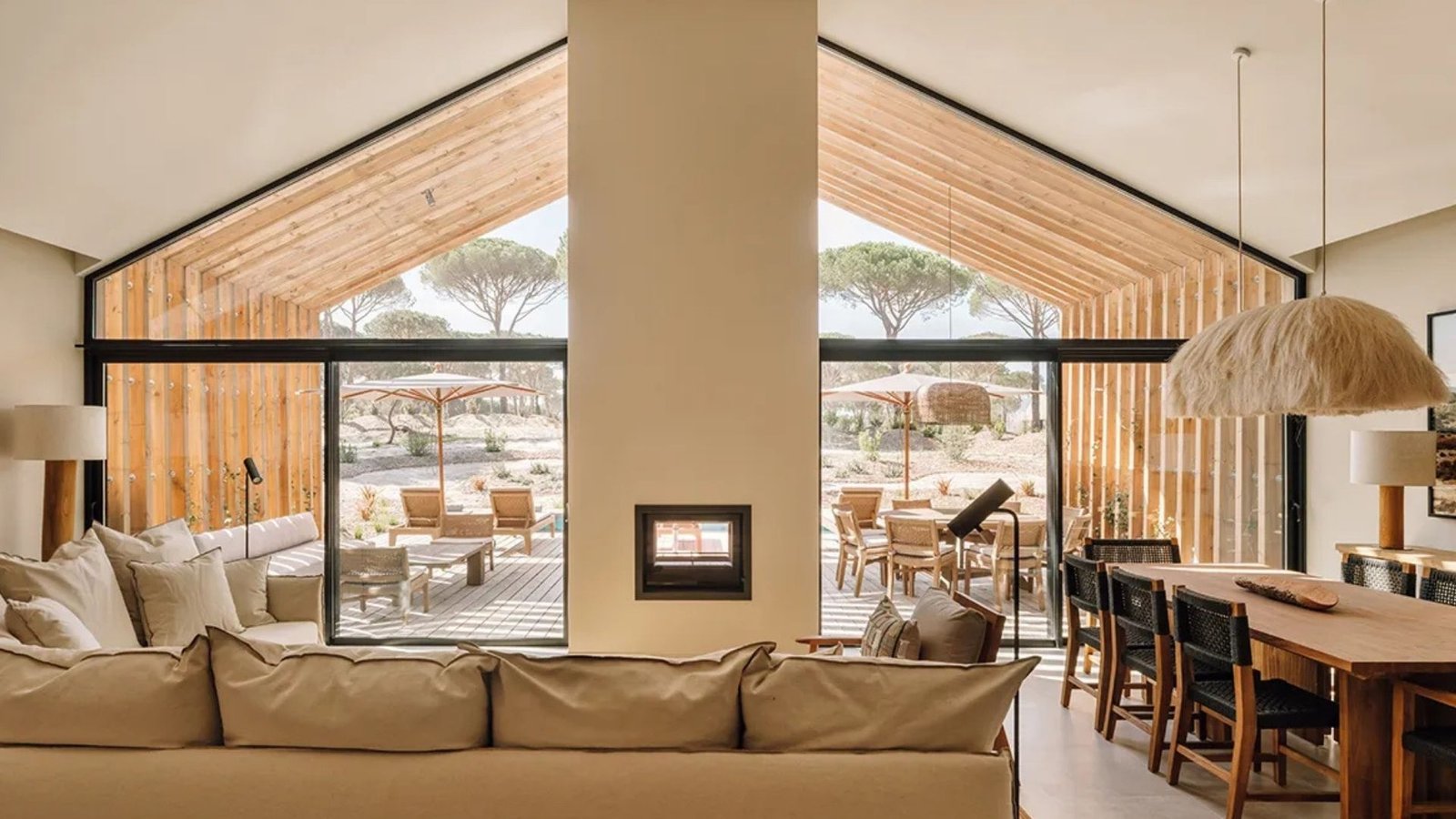
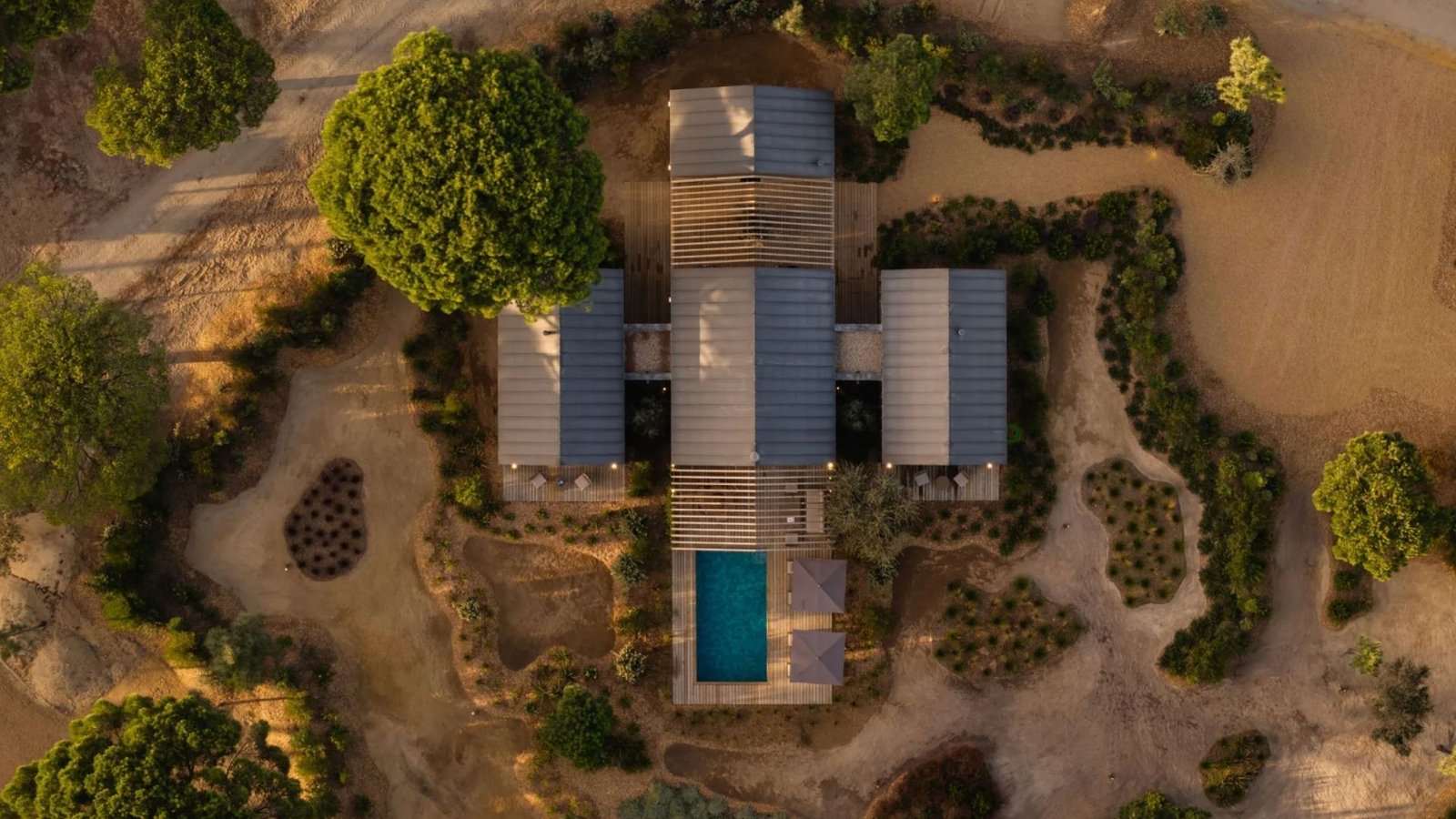
Sublime Sand officially opened last week, adding 43 private pool villas across 50 additional hectares directly opposite the original Sublime Terracotta property. The development significantly expands the scale of the resort while attempting to preserve the intimacy and low-density atmosphere that initially defined the destination. Increasingly, that balance has become central to high-end hospitality development, particularly as affluent travellers prioritise privacy and residential-style living alongside service infrastructure capable of supporting longer stays and multi-generational travel.
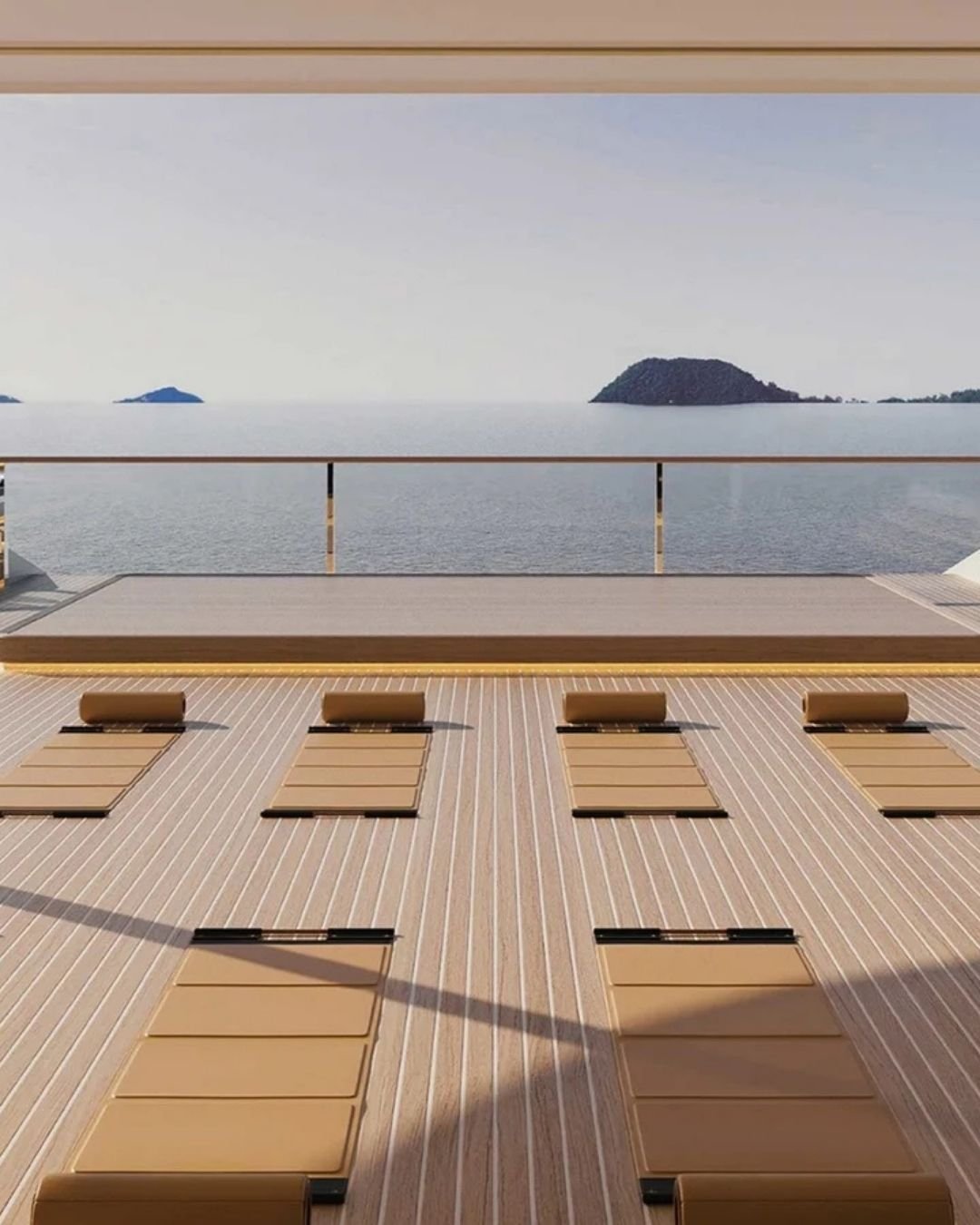
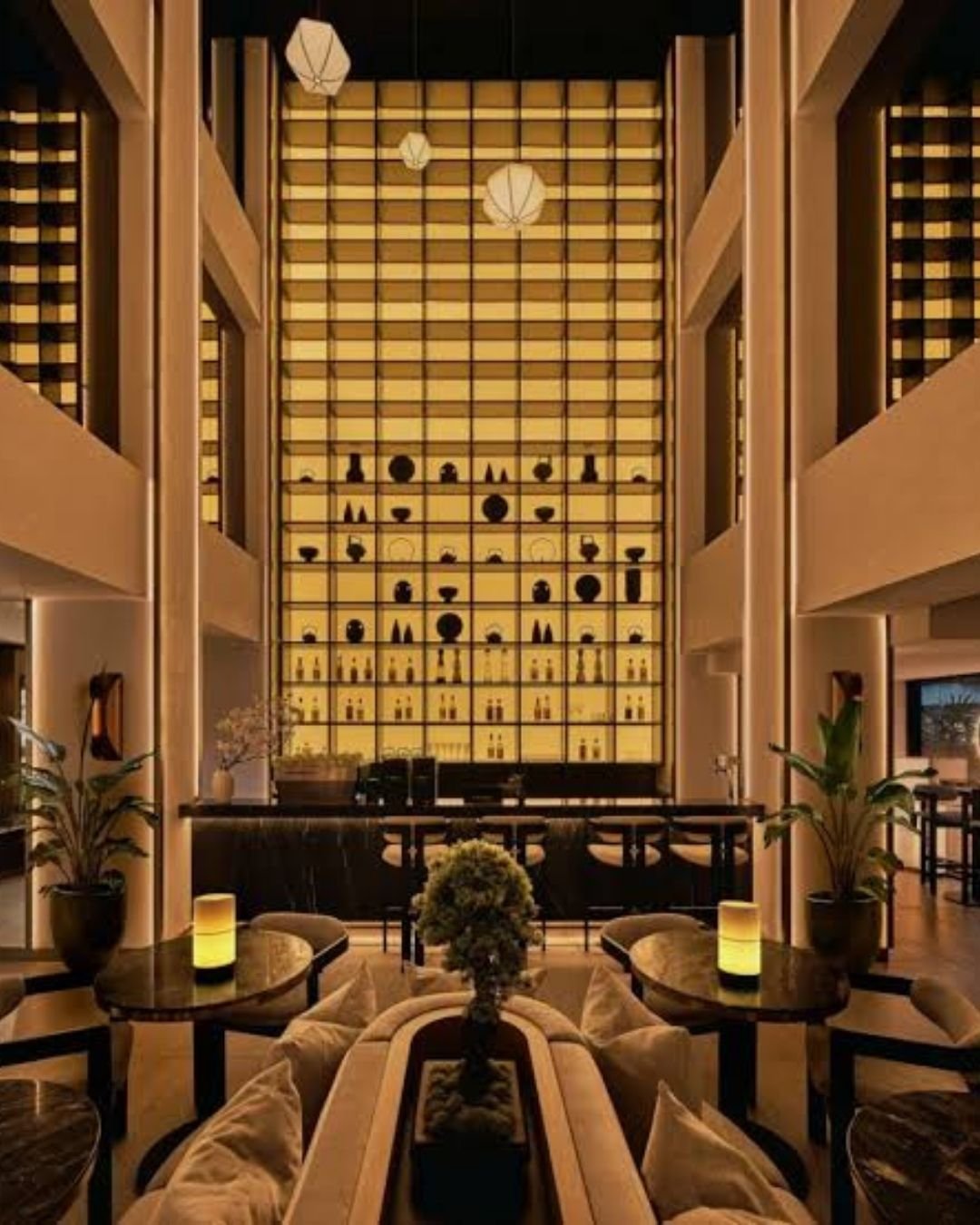
Three new central buildings anchor the expansion. The Atrium functions as the social and culinary core of the property, housing restaurants and a lounge bar designed around indoor-outdoor gathering. Aqua introduces expanded wellness infrastructure with indoor and outdoor pools, treatment areas, and fitness facilities, while the Forum event space adds an amphitheatre and reflective pool intended for cultural programming and private events. Together, the additions transform Sublime Comporta from a boutique hotel into a broader hospitality ecosystem — one increasingly positioned around lifestyle integration rather than accommodation alone.
Dining continues to play a major role in the property’s evolution. BeefBar makes its Portuguese debut within the resort, while Davvero expands from Sublime Lisboa, contributing to a portfolio that now totals ten restaurants across the wider estate. The result is a destination increasingly capable of sustaining extended-format stays without requiring guests to leave the property itself — a growing priority within luxury hospitality as travel shifts toward slower, more residential experiences.
More broadly, Sublime Sand reflects where modern luxury travel continues to move. Increasingly, value is being placed on space, calmness, environmental integration, and architectural discretion rather than visibility or density. In that context, Comporta’s continued rise feels less like a trend and more like a long-term recalibration of how wealth is expressed geographically. As global luxury destinations become more saturated, places capable of preserving silence, scale, and privacy are becoming increasingly difficult — and increasingly valuable — to replicate. For more information visit Sublime Comporta here.