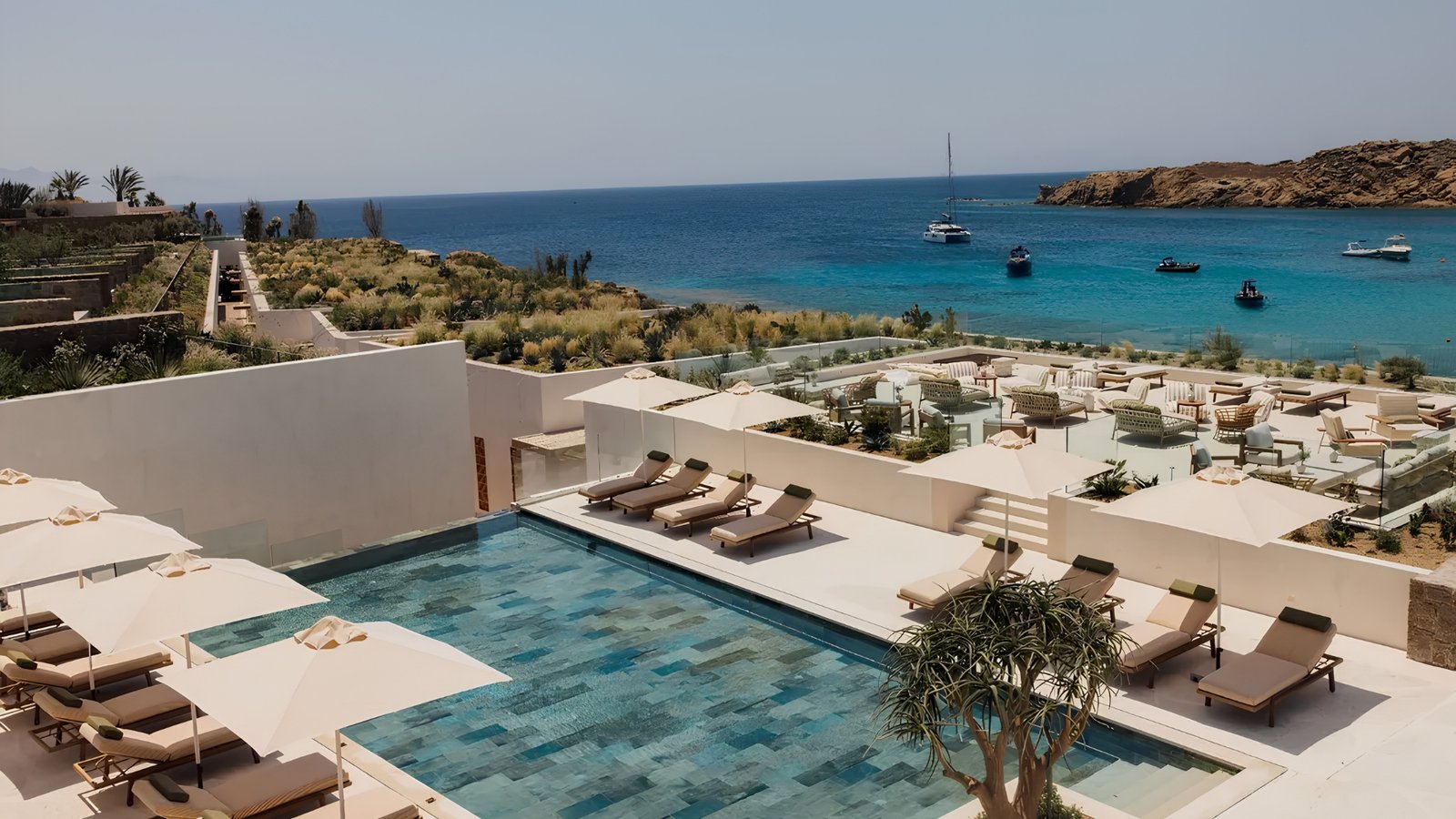










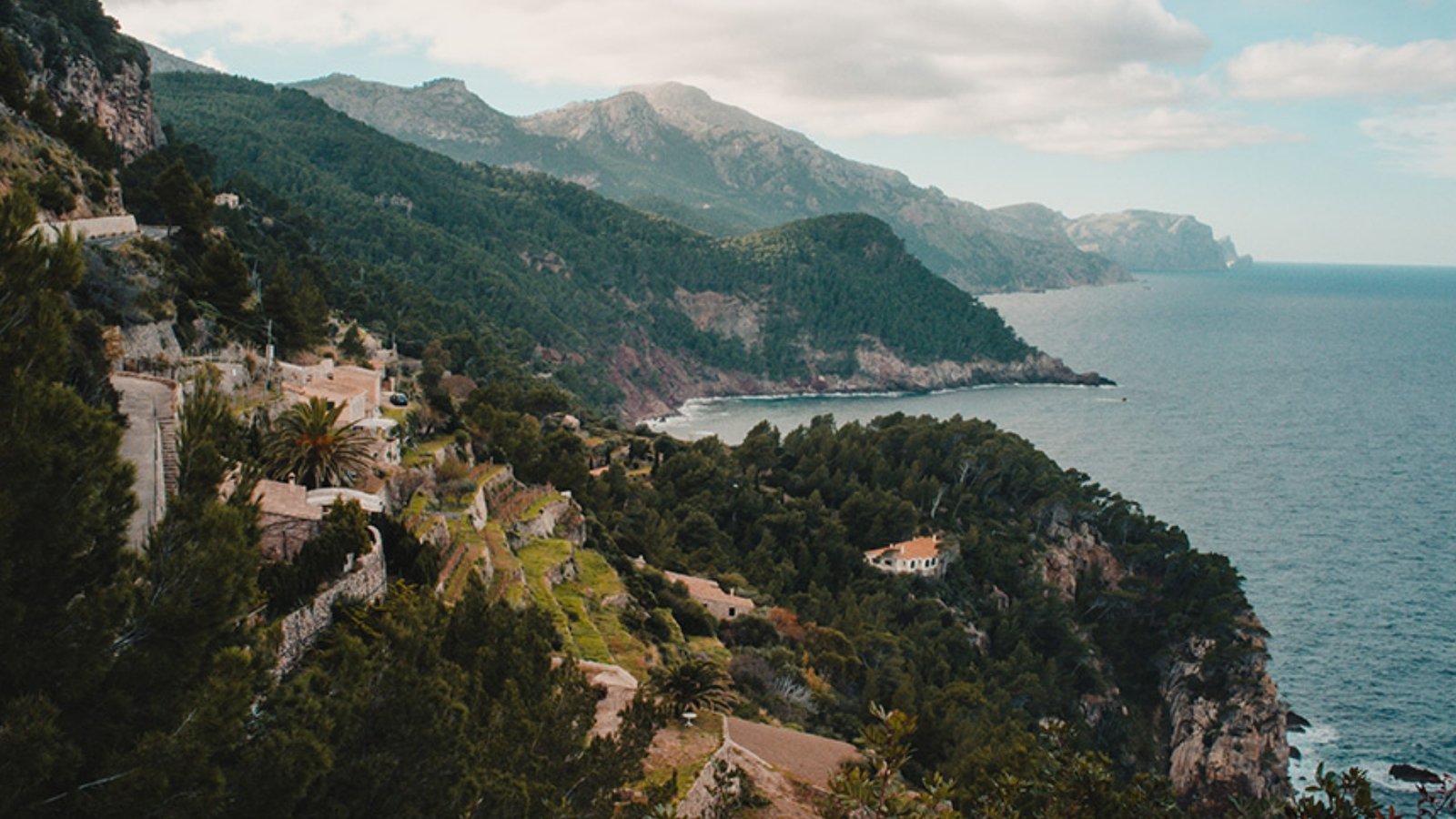
Banyalbufar has always been shaped by limits. Stone terraces descend from the Serra de Tramuntana towards the sea, following contours established long before Mallorca became a global leisure address. ANNUA Signature Hotels has opened Gran Hotel Margalida, its fifth property, in the cliffside village of Banyalbufar on Mallorca’s western coast. The 29-room hotel occupies a restored historic building above the Serra de Tramuntana. On an island that received more than 19 million visitors in 2025, the small room count reads as a deliberate position rather than a limitation.
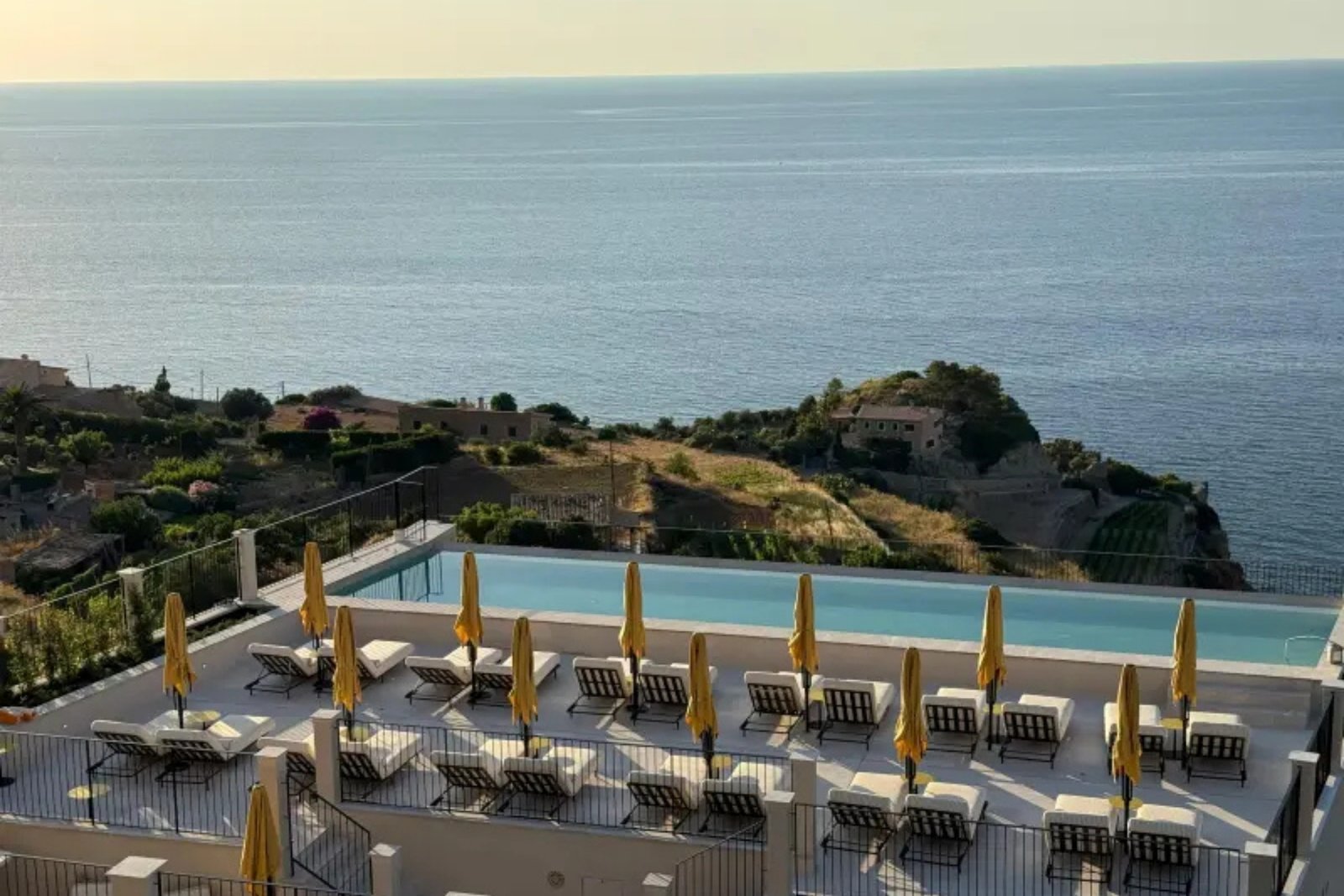
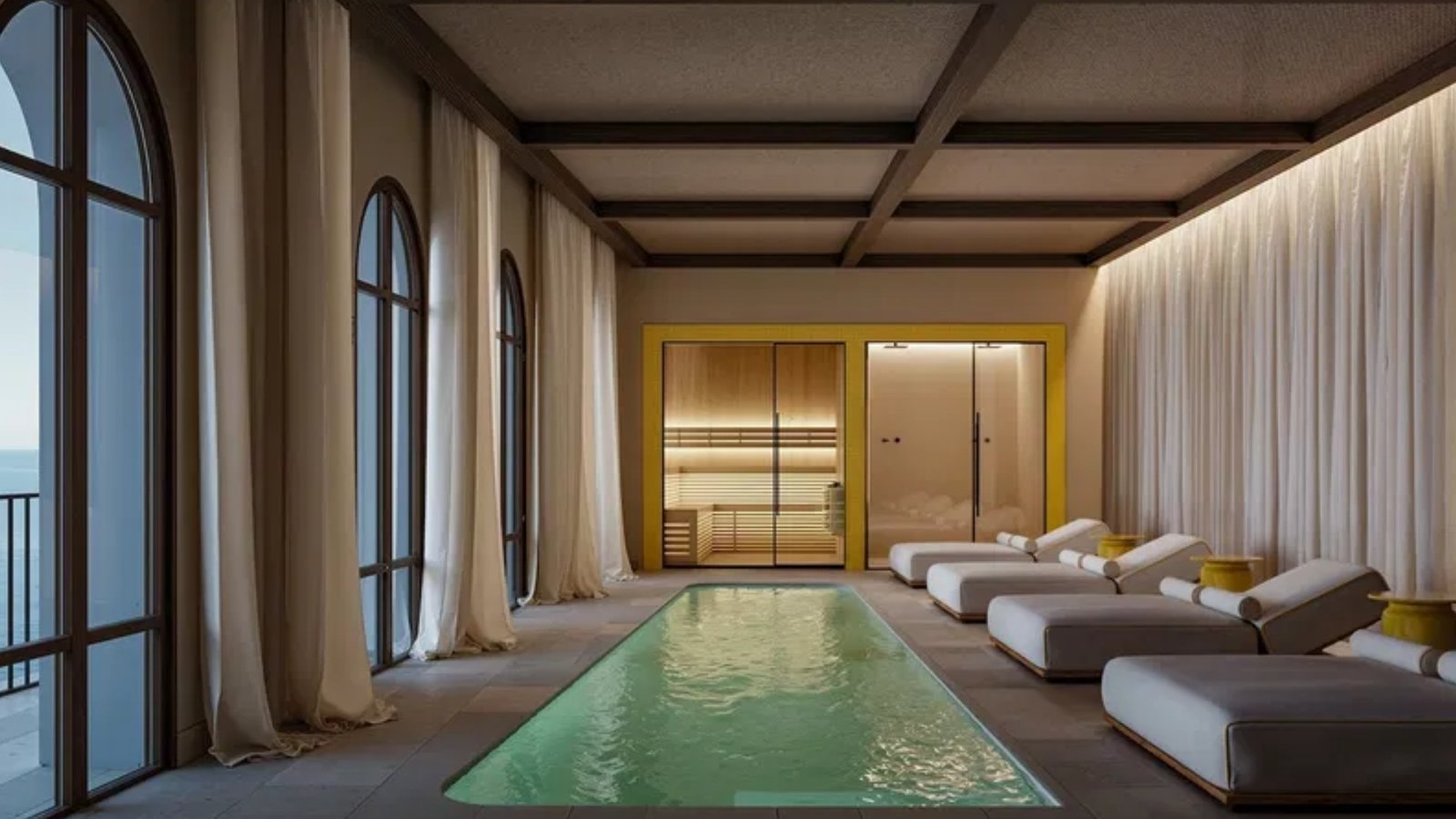
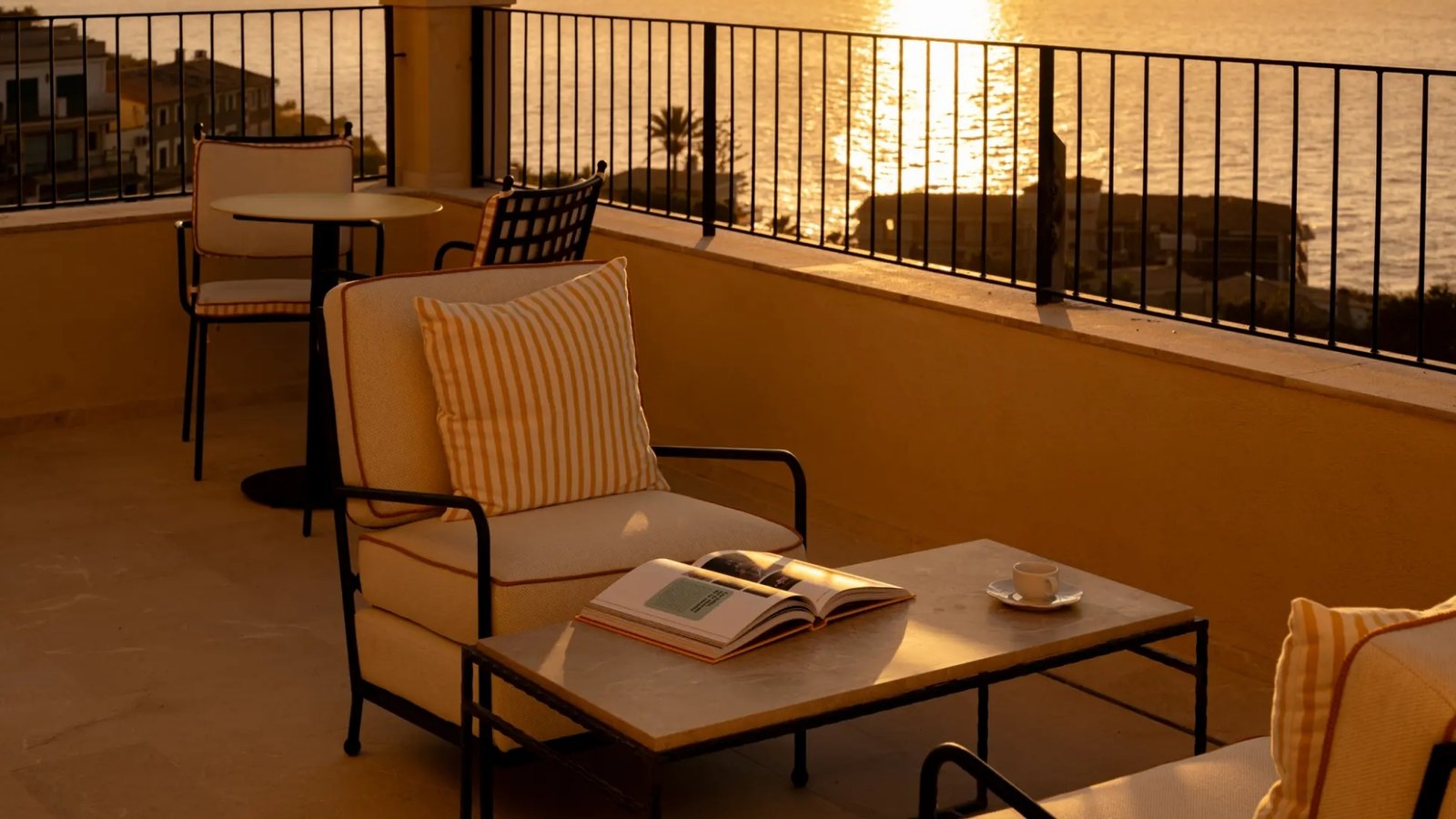
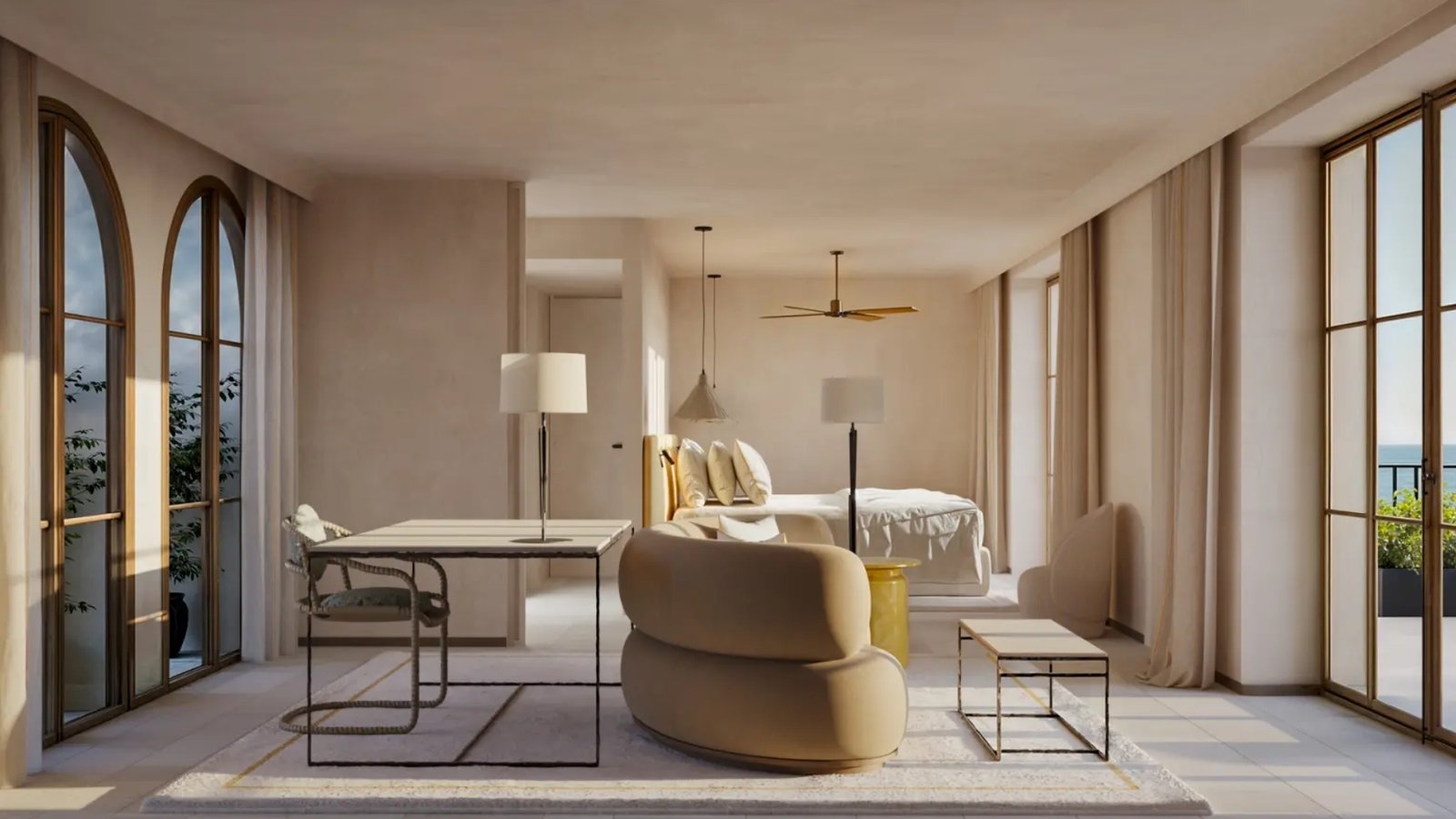
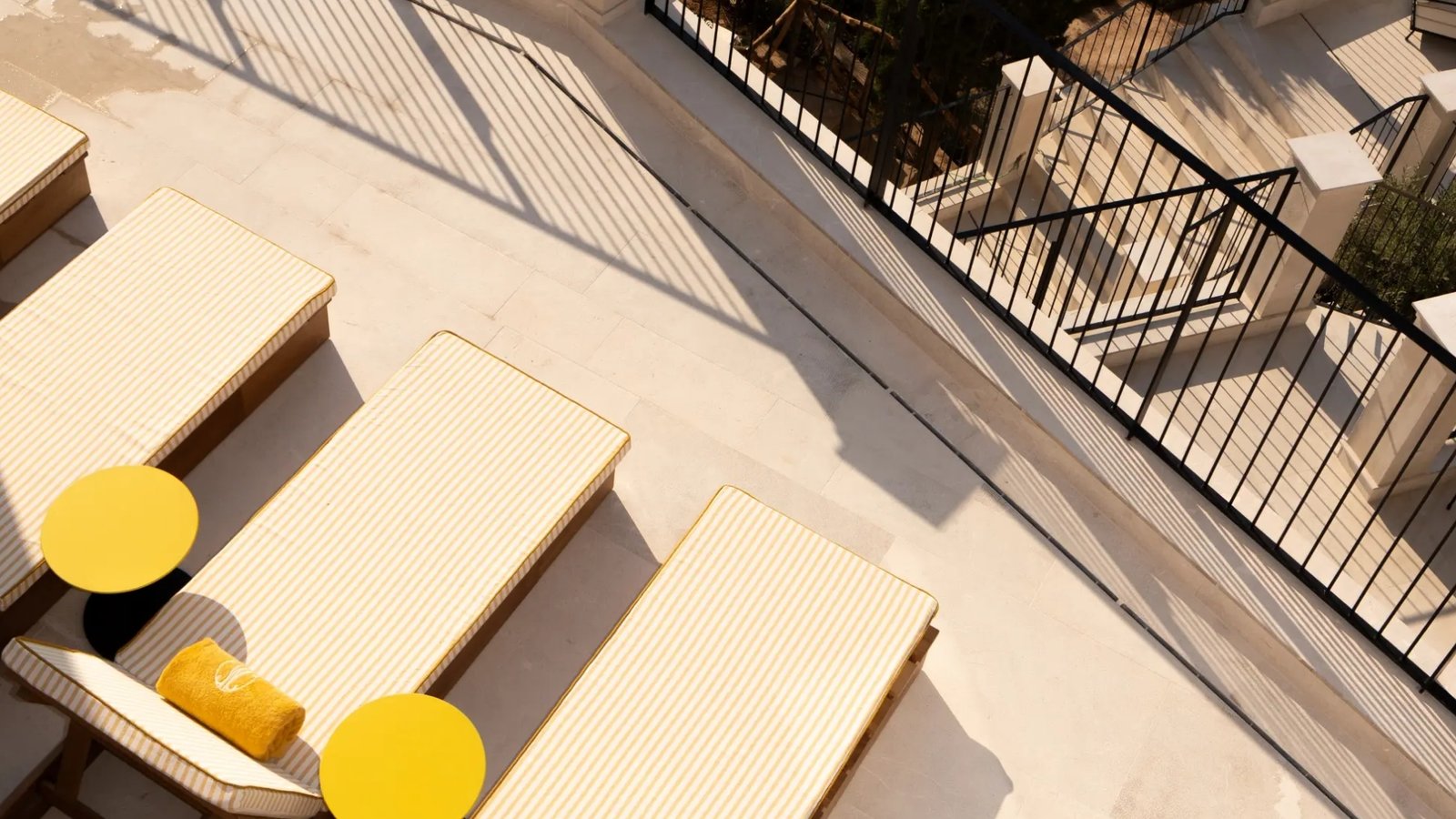
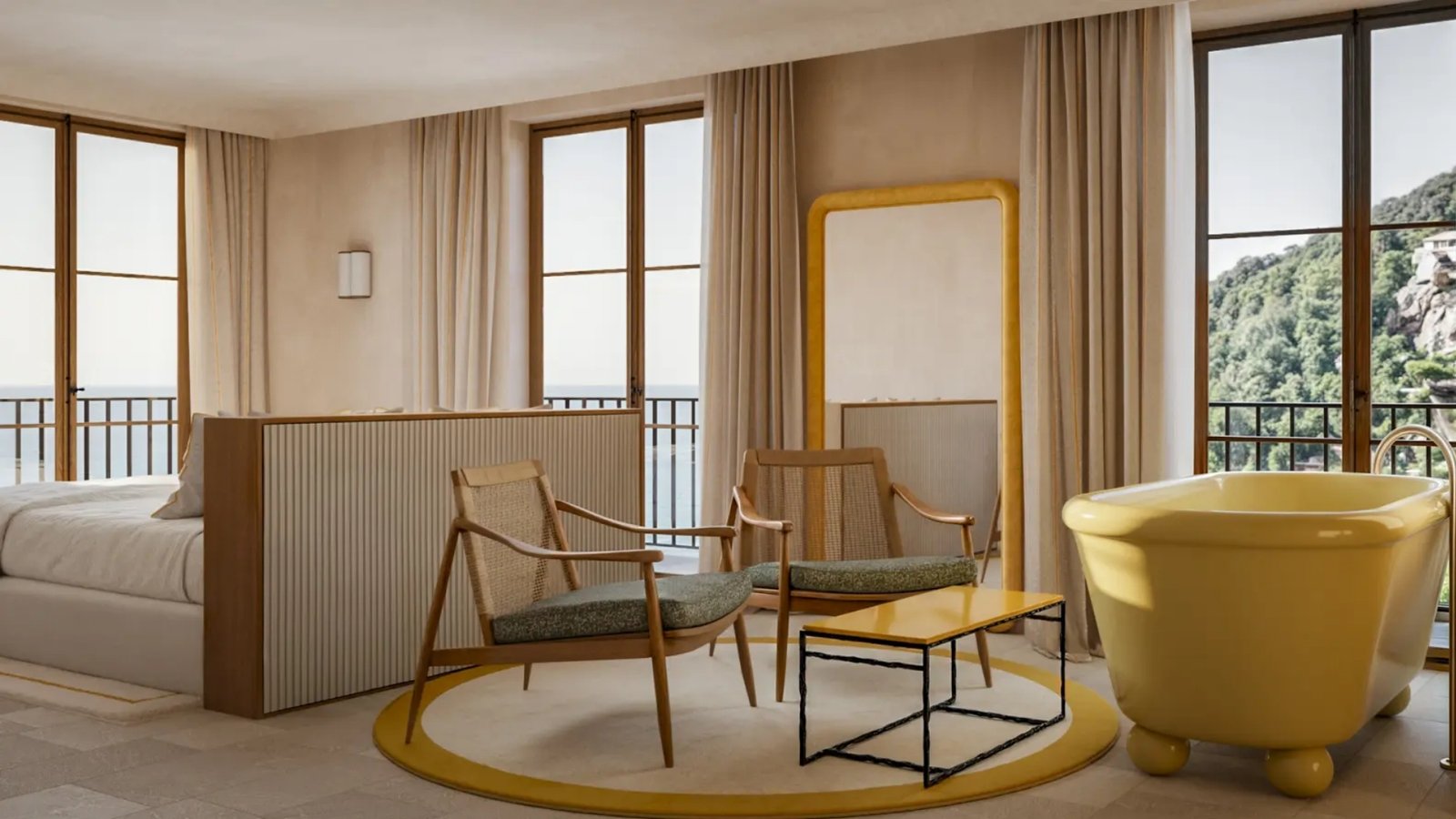
Architects Álvaro Onieva and Álvaro Mesonero Romanos worked with interior designer Virginia Nieto to preserve the property’s original ironwork and lime-rendered façades. Natural stone, woven fibres, locally blown glass, ceramics, and Mallorca’s Telas de Lengua fabric run through the interiors. A sun-washed yellow developed for the property appears across rooms and shared spaces, connecting them without imposing an identity that competes with the setting.
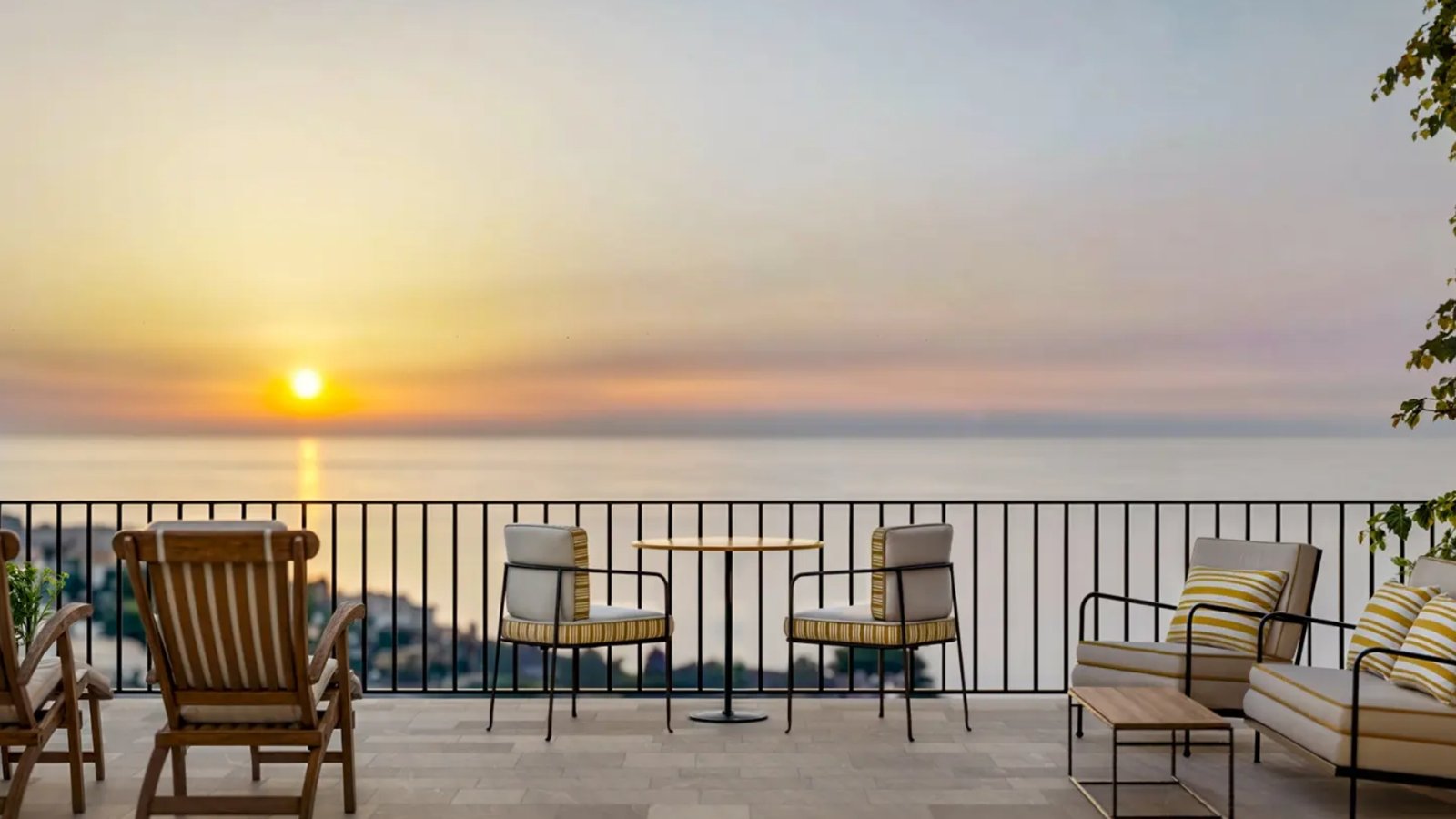
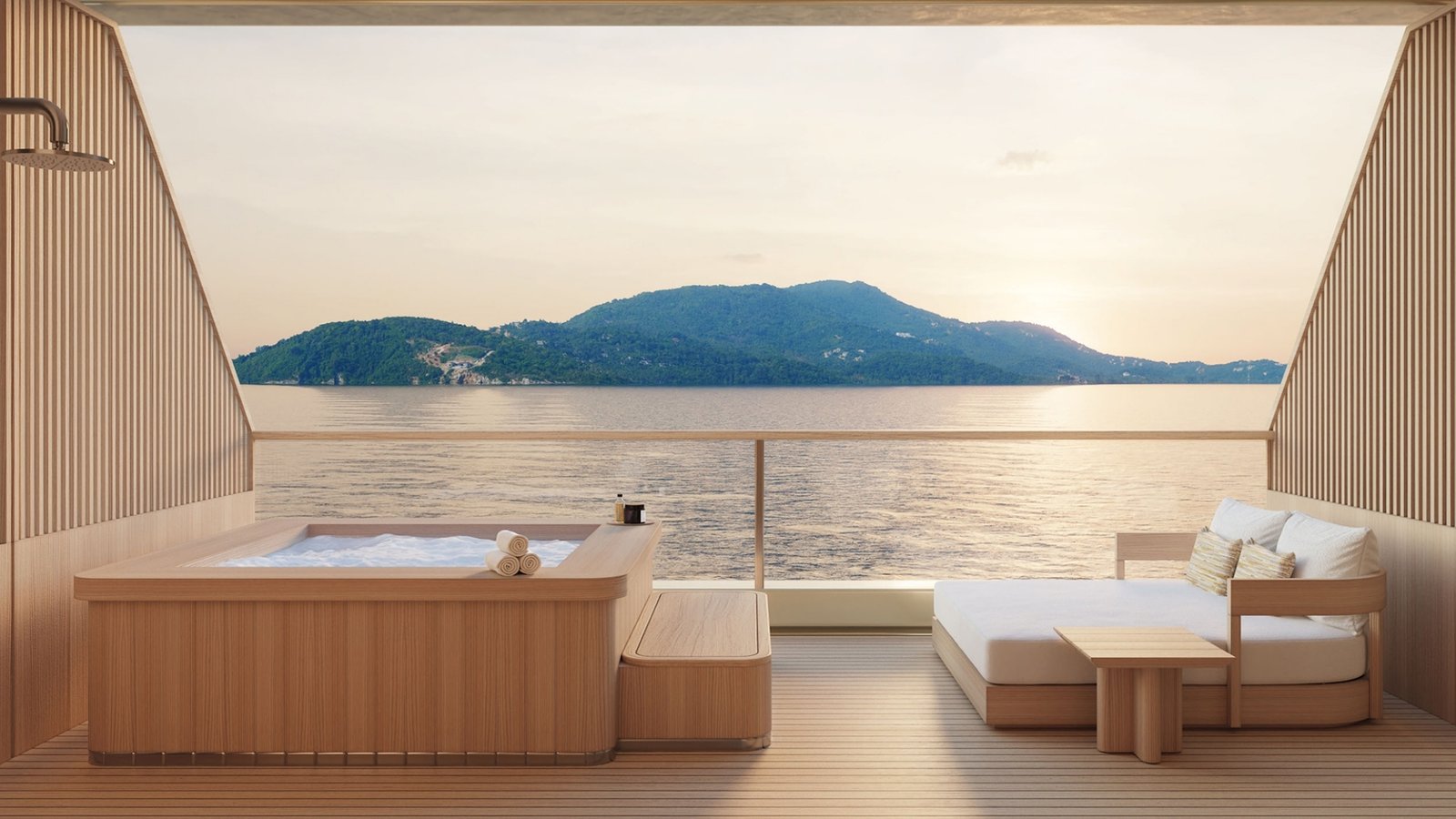
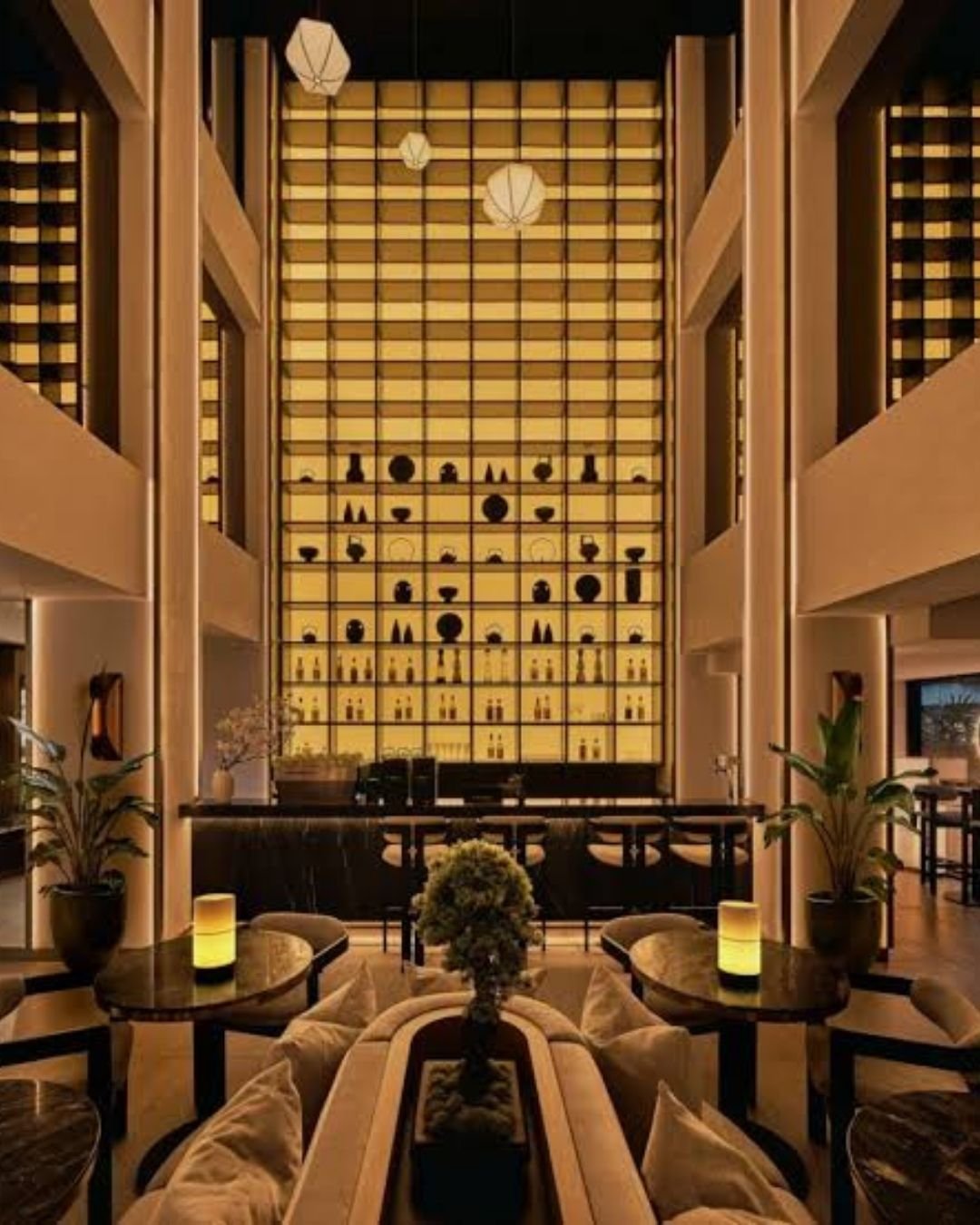
All 29 rooms face the water. Two larger suites include hammam-style showers, while much of the design draws attention outwards, toward the terraces and coastline below. Head chef Joan Escalas leads a restaurant centred on contemporary Mallorcan cooking, supported by an oyster bar and pool bar.
The route out of the hotel matters as much as the rooms inside it. Guests can sail along the coast, walk through the Serra de Tramuntana, visit vineyards and join workshops with local makers. Olive-oil tastings at the centuries-old Son Moragues estate place agriculture alongside the more familiar pleasures of the sea. Banyalbufar and the surrounding mountains become active parts of the stay, rather than scenery arranged beyond a terrace.
That approach marks a shift in the region’s hospitality story. Much of the Mediterranean’s recent development has been driven by scale — larger resorts, international brands, and extensive amenity programmes. Gran Hotel Margalida makes the opposite bet, betting its value on being difficult to separate from Banyalbufar itself.
Twenty-nine rooms leave little space for anonymity. Privacy and intimacy depend on conditions that hotels cannot create alone. They rely on communities, architecture, agriculture, and patterns of local life that existed before the first guest arrived. A retreat can draw value from those conditions, but distinction requires more than preserving their appearance.
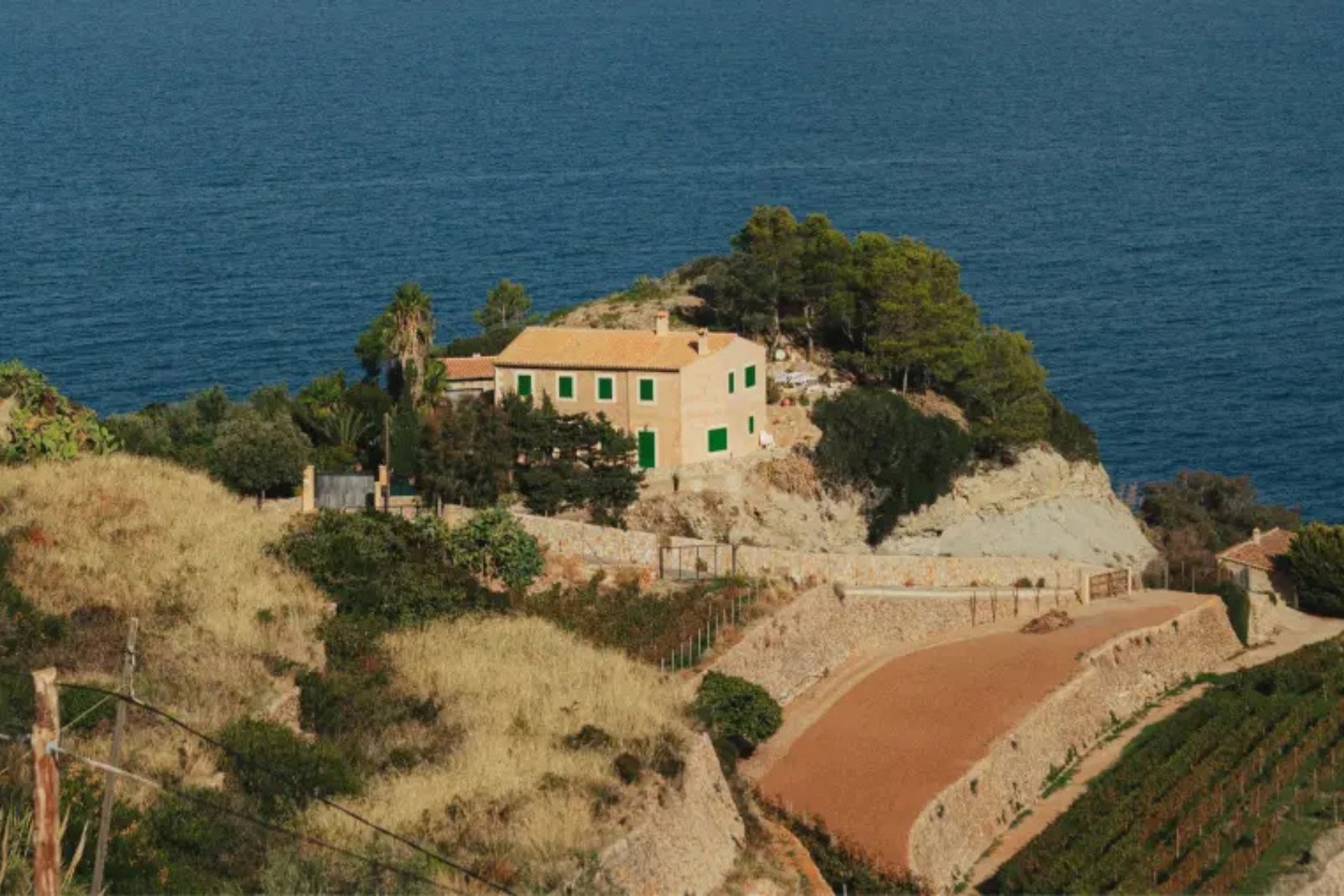
Gran Hotel Margalida enters the market through restraint. Its restored structure, limited room count, and outward-facing programme suggest a form of hospitality built by entering an existing place carefully rather than creating a complete world apart from it. The hotel has chosen a village formed through centuries of physical limits. Its future will depend on accepting those limits as attention grows, allowing Banyalbufar to remain the reason to come rather than scenery viewed from above. Visit Gran Hotel Margalida here.