


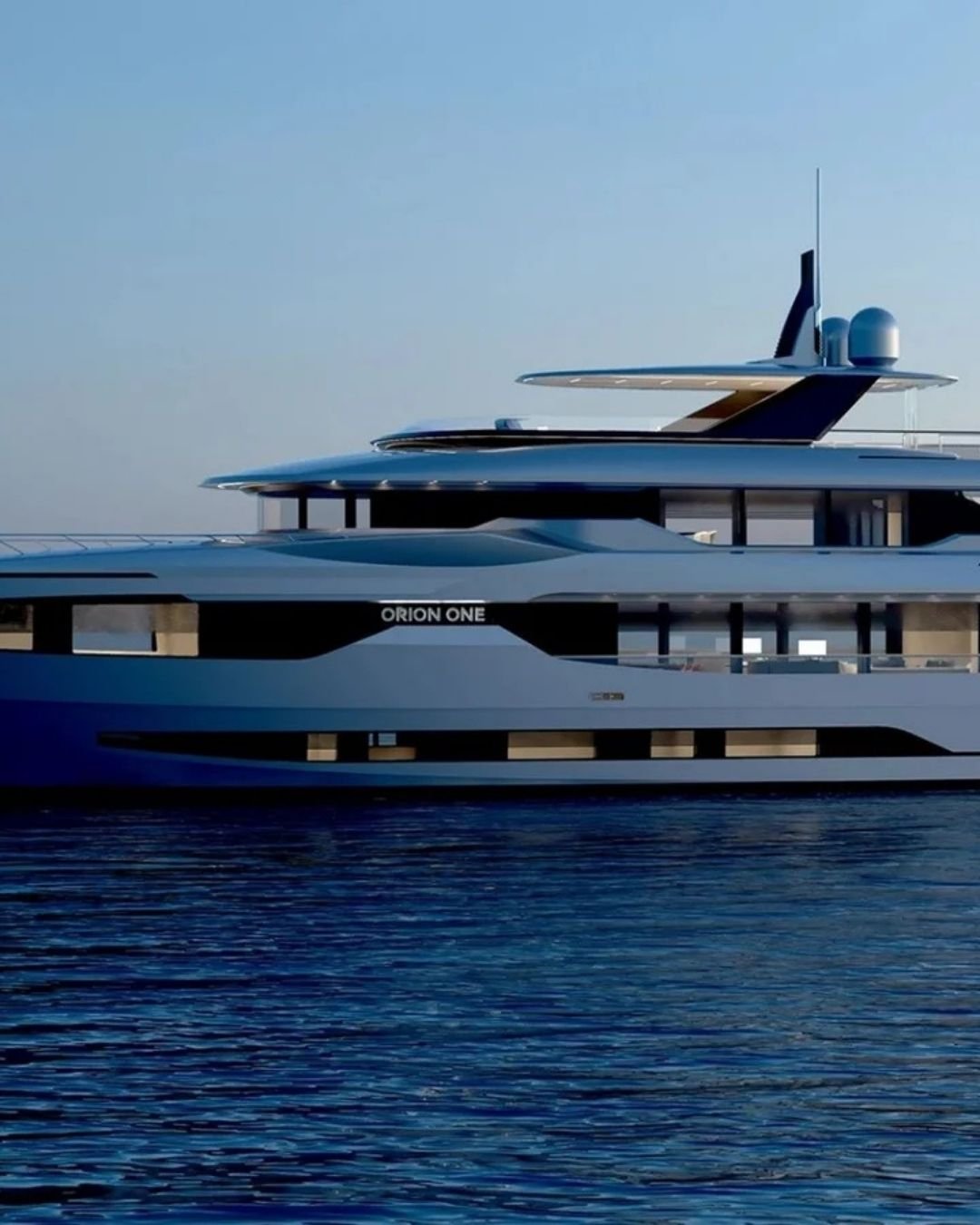


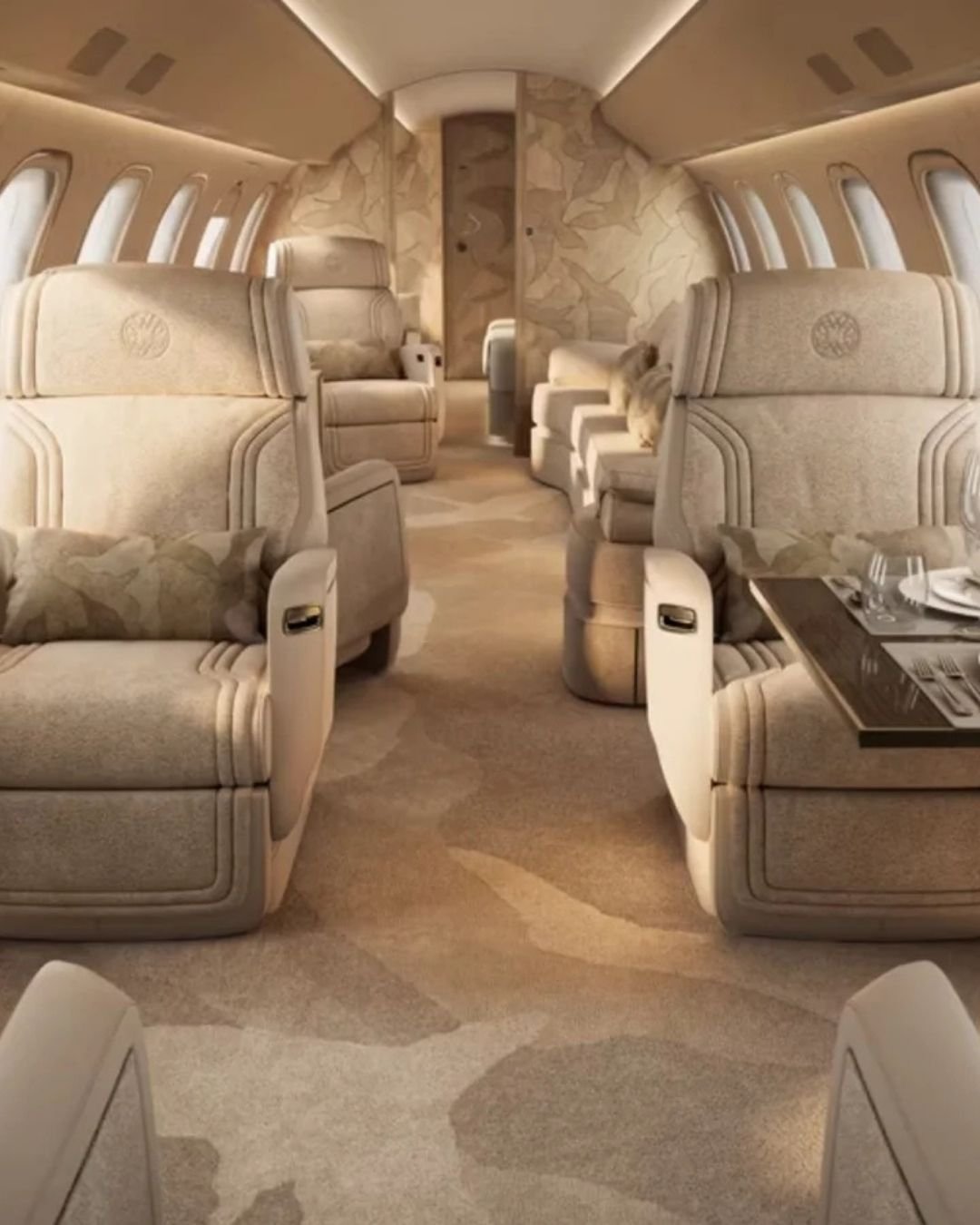
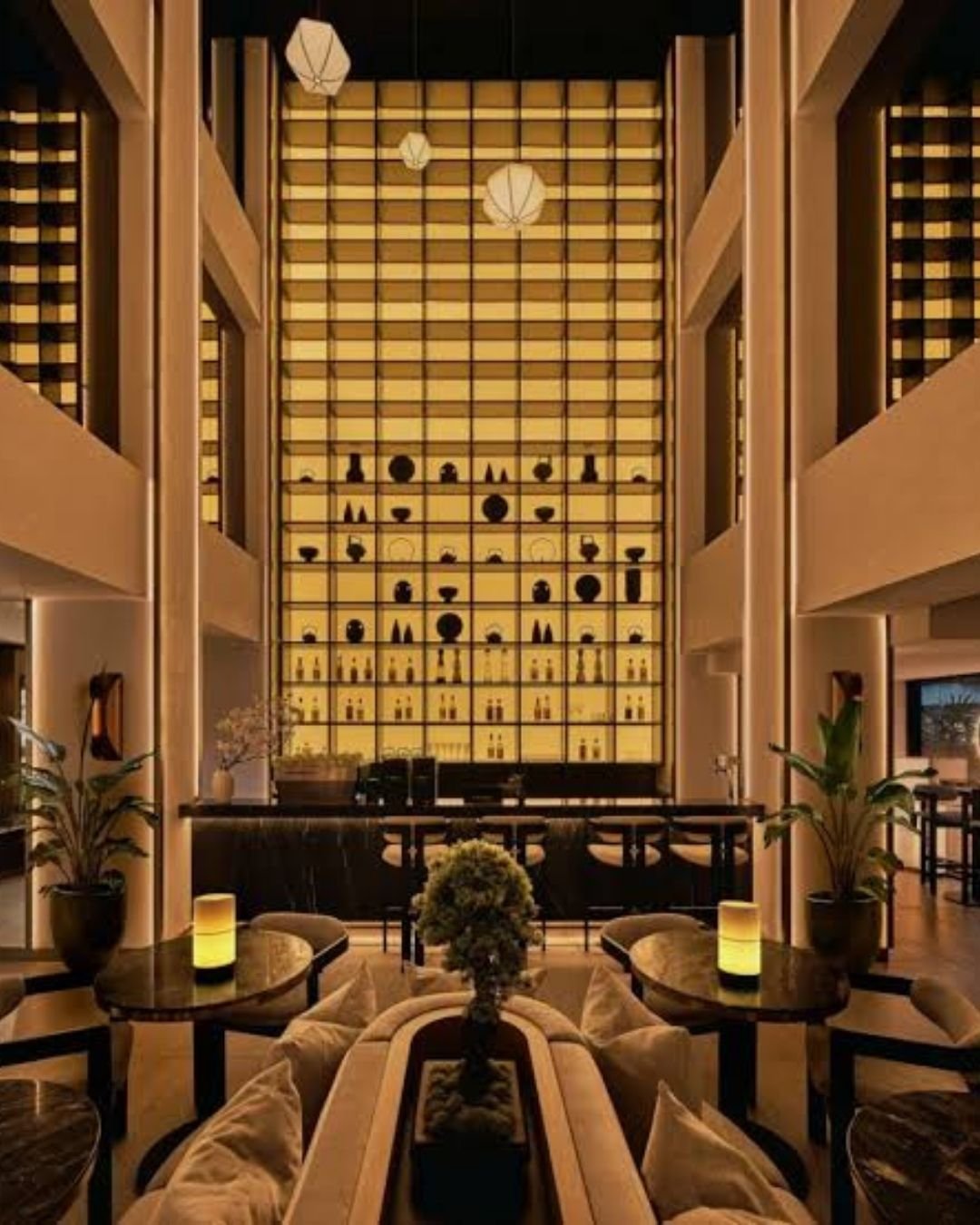

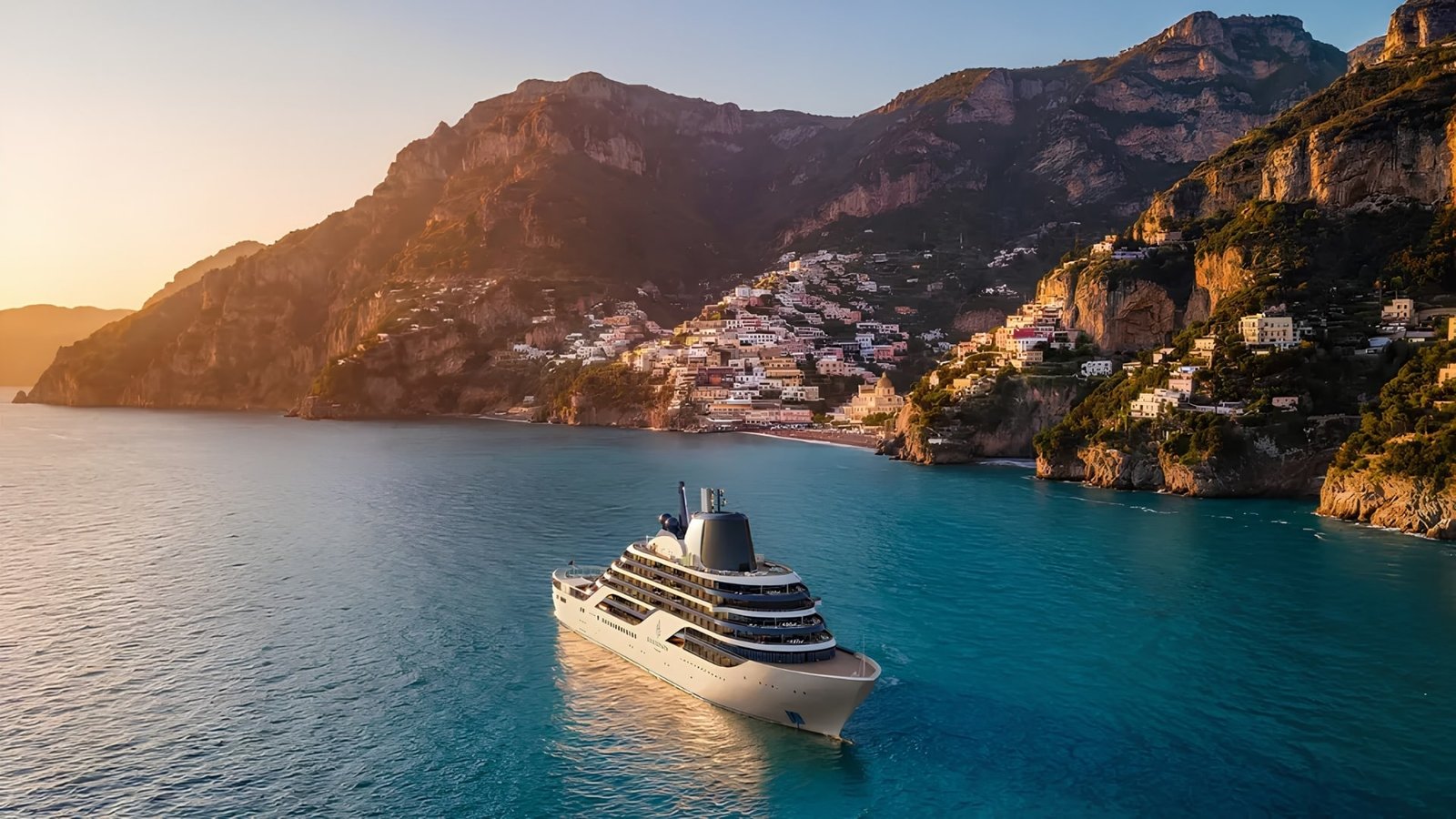


Four Seasons has revealed Four Seasons II, the second vessel in its Four Seasons Yachts fleet, due to launch in 2028 — just three months after Four Seasons I began sailing the Mediterranean. The announcement marks more than fleet expansion. It confirms that the brand’s first move into yachting was never an experiment, and signals a broader shift now underway across ultra-luxury travel — one where the residential logic reshaping branded real estate on land is increasingly finding its way to water.
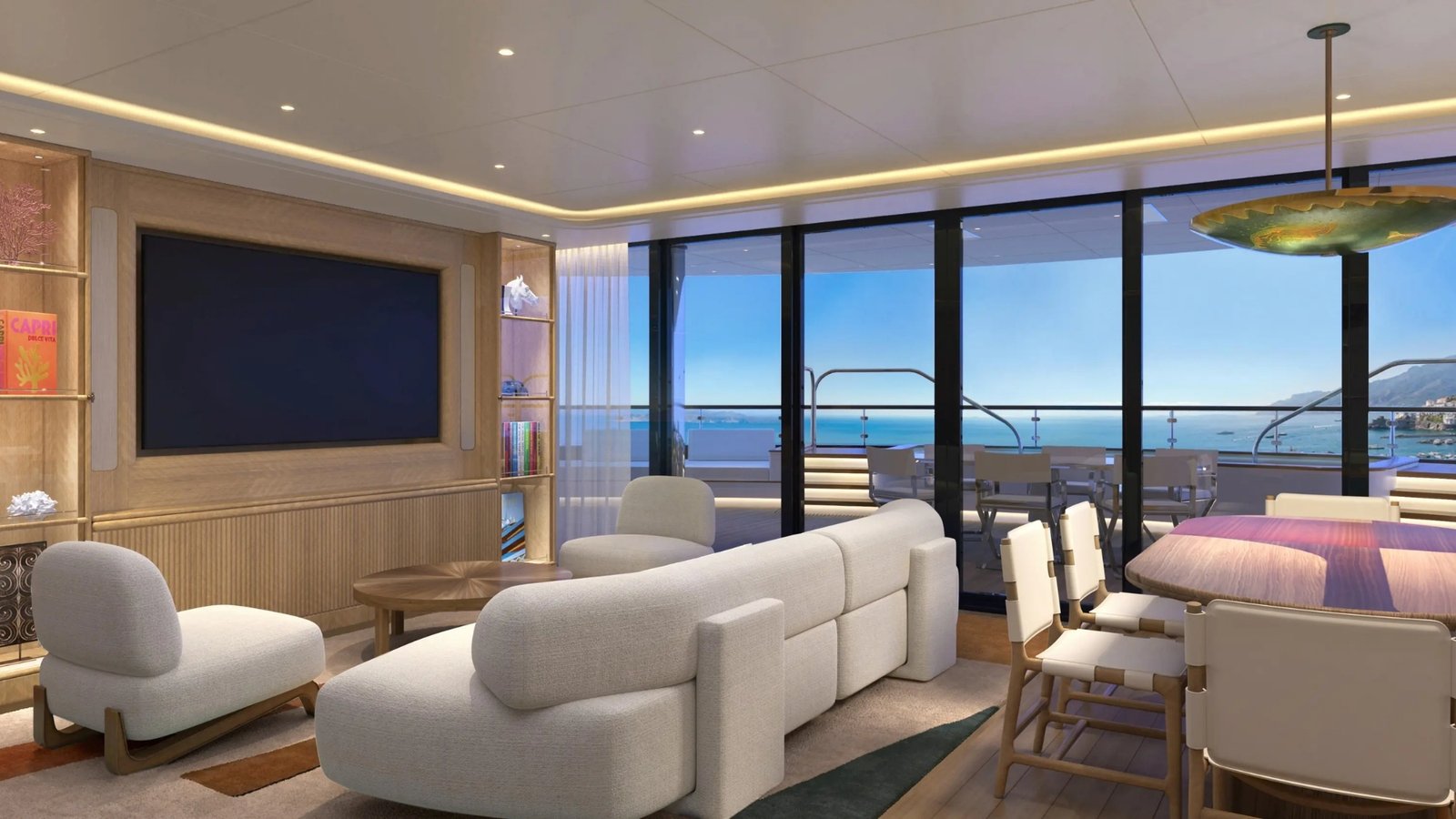
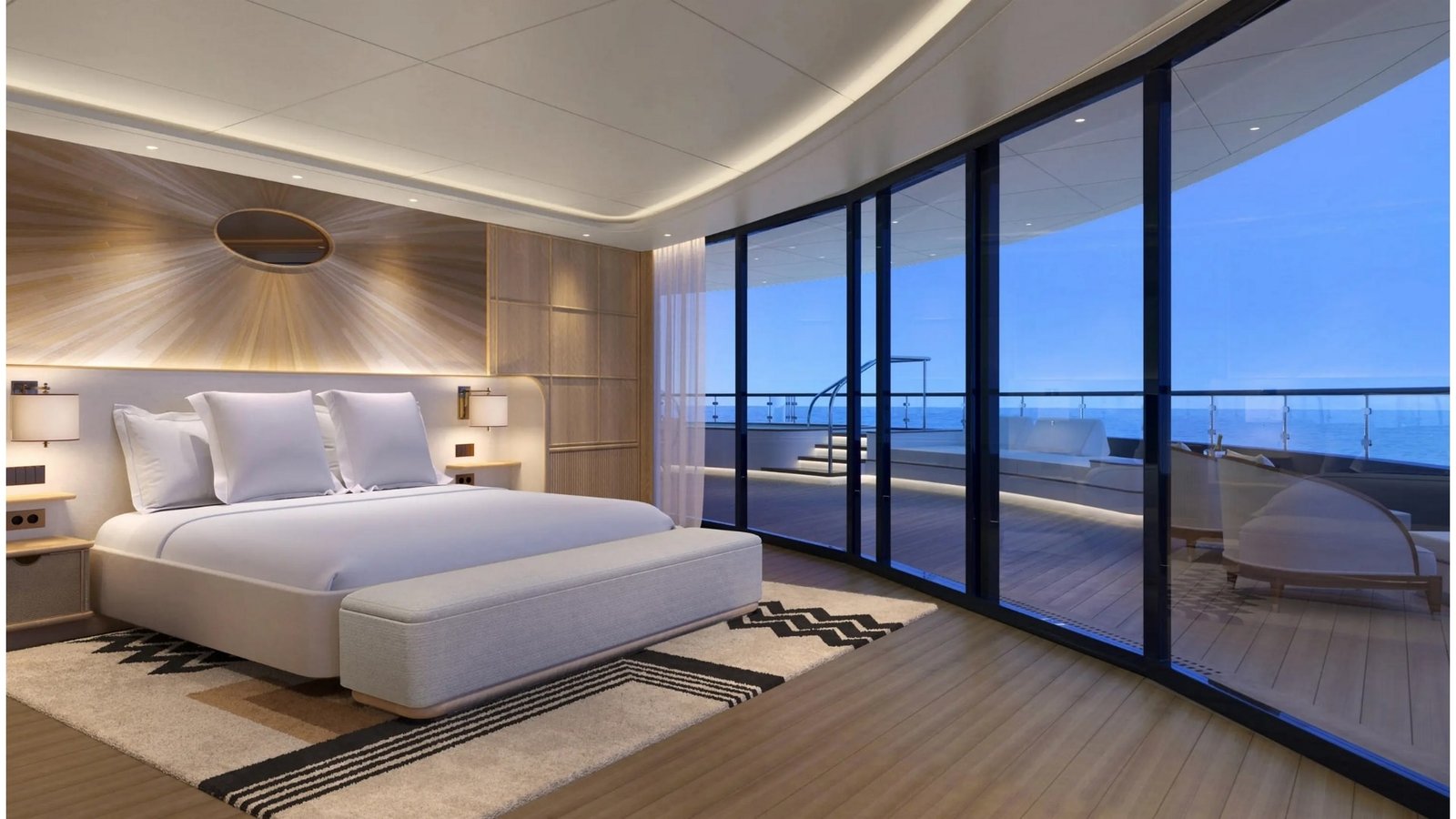
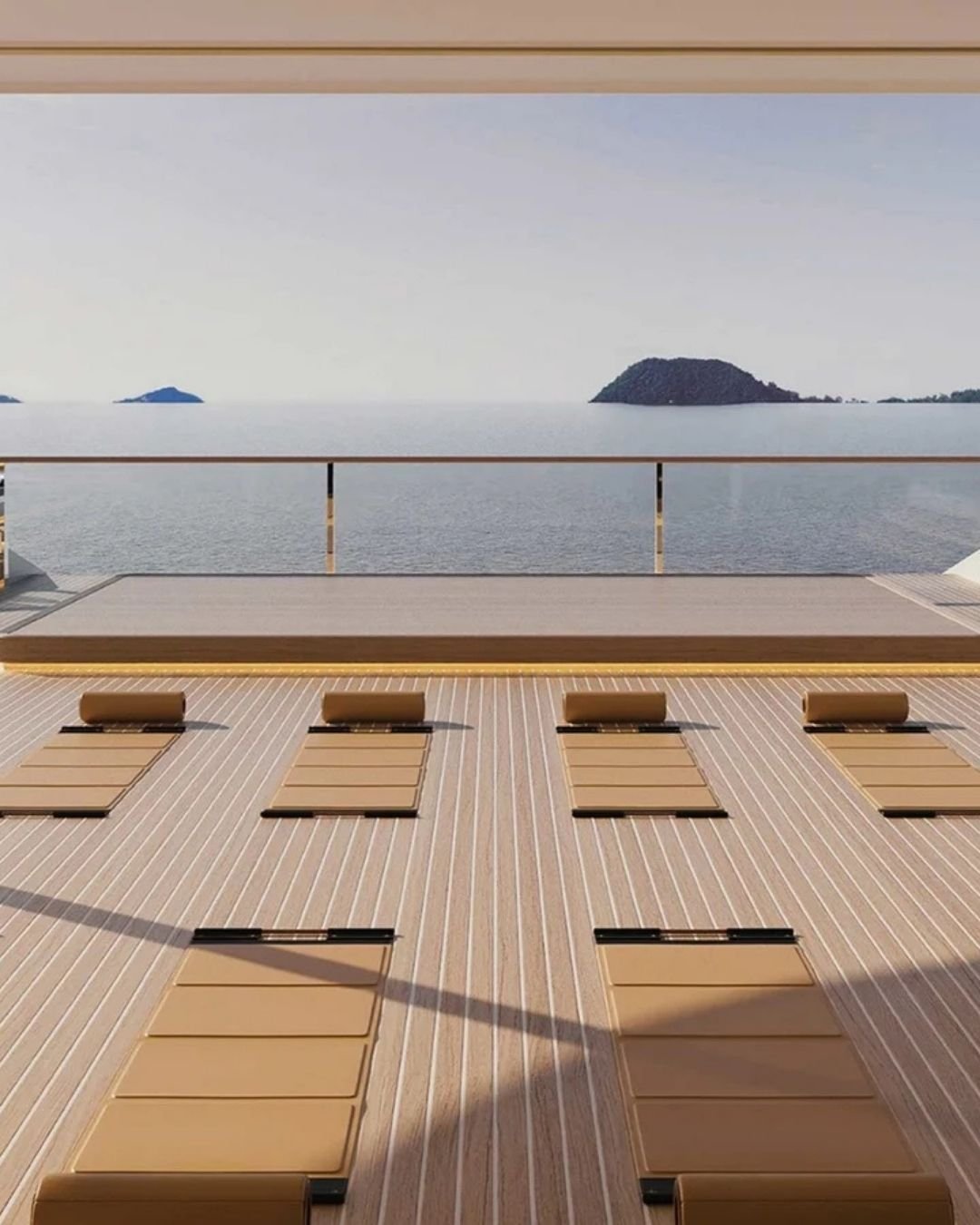
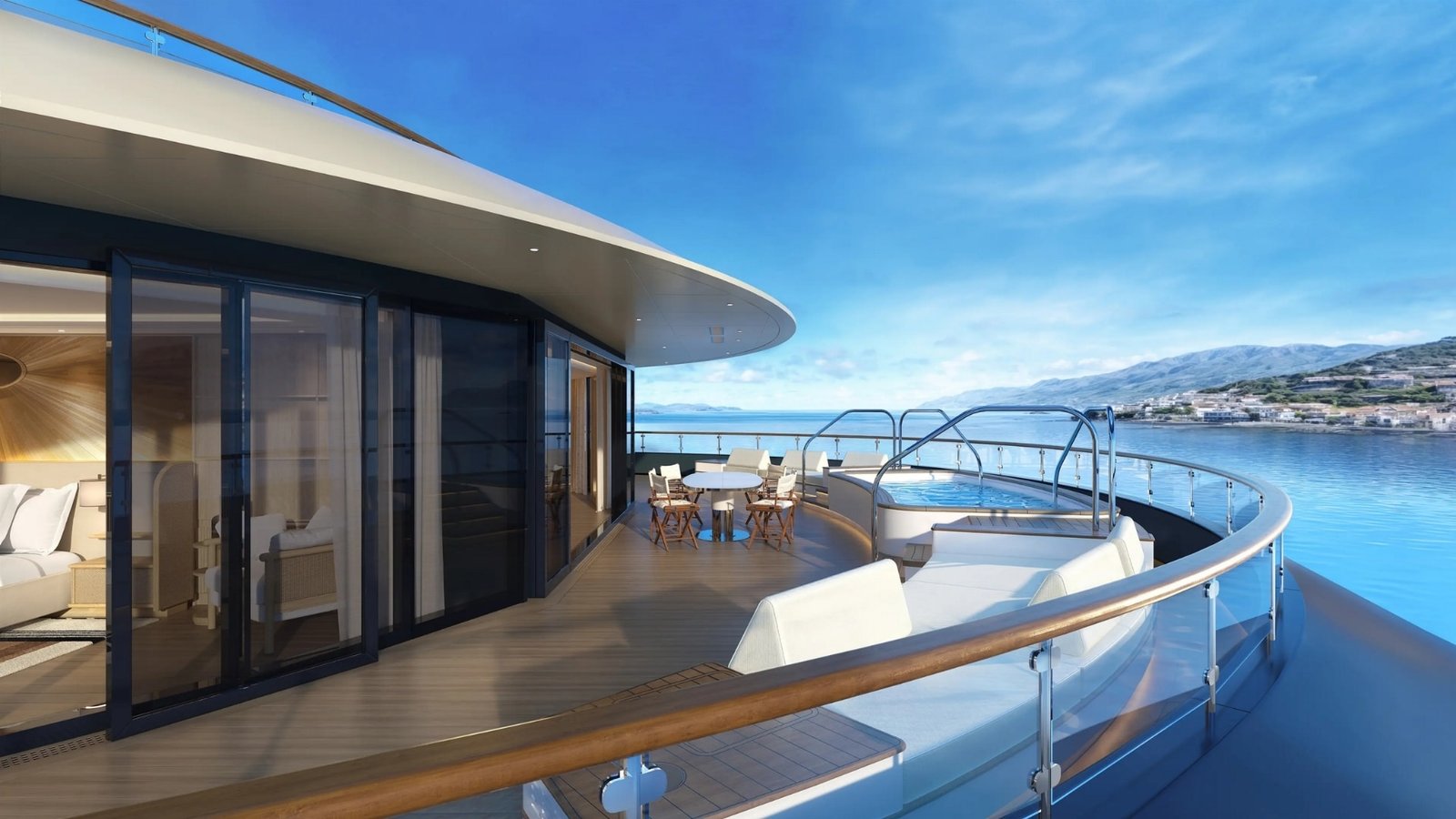
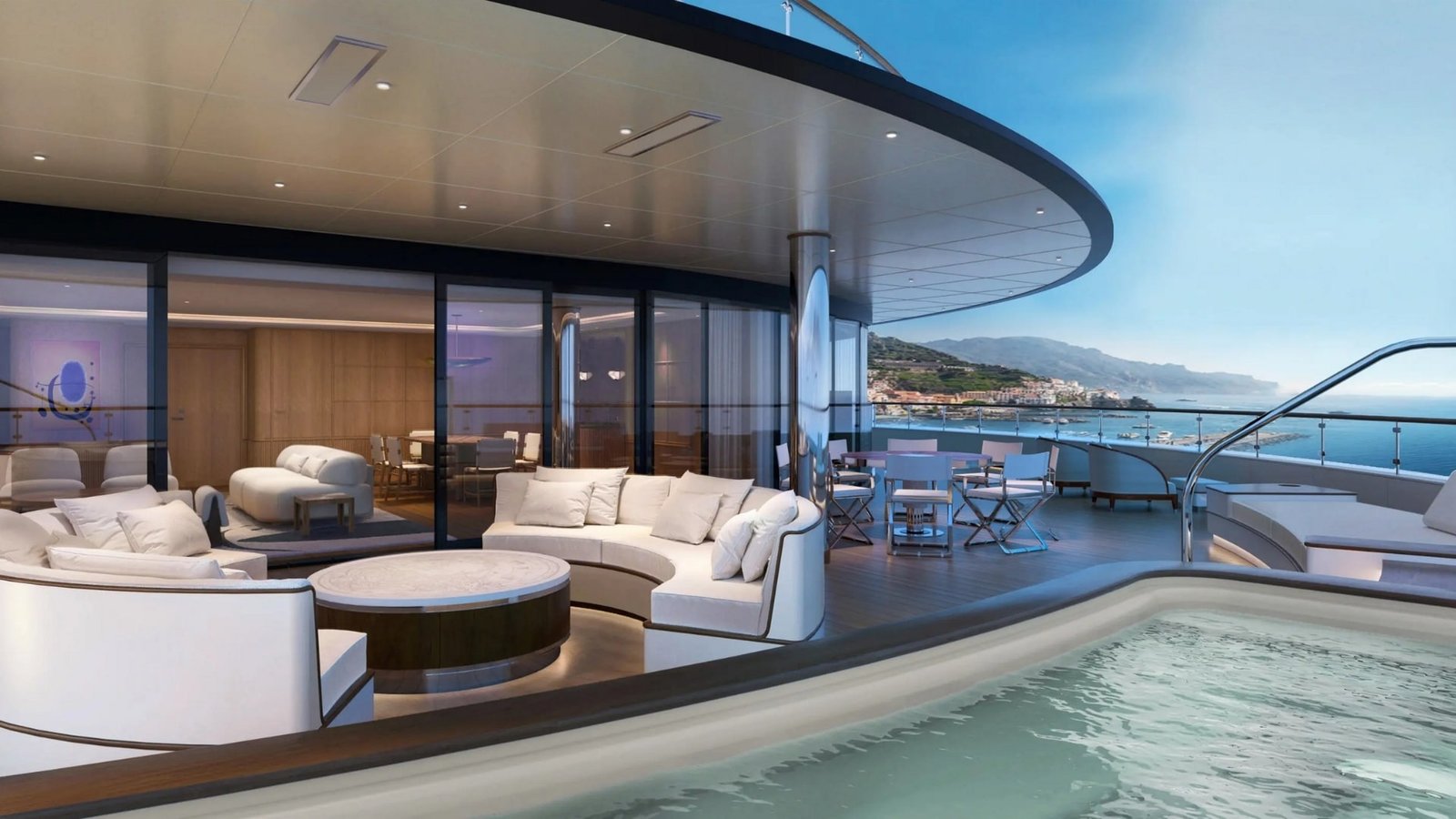
The headline addition aboard Four Seasons II is an entirely new category of accommodation: Yacht Residential Suites. Apartment-scale spaces of two to four bedrooms, positioned across the upper decks, each suite offers open-concept living, a private terrace, an integrated lifestyle kitchen and dining area, and a dedicated entertainment space. Select suites add private splash pools and outdoor showers, extending the residential premise as far as the deck plan allows.
The new vessel keeps the intimate scale that defined the first. Four Seasons II will carry just 79 suites against a one-to-one staff-to-guest ratio, built by the Italian yard Fincantieri under Marc-Henry Cruise Holdings, which operates the brand at sea. “Every detail has been considered to ensure guests feel an effortless sense of home, wherever they are sailing,” says Ben Trodd, CEO of Marc-Henry Cruise Holdings.
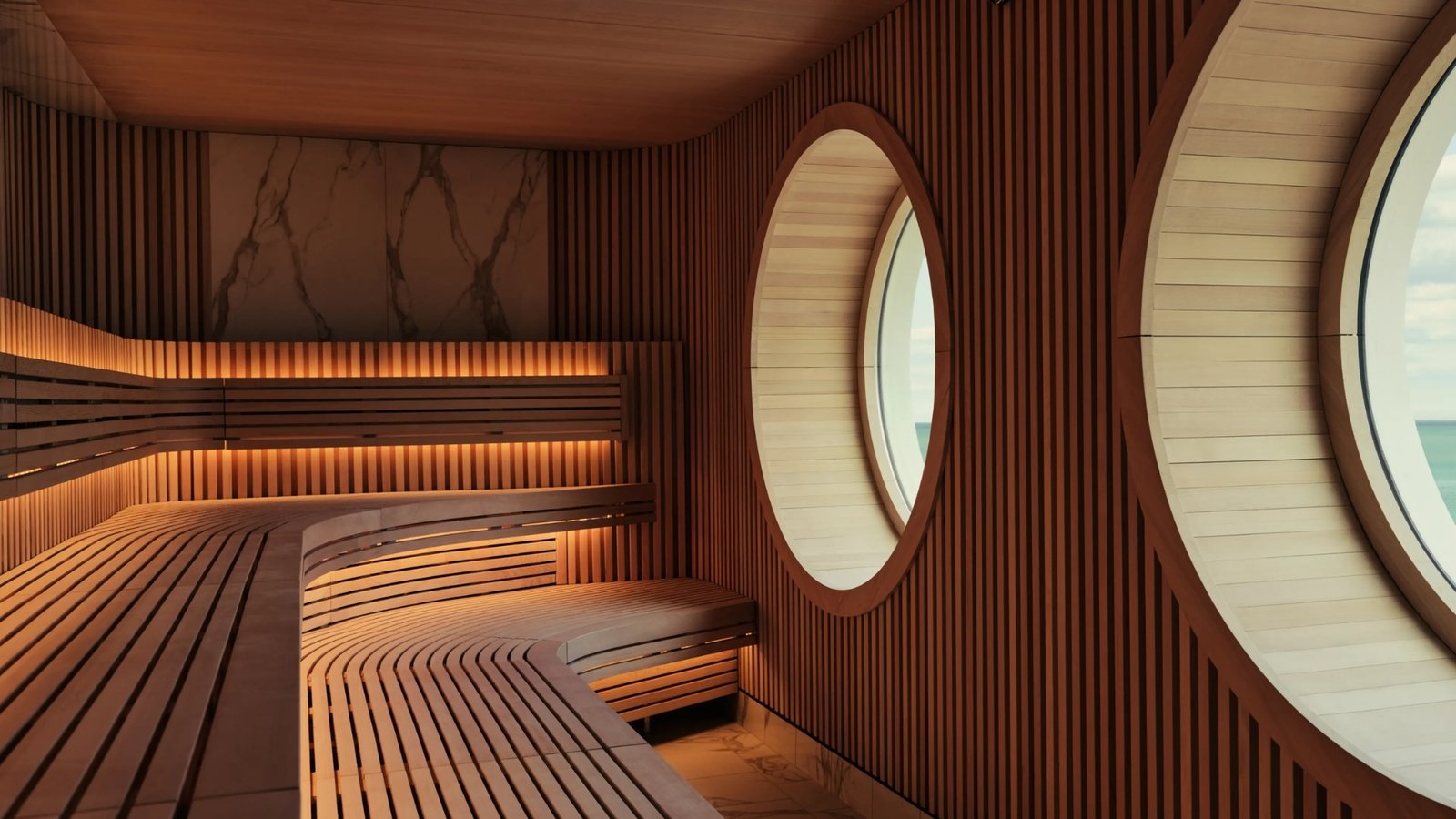
Four Seasons I, currently working the Mediterranean, carries the much-photographed Funnel Suite — its 9,975-square-foot floor-to-ceiling wraparound glazing billed as the largest contiguous piece of glass at sea. That vessel’s reception appears to have shaped the brief for its successor directly. “Our first vessel has shown how naturally this extends to sea,” says Alejandro Reynal, President and CEO of Four Seasons. “With Four Seasons II, we will continue to build on that foundation, creating experiences that feel deeply personal, thoughtfully designed, and unmistakably Four Seasons.”
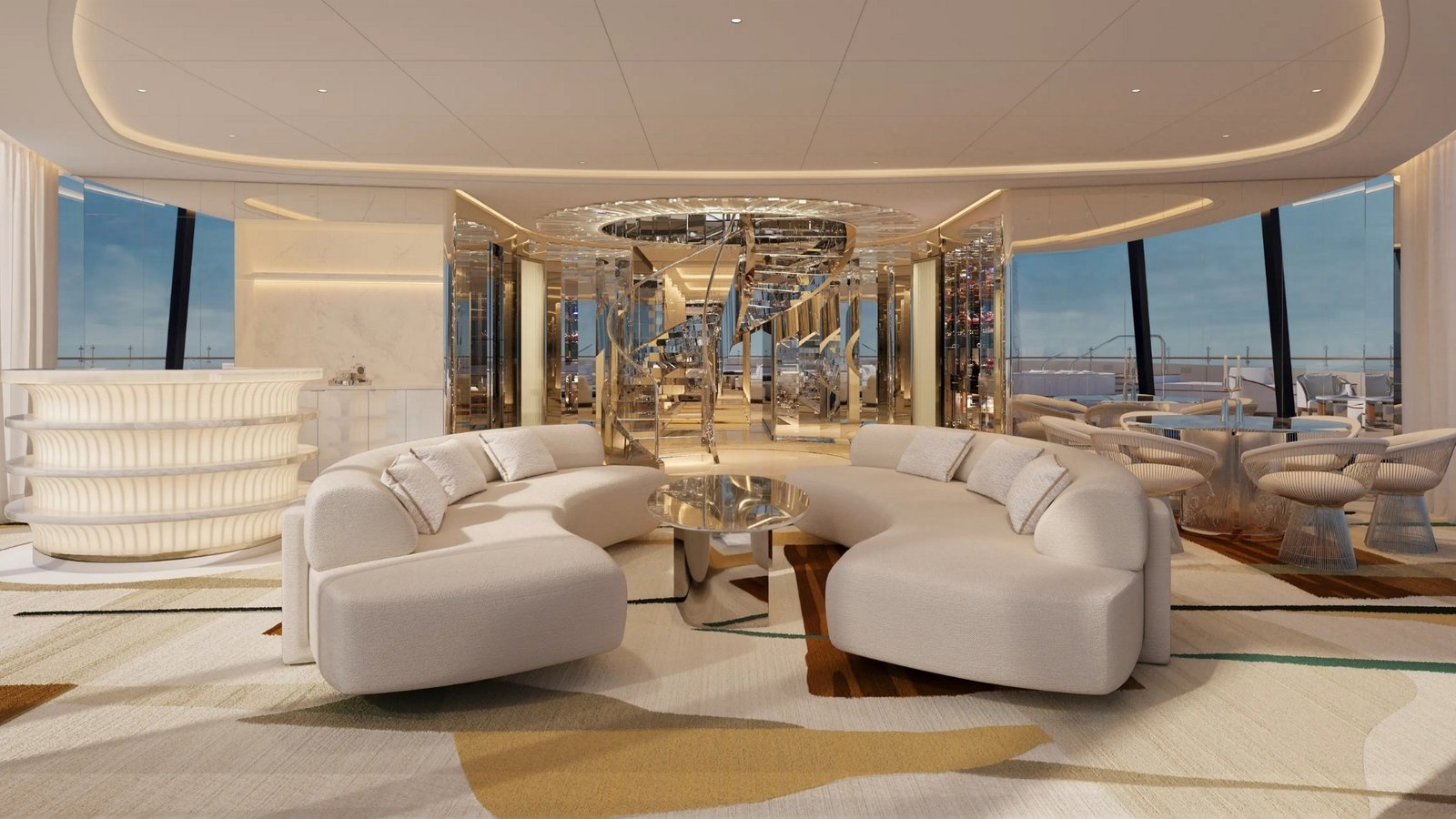
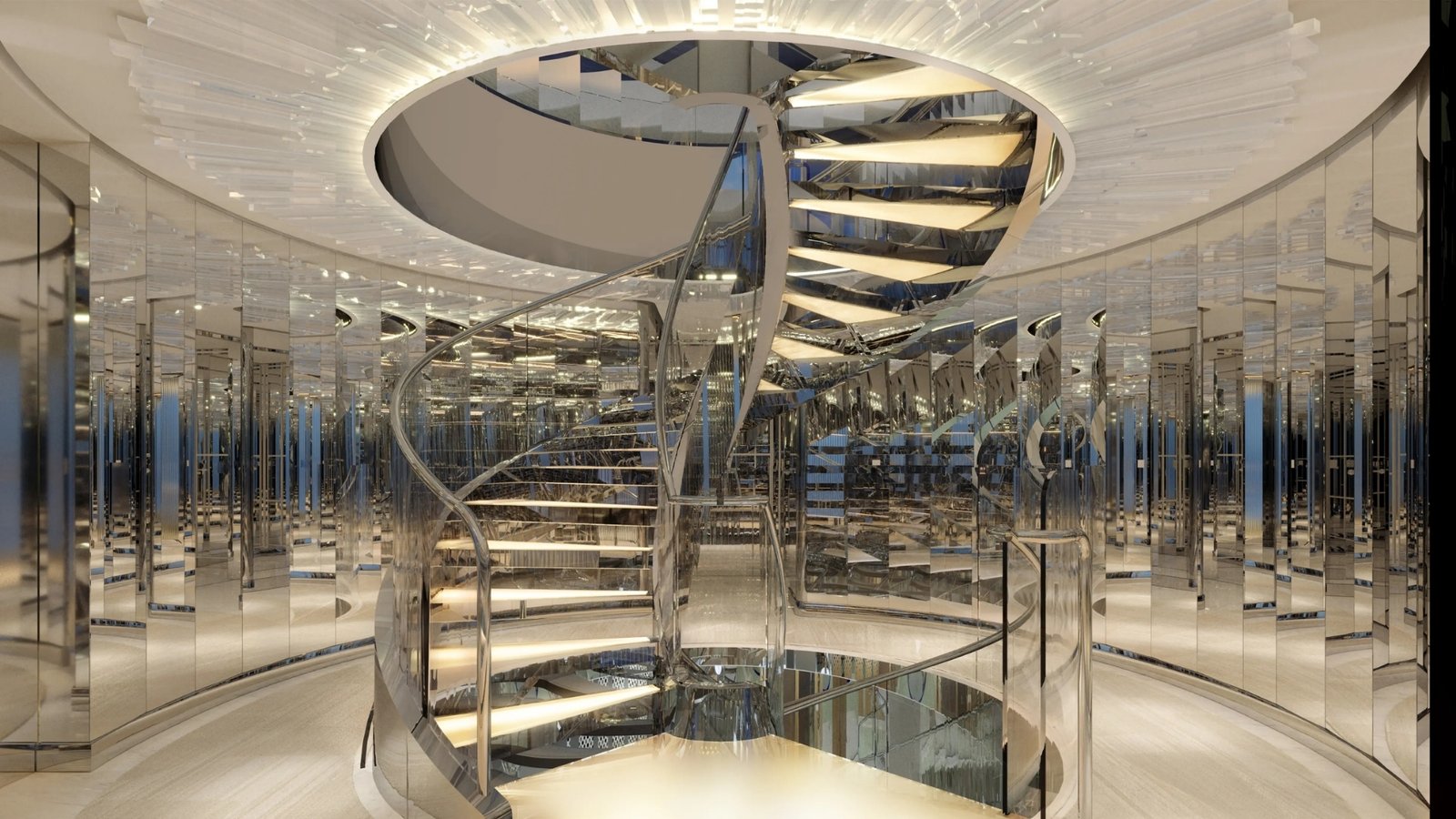
What the Yacht Residential Suites point to is a deliberate widening of who the product is for. Extended stays, multi-generational journeys, and group travel are built into the design brief explicitly — a clear signal that Four Seasons sees this less as a cruise category and more as a second home that happens to move. The distinction matters. As branded residences on land increasingly compete on design control and service guarantee rather than location alone, a yacht residence removes location from the equation entirely, replacing a fixed address with an itinerary.
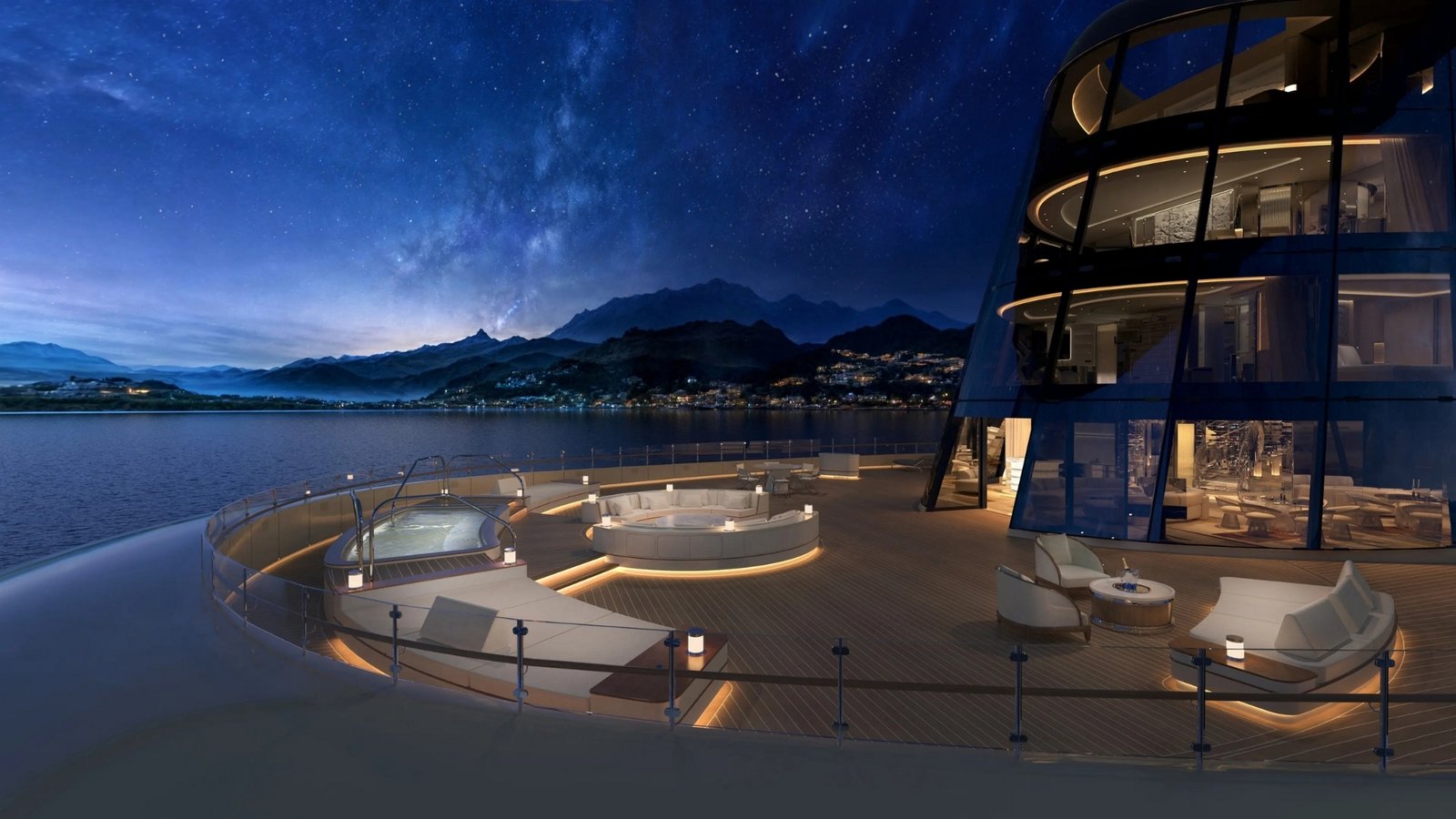
That positioning reflects a larger pattern now visible across ultra-luxury hospitality. The most significant capital commitments in the sector are no longer simply about expanding capacity — they are about deepening exclusivity within an already intimate format, expanding what residential living can mean rather than where it has to happen. A second yacht, ordered this quickly and scaled this deliberately, suggests Four Seasons believes that demand for ownership without an address is only beginning. Visit Four Seasons here.