











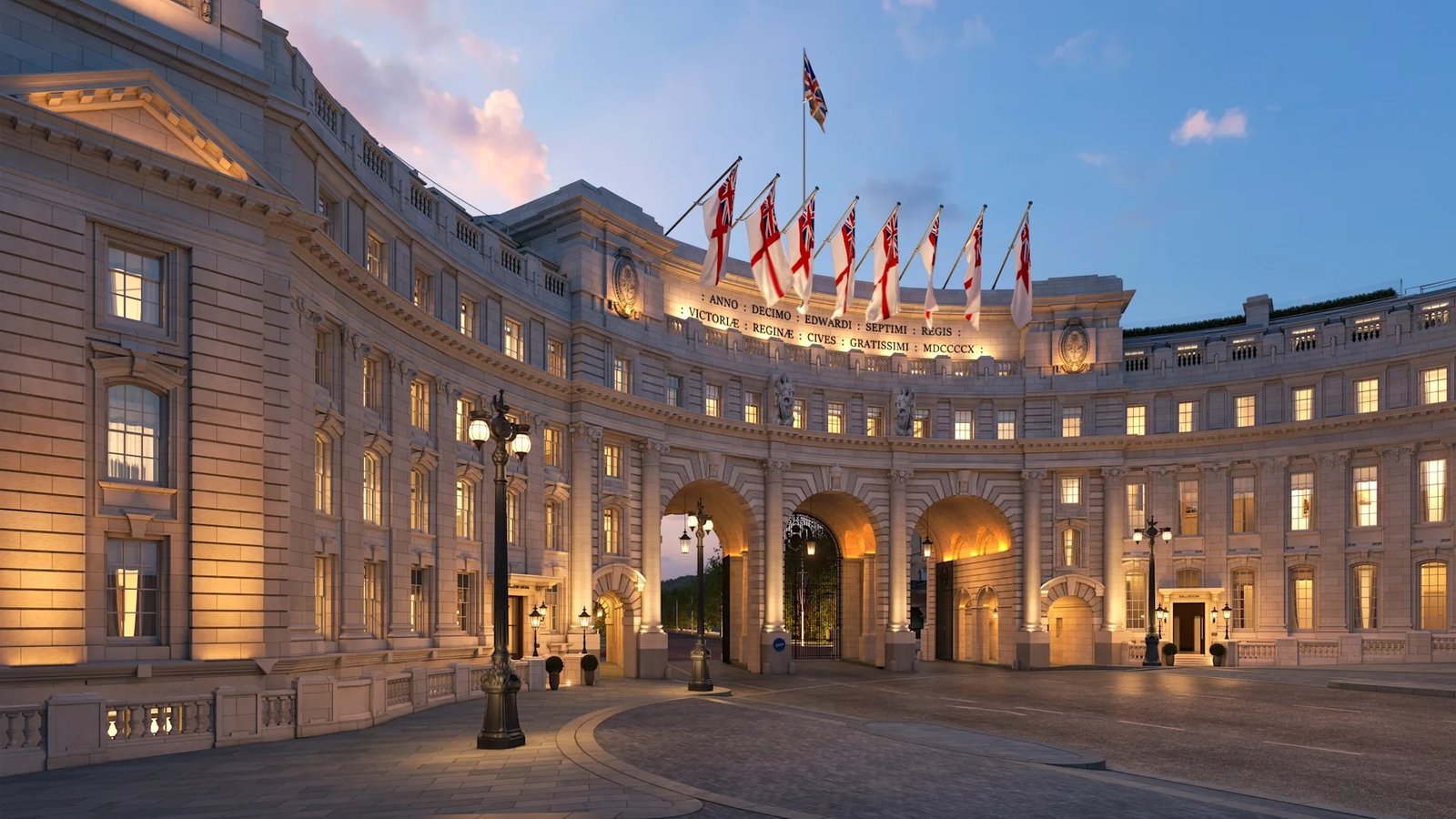


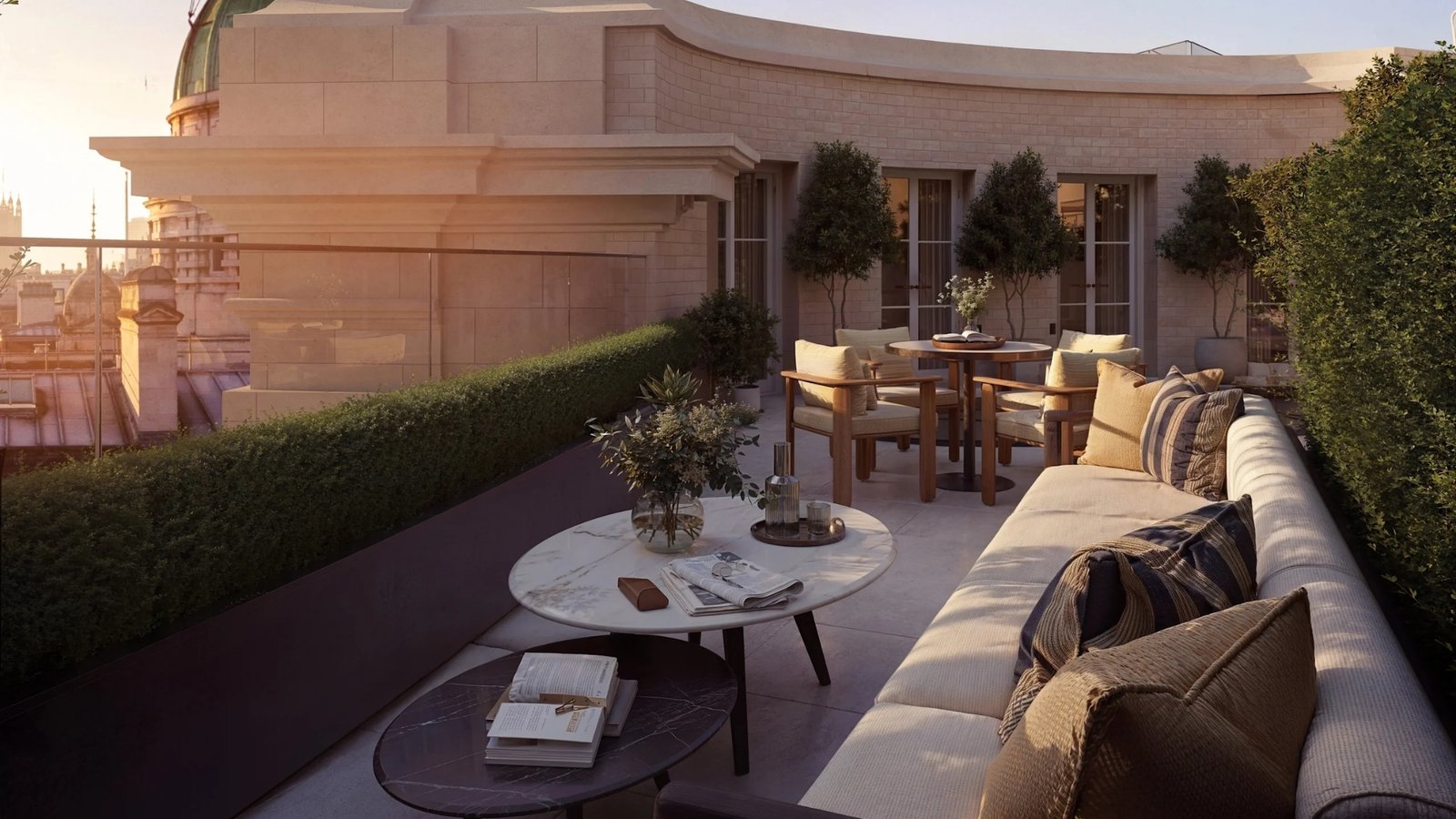
The Waldorf Astoria is coming to one of London’s most recognisable buildings, Admiralty Arch, and it is now taking reservations. The Edwardian arch at the end of The Mall, opposite Buckingham Palace, was designed by Sir Aston Webb, completed in 1912, and long served as home to the Royal Navy’s First Sea Lord. The Reuben Brothers have spent years restoring the Grade I listed monument in partnership with Hilton, and it will welcome overnight guests for the first time in its history when it opens this autumn.
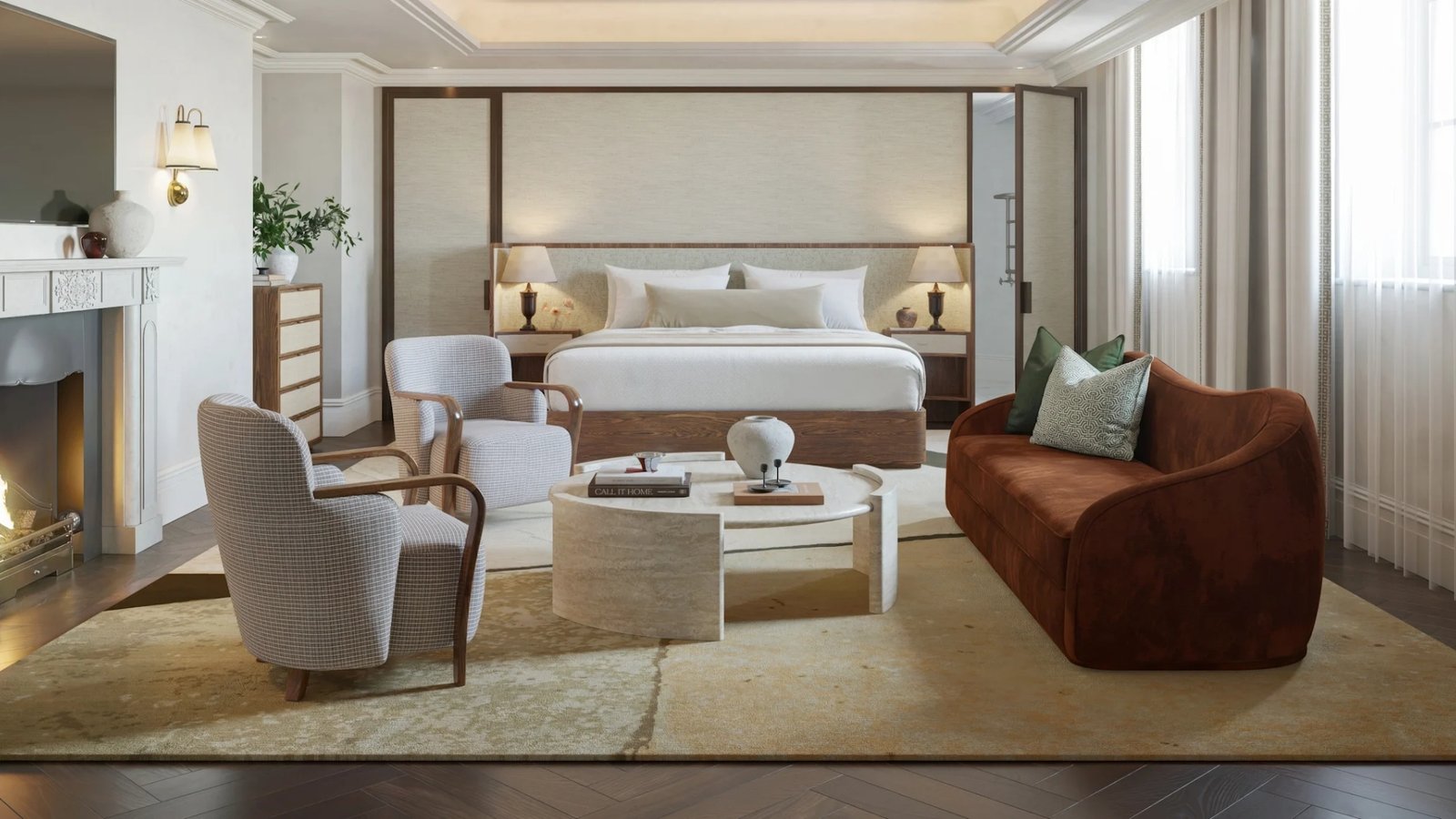
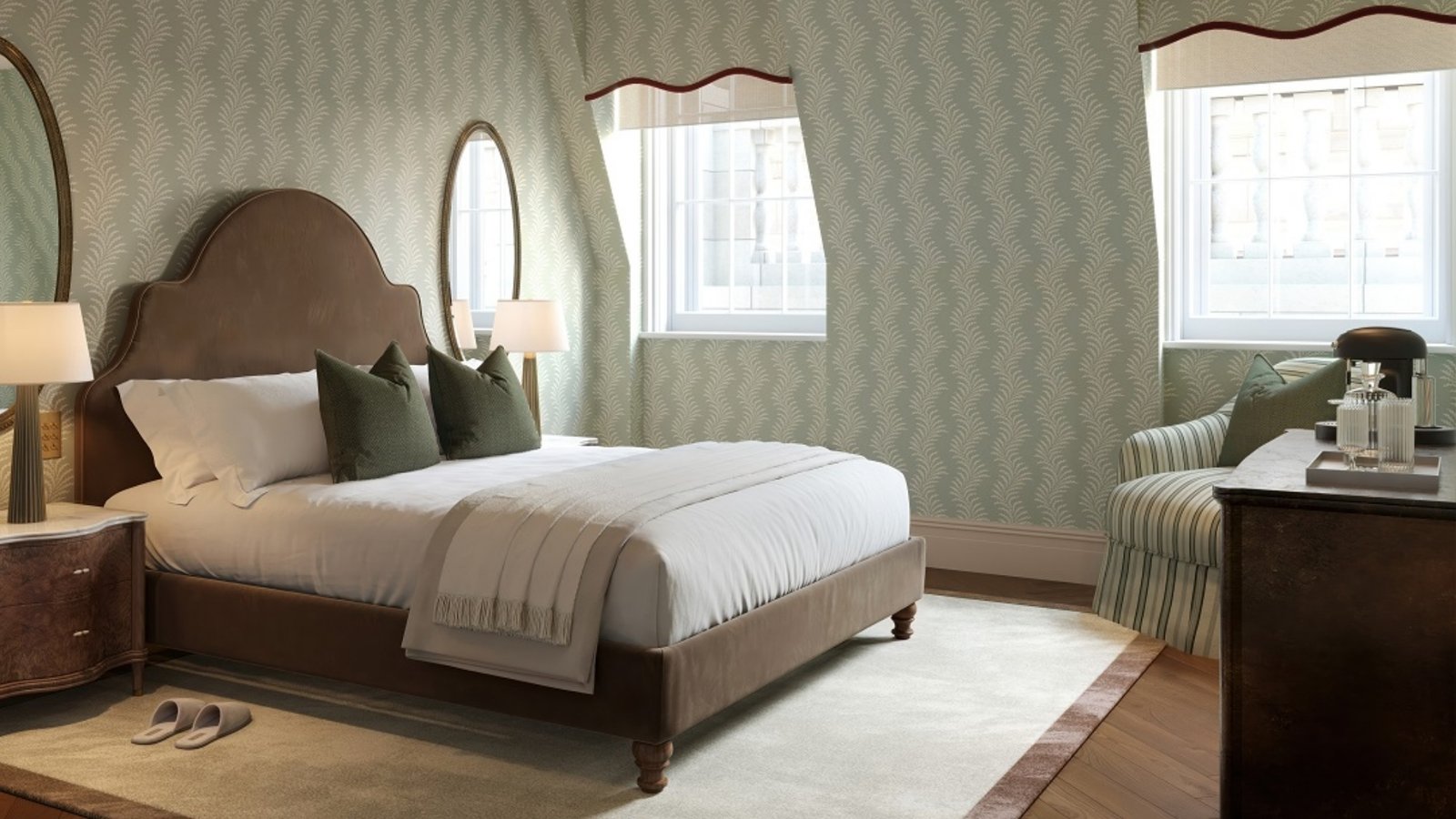
There are 114 rooms, suites, and residences across some 200,000 square feet, with more than half of that area allocated to the larger residences and signature suites — several of which are named for the building’s naval past. It is a notably restrained room count for a building of this scale and profile; Hilton and the Reuben Brothers have evidently chosen space and privacy over density, a decision that places Admiralty Arch closer to a private members’ address than a conventional flagship hotel.
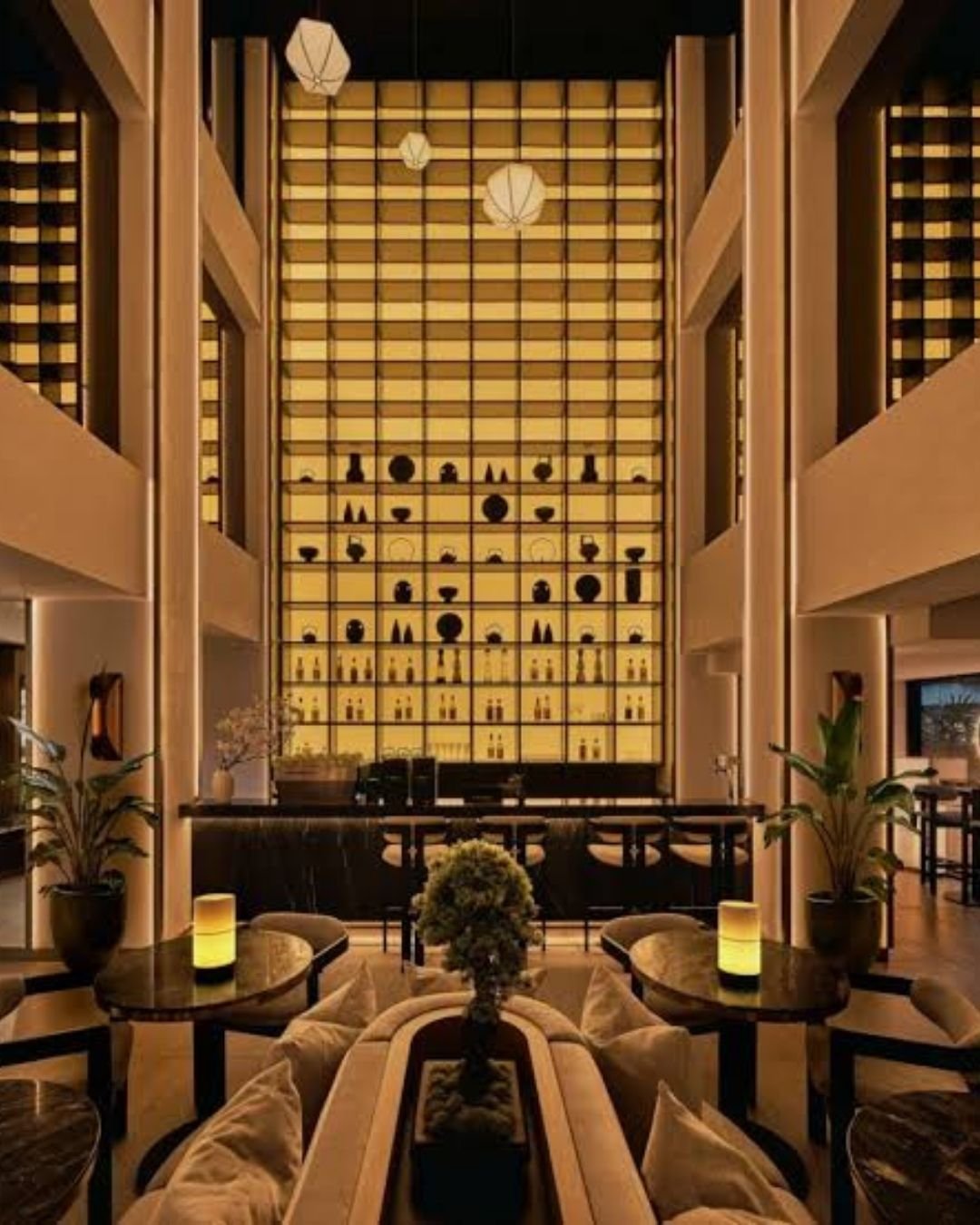
Dining is the headline act. Two restaurants divide the hotel’s culinary direction between chefs Clare Smyth and Daniel Boulud, who hold eight Michelin stars between them. Smyth’s Coreus takes its name from a blend of “core” and “us” — heart and unity, by her own description — and is built around British coastal cooking, set fittingly within what was once the office of the First Sea Lord. Alongside it sits Whiskey & Seaweed, an intimate bar named for a cocktail inspired by Smyth’s signature Potato and Roe dish, stocked with whisky drawn from distilleries across the UK. On the rooftop, Boulud brings Café Boulud to London for the first time since his Mandarin Oriental residency closed in 2020, an all-day dining room with a south-facing terrace looking down The Mall toward Buckingham Palace.
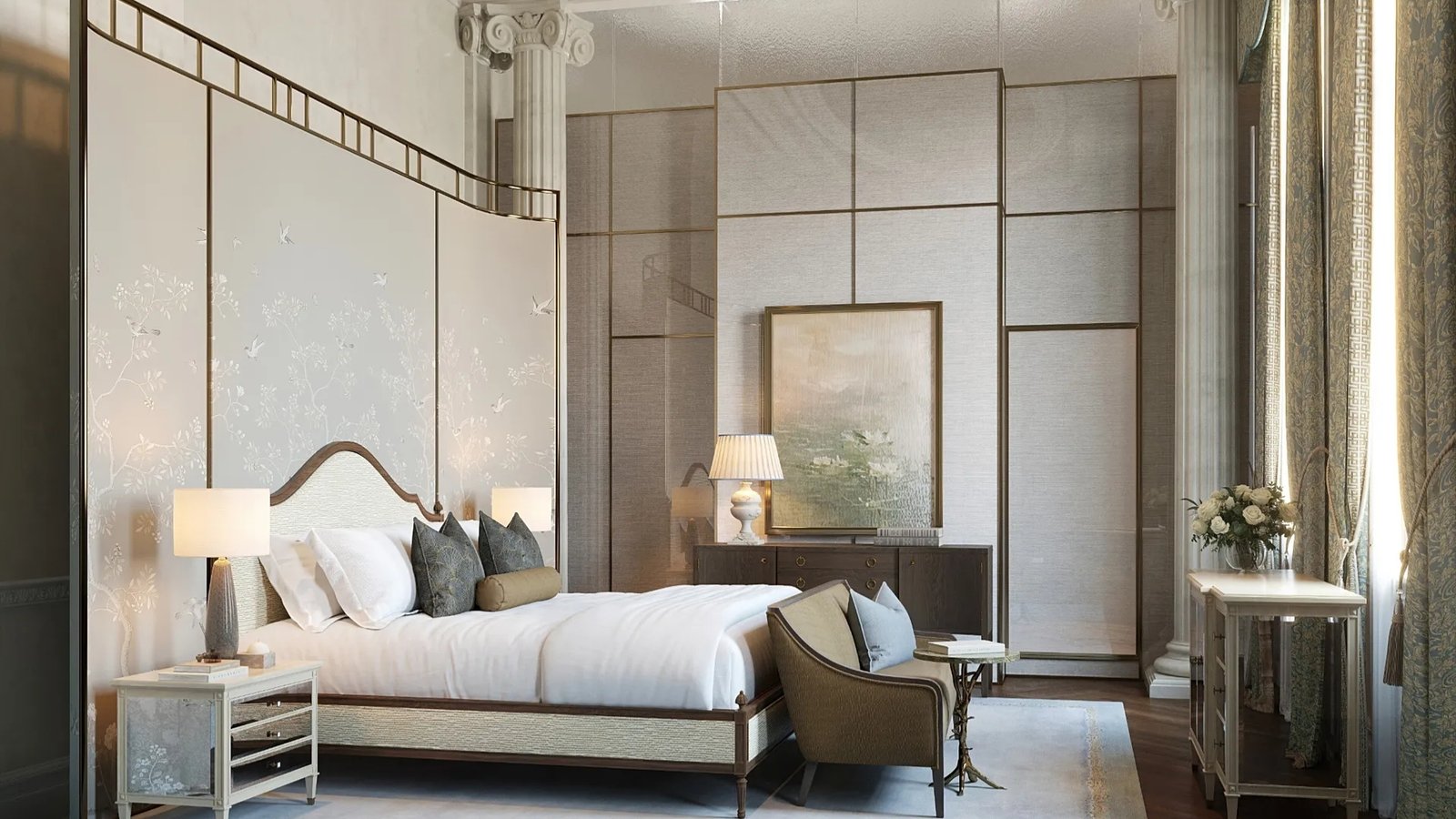
The building’s history runs deeper than its naval administration. Winston Churchill kept offices here as First Lord of the Admiralty, and Ian Fleming worked within these walls as a naval intelligence officer during the Second World War, experience he later drew on in creating James Bond. That layered history is reflected in the room-naming and the restoration approach more broadly: Hilton and the Reuben Brothers have worked with historians, artisans, and conservation specialists to preserve the building’s original character rather than smooth it into a generic luxury template, retaining details such as the original oval staircase, which guests will now descend to reach the ballroom below.
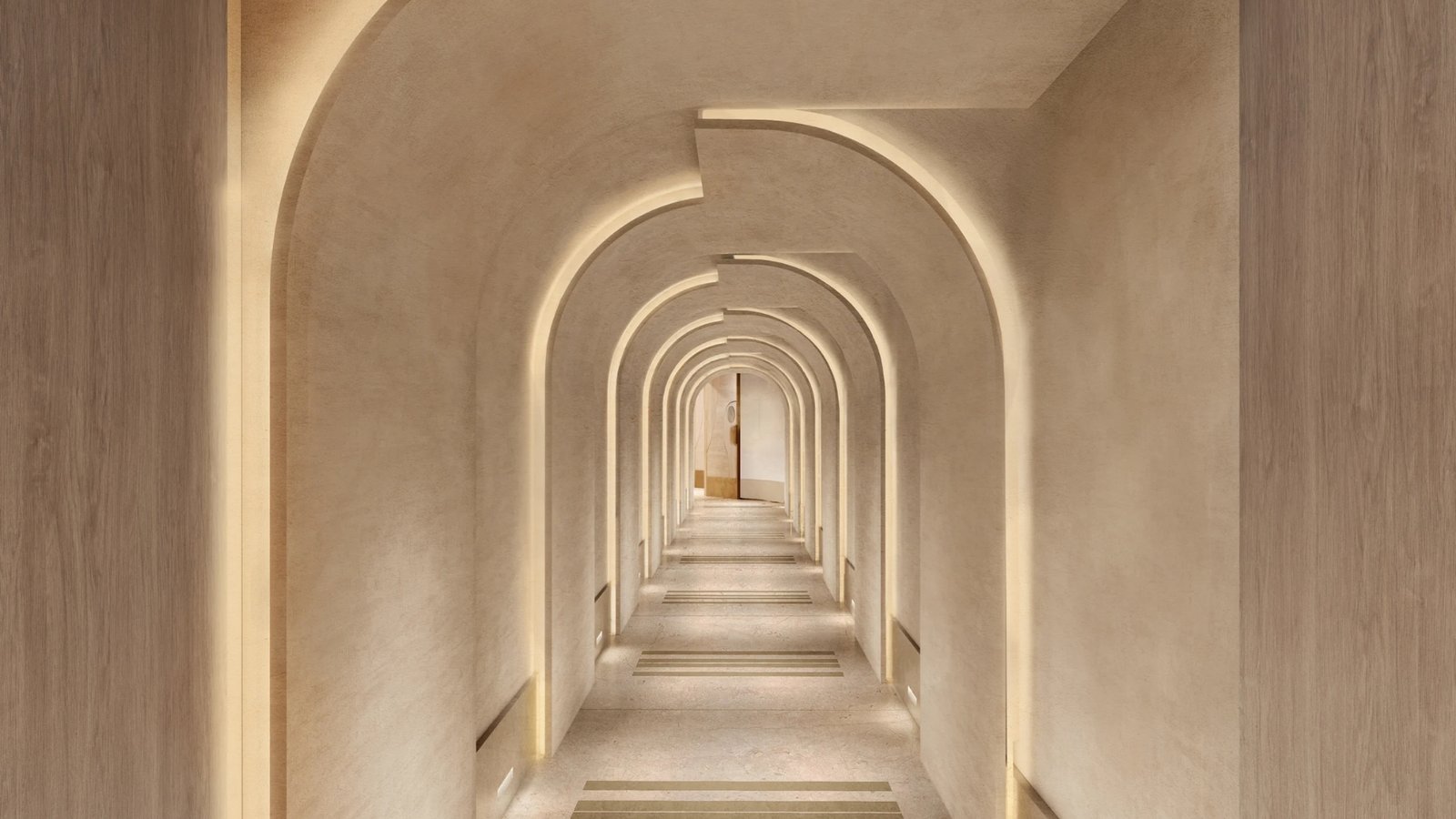
There is a ballroom beneath a restored nine-metre Murano chandelier, returned from Rome after conservation, set within a 3,540-square-foot space built to host everything from gala dinners to conferences. Below it, a spa offers individual and couples’ treatment rooms, a sauna, steam room, and hydrotherapy pool — a deliberately quieter register than the grandeur above, built around Waldorf Astoria’s house philosophy of personalised, intuitive care rather than spectacle.
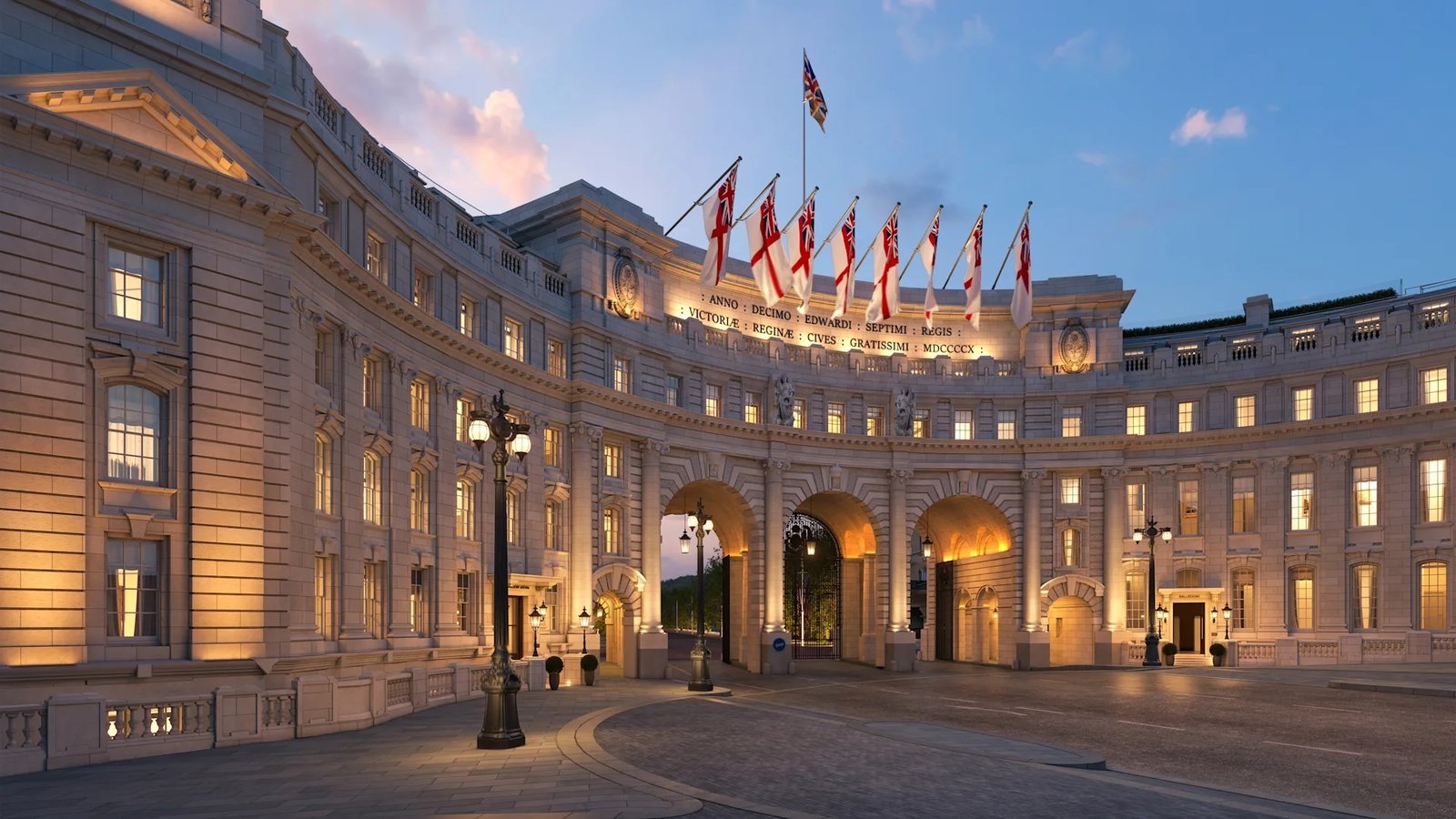
Reservations are now open at waldorfastoria.com, with stays bookable from 1 March 2027 and the precise fixing of the autumn 2026 opening dates still to follow. Rates start at around £660 a night. For a building that has spent more than a century as the preserve of admirals, intelligence officers, and the occasional novelist-in-waiting, the prospect of simply booking a room remains, even now, a slightly disorienting one. Visit Waldorf Astoria here.