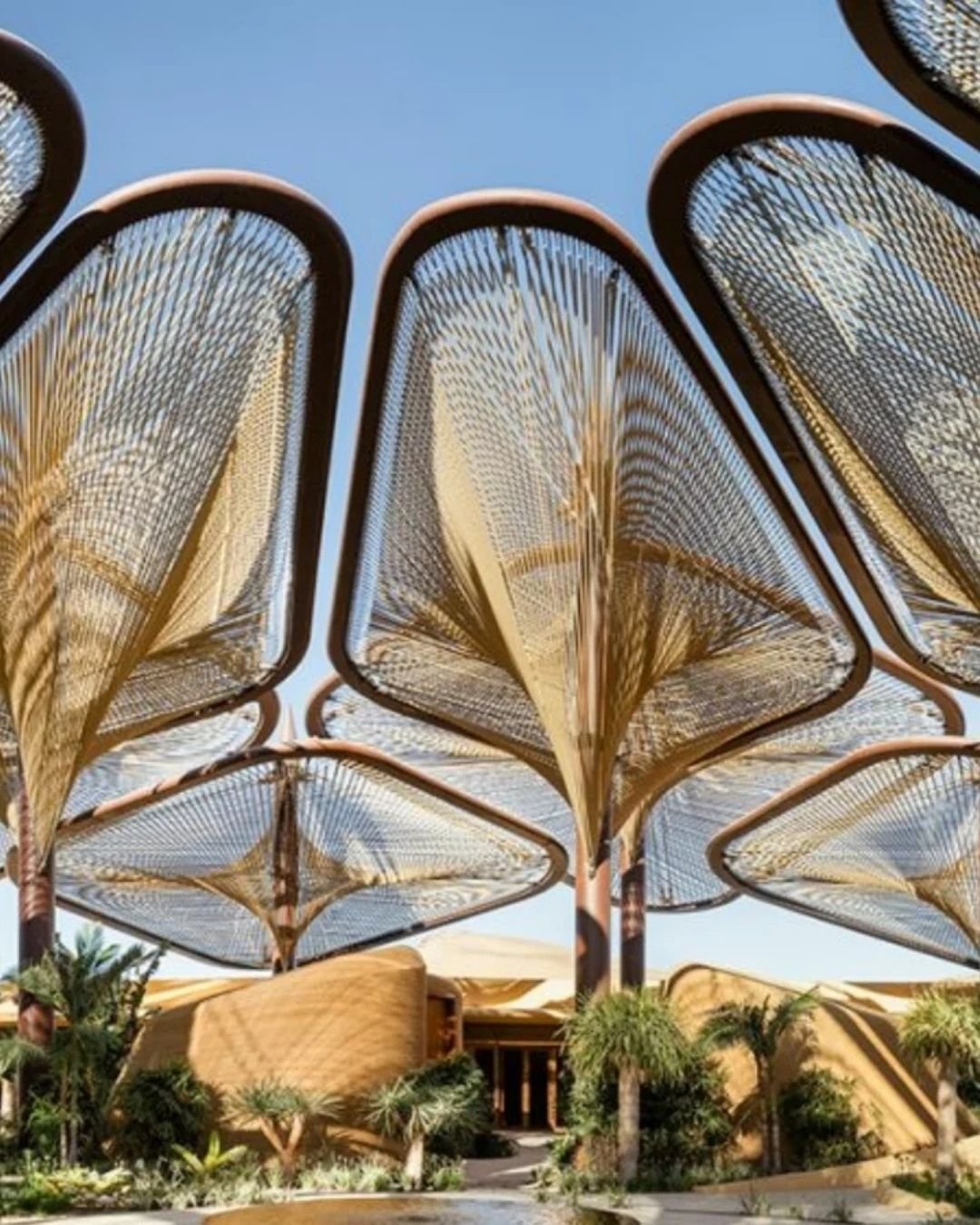
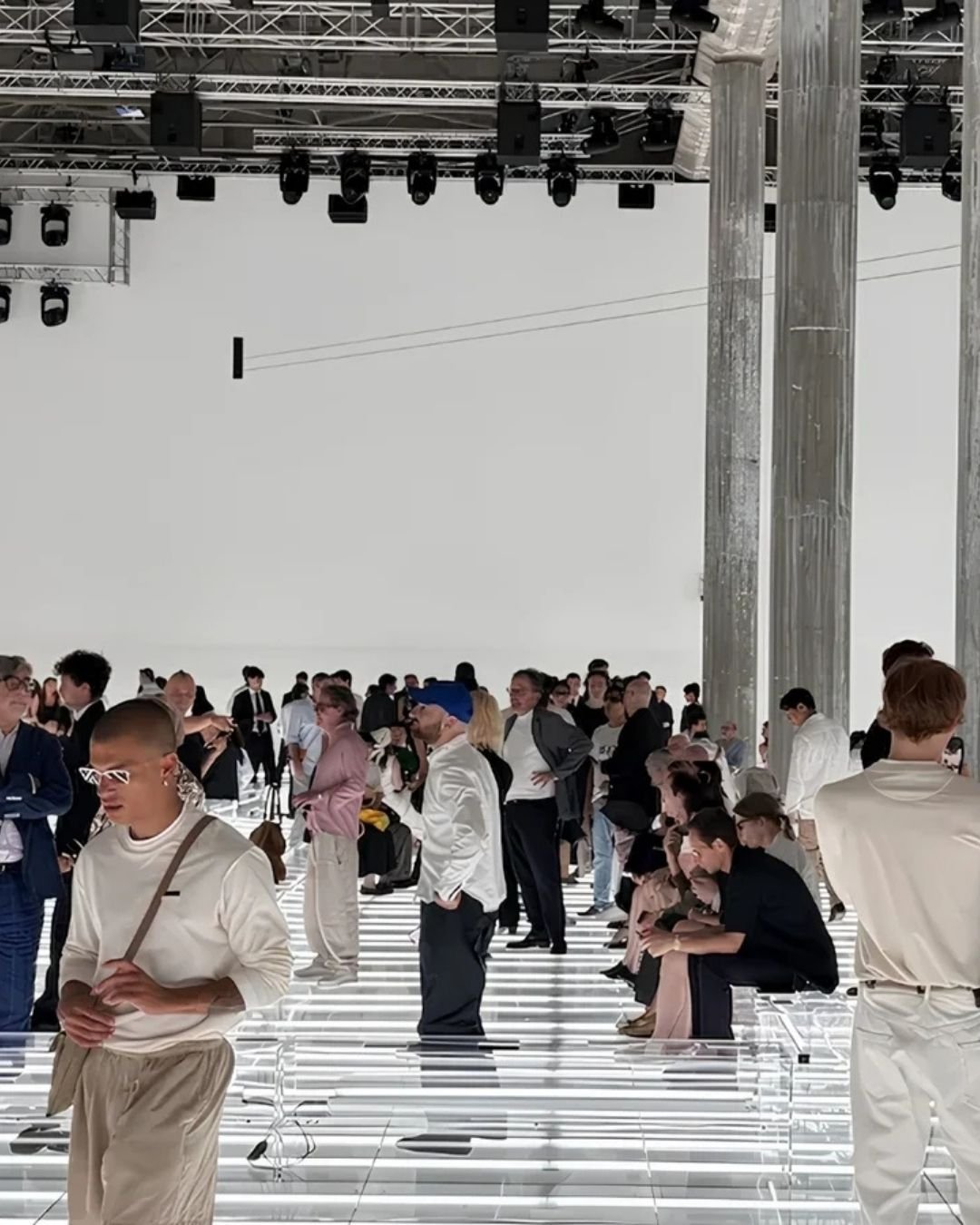











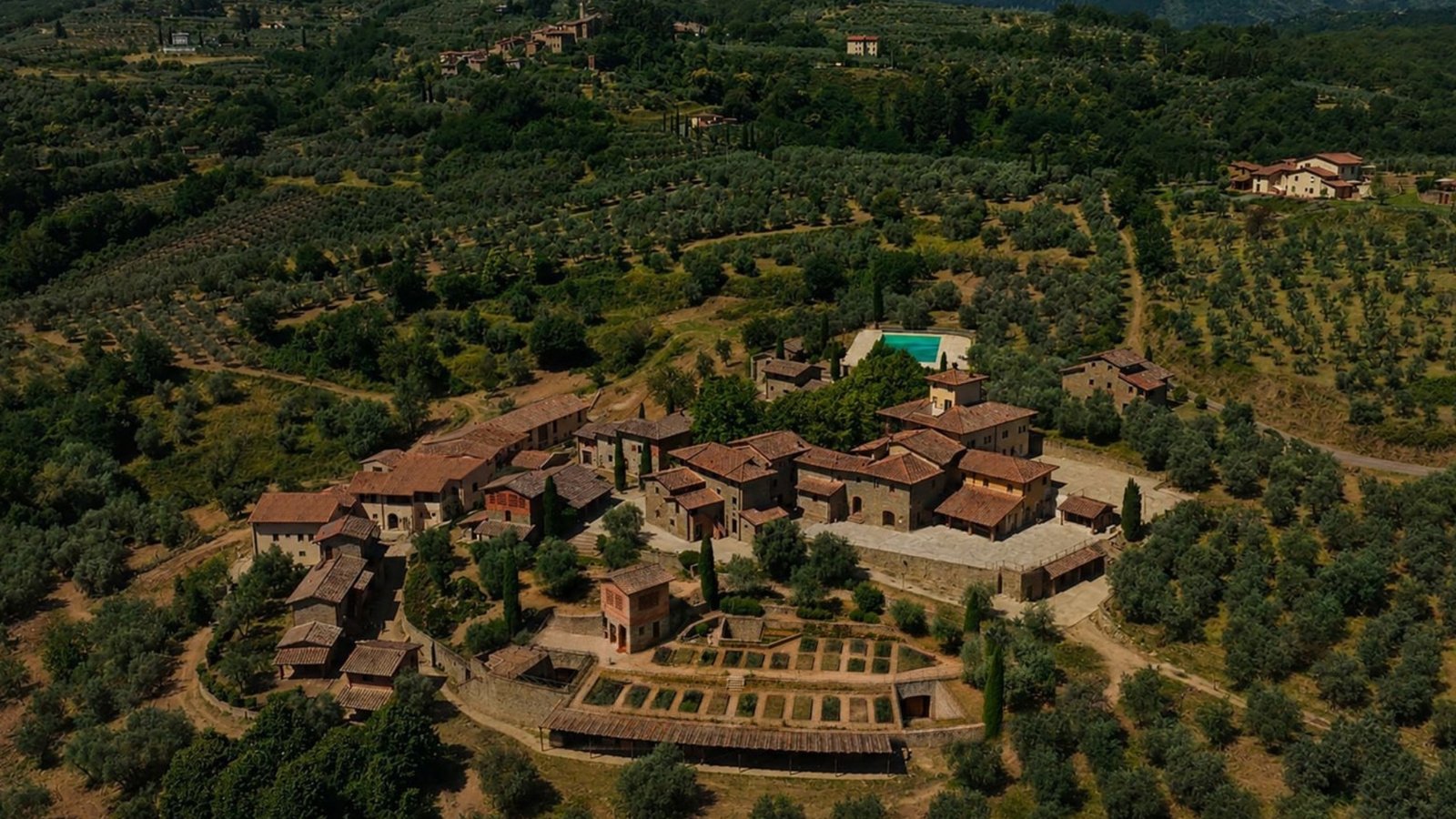
Chapter has opened its first countryside property in a restored medieval hamlet 45 minutes from Florence, bringing something the Chianti hospitality market has rarely offered: a hotel that is unashamedly modern rather than rustic in its design language.
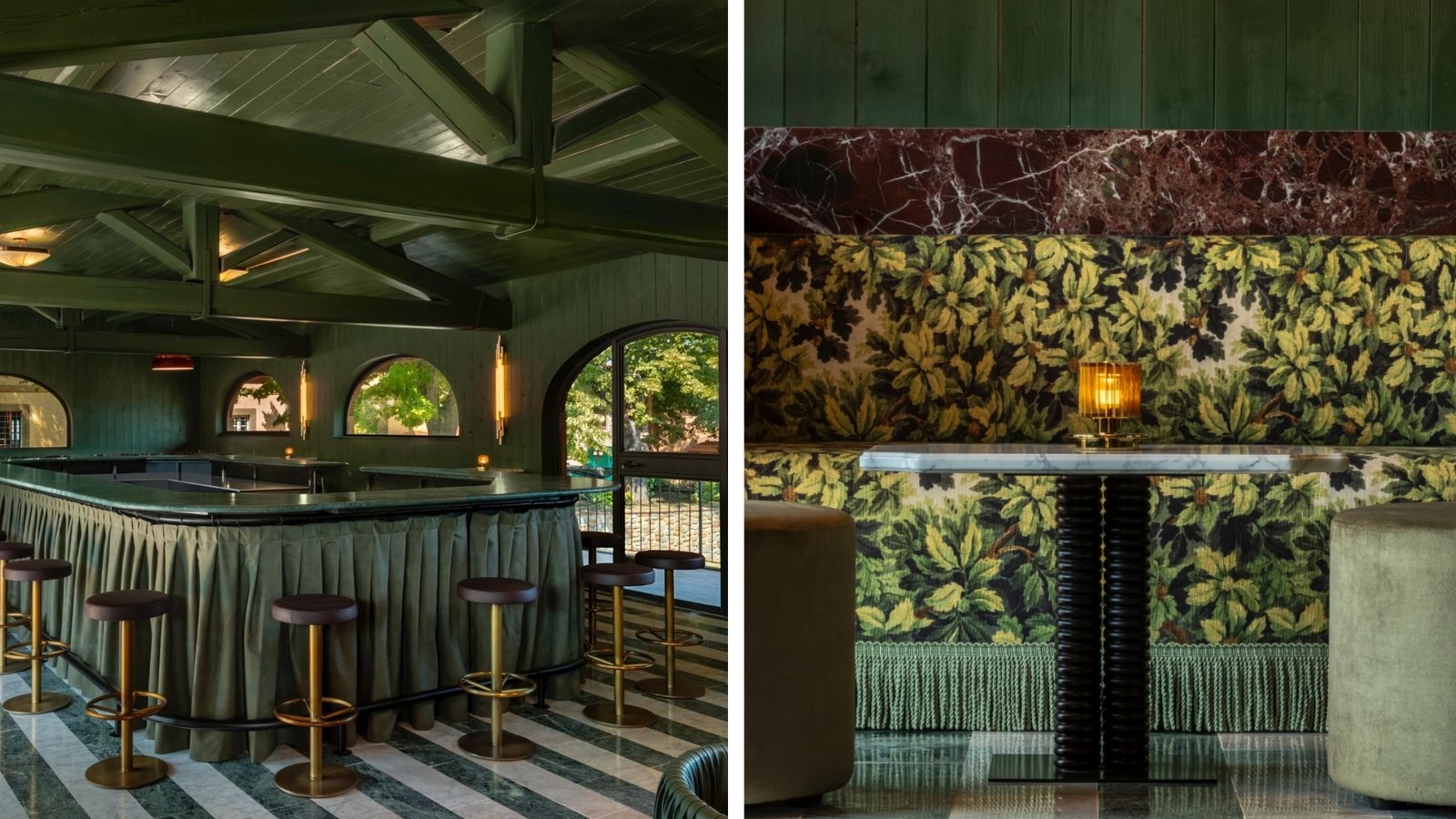
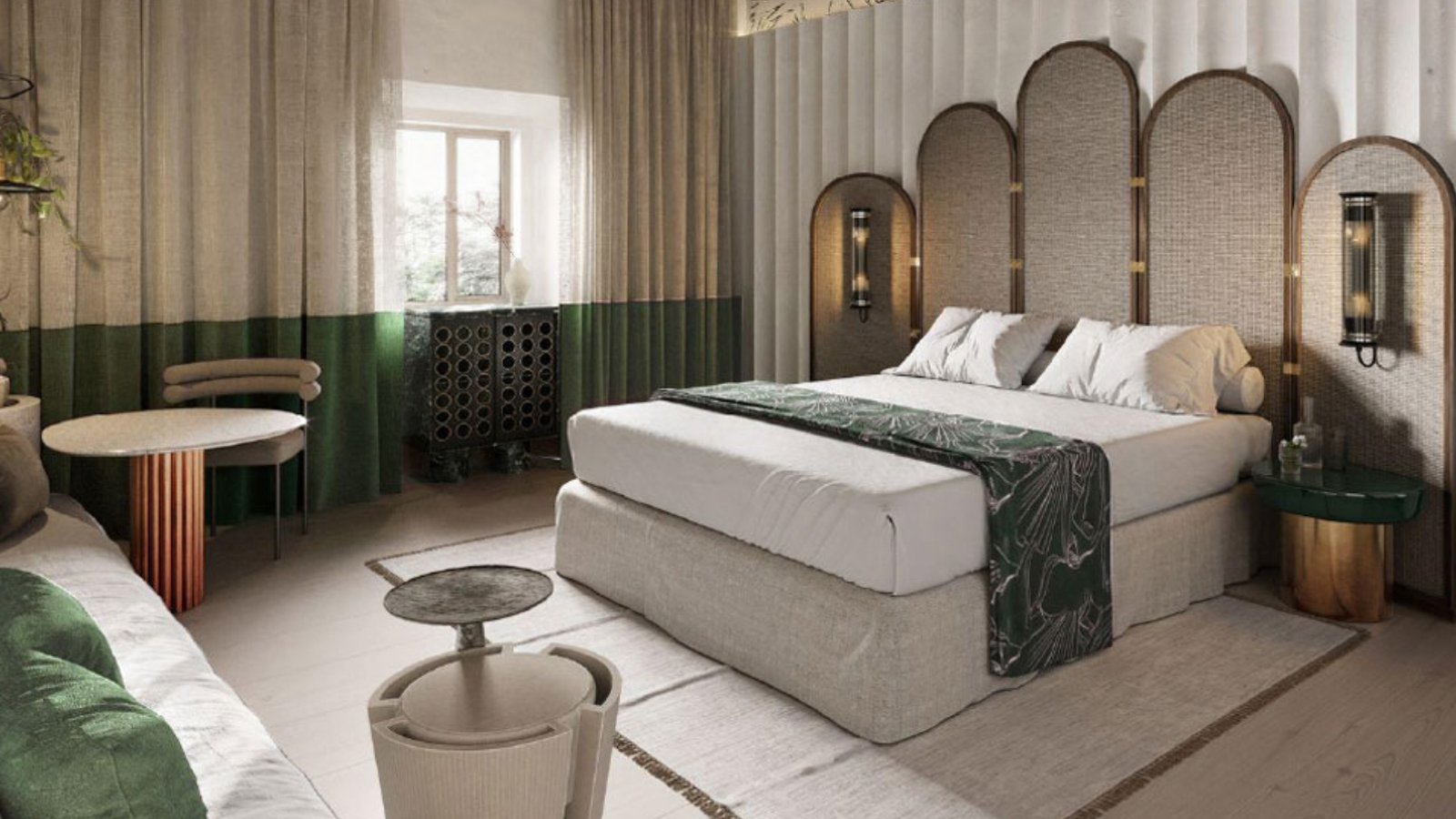
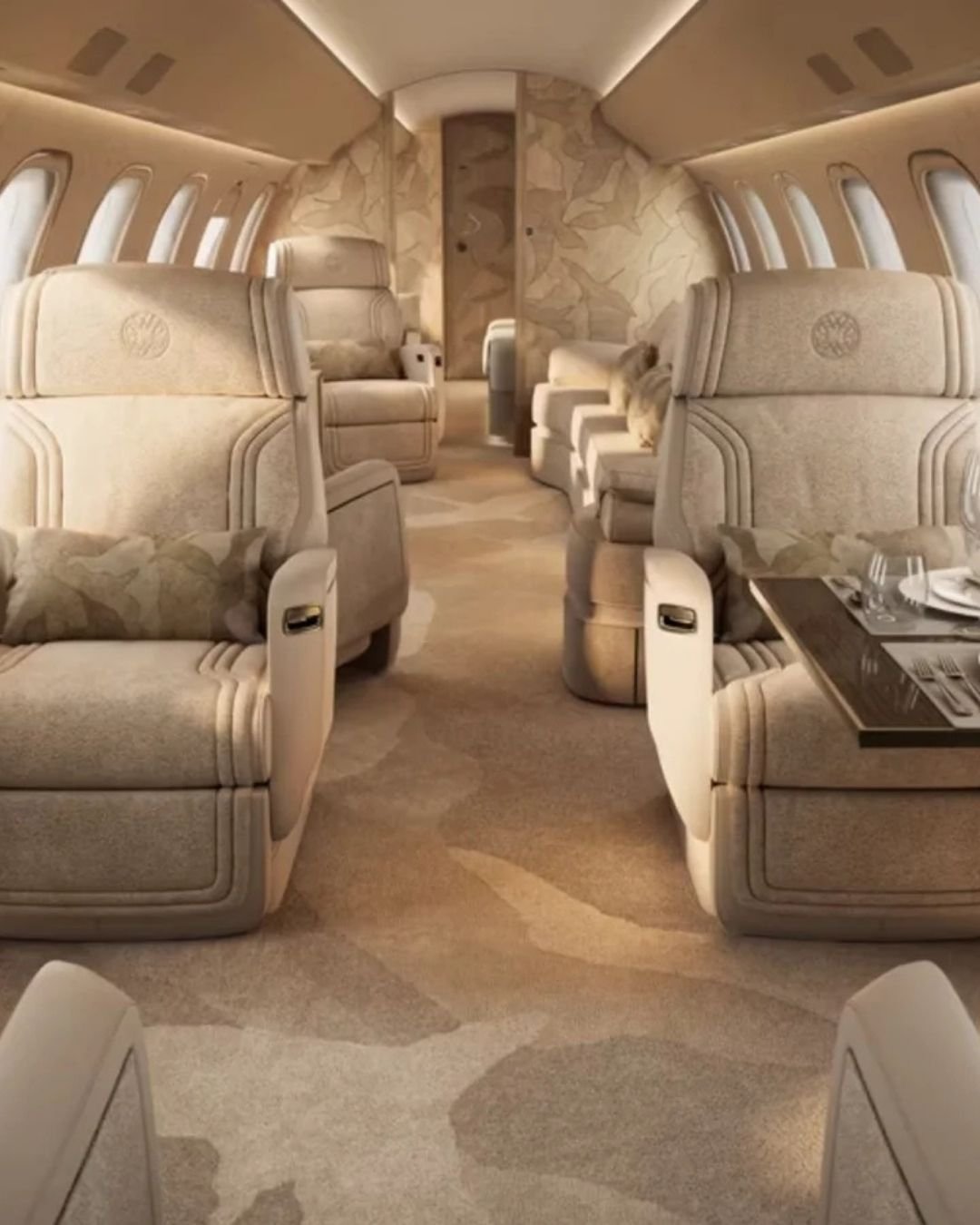
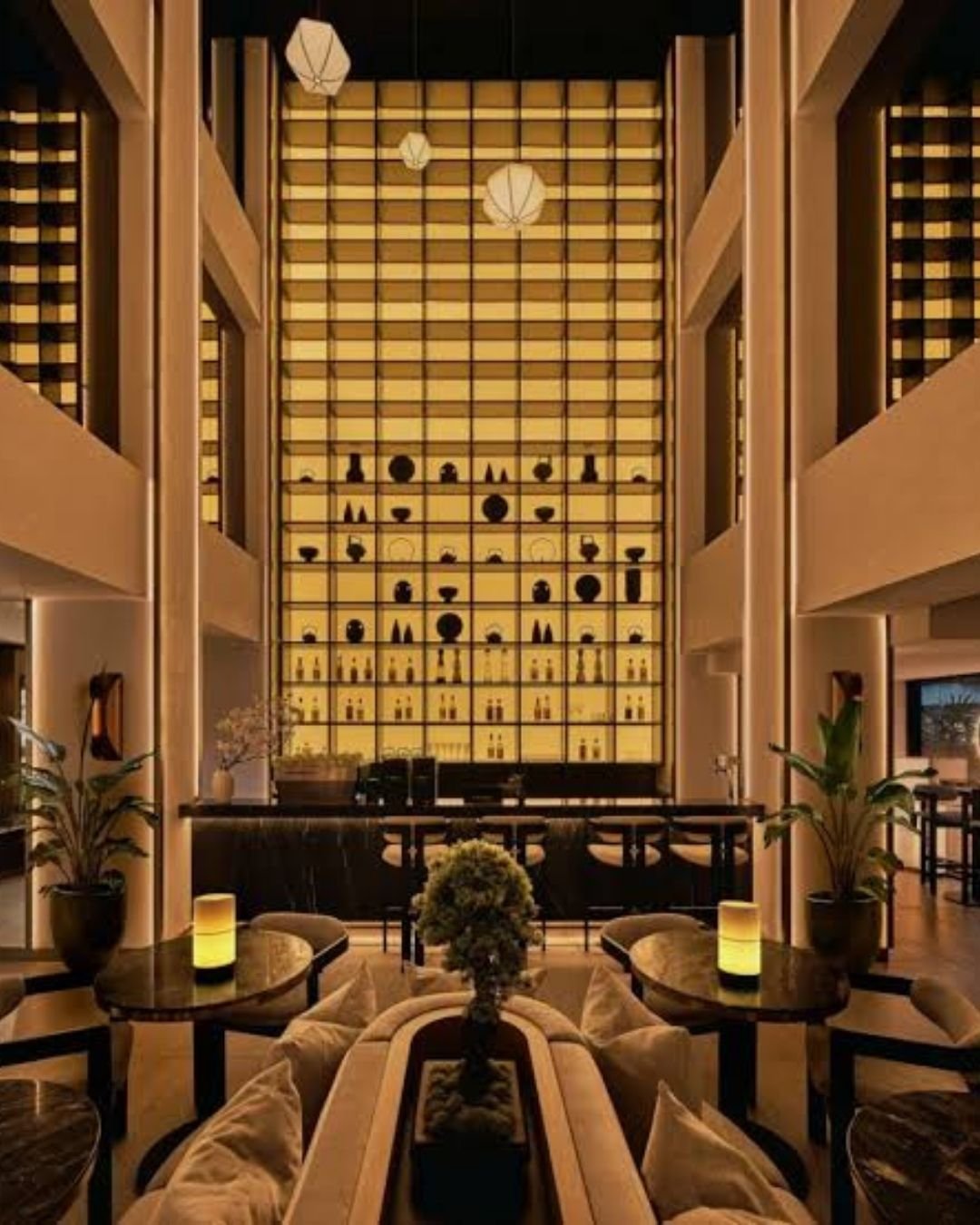
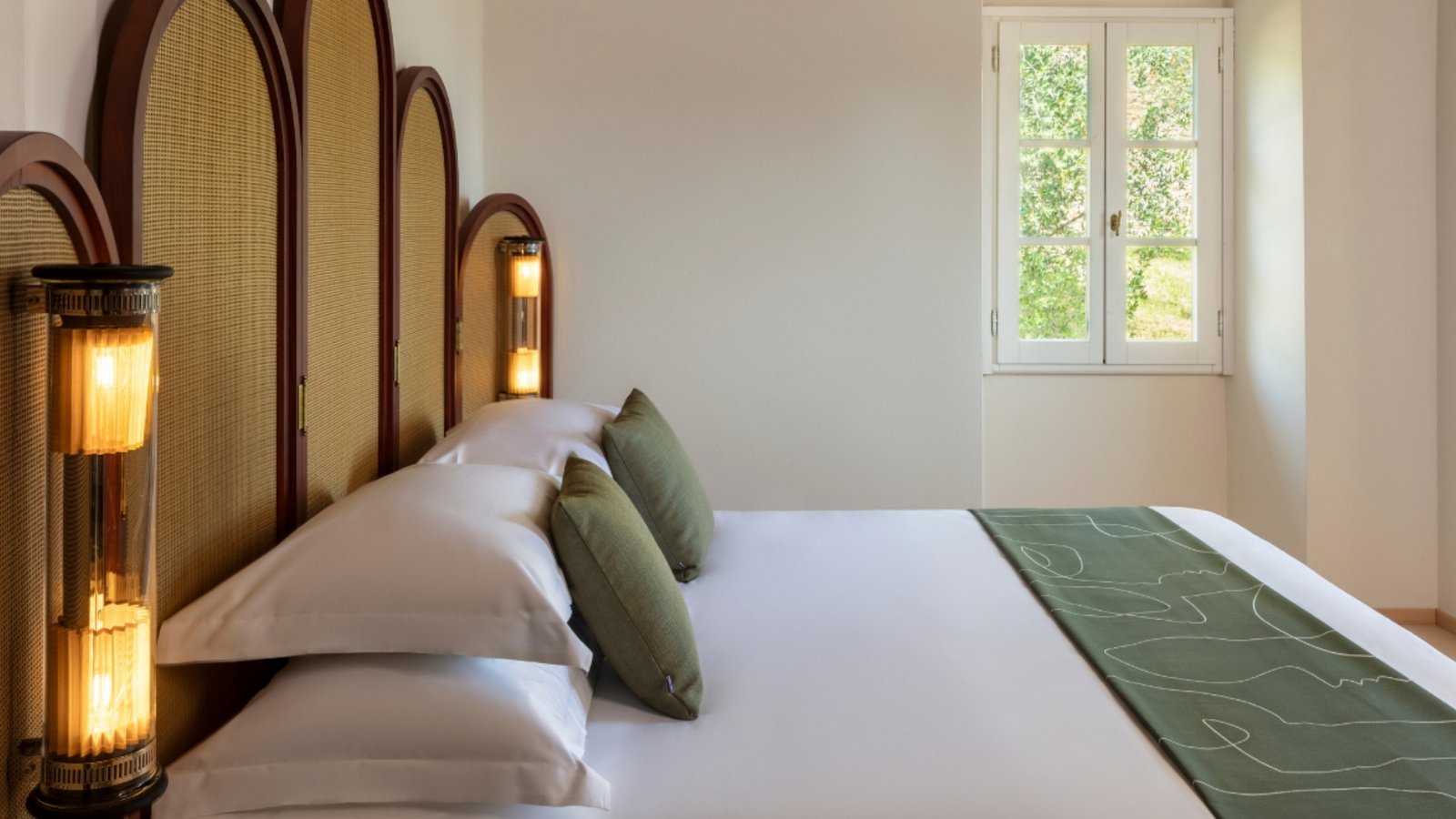
The project is the work of South African designer Tristan du Plessis, who has left the hamlet’s original stone walls and vaulted ceilings largely untouched while filling the interiors with clean lines, sculptural lighting and what reads as a distinctly cosmopolitan confidence, an approach closer to Chapter’s existing city-centre properties than to the working-vineyard aesthetic that has historically defined countryside hospitality in the region.
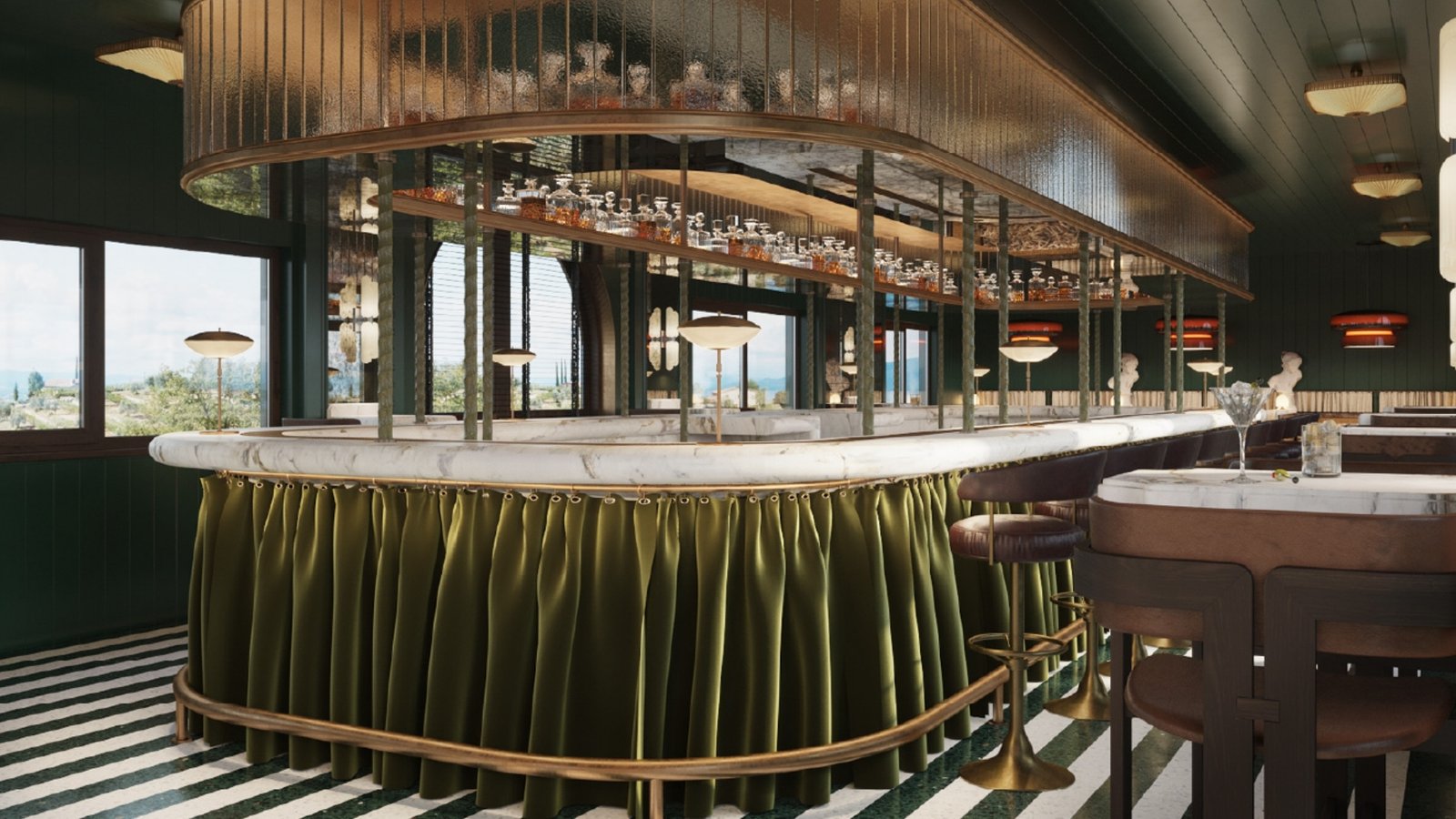
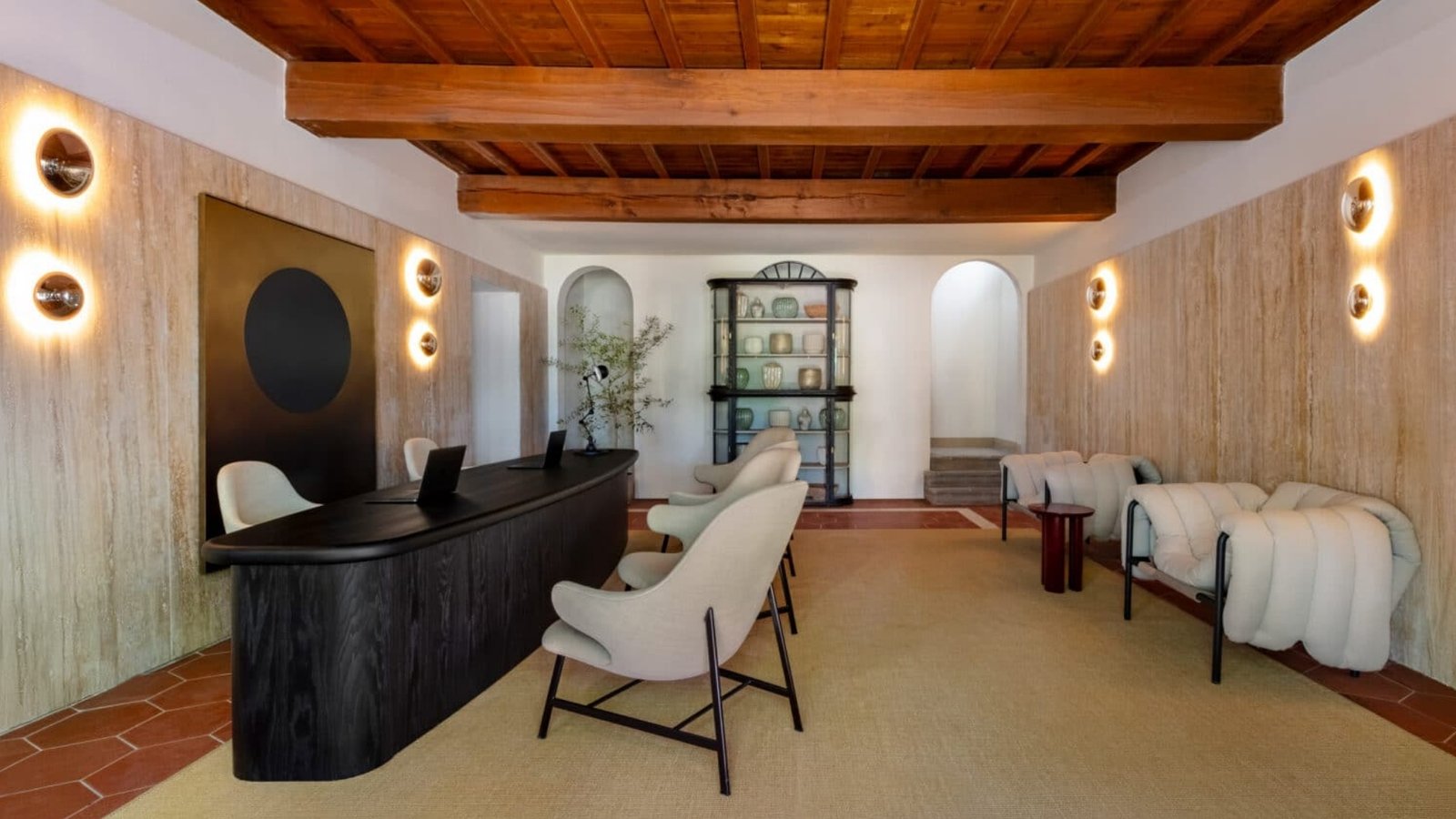
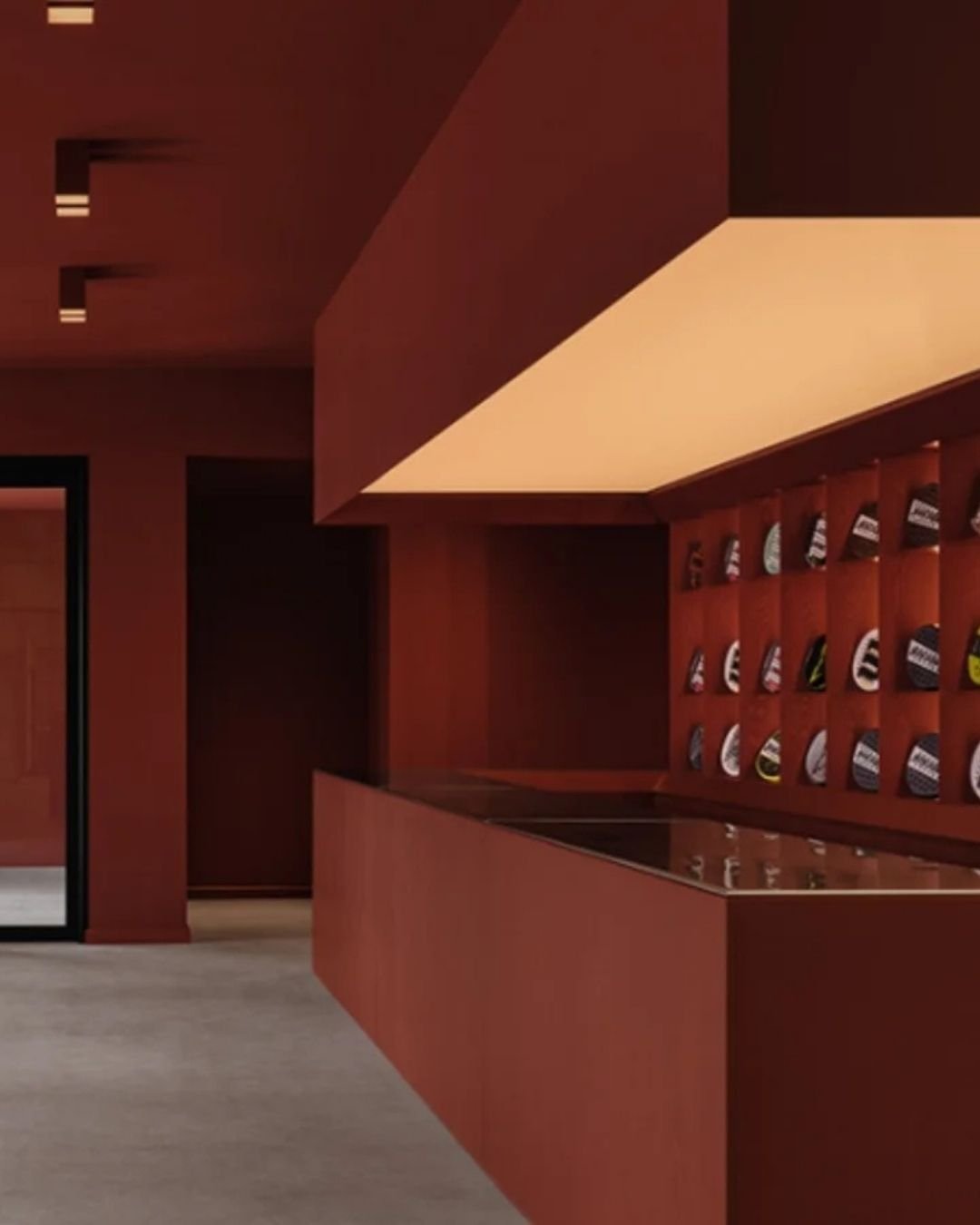
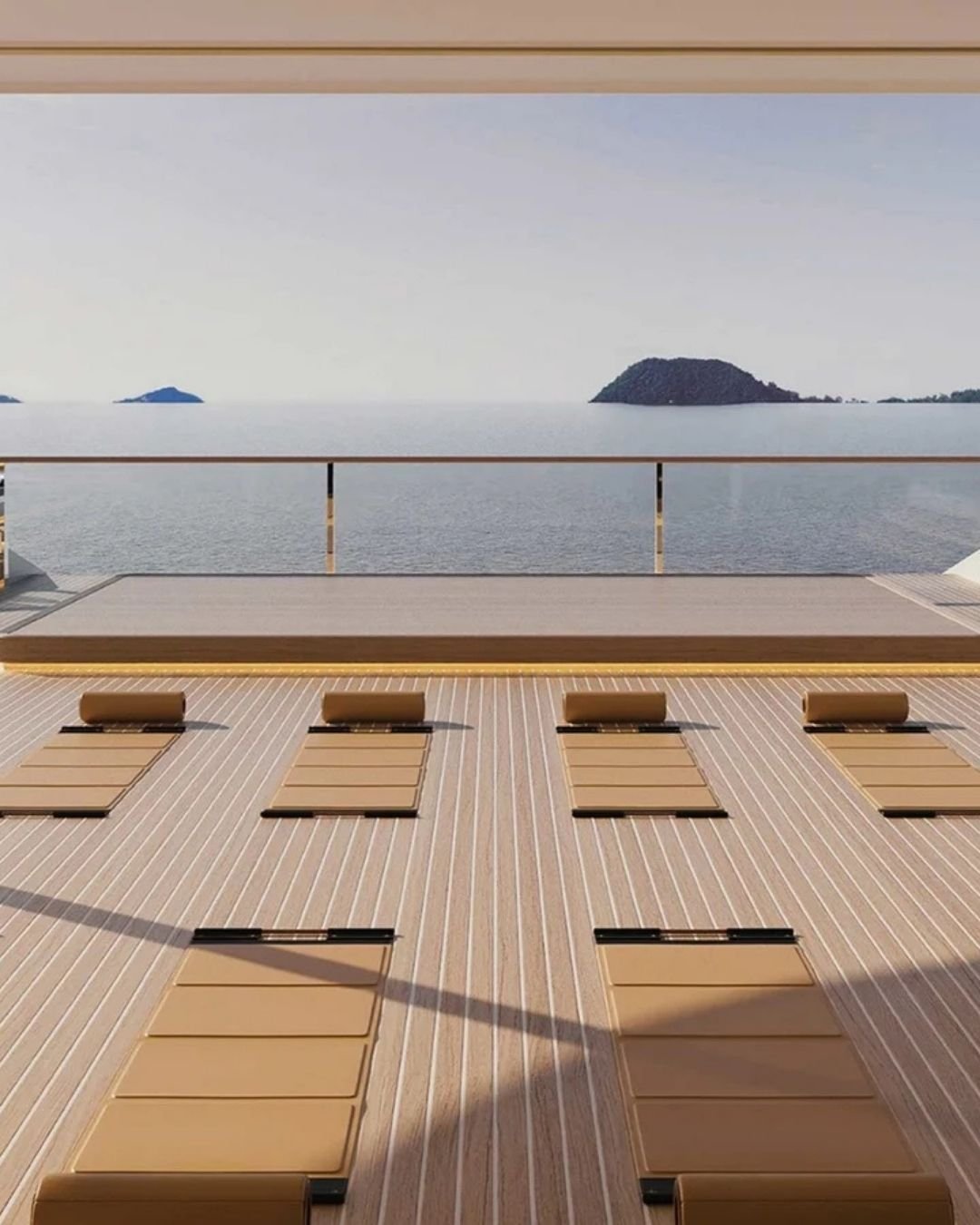
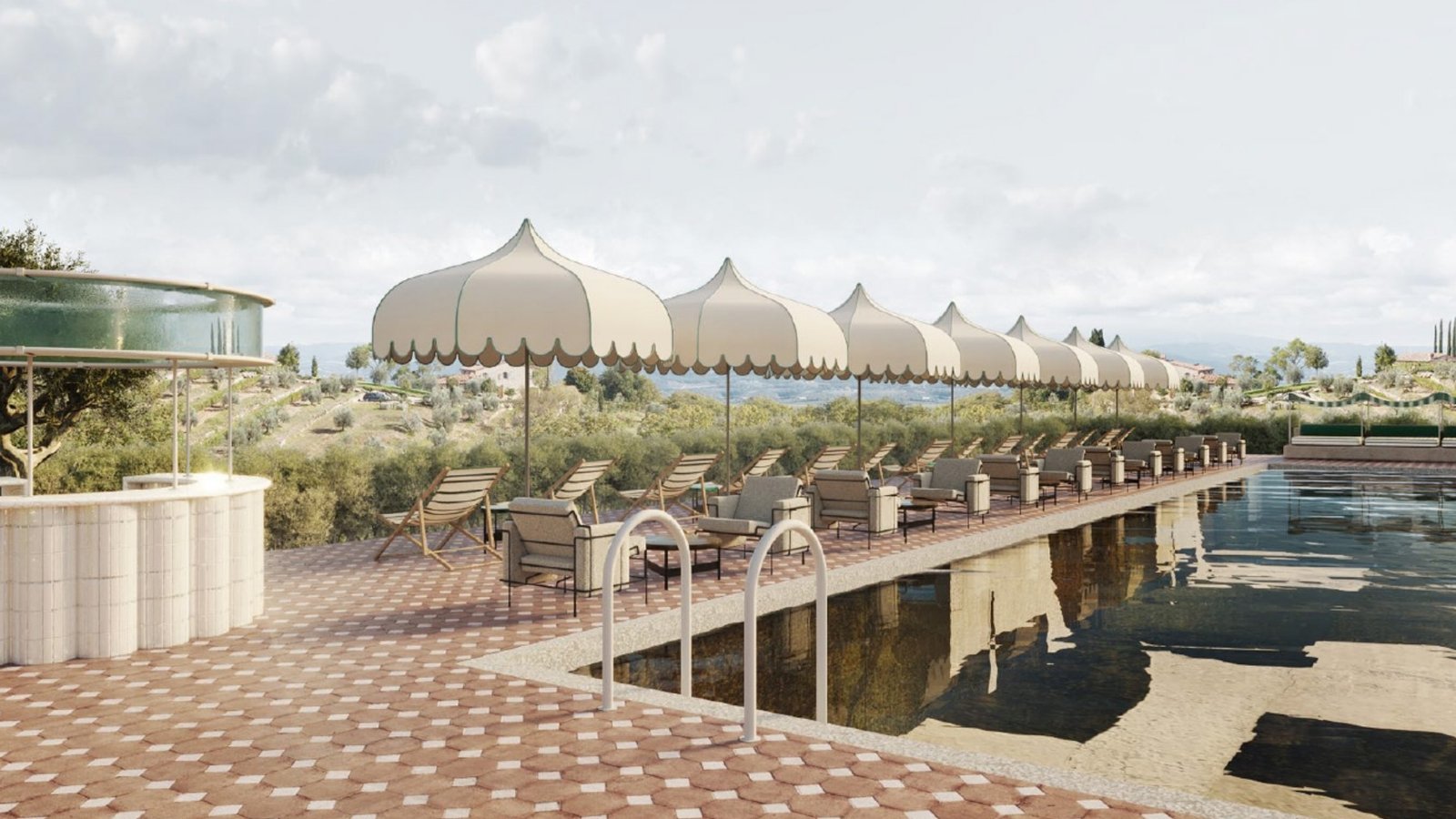
The property runs to 82 rooms, an Osso grill, a poolside bar and a main bar positioned as a social hub rather than an afterthought. Its 500-square-metre spa is a communal facility built around a five-pool circuit, sauna, hammam, gym and an outdoor padel court, scaled more like a members’ club than a typical countryside retreat’s wellness offering.
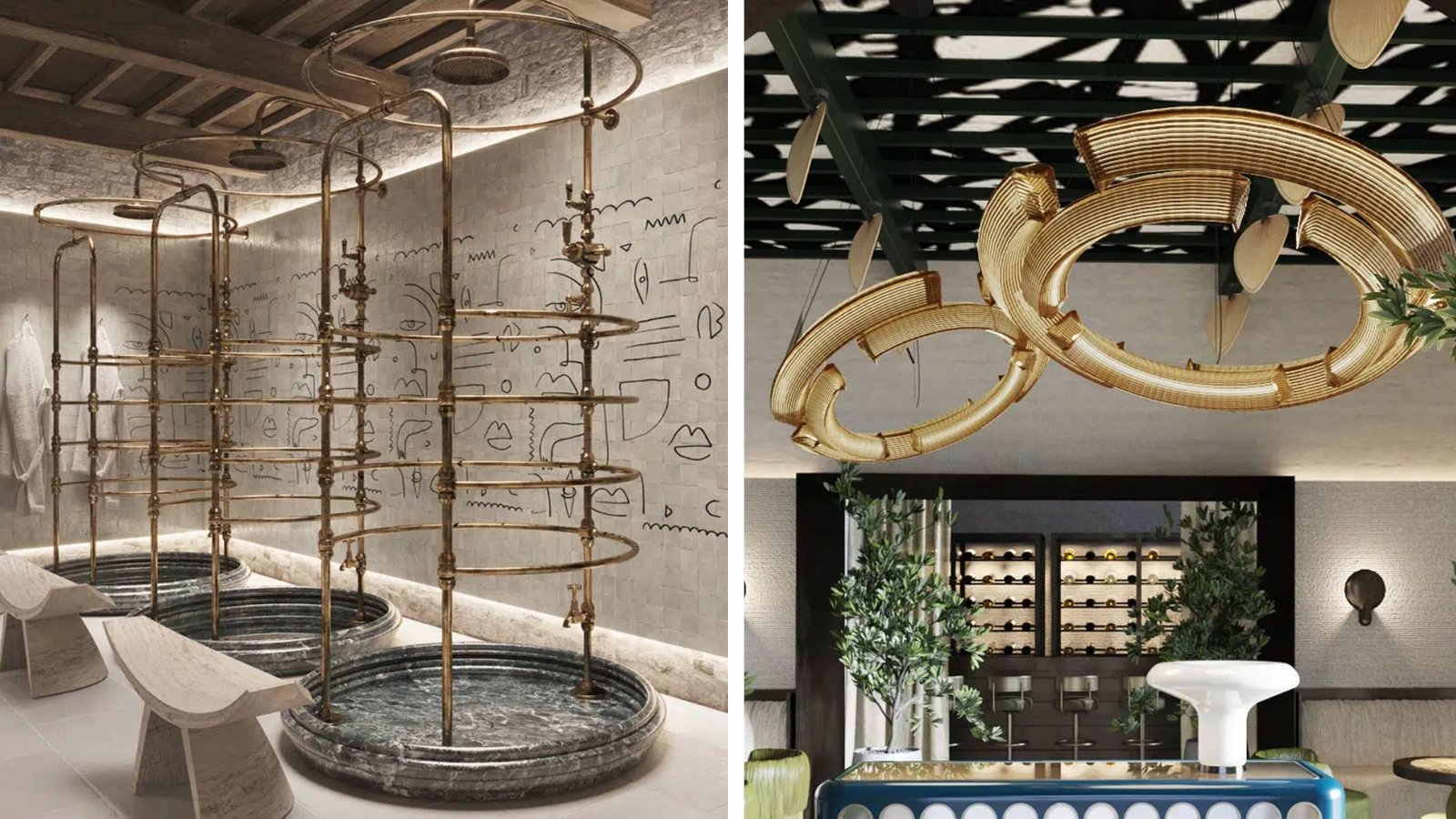
That combination, urban design sensibility applied to a rural setting, differentiates Chapter’s entry from the region’s broader hospitality boom, where estate-conversion hotels have more commonly traded on agricultural authenticity, working olive groves and vineyard views, as the primary draw. Chapter’s decision to apply an architecture-led restoration approach, rather than a rustic one, to a category defined by the opposite instinct is a deliberate bet on a different kind of Tuscan guest.
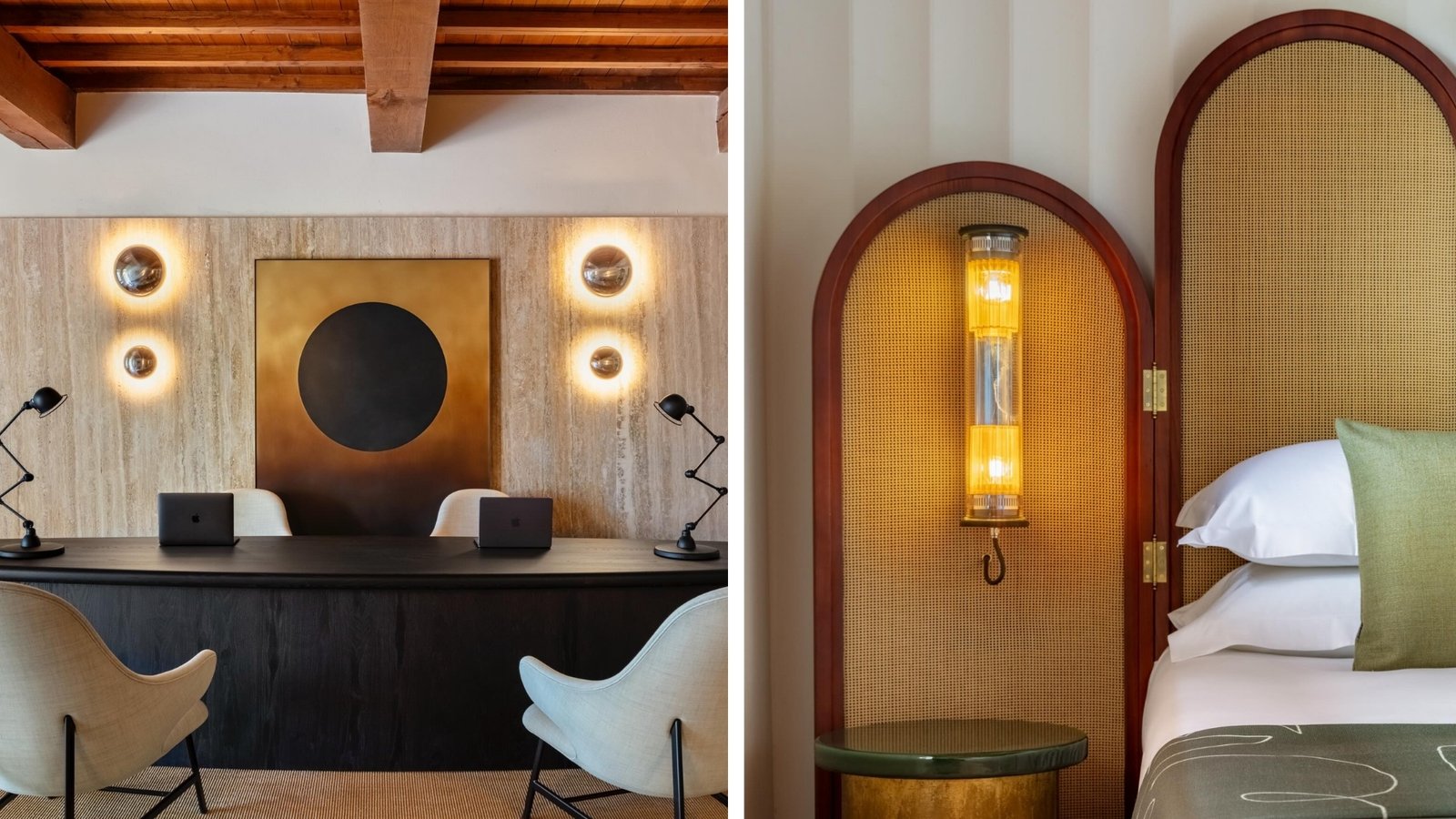
The opening also reflects a broader pattern of boutique hotel groups treating Tuscany’s countryside not as a single-property novelty but as a category worth a genuine, repeatable presence in. International operators have expanded estate-conversion portfolios across the region over the past several years, driven by sustained demand from travellers seeking a countryside alternative to Florence, Siena and Rome’s more heavily trafficked itineraries, with Chapter positioned as a base for that exploration rather than a destination to stay put at for an entire trip.
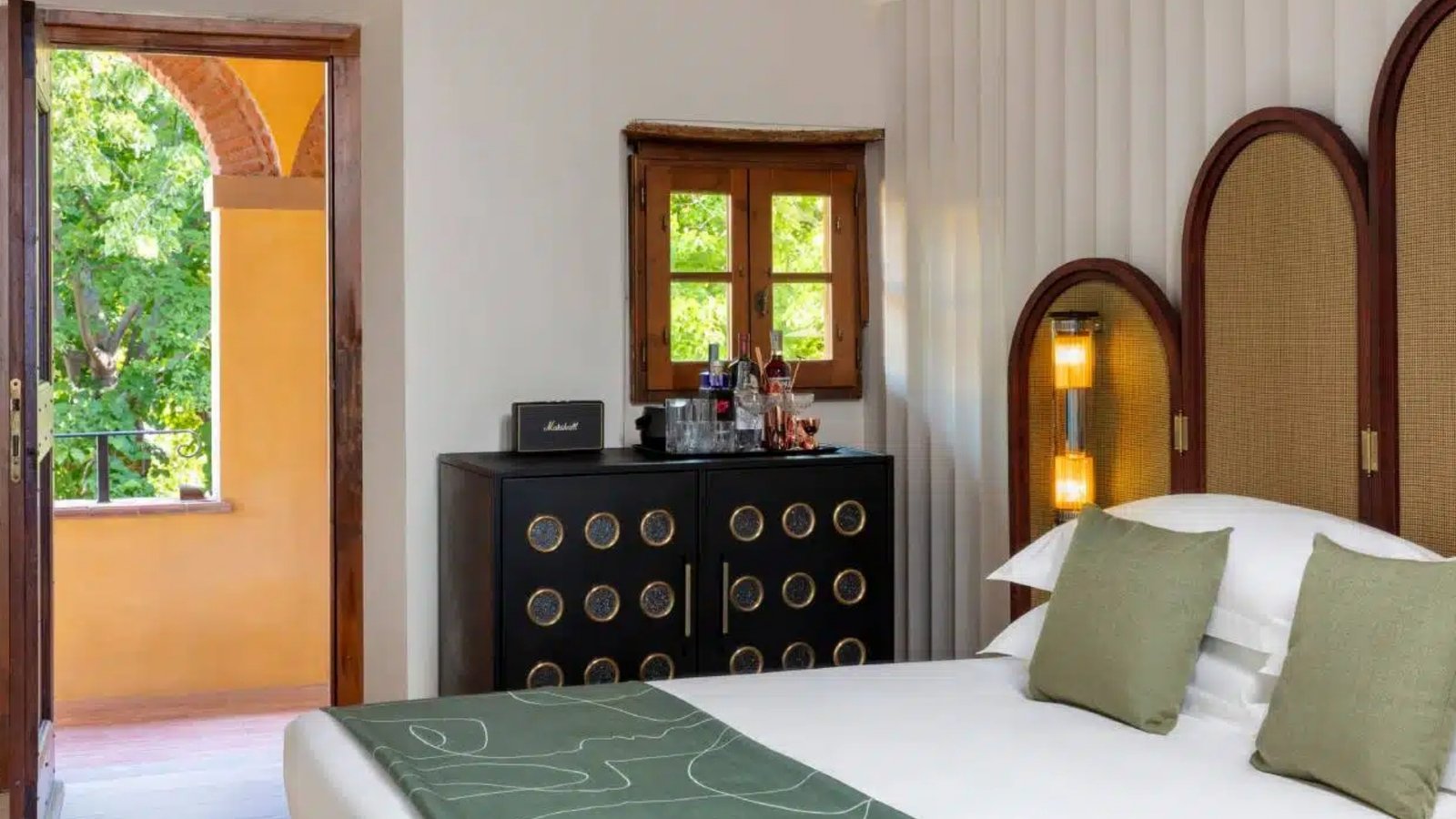
Doubles start from €400 ($432) with breakfast, booked through chapter-italia.com, with further dining options and a five-bedroom villa scheduled to arrive next year, extending the property incrementally rather than opening at full scale from day one.
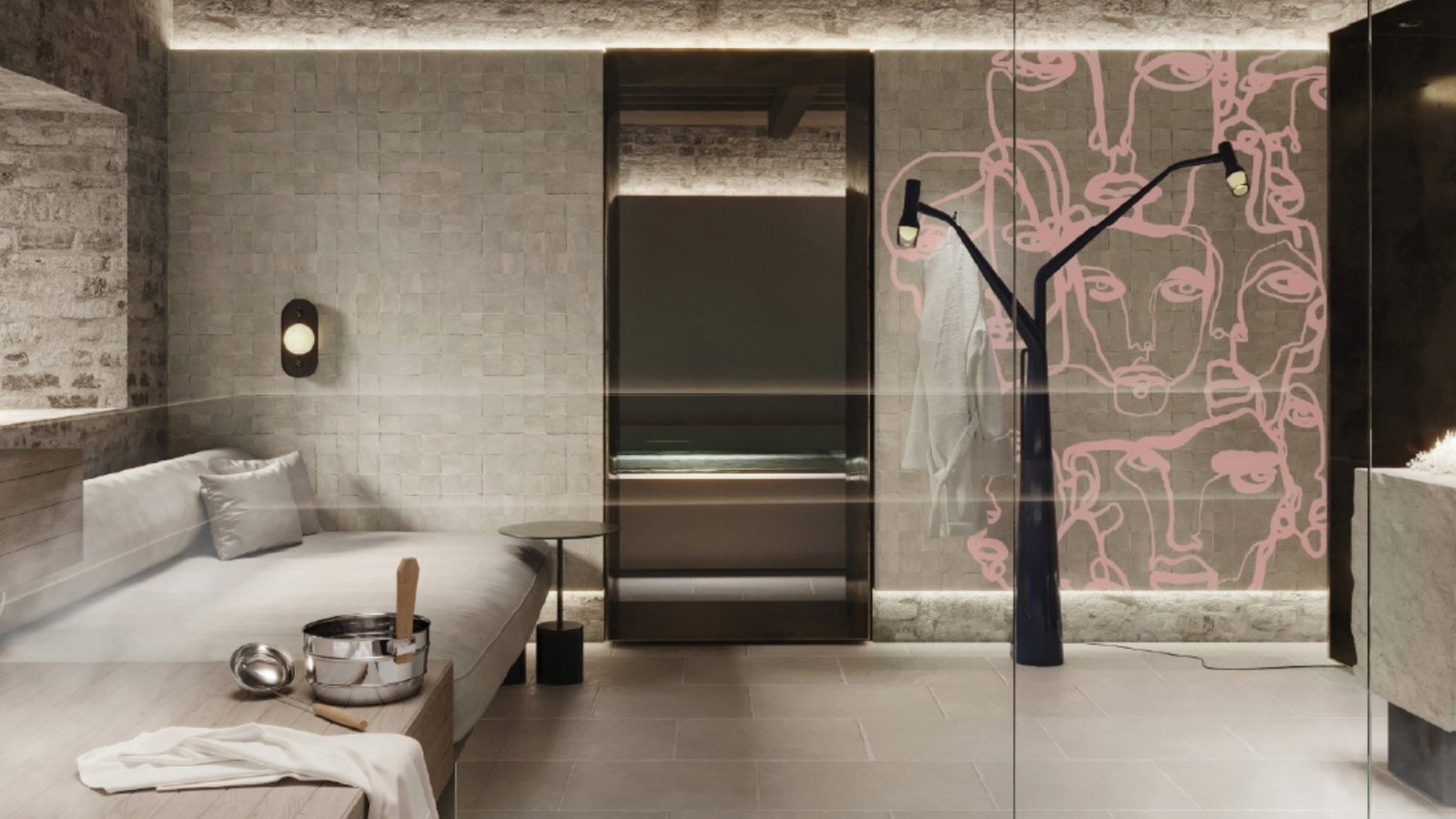
Whether Chapter’s urban restoration approach translates successfully to a countryside setting will depend on how the group balances that architectural identity against a landscape and clientele that have historically valued a more understated aesthetic. The bet, for now, is that a hotel built to feel like a base for exploring Florence and Siena can hold its own against a category built on staying exactly where it is. Visit Chapter Chianti here.