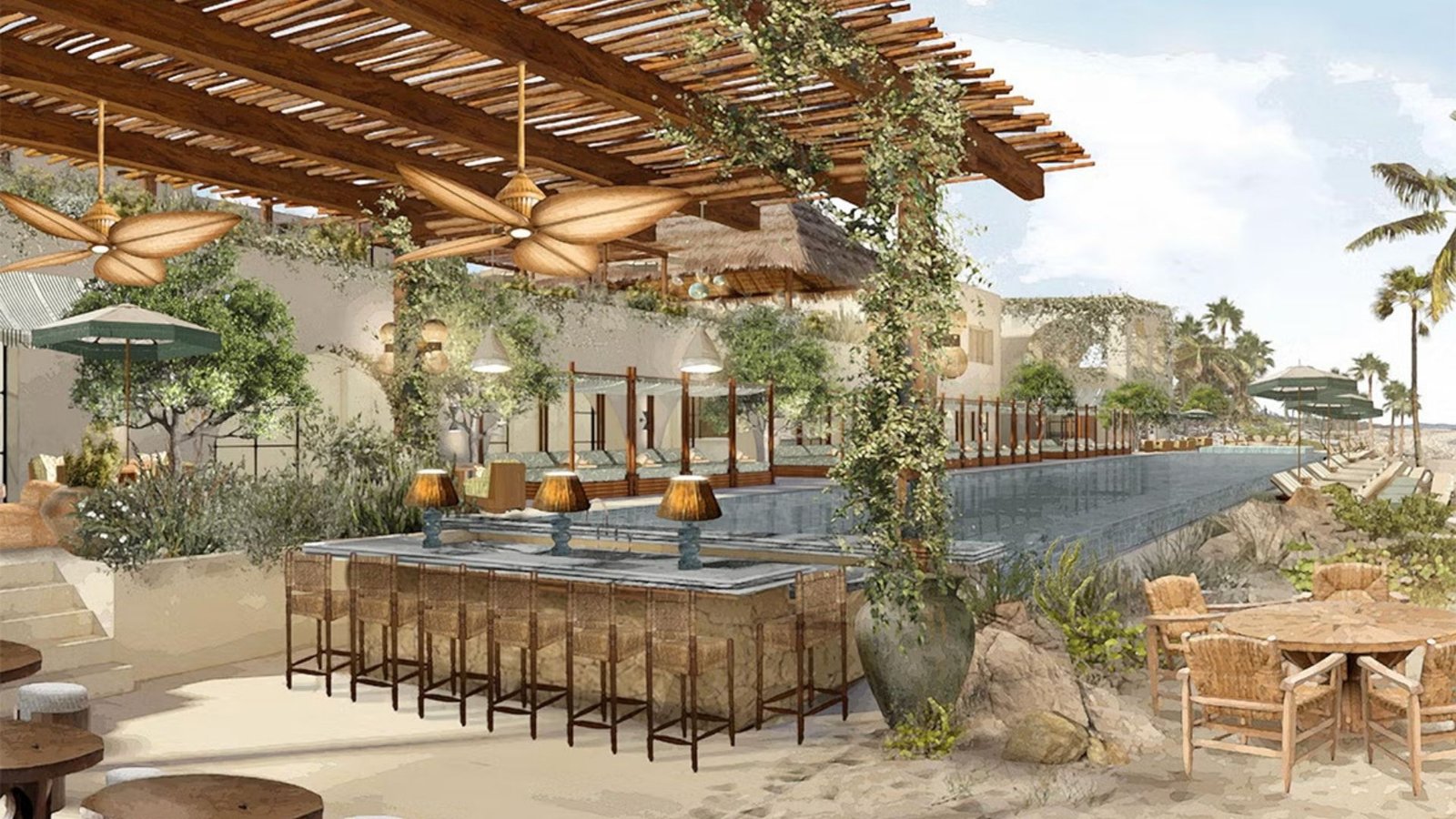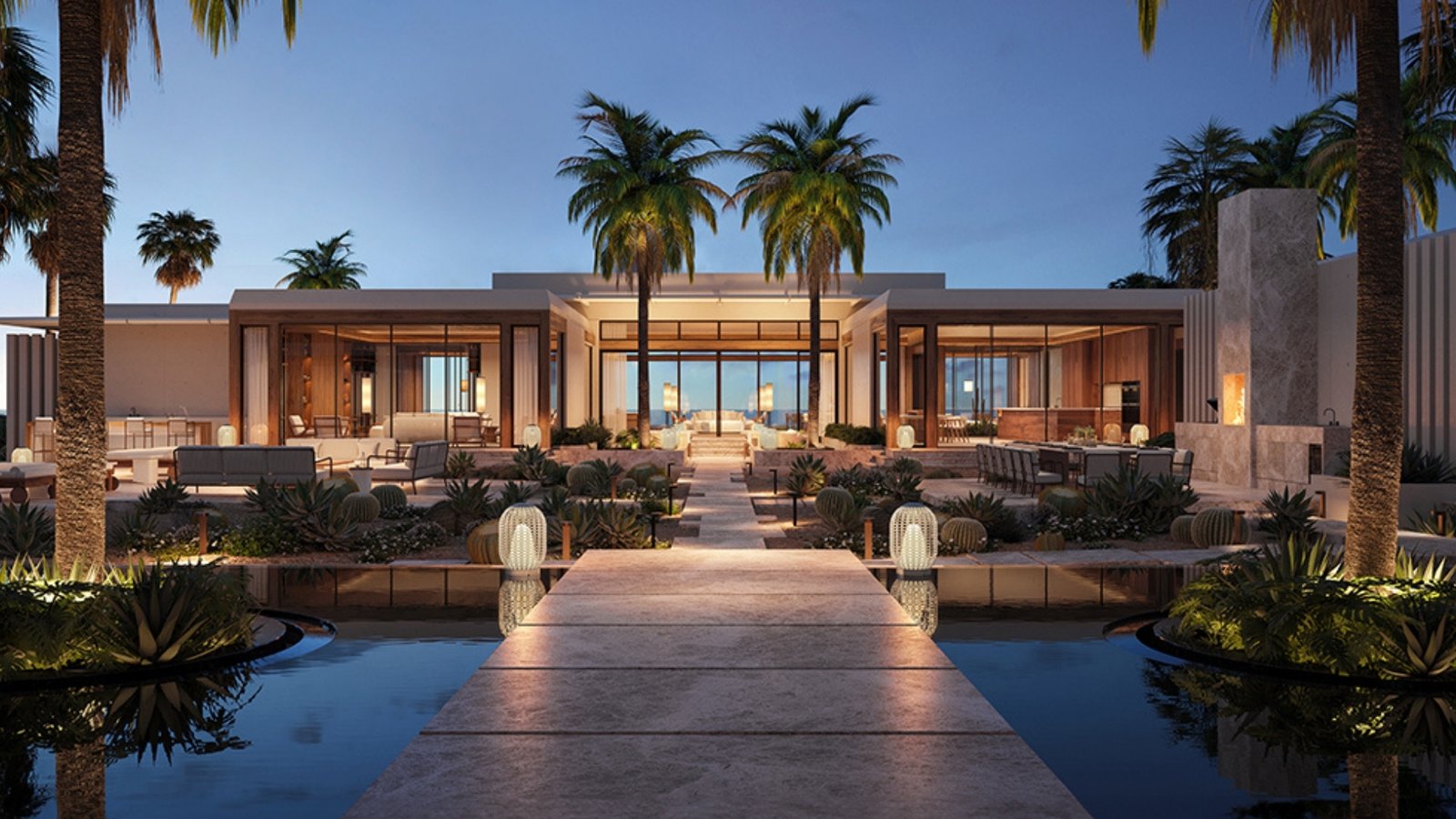
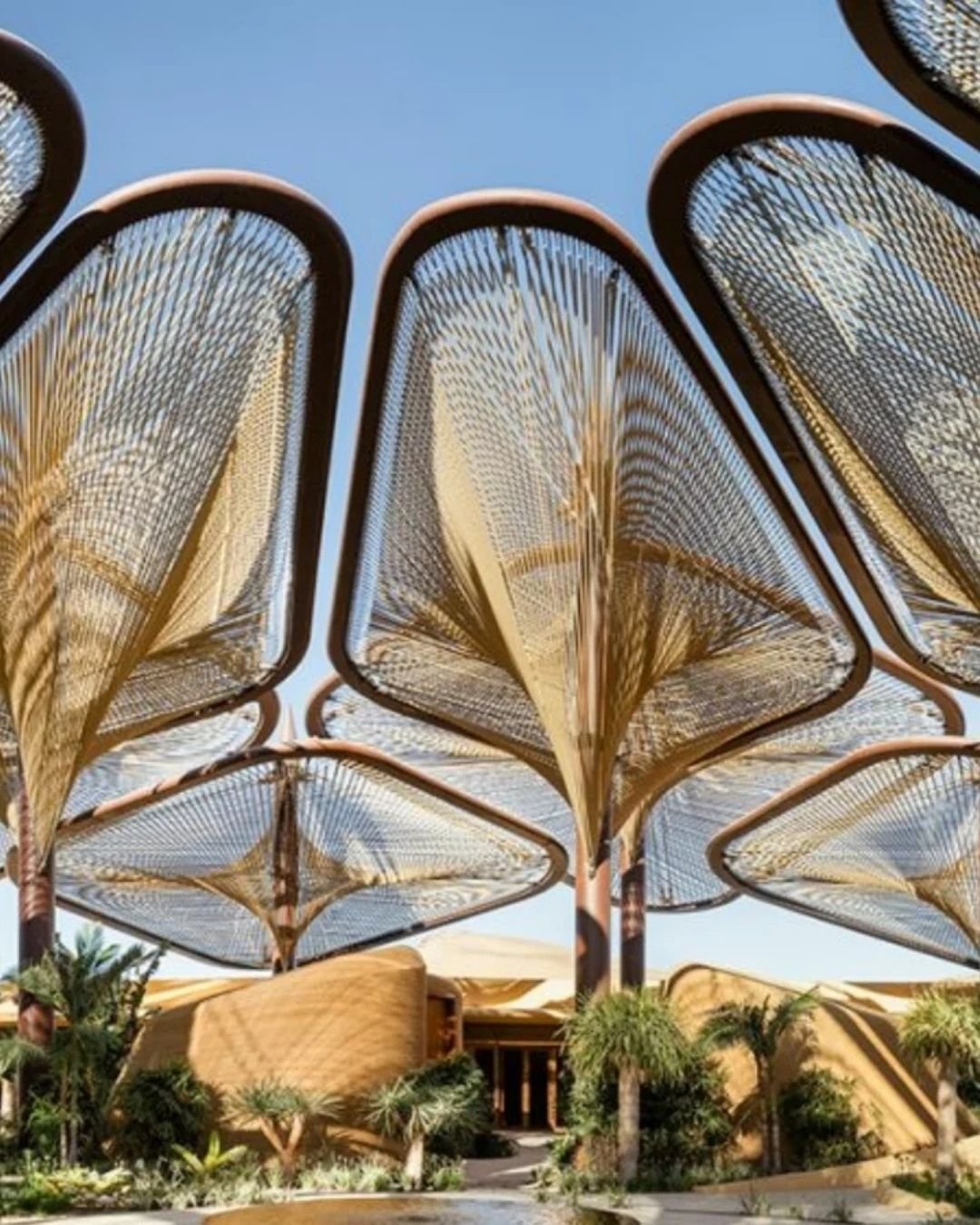




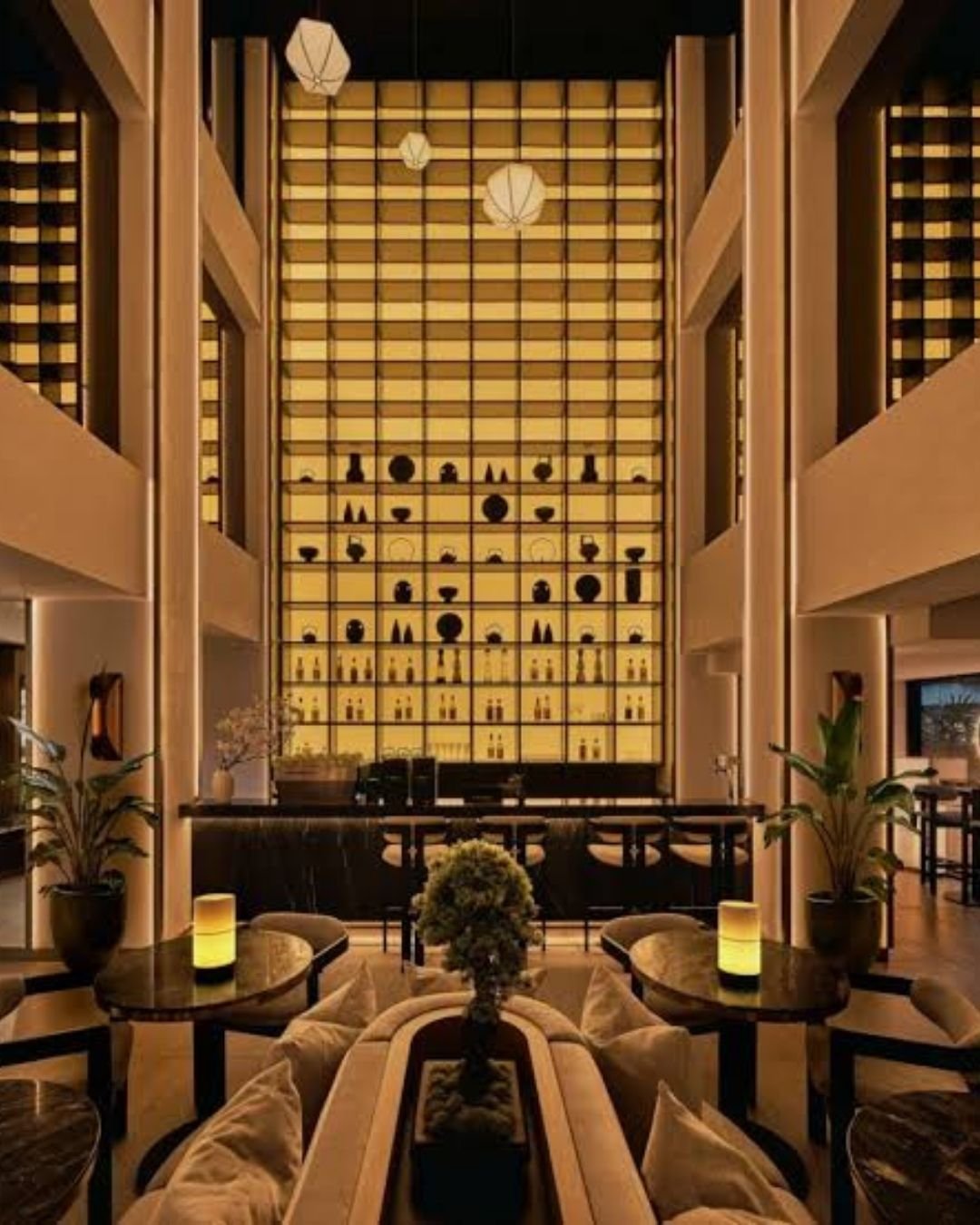
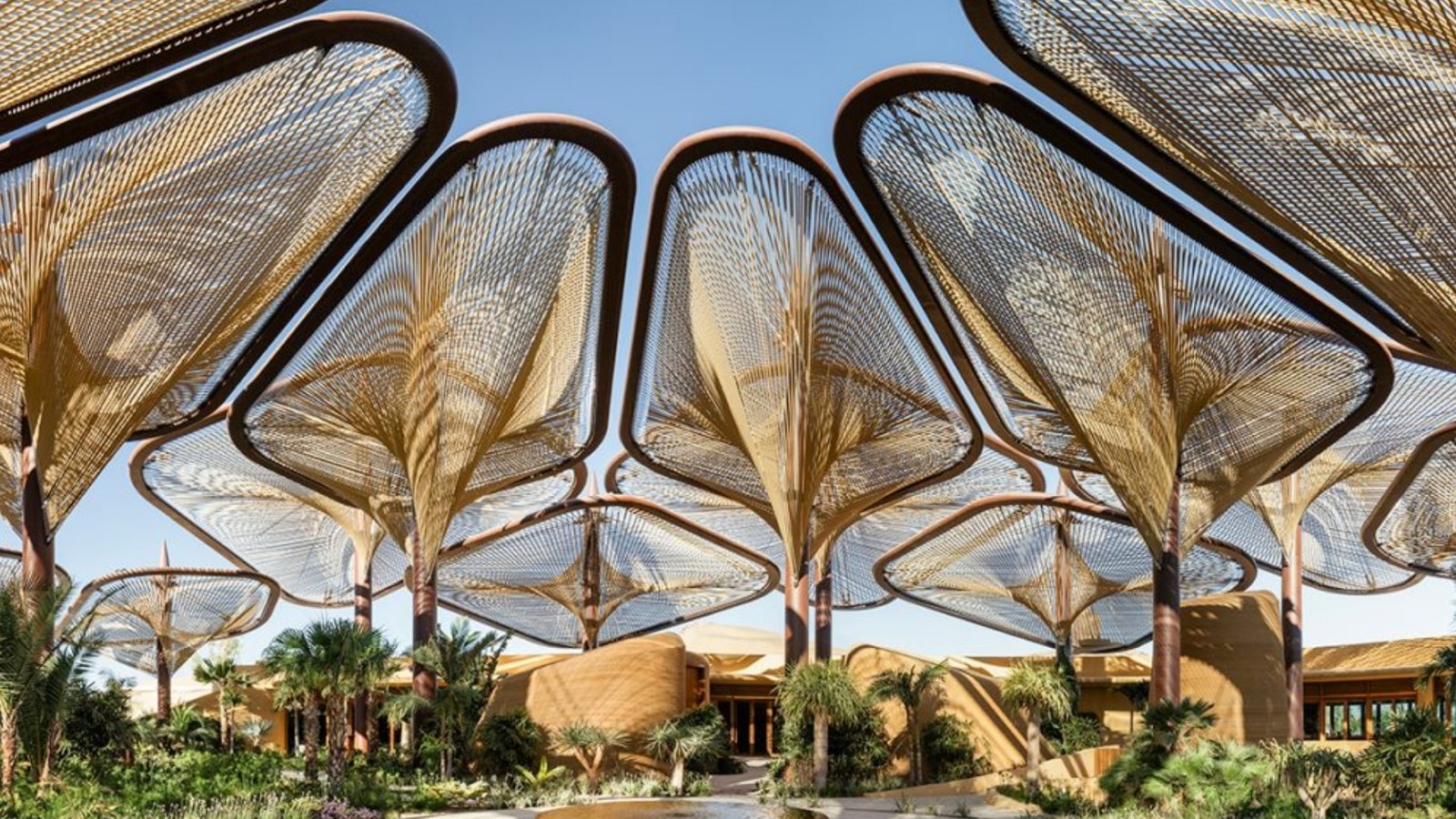


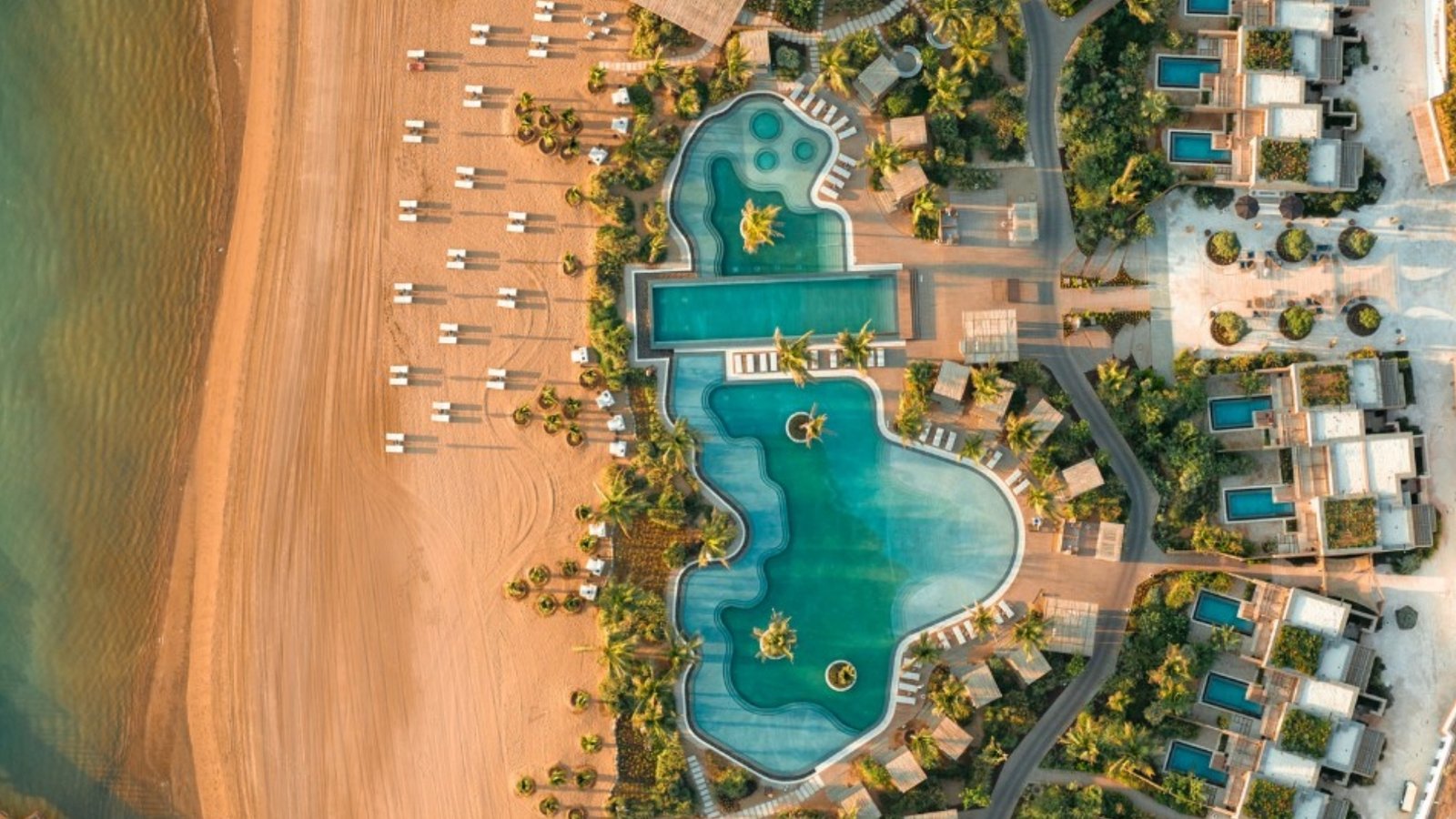
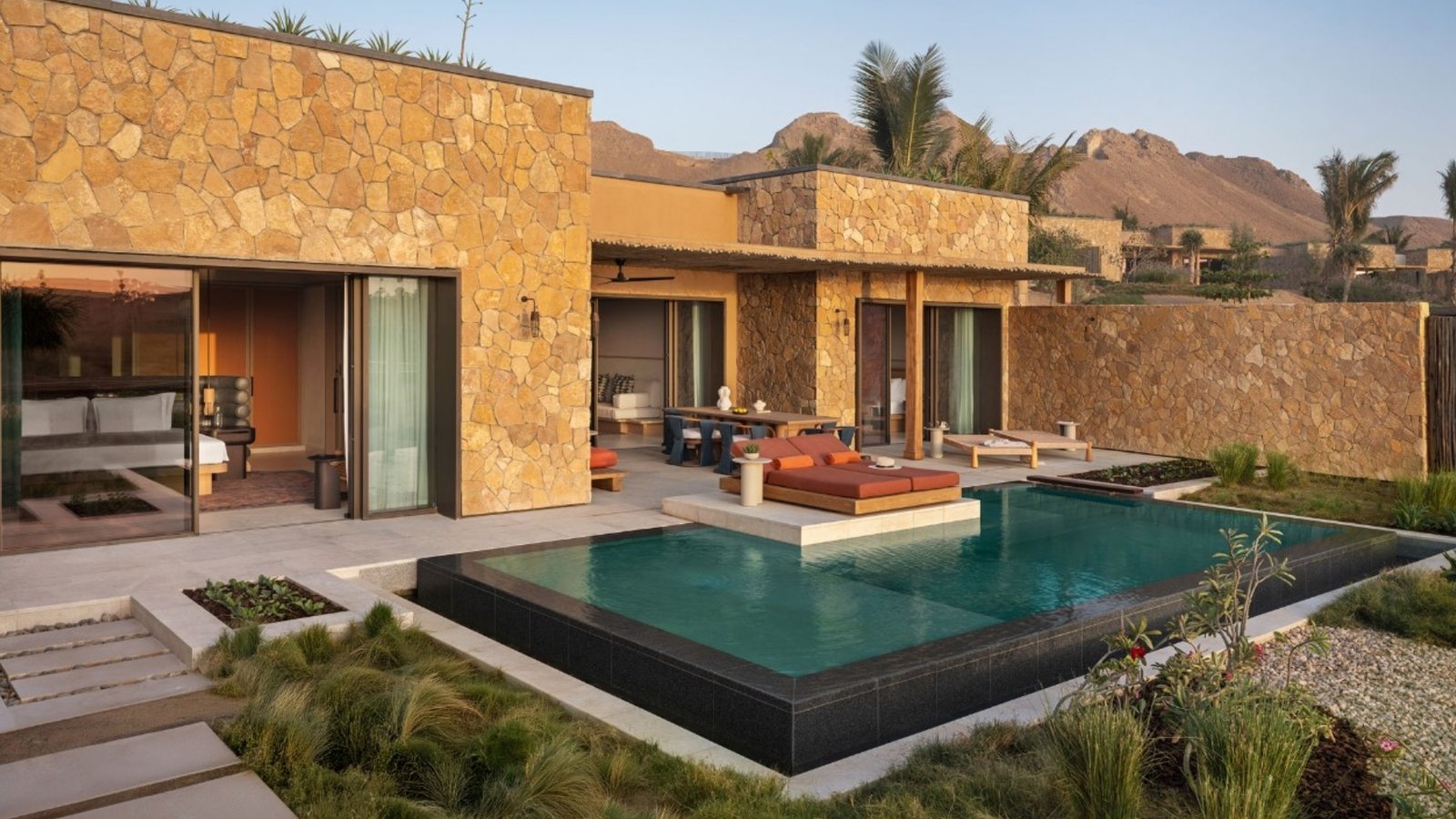
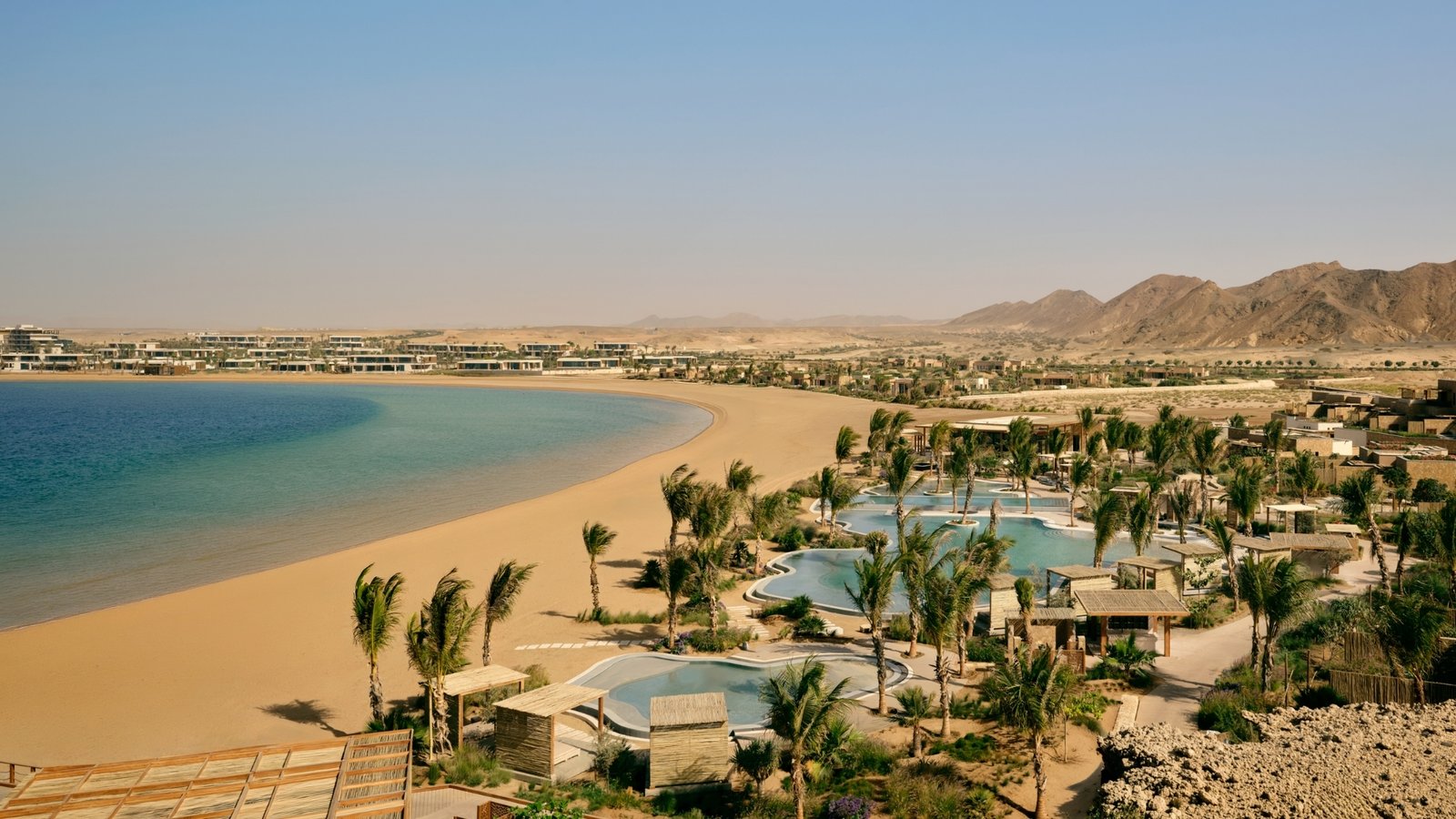
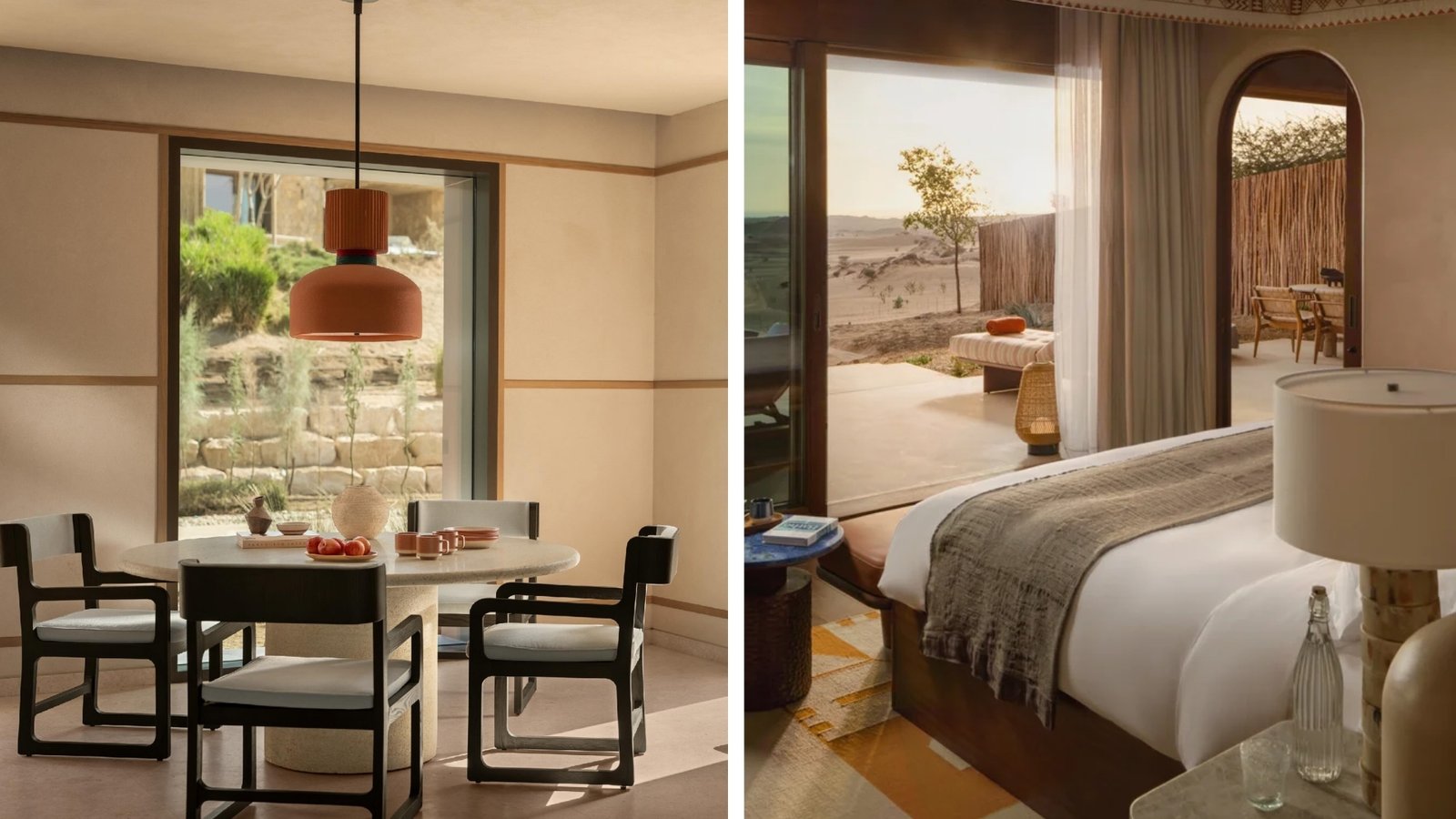
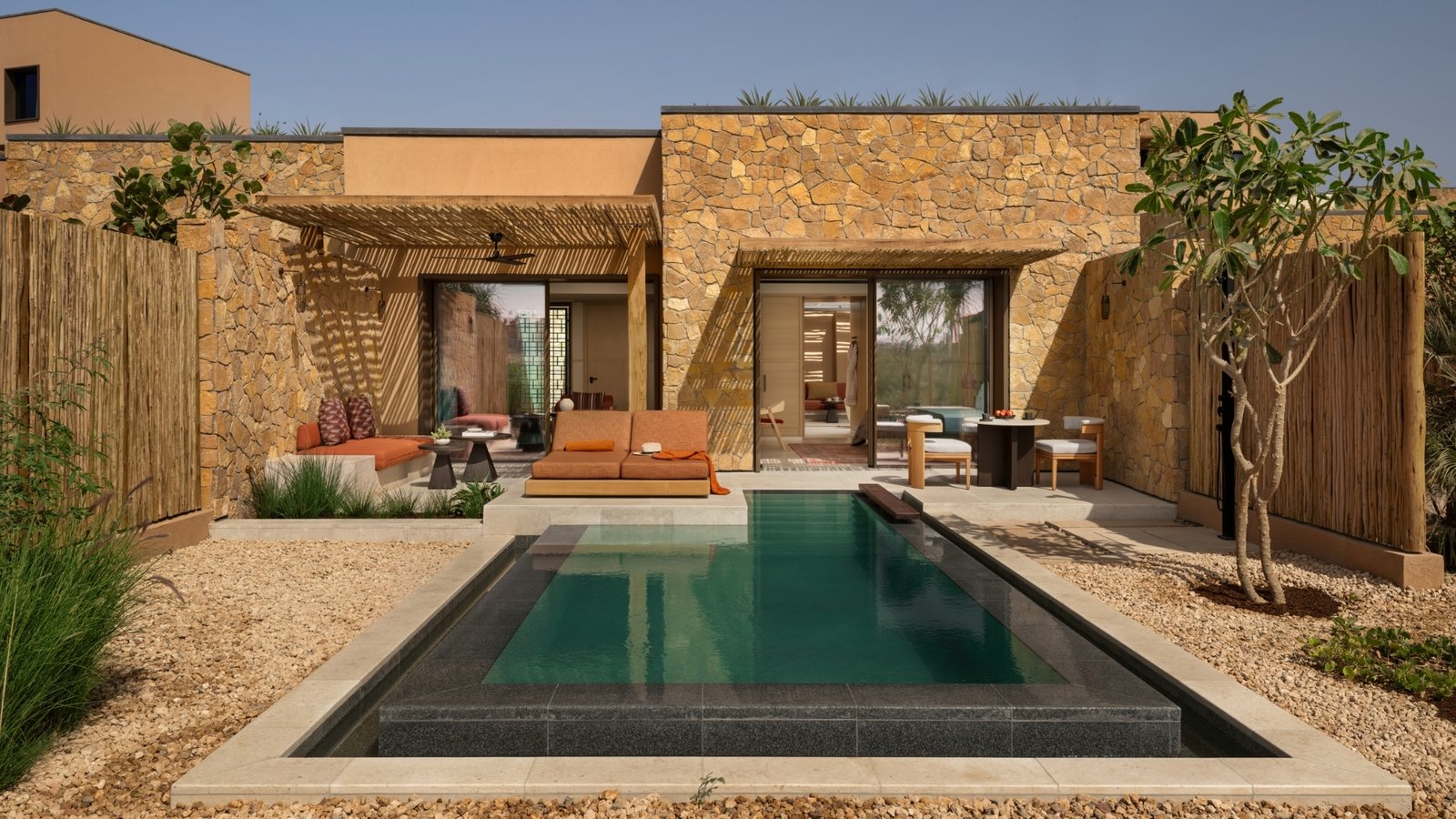
Six Senses has opened at AMAALA on Saudi Arabia’s north-western coast, its second property in the Kingdom after Six Senses Southern Dunes. The resort sits at Triple Bay, positioned between open beaches and a mangrove-fringed lagoon around a clifftop mesa, and carries 100 suites and villas alongside 25 branded residences, with architecture drawn from traditional Saudi coastal settlements.
AMAALA is among the more ambitious pieces of Vision 2030, the programme through which Saudi Arabia is attempting to build a tourism industry from close to nothing. The destination spans more than 1,600 square miles of protected coastline and coral reef, and is planned to eventually hold over 1,600 rooms across nine resorts, with a yacht club and a marine life institute still to come. Red Sea Global is refurbishing Al Wajh Airport, including a new international terminal, specifically to serve it.
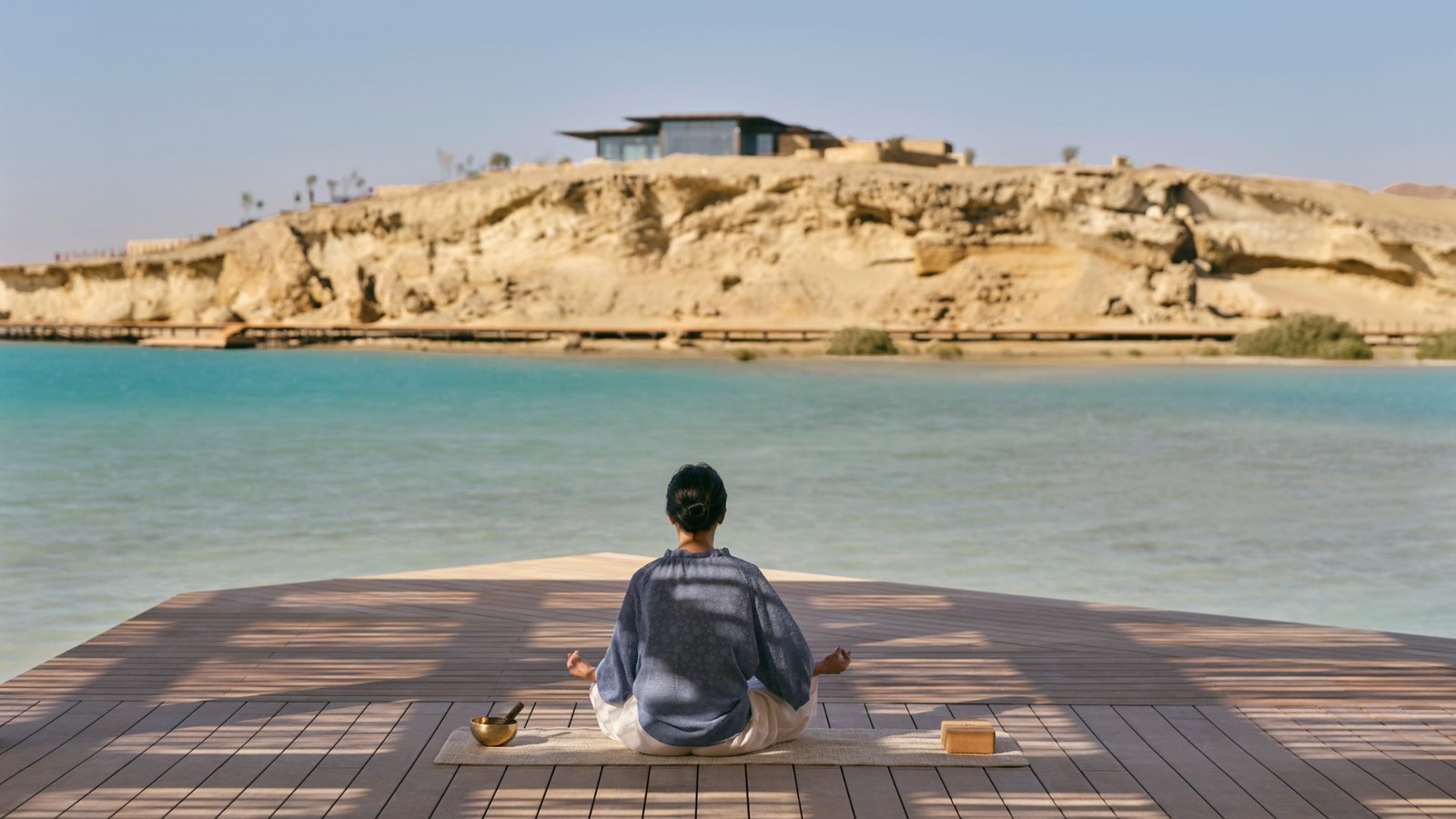
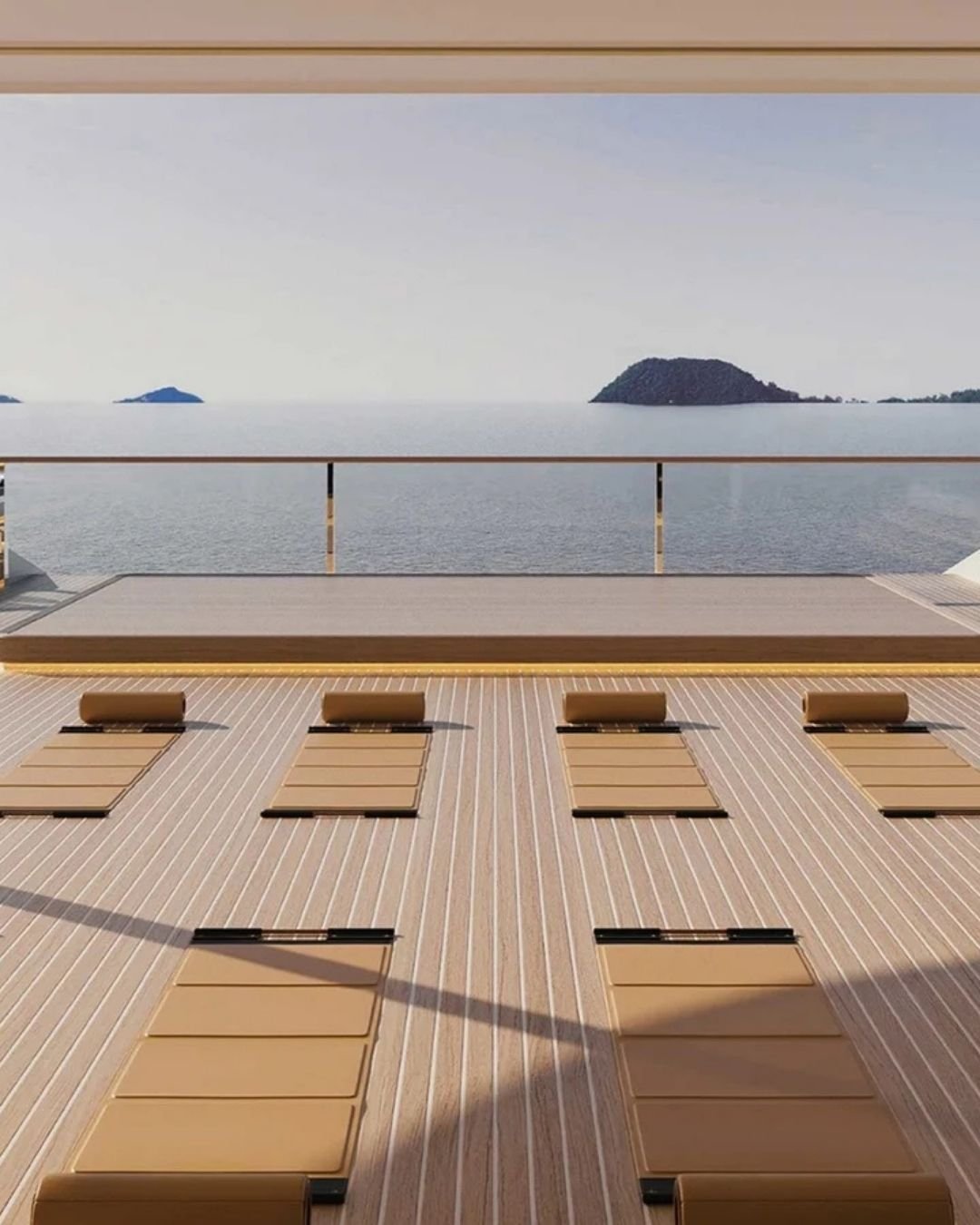
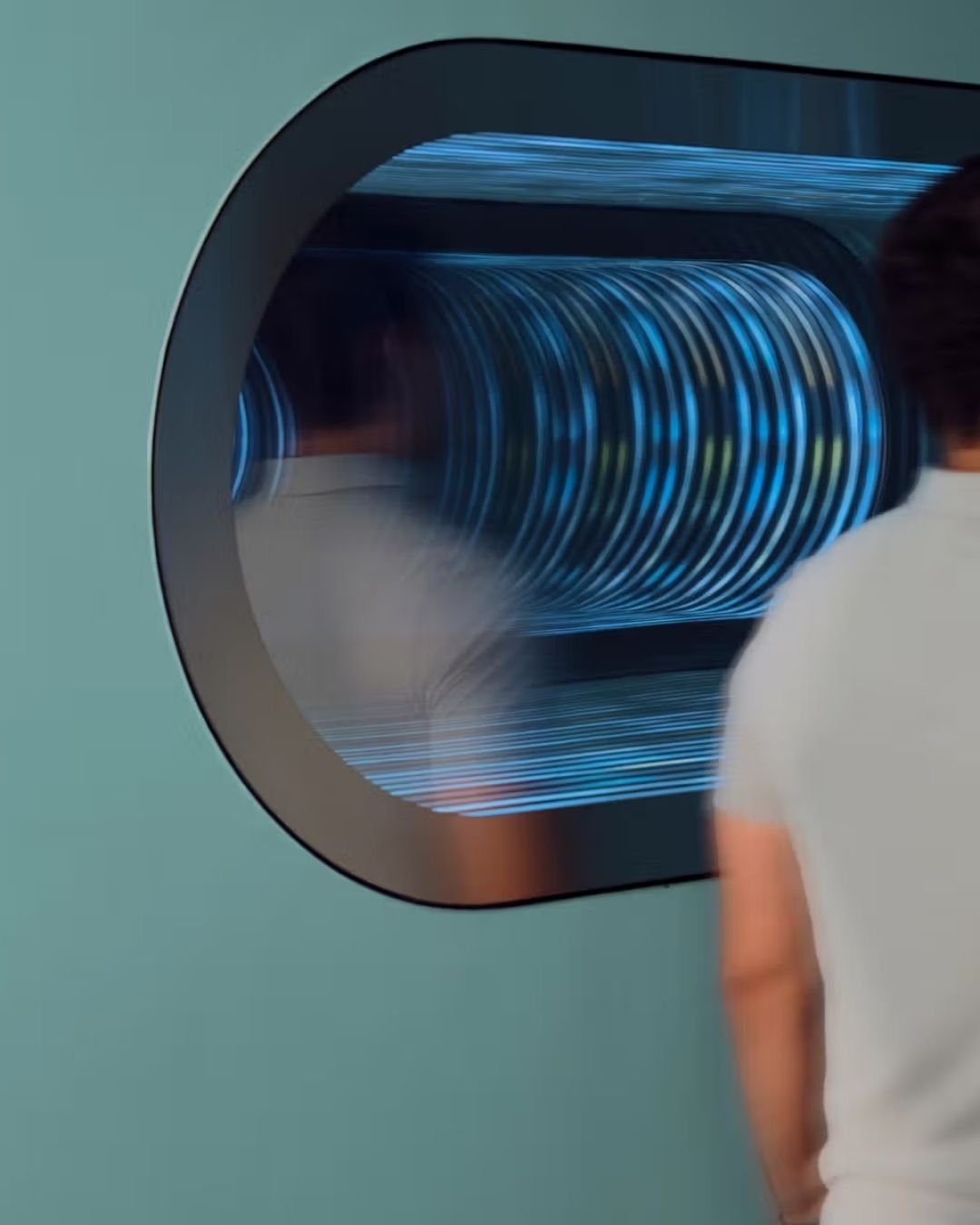
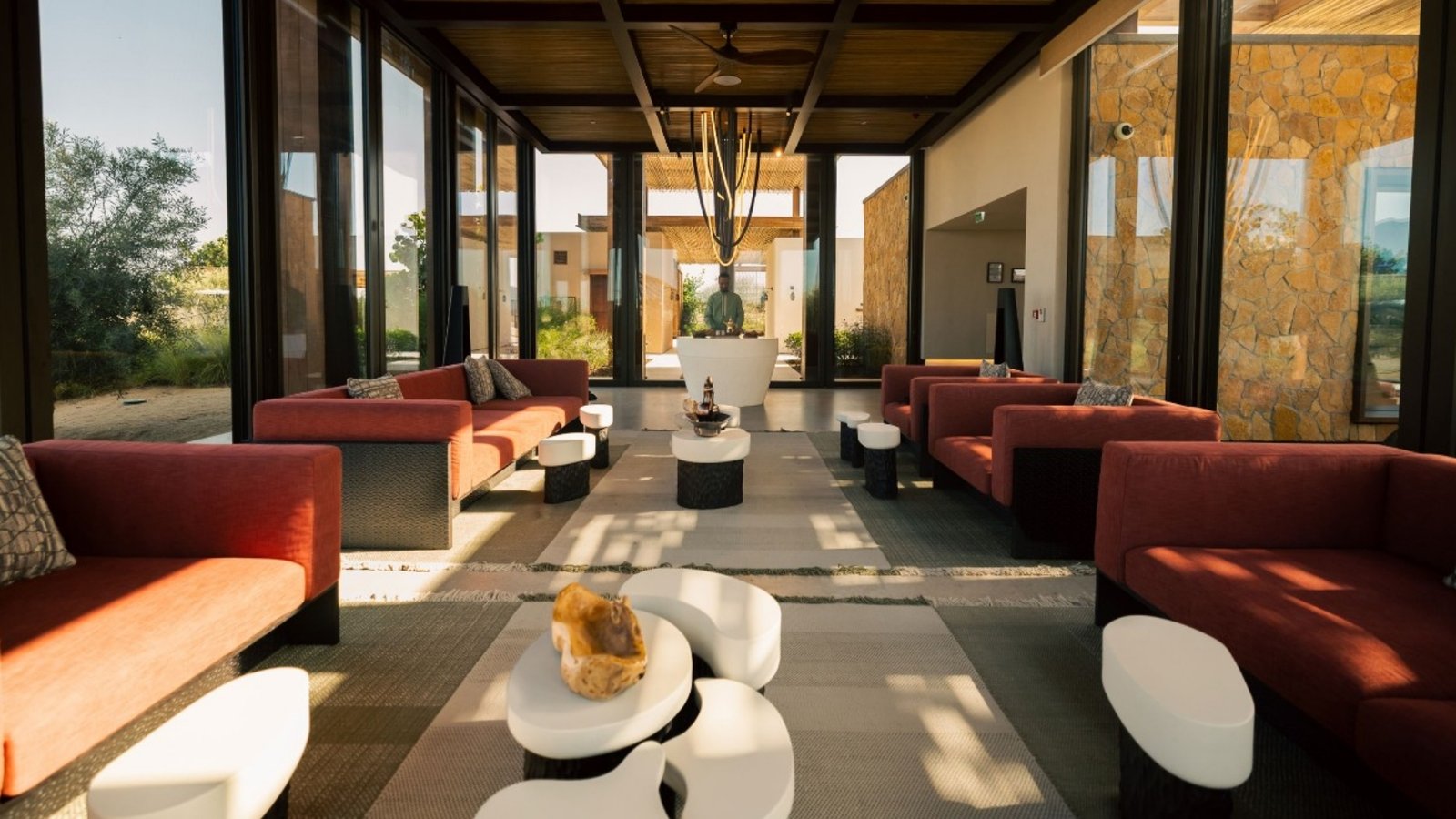
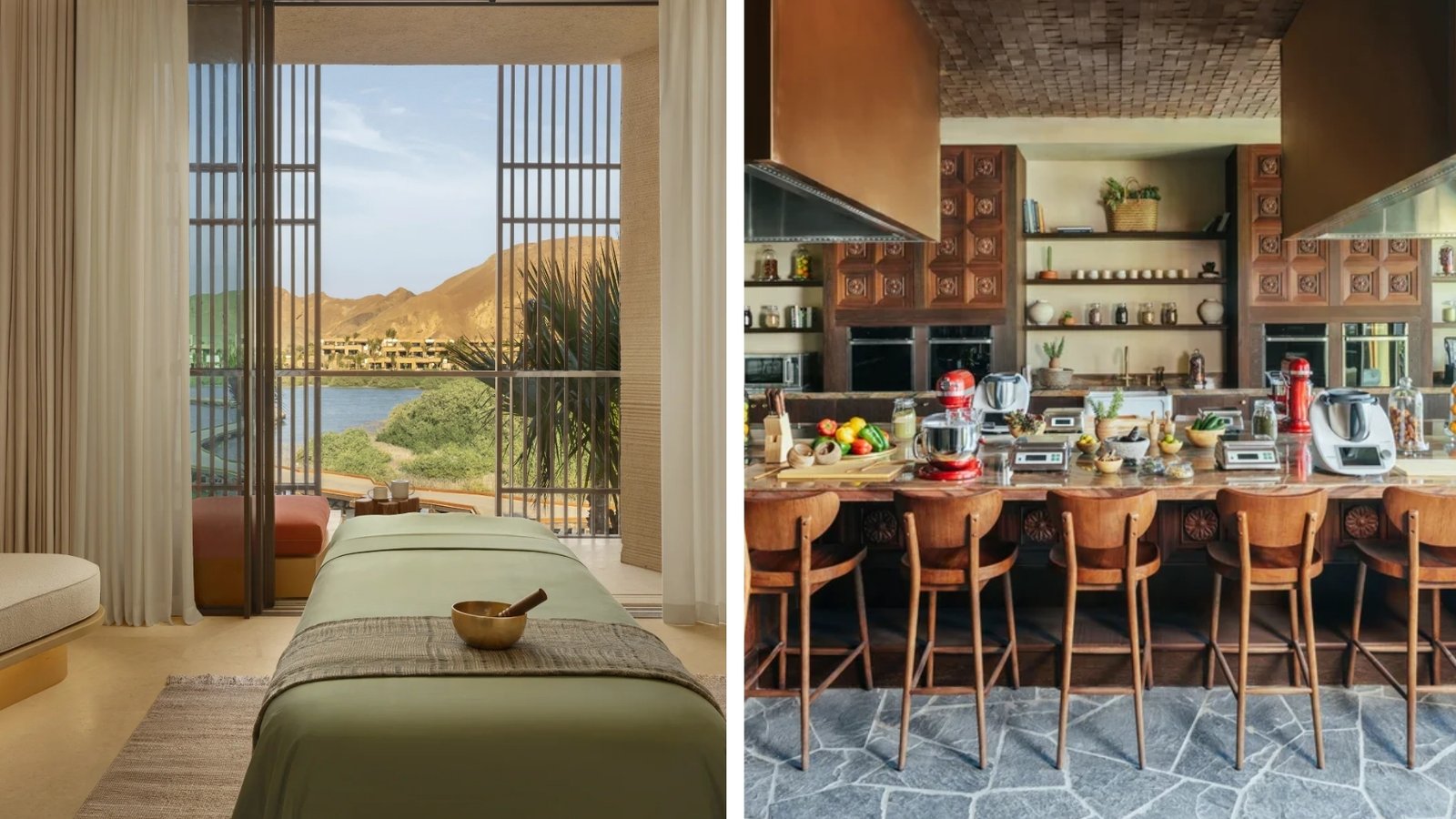
What sets Six Senses’ arrival apart from a standard resort opening is the degree to which its own identity, built almost entirely around wellness, aligns with what the destination is selling more broadly. The resort’s spa includes a Longevity Centre, a biohacking recovery lounge, a Watsu pool and a sound dome, with sleep-optimised room design and the group’s Eat With Six Senses kitchen programme carried through the food offering. For a brand this specifically positioned, AMAALA is less an incidental booking than a deliberate alignment of operator and destination.
The diving case for the location makes itself. These reefs are among the least-visited in the world, in a stretch of the Red Sea that was closed to tourism until very recently, giving Six Senses access to marine environments that few ultra-luxury operators anywhere can currently offer intact and undived. That scarcity sits at the centre of AMAALA’s pitch to travellers who have already exhausted the Maldives and the Seychelles.
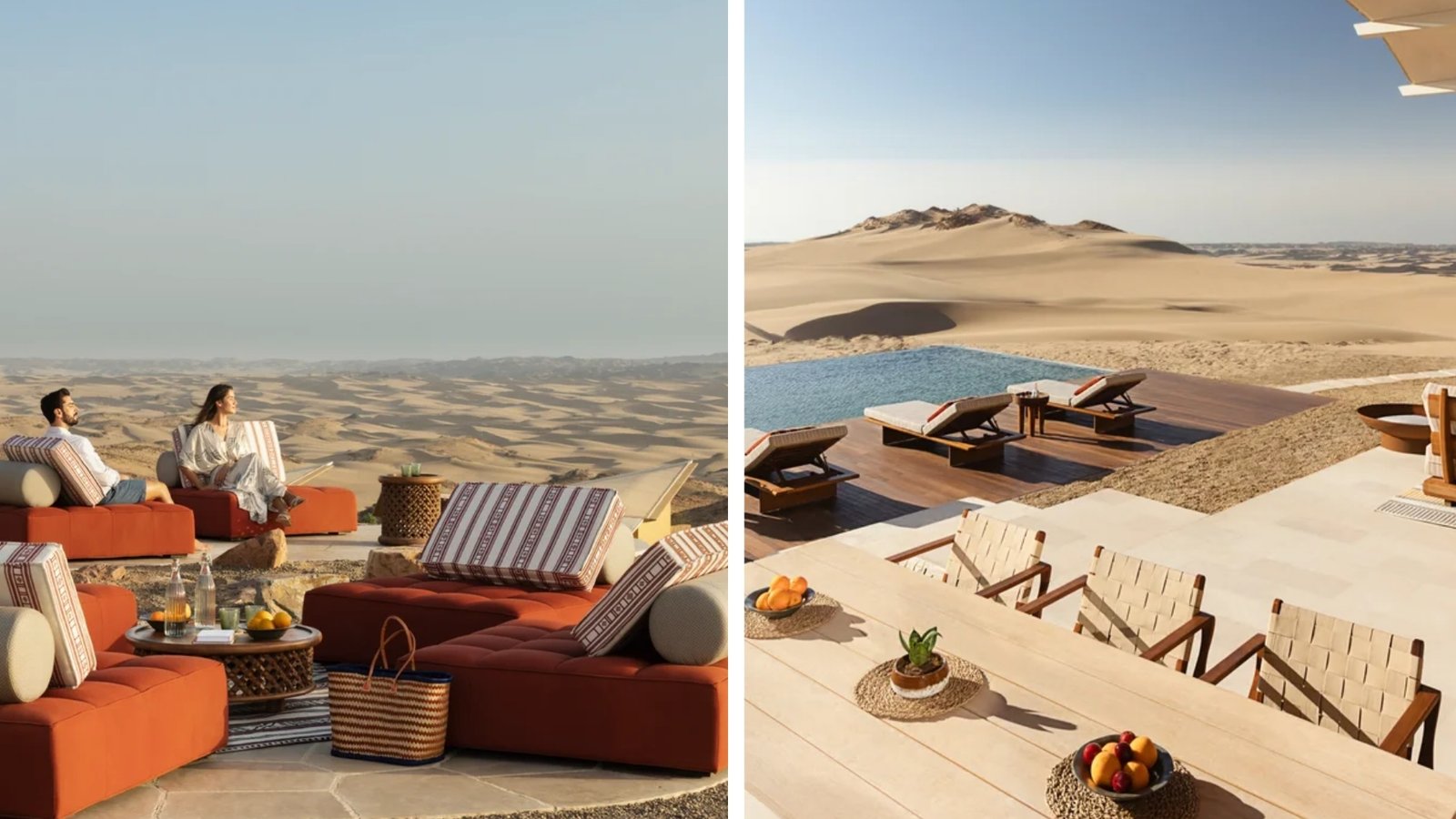
The opening also marks a shift in how international operators are approaching giga-project tourism in Saudi Arabia more broadly. Where earlier Vision 2030-era hospitality investment concentrated on flagship urban properties, AMAALA represents a bet on leisure and wellness tourism specifically, aimed at an international rather than primarily domestic traveller, at a scale that requires operators to commit years ahead of guest arrivals.
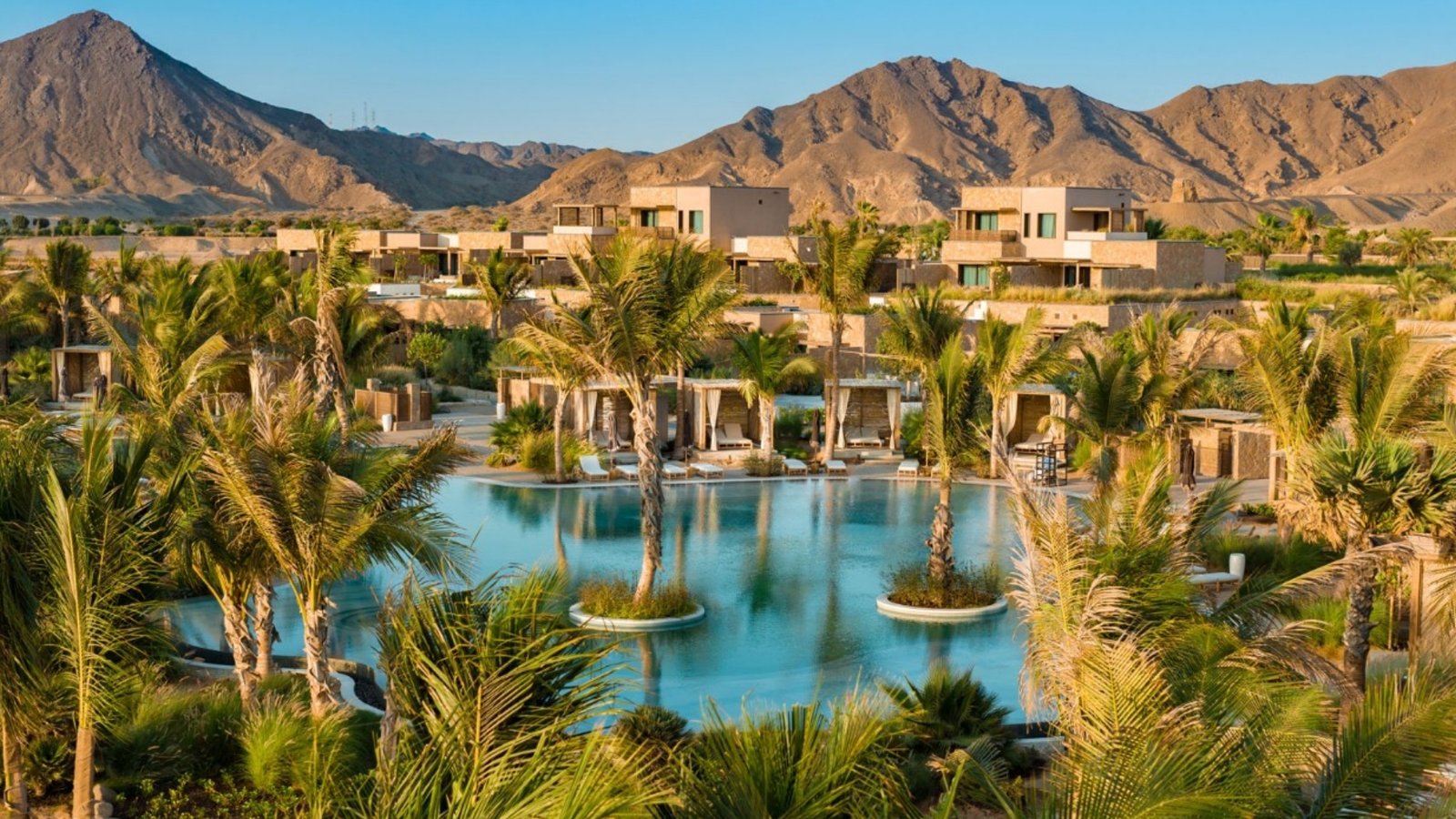
The open question, as with the destination overall, is whether the guests follow the infrastructure at the pace the masterplan assumes. Nine resorts and 1,600 rooms represent a considerable bet on demand materialising once the airport, marina and marine institute are complete, and Six Senses’ willingness to plant an early flag will be read by other operators as a signal either way.
For international hospitality groups more broadly, the calculation increasingly extends beyond a single property’s returns to what a first-mover position in one of the last remaining large-scale coastal developments signals about their standing as the region’s tourism ambitions mature. Whether AMAALA fulfils that ambition, or remains a striking but underused piece of infrastructure, will depend on how quickly the rest of the destination catches up to what Six Senses has just opened. Visit Six Senses here.