



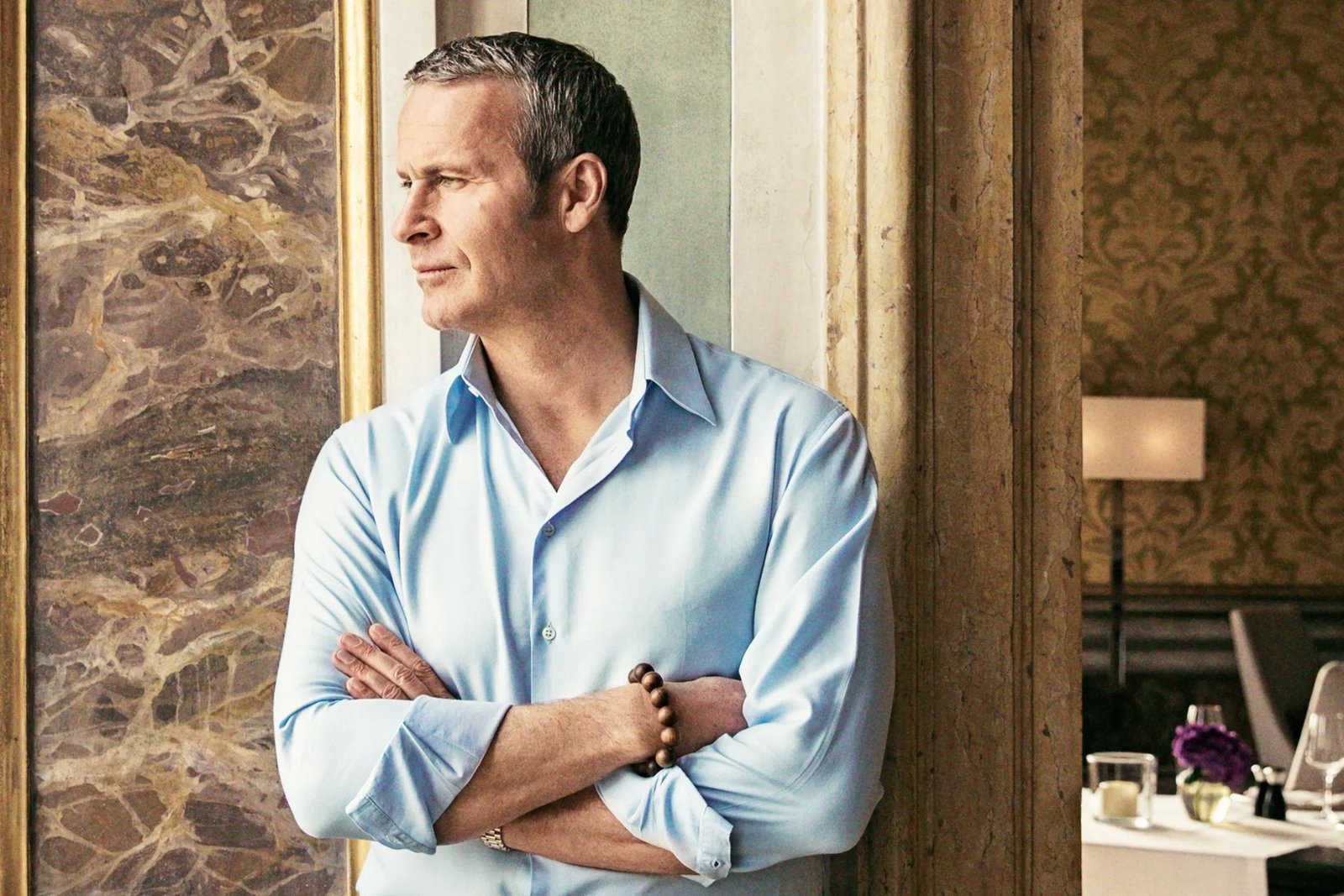


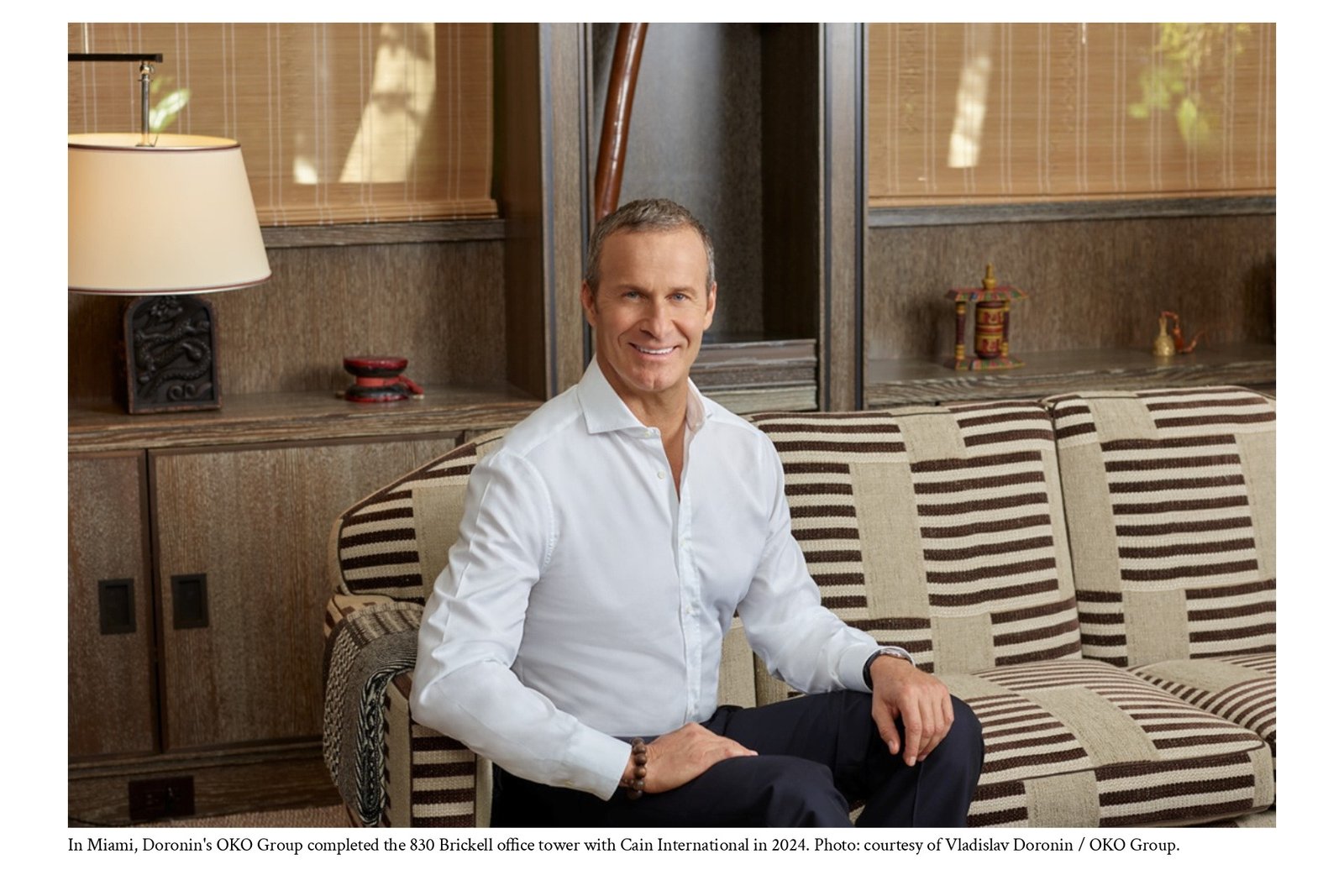
From commodities desks in Geneva and Hong Kong to towers in Moscow and Miami, Vlad Doronin has spent more than three decades in property. His defining deal was buying the hotel brand he first fell for as a guest. What he has built since is a lesson every developer, investor and operator can use: a brand that people will pay a premium to stay in, live in and belong to.
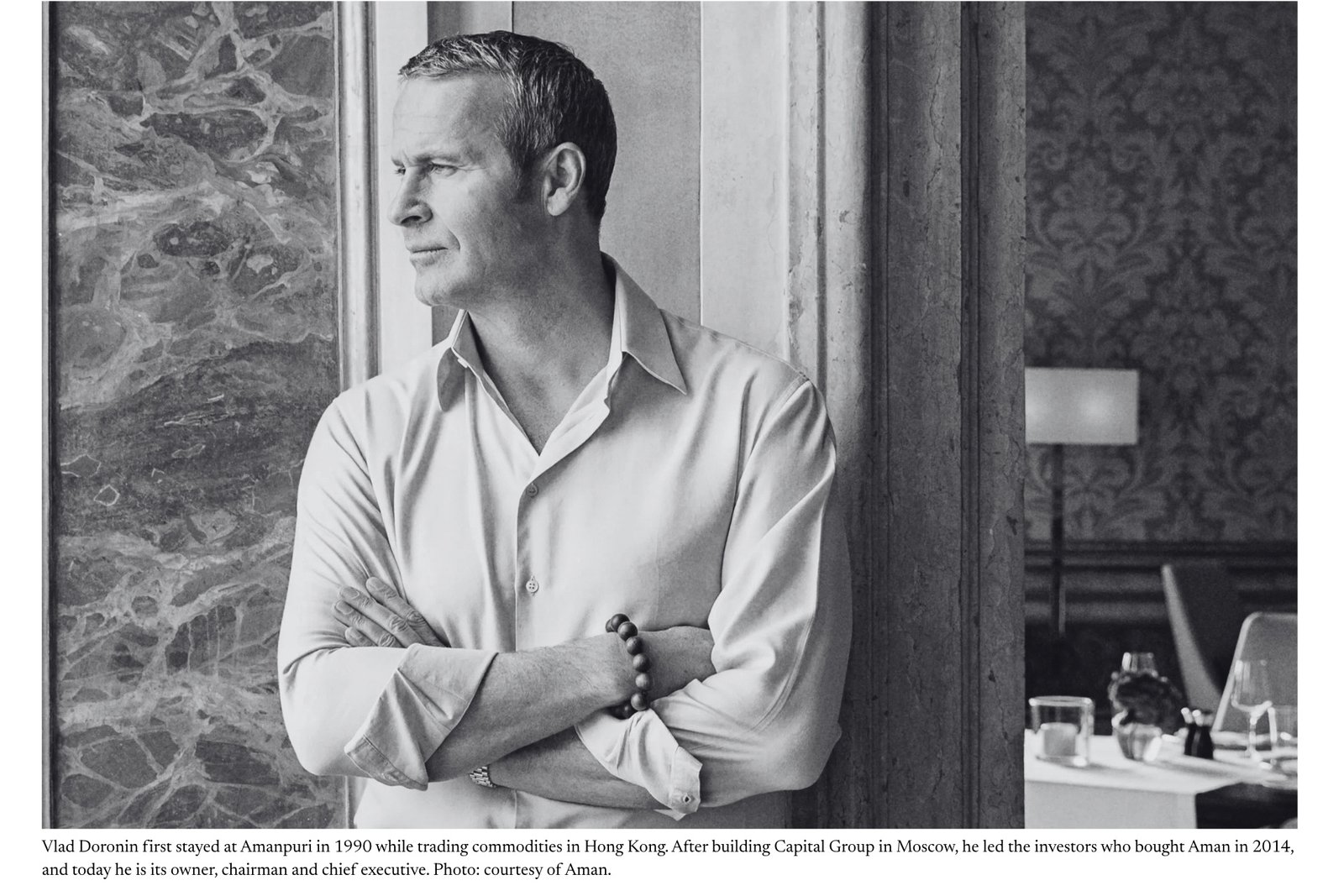
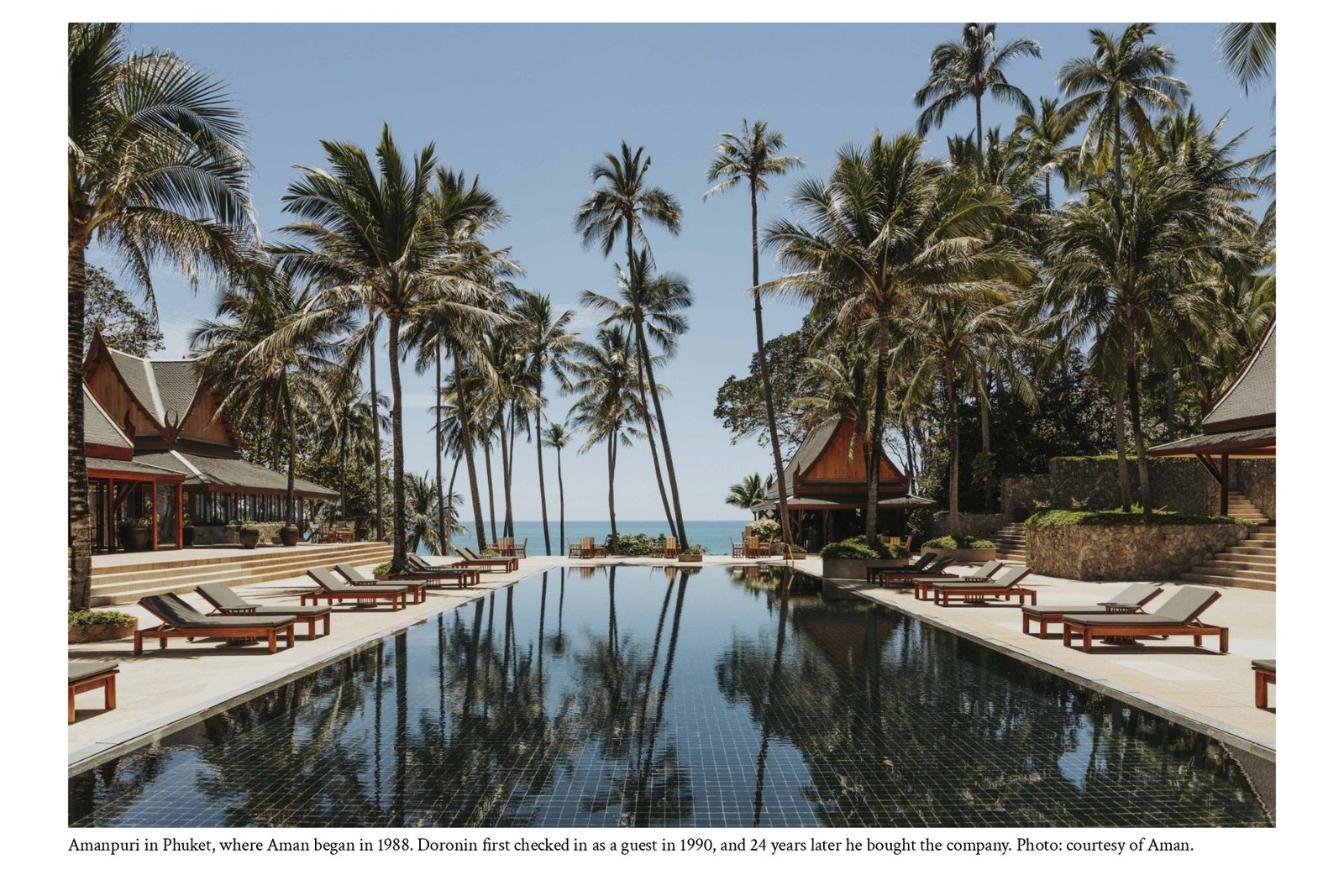
Most hotel owners arrive at a brand through a spreadsheet. Vlad Doronin arrived through a holiday. In 1990, while trading commodities in Hong Kong, he checked into Amanpuri in Phuket, the resort that had launched Aman two years earlier. He later told the Financial Times that he remembered “wanting to buy everything in my room, from the beds to the ashtray.” Twenty-four years later, he bought the company instead.
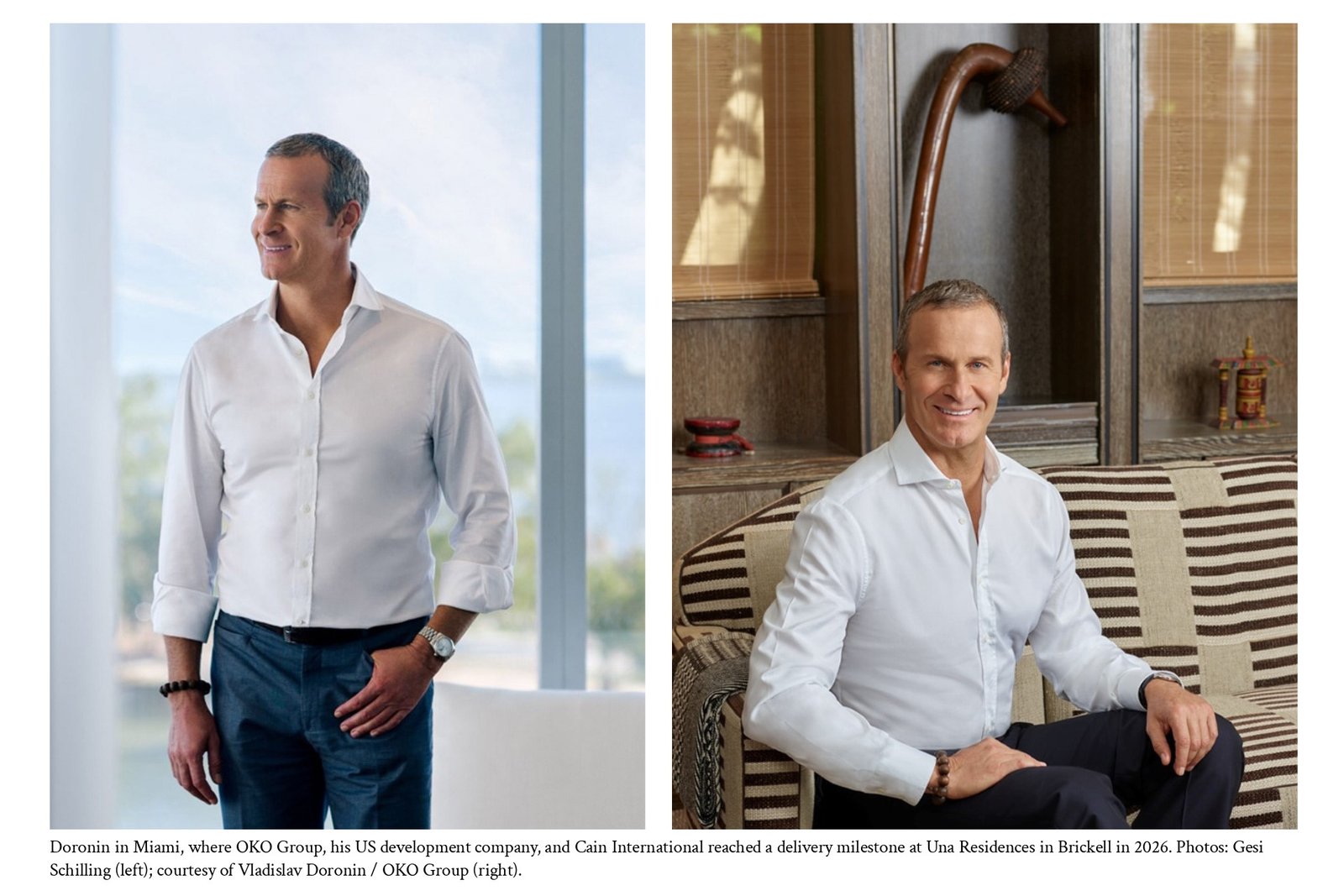
For anyone who builds, funds or runs hospitality, that story is more than an anecdote. Doronin bought Aman as a customer first and an investor second, and he runs it like someone protecting what he paid for: privacy, calm and space. Today Aman counts 36 hotels and resorts in 21 countries, and the guest who wanted the ashtray is turning that feeling into homes, private clubs, a sister brand and, next, a ship.
From trading floor to Moscow skyline
His route into property was anything but direct. Born in Leningrad in 1962, he left the Soviet Union in 1985, aged 22, to work in Geneva for the commodities trader Marc Rich. “I was always the last guy who left the office,” he told The Times. By the early 1990s he was based in Hong Kong, and Aman had become a habit. He describes himself, in the brand’s own vocabulary, as an “Amanjunkie”.
Property came by way of a favour. In 1993, as he told Barron’s, a contact at IBM needed offices in Moscow, a city with no real business district. “I bought a factory and built my first office,” he said. Capital Group, the Moscow developer he founded, went on to complete more than 70 projects, among them the OKO complex in Moscow City, whose South Tower rises 354 metres.
That first scheme remains a useful template: an industrial building, a blue-chip tenant, long leases and, by his account, the highest rents in the market. None of it was new. All of it worked.
From guest to owner
When Aman came up for sale, Doronin moved quickly. In early 2014 a group of investors he led bought the company, in a deal reported at $358 million. “It was by chance that my favorite brand came to market,” he told Barron’s, “and fortunately I was able to move quickly to acquire it.” The guest who had followed Aman for more than two decades now leads it as owner, chairman and chief executive.
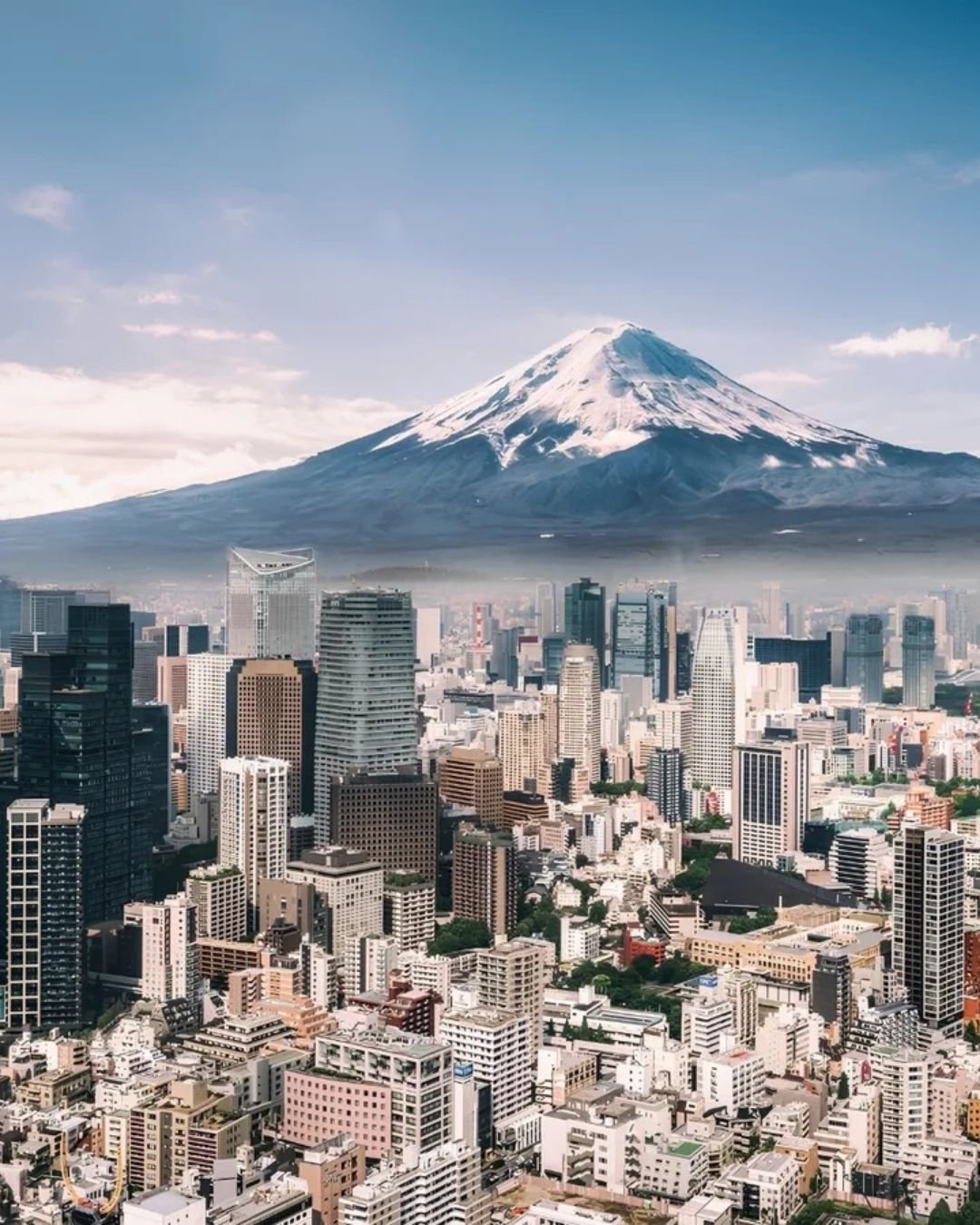
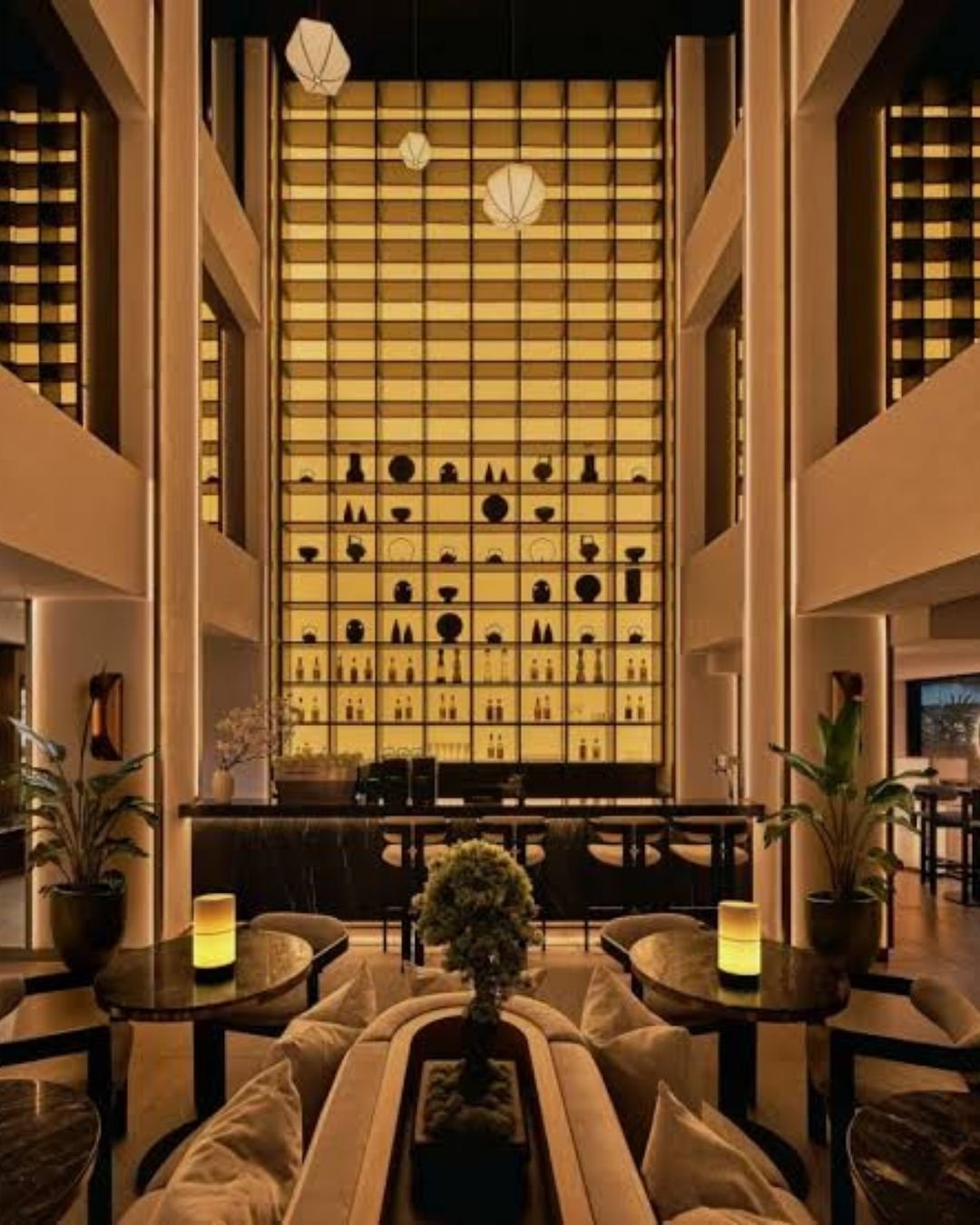
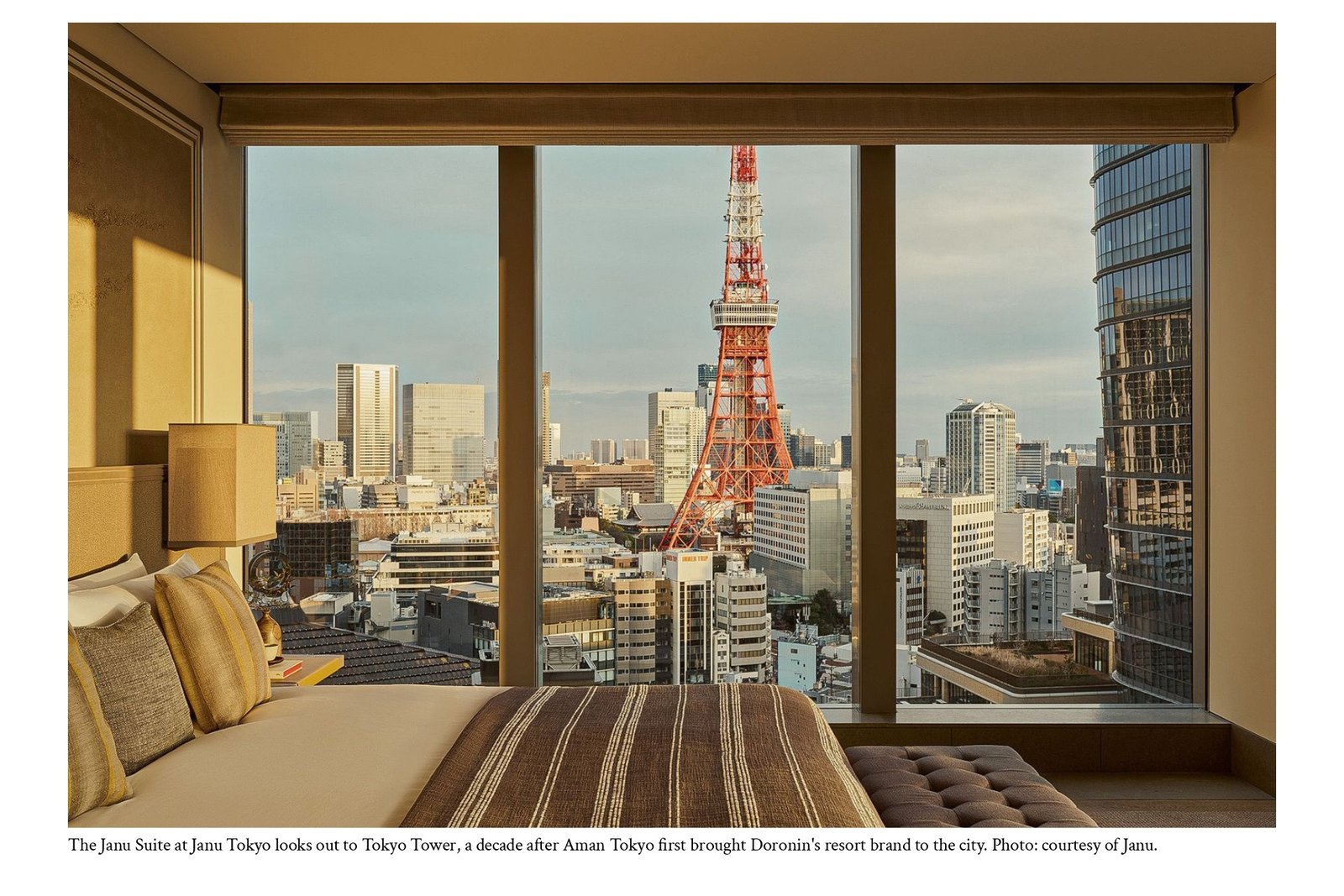
He started building straight away. In December 2014, Aman Tokyo opened on the top six floors of the Otemachi Tower as the brand’s first city hotel, the first test of whether a resort brand’s calm could work in a financial district.
Taking the sanctuary to the city
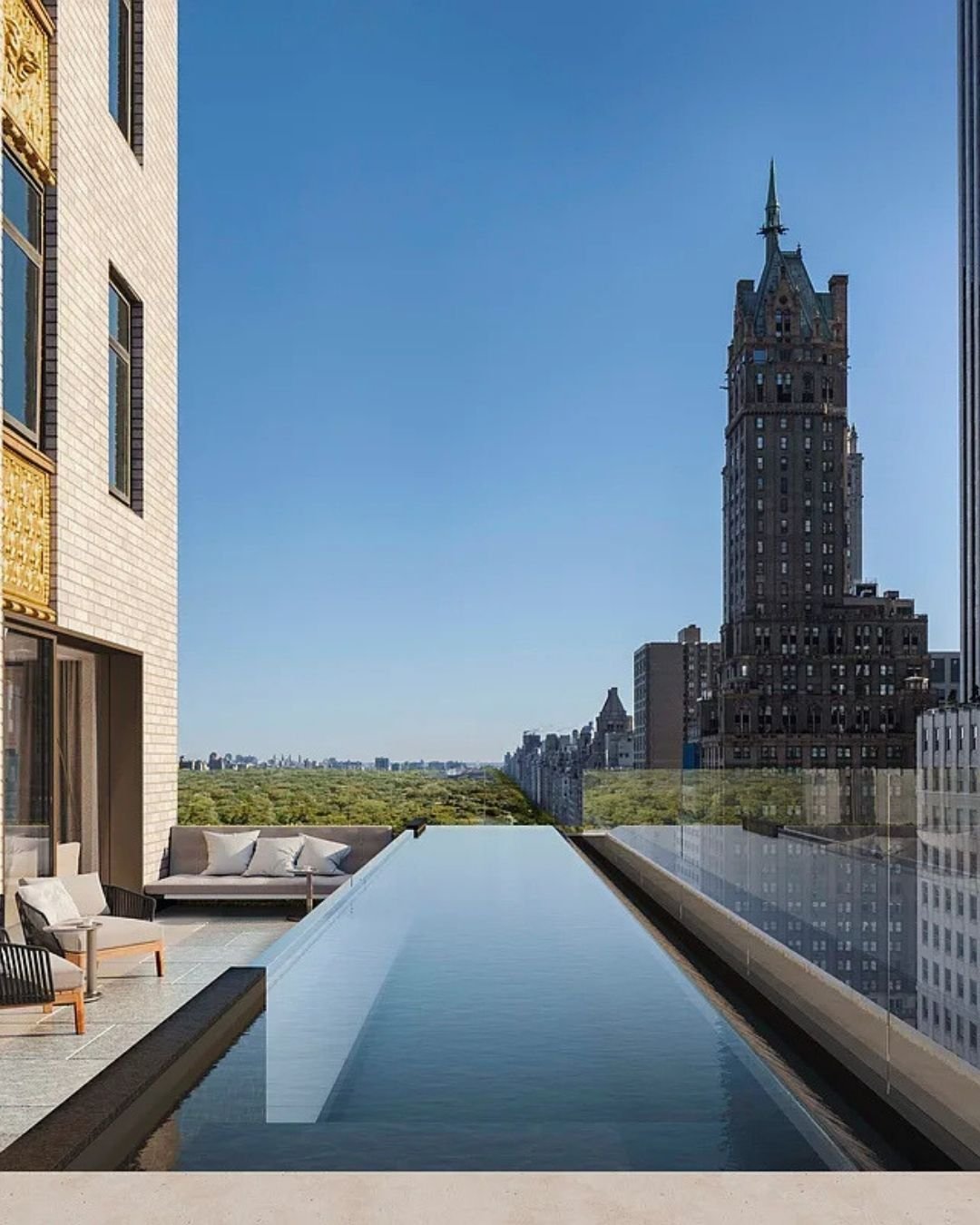
He describes the strategy simply. Since acquiring Aman, he told The Globe and Mail in 2025, the plan has been “to expand into both resort and urban destinations, while preserving the essence that defines the brand.” New York was the hardest test. Aman New York opened in August 2022 in the restored Crown Building on Fifth Avenue, with 83 suites and 22 branded residences. Three years earlier he had told The Times it would be the most expensive hotel built in the city: “When I say expensive, I really mean it.” In 2024, public records showed Doronin himself buying its five-storey penthouse for $135 million.
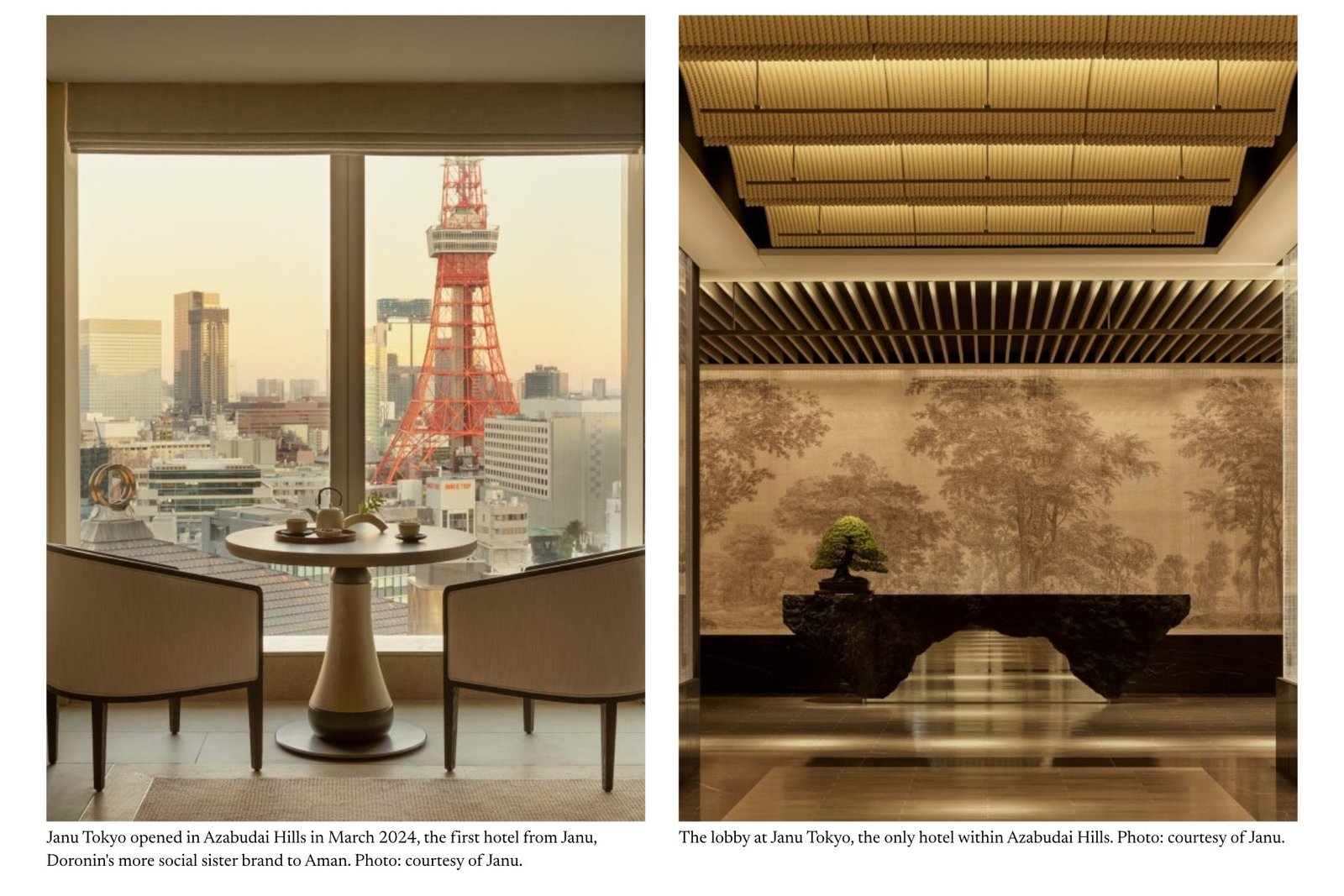
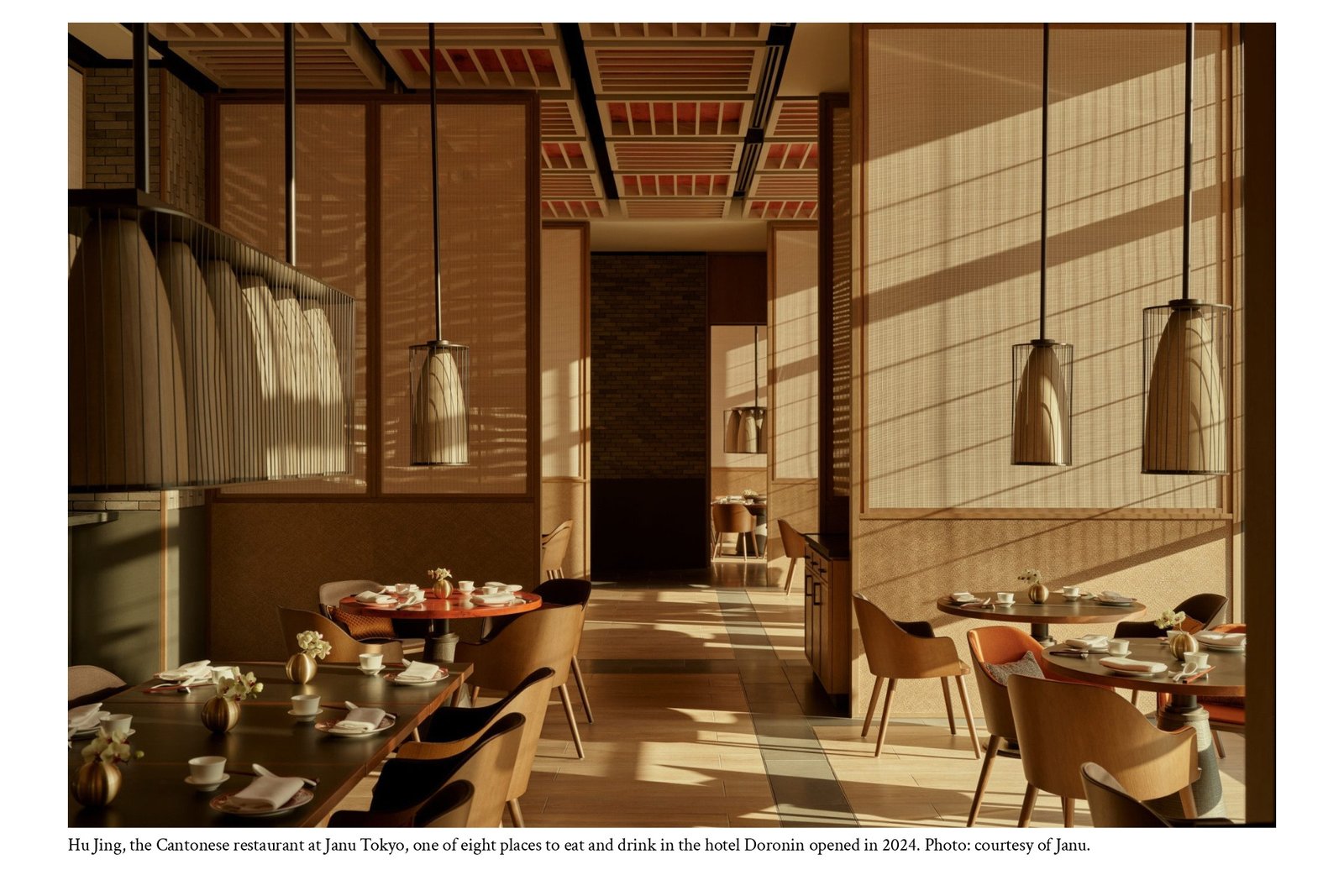
In March 2024 he added a second brand. Janu, Aman’s more social sibling, opened its first hotel in Tokyo’s Azabudai Hills, with 122 rooms and suites, eight places to eat and drink and a 4,000 sq m spa. Janu, he told The Globe and Mail, keeps “the same standards of service and design excellence, but with a more uplifting and playful spirit that celebrates connectedness.” For operators, it is a case study in stretching a brand without diluting it.
Residences as the engine
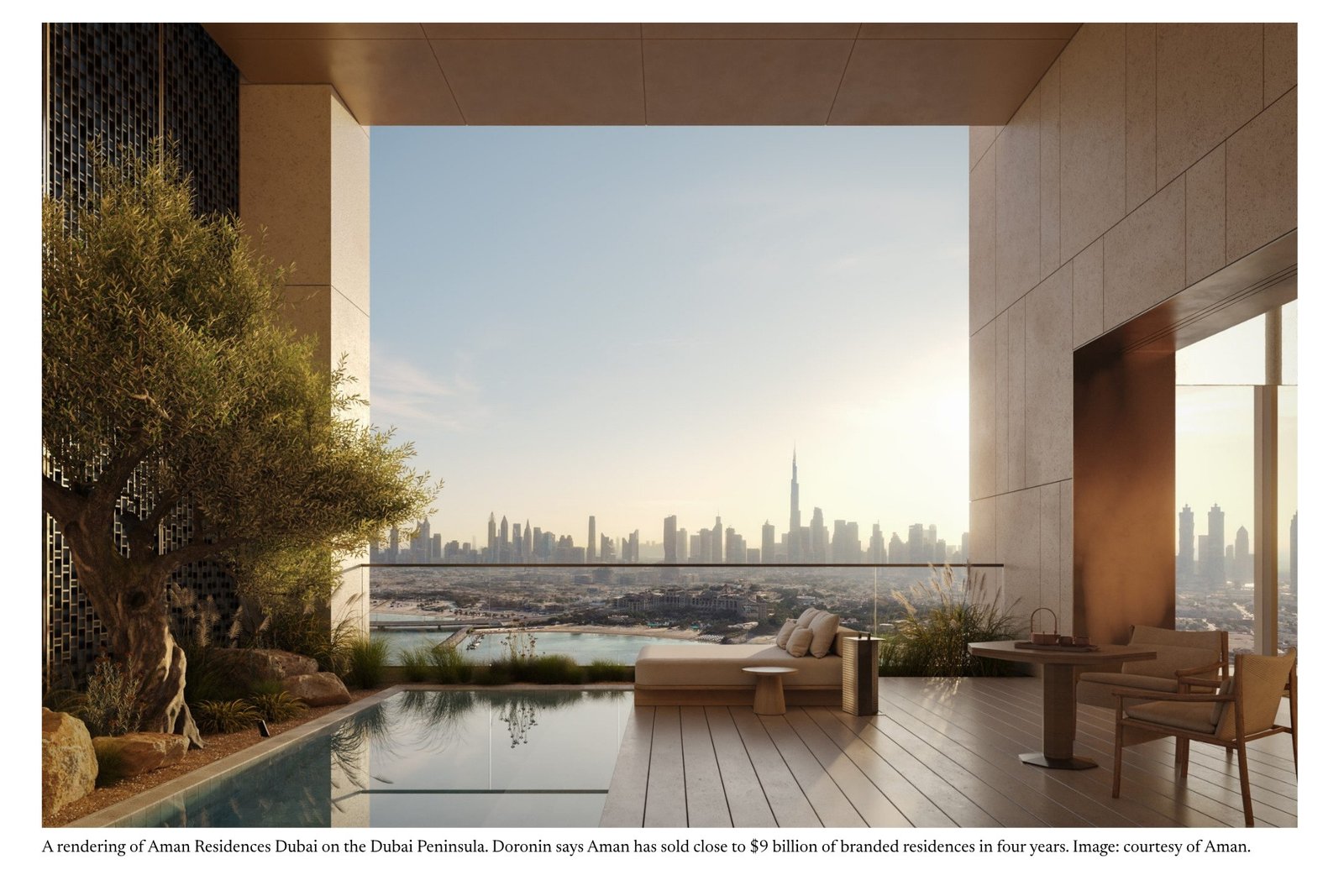
The commercial logic sits in the homes. “There are many synergies between real estate developing and hospitality,” he told Barron’s in 2020, “and I saw a lot of untapped potential in the Aman brand, particularly with the residential offering.” That potential is now measurable. Doronin told Bloomberg that Aman has sold close to $9 billion of branded residences over the past four years, and Savills figures cited by Forbes put the average premium for branded homes at 33 per cent.
Investors have followed. In 2022 Saudi Arabia’s Public Investment Fund and Cain International invested $900 million in Aman Group at a $3 billion valuation, and in 2023 a consortium led by Mubadala Capital and Alpha Wave added $360 million. Through OKO Group, his US development company, Doronin and Cain are building One Beverly Hills, a 17.5-acre scheme with an Aman hotel, residences and an Aman Club, while in Miami Beach OKO is pairing a restored Art Deco hotel with a Kengo Kuma residential tower.
Capital without the concrete
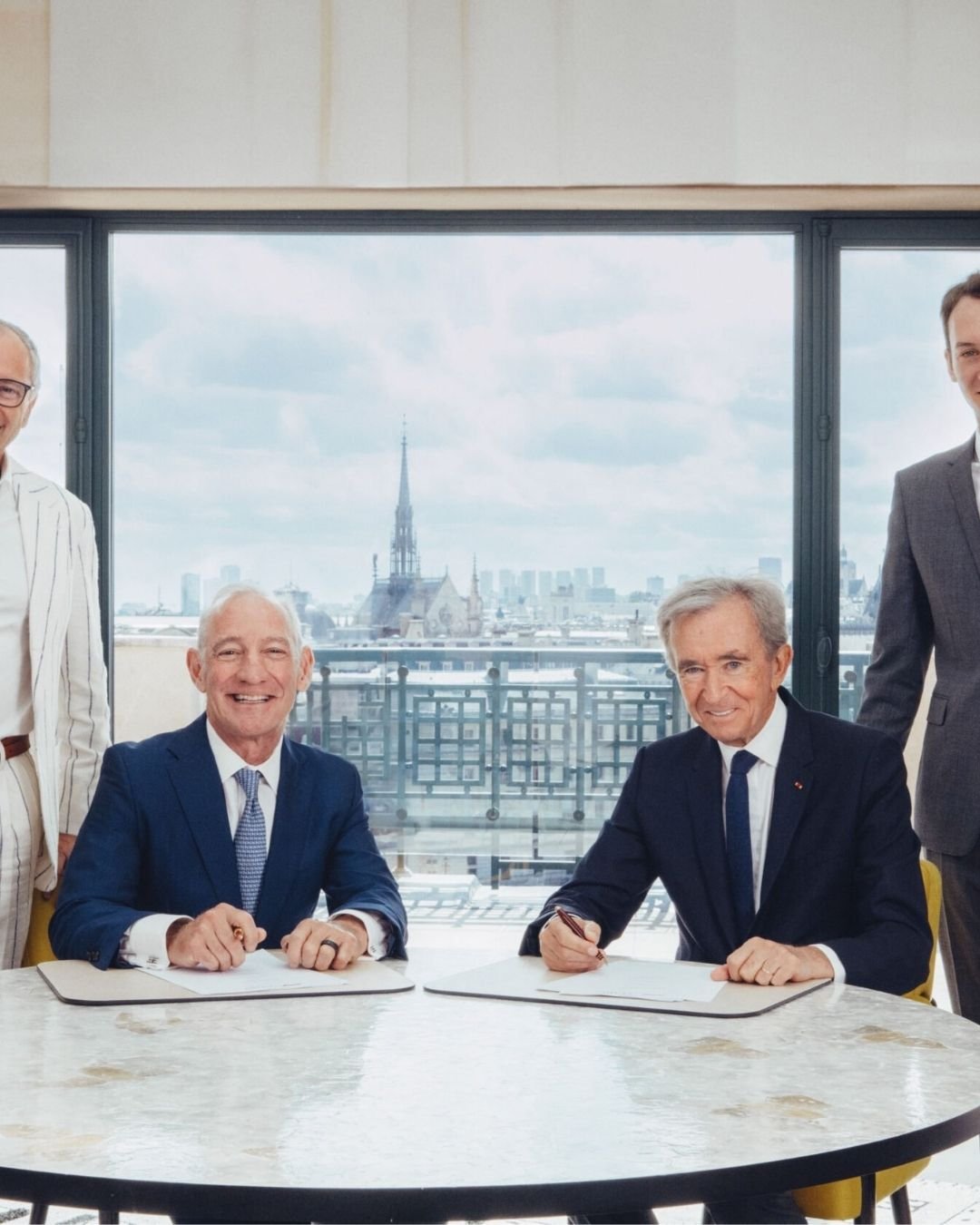
His latest move is the most instructive for anyone raising money. In July 2026, OKO Group and South Korea’s Shinsegae Group agreed to form a joint venture, with an initial $500 million, to develop Aman and Janu hotels, branded residences and mixed-use property across Asia and North America. As Forbes reported, OKO and Shinsegae Property carry the capital and the development risk, while Aman arrives as brand and operator, earning management and licensing fees. Doronin said he wanted Shinsegae’s “expertise in real estate development and placemaking.”
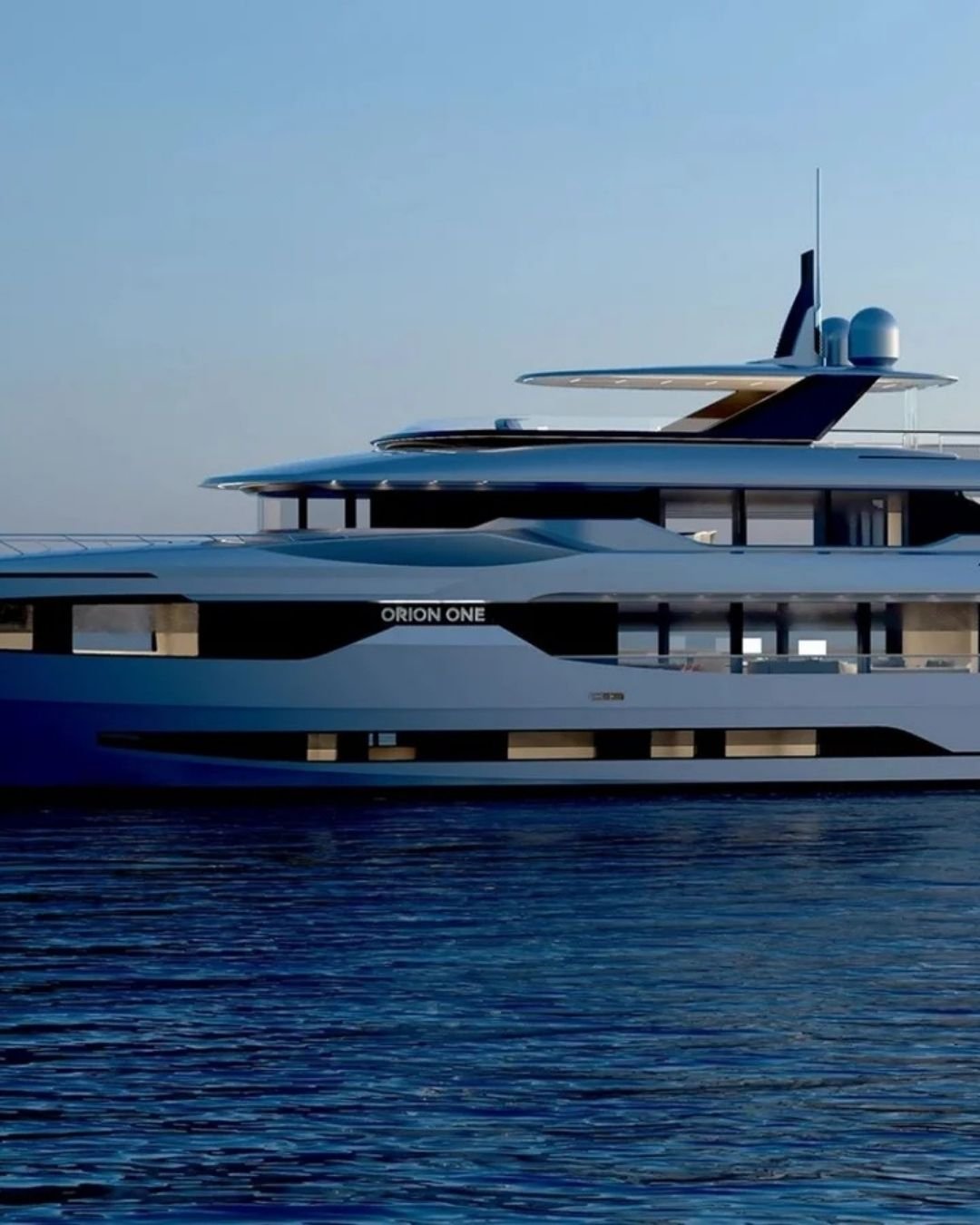
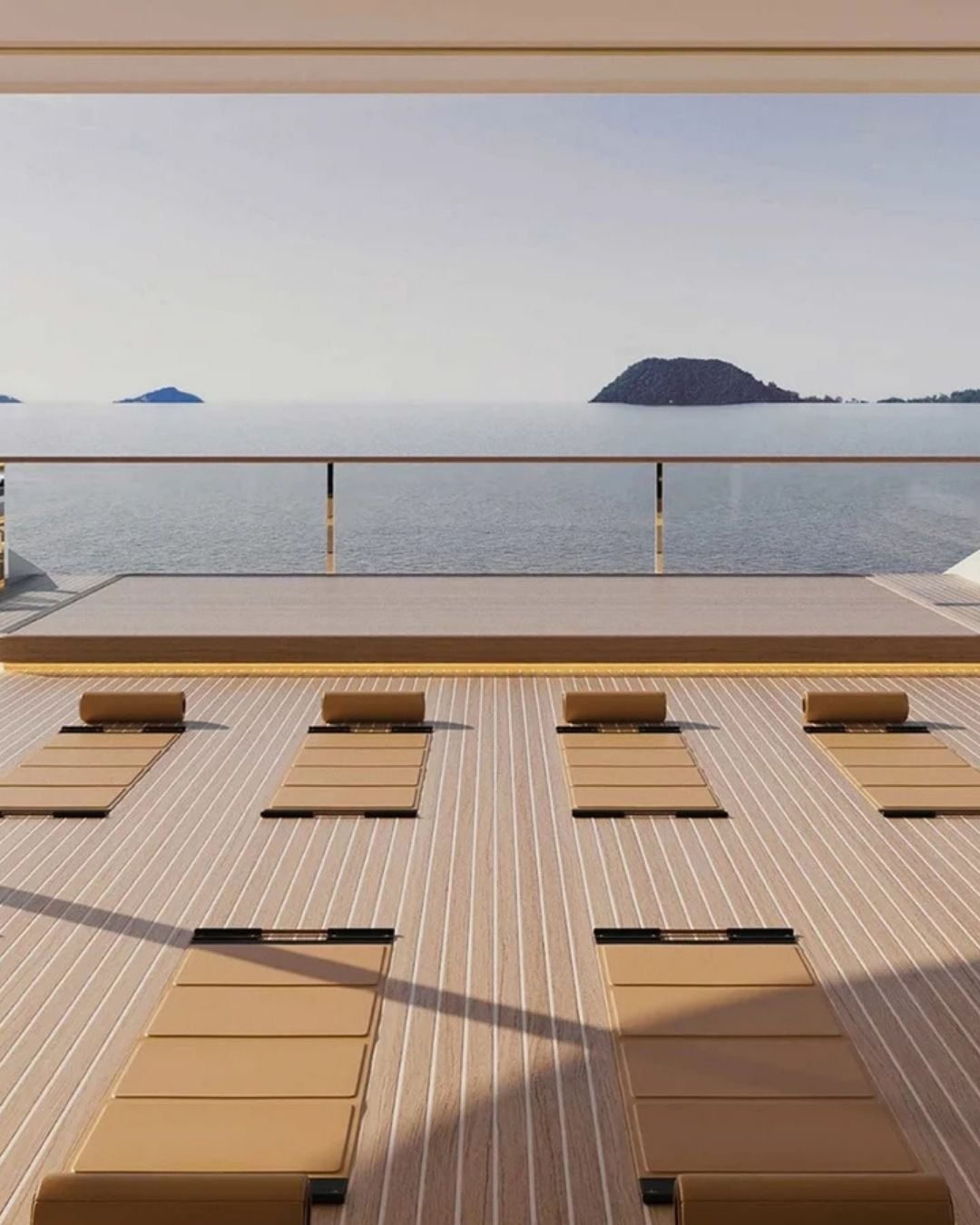
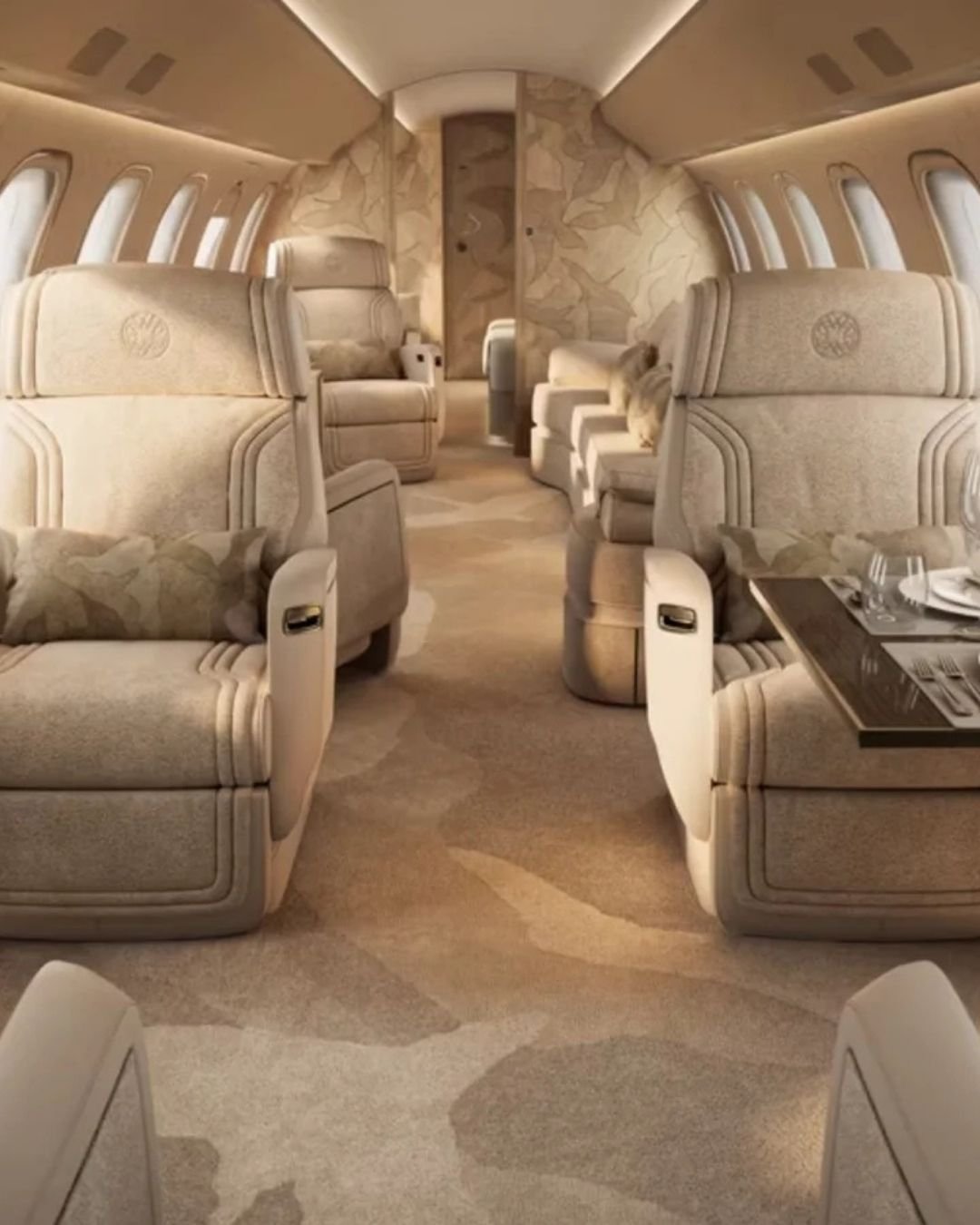
Seoul shows how it works. In September 2026, Shinsegae Property announced Aman Seoul in Gangnam: 38 storeys with a hotel, 49 residences and cultural space, with Shinsegae developing and Aman operating. Further ahead sit Janu Dubai, home to the first Janu Club, and Amangati, the 47-suite ship taking Aman to sea.
The lesson for builders
Doronin, characteristically, resists the idea of a formula. “Every project is unique, so I wouldn’t point to any one development as a blueprint for the future,” he told Forbes. “I am very specific about what I’m looking for and am personally involved.” That is the lesson for developers, investors and operators alike. Calm, privacy and space are not amenities to add at the end. They are the asset, and they can be sold as a night, a home and a membership. Doronin understood that as a guest in 1990. He has spent the years since building the capital structure to match.
About EDITION Profiles
EDITION Profiles feature exclusive interviews and editorial features with the developers, investors, operators, founders and advisors shaping the intersection of property, hospitality and capital. These are the people building businesses, deploying capital and shaping the markets EDITION covers.
Building something noteworthy? Looking to connect with the right people?
Whether you’re seeking introductions across our network or interested in sharing your story with the EDITION audience, we’d like to hear from you. For introductions, profile enquiries and editorial collaborations, contact EDITION Studio at es@edition-x.com or visit edition-x.studio to learn more.