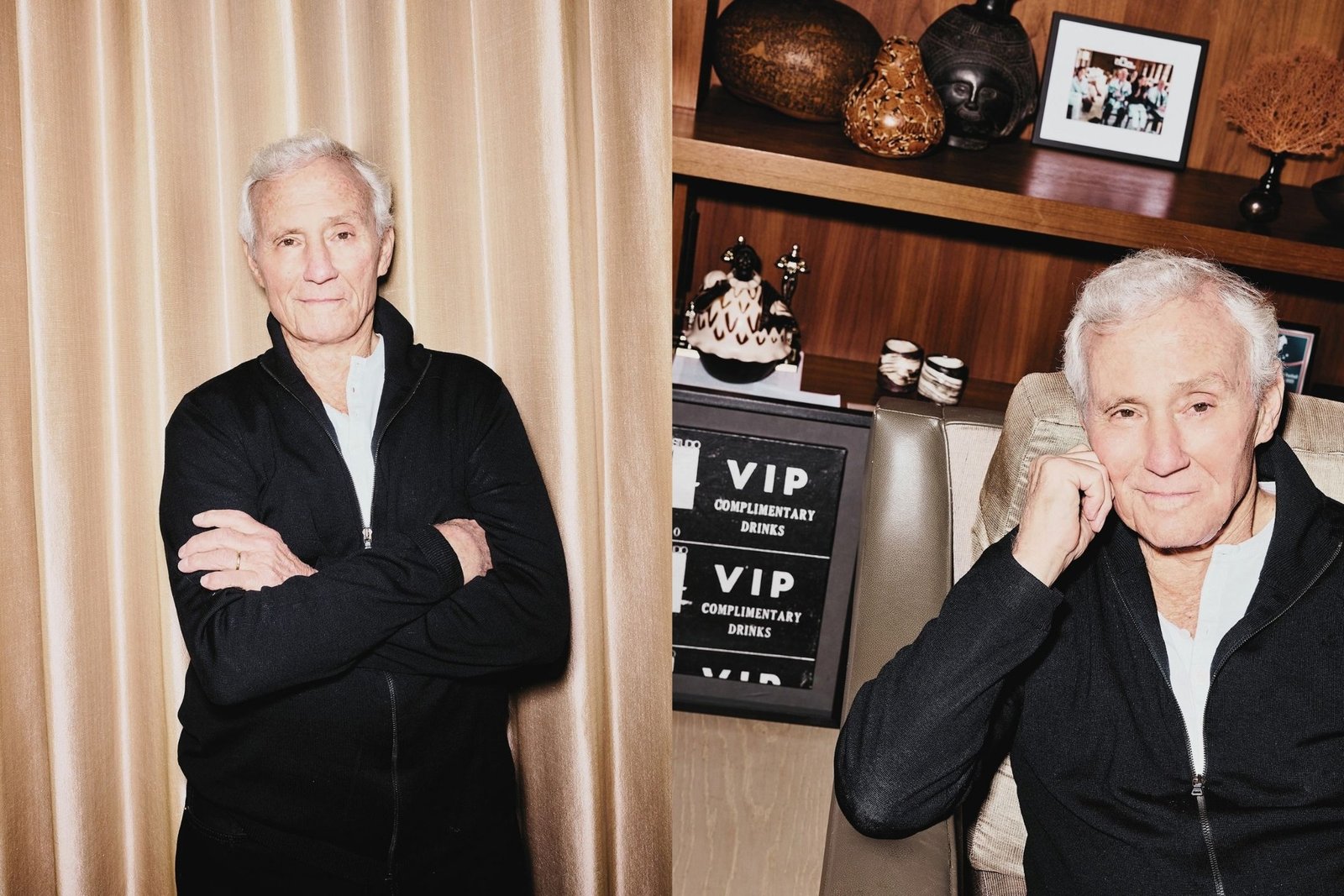



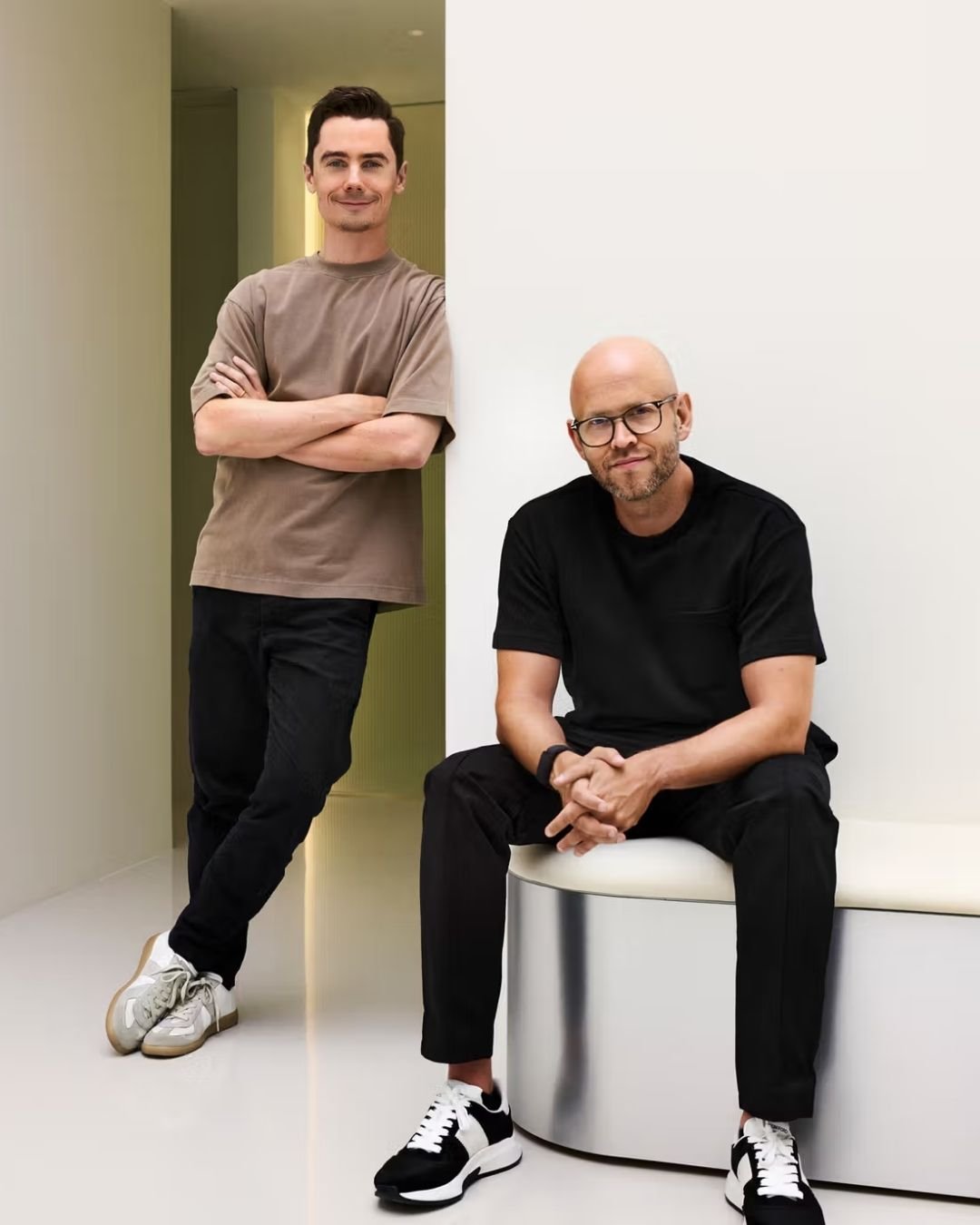



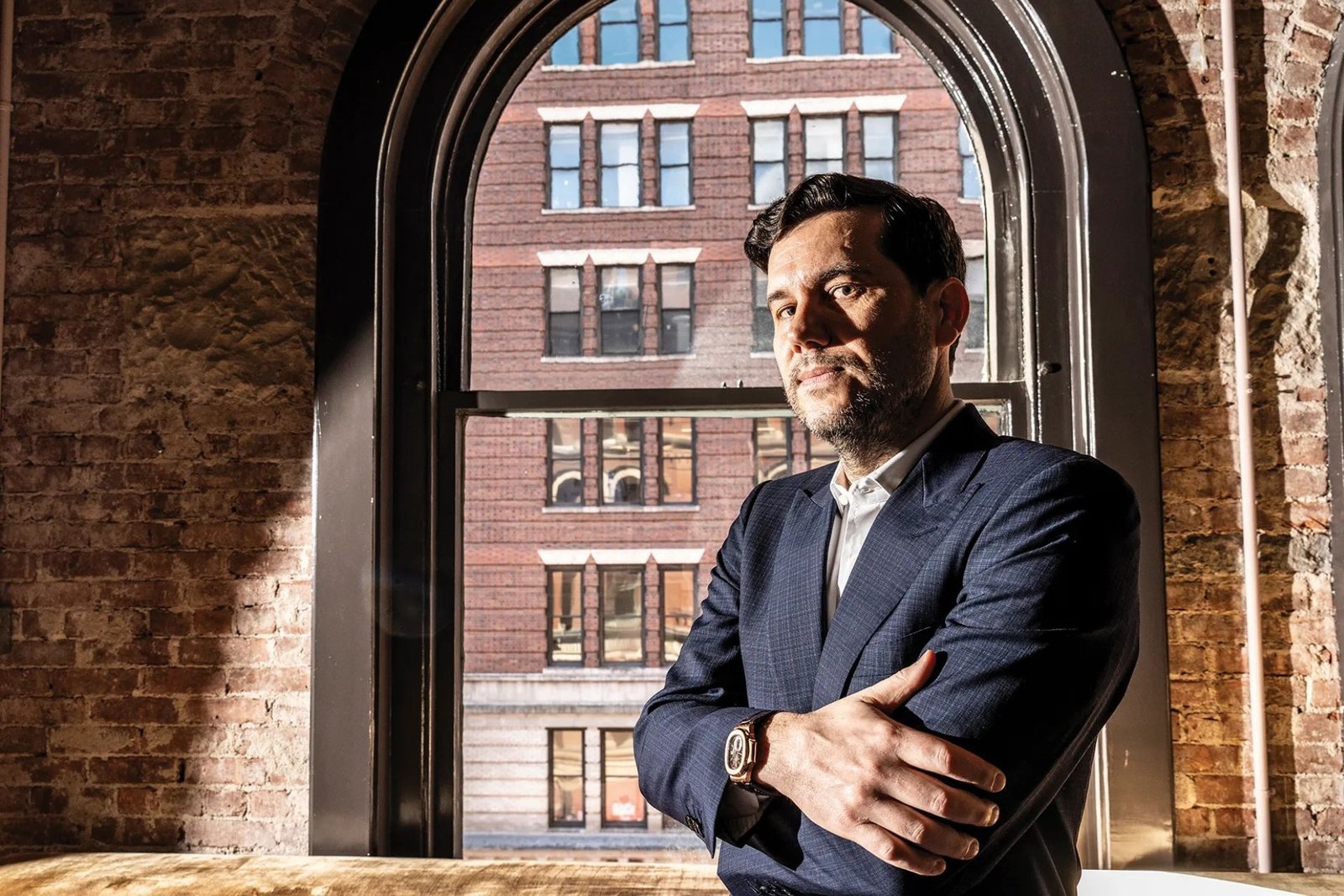


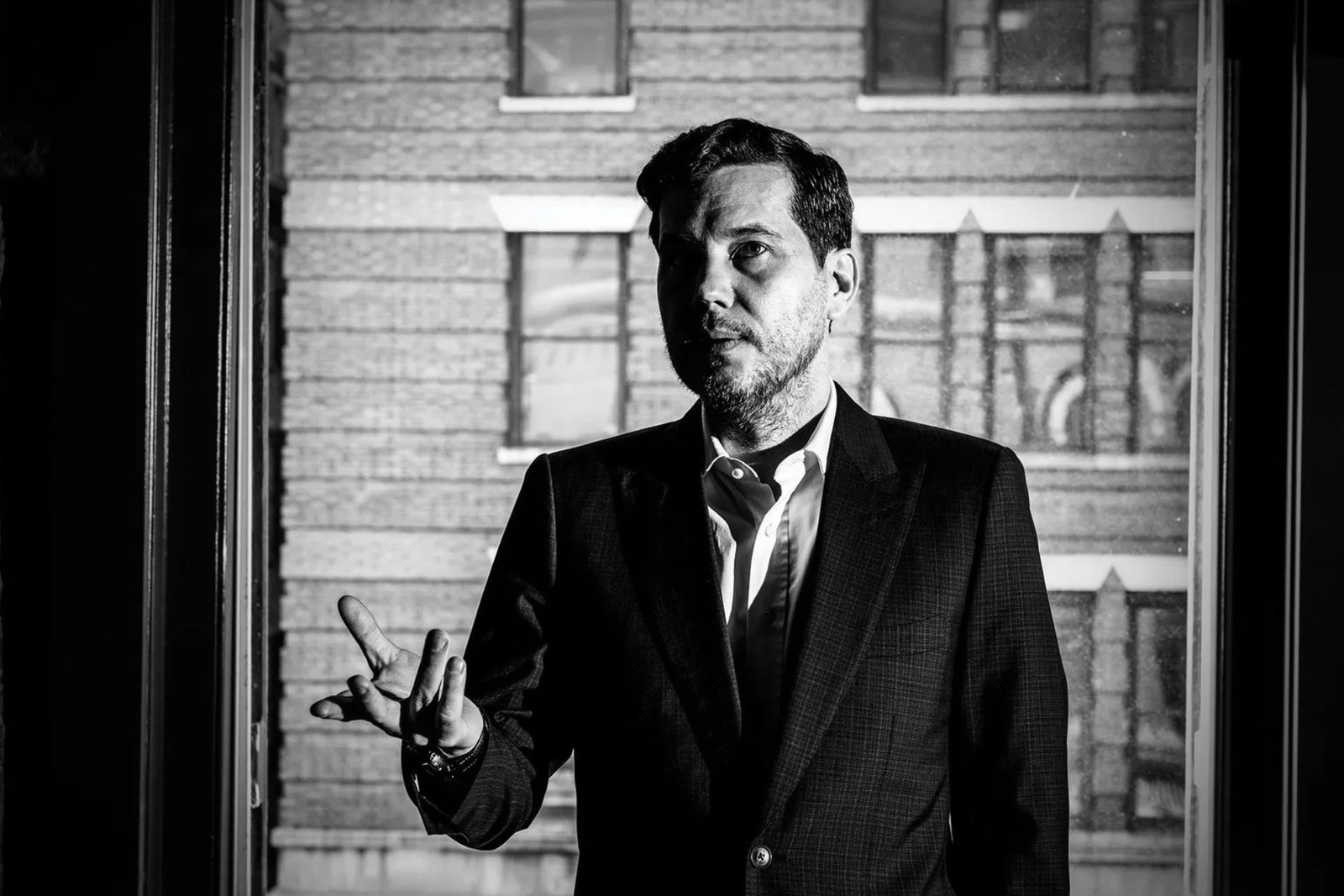
From Butter and 1Oak to Zero Bond, Scott Sartiano has spent more than two decades shaping how New York goes out. His real achievement is something every developer, investor and operator is now chasing: turning a building into a community, and a community into a brand that other people’s real estate wants to host.
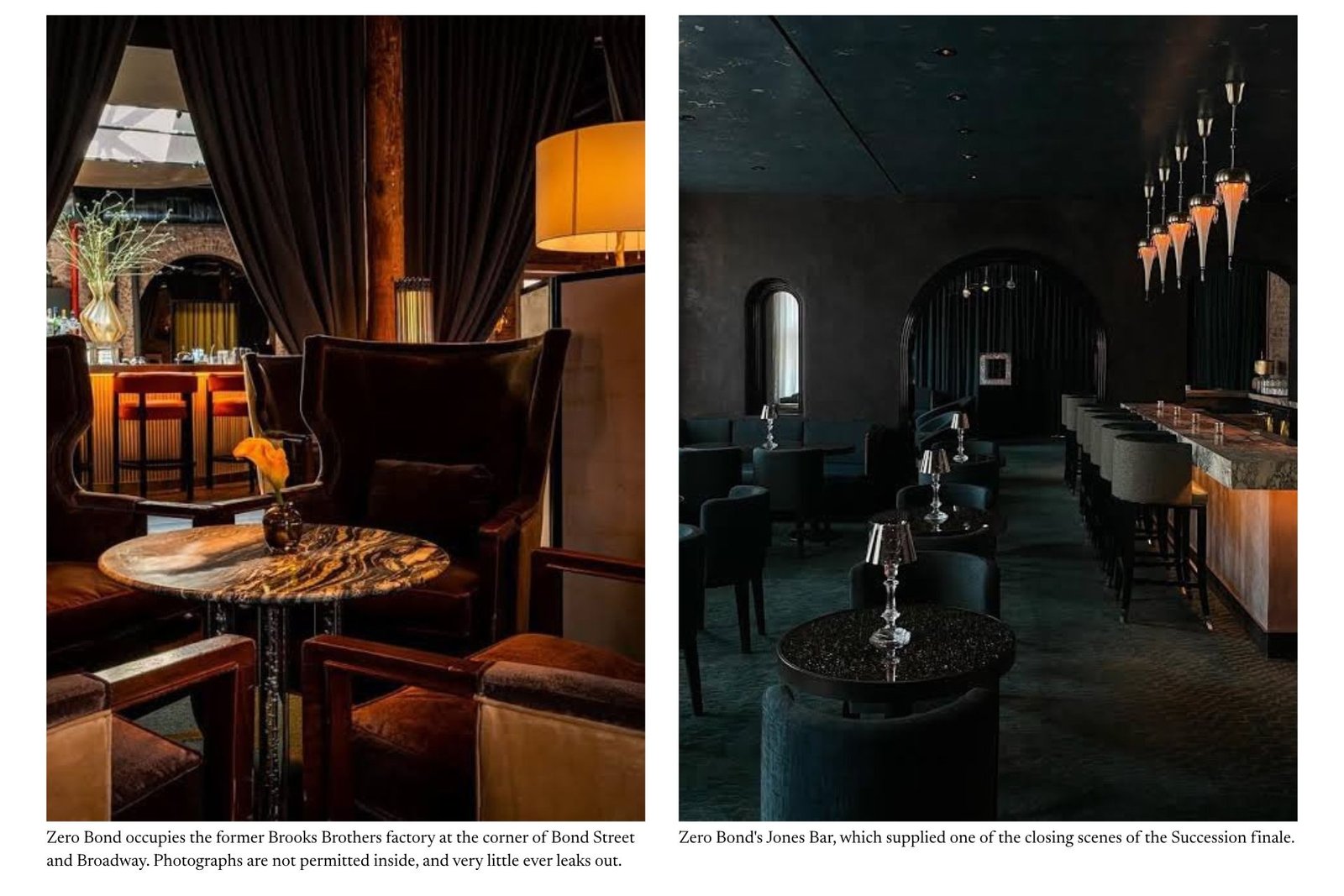
New York nightlife has always had its legends of the door. In the late 1970s, Ian Schrager and Steve Rubell’s Studio 54 turned the velvet rope into theatre and the guest list into gossip. Scott Sartiano has built one of the most talked-about rooms of the city’s post-pandemic years on almost the opposite principle. At Zero Bond, the private members’ club he opened in October 2020 in a former Brooks Brothers factory at the corner of Bond Street and Broadway in NoHo, photographs are not permitted, and what happens inside is meant to stay there.
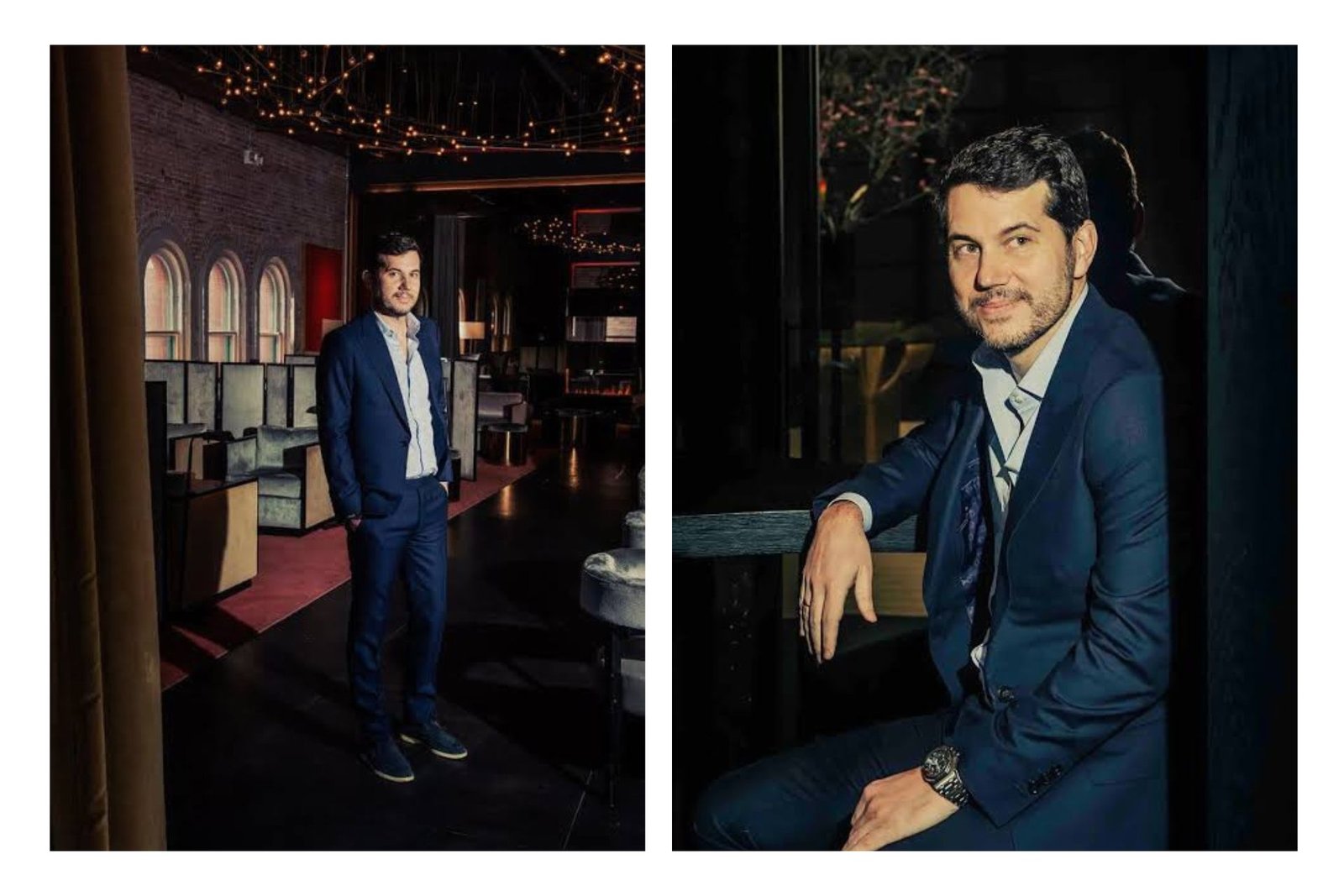
For anyone who builds, funds or runs hospitality, that is the lesson worth studying. The most valuable thing Sartiano owns is not a lease or a liquor licence. It is the trust of the people who walk through his door, and the discipline to protect it. That trust has taken him from a NoHo corner to Wynn Las Vegas, and it is why his next move matters well beyond New York.
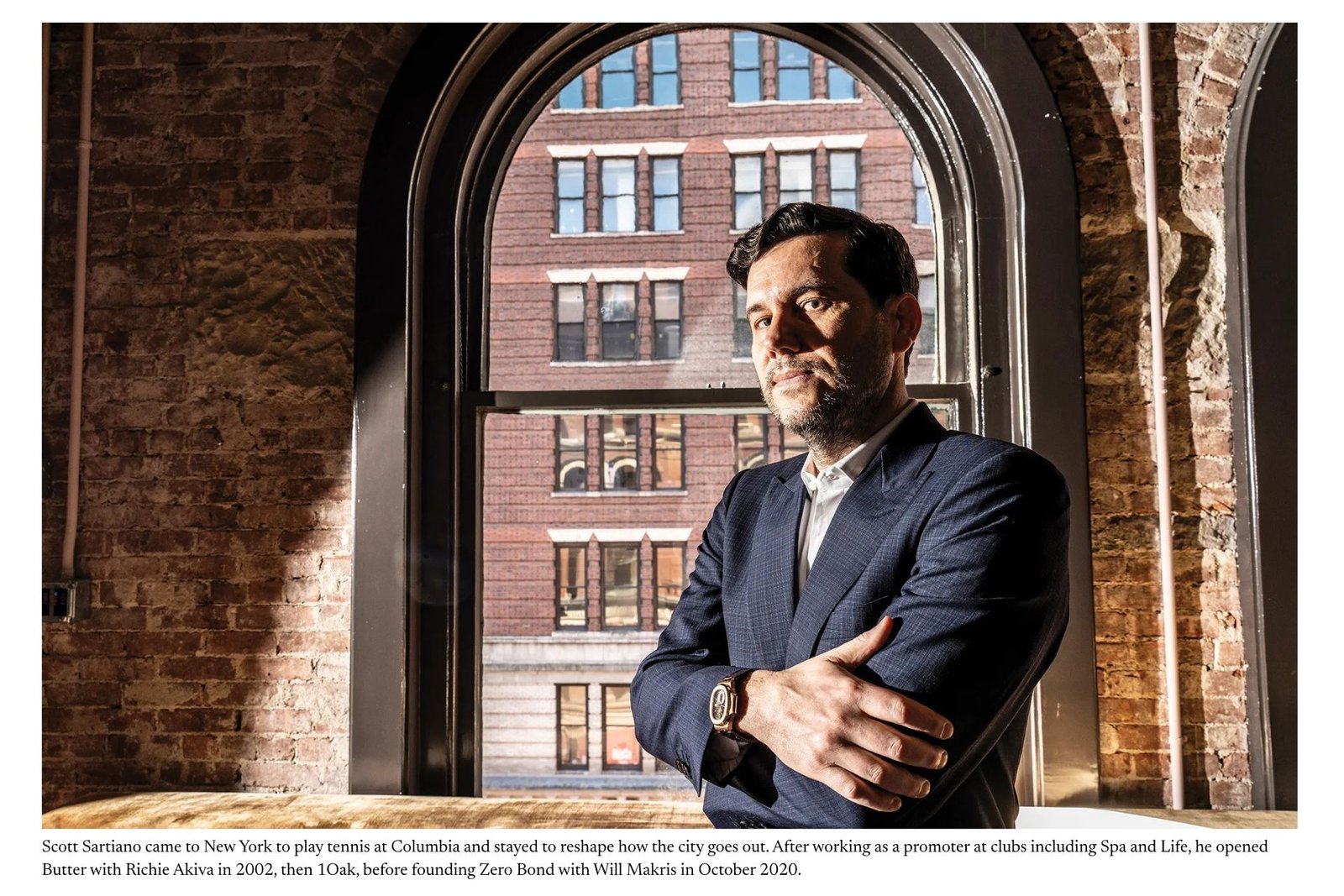
His route into the business was anything but direct. Born in Pittsburgh and raised largely in South Carolina, he came to New York to play tennis at Columbia, where he graduated in 1997. Nightlife was not part of the plan. A summer coaching tennis in the Hamptons brought him into the orbit of Jason Strauss and Noah Tepperberg, and he went on to work as a promoter at clubs including Spa and Life.
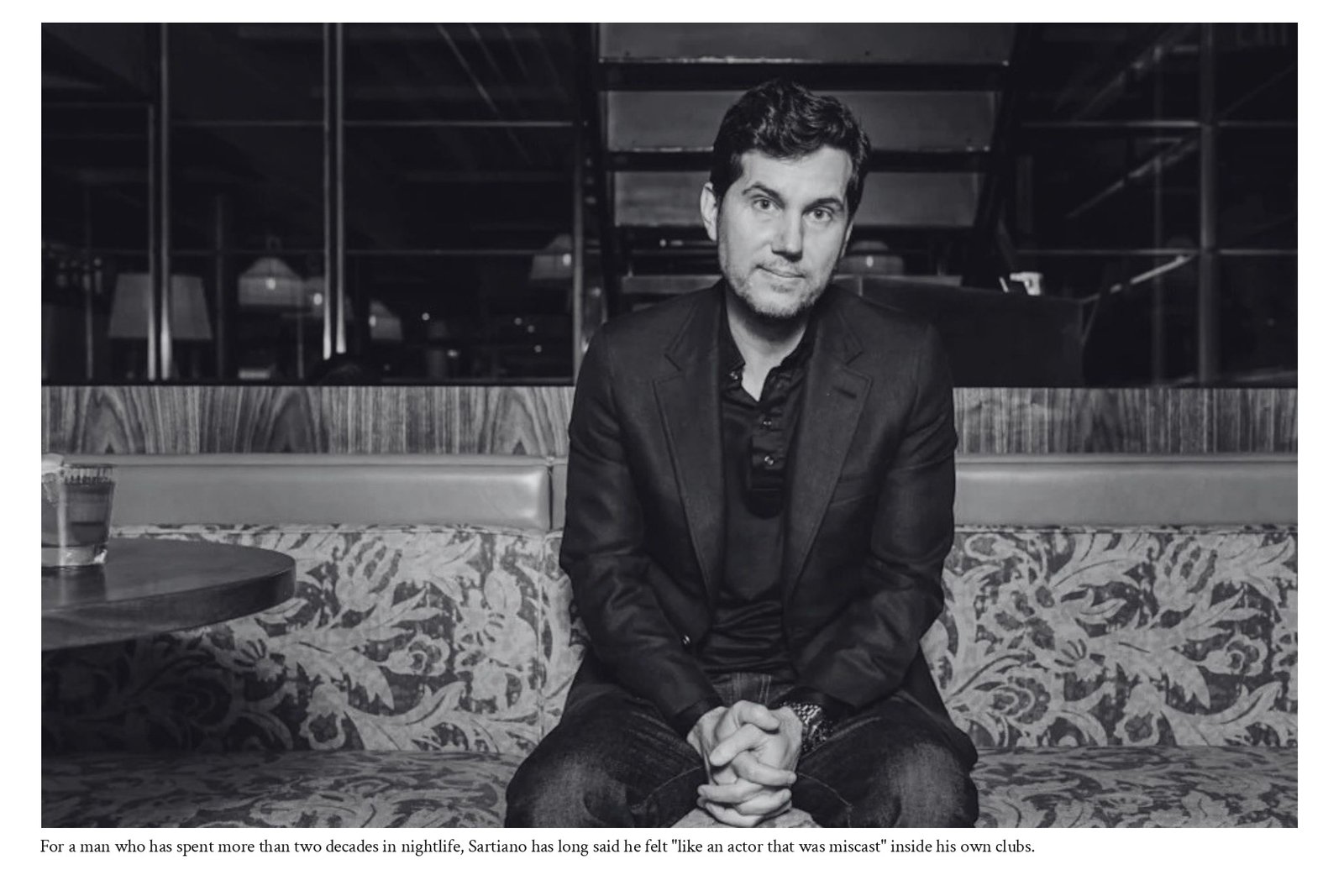
It was an education in people as much as in parties: who arrives with whom, who needs to be seen and who would rather not be. The tables were full of famous faces, and Pharrell and Justin Timberlake, he believes, first met at one of them. It also taught him to keep some distance from the excess. He has described himself in those years as “an actor that was miscast”, and that slight detachment became an operating advantage. He was watching the room while others were performing in it.
In 2002 he opened Butter with Richie Akiva, a restaurant with a nightclub’s energy, and the pair followed it with the nightclub 1Oak. Together they became two of the defining addresses of New York’s celebrity nightlife, and proof that a hospitality brand built on the right crowd could outgrow any single room.
The partnership did not last. Sartiano agreed to a buyout and stepped away, and the split ended up in court. What is striking is how little he dwells on it. He acknowledges the differences and, in his own words, “always wish[es] people the best.” Every operator eventually faces a partnership that ends badly. Few walk away with their reputation intact and their next venture already taking shape.
Zero Bond began with a building he nearly turned down. Sartiano had already seen 0 Bond Street and dismissed it, until a friend refused to leave dinner without a promise that they would walk it together. Two days later they did, and the friend was right. It is a reminder that the best sites are not always the obvious ones. The right concept can turn a former factory into one of the most sought-after addresses in the city.
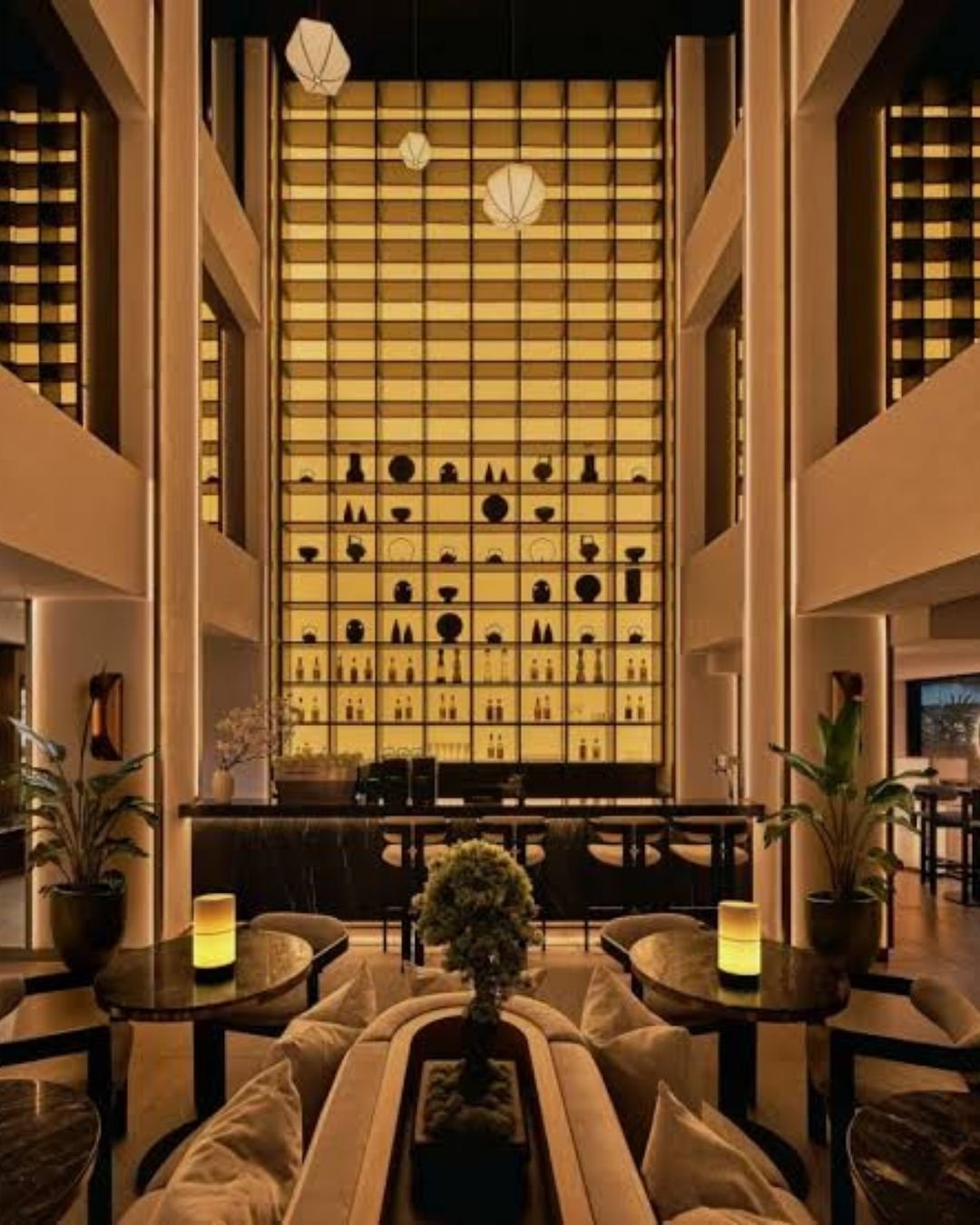
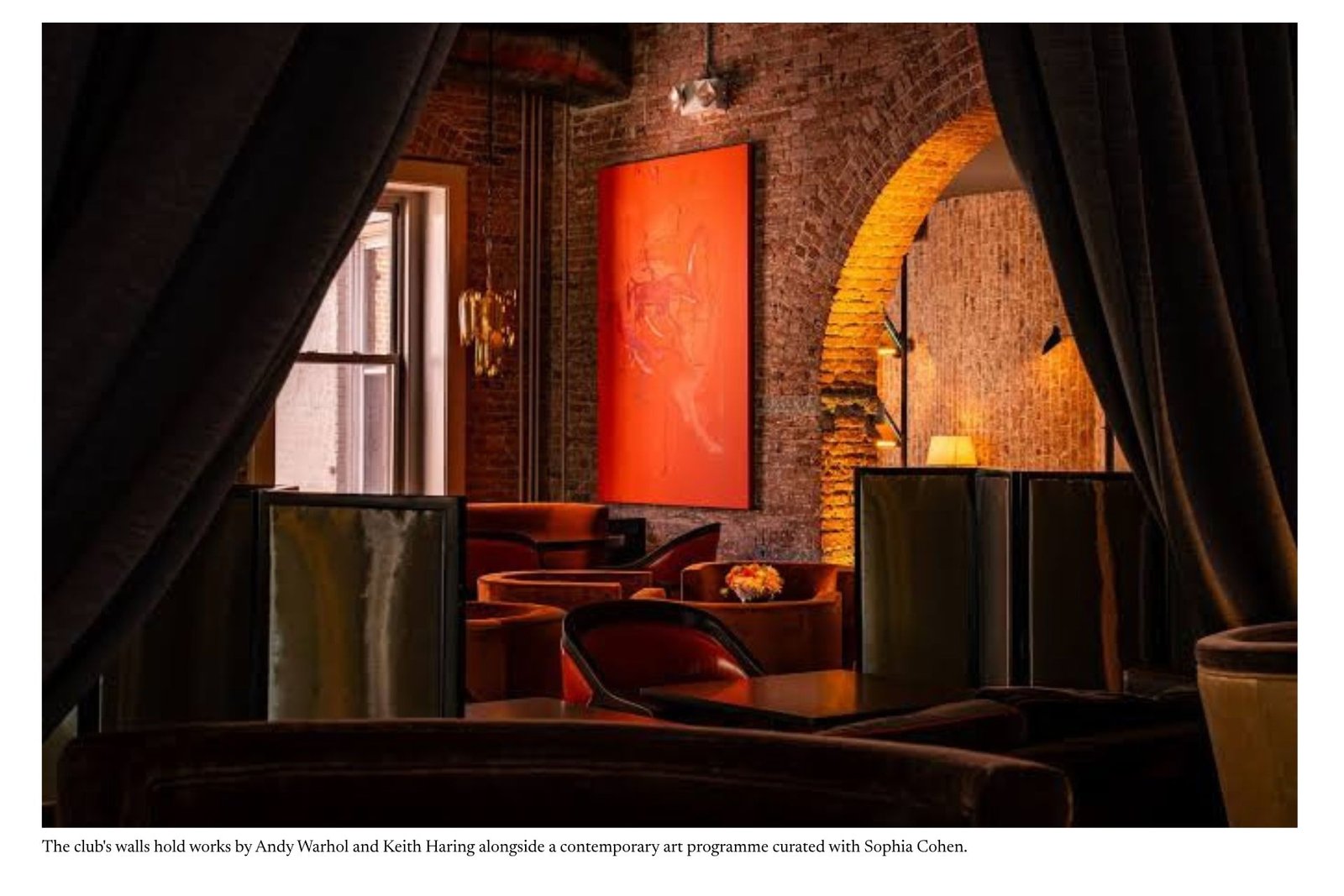
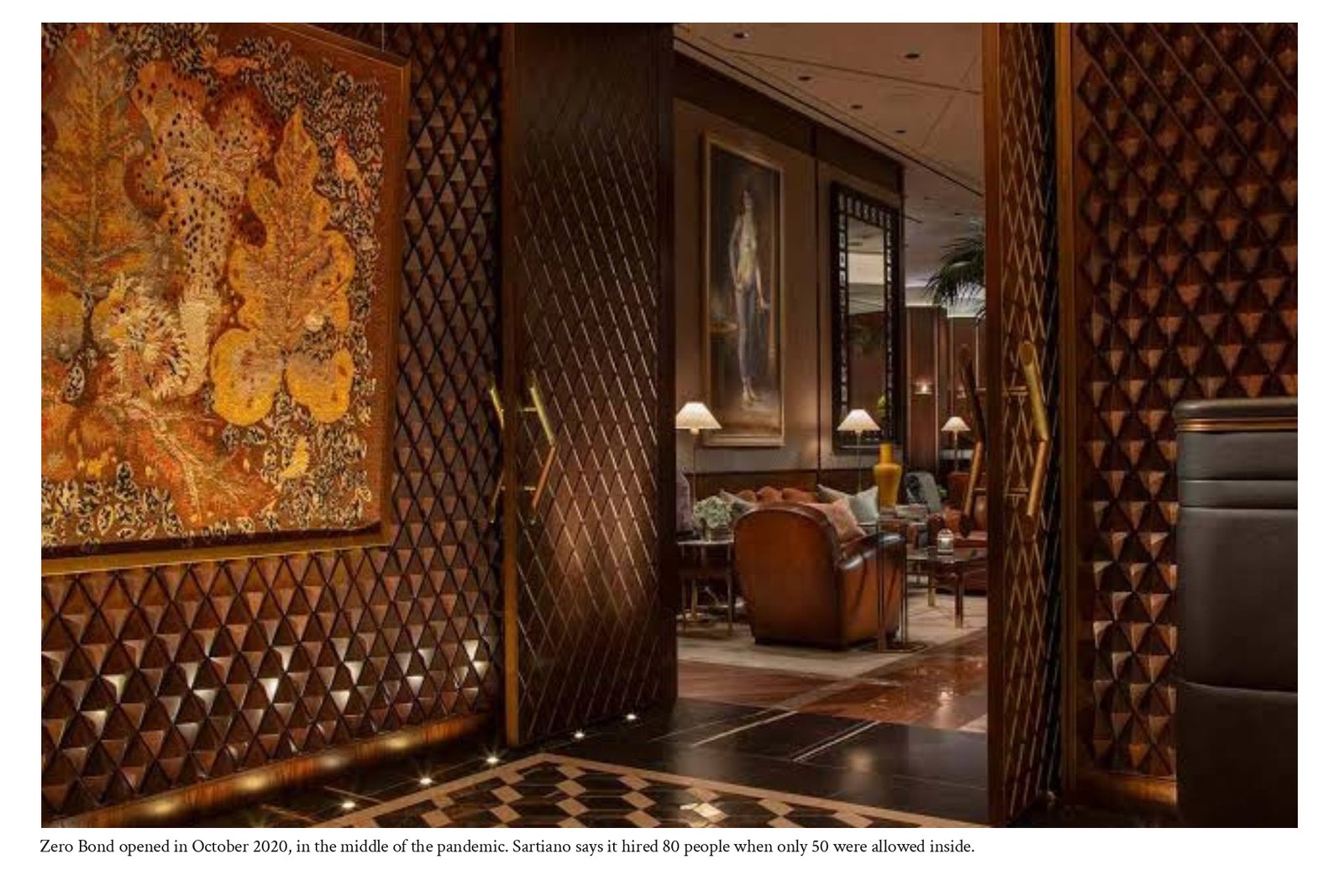
Founded with Will Makris, Zero Bond carries those years of instinct into a calmer setting. Its walls hold works by Andy Warhol and Keith Haring alongside a contemporary art programme curated with Sophia Cohen, and its Jones Bar supplied one of the closing scenes of the Succession finale. What defines it, though, is what you never see. In an age when every dinner can become content, Zero Bond sells the one thing its members cannot buy elsewhere: the confidence that the night will stay private. Privacy is not a policy here. It is the product.
In 2023 he extended the brand into dining with Sartiano’s at the Mercer Hotel in SoHo, his name in neon on Prince Street. The club builds the community, and the restaurant puts the name on the street.
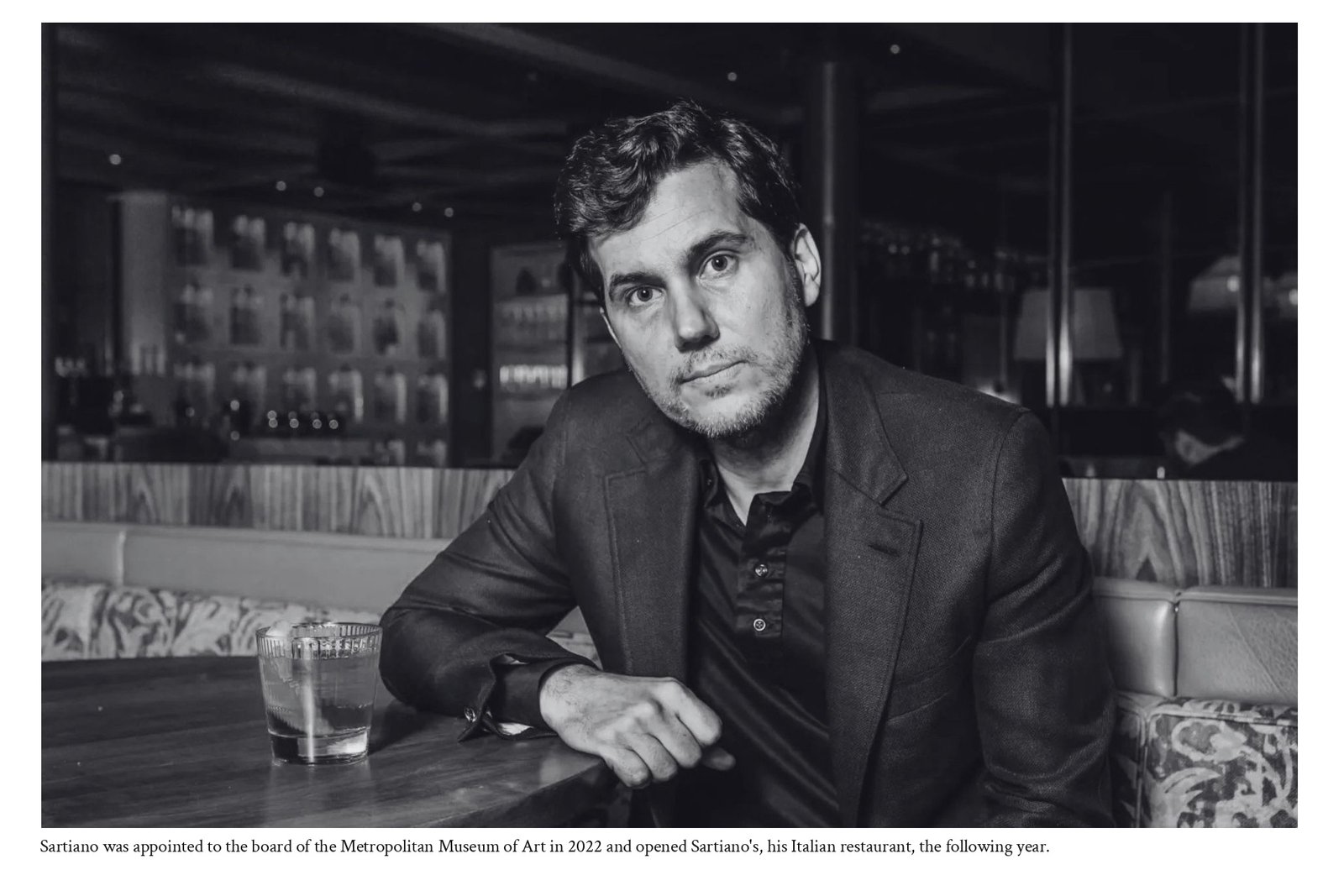
Zero Bond opened in the middle of the pandemic, when much of the city’s hospitality was standing still. Sartiano kept hiring, taking on 80 staff at a time when only 50 guests were allowed inside, and he believes the city noticed. The following year the club hosted Eric Adams’s election-night party, and in 2022 he was appointed to the board of the Metropolitan Museum of Art. For an operator, that is the full arc: from running a room to holding a seat at the city’s most influential tables. He sees food and drink as one of New York’s cultural institutions, and the city has come to agree.
His ambitions are now measured in markets rather than rooms. He has spoken of wanting Zero Bond in eight cities and Sartiano’s in 25, though he is in no hurry. When interest came from Toronto, his answer was “not yet.” That patience is part of the value. A members’ club that expands too fast dilutes the very thing it sells.
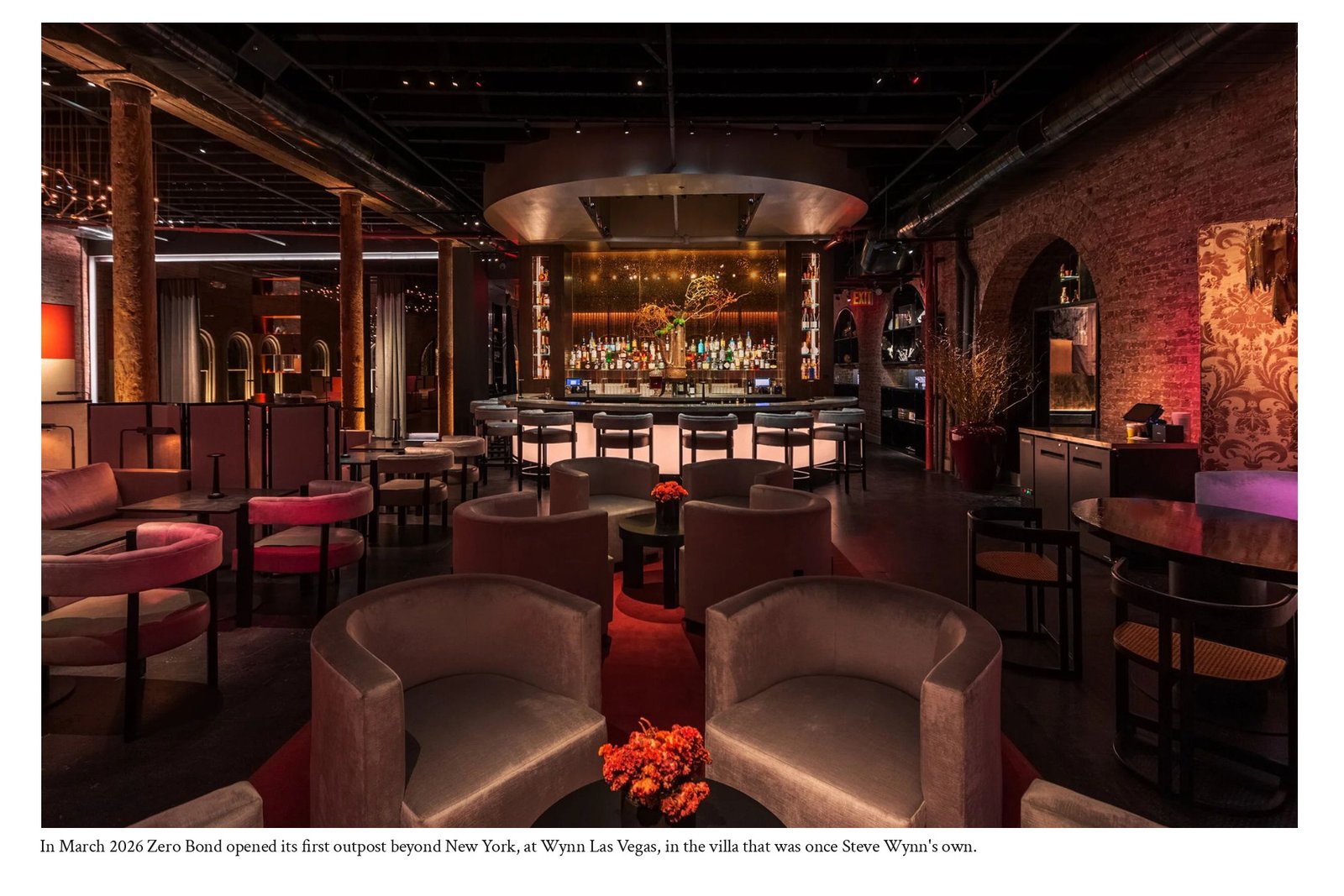
The first move came in March 2026, when Zero Bond opened its first outpost beyond New York at Wynn Las Vegas, in the villa that was once Steve Wynn’s own. For developers and resort owners, this is the signal. The members’ club is no longer just a tenant. It is the draw, a brand that brings its community with it and changes how a destination is perceived. Where the club goes, the capital follows.
Sartiano, characteristically, frames it around people rather than property. On a Vegas weekend in 2024, surrounded by some of the richest people in America, he admitted the spectacle “isn’t really my thing.” He came for the crowd, not the casino. That is the lesson for anyone building in hospitality today. Buildings can be bought and interiors can be copied, but a community that trusts you cannot. Sartiano has spent two decades earning one, and every room he opens now is simply a new address for it.
About EDITION Profiles
EDITION Profiles feature exclusive interviews and editorial features with the developers, investors, operators, founders and advisors shaping the intersection of property, hospitality and capital. These are the people building businesses, deploying capital and shaping the markets EDITION covers.
Building something noteworthy? Looking to connect with the right people?
Whether you’re seeking introductions across our network or interested in sharing your story with the EDITION audience, we’d like to hear from you. For introductions, profile enquiries and editorial collaborations, contact EDITION Studio at es@edition-x.com or visit edition-x.studio to learn more.