







A V8 played on one side of a studio. A drummer answered from the other. Bentley’s sound team moved between them, listening for the slight variations that give an engine rhythm rather than mechanical uniformity. That experiment became the starting point for the Torcal, Bentley’s first production electric car, and for a larger question: what should remain once combustion disappears?
The Torcal will be presented in London on 23 September 2026 and delivered from 2027. It will join the Continental GT, Flying Spur, and Bentayga as Bentley’s fourth model line. Bentley says rapid charging will add 100 miles in under seven minutes. Full performance figures, total range and pricing remain undisclosed, keeping the early story centred on character rather than specification.
Its name comes from El Torcal de Antequera, the limestone formation in southern Spain, continuing Bentley’s practice of naming cars after places with a distinct physical identity. The reference places an unfamiliar powertrain within Bentley’s existing history rather than outside it.
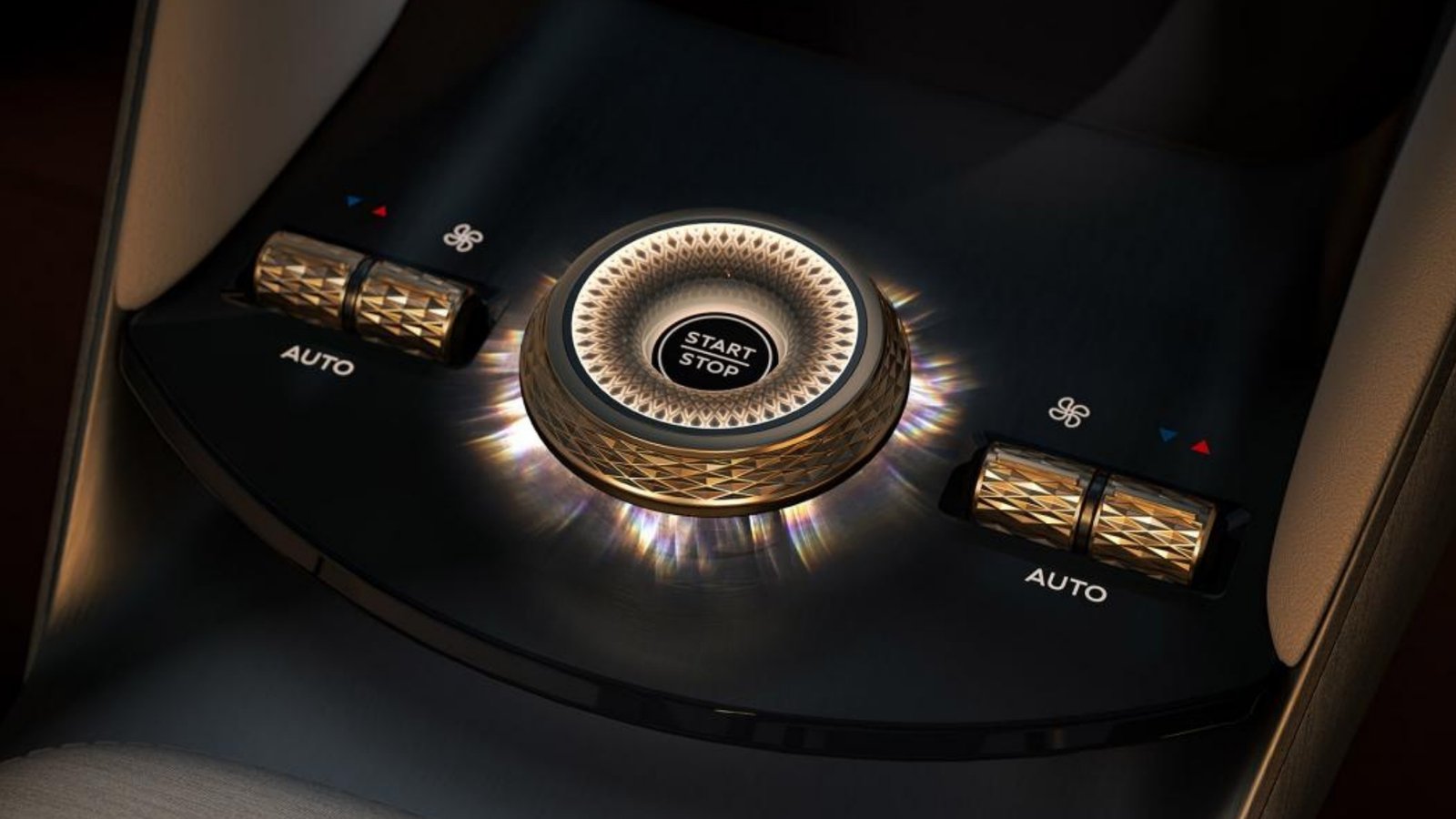
The Dynamic Symphony does not imitate an exhaust note. Drums carry a pulse informed by engine firing patterns, while viola and bass guitar add depth, with the finished composition responding to the driver and the car’s movement. Bentley is treating the absence of an engine as a design problem, rebuilding what combustion once contributed emotionally through different means.
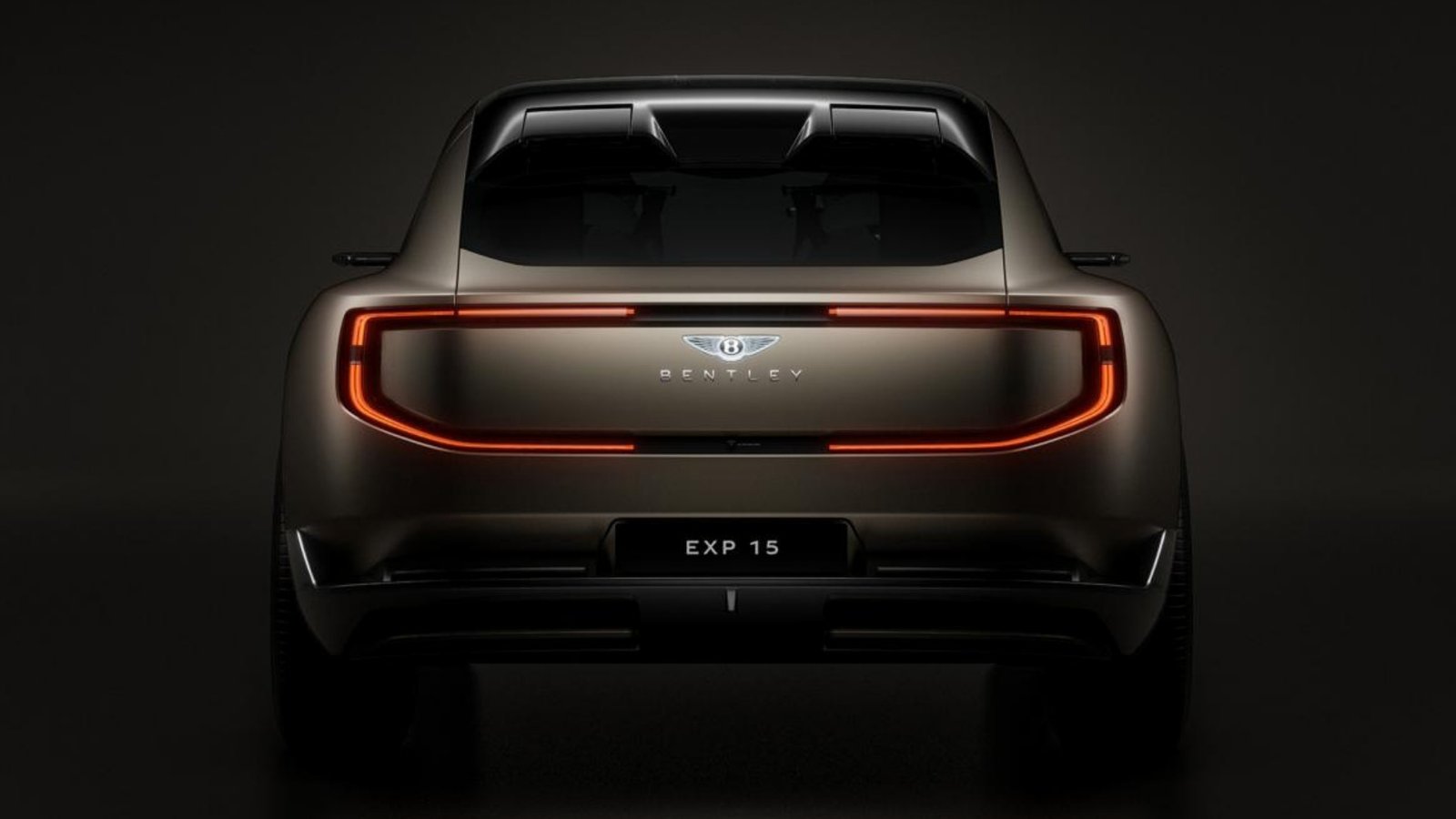
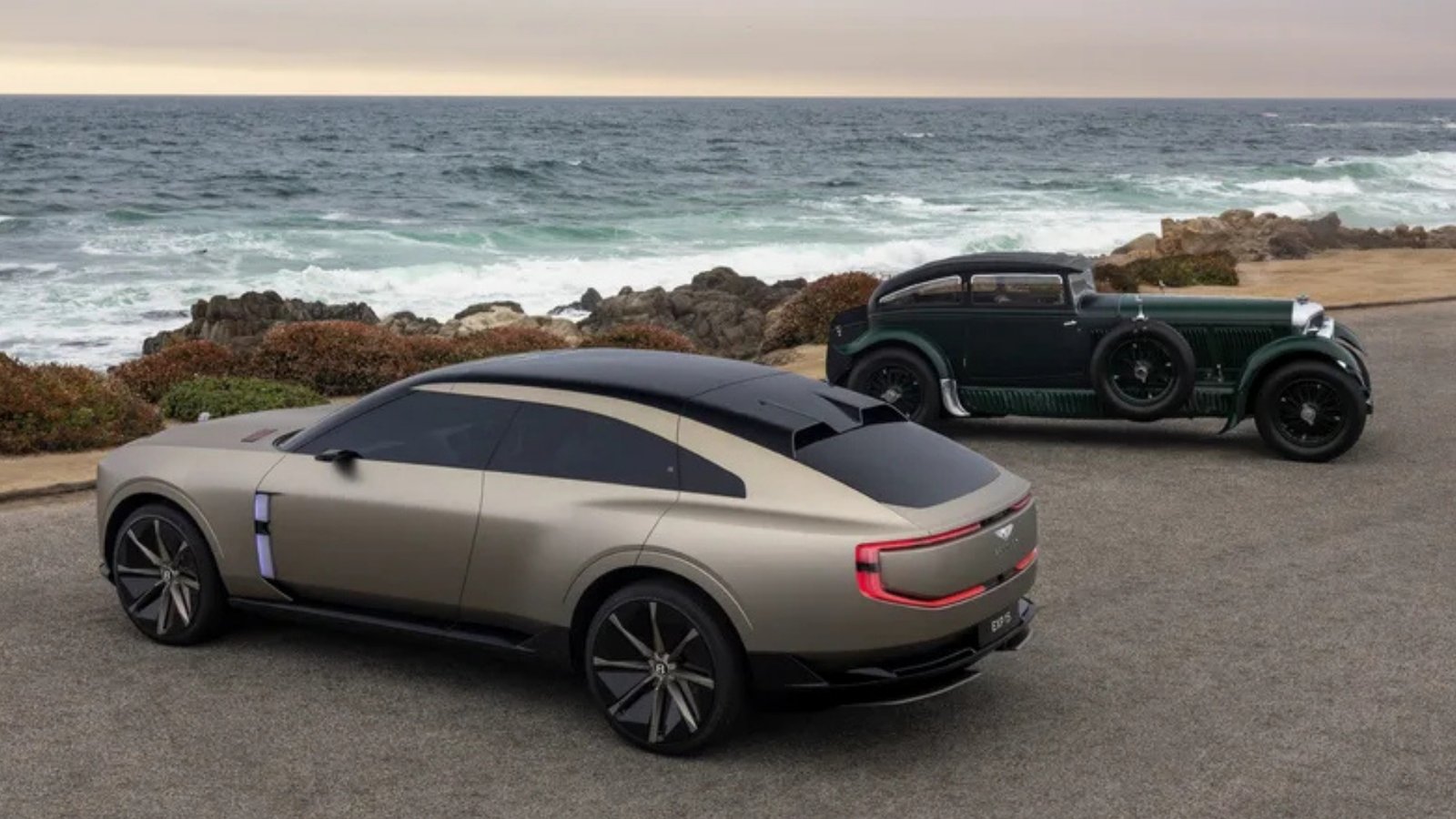
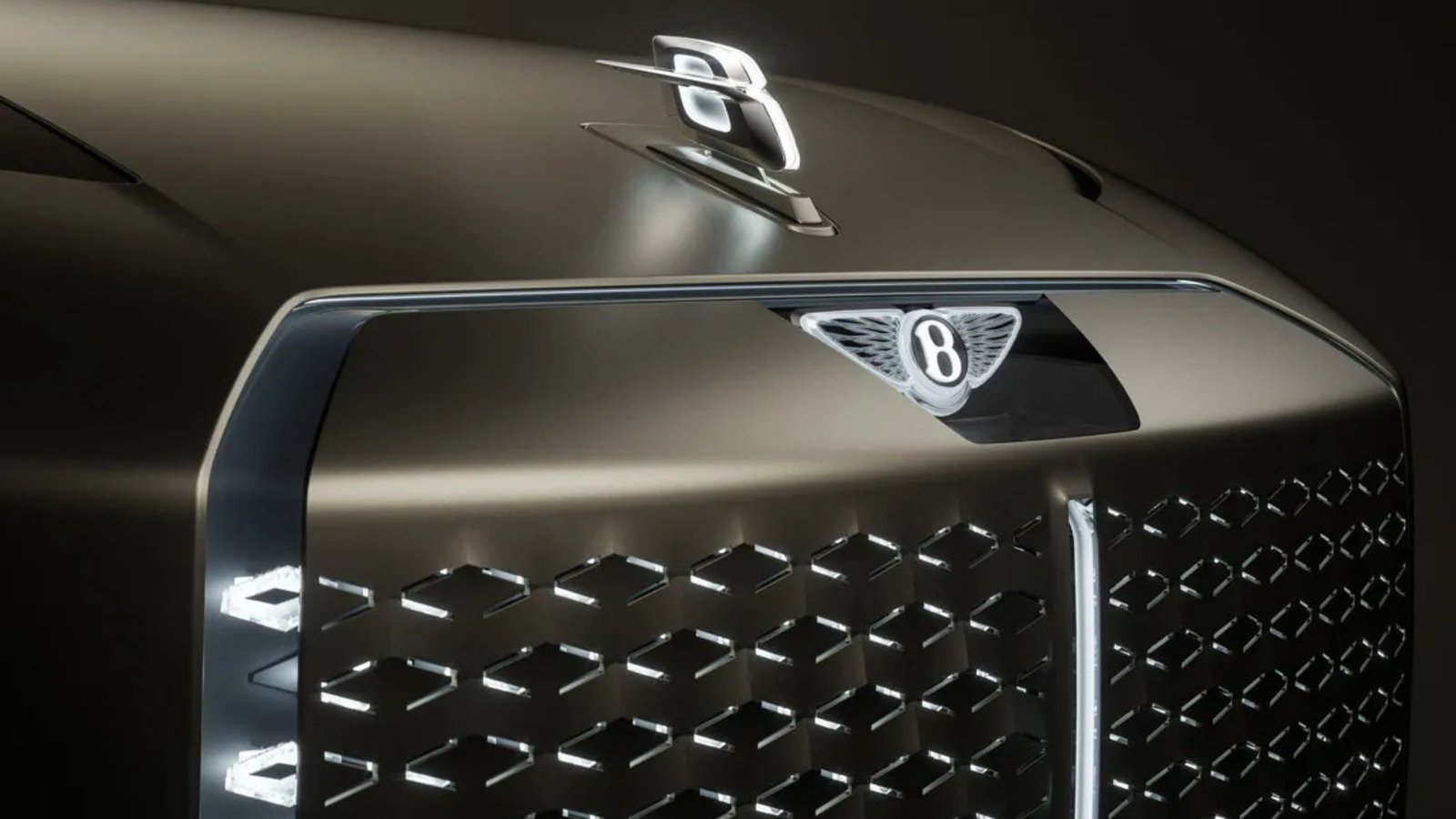
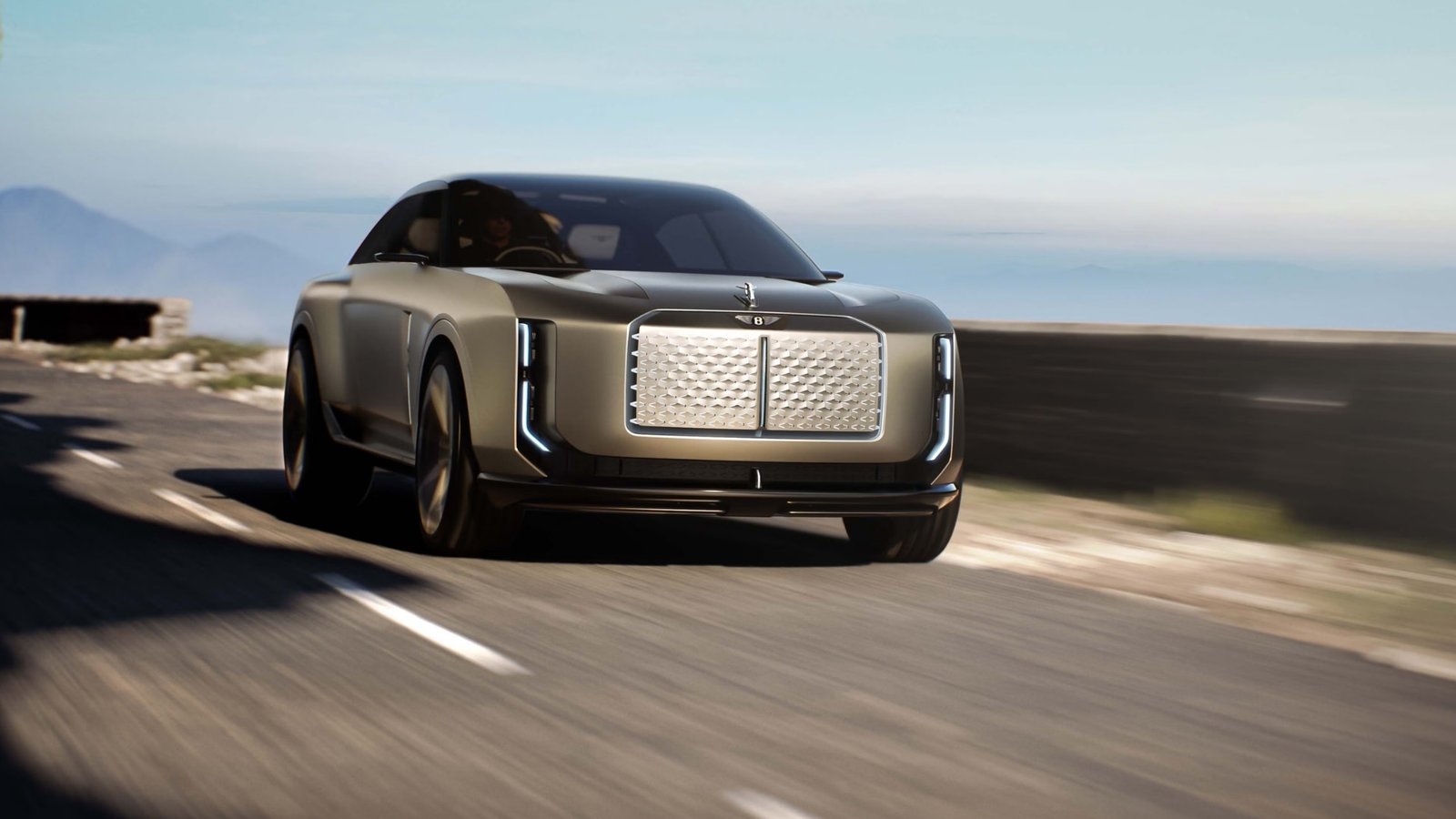
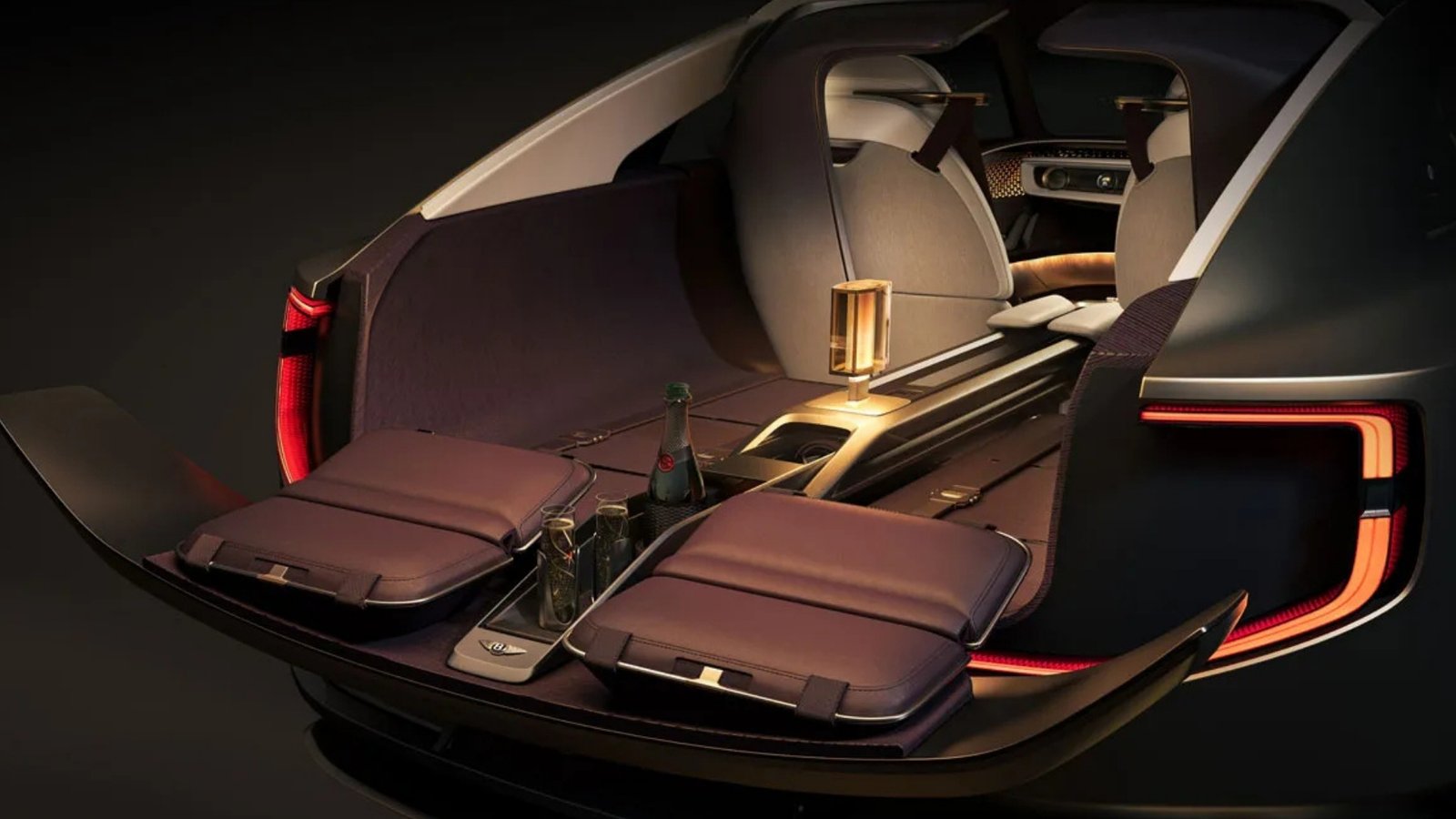
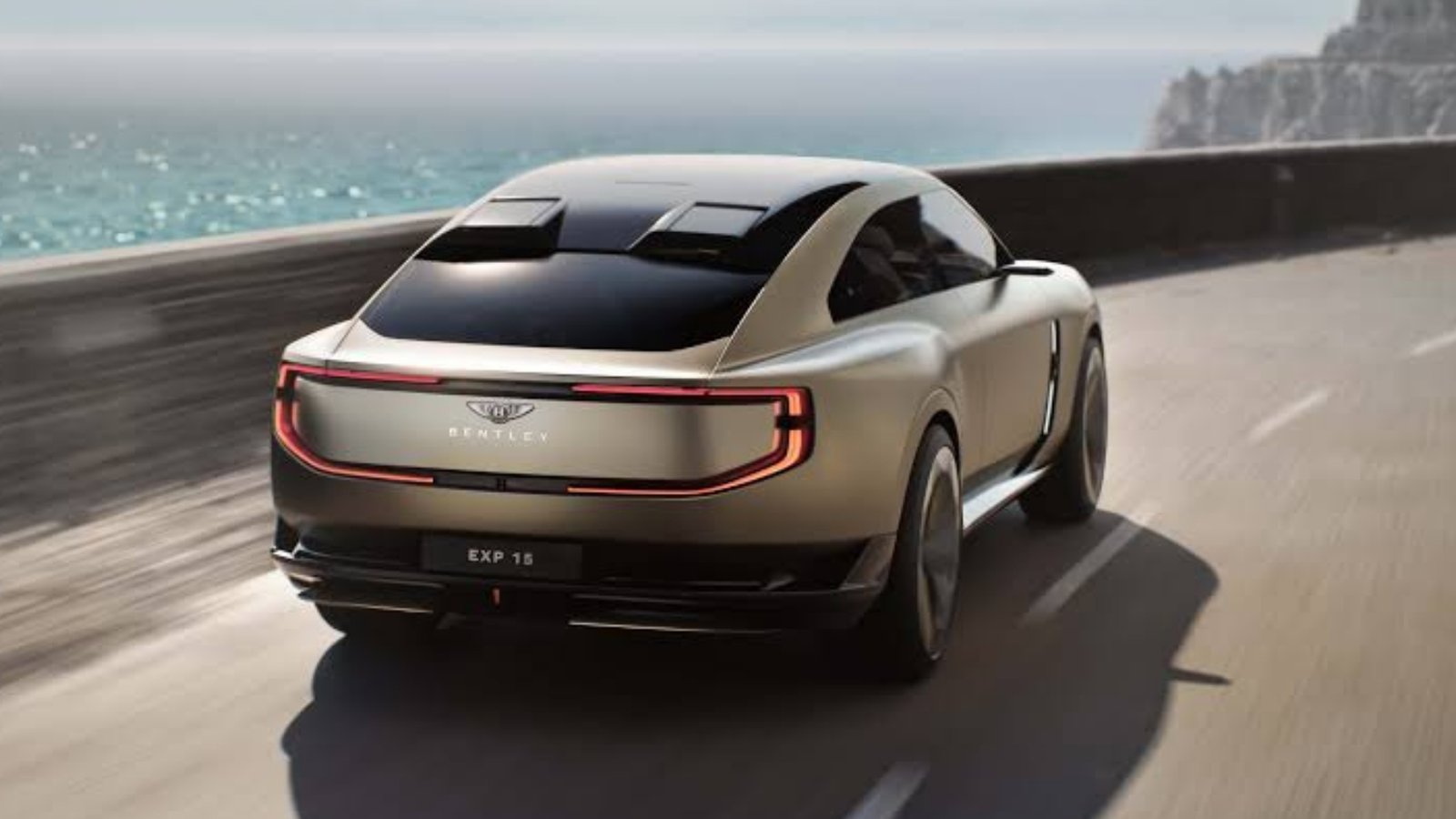
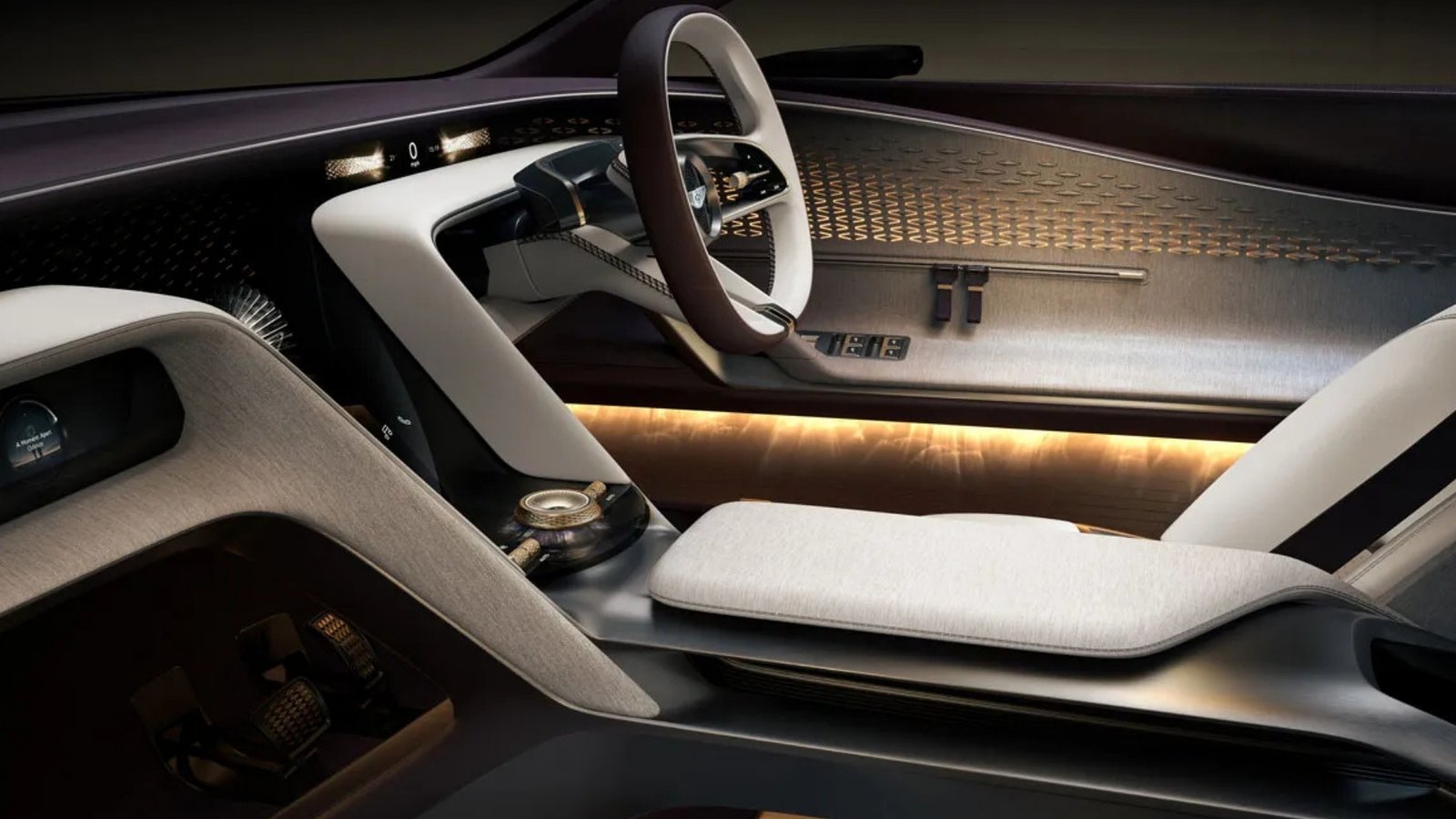
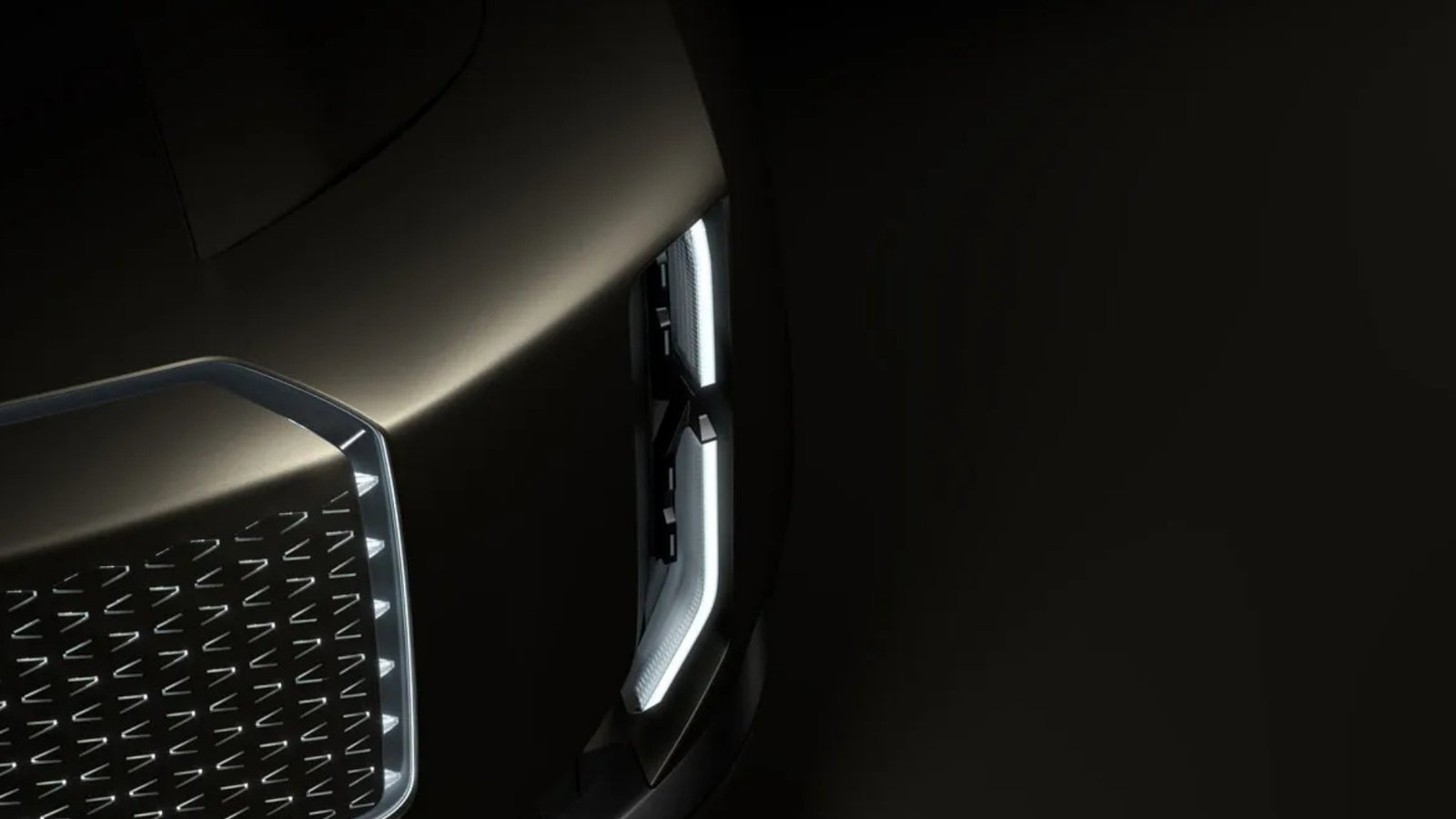
Bentley has already explored the visual side through the EXP 15 concept, which placed an upright grille, long bonnet and rear-set cabin around an electric architecture inspired by the 1930 Speed Six known as the Blue Train. Traditional British textiles appeared beside digital interfaces and physical switches. Crewe is now turning that study into an industrial question as its oldest factory building becomes an electric assembly line.
The business case leaves little room for a symbolic exercise. Bentley reported €2.6 billion in revenue and €216 million in operating profit for 2025 despite a five per cent fall in deliveries. Higher-value derivatives and Mulliner personalisation helped protect revenue. The Torcal has to support the same value-per-car model while competing with plug-in hybrid and combustion Bentleys that will remain available for longer than once planned.
That choice inside the showroom raises the standard. Buyers will be able to compare the Torcal with cars that already deliver the weight, quietness and long-distance ease associated with the marque. Regulation and novelty cannot carry the argument on their own. Bentley’s first electric model has to feel more complete than the familiar alternatives, rather than merely newer.
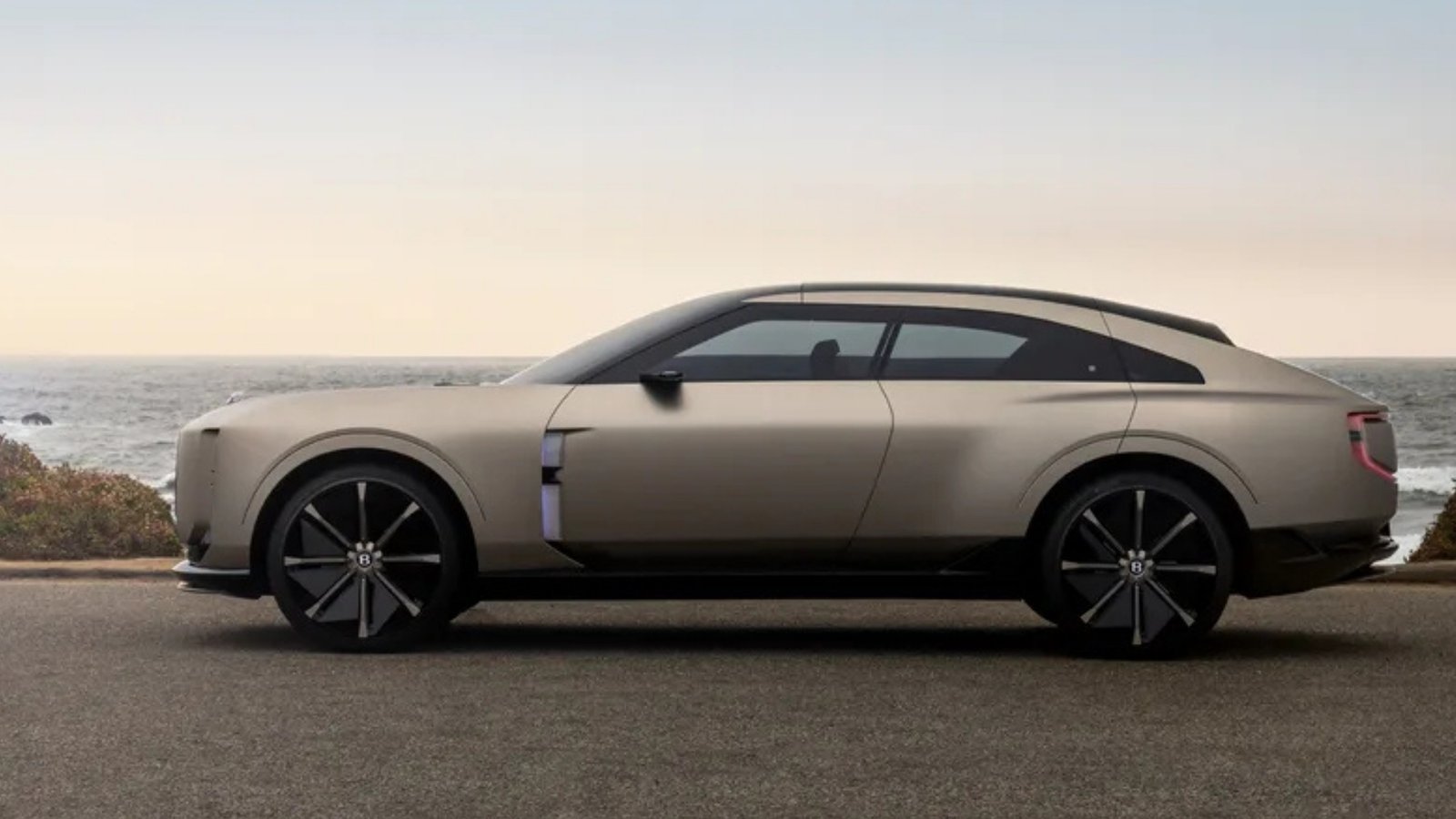
The first drive will matter more than the first reveal. Whether the Torcal succeeds will depend less on its reveal than on how it drives — the weight of a switch, the calm of the cabin at speed, and whether a Bentley still feels composed once the engine has gone quiet. Visit Bentley here.