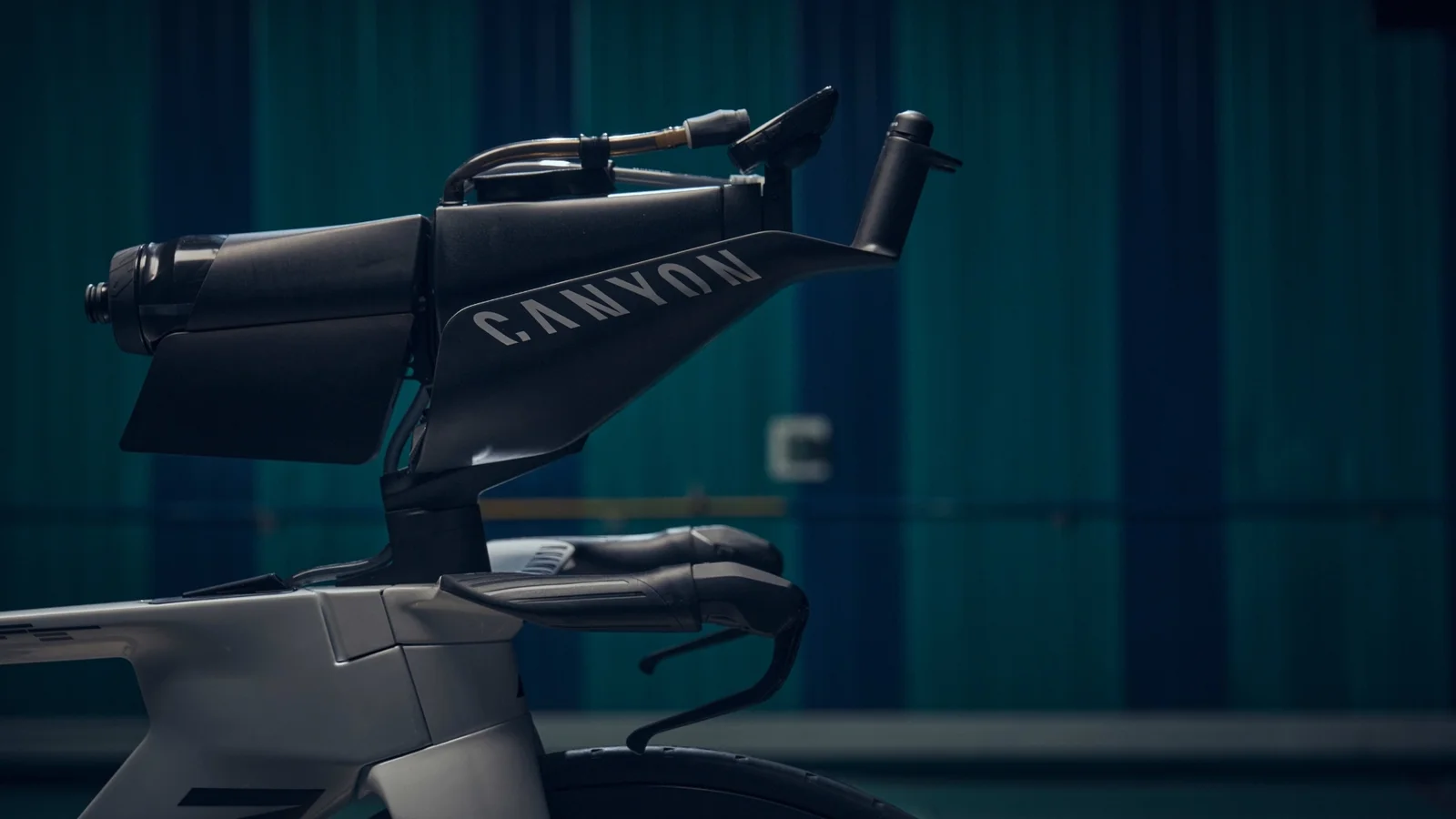











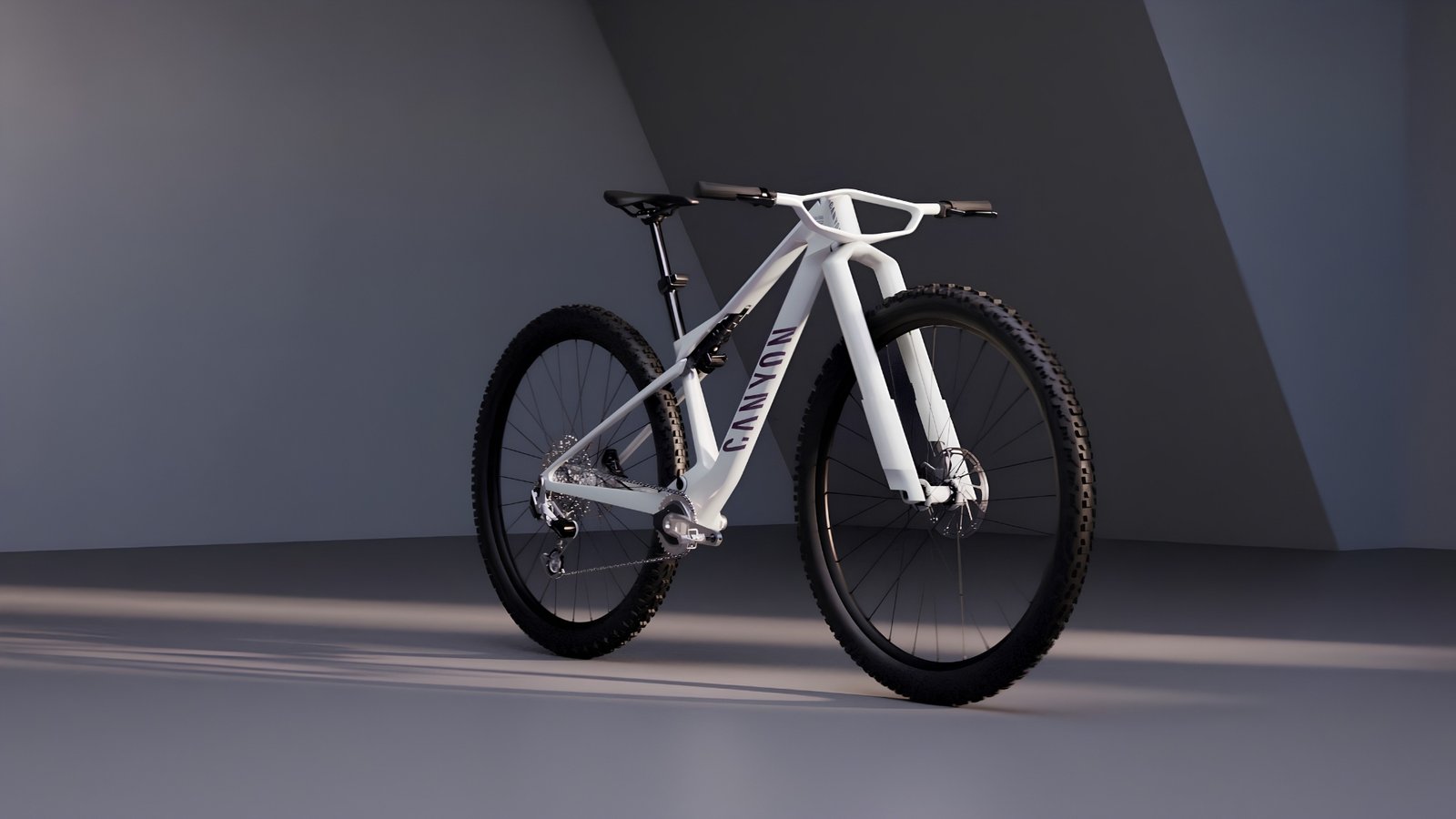


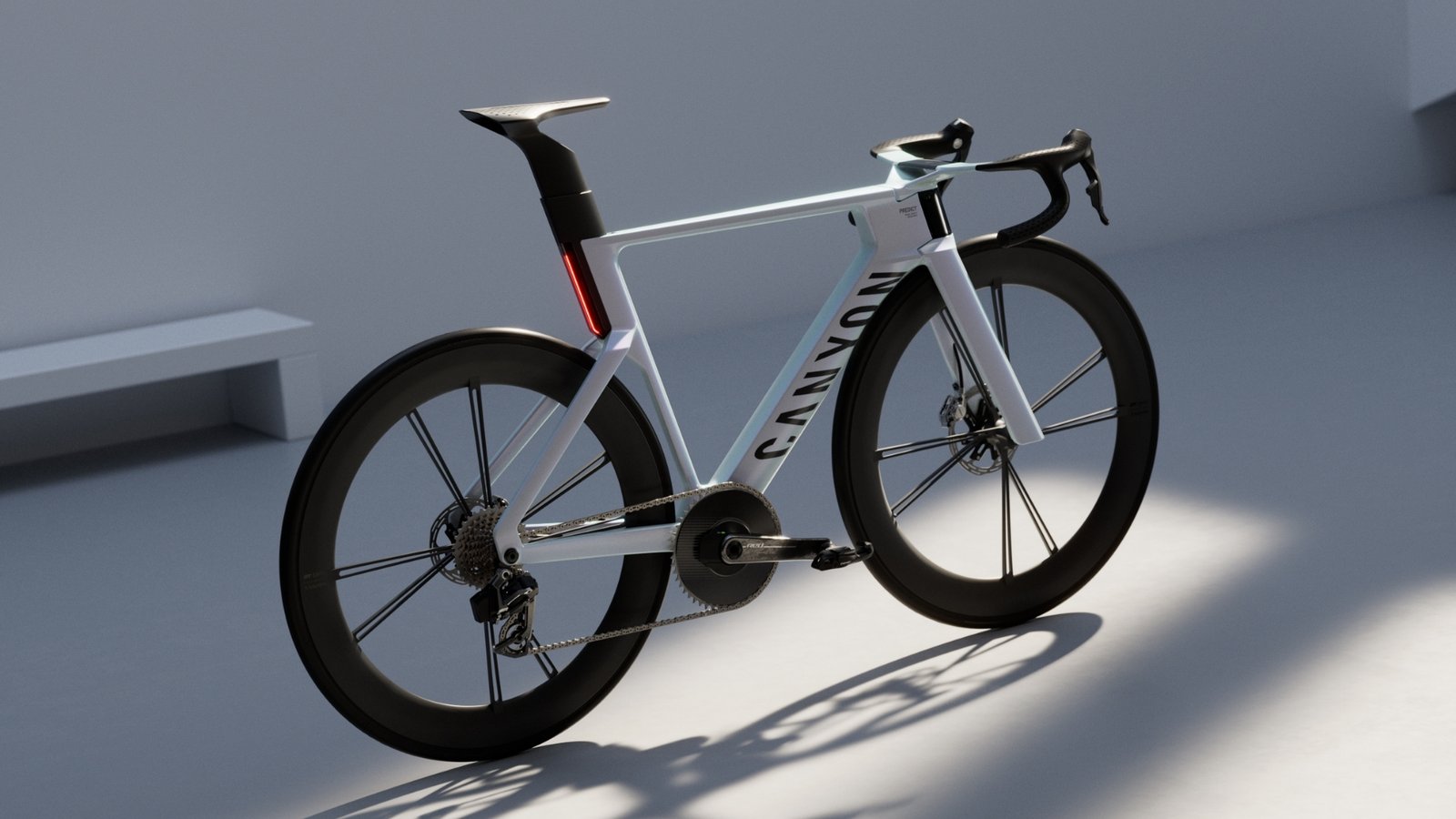
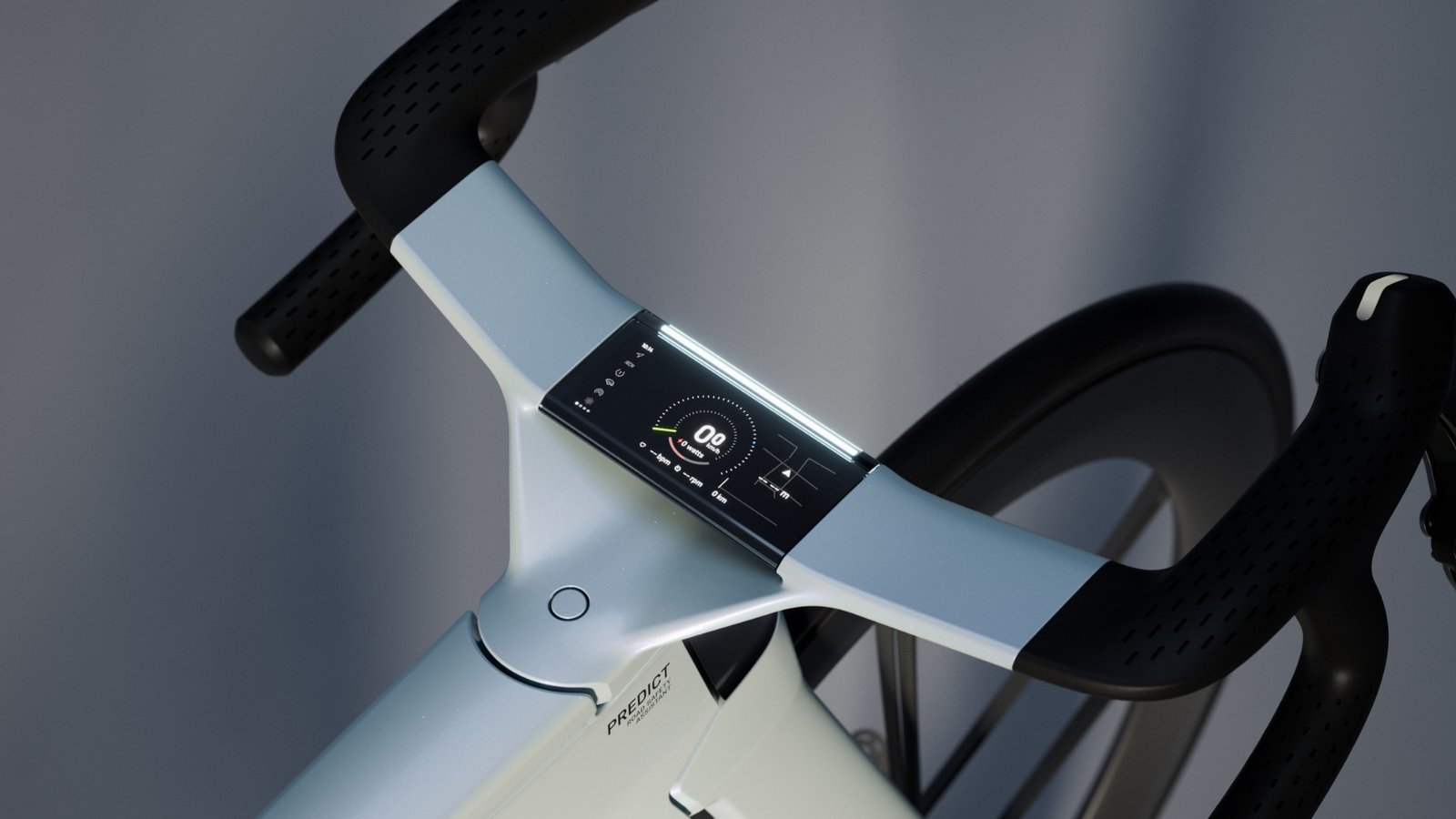
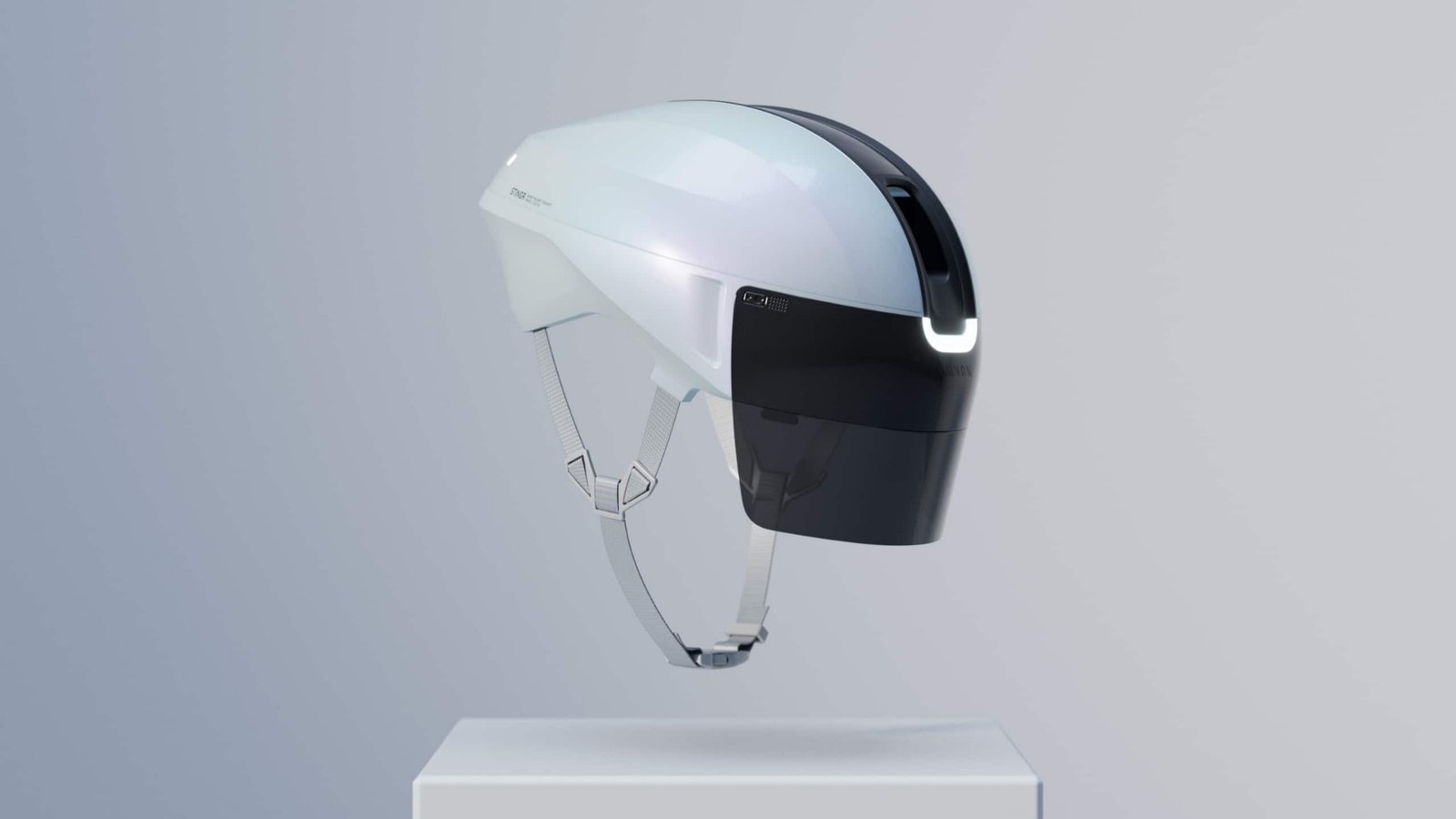
Canyon used Eurobike to unveil Predict, a concept road bike it says can see trouble before the rider does. The German firm has wrapped a 360-degree array of cameras, radar, and sensors, including a motion sensor in the wheel hub, around an onboard computer running AI on the bike itself, which reads the road, the traffic, and the pack, and warns of hazards through a handlebar screen, lights on the brake hoods, and haptic buzzes. A companion smart helmet, the Stingr, adds a drop-down visor that projects the same information into the rider’s peripheral vision.
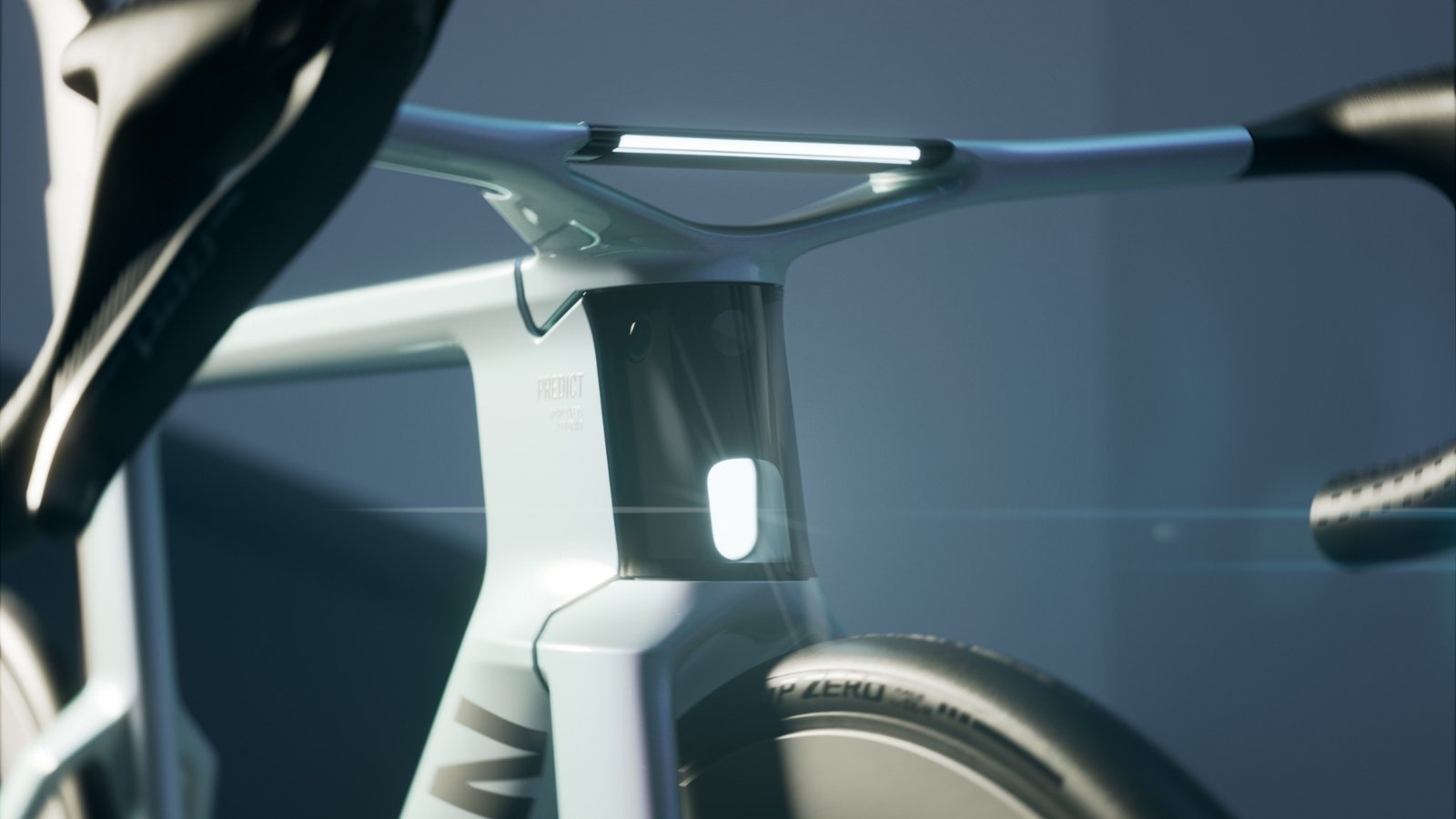
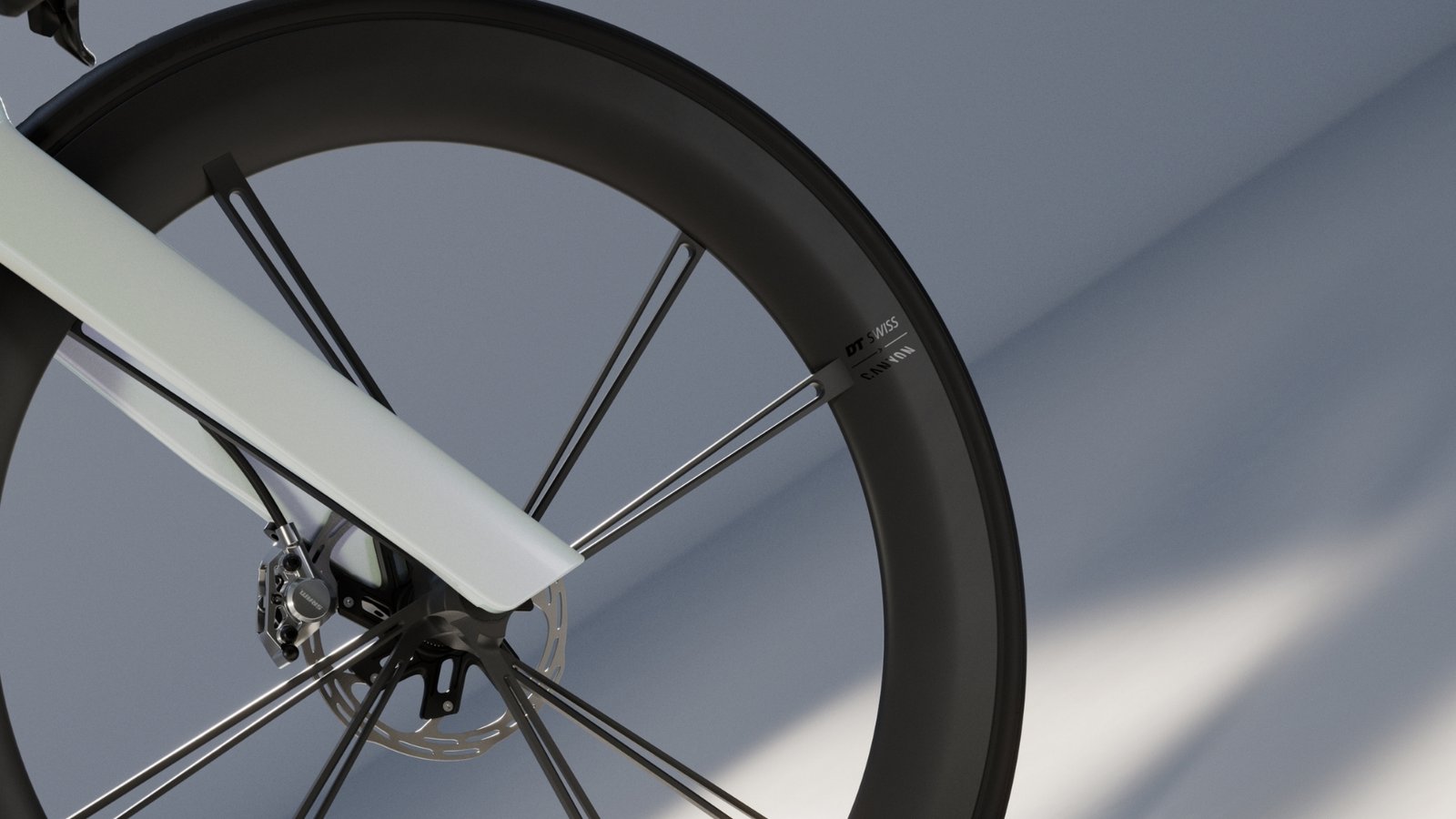
The hardware is more extensive than the pitch suggests at first glance. Four cameras, three at the front and one at the rear, give complete coverage around the bike, working alongside four radar sensors, three forward-facing and one to the rear, to build a continuous picture of nearby traffic. A motion sensor built into a DT Swiss wheel hub feeds in real-time data on speed, steering angle, and stability, all of it processed entirely onboard through what Canyon calls Edge AI, deliberately avoiding the cloud to keep response times immediate and riding data off external servers.
As road cycling pushes further into the mainstream this year, plenty of would-be riders are held back by a sense that the road is dangerous, and that sense is fair, since riding in skintight kit among traffic is a genuinely dodgy business. In truth, most people will collect their injuries forgetting to unclip at the lights, but the hazards Canyon is going after, the driver who doesn’t look and the surface that can’t be read in time, are the ones that can take a life. The case is sobering: in Germany, one in six road deaths in 2025 was a cyclist, a fifth more than a decade earlier, even as cars have grown markedly safer over the same period.
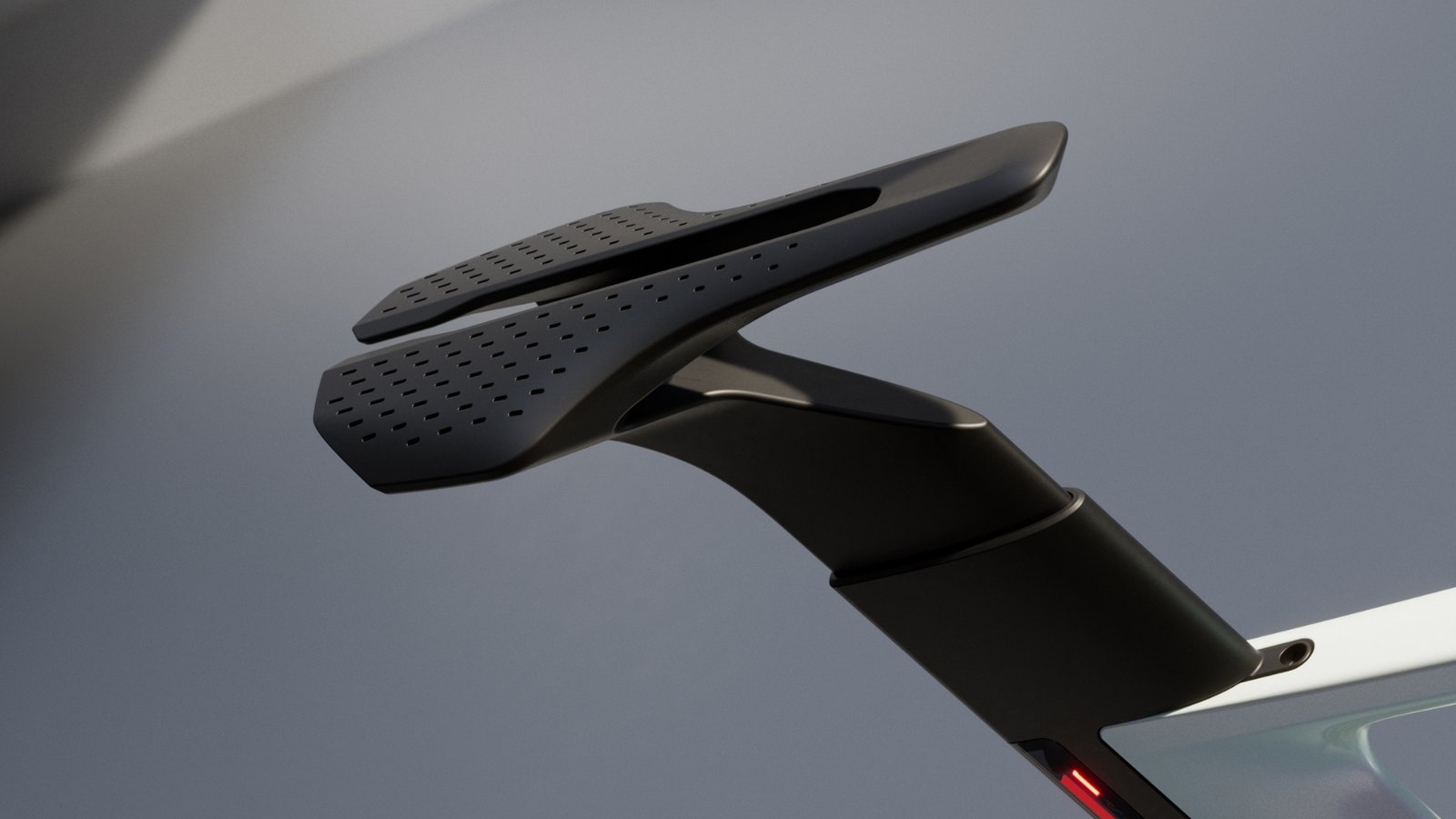
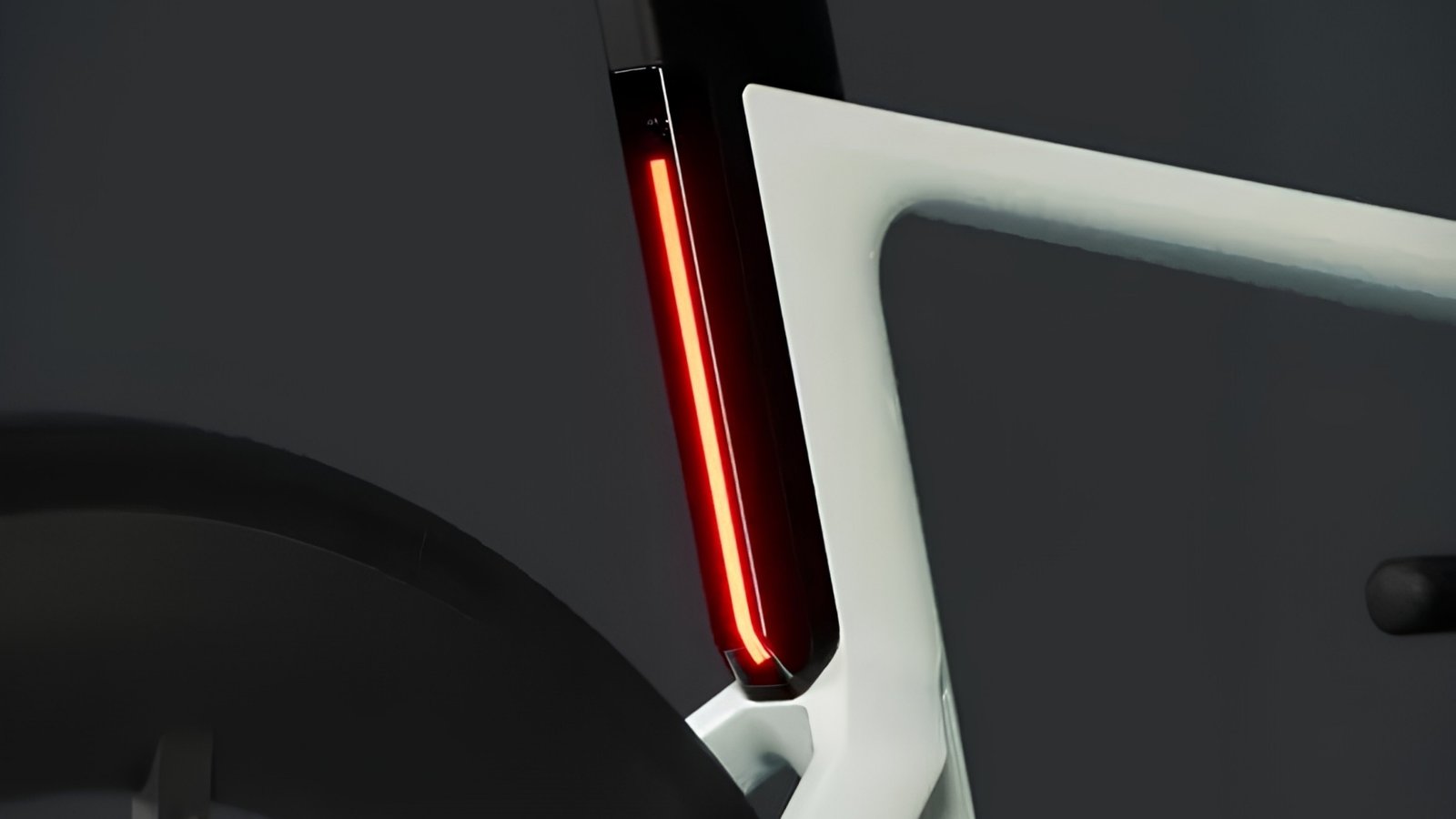
That gap between automotive and cycling safety progress is precisely what Canyon is aiming at. The brake hoods carry their own directional lights, and the system can assign risk scores to nearby vehicles, road surfaces, and fellow riders, then communicate them through whichever channel suits the moment, a glance at the bar display, a flash of colour at the hood, or a buzz that needs no glance at all. In a group, the same logic extends outward: Canyon describes a “swarm” capability that lets connected bikes share hazard data with each other in real time, in effect giving an entire pack the situational awareness of its most alert rider.
Canyon’s pitch is to close that gap with a bike that anticipates, going as far as dropping the seatpost to lower the rider’s centre of gravity ahead of a likely impact, an intervention that asks nothing of the rider beyond having already trusted the system enough to let it act. It’s an admirable cause from one of our favourite direct-to-consumer brands, and its riders, among them the Tour de France Femmes winner Kasia Niewiadoma-Phinney, have lined up behind it. Niewiadoma-Phinney has said she regularly hits moments in training and racing where data on the bike itself, and on the vehicles around her, would be genuinely useful rather than gimmicky.
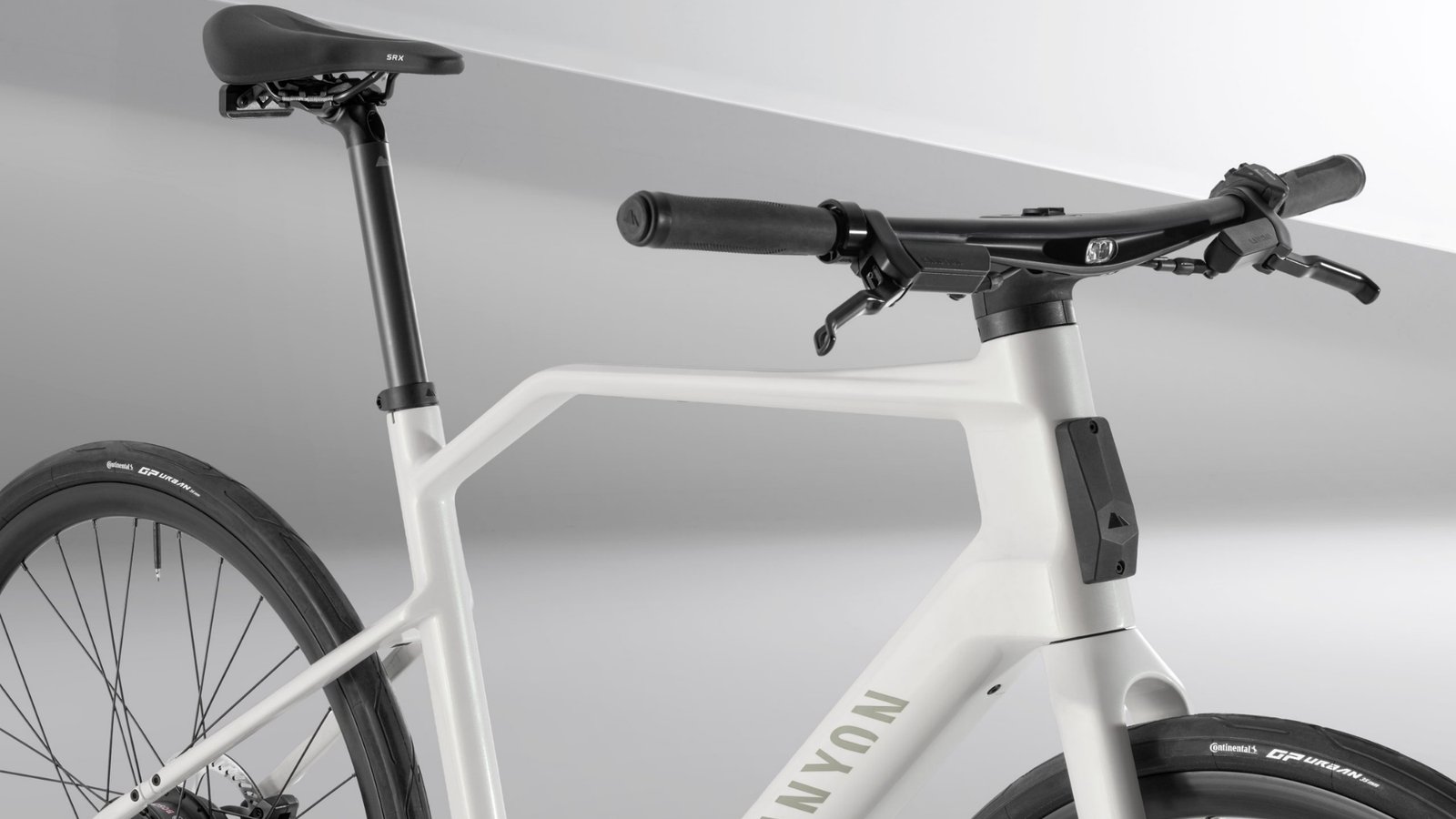
Predict is a concept and still some way off; Canyon reckons it, or a descendant, could reach production in about three years, and is showing it at Eurobike in Frankfurt. The company has been here before: an earlier Canyon smart-bike concept shown at Eurobike in 2015 promised a production version within the year and never arrived. Whether Predict fares better will likely come down to the question Canyon itself says it is now weighing, less about whether the technology works, and more about whether riders trust it enough, and whether the cost of fitting a bike with four cameras, four radar units, and an onboard AI computer can come down far enough to matter. Visit Canyon here.