








Luxury hospitality is increasingly being asked to do more than welcome guests. Around the world, a growing number of projects are expected to strengthen local economies, preserve cultural identity and create year-round employment alongside exceptional visitor experiences. Ytrí Island Retreat, which has opened on Norway’s remote Træna archipelago, is one of the clearest examples of hospitality being developed not simply as a destination, but as infrastructure for an entire community.
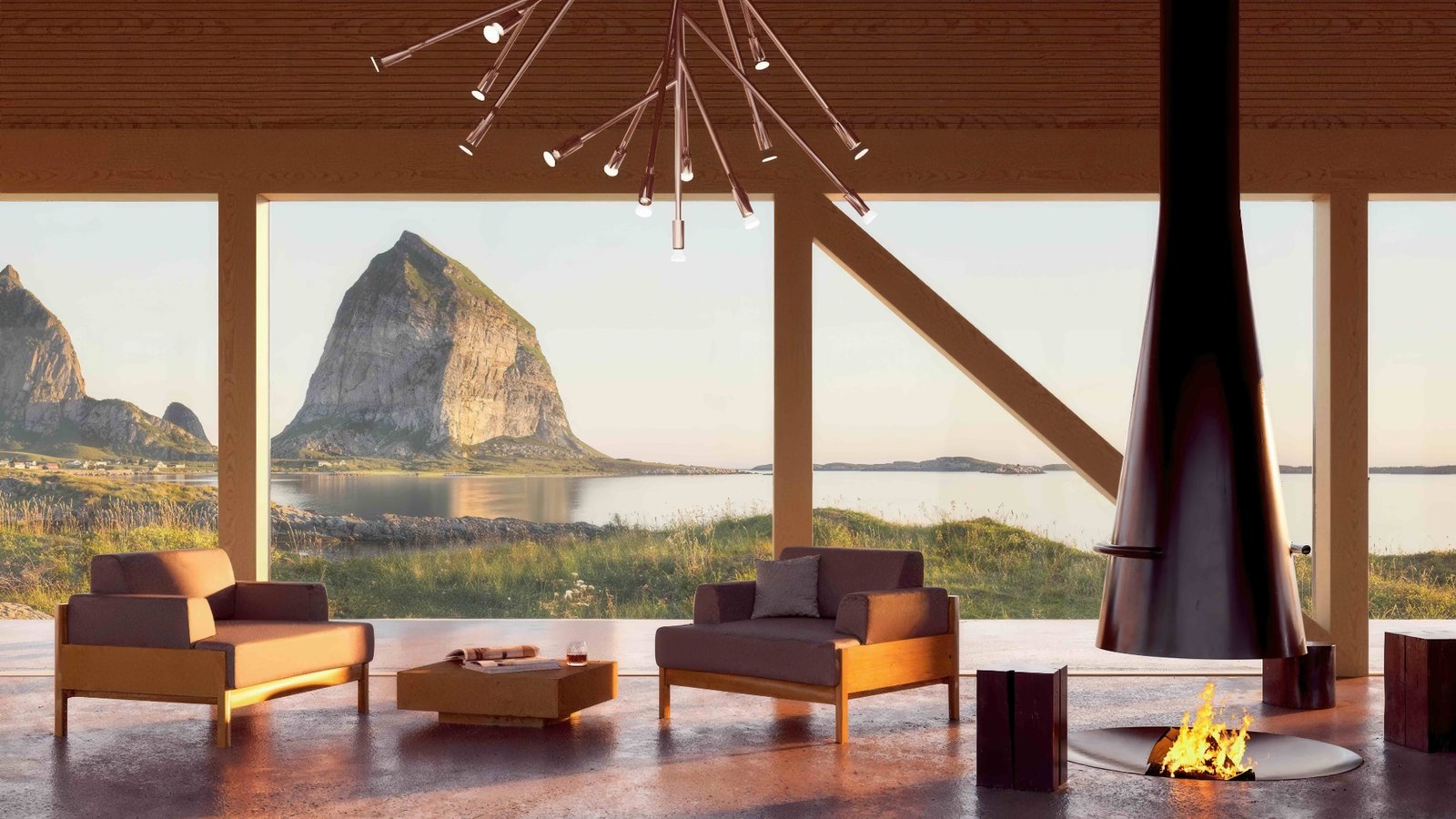
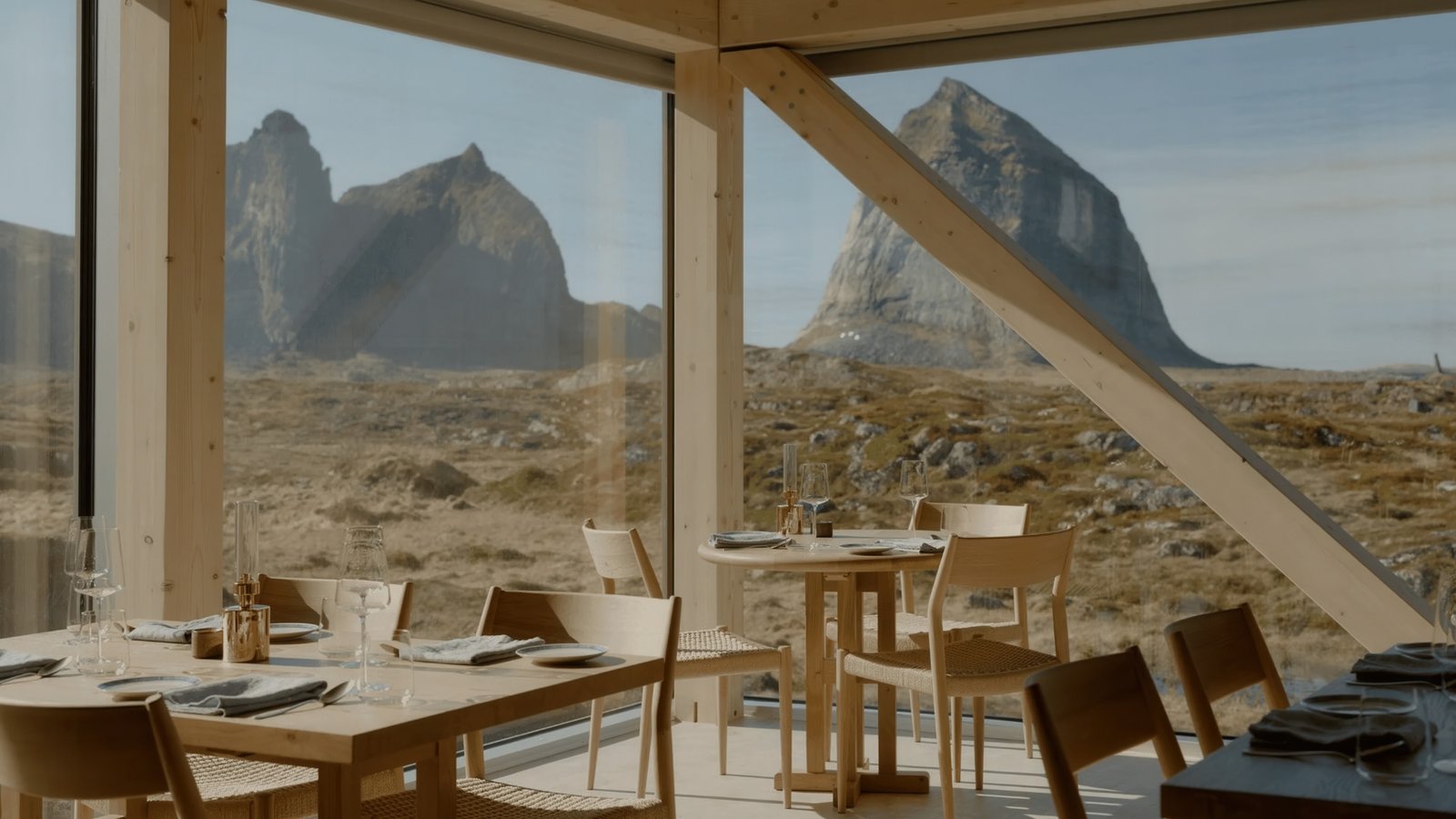
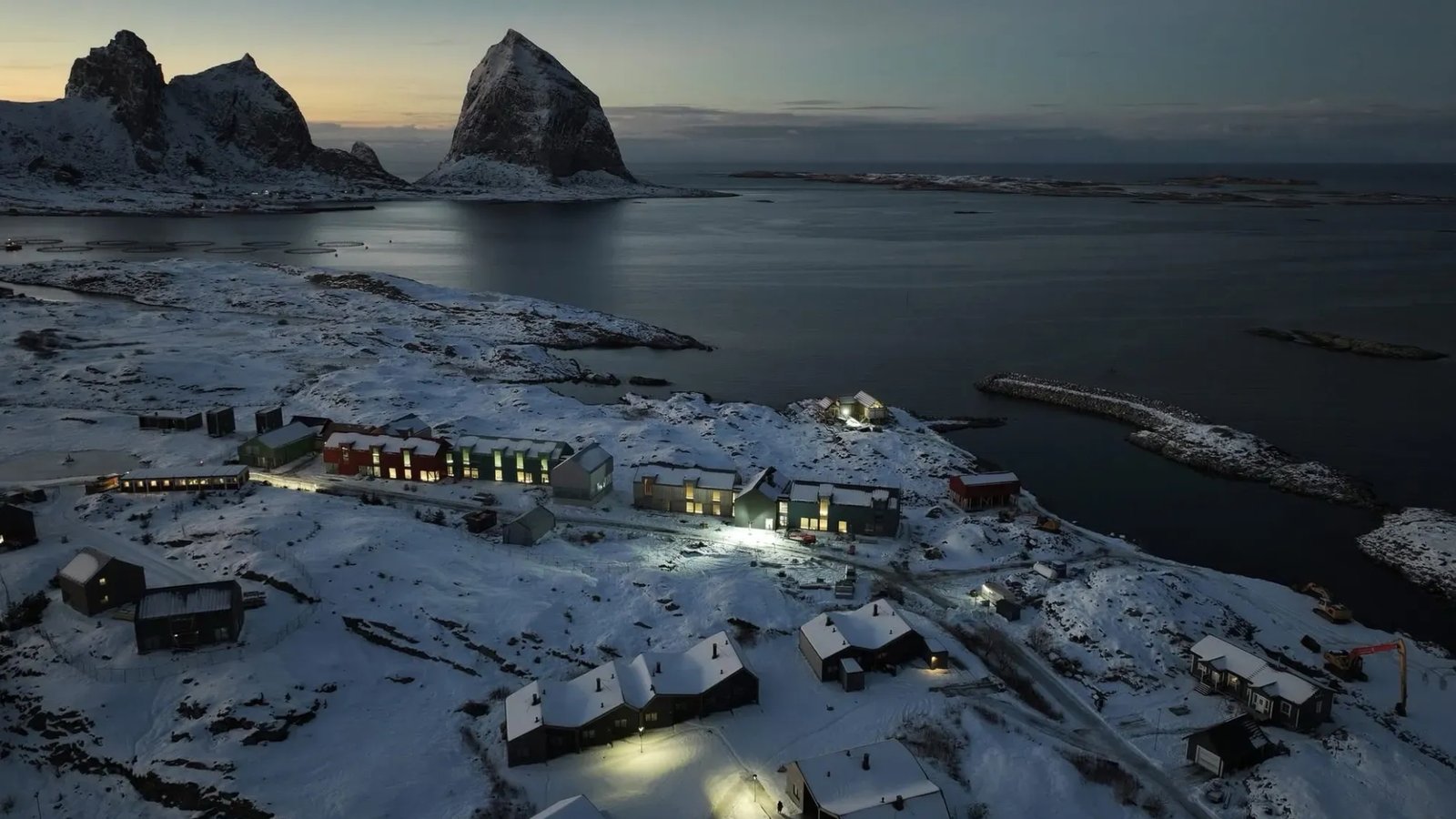
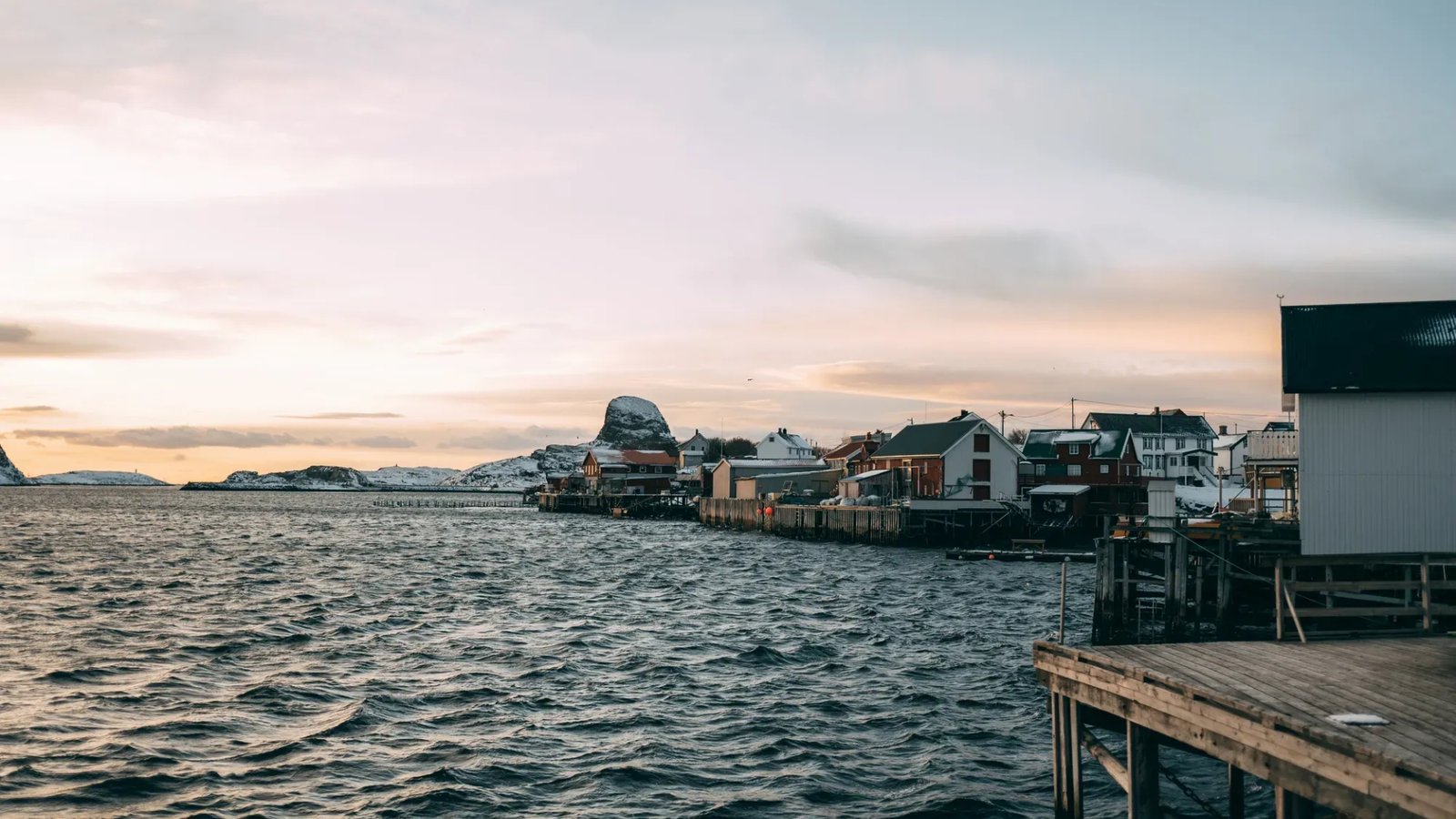
Located on one of Norway’s oldest fishing settlements, just north of the Arctic Circle, Ytrí occupies one of the country’s most isolated luxury settings. The retreat takes its name from the Old Norse word for “the outermost point”—an appropriate description for an island where developers note that the next landmass to the west is Greenland. The property comprises 38 guestrooms and suites, a Northern Lights lounge, wood-fired saunas, a saltwater spa, boathouse, private beach and Alma, a restaurant centred on seafood landed each morning from the surrounding waters. Guests arrive by ferry, private boat or helicopter, reinforcing the sense of purposeful remoteness that defines the experience.
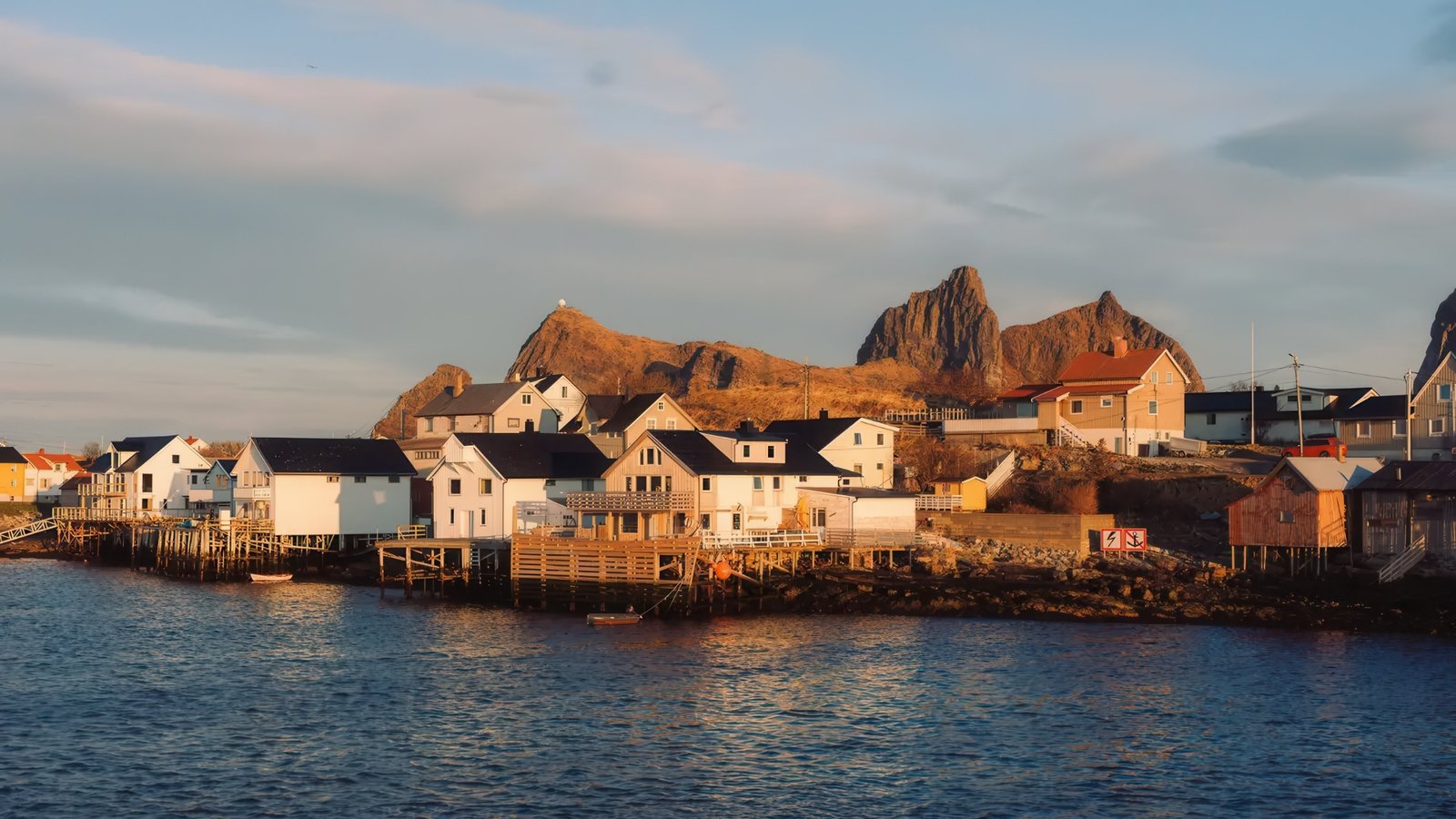
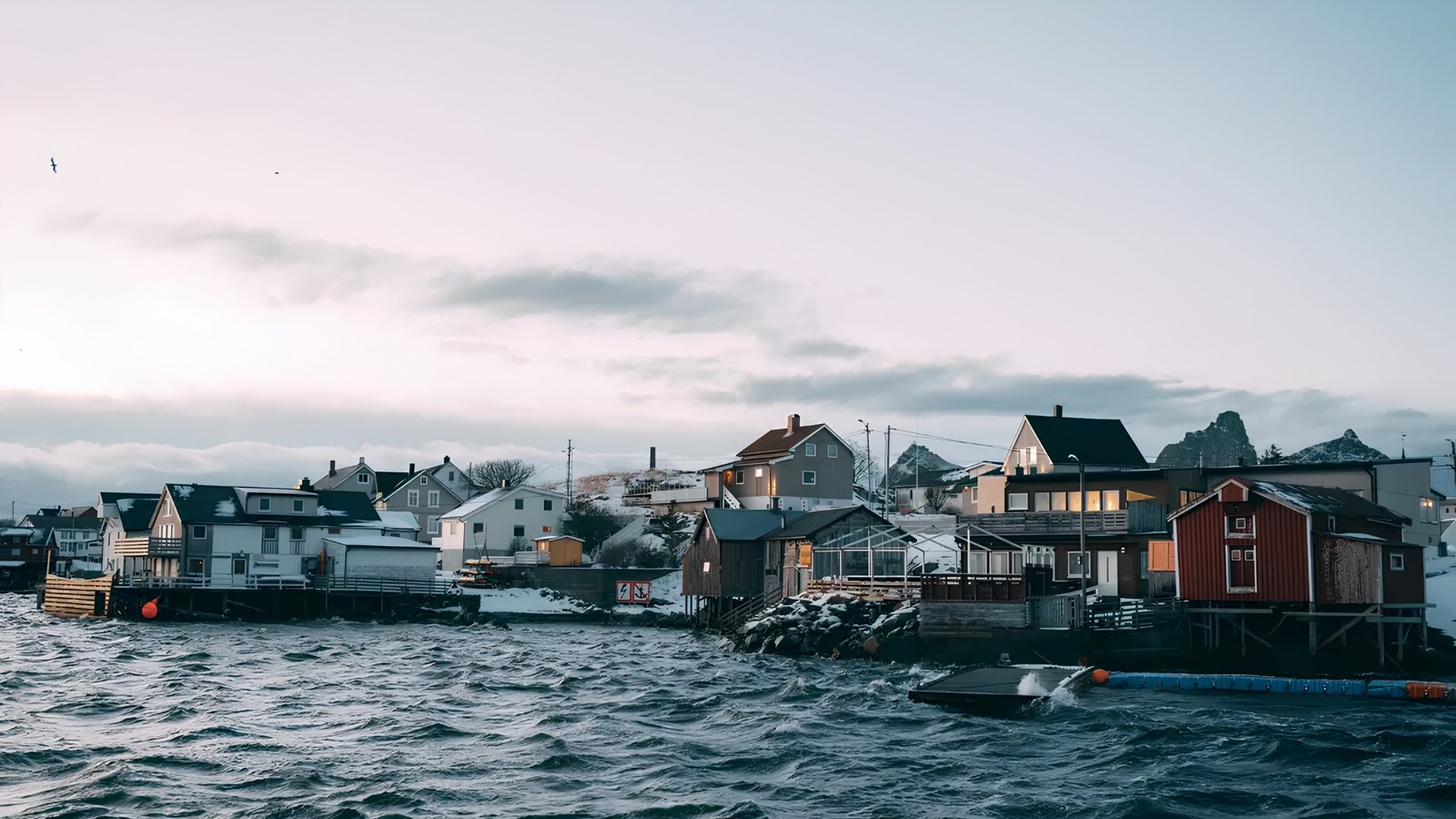
Unlike many luxury developments, Ytrí began not with an investor but with the community itself. In 2015, residents of Træna—home to only a few hundred permanent inhabitants—began discussing how tourism could help secure the islands’ future without compromising their identity. The result was a decade-long planning process that led to the creation of Træna 365, the local company responsible for delivering the project. Year-round employment, staff housing and community participation were embedded within the development from the outset, making the hotel as much an investment in local resilience as in luxury tourism.
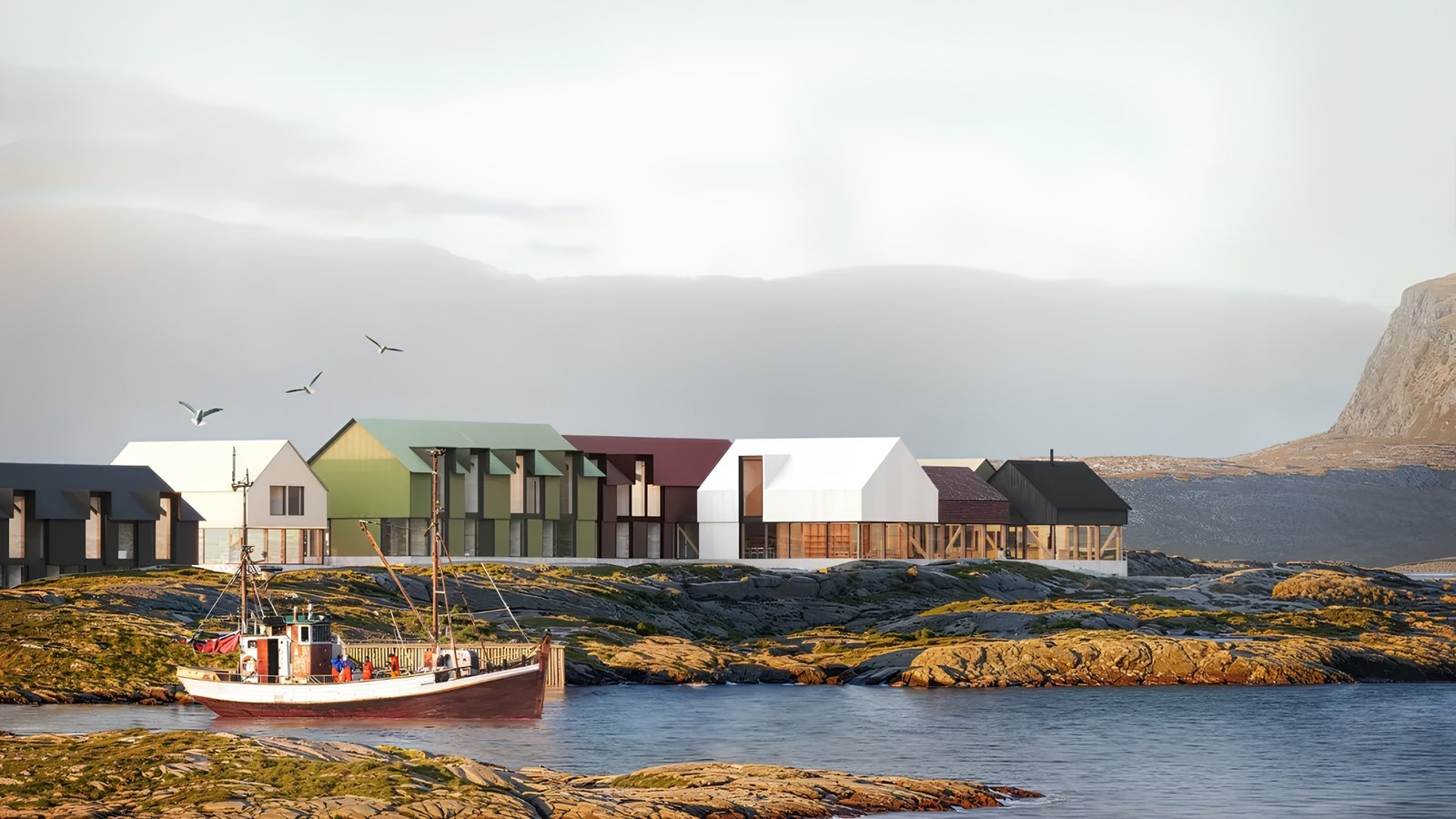
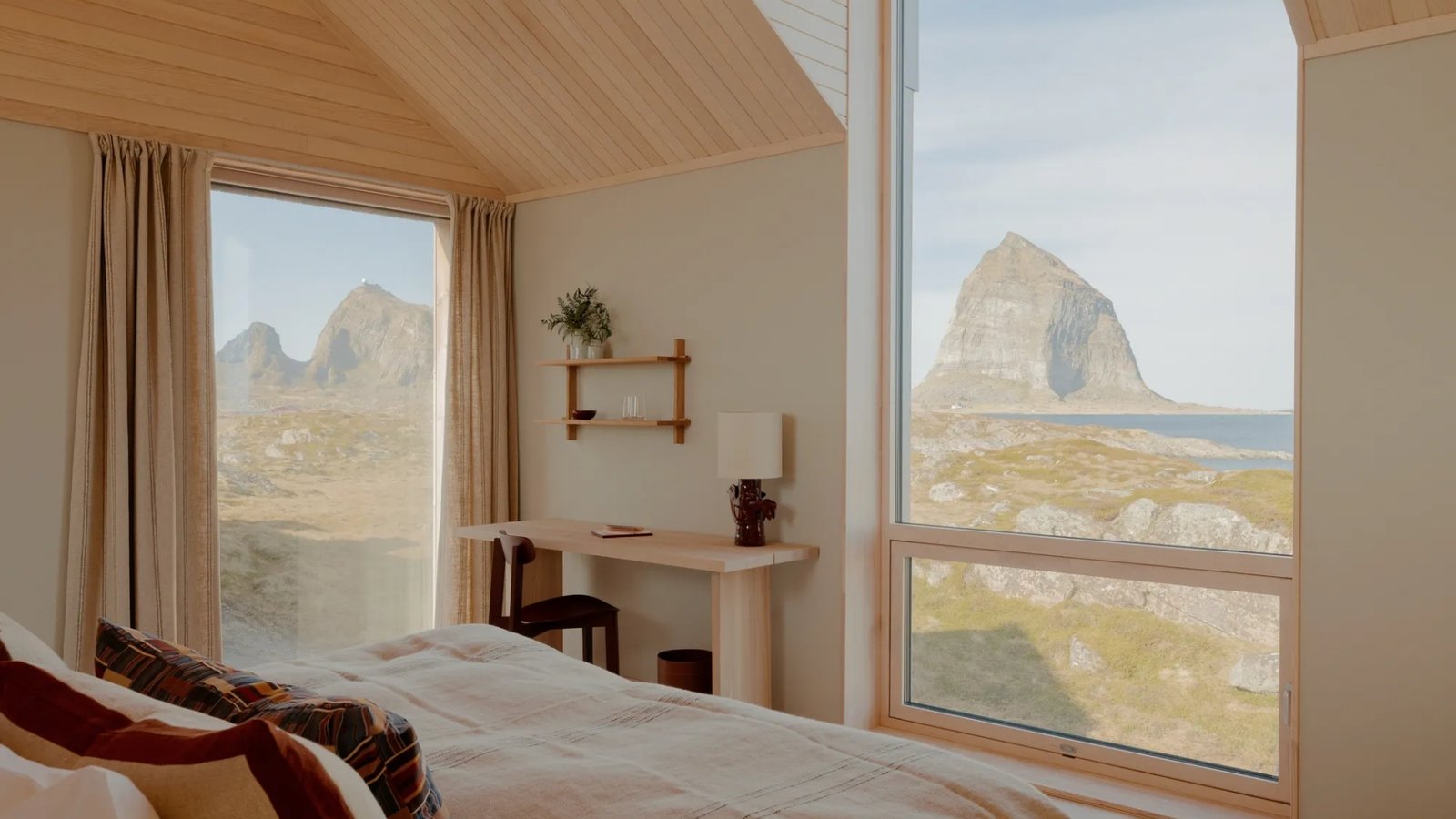
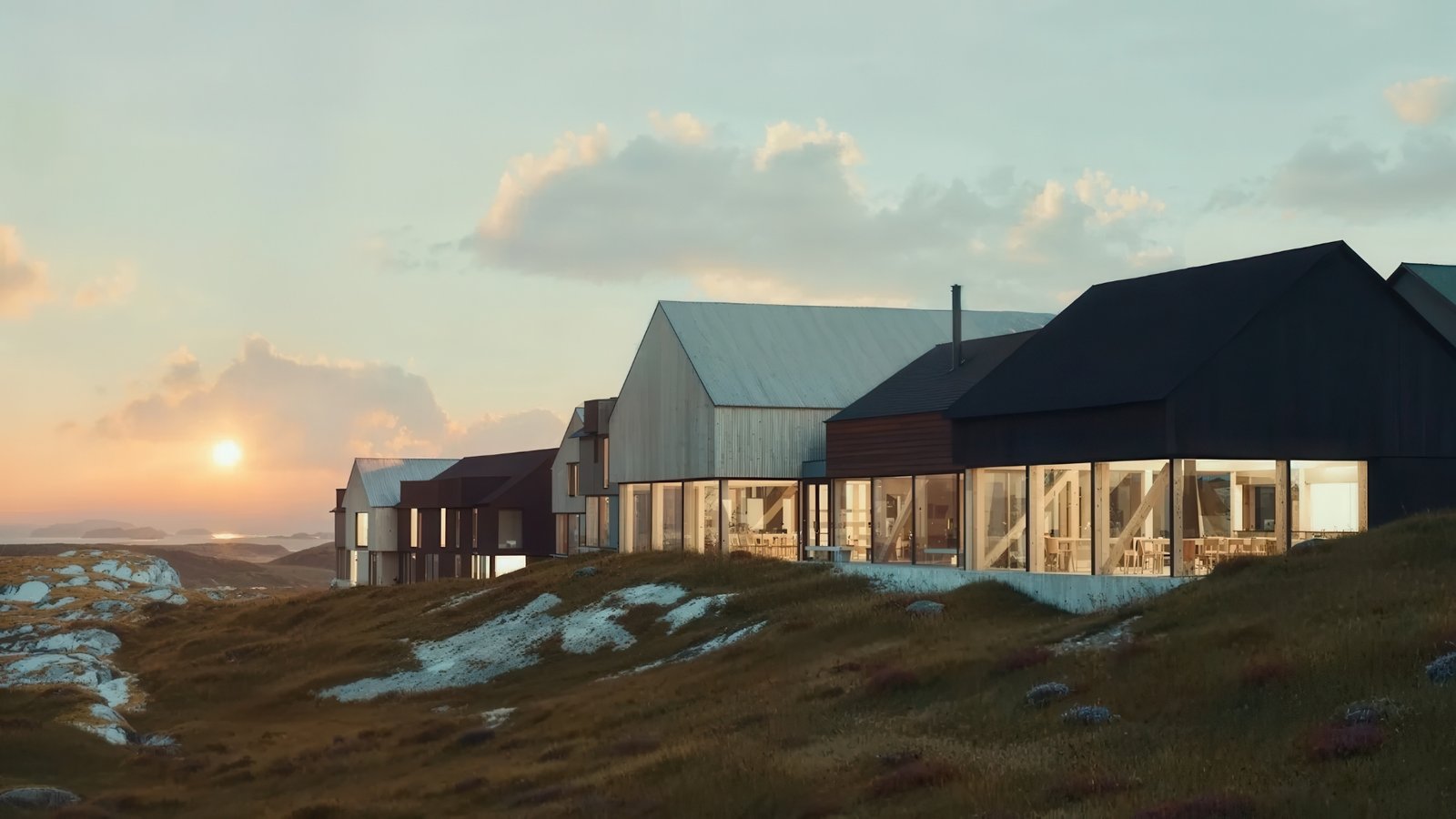
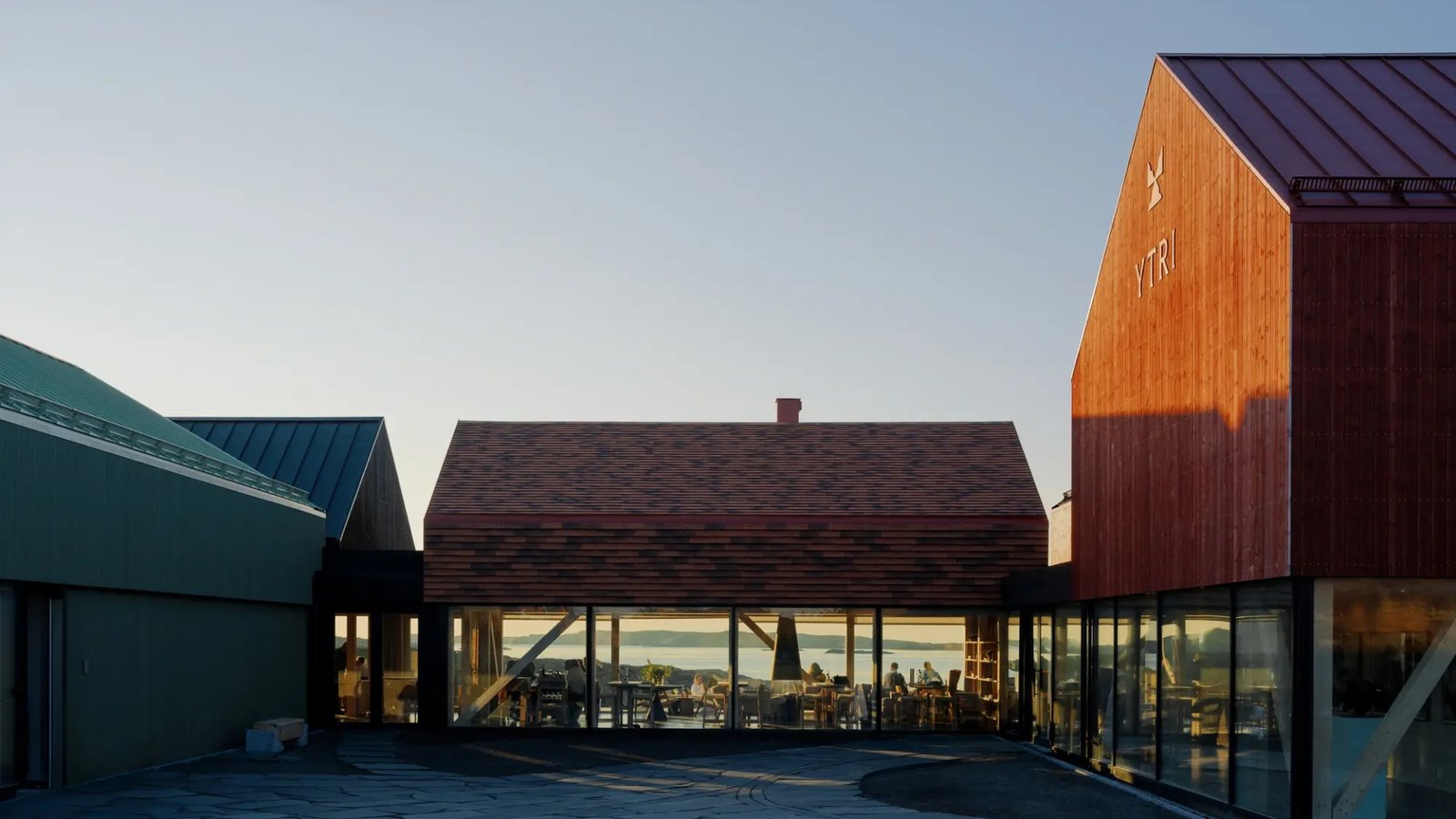
That philosophy extends to the architecture. Designed by Oslo-based practice Vardehaugen with interiors by Bonaparte, the retreat draws heavily from the region’s traditional fishing villages, using low timber buildings connected by historic shoreline paths rather than imposing a singular landmark structure. Every room is positioned to frame the Norwegian Sea and the dramatic Trænstaven mountain, while experiences ranging from kayaking and island expeditions to cold-water wellness and locally sourced dining encourage guests to engage with the landscape rather than simply observe it. Membership of Relais & Châteaux further reinforces the property’s emphasis on authenticity, craftsmanship and sense of place.
Ytrí also reflects a broader shift taking place across luxury travel. As travellers increasingly seek destinations defined by meaning rather than scale, hospitality operators are looking beyond established resort markets towards communities with distinctive cultural and natural identities. Success is measured less by the number of rooms than by the quality of experience and the long-term value created for both guests and residents. In this model, remoteness becomes an asset rather than a limitation.
Now open with rooms starting at approximately US$520 per night, Ytrí demonstrates that luxury hospitality can be more than a commercial venture. On an archipelago inhabited for thousands of years, it suggests that the most successful developments of the future may be those that strengthen the places they inhabit rather than simply occupy them. Visit Ytrí here.