









For decades, the automotive industry measured success by growth. Luxury manufacturers are beginning to reverse that equation. Rather than chasing higher production volumes, a growing number of marques are concluding that fewer cars, stronger demand and greater exclusivity create a more resilient business than simply selling more vehicles. Aston Martin’s latest strategy signals that scarcity is once again becoming one of luxury’s most valuable assets.
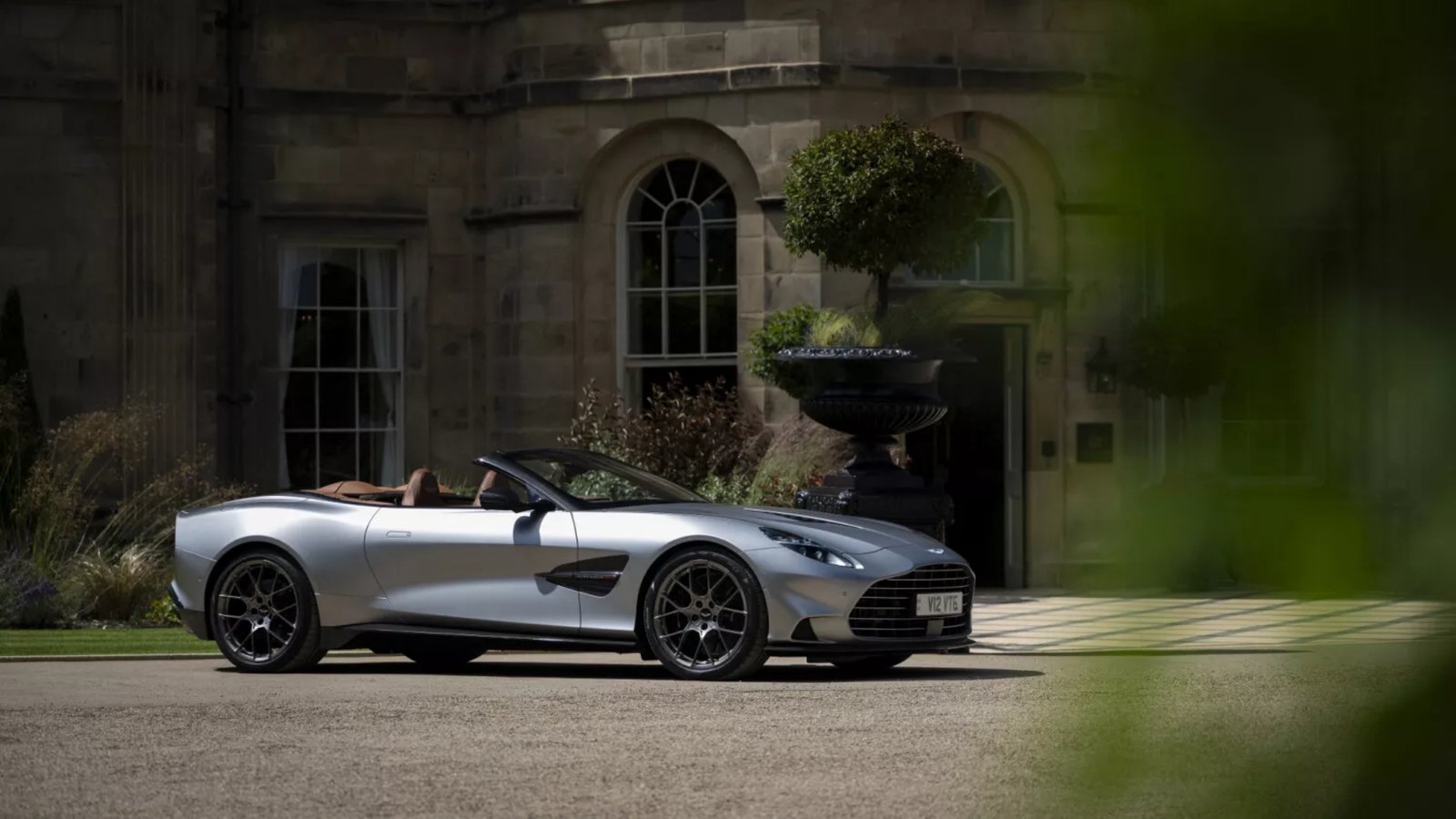
Speaking during this year’s 24 Hours of Le Mans, where the Aston Martin Valkyrie secured an eighth-place overall finish, chief executive Adrian Hallmark outlined a significant recalibration of the company’s long-term direction. Rather than pursuing annual production of 10,000 vehicles, Aston Martin now intends to stabilise output at between 6,500 and 7,000 cars while reducing overheads by approximately 30 per cent. The strategy deliberately echoes the disciplined approach that has long underpinned Ferrari’s commercial success, favouring profitability over volume.
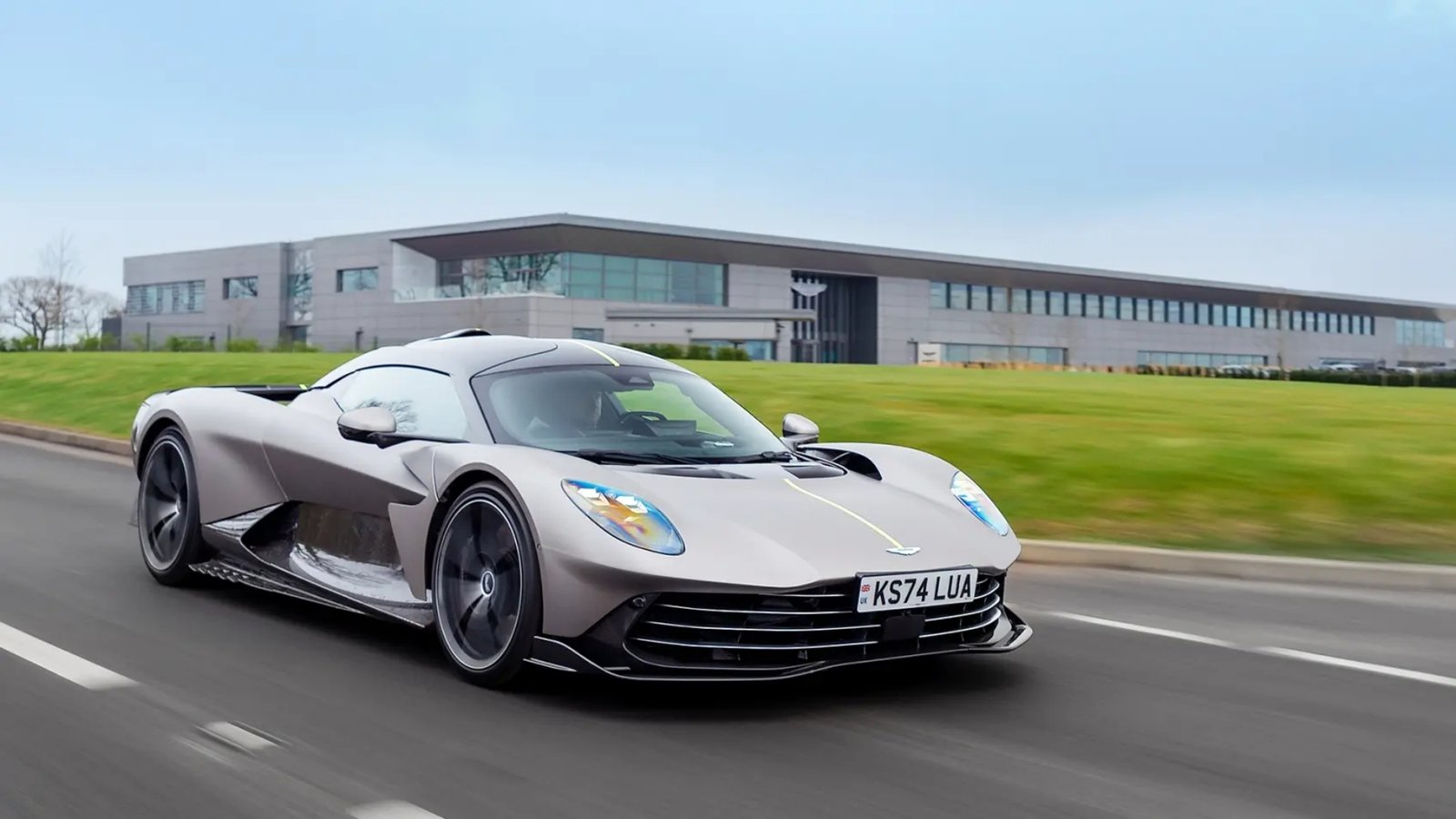
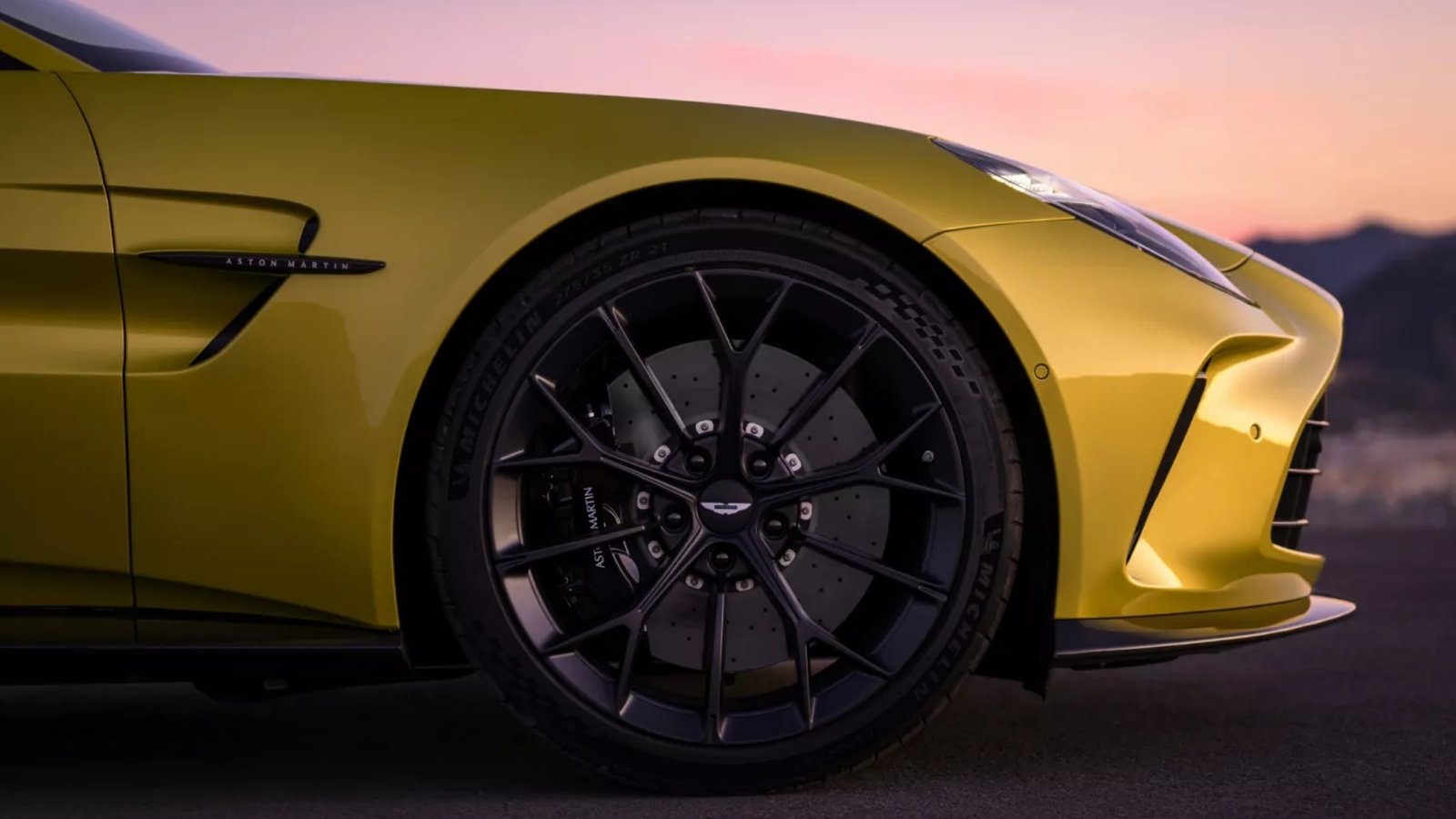
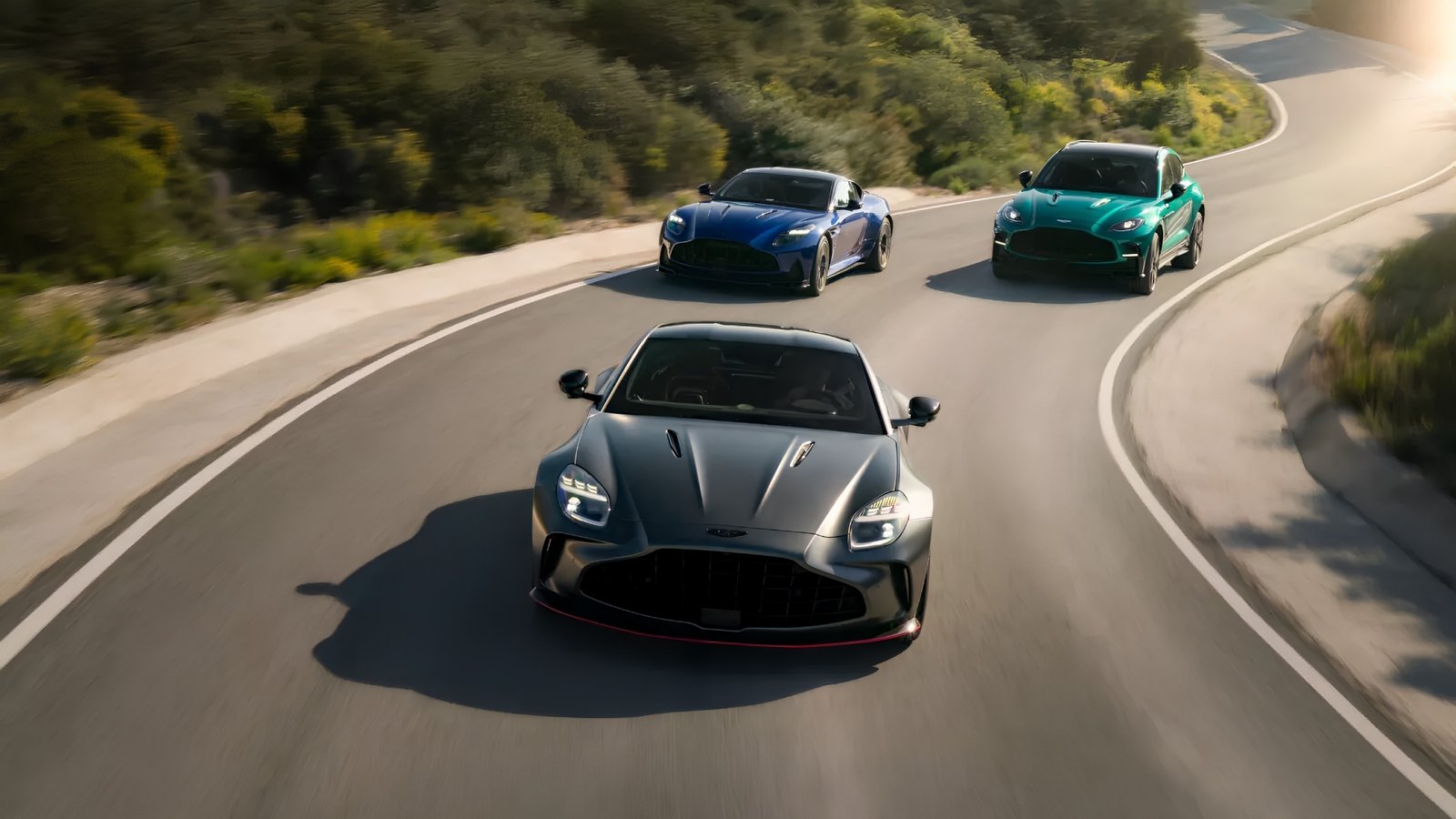
That philosophy extends beyond production numbers. Hallmark has acknowledged that Aston Martin’s current range of front-engined sports cars has become unnecessarily crowded, suggesting the marque may reduce its line-up while concentrating future investment on a smaller number of stronger products. Existing models will instead receive a broader range of derivatives, from higher-performance “S” variants to more luxurious editions designed to encourage existing owners to remain within the brand rather than look elsewhere.
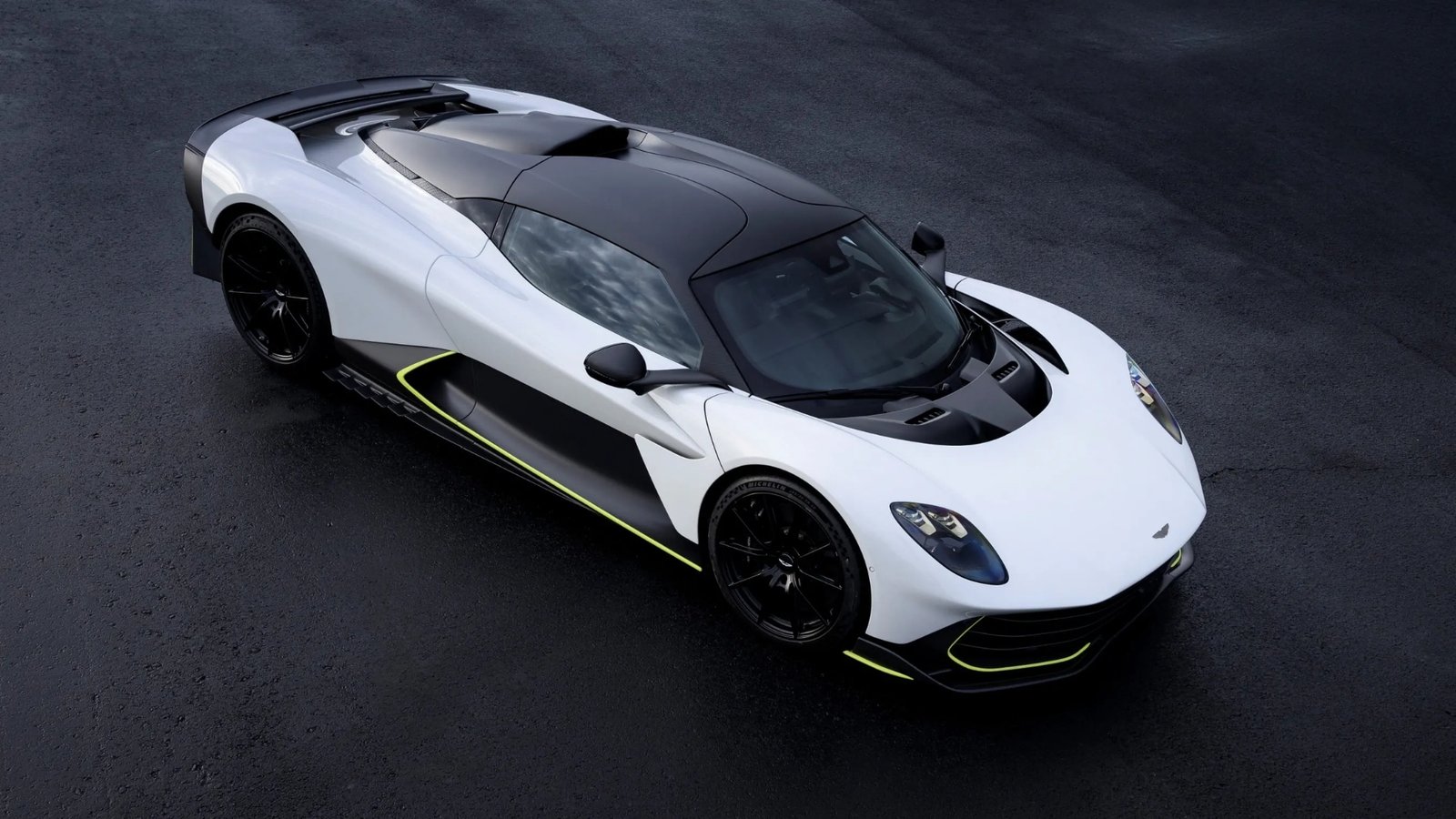
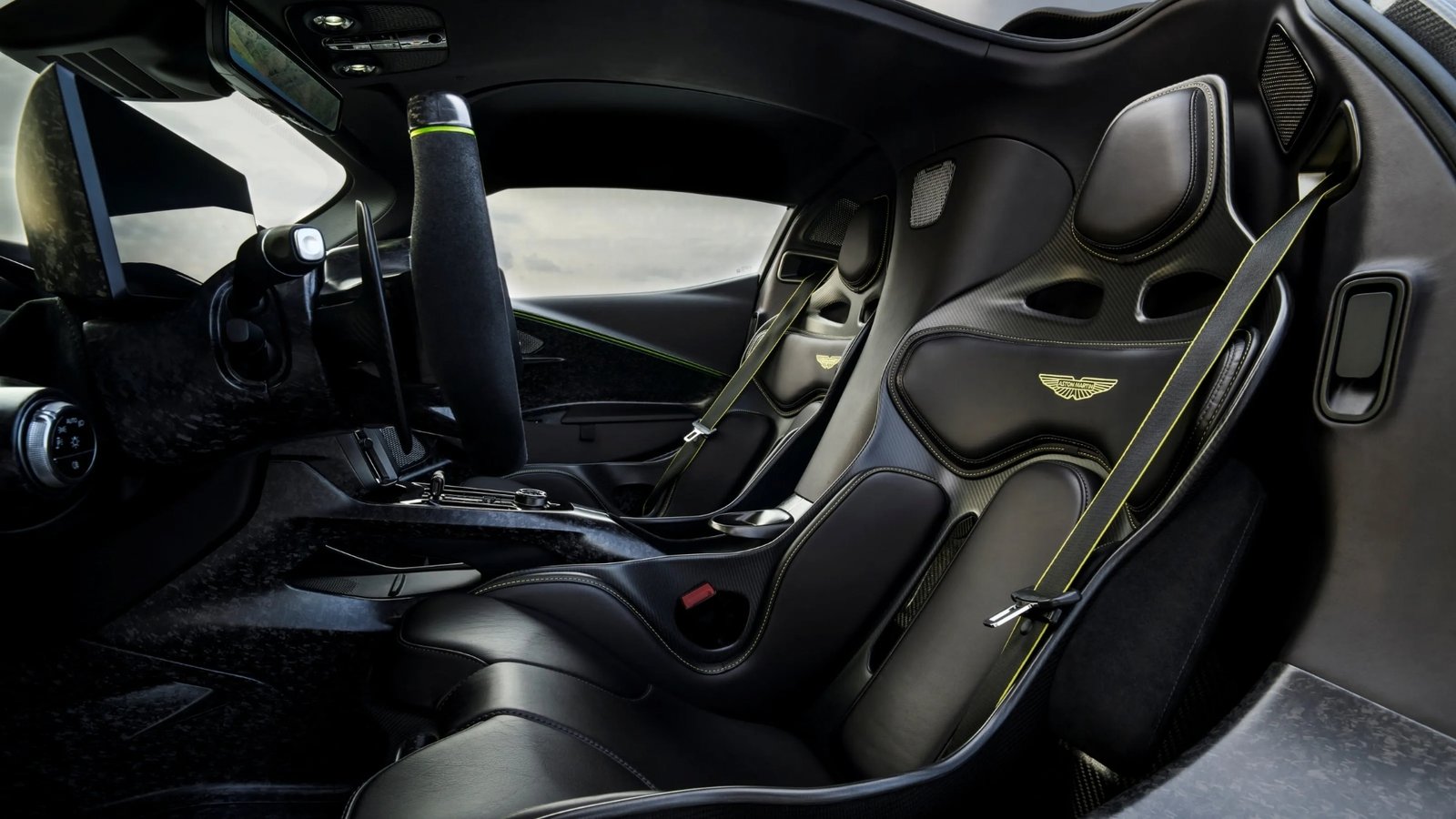
Perhaps the most notable decision concerns electrification. While many manufacturers continue investing heavily in plug-in hybrid technology, Aston Martin has chosen to bypass the segment entirely. Hallmark argues that the additional complexity, weight and development costs offer limited value for a low-volume manufacturer, signalling that the brand’s eventual transition to electrification will move directly towards fully electric vehicles rather than through an intermediate hybrid phase.
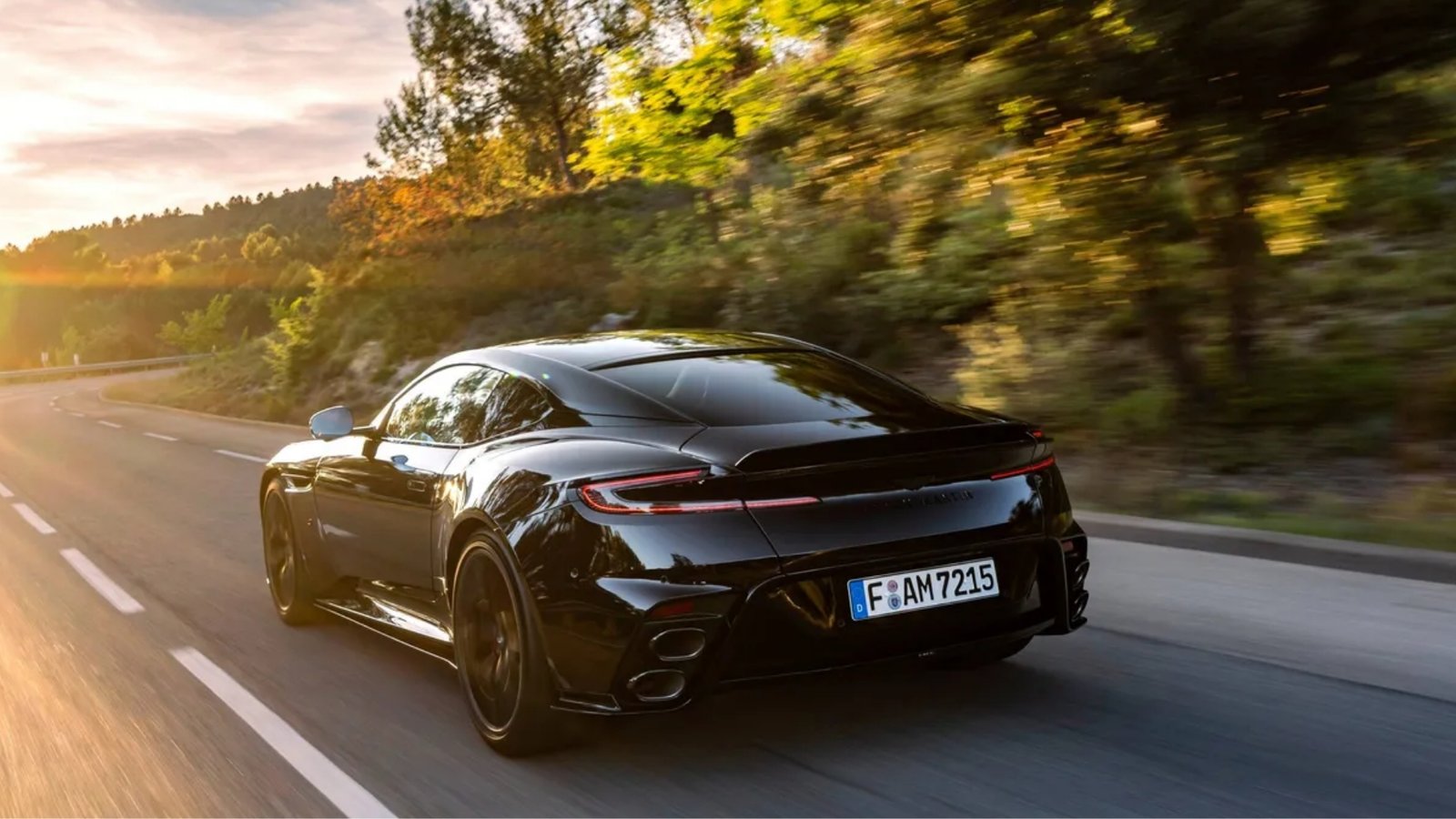
The announcement reflects a broader shift taking place across the luxury automotive sector. As demand normalises following the extraordinary growth experienced during the post-pandemic luxury boom, manufacturers are placing renewed emphasis on protecting residual values, maintaining exclusivity and improving long-term profitability instead of expanding production. Increasingly, the strongest luxury brands are recognising that rarity remains one of their greatest competitive advantages.
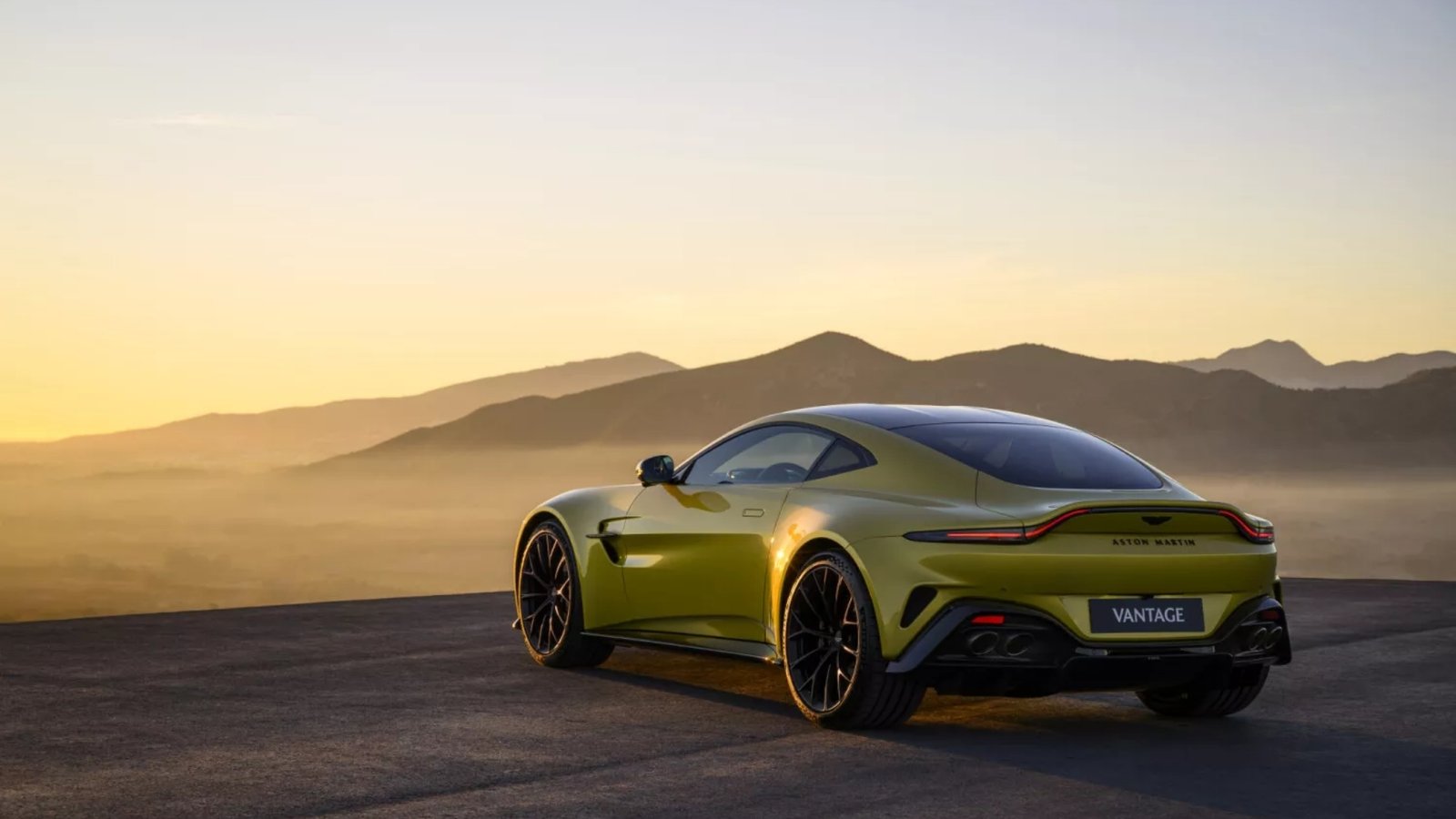
Aston Martin’s future strategy therefore extends beyond manufacturing fewer cars. It represents a return to one of luxury’s oldest principles: value is often created not by producing more, but by ensuring there is always less than the market wants. In an industry where exclusivity has become increasingly difficult to preserve, scarcity may once again prove to be the ultimate luxury. Visit Aston Martin here.