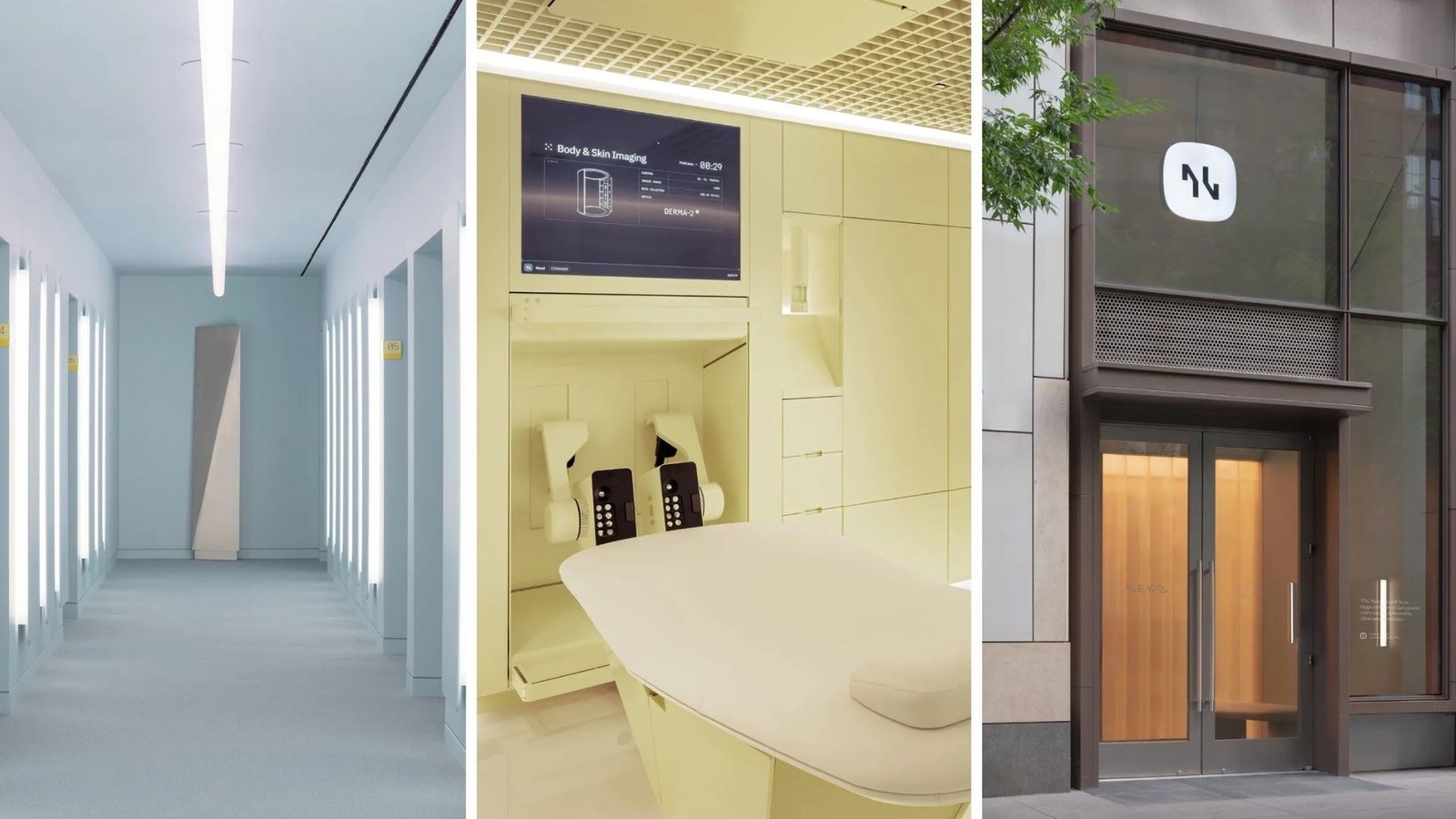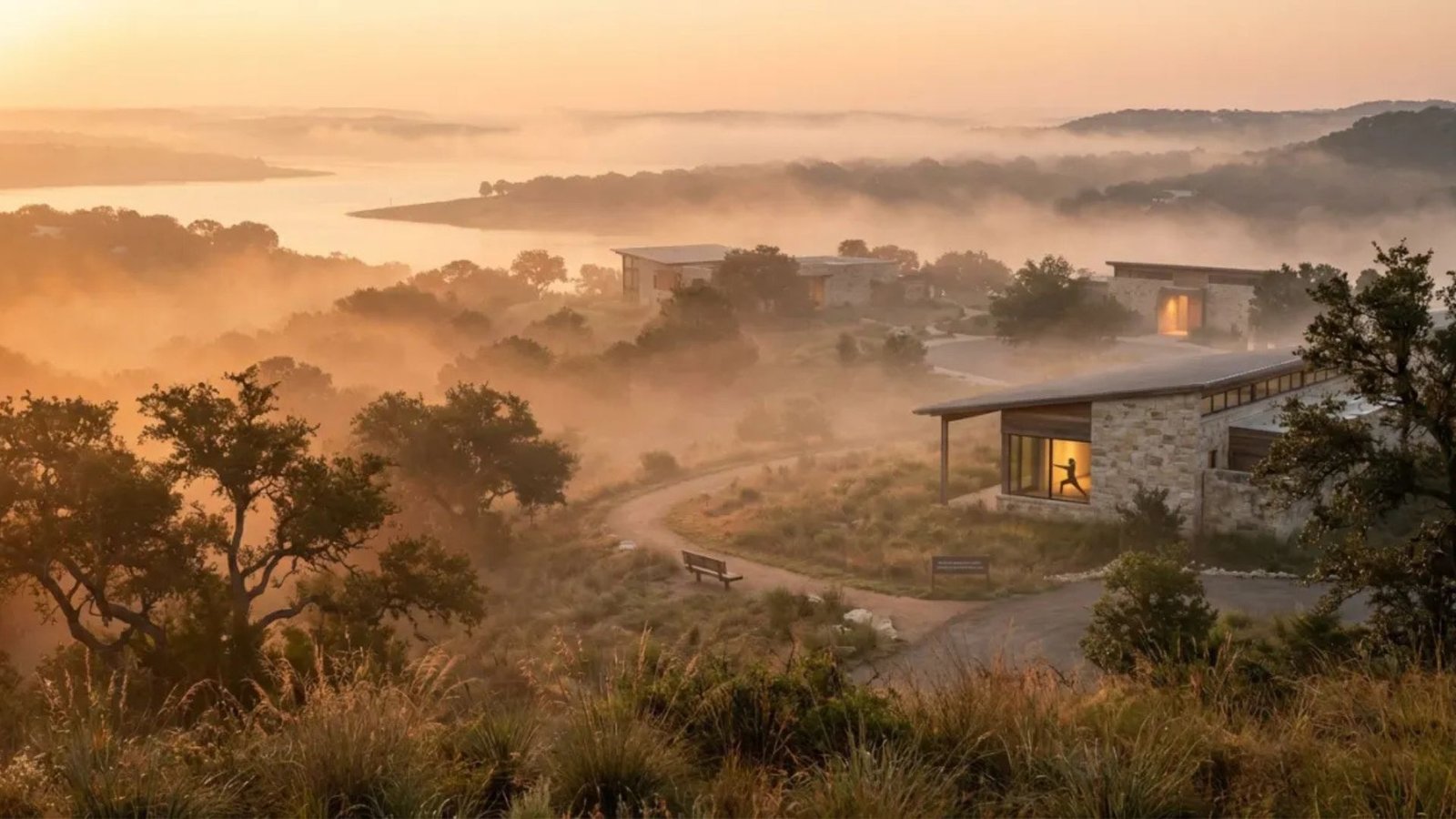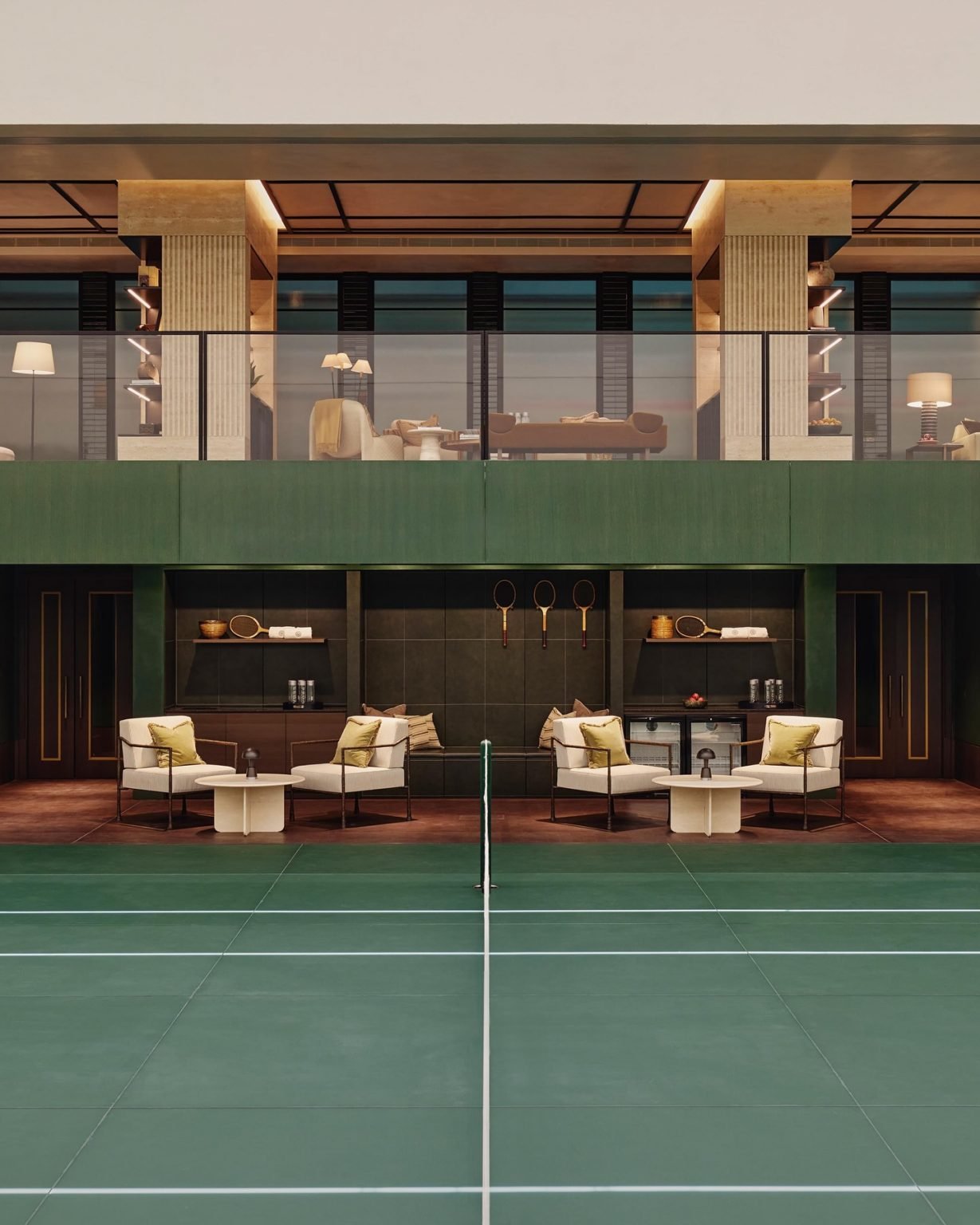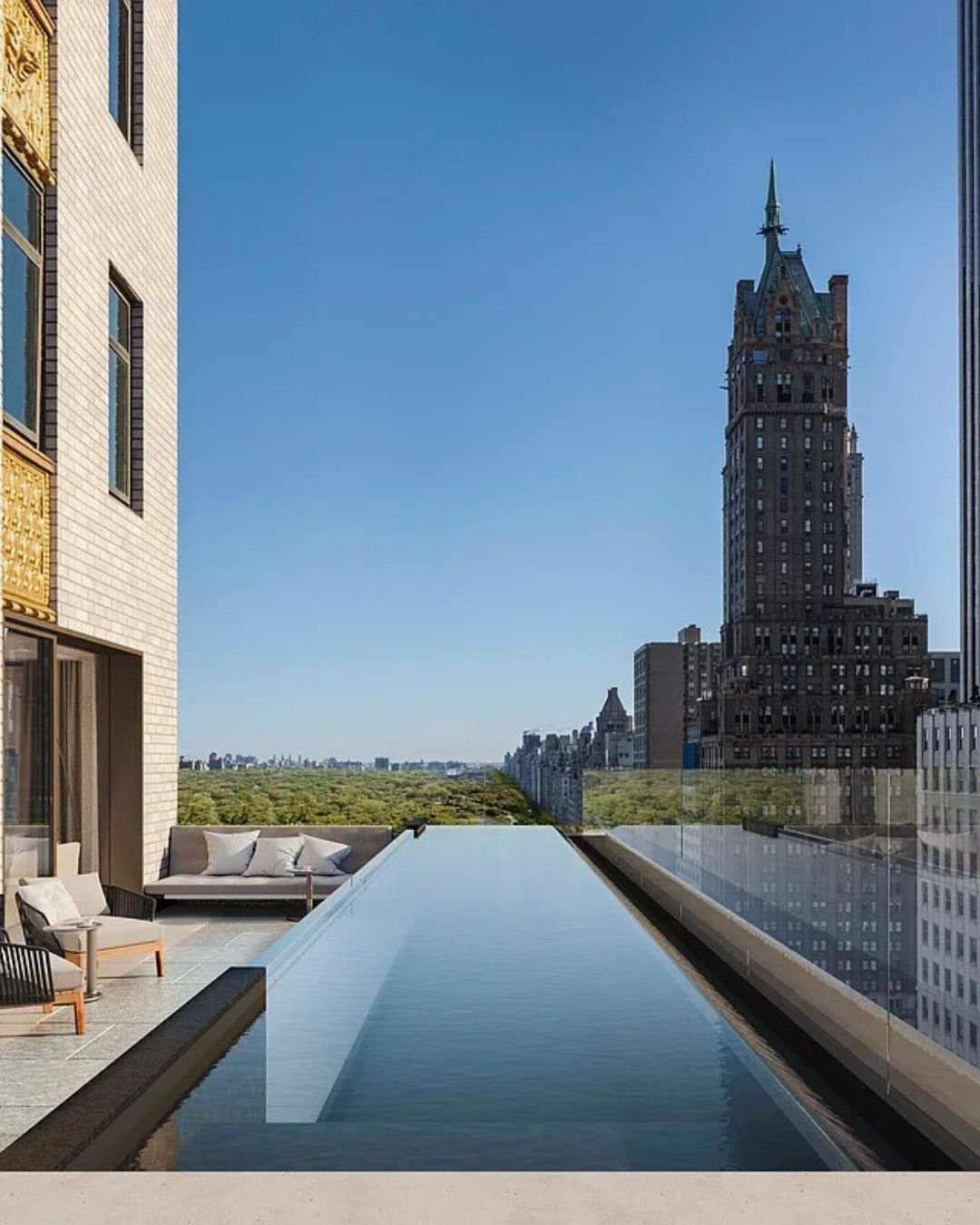







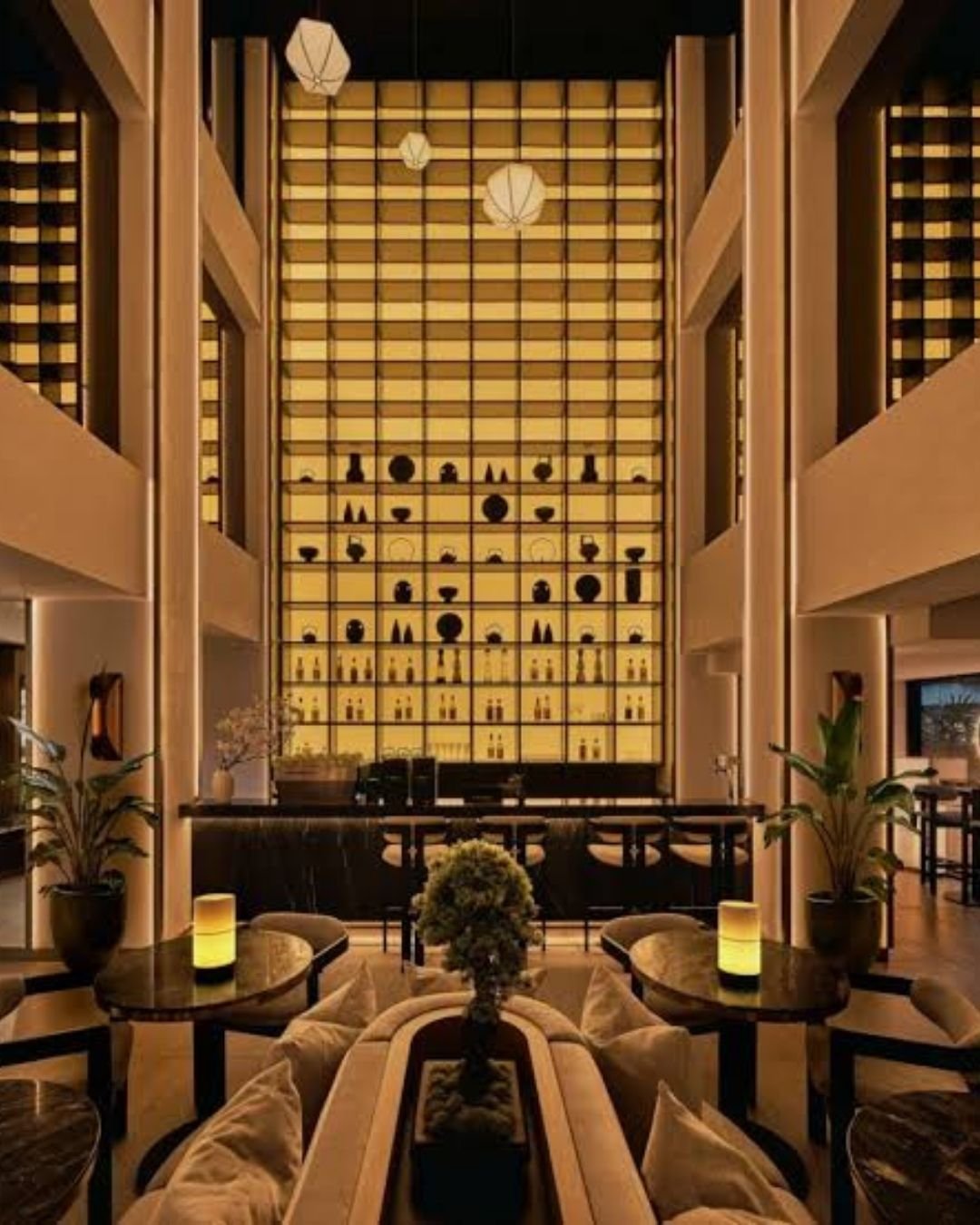


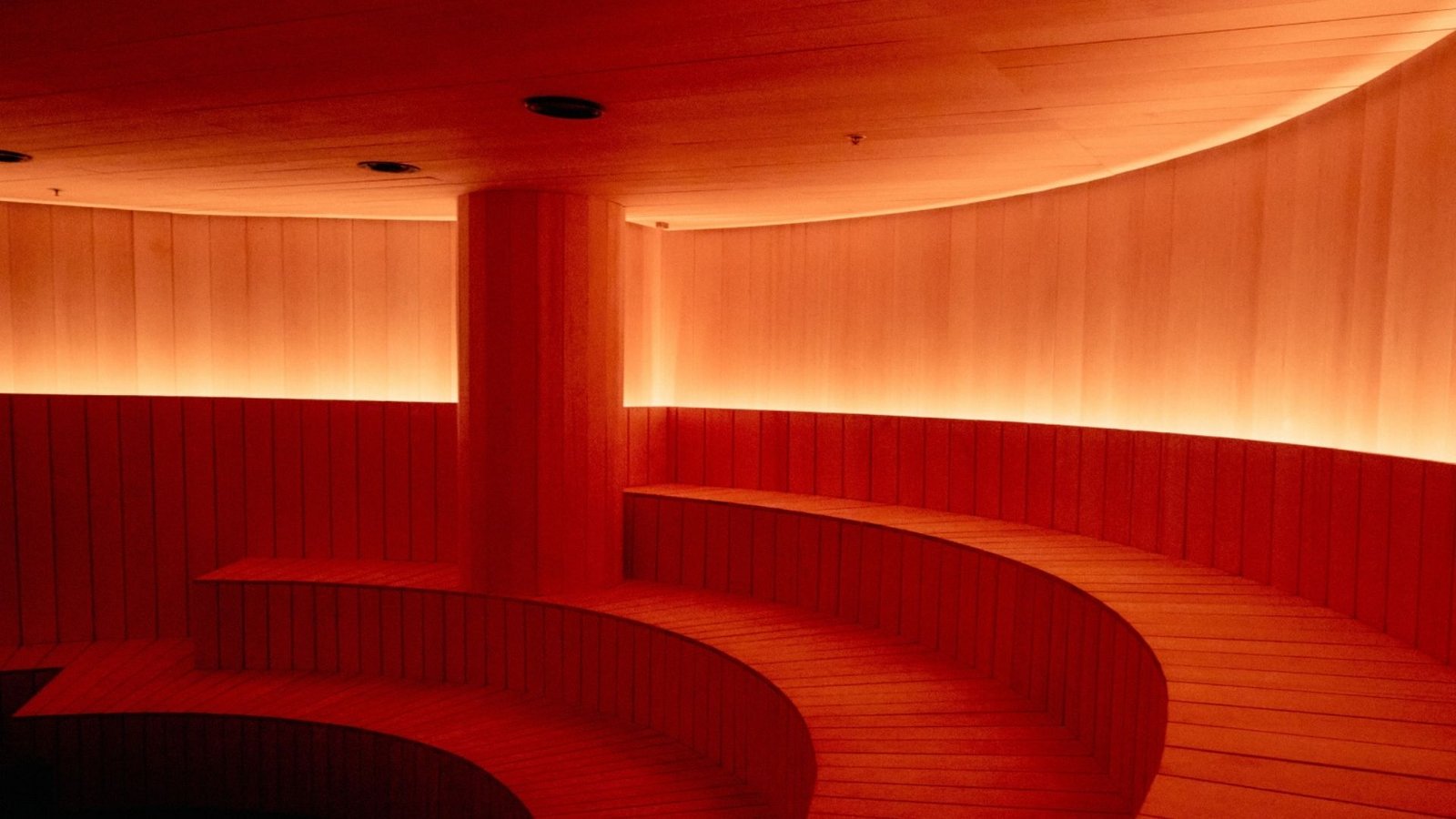
New York’s recovery scene has a new centrepiece. The Altar has opened on Fifth Avenue in Flatiron around a fifty-person ceremonial sauna, billed as the city’s largest, where guided Aufguss sessions turn heat and cold into a shared ritual. The space is divided into two distinct environments. The Atrium is built around communal sauna and cold plunge, with sessions that can be guided or self-directed. The Practice takes a more clinical approach, bringing together longevity technology, IV therapy, NAD+, red light, compression and hyperbaric chambers. Together, they create a proposition that sits somewhere between bathhouse, social club and longevity clinic.
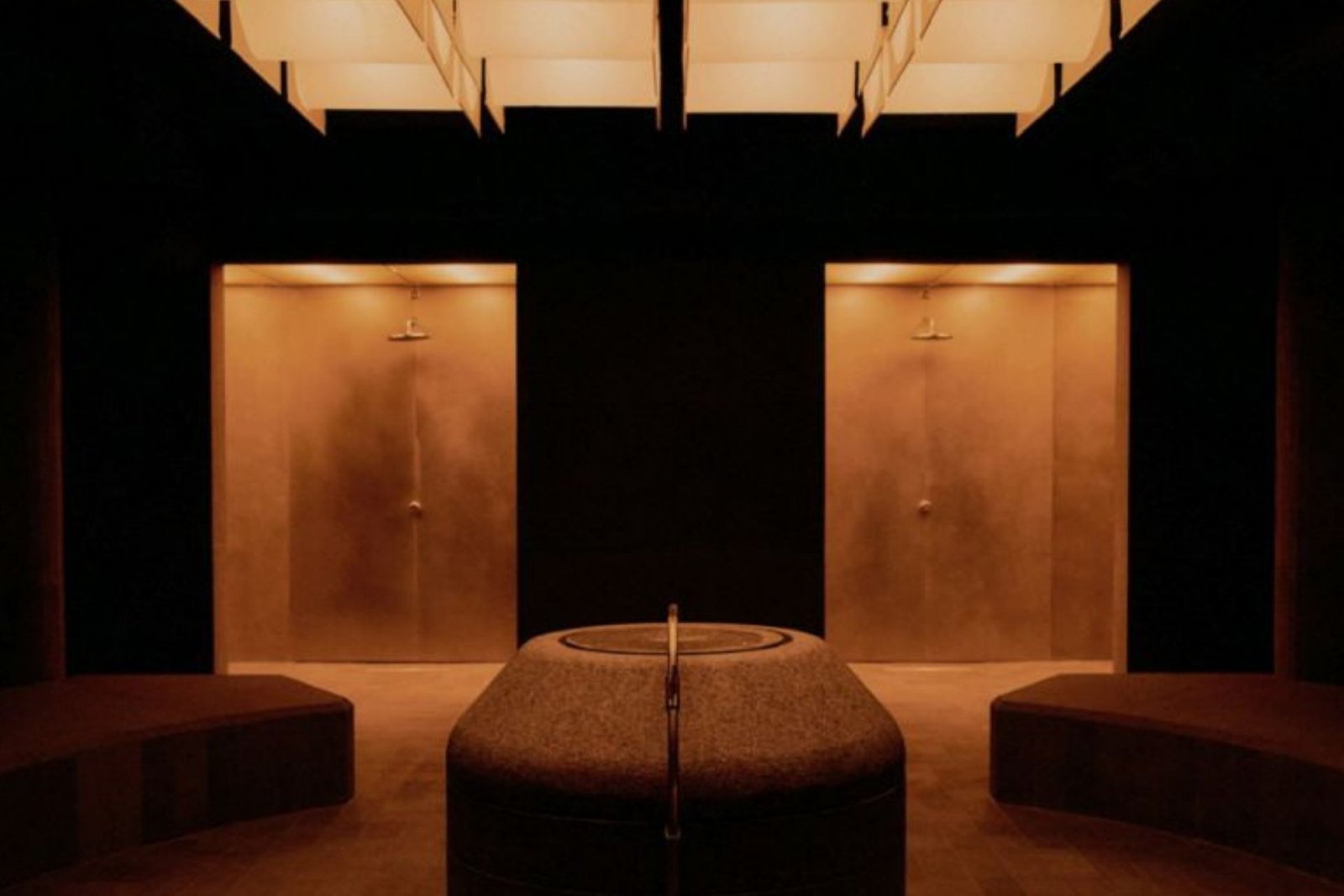
The distinction matters because most recovery infrastructure is still sold as a collection of individual interventions. Sauna. Cold plunge. Red light. Compression. IV therapy. Each has its own perceived benefit, and each can be booked as a separate transaction. The Altar puts them into an environment where the experience itself becomes part of the product. The sauna is the clearest expression of that idea. Aufguss is not simply a period of sitting in heat. A trained sauna master controls temperature, humidity, movement and timing, using towels to circulate heat through the room. Performed for fifty people, the ritual becomes something closer to theatre than treatment. The customer is not simply using a sauna. They are participating in an experience with other people.
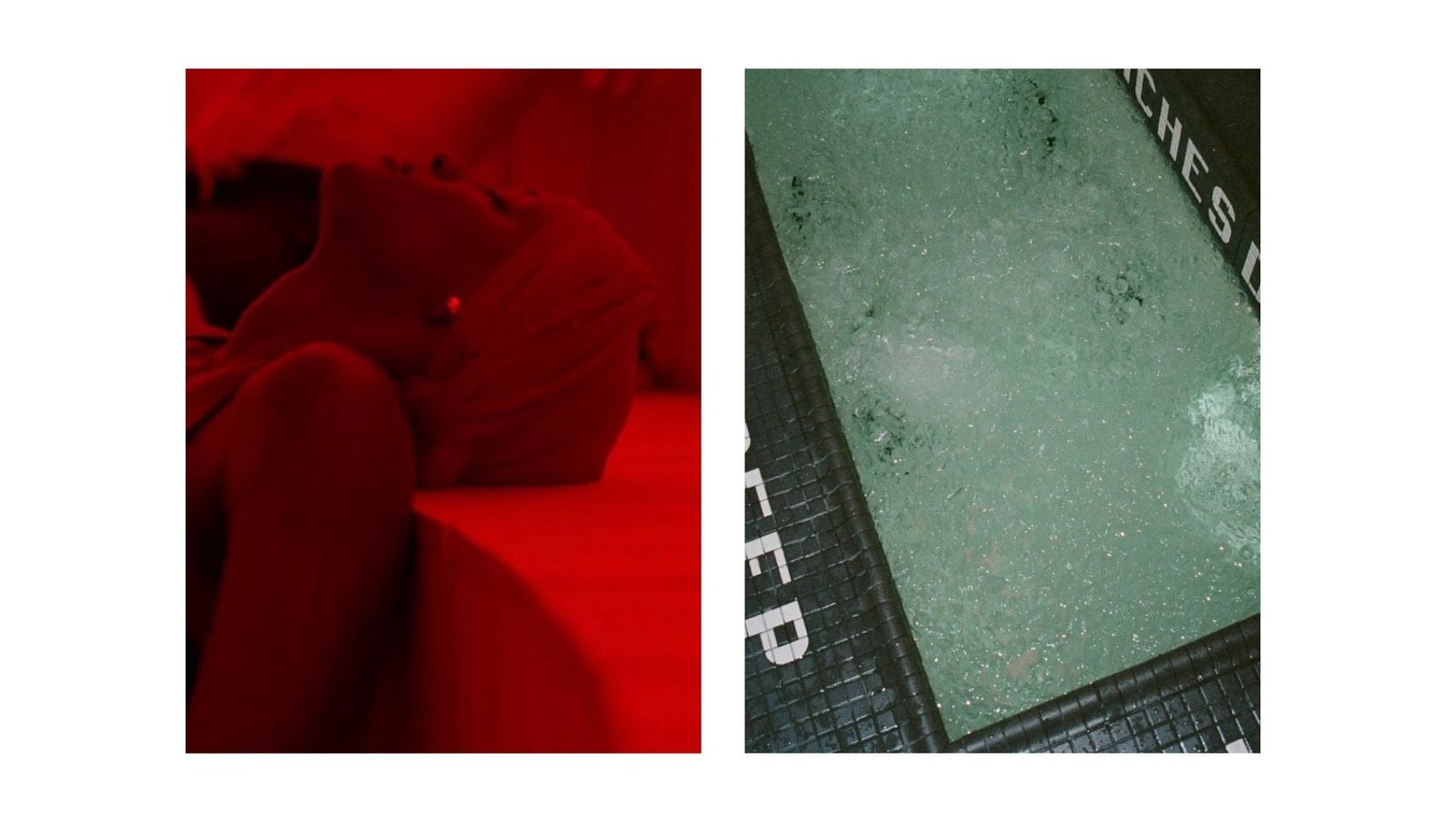
That changes the role of the space. A conventional recovery room is designed around the individual. The Altar is designed partly around the group. People arrive for a session, experience the ritual together, move through heat and cold and leave with a shared experience. The social component gives the infrastructure another reason to exist beyond its physiological function. This is important because wellness infrastructure only creates lasting value when people return to use it. A beautifully designed sauna that sits empty is an amenity. A sauna that becomes part of someone’s weekly routine is infrastructure. The Altar is effectively trying to build that routine around ritual.
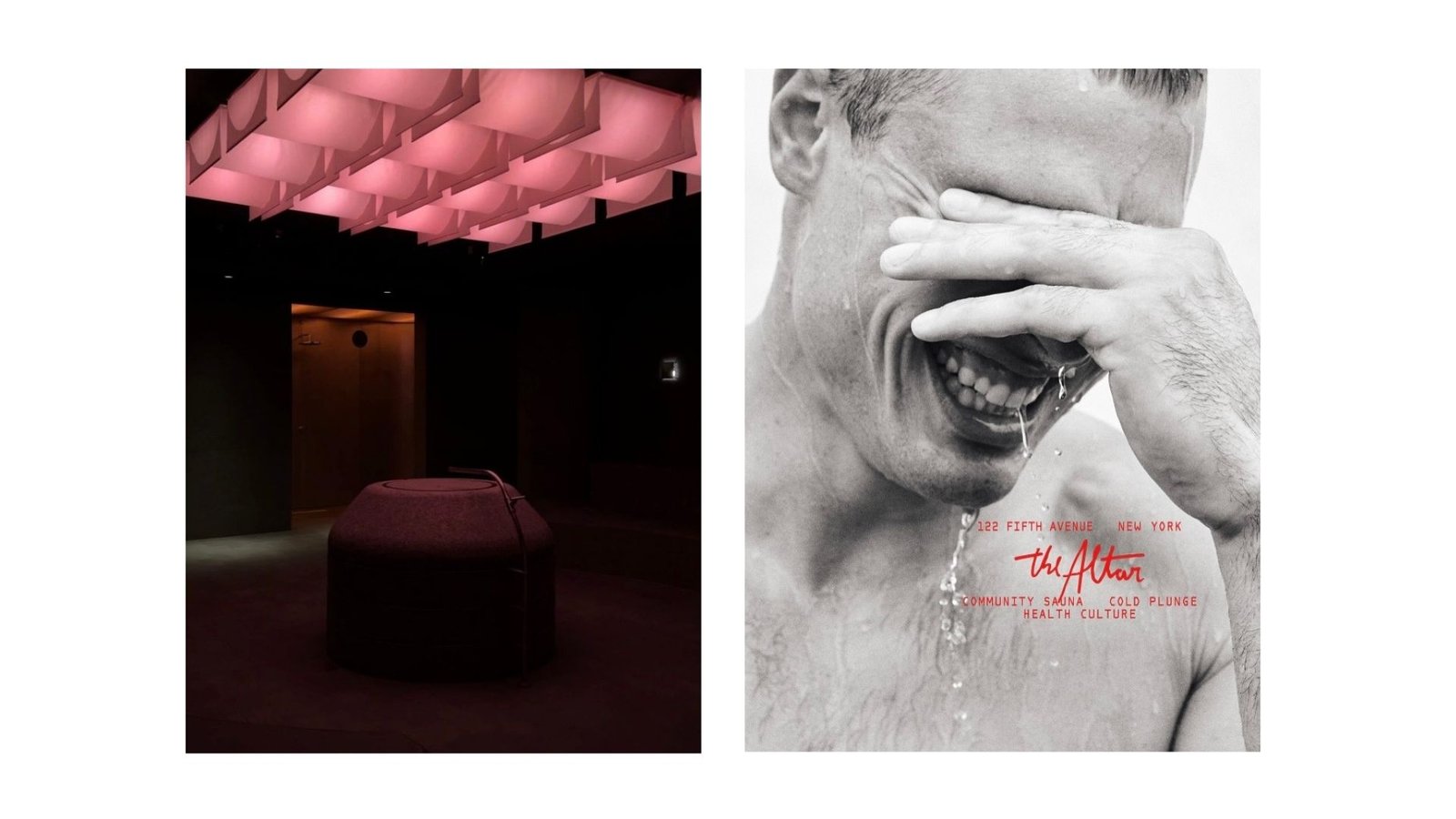
The split between The Atrium and The Practice also reveals where the category is heading. One side is communal and experiential. The other is technological and intervention-led. Sauna and cold exposure sit alongside IV therapy, NAD+, red light, compression and hyperbaric treatment. The distinction between wellness, recovery and longevity becomes less important than the relationship connecting them. That relationship is increasingly valuable in urban environments. Space in New York is expensive, and wellness businesses have to give people a reason to return frequently enough to justify the footprint. A treatment can generate a transaction. A ritual can generate a habit. A community can make the habit social.
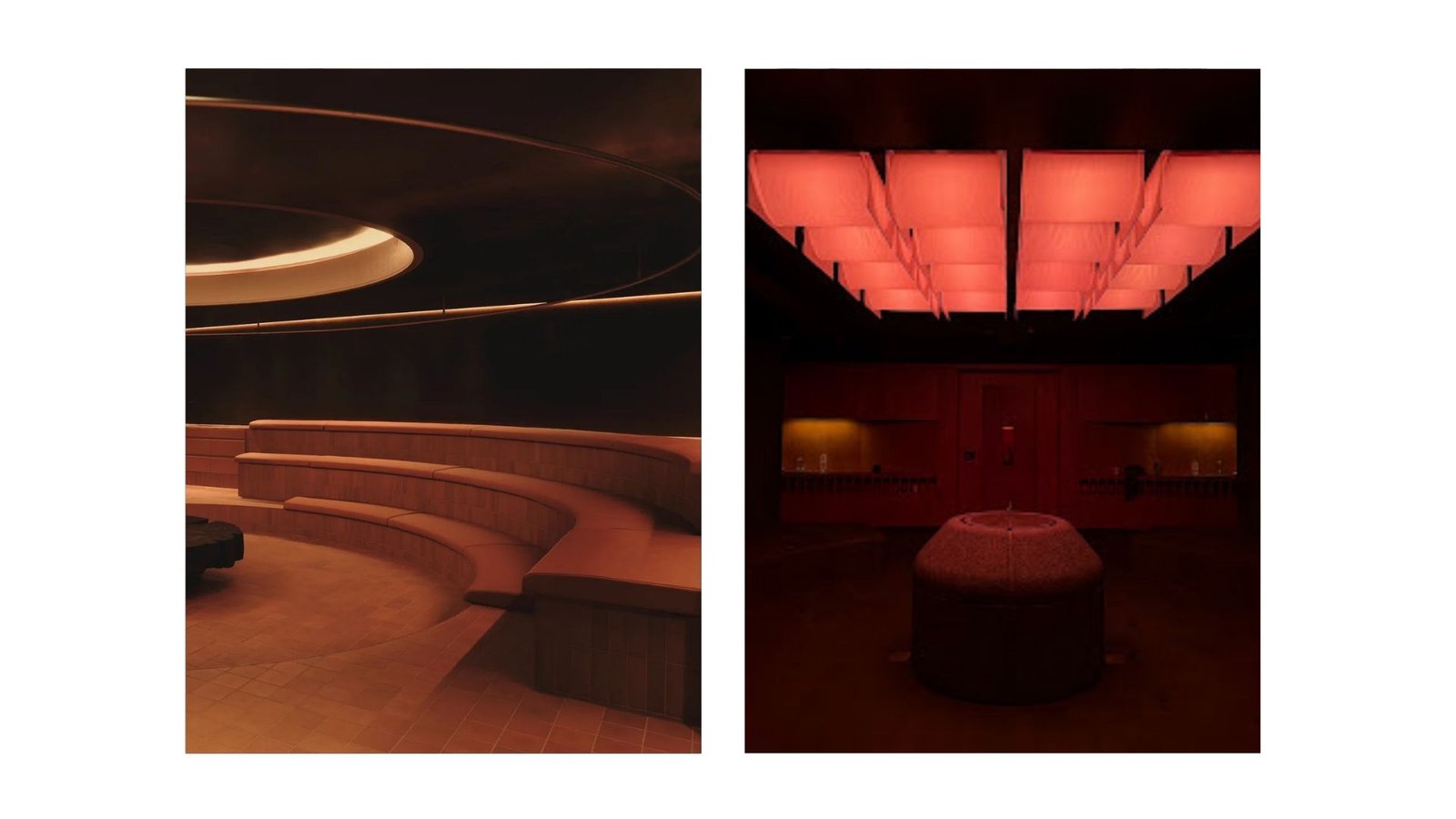
The Altar therefore represents a different kind of wellness real estate. It is not simply a spa with more technology, nor a clinic with better hospitality. It is an environment designed around repeated behaviour — with the social experience helping make the underlying interventions more habitual. That is where the model becomes interesting beyond the building itself. The most successful wellness spaces may increasingly resemble hospitality businesses in one respect: they give people a reason to come back even when nothing is wrong. The customer does not need an injury to use recovery infrastructure. They do not need a diagnosis to engage with longevity. They need a ritual, a routine or a community that makes the behaviour worth repeating. The Altar puts those three things into the same address.
For developers, the implication is straightforward. Wellness infrastructure should not be judged only by the equipment it contains. The more important question is whether the environment creates behaviour around that equipment — whether people come regularly, bring others, develop routines and begin to see the space as part of their lives. The technology may change. The ritual is what makes it repeatable. The recovery space is becoming a place to belong, not simply a place to recover — visit The Altar.