








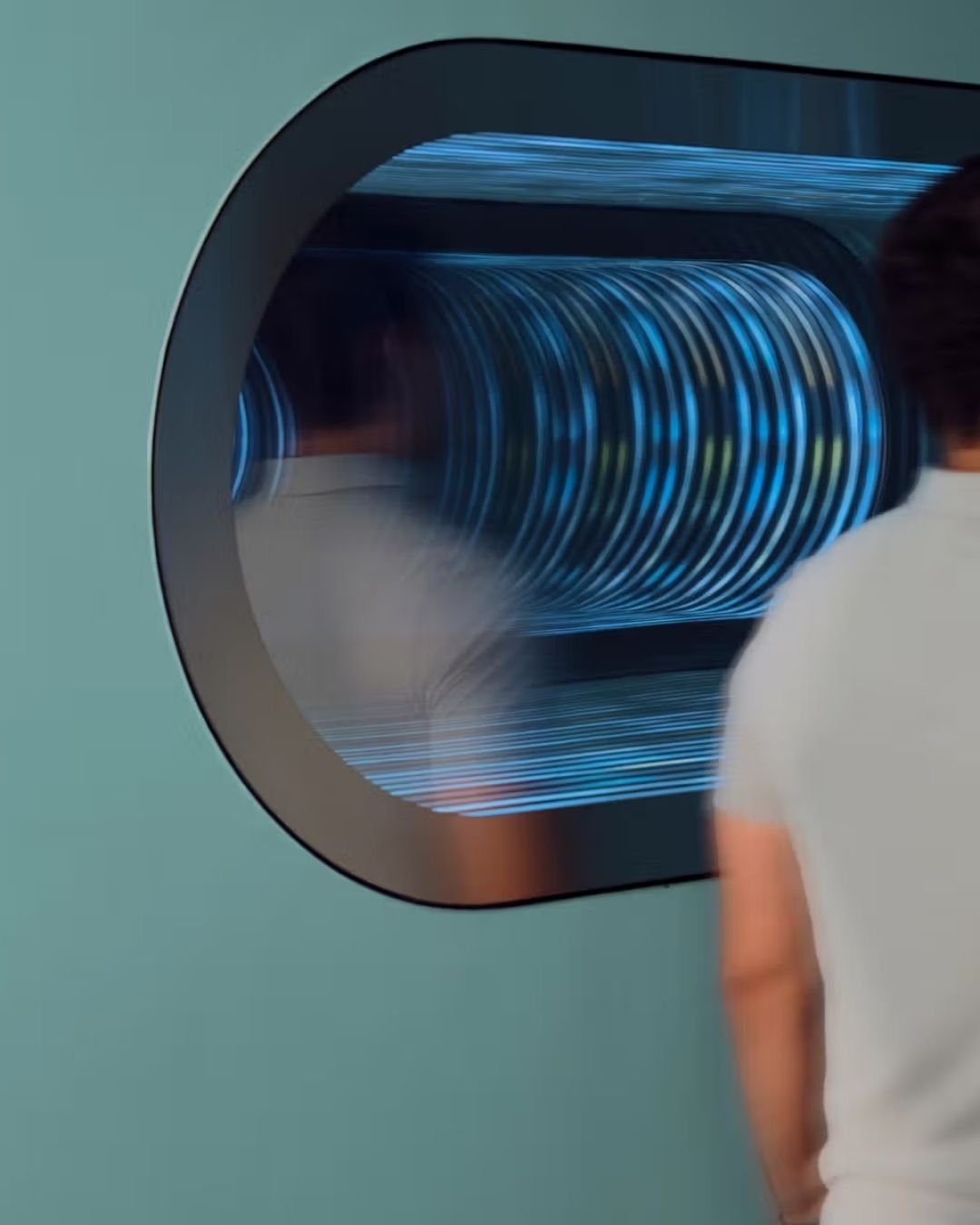
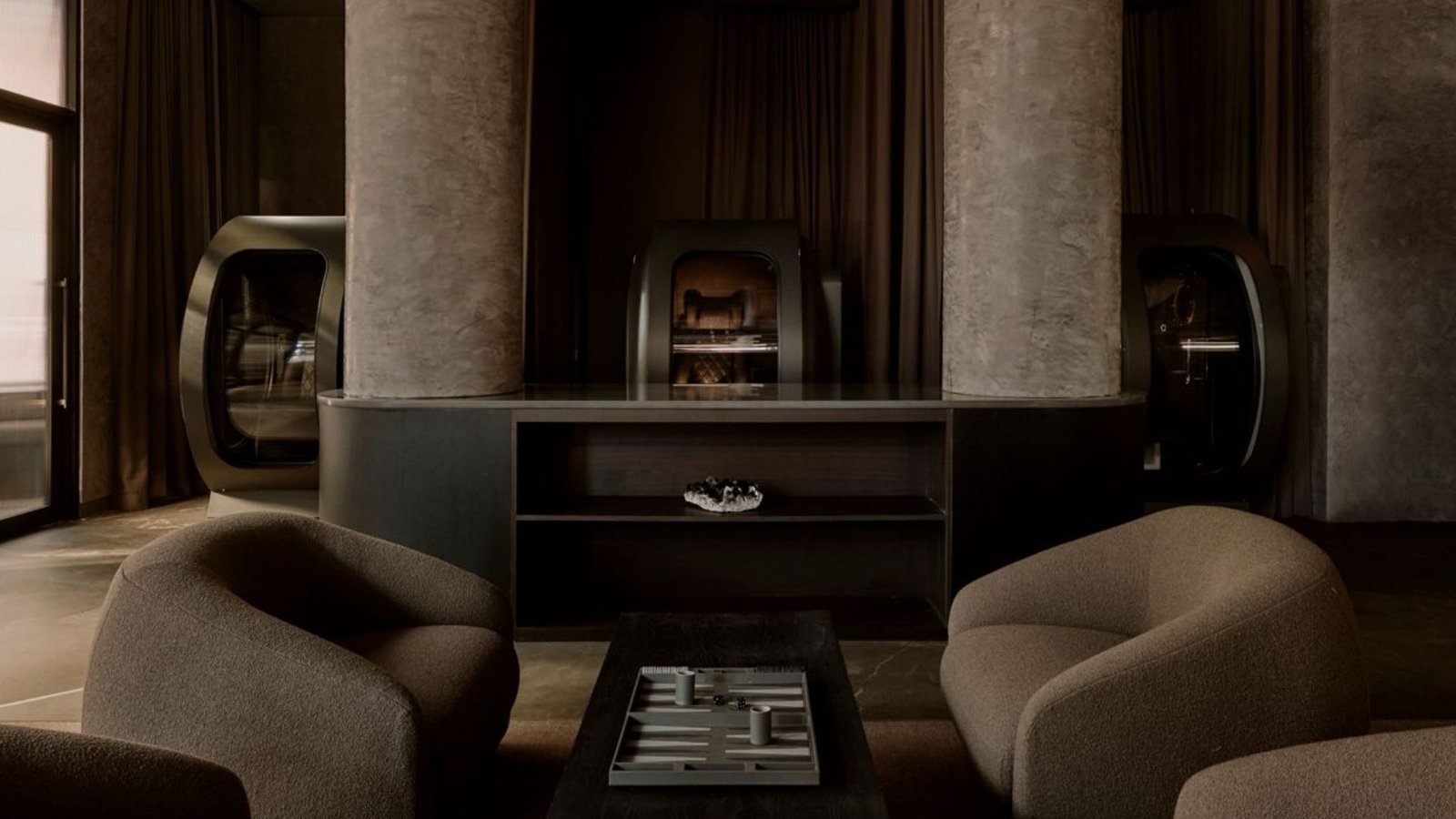


The people sitting around a cold plunge at Remedy Place are not necessarily there for the same reason. Some are recovering from training. Others are there for a treatment. Some have come with friends. That mix is the point. Remedy Place describes itself as the world’s first Social Wellness Club, combining alternative medicine, recovery technology and hospitality in spaces designed around social interaction.
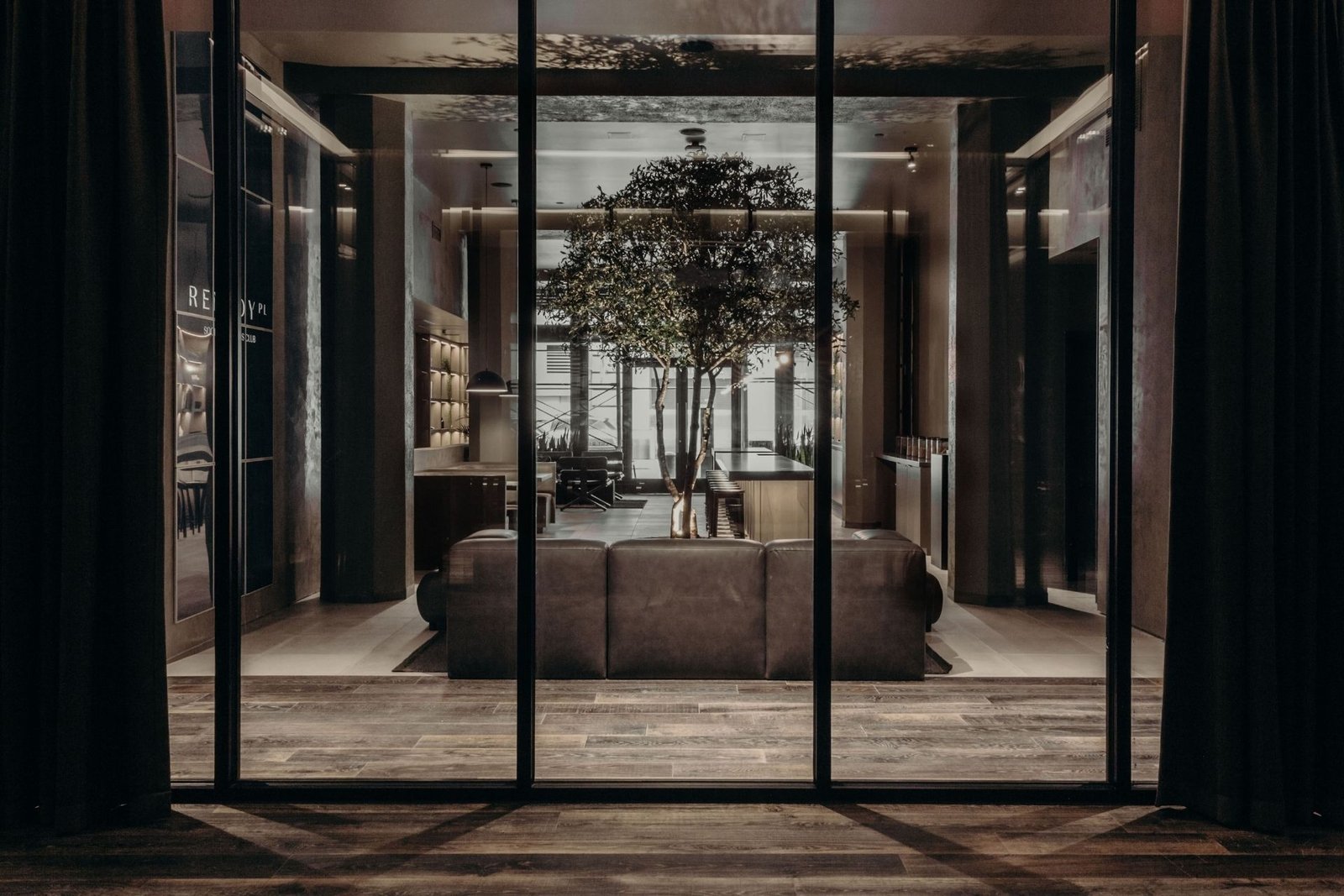
Its locations in New York, Los Angeles and Boston offer ice baths, saunas, IV therapy, hyperbaric oxygen, acupuncture, biometric testing, functional medicine and other treatments. The SoHo club in New York is the largest to date at 7,400 square feet, with AI-powered massage therapy, a full-body FDA-cleared red light bed and an assessment suite combining VO2 max testing, body scans, movement screenings and blood work analysis.
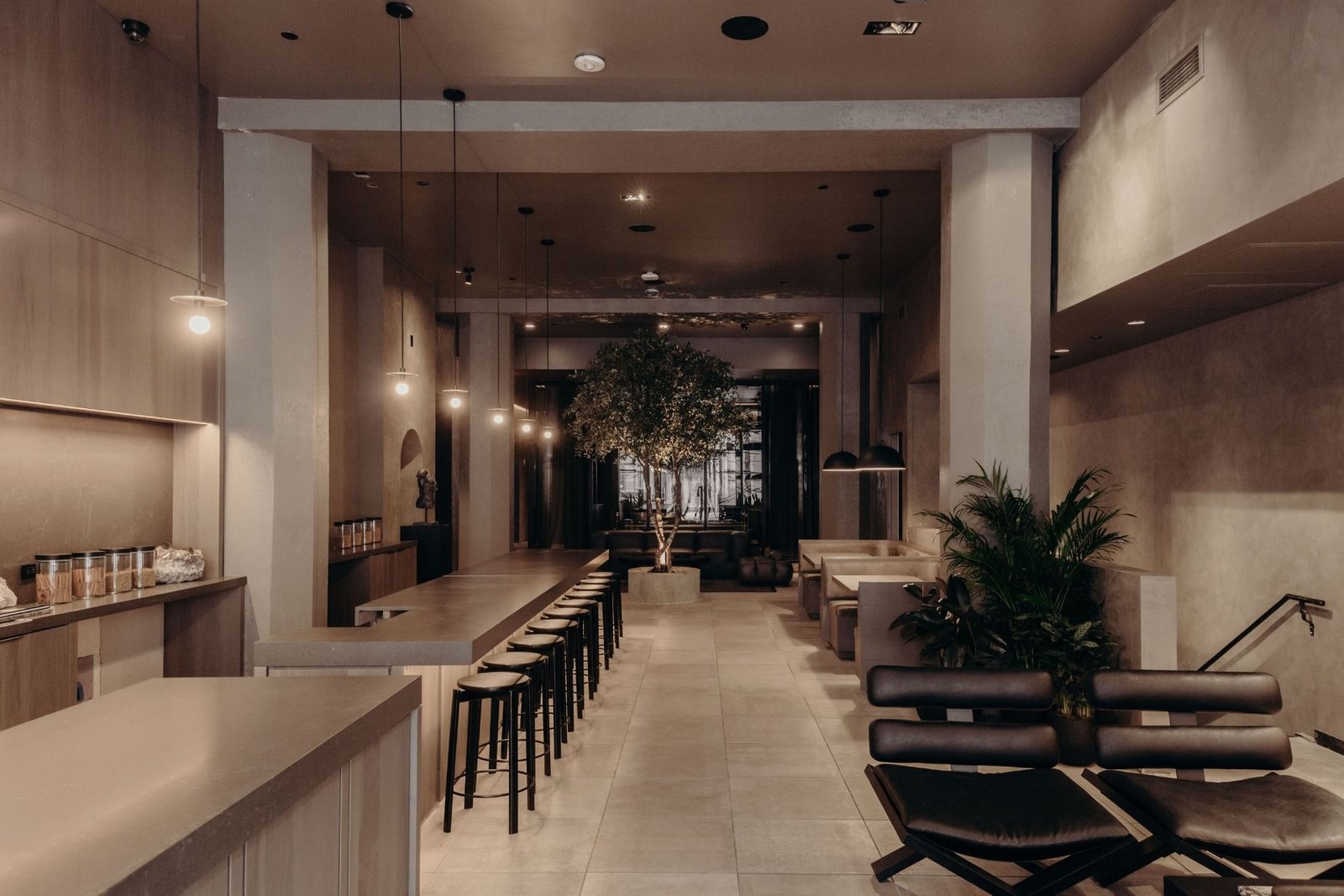
Founder Dr Jonathan Leary plans to open two clubs annually, targeting 16 US locations. But the proposition is not really about the treatments. It is about what happens around them. A traditional spa is somewhere you go to be treated. A gym is somewhere you go to train. A clinic is somewhere you go because something needs attention.
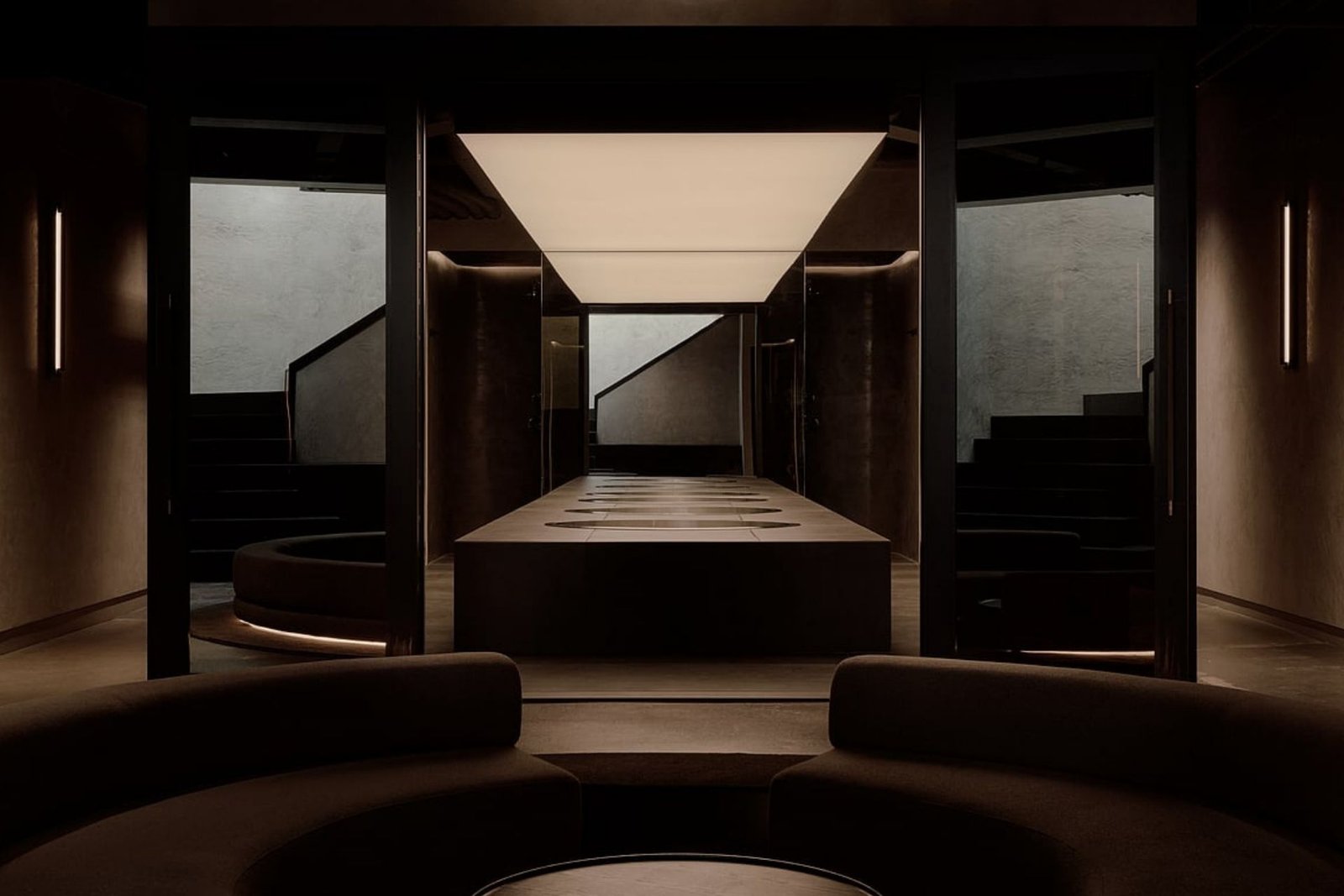
Remedy Place is attempting to move wellness into the social territory historically occupied by restaurants, bars and private clubs — making recovery something you can do with other people rather than behind a closed door. That changes the role of the building. The space needs to accommodate treatment but also conversation. It needs clinical credibility without feeling clinical. It needs privacy without becoming isolating.
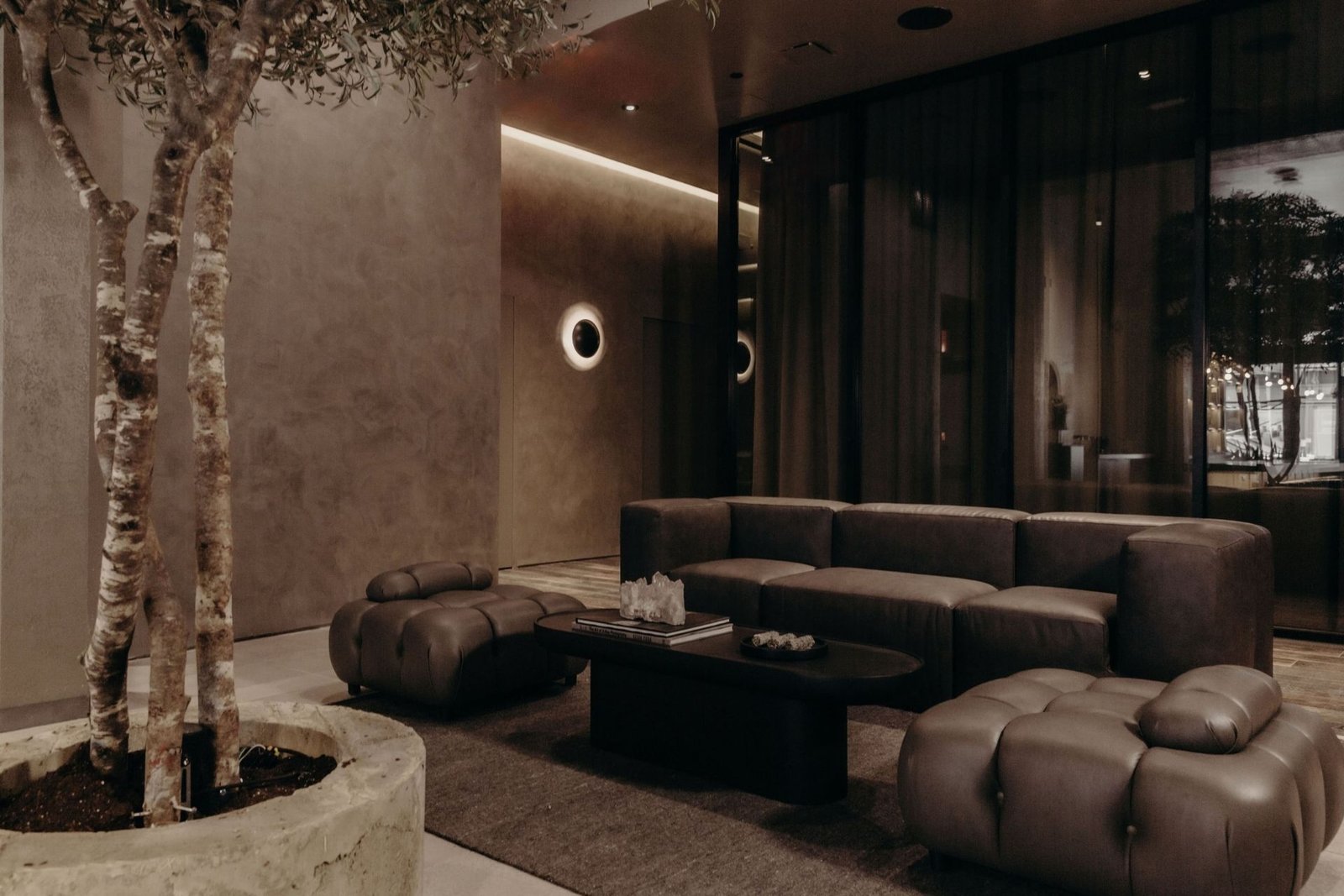
And it needs enough hospitality to encourage people to stay when the treatment is finished. That is a different design brief. The physical environment becomes part of the reason to return. The boundary between the club and the home is already beginning to dissolve. Remedy Place has partnered with KOHLER to produce a residential ice bath designed for domestic installation.
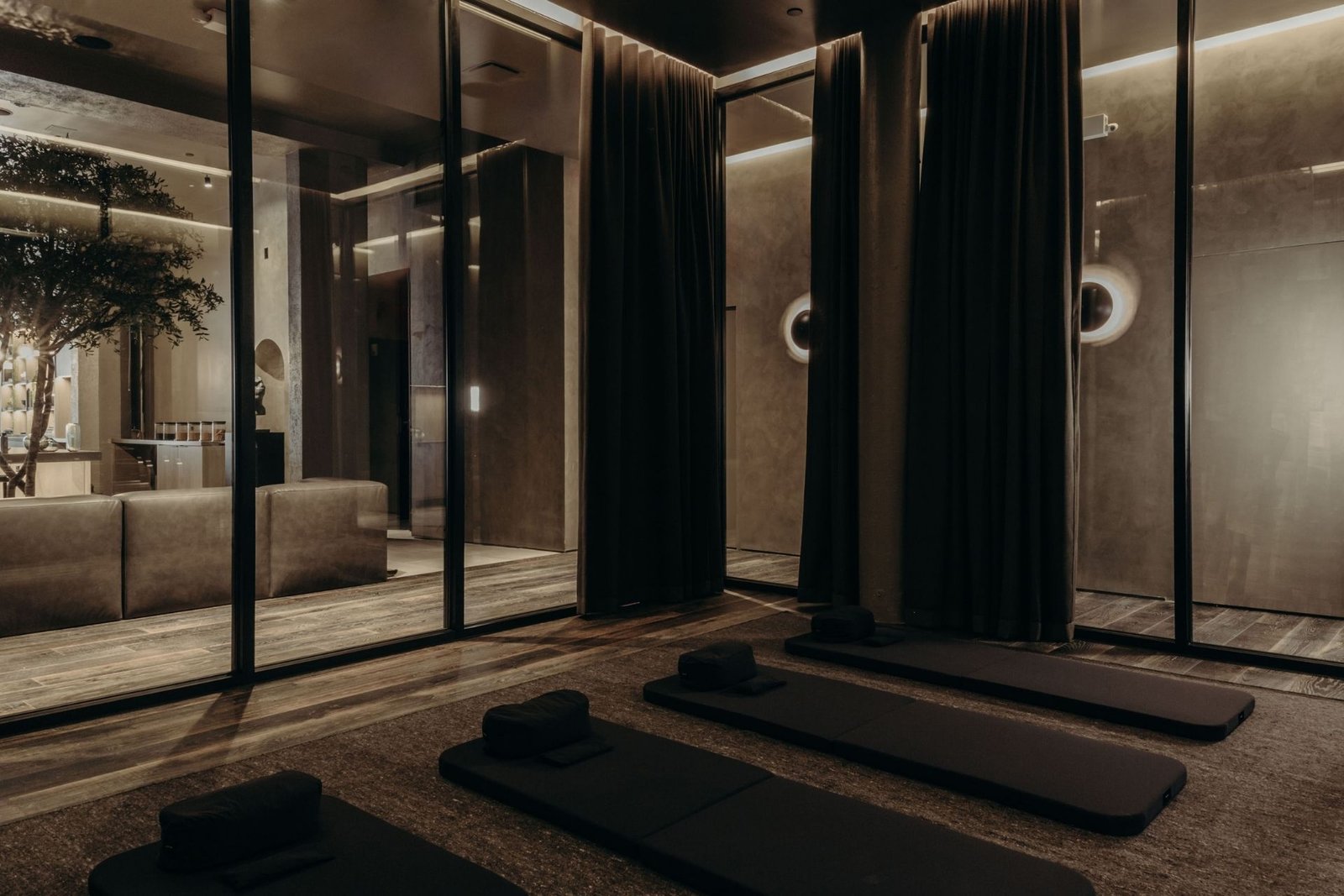
When a wellness club co-designs a product for the home, the experience is no longer confined to the building. The recovery protocol becomes portable. The club begins to influence the domestic environment as well as the social one. This matters as recovery becomes a regular part of affluent lifestyles. Cold exposure, sauna, compression, red light and diagnostics have moved beyond elite sport into mainstream wellness culture.
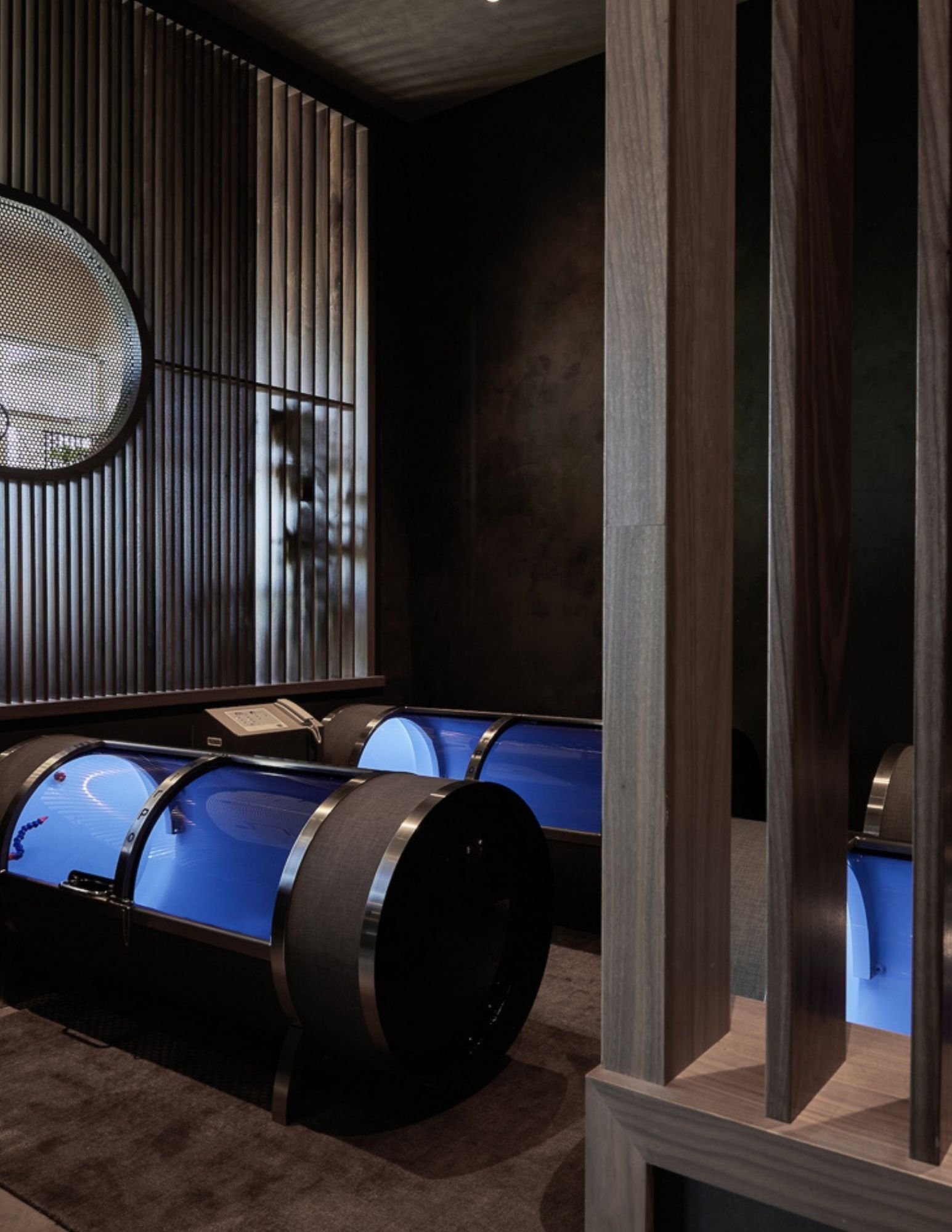
Yet most are still sold as individual treatments. Remedy Place packages them into a place. Once the customer starts meeting friends there, using the lounge, booking recovery sessions and returning regularly, the property is no longer simply providing a service. It is providing social infrastructure. That distinction has commercial implications. A single treatment creates a transaction. A social environment can create a habit.
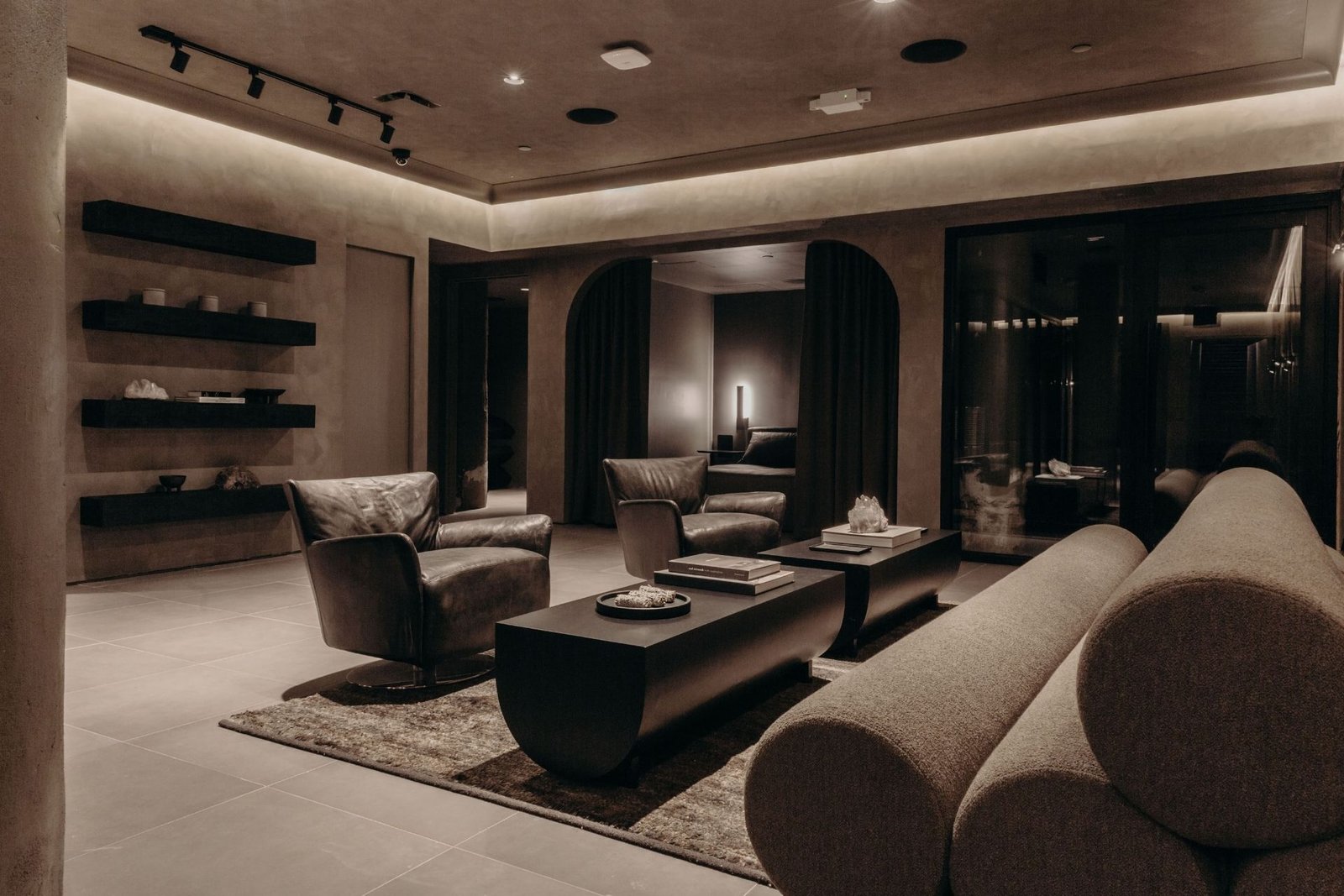
The customer comes for an ice bath, stays for a conversation, returns for another treatment, brings a friend and eventually becomes a member. The individual service becomes part of a broader relationship with the place. That relationship is more durable than a treatment menu. It also explains why the model sits closer to hospitality than conventional healthcare. The value is not only in what happens during the treatment. It is in the time spent around it.
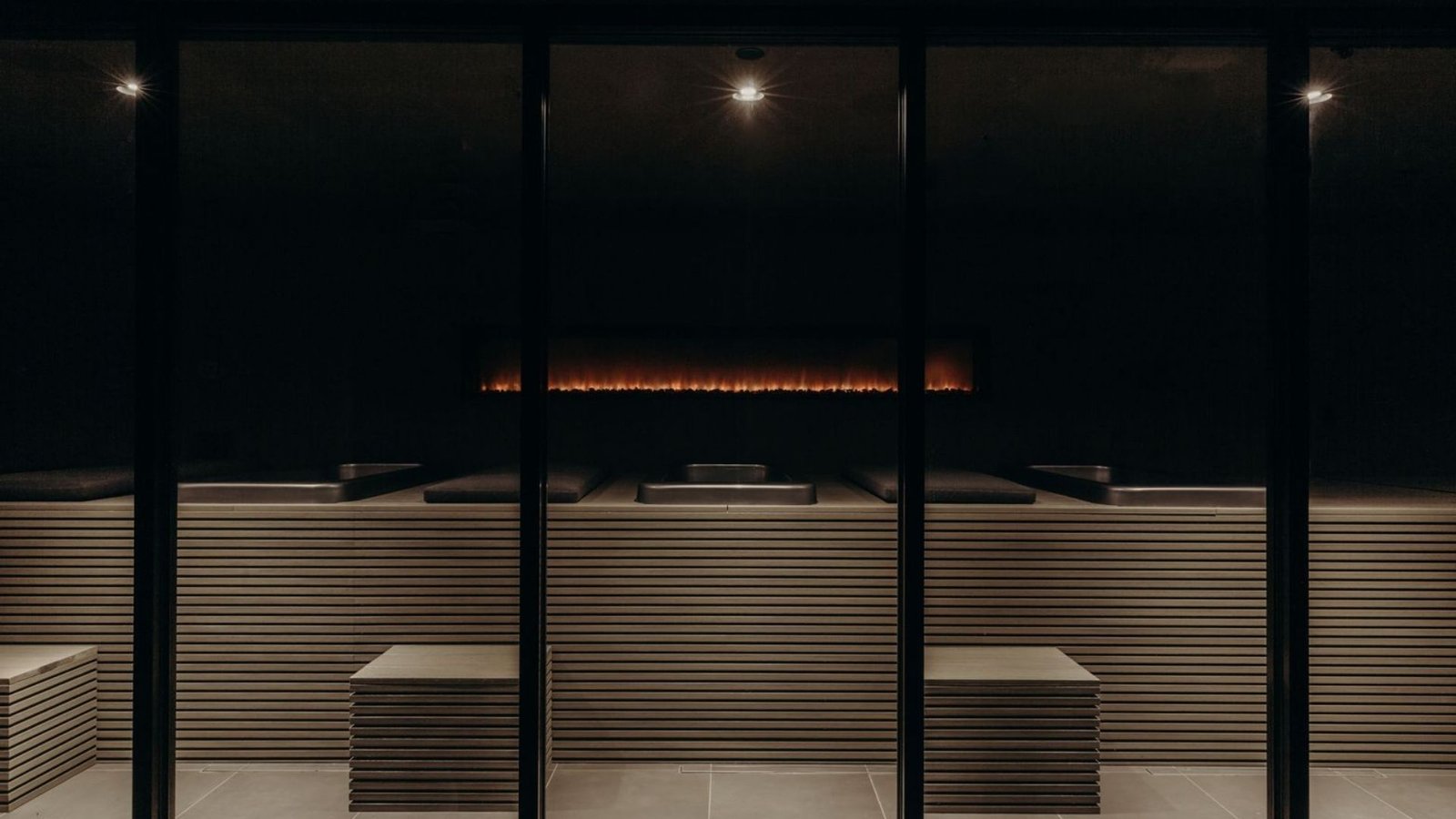
Remedy Place’s locations are designed accordingly, combining recovery and treatment spaces with environments in which people can spend time socially. There is complexity. Medical and quasi-medical services require qualified practitioners and careful operating standards. Some interventions are expensive to deliver. And social wellness only works if customers genuinely want to spend time together in the environment. But the underlying idea is broader than any individual treatment. Wellness has historically been treated as something private.
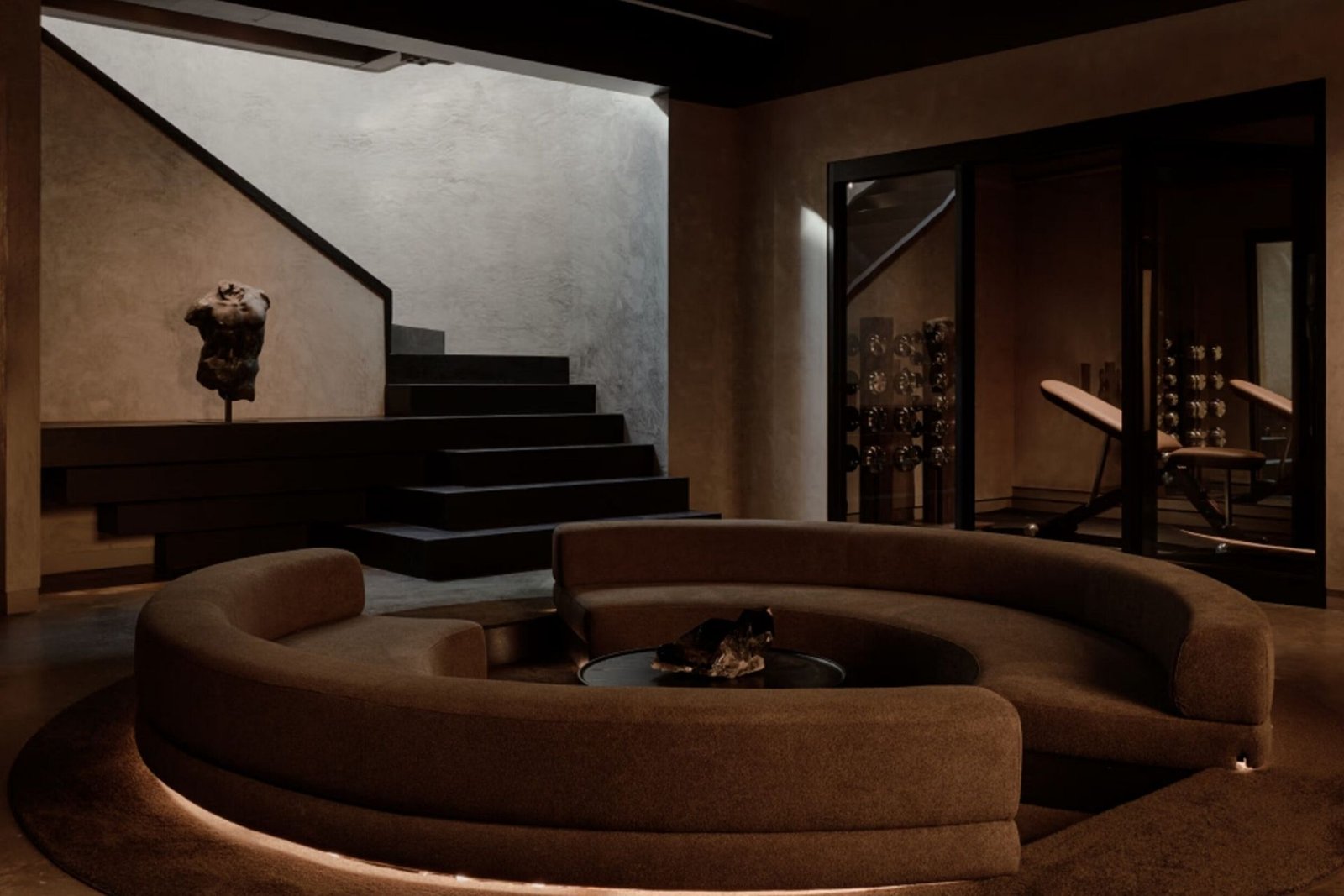
You go to the spa, close the door and receive the treatment. Remedy Place is moving in the opposite direction. It makes recovery visible, gives it a social context and turns the wellness environment into somewhere people can actually spend time rather than simply be processed. The spa was somewhere you went to be treated. Yet the social wellness club gives you somewhere to belong — visit Remedy Place.