






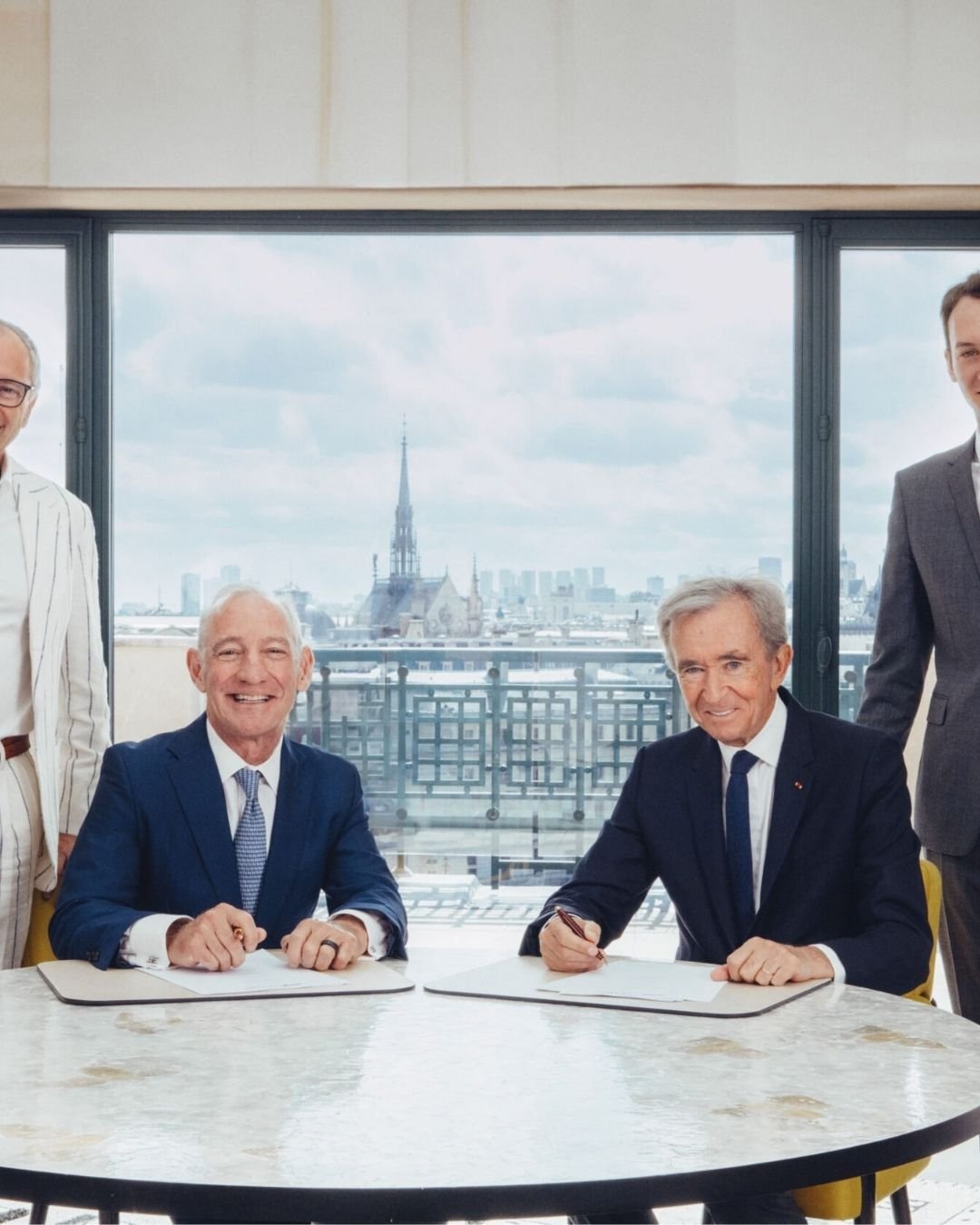

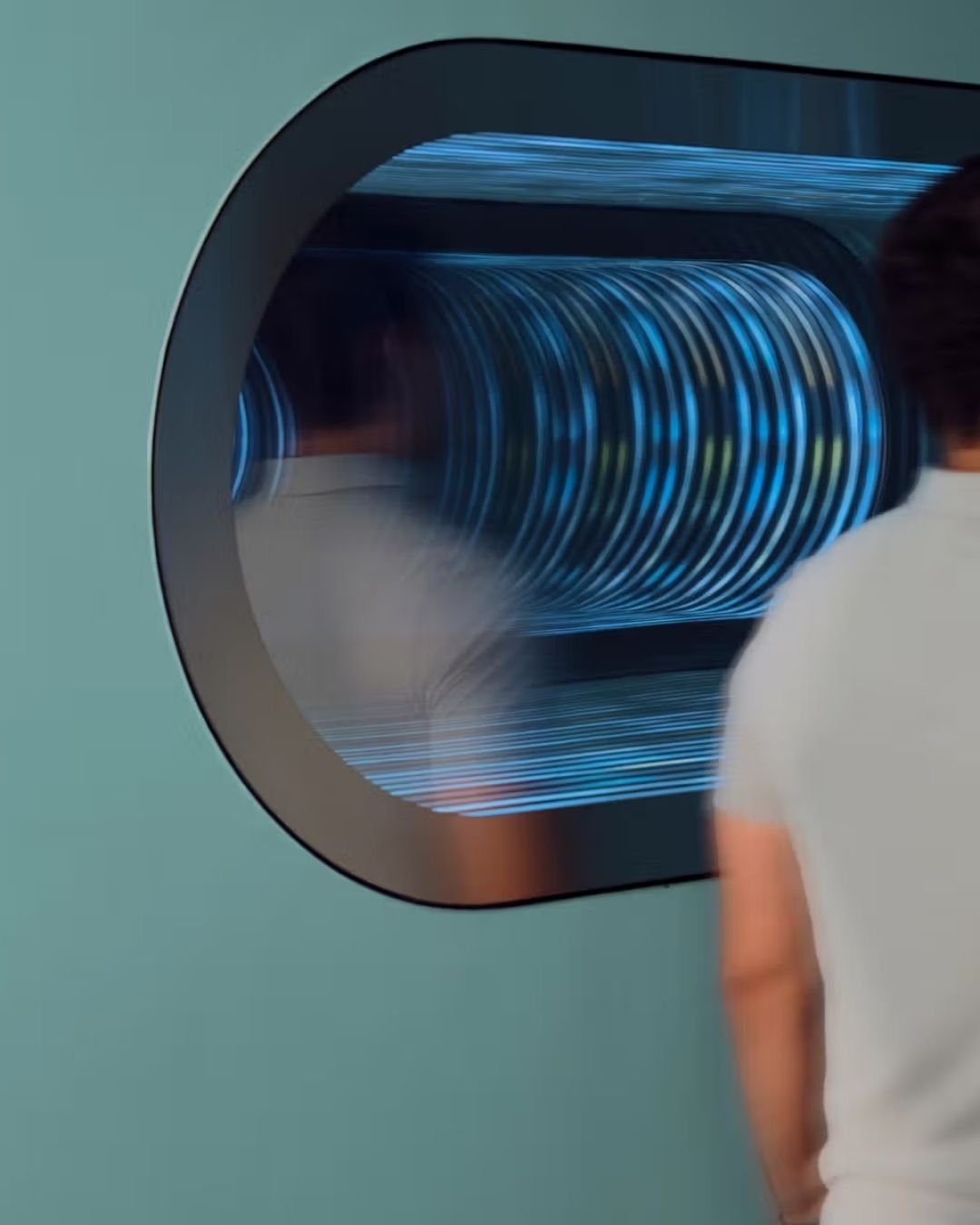


The Neko Health scan takes about an hour to complete. The process is deliberately different from the experience most people associate with healthcare. In July 2026 the company raised $700 million in a Series C round led by Lightspeed Venture Partners, backed by Mark Zuckerberg and Priscilla Chan, Claudia Schiffer and Maria Sharapova.
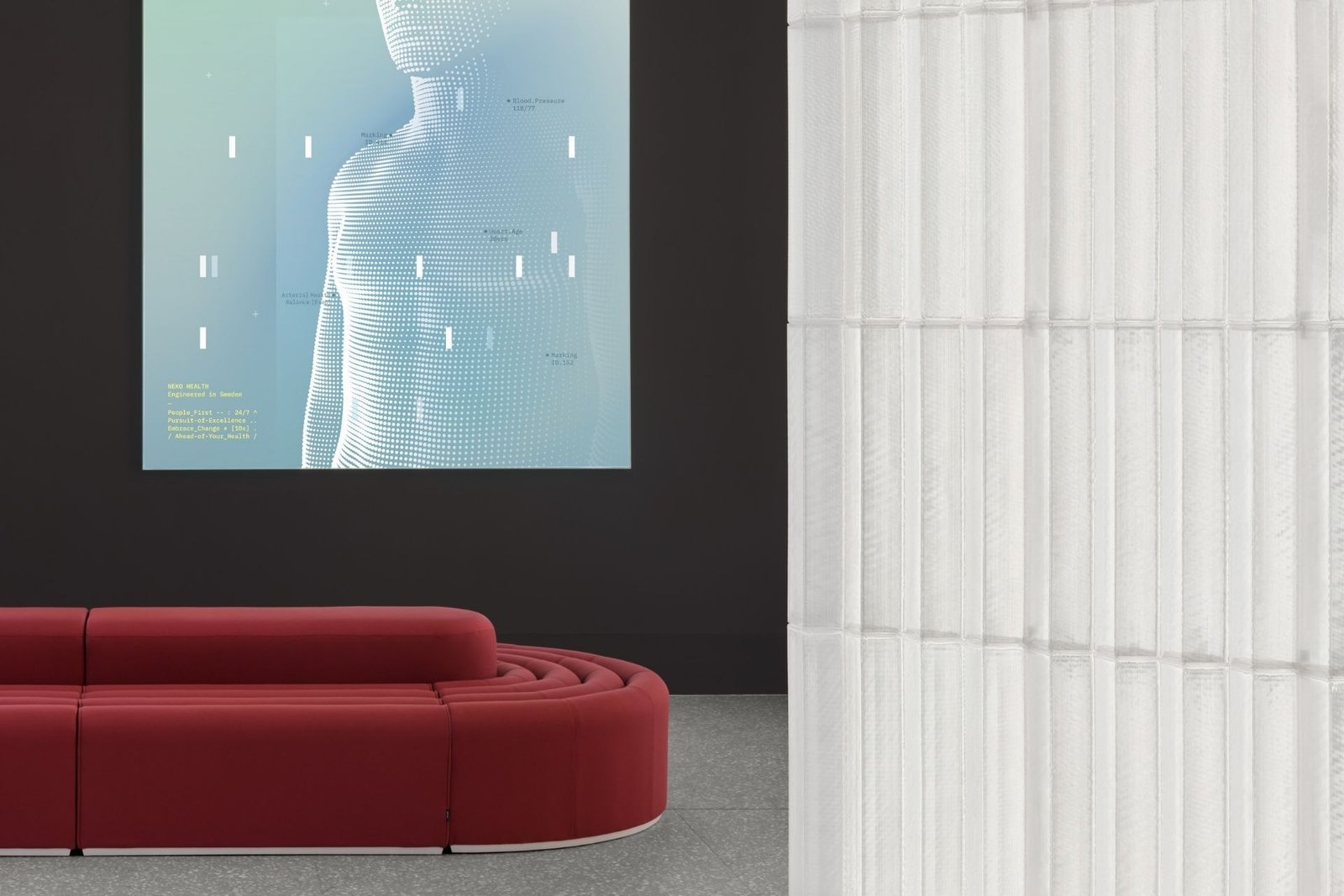
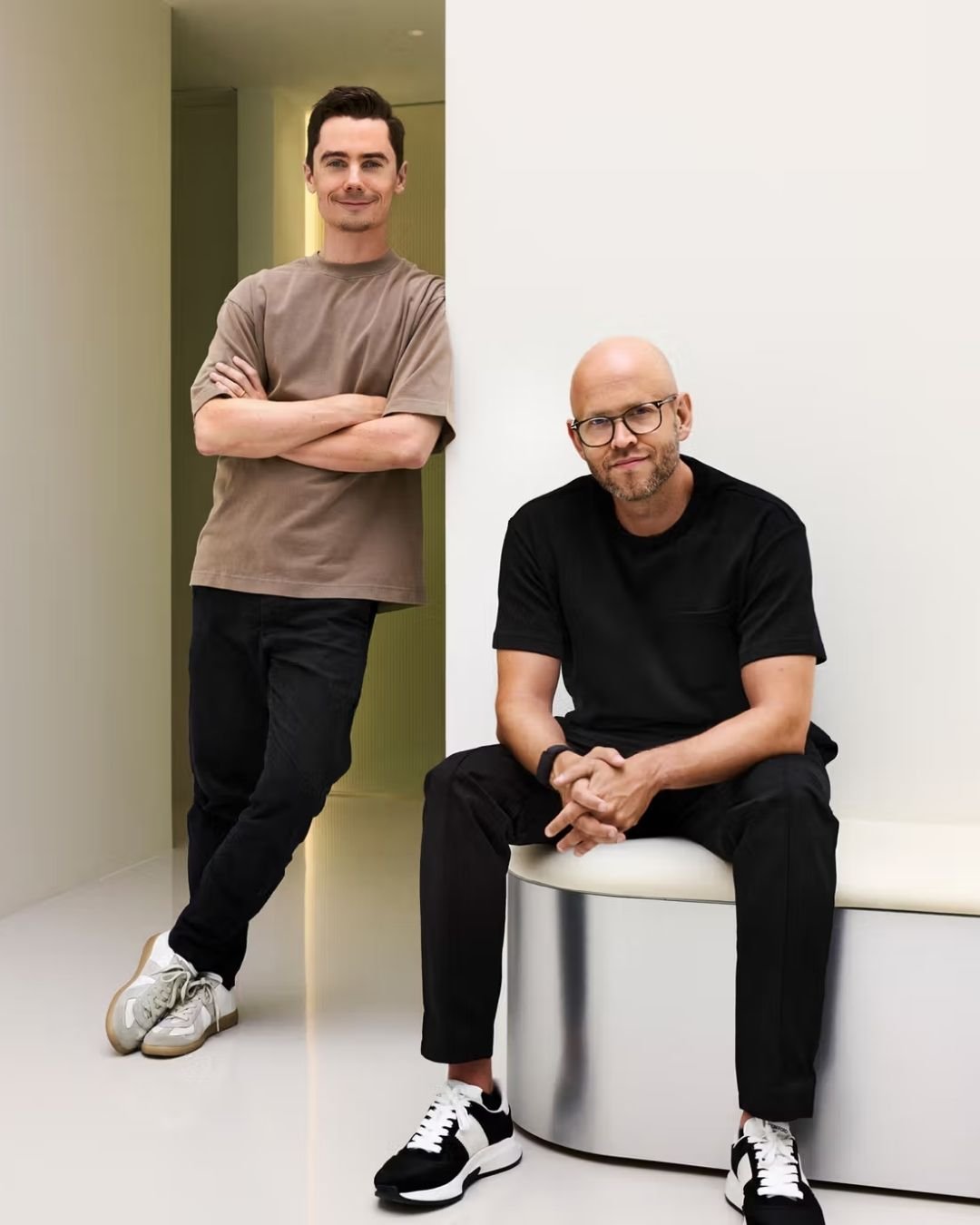
Co-founded by Spotify CEO Daniel Ek and entrepreneur Hjalmar Nilsonne, Neko operates clinics in Sweden and the United Kingdom and is opening its inaugural Manhattan location at 300 Lafayette Street in SoHo on September 24, 2026. More than 25,000 New Yorkers have already joined the local waitlist, while more than 350,000 people globally are waiting for a scan priced at approximately $499. That number is not a demand signal for Neko. It is an indictment of the system it is replacing.
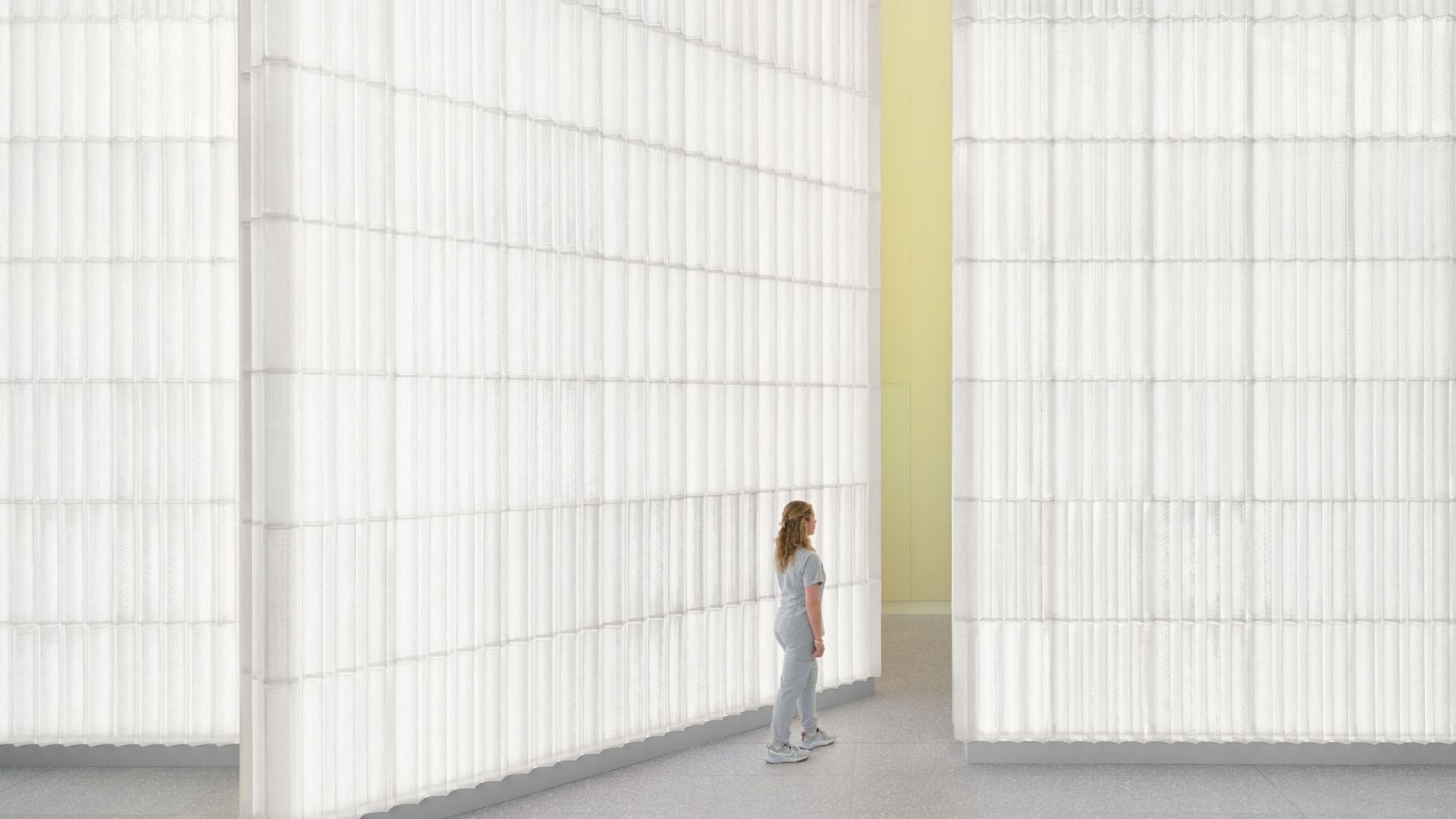
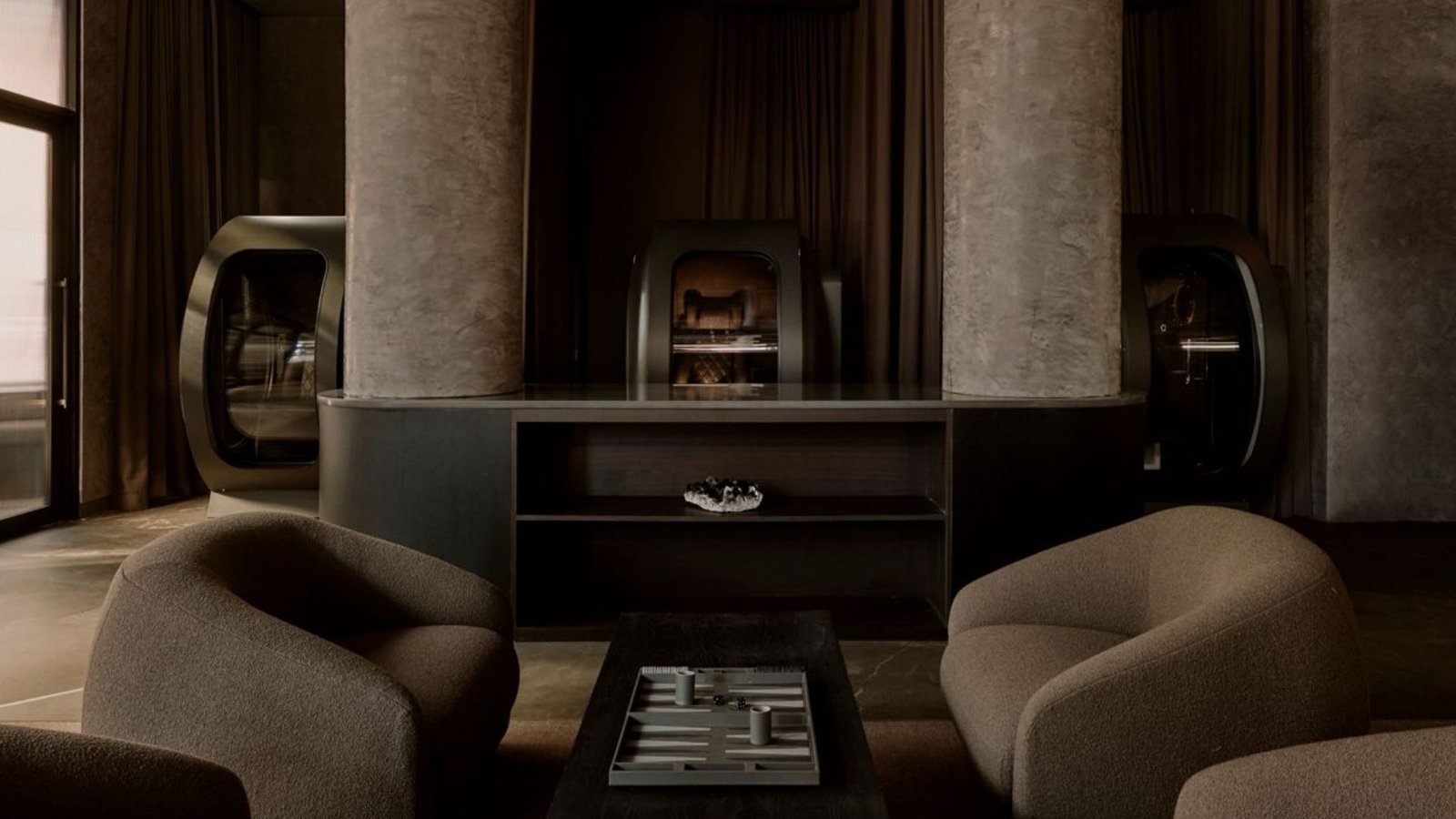
Rather than moving between waiting rooms, consultation rooms and specialist departments, the customer moves through a single orchestrated sequence in which machines capture millions of data points before a clinician interprets them. The scan examines skin health, cardiovascular risk, blood abnormalities, metabolic markers and pre-diabetes biomarkers. Results are delivered on-site, followed by a physician consultation. Neko designs and manufactures its diagnostic hardware, software and clinical protocols in-house, allowing the company to control the entire experience. Traditional healthcare is organised around rooms. Consultation room.
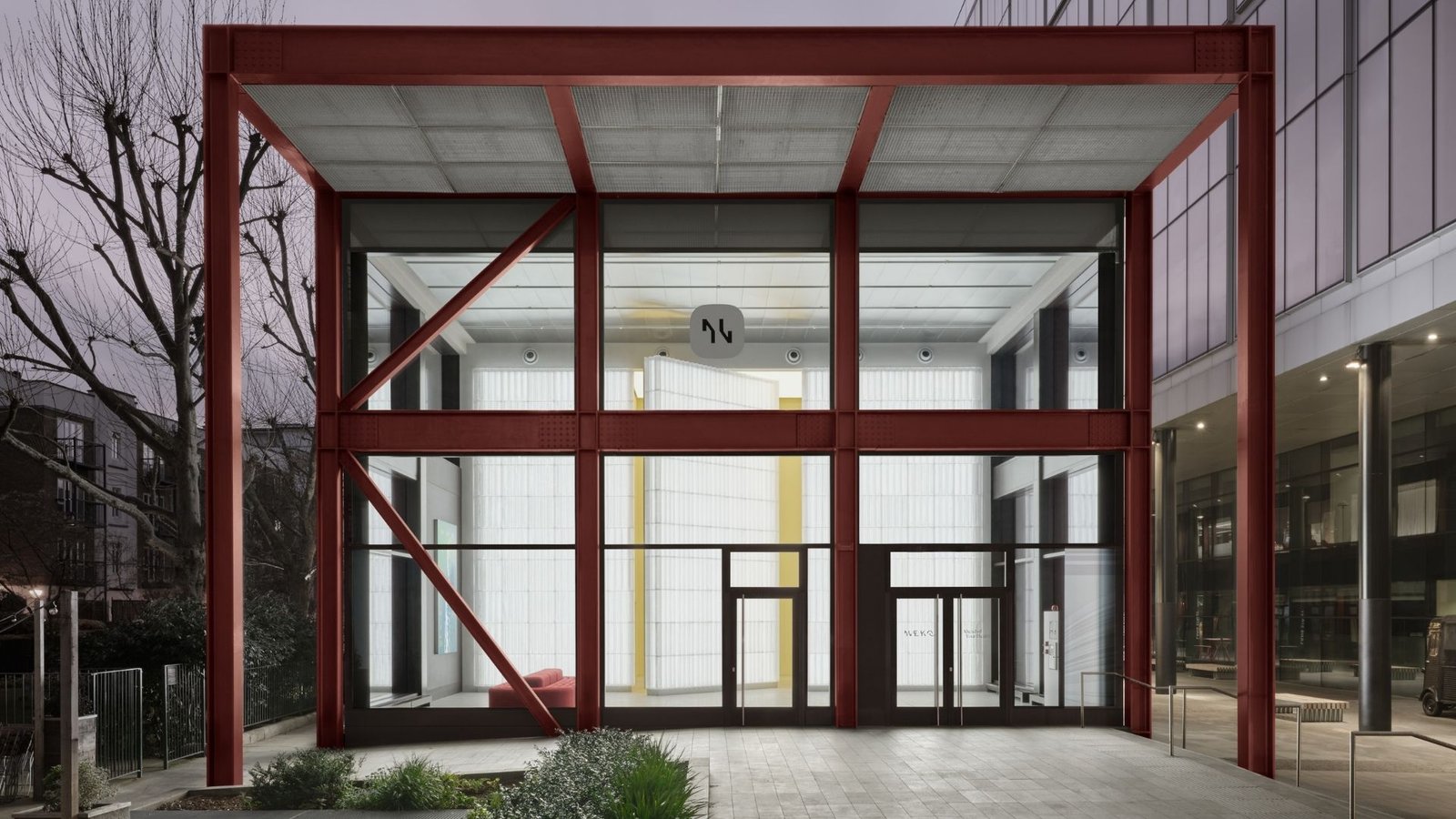
Examination room. Imaging room. Laboratory. Waiting room. Each has a defined function and the patient moves between them. Neko compresses many of those functions into a single consumer-facing journey. The building becomes an interface. That matters because preventive healthcare requires a different relationship with the customer. Traditional medicine is often triggered by a problem. Something hurts. A symptom appears. A doctor orders a test. Neko is built around the opposite behaviour — check first, understand the data, establish a baseline and then act.
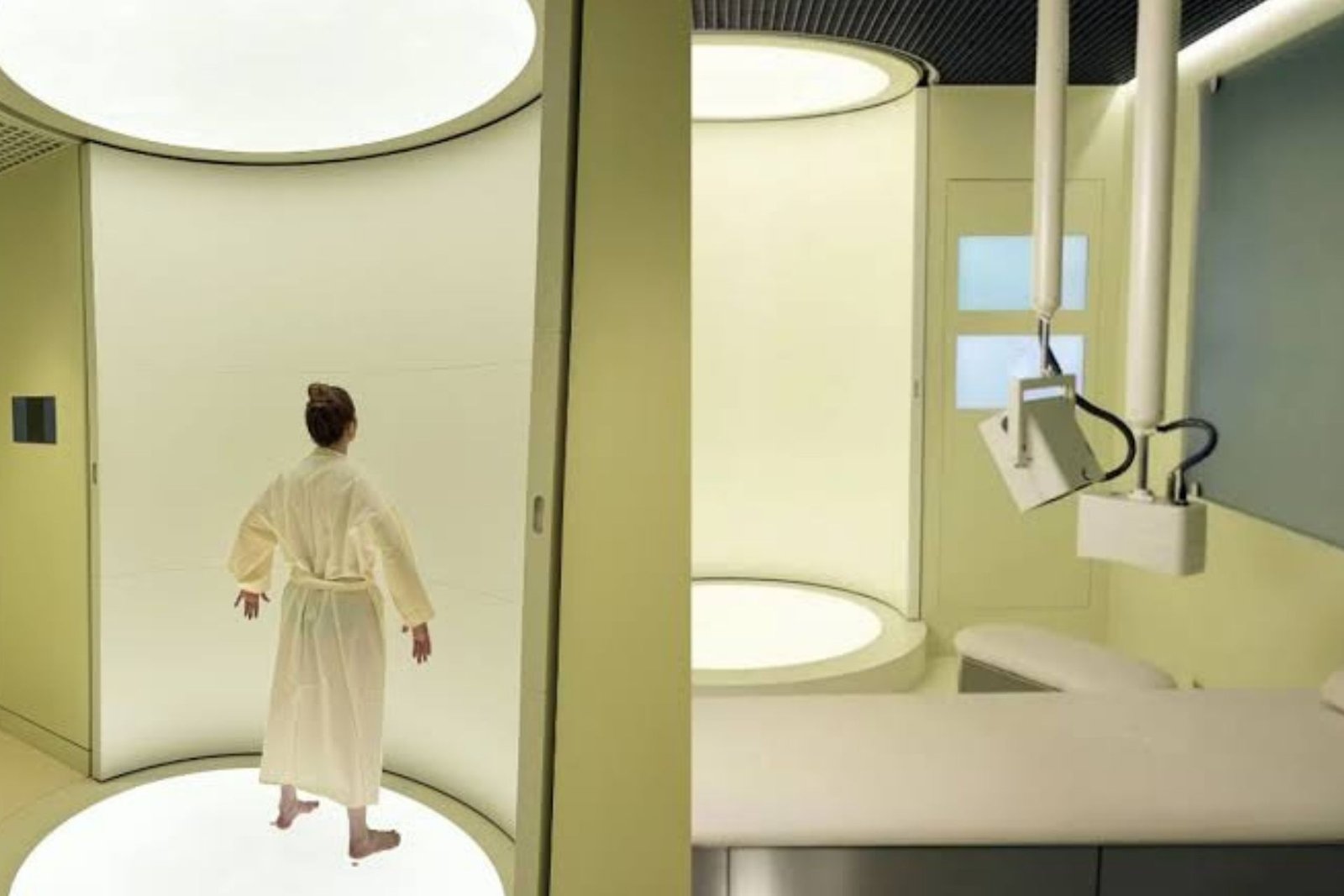
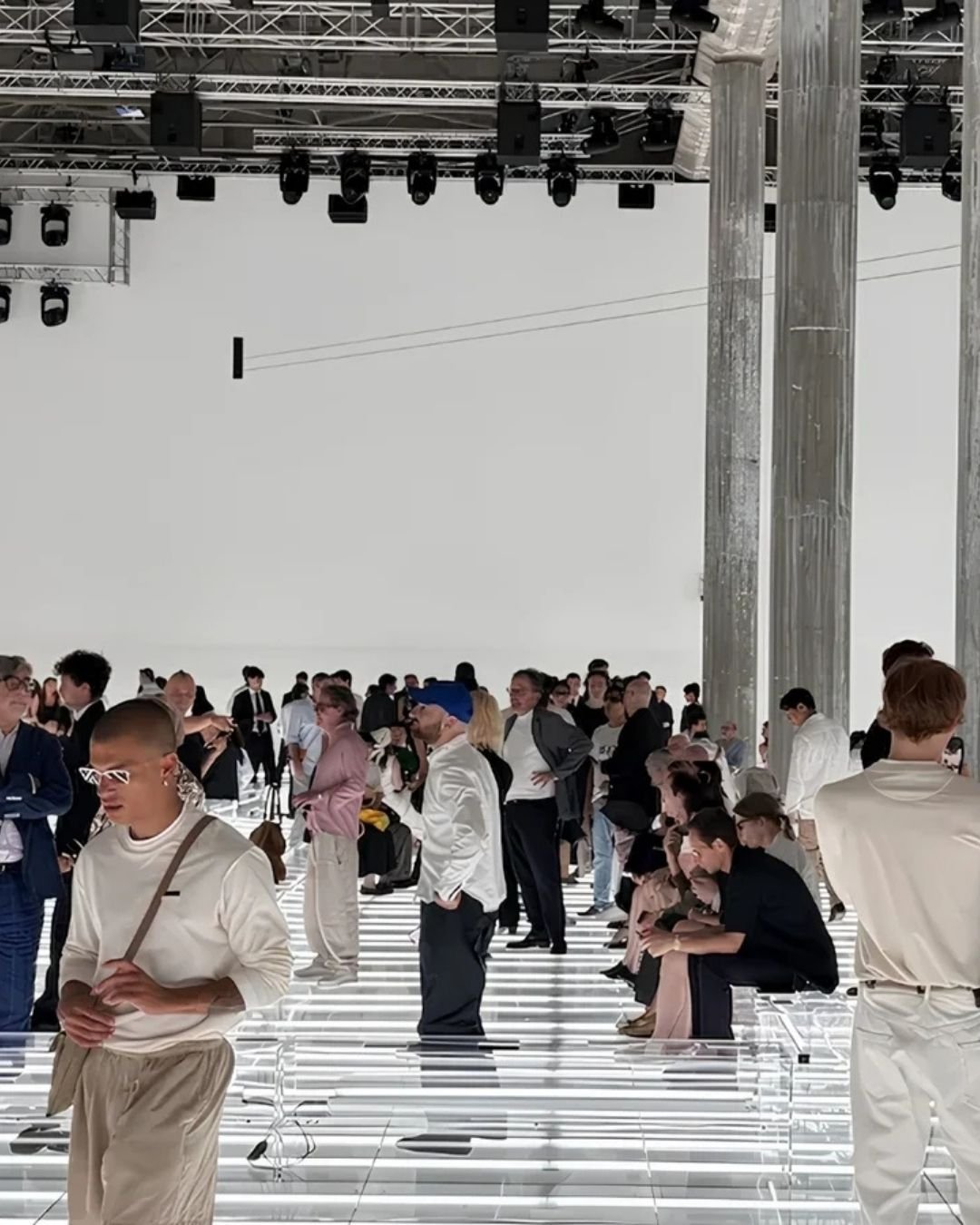
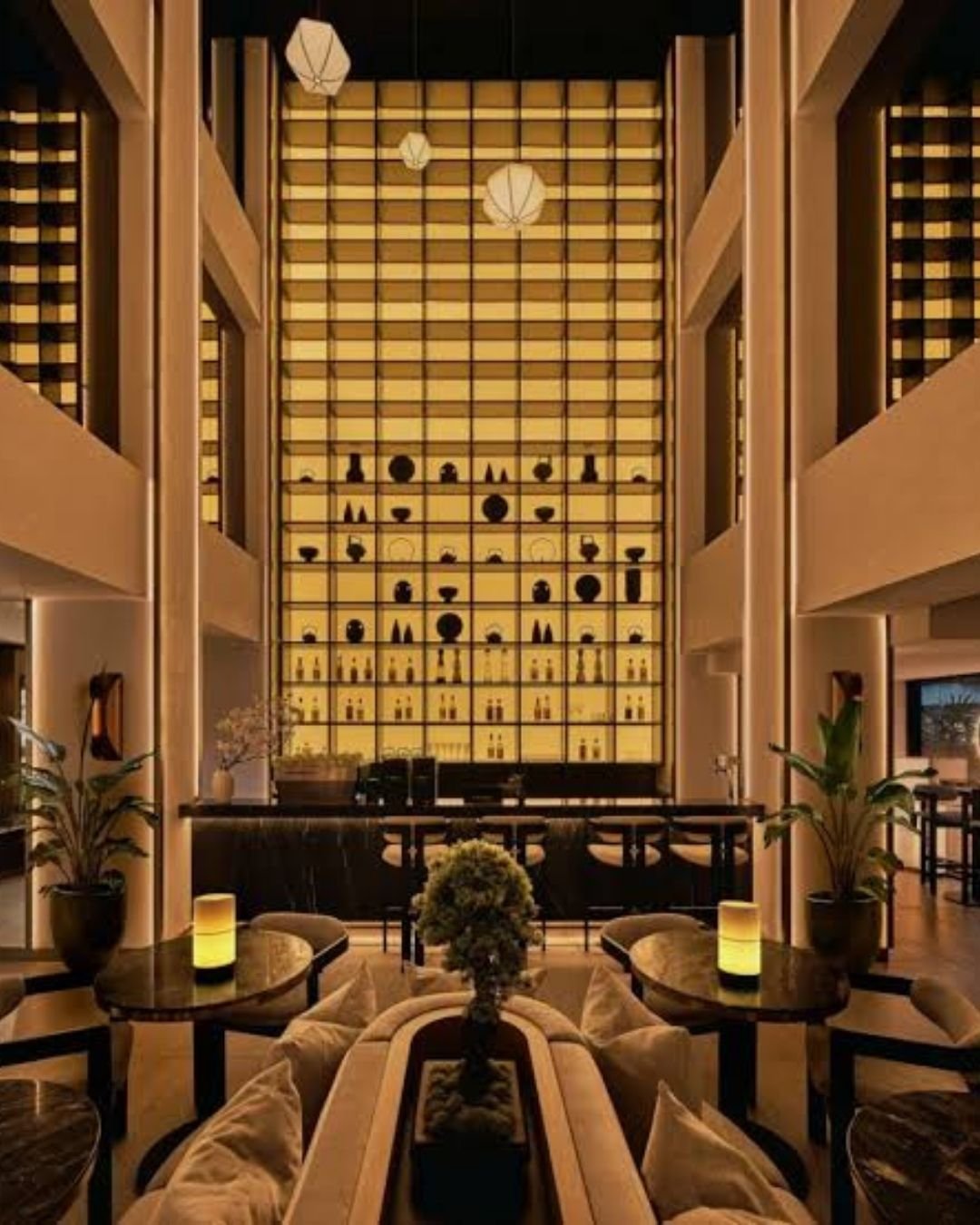
The person entering the clinic is not necessarily sick. They are buying information about themselves. That requires a different environment. Neko’s SoHo location places preventive health within a neighbourhood better associated with retail, hospitality, design and technology than conventional medical infrastructure. The setting is part of the proposition. Healthcare becomes something that can sit naturally within everyday urban life rather than being separated from it.
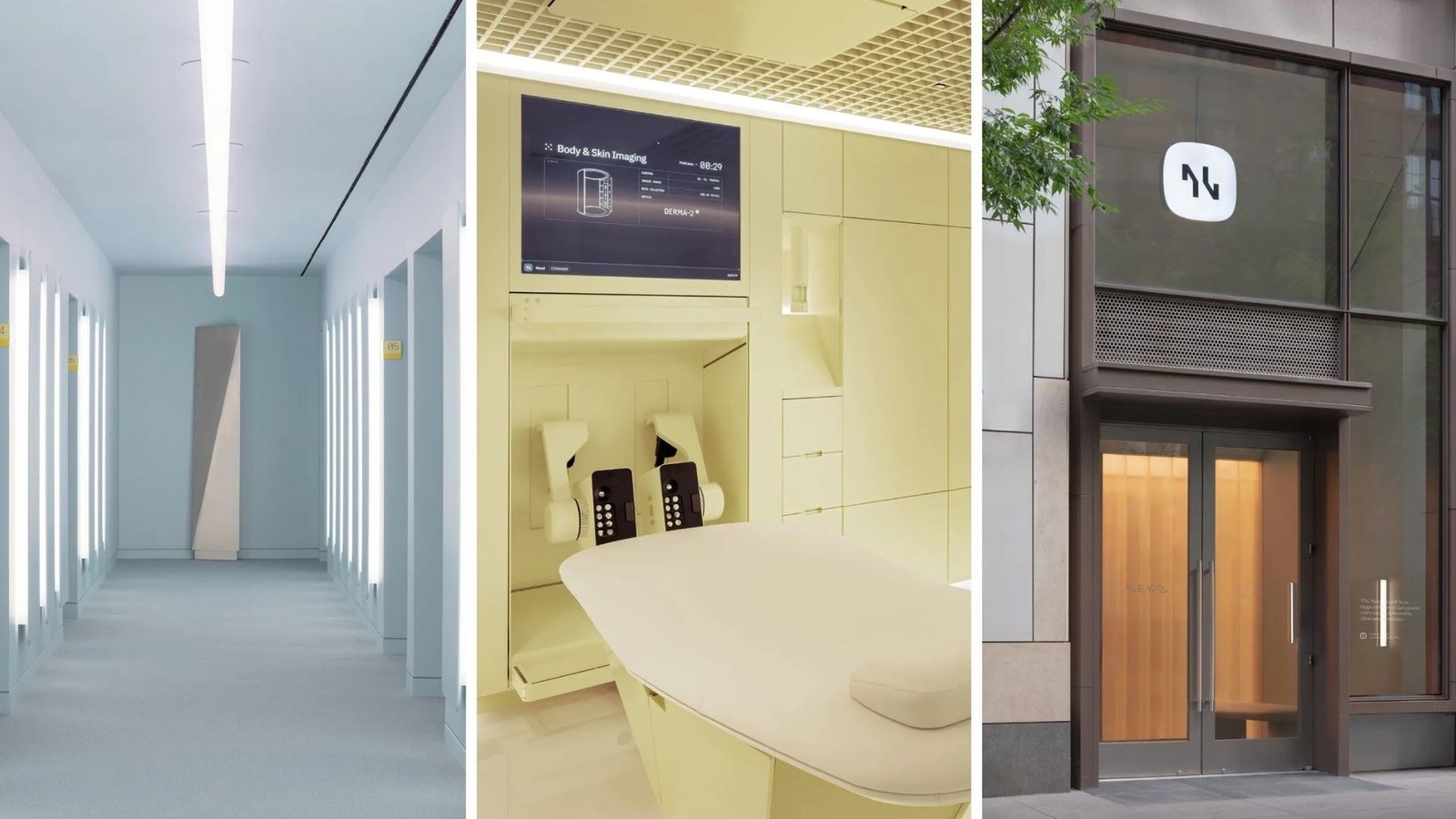
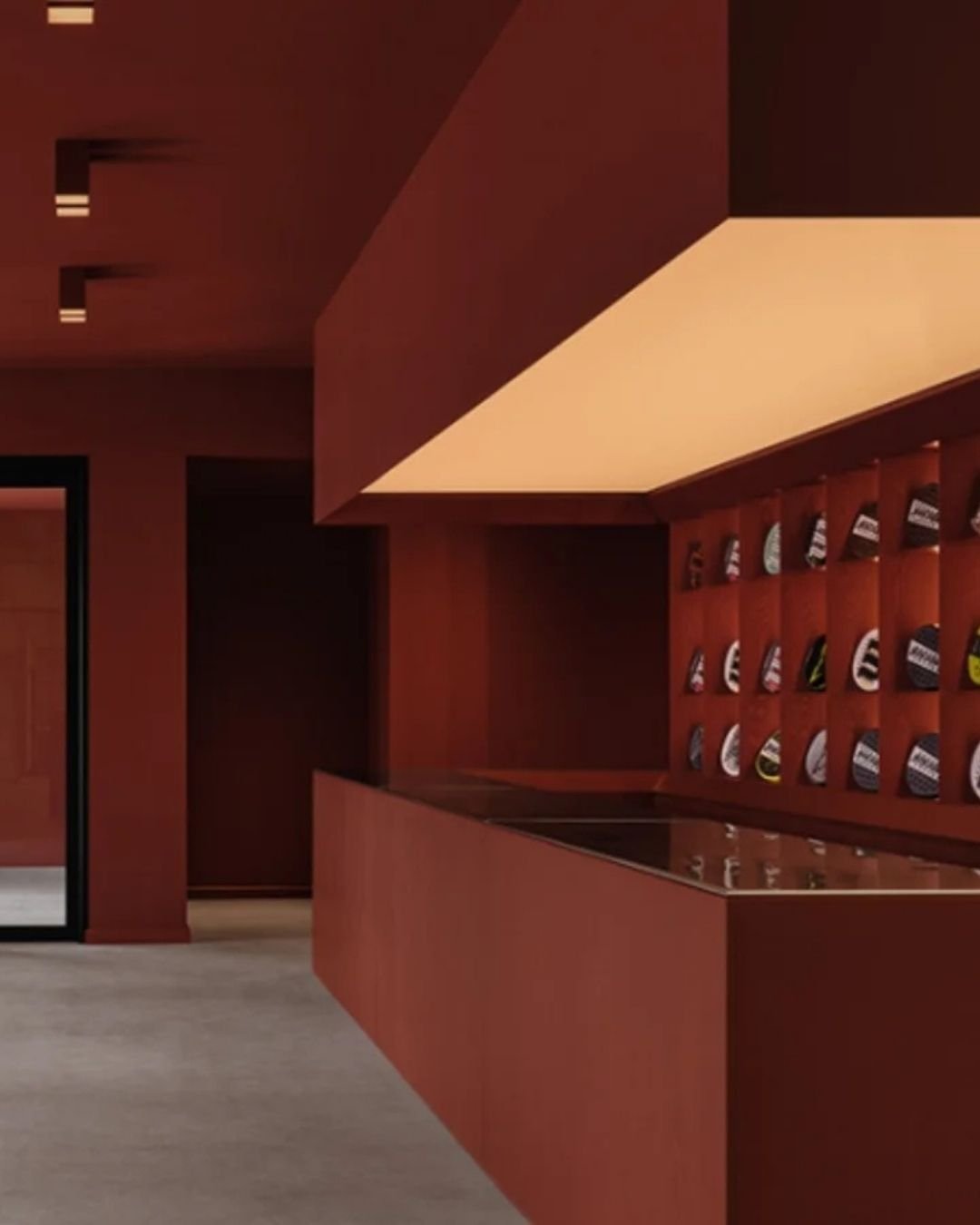
The architecture begins to follow the service. If scanning can be automated and diagnostics collected quickly, there is less need for the traditional sequence of specialist rooms. Valuable space becomes the space that moves people efficiently through the process while maintaining privacy, comfort and clinical credibility. That creates a different kind of floorplate. In 2026, Neko began testing a second-generation scan room — a modular platform engineered to capture more signals across more of the body than previous versions.
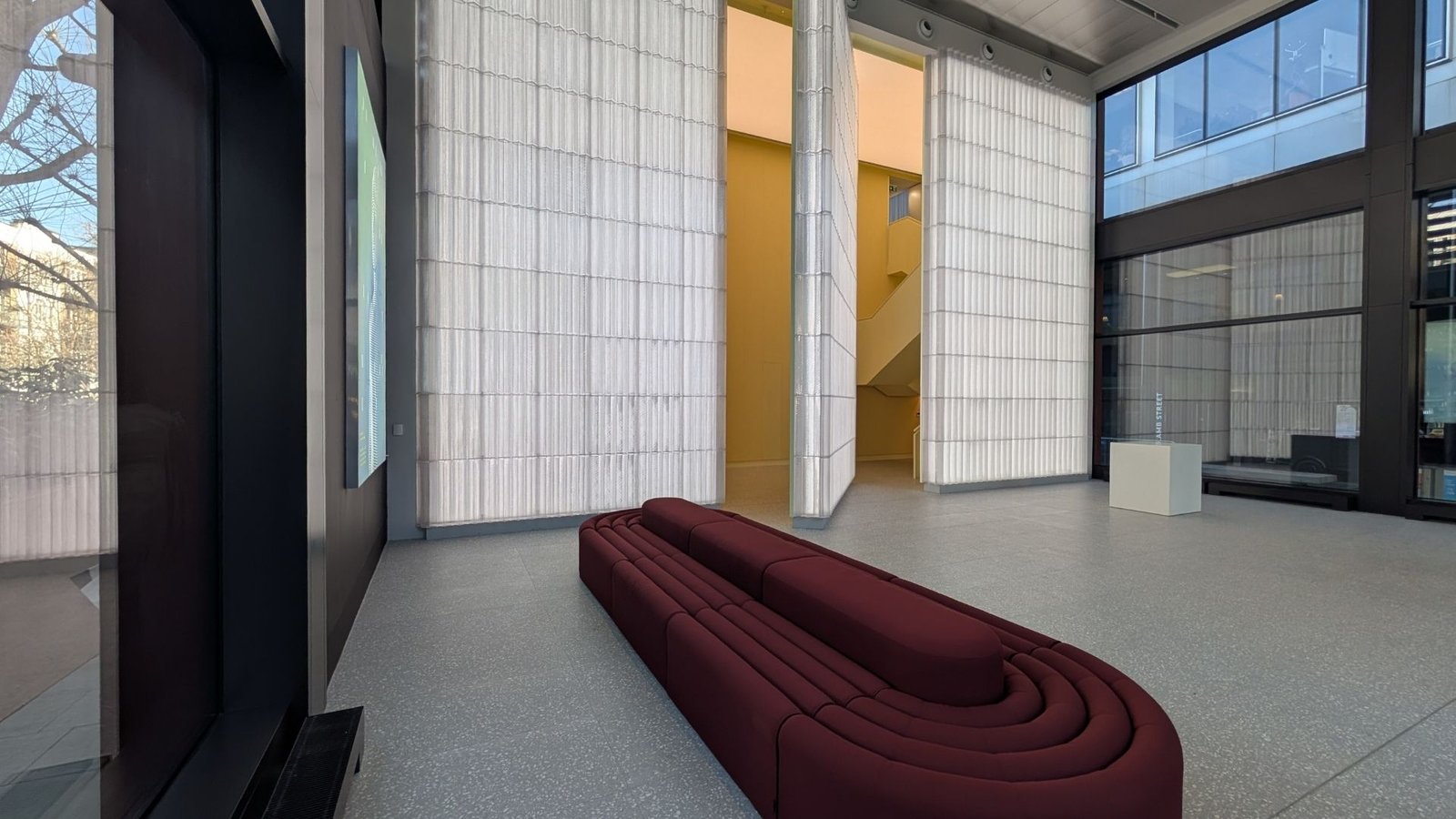
The technology does not eliminate physical space. It changes what the space needs to do. This has implications beyond Neko. If preventive diagnostics become habitual, the same infrastructure could eventually sit inside residential developments, wellness clubs, hotels and workplaces. A scan could become part of a membership. A health baseline could become part of a residential service. A hotel could offer diagnostics alongside sleep and recovery. The clinic becomes personal infrastructure.
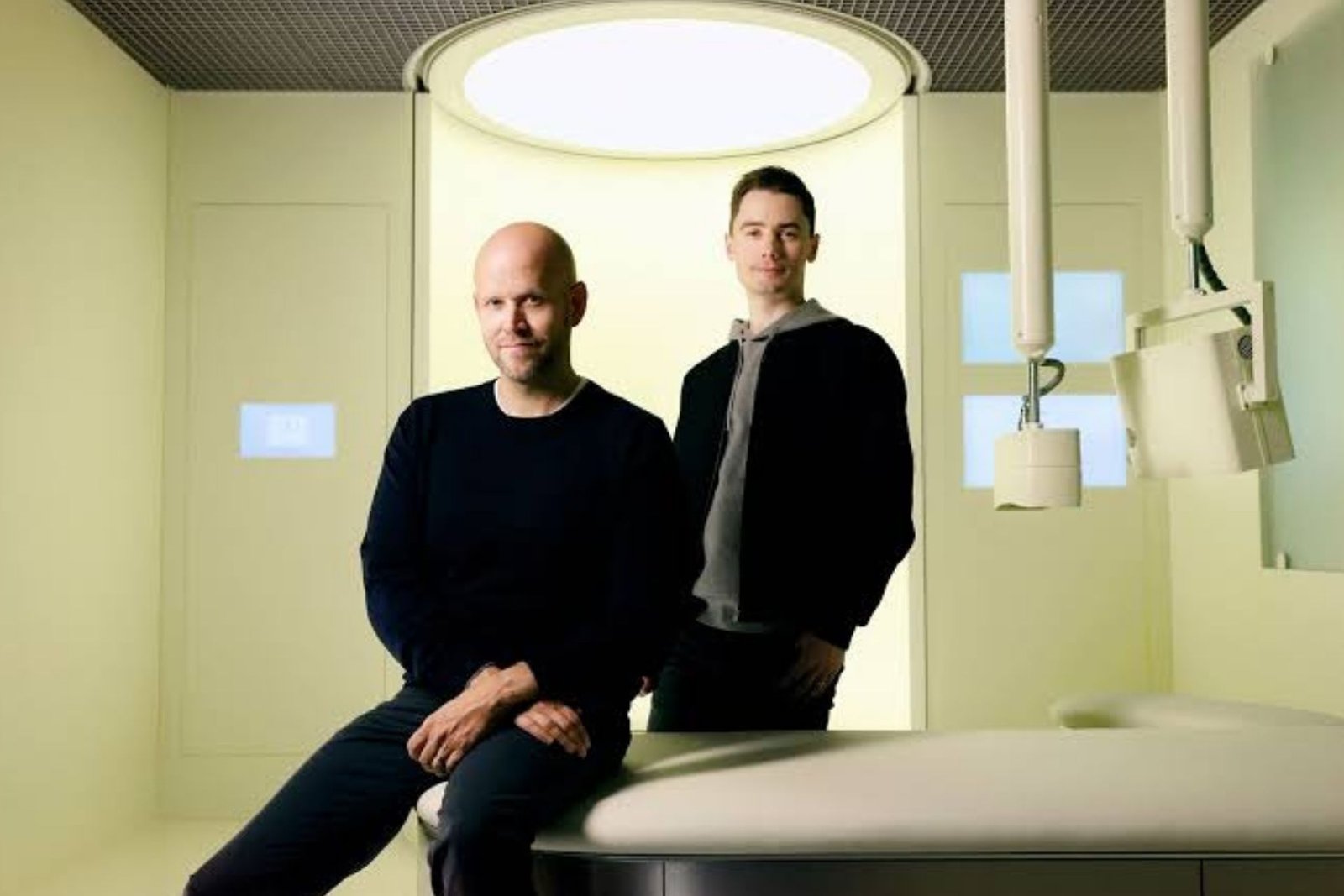
And the question of where that infrastructure should sit becomes a real estate question as much as a healthcare one. Neko is still early. Its US expansion begins with New York, with further locations planned in Miami and other cities. The larger question is whether preventive health can become habitual enough to support a network at scale — whether the experience is simple enough, the information clear enough and the clinical follow-through convincing enough to bring people back annually rather than once.
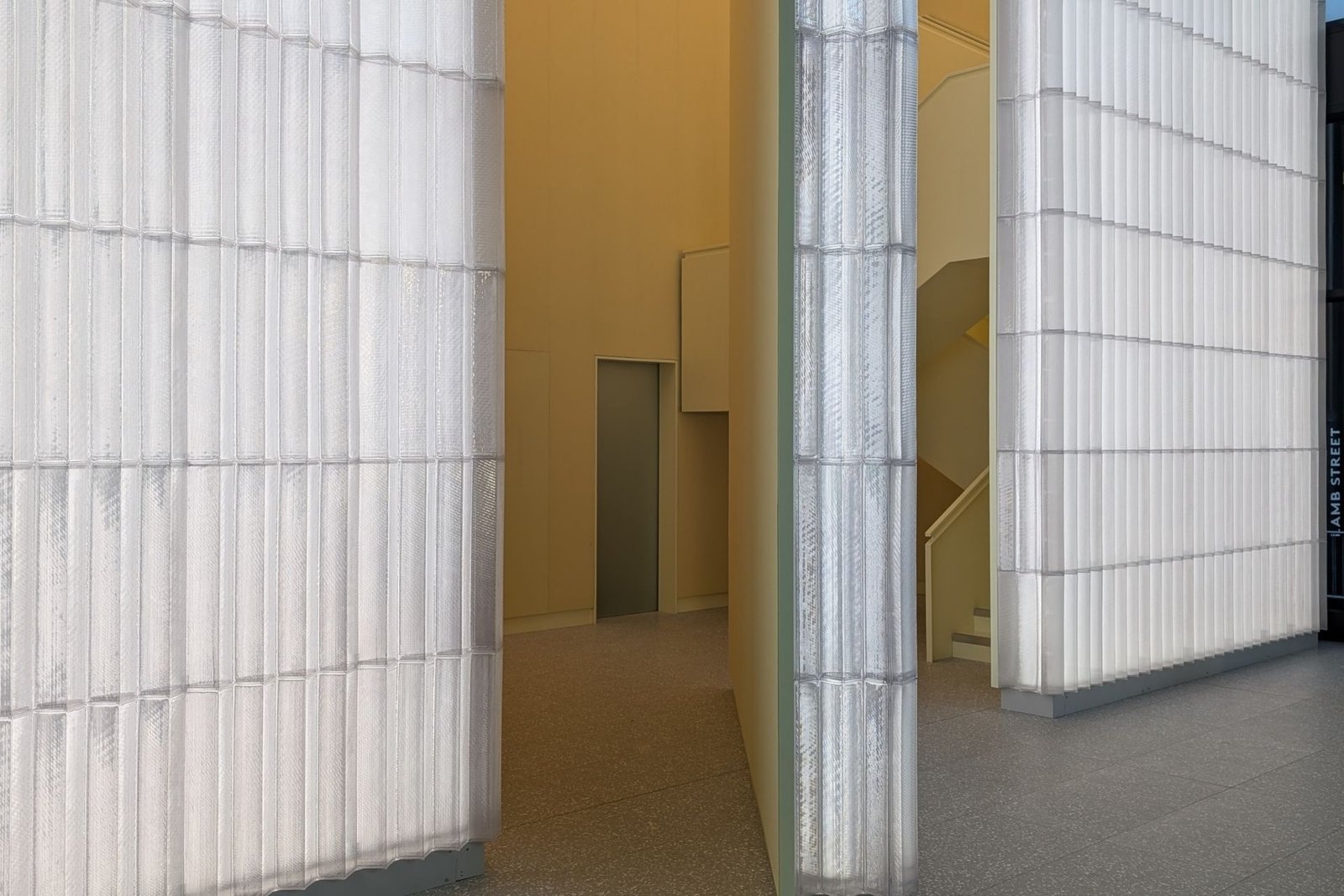
If those conditions are met, healthcare space begins to behave differently. A conventional clinic waits for patients to arrive. A preventive-health environment becomes somewhere people choose to visit regularly — not because something is wrong, but because understanding what is happening inside the body has become part of how they live.
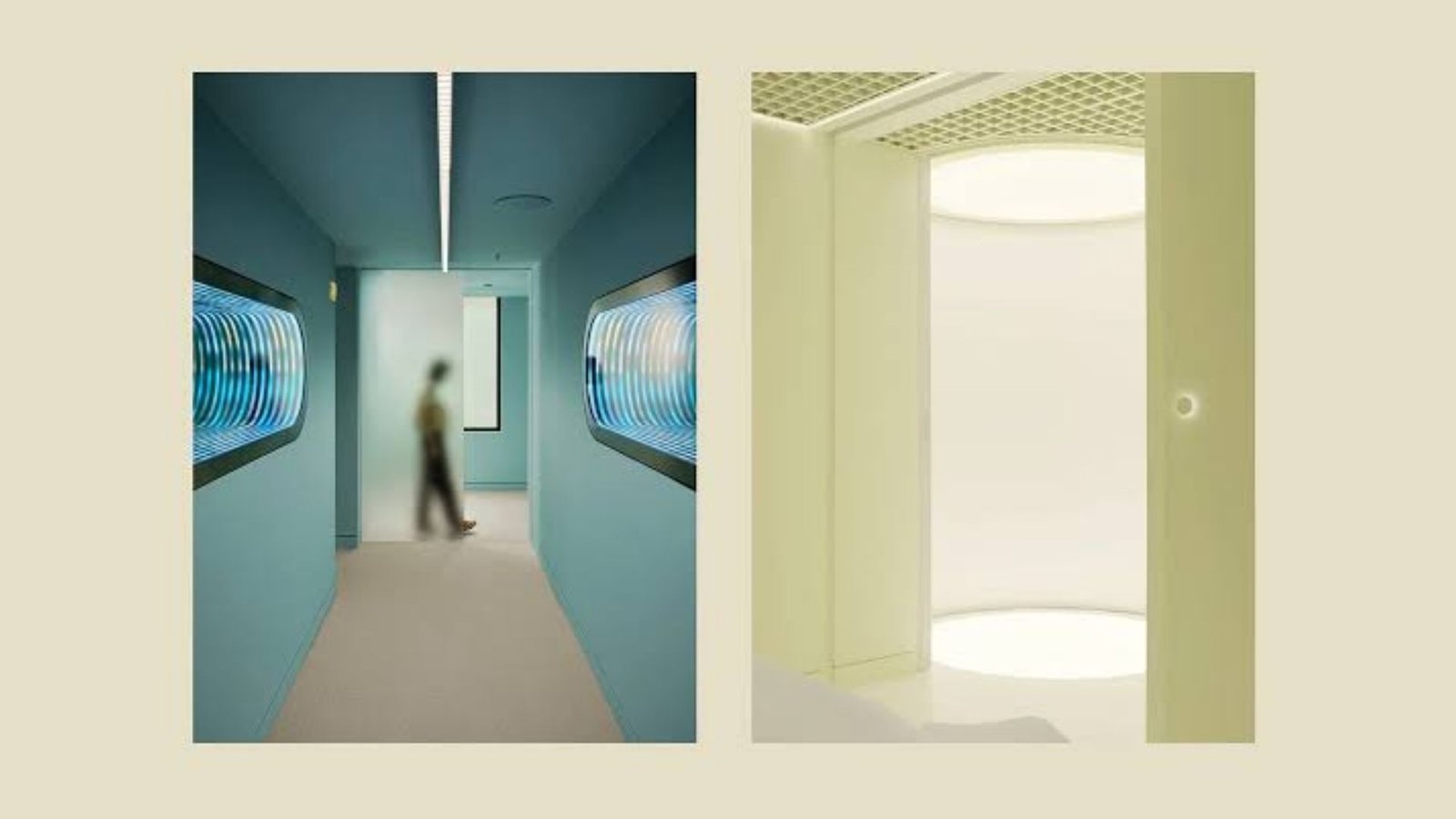
The floorplate follows the protocol. Healthcare starts to behave less like a destination for illness and more like an ongoing consumer service. That shift — from reactive to proactive, from treatment room to designed environment — is where the real estate implication becomes serious. Health becomes a service you want to come back to — visit Neko Health.