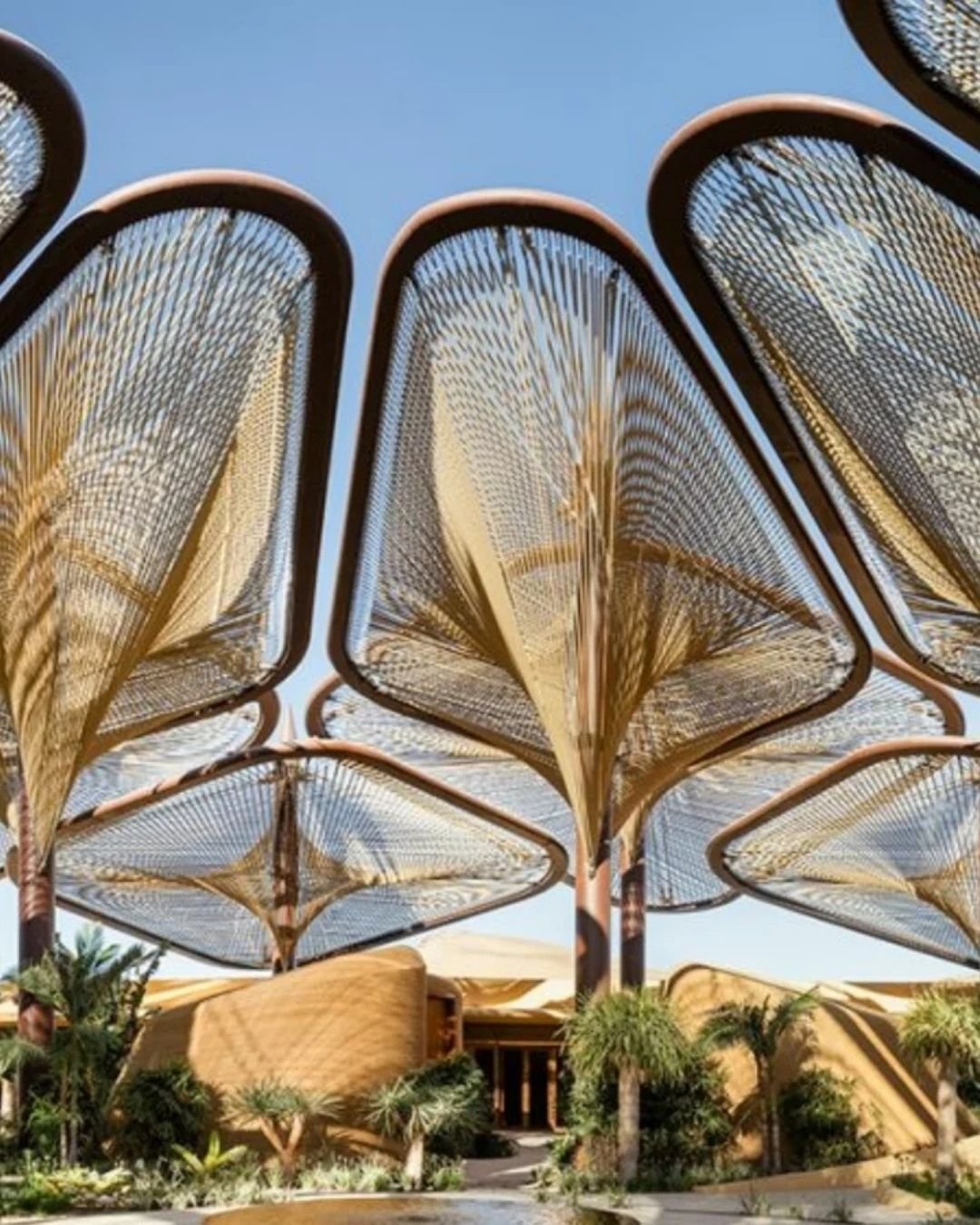




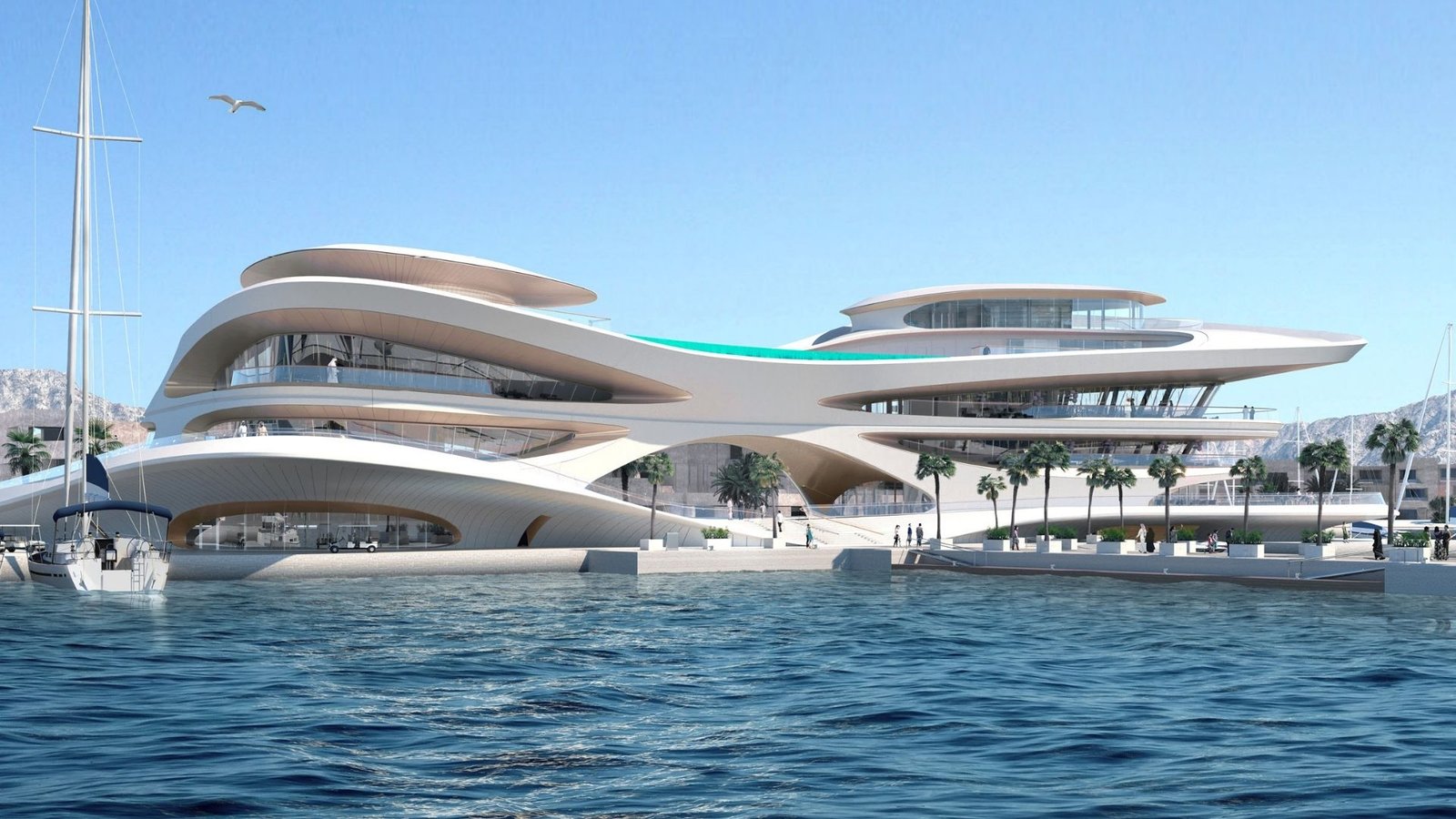


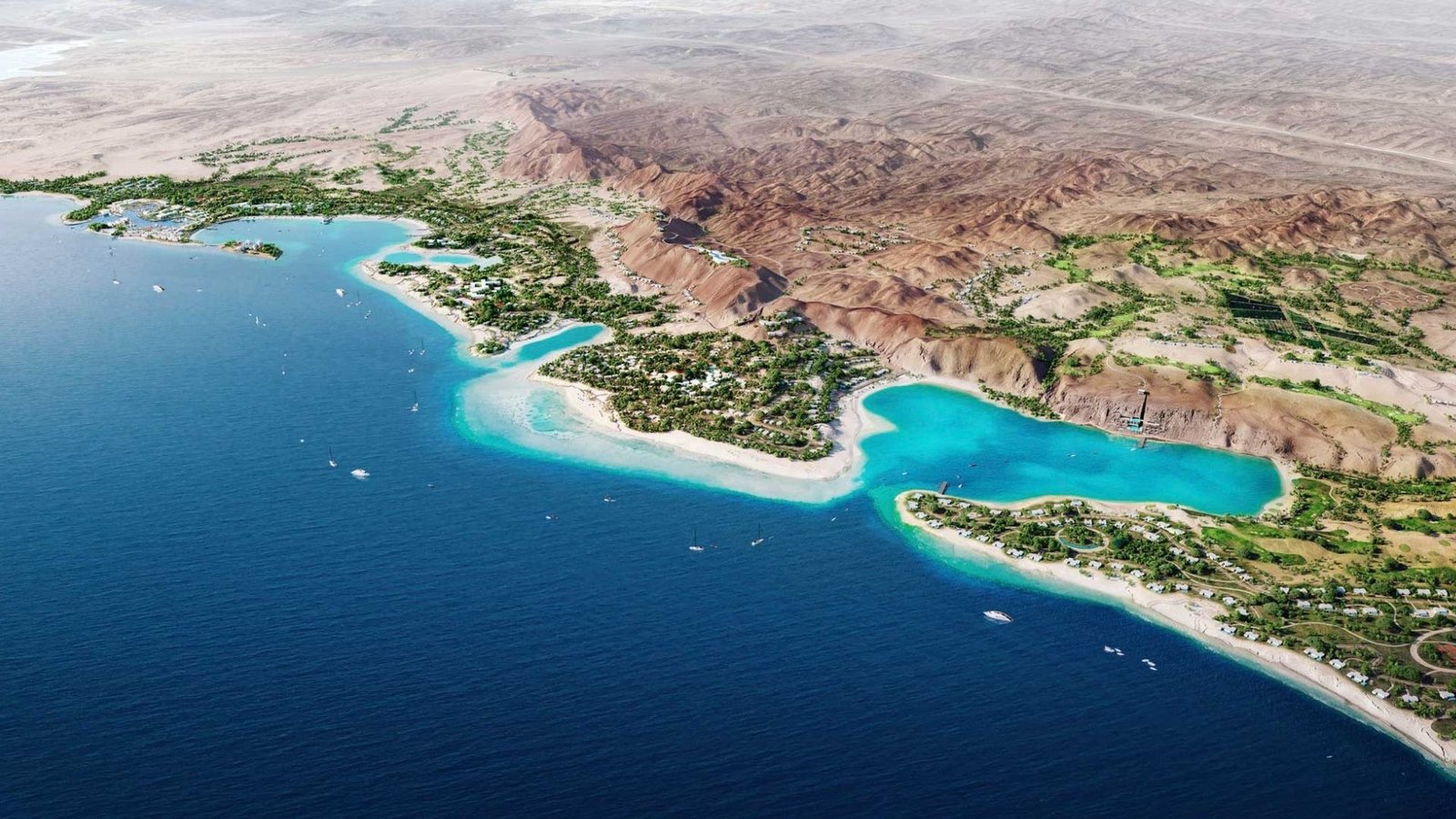
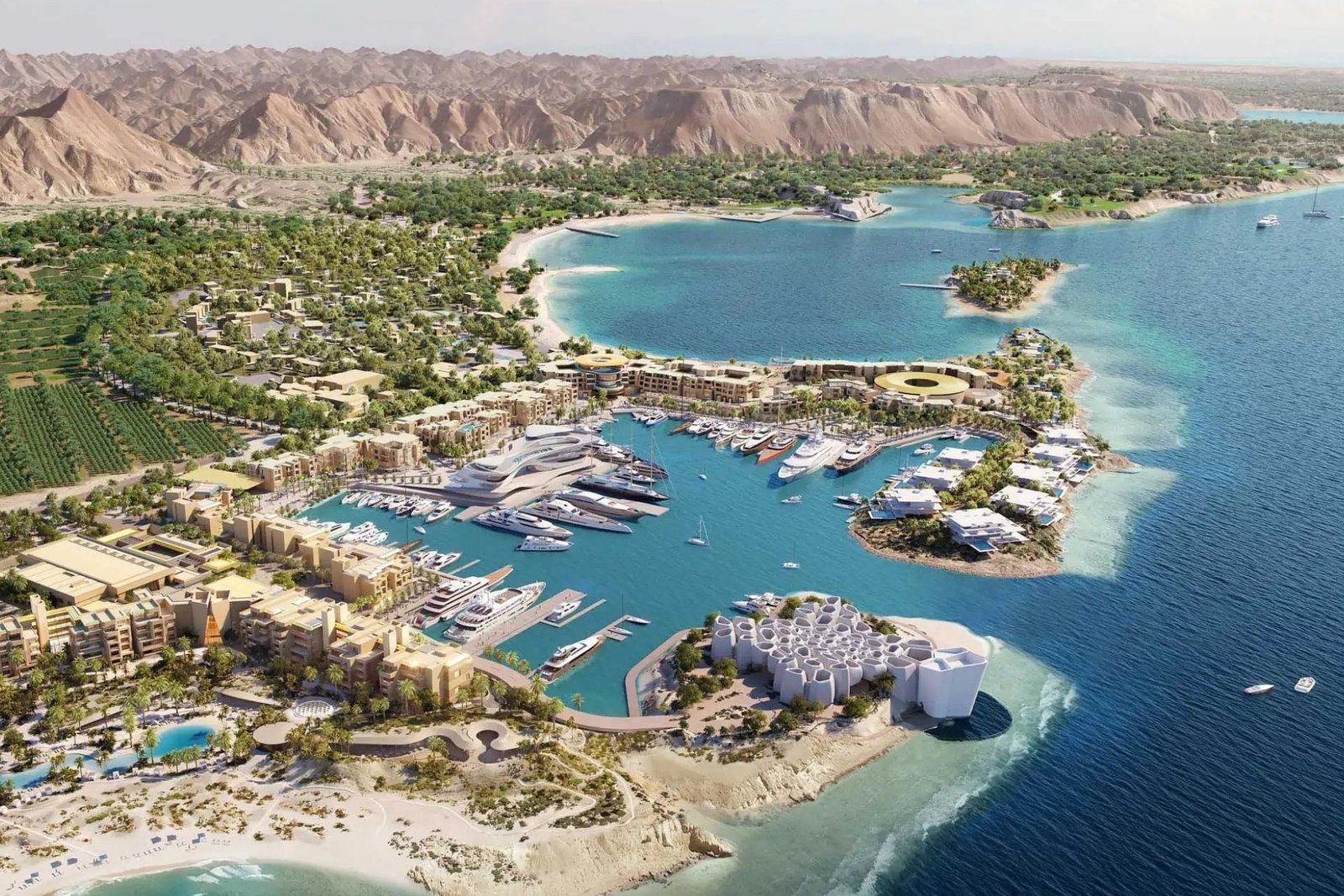
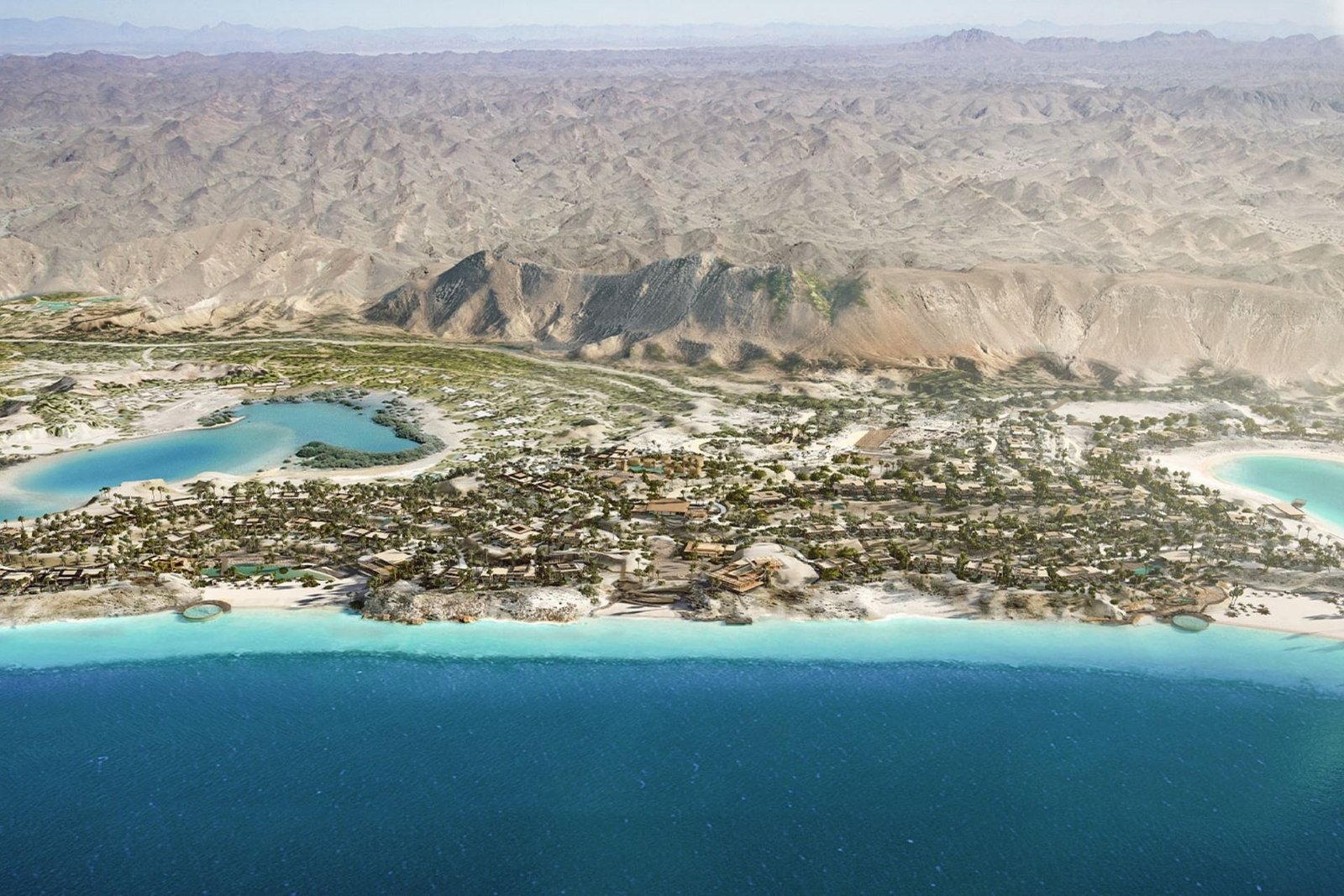
AMAALA sits on 1,600 square miles of protected coastline on Saudi Arabia’s northwestern Red Sea coast, between the Tabuk mountains and the world’s fourth-largest barrier reef. Until recently, almost no one had been there. That is changing quickly. Four Seasons Resort and Residences AMAALA at Triple Bay opened in June 2026. Six Senses AMAALA followed in July — 100 suites and villas, 25 branded residences, set between desert cliffs and a mangrove-fringed lagoon.
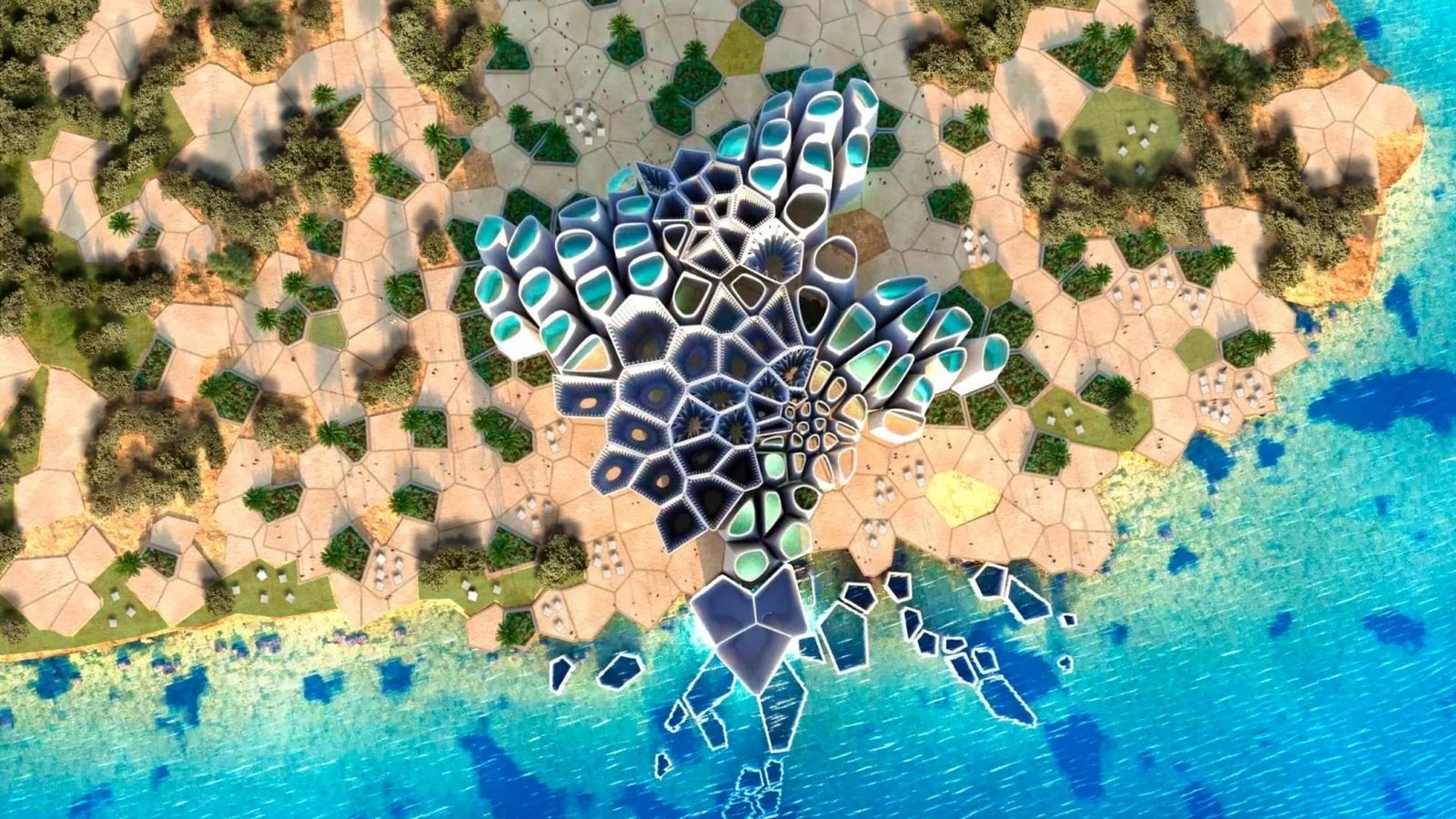
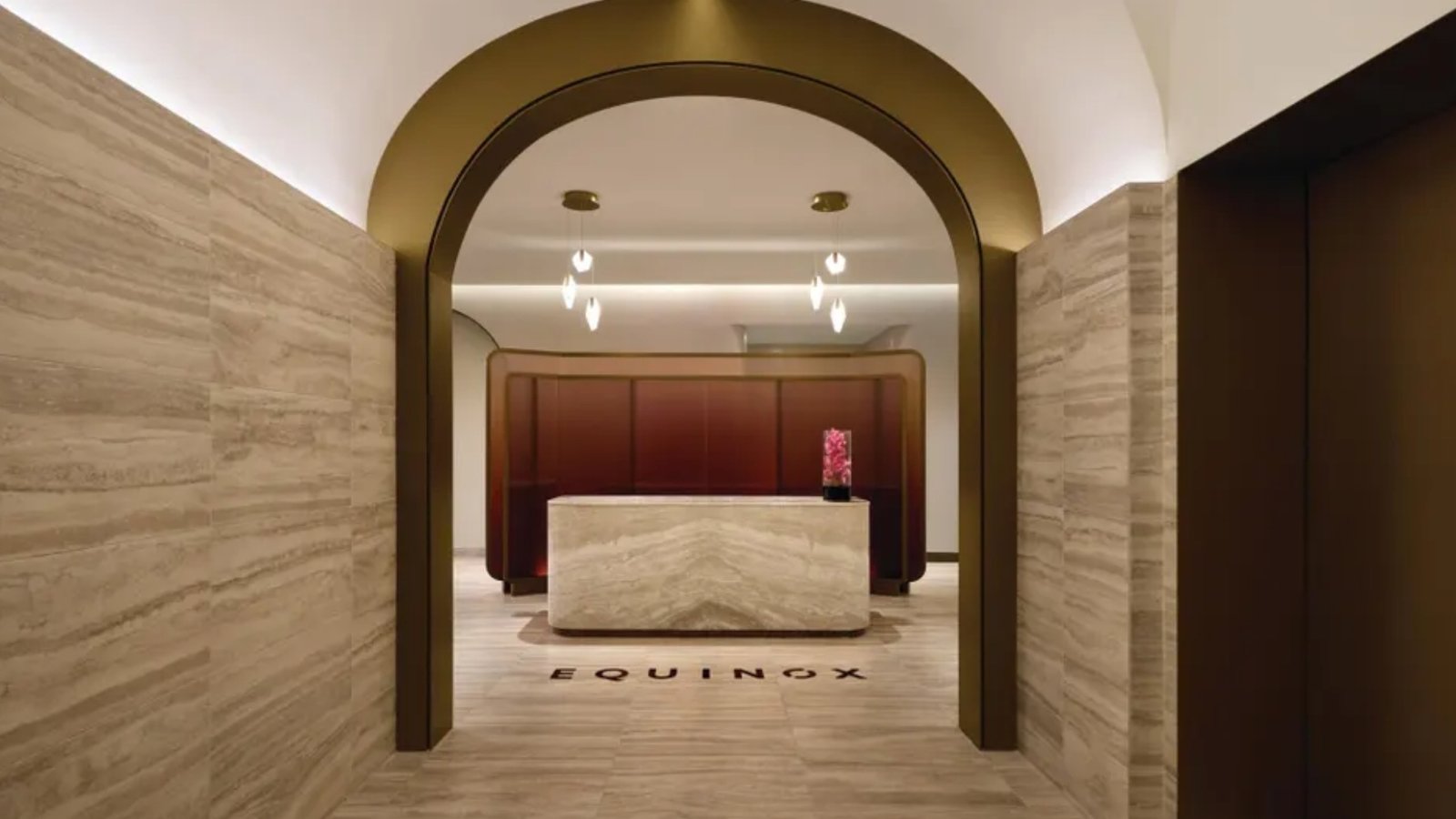
Rosewood AMAALA opened in August with 110 pool villas across 40 hectares, designed by ACPV ARCHITECTS Antonio Citterio Patricia Viel with interiors by Tristan Auer. Equinox Resort AMAALA opened in September. Clinique La Prairie is among the operators to follow. Within a single year, the AMAALA wellness destination has moved from development proposition to operating destination. More than 1,600 hotel rooms are planned across nine resorts on completion, with every confirmed hotel incorporating private residences.
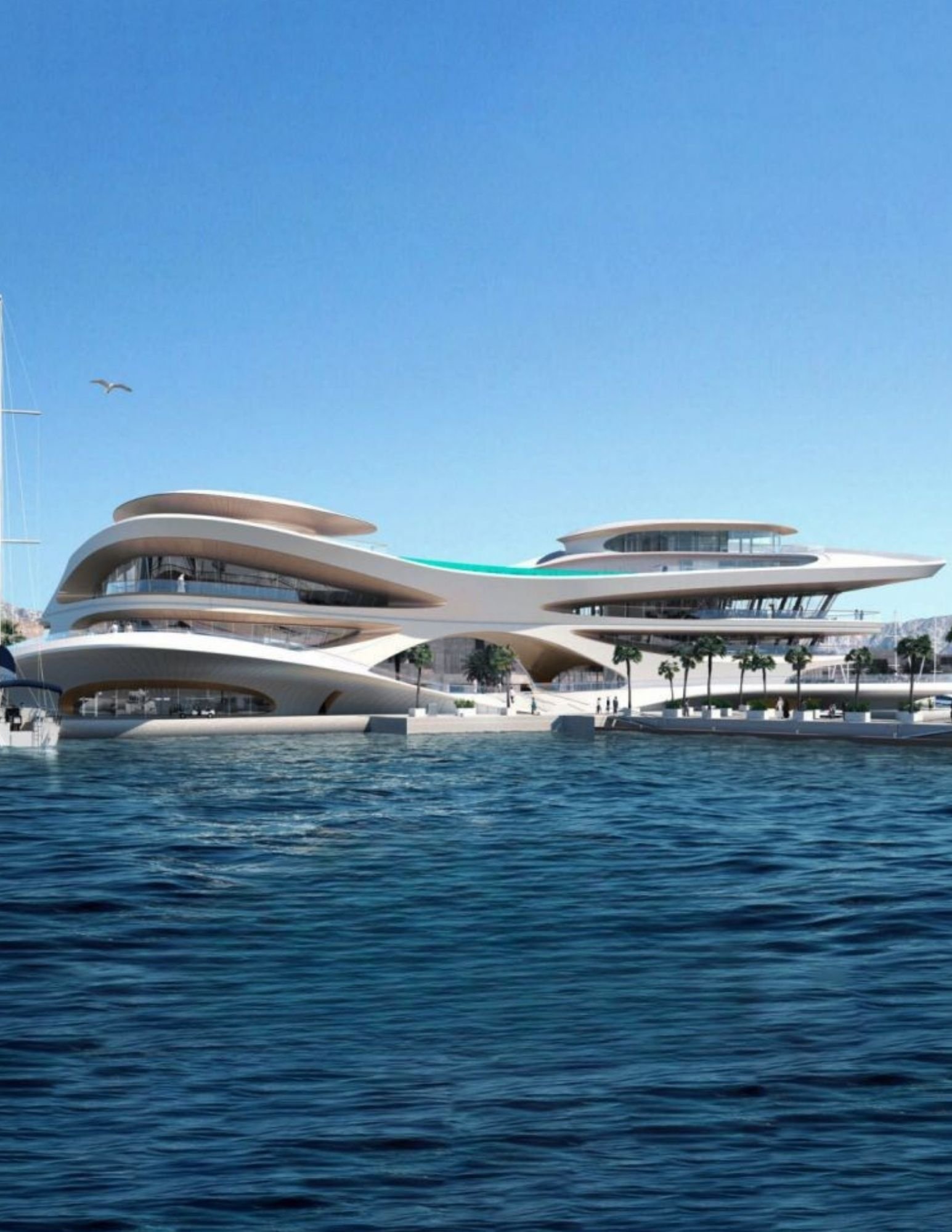
The destination also includes the Corallium Marine Life Institute, a coral restoration research facility embedded within the development, and AlWajh Airport, which has reopened following renovations to serve the growing number of visitors. A destination of this scale needs more than luxury accommodation. It needs a reason to exist. It has to attract travellers, residents, operators and capital to a remote coastline and persuade them that the journey is worthwhile.
Wellness provides a particularly effective organising idea because it connects the landscape to health, longevity, food, movement, hospitality and lifestyle at the same time. The individual brands matter. But the land matters more. Clinique La Prairie occupies the medical-longevity end of the proposition. Nammos brings beach and social culture. Rosewood introduces another expression of luxury hospitality and residential living. Four Seasons anchors the destination through conventional high-end service.
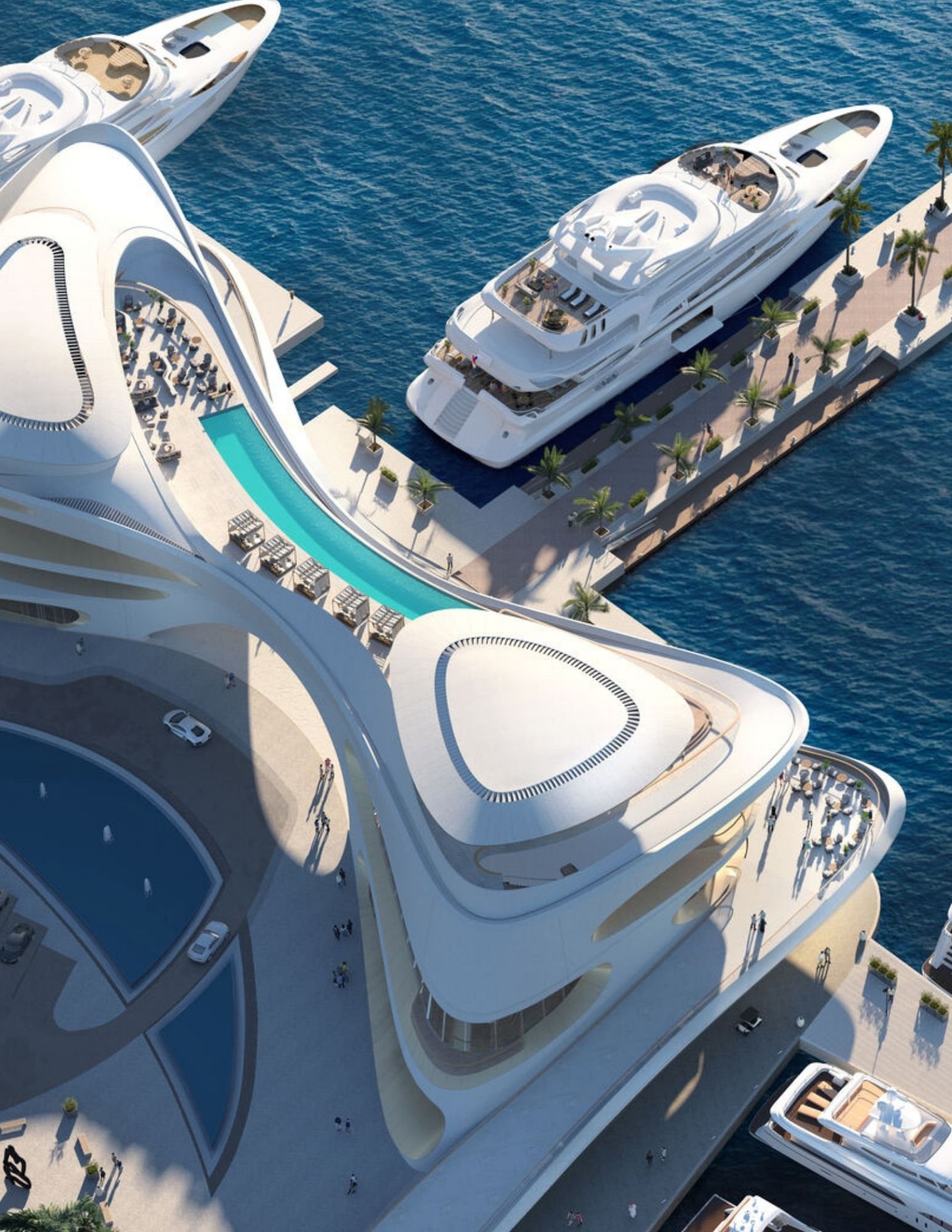
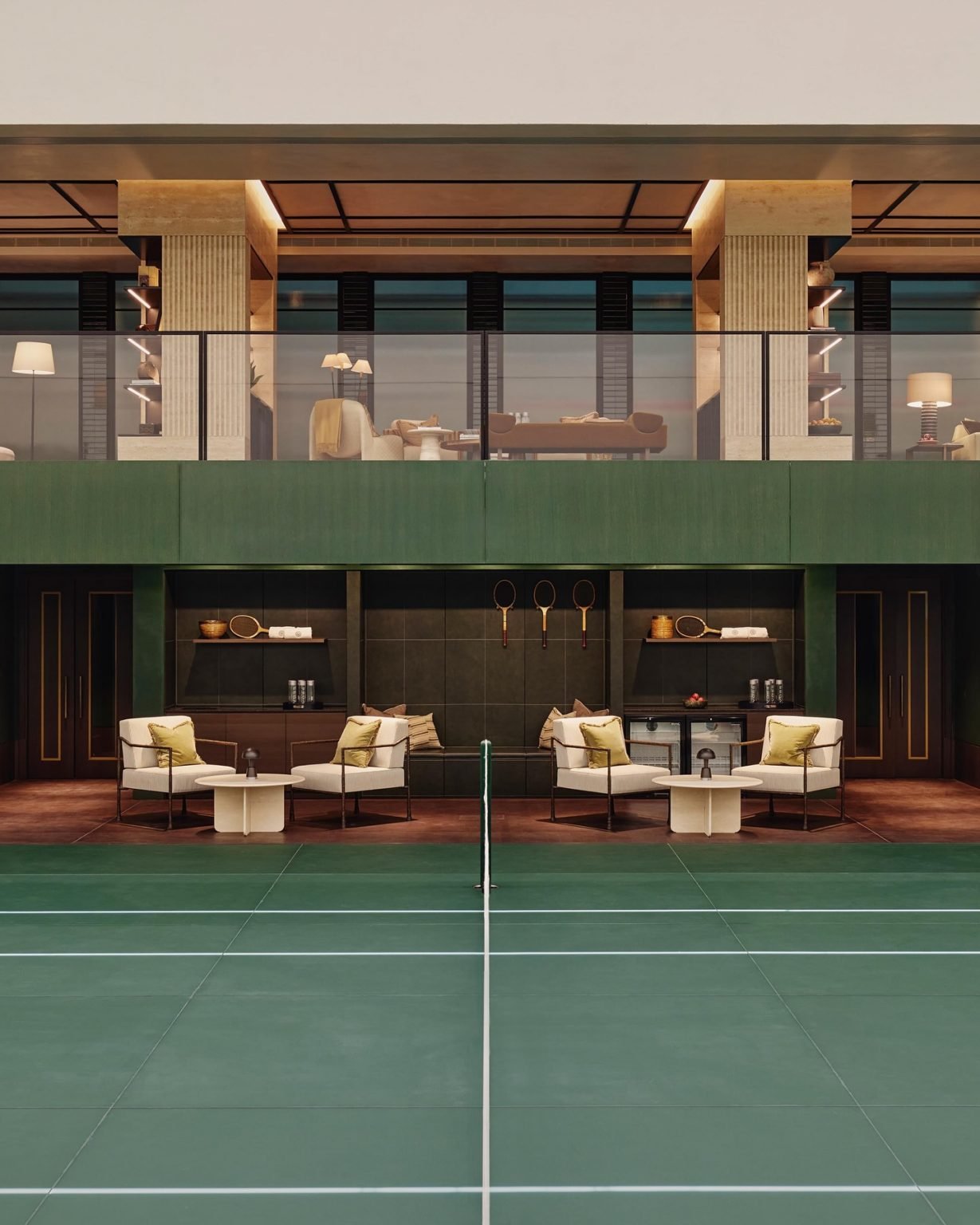
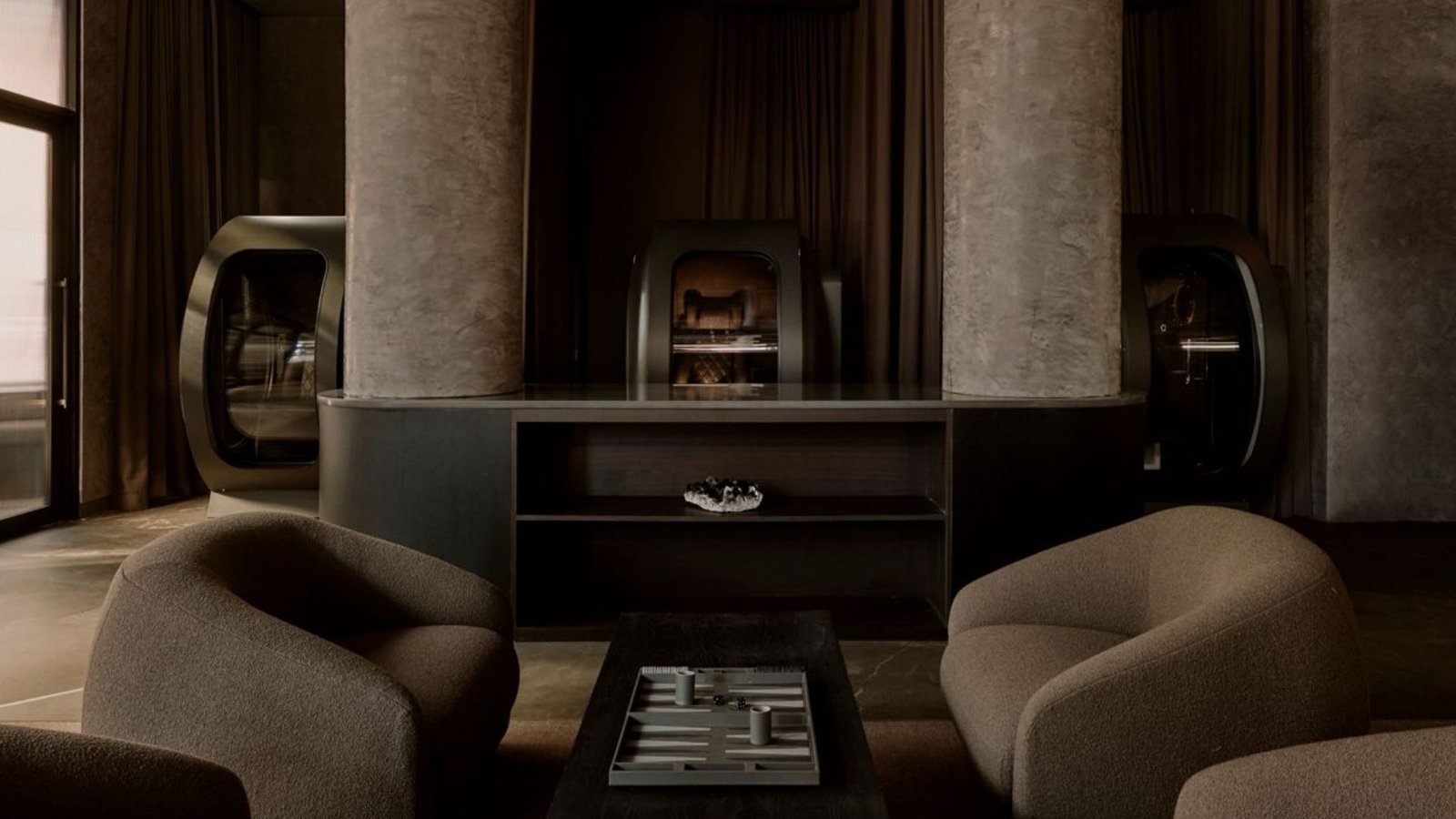
Equinox brings performance and recovery. Each brand occupies a different position, but together they begin to create something more useful than a collection of hotels. The result is not a wellness resort in the traditional sense. It is a destination organised partly around wellness. That distinction matters because the real estate opportunity is larger than the treatment room. A coastline is the scarce physical asset. A hotel gives people somewhere to stay.
A residence gives them a reason to own. A club gives them somewhere to return. Wellness provides a narrative capable of connecting those behaviours. That is what makes the alibi interesting. Wellness is not superficial here. Significant medical, hospitality and residential infrastructure is being built around it. But wellness is also performing another function — it helps explain why this particular coastline should command attention in an increasingly crowded global luxury market.
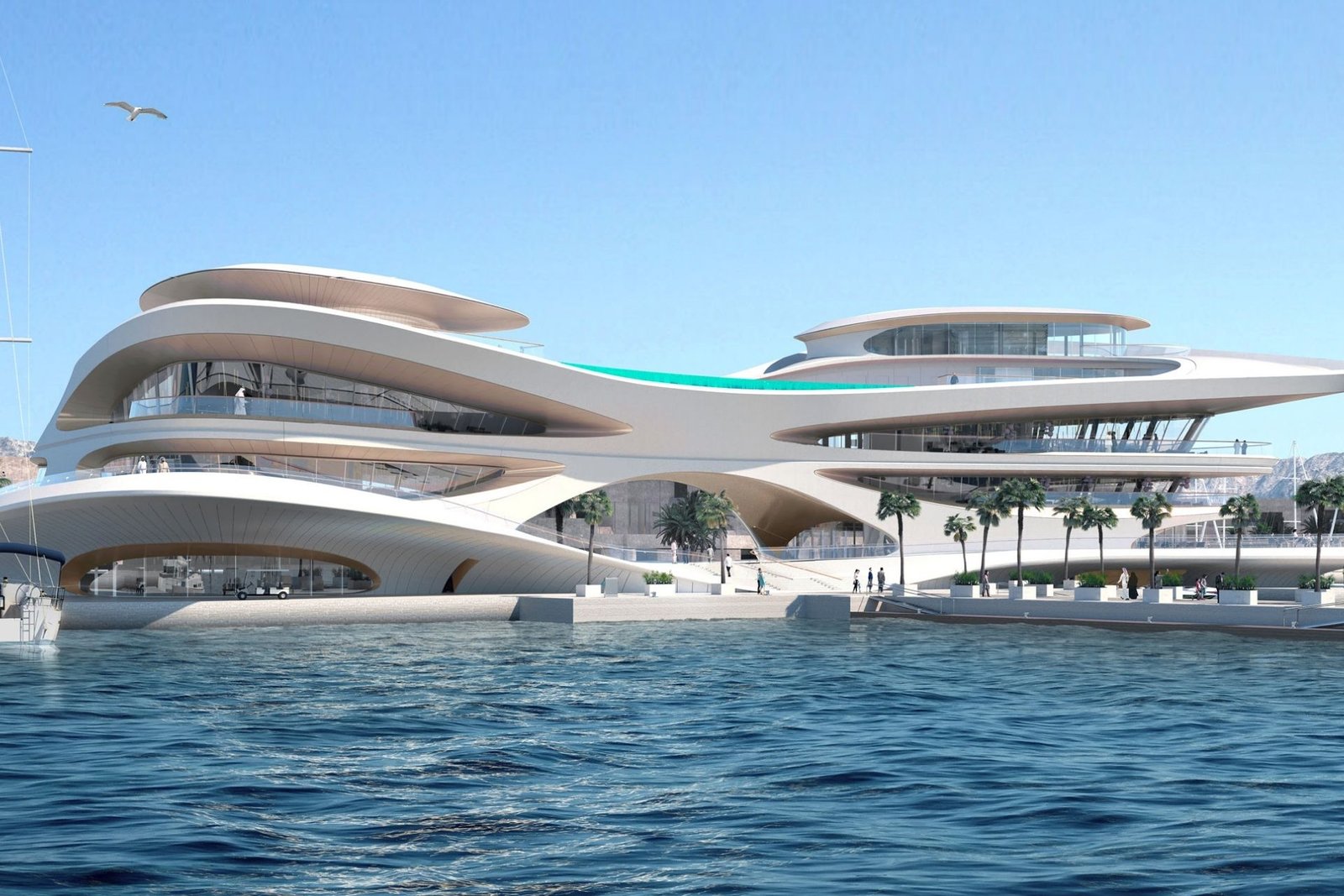
It gives the geography a purpose beyond its physical beauty. The proposition is therefore as much about placemaking as wellness. A luxury hotel can be copied. A beach club can be reproduced. A branded residence can appear elsewhere. What is harder to manufacture is an integrated ecosystem in which the hotel, residence, club, landscape and wellness proposition reinforce one another — where each element gives the others greater relevance.
That is the test for AMAALA. Do visitors stay longer? Do they return? Do residents actually engage with the wellness infrastructure? Do the different brands create enough movement between them to produce a genuine community rather than a collection of adjacent luxury assets? These questions will matter more than the opening headlines once the destination matures. If the answer is yes, wellness will have done something more significant than sell treatments.
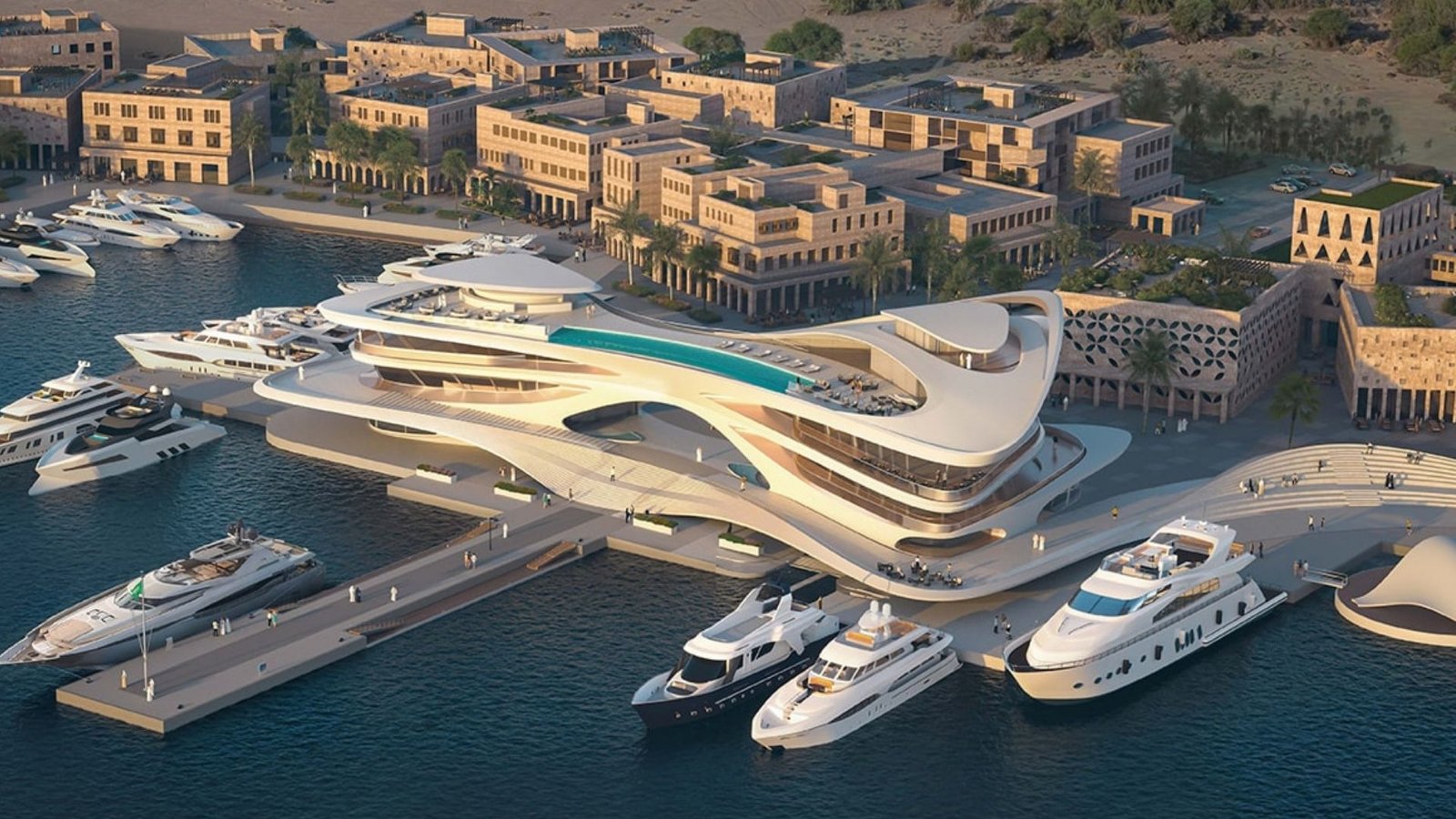
It will have helped turn geography into value — converting a remote stretch of coastline into a destination with its own reason to exist. That may be the deeper opportunity in large-scale wellness development. Wellness does not have to be the entire product. It can be the organising idea that makes the entire place worth building. The sovereign coast has given itself a reason to exist — visit AMAALA.