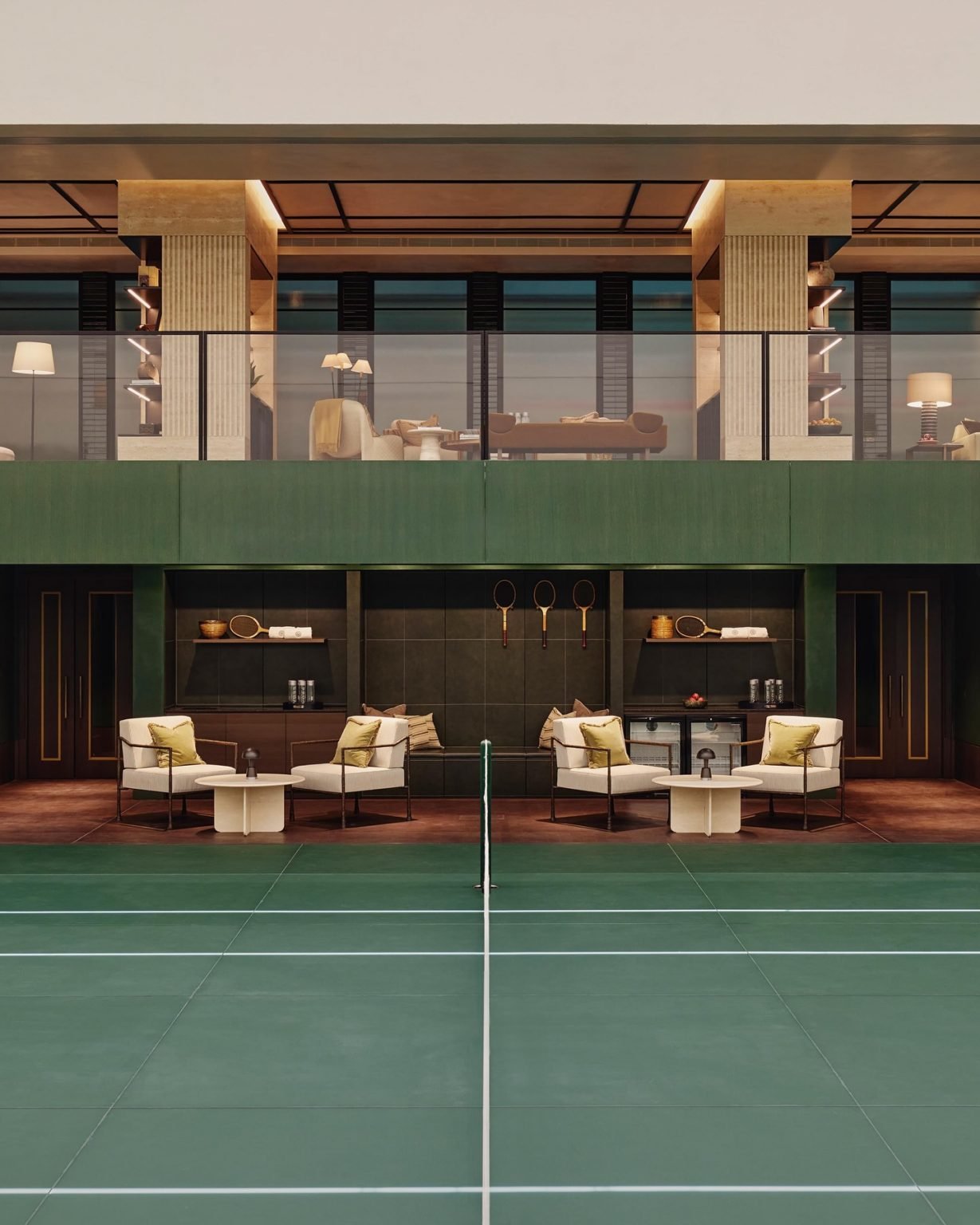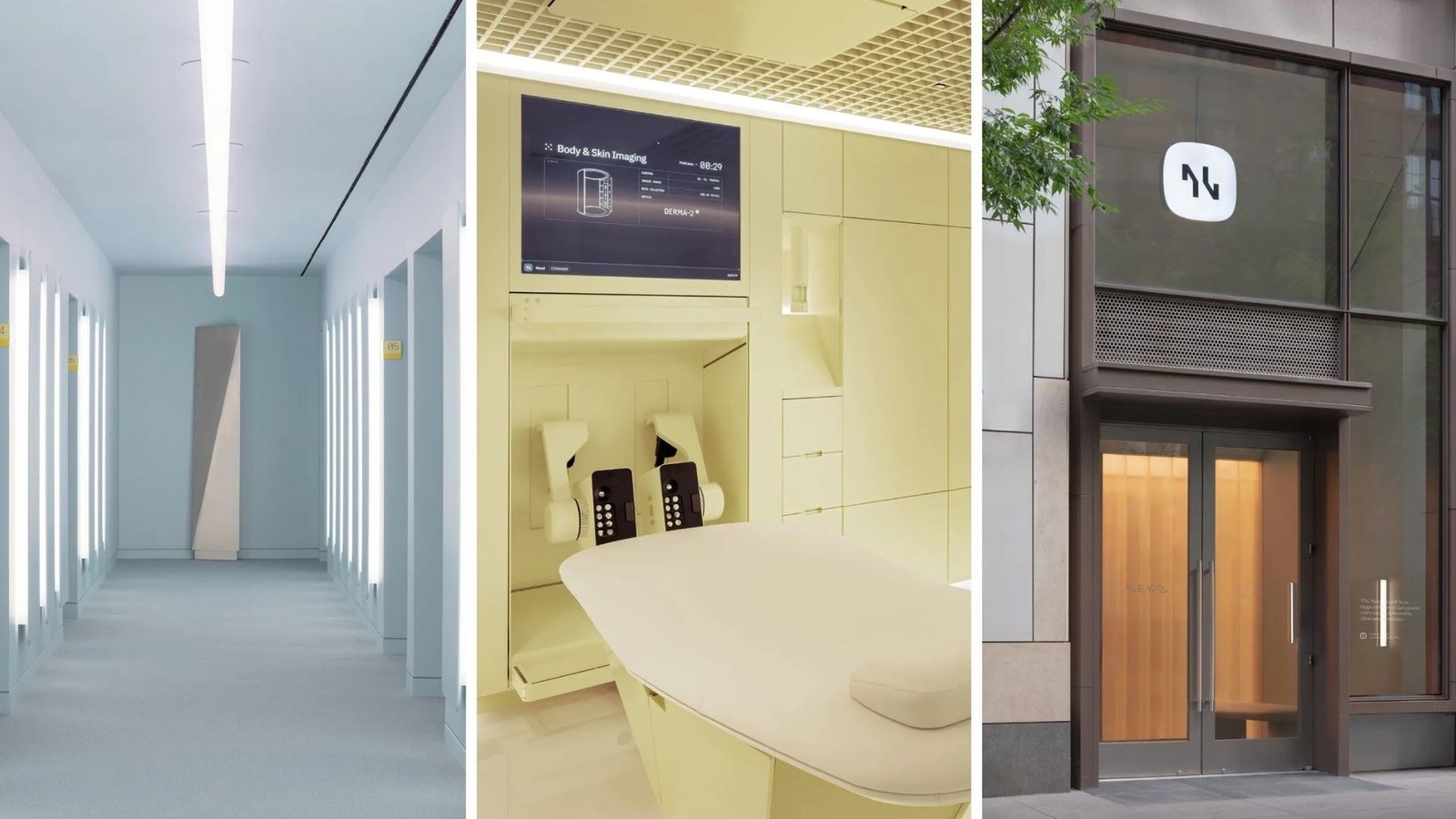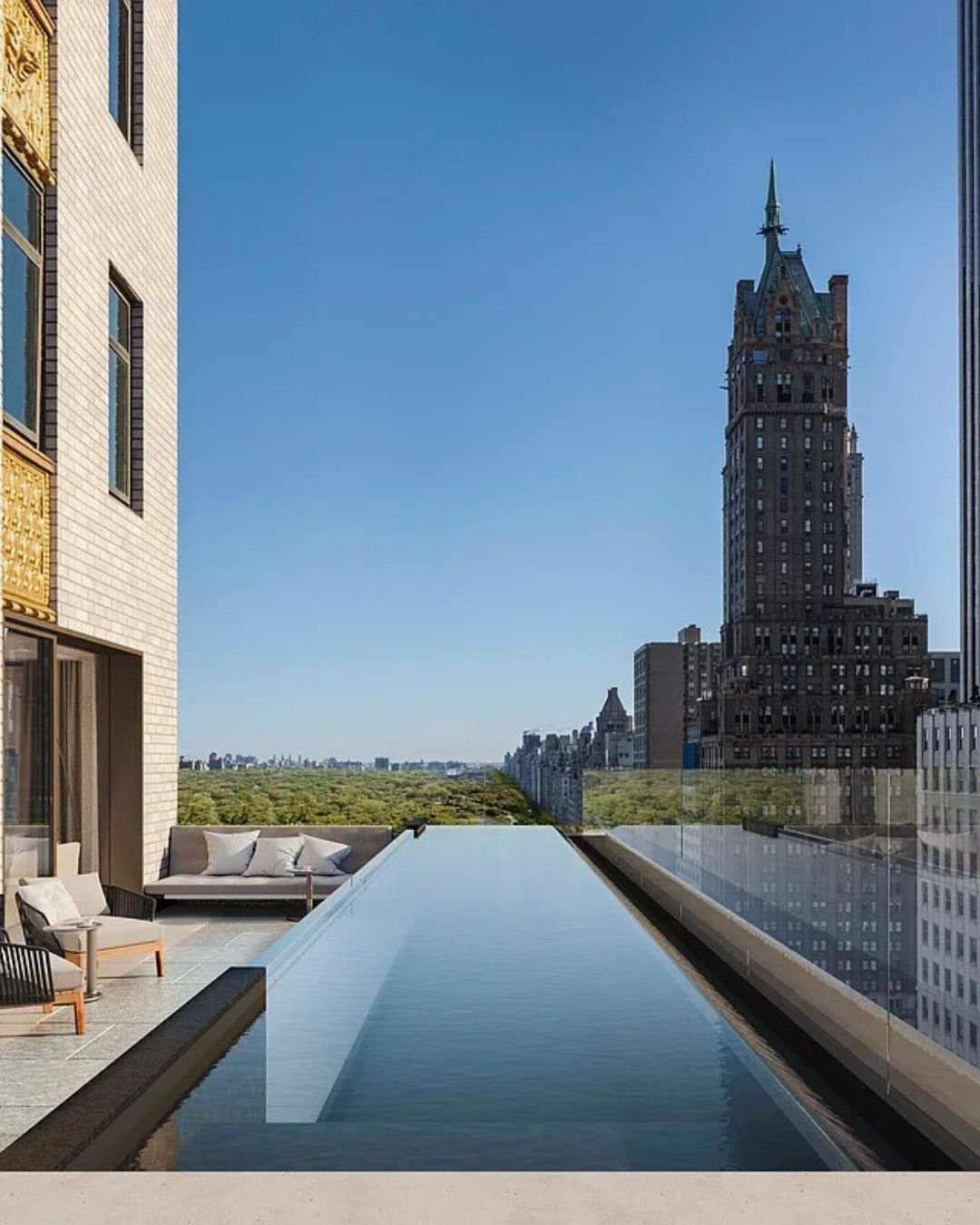
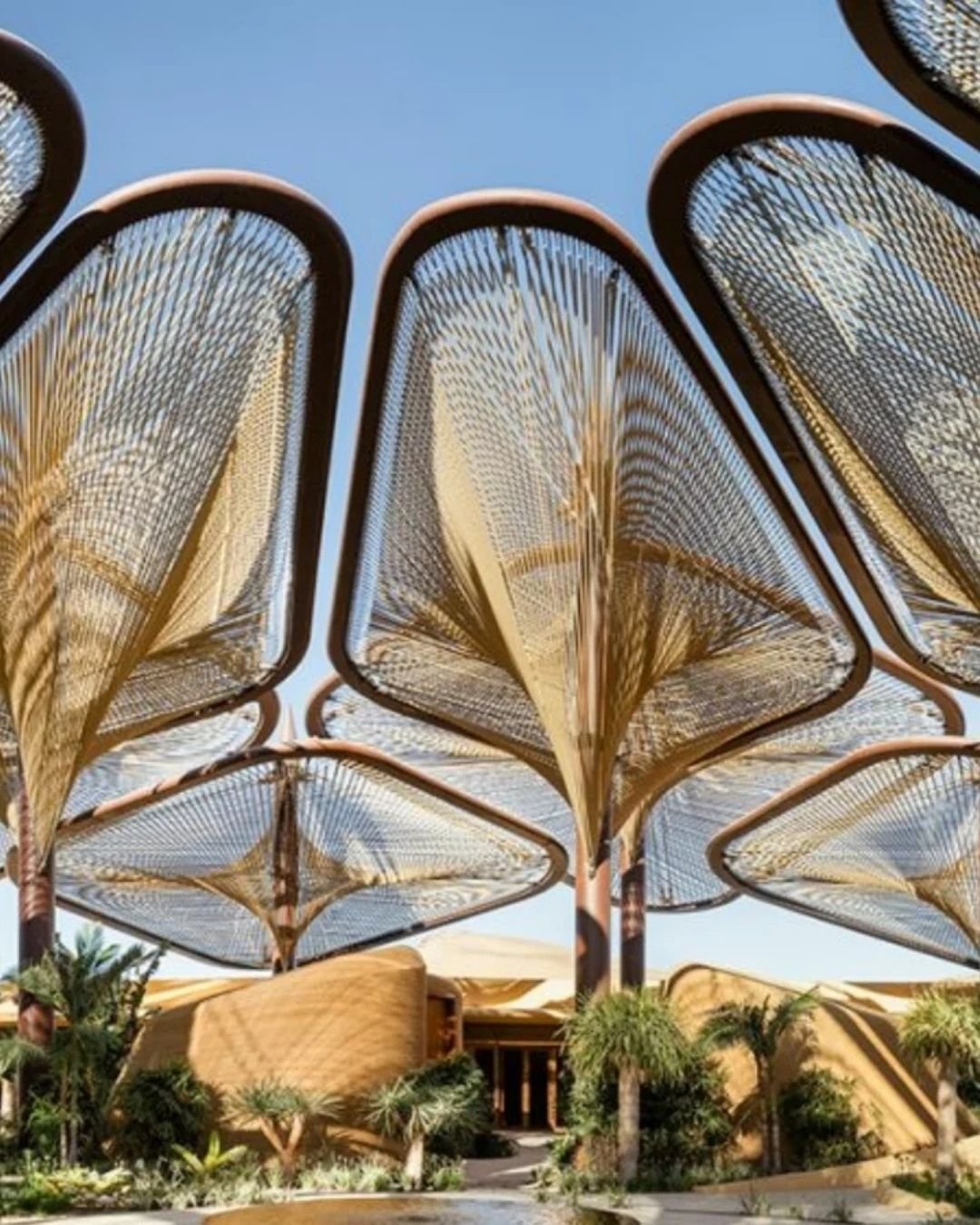


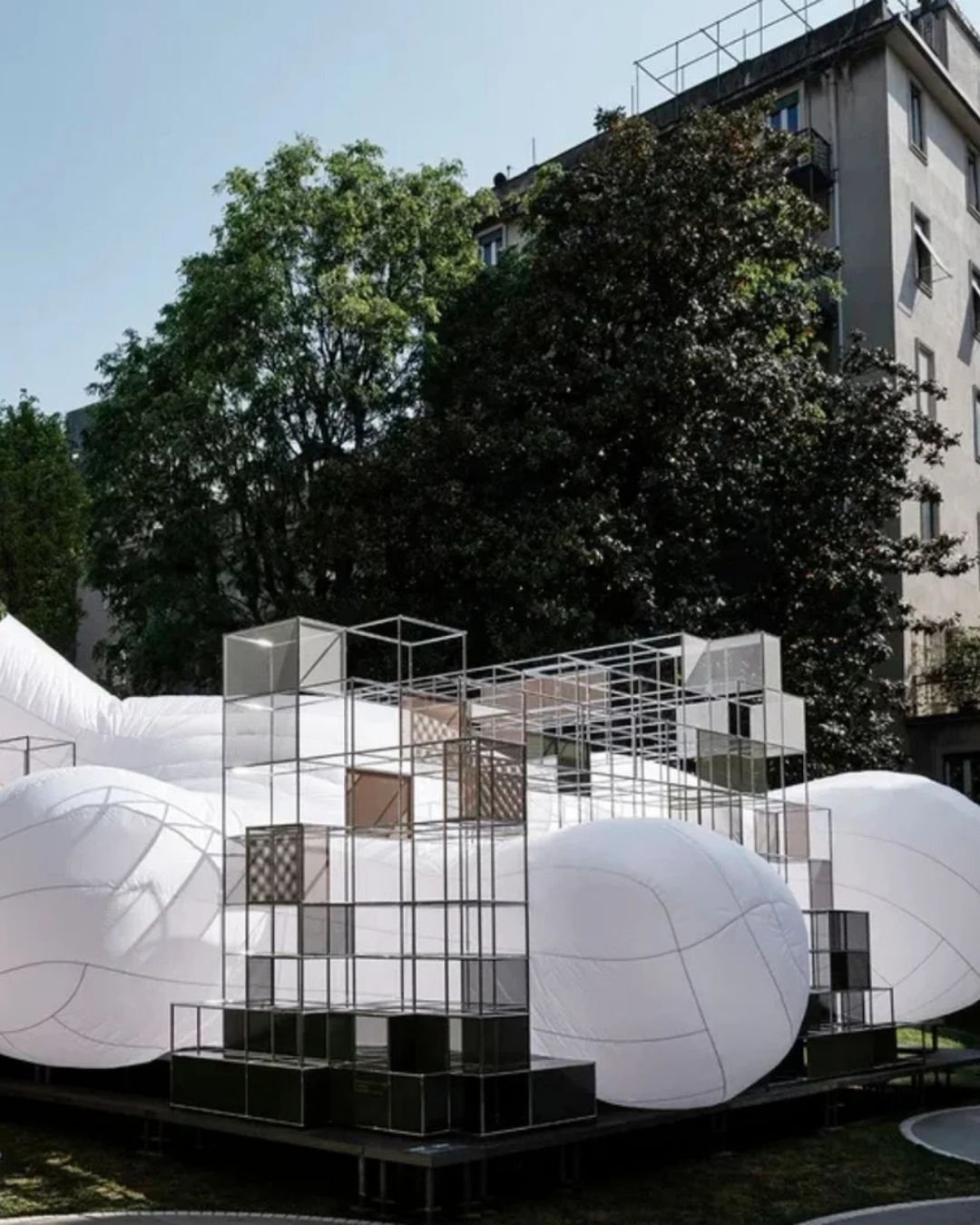



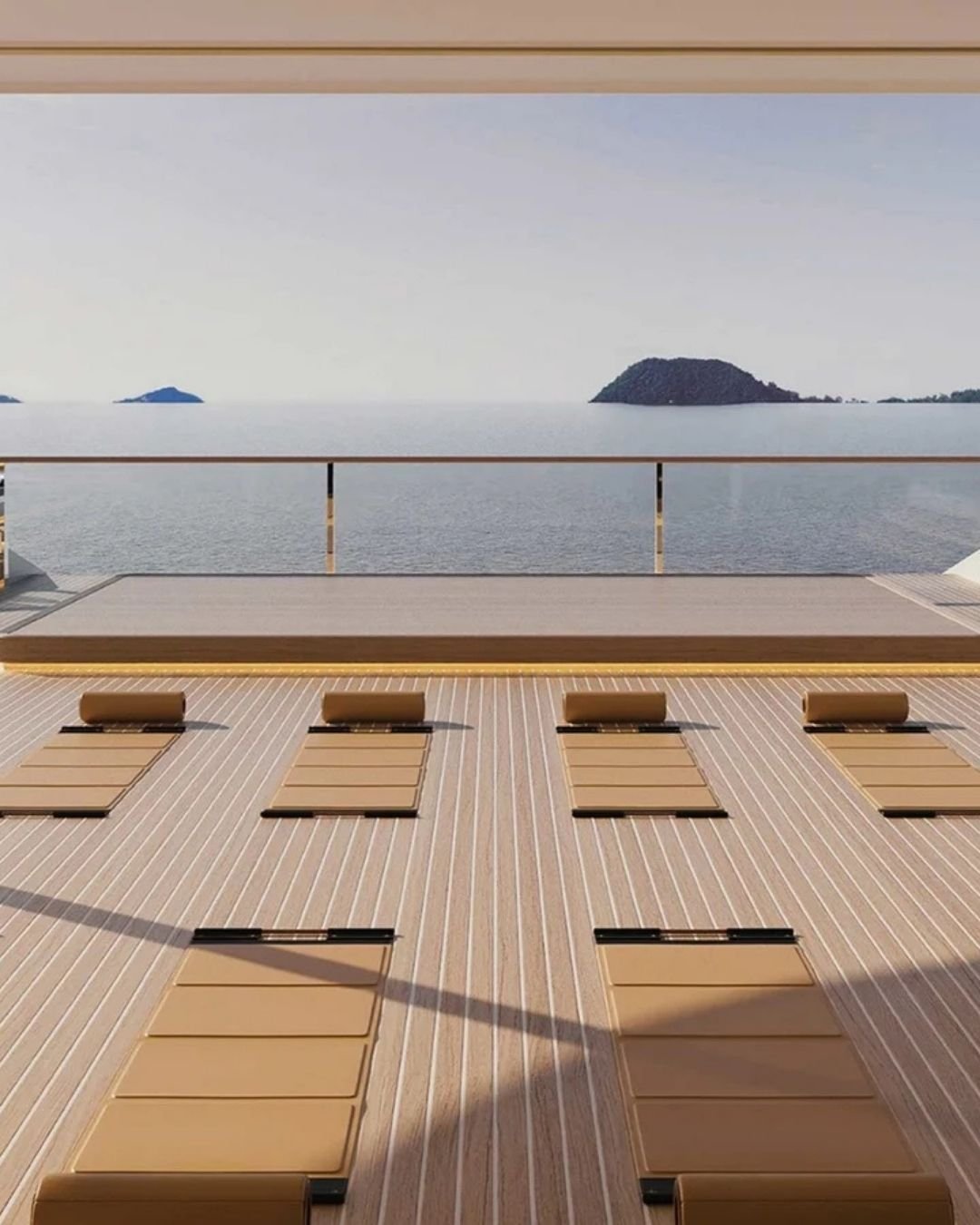


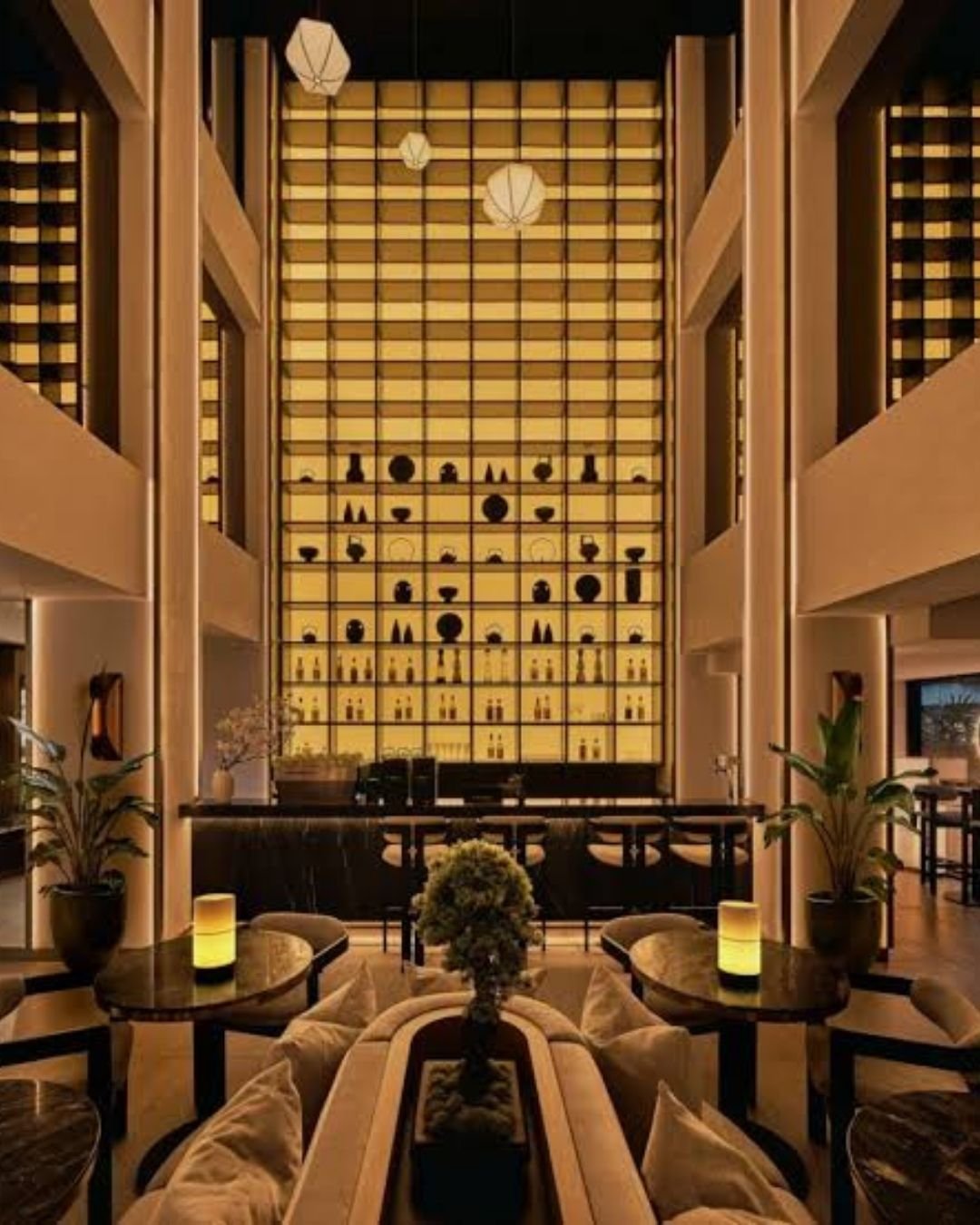
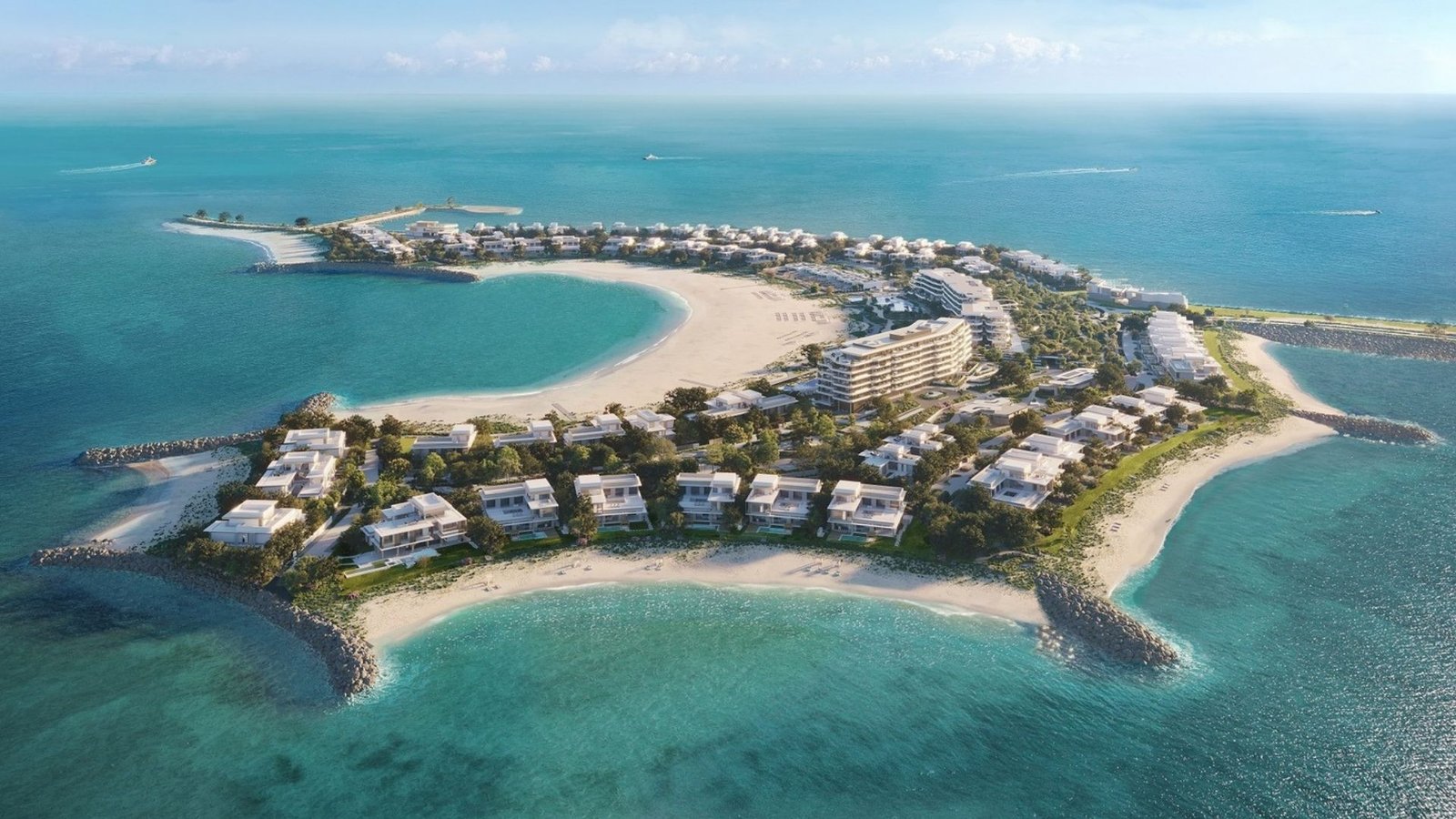


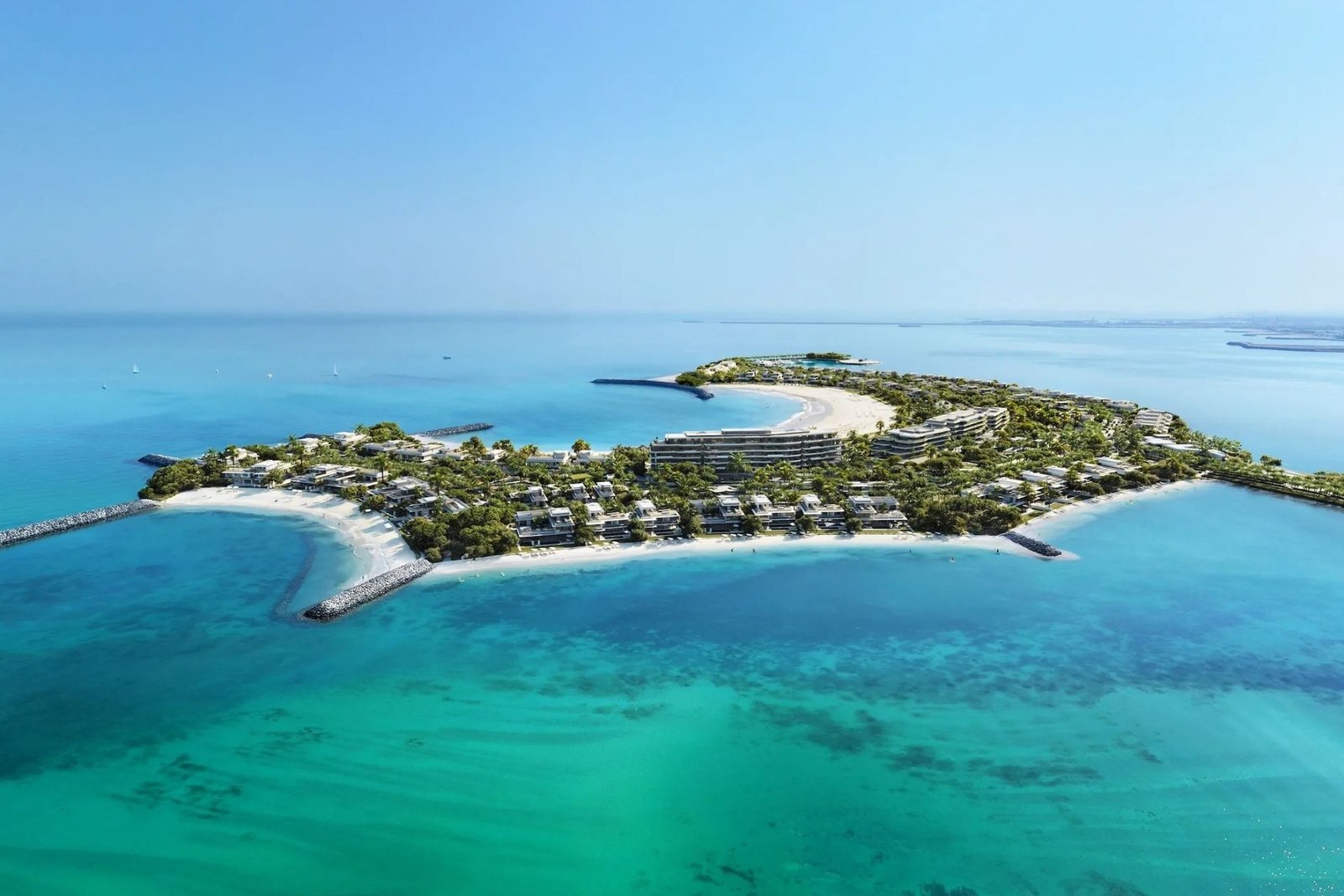
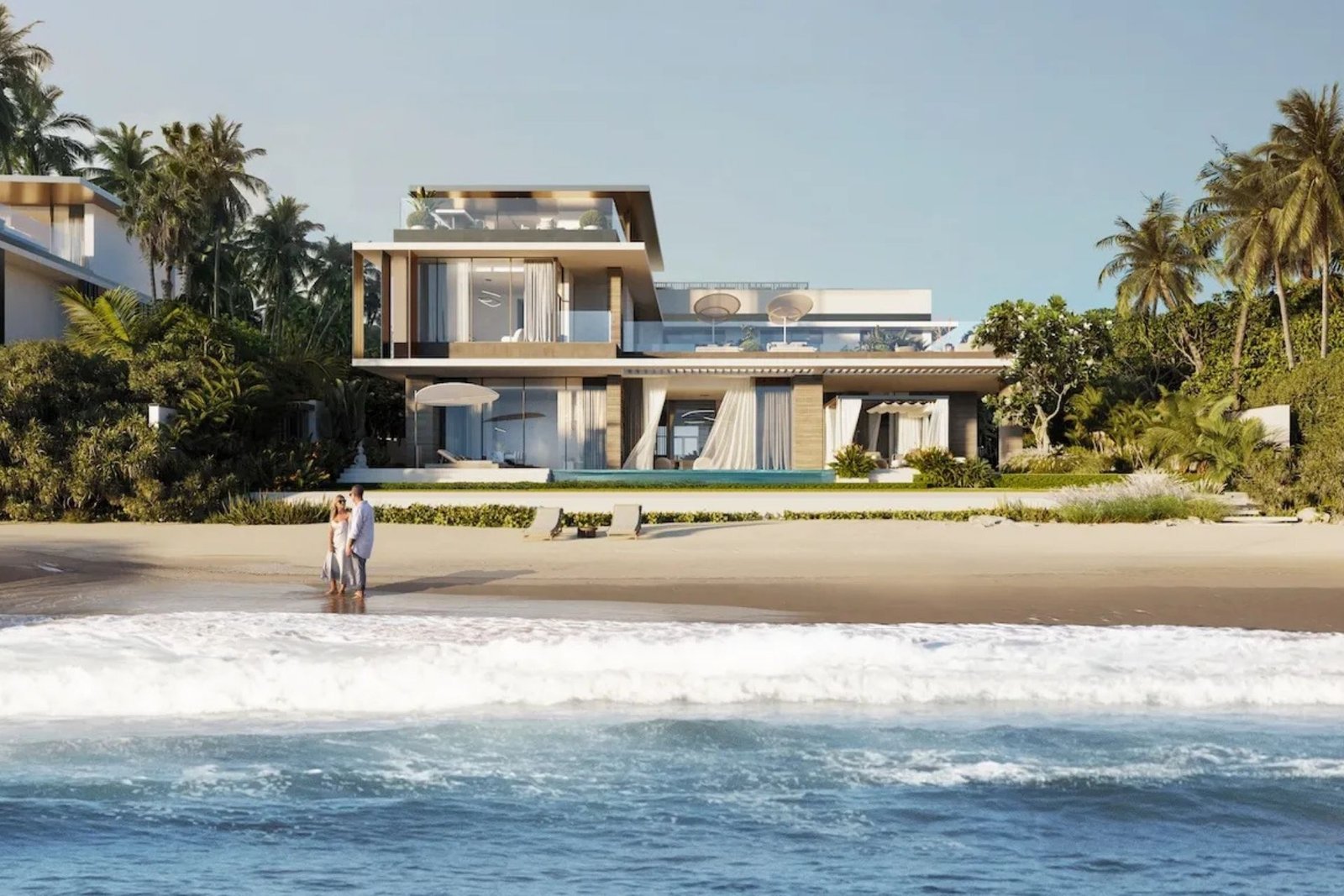
SHA Emirates is being built on a 12.5-hectare island between Abu Dhabi and Dubai. The residences — 97 villas and 62 apartments — come with access to a SHA Wellness Clinic. The interesting part is not the access. It is what that access is designed to become.
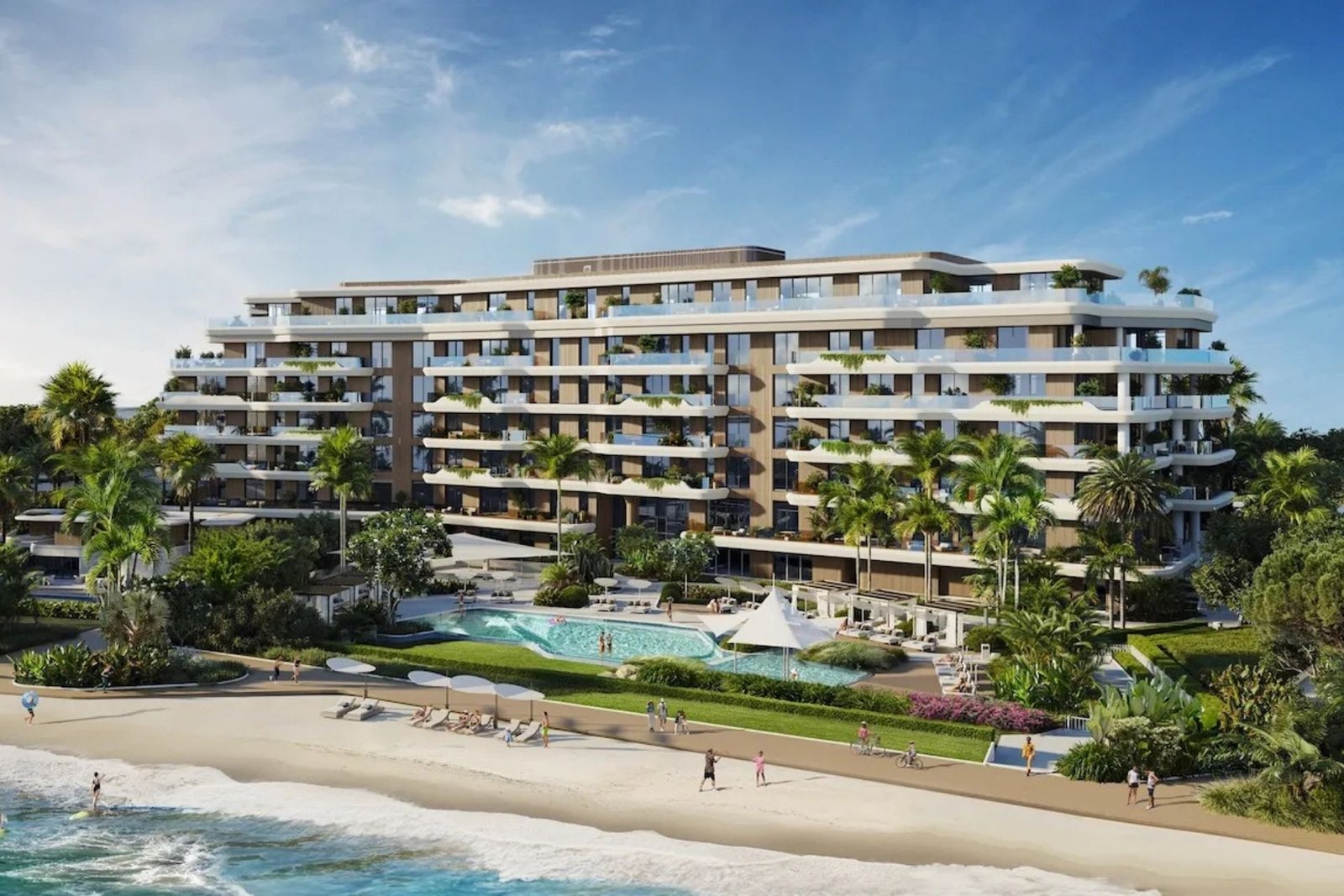
SHA Wellness Clinic opened its original facility in Alicante, Spain and has since expanded to Mexico. SHA Emirates, developed in partnership with IMKAN Properties at AlJurf on the UAE coastline, is the third global location and the most ambitious. The AED 600 million development combines a five-star wellness clinic and hotel with a beach club, marina, hydrotherapy circuit, mind and body pavilion, healthy nutrition pavilion and organic garden. Opening is targeted for late 2026, with the project pursuing WELL building certification.
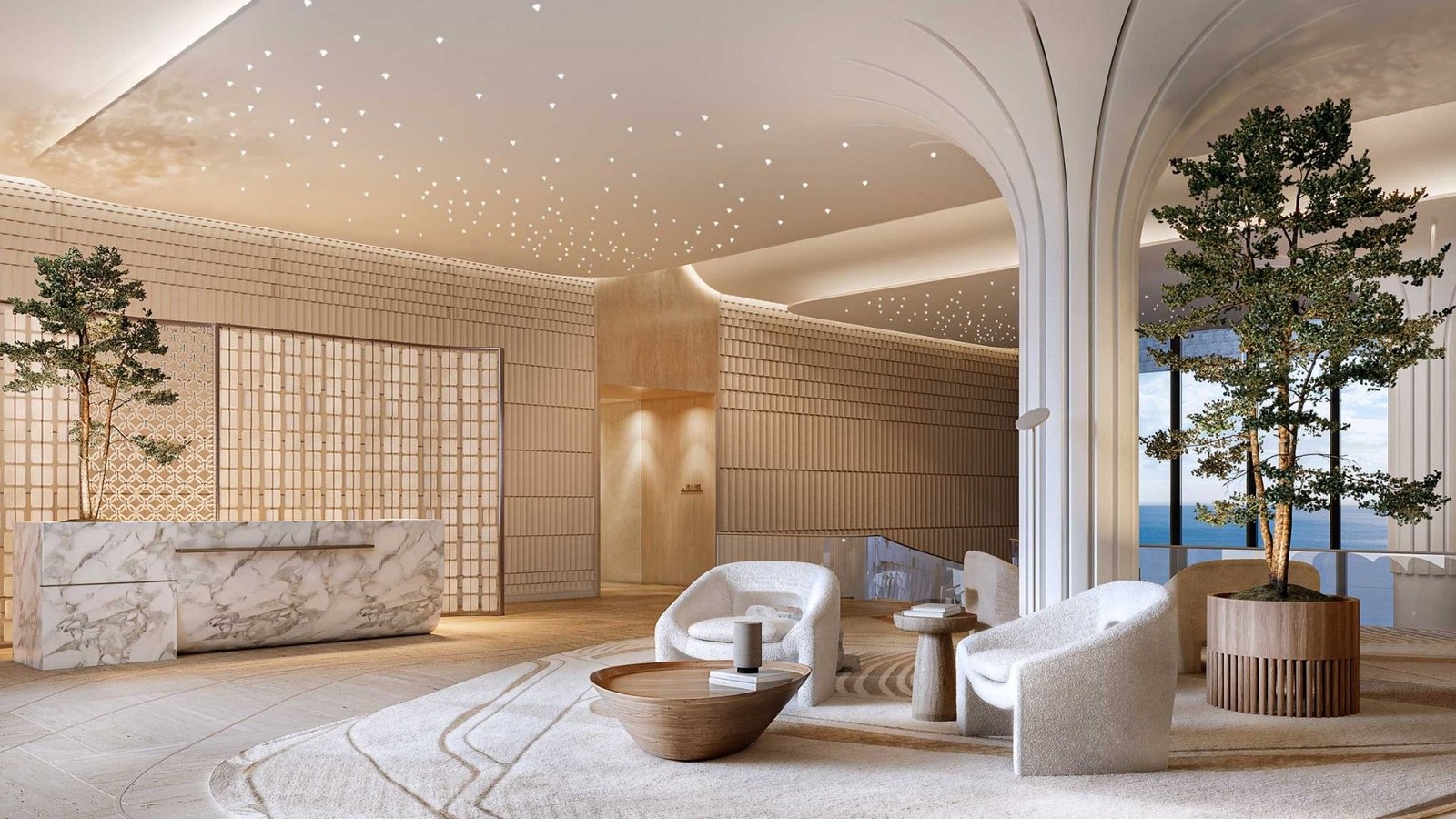
That makes the proposition different from a conventional wellness residence. Most branded residences borrow from hospitality. The building has a gym, spa, pool, treatment rooms or a programme of classes. These facilities add to the experience, but the underlying residential model remains largely unchanged.
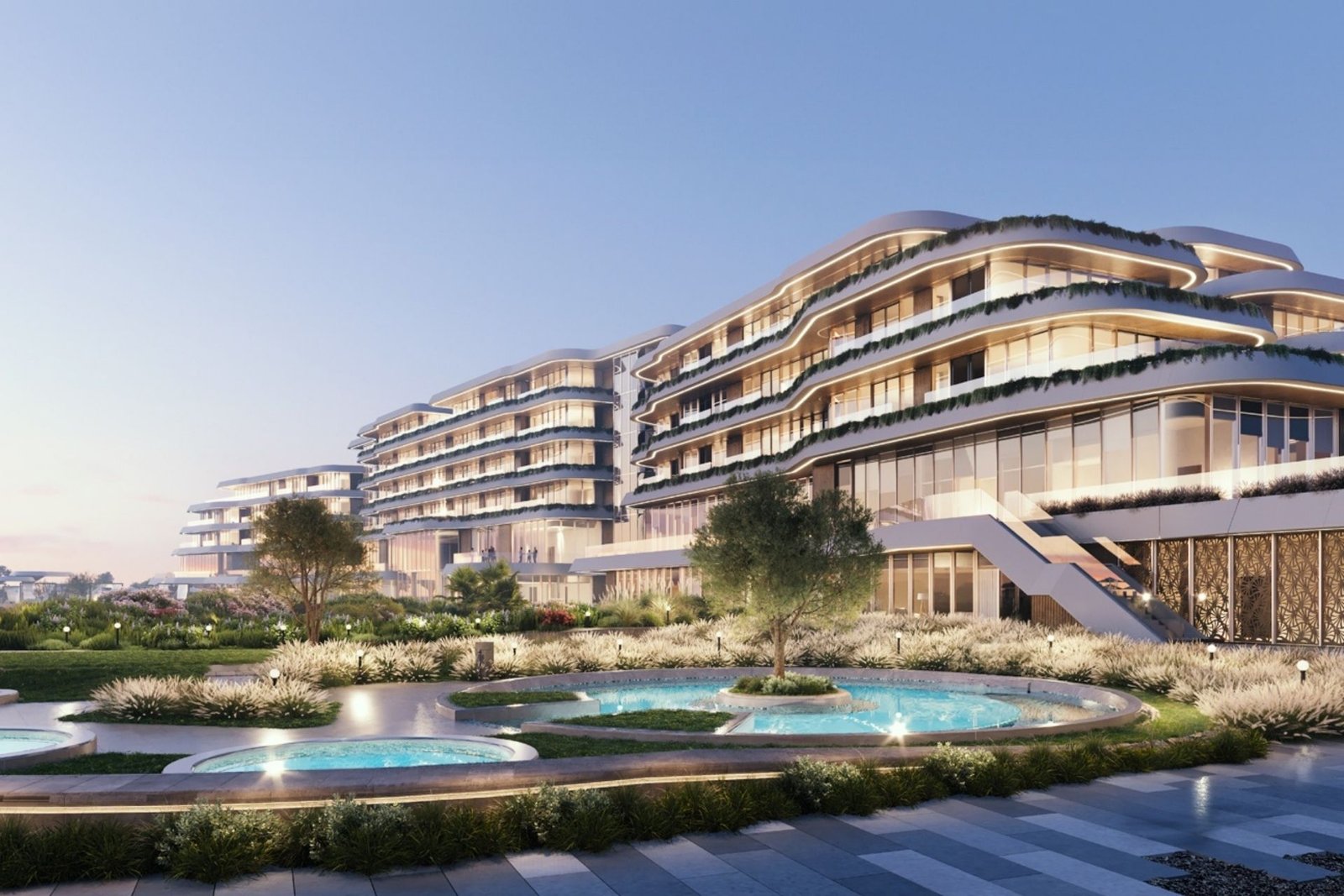
SHA begins somewhere else. Its proposition is built around the idea that health can become part of the ongoing service relationship between the resident and the property — not a facility to be used occasionally, but a methodology woven into everyday residential life.
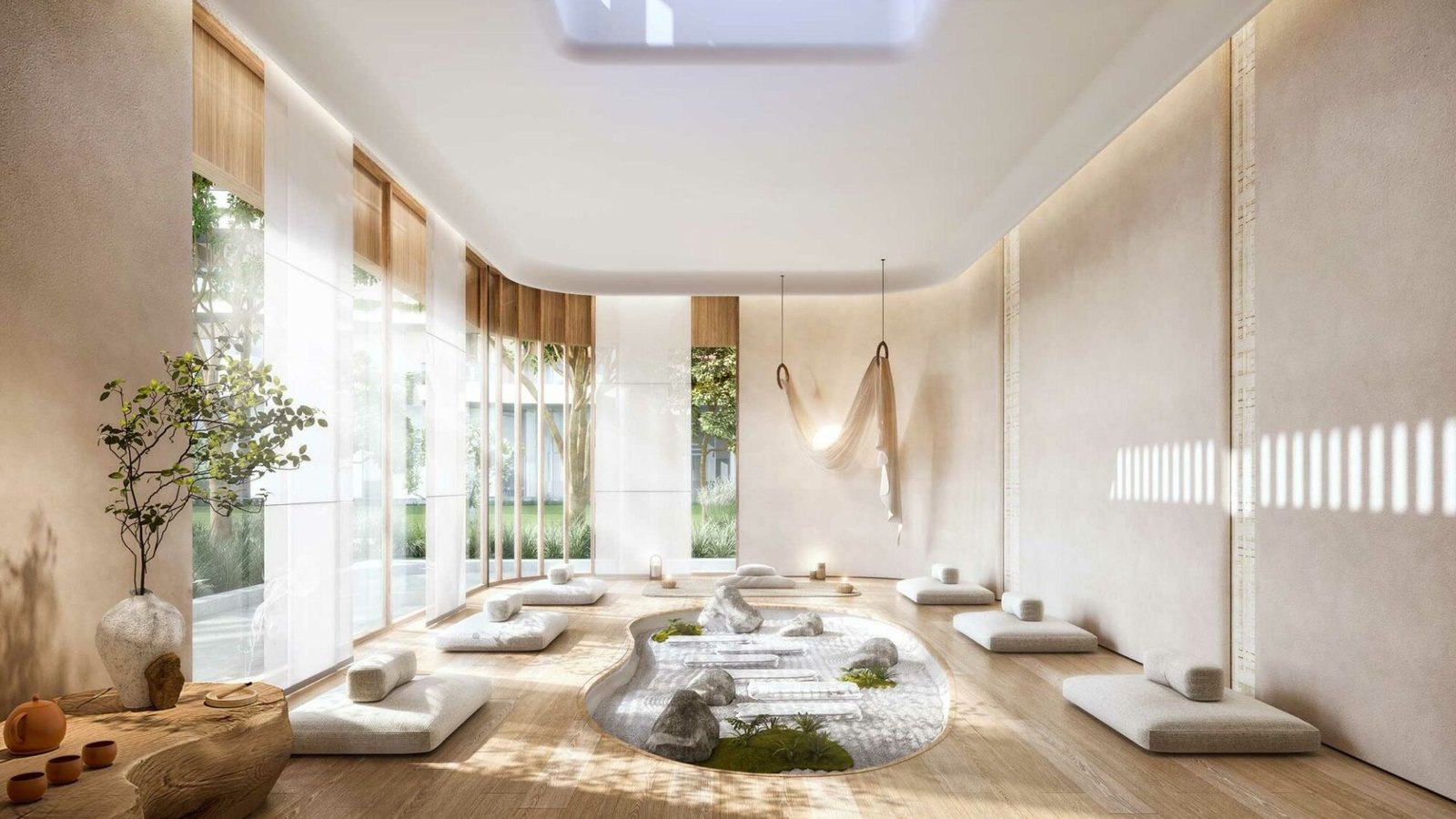
The distinction matters because health is not an amenity in the conventional sense. A swimming pool has value when it is used. A gym has value when someone trains in it. A health service can develop a relationship that continues over time. Consultations, diagnostics, nutrition, movement and treatments create repeated interactions. The property becomes the setting for an ongoing health programme rather than simply the place where someone lives.
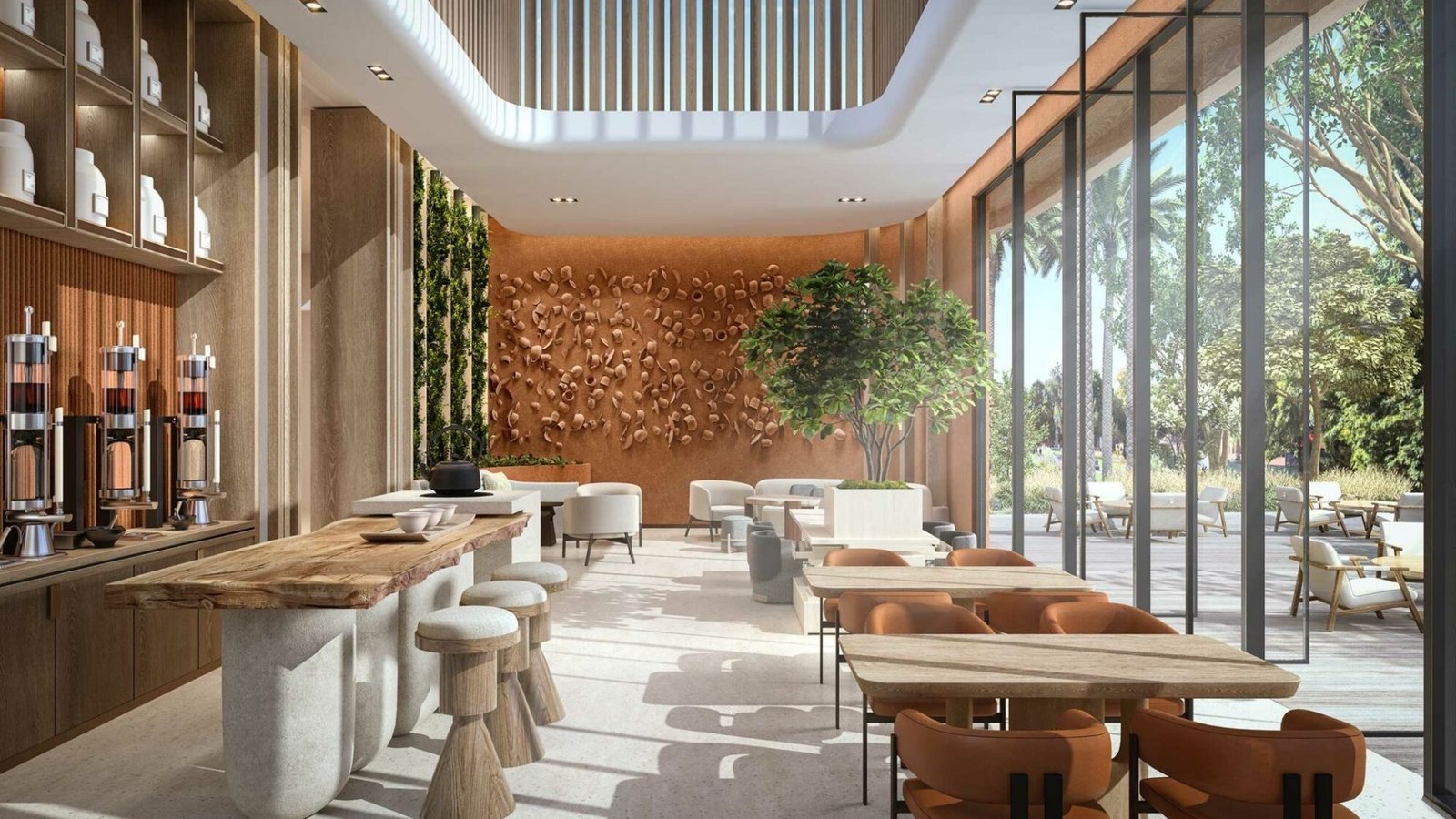
That changes what the residence is selling. SHA brings medical and wellness expertise into the everyday environment. Owners can access consultations, therapies, movement programmes and healthy nutrition through the broader SHA ecosystem. In-residence treatment delivery and private chefs deploying SHA healthy cuisine extend the methodology directly into the home. The objective is not simply to make treatment convenient. It is to make health part of the rhythm of residential life.
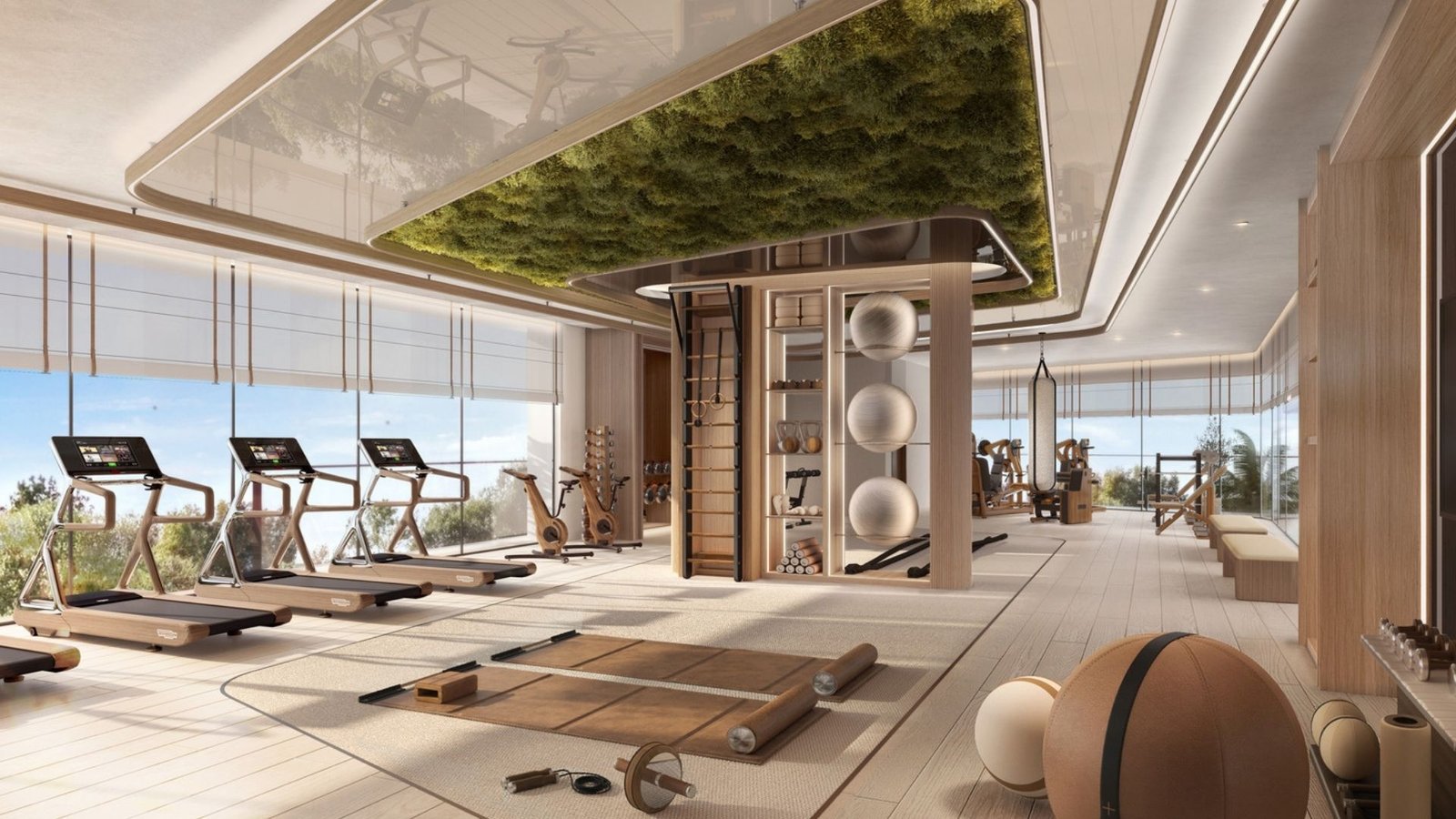
This is where longevity becomes particularly relevant. Longevity is not one treatment. It is a process of measuring, adjusting and repeating. Training changes. Nutrition changes. Recovery changes. Medical needs change. The value therefore lies less in an individual treatment room than in the continuity of the relationship around it. SHA is effectively attempting to build that continuity into the property itself.
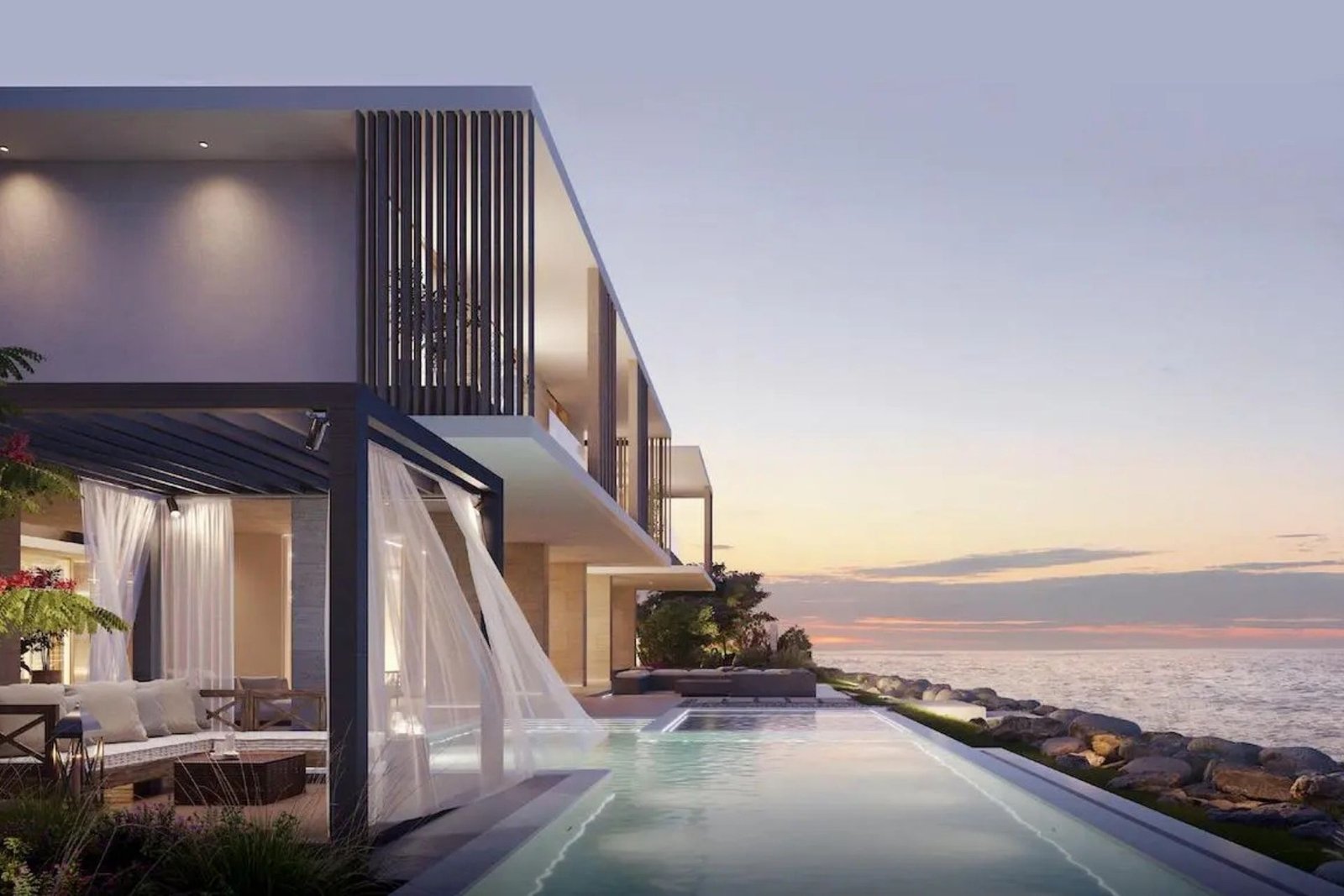
For developers, the implications are significant. A conventional residential amenity has a relatively fixed function. A health ecosystem can evolve with its customer. A resident might begin with an assessment, move into nutrition or movement programmes, use recovery services and return for further consultations over years. The engagement is no longer limited to the moment of purchase or the occasional use of a facility.
There is also a lesson in branded real estate. A logo can be applied to a building relatively easily. An operating philosophy is harder to reproduce. The value of the SHA proposition sits in the people, expertise, protocols and services behind the name. Without those, the residence would simply be another development borrowing the language of wellness. There is a commercial caveat. Clinical infrastructure is expensive and operationally demanding, and access to specialists does not guarantee that residents will use them. The service has to become habitual enough to matter — used regularly enough to change how residents think about the building.
SHA Emirates points toward a broader shift in residential development. The branded residence may evolve from a property with access to a wellness brand into a property whose service model is shaped by one. The residence stops being somewhere wellness is available. It becomes somewhere health is continuously managed. That is a more ambitious proposition — and, if it works, a considerably more defensible one. If health becomes part of the service relationship, the residence is no longer somewhere wellness is available — visit SHA Emirates.