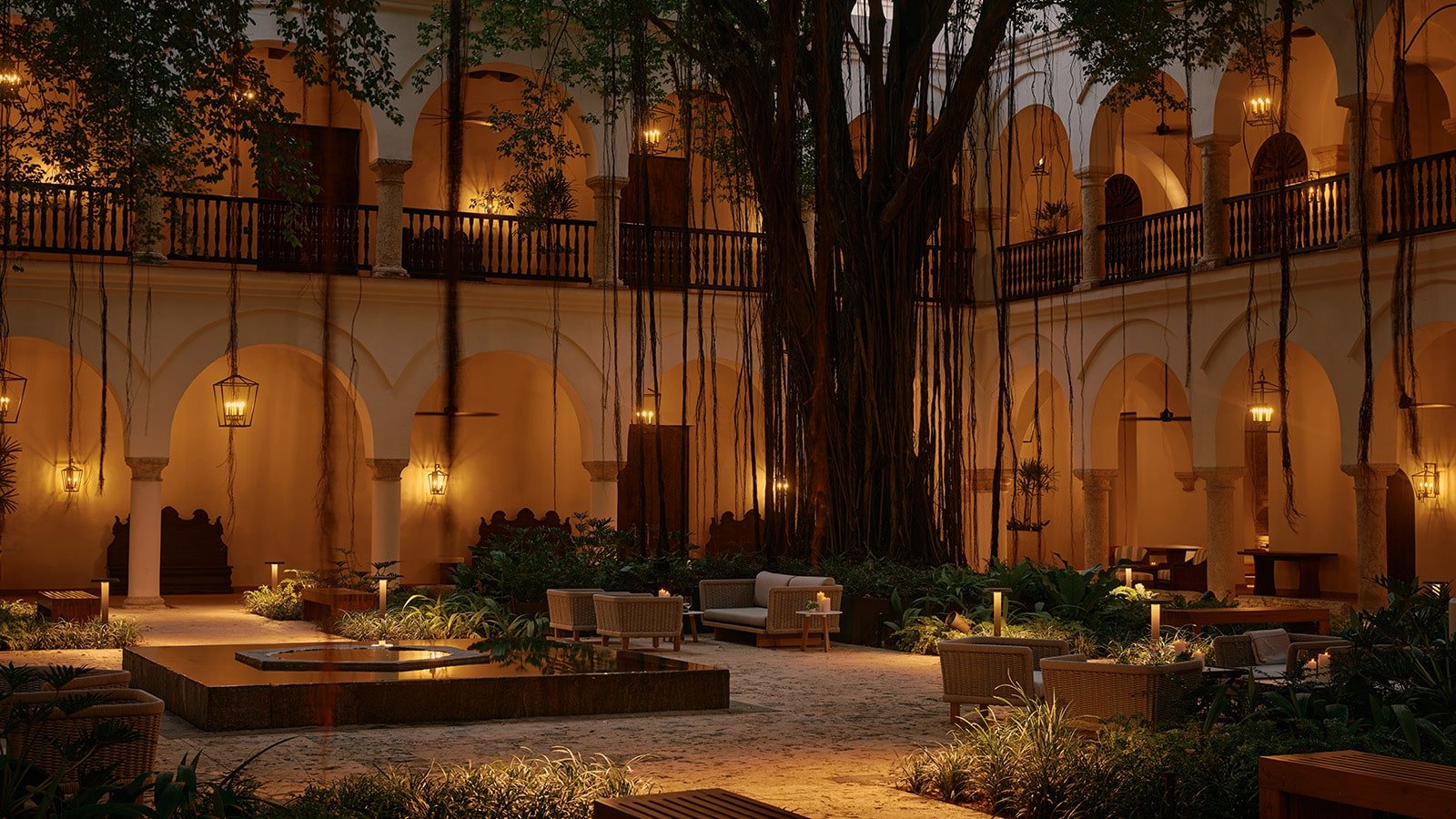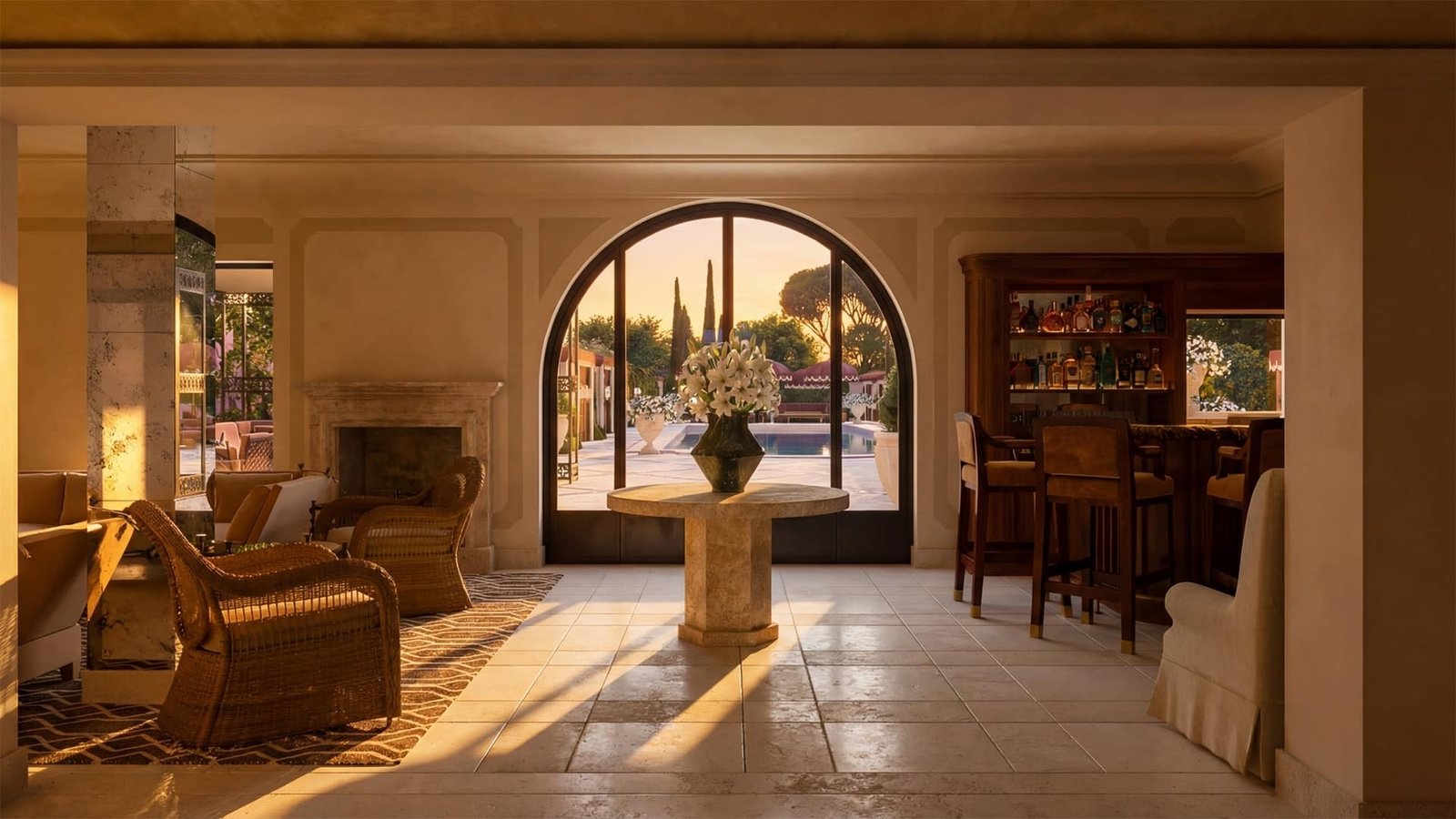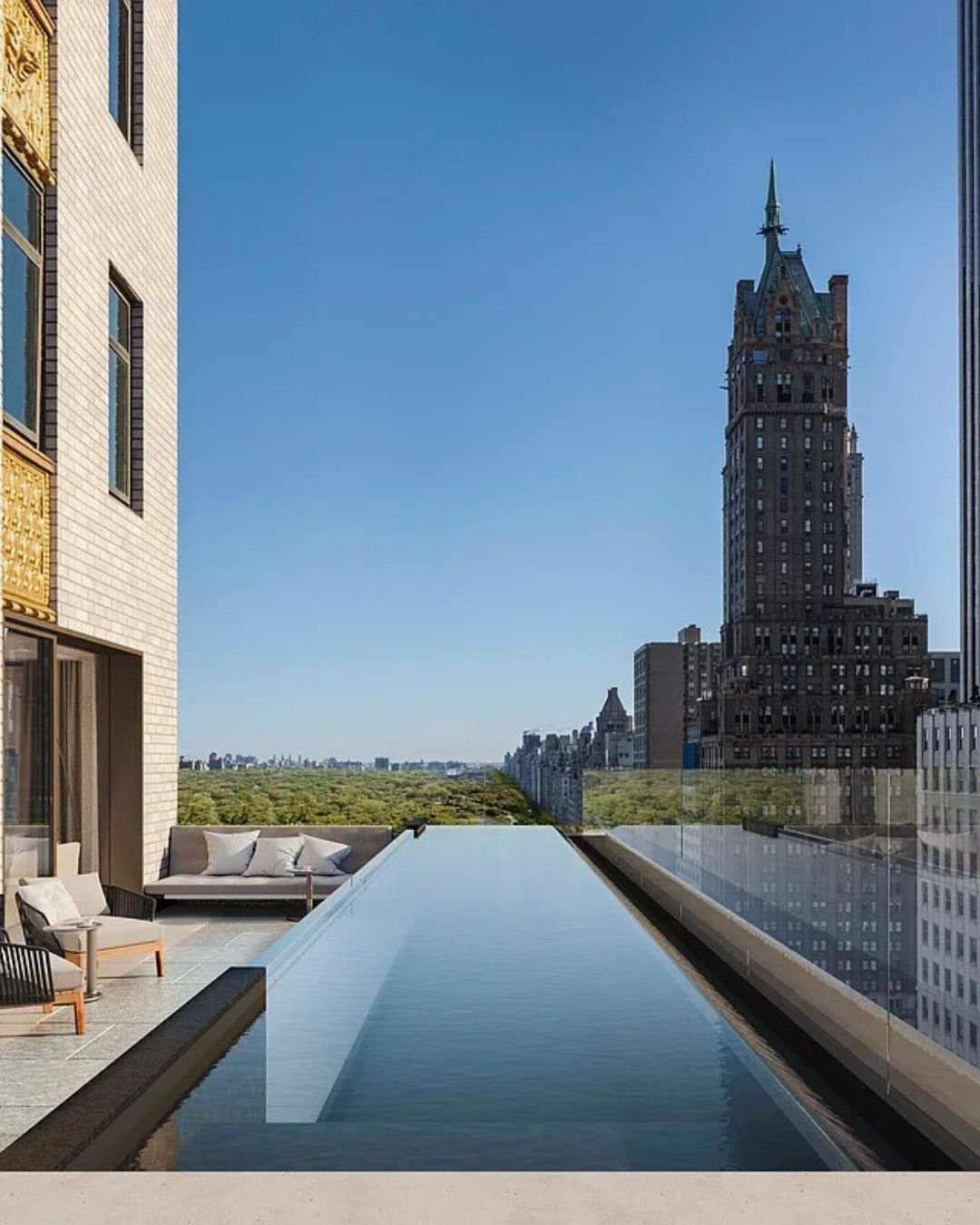
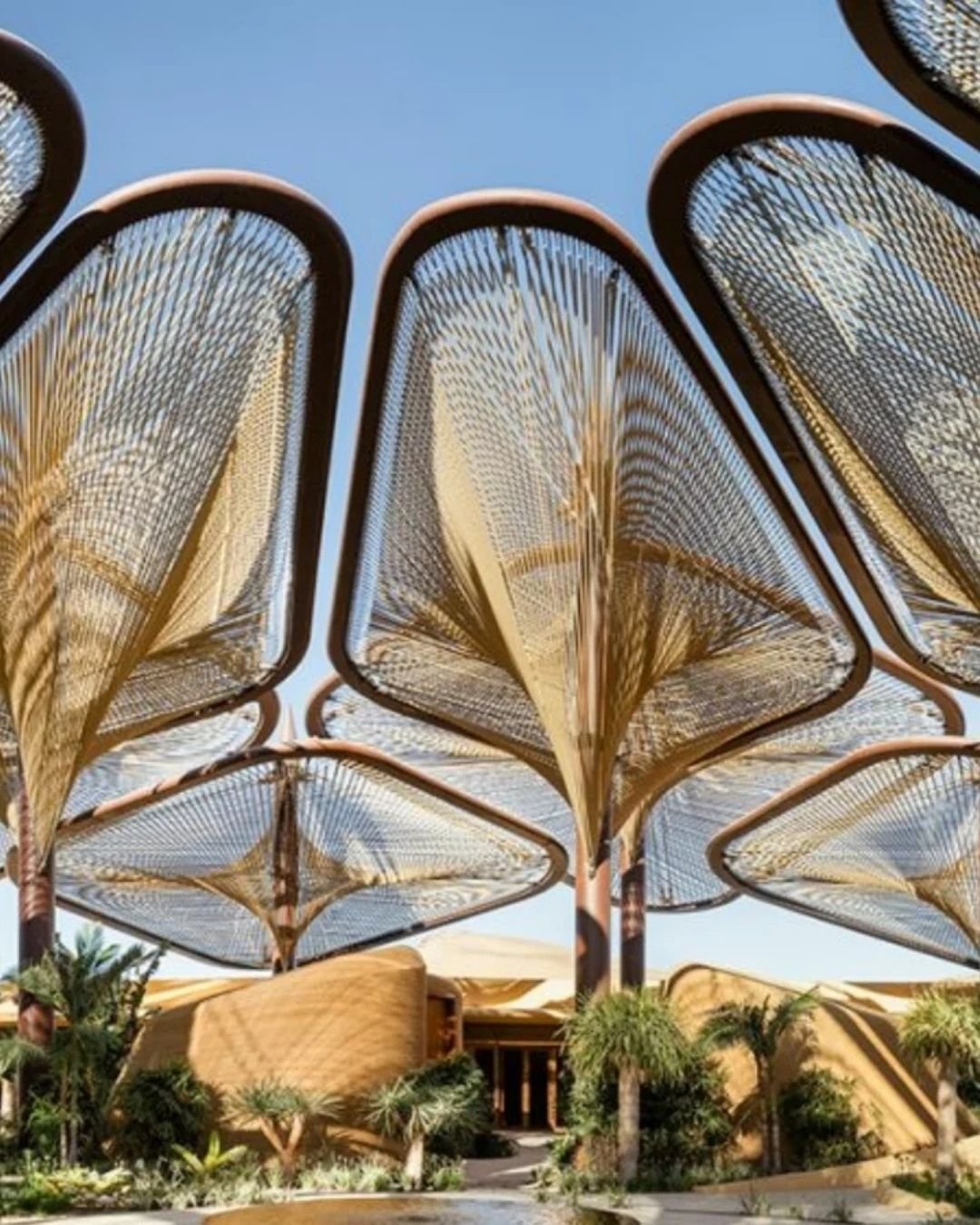


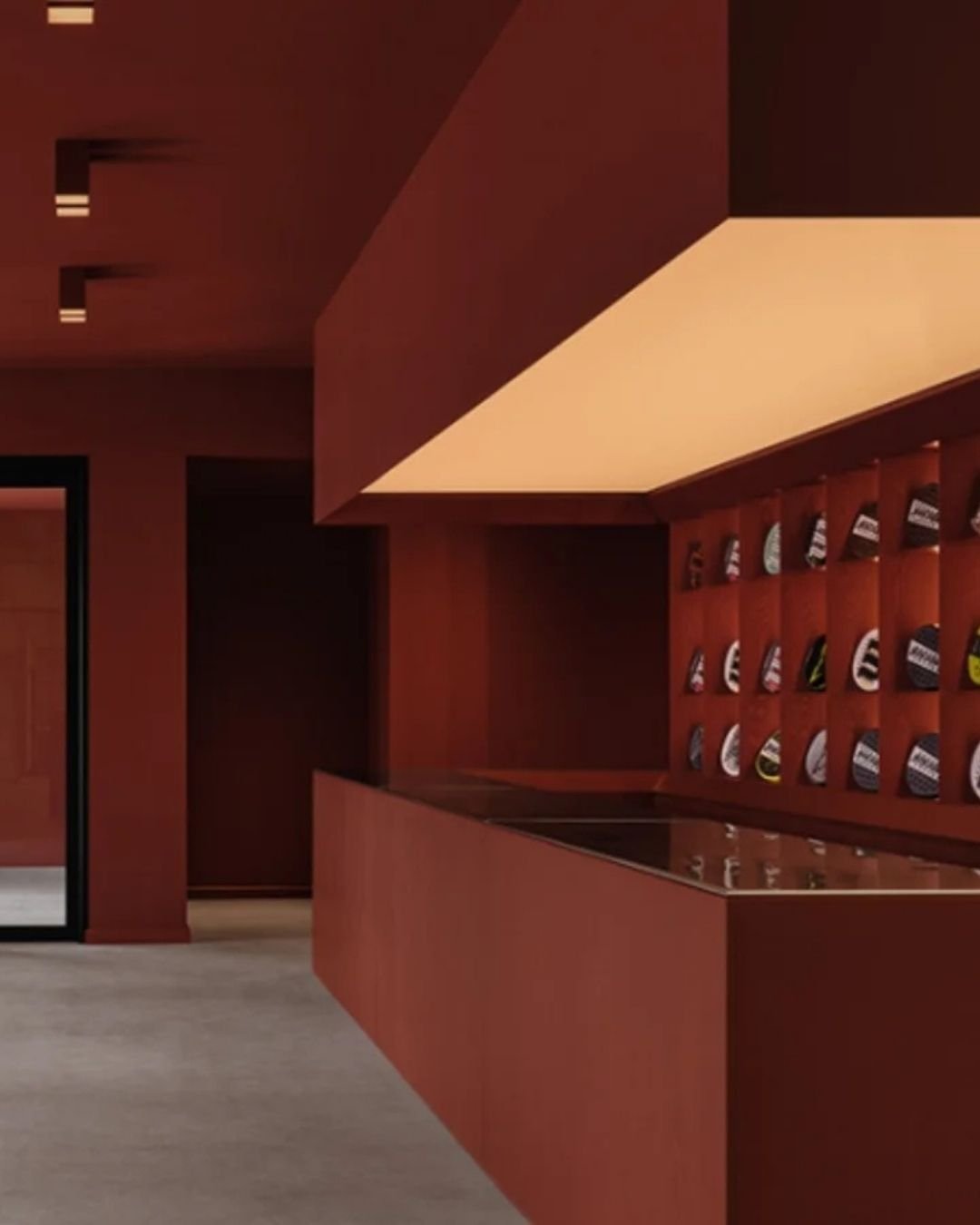

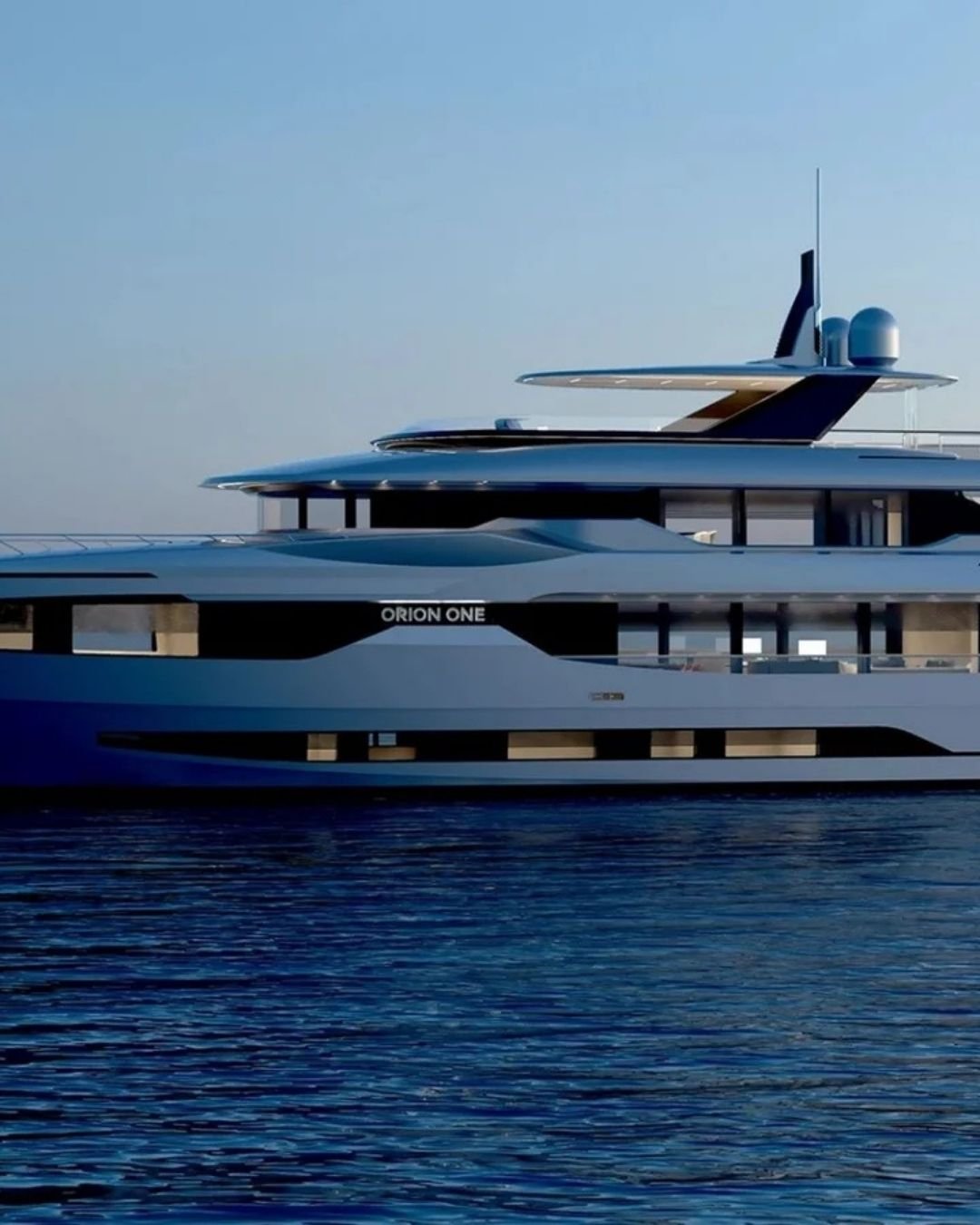

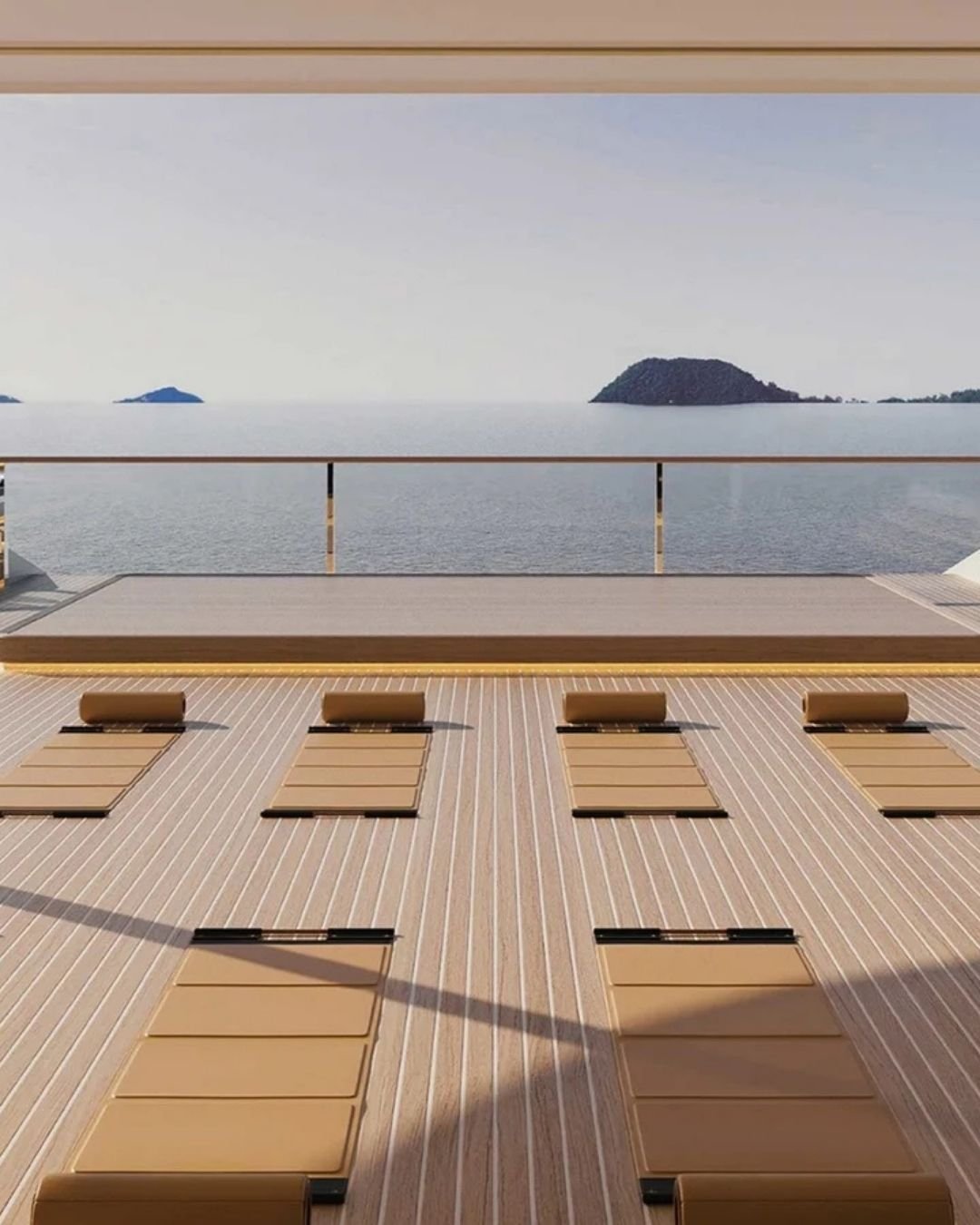
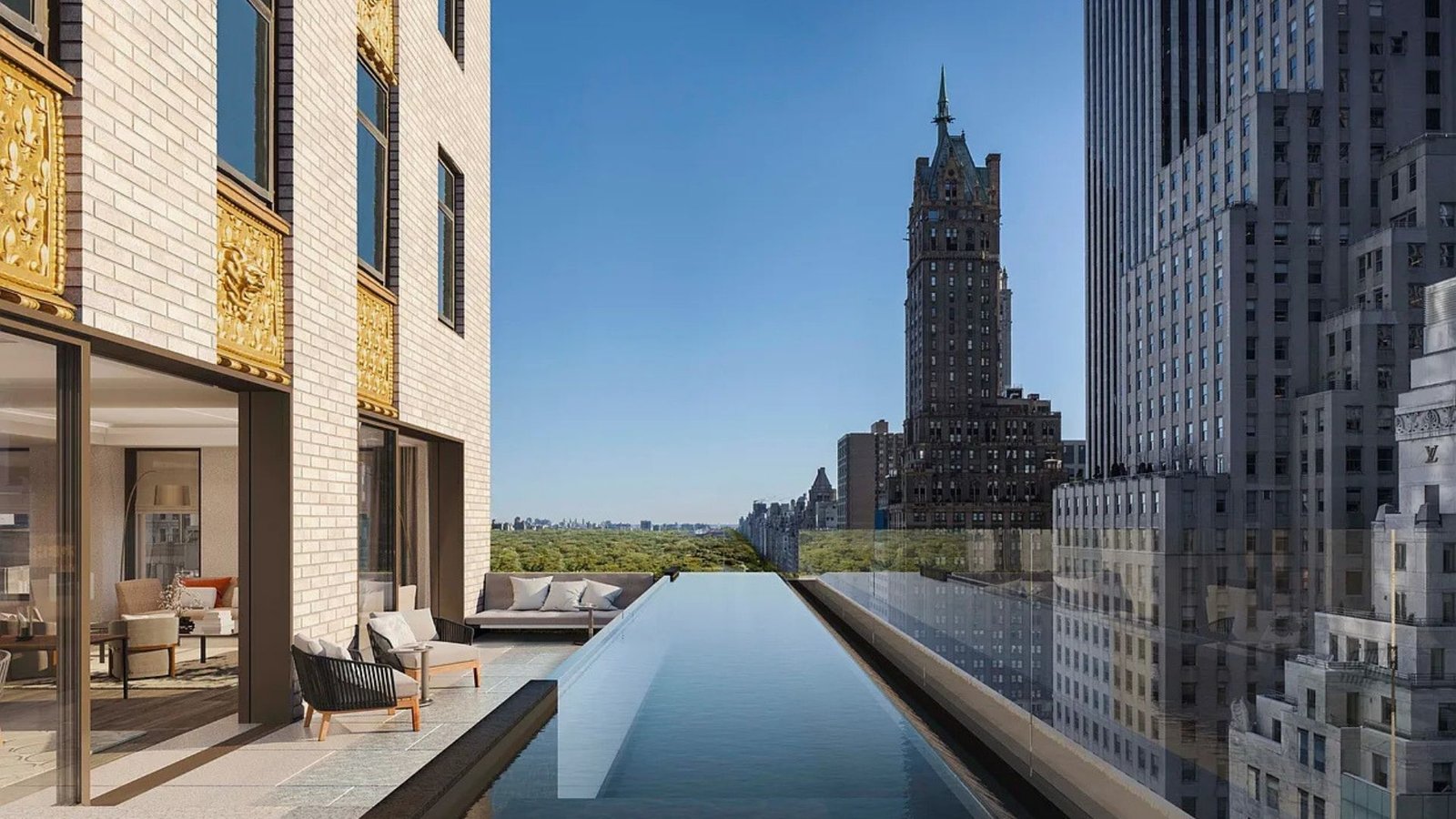


The branded residence market is expanding rapidly, but the growing number of luxury names entering residential real estate raises a more important question: does the brand actually create lasting value for the owner? A famous name can generate attention and support a premium at launch, but that alone does not make the premium durable. The real value lies in what the brand contributes to the asset that a developer could not easily create independently. Aman is one of the clearest examples. Its residential proposition is built around a highly controlled interpretation of luxury, where privacy, space, service and respect for place extend from the hotel into the home.
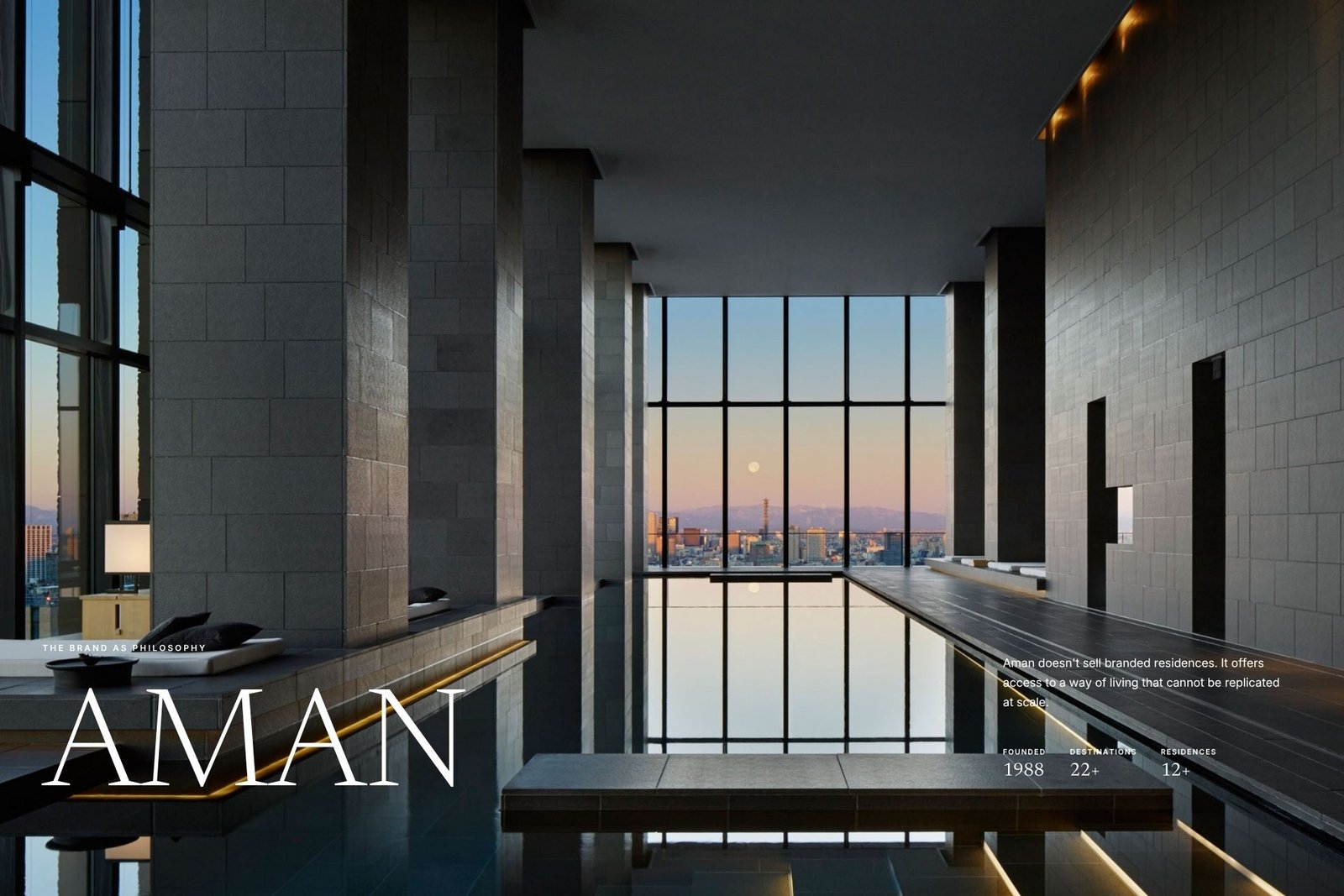
Aman doesn’t sell branded residences in the conventional sense. It offers access to a way of living that cannot be replicated at scale. That distinction matters. A logo can be licensed, a design language reproduced and a service standard specified, but an operating philosophy takes decades to build. Aman has spent that time establishing a particular interpretation of luxury and then extending it into private ownership. Founded in 1988, the brand now spans 22+ destinations with 12+ residential projects identified across its network. The relative scarcity of that network is not incidental; it is part of the proposition.
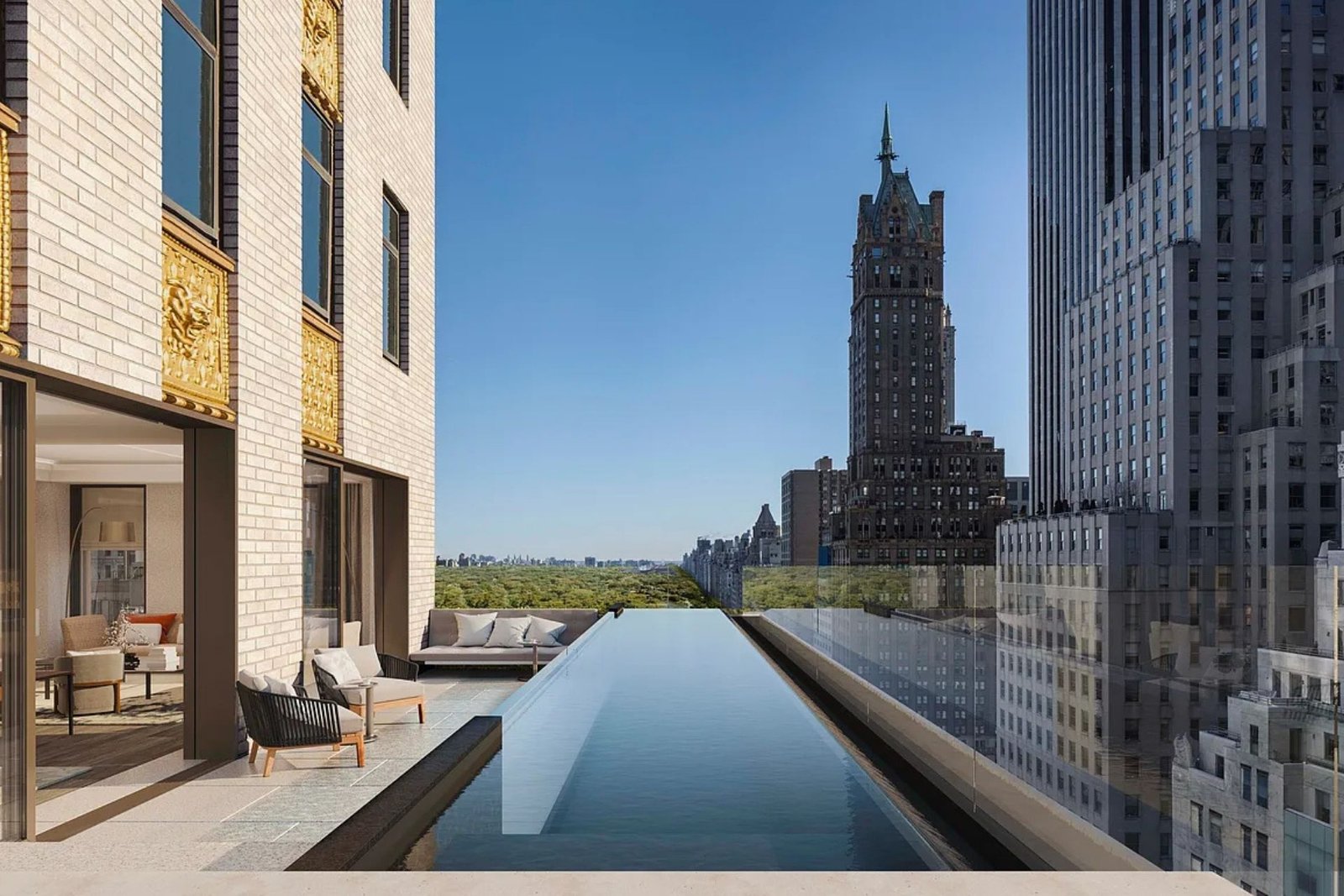
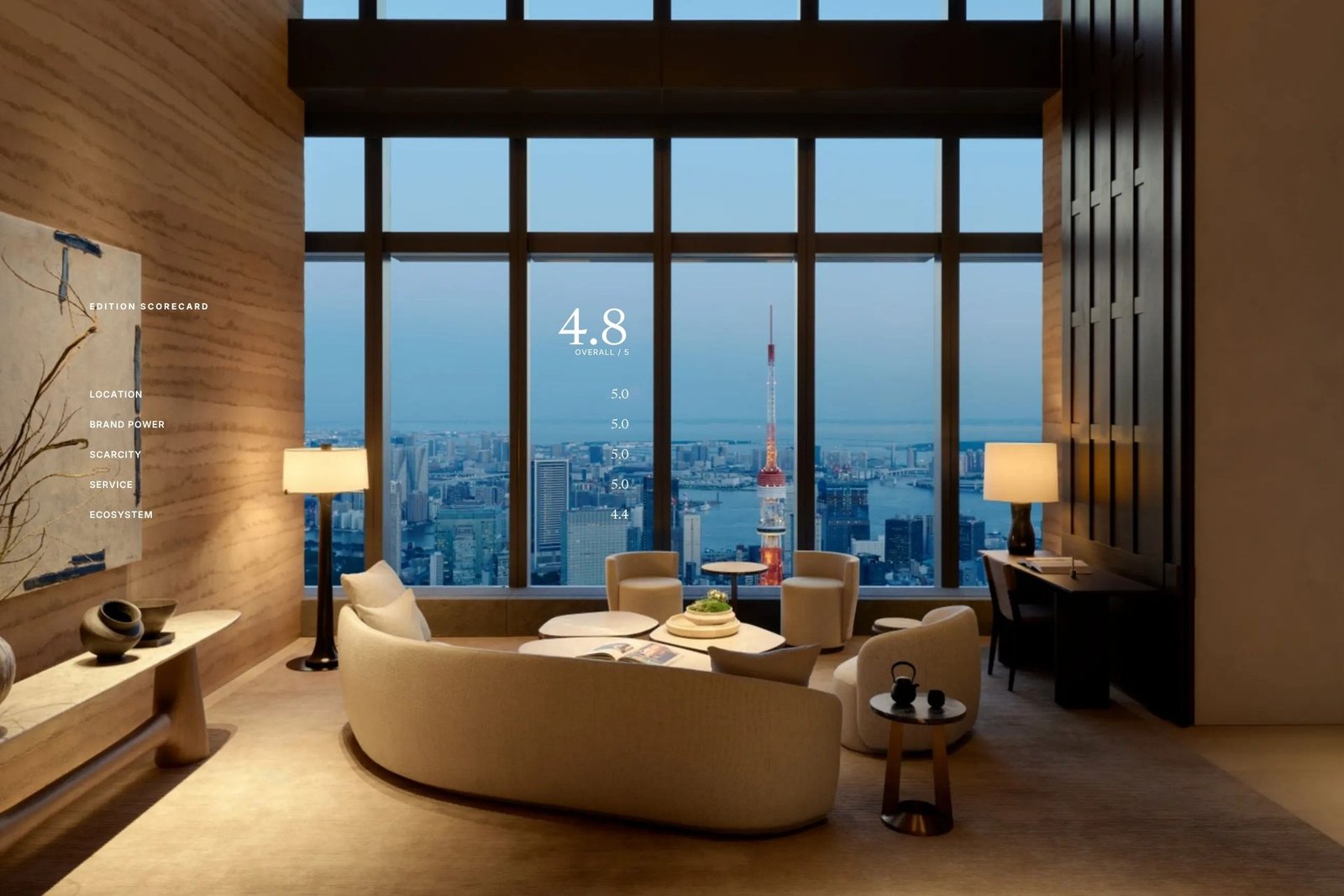
Aman’s strongest advantage is the alignment between brand, location, service and scarcity. Its residential offering carries the hospitality philosophy directly into ownership, while tightly controlled supply helps protect exclusivity and brand integrity. The result is an unusually coherent proposition. Location creates desirability, brand creates trust, service gives ownership substance and scarcity protects exclusivity. Aman scores 5.0 for location, brand power, scarcity and service, with ecosystem at 4.4, producing an overall score of 4.8/5. The significance is not the number itself, but what it reveals: the premium is supported by several reinforcing layers rather than a single branding benefit.
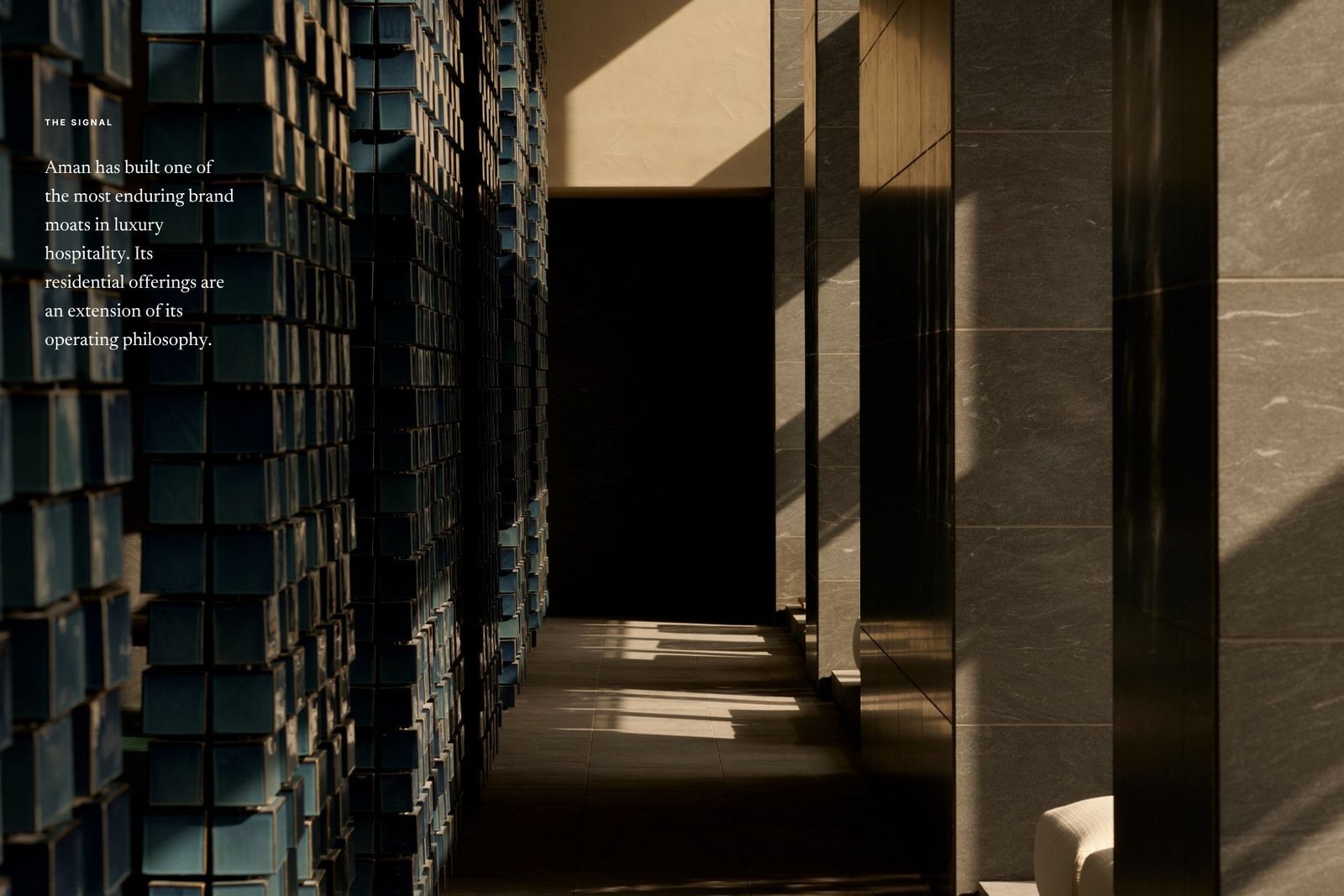
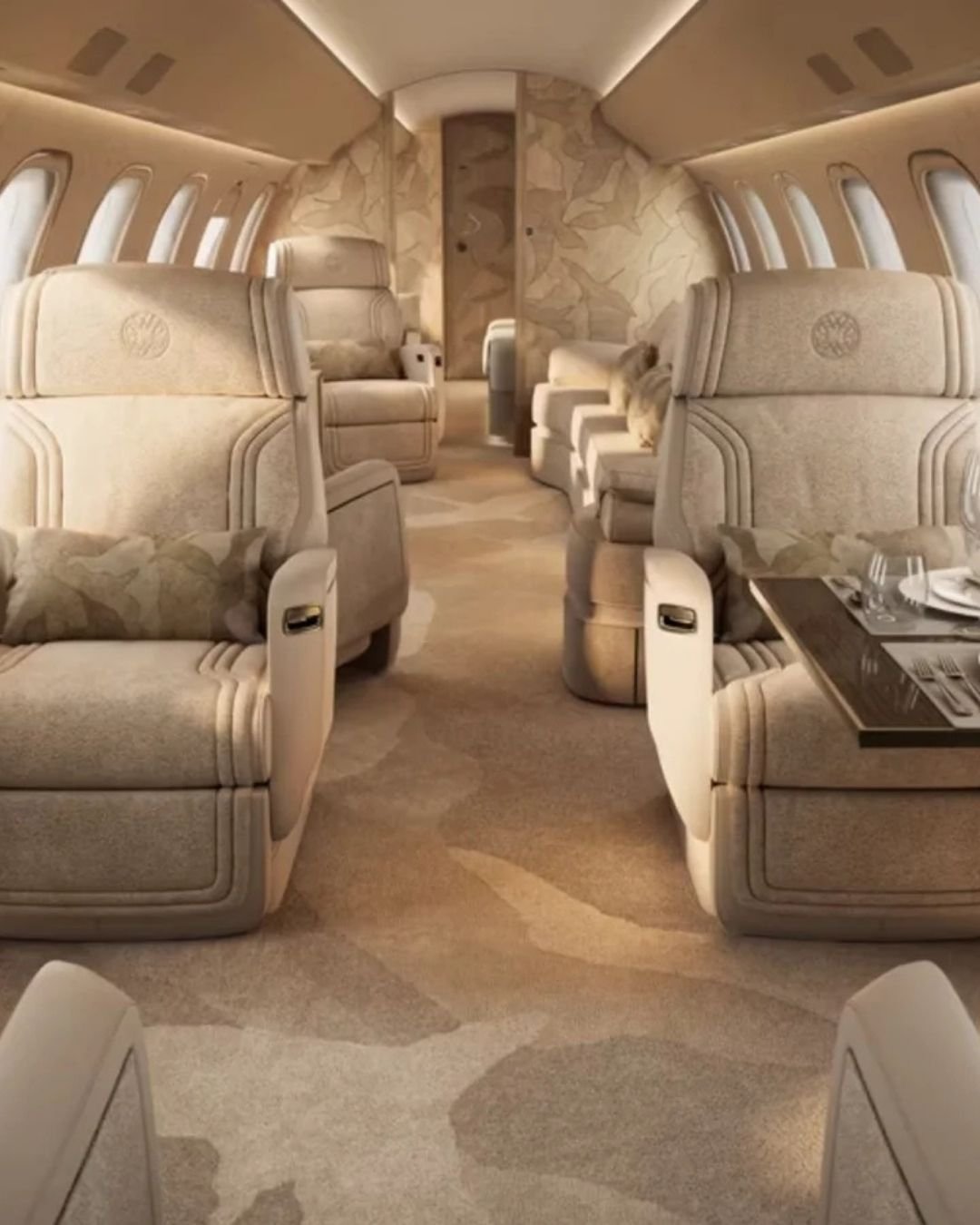
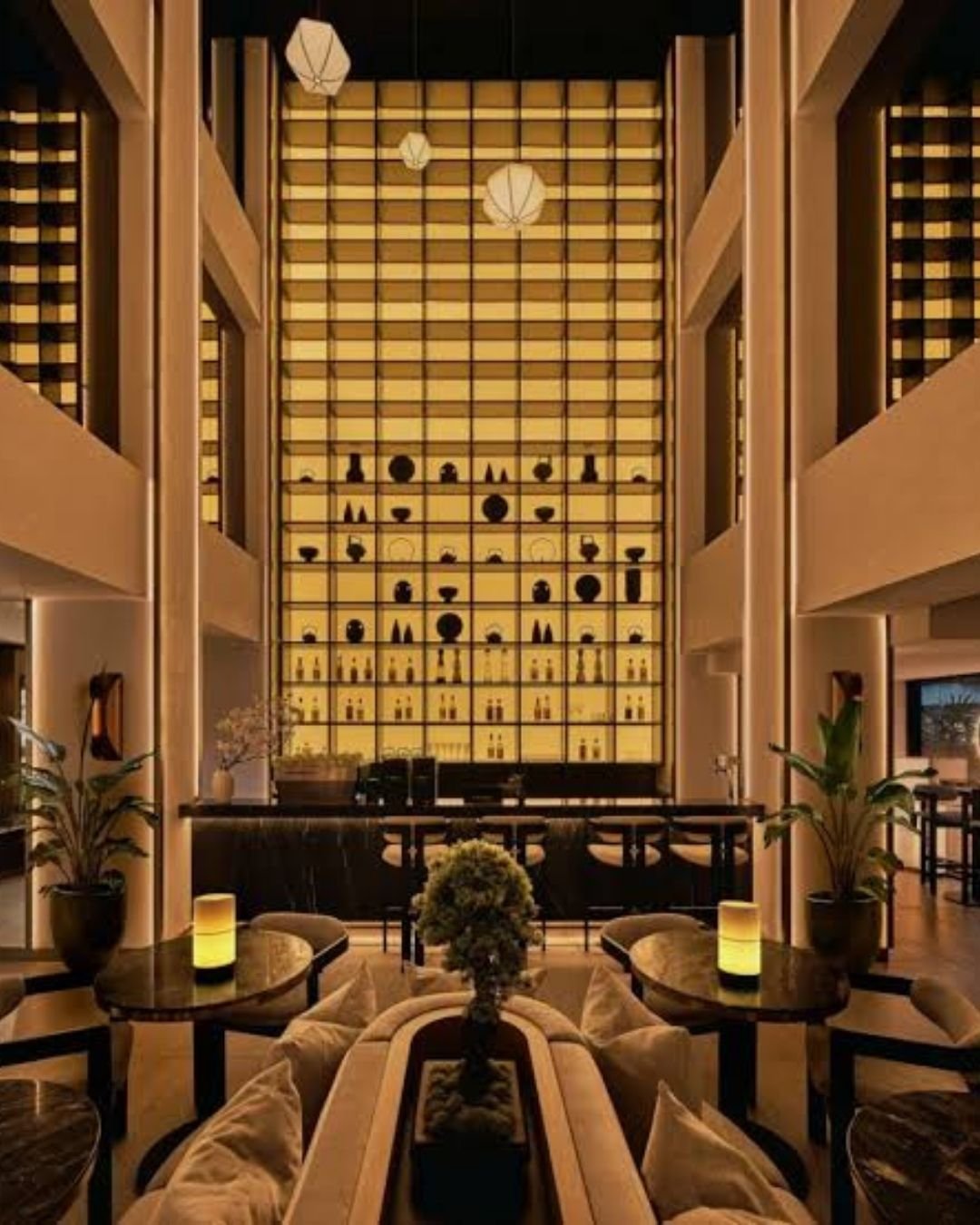
That is perhaps the simplest way to understand Aman’s residential advantage. The physical residence is only part of the asset. The architecture, service culture, privacy, relationship with place and wider Aman ecosystem all contribute to the ownership experience. Aman has effectively spent decades developing an operating system for a particular kind of luxury and then embedding that system into real estate. For the homeowner, the purchase therefore represents more than a beautifully designed apartment or villa. It provides access to a particular standard of living that would be difficult to recreate independently.
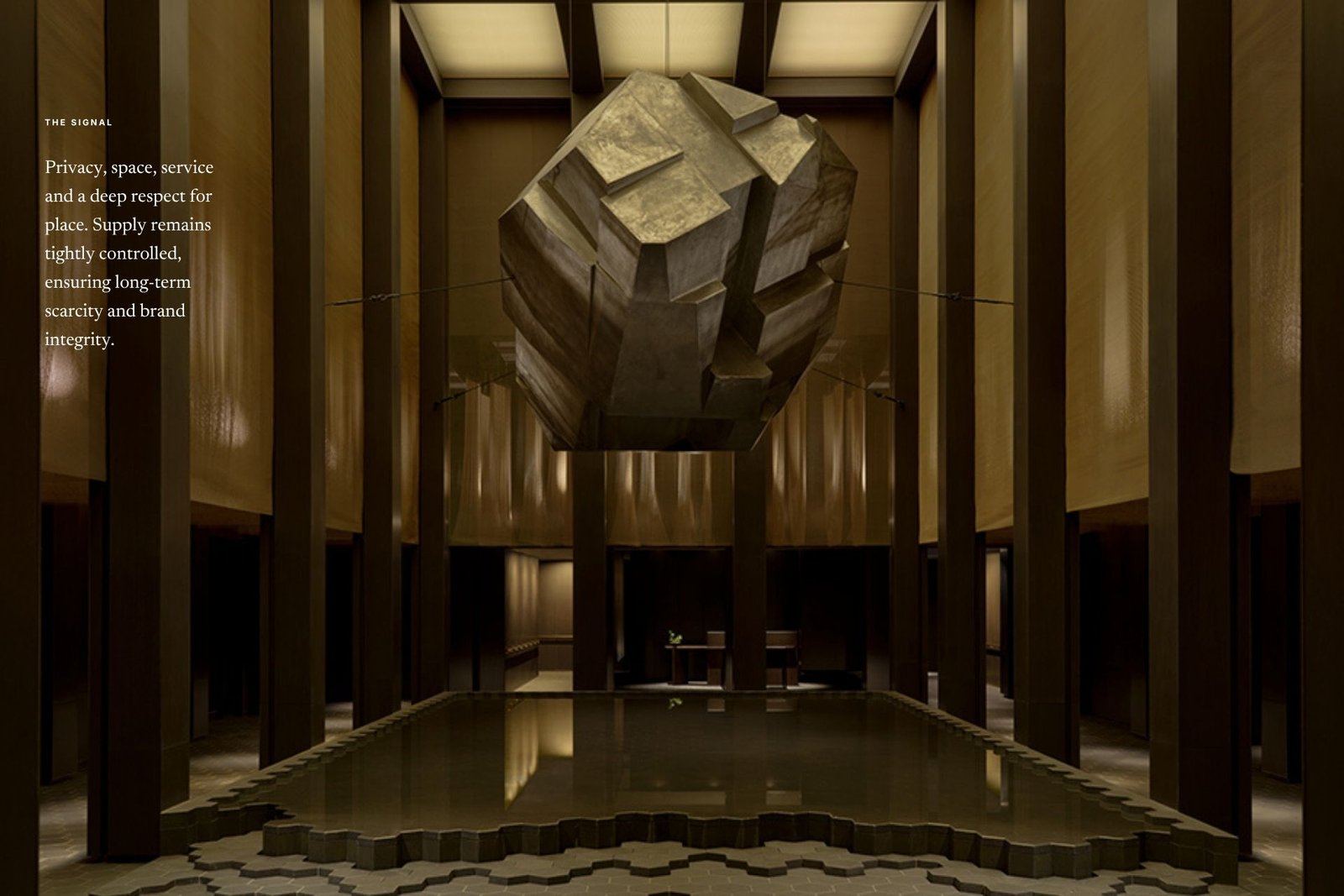
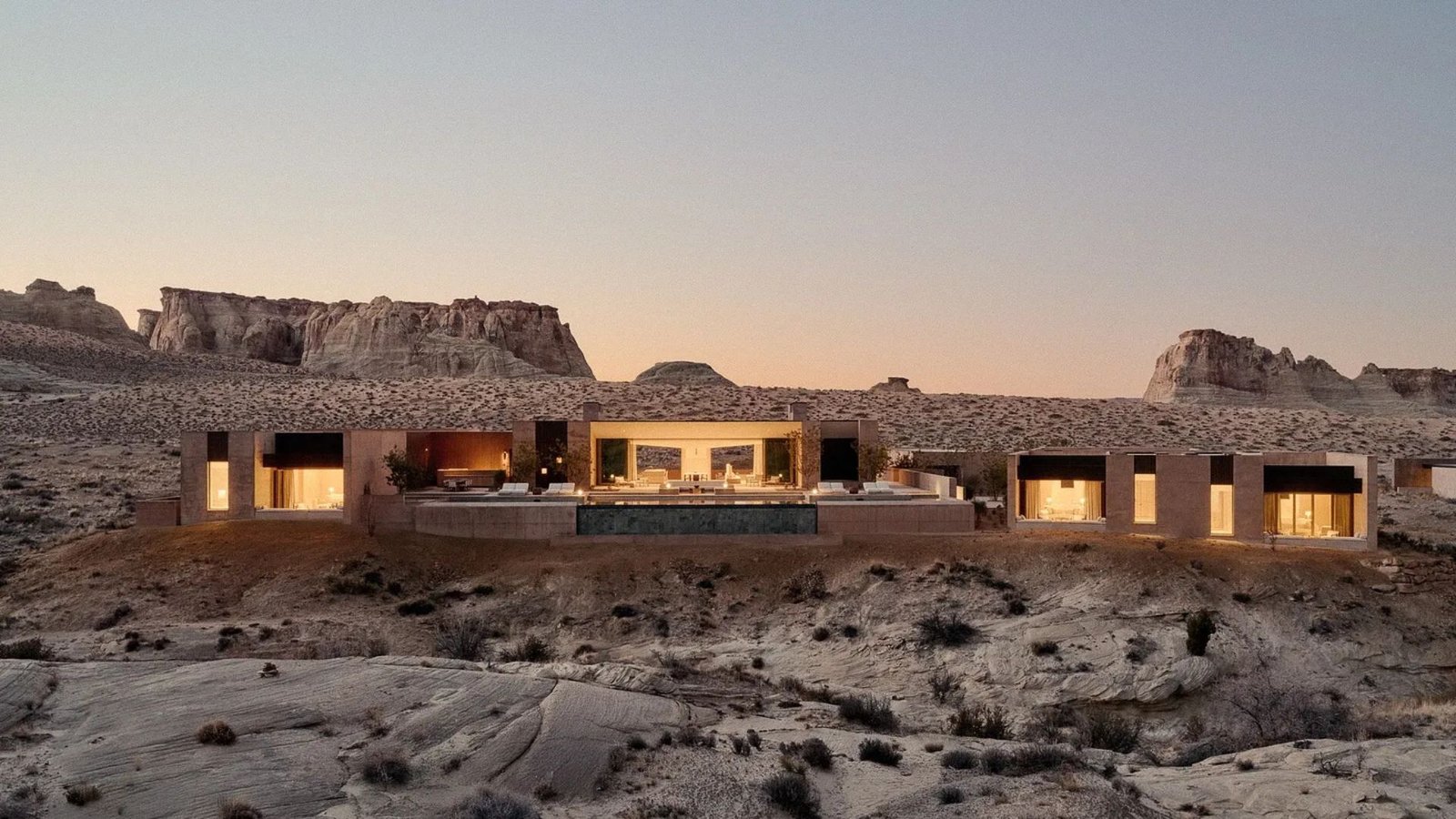
Place is equally important. Aman’s strongest properties do not simply impose a recognisable brand aesthetic on their surroundings; they are designed around them. The setting becomes part of the experience, and therefore part of the value proposition. This is particularly important in branded residences because the physical asset can eventually be compared with competing luxury properties, while an exceptional setting cannot easily be replicated. Aman understands that the brand should enhance the value of the destination rather than compete with it.
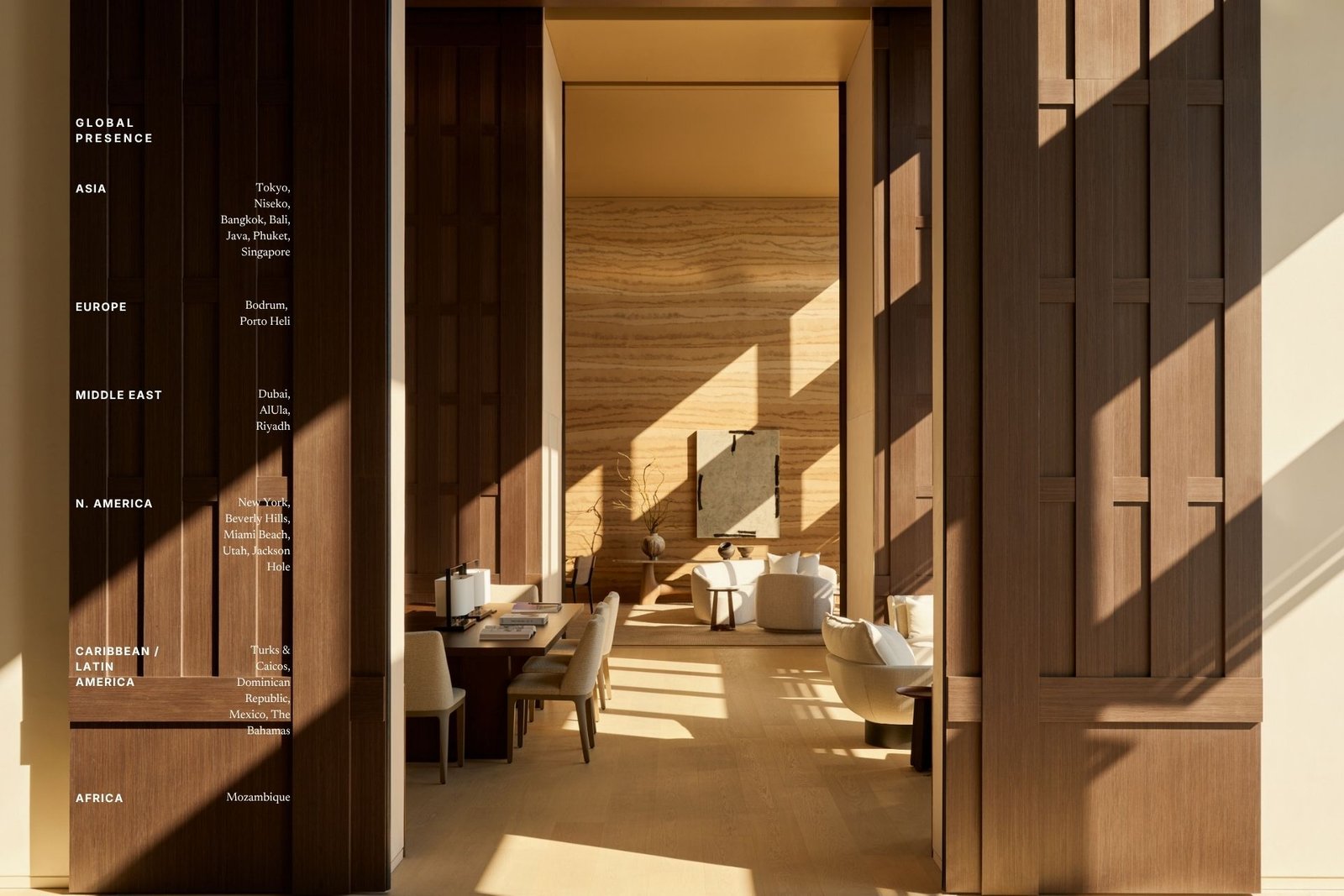
Aman’s global presence increasingly strengthens this proposition by connecting individual residences to a broader ecosystem of hospitality and experiences. The opportunity is no longer simply to own a residence in one destination, but to have a relationship with a brand that operates across a network of destinations and experiences. As that network develops, the individual residence can become more than a standalone property; it becomes a point of access into a much larger brand world. The residence is the physical asset. The ecosystem is part of the value.
Aman’s greatest strength may ultimately be the same thing that places the greatest constraint on its growth: restraint. The brand’s premium depends partly on the perception that Aman is not everywhere and is not available to everyone. More residences can increase the scale and utility of the ecosystem, but too much expansion could weaken the scarcity that makes the ecosystem desirable in the first place. The challenge is therefore not simply how many residences Aman can develop. It is how much Aman can grow without becoming less Aman.
Aman’s residential strength lies not simply in recognition of the brand, but in the combination of carefully selected locations, controlled supply, distinctive service, architecture rooted in place and an increasingly connected global ecosystem. These elements reinforce one another to create a proposition that would be difficult for another developer to reproduce independently. Remove the brand and the residence loses part of its identity; remove the service and it becomes another luxury property; remove scarcity and exclusivity weakens; remove the sense of place and the proposition becomes more generic.
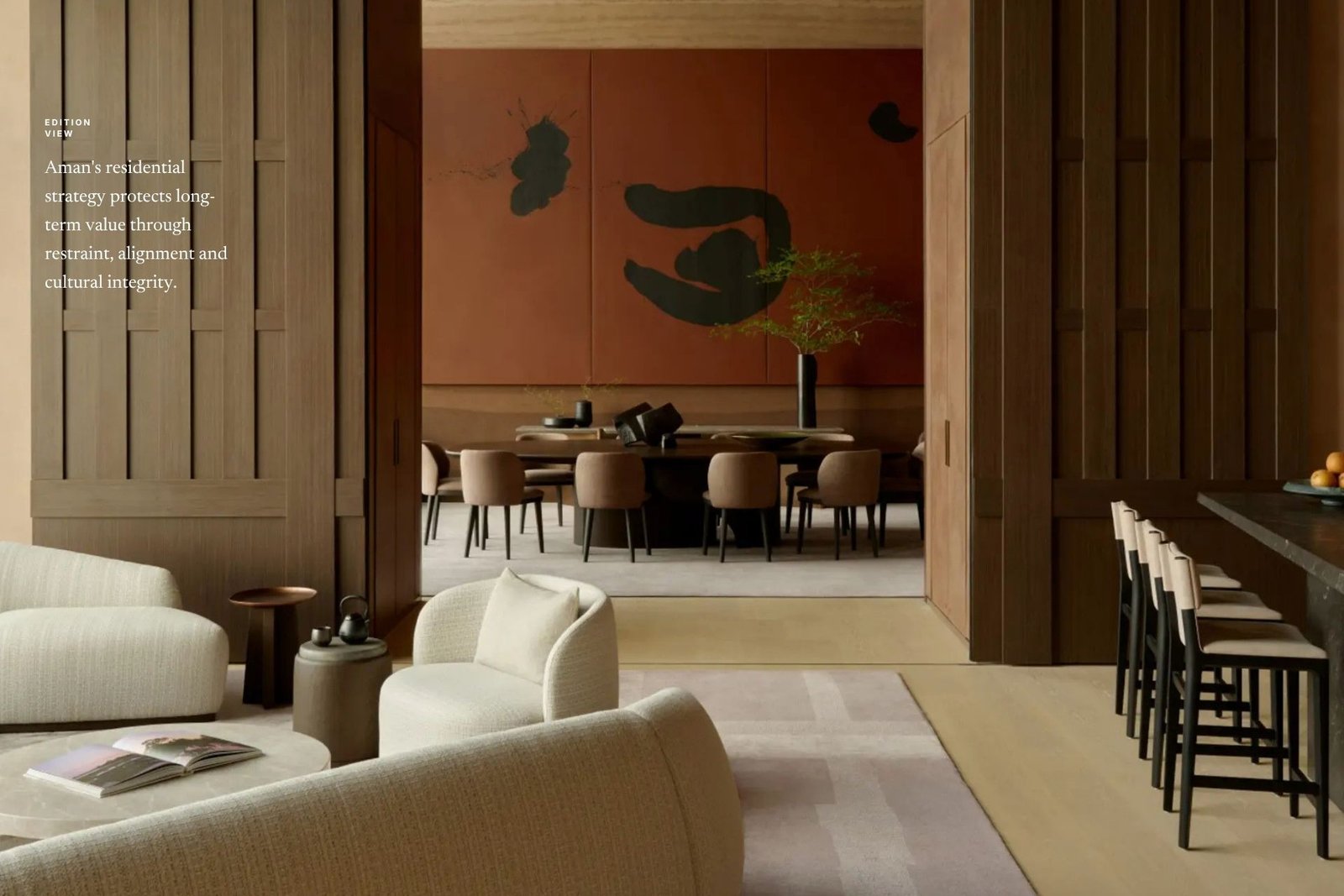
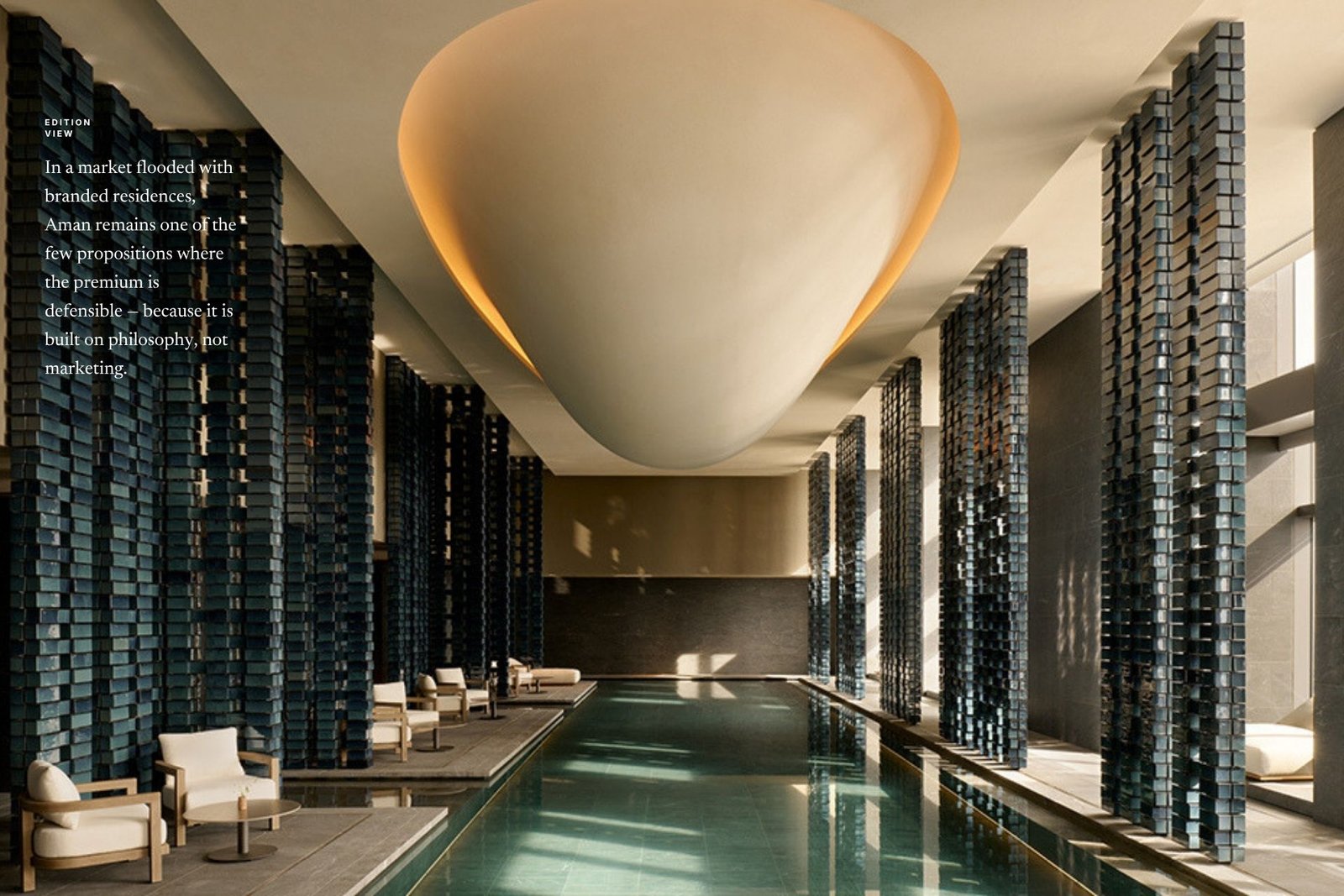
The principal risk is therefore not brand weakness but dilution through growth. As branded residences become an increasingly important part of luxury real estate, successful brands will face greater pressure to expand their residential pipelines. For Aman, that creates a particularly sensitive balancing act because its value has been built around selectivity, restraint and cultural integrity. In an increasingly crowded market, Aman remains one of the strongest propositions because its premium is built on philosophy rather than marketing. The test now is whether that philosophy can survive expansion. If it can, Aman demonstrates what a truly valuable branded residence should be: not simply a property carrying a prestigious name, but an asset made more valuable by the world that name represents.

Every week Nicholas publishes EDITION Insider — a private intelligence briefing on global real estate, hospitality and capital, written for developers, investors and operators who want to understand where the market is going before it gets there. Founding membership is open until October 30th. $497 per year. Locked for life. To work with Nicholas directly: partnerships, advisory, brand strategy or editorial enquiries — nicholas@edition-x.com.