


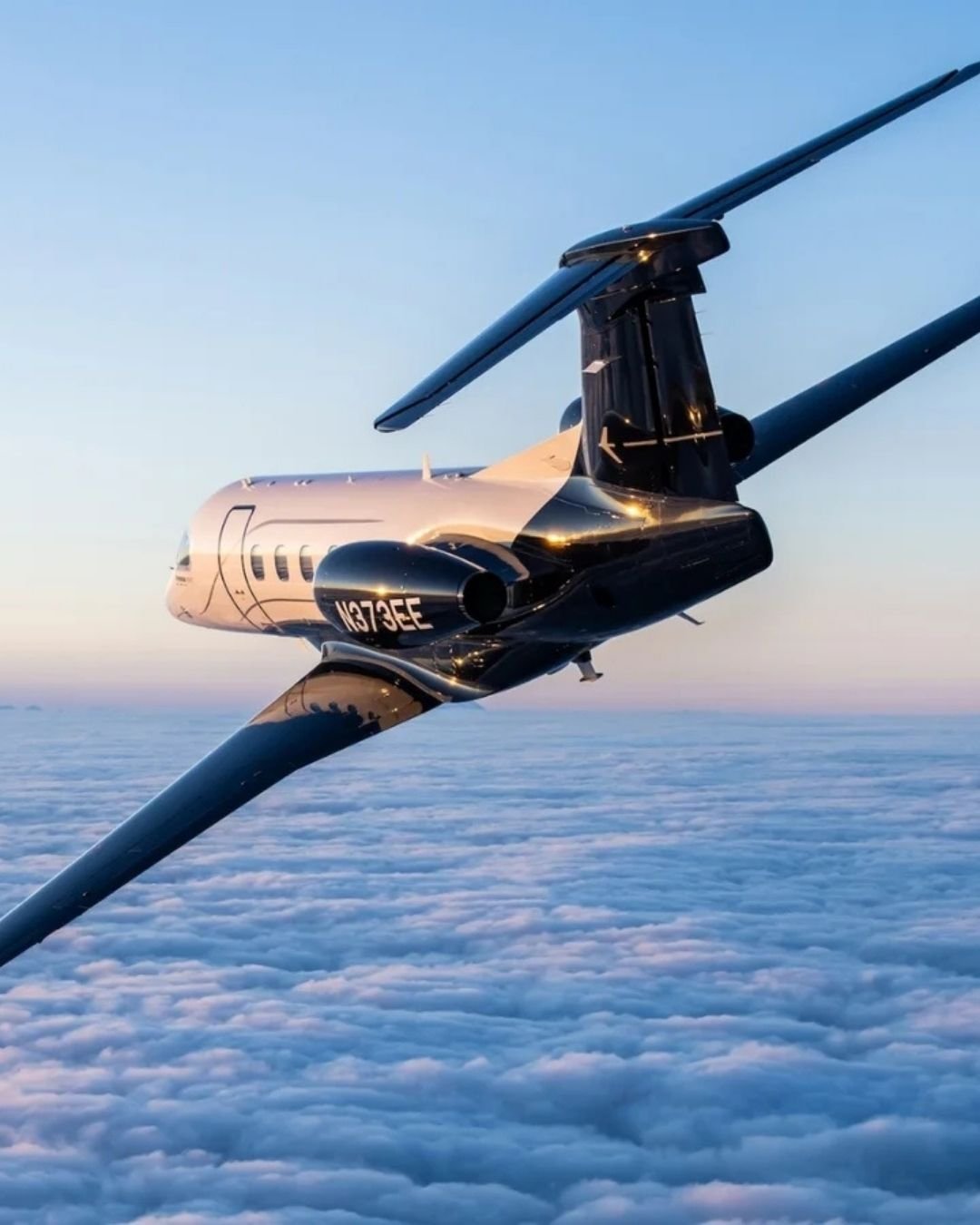











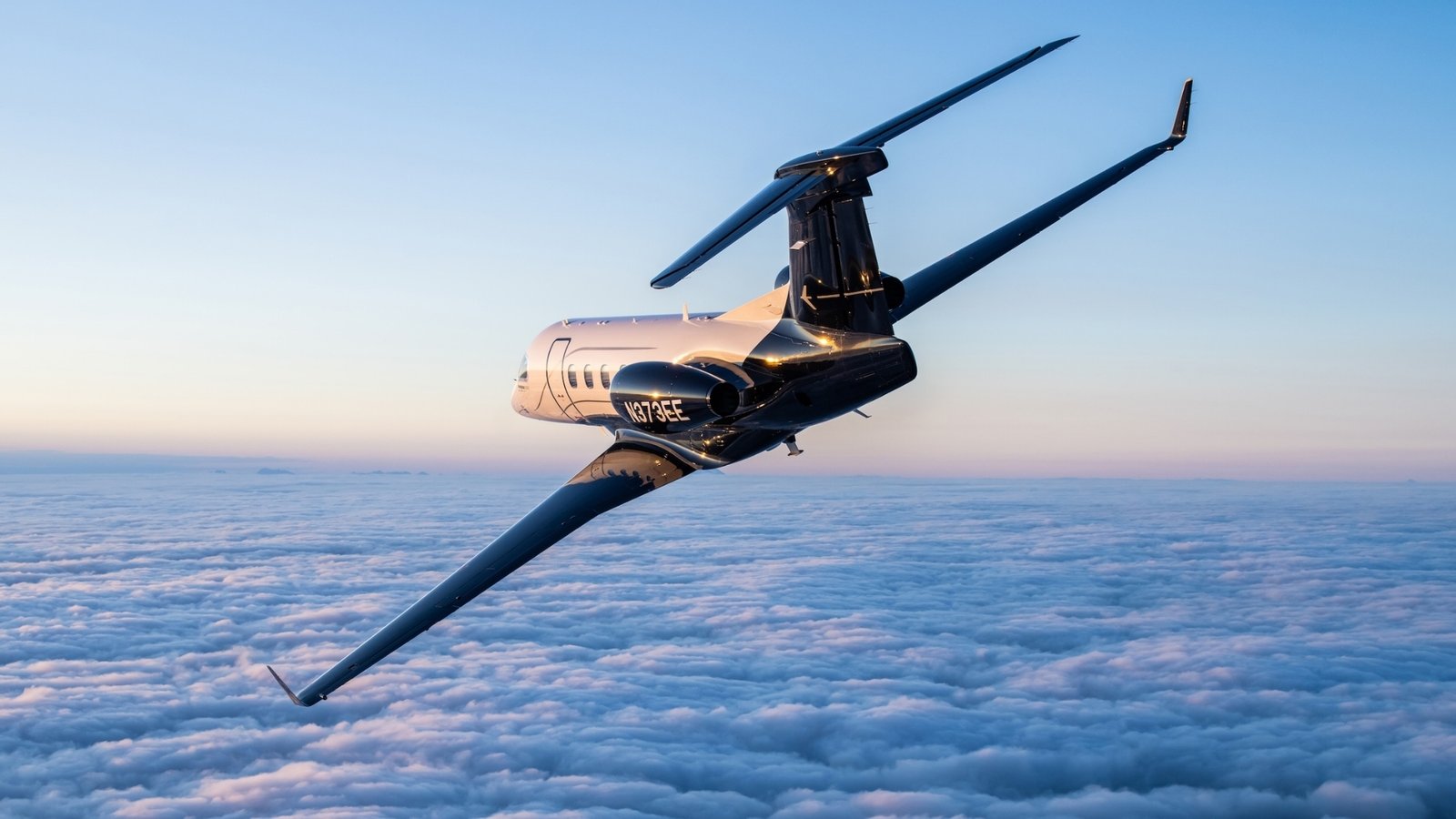


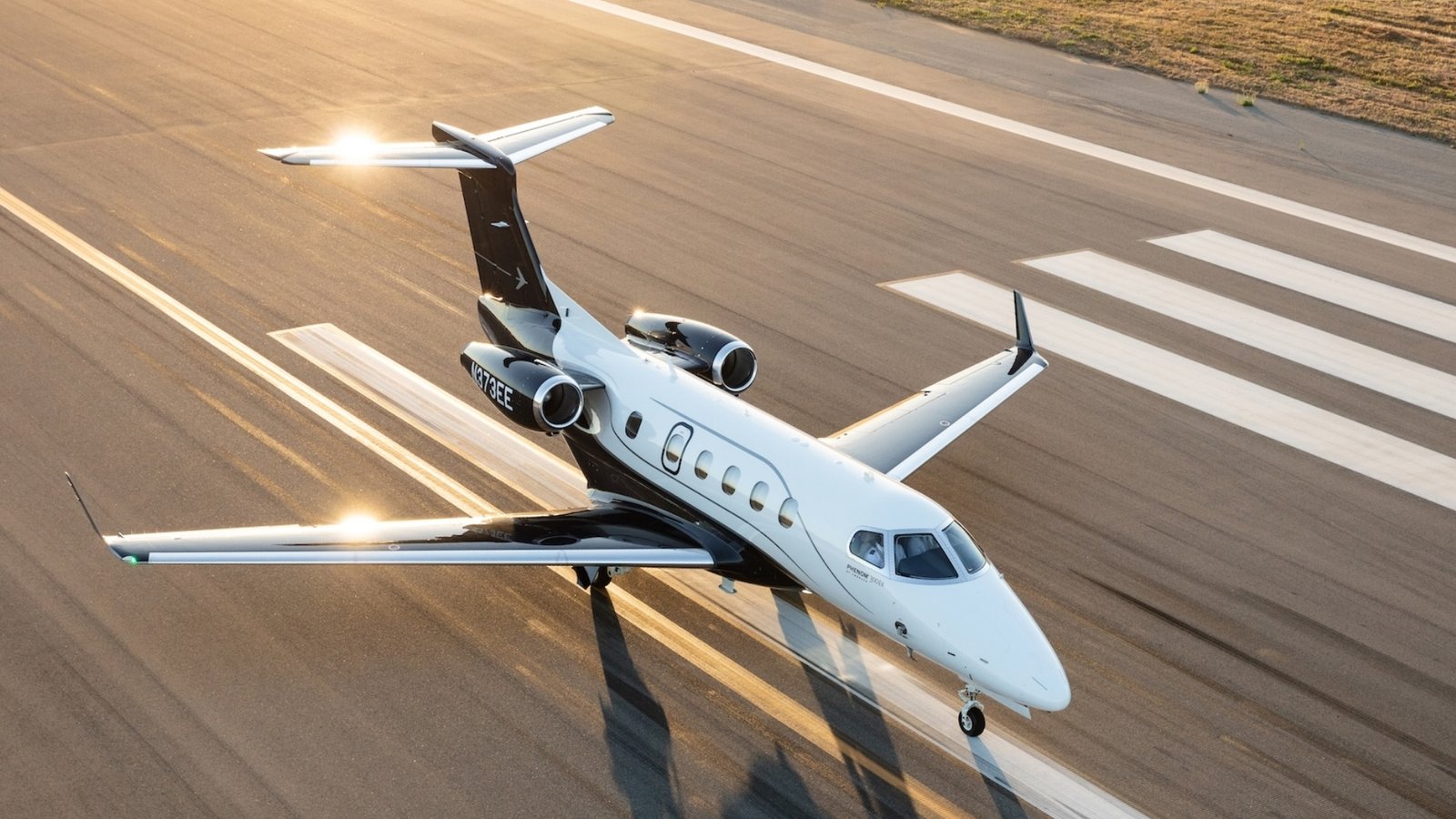
Embraer has launched the Phenom 300EV at $13,995,000, introducing Garmin’s Emergency Autoland to the business jet market. It is the largest aircraft yet certified to carry the technology, extending a capability previously confined to light single-engine aircraft into a class flown by professional crews. The system allows a passenger, rather than a pilot, to initiate an automated landing if the person at the controls becomes incapacitated. Once engaged, the aircraft assesses conditions, communicates with air traffic control and lands itself without further human input. Autoland first appeared in 2019 on the Cirrus Vision Jet and the Piper M600, both single-engine aircraft sold predominantly to owner-pilots flying their own families rather than to operators with hired crews.
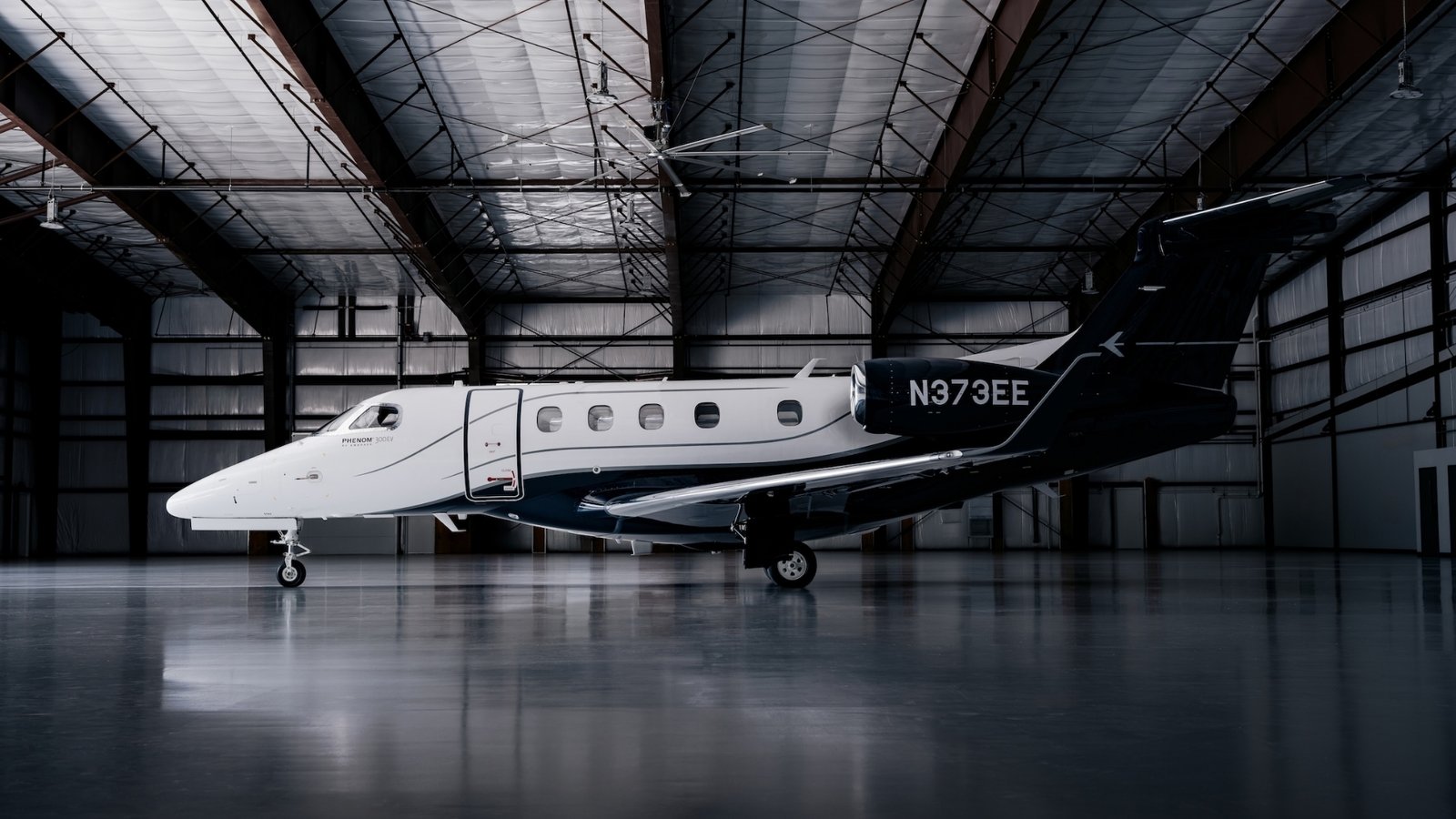
Its arrival on a jet of this size marks a shift in who the technology is built for. The Phenom 300EV is typically flown with professional crews rather than owner-pilots, and its logic was blunt from the outset: the most dangerous variable in light aviation is a solitary pilot having a bad day, and removing that variable was judged worth the engineering cost well before it became a marketing point.
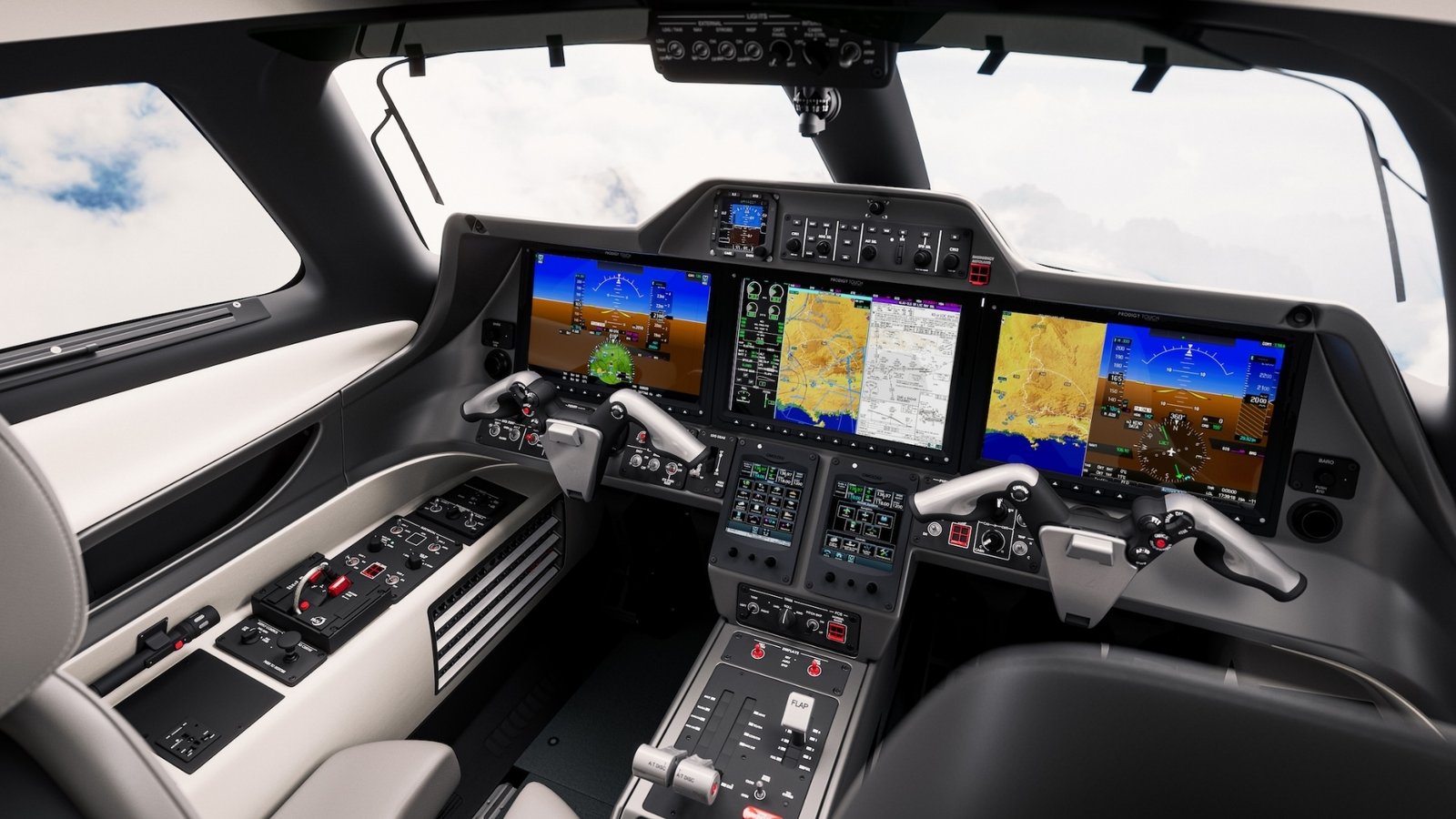
Beyond the safety case, the 300EV brings performance and cockpit upgrades, including a range of 2,055 nautical miles, a 430-pound payload increase and the Garmin G3000 Prodigy Touch flightdeck. Cabin improvements such as Gogo Galileo connectivity and an improved lavatory are also included, positioning the aircraft as a natural successor to the best-selling Phenom 300E, with list pricing designed to compete with similarly equipped outgoing models.
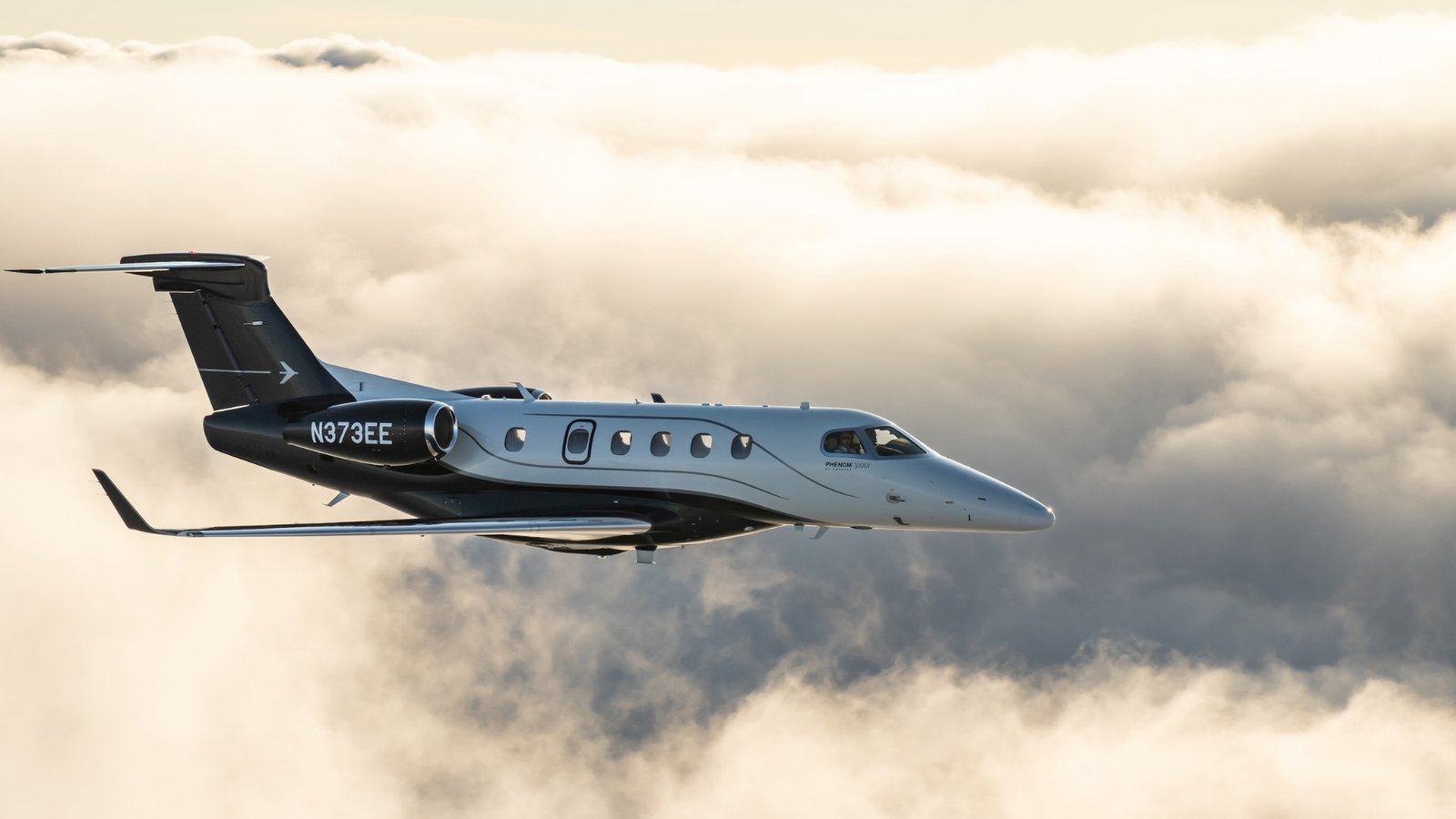
That positioning reflects a broader pattern across private aviation, where safety automation is increasingly treated as a genuine differentiator for buyers rather than a background feature, paralleling the rapid adoption of driver-assistance systems within the luxury automotive sector. Certification from the FAA, EASA and ANAC is expected later this year, with initial deliveries planned for 2028. Embraer is already transitioning retail demand toward the 300EV ahead of that timeline.
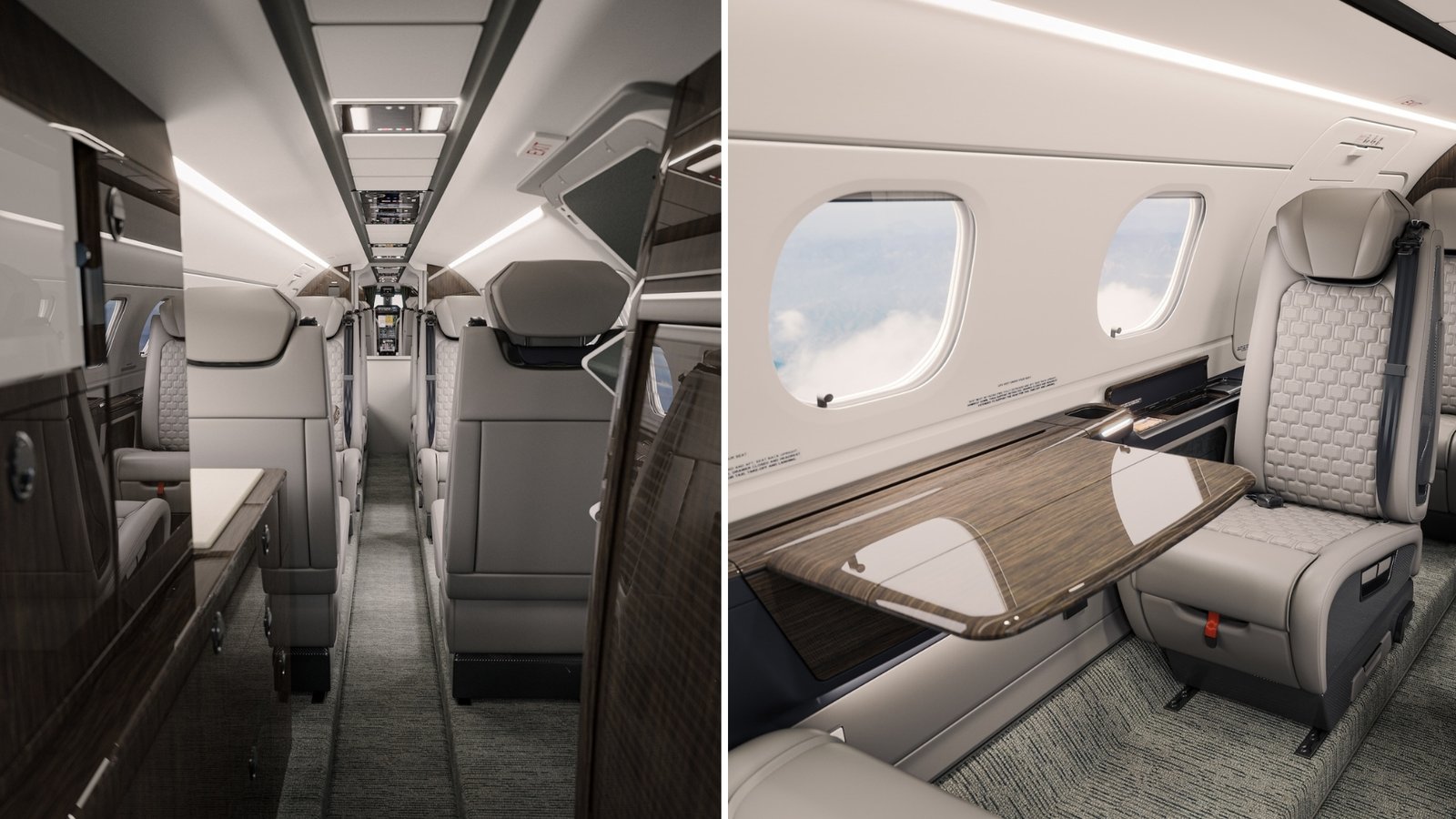
Whether Autoland’s arrival in an aircraft flown by professional crews changes how operators, rather than owner-pilots, think about ceding control at the most critical moment of a flight will determine how quickly the technology moves through the rest of the light and mid-size jet segment. Visit Embraer here.