


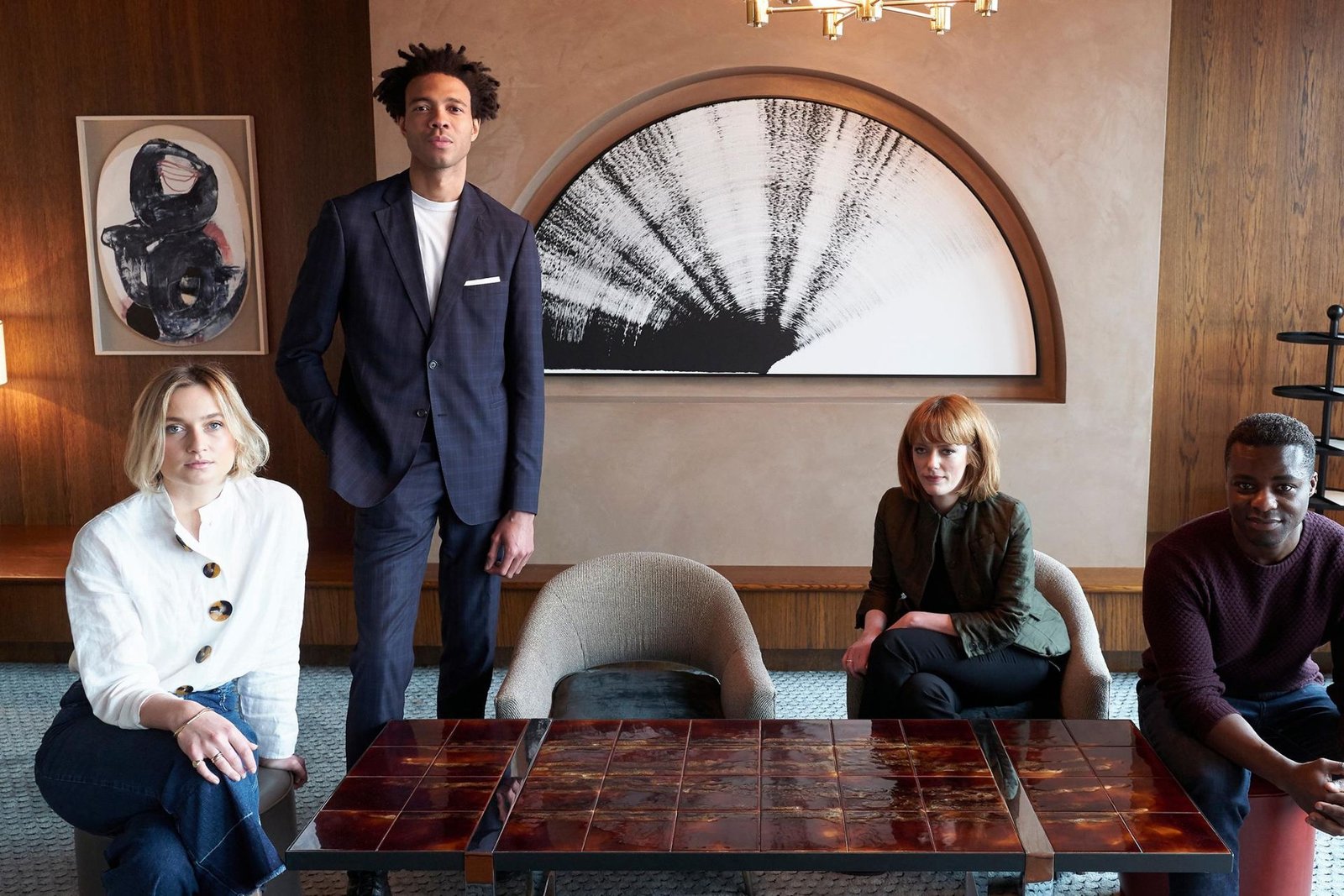
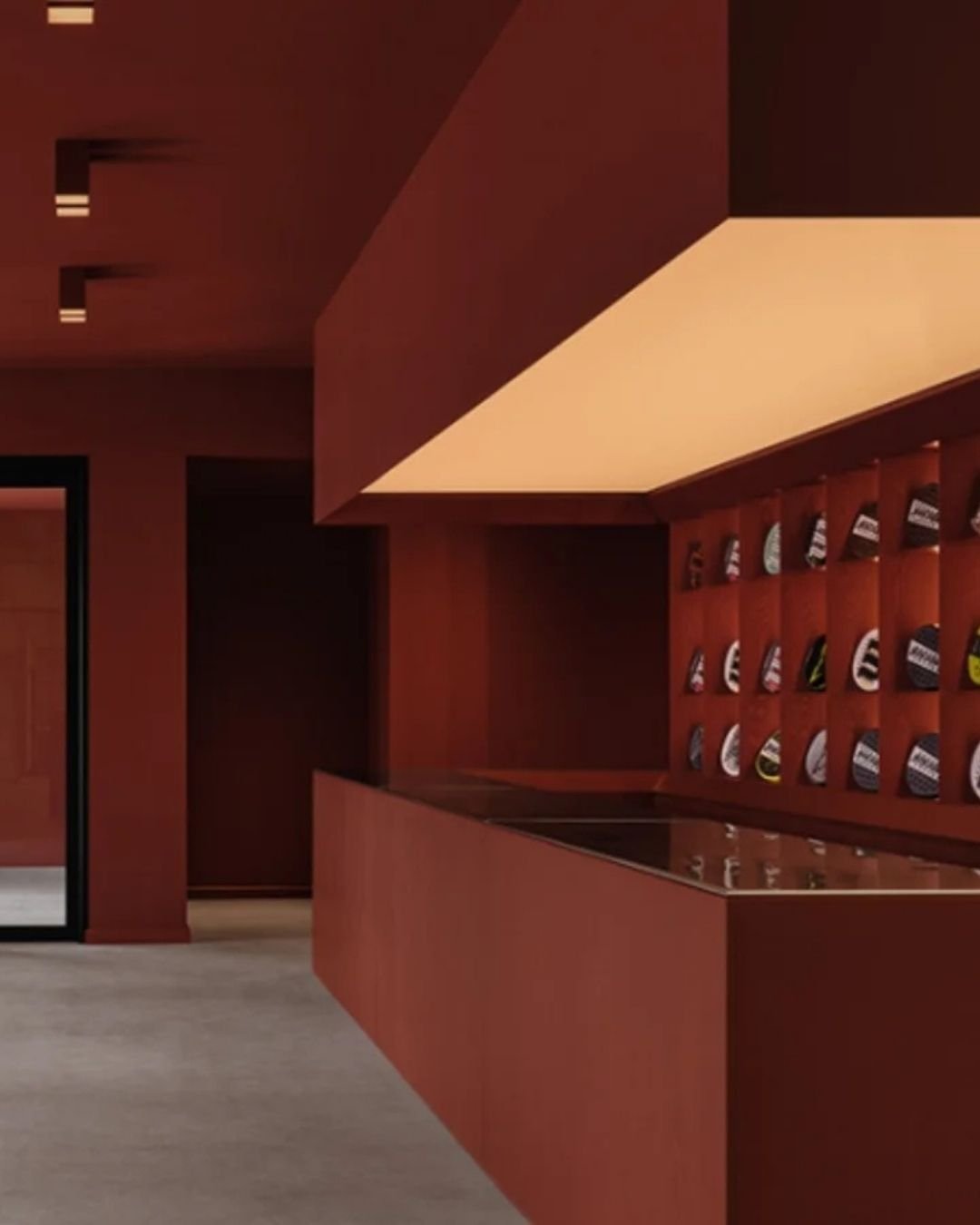





The opening of Soho House Tokyo marks more than the brand’s 50th House. It represents a long-anticipated entry into one of the world’s most culturally precise markets—where success is determined less by demand and more by calibration.
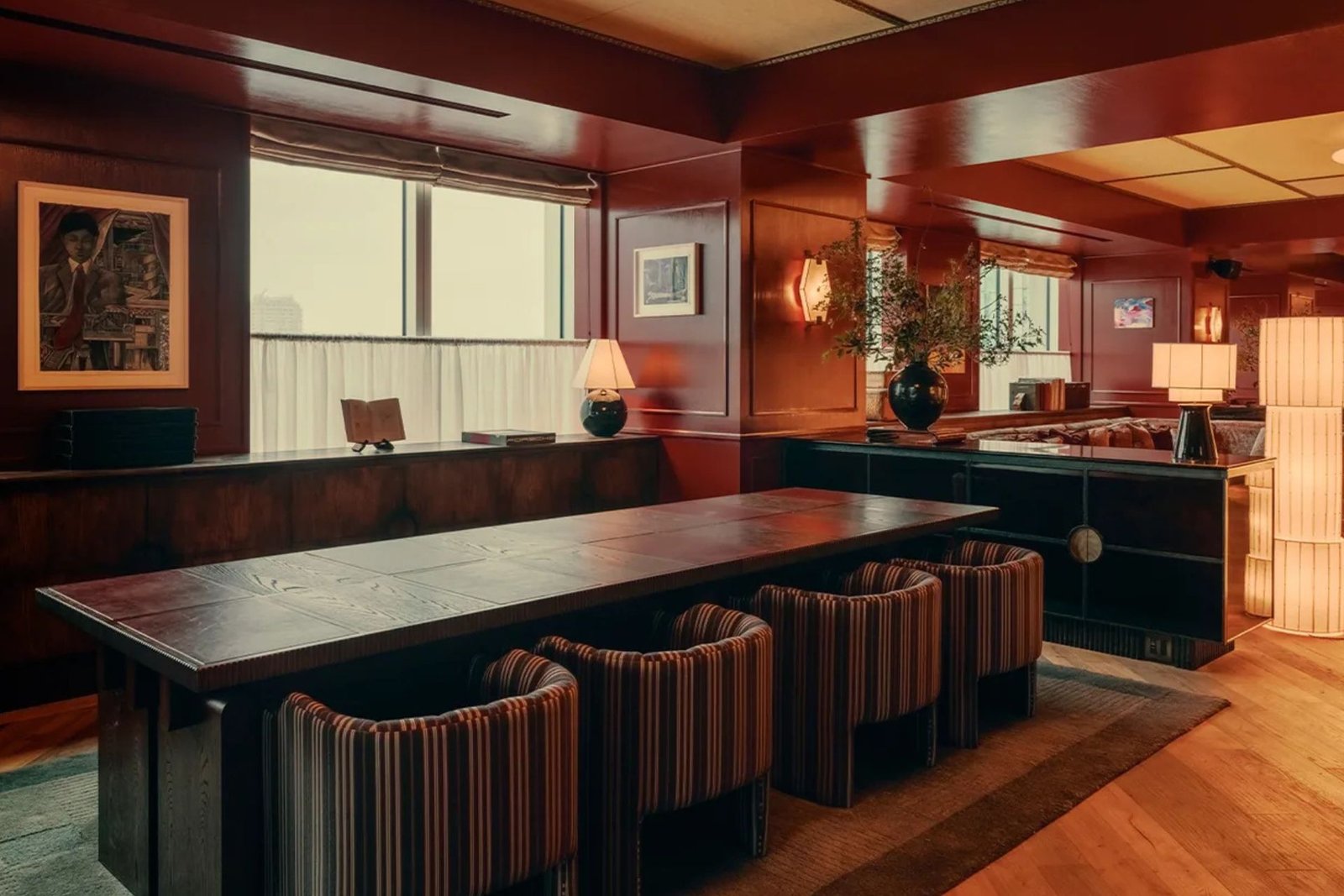
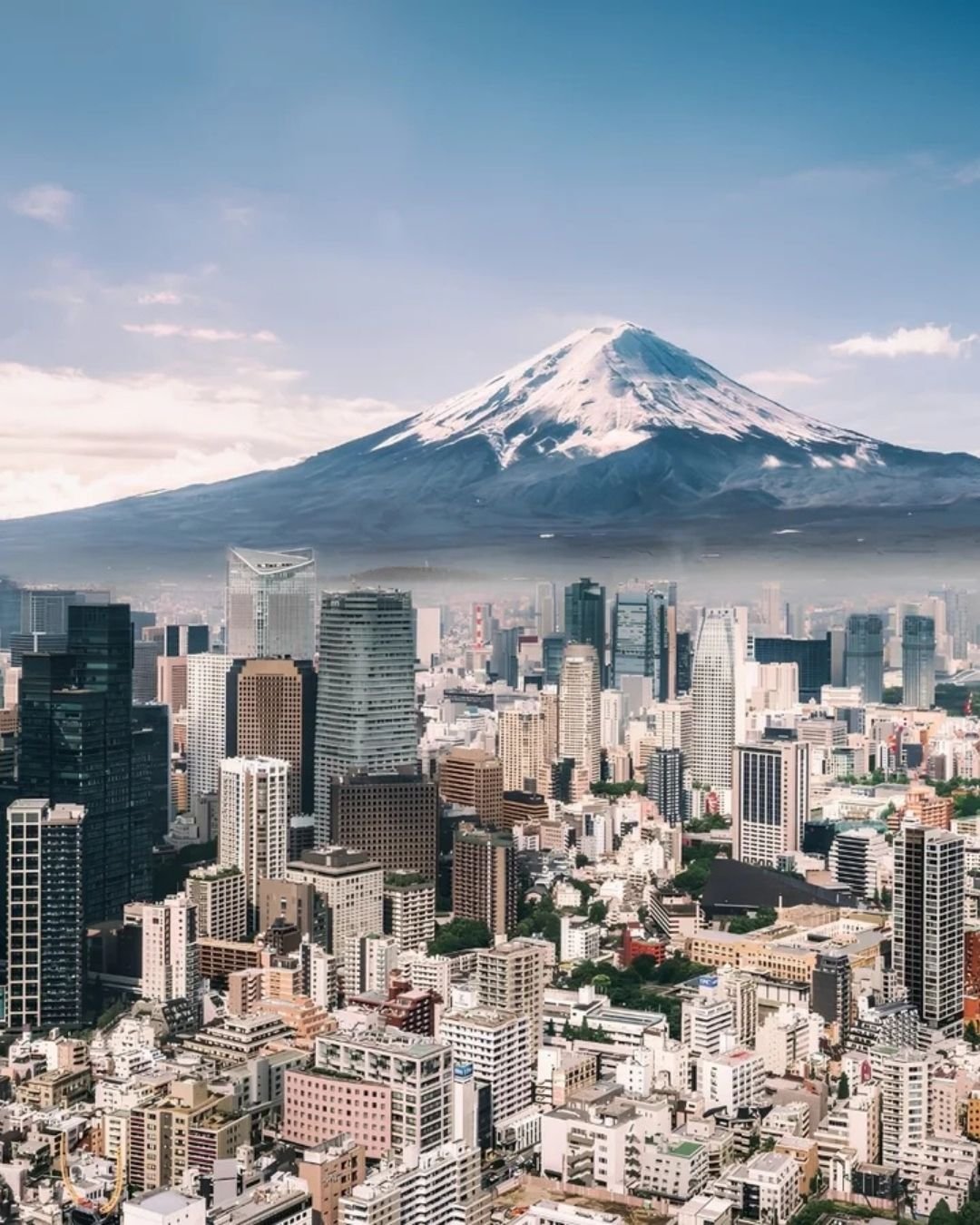
Tokyo does not reward scale for its own sake; it rewards alignment. Set across four floors in Omotesando, the House is positioned within one of the city’s most considered neighbourhoods—an area where architecture, retail, and culture operate with a level of coherence that leaves little margin for misreading.
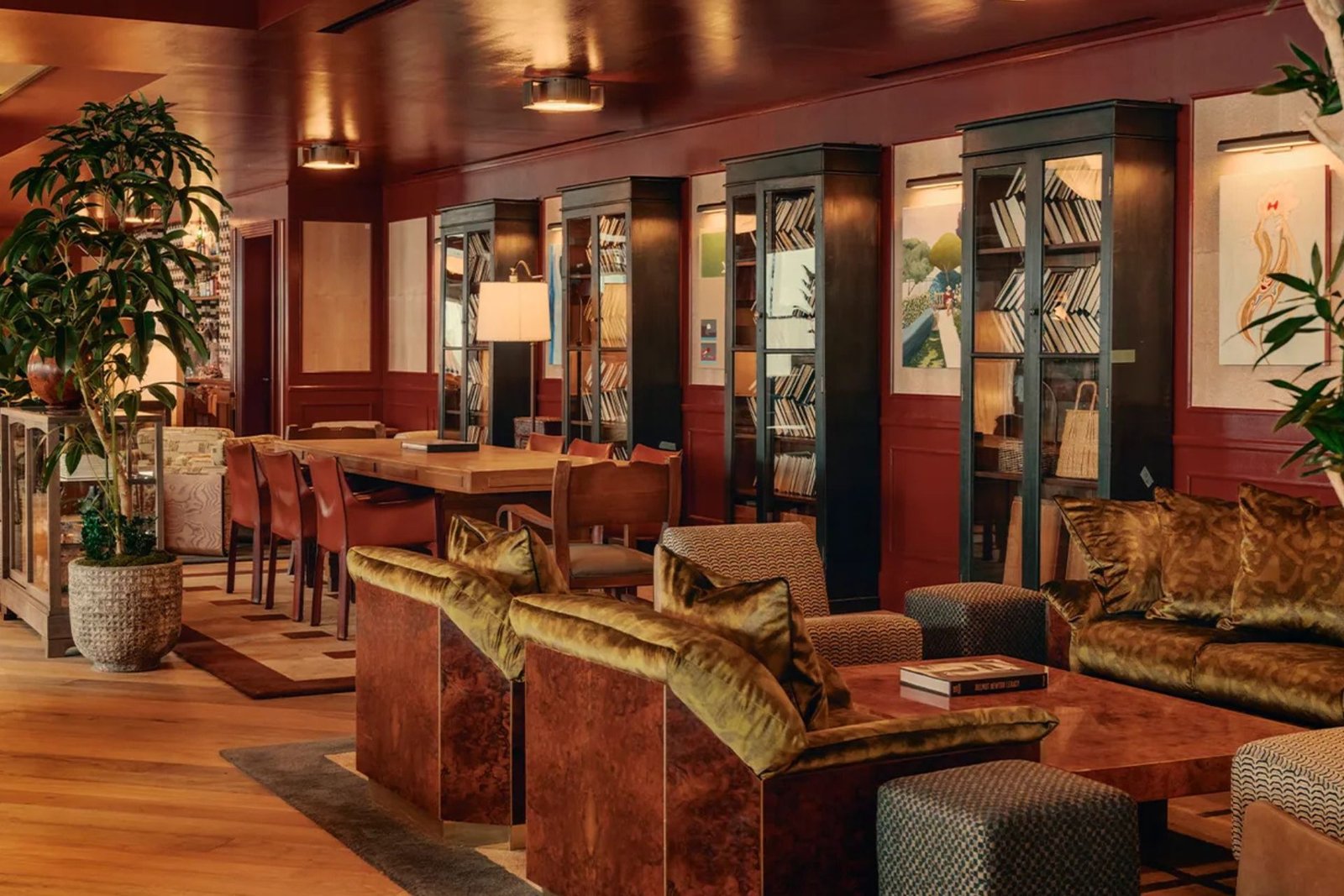
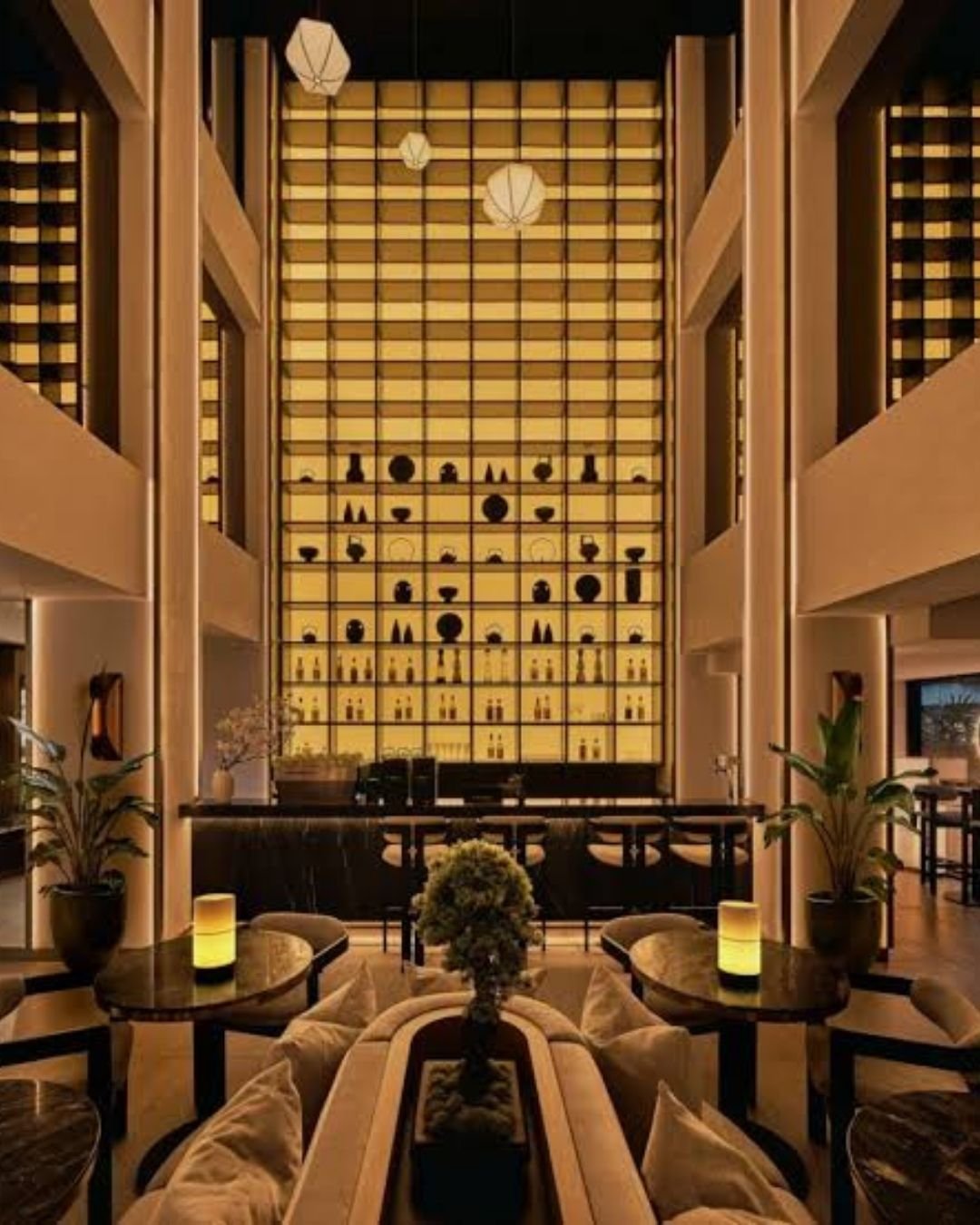
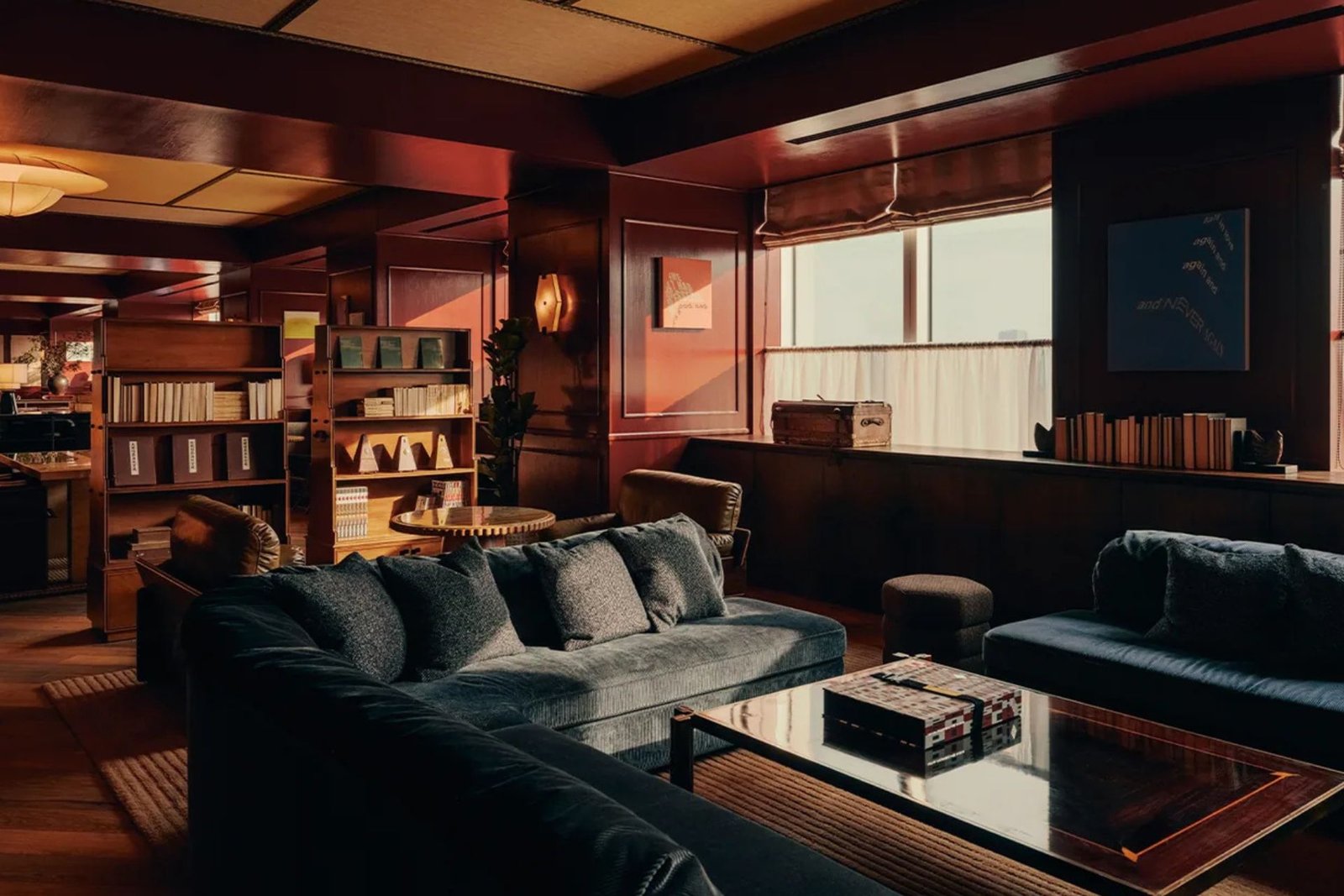
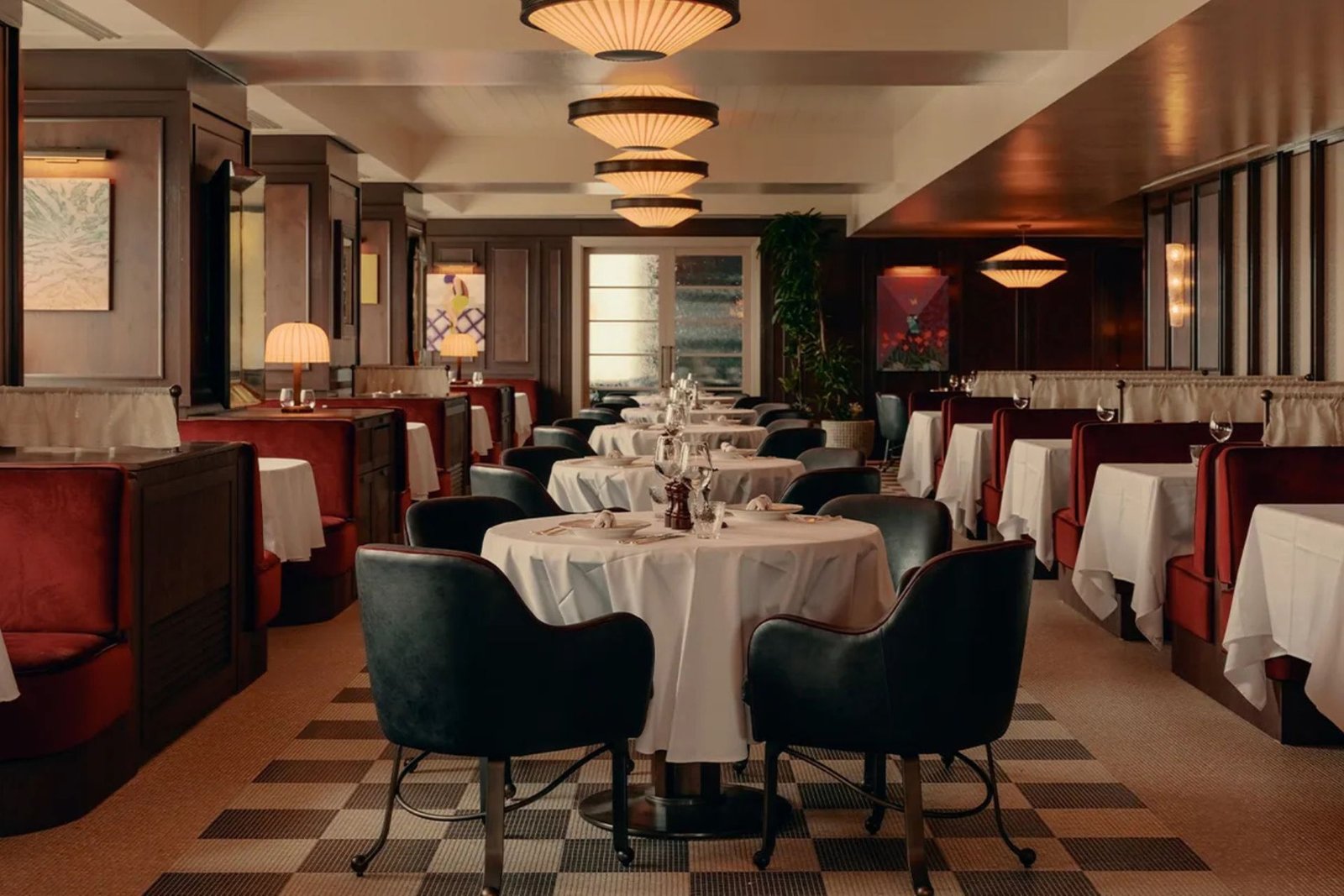
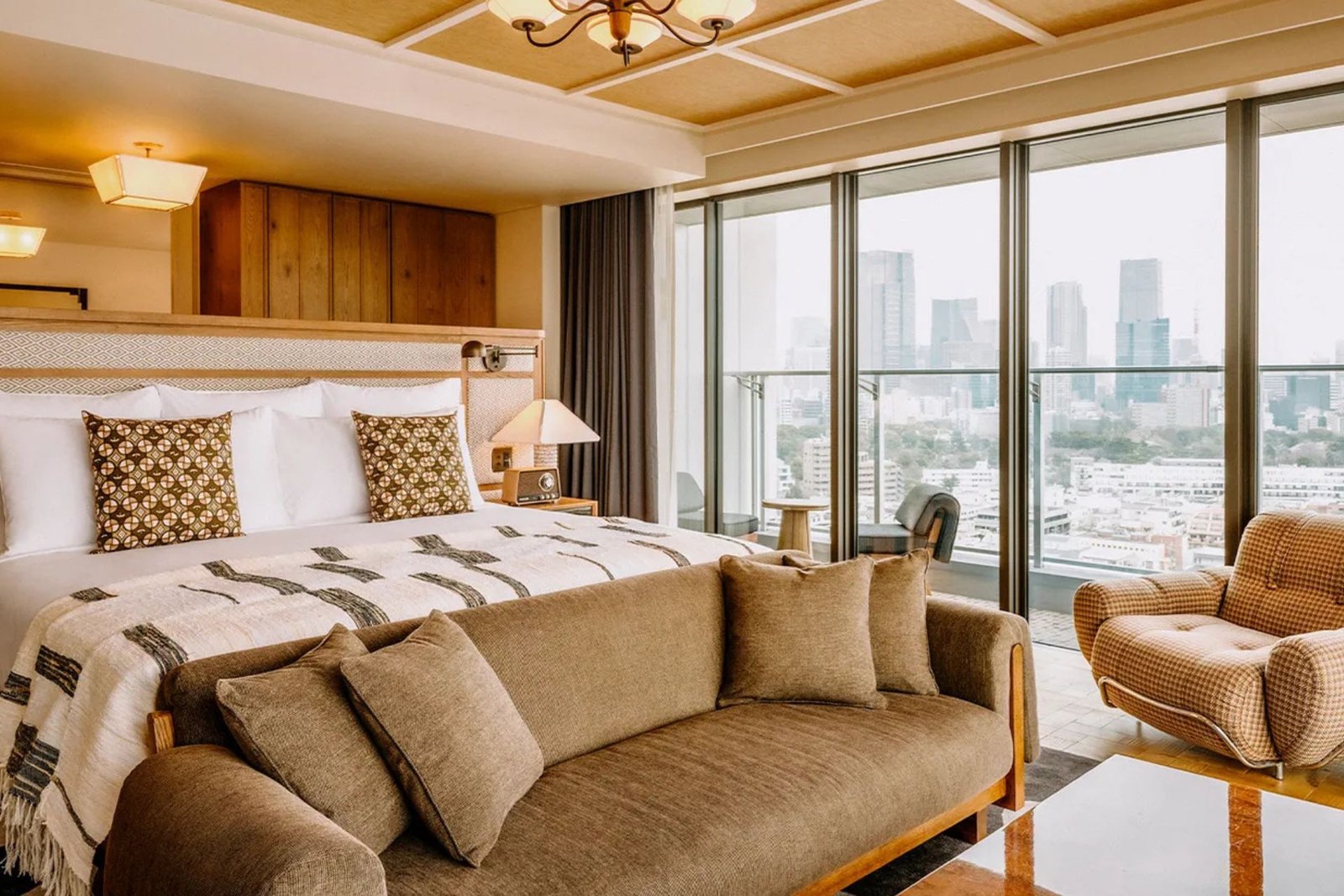
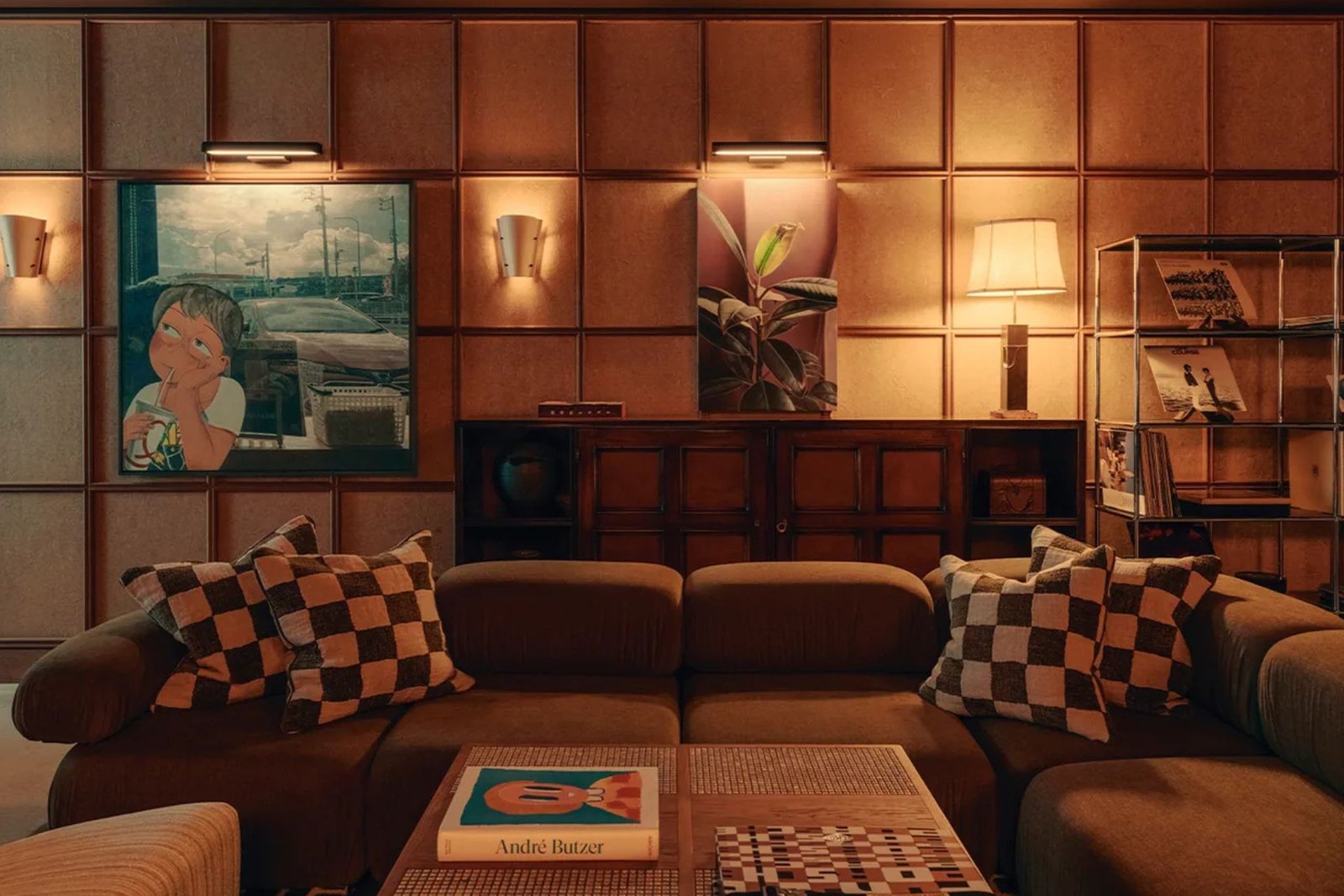
The design reflects that awareness. While the core Soho House language remains intact, it is applied with noticeably greater restraint. Upcycled kimono fabrics, sakiori weaving, and bespoke Japanese furnishings anchor the interiors in place, avoiding the imposition of a global template.
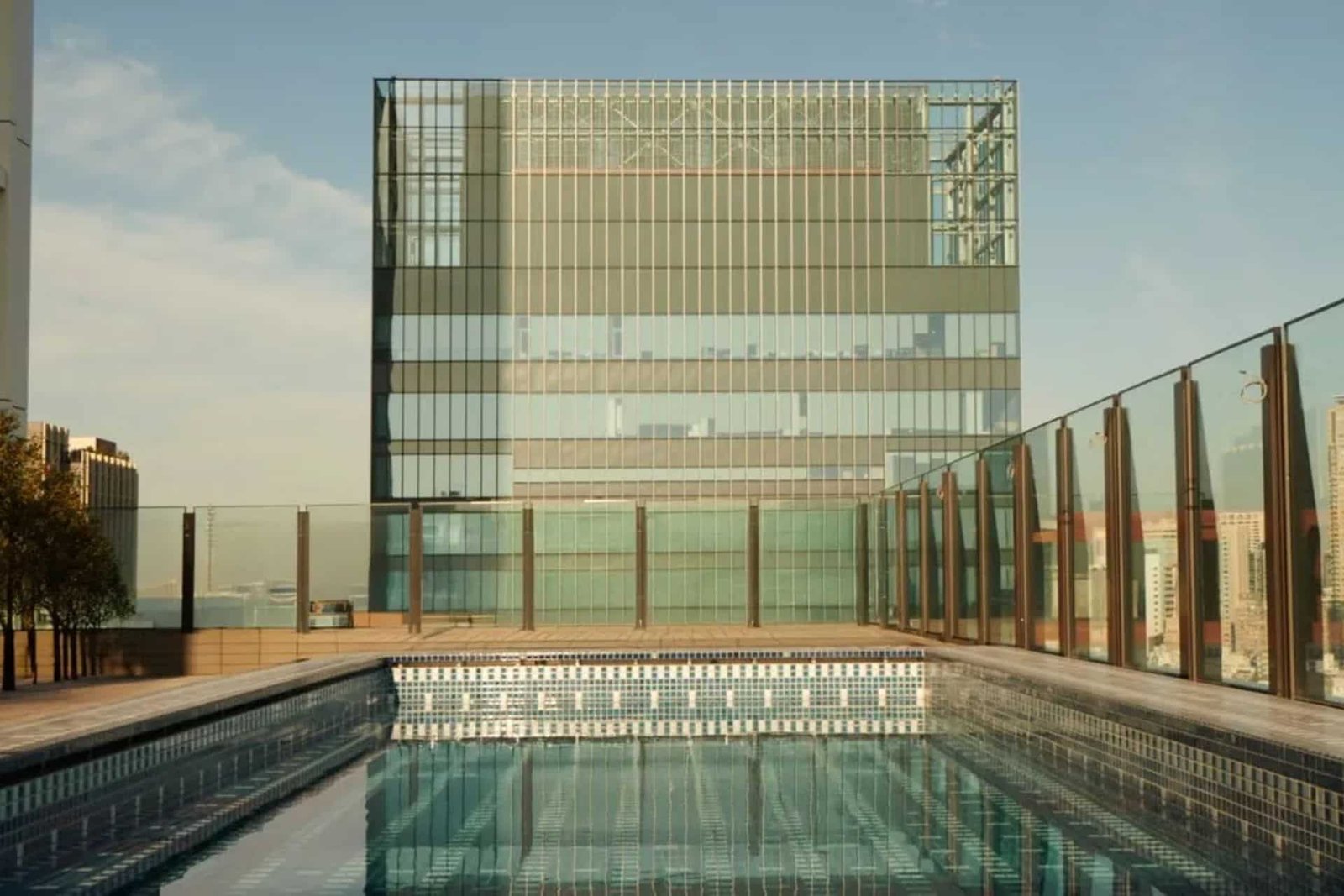
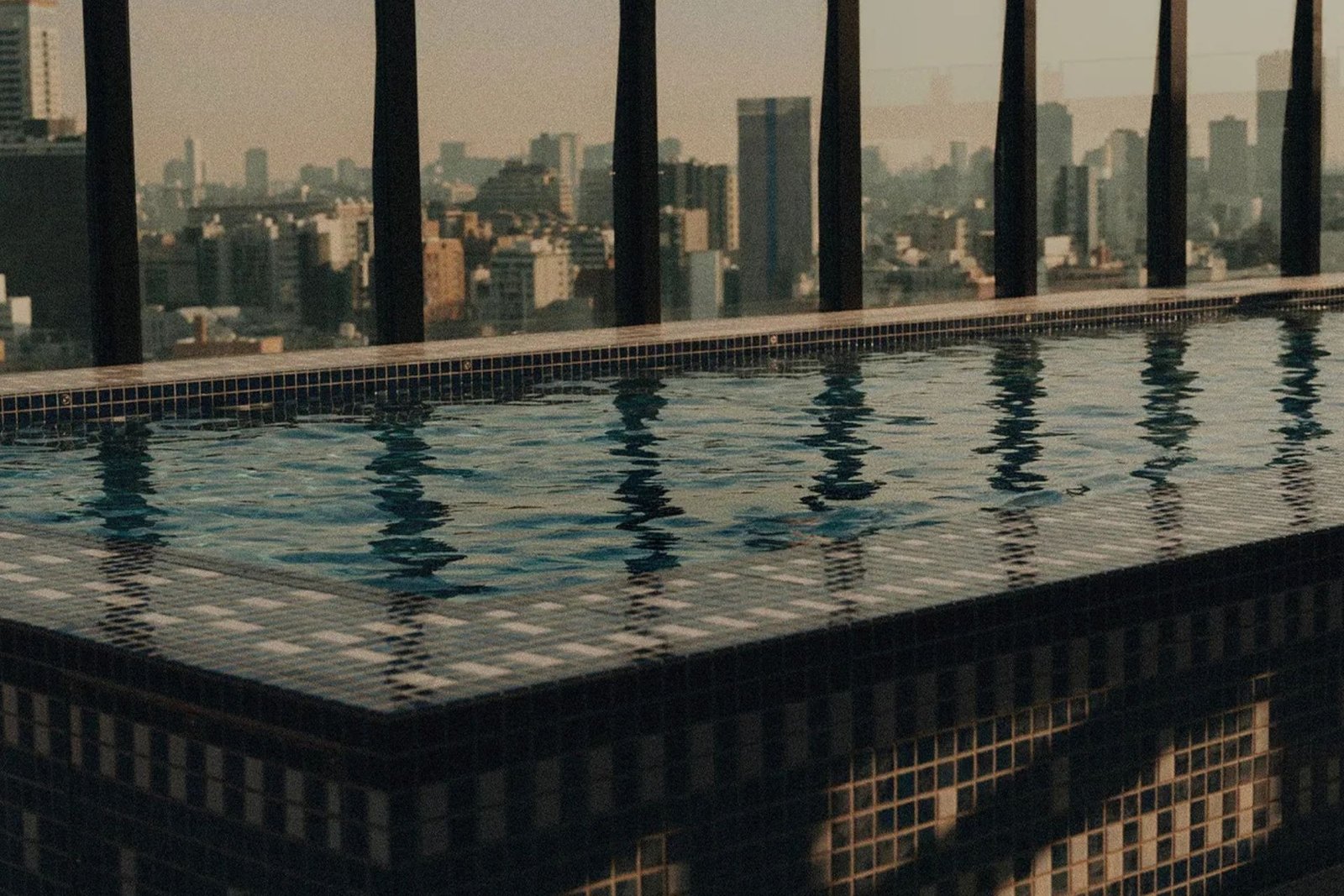
The balance is deliberate: recognisable, but not dominant. Even the rooftop pool carries a different kind of weight here. In a city defined by density and verticality, outdoor space at height is rare—making it less an amenity and more a statement of spatial privilege.
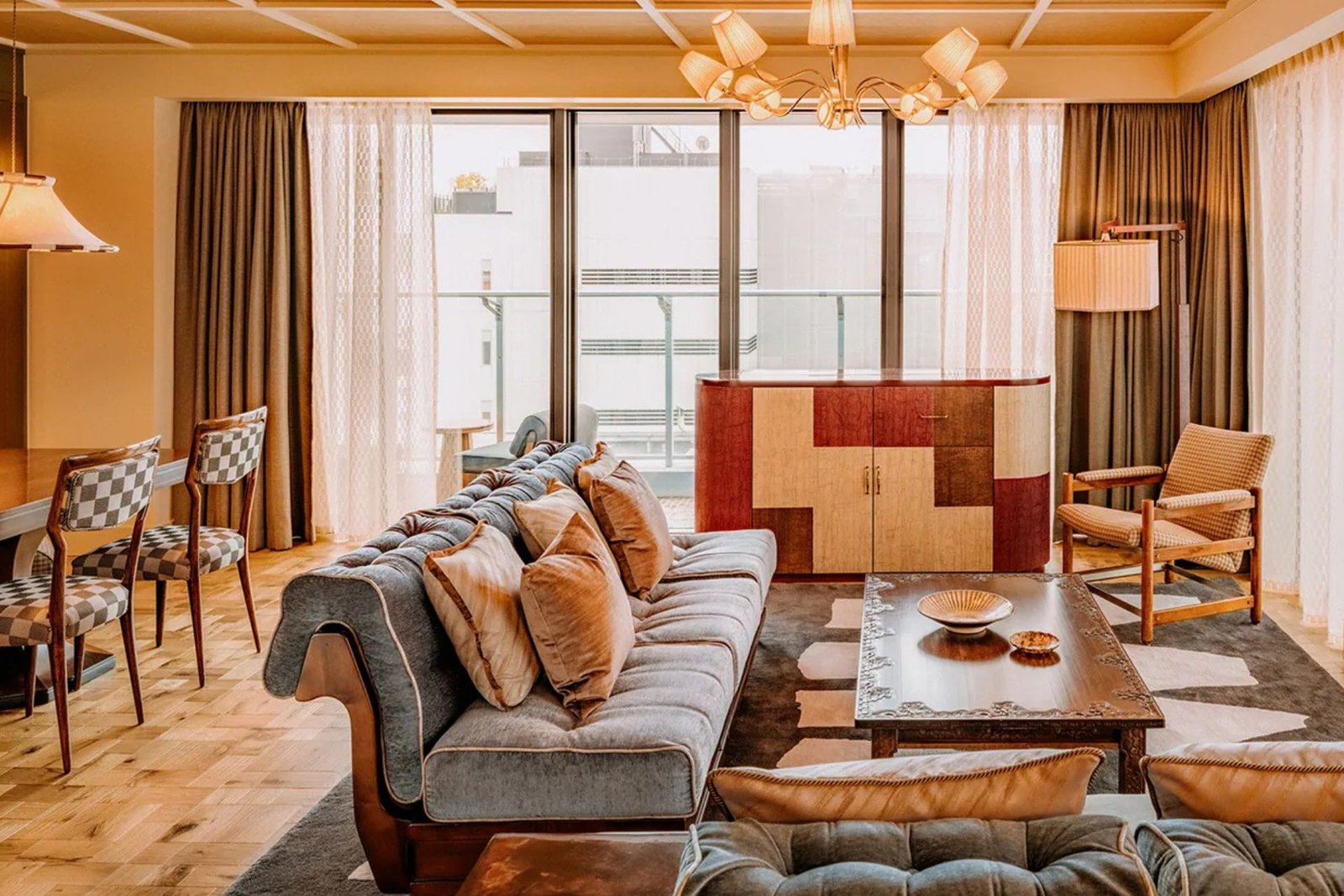
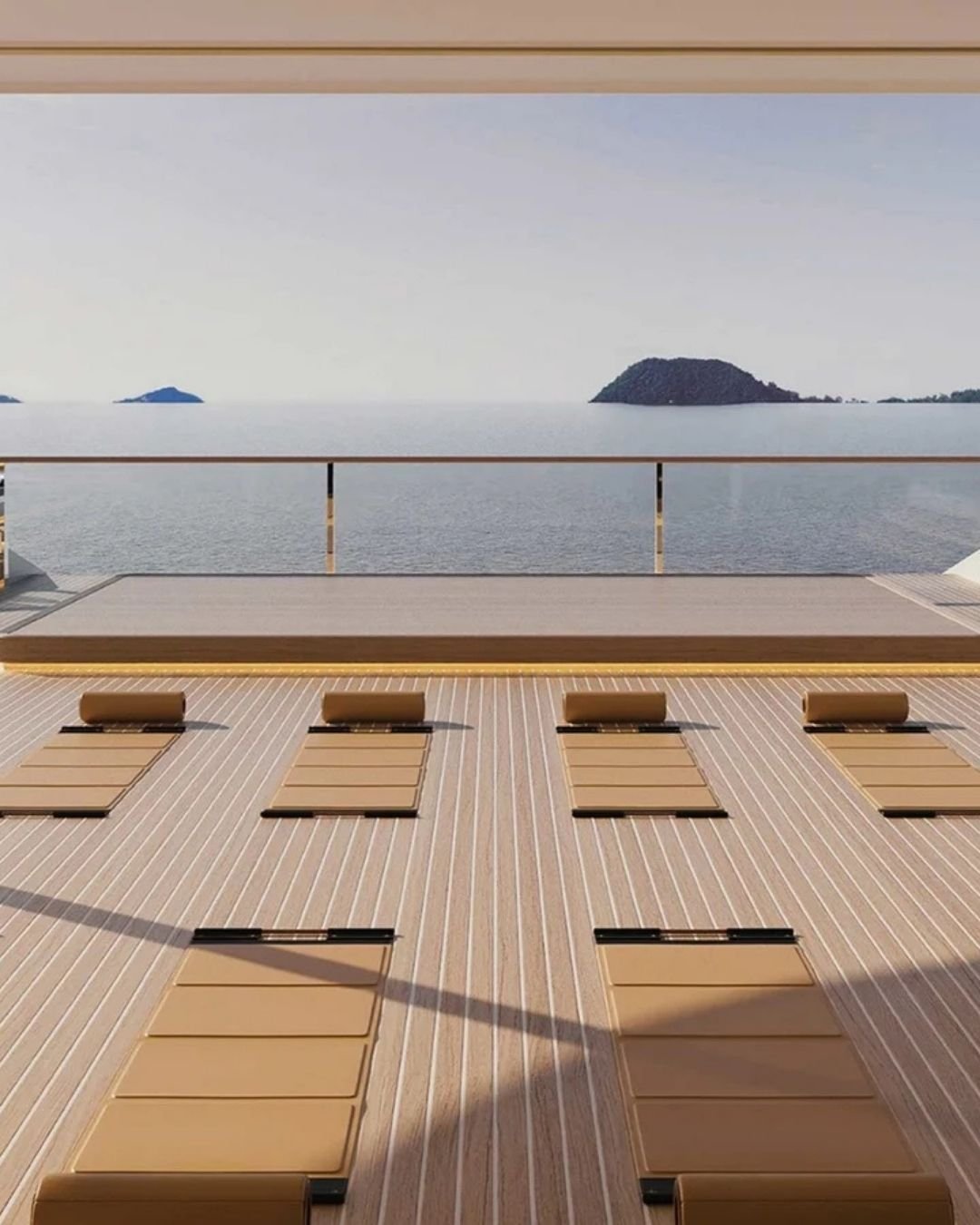
The physical offering includes 42 bedrooms, alongside a series of lounges, dining spaces, and wellness areas. But, as ever, the real product is access. Membership is priced at ¥620,000 globally and ¥505,000 locally, with entry remaining selective by design. What is being sold is not the room, but the network—both within the building and across the broader Soho House system.
What makes Tokyo distinct is the context it sits within. This is not a market lacking private spaces or cultural filters; it is one defined by them. Soho House is not introducing exclusivity—it is attempting to integrate into an existing ecosystem of it. That creates a narrower path. If the alignment is correct, the House becomes part of the city’s established network of private environments. If not, it risks remaining external—present, but peripheral.
Early signals suggest a more considered approach than in some previous openings, defined by scale, location, and a clearer sensitivity to local codes. More broadly, Tokyo points to a shift in Soho House’s growth strategy. Expansion is no longer simply geographic—it is curatorial. Fewer openings, more scrutiny, and a greater emphasis on how each House fits into the cultural fabric it enters. In Tokyo, that distinction matters more than anywhere else. Visit