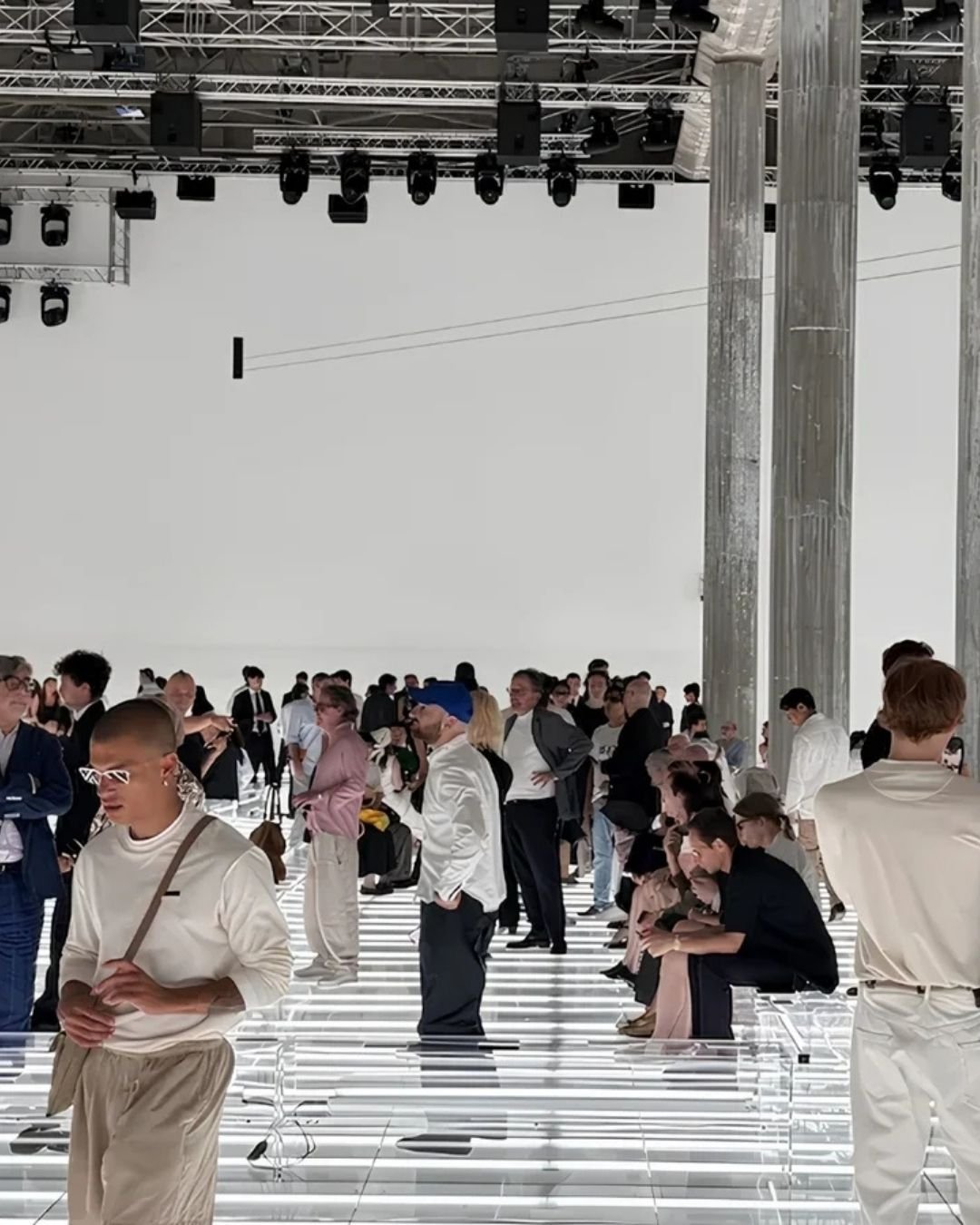

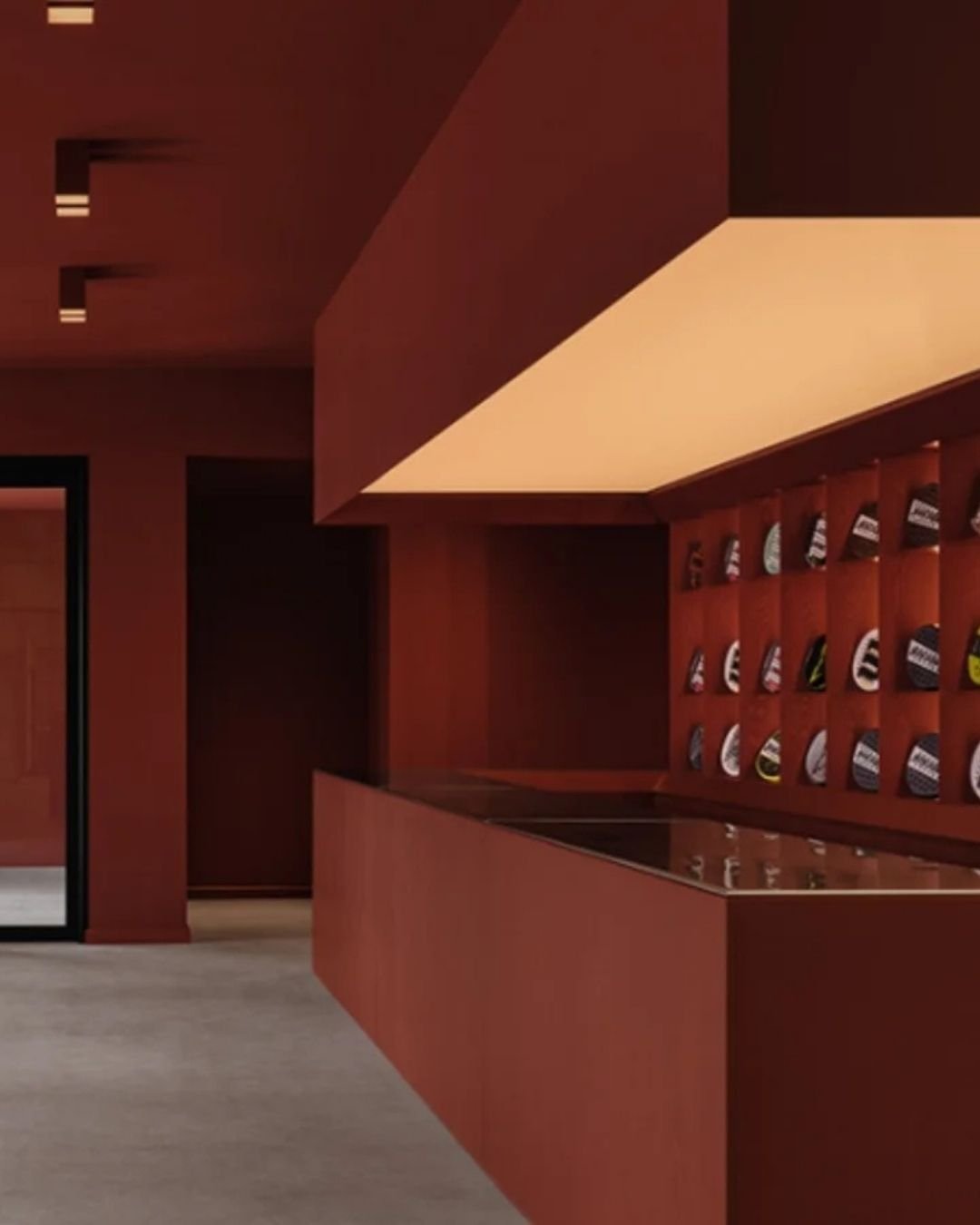

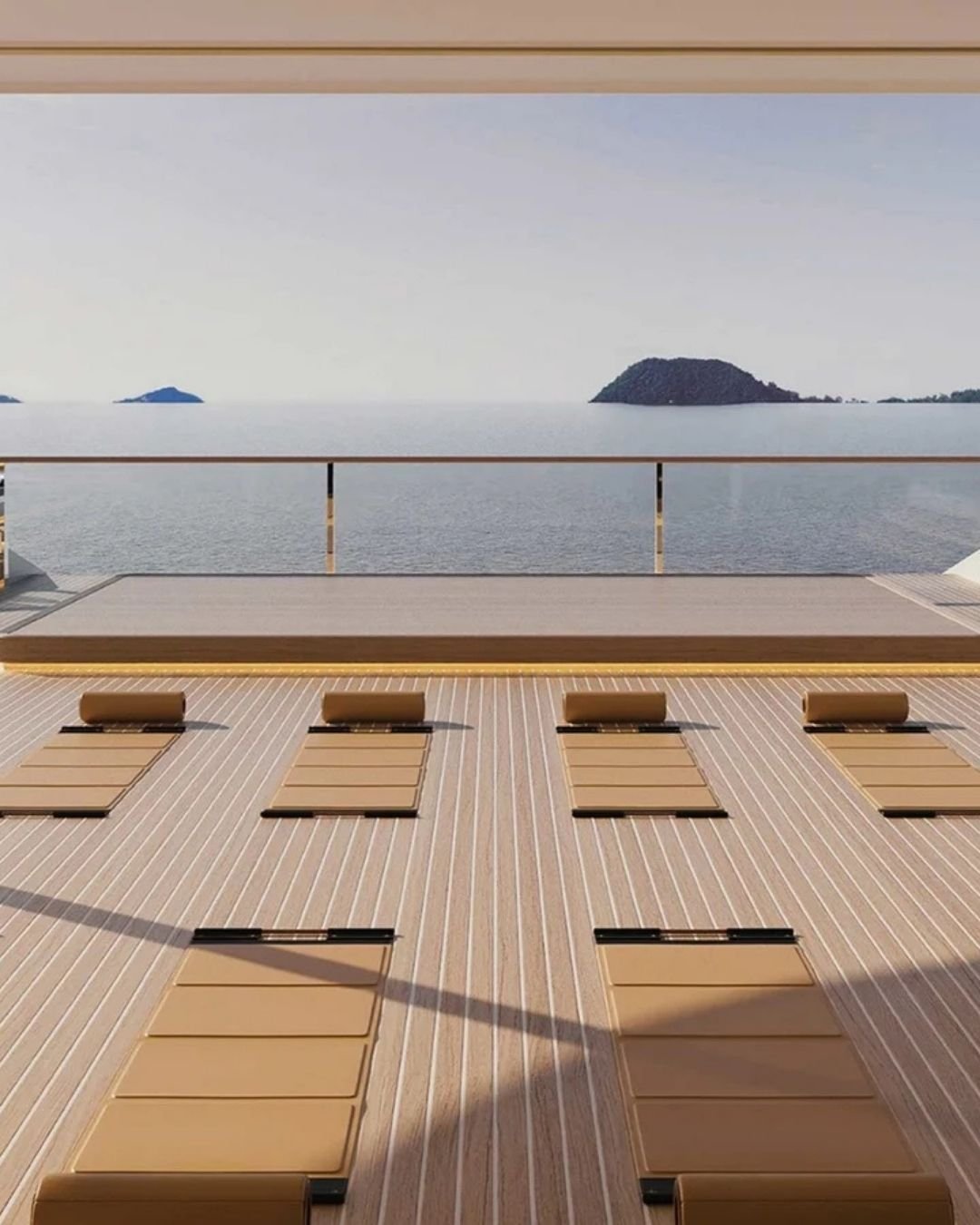
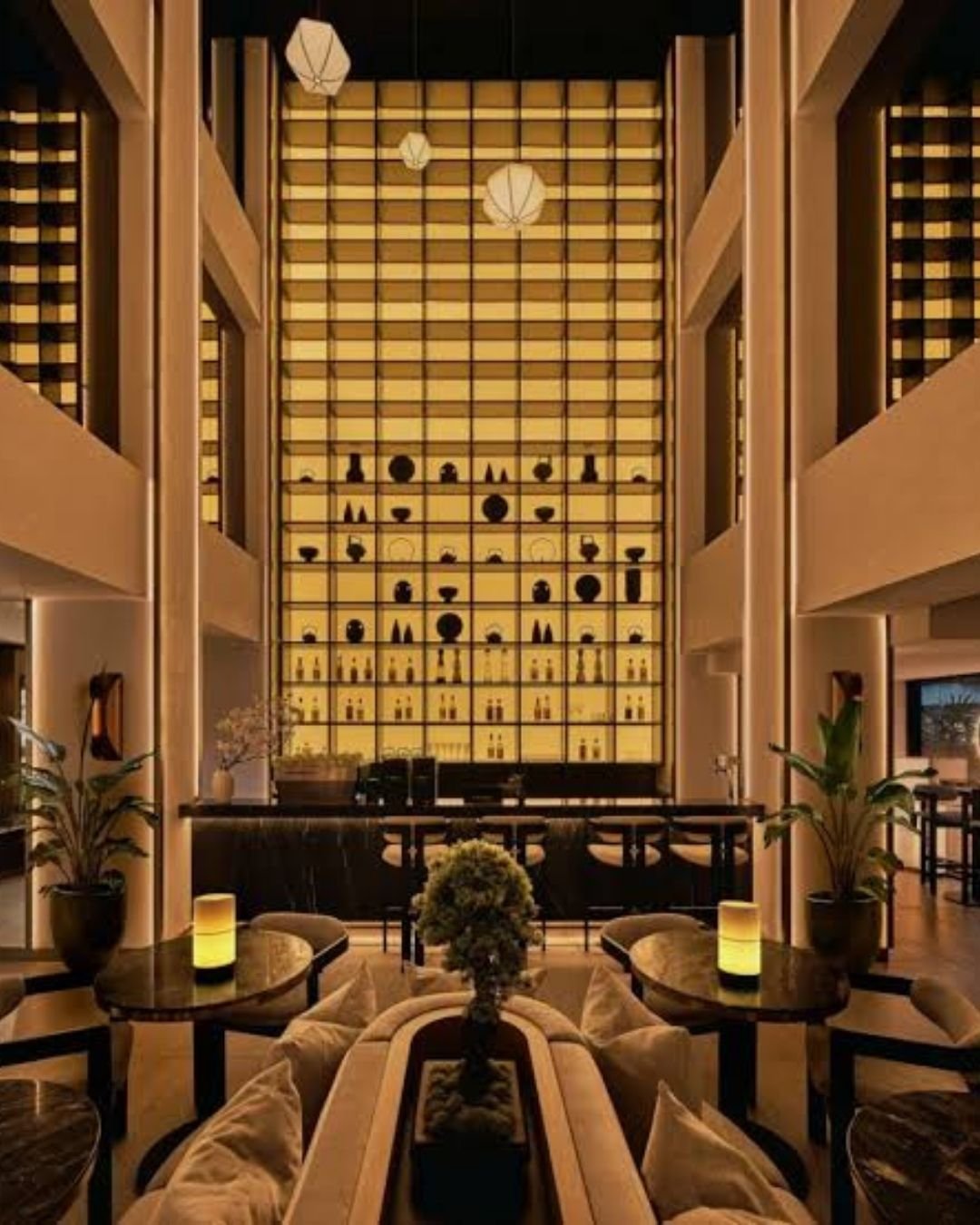
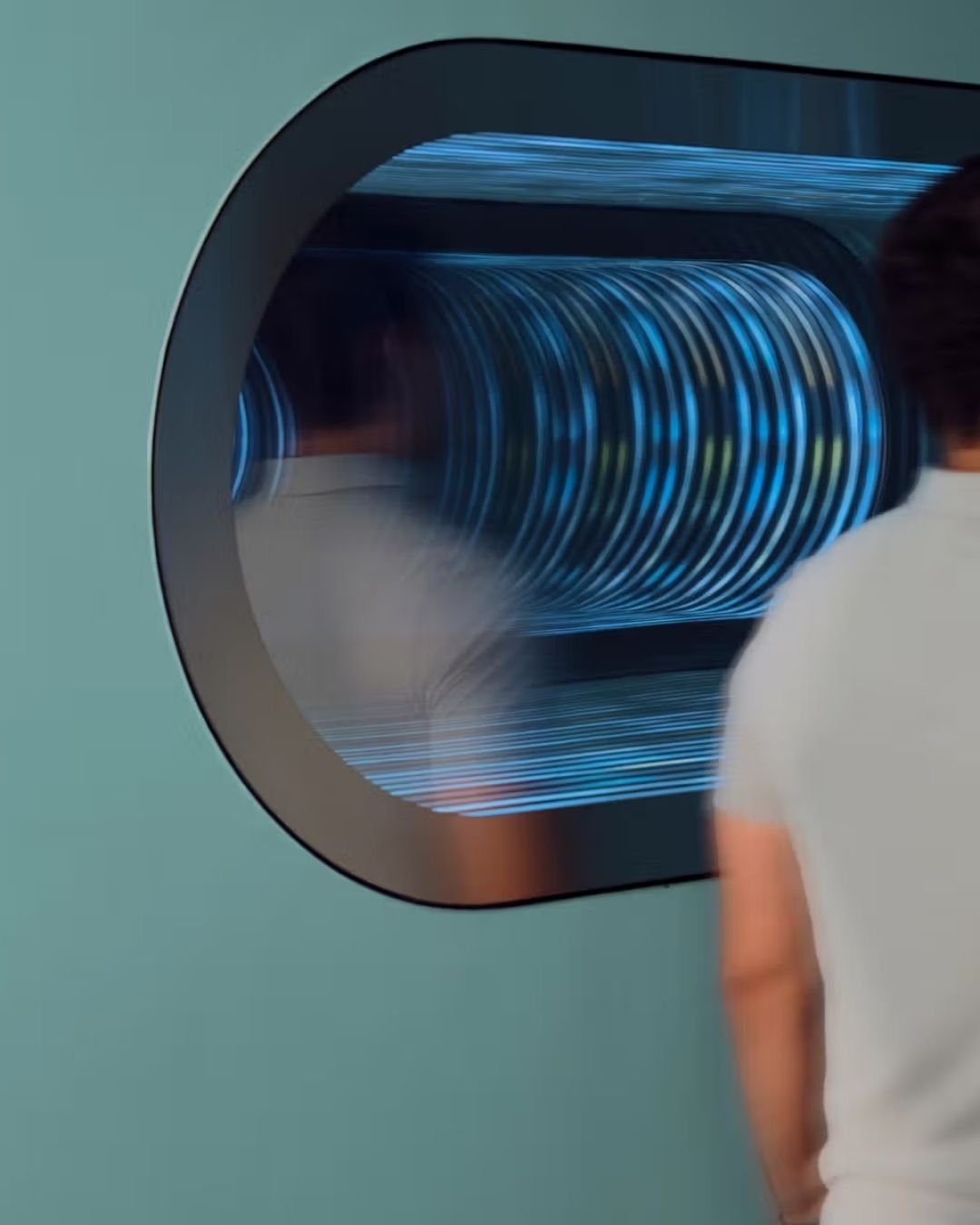
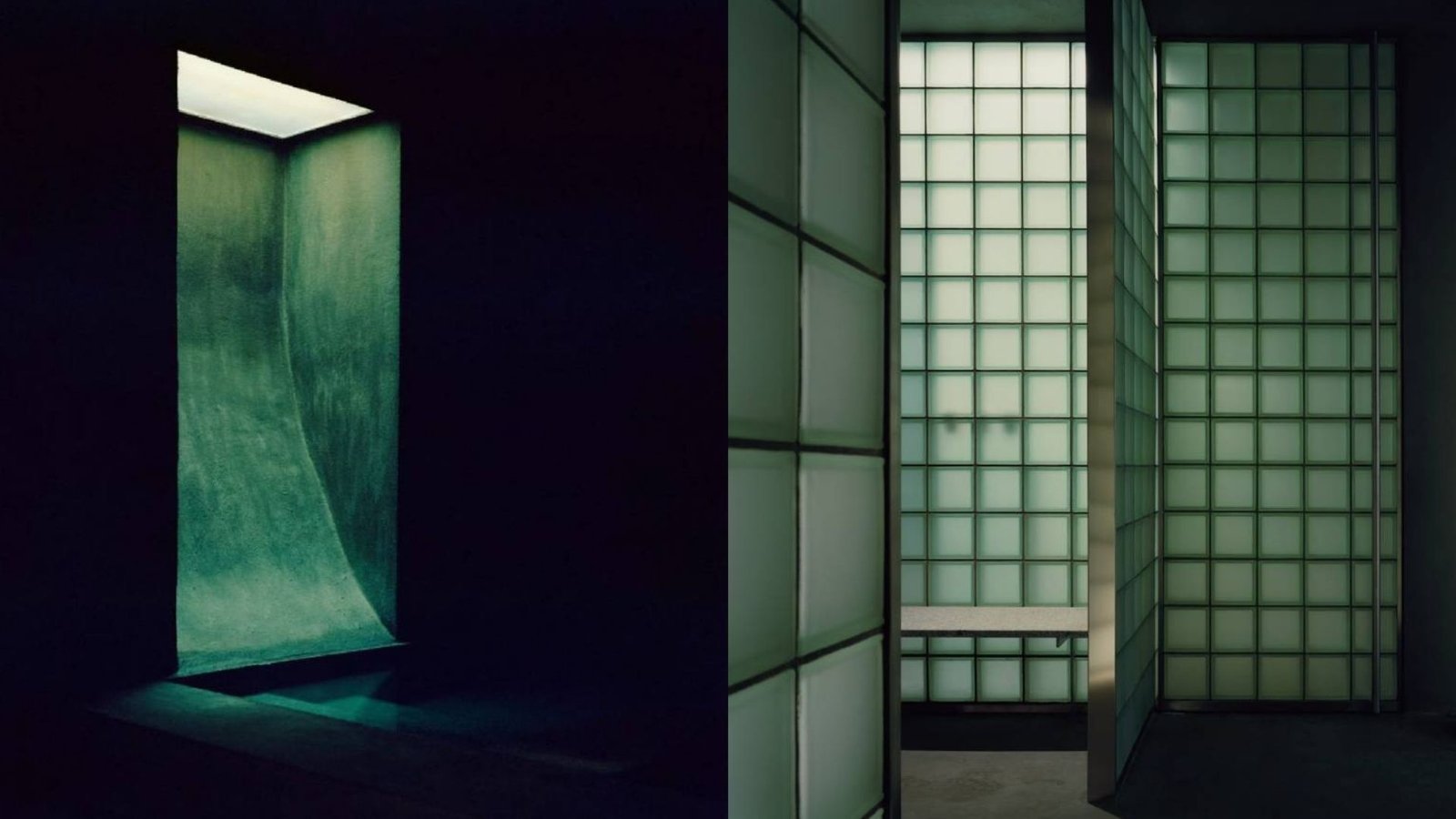


The building is effectively instructing the body. At Riela, a visit moves from a 90°C Finnish sauna to steam, hot water and cold plunges at 4°C and 8°C, following a 75-minute thermal circuit. The architecture does not simply contain these experiences. It controls the transitions between them through temperature, light, water, sound and movement. Move from heat to cold. Slow down. Recover. Move again.
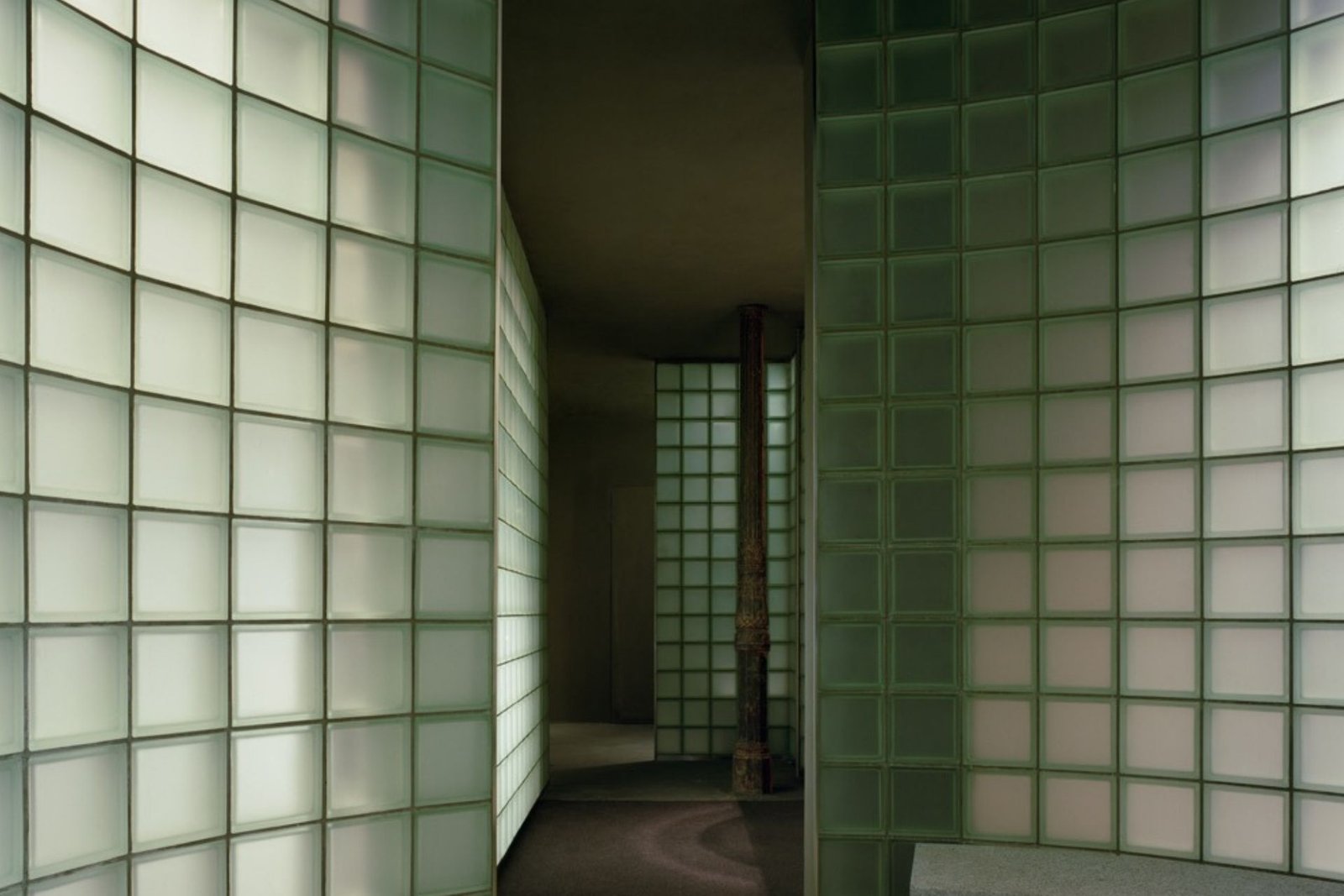
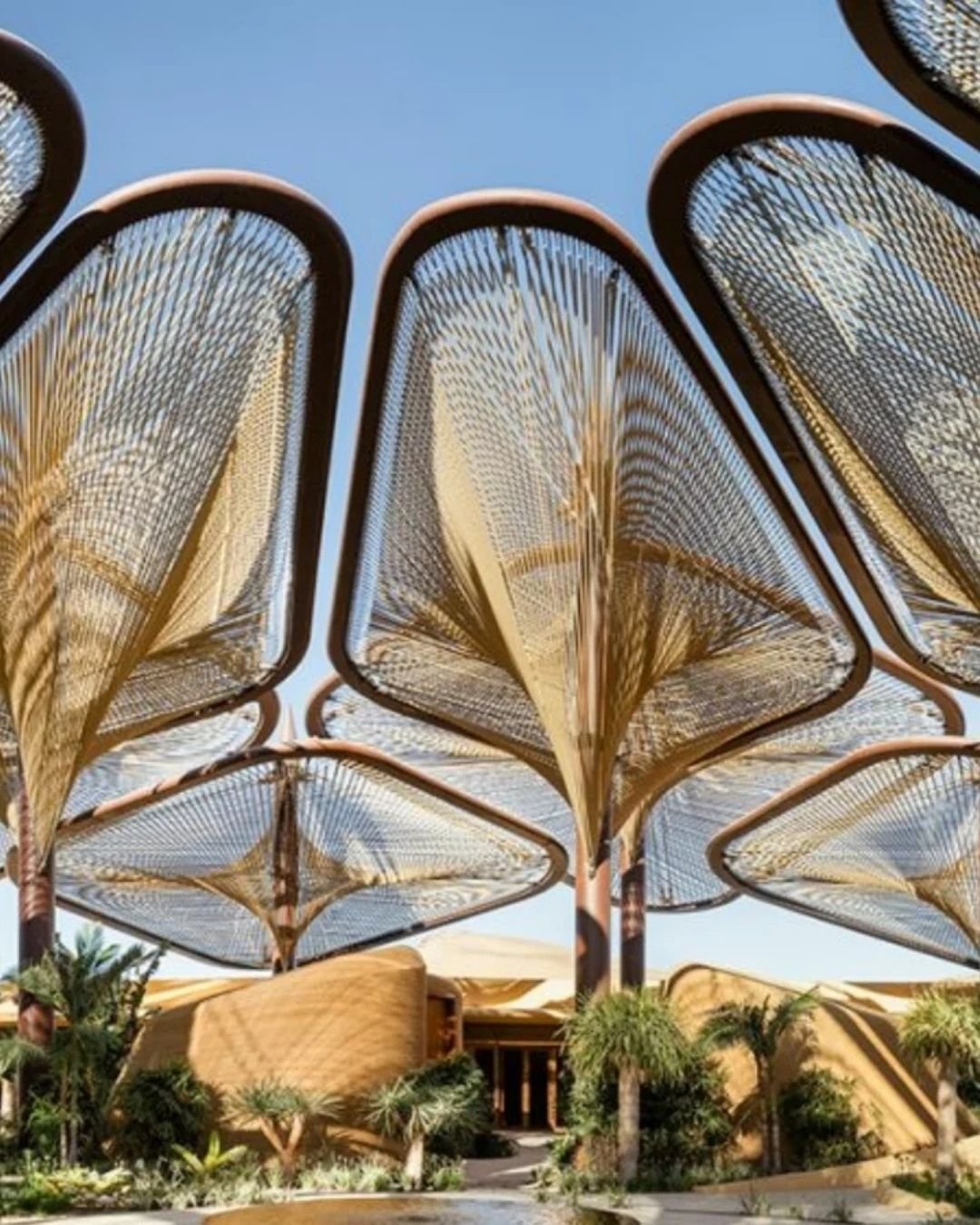
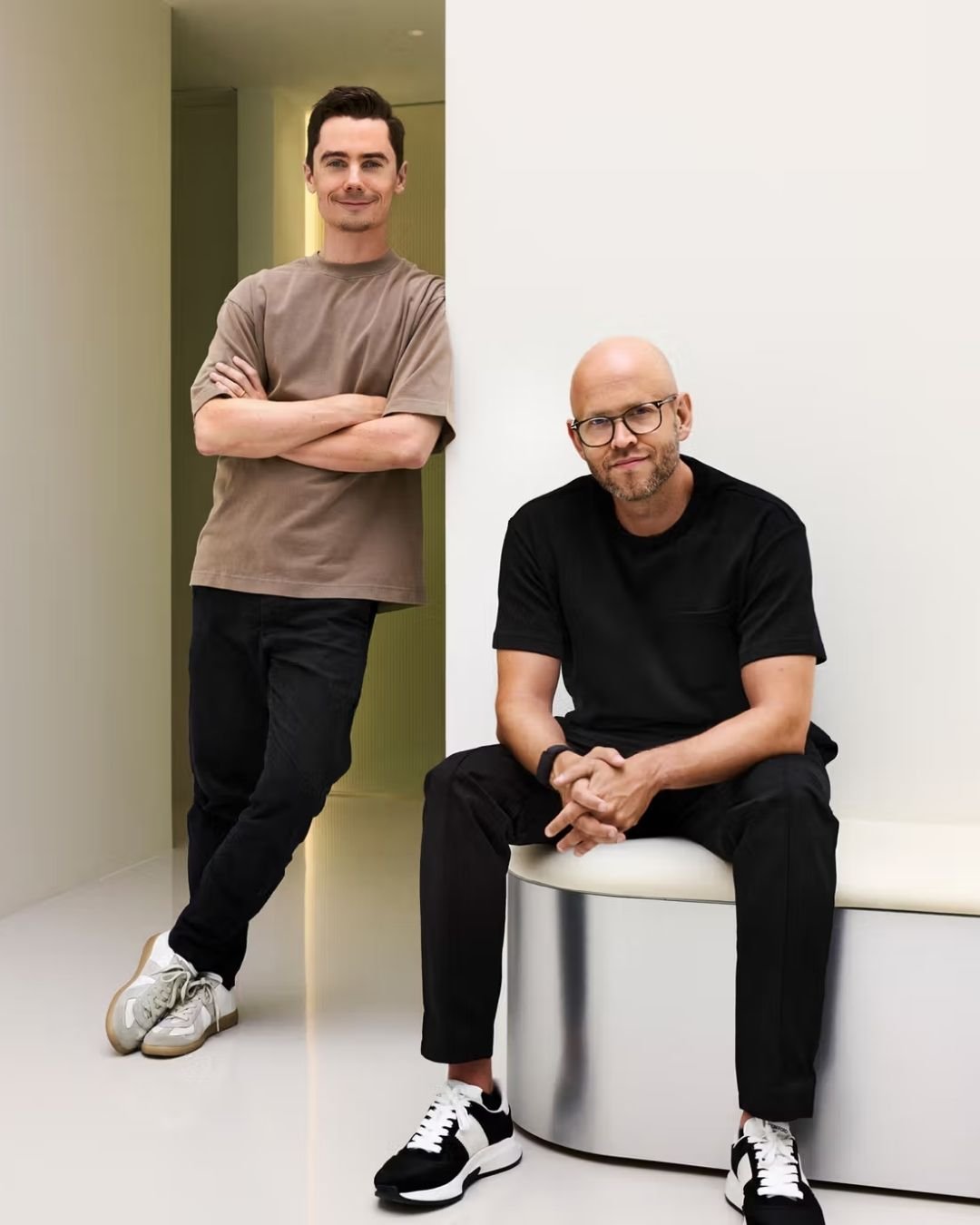
The sequence becomes part of the architecture. Designed by Barcelona-based Oficina Satélite and opened in Madrid in late 2025, Riela takes its name from the Spanish verb rielar — to shimmer, the reflection of moonlight on the sea. Founded by Tono Mandly, the Riela bathhouse draws on Roman thermae, Japanese onsen and Russian banya, reinterpreted for contemporary urban life. A second Madrid location is opening.
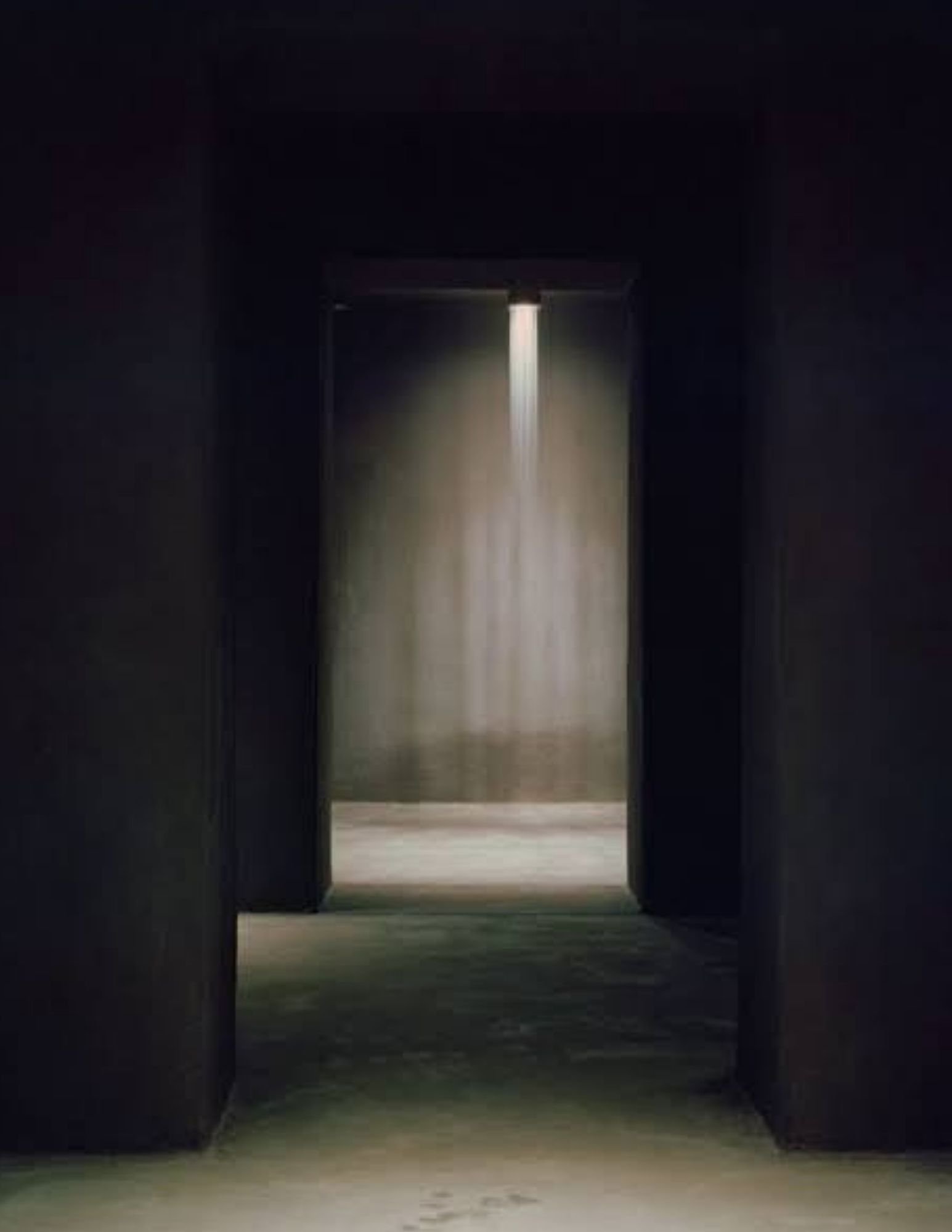
Membership provides four sessions per month for €115. The space is phone-free. That last detail is worth noting. The prohibition on phones within the bathing areas is not simply a policy. It reinforces the same principle running through the building — the environment is designed to remove distractions rather than provide another attractive backdrop for them. This is a useful distinction because contemporary wellness design has developed its own visual vocabulary.
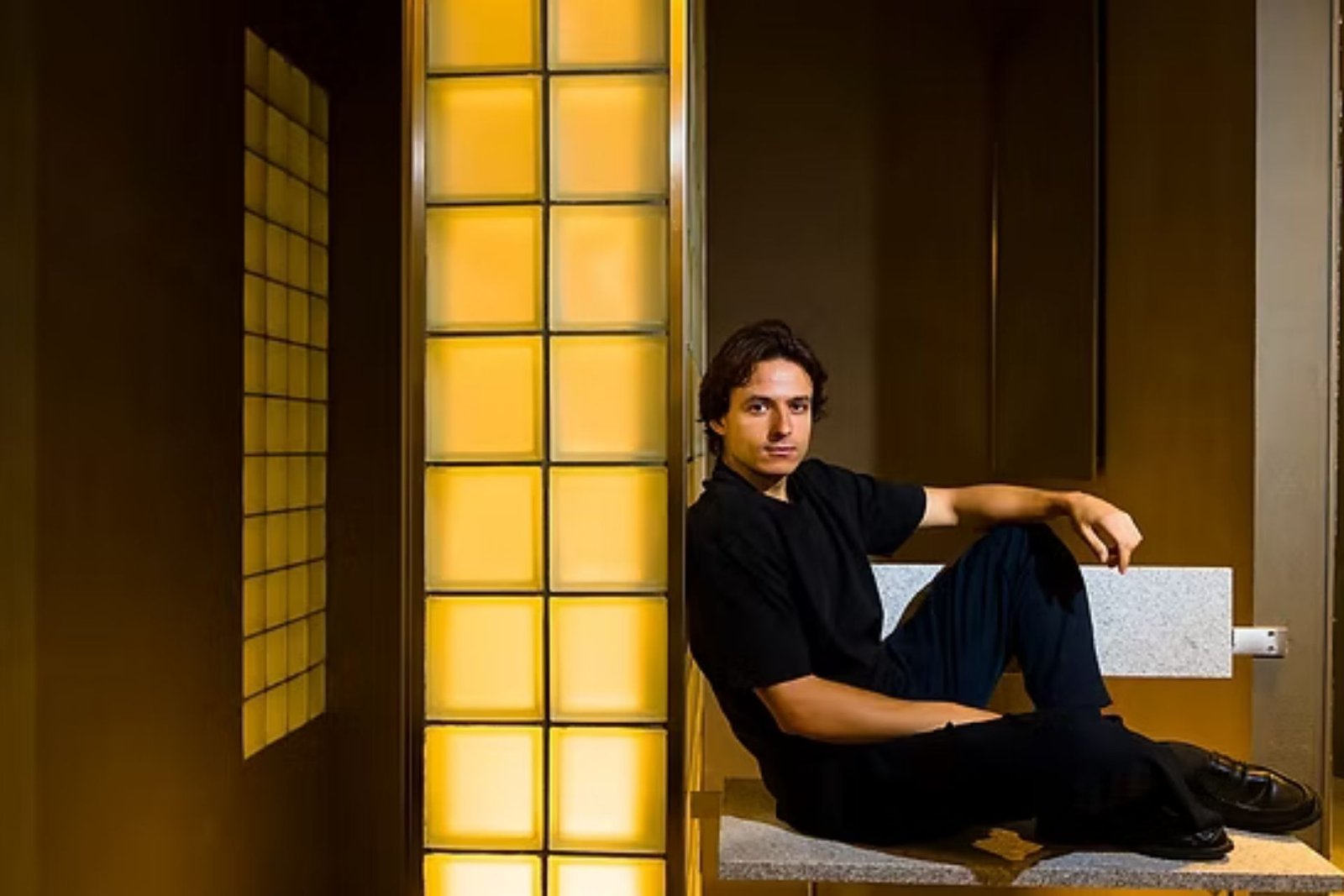
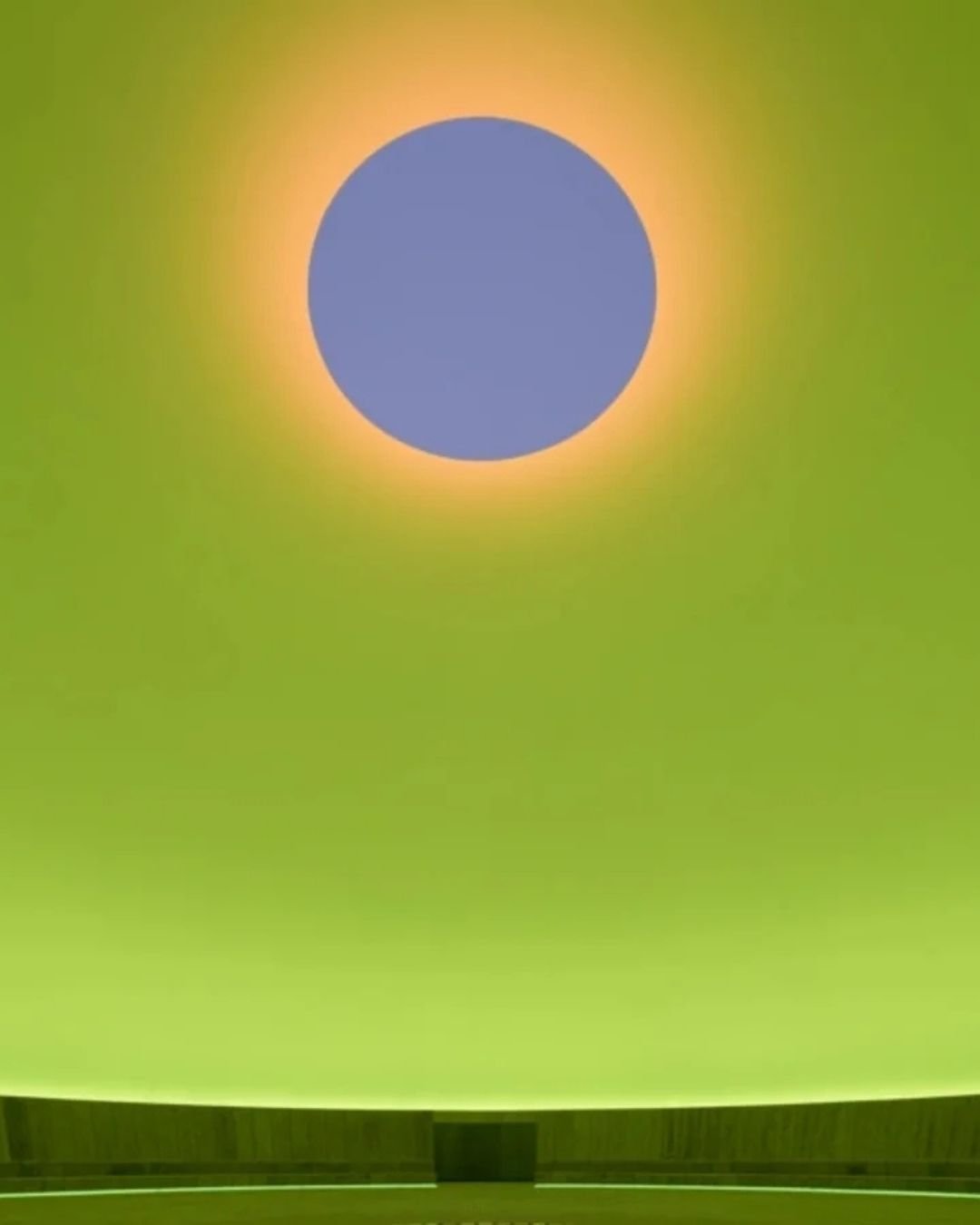
Stone. Timber. Soft lighting. Plants. Water. Minimalism. These materials can create atmosphere. But atmosphere alone does not necessarily create a meaningful wellness experience. The body has to respond. Riela starts there. Its 75-minute circuit is structured around the physiological experience of changing temperature. The architecture creates the conditions in which that sequence happens naturally. Light is not only decorative — it controls mood and orientation.
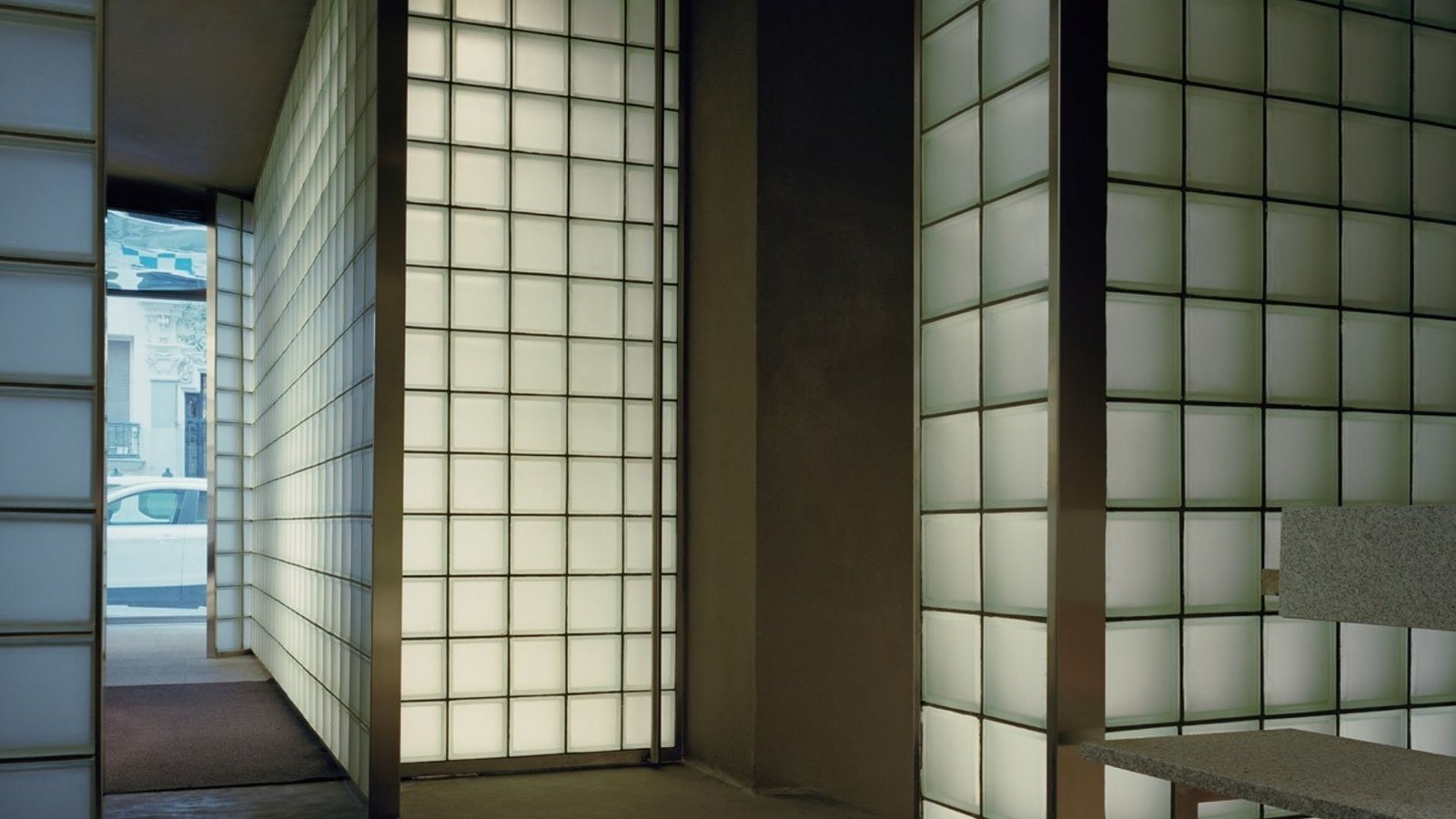
Material is not only aesthetic — it affects how the body perceives temperature and texture. Circulation is not simply about moving people from one room to another — it determines how the protocol unfolds. The activities determine the architecture. Not the other way around. That inversion is where Riela becomes interesting beyond its own walls. Residential developers increasingly include recovery rooms, saunas, cold plunges and treatment spaces
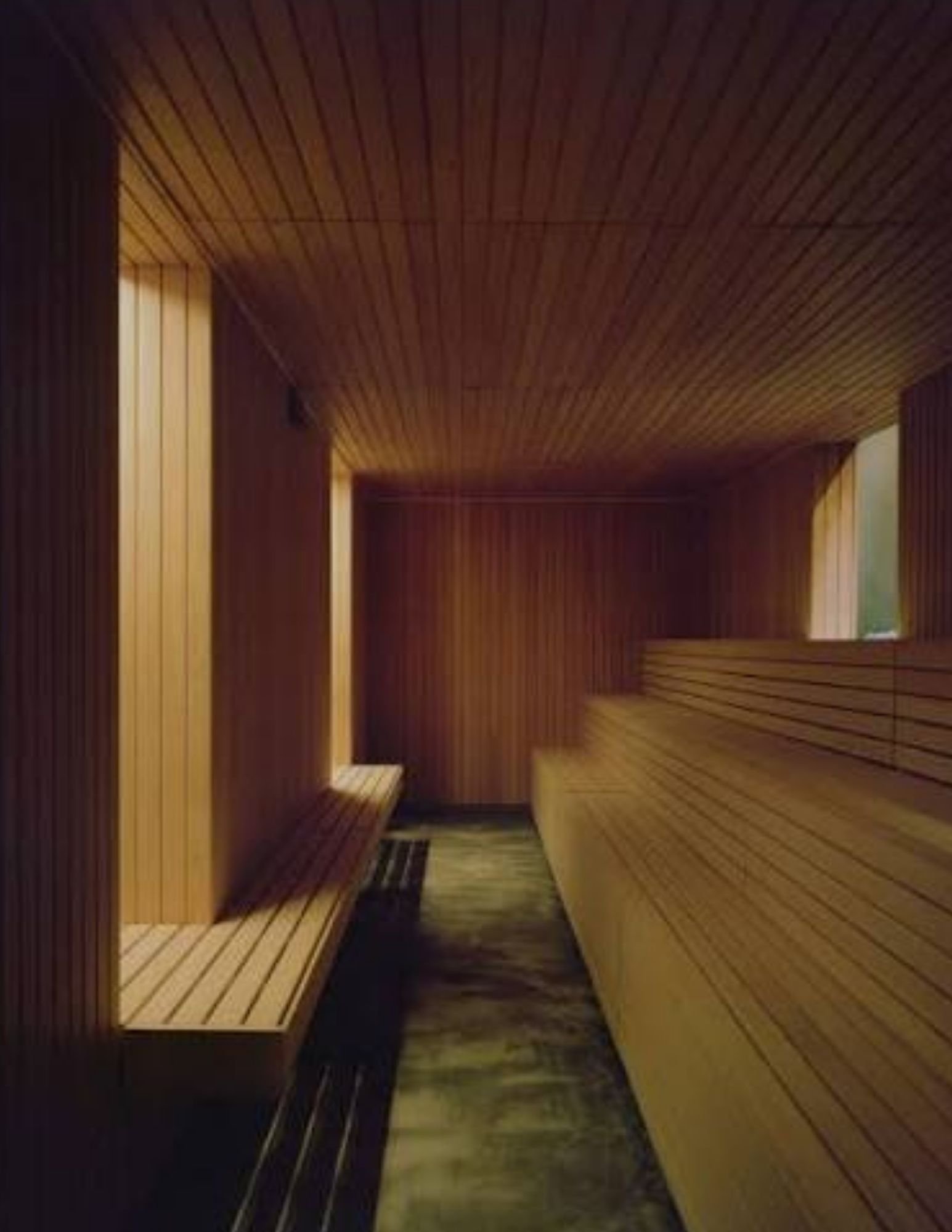
. Hotels are doing the same. But equipment does not automatically create a wellness experience. The question is what happens between the equipment. Does the space encourage people to use it? Is the sequence intuitive? Are the transitions comfortable? Does the environment make the behaviour easy enough to repeat? Those are architectural questions. They are also commercial ones. The pricing model reinforces the importance of repetition.
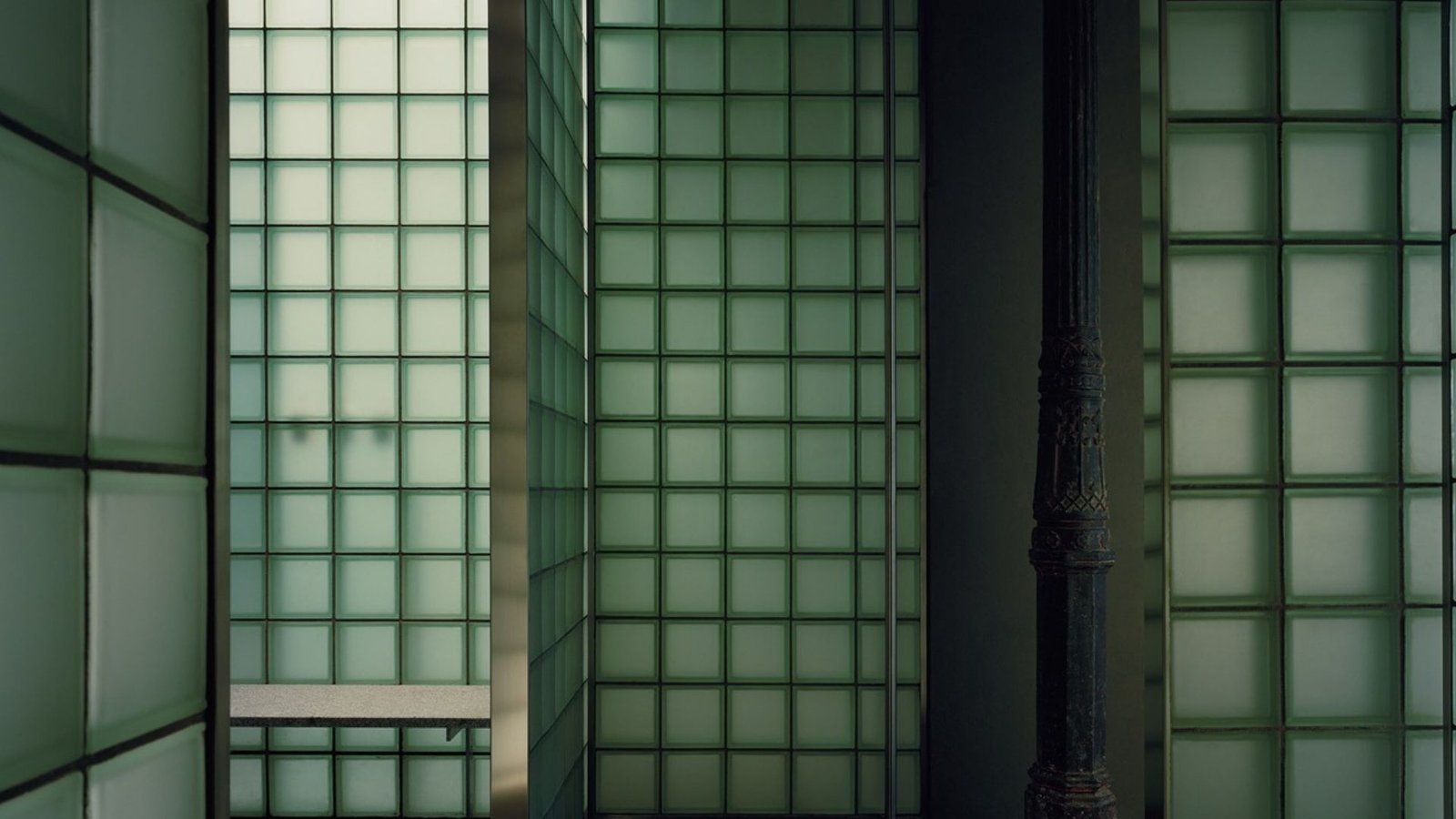
At €115 per month for four sessions, Riela is not built primarily around the occasional luxury treatment. It is built around a recurring relationship with the environment — one in which the customer learns the space, the protocol becomes familiar and the experience becomes part of a routine. The building participates in the habit. That is precisely where wellness design can become more sophisticated.
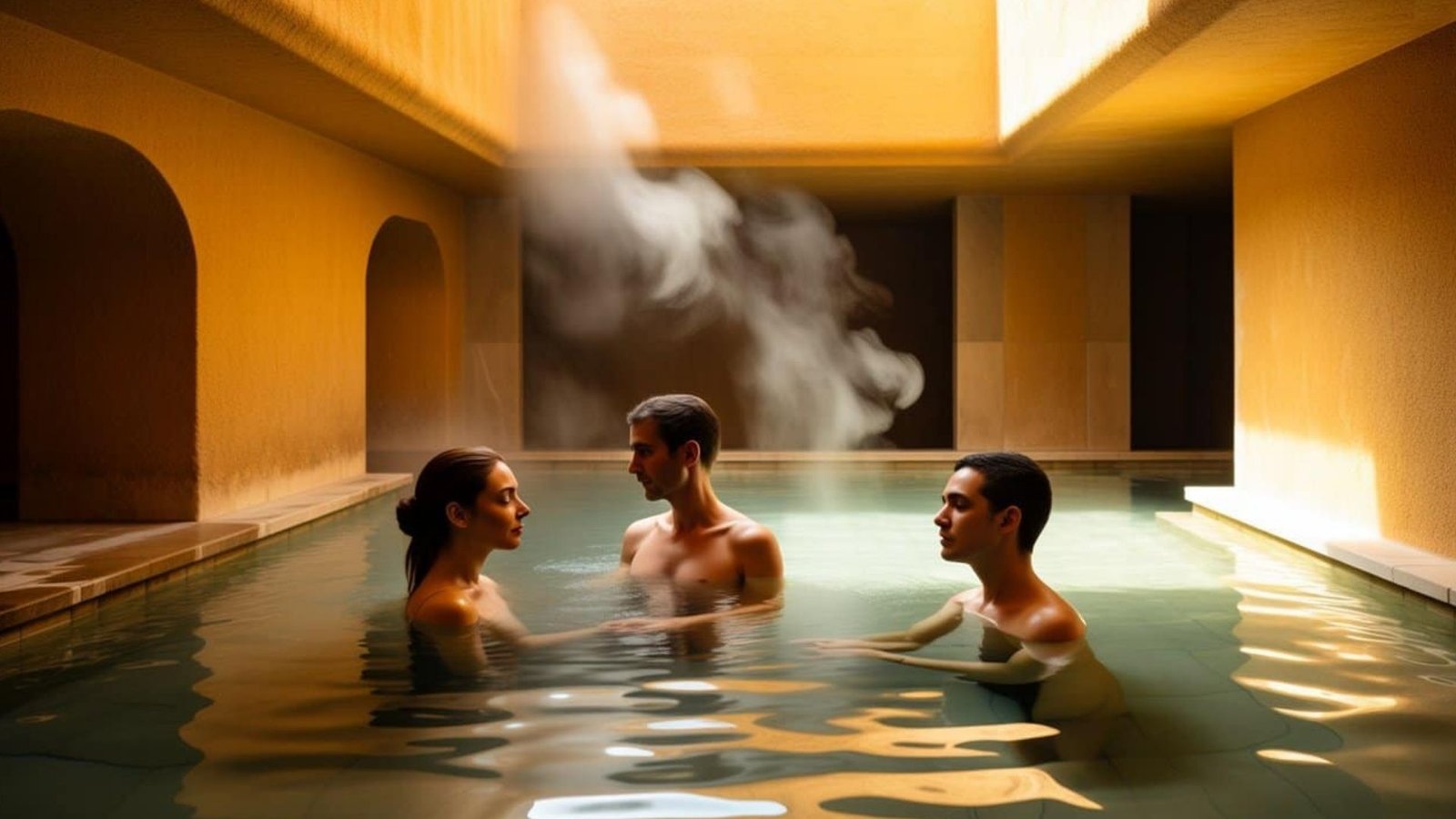
Instead of adding a wellness floor to a conventional building, developers can begin with the behaviours they want the space to support and design backwards from them. A residence may not need a bigger gym. It may need a better recovery sequence. A hotel may not need another spa menu. It may need an environment that makes sleep, heat, cold and recovery easier to practise consistently.
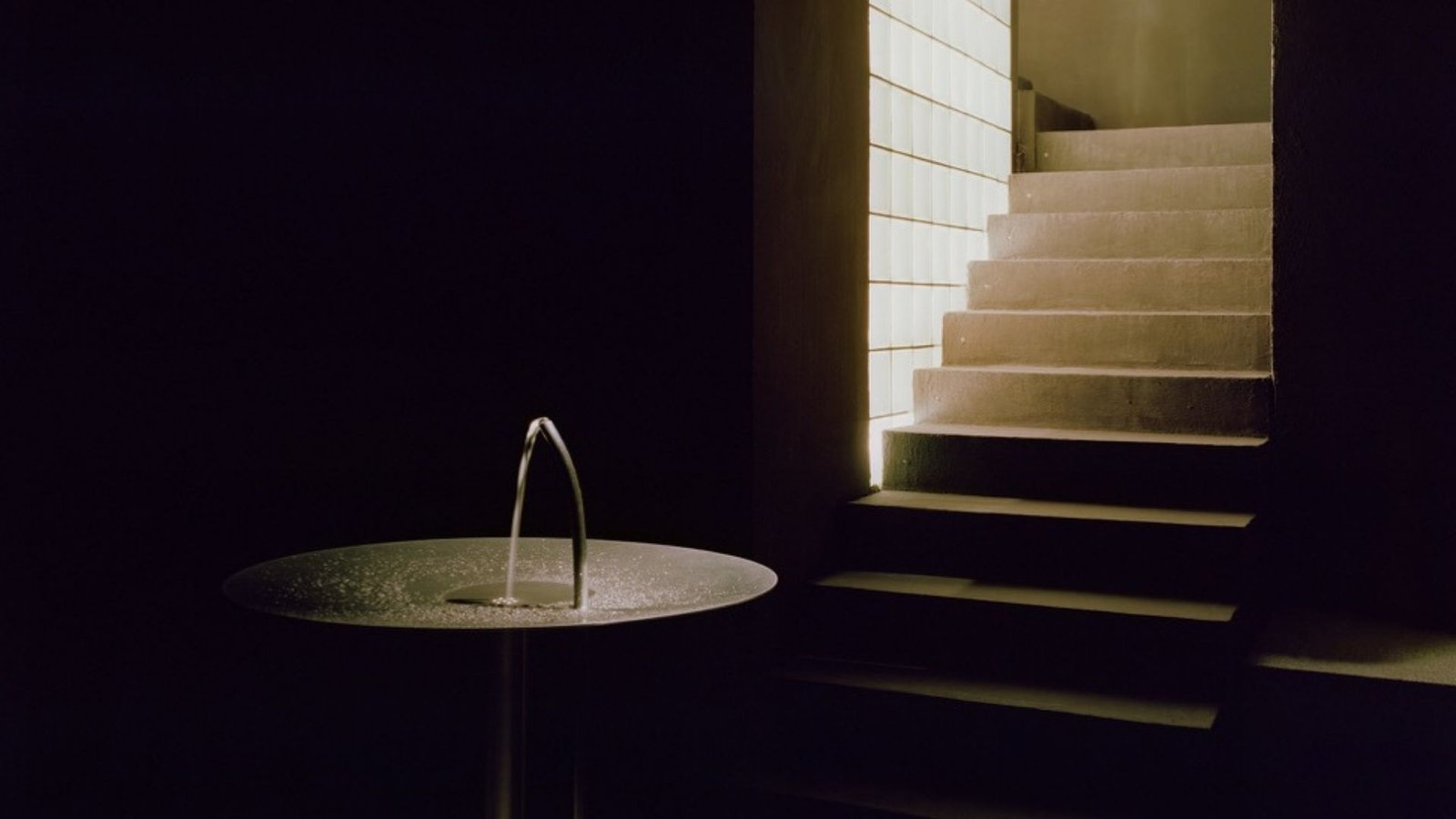
Riela is a relatively small example. But the principle scales. As wellness becomes more protocol-driven, architecture has to move beyond the aesthetics of wellness towards its mechanics — where temperature, light, sound, privacy, circulation and material become active parts of the experience rather than simply the backdrop. The building does not simply house the protocol. It helps deliver it. The building becomes part of the protocol — visit Riela.