





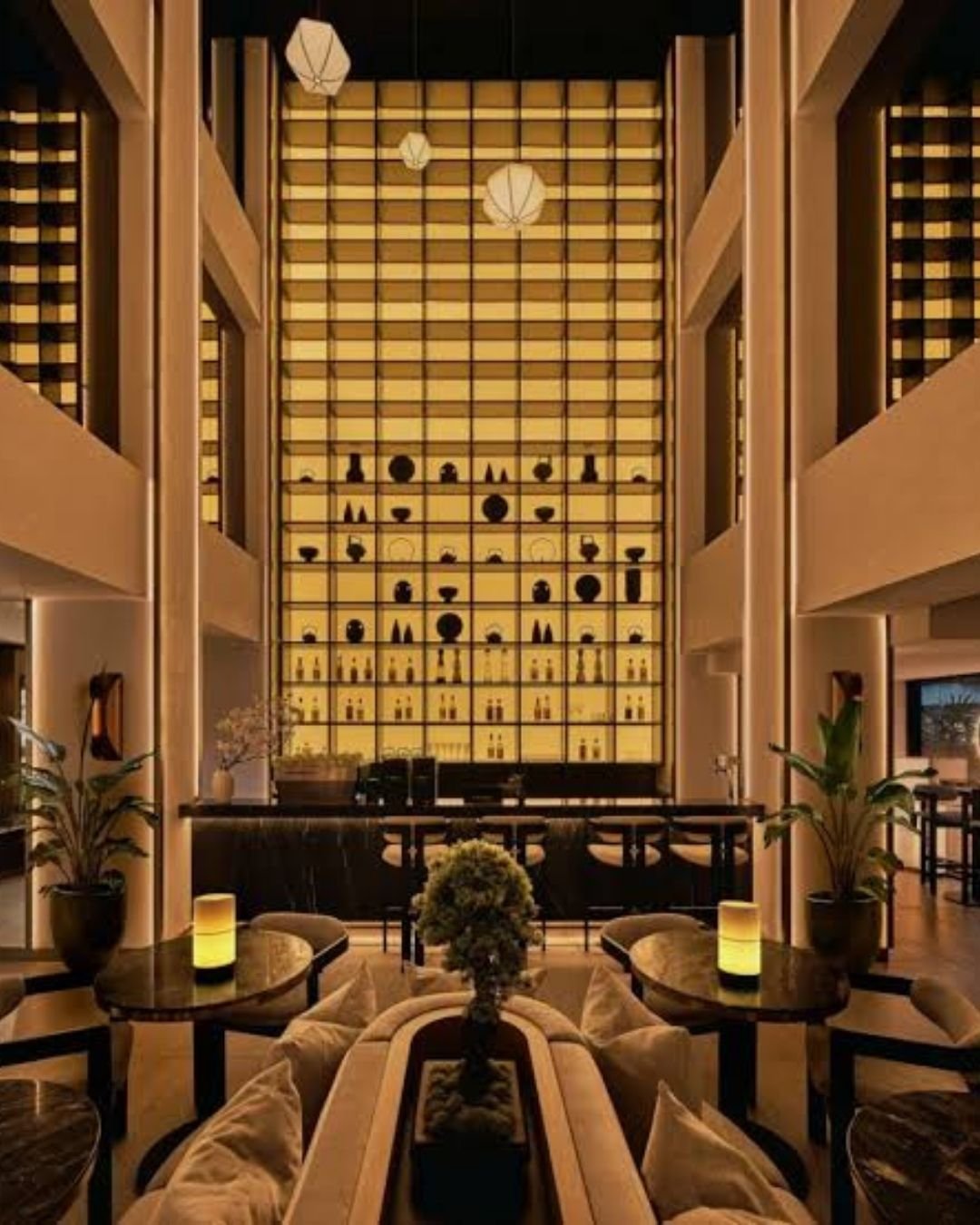

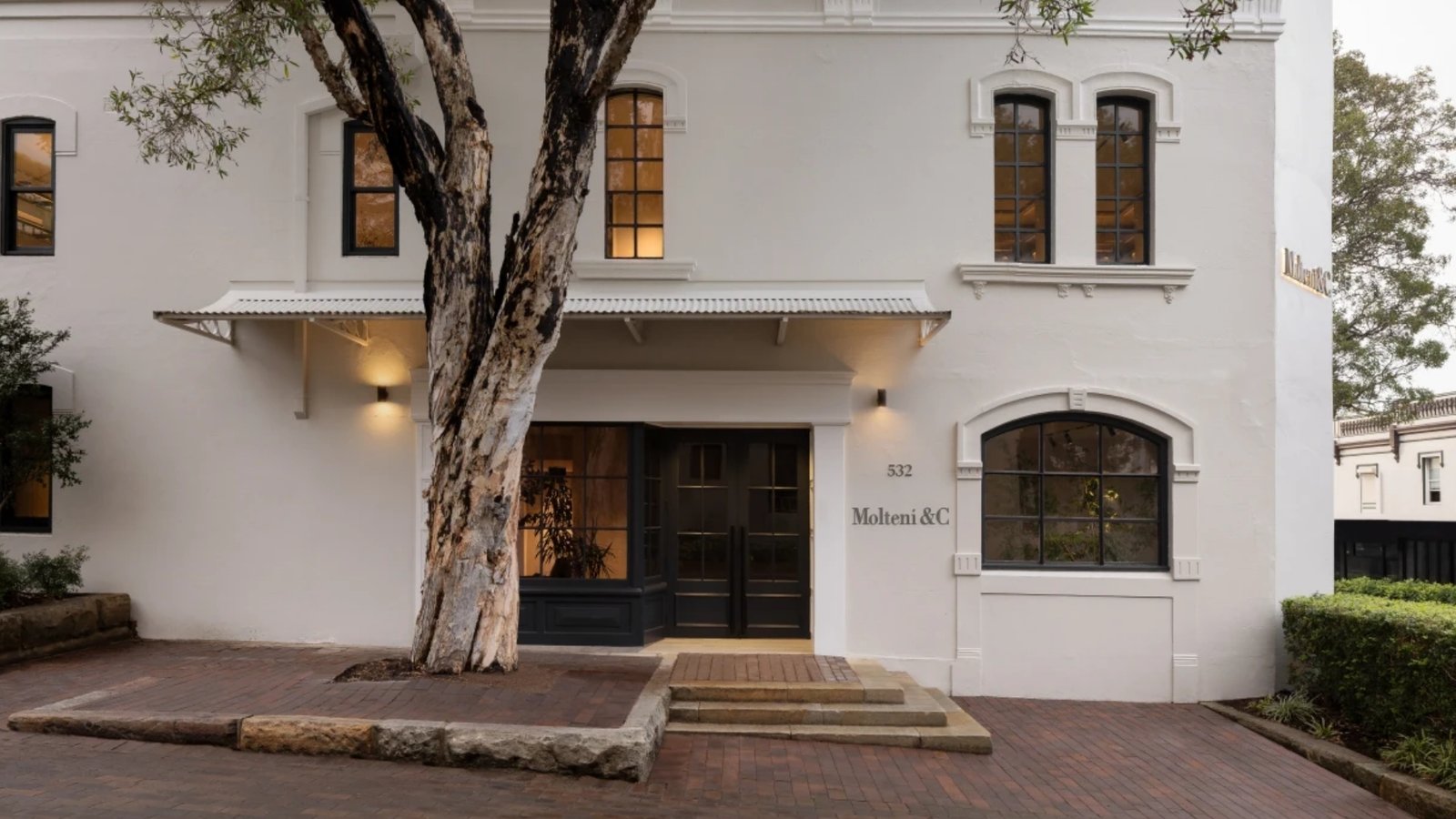


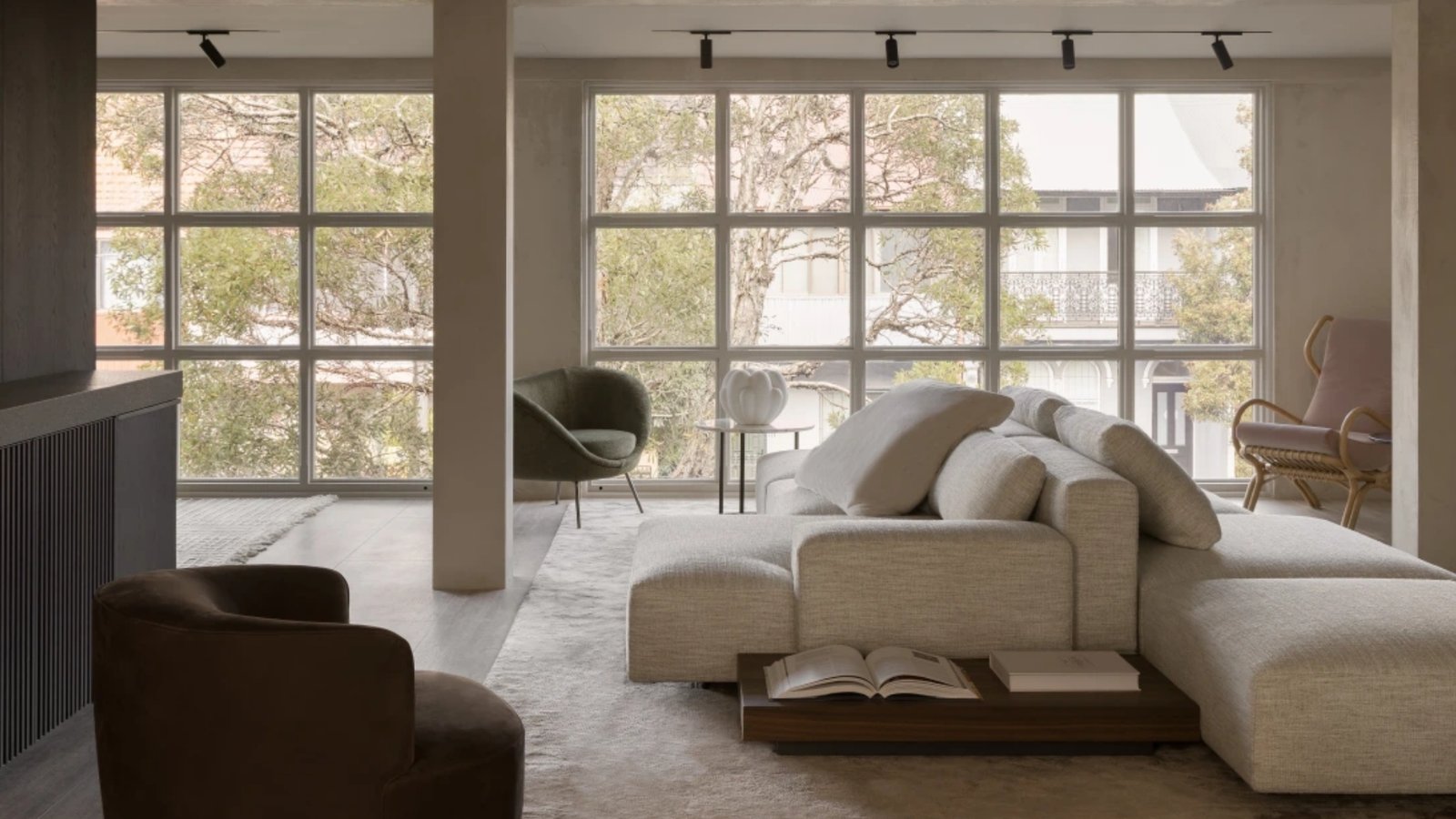
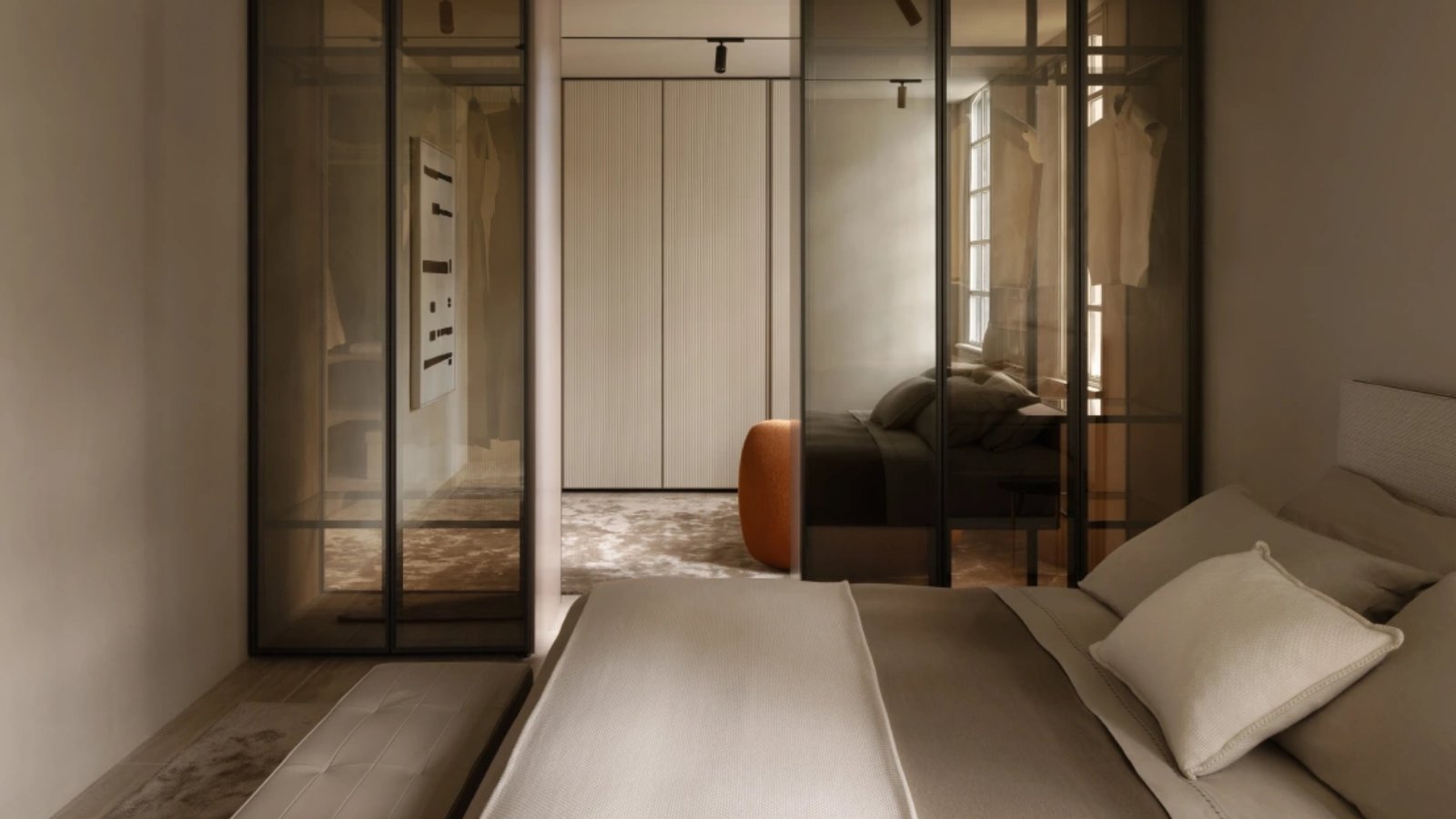
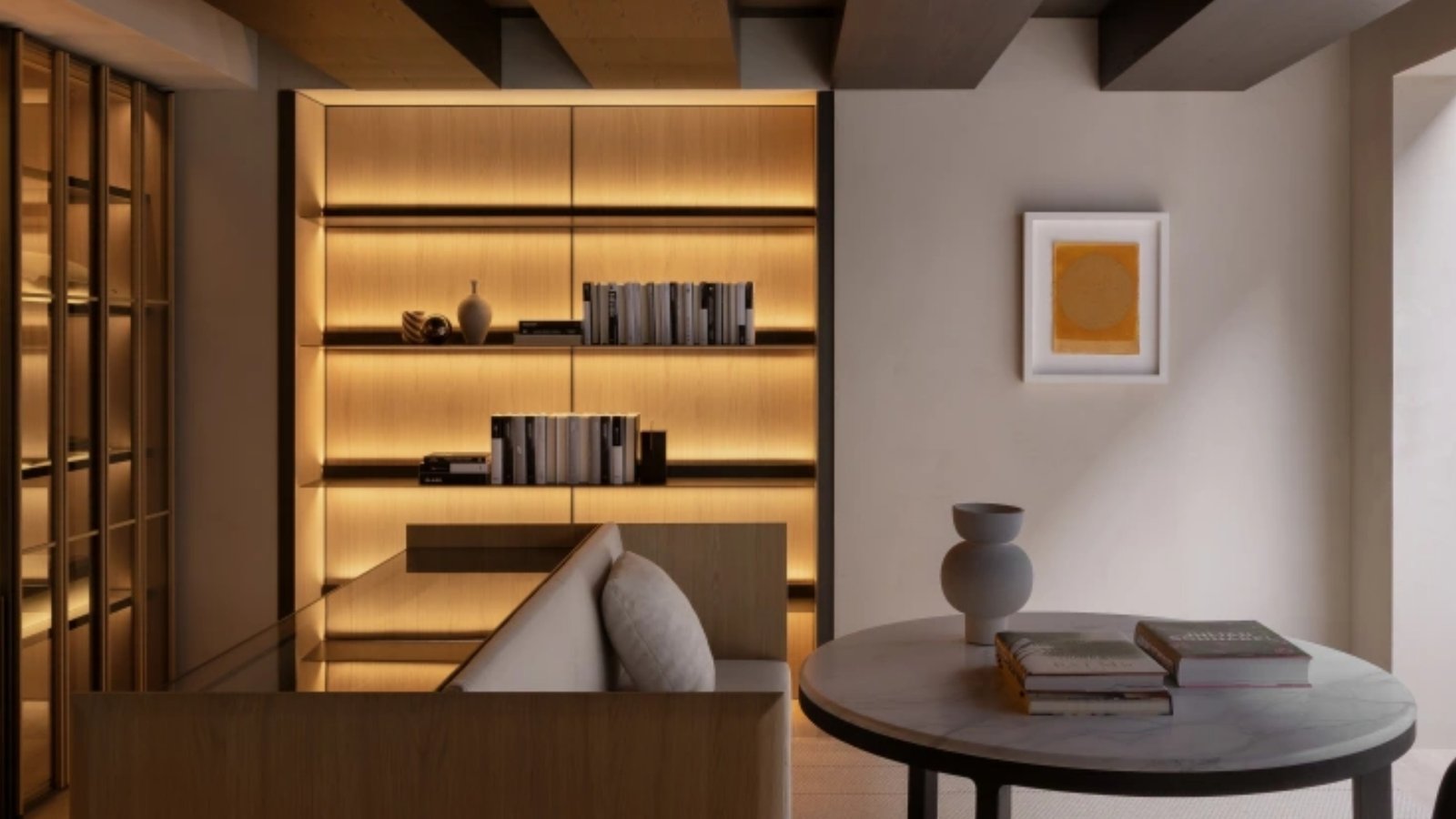
Molteni&C has opened a flagship in Sydney, its second Australian location after Melbourne and one of two the group planned to open by the end of 2026, alongside a new store in Lyon. The Milanese furniture house was, until relatively recently, better known within the trade than to consumers, a manufacturer with a strong reputation among architects but modest name recognition beyond it. That changed with the appointment of Vincent Van Duysen as creative director, whose decade in the role has produced both a coherent product language and a retail concept that treats a showroom less as a shop than as a house, arranged into living, dining and sleeping rooms finished in travertine, natural oak and rendered walls in grey and beige.
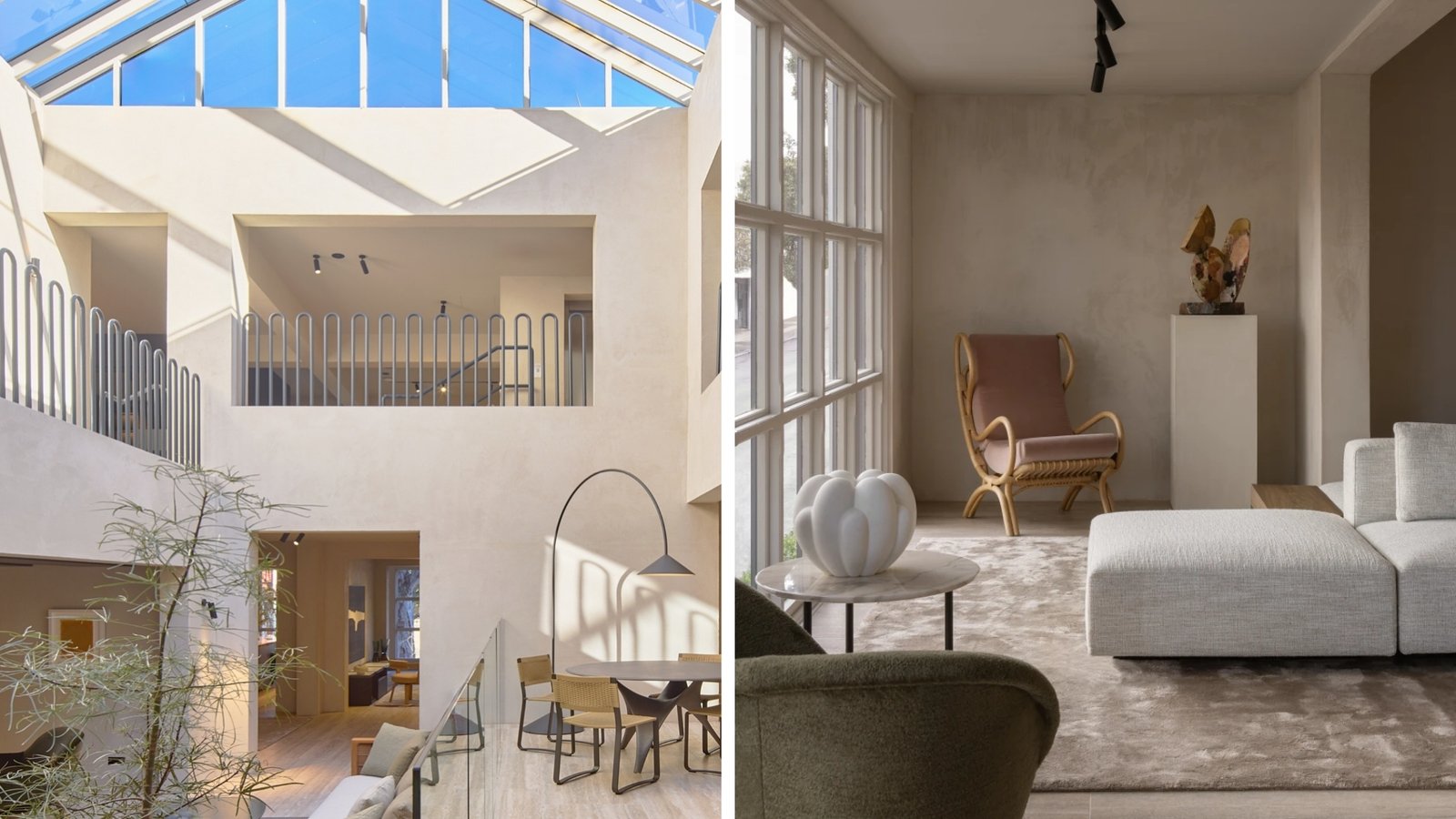
The scale behind that transformation is considerable. More than 100 monobrand flagships now trade across over 100 countries, on group turnover of €475 million ($542 million) in 2023, of which 70 per cent was earned outside Italy. Melbourne’s flagship, on Church Street in Richmond, was among the first global implementations of the concept when it opened in 2023, making Sydney’s arrival less a first move into Australia than a deepening of one already under way.
What differentiates the Sydney showroom from a standard second location is the calendar it arrives on. Opening it alongside Lyon by the end of 2026 places Australia in the same expansion tier as an established European market, rather than treating it as a satellite served at a distance. The collections on show, Gio Ponti’s Heritage pieces alongside Van Duysen’s own designs and the Dada and Ratio kitchen systems, are identical to what a client would find in Milan or Antwerp, with Australian operations led by Jacqueline Foti-Lowe, who first brought the brand into the market in 2005.
That continuity matters for a city whose design market has grown substantially alongside its property boom over the past decade. Sydney-based architects and interior designers have historically sourced European design through import channels or by commissioning directly from overseas; a second full-scale flagship changes that relationship from remote sourcing toward local specification, shortening the distance between what is shown on a Sydney floor and what is available to a client immediately.
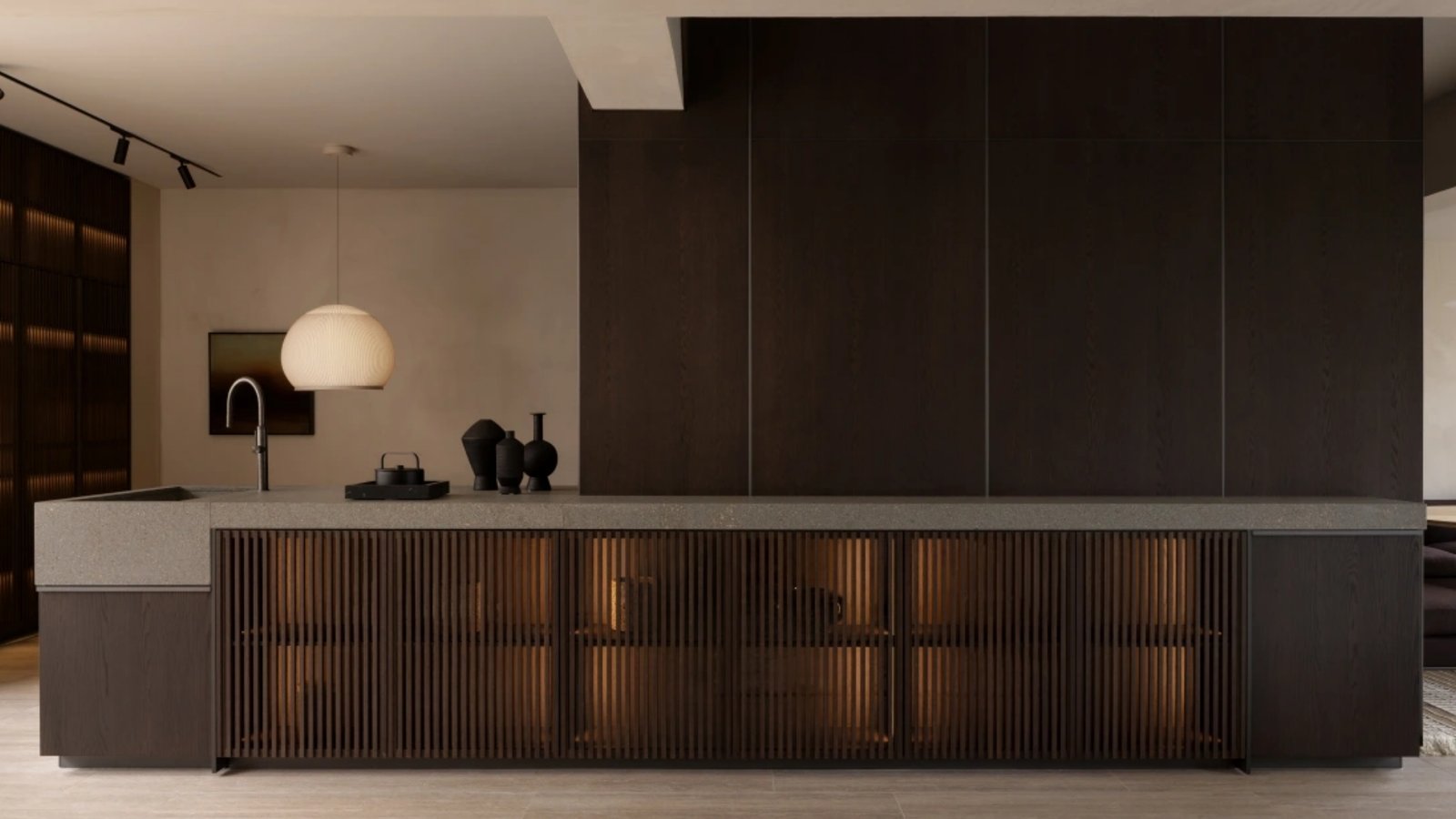
The opening also reflects a broader pattern among Italian design houses treating the Asia-Pacific region as a genuine growth market in its own right, following design-led property development across Australian cities rather than waiting for demand to travel to Europe. Sydney’s addition to Molteni&C’s map, twenty years after Foti-Lowe first introduced the brand locally, suggests that growth has finally reached the point of warranting a second permanent home.
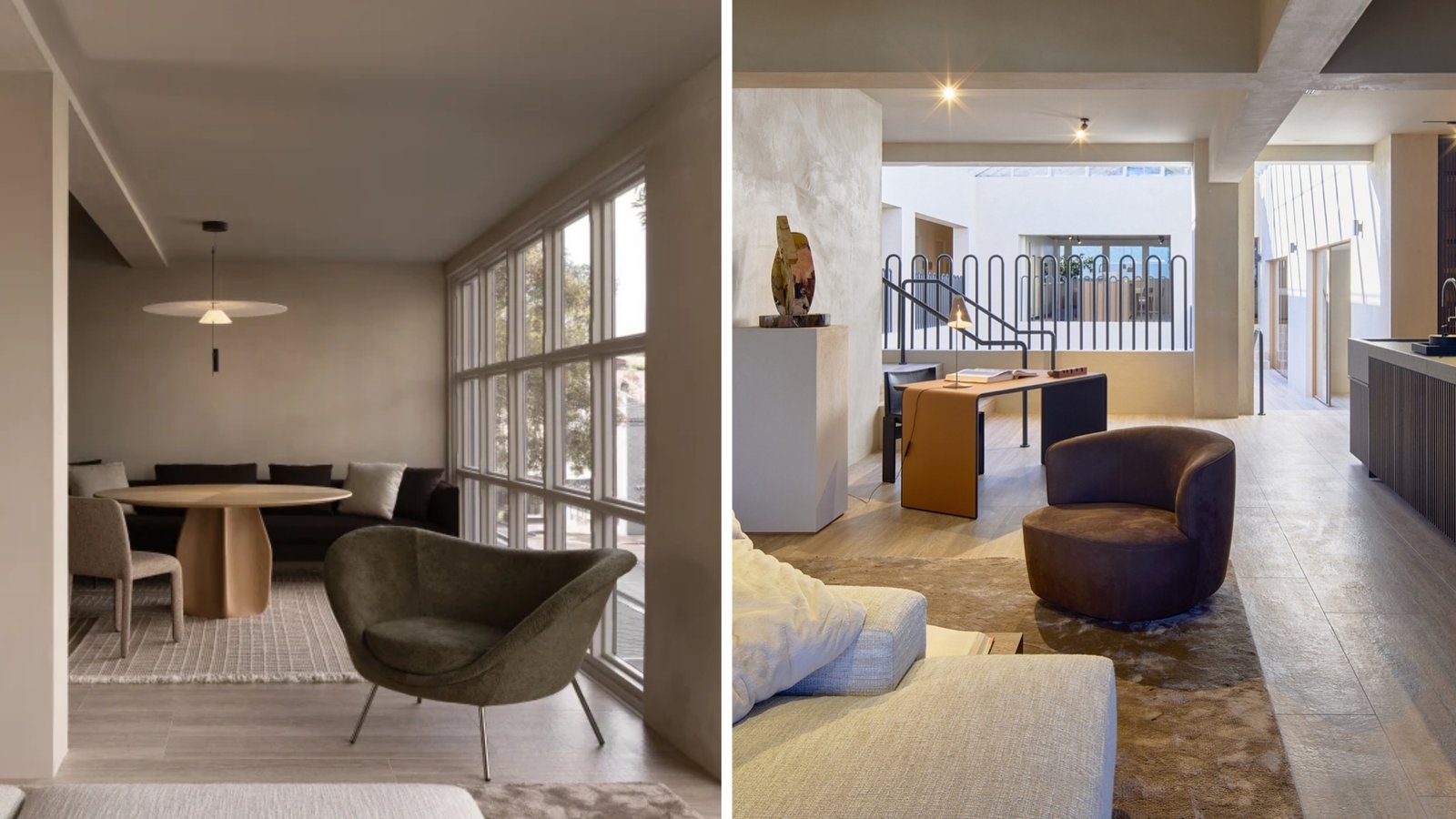
Whether the Sydney flagship becomes a genuine specification hub for Australian architecture, rather than a retail outpost serving an existing client base, will depend on how quickly local practices build direct relationships with Molteni&C’s Milan-based product and custom-commission teams. For a market historically defined by its distance from the houses that shape European taste, that distance has, at least on paper, just gotten considerably shorter. Visit Molteni&C here.