




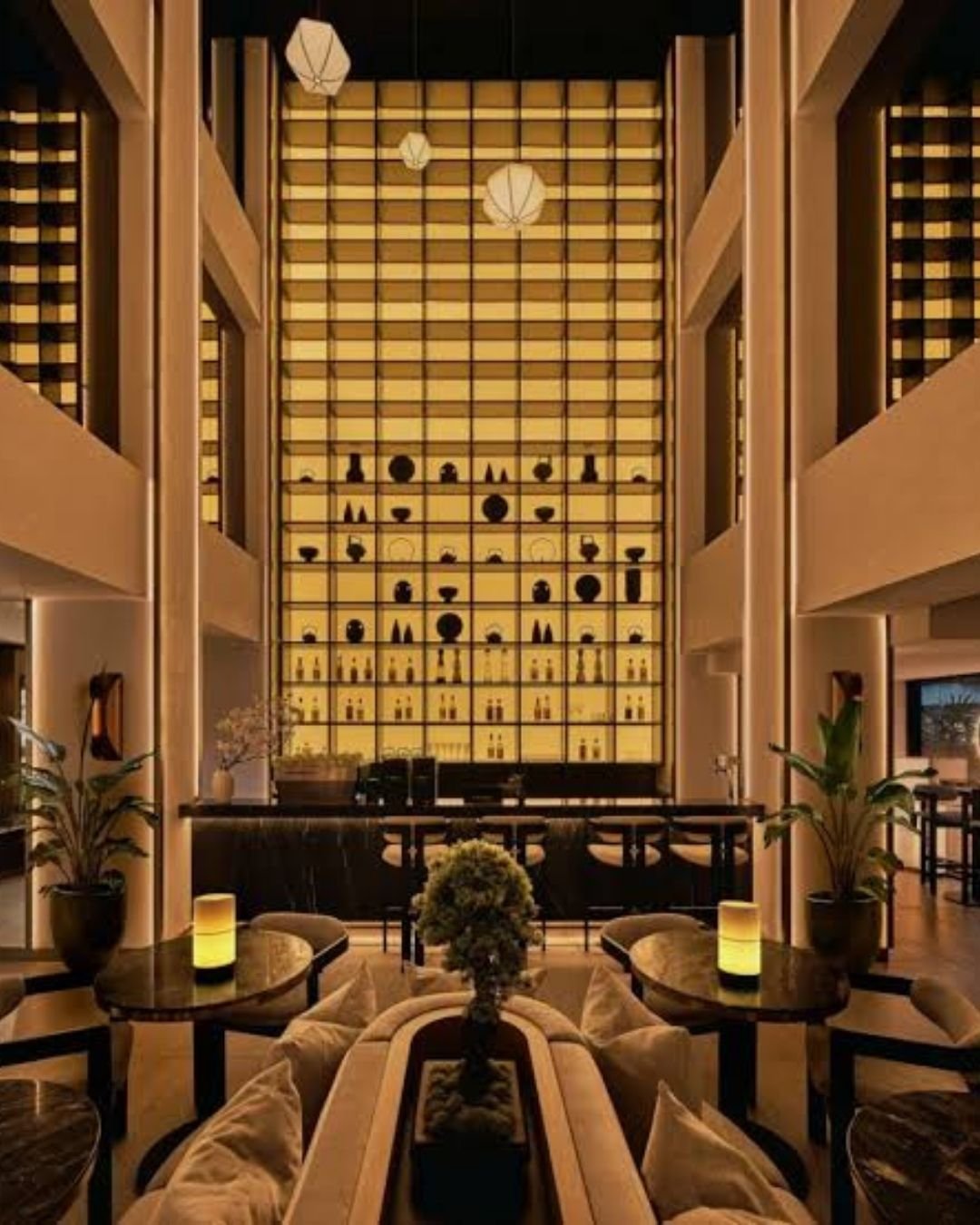

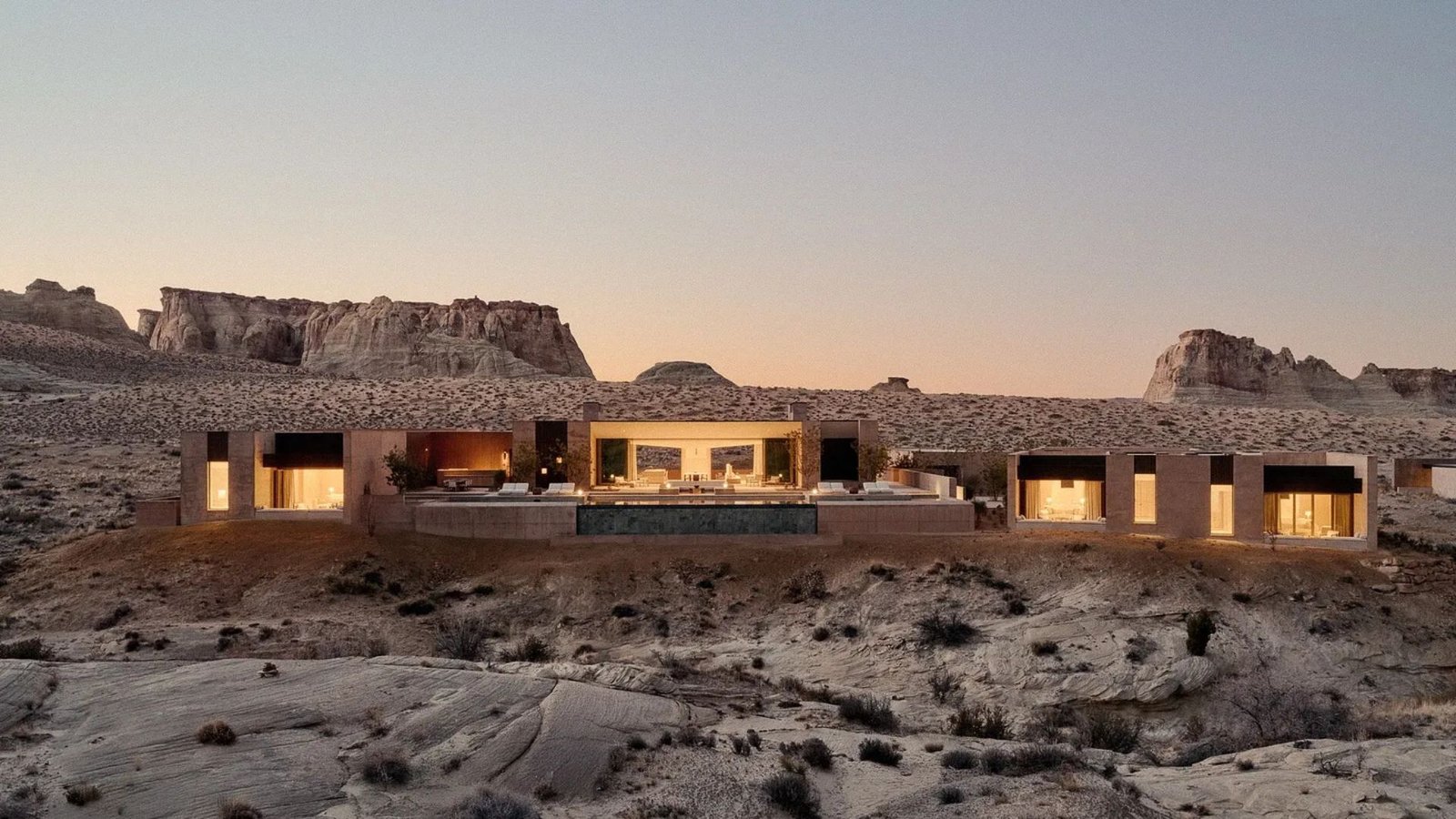


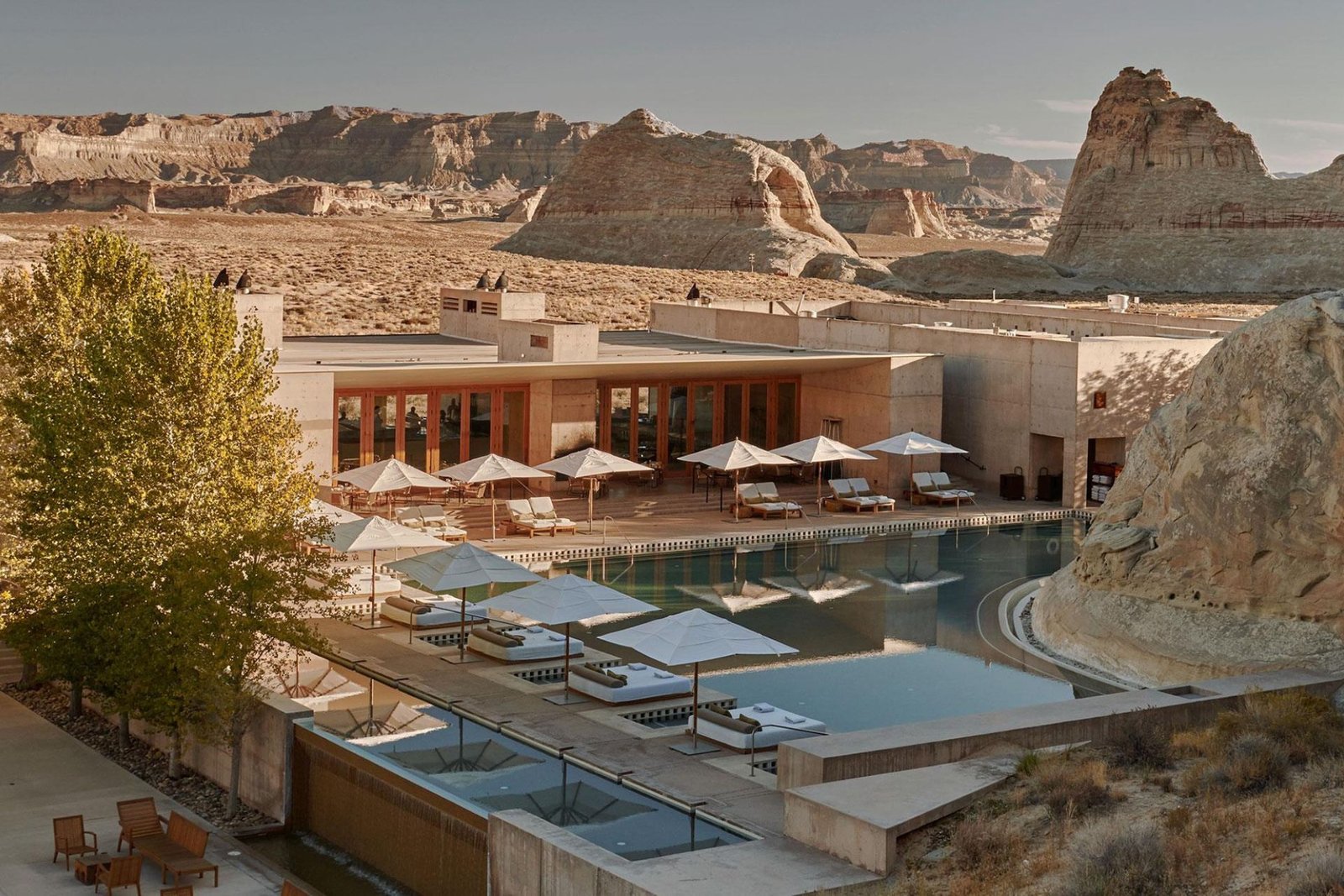
The first private residence at Amangiri has come to market, listed at $33 million—marking a quiet but notable shift for one of the most tightly controlled hospitality environments in the U.S. For more than 15 years, Aman’s desert outpost in southern Utah has set a benchmark for landscape-led design, where architecture, service, and setting operate as a single system. Until now, that experience has been something you visit. This listing suggests a new phase: one where ownership sits alongside access.
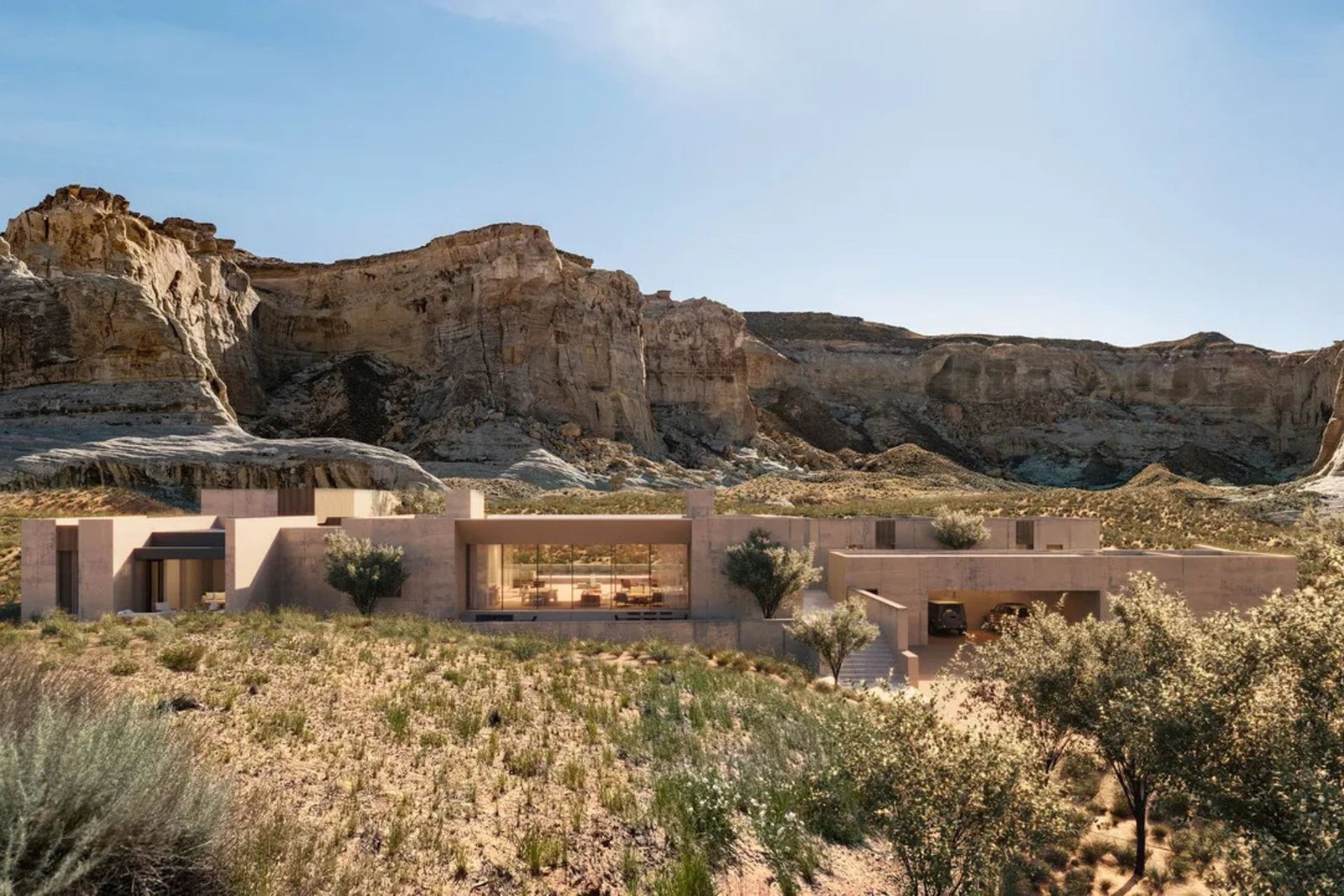
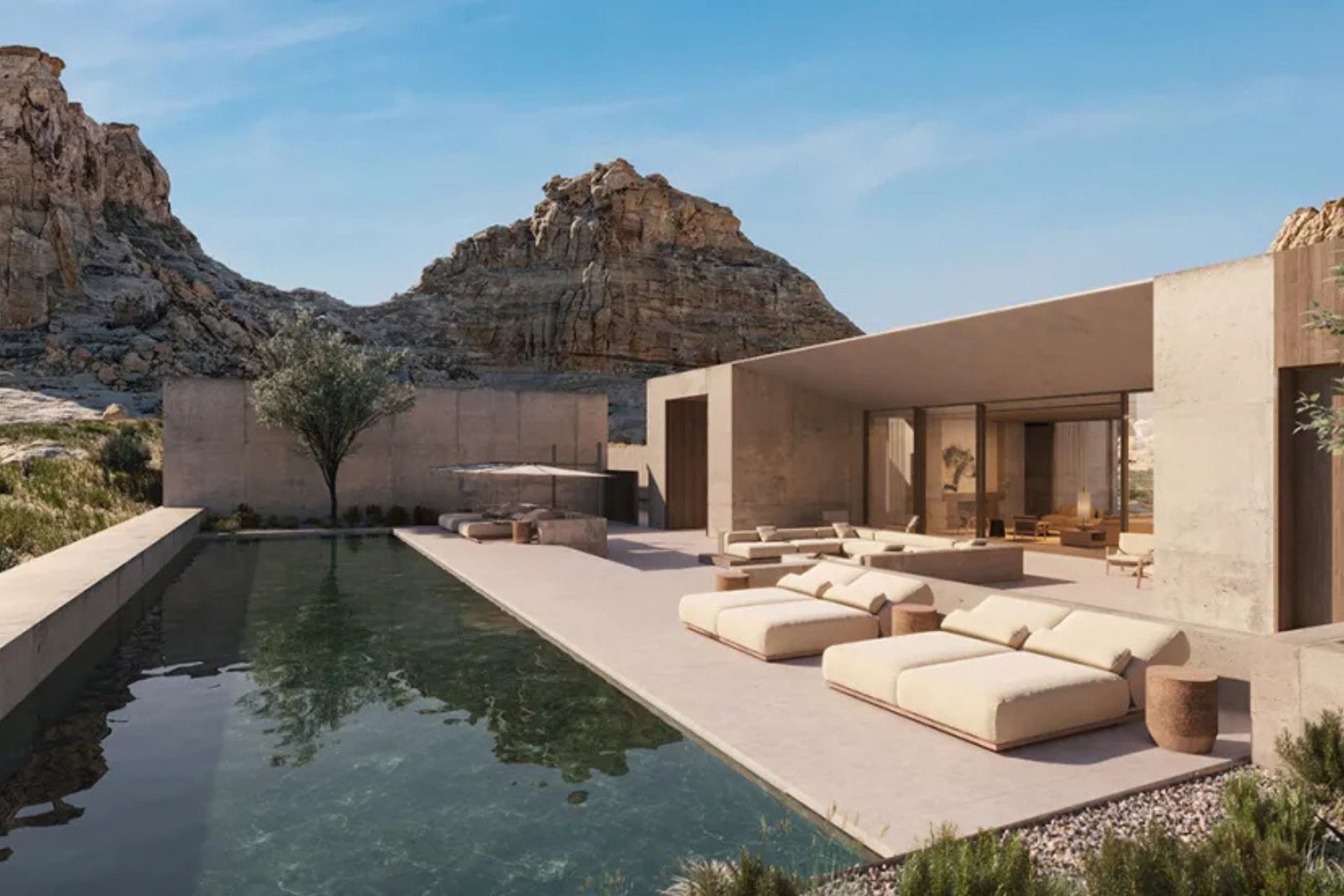
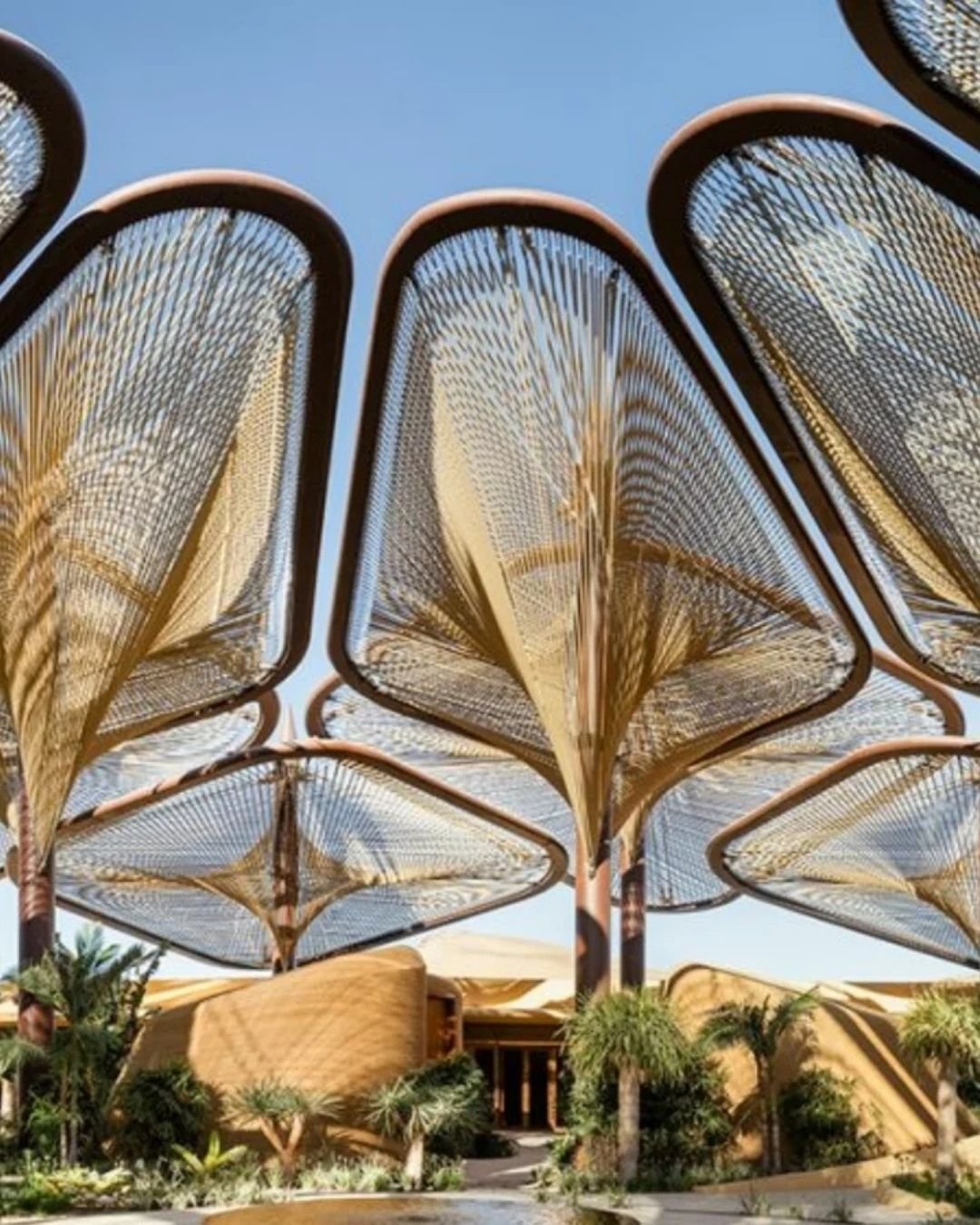
The residence has been designed by Marwan Al-Sayed of Masastudio, one of the original architects behind the hotel, and it shows. Rather than reading as an extension, the house feels embedded within the same architectural language—low-slung volumes, material restraint, and a layout that privileges courtyards, light, and horizon lines. Set across nine acres, the property spans nearly 12,000 square feet, with six bedrooms arranged around a series of internal and external living spaces. A 118-foot swimming pool is cut directly into the surrounding rock, reinforcing the project’s central idea: that the landscape is not a backdrop, but the primary material.
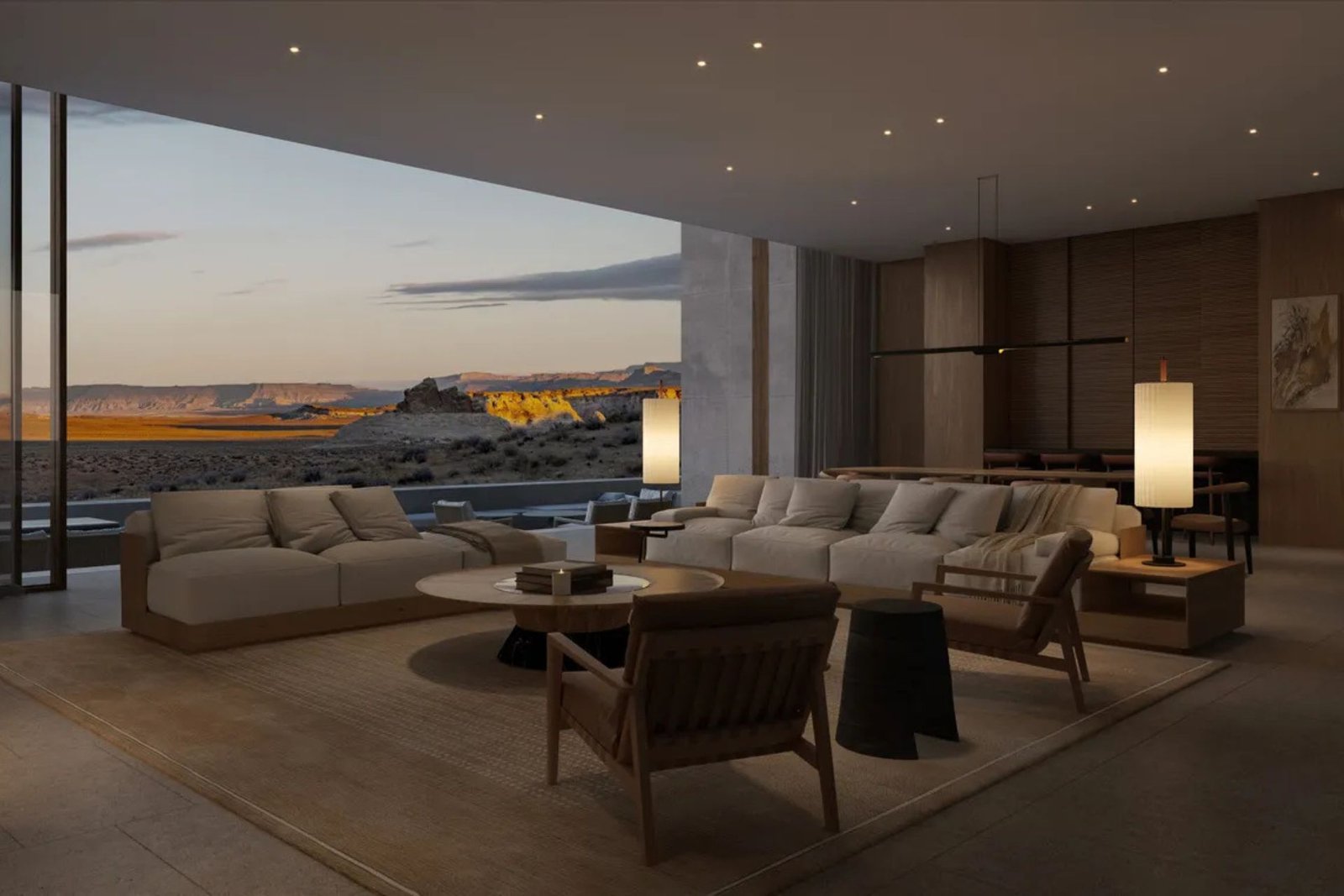
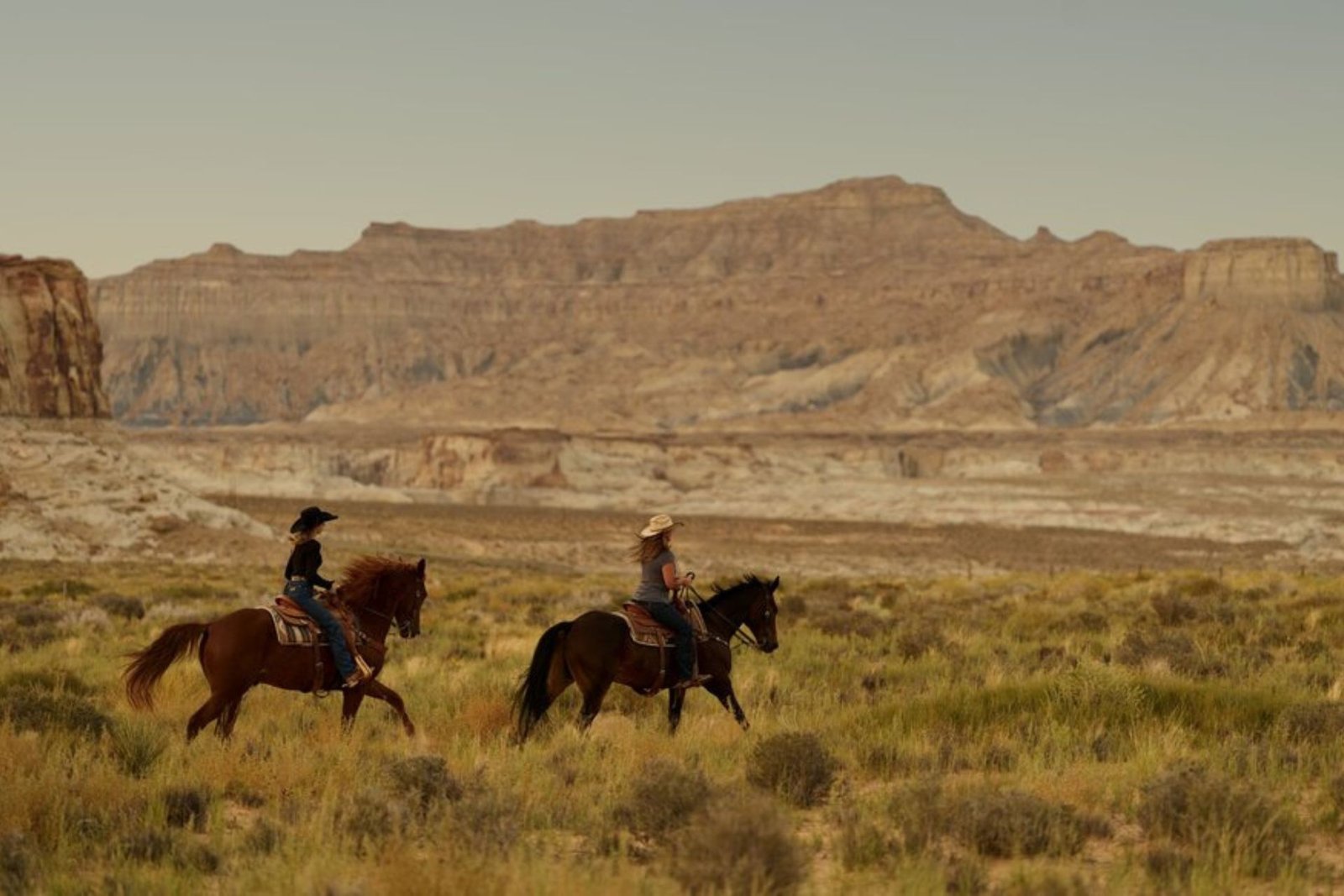
This is the first of just 12 residences planned within the wider Aman Residences, Amangiri development. Plots range from five to 19 acres across 900 acres of protected desert, with each designed as a standalone expression rather than a repeatable product. Ownership includes full access to the resort’s spa, dining, and services—effectively extending the Aman experience from temporary stay to permanent presence. At $33 million, it’s less a real estate listing than a signal: even the most controlled hospitality environments are beginning to open themselves, selectively, to ownership. Visit.